INTERNACIONAL
FBI Deputy Director Dan Bongino: James Comey ‘brought shame to the FBI again’ with ’86 47′ post

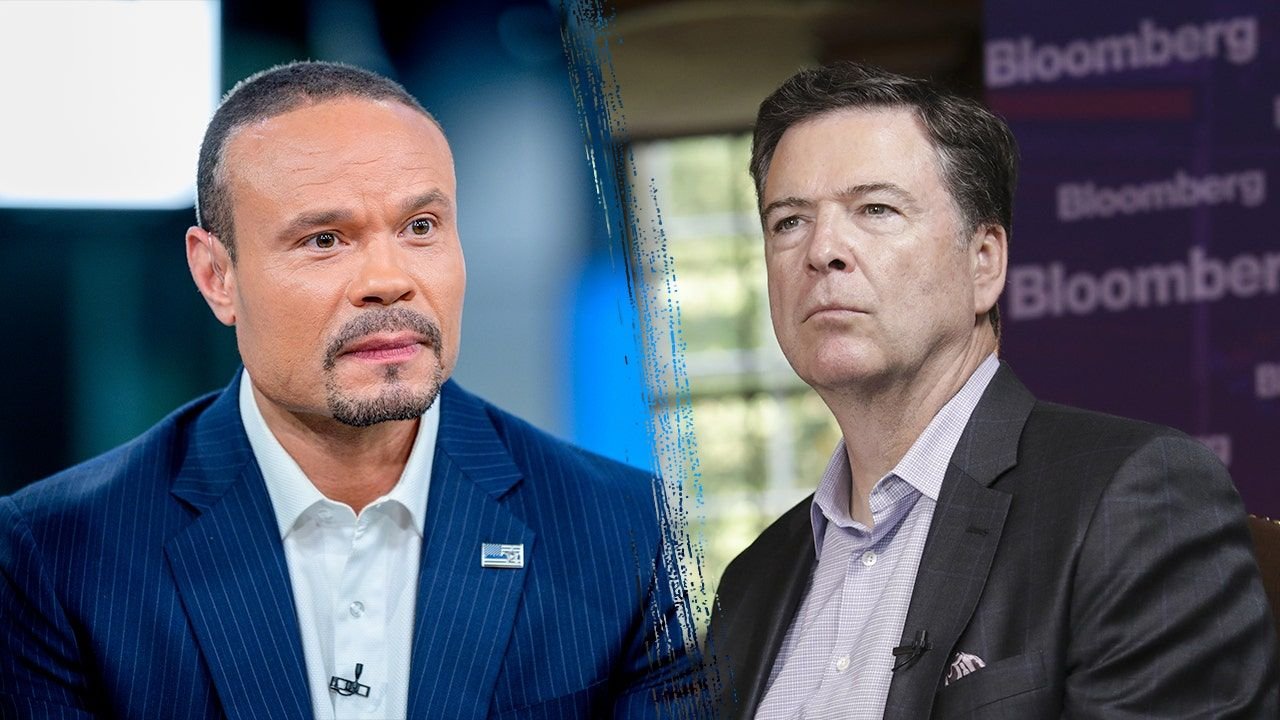
FBI Deputy Director Dan Bongino issued a sharp and public condemnation of the bureau’s former director, James Comey, Saturday, accusing Comey of disgracing the agency as authorities investigate Comey’s controversial «86 47» Instagram post.
In a statement posted to X, Bongino said Comey’s actions are another example of failed leadership that continues to haunt the agency.
«Former FBI Director James Comey brought shame to the FBI badge, yet again, this past week,» Bongino wrote. «The Director and I spend an inordinate amount of time cleaning up messes left behind by former Director Comey. And his latest actions are no exception.»
TRUMP SAYS COMEY KNEW ‘ASSASSINATION’ MEANING BEHIND DELETED SOCIAL MEDIA POST
James Comey, former director of the FBI, pauses during a Bloomberg Television interview in Salzburg, Austria, June 21, 2019. (Alex Kraus/Bloomberg via Getty Images)
Comey, dismissed by President Donald Trump in 2017, sparked outrage after posting a photo to social media Thursday showing seashells arranged to say «86 47,» a phrase widely understood to mean to «get rid of» the 47th president. Though Comey later deleted the post and claimed it was misunderstood, many, including Trump, say the meaning was clear.
«He knew exactly what that meant. A child knows what that meant,» Trump said Friday on Fox News. «If you’re the FBI director, and you don’t know what that meant, that meant ‘assassination,’ and it says it loud and clear.»
Comey offered a follow-up statement online, saying he «didn’t realize some folks associate those numbers with violence» and that it «never occurred to me.»
Bongino strongly rejected that explanation, describing it as part of a larger pattern of misconduct. In his post, Bongino wrote:
FORMER FBI DIRECTOR JAMES COMEY MEETS WITH SECRET SERVICE AFTER CONTROVERSIAL ’86 47′ POST
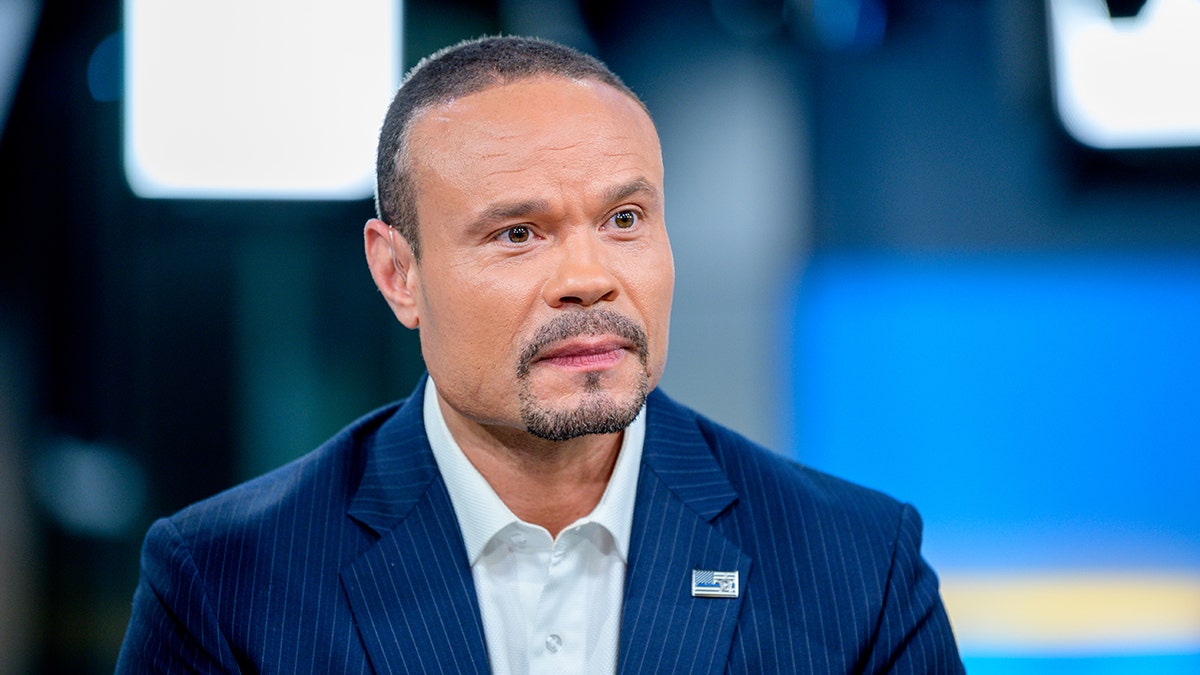
Dan Bongino at Fox News Channel Studios June 18, 2019, in New York City. (Roy Rochlin/Getty Images)
«As the Deputy Director of the FBI, I am charged, standing with Director Patel, with managing the most powerful law enforcement agency in the world. The Director and I are also responsible for looking at grave mistakes made by people within the FBI in the past, and ensuring they never happen again.»
He stressed the FBI’s continuing commitment to supporting federal law enforcement partners investigating any threats involving public officials, past or present.
«While the FBI does not have primary investigative responsibility for investigating threats against the POTUS, and we do not make prosecutorial decisions, we do have the ability and authority to support other federal agencies for violations of federal law,» Bongino said.
«And we certainly have a responsibility to comment on matters involving former FBI officials, and allegations of law-breaking.»
The U.S. Secret Service has already interviewed Comey about the incident. FBI Director Kash Patel said in a separate statement that the bureau is «in communication with the Secret Service and Director Curran.»
Bongino noted that this latest controversy is part of a general legacy of dysfunction inherited from Comey’s leadership, which he and Patel are working to fix from the inside out.
«As I’ve stated in the past, I cannot post openly about all the things the Director and I are doing to reform the enterprise, but I assure you, they are happening,» Bongino wrote. «Sadly, many of those agenda items are the result of former Director Comey’s poor decision-making and atrocious leadership.
«And to those who doubt me, I assure you, when you see what the Director and I see from the inside, it’s even worse.»
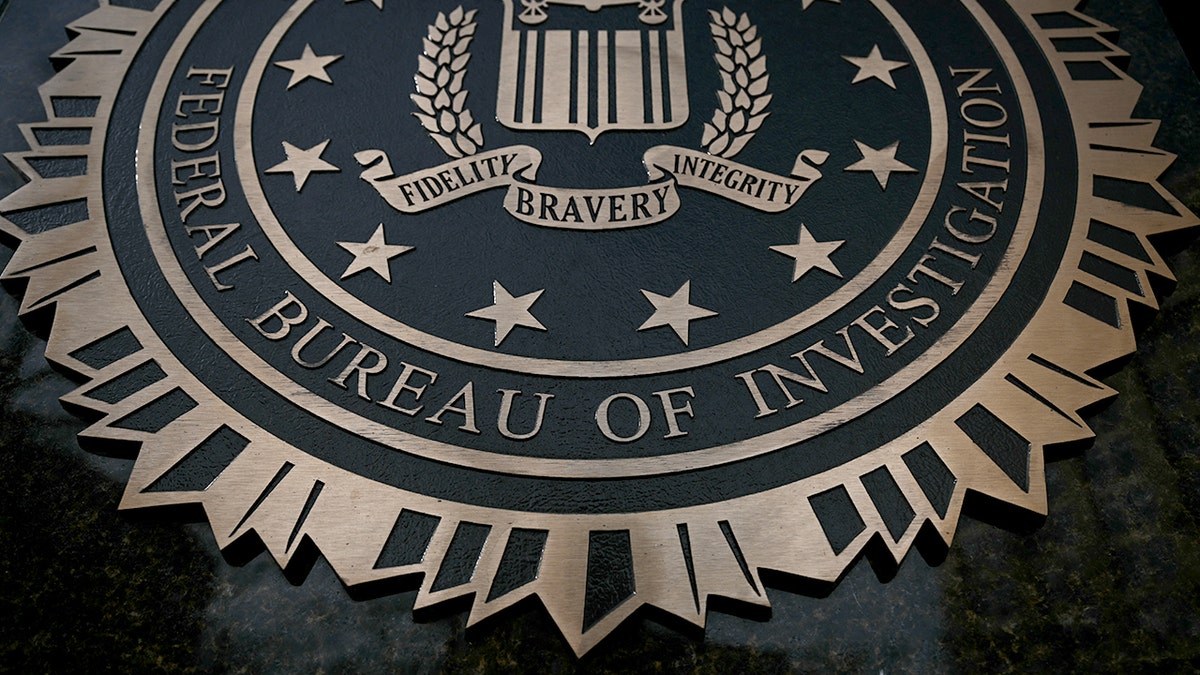
The FBI seal inside the J. Edgar Hoover FBI building in Washington, D.C. (Brendan Smialowski/AFP via Getty Images)
Bongino said he chose to post his statement now because his scheduled interview with FOX Business anchor Maria Bartiromo, which will air Sunday on «Sunday Morning Futures,» was recorded earlier in the week, before the Comey post was made public.
«I’m addressing this now, rather than on our interview with Maria Bartiromo [Sunday], because we recorded that interview earlier in the week prior to the incident with Comey,» he explained.
He closed with a message to the country that echoed his support for the law enforcement community and the reforms underway at the FBI.
«God bless America, and all those who defend Her,» he said.
CLICK HERE TO GET THE FOX NEWS APP
Bongino, a former NYPD officer and longtime Secret Service agent, was appointed deputy director of the FBI earlier this year.
His leadership under Director Kash Patel reflects a broader effort by the Trump administration to restore accountability and integrity to the FBI after years of what many see as politically motivated misconduct.
The FBI did not immediately respond to Fox News Digital’s request for further comment.
Dan Bongino,Politics,James Comey,FBI,Donald Trump










NEWYou can now listen to Fox News articles!
Sen. Markwayne Mullin, R-Okla., survived a key test vote on Sunday on his way to becoming the next Homeland Security chief.
Mullin, who was tapped by President Donald Trump to be the next Department of Homeland Security secretary, still has one more vote to go, and likely won’t be confirmed until Monday evening.
Should he survive the final confirmation vote on Monday, he will replace DHS Secretary Kristi Noem, who Trump fired following explosive hearings on the Hill and after the deaths of Renee Nicole Good and Alex Pretti during immigration operations in Minnesota.
SCHUMER GAMBIT FAILS AS DHS SHUTDOWN HITS 36 DAYS AND AIRPORT LINES GROW
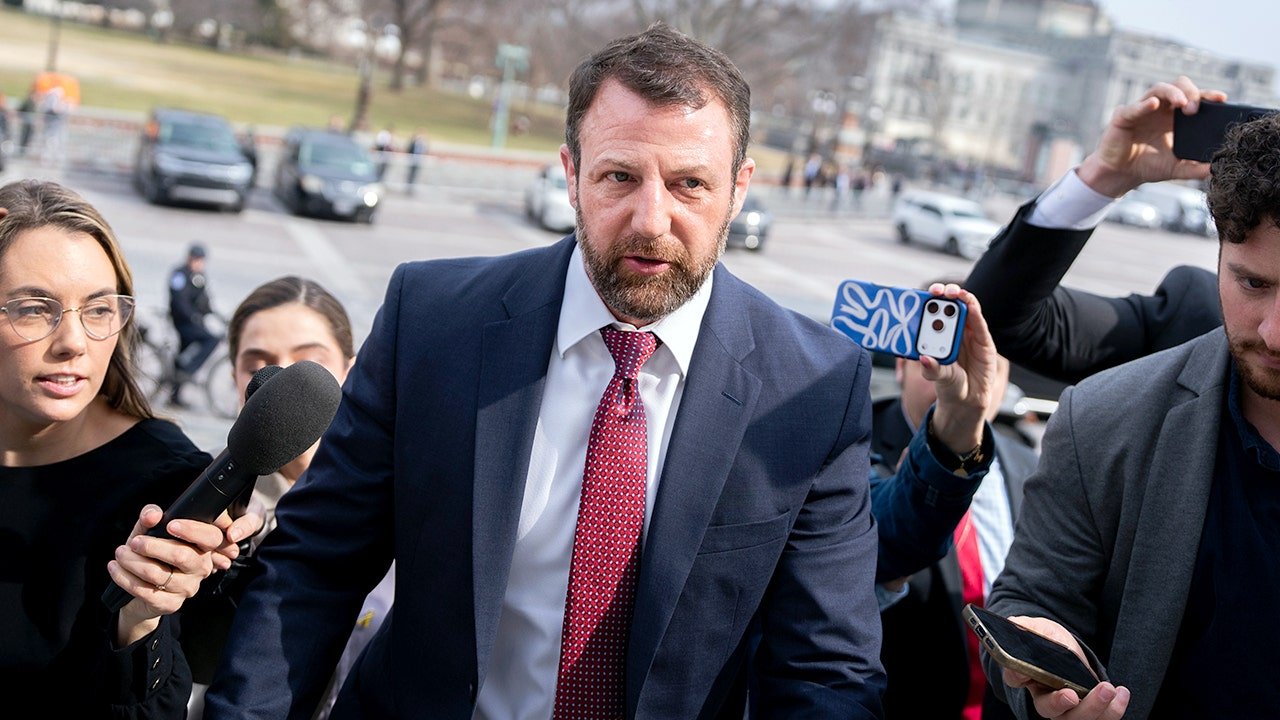
Sen. Markwayne Mullin speaks to reporters on the Capitol steps in Washington, D.C. (Tom Williams/Getty Images)
Sunday’s test vote, which was largely party-line save for Sen. John Fetterman, D-Pa., who was the key vote to move his colleague out of committee earlier in the week, comes after his explosive confirmation hearing earlier in the week.
Mullin was grilled by both Democrats and Sen. Rand Paul, R-Ky., who Mullin once called a «snake» and charged that his 2017 assault was «justified.» During the hearing, Mullin didn’t back down from his prior remarks.
«I’m not perfect. I don’t claim to be perfect,» Mullin said. «I make mistakes just like anybody else. But mistakes, if you own them, you can learn from them and you can move ahead. And I’ll make that commitment to you.»
GOP SENATOR’S GAMBIT EXPOSES FALSE DEM CLAIMS ABOUT SUPPORTING VOTER ID
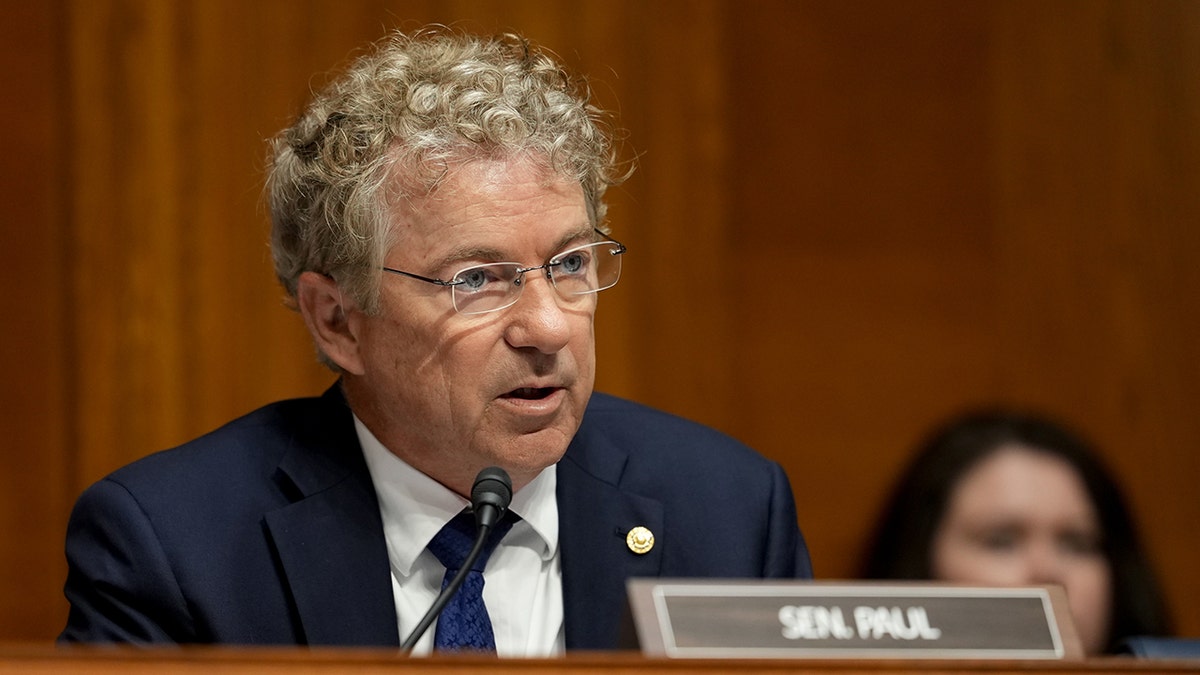
Senator Rand Paul, a Republican from Kentucky, during a Senate Health, Education, Labor, and Pensions Committee hearing in Washington, DC, US, on Wednesday, June 25, 2025. (Eric Lee/Bloomberg via Getty Images)
If successful on Monday, Mullin will take the reins of an agency that is currently shut down. Senate Democrats, led by Senate Minority Leader Chuck Schumer, D-N.Y., have blocked DHS funding five times in their quest to get stringent reforms to Immigration and Customs Enforcement (ICE).
Mullin appeared amicable to making changes at the agency during his hearing.
Congressional Democrats have demanded, among other things, that ICE agents get judicial warrants to enter a home or business in the field rather than administrative warrants. And when asked by Sen. Richard Blumenthal, D-Conn., whether he would commit to requiring judicial warrants for ICE agents to search homes and businesses, Mullin appeared to give ground to the demand.
«Judicial warrants will be used to go into houses, into place of businesses, unless we’re pursuing someone that enters in that place,» Mullin said. «I have not mixed words with that, and I haven’t changed my opinion about that.»
Meanwhile, what was a shutdown stalemate thawed over earlier this week, when Senate Democrats made a counter offer of DHS demands to the White House after over two weeks of radio silence.
MULLIN FACES DEMOCRAT GRILLING IN FIRST HURDLE TO LEAD DHS AMID SHUTDOWN FIGHT
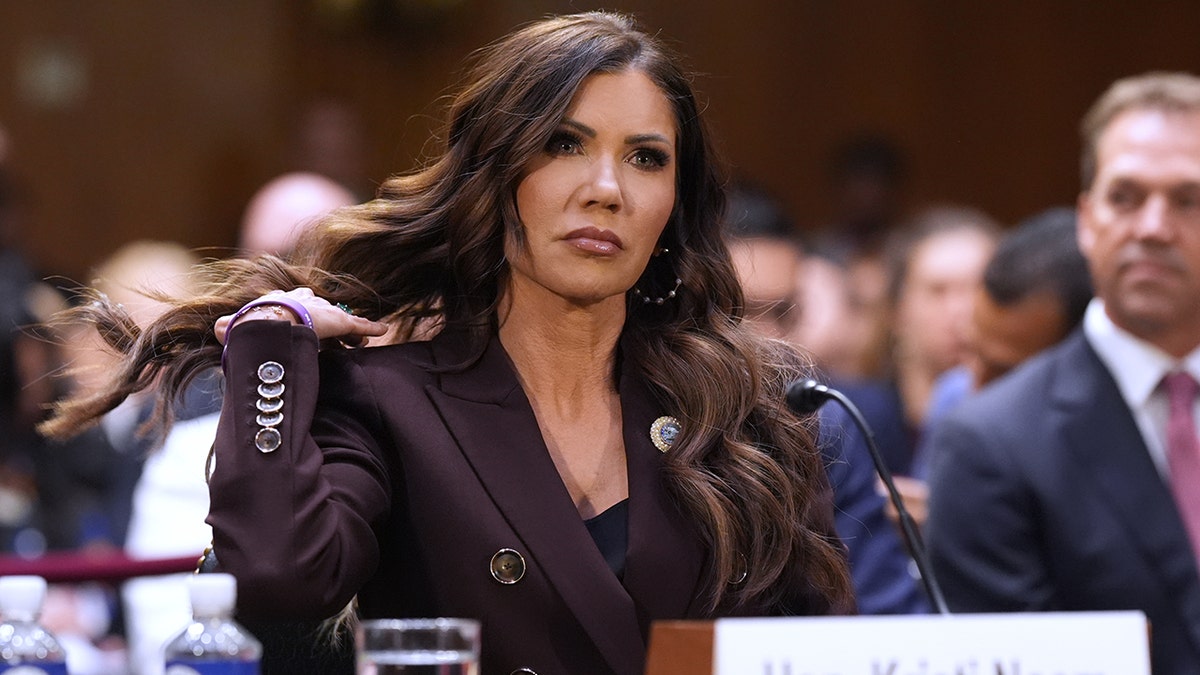
Homeland Security Secretary Kristi Noem appears for an oversight hearing before the Senate Judiciary Committee, at the Capitol in Washington, Tuesday, March 3, 2026. (J. Scott Applewhite/AP Photo)
That spurred back-to-back meetings on the Hill, with Sens. Susan Collins, R-Maine, and Katie Britt, R-Ala., along with border czar Tom Homan, sitting down with a cohort of Senate Democrats. A third meeting was slated for Saturday, but was canceled at the last minute.
The shutdown is currently on its way to becoming the longest in history, unless either side can lock in a deal to fund the agency. Mullin’s nomination to lead DHS has so far not swayed Senate Democrats, either, despite their demands the Noem be booted.
Whether both sides meet again over the weekend remains in the air.
CLICK HERE TO DOWNLOAD THE FOX NEWS APP
Senate Majority Leader John Thune, R-S.D., accused Senate Democrats of believing that the shutdown «politically good for them.»
«It’s not politically good for anybody to have literally tens of thousands and hundreds of thousands of people out of work and important functions of our government not being carried out on a daily basis and functions that are important to our homeland security and our national security,» Thune said.
politics,senate,homeland security,donald trump,government shutdown
INTERNACIONAL
La guerra contra Irán se extiende peligrosamente hasta convertirse en un conflicto regional y en una crisis económica mayor para el mundo entero
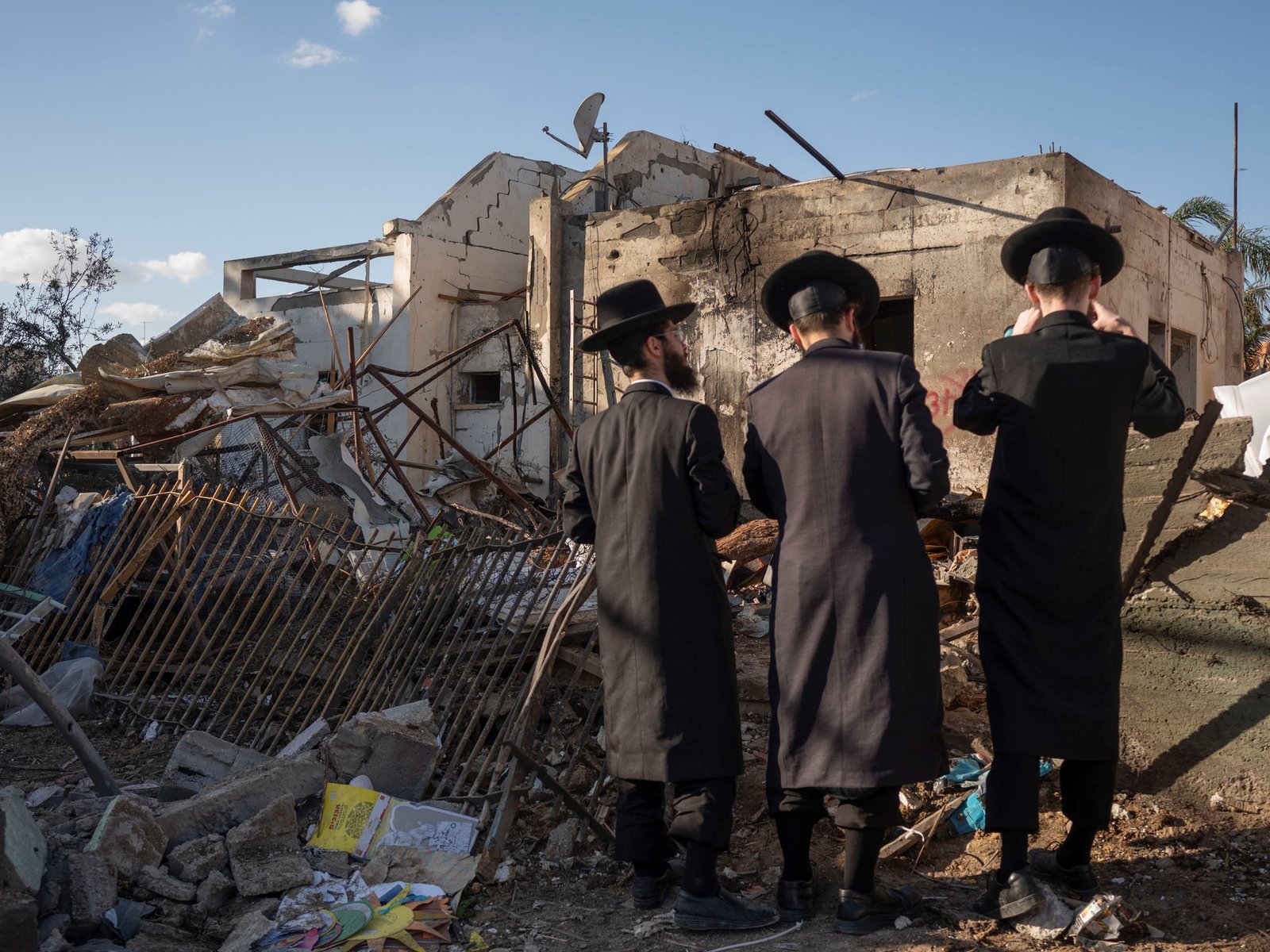
Los misiles iraníes pueden llegar a Europa
Israel y Estados Unidos, dos estrategias distintas
Europa quiere solución diplomática
Israel y sus defensas vulnerables a misiles iraníes
Los «cobardes» de la OTAN
INTERNACIONAL
La pintura que nadie esperaba: así fue el increíble redescubrimiento de John Constable en el corazón de Texas
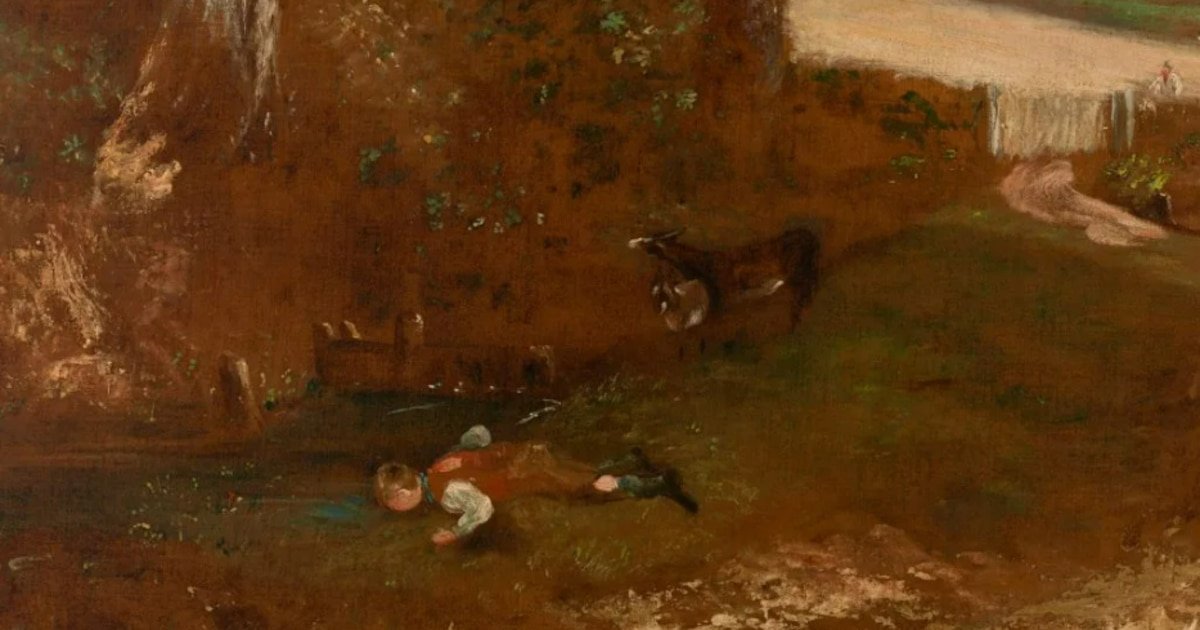
Un nuevo capítulo en la historia del arte británico surgió en el este de Texas, donde una obra atribuida a John Constable —referente del paisaje romántico inglés— fue identificada como un hallazgo insospechado con consecuencias para la comprensión de su proceso creativo.
La pintura, un estudio al óleo de gran escala relacionado con The Cornfield (1826), será la pieza principal en la subasta de arte europeo de la casa Heritage en Dallas este 5 de junio, tras un proceso de atribución que desafió lo sabido sobre el autor y reunió a especialistas ante un enigma de procedencia aún sin resolver.
Una característica distintiva de este hallazgo, nunca registrada en versiones previas de la misma escena, es su tamaño: el estudio mide 140 por 122 centímetros, convirtiéndose en el mayor de los bocetos conocidos para The Cornfield.
Según declaró Marianne Berardi, codirectora de arte europeo en Heritage Auction al medio ARTnews, la obra permaneció décadas en la colección de la Jefferson Historical Society and Museum tras ser donada en los años 1960 por la neoyorquina Newhouse Galleries, con el objetivo de fortalecer esa institución cultural. Solamente en 2017, durante una visita de revisión de patrimonio que gestionó Heritage, surgió la sospecha de que se trataba de una obra auténtica, no una copia más entre las 85 registradas, basadas en la laguna de Fen, en Suffolk.

El estudio, restaurado cuidadosamente e investigado a fondo entre 2023 y 2024, fue sometido a múltiples análisis técnicos —desde pruebas de limpieza hasta reflectografía infrarroja y análisis de pigmentos—. Todos los exámenes confirmaron “consistencia total con los materiales y métodos de trabajo de Constable”, lo que contradijo el consenso anterior entre expertos y abrió nuevas incógnitas sobre la evolución de la célebre pintura terminada, la primera del artista admitida en la National Gallery de Londres en 1837.
La autentificación introdujo elementos inéditos en el relato historiográfico de John Constable. De acuerdo con la restauradora Sarah Cove, versiones previas sostenían que Constable pasaba directamente de pequeños bocetos a la obra final. “Desde el redescubrimiento del boceto a tamaño real, sabemos que eso es incorrecto”, afirmó Cove, quien determinó que el autor ejecutó la composición en una única sesión y, en una segunda etapa, la retocó siguiendo una lógica de revisión más madura, evidenciando un proceso analítico visible y documentable sobre la propia superficie.
Las investigaciones de Anne Lyles, historiadora del arte y experta en Constable, apuntaron a una fecha de ejecución en torno a 1820, basada en el imprimado de la tela. Cove sumó que la intervención principal podría situarse poco después de 1825, en un contexto de experimentaciones simultáneas con la composición The Leaping Horse. “El manejo es tan parecido que sugiere que pudo ocurrir a inicios de 1826, en paralelo al trabajo sobre el boceto a tamaño real para The Cornfield”, sostuvo Cove.

La recurrencia con la que resurgen obras desconocidas de Constable se explica por la extraordinaria cantidad que produjo a lo largo de su carrera, motivado en parte por lo que el mismo artista reconocía como una memoria visual limitada. Los estudios, entonces, se convirtieron en sus equivalentes a la fotografía: modelos de referencia concebidos con una libertad y rapidez que anticipaban la estética impresionista décadas antes de su formulación. Estos trabajos permanecieron, en buena medida, fuera del radar del público hasta la subasta del estudio Foster and Co., un año después de la muerte del pintor en 1837.
A partir de 1816 y luego de su matrimonio, Constable amplió el formato de sus composiciones para hacerlas más atractivas comercialmente y para optimizar el tiempo de ejecución. La obra ahora identificada permite reconstruir cómo la exploración en gran escala fue un paso intermedio crucial entre los bocetos reducidos y el lienzo definitivo, integrando casi todos los elementos presentes en la versión final exhibida en la National Gallery, salvo algunos detalles menores.
La procedencia del estudio aún plantea dudas. Existen registros de ventas históricas que mencionan una “estudio de la naturaleza para The Corn Field, para el cuadro de la National Gallery”. Para Sarah Cove, la pintura recién estudiada desplaza como candidata legítima a la versión hasta ahora conservada en los Newfields de Indianápolis. Anne Lyles, en cambio, mantiene reservas sobre la atribución.
La obra será expuesta antes de la subasta en el espacio londinense de Heritage Auctions entre el 27 de marzo y el 2 de abril. Este recorrido internacional marca un nuevo ciclo para una pieza que permaneció más de medio siglo en relativo anonimato y que, ahora, redefine el conocimiento sobre las estrategias creativas de un pilar del romanticismo inglés.
Pintura,arte,paisaje,National Gallery,óleo,rural,naturaleza,campo,galería,exposición

Mullin’s confirmation survives key test vote as DHS remains shutdown

La guerra contra Irán se extiende peligrosamente hasta convertirse en un conflicto regional y en una crisis económica mayor para el mundo entero

Presupuesto y crédito: más de la mitad de las familias no llega al 20 del mes y 9 de cada 10 tiene dificultades para pagar las deudas

El Galatasaray demandará al Liverpool tras la grave lesión de Noa Lang en Anfield

¿Bebé en camino? La revelación íntima de Tini Stoessel con un guiño a su embarazo: «Si en un momento me voy es porque estoy con una situación»

Desde la CGT hablan de crear un “proyecto” para vencer al Gobierno, aunque advierten que “con el peronismo no alcanza”

Senado: la oposición pidió explicaciones por $LIBRA y los vuelos de Adorni y Bullrich defendió al Gobierno

Kicillof desembarcó en CABA, lanzó su proyecto 2027 y empezará a ampliar su armado político en todo el país

¿DÓNDE ESTÁ ESMERALDA? El grito de una madre que sacude a la Argentina: «Me la arrebataron de la puerta»

¿MACRI 2027? El «operativo retorno» que sacude al PRO y los nombres que suenan para la vicepresidencia

 POLITICA3 días ago
Kicillof desembarcó en CABA, lanzó su proyecto 2027 y empezará a ampliar su armado político en todo el país
- POLITICA3 días ago
¿MACRI 2027? El «operativo retorno» que sacude al PRO y los nombres que suenan para la vicepresidencia
- POLITICA2 días ago
¿FIN DE CICLO? Escándalo por la mansión no declarada y viajes de lujo empujan a Manuel Adorni fuera del Gobierno: Su salida sería inminente