INTERNACIONAL
Feds shift to targeted immigration enforcement in Minneapolis under Homan

NEWYou can now listen to Fox News articles!
The Trump administration is shifting its approach to cracking down on illegal immigration in Minneapolis after federal agents’ actions drew scrutiny and sparked protests, sources told Fox News.
Minneapolis has become a flash point for clashes between federal immigration enforcement agents and agitators, particularly after the shooting deaths of Renee Good and Alex Pretti. Local leaders slammed the Trump administration’s actions in Minneapolis, with Mayor Jacob Frey calling on Immigration and Customs Enforcement (ICE) to «get the f— out» of his city after Good was fatally shot.
Amid the unrest, President Donald Trump moved to change his administration’s approach and sent border czar Tom Homan to manage the situation.
A White House official appeared to dismiss rumors of tension between Department of Homeland Security (DHS) Secretary Kristi Noem and Homan, saying that the two were working together to carry out the president’s agenda.
HOMAN ANNOUNCES DRAWDOWN OF FEDERAL PRESENCE IN MINNESOTA, HAILS ‘UNPRECEDENTED COOPERATION’ FROM LOCAL POLICE
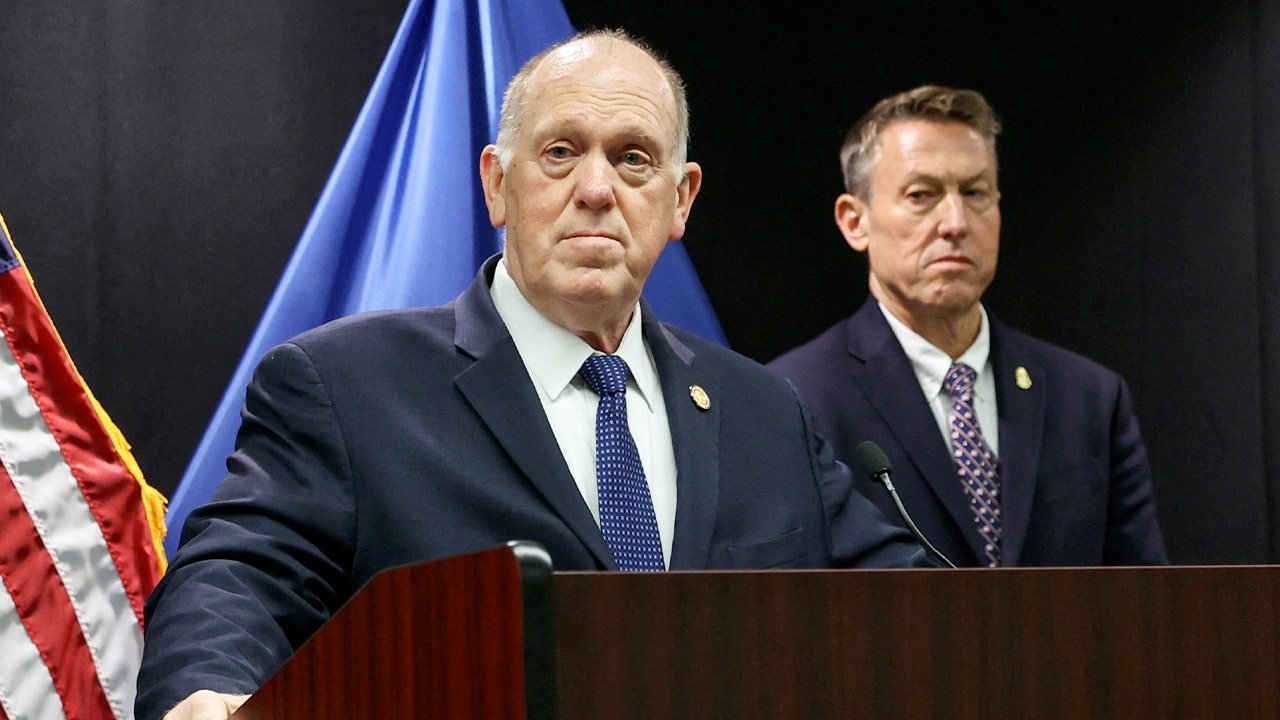
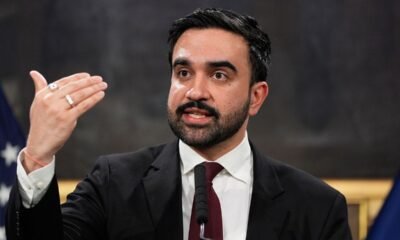
White House border czar Tom Homan attends a news conference in Minneapolis Jan. 29, 2026. (Shannon Stapleton/Reuters)
«Thanks to Tom Homan’s tireless work, an unprecedented number of counties in Minnesota have agreed to coordinate with ICE to transfer custody of criminal aliens upon their release. This is one of the conditions President Trump set for a drawdown,» White House press secretary Karoline Leavitt told Fox News Digital.
«These commitments have been made by local officials and will continue to be monitored for compliance,»
Not all of Homan’s changes have been kept behind closed doors. The border czar announced the immediate drawdown of 700 personnel from Minnesota, effective Wednesday, though 2,000 officers will remain. He cited improved cooperation with jails and said a complete drawdown was the goal, but it was «contingent upon the end of illegal and threatening activities against ICE.»
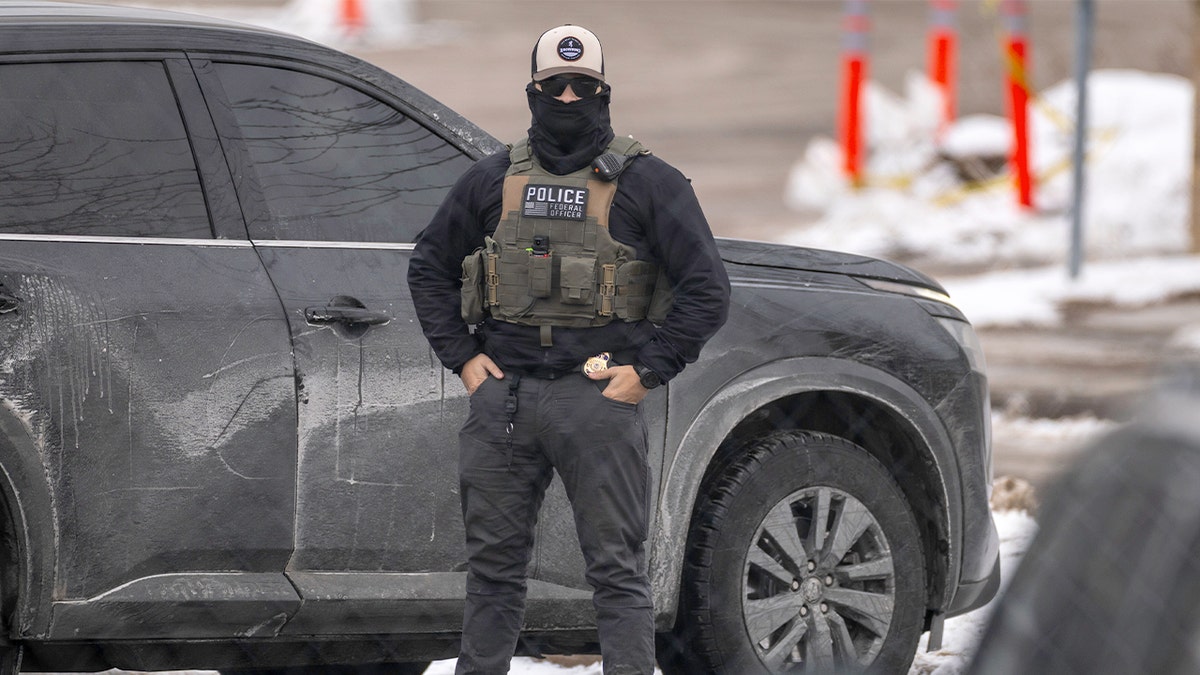
A federal agent prepares to depart the Bishop Henry Whipple Federal Building Feb. 4, 2026, in Minneapolis. (John Moore/Getty Images)
MINNEAPOLIS MAYOR TO VISIT DC TO PUSH FOR END OF ‘UNLAWFUL ICE OPERATIONS’ AFTER TRUMP’S BLUNT WARNING
Homan has reportedly changed how Customs and Border Patrol (CBP) operates and interacts with suspected illegal immigrants. The border czar has reportedly increased the threshold for making arrests and shifted entirely to targeted operations as opposed to rover patrols, which were done under Border Patrol commander Gregory Bovino, according to sources.
Under Homan’s leadership, CBP agents have been instructed not to approach anyone they suspect to be in the country illegally unless they are a target, according to sources. CBP agents will instead be partnered with ICE officers to make targeted arrests, sources said. Additionally, sources told Fox News that Homan gave agents a warning that there would be consequences for stepping out of line.
A White House official confirmed to Fox News Digital that while officers on the ground in Minnesota will be making targeted arrests, they will also «enforce federal immigration law» if, during an operation, they «come across additional illegal aliens.»
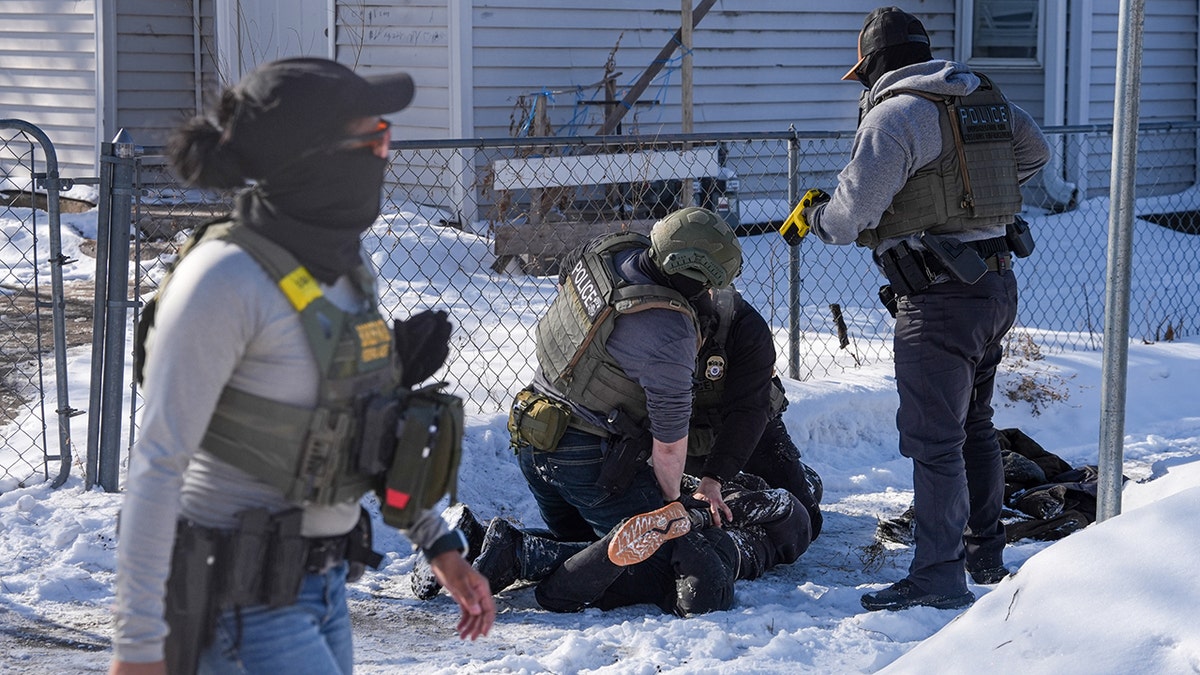
A person is detained by federal agents Tuesday, Feb. 3, 2026, in Minneapolis. (Ryan Murphy/AP)
CLICK HERE TO DOWNLOAD THE FOX NEWS APP
Fox News has been told there are thousands of targets in Minnesota and that targets are being identified through public records, which are run through a DHS database that provides criminal history, immigration history, invalid immigration documents and information on whether they have failed to appear for any immigration court hearings.
Sources say that fingerprints have been used to identify targets because anyone who entered the country illegally under the Biden administration and encountered CBP was fingerprinted. If an illegal immigrant is arrested by a local police department, DHS gets an alert on where they were fingerprinted and what the arrest was for.
DHS did not immediately respond to Fox News Digital’s request for comment.
politics,tom homan,minnesota,illegal immigrants,immigration










NEWYou can now listen to Fox News articles!
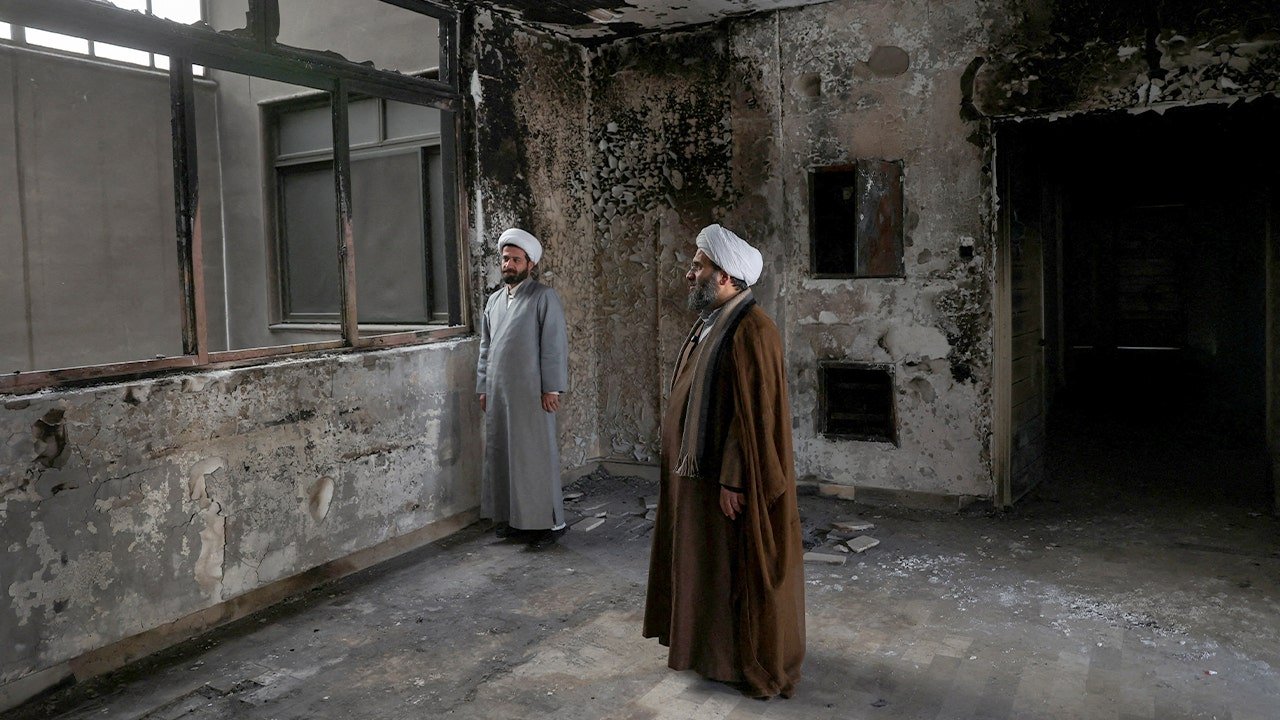
Senior Iranian clerics would have been left «exposed» after an Israeli airstrike hit a meeting place where they were supposed to be convening Tuesday — days after a strike leveled the Tehran compound of Supreme Leader Ayatollah Ali Khamenei, a defense analyst has claimed.
The clerics, members of the Assembly of Experts, had reportedly planned to meet at the location in Qom to deliberate succession plans for Khamenei, who was killed in the strikes, according to The Times of Israel.
«This second strike would be another embarrassment to what has been left of the regime,» Kobi Michael, a senior researcher at the Institute for National Security Studies and the Misgav Institute, told Fox News Digital.
«It indicates intelligence dominance and superiority because any movement is detected, meaning they would feel exposed,» Michael added.
Iranian Supreme Leader Ayatollah Ali Khamenei was killed in an Israeli airstrike Saturday. (Getty Images)
«As of now, the leadership would feel insecure and hunted, with all of their plans collapsing one after another.»
«They would feel totally isolated and understand that the biggest risk might come from home — from a potential uprising next,» he added.
Israel Defense Forces spokesman Brig. Gen. Effie Defrin confirmed that the Israeli Air Force struck the building where senior clerics had planned to assemble, The Times of Israel reported.
KHAMENEI’S DEATH OPENS UNCERTAIN CHAPTER FOR IRAN’S ENTRENCHED THEOCRACY
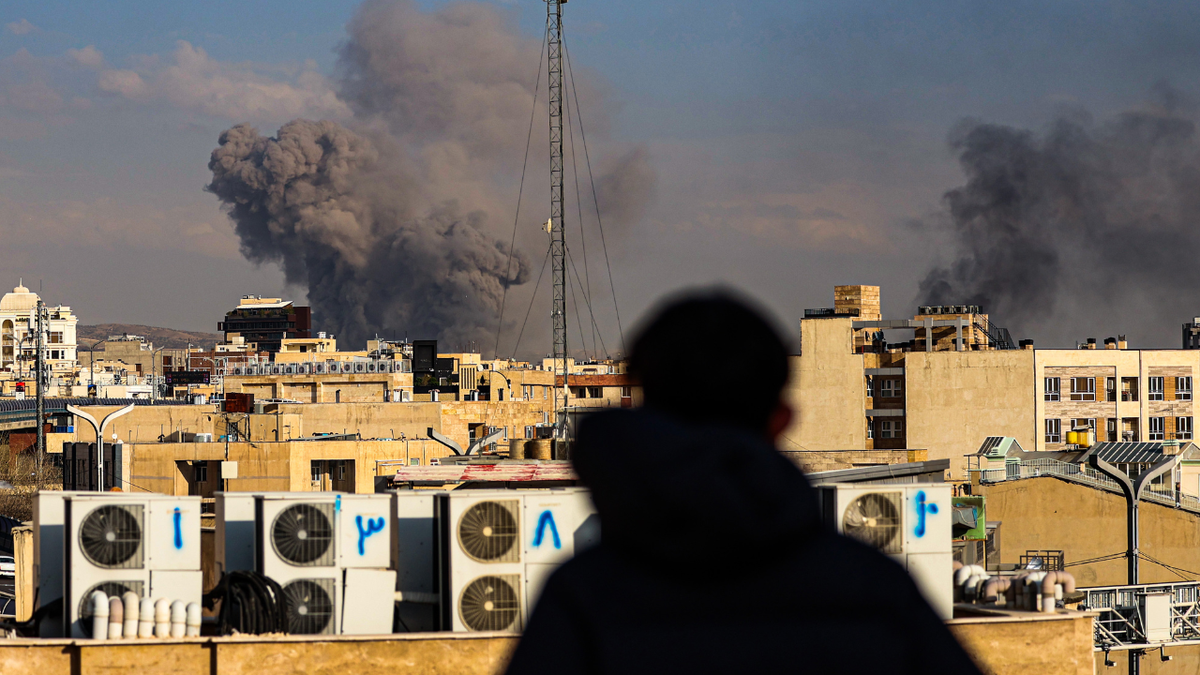
A general view of Tehran with smoke visible in the distance after explosions were reported in the city, Monday, in Iran. (Contributor/Getty Images)
It remains unclear how many of the 88 members were present at the time of the strike, according to an Israeli defense source cited by the outlet. The second strike on Iran’s leadership comes amid a broader military campaign.
As previously reported by Fox News Digital, U.S. forces have struck more than 1,700 targets across Iran in the first 72 hours of Operation Epic Fury, according to a U.S. Central Command fact sheet.
The campaign is aimed at dismantling Iran’s security apparatus and neutralizing what officials describe as imminent threats.
According to U.S. Central Command, targets have included command-and-control centers, the Islamic Revolutionary Guard Corps Joint Headquarters, the IRGC Aerospace Forces headquarters, integrated air defense systems and ballistic missile sites.
FIREBRAND ANTI-AMERICAN CLERIC ALIREZA ARAFI SEEN AS CONTENDER TO REPLACE IRAN’S KHAMENEI

The USS Thomas Hudner fires a Tomahawk land attack missile in support of Operation Epic Fury, Sunday, while at sea. (U.S. Navy/via Getty Images)
«We need strategic patience and determination, and in several weeks most of the job will be accomplished,» Michael added. «Even if the regime does not collapse, Iran will not be like we used to know.
CLICK HERE TO DOWNLOAD THE FOX NEWS APP
«I assume that the U.S. and Israel will establish a very robust monitoring mechanism that will enable them to react whenever the regime tries to reconstitute its military capacities again.»
Related Article

war with iran,iran,middle east,ali khamenei,wars,israel,world



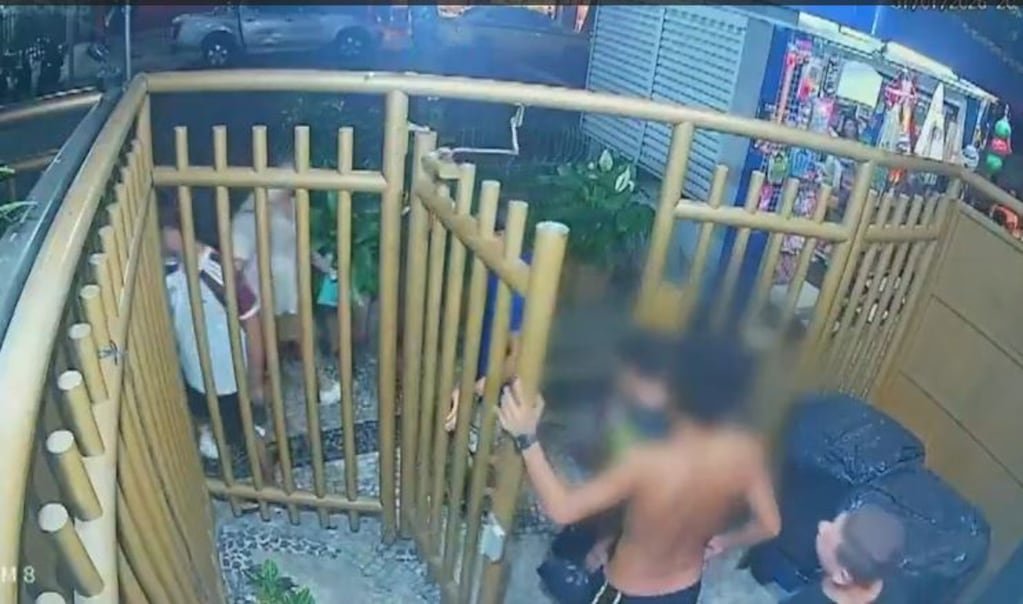
El barrio de Copacabana, en Río de Janeiro, quedó en el centro de la polémica tras la denuncia de un abuso sexual colectivo que involucra a jóvenes de familias influyentes y deportistas. La investigación, que se inició el martes, ya tiene a varios acusados identificados, algunos detenidos y otros prófugos.
Entre los señalados hay estudiantes de colegios prestigiosos, un futbolista y el hijo de un alto funcionario del gobierno estatal. El caso generó conmoción y repudio en todo Brasil.
Leé también: El testimonio de la joven abusada en Río de Janeiro por su ex y cuatro amigos: contó los detalles del ataque
Quiénes son los acusados y qué se sabe de cada uno
Vitor Hugo Oliveira Simonin es uno de los acusados por el abuso sexual. Está prófugo y es investigado por al menos otro caso similar. La víctima lo denunció como uno de los agresores.
El joven de 18 años es hijo de José Carlos Costa Simonin, subsecretario estatal de Gobernanza, Compliance y Gestión Administrativa, un área vinculada a la Secretaría de Desarrollo Social y Derechos Humanos de Río de Janeiro.
Además, es estudiante del Colégio Pedro II, uno de los más tradicionales de la ciudad. El investigador a cargo del caso confirmó que otra joven también lo denunció por abuso.
El abuso ocurrió en un departamento de Río de Janeiro a fines de enero. (Foto: gentileza g1).
Mattheus Verissimo Zoel Martins es el segundo de los señalados por el caso que estremece a Copacabana desde hace algunas horas. Actualmente, está detenido.
Se trata de un exalumno del colegio Intellectus (sede Botafogo) que terminó sus estudios hace dos años. Según la Liga Niteroiense de Deportes, es jugador del S.C. Humaitá en la categoría sub-20.
La policía lo investiga por otro caso de abuso sexual colectivo: el lunes, otra joven denunció haber sido abusada por al menos dos de los acusados del caso Copacabana.
Según su relato, el hecho ocurrió cuando tenía 14 años (hoy tiene 17). La adolescente contó que fue invitada a la casa de Mattheus, donde él y un menor de edad habrían participado en la agresión, grabado imágenes y difundido el material.

Mattheus Verissimo Zoel Martins se entregó en una comisaría de Copacabana. (Foto: gentilez g1).
João Gabriel Xavier Bertho es el tercer acusado. El joven de 19 años es futbolista y jugaba en el Serrano FC hasta la denuncia por abuso sexual.
El club anunció su suspensión inmediata y la rescisión de su contrato tras la orden de detención. João Gabriel se entregó y fue detenido el martes. La policía busca a cuatro jóvenes por el abuso sexual de una adolescente en Copaabana. (Foto: gentileza g1).
Bruno Felipe dos Santos Allegretti es el cuarto señalado por la víctima como uno de los agresores. También está prófugo desde hace varias horas.
El joven de 18 años es estudiante de Ciencias Ambientales en la Universidad Federal de Río de Janeiro (Unirio), que lo suspendió por 120 días.
Durante ese período, tiene prohibido ingresar a cualquier espacio de la universidad, incluyendo aulas y laboratorios.
Un menor de edad
La causa también involucra a un menor de edad, estudiante del Colégio Pedro II, que sería quien concretó la cita con la víctima. Su identidad no fue revelada y, hasta el último reporte, no existía una orden de detención en su contra.
Qué declaró la víctima
Según la investigación, la víctima fue invitada la noche del 31 de enero por un compañero de escuela, menor de edad y con quien había tenido una relación previa, a la casa de un amigo ubicada sobre la calle Ministro Viveiros de Castro.
En su testimonio, la adolescente contó que, en el ascensor, el chico le advirtió que habría más personas en el lugar y le sugirió que harían “algo diferente”. Ella rechazó esa propuesta.
Ya dentro del departamento, la joven fue llevada a una habitación. Mientras mantenía relaciones con el adolescente, otros cuatro jóvenes ingresaron al cuarto.

La Justicia de Río de Janeiro ordenó la detención de cinco jóvenes.
La víctima declaró que, ante la insistencia del menor, aceptó que los amigos permanecieran en la habitación, pero pidió expresamente que no la tocaran. Sin embargo, según denunció, los jóvenes se desnudaron, la besaron, la manosearon y la violaron.
Además, la adolescente afirmó que recibió golpes, cachetadas, puñetazos y una patada en el abdomen. Intentó salir de la habitación, pero se lo impidieron.
El avance de la investigación y el impacto social
El caso sigue en investigación y la policía no descarta nuevas detenciones o imputaciones. La repercusión fue inmediata: instituciones educativas y deportivas tomaron medidas disciplinarias y la sociedad exige justicia.
Leé también: Dos nenas de 12 años apuñalaron 19 veces a una amiga tras obsesionarse con un personaje de Internet
El hecho reavivó el debate sobre la violencia de género y la impunidad en casos que involucran a jóvenes de sectores privilegiados.
Brasil, Río de Janeiro, Abuso sexual

Nahuel Gallo hablará en conferencia de prensa junto a Patricia Bullrich y las autoridades de Seguridad

Iran’s senior clerics ‘exposed’ after building strike in Qom, succession choice looms

El Gobierno fija una orden de reemplazo para el jefe de Gabinete y determina preferencias entre los ministros

El Banco Ciudad consiguió 100.000 millones en el mercado de capitales para colocar préstamos hipotecarios UVA

Supermercados liquidan colchones y sommiers con rebajas de hasta el 67% y 12 cuotas sin interés

Qué pasó en el derrumbe del estacionamiento de Parque Patricios

Destrozaron a Andrea del Boca por el terrible pecado que tuvo en Gran Hermano: “La quiero presa”, apuntaron contra la actriz por un detalle en la cocina

¡Tensión en vivo! Aníbal Pachano y Nancy Pazos protagonizaron un cruce explosivo en la mesa de Mirtha Legrand

Las predicciones más importantes en la vida de cada signo del horóscopo en marzo, según Jimena La Torre: «Será un cambio rotundo»

¡Otro abandono! El participante de Gran Hermano que anunció su salida de la casa: La confesión de Gabriel Lucero que se suma a la lista de renuncias

 CHIMENTOS3 días ago
Destrozaron a Andrea del Boca por el terrible pecado que tuvo en Gran Hermano: “La quiero presa”, apuntaron contra la actriz por un detalle en la cocina
- CHIMENTOS3 días ago
¡Otro abandono! El participante de Gran Hermano que anunció su salida de la casa: La confesión de Gabriel Lucero que se suma a la lista de renuncias
- CHIMENTOS3 días ago
La histórica figura de Intrusos que se va del programa y armó un escándalo con Adrián Pallares y Rodrigo Lussich: “Me voy”, reveló Pablo Layus