INTERNACIONAL
Fiery hot-air balloon tragedy kills at least 8 people: ‘We are in mourning’

NEWYou can now listen to Fox News articles!
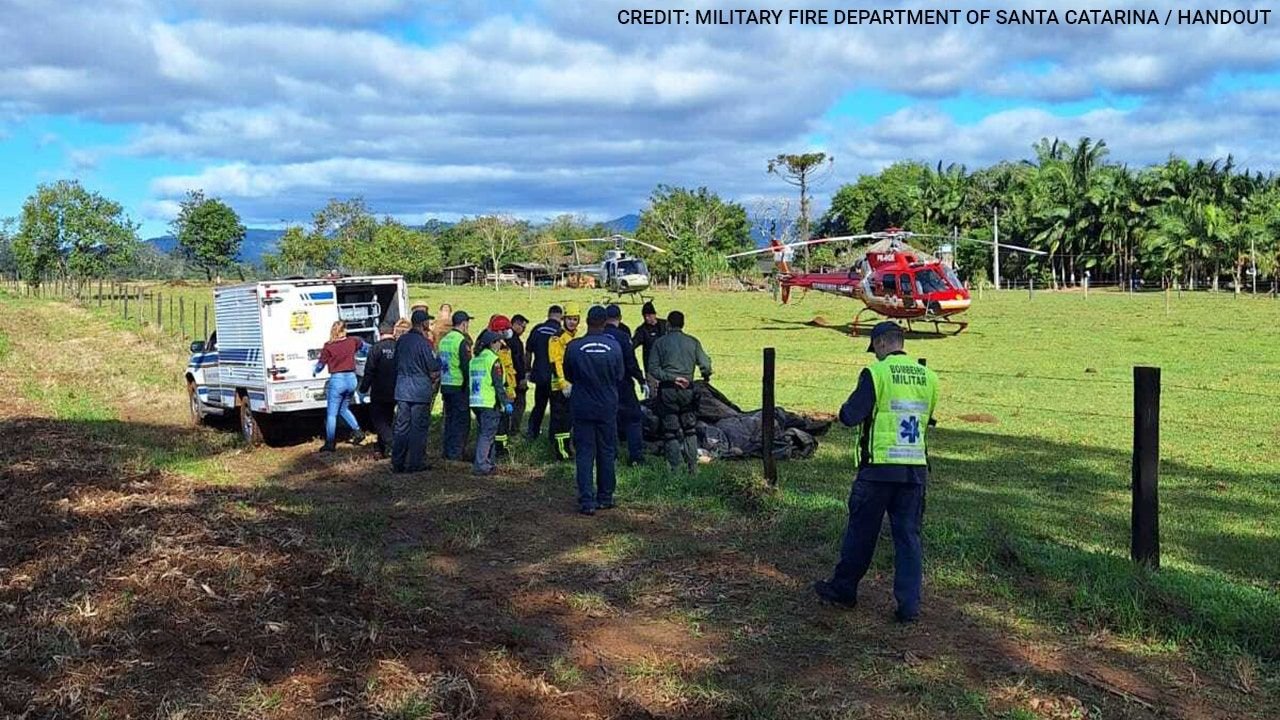
A hot-air balloon carrying 21 people in Brazil caught fire Saturday morning and crashed, killing at least eight people, Santa Catarina’s military fire brigade said.
The crash happened in Santa Catarina, a state in Brazil’s south, after the fire started in the basket, forcing the pilot to attempt to land, officials said.
Video shared on social media shows black smoke billowing over the deflated balloon as it hurtles toward the ground in a wooded area near the town of Praia Grande, which is popular for hot-air ballooning.
The 13 survivors, including the pilot, were taken to hospitals with unknown injuries.
HOT-AIR BALLOON STRIKE, COLLAPSE OF NEW MEXICO RADIO TOWER CAUGHT ON CAMERA DURING POPULAR FESTIVAL
A hot-air balloon carrying 21 people in Brazil caught fire Saturday morning and crashed, killing at least eight people, Santa Catarina’s military fire brigade said. (CBMSC/Brazil/Handout/Anadolu via Getty Images)
The survivors managed to live by jumping out of the balloon when the fire first began, officials said.
The balloon at first began to rise again once some of the passengers had jumped out.
«These people ended up dying — four charred, and another four jumped out of the balloon when it was falling,» Lt. Col. Zevir Cipriano Jr. said.
«We are in mourning,» Santa Catarina Gov. Jorginho Mello said in a video on X. «A tragedy has happened. We will see how it unfolds, what happened, why it happened. But the important thing now is for the state structure to do what it can.»
He added that he’s asked authorities «to do as much as possible» to help the victims and their families.
Three of the victims died hugging each other, Santa Catarina’s civil police force Chief Ulisses Gabriel said on social media.
«It hurts the soul,» he said.
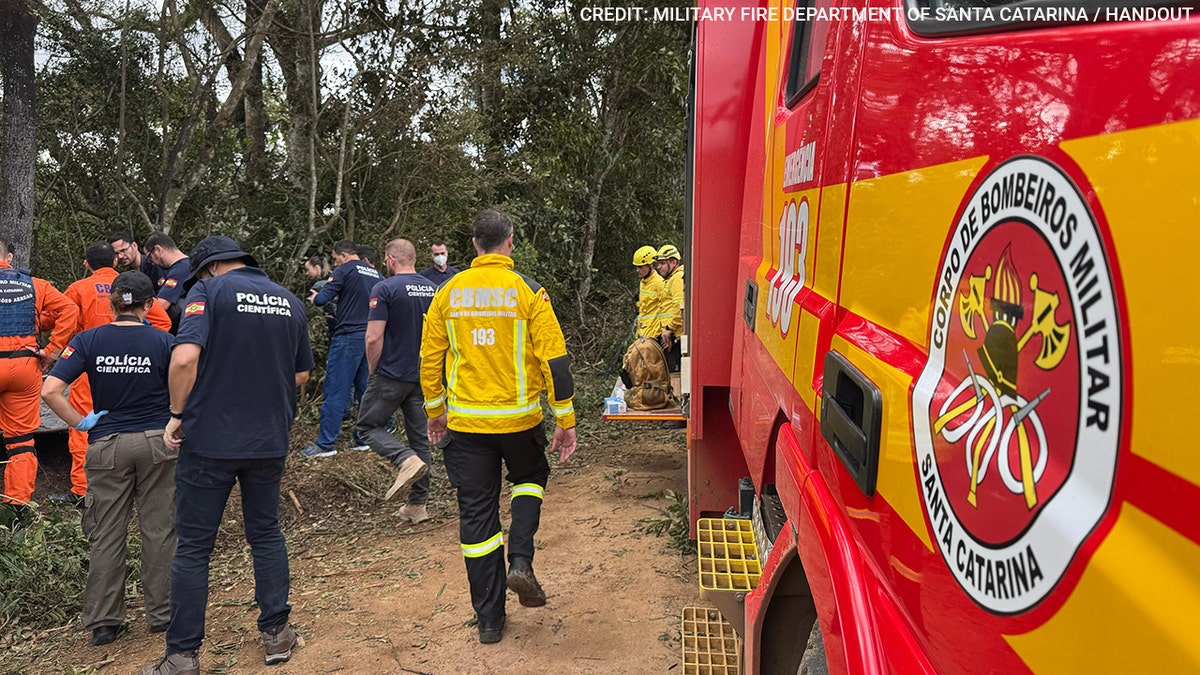
Emergency services operate in the area where a hot-air balloon crashed, leaving at least eight dead in Santa Catarina, Brazil, Saturday. (CBMSC/Brazil/Handout/Anadolu via Getty Images)
Costing $100 per person, the ride was expected to be 45 minutes long and reach 3,280 feet. It’s not clear what height the balloon was at when it started to fall.
«Despite all necessary precautions and the efforts of our pilot — who has extensive experience and followed all recommended procedures in an attempt to save everyone on board the balloon — we are suffering from the pain caused by this tragedy,» the hot-air balloon company Sobrevoar said in a statement.
TENNESSEE SKYDIVING PLANE CRASHES MOMENTS AFTER TAKEOFF, LEAVING MULTIPLE PASSENGERS INJURED
Sobrevoar added that it had followed all regulations for the ride and had a clear record previously. It is now suspending its operations indefinitely.
Around 25 to 30 hot-air balloon trips leave daily from the area, the government said.

A member of Brazil’s Center for Investigation and Prevention of Aeronautical Accidents (CENIPA) walks next to the wreckage of a hot-air balloon that caught fire and crashed with 21 people on board in Praia Grande, Santa Catarina State, southern Brazil, Saturday. (Silvio Avila/AFP via Getty Images)
Brazilian President Luiz Inácio Lula da Silva expressed his solidarity with the victims’ families and said the federal government was available to help with the investigation.
CLICK HERE TO GET THE FOX NEWS APP
Last Sunday, another hot-air balloon crashed in Brazil’s state of São Paulo, killing one woman and injuring 11 others.
The Associated Press and Reuters contributed to this report.

INTERNACIONAL
Lo que revelan los glifos mayas: nombres, fechas y relatos que reescribieron la historia antigua

El hallazgo de monumentos con inscripciones en ciudades como Palenque, Tikal y Copán atrajo la atención de exploradores y arqueólogos hacia la escritura maya. Este sistema combina signos fonéticos y logogramas, y según la revista científica National Geographic, existen más de 800 glifos que podían variar de significado dependiendo del contexto y la combinación en “bloques de glifos”.
Estas inscripciones, talladas en piedra o pintadas en códices, permitían registrar nombres de gobernantes, fechas y distintos acontecimientos de la vida maya. La escritura maya permaneció poco comprendida durante siglos, sobre todo después de la llegada de los conquistadores y la destrucción de la mayoría de los códices, lo que llevó a la pérdida de gran parte del conocimiento tradicional.
La decodificación de estos jeroglíficos se convirtió en un reto considerable para la arqueología, ya que exigía descifrar no solo el idioma, sino también los matices culturales y religiosos presentes en los textos. National Geographic destaca que solo sacerdotes y gobernantes tenían acceso pleno al conocimiento de los símbolos calendáricos y jeroglíficos, que eran grabados o pintados con gran precisión.

Durante mucho tiempo, los investigadores pensaron que los jeroglíficos mayas solo contenían información sobre el calendario y los dioses. La falta de códices y la complejidad de los símbolos dificultaron los primeros intentos de interpretación. Gran parte de las inscripciones se perdió debido al saqueo y la destrucción de monumentos, lo que privó a los estudiosos de materiales valiosos para su análisis.
Según National Geographic, las primeras aproximaciones de las decodificaciones dependieron de fuentes indirectas, como los dibujos y fotografías antiguas de monumentos realizados en el siglo XIX. Además, la diversidad de formas, con glifos que podían representarse en versiones abstractas o como cabezas de seres humanos, animales o deidades, complejizó el trabajo de los epigrafistas.

El progreso en la interpretación de la escritura maya se aceleró en el último siglo. Fue fundamental el descubrimiento y estudio de documentos coloniales como el escrito por Diego de Landa en el siglo XVI, que incluía observaciones sobre el calendario y dibujos de glifos.
Más tarde, el trabajo de Ernst Förstemann permitió descifrar el funcionamiento fundamental del calendario maya, apoyándose en el estudio del Códice de Dresde, uno de los pocos libros mayas que sobrevivieron a la destrucción.
La investigación interdisciplinaria, que incluyó el uso de computadoras para analizar patrones de glifos, contribuyó a identificar nombres de gobernantes y relatos históricos. Así, los especialistas pasaron de considerar los textos como meras listas de fechas a reconocer narraciones completas sobre dinastías, conquistas y rituales.

El trabajo de arqueólogos, lingüistas y epigrafistas, a menudo apoyado por instituciones como el Instituto Nacional de Antropología e Historia de México, resultó esencial para el avance en la decodificación.
National Geographic menciona la colaboración entre expertos internacionales y custodios locales, quienes ayudaron en el rescate y documentación de inscripciones, incluso en situaciones de riesgo debido al saqueo de monumentos.
Además, la investigación moderna reconoce la importancia de las comunidades indígenas actuales, descendientes de los mayas, en la interpretación de símbolos y en la recuperación de la memoria cultural. Su participación ha permitido validar hipótesis lingüísticas y aportar una perspectiva viva sobre el significado de los textos jeroglíficos.

La decodificación de la escritura maya permitió obtener una visión más específica y fundamentada sobre esta civilización. Ahora se sabe que los mayas no solo se dedicaban a la astronomía y la religión, sino que también registraban hechos históricos, guerras, sucesiones dinásticas y detalles de la vida cotidiana. El acceso a estos textos ha enriquecido el conocimiento sobre la organización social, la política y la cosmovisión de los antiguos mayas.
La posibilidad de leer inscripciones monumentales y códices ha permitido reconstruir cronologías, identificar a figuras históricas y entender la sofisticación de su pensamiento matemático y astronómico. National Geographic subraya que este avance en la lectura de los jeroglíficos mayas ha abierto nuevas rutas para la investigación y la preservación del patrimonio mesoamericano.
Palenque,Zona Arqueológica Palenque,ruinas mayas,pirámide,Chiapas,México,civilización maya,templo,arquitectura prehispánica,Templo de las Inscripciones,hallazgo,inscripciones

NEWYou can now listen to Fox News articles!
President Donald Trump said he wants to keep the Strait of Hormuz open, saying it would be an «honor» to do so in an effort to help other nations that rely on the vital Middle East waterway.
Trump was speaking with reporters in Florida on Monday, when he was asked about the global energy choke point, which has been disrupted amid back-and-forth attacks between Iran and Israel and the United States.
IRAN SEIZES OIL TANKERS, THREATENS ‘MASSACRE’ IN STRAIT OF HORMUZ HOURS BEFORE US TALKS
People mourn slain Iranian Supreme Leader Ayatollah Ali Khamenei, Thursday, in Isfahan, Iran. (Payman Shahsanaei/ISNA via AP)
At about 21 miles wide at its narrowest point, the Strait of Hormuz is between Iran and Oman and carries roughly 20 million barrels a day and about one-fifth of global liquefied natural gas, making it a top-value target when conflict in the region erupts.
«We’re really helping China here and other countries because they get a lot of their energy from the Straits,» Trump said. «We have a good relationship with China. It’s my honor to do it.»
US POSITIONS AIRCRAFT CARRIERS, STRIKE PLATFORMS ACROSS MIDDLE EAST AS IRAN TALKS SHIFT TO OMAN

A screenshot of a marine traffic terminal showing vessels in the Strait of Hormuz on March 4. (Kpler/Marine Traffic)
Trump is slated to meet with Chinese leader Xi Jinping later this month. While touting the United States’ new energy partnership with Venezuela, Trump noted that China gets its oil through the strait.
«I mean, we’re doing this for the other parts of the world, including countries like China,» he said. «They get a lot of their oil through the straits.»
«We have a very good relationship with President XI (Jinping) and China,» he added. «I’m going there in a short period of time, and we’re protecting the world from what these lunatics are trying to do, and very successfully I might add.»

President Donald Trump greets Chinese President Xi Jinping ahead of a bilateral meeting at Gimhae Air Base on Oct. 30, 2025, in Busan, South Korea. Trump said he wants to keep the Strait of Hormuz open in the Middle East for countries, including China. ( Andrew Harnik/Getty Images)
The U.S. will also waive all oil-related sanctions on some countries in an effort to reduce energy prices amid the conflict in the Middle East, Trump said.
Later, Trump reaffirmed his position on the strait in a fiery Truth Social post.
CLICK HERE TO DOWNLOAD THE FOX NEWS APP
«If Iran does anything that stops the flow of Oil within the Strait of Hormuz, they will be hit by the United States of America TWENTY TIMES HARDER than they have been hit thus far. Additionally, we will take out easily destroyable targets that will make it virtually impossible for Iran to ever be built back, as a Nation, again — Death, Fire, and Fury will reign upon them — But I hope, and pray, that it does not happen!,» he wrote.
«This is a gift from the United States of America to China, and all of those Nations that heavily use the Hormuz Strait. Hopefully, it is a gesture that will be greatly appreciated. Thank you for your attention to this matter!»
war with iran,iran,donald trump,china,world,politics,geopolitics

Trump demands Congress pass the SAVE Act
Fox News chief congressional correspondent Chad Pergram reports on President Donald Trump calling on Congress to pass the SAVE America Act and the DHS funding battle on ‘Special Report.’
NEWYou can now listen to Fox News articles!
Passage of the SAVE Act is of paramount importance to President Trump and many congressional Republicans.
In his State of the Union speech, the president implored lawmakers «to approve the SAVE America Act to stop illegal aliens and other unpermitted persons from voting in our sacred American elections.»
The House approved the plan to require proof of citizenship to vote last month, 218-213. But, as is often the case, the hurdle is the Senate. Specifically the Senate filibuster.
So some Republicans are trying to save the SAVE Act.
TRUMP PUSHES CONGRESS TO PASS SAVE ACT DURING STATE OF THE UNION; NO MEDDLING WITH TARIFFS
The SAVE Act has become the Trump administration’s latest congressional cause célèbre. (Emma Woodhead/Fox News Digital)
It’s important to note that President Trump never called for the Senate to alter the filibuster in his State of the Union address. But in a post last week on Truth Social, President Trump declared that «The Republicans MUST DO, with PASSION, and at the expense of everything else, THE SAVE AMERICA ACT.»
Again, the president didn’t wade into questions about overcoming a filibuster. But «MUST DO» and «at the expense of everything else» is a pretty clear directive from the Commander in Chief.
That’s why there’s a big push by House Republicans and some GOP senators to alter the filibuster – or handle the filibuster differently in the Senate.
TRUMP VOWS BLOCK ON SIGNING NEW LAWS UNTIL SAVE AMERICA ACT PASSES SENATE
It’s rare for members of one body of Congress to tell the other how to execute their rules and procedures. But the strongest conservative advocates of the SAVE Act are now condemning Senate Republicans if they don’t do something drastic to change the filibuster to pass the SAVE Act.
Some Senate Republicans are ready to push for changes. Or, at the very least, advocate that Senate Republicans insist that Democrats conduct what they’re referring to as a «talking filibuster» and not hold up the legislation from the sidelines. It takes 60 votes to terminate a filibuster. The Senate does that by «invoking cloture.» The Senate first used the cloture provision to halt a filibuster on March 8, 1917. Prior to that vote, the only method to end a filibuster was exhaustion – meaning that senators finally just run out of gas and quit debating.
So let’s explore what a filibuster is and isn’t – and dive into what Republicans are talking about when they’re talking about a talking filibuster.
The Senate’s leading feature is unlimited debate. But ironically the «debate» which holds up most bills is not debate. It’s simply a group of 60 lawmakers signaling to their leaders offstage that they’ll stymie things. No one has to go to the floor to do anything. Opponents of a bill will require the majority tee up a cloture vote even if legislation has 60 yeas. Each cloture vote takes parts of three to four days to process. So that inherently slows down the process – and is a de facto filibuster.
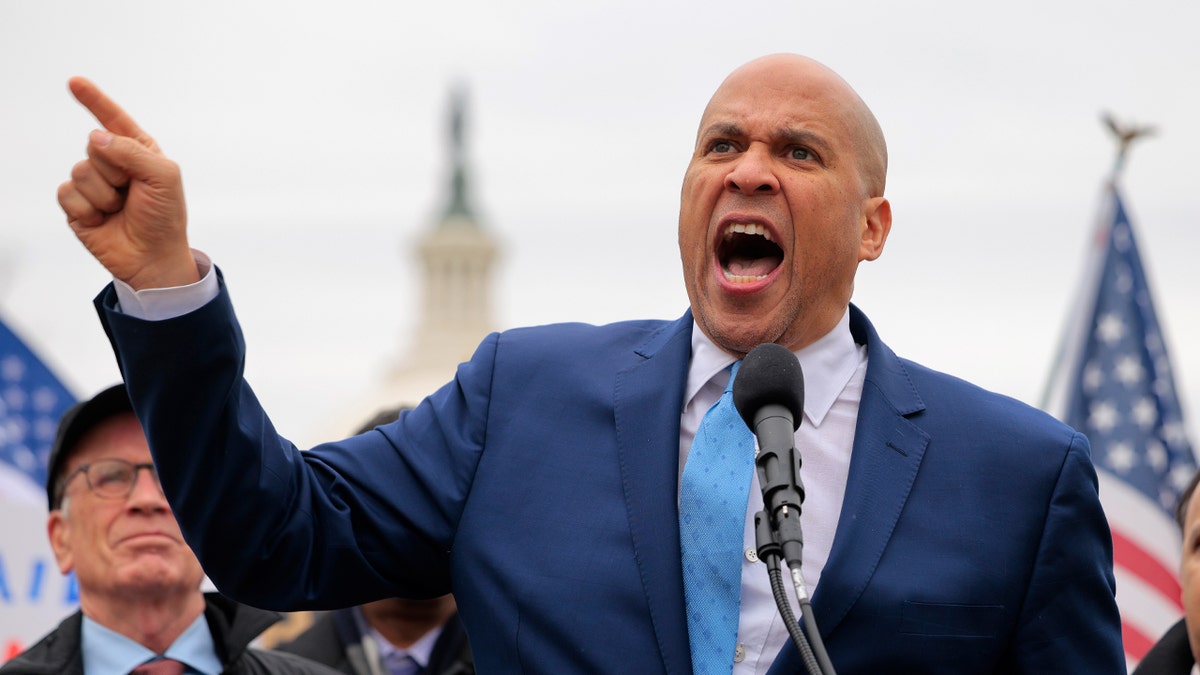
Sen. Cory Booker, D-N.J., gave a record-breaking, 25-hour speech last year – however, it wasn’t necessarily a «filibuster» in the truest sense of the word. (Chip Somodevilla/Getty Images)
But what about talking filibusters? Yes, senators sometimes take the floor and talk for a really long time. Hence, the «unlimited debate» provision in the Senate. Senators can generally speak as long as they want, unless there’s a time agreement, greenlit by all 100 members.
That’s why a «filibuster» is hard to define. You won’t find the word «filibuster» anywhere in the Senate’s rules. And since senators can just talk as long as they want, they might argue that suggesting they are «filibustering» is pejorative. They’re just exercising their Senate rights to speak on the floor.
However, a true filibuster is a delay. For instance, the record-breaking 25 hour and 8 minute speech last year by Sen. Cory Booker, D-N.J., against the Trump administration was technically not a filibuster. Booker began his oratory on the evening of March 31, ending on the night of April 1. Once Booker concluded, the Senate voted to confirm Matt Whittaker as NATO Ambassador. The Senate was supposed to vote on the Whitaker nomination on April 1 anyway. So all Booker’s speech did was delay that confirmation vote by a few hours. But not much.
FETTERMAN EXPECTS DHS SHUTDOWN AMID PARTISAN FUNDING FEUD, BREAKS WITH DEMOCRATS ON VOTER ID
In 2013, Sen. Ted Cruz, R-Texas, held the floor for more than 21 hours, in his quest to defund Obamacare. But despite Cruz’s verbosity (and a recitation of «Green Eggs and Ham» by Dr. Suess), the Senate was already locked in to take a procedural vote around 1 pm the next day. That automatically ended Cruz’s speech. Thus, that truly wasn’t a filibuster either.
So, this brings us to the «talking» filibuster which actually gums up the Senate gearboxes. A talking filibuster is what most Americans think of, thanks to the iconic scenes with Jimmy Stewart in the Frank Capra classic, «Mr. Smith Goes to Washington.»
Most senators «filibuster» by forcing the Senate to take two cloture votes – spread out by days – to handle even the simplest of matters. That elongates the process by close to a week. But if advocates of a given bill have the votes to break the filibuster via cloture, the gig is up.
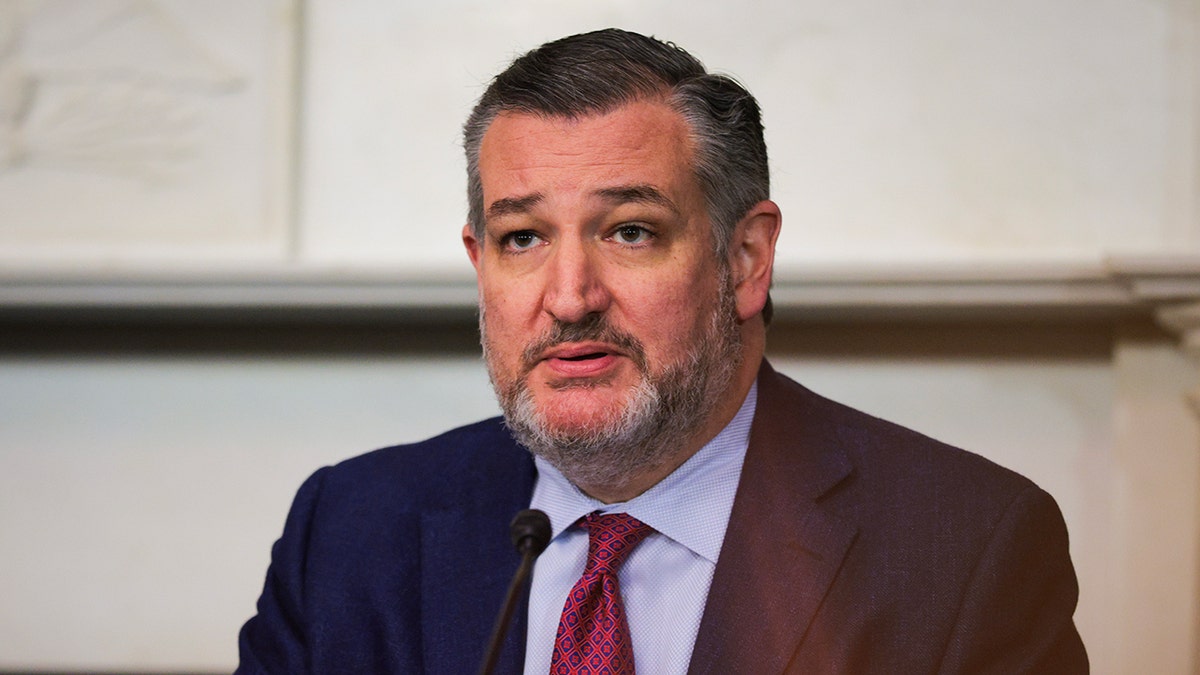
Sen. Ted Cruz, R-Texas, held the floor for more than 21 hours back in 2013. (Kayla Bartkowski/Getty Images)
But what happens if a senator – or a group of senators – delays things with long speeches? That can only last for so long. And it could potentially truncate the Senate’s need to take ANY cloture vote, needing 60 yeas.
Republicans who advocate for passage of the SAVE Act believe they can get around cloture – and thus the need for 60 votes – by making opponents of the SAVE Act talk. And talk. And talk.
And once they’re done talking, the Senate can vote – up or down – on the SAVE Act. Passage requires a simple majority.
Senate Rule XIX (19) states that «no senator shall speak more than twice upon any one question in debate on the same legislative day.»
TRUMP, THUNE CLASH ON VOTER ID ULTIMATUM AS GOP REMAINS DIVIDED ON PATH FORWARD
Easy enough, right? Two speeches per day. You speak twice on Monday, then you have to wait until Tuesday? Democrats would eventually run out of juice with 47 senators who caucus with their party.
But it’s not that simple. Note the part about two speeches per «question.»
Well, what’s a «question,» in Senate parlance? That could be the bill itself. It could be an amendment. It could be a motion. And just for the record, the Senate usually cycles through a «first degree» amendment and then a «second degree» amendment. So, if you’re scoring at home, that could be six (!) speeches per senator, per day, on any given «question.»
Questions?
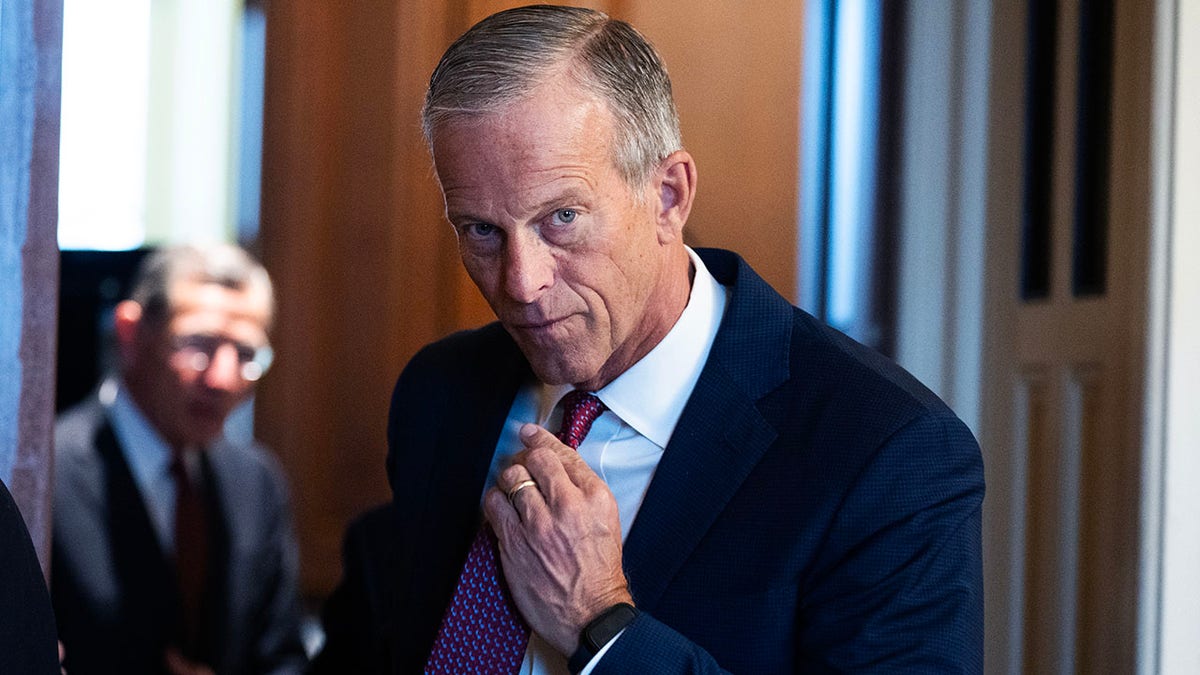
It may be up to Senate Majority Leader John Thune, R-S.D., whether the Senate «adjourns» or «recesses.» (Tom Williams/CQ-Roll Call, Inc via Getty Images)
But wait. There’s more.
Note that Rule XIX refers to a «legislative day.» A legislative day is not the same as a calendar day. One basic difference is if the Senate «adjourns» each night versus «recessing.» If the Senate «adjourns» its Monday session, then a new legislative day begins on Tuesday. However, the legislative day of «Monday» carries over to Tuesday if the Senate «recesses.»
It may be up to Senate Majority Leader John Thune, R-S.D., whether the Senate «adjourns» or «recesses.» The creation of a new «legislative day» inhibits the GOP effort.
Moreover, talking filibuster proponents could object to a request by Thune to adjourn. If the Senate votes to stay in session, that forces the legislative day of Monday to bleed over to Tuesday.
SCHUMER ONCE BLOCKED TRUMP’S MOVE TO FILL THE NATION’S OIL RESERVES, NOW HE WANTS THEM OPENED
Pro tip: watch to see if the adjournment vs. recess scenario unfolds. If a talking filibuster supporter tries to prevent the Senate from adjourning, that could signal whether the GOP has a shot at eventually passing the SAVE Act. If that test fails, the SAVE Act is likely dead in the water.
We haven’t even talked about a custom practiced by most Senate Majority Leaders to lock down the contours of a bill when they file cloture to end debate.
It’s a Senate custom to recognize the Senate Majority Leader first on the floor for debate. So Thune and his predecessors often «fill» what’s called the «amendment tree.» The amendment tree dictates how many amendments are in play at any one time. Think of the underlying bill as a «trunk.» A «branch» is for the first amendment. A «sprig» from that branch is the second amendment. Majority leaders often load up the amendment tree with «filler» amendments, not changing the subject of the bill. He then files cloture to break the filibuster.
That tactic curbs the universe of amendments. That blocks the other side from engineering controversial amendments to alter the bill. But if Thune doesn’t file cloture to end debate, then the Senate must consider amendment after amendment, repeatedly filling the tree and voting on those amendments. This scenario unfolds during a «talking» filibuster. Not when Thune is controlling the process by filing cloture and «filling the tree.»
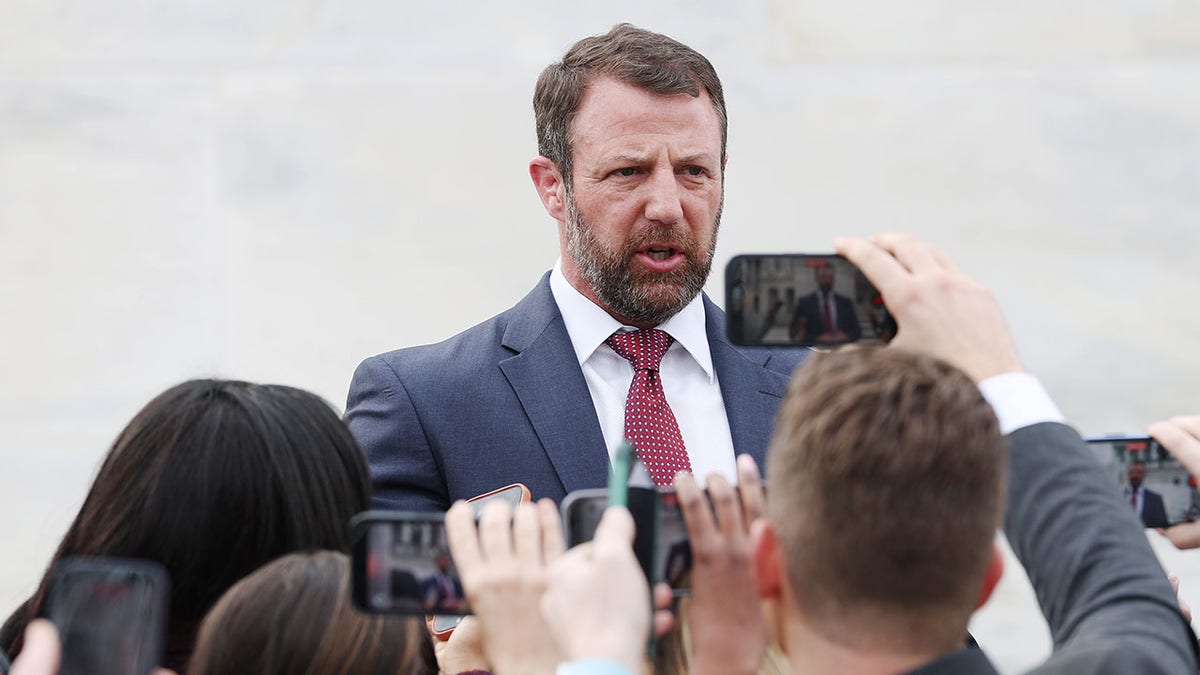
Forcing a talking filibuster may well preclude the confirmation of Sen. Markwayne Mullin, R-Okla., as Secretary of Homeland Security. ( Anna Moneymaker/Getty Images)
This is why Thune is skeptical of a talking filibuster to pass the SAVE Act.
«This process is more complicated and risky than people are assuming at the moment,» said Thune.
In fact, the biggest «benefit» to filing cloture may not even be overcoming a filibuster, but blocking amendments via management of the tree. Republicans are bracing for amendments Democrats may offer.
«If you don’t think Democrats have a laundry list of amendments, talking about who won the 2020 election, talking about the Epstein files – if you don’t think they have a quiver full of these amendments that they’re ready to get Republican votes on the record, then I’ve got a bridge to sell you,» said George Washington University political science professor Casey Burgat.
Plus, forcing a talking filibuster for days precludes the Senate from passing a DHS funding bill. That’s to say nothing of confirming Sen. Markwayne Mullin, R-Okla., as Homeland Security Secretary.
CLICK HERE TO DOWNLOAD THE FOX NEWS APP
That’s why there’s a reluctance by some Republicans to push the talking filibuster. And it could come at the expense of the SAVE Act – despite the president’s push.
congress,senate,voting

Lo que revelan los glifos mayas: nombres, fechas y relatos que reescribieron la historia antigua

Trump says it’s an ‘honor’ to keep Strait of Hormuz open for China and other countries

Muni Seligmann reveló que su bebé de 10 meses sufrió una fractura de cráneo: “Se cayó del cambiador”

Un estudio reveló qué hábito cotidiano puede perjudicar la calidad del sueño

The Hitchhiker’s Guide to the ‘talking filibuster’ and the SAVE Act

Cancillería informó que otros 97 argentinos fueron repatriados desde Emiratos Árabes: ya son más de 300 los que salieron de Medio Oriente

Javier Milei habló de la crisis con la vicepresidenta: “No quiero la renuncia de Victoria Villarruel”

La cruda confesión de Amalia Granata por el trastorno que sufre su hijo Roque: “Le hicimos estudios y salió que tiene TDAH, dislexia y disgrafia”

Wanda Nara involucrada en la separación de su hijo Valentino: su ex nuera contó toda la verdad

El Gobierno promulgó la reforma laboral: desde cuándo rige y las claves

 CHIMENTOS1 día ago
La cruda confesión de Amalia Granata por el trastorno que sufre su hijo Roque: “Le hicimos estudios y salió que tiene TDAH, dislexia y disgrafia”
- POLITICA3 días ago
Trump anunciará la creación del Escudo de las Américas, una alianza regional que integrará Milei para enfrentar al narcoterrorismo y a China
- ECONOMIA1 día ago
El mercado le está corriendo el arco a Caputo y el riesgo país no baja: en la City palpitan medidas