INTERNACIONAL
Finnish President: Trump should give Putin 3 weeks to agree Ukraine ceasefire


The president of Finland is urging President Trump to impose a deadline on Vladimir Putin of April 20 to agree a ceasefire in Ukraine.
Speaking to Fox News in London following a weekend visit with Trump in Florida, Alexander Stubb praised Trump’s negotiating efforts, saying Trump is «probably the only person in the world who can mediate the peace.»
DAN HOFFMAN: TRUMP HAS TRIED ‘EVERYTHING’ HE COULD TO ‘ENTICE’ RUSSIA TO COME TO BARGAINING TABLE
But he argued the ceasefire negotiation process should not be open ended.
«We need a ceasefire, and we need a date for the ceasefire,» Stubb said. «And that date should be the 20th of April.»
Finnish President Alexander Stubb is urging President Trump to push his Russian counterpart, Vladimir Putin, into agreeing a Ukraine ceasefire by April 20. (Getty Images)
April 20 would mark three months since Trump’s inauguration, and is also Orthodox Easter.
«If President Putin — who is the only one who is not accepting a ceasefire, because the Americans want it, the Europeans want it, the Ukrainians want it — if he doesn’t oblige by the ceasefire, then we should go for a colossal set of sanctions coming from the United States and Europe,» Stubb said.
Trump has spoken of a «psychological deadline» for Russia to agree to a ceasefire, but has declined to name a date.
TRUMP THREATENS SANCTIONS ON RUSSIA, DEMANDS PEACE AFTER MAJOR HITS IN UKRAINE
Stubb said Putin «respects, and in many ways fears, Donald Trump.»
Finland — a neighbor of Russia’s, with a shared border running more than 800 miles — upended decades of neutrality two years ago when it joined NATO, alarmed by the war in Ukraine.
Stubb believes Ukraine should also be allowed to join the military alliance «in the long run» — a position that runs counter to the Trump administration’s.

Stubb sat down for an interview with Fox News after meeting President Trump at Mar-a-Lago. (Alex Hogan/Fox News)
Following talks and a round of golf with Trump in Florida, the Finnish leader said European leaders are heeding American complaints that Europe does not spend enough money on defense, relying instead on the United States.
«Europe needs to take more responsibility for its own security, more responsibility for its own defense,» Stubb said. «I think we’re doing exactly that.»
CLICK HERE TO GET THE FOX NEWS APP
He described the U.S.-European relationship as «in a transition,» but insisted: «We’re allies.
«Just because ideologically there are differences at times between Europeans and Americans doesn’t mean that we’re going to sever or divorce.»

INTERNACIONAL
Trump le dio 48 horas a Irán para liberar el estrecho de Ormuz y amenazó con «arrasar» sus centrales eléctricas
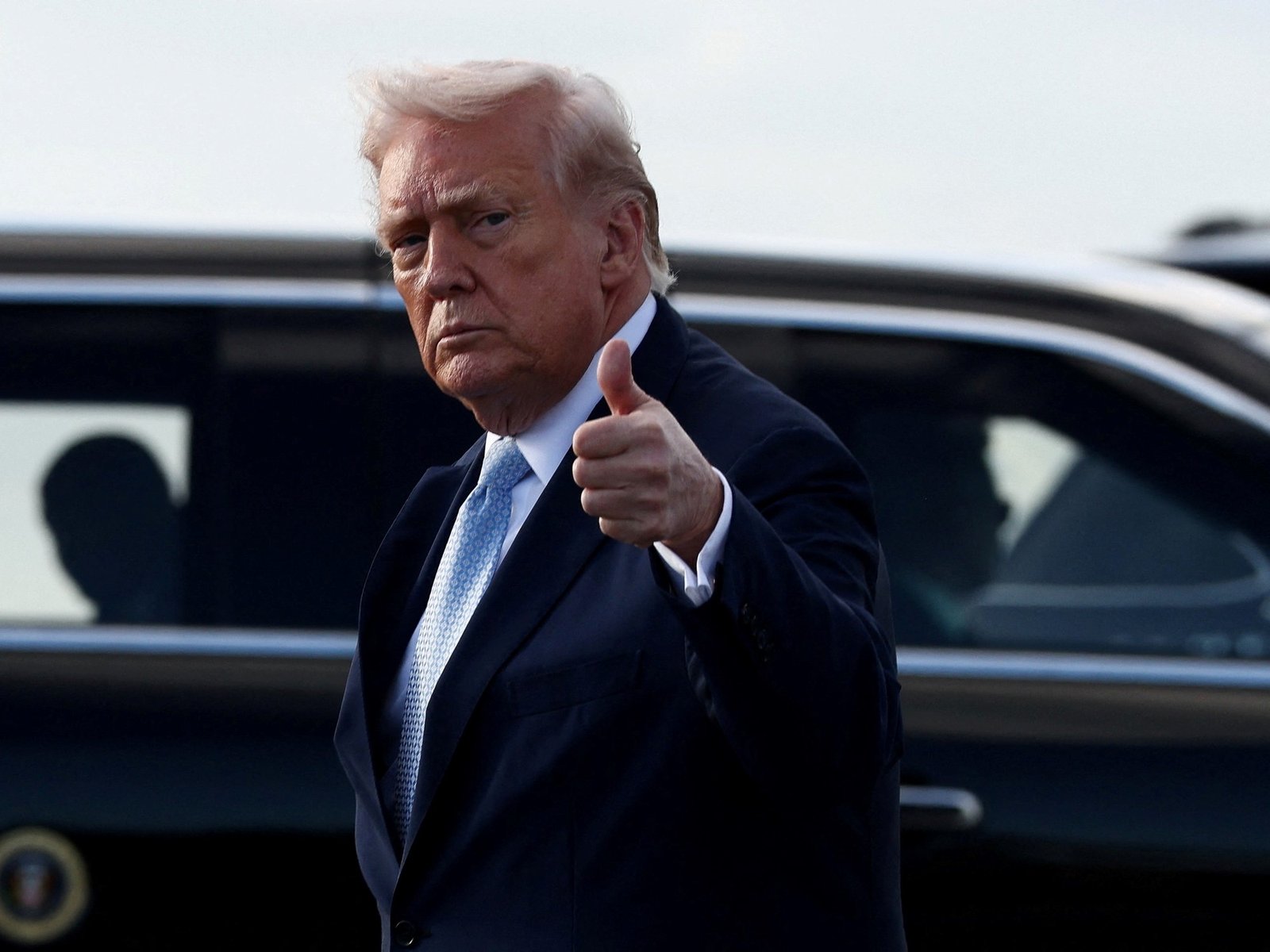
El presidente de Estados Unidos, Donald Trump, amenazó este sábado por la noche con arrasar las centrales eléctricas de Irán si el estrecho de Ormuz, un paso clave para el suministro del petróleo mundial, no es reabierto por el régimen iraní en 48 horas.
«Si Irán no abre totalmente, sin amenazas, el estrecho de Ormuz en un plazo de 48 HORAS a partir de este preciso momento, Estados Unidos atacará y arrasará con sus diversas centrales eléctricas, ¡empezando por la más grande!», escribió el mandatario en su red Truth Social.
Trump no mencionó ninguna planta específica. El mayor complejo hidroeléctrico del río Karun aparecería como el candidato más evidente por tamaño. Pero la mayor central eléctrica de Irán es la Central Nuclear de Bushehr, situada en el Golfo Pérsico, en el suroeste de Irán. Esta última tendría mayor peso simbólico, pero implicaría un riesgo de escalada mucho más amplio, lo que hace más probable que cualquier acción real se concentre en plantas térmicas estratégicas del sur del país.
Días atrás, Israel atacó el gigantesco yacimiento de gas de South Pars en Irán, horas después de que las fuerzas israelíes mataran al ministro de inteligencia del régimen y lanzaran algunos de los ataques aéreos más intensos en Beirut en décadas. El ataque a esta central gasífera, que Irán comparte con Qatar, llevó a Teherán a advertir a los estados vecinos que su infraestructura energética podría ser atacada «en cuestión de horas», y provocó furiosas reprimendas de Qatar y otras naciones de la región.
Trump aparece frustrado por la prolongación del conflicto y con la resistencia de Irán, que este sábado lanzó fuertes ataques contra Arad y Dimona, una ciudad que es sede del mayor centro nuclear israelí, provocando más de 120 heridos, en total.
Además, la base estadounidense Diego García, ubicada en el Océano Indico, fue atacada con misiles balísticos iraníes, luego de que Trump hubiera dicho que Irán no tenía la capacidad para llegar atacar tan lejos.
El estrecho de Ormuz ha estado prácticamente cerrado a la mayor parte del tráfico marítimo por las fuerzas militares iraníes desde que comenzó la guerra hace tres semanas. Esta vía fluvial, crucial y crucial, es responsable del movimiento de aproximadamente el 20% del petróleo mundial, y su cierre ha provocado un aumento en los precios del gas.
La última amenaza de Trump llega después de que dijera en una publicación de Truth Social el viernes que Estados Unidos está considerando “reducir” o desescalar la ofensiva militar en Oriente Medio. También el viernes había desestimado las preguntas sobre el plan de la Casa Banca para reestablecer el tráfico en el Estrecho de Ormuz, diciendo que «en cierto momento, se abrirá solo.»
Trump les ha pedido concretamente ayuda a los aliados de la OTAN para que los ayude a liberar el Estrecho y estos se han negado a enviar fuerzas militares a ese paso estratégico, no solo porque no desean escalar el conflicto, sino que además nunca fueron consultados por Estados Unidos antes de lanzar la ofensiva.
Luego del rechazo, Trump atacó a los líderes atlánticos llamándolos “cobardes” y les dijo que “¡Sin EE.UU., la OTAN es un tigre de papel!”.
Los precios del petróleo han escalado dramáticamente desde el inicio del conflicto, con el barril llegando a rozar los 120 dólares, lo que ha provocado temores de que aumente la inflación global, más allá de la incertidumbre que provoca la guerra y la posibilidad de que se prolongue.
Pero a medida que los precios del combustible vienen subiendo en el mundo y particularmente en Estados Unidos (donde ya subió un dólar el galón desde el inicio de la ofensiva el 28 de febrero), los funcionarios estadounidenses han estado intentando frenéticamente evitar un posible cierre del estrecho prolongado, reconociendo en privado que reabrir la vía fluvial clave es un problema sin una solución clara.
Antes de publicar este posteo, Trump había dicho que quiere llegar a un acuerdo con Irán, pero no lo hace porque ya ha cumplido sus objetivos «semanas antes de lo previsto» y que Estados Unidos ha «desplazado a Irán del mapa.»
«Su liderazgo ha desaparecido, su marina y fuerza aérea están muertas, no tienen absolutamente ninguna defensa y quieren llegar a un acuerdo. ¡No lo hago!» Trump dijo en Truth Social.
INTERNACIONAL
Mamdani ignites social media outrage after photo-op at notorious NYC jail: ‘F—ing ridiculous’
NEWYou can now listen to Fox News articles!
As New York City Mayor Zohran Mamdani has been embracing his Muslim faith amid Ramadan, he decided to break his religious fast with inmates who share his faith, in New York’s notorious Rikers Island jail, calling it «one of the most meaningful evenings» he’s had as mayor.
Although Mamdani has visited Rikers Island in the past as a state legislator, this marked his first visit as mayor of New York City.
Shortly before arriving, he reiterated his pledge to shut down the jail and have the city absorb the incarcerated population into its borough-based jails. He also hinted at plans to hire a facilitator to expedite those plans.
«This is me just being a Muslim New Yorker,» Mamdani said during the visit to Rikers, according to NPR. «There are some for whom that is a political act.»
NYC MAYOR MAMDANI’S WIFE GLORIFIED TERRORISTS IN ONLINE POSTS, CRITICIZED US MILITARY: REPORT
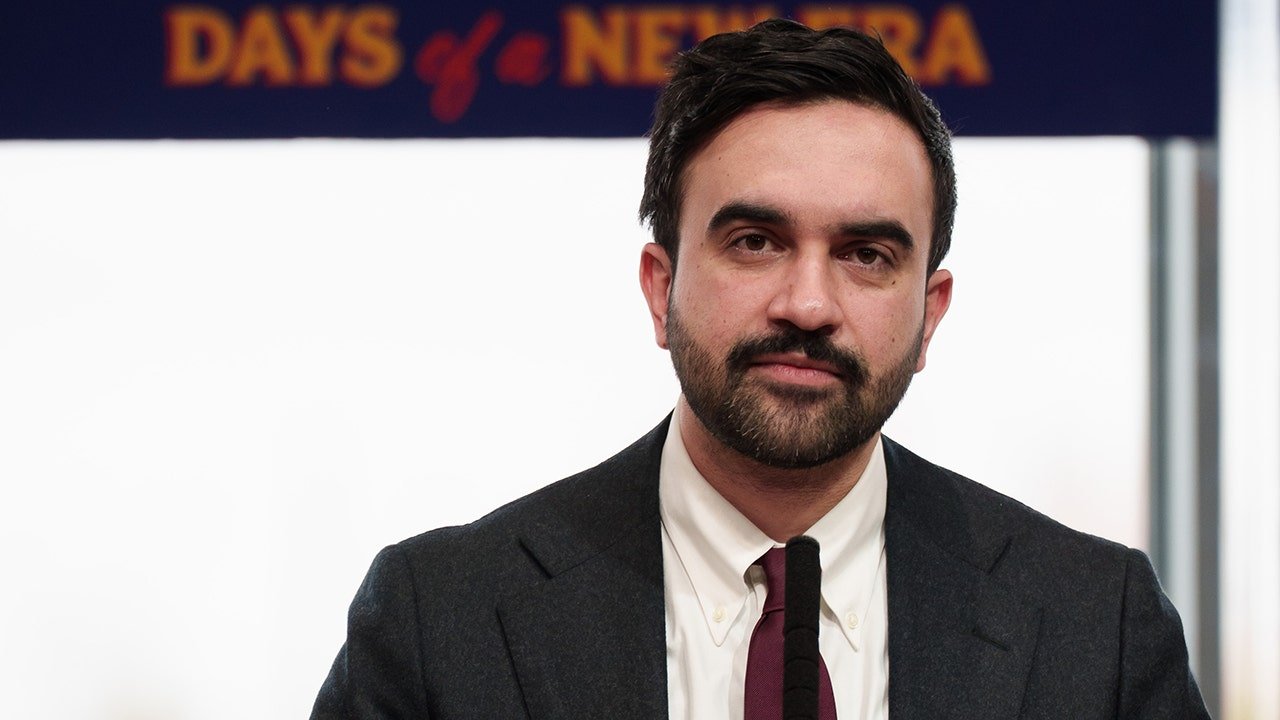
Mayor of New York Zohran Mamdani next to Dylan Contreras, a high school student who was recently released from federal custody, speaks during a press conference at Middle Collegiate Church in New York City on March 19, 2026. (Leonardo Munoz/AFP via Getty Images)
Mamdani was joined during the visit by Yusef Salaam, a member of the so-called «Central Park Five» who were exonerated of a 1989 rape and assault. Salaam currently serves as a member of the New York City Council.
Social media erupted after Mamdani’s X post, with many critics questioning his decision to visit inmates at Rikers, which is notorious for its violent criminals.
Mystery novelist Daniel Friedman, who, according to his bio on Macmillan Publishers’ website, lives in New York City, noted, «You have to be an absolute monster to be sent to Rikers Island these days.»
«Offenders on Rikers all have long histories of doing things so horrible that even the woke, pro-crime judges and prosecutors in NYC don’t want to be responsible for what they’ll do if they let them go,» Friedman added.
Moshe Hill, a long-time Long Island resident and candidate for the Nassau County legislature, agreed with Friedman.
«Criminals in prison are just ‘New Yorkers in custody,’ according to Mamdani. Why are they in custody? You don’t go to Rikers Island for nothing!» Hill quipped.
DAVID MARCUS: THE MORE AMERICA GIVES MAMDANI, KHALIL AND THE MAD BOMBERS, THE MORE THEY HATE US
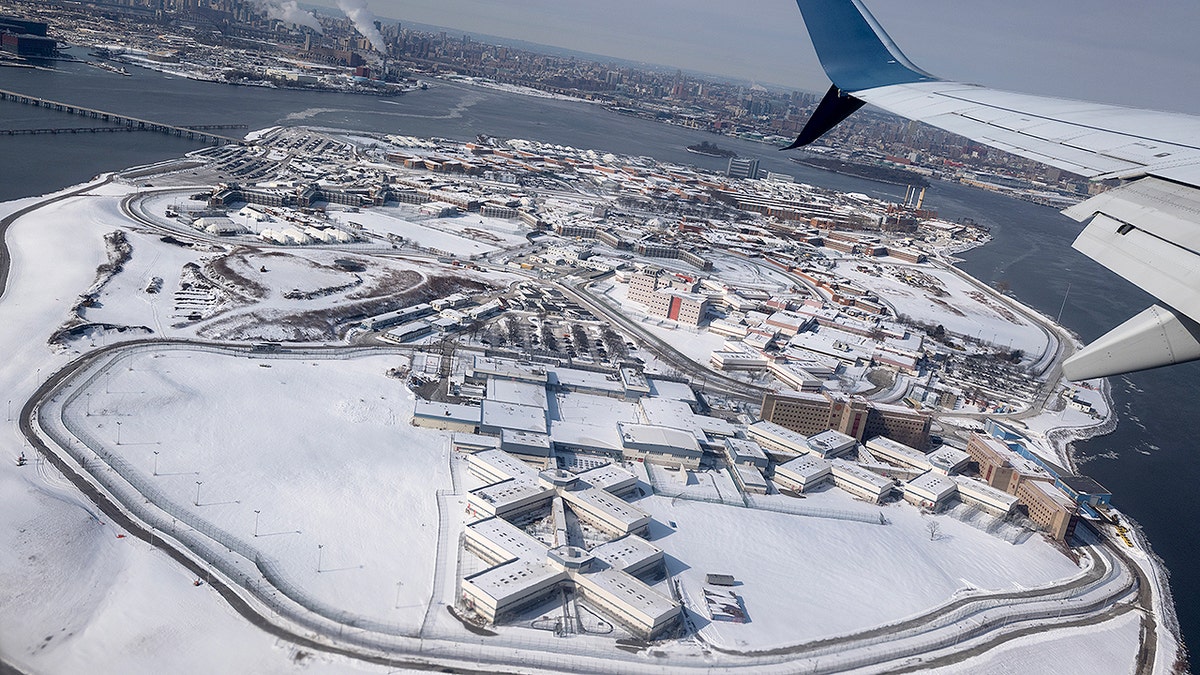
A view of Rikers Island on a winter morning, as seen from a passenger flight leaving LaGuardia Airport, January 31, 2026, in the borough of Queens, New York City. (Andrew Lichtenstein/Corbis via Getty Images)
«Mayor likes to hang out with the people who victimize us. F—ing ridiculous,» Newsmax’s Rob Schmitt posted on X.
Meanwhile, Emmy-Award winning producer and columnist Daniella Greenbaum Davis made her own post, asking the New York City mayor whether he had also visited the victims of the inmates he was meeting with.
«Visiting people in jail is admirable but just wondering if you’ve also visited their victims / the families of their victims?» she questioned. «Seems like there is a bizarre progressive determination to invert victimization I can’t quite understand.»
Among Mamdani’s celebrations during Ramadan was an iftar, or a daily fast-breaking, at the Museum of the City of New York. That also triggered some responses, including from a former college football coach and lawmaker, Sen. Tommy Tuberville, R-Ala.,
DR. PHIL CALLS OUT ZOHRAN MAMDANI’S WIFE AFTER REPORTEDLY LIKING SOCIAL MEDIA POSTS ABOUT OCT. 7 ‘HOAX’ CLAIMS
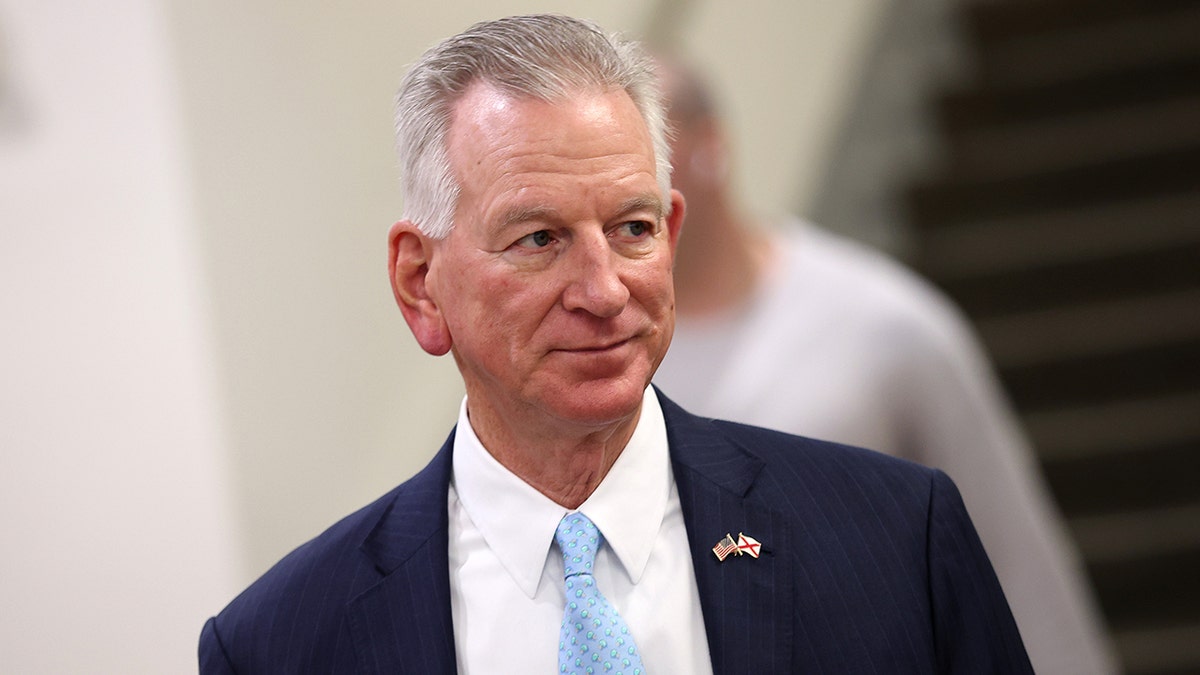
U.S. Sen. Tommy Tuberville (R-AL) speaks to reporters as he returns to his office at the U.S. Capitol on February 10, 2026, in Washington, DC (Kevin Dietsch/Getty Images)
Tuberville shared a photo of Mamdani at the iftar alongside a photo of the Twin Towers on fire after planes hit them on Sept. 11, 2001. «The enemy is inside the gates,» Tuberville captioned the post.
Tuberville has faced backlash over the post, but the GOP senator stood firm and defended his social media post.
«I just go by his rhetoric,» Tuberville said.
«He’s made a lot of statements about his stance with Islam and radical Islam, all the things that go along with what he preaches every day. And I’m just kind of repeating what he’s saying,» the senator told D.C. News Now’s Reshad Hudson.
CLICK HERE TO DOWNLOAD THE FOX NEWS APP
«We don’t need a division in this country. We need everybody to go with the Constitution, understand we have moral values. And if we all stick with those — I don’t care if you’re Muslim or Catholic or Baptist, it makes no difference,» he continued.
He added, «We need to make the country better; we don’t need to divide it. That’s what he’s doing in New York.»
Fox News Digital’s Landon Mion contributed to this report.
new york city,zohran mamdani,police and law enforcement
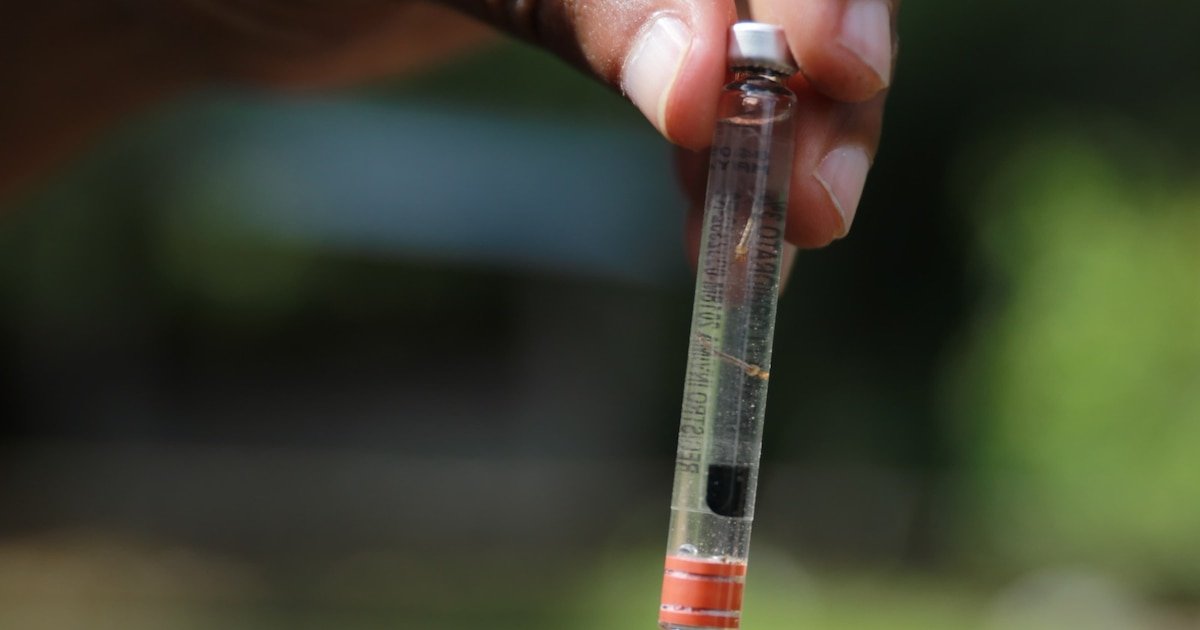
El dengue en Panamá muestra un comportamiento que comienza a encender alertas en la población más joven. Según el último informe del Ministerio de Salud (Minsa), el grupo de 10 a 14 años es actualmente el más afectado, con una tasa de incidencia de 32.4 casos por cada 100,000 habitantes, superando al resto de los rangos etarios.
Este dato refleja una tendencia que preocupa a las autoridades sanitarias, ya que evidencia una mayor exposición de los menores de edad a entornos donde prolifera el mosquito Aedes aegypti.
En términos generales, el país acumula 1,232 casos de dengue hasta la semana epidemiológica No. 8 de 2026. De ese total, 1,081 corresponden a casos sin signos de alarma, mientras que 146 presentan signos de alarma y 5 han sido clasificados como dengue grave, lo que mantiene la vigilancia activa del sistema de salud.
Las cifras evidencian que, aunque la mayoría de los contagios son leves, existe un grupo de pacientes que puede evolucionar hacia formas más complejas de la enfermedad.

El informe también detalla el impacto en el sistema hospitalario, con un total de 149 personas hospitalizadas a nivel nacional. Además, se han registrado 4 defunciones, correspondientes a Bocas del Toro, con tres casos, y Coclé, con uno.
Estas cifras, aunque contenidas en comparación con otros países de la región, reflejan que el dengue sigue siendo una enfermedad con potencial letal si no se detecta y atiende a tiempo.
A nivel territorial, la distribución de los casos confirma que el virus mantiene una circulación activa en distintas zonas del país. La Región Metropolitana encabeza la lista con 337 casos, seguida por Colón, Bocas del Toro, San Miguelito y Panamá Oeste, que concentran una parte importante de los contagios.
También destacan áreas como Panamá Este, Herrera y Panamá Norte, lo que evidencia que la transmisión no está focalizada, sino extendida en múltiples regiones.
Entre los principales síntomas del dengue, las autoridades mencionan la fiebre, el dolor de cabeza, el malestar general, los dolores musculares y el dolor ocular.

Ante la presencia de estos signos, el Minsa insiste en la importancia de no automedicarse y acudir de forma oportuna a un centro de salud. La detección temprana es clave para evitar complicaciones, especialmente en pacientes que pueden desarrollar signos de alarma como sangrados o dolor abdominal intenso.
En el contexto regional, la situación del dengue en las Américas muestra un comportamiento mixto. De acuerdo con la Organización Panamericana de la Salud (OPS), hasta la semana epidemiológica 7 de 2026 se han reportado 299,210 casos sospechosos, de los cuales 66,690 han sido confirmados, además de 458 casos graves y 47 muertes .
Aunque estas cifras representan una disminución frente a 2025, las autoridades mantienen la alerta debido a la circulación simultánea de varios serotipos del virus.

La OPS también ha advertido que el dengue sigue siendo una de las enfermedades vectoriales más relevantes en la región, con capacidad de generar brotes explosivos cuando las condiciones climáticas y ambientales favorecen la reproducción del mosquito.
Factores como el aumento de temperaturas, la acumulación de agua y el crecimiento urbano desordenado continúan impulsando la expansión del virus en países de América Latina.
En Panamá, las autoridades sanitarias han reiterado que el control del dengue depende en gran medida de la participación ciudadana. El Minsa ha intensificado los operativos a través del equipo de Control de Vectores, pero insiste en que la eliminación de criaderos en viviendas y comunidades es fundamental para reducir los casos.
Recipientes como latas, botellas, neumáticos y cualquier objeto que acumule agua representan un riesgo directo.
El comportamiento del dengue en 2026, tanto a nivel nacional como regional, confirma que la enfermedad sigue siendo un desafío constante para los sistemas de salud.
Aunque las cifras actuales muestran cierta contención en comparación con años anteriores, la presencia de casos graves, defunciones y el impacto en población joven obligan a mantener las estrategias de vigilancia, prevención y respuesta activa en todo el país.
paciente,psiquiatría,hospital,salud mental,descanso,cama,luz cálida,noche,recuperación,bienestar

En medio de la polémica, Tini Stoessel celebró su cumpleaños con un íntimo festejo en Córdoba

Elecciones 2027: Cristian Ritondo adelantó que el PRO mantendrá la alianza bonaerense con los libertarios

Trump le dio 48 horas a Irán para liberar el estrecho de Ormuz y amenazó con «arrasar» sus centrales eléctricas

¿Y si el plan no está funcionando?

Mamdani ignites social media outrage after photo-op at notorious NYC jail: ‘F—ing ridiculous’

Boca Juniors vs. Instituto: formaciones, hora y dónde ver por tv

Juicio por YPF: la Justicia de EEUU benefició a Argentina y suspendió todas las demandas hasta que se defina la cuestión de fondo

Senado: la oposición pidió explicaciones por $LIBRA y los vuelos de Adorni y Bullrich defendió al Gobierno

Kicillof desembarcó en CABA, lanzó su proyecto 2027 y empezará a ampliar su armado político en todo el país

¿DÓNDE ESTÁ ESMERALDA? El grito de una madre que sacude a la Argentina: «Me la arrebataron de la puerta»

 POLITICA2 días ago
Kicillof desembarcó en CABA, lanzó su proyecto 2027 y empezará a ampliar su armado político en todo el país
- POLITICA3 días ago
¿DÓNDE ESTÁ ESMERALDA? El grito de una madre que sacude a la Argentina: «Me la arrebataron de la puerta»
- POLITICA2 días ago
¿MACRI 2027? El «operativo retorno» que sacude al PRO y los nombres que suenan para la vicepresidencia