INTERNACIONAL
First on Fox: Republican firebrand Nancy Mace launches bid for South Carolina governor

NEWYou can now listen to Fox News articles!
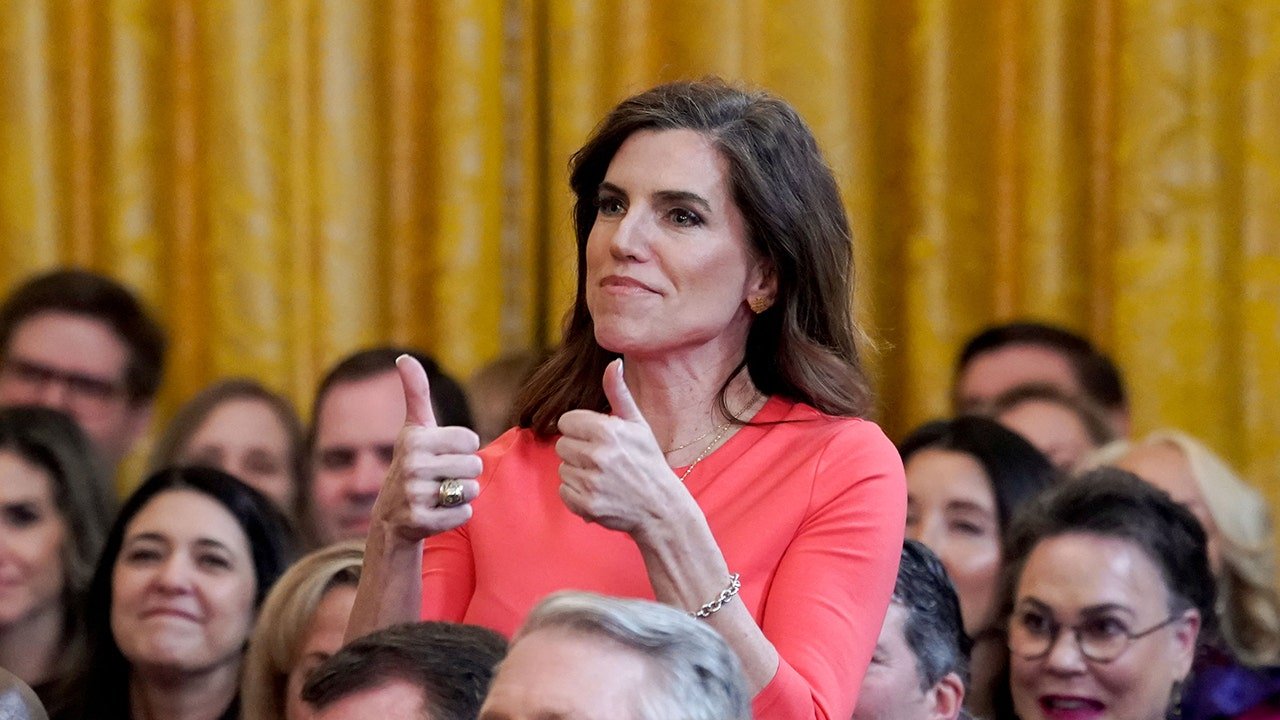
EXCLUSIVE – Rep. Nancy Mace, the South Carolina Republican with a large national profile, on Monday declared her candidacy for Palmetto State governor.
«I’m running to put South Carolina first,» Mace, a three-term House member who represents a coastal congressional district in the state’s Lowcountry, said in a statement shared first with Fox News Digital.
Mace, as she launched her campaign, argued that «we can continue doing the things we’ve always done,» as she took aim at what she called «weak leadership» in the state.
«Or we can chart a new course – one filled with common sense and bold policies to hold the line for South Carolina,» she emphasized.
HOUSE FREEDOM CAUCUS MEMBER RALPH NORMAN JUMPS INTO SOUTH CAROLINA GOVERNOR’S RACE
And Mace went up on a newly launched campaign website with a 10-point agenda that she called «a clear, conservative, common sense roadmap to rebuild South Carolina from the ground up:»
Mace is following her announcement with a campaign policy event Monday morning in Charleston at the Citadel, which is South Carolina’s public military college and her alma mater.
Mace enters a crowded GOP primary field in the 2026 race to succeed term-limited Republican Gov. Henry McMaster, who is the Palmetto State’s longest-serving governor.
South Carolina Attorney General Alan Wilson, Lt. Gov. Pamela Evette and state Sen. Josh Kimbrell are all seeking the GOP nomination in the reliably red state. They were joined a week ago by Republican Rep. Ralph Norman, who declared his candidacy.
SOUTH CAROLINA ATTORNEY GENERAL ALAN WILSON LAUNCHES BID FOR GOVERNOR
Mace, in a recent interview with Fox News Digital ahead of her launch, said that «we’re starting out front, in the lead, and it’s a two-man race» between her and Wilson.
And she pledged that «I will fight to the finish, and I will take out South Carolina’s Attorney General, because he’s turned a blind eye on women and on children and on the state for a lot of reasons. He might force me to do this.»
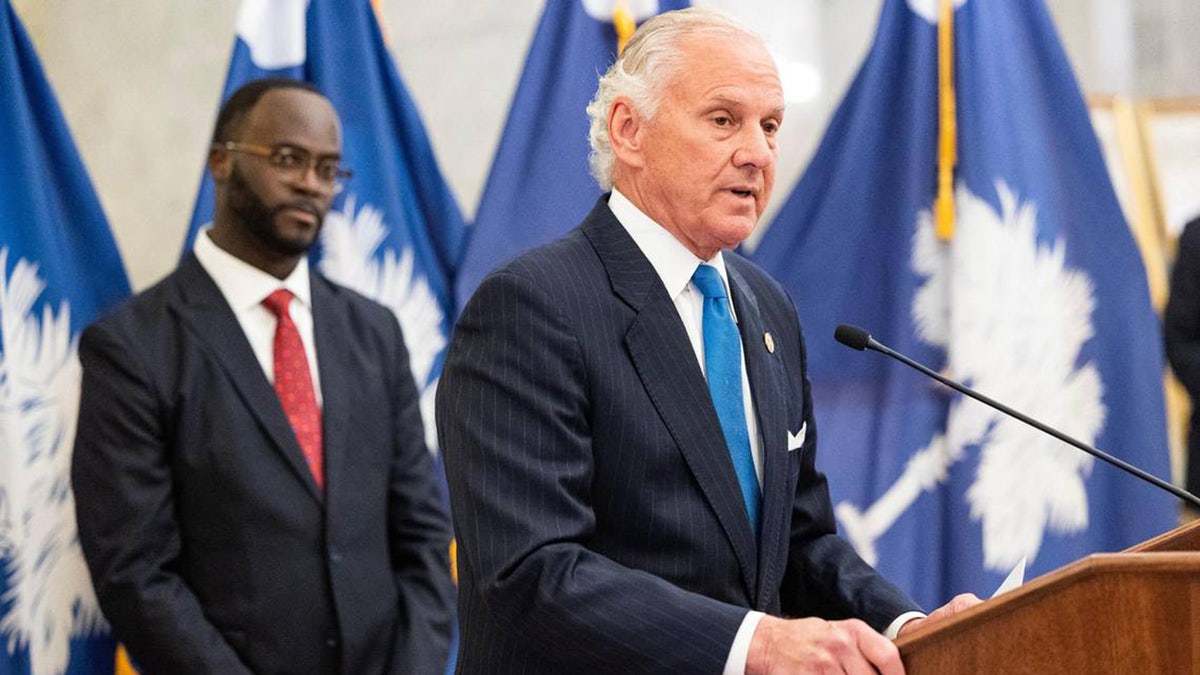
South Carolina Attorney General Alan Wilson, seen speaking at the South Carolina State House on Thursday, Aug. 15, 2024, is running a Republican campaign for governor in 2026. (Tracy Glantz/The State/Tribune News Service via Getty Images)
Mace, in a bombshell speech on the U.S. House floor in February, alleged that Wilson ignored evidence of sexual assault against her and other women. In her hour-long speech, Mace accused four men, including her ex-fiance, of sexual crimes and said she was among the victims.
Wilson vehemently denied Mace’s accusations, saying at the time «that allegation was never made to me — no one in my office.»
Wilson, in a statement to Fox News a week ago, argued that «Nancy Mace is a liar who will do anything to get attention to distract from her liberal voting record. I’ve served our country and dedicated my civilian career to protecting children.»
«Her attacks are, again, categorically false and are just a distraction from her liberal agenda,» he added. «South Carolina families need a Governor who will fight for our values, not someone who will compromise them for political gain and social media clicks.»
And Wilson’s campaign highlighted that every sheriff in Mace’s congressional district has endorsed his campaign for governor.
Republican Gov. Henry McMaster, South Carolina’s longest-serving governor, is term-limited and cannot seek re-election in 2026. (Joshua Boucher/The State/Tribune News Service via Getty Images)
Mace, who dropped out of high school at age 17, and worked at a Waffle House before eventually becoming the first female graduate of the Citadel’s Corps of Cadets, won election to Congress in 2020. She defeated Democratic Rep. Joe Cunningham, to become the state’s first Republican woman elected to the House.
Mace, who worked on President Donald Trump’s 2016 presidential campaign, strongly criticized his actions surrounding the Jan. 6, 2021 attack on the U.S. Capitol, when Trump supporters attempted to upend congressional certification of now-former President Joe Biden’s victory in the 2020 election.
NANCY MACE ARGUES RUSSIAGATE A ‘POLITICAL HIT JOB’
Trump backed a primary challenger against Mace when she was up for re-election in 2022, but she successfully won re-nomination and re-election.
Mace later came to Trump’s defense after the then-former president was indicted for mishandling classified documents. And she endorsed Trump in the 2024 Republican presidential primaries, as he topped a large field of rivals, including former South Carolina Gov. Nikki Haley.
Trump’s grip over the GOP, thanks to his 2024 victory to win back the White House, is stronger than ever, and his endorsements in GOP nomination races are extremely influential.
Asked if she could land the president’s endorsement, Mace told Fox News Digital, «I’ll be working very hard if I get in to earn his support.»
And in her campaign launch video, Mace uses a clip of Trump calling her a «fighter» in a speech, and adding that «when she sets her sight on something, she’s tough.»
Mace has leaned hard into cultural issues in recent years, including leading the charge to prevent Democratic Rep. Sarah McBride of Delaware, the first openly transgender member of Congress, from using the women’s restrooms in the House.
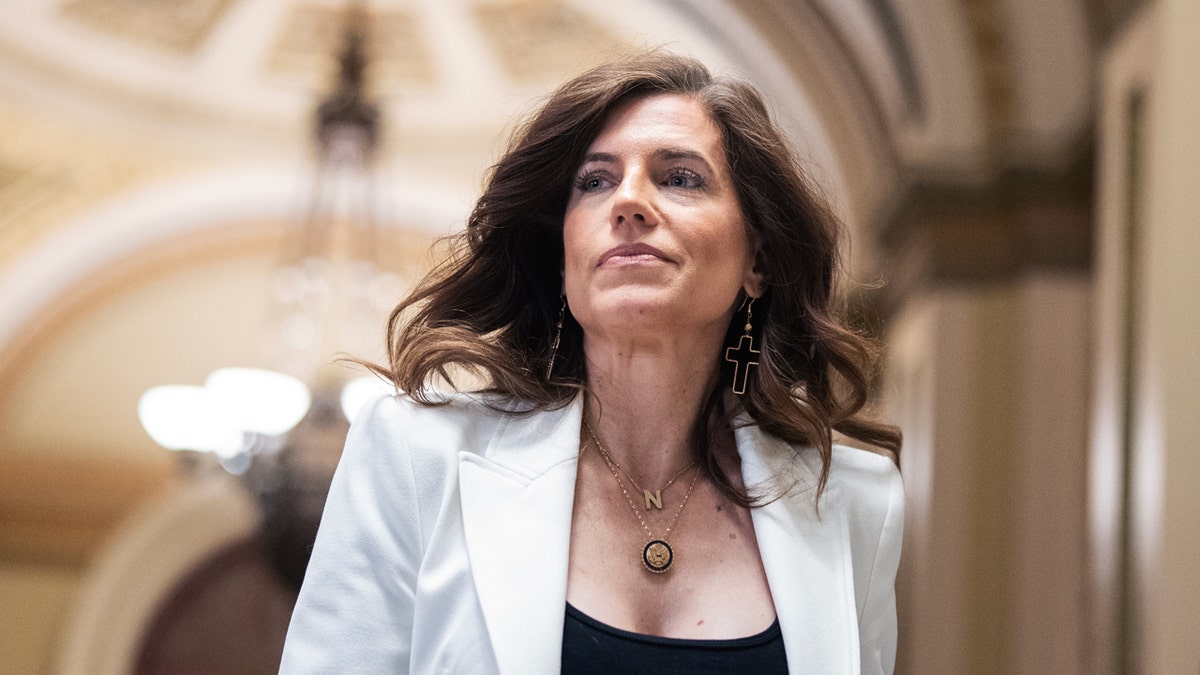
Republican Rep. Nancy Mace of South Carolina, seen in the U.S. Capitol on Thursday, April 10, 2025, on Monday announced her candidacy for governor in the 2026 race to succeed term-limited GOP Gov. Henry McMaster. (Tom Williams/CQ-Roll Call, Inc via Getty Images)
And Mace, in her campaign launch, vowed to defend what she called «biological reality and stop the radical gender agenda.»
CLICK HERE TO GET THE FOX NEWS APP
«No child is born in the wrong body. No boy belongs in a girls’ locker room. And no teenage girl should lose her scholarship to a boy in a skirt,» she argued. «I’ve already started shutting down this woke ideology at South Carolina schools, and will do significantly more to gut this abusive ideology and ship it out of state.»
elections,south carolina,governors,republicans elections,donald trump,midterm elections,politics











INTERNACIONAL
EN VIVO: El Ejéricto de Israel llevó a cabo una “oleada de ataques a gran escala” en Teherán
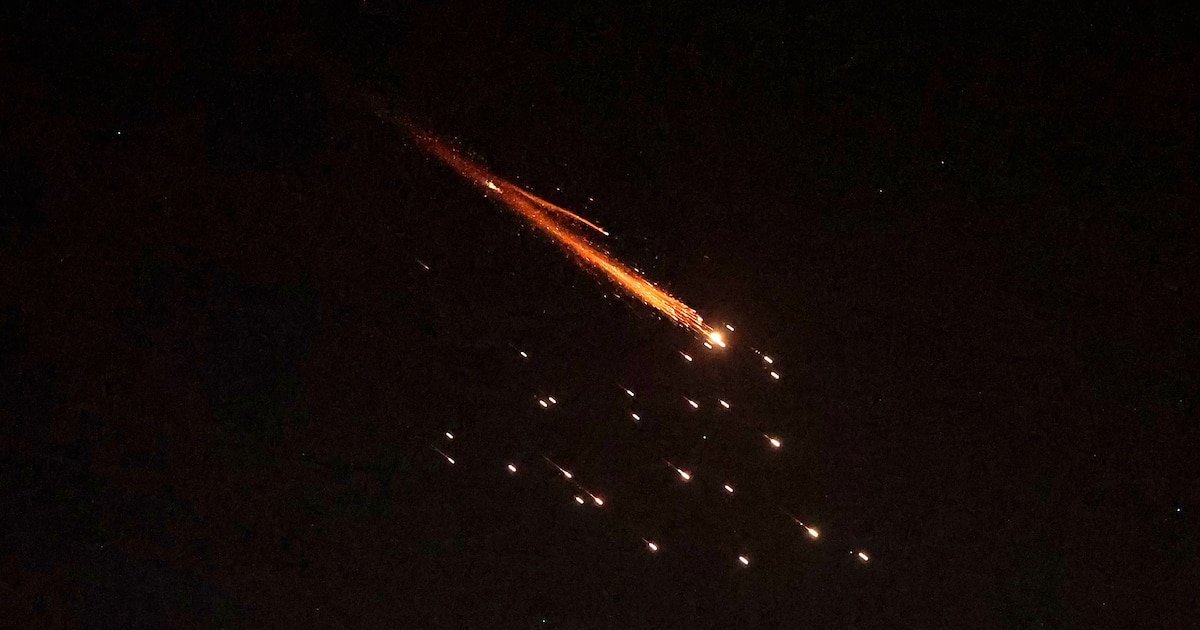
La Casa Blanca anunció que el presidente de Estados Unidos, Donald Trump, dará este miércoles a las 21:00 (hora de Washington) una “importante actualización” sobre la guerra en Irán, en un mensaje institucional que se difundirá por los canales oficiales.
Trump declaró el martes desde la Oficina Oval que el retiro de las fuerzas estadounidenses de Irán se concretará “muy pronto, en dos o tres semanas”, en el marco de la ofensiva conjunta con Israel. “Estamos terminando el trabajo”, sostuvo. En paralelo, el primer ministro israelí, Benjamin Netanyahu, aseguró que la operación militar continuará hasta desmantelar la estructura de poder de la república islámica. “La campaña no ha terminado. Seguiremos aplastando al régimen del terror”, afirmó.
Por su parte, el Jefe de Estado iraní, Masud Pezeshkian, señaló que su país tiene la “voluntad” de poner fin a la guerra con Estados Unidos e Israel, aunque exigió garantías para evitar una reanudación del conflicto en caso de un acuerdo de paz. En contraste con esa postura, Teherán lanzó ataques contra el aeropuerto de Kuwait, Arabia Saudita, una embarcación frente a las costas de Qatar, Emiratos Árabes Unidos y Bahréin durante la madrugada.
A continuación, la cobertura minuto a minuto:
Un niño israelí de 11 años resultó herido tras los ataques de Irán a Israel
El servicio de emergencias médicas de Israel reportó que una niña de 11 años se encuentra en estado grave tras un ataque con misiles que el ejército atribuyó a Irán.
Las alertas por misiles se activaron en el centro y norte de Israel luego de que las fuerzas de defensa emitieran advertencias sobre el fuego entrante. Los rescatistas informaron, además, de al menos 12 heridos más como resultado del ataque.
Otras dos personas sufrieron heridas moderadas, entre ellas un niño de 13 años y una mujer de 36, según el servicio de emergencias médicas Magen David Adom.


Un ciudadano bangladeshí muere por metralla de dron en Emiratos Árabes Unidos
Un bangladeshí murió en Emiratos Árabes Unidos tras la caída de metralla resultante de la interceptación de un dron, informó este miércoles la agencia oficial de noticias WAM.
El incidente ocurrió en Fujairah, cerca del estrecho de Ormuz. “La caída de metralla tras la interceptación de un dron… provocó la muerte de una persona de nacionalidad bangladesí”, publicó WAM en X.
Fuerte explosión y humo en los suburbios del sur de Beirut
Israel llevó a cabo una “oleada de ataques a gran escala” en Teherán

“Recientemente, las FDI completaron una extensa serie de ataques contra la infraestructura del régimen terrorista iraní en Teherán; próximamente se darán a conocer más detalles“, informó el Ejército israelí vía X.
Marco Rubio afirmó que Washington “va a tener que reexaminar” su relación con la OTAN una vez concluida la guerra contra Irán
“Cuando necesitamos que nos permitan usar sus bases militares, ¿su respuesta es ‘no’? Entonces, ¿para qué estamos en la OTAN? Hay que plantearse esa pregunta”, afirmó el secretario de Estado estadounidense en una entrevista con Fox News

El secretario de Estado de Estados Unidos, Marco Rubio, afirmó el martes que Washington “va a tener que reexaminar” su relación con la OTAN una vez concluida la guerra contra Irán, en medio de restricciones europeas al uso de bases militares por parte de fuerzas estadounidenses.
Las defensas de Israel respondieron a un misil procedente de Yemen

El Ejército israelí informó que sus defensas aéreas respondieron la madrugada del miércoles al lanzamiento de un misil desde Yemen, donde los hutíes, aliados de Irán, han reivindicado ataques contra Israel en los últimos días.
Un comunicado castrense señaló que las fuerzas israelíes “identificaron el lanzamiento de un misil desde Yemen hacia territorio israelí; los sistemas de defensa aérea están operativos para interceptar la amenaza”.
Posteriormente, el ejército anunció que se “permitía a los residentes abandonar las zonas protegidas en todas las áreas del país”.
Las Fuerzas de Defensa de Israel reportaron más de 10.000 operaciones en Irán
Israel lanzó más de 16.000 municiones en territorio iraní desde el inicio de la guerra, en más de 800 oleadas de ataques, según fuentes militares.
Las Fuerzas de Defensa de Israel (FDI) informaron que se realizaron más de 10.000 ataques distintos contra 4.000 objetivos, entre los que figuran sistemas de defensa aérea, lanzadores de misiles balísticos, centros de producción de armas, instalaciones nucleares, cuarteles generales y comandantes y líderes militares.
Trump afirmó que Estados Unidos dejará de asumir responsabilidades directas sobre la seguridad del estrecho de Ormuz
“Lo que pasa en el estrecho no será asunto nuestro. Francia, China y otras naciones podrán abastecer sus barcos y gestionar por sí mismos su seguridad”, afirmó el mandatario, en referencia a los países que dependen del flujo energético que atraviesa ese paso clave

El presidente de Estados Unidos, Donald Trump, anunció el martes que su país dejará de asumir responsabilidades directas sobre la seguridad del estrecho de Ormuz y que avanzará con la retirada de sus fuerzas de Irán en un plazo de dos o tres semanas, al considerar cumplidos sus objetivos en la región.
war
INTERNACIONAL
Dem gubernatorial candidate racked up eye-popping travel bill as AG on up to 400+ travel days out of state
NEWYou can now listen to Fox News articles!
FIRST ON FOX: Nevada Attorney General Aaron Ford, a Democrat running for governor of Nevada in November, has racked up hundreds of thousands of dollars in travel costs since assuming office, prompting criticism from his political rivals as he pursues re-election in 2026.
State records indicate that Ford spent close to $270,000 on airfare and out-of-state hotel stays since assuming office in 2019. When combined with over $140,000 Ford accepted from group-sponsored travel and lodging, such as the Democratic Attorneys General Association, his total travel amounts to over $410,000 in trips over seven years.
In 2024 alone, Ford spent $60,730 on trips to 16 different cities, including $2,819 on a trip to Secrets Puerto Los Cabos, a luxury resort in Mexico, and another $11,992 at Martha’s Vineyard, a top vacation spot that attracts a wealthy clientele.
While it’s unclear how much of the figure represents in-state travel, the numbers dovetail with reports that Ford spent as much as 137 days away from his state in 2024, a figure confirmed by his office.
SENATE HOPEFUL WITH DEEP DEM TIES HAS PAID FAMILY OVER $350K FROM HIS CAMPAIGN COFFERS
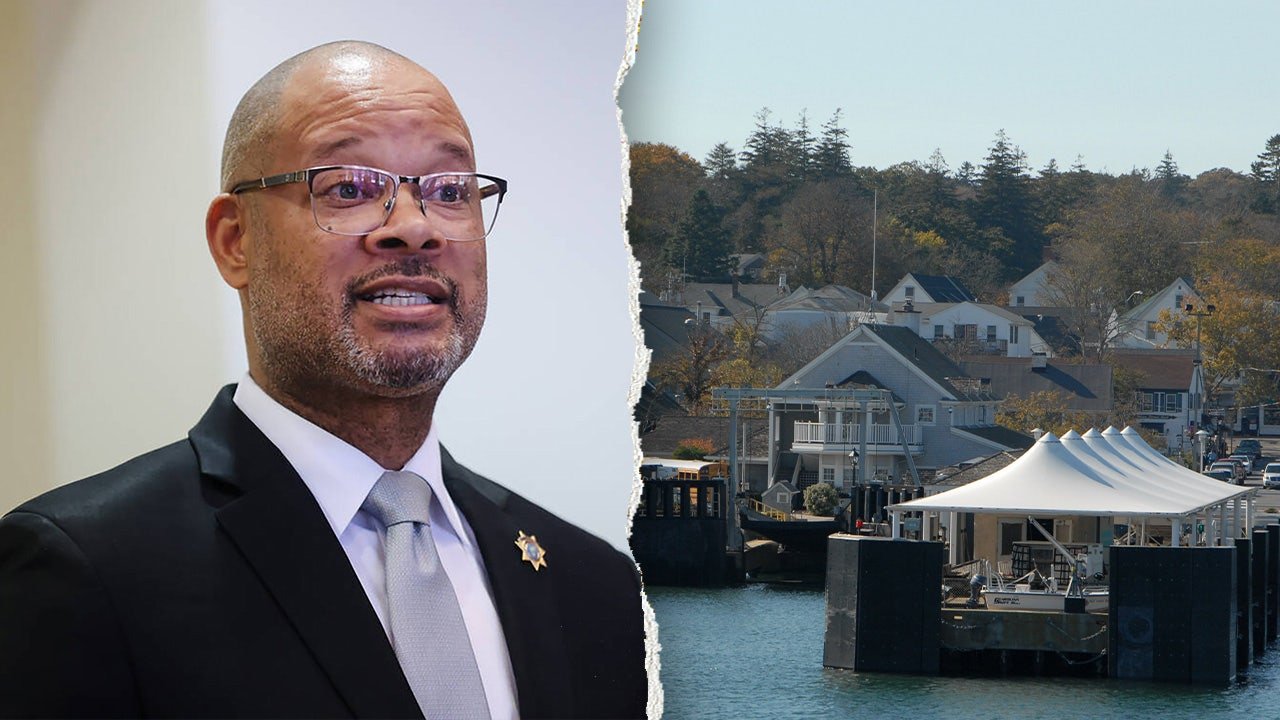
Aaron Ford, left, pictured alongside a dock at Martha’s Vineyard, right. (Rachel Aston/Las Vegas Review-Journal/Tribune News Service via Getty Images; Peter Bischoff/Getty Images)
Additionally, Ford’s record of hotel travel stays since his election indicate he has spent almost 20% of his career as Nevada AG out of the state, based on reporting from The Nevada Independent that found Ford spent at least 420 days out of state during his time in office.
To at least one Republican strategist, the costs and time away exceed what’s likely necessary for the job.
«High-Flying Aaron Ford has treated his position as attorney general like a part-time job, vacationing on the dime of special interests and campaign donors for well over a year of his tenure,» John Burke, spokesman for Better Nevada PAC, said in a comment to Fox News Digital.
Ford is also under investigation by the Nevada Commission on Ethics over whether he solicited improper gifts or used his office to improperly benefit himself, according to documents recovered by local outlets.
John Sadler, a spokesperson for the attorney general’s office, noted that the reported travel falls under campaign events and would not draw from state funding. At the same time, Sadler noted that Ford traveled to perform his role and coordinate with law enforcement offices across the country. Under Nevada state law, candidates are allowed to use campaign funds to conduct official business.
«He attended several meetings for bipartisan groups, such as NAAG and AGA, an organization that Attorney General Ford was voted by his attorneys general colleagues to serve as chair of in 2024,» Sadler said, referring to the National Association of Attorneys General and the Attorney General Alliance, respectively.
«These events allowed AG Ford to discuss critical issues for Nevadans, such as human and sex trafficking, cybercrime and fraud and the opioid crisis,» Sadler added.
FEDERAL ELECTION COMPLAINT ALLEGES AOC MISUSED CAMPAIGN FUNDS FOR PSYCHIATRIST SERVICES
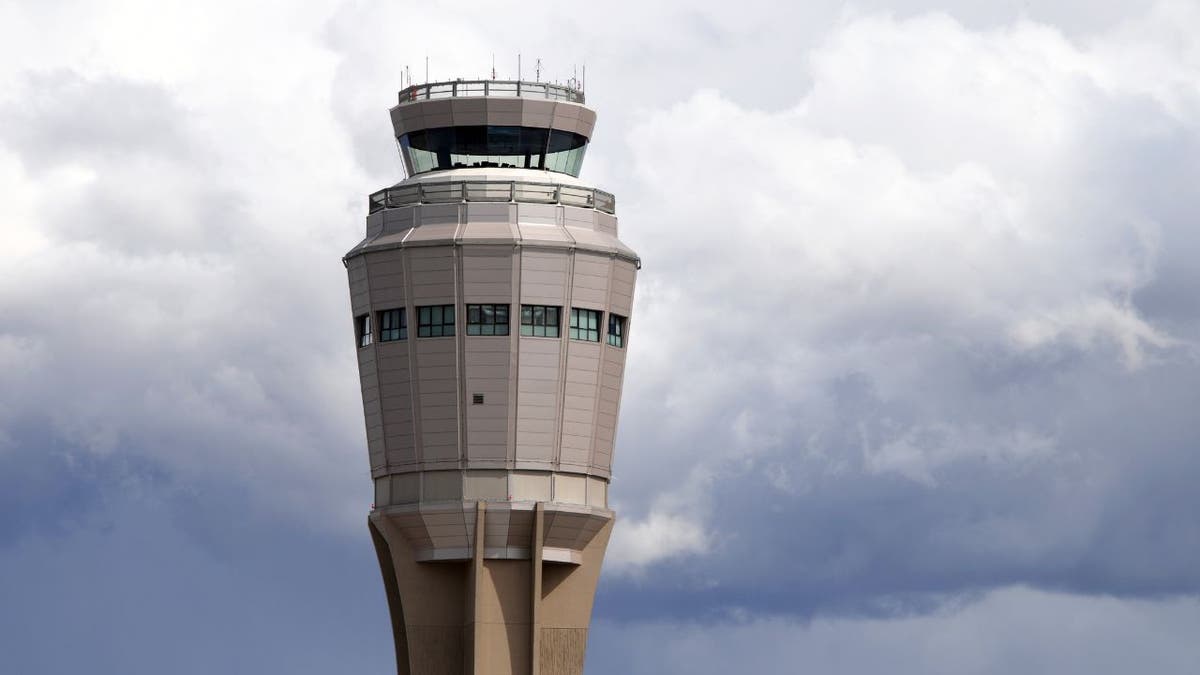
The air traffic control tower at McCarran International Airport in Las Vegas March 19, 2020. (Ethan Miller/Getty Images)
Before becoming attorney general, Ford served in the Nevada State Legislature, leading the chamber as majority leader from 2017-2019. Before that, he served as minority leader from 2015-2016 and as an assistant majority whip from 2013-2014.
Ford’s travel habits didn’t start off expensive. In 2019 and 2020, his travel outside of Nevada totaled less than $15,000 each year but increased significantly soon after. He spent $29,189 outside of Nevada in 2021 and then $52,630 in 2022.
While past attorneys general have also conducted out-of-state travel, Ford stands out when compared to his predecessor, Adam Laxalt, a Republican.
In his last year as AG, Laxalt spent under $5,000 out of state, less than 1% of his total expenses that year.
Ford’s Republican opponent, Gov. Joe Lombardo, reacted to the news via a statement from his campaign.
«Governor Joe Lombardo has delivered real results for Nevada: creating over 40,000 new jobs, driving billions in record economic investment, securing historic funding for education, expanding attainable housing and cutting hundreds of burdensome regulations , all while showing up every day to get the job done,» Halee Dobbins, spokeswoman for the Joe Lombardo Campaign, told Fox News Digital.
«While our state is moving in the right direction, Governor Lombardo is committed to building on this progress and continuing to improve the lives of all Nevadans. Meanwhile, while hardworking Nevada families are struggling, Part-Time Aaron Ford has spent 420 days on special interest-funded travel and collecting a taxpayer-funded salary. Aaron Ford’s record makes clear he’s focused on himself, not the people he was elected to serve.»
AOC SPENT OVER $53K IN CAMPAIGN FUNDS ON LUXURY HOTELS IN 2025: ‘CARPETBAGGER’

Attorney General Aaron D. Ford (L.E. Baskow/Las Vegas Review-Journal)
CLICK HERE TO DOWNLOAD THE FOX NEWS APP
Burke blasted Ford for failing to provide reasons for the travel expenses or contextualize his time away from the office.
«Now, as he faces legal jeopardy from the Nevada Commission on Ethics, he still refuses to be transparent with the people of our state about his outrageous travel spree. Ford has disgraced his office and made a mockery of public service; he has no business leading Nevada,» Burke said.
politics, nevada, elections state and local
INTERNACIONAL
Un juez bloqueó los planes de Donald Trump para construir un enorme y lujoso salón de baile en la Casa Blanca

Un juez federal prohibió este martes al presidente Donald Trump avanzar con la construcción del lujoso y controvertido salón de baile con capacidad para unas 600 personas en el Ala Este de la Casa Blanca y dijo que la obra debe contar con la autorización del Congreso.
«El Presidente de los Estados Unidos es el administrador de la Casa Blanca para las futuras generaciones de Primeras Familias. ¡Sin embargo, él no es el dueño!», señaló el juez Richard Leon en un escrito de 35 páginas.
La decisión es el primer revés significativo para los esfuerzos del presidente por rediseñar la Casa Blanca con su sello personal.
El juez, nombrado en su cargo por el ex presidente George W Bush, dijo que retrasaría la implementación de su fallo durante dos semanas para una posible apelación. Pero advirtió que «cualquier construcción sobre el suelo durante los próximos catorce días que no cumpla» con su sentencia «corre el riesgo de ser retirada».
«¡A menos que el Congreso bendiga este proyecto mediante autorización legal, la construcción debe detenerse!», escribió Leon, añadiendo que la «buena noticia» es que Trump y el Congreso pueden trabajar para autorizar el proyecto.
«El Presidente puede en cualquier momento acudir al Congreso para obtener autoridad expresa para construir un salón de baile y hacerlo con fondos privados. De hecho, el Congreso incluso podría elegir asignar fondos para el salón de baile, o al menos decidir que algún otro esquema de financiación es aceptable», añadió Leon.
«De cualquier manera, el Congreso conservará así su autoridad sobre la propiedad nacional y su supervisión sobre el gasto del Gobierno», escribió el juez. «Y el pueblo estadounidense se beneficiará de que las ramas del Gobierno ejerzan sus funciones constitucionalmente prescritas. ¡No está mal el resultado!»
La decisión sugiere que el juez Leon avala la demanda del National Trust for Historic Preservation, una organización sin ánimo de lucro creada por el Congreso para proteger los edificios históricos de Estados Unidos, que había criticado el proyecto.
Sin criticar personalmente al juez, Trump reaccionó al fallo en su red social: “El National Trust for Historic Preservation me demanda por un salón de baile que está dentro del presupuesto, adelantado a lo previsto, que se está construyendo sin costo para el contribuyente, y que será el mejor edificio de su tipo en cualquier parte del mundo”, señaló y criticó que esa organización no se enfoque en otras construcciones como el edificio de la Reserva Federal, entre otros.
Trump inició la construcción de un gran salón de baile permanente para reemplazar las carpas temporales que hoy se usan para eventos oficiales, una obra financiada con donaciones privadas y que aparentemente costará unos 400 millones de dólares.
Unas dos docenas de empresas tecnológicas, de criptomonedas y de defensa aportaron dinero para financiar la construcción. Un informe del grupo Public Citizen encontró que dos tercios de los donantes corporativos identificados públicamente habían recibido contratos gubernamentales, valorados colectivamente en más de 275.000 millones de dólares.
El presidente presenta al salón como una mejora funcional y estética para recepciones, alineada con necesidades logísticas modernas, pero tiene su sello inconfundible con columnas griegas y ornamentos dorados.
Pero la iniciativa despertó un fuerte rechazo entre arquitectos, historiadores y expertos en preservación, que advierten que una ampliación de ese tipo altera el equilibrio arquitectónico de la residencia presidencial, un símbolo nacional cuidadosamente intervenido a lo largo de los años.
Días atrás arquitectos consultados por The New York Times analizaron además varios errores como que la inmensa escalinata de ingreso no conducía a la entrada principal y otros detalles sorprendentes. El artículo comienza con un dibujo interactivo que señala lo que los arquitectos consideran numerosos fallos de diseño.
Advierten sobre «ventanas falsas en el lado norte», columnas que «bloquean la vista interior del salón de baile» y una zona de azotea «innecesariamente grande». También que “el pórtico es demasiado grande, sus escaleras no llevan a ninguna parte, sus columnas bloquearán las vistas desde el interior del salón de baile», decía el artículo.
Al día siguiente de publicada esa nota, Trump mostró casualmente a los periodistas a bordo del Air Force One una nueva ilustración del proyecto. «Acabamos de recibir esto de los arquitectos», dijo el presidente, mientras mostraba el diseño. Mágicamente la inmensa escalera que no conducía a ninguna parte había sido eliminada.

Manuel Adorni suspendió su conferencia de prensa y bajará el perfil público

Trincão y João Félix calientan para el Mundial

El Gobierno postergó hasta mayo el aumento del impuesto a los combustibles por las subas del petróleo a nivel mundial

El horóscopo de hoy: miércoles 1 de abril

Jorge Cáceres, capitán de la Fragata Libertad: “El que crea que lo que hacemos es un viaje de egresados, se equivoca”

El calendario completo del Mundial 2026: días, horarios y estadios de todos los partidos

Máximo Kirchner salió al cruce de Milei y Macri tras el fallo por YPF a favor de la Argentina

La secretaria del piloto denunció que el amigo de Adorni la hostiga y la justicia dispuso medidas

El Gobierno cambia su propuesta de reforma: endurece penas para delitos comunes, pero no para los casos de corrupción

Nuevas críticas de Marcela Pagano contra los Milei: “Karina es la que gobierna”, aseguró

 POLITICA2 días ago
Nuevas críticas de Marcela Pagano contra los Milei: “Karina es la que gobierna”, aseguró
- POLITICA23 horas ago
Dos jubiladas que le habrían prestado dinero a Manuel Adorni negaron conocerlo
- CHIMENTOS3 días ago
El incómodo momento que Wanda Nara y Martín Migueles le habrían hecho pasar a los japoneses en el tren bala: la foto