INTERNACIONAL
Five sleeper races that could upend 2026 – from the Alleghenies to the Land of Enchantment


NEWYou can now listen to Fox News articles!
As Clement Moore’s «‘Twas the Night Before Christmas» tells it, families sleep soundly as Santa approaches.
As the new year nears, several election contests may prove just as quiet – until close results suddenly come into focus. Here are five potential sleeper races to watch in 2026:
1. MISSISSIPPI’S 2ND CONGRESSIONAL DISTRICT
Rep. Bennie Thompson, the top Democrat on the House Homeland Security Committee, has not often had to worry about a general election challenge since he won a special election on April 13, 1993.
Predecessor Mike Espy, who recently unsuccessfully ran for Senate in a narrow runoff with Sen. Cindy Hyde-Smith, R-Miss., had resigned to accept President Bill Clinton’s appointment as Secretary of Agriculture.
Thompson’s closest race was that one – against Republican Hayes Dent – at 55% to 45%.
Since then, Thompson has never looked back, and instead made himself a nationally-recognized figure later in his tenure.
He chaired the House Select Committee on January 6 and recently went viral for calling the shooting of West Virginia National Guardsmen allegedly by an Afghan refugee an «unfortunate accident.»
Thompson’s district, spanning from Jackson west to Yazoo City and Vicksburg on the Mississippi River, is one of the poorest in the country – landing at 3rd out of 435 with a median income of $37,372, according to data published by the office of Rep. Marcy Kaptur, D-Ohio.
CONGRESSIONAL DEMOCRATS WIDEN 2026 BATTLEFIELD, ZERO IN ON NEW HOUSE REPUBLICAN TARGETS
Rep. Glenn Ivey (D-MD) speaks to Rep. Bennie Thompson (D-MS) at the Butler Farm Show in Butler, Pennsylvania, on Monday, July 22, 2024. (Derek Shook for Fox News Digital )
Only Rep. Hal Rogers, R-Ky., and Ritchie Torres, D-N.Y. preside over a poorer population.
Last week, an attorney and former counsel to Sen. Charles Schumer, D-N.Y., mounted a surprise primary bid against Thompson.
Evan Turnage, 33, who has been alive just about the same time Thompson has been in Congress, made the idea of fighting the region’s persistent poverty paramount to his new campaign, according to Black Press USA.
«I’ve dedicated my life to leveling the playing field so people can not only get by, but get ahead, and raise a family right here,» Turnage said, according to the outlet.
On the Republican side, retired Army captain and Vicksburg cardiothoracic surgeon Ron Eller will fight an uphill battle to unseat the winner of the Thompson-Turnage bout.
2. CONNECTICUT’S 5TH CONGRESSIONAL DISTRICT
Connecticut is another state that is typically not in political conversation as hosting nail-biter partisan elections.
During the Bush-Clinton years, however, the state was competitive if not outright Republican-favored.
Former Gov. John Rowland was the first in decades to be elected to more than two terms. He ended up resigning in 2004 amid the threat of impeachment over accusations contractors with the state were doing work on his vacation home.
CALL TO DUTY: IN BATTLE FOR HOUSE, REPUBLICANS AND DEMOCRATS LOOKING TO VETERANS
After he resigned, his wife famously wrote a poem critical of the media’s coverage of Rowland’s case, based on Moore’s holiday favorite and called «A Lump of Coal for All the Reporters.» Rowland’s lieutenant, Gov. M. Jodi Rell, took over and was re-elected once before retiring in 2010.
Since then, the state has been reliably Democratic – save for former Sen. Joe Lieberman changing his affiliation to independent.
In 2022, then-State Sen. George Logan – the first Black man elected to Hartford’s upper chamber – mounted a bid against Rep. Jahana Hayes and lost by less than one percentage point.
DOUBLING DOWN: TOP HOUSE DEMOCRAT SAYS FOCUS ON HIGH PRICES ‘ABSOLUTELY GOING TO CONTINUE’
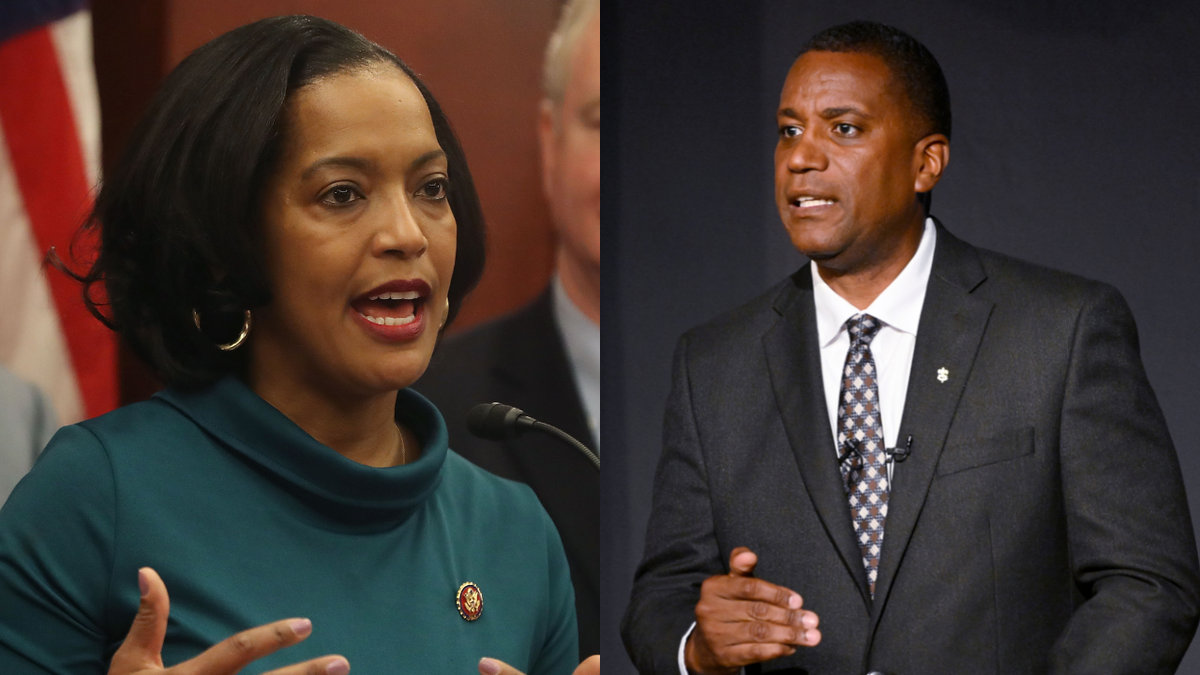
Jahana Hayes, D-CT (left) and her 2024 GOP challenger George Logan (right). (Getty & AP )
Logan tried again in 2024, but lost by a slightly wider margin.
While Logan is not on the ballot at least yet for 2026, recent history shows Republicans could have an outside chance of ending Democrats’ full control of New England’s congressional delegation.
3. MARYLAND’S 6TH CONGRESSIONAL DISTRICT
Republicans have wanted to win back Maryland’s sixth congressional district ever since partisan gerrymandering was blamed for booting 20-year incumbent Rep. Roscoe Bartlett, R-Md., from office in 2012.
Bartlett, an eccentric conservative who later relocated to the West Virginia wilderness to live off-the-grid, is now 99, and was known for addressing various topics that were sometimes ignored but have received newfound attention at present, including warnings about the strength, reliability and hardening of the U.S. power grid.
Bartlett won his last reelection by 28 points but then lost by about 20 the following cycle after the rural district encompassing the entire Maryland Panhandle was adjusted to incorporate the edges of densely-populated Washington, D.C., suburbs.
SHOWDOWN FOR THE HOUSE: DEMOCRATS, REPUBLICANS BRACE FOR HIGH-STAKES MIDTERM CLASH
He was defeated in 2013 by then-Rep. John Delaney, a finance executive – before Delaney was replaced by Total Wine mogul David Trone, who has largely self-funded his campaigns to the tune of millions of dollars.
Trone won re-election before opting in 2024 to pursue retiring Sen. Benjamin Cardin’s, D-Md., seat – which was ultimately won by Democrat Angela Alsobrooks.
He announced this year that he would challenge Rep. April McClain-Delaney, D-Md., the wife of former Rep. John Delaney, in the district.
Meanwhile, former longtime state Del. Neil Parrott, R-Antietam, is mounting his fourth consecutive bid for the seat. McClain-Delaney beat Parrott 53-47 in 2024.
The closest that Republicans have gotten to taking back the seat since Bartlett was defeated came in 2014, when now-FBI Deputy Director Dan Bongino narrowly lost to Trone by about a point.
Bongino notably sought to nationalize the race, pulling in endorsements like Sen. Rand Paul, R-Ky., and rebuking Delaney as someone who could «write himself a check for a million dollars» if he needed to in order to win.
HOUSE GOP CAMPAIGN CHAIR WANTS TRUMP ‘OUT THERE ON THE TRAIL’ IN MIDTERM BATTLE FOR MAJORITY

Del. Neil Parrott, left., former Rep. Roscoe Bartlett, R-Md., right. (Tom Williams/Getty Images)
The future G-man suggested at the time he would rather knock on doors in far-flung communities like Oakland and Grantsville, where he said, «nobody seems to know who [John Delaney] is,» according to the Maryland Reporter.
Given newly-drawn, friendlier maps following litigation over O’Malley-era gerrymandering, Republicans may have a chance to surprise in a district in one of the most Democratic-majority states in the country.
4. NEBRASKA’S 2ND CONGRESSIONAL DISTRICT
While not typically considered a swing state, or one that gets much attention in federal elections, Nebraska’s only urban-leaning district may decide the future of the House of Representatives if the overall contest is as close as it has been in recent years.
Rep. Don Bacon, R-Neb., one of few in his party who have publicly lambasted President Donald Trump, is retiring. The district – centered in Douglas and Saunders counties, including Omaha and Ashland – already has a slew of candidates on both sides hoping to take the moderate’s seat.
Omaha City Councilman Brinker Harding leads state Sen. Brett Lindstrom, R-Omaha, in fundraising, while on the Democratic side, at least five people, including congressional staffer James Leuschen and state Sen. John Cavanaugh, D-Omaha, have tossed their hats in the ring, according to the Nebraska Examiner.
HEADED FOR THE EXITS: WHY 3-DOZEN HOUSE MEMBERS AREN’T RUNNING FOR RE-ELECTION
Bacon, who hails from suburban Sarpy County, won his last race against former state Sen. Anthony Vargas, D-Omaha, by less than one percentage point.
After a recent wave of GOP losses in Florida, Pennsylvania, Virginia and New Jersey, the district shapes up as a tough hold for Republicans in a state that hasn’t elected a Democrat statewide since Ben Nelson retired in 2012.
5. NEW MEXICO GUBERNATORIAL RACE
While Nebraska is a red state that doesn’t often garner national attention, on the blue ledger lies New Mexico.
Topographically and culturally similar to red neighbor Texas and formerly red neighbor Arizona on the other side, the Land of Enchantment is often one that enchants the observer that looks closer at its politics.
Notably, its mountainous border with Mexico has largely kept it out of politically-contentious Trump-wall debates focused on the flatter, desert and river boundaries of its neighbors.
REPUBLICANS HAVE CHANCE TO SECURE GOVERNORSHIPS IN KEY BATTLEGROUND STATES NEXT YEAR
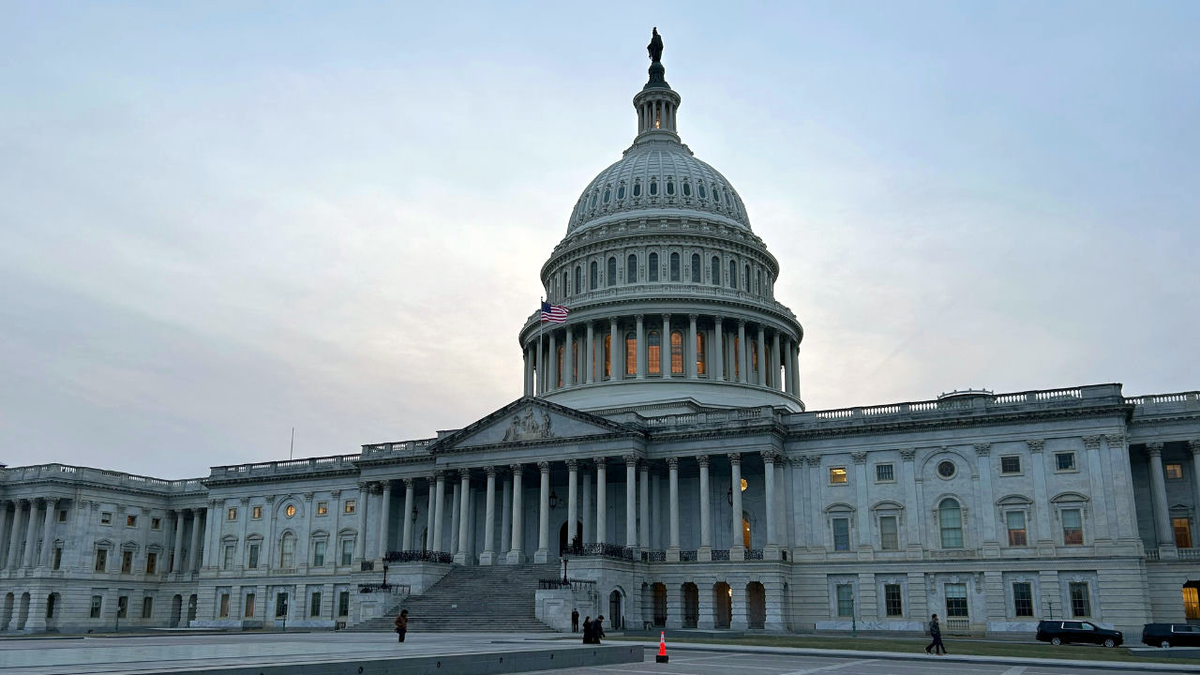
U.S. Capitol Building at sunset on January 30, 2025. (Emma Woodhead/Fox News Digital)
While it lacks the urban population that is typical of most blue states like New York, California, New Jersey and Maryland, Republicans have been increasingly out of power there for years.
Former Sen. Pete Domenici, R-N.M., was the last such lawmaker to represent the state in the upper chamber.
He retired in 2008 and was replaced by Sen. Tom Udall, D-N.M., whose surname is the Mountain West’s equivalent of Cuomo or Casey. The Interior Department headquarters is named after Udall’s father.
Gov. Michelle Lujan Grisham is term-limited. While she was preceded by a Republican, Susana Martinez, her state has been trending more toward Democratic reliability otherwise.
CLICK HERE TO DOWNLOAD THE FOX NEWS APP
Deb Haaland, a former New Mexico congresswoman who was also former President Joe Biden’s Interior secretary, is the biggest name in the Democratic field, while Greggory Hull, the longtime mayor of Rio Rancho, is such for the GOP.
Rep. Gabe Vasquez held off a challenge from predecessor Yvette Herrell in the 2nd congressional district, which spans the southwestern part of the state including Alamogordo and Las Cruces, in what was seen as the GOP’s best chance to make inroads again in the border state.
elections,mississippi,maryland,immigration,donald trump,congress,state and local,connecticut











INTERNACIONAL
Santiago Peña designó a un nuevo viceministro de Seguridad y nombró a un nuevo comandante de la Policía Nacional en Paraguay
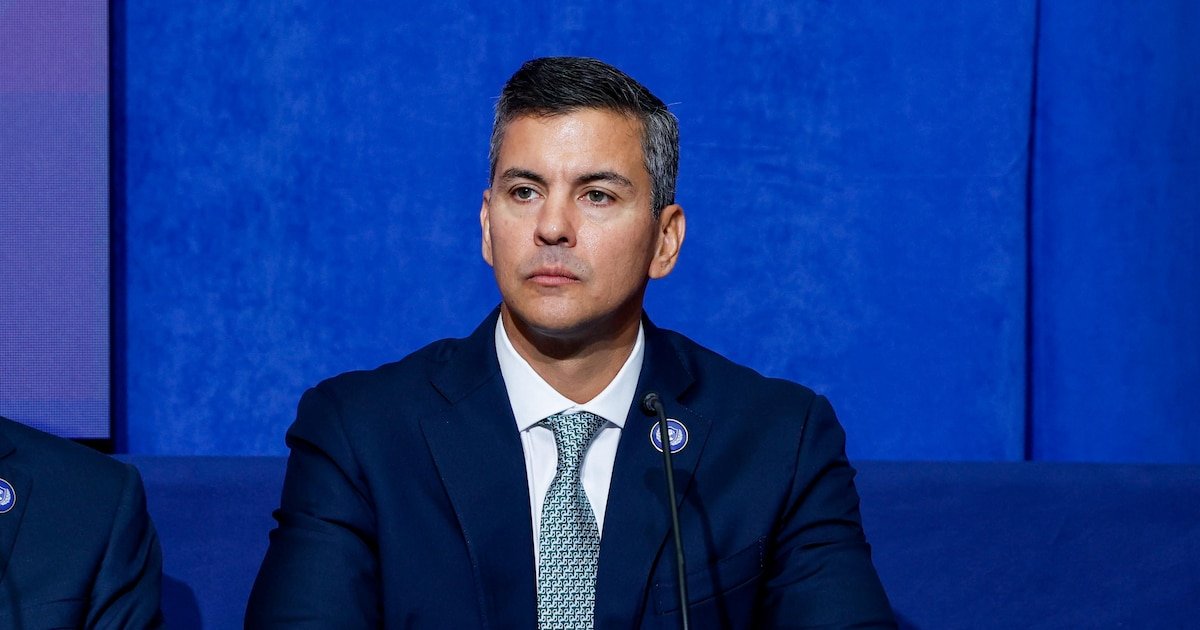
El presidente de Paraguay, Santiago Peña, designó este lunes a Carlos Benítez como viceministro de Seguridad Interna en reemplazo de Oscar Pereira y nombró a César Silguero como nuevo comandante de la Policía Nacional, en una reconfiguración del área que el Gobierno vincula con el fortalecimiento de la seguridad ciudadana.
El anuncio lo realizó el ministro del Interior, Enrique Riera, quien en una conferencia de prensa televisada afirmó que la medida apunta a “fortalecer” la seguridad ciudadana en el país. El cambio forma parte del proceso de ajustes impulsados por el Ejecutivo en la segunda mitad del mandato iniciado en agosto de 2023.
Durante la presentación de las nuevas autoridades, Riera destacó los antecedentes profesionales de los funcionarios. “Ellos están acá por sus currículos que, entre paréntesis, son impecables. Entonces, es muy agradable hacer un cambio, porque todos los cambios, hay que decirlo, renuevan esperanzas”, expresó.
El titular del Interior explicó que la salida de Pereira no responde a fallas en su desempeño. “No tiene nada que ver” con bajo rendimiento o errores de ejecución, sostuvo, y vinculó la decisión con la necesidad de profundizar las políticas en curso. Según indicó, el objetivo es avanzar en la “profundización del trabajo” dentro de la Policía Nacional.
Con su designación como viceministro, Benítez, de 55 años, pasó a retiro de la institución policial “de forma voluntaria”, según precisó Riera. El ministro también remarcó que el cambio se definió con antelación. “Era una decisión que estaba tomada antes de la Semana Santa, y lo manejamos con mucha cautela”, afirmó.

Benítez ocupó la comandancia de la Policía Nacional desde agosto de 2023. En ese contexto, había advertido de manera pública sobre la existencia de presuntos elementos dentro de la fuerza que actuaban “al margen de la ley”, en referencia a situaciones internas que requerían control institucional.
La designación de Silguero como jefe de la Policía Nacional completa el esquema de conducción en el área de seguridad. El funcionario se desempeñaba como segundo al mando y ahora asume la titularidad del cuerpo en una etapa que el Gobierno presenta como de consolidación de cambios.
En junio de 2024, Paraguay reformó la ley que rige a la Policía Nacional con el objetivo de elevar el nivel de profesionalismo y ratificar su carácter no deliberante, conforme a la Constitución de 1992. Este marco normativo define el funcionamiento de la institución y establece los lineamientos para su accionar.
En la conferencia de prensa, Benítez señaló que desde su nuevo cargo buscará consolidar el enfoque establecido tras esa reforma. El funcionario indicó que trabajará para afianzar el nuevo paradigma en el desempeño del cuerpo de seguridad.
Los cambios en el Ministerio del Interior se inscriben en una reorganización más amplia del gabinete en la segunda mitad del mandato presidencial. Según las autoridades, las modificaciones buscan reforzar áreas estratégicas de la administración.
Contexto económico y otros movimientos
Una semana antes de estos anuncios en el área de seguridad, el Gobierno dispuso cambios en el Ministerio de Economía y Finanzas. El jefe de Gabinete, Javier Giménez, informó que Peña removió al titular de la cartera, Carlos Fernández Valdovinos, y designó como interino a Juan José Galeano.

“El presidente de la República, Santiago Peña, ha dispuesto en la mañana de hoy cambios en el Ministerio de Economía y Finanzas”, declaró Giménez. El portavoz sostuvo que el funcionario saliente “hizo un trabajo extraordinario” y explicó que el “segundo tiempo” de la gestión requiere capacidades “muy específicas”.
Fernández Valdovinos había impulsado medidas de ajuste fiscal bajo un esquema que definió como “economía de guerra”, en respuesta a la caída de ingresos tributarios. Tras su salida, escribió en la red social X: “Misión Cumplida!!! Todo por mi querido Paraguay”.
Además, el Ejecutivo designó a César Riveros como director del Instituto Nacional de Tecnología, Normalización y Metrología tras la renuncia de Lira Giménez.
En el plano comercial, el presidente promulgó la ley que ratifica el acuerdo de libre comercio entre la Unión Europea y el Mercosur. “Asunción fue la cuna del Mercosur y hoy vuelve a ser protagonista”, escribió Peña tras la firma. El viceministro de Relaciones Exteriores, Miguel Ángel Aranda Daroczi, señaló que el acuerdo representa “una gran oportunidad de integrar el mercado y ofrecer lo que produce el Mercosur a todo el mercado europeo”.
Según datos oficiales, el tratado abarca un mercado de aproximadamente 720 millones de personas y prevé la eliminación de aranceles para más del 90 % del comercio entre ambas regiones.
(Con información de EFE)
ceremonia de apertura de la reunión contra el crimen organizado trasnacional en sudamérica,políticos
INTERNACIONAL
Mamdani unveils new ‘racial equity plan’ for more ‘equitable future’ that prompts quick DOJ pushback
NEWYou can now listen to Fox News articles!
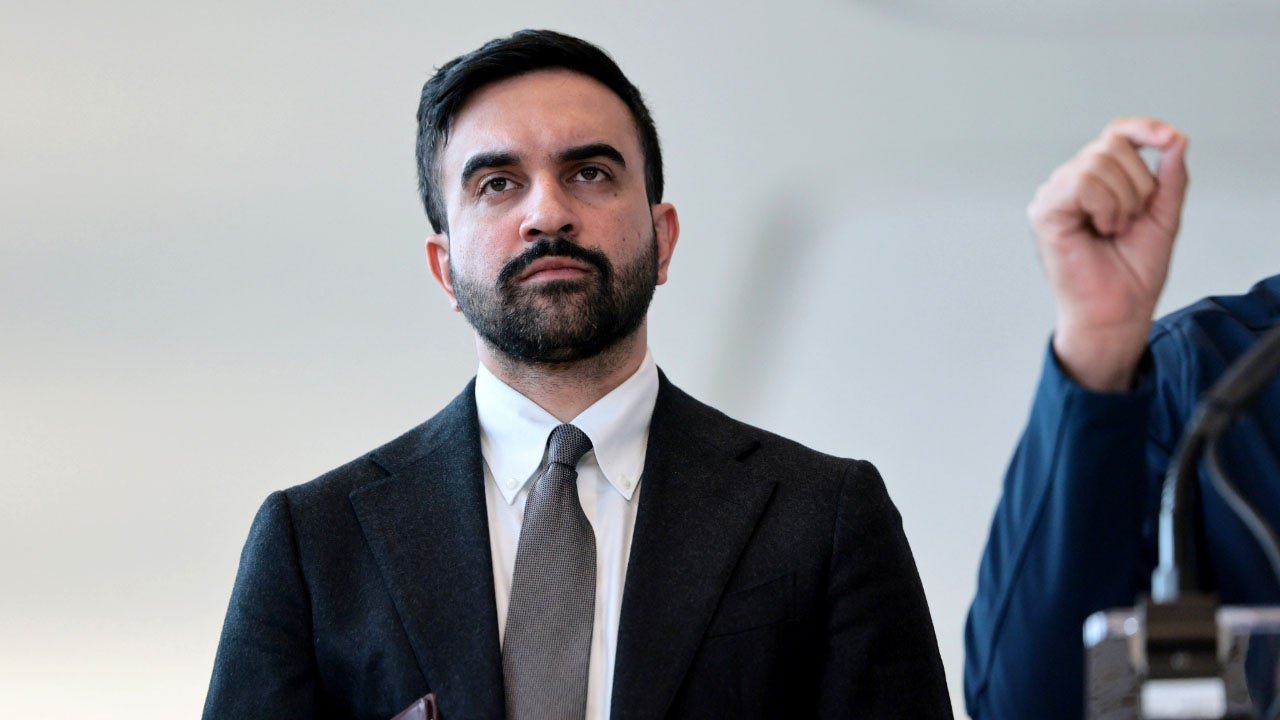
New York City Mayor Zohran Mamdani released his «Preliminary Citywide Racial Equity Plan» on Monday, which quickly prompted pushback from conservatives online and skepticism from President Donald Trump’s Justice Department, with one top official saying she will «review» the move.
Mamdani’s office explained in a press release that the preliminary report, which the mayor had promised to release within 100 days in office, shows racial disparities in areas like housing, education, and income, and the new plan aims to «establish a new framework for how New York City measures affordability, understands inequity and plans for a more equitable future.»
«The True Cost of Living Measure offers an honest account of what it actually costs to live in this city — and who is being left behind. It shows that this is not a crisis affecting a small minority of New Yorkers. It is a crisis touching the vast majority of our city, in every borough and every neighborhood,» Mamdani said in the press release.
«But we know this crisis is not felt equally. Black and Latino New Yorkers — who have been pushed out of this city for decades — are bearing the brunt. The Preliminary Racial Equity Plan is where we begin to reverse that pattern. These reports make one thing clear: we cannot tackle systemic racial inequity without confronting the affordability crisis head-on, and we cannot solve the cost-of-living crisis without dismantling systemic racial inequity.»
MAMDANI’S ‘GUN VIOLENCE’ COMMENTS AFTER KILLING OF 7-MONTH OLD BABY SPARK OUTRAGE: ‘ABSOLUTE DISGRACE’
New York Mayor Zohran Mamdani stands silently during a press conference on the Air Canada Express crash at Terminal B in LaGuardia Airport on March 23, 2026. (Michael M. Santiago/Getty Images)
Mamdani’s announcement quickly sparked pushback from conservatives, as well as from the Trump administration, expressing concerns about race-based initiatives and spending which the administration has been working to undo since taking power last year.
«Sounds fishy/illegal,» DOJ Assistant Attorney General for Civil Rights Harmeet Dhillon posted on X. «Will review!»
«Straight-up racism against White people,» conservative influencer account Libs of TikTok posted on X.
«The reality is Mamdani is implementing blatantly racist policies that reward and punish people based on their skin color,» conservative commentator Paul A. Szypula posted on X.
The city billed the racial equity plan as the «first time any New York City administration has required major city agencies to examine their work through a racial equity lens and identify and eliminate disparities» and said the plan sets goals across seven domains that include: «Children, Youth, Older Adults and Families; Economy; Housing and Preservation; Infrastructure and Environment; Health and Wellbeing; Community Safety, Rights and Accountability; and Good Governance and Inclusive Decision-Making.»
The report cites a sizable gap in the median net worth of white households compared to Black households while reporting that Black New Yorkers also have a lower life expectancy and suggests the way to address those gaps is an expansive framework featuring more than 200 agency-level goals, over 800 proposed strategies, and roughly 600 performance indicators intended to track progress over time.
«Inequity has been embedded in the foundation of our city and nation since their inception; dismantling it requires a collective effort,» NYC Chief Equity Officer and NYC Mayor’s Office of Equity & Racial Justice Commissioner Afua Atta-Mensah said in Monday’s press release.
NYC LANDLORDS FIRE BACK AT ‘RACIST’ MAMDANI AIDE’S CLAIM THAT TIES HOMEOWNERSHIP TO ‘WHITE SUPREMACY’
«The NYC Preliminary Citywide Racial Equity Plan reflects the city’s commitment to systemic transformation—turning our values into actions. From housing and healthcare to education and infrastructure, every agency plays a pivotal role in reshaping how government serves New Yorkers. This plan outlines measurable goals and actionable strategies to advance racial equity, promote justice and create lasting change.»
Fox News Digital reached out to Mamdani’s office and the DOJ for comment.
Dating back to his mayoral campaign, Mamdani has faced intense criticism for his focus on race and «equity, including a policy proposal, «Stop the Squeeze on NYC Homeowners,» that outlined his plans to «shift the tax burden from overtaxed homeowners in the outer boroughs to more expensive homes in richer and Whiter neighborhoods.»
CLICK HERE TO DOWNLOAD THE FOX NEWS APP
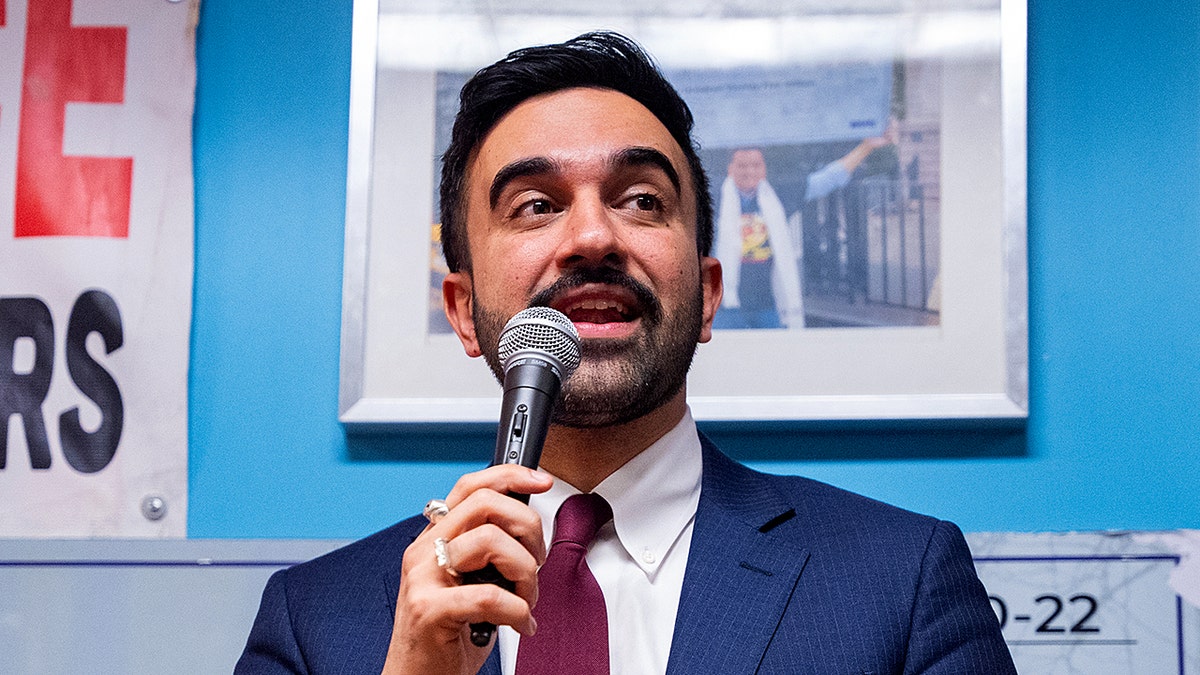
New York City Mayor Zohran Mamdani speaks at a Ramadan Iftar hosted by his team at the New York Taxi Workers Association, Wednesday, March 18, 2026, in New York. (Angelina Katsanis/AP)
In February, Mamdani faced criticism over his budget plan that stated the Office of Racial Equity would receive $5.6 million annually, while the Commission on Racial Equity would be allocated $4.6 million, a combined total of $10.2 million. The new figure represents roughly a $3 million increase — or about a 42% jump — from the approximately $7.2 million allocated last year.
Fox News Digital’s Amanda Macias contributed to this report.
zohran mamdani, politics, new york city
INTERNACIONAL
El FMI advirtió que la guerra en Medio Oriente impulsará la inflación y frenará el crecimiento mundial
El Fondo Monetario Internacional (FMI) advirtió que la guerra en Medio Oriente acelerará la inflación y ralentizará el crecimiento mundial, en un contexto de creciente incertidumbre económica y antes de la publicación de nuevas previsiones globales la próxima semana.
La directora gerente del organismo, Kristalina Georgieva, señaló en declaraciones a Reuters que, sin el conflicto, el FMI habría proyectado una mejora en la actividad económica global. Según indicó, las estimaciones previas situaban el crecimiento en el 3,3% para 2026 y en el 3,2% para 2027.
“Si no hubiéramos tenido esta guerra, habríamos visto una ligera revisión al alza de nuestras previsiones de crecimiento. En cambio, ahora todo apunta a un aumento de los precios y a un crecimiento más lento”, dijo el lunes.
Georgieva explicó que el impacto del conflicto ya se refleja en las perspectivas de inflación y de crecimiento. Incluso en un escenario de resolución rápida, el efecto negativo persistirá sobre las proyecciones.
“Incluso un pronto fin de las hostilidades y una recuperación bastante rápida darían lugar a una revisión a la baja ‘relativamente pequeña’ de la previsión de crecimiento y a una revisión al alza de su previsión de inflación”, sostuvo.

La titular del FMI advirtió que una prolongación de la guerra agravará el impacto sobre la economía mundial. “Si la guerra se prolongara, el efecto sobre los precios y la actividad económica sería mayor”, afirmó.
En paralelo, indicó que el organismo recibió solicitudes de ayuda financiera de algunos países afectados por el contexto internacional, aunque no detalló cuáles. También señaló que el FMI evalúa mecanismos para responder a estas necesidades.
“El FMI podría ampliar algunos programas de préstamo existentes para satisfacer las necesidades de los países”, agregó.
Días antes, en un documento elaborado por el economista jefe del Fondo y varios departamentos internos, la institución definió la situación como “un nuevo shock global” que interrumpe la recuperación de economías que comenzaban a estabilizarse tras crisis recientes. El informe advirtió que los países directamente involucrados sufren daños de largo alcance en infraestructura y sectores productivos.
El principal canal de transmisión del impacto económico es el encarecimiento de la energía. Según la Agencia Internacional de Energía, el cierre parcial del estrecho de Ormuz y los daños a la infraestructura regional alteraron el mercado internacional del petróleo. El FMI señaló que, para los países importadores, este aumento de precios funciona como un impuesto sobre los ingresos nacionales.

Cerca del 30% de la producción mundial de petróleo y el 20% del gas natural licuado transitan por el estrecho de Ormuz, lo que expone a economías de África y Asia. En Asia y Europa, los principales importadores concentran el mayor impacto por el aumento de los costos energéticos.
El alza de la energía también repercute en Medio Oriente, África, Asia-Pacífico y América Latina. En estas regiones, el encarecimiento se combina con subas en alimentos y fertilizantes y con condiciones financieras más restrictivas. El FMI advirtió que los países de bajos ingresos enfrentan mayores riesgos de inseguridad alimentaria.
“Los habitantes de los países de ingreso bajo son quienes corren el mayor riesgo cuando suben los precios”, indicó el organismo.
Las cadenas de suministro globales registran disrupciones. Las rutas marítimas se desvían, lo que eleva los costos de transporte y seguros y provoca demoras en las entregas. El tráfico aéreo en centros del Golfo también sufre interrupciones, con impacto en el turismo y el comercio internacional.
El conflicto afecta además el comercio de fertilizantes, ya que cerca de un tercio del suministro global transita por el estrecho de Ormuz. Esta situación coincide con la temporada de siembra en el hemisferio norte y presiona los precios de los alimentos.

En el plano financiero, el FMI señaló un aumento de la volatilidad. Las bolsas globales registraron caídas, los rendimientos de los bonos subieron y las condiciones financieras se volvieron más restrictivas, aunque sin una liquidación masiva como en crisis anteriores.
El organismo destacó que el impacto resulta desigual entre países. Algunos exportadores de materias primas fortalecen sus cuentas fiscales y externas, mientras otros enfrentan mayores presiones sobre sus balanzas de pagos y el costo de vida.
(Con información de REUTERS)
North America

La leyenda del Liverpool y Ajax que volverá a jugar a los 55 años en un club de Estonia

El horóscopo de hoy: martes 7 de abril

Mahiques nombró a un nuevo funcionario en un área clave
Las familias Estée Lauder y Puig debatirán los términos de fusión esta semana, según informe Por Investing.com

Santiago Peña designó a un nuevo viceministro de Seguridad y nombró a un nuevo comandante de la Policía Nacional en Paraguay

Comienzan las Copas Libertadores y Sudamericana: los grupos, formatos, cómo ver los partidos y el premio para los campeones

La nueva advertencia de Donald Trump a Irán: «El tiempo se acaba, quedan 48 horas antes del infierno»

Círculo rojo: intrigas en el gabinete, desgaste por el caso Adorni y movimientos inquietantes en el Poder Judicial

Caputo habló sobre los créditos del Banco Nación que tomaron sus funcionarios: “No hay nada ilegal ni inmoral”

Créditos del Banco Nación: el Gobierno reveló que Pettovello echó a Massaccesi porque “mintió”

 INTERNACIONAL2 días ago
La nueva advertencia de Donald Trump a Irán: «El tiempo se acaba, quedan 48 horas antes del infierno»
- POLITICA2 días ago
Círculo rojo: intrigas en el gabinete, desgaste por el caso Adorni y movimientos inquietantes en el Poder Judicial
- ECONOMIA20 horas ago
Caputo habló sobre los créditos del Banco Nación que tomaron sus funcionarios: “No hay nada ilegal ni inmoral”