INTERNACIONAL
Fox News Politics Newsletter: ‘Spine of steel’, willing to deal

Welcome to the Fox News Politics newsletter, with the latest updates on the Trump administration, Capitol Hill and more Fox News politics content.
Here’s what’s happening…
-Here’s the list of books the Naval Academy removed from its library during DEI purge
–Supreme Court sides with Trump over fired probationary federal employees
-Judge Boasberg cancels planned hearing to review Trump deportations
‘All options are on the table’
White House Press Secretary Karoline Leavitt insisted Tuesday that «all options are on the table for each country» when it comes to making deals over the latest U.S. tariffs, but warned those who retaliate that President Donald Trump «has a spine of steel and he will not break.»
Leavitt said since Trump’s «Liberation Day» tariff announcements, 70 countries have already reached out to the president to begin negotiations.
«On the other hand, countries like China who have chosen to retaliate and try to double down on their mistreatment of American workers are making a mistake. President Trump has a spine of steel and he will not break,» Leavitt added, referencing 34% retaliatory tariffs that China unveiled against the U.S. last week…Read more

US President Donald Trump holds a chart as he delivers remarks on reciprocal tariffs during an event in the Rose Garden entitled «Make America Wealthy Again» at the White House in Washington, DC, on April 2, 2025. Trump geared up to unveil sweeping new «Liberation Day» tariffs in a move that threatens to ignite a devastating global trade war. Key US trading partners including the European Union and Britain said they were preparing their responses to Trump’s escalation, as nervous markets fell in Europe and America. (BRENDAN SMIALOWSKI/AFP via Getty Images)
White House
‘Vital’ action: Protecting the playing field: GOP urges governors to take action on women’s sports
‘MANY FAILURES’: Whistleblower exposes how fired Biden-era official was soft on China, prioritized DEI
COSTLY CRIME: Trump admin unveils plan costing migrants massive fine for every day they don’t self-deport
‘TRULY A MORON’: Elon Musk spars with Peter Navarro: ‘Dumber than a sack of bricks’
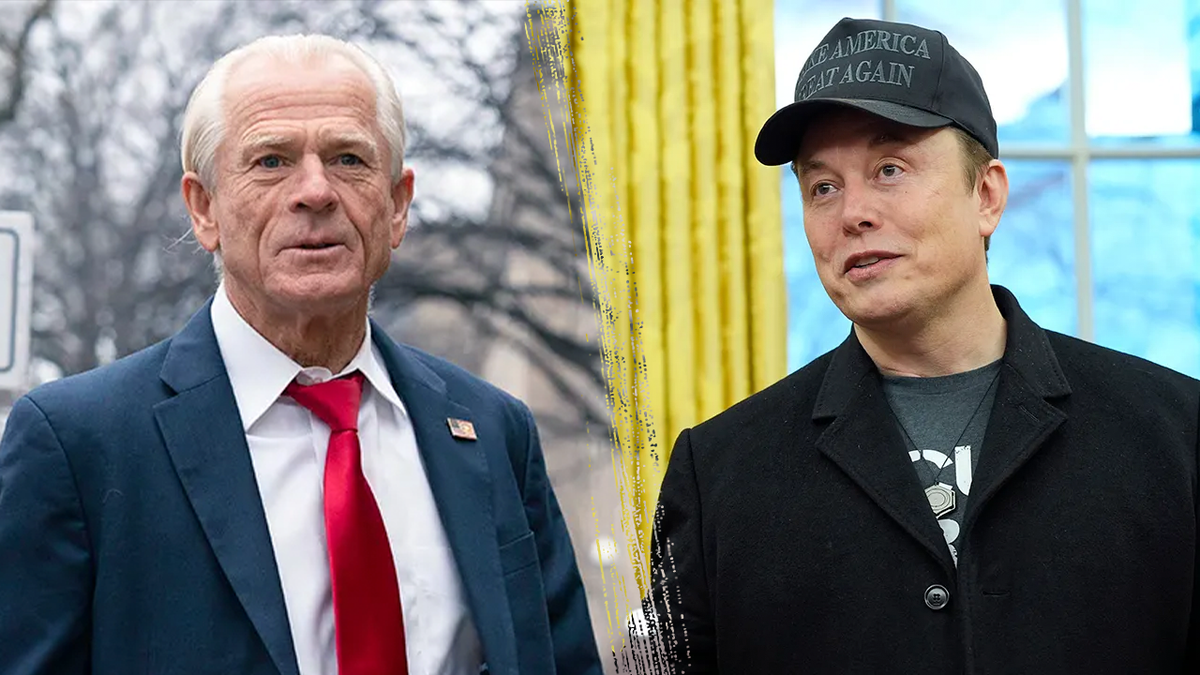
PURGING THE PENTAGON: Trump admin fires Navy admiral at NATO targeted by conservative group
FIRST ON FOX: New 6-figure ad touts Trump policies that have key industry ‘booming’: ‘You voted for it’
LAUNCH SEQUENCE: Trump assassination attempt suspect Ryan Routh sought rocket launcher from Ukraine
‘GOLDEN AGE’: Trump crypto chief says we are in the ‘golden age’ for digital assets, ‘clearing the deck’ of Biden barriers
World Stage
‘KIND OF LAMENTABLE’: China says JD Vance’s comments about ‘peasants’ are ‘words that lack knowledge and respect’
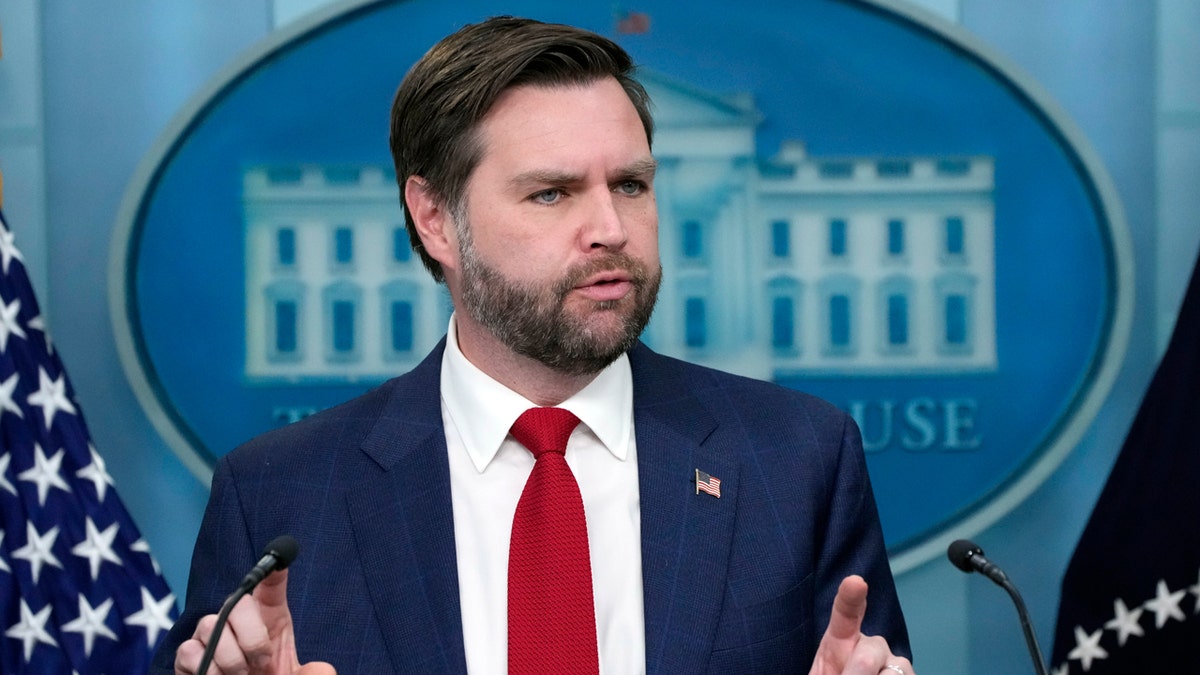
Vice President JD Vance will attend an AI summit in Paris, France, a French official said anonymously. (AP Photo/Alex Brandon)
RED SEA RESET: New Navy Chief ‘regrets’ costly missile strikes against Houthis, pushes for cheaper Red Sea defense
‘DOMINANT POWER’: White House: US will lead in AI, but China is catching up
Capitol Hill
BATTLE OF THE CHAMBERS: House Republicans worry even Trump can’t save them as tax cuts, budget bill hang in balance
‘COMPLETE 180 DEGREE FLIP’: House Democrat says he’d vote to protect Trump’s tariff plan, worries White House will stand down
EMOTIONALLY TAXING: Treasury Secretary Bessent to huddle with key Republican caucus as Trump enacts tariff plan
‘MAGA EXTREMISTS’: Jeffries claims Trump budget bill will steal food from ‘the mouths of babies’ while enriching billionaires
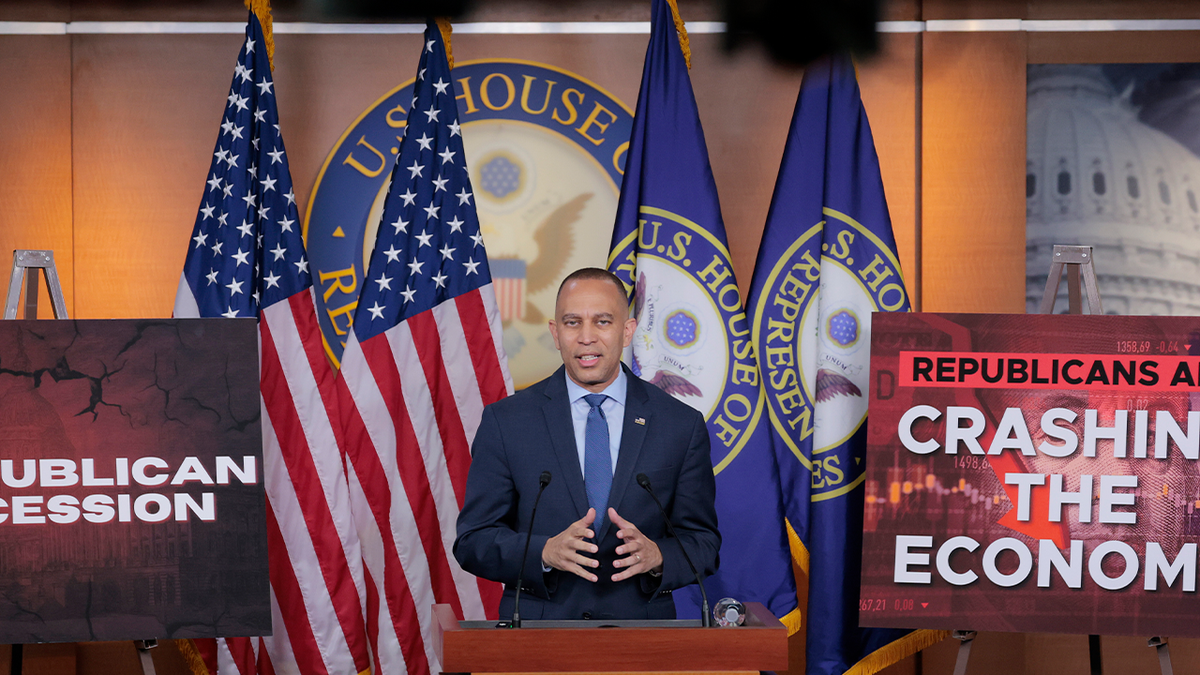
WASHINGTON, DC – APRIL 02: U.S. House Minority Leader Hakeem Jeffries (D-NY) speaks at his weekly press conference at the U.S. Capitol Building in Washington, DC. Jeffries spoke to reporters about U.S. President Donald Trump’s tariff announcement and the recent special elections across the United States. (Photo by Anna Moneymaker/Getty Images) (Getty Images)
CHRIS’ CALL: Popular former Republican governor whom Trump urged to run for Senate makes his 2026 decision
NUCLEAR NOMINATION: Supporters defend Trump’s pick to control America’s nuclear arsenal before Senate grilling
FUNDRAISER-IN-CHIEF: Trump hauls in millions for House GOP 2026 war chest as Dems taunt they are ‘running scared’
‘ENOUGH IS ENOUGH’: GOP Rep. touts GOP effort to pass bill cracking down on ‘rogue’ judges
Across America
FLORIDA TARGETS DEI: Florida AG bans law firms with DEI policies from serving as outside counsel
BRAINS AND BRASS: Elbridge Colby confirmed to top Pentagon policy post after hesitation from GOP hawks
‘SIGNIFICANT DANGER’: Migrant convicted of killing his son arrested by ICE years after initial deportation
TESTY OVER TARIFFS: Dem governors revolt against Trump’s ‘Liberation Day’ tariffs

Democratic Governors Gavin Newsom, (left) and J.B. Pritzker (right) have rejected President Donald Trump’s tariffs and tried to thwart the tariff’s impacts on their home states through independent negotiations. (Getty/Shutterstock)
TULSI’S TASK: Gabbard establishes new Intelligence Community task force to restore transparency
RESHAPING THE WORKFORCE: Noem offers Homeland Security employee buyouts in move to shrink department
Get the latest updates on the Trump administration and Congress, exclusive interviews and more on FoxNews.com.
Elections Newsletter

INTERNACIONAL
US strikes against Iran-backed militias in Iraq reportedly continue as Baghdad warns of ‘right to respond’
NEWYou can now listen to Fox News articles!
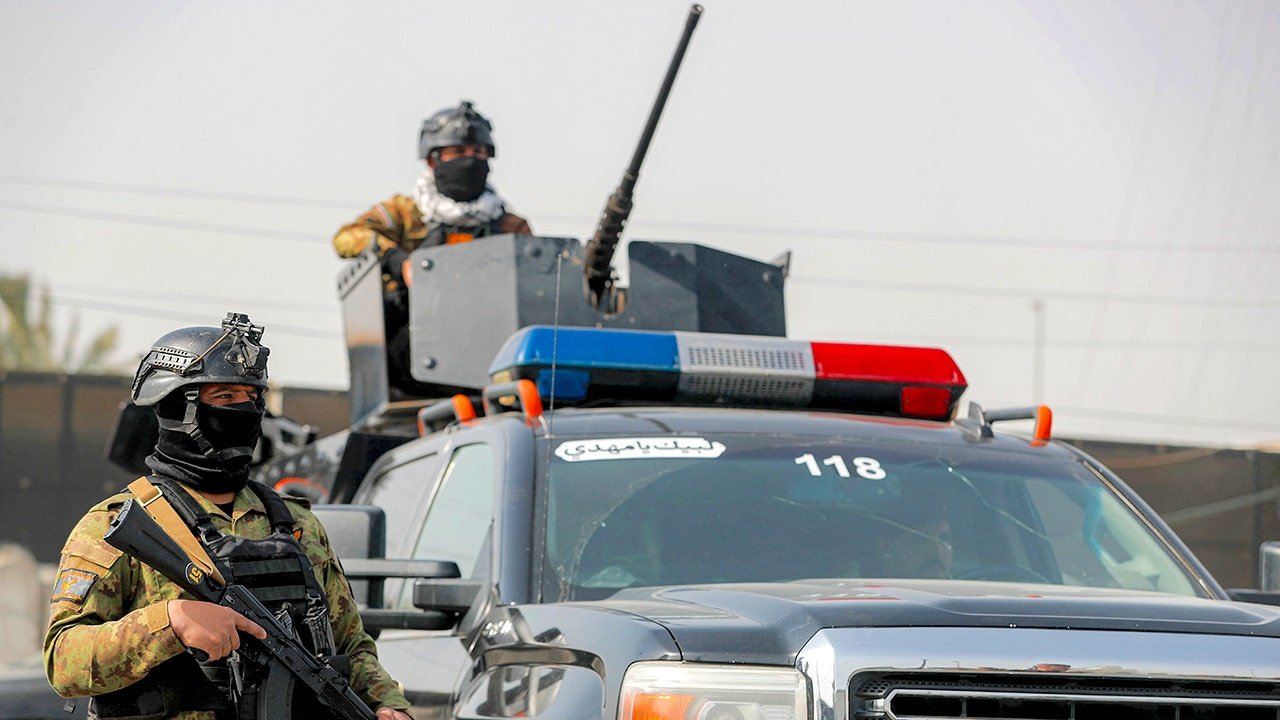
The United States military reportedly launched airstrikes targeting the headquarters of Iraq’s Iran-backed Shiite militia (PMF) and a residence belonging to its leader on Tuesday, in an escalation of strikes against Tehran’s prized militias.
The latest strikes from the U.S. military follows a statement last week from Gen. Dan Caine, chairman of the Joint Chiefs of Staff, who said AH-64 helicopters «have been striking against Iranian-aligned militia groups to make sure that we suppress any threat in Iraq against U.S. forces or U.S. interests.»
In what appears to be an Iraqi threat against the U.S., Iraq’s Prime Minister Mohammed Shia al-Sudani said in a statement on Tuesday, «In light of the unjustified attacks and grave violations of Iraqi sovereignty, including the targeting of official security headquarters, the Council decided the following: To confront and respond to military attacks carried out by military aircraft and drones targeting the headquarters and formations of the Popular Mobilization Forces Commission and other formations of our armed forces, using available means, in accordance with the right to respond and self-defense.»
US WARNS IRAQ MUST ACT AGAINST IRAN-BACKED MILITIA ATTACKS ON AMERICAN ASSETS
Smoke rises from the U.S. Embassy building in Baghdad, Iraq, March 14, 2026. (Ali Jabar/AP Photo)
Sudani also said Iraq’s foreign ministry planned to summon the U.S. chargé d’affaires and separately the Iranian ambassador on Wednesday. The PMF is part of Sudani’s government.
An Iraqi Kurdish government official said to Fox News Digital, «So what the Iraqi government will now fight the Americans?»
When asked about the Iraqi Kurdish government official’s comment, an offiical for Iraq’s embassy in Washington, D.C., told Fox News Digital, «Absolutely not. It is against elements that target them.»
According to the Times of Israel, a fresh airstrike on Wednesday hit the PMF in western Iraq. «Two missiles were fired from a fighter jet» at a base in Anbar province, a security official said. The Anbar base was also reportedly struck by U.S. forces on Tuesday.
The Iraqi embassy official said, responding to additional Fox News Digital press questions, that he lacked the current information to comment regarding the fast-moving developments in Iraq.
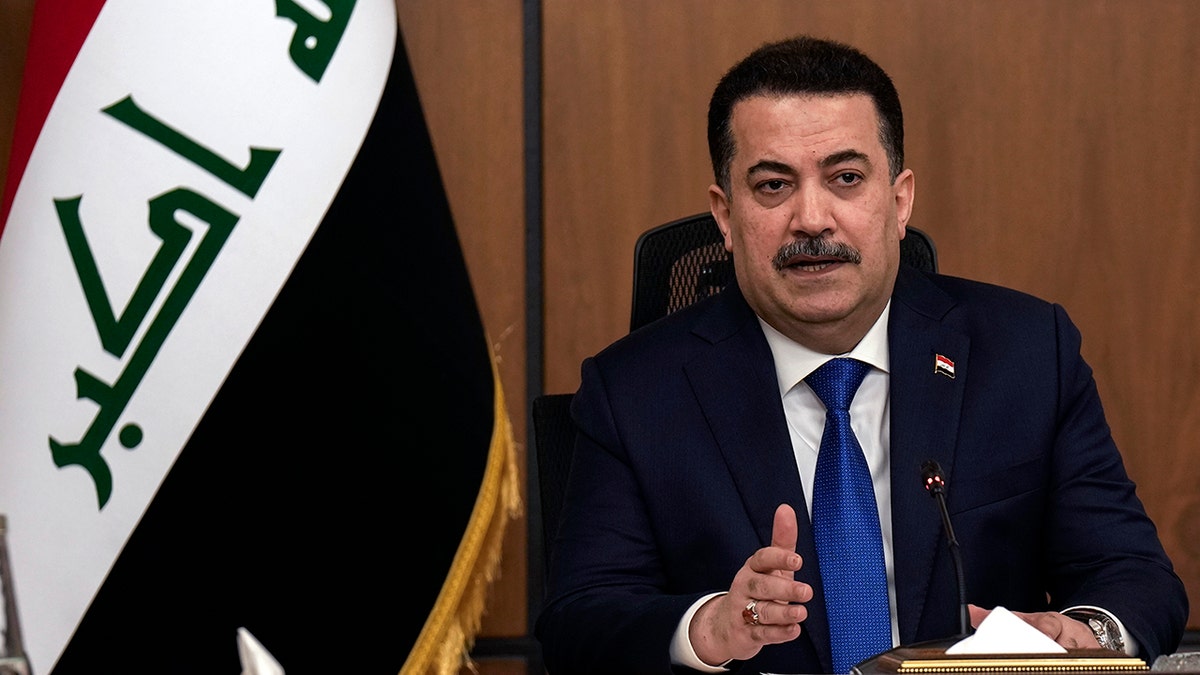
Iraqi Prime Minister Mohammed Shia al-Sudani chairs negotiations with the United States in Baghdad, Iraq, Jan. 27, 2024. (AP Photo/Hadi Mizban, Pool)
The PMF has launched attacks on the U.S. Embassy in Baghdad, Israel and other American assets in the region, especially in the Kurdistan Region of Iraq, following the U.S.-Israel joint attack on the Islamic Republic on Feb. 28. Over the years, the PMF has been accused of killing American military personnel in the Middle East.
DEFIANT IRAN VOWS TO FIGHT ‘UNTIL COMPLETE VICTORY,’ DESPITE HEAVY MILITARY LOSSES
PMF leader Falih al-Fayadh was not present when his residence was hit in the northern city of Mosul on Tuesday. At least 15 PMF terrorists were killed in other airstrikes that hit a headquarters of the group in Iraq’s Euphrates valley province of Anbar, according to sources and a statement from the group.
The Kurdish government official told Fox News Digital on Tuesday: «The militias are brazenly doing Iran’s bidding. They’ve attacked U.S. forces and diplomats, Iraq’s own intelligence services, French troops, and the KRG’s Peshmerga [Kurdish Regional Government]. Energy and civilian infrastructure haven’t been spared. This does not require analysis — these groups openly claim responsibility.»
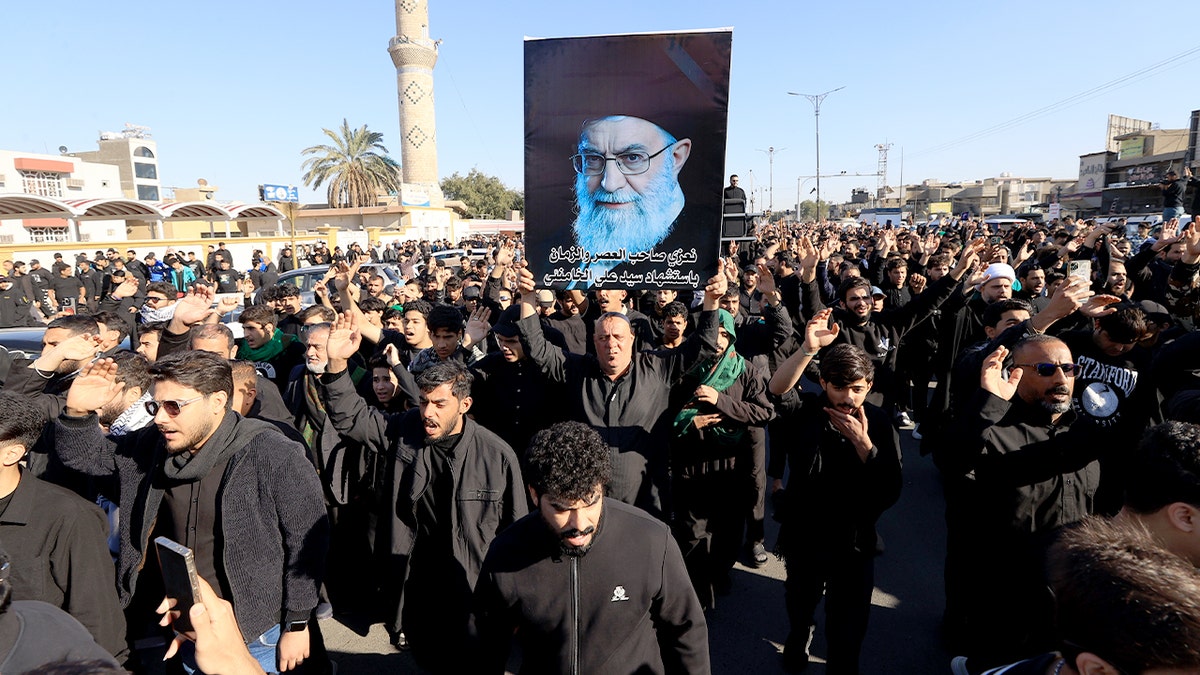
Supporters gather in Baghdad’s Sadr district holding Iranian flags and posters of Ayatollah Ali Khamenei following the announcement that he was killed in U.S.-Israeli attacks, on March 1, 2026. (Murtadha Al-Sudani/Anadolu via Getty Images)
The Kurdish official added: «So why does the Iraqi government continue to pay those it itself describes as terrorists and criminals? There are four principal groups: Harakat al-Nujaba, Kataeb Hezbollah, Kataeb Sayyid al-Shuhada and Asaib Ahl al-Haq. This government is unwilling to defend its own interests, let alone those of its partners. At this point, the distinction between the PMF and the state is increasingly hard to discern.»
Elizabeth Tsurkov, a senior non-resident fellow at the New Lines Institute for Strategy and Policy and an expert on the PMF, told Fox News Digital there was a «sense of delusion» during the Biden administration, which tried to differentiate between the PMF and six of its pro-Iran militia members that are U.S.-designated terrorist entities.
She said the recent strikes clearly «show that the U.S. is tired of this inane distinction,» Tsurkov said. She stressed the «entire PMF structure is a problem.»
Tsurkov, who was held hostage by the pro-Iranian regime, Kataib Hezbollah, for two and half years in Iraq, said, «The U.S. possesses immense leverage over Iraq. The U.S. can sanction certain ministries and certain directors generals.» She added that the U.S. can also sanction Iraqi banks that transfer money to Iran.
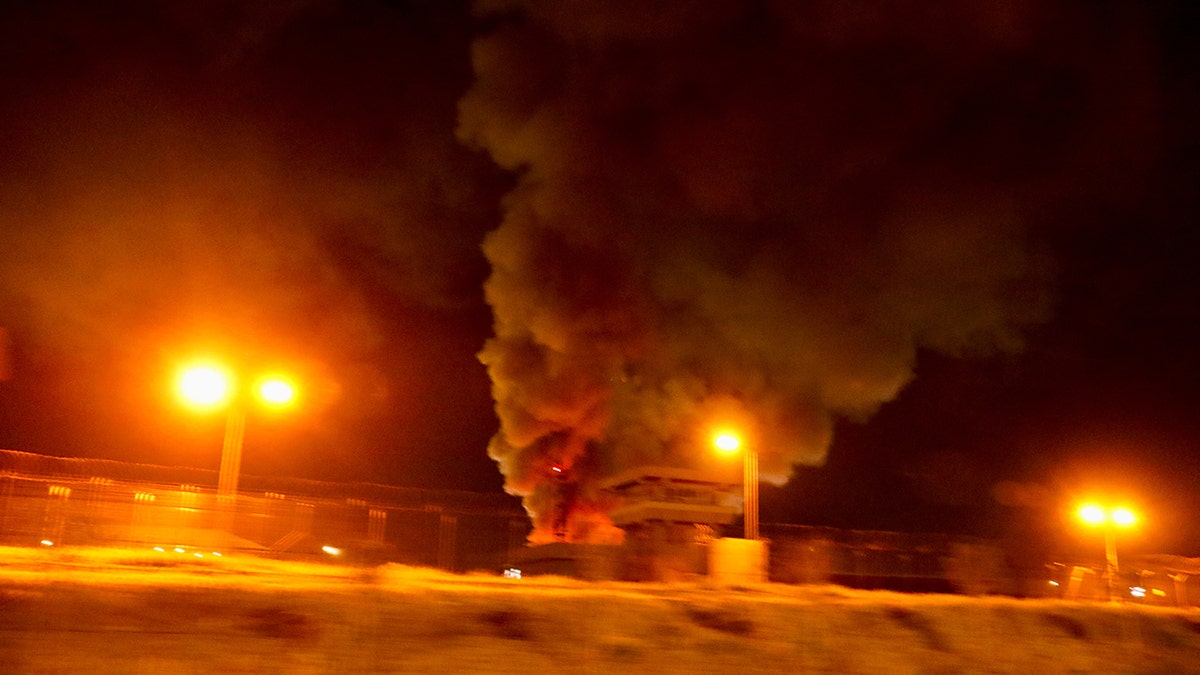
An explosion is reported near the U.S. Consulate and airport area, where a U.S. military base is also located, in Erbil, Iraq, on March 12, 2026. (Ahsan Mohammed Ahmed Ahmed/Anadolu via Getty Images)
Tsurkov said the PMF are highly sensitive to U.S. strikes on their top leadership.
The PMF movement is reeling from the devastating alleged U.S. airstrikes. The dead included its operations commander, Saad al-Baiji. The statement said U.S. forces had targeted a command headquarters in Anbar while personnel were on duty. The security sources said the strikes were hit during a meeting attended by senior commanders.
TRUMP’S MIDDLE EAST ENVOY REVEALS WHAT LED TO BREAKDOWN IN IRAN TALKS BEFORE OPERATION EPIC FURY
A State Department official told Fox News Digital, «The United States strongly condemns the widespread attacks by Iran and Iran-backed militias against U.S. citizens and targets associated with the United States throughout Iraq, including U.S. diplomatic personnel and facilities.»
The official continued: «As Secretary Rubio has said, the Iraqi government must take all measures to safeguard U.S. diplomatic personnel and facilities and ensure militia groups cannot use Iraqi territory to threaten the United States, our Iraqi partners, or the region. Doing so is in Iraq’s interest. Continued attacks by Iran-backed militias undermine Iraq’s stability and risk drawing Iraq into a broader regional conflict.»
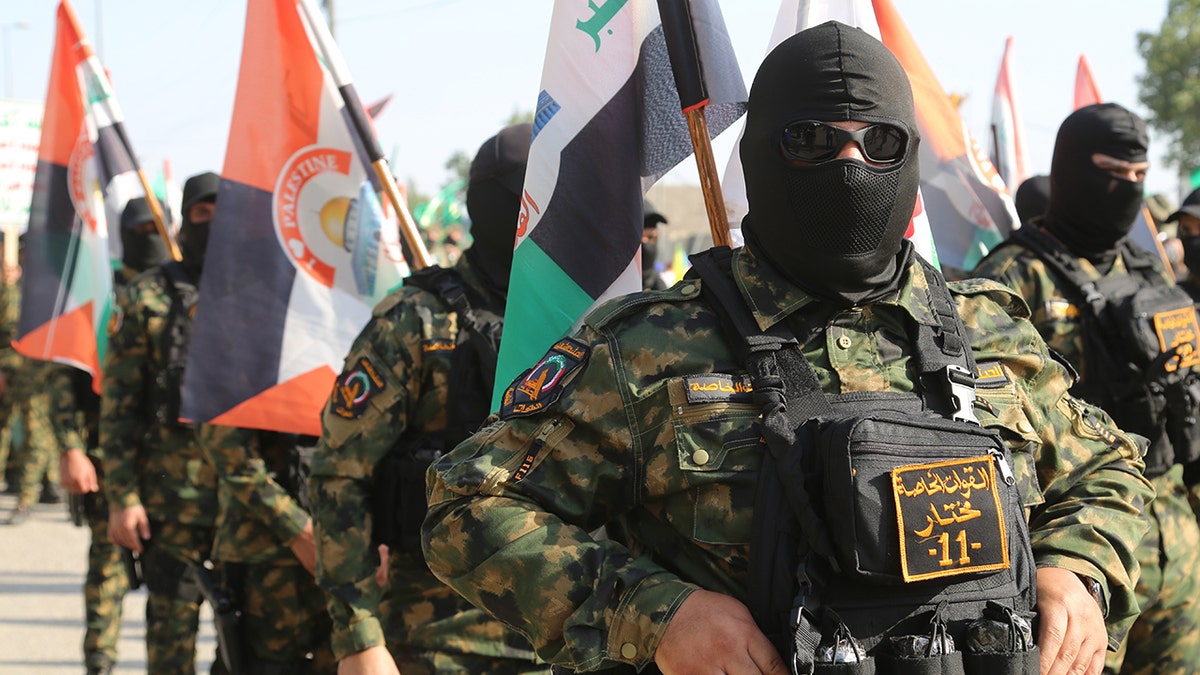
Members of Moqtada al-Sadr’s Mehdi Army parade in Baghdad’s Shiite neighborhood of Sadr city on April 3, 2004. (Ahmed Labib/Anadolu via Getty Images)
A spokesperson for U.S. Central Command referred Fox News Digital to the White House and to the Office of the Secretary of War for comment on the administration’s policy. Fox News Digital reached out to the White House and Pentagon for comment.
CLICK HERE TO DOWNLOAD THE FOX NEWS APP
On Monday, the U.S. Embassy in Baghdad issued a security alert warning: «Iraq Iran-aligned terrorist militias have conducted widespread attacks on U.S. citizens and targets associated with the United States throughout Iraq, including the Iraqi Kurdistan Region (IKR). U.S. citizens should leave Iraq now.»
Fox News Digital reached out to the Israel Defense Forces regarding Israel’s role in the ongoing strikes against Iran-backed militias.
Reuters contributed to this report.
war with iran, iraq, terrorism, conflicts, national security, military
INTERNACIONAL
Your internet router could be China-linked: FCC cracks down on ‘unacceptable’ security risks

NEWYou can now listen to Fox News articles!
The U.S. Federal Communications Commission (FCC) is moving to block new foreign-made internet routers from entering the U.S. market, citing mounting concerns that overseas supply chains could expose American networks to cyber threats inside their own homes.
The move expands the agency’s «covered list,» which bars equipment deemed to pose an unacceptable risk to national security and will effectively prevent new foreign-manufactured routers from being authorized for sale in the U.S.
The order effectively means new routers must be built in the United States or clear a national security review that scrutinizes ownership, supply chains and software control to be sold domestically.
The list includes communications equipment and services considered «to pose an unacceptable risk to the national security of the United States or the safety and security of United States persons,» the FCC said.
LAWSUIT CLAIMS SECURITY CAMERAS SOLD IN THE US CARRIED UNDISCLOSED SURVEILLANCE RISKS
The agency warned that «malicious actors have exploited security gaps in foreign-made routers to attack American households, disrupt networks, enable espionage, and facilitate intellectual property theft,» citing multiple cases in which such devices were used in cyberattacks targeting U.S. infrastructure.
The Federal Communications Commission is moving to block new foreign-made internet routers from entering the U.S. market, citing mounting concerns that overseas supply chains could expose American networks to cyber threats. (Sina Schuldt/picture alliance via Getty Images)
The rule applies broadly to devices produced outside the country but largely targets routers with Chinese origins. The world’s networking hardware supply is largely dependent on China for manufacturing and engineering.
Estimates in recent years indicate that devices with significant Chinese supply chain ties account for the majority of home routers used in the U.S.
TP-Link, a China-founded router manufacturer and one of the top-selling brands on Amazon, has faced growing scrutiny in Washington amid cyber incidents and broader concerns about foreign-linked networking equipment.
GOOGLE DISMANTLES 9M-DEVICE ANDROID HIJACK NETWORK
A review of router manufacturing and supply chains by Fox News Digital indicates that nearly all major router brands sold in the United States depend extensively on Chinese manufacturing, engineering talent or components, even when marketed as American or allied products.
Companies that have shifted production to countries like Vietnam often still rely on Chinese-owned manufacturers and engineering teams, meaning the supply chain footprint remains largely unchanged.
Core elements of router development — including firmware and hardware design — frequently are supported by engineering teams based in China, raising concerns about vulnerabilities within widely used networking equipment.
FCC ANNOUNCES BAN ON NEW CHINESE-MADE DRONES OVER NATIONAL SECURITY CONCERNS
Those risks have already surfaced in real-world cyber operations.
In 2023, the Justice Department disrupted a network of hundreds of compromised U.S. home and small-business routers that had been hijacked by Chinese state-backed hackers known as «Volt Typhoon.» The infected devices were used to conceal the origin of cyberattacks targeting critical infrastructure, allowing malicious traffic to appear as if it came from inside the U.S.

The move expands the agency’s «Covered List,» which bars equipment deemed to pose an unacceptable risk to national security and will effectively prevent new foreign-manufactured routers from being authorized for sale in the United States. (iStock)
By routing activity through compromised devices, hackers can make attacks harder to trace and maintain access inside targeted networks.
A single router often connects dozens of devices inside a home or small business, including phones, laptops, security cameras, smart TVs and baby monitors. A compromised device can give attackers visibility into network traffic and provide a foothold to move across connected systems or launch additional attacks.
U.S. officials say the broader campaign targeted sectors including energy, water, telecommunications and transportation, part of an effort to establish access that could be used to disrupt systems during a future conflict.
The FCC’s move is the latest step in a broader push in Washington to reduce reliance on foreign — and particularly China-linked — technology across critical sectors, including telecommunications equipment, semiconductors and consumer applications.
A single router often connects dozens of devices inside a home or small business, including phones, laptops, security cameras, smart TVs and baby monitors. (Chip Somodevilla/Getty Images)
Supporters of the policy say it addresses long-standing supply chain risks and reduces the chances of foreign adversaries gaining access to U.S. networks. But the rule could strain supply chains and push up prices, given that most routers sold in the U.S. are manufactured overseas.
CLICK HERE TO DOWNLOAD THE FOX NEWS APP
The policy does not apply to routers already legally purchased or currently in use. Companies can continue selling routers that are already in the U.S. and previously approved, but once that inventory runs out, new foreign-made models would be effectively blocked unless they pass a national security review.
The rule does not mean routers already in American homes are known to be compromised. But cybersecurity officials have long warned outdated or unpatched devices can be vulnerable, and in some cases have been used as part of larger botnet networks that support cyberattacks.
The Chinese embassy and relevant router companies could not immediately be reached for comment.
china, technologies, national security
INTERNACIONAL
Crisis en aeropuertos de Estados Unidos obliga a usar agentes de ICE por falta de personal
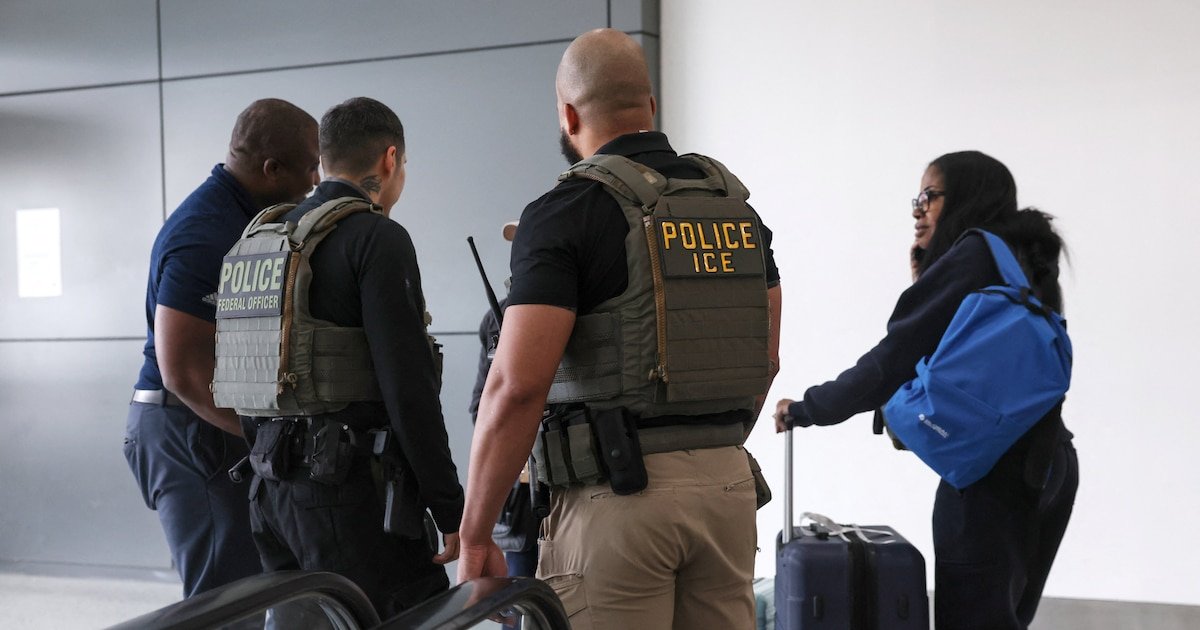
El gobierno de Estados Unidos desplegó el lunes hasta 150 agentes del Servicio de Inmigración y Control de Aduanas (ICE) en los principales aeropuertos del país, una medida destinada a enfrentar la escasez de personal de la Administración de Seguridad en el Transporte (TSA) durante el cierre parcial del gobierno federal. La decisión afecta a millones de viajeros y trabajadores aeroportuarios en plena temporada alta, en medio de largas filas y retrasos en los controles de seguridad.
Según informó The New York Times, los agentes de ICE comenzaron a patrullar aeropuertos como Kennedy en Nueva York, Hartsfield-Jackson en Atlanta y O’Hare en Chicago, entre otros, en respuesta a la ausencia de casi el 12% de los empleados de la TSA, quienes han estado trabajando sin remuneración desde el 14 de febrero debido a la falta de financiamiento del Departamento de Seguridad Nacional (DHS). El despliegue forma parte de una estrategia del gobierno de Donald Trump, que busca mantener la operatividad de los aeropuertos ante la falta de acuerdo en el Congreso sobre la política migratoria y el presupuesto del DHS.
De acuerdo con información del diario The Washington Post, la crisis en los aeropuertos se produce en el contexto de un enfrentamiento político que ha dejado a casi 50.000 agentes de la TSA sin salario y ha obligado a cientos de ellos a buscar trabajos adicionales o ausentarse para cubrir necesidades económicas. El porcentaje de ausencias alcanzó cifras récord en terminales como Hartsfield-Jackson, con más del 41% de ausentismo, y en Louis Armstrong de Nueva Orleans, con 42%. Las filas para los controles de seguridad han superado las cuatro horas en ciudades como Houston y Nueva York, provocando cancelaciones y cambios de vuelo para miles de pasajeros.
El Departamento de Seguridad Nacional (DHS) comunicó que el envío de agentes de ICE busca reforzar los esfuerzos de la TSA para mantener la seguridad aérea y reducir las interrupciones en los viajes. El cierre parcial del gobierno, iniciado por la falta de un acuerdo legislativo sobre la financiación del DHS, dejó sin fondos a la TSA, cuyos empleados pasaron a operar sin sueldo. La administración Trump sostuvo que la presencia de ICE permitiría que los agentes restantes de la TSA se concentren en las tareas de revisión y control, mientras los agentes migratorios asumen funciones auxiliares.
Según declaraciones recogidas por el medio especializado Axios, Lauren Bis, secretaria adjunta en funciones del DHS, explicó que los agentes de ICE se encargan de vigilar entradas y salidas, asistir con la logística y controlar multitudes para permitir que la TSA se enfoque en los controles especializados. La funcionaria añadió: “cuantos más recursos de apoyo dispongamos, más eficientemente podrá la TSA mantener el flujo de pasajeros en los controles de seguridad”.

El gobierno de Estados Unidos no ha publicado una lista oficial de los aeropuertos donde se desplegaron los agentes de ICE, argumentando razones de seguridad operativa. Sin embargo, el diario The Washington Post verificó la presencia de estos agentes en al menos 14 terminales principales, incluyendo:
- Chicago O’Hare International Airport (ORD)
- Hartsfield-Jackson Atlanta International Airport (ATL)
- George Bush Intercontinental Airport, Houston (IAH)
- Houston William P. Hobby Airport (HOU)
- John F. Kennedy International Airport (JFK)
- LaGuardia Airport (LGA)
- Louis Armstrong New Orleans International Airport (MSY)
- Luis Muñoz Marín International Airport, Puerto Rico (SJU)
- Newark Liberty International Airport (EWR)
- Philadelphia International Airport (PHL)
- Phoenix Sky Harbor International Airport (PHX)
- Pittsburgh International Airport (PIT)
- Cleveland Hopkins International Airport (CLE)
- Southwest Florida International Airport (RSW)
Según datos del DHS citados por el diario The Washington Post, estos aeropuertos registraron los índices más altos de ausentismo de la TSA durante el fin de semana previo al despliegue.
Los agentes de Servicio de Inmigración y Control de Aduanas cumplen funciones de apoyo que no involucran el control directo de pasajeros ni la operación de máquinas de rayos X, según explicó Tom Homan en declaraciones a CNN recogidas por The New York Times. Homan indicó que “un agente del ICE podría cubrir una salida o vigilar una zona, permitiendo que los agentes de la Administración de Seguridad en el Transporte se concentren en los controles de seguridad”.
Adam Stahl, subadministrador interino de la TSA, señaló en la cadena Fox News que los agentes de ICE asumen tareas como control de filas, manejo de multitudes y supervisión de accesos. En el aeropuerto de Cleveland Hopkins, por ejemplo, la administración informó que ICE asistirá en el flujo de pasajeros y la logística, sin revisar documentos ni realizar controles de seguridad.
Voceros sindicales de la TSA, como Aaron Barker en Georgia, advirtieron que “los agentes migratorios no cuentan con la capacitación necesaria para realizar controles de pasajeros”, y que su labor se limita a funciones de vigilancia y apoyo logístico.

El despliegue de ICE generó inquietudes entre legisladores demócratas y organizaciones civiles, que alertaron sobre la posibilidad de que los agentes utilicen su presencia para realizar controles migratorios o arrestos. De acuerdo con el medio especializado Axios, ICE tiene autoridad para investigar delitos migratorios y federales en los aeropuertos, pero no puede realizar inspecciones de equipaje ni controles especializados de seguridad sin una orden o sin actuar bajo la autoridad de la TSA o la Oficina de Aduanas y Protección Fronteriza (CBP).
Nicole Hallett, directora de la Clínica de Derechos de los Inmigrantes de la Universidad de Chicago, explicó: “si un agente del ICE sospecha una violación migratoria, puede detener brevemente a la persona y solicitar identificación”, aunque no puede inspeccionar pertenencias personales sin orden judicial. Según Hallett, “los derechos de los pasajeros en un aeropuerto son similares a los de cualquier otro espacio público”.
Respecto a declaraciones oficiales, el alcalde de Atlanta, Andre Dickens, afirmó que el DHS indicó que el despliegue del ICE no tiene como objetivo realizar acciones de control migratorio.
De acuerdo con reportes del diario The Washington Post, la presencia de los agentes de ICEno ha reducido de manera significativa los tiempos de espera en los controles de seguridad. El lunes, los tiempos de espera superaron las cinco horas en terminales como George Bush en Houston, mientras que en Atlanta se observó una mejora en los flujos durante la jornada del martes.
El consorcio de agencias federales y fuerzas de seguridad locales que supervisan la seguridad aeroportuaria en Estados Unidos continuó operando bajo presión. El exadministrador de la TSA, John Pistole, advirtió en el diario The Washington Post que “los agentes del ICE no cuentan con la formación técnica para sustituir a los oficiales de la TSA en tareas de revisión de pasajeros o detección de amenazas”.
La medida afecta a los pasajeros que utilizan los principales aeropuertos del país, quienes enfrentan tiempos de espera prolongados y una mayor presencia de personal uniformado en terminales y accesos. El DHS no ha determinado una fecha de finalización para el despliegue, que permanecerá hasta que se resuelva la crisis presupuestaria y se restablezca el financiamiento de la TSA.
Los viajeros pueden encontrarse con agentes de ICE en cualquier área pública dentro del aeropuerto, no solo en los controles, y deben portar los documentos necesarios para su identificación. Las autoridades aeroportuarias recomiendan llegar con al menos cuatro horas de anticipación a los vuelos y consultar actualizaciones en tiempo real sobre los tiempos de espera.
El gobierno de Estados Unidos señaló que, si la situación no mejora, podría enviar a la Guardia Nacional para reforzar la seguridad y las operaciones aeroportuarias, según declaraciones recogidas por The New York Times. Mientras tanto, sindicatos y legisladores continúan negociando una solución para restablecer el funcionamiento normal de los controles en los aeropuertos del país.
Business,Domestic Politics,Tourism,Travel,Corporate Events,North America,Government / Politics,Tourism / Travel

La Justicia rechazó un pedido de Claudio Tapia para ausentarse del país por 60 días

La increíble historia del regreso de Valdano tras el retiro para intentar jugar el Mundial 90: “Después de nadar seis meses, fui a morir en la orilla”

Ángela Torres tomó partido en medio de la polémica entre Tini Stoessel y Emilia Mernes: “Es un tema sensible”

US strikes against Iran-backed militias in Iraq reportedly continue as Baghdad warns of ‘right to respond’

La trastienda de la tensa reaparición de Manuel Adorni en conferencia de prensa

El posteo de Milei tras la conferencia de Adorni en plena polémica por su patrimonio

»¡VAN A FUNDIR A MEDIO PAÍS!»: El lapidario diagnóstico de Roberto Cachanosky sobre el plan de Milei

ALERTA FINANCIERA: 4 de cada 10 argentinos ya no pueden pagar sus deudas. ¡Caputo debe actuar ya!

El mensaje de Milei sobre la “traición” que llamó la atención en el Gobierno y también en la oposición

El Gobierno apunta a una sindicalista por la filtración del video de Manuel Adorni en un vuelo privado

 POLITICA2 días ago
El mensaje de Milei sobre la “traición” que llamó la atención en el Gobierno y también en la oposición
- POLITICA24 horas ago
24 DE MARZO: La historia completa que el relato omitió sobre el golpe de 1976 y el Juicio a las Juntas
- ECONOMIA2 días ago
A cuánto llegará el dólar en abril de 2026, según los principales analistas de mercado