INTERNACIONAL
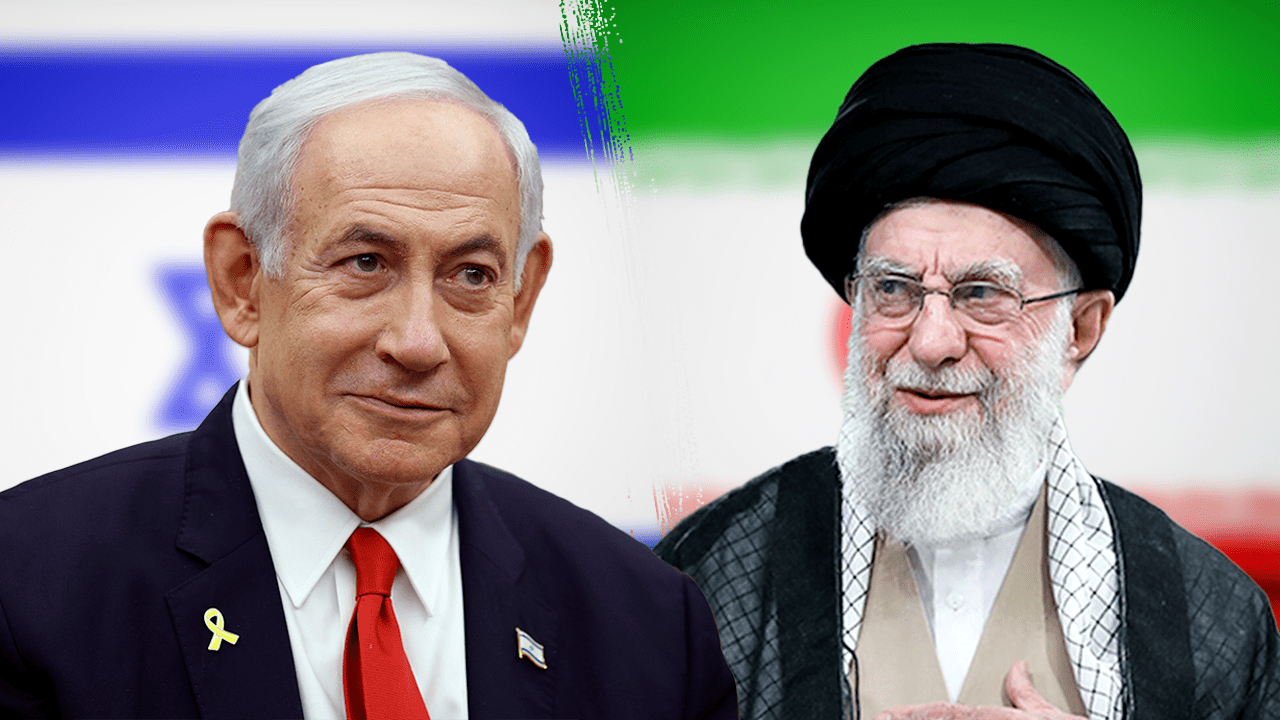
Fox News Poll: Voters think Iran poses a real threat to US security, but split on Israel’s strikes

NEWYou can now listen to Fox News articles!
As the conflict in the Middle East escalates, voters are torn on Israel’s decision to attack Iran’s nuclear facilities, yet they agree Iran is a national security threat and that what happens abroad matters to life in the U.S.
Seventy-three percent of registered voters think Iran poses a real threat to the U.S., a 13-point increase from six years ago (the last time this question was asked).
«The increased sense that Iran constitutes a threat is real, but it also reflects the unique timing and circumstances surrounding this poll,» says Republican pollster Daron Shaw, who helps run the Fox News Poll along with Democrat Chris Anderson. «The poll was in the field as images of Iranian missiles falling on Tel Aviv dominated television and the internet — the immediacy and clarity of the conflict undoubtedly contributes to how voters gauge what is at risk.»
Majorities of Democrats (69%), Republicans (82%), and Independents (62%) agree Iran poses a real risk and those numbers are up since 2019 (by 12, 17, and 4 points respectively).
The latest Fox survey, released Wednesday as President Donald Trump urged for Iran’s «unconditional surrender,» also finds voters split on Israel’s decision to launch military strikes against Iran’s nuclear programs – nearly half (49%) approve of the strikes while slightly fewer (46%) disapprove.
Republicans (73% approve) are more than twice as likely as Democrats (32%) and Independents (32%) to approve of the strikes.
FOX NEWS POLL: THE FIRST 100 DAYS OF PRESIDENT TRUMP’S SECOND TERM
Voters have contradictory concerns. On the one hand, voters are pessimistic about how the air strikes will affect security. Most think the attacks against Iran will make the world a more dangerous place (59%) rather than safer (36%). About three-quarters of Democrats (74%) and Independents (77%) agree the strikes will increase peril, as do nearly 4 in 10 Republicans (36%).
On the other hand, voters are worried about Iran developing a nuclear weapon. Almost 8 in 10 say they are also extremely or very concerned about Iran’s nuclear program (78%) up from 66% in April and matching the high in September 2010. The increase comes from demographics across the board.
FOX NEWS POLL: DEMOCRATS’ FAVORABILITY HITS NEW LOW, STILL FAVORED OVER GOP IN 2026 MIDTERMS
While concern is palpable, voters see other issues as more pressing. When presented with a list of eight issues, Iran’s nuclear program falls in the middle. The future of the U.S. (85% extremely or very concerned), inflation (84%), and government spending (80%) rank higher while antisemitism (69%), illegal immigration (67%), the use of U.S. military troops domestically (66%), and protests in U.S. cities (63%) rank lower than concerns about Iran.
While roughly 8 in 10 Democrats, Republicans, and Independents are concerned about Iran getting a nuke, it only ranks in the top three concerns for Republicans.
Overall, 8 in 10 think what happens in the Middle East matters a great deal or some to life in the U.S. (81%) while more than half support financial aid to the Israelis for their military (53%), a 3-point increase since March, but down from a high of 60% in November 2023, shortly after the October 7 Hamas attacks.
Since November 2023, Democrats (-14 points) and Independents (-11) are less likely to support sending money to the Israelis while Republicans (+4 points) solidified their support.
«Even though most think the stakes are high, there is a reticence to get involved in the Middle East,» says Shaw. «The public isn’t blind to history and history teaches us that those who get directly involved in these conflicts do so at their peril.»
Trump left the G7 summit early on Monday along with Secretary of State Marco Rubio, citing the ongoing and intensifying situation in the Middle East as the reason.
Trump’s approval rating on foreign policy has held relatively steady since April: 42% approve vs. 57% disapprove for a net negative rating of -15, it was -14 last month. He fares better on border security (53% approve, 46% disapprove) and immigration (46%, 53%) while he does worse on the economy (40%, 58%) and inflation (34%, 64%).
Overall, 46% approve of his job performance as president, while 54% disapprove.
Trump’s personal favorable rating held steady at 45%, compared to those in his administration.
Trump’s personal favorable rating held steady at 45%. Compared to those in his administration, Trump’s about even with Vice President JD Vance (44% favorable) and performs better than Rubio (42%), Elon Musk (41%), and Secretary of Defense Pete Hegseth (32%). Robert F. Kennedy Jr. does the best with a 48% favorable rating.
For comparison, the favorable ratings among Democratic Party leaders were in the same ballpark: Kamala Harris (49% favorable), Joe Biden (43%), Alexandria Ocasio-Cortez (40%), and Gavin Newsom (39%). Everyone tested was viewed more negatively than positively, although by only 2 points for both Harris and RFK Jr.
The Russia-Ukraine conflict
The continuing war between Russia and Ukraine takes a backseat to the conflict in the Middle East, with 72% saying the war matters a great deal to life in the U.S. compared to 81% who say the same about what is happening in the Middle East.
Those saying the Russia-Ukraine war matters are down from 81% in October 2023 (when the question was last asked) and a high of 85% in March 2022 (at the start of the war).
Even so, 56% of voters support sending money to Ukraine to help fight Russia. That number has held steady at between 54 and 63% for the last three years.
Big picture, majorities favor sending financial aid to the Ukrainians (56%) and the Israelis (53%) to fight their respective wars, with partisanship driving support in the different theaters.
Seventy percent of Democrats support funding Ukraine compared to just 46% of Republicans, while 71% of Republicans favor sending aid to Israel compared to just 43% of Democrats.
CLICK HERE FOR CROSSTABS AND TOPLINE
Conducted June 13-16, 2025, under the direction of Beacon Research (D) and Shaw & Company Research (R), this Fox News survey includes interviews with a sample of 1,003 registered voters randomly selected from a national voter file. Respondents spoke with live interviewers on landlines (149) and cellphones (566) or completed the survey online after receiving a text (288). Results based on the full sample have a margin of sampling error of ±3 percentage points. Sampling error for results among subgroups is higher. In addition to sampling error, question wording and order can influence results. Weights are generally applied to age, race, education, and area variables to ensure the demographics of respondents are representative of the registered voter population. Sources for developing weight targets include the American Community Survey, Fox News Voter Analysis and voter file data.

INTERNACIONAL
Una mujer fue acusada de haber asesinado a su hija, dio una declaración falsa, pero fue beneficiada con un fallo polémico: el caso de «la madre más odiada» de EE.UU.
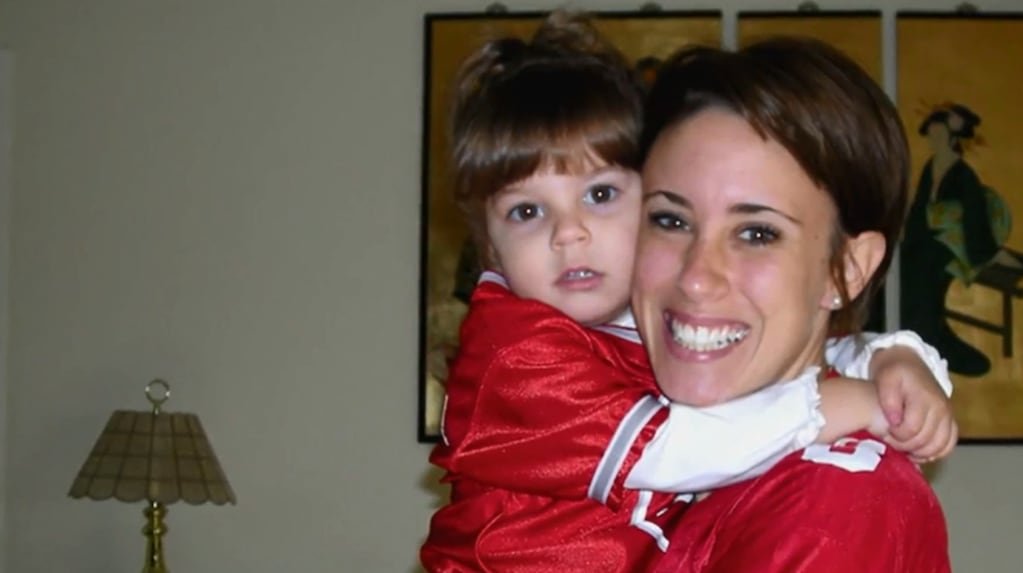
El 11 de diciembre de 2008, casi seis meses después de la desaparición de Caylee Anthony, un trabajador que recorría una zona de bosques en Orlando, Florida, hizo un hallazgo estremecedor: había restos humanos dentro de una bolsa de basura, a pocos metros de la casa de la familia de la nena.
El lugar, que había sido rastrillado en operativos previos, estaba inundado por las lluvias, lo que había dificultado la revisión. Con el correr de los días, los peritajes confirmaron lo peor. Se trataba de la nena de dos años, que había sido buscada desde julio de ese año, cuando su abuela hizo la denuncia.
Leé también: El caso de la maestra que abusó de su alumno de 12 años, fue presa y terminó casándose con él
Poco después, con el avance de la investigación, la madre de la menor, Casey Anthony, quedó en el centro de la sospecha al dar una versión contradictoria a la Policía.
La desaparición
El caso se inició en junio de 2008 cuando Caylee Anthony desapareció. En un primer momento, no hubo denuncia ni búsqueda oficial, lo que hizo que su ausencia pasara inadvertida fuera del entorno de su familia. Sin embargo, con el paso de las semanas, las respuestas evasivas de su mamá comenzaron a generar sospechas.
Durante 31 días, Casey Anthony, una joven de 22 años, no reportó el hecho que involucraba a su hija ni acudió a las autoridades. La situación salió a la luz recién el 15 de julio de ese año, cuando Cindy Anthony, la abuela de la nena, decidió llamar al 911.
Desesperada, aseguró que hacía más de un mes que no veía a su nieta y que su hija le daba explicaciones contradictorias sobre su paradero. En ese mismo contacto, aportó un dato clave que cambiaría el rumbo de la investigación: había retirado el auto de Casey de un depósito judicial y, al abrirlo, percibió un olor penetrante que, según describió, era similar al de un cuerpo en descomposición. Ese elemento encendió las alarmas y colocó rápidamente a Anthony en el centro de la investigación. La denuncia por la desaparición la realizó la abuela de la nena un mes después de que se le perdiera el rastro. (Foto: CBS News)
En sus primeras declaraciones, la mujer aseguró que su hija había sido secuestrada por una niñera llamada Zenaida Fernández-González. Sin embargo, los investigadores comprobaron rápidamente que esa persona no tenía vínculo alguno con la familia y que la historia había sido inventada.
Las inconsistencias no terminaron ahí. Casey también afirmó que trabajaba en el parque de Universal Studios, pero cuando los policías la acompañaron hasta el lugar para verificar su versión, terminó admitiendo que no tenía un puesto ahí y que nunca lo había tenido. Estas mentiras reforzaron aún más las sospechas en su contra.
El macabro hallazgo
El hallazgo del cuerpo de Caylee conmocionó a la sociedad estadounidense, ya que sus restos estaban dentro de una bolsa de basura, en una zona que estaba muy cerca de la casa de los padres de Casey, donde también vivía con su hija. El cadáver se encontraba en un estado avanzado de descomposición, lo cual complicó el trabajo de los peritos.
Cerca del cráneo se encontró cinta adhesiva, un elemento que fue interpretado por la fiscalía como un signo de asfixia. Sin embargo, los forenses no pudieron determinar de manera concluyente la causa de muerte.
A pesar de esa limitación, los fiscales elaboraron una hipótesis: Casey Anthony había asesinado a su hija para liberarse de sus responsabilidades. En esta línea, la nena habría sido sedada -posiblemente con cloroformo- y luego asfixiada.
Para sostener esa acusación, presentaron distintos elementos. Entre ellos, búsquedas en la computadora familiar relacionadas con sustancias químicas y métodos para provocar la muerte, además de peritajes que sugerían la presencia de descomposición en el auto de la acusada.

Casey Anthony se convirtió en la principal sospechosa por la muerte de su hija de dos años. (Foto: The Guardian)
Otro punto clave para la fiscalía fue el comportamiento de Casey durante las semanas en que Caylee estaba desaparecida. De acuerdo al testimonio de varios testigos, la joven de 22 años salía a bailar, asistía a fiestas y llevaba una vida social activa. Esto contrastaba con la imagen de una madre desesperada por encontrar a su hija.
Frente a esa acusación, la defensa planteó un escenario completamente distinto. Según sus abogados, la muerte de Caylee no había sido un homicidio, sino un accidente.
La principal hipótesis fue que la nena se había ahogado en la pileta de la casa de sus abuelos y que el padre de Casey había encontrado el cuerpo. Siempre según esta versión, el hombre decidió ocultar lo que había pasado para proteger a su hija.
En ese contexto, las mentiras de Casey -incluida la historia de la niñera- fueron presentadas como intentos desesperados de encubrir una situación traumática, más que como parte de un plan criminal.
El problema central del caso era la falta de evidencia concluyente. Sin una causa de muerte determinada, la acusación dependía en gran medida de indicios y de la interpretación del comportamiento de la imputada.
Un juicio mediático y un fallo que causó polémica
El juicio comenzó en mayo de 2011 y se convirtió en uno de los más seguidos en la historia reciente de Estados Unidos. Durante semanas, los testimonos de peritos, investigadores y familiares ocuparon horas de transmisión en vivo y generaron un intenso debate público.
La fiscalía insistió en que Casey Anthony había matado a su hija y luego había construido una red de mentiras para encubrir el crimen. La defensa, en cambio, logró instalar dudas sobre la solidez de las pruebas. El juicio contra Casey Anthony fue uno de los más mediáticos en la historia reciente de Estados Unidos. (Foto: CNN)
El 5 de julio de 2011, después de días de deliberación, el jurado dio a conocer su decisión: Casey Anthony fue declarada no culpable de asesinato en primer grado, homicidio involuntario agravado y abuso infantil.
La única condena que recibió fue por proporcionar información falsa a la Policía, pero como ya había pasado tiempo en prisión preventiva, recuperó la libertad pocos días después.
El fallo provocó controversia en la sociedad estadounidense que, en su mayoría, opinaba que la mujer era la única responsable en la muerte de Caylee. Por eso, su caso quedó apodado como el de “la madre más odiada” de Estados Unidos.
Leé también: Dos nenas de 12 años apuñalaron 19 veces a una amiga tras obsesionarse con un personaje de Internet
Seis años después de ser absuelta, Casey Anthony rompió el silencio en una entrevista con AP y aseguró que nunca supo qué le pasó a Caylee. “No me importa lo que la gente piense de mí. Nunca me importará. Estoy bien conmigo misma. Duermo bastante bien por las noches”, sostuvo.
Estados Unidos, Crimen

NEWYou can now listen to Fox News articles!
Video footage captured the fiery aftermath of a ballistic missile strike that hit Ramat Gan, a neighborhood east of Tel Aviv, overnight Tuesday, killing at least two people, according to Israeli officials.
The footage shows a car engulfed in flames, with wreckage scattered across the street as emergency responders assess the scene and ambulance sirens sound in the background.
The missile was launched by Iran’s paramilitary Revolutionary Guard, which said it targeted central Israel to avenge the killing of Ali Larijani, secretary of Iran’s Supreme National Security Council and one of the country’s most powerful figures.
Iran’s Revolutionary Guard said it launched Khorramshahr-4 and Qadr multiple-warhead missiles, which it claims have an increased chance of evading missile defense systems and can overwhelm radar tracking.
ISRAEL HITS BACK AFTER COORDINATED IRAN-HEZBOLLAH MISSILE, DRONE STRIKES, URGES BEIRUT TO REIN IN TERRORISTS
Emergency workers respond to a ballistic missile attack in which a couple in their 70s were killed, according to published reports, on March 18, 2026 in the Tel Aviv suburb of Ramat Gan, Israel. (Alexi J. Rosenfeld/Getty Images)
Israel said the two victims killed in the overnight strike were a couple in their 70s.
The attack is part of a rapidly escalating tit-for-tat conflict that began Feb. 28 following U.S. and Israeli strikes on Iran, which have since killed multiple senior Iranian officials. Those include Larijani and Gen. Gholam Reza Soleimani, head of the Revolutionary Guard’s Basij militia, who was killed Tuesday.

A first responder on scene after a deadly Iranian ballistic missile attack lands near Tel Aviv. (Magen David Adom)
Israeli Defense Minister Israel Katz also said Iran’s Intelligence Minister Esmaeil Khatib was killed in an overnight strike, though Iran has not confirmed his death.

Iran launched a retaliatory missile against Israel overnight Tuesday. (Magen David Adom)
Iran has responded with a widening campaign of missile and drone attacks targeting Israel, U.S.-linked positions and energy infrastructure across the Persian Gulf, including strikes reported in Saudi Arabia, the United Arab Emirates, Qatar and Bahrain.
CLICK HERE TO DOWNLOAD THE FOX NEWS APP
The broader conflict has raised fears of a regional war and potential disruptions to global energy supplies, as Iran has also threatened shipping through the Strait of Hormuz — a critical transit route for the world’s oil.
The Associated Press contributed to this report.
israel,iran,middle east

NEWYou can now listen to Fox News articles!
Lawmakers will get to grill President Donald Trump’s top intelligence and spying officials on the Iran war publicly for the first time, just a day after the nation’s top counterterrorism official resigned in protest over the conflict.
Director of National Intelligence Tulsi Gabbard, CIA Director John Ratcliffe, FBI Director Kash Patel, National Security Agency chief Lt. Gen. William Hartman and Defense Intelligence Agency Director Lt. Gen. James Adams are all set to testify before the Senate Intelligence Committee on Wednesday.
The hearing comes after Joe Kent, Trump’s pick to lead the National Counterterrorism Center under Gabbard, suddenly exited the job on Tuesday.
TOP COUNTERTERRORISM OFFICIAL RESIGNS IN PROTEST OF US WAR AGAINST IRAN
Director of National Intelligence Tulsi Gabbard talks to reporters in the Brady Press Briefing Room at the White House on July 23, 2025. (Chip Somodevilla/Getty Images)
«I cannot in good conscience support the ongoing war in Iran,» Kent said on X. «Iran posed no imminent threat to our nation, and it is clear that we started this war due to pressure from Israel and its powerful American lobby.»
While Venezuela and Cuba could be points of discussion, Iran will likely be a major topic during the annual Worldwide Threats hearing, given that Senate Democrats have clamored for public hearings from Secretary of State Marco Rubio and Secretary of War Pete Hegseth on the ongoing war.
Gabbard, who built her political career bucking war with Iran and the U.S. getting involved in regime change, will likely be grilled over Kent’s resignation from his post.
MULLIN FACES DEMOCRAT GRILLING IN FIRST HURDLE TO LEAD DHS AMID SHUTDOWN FIGHT
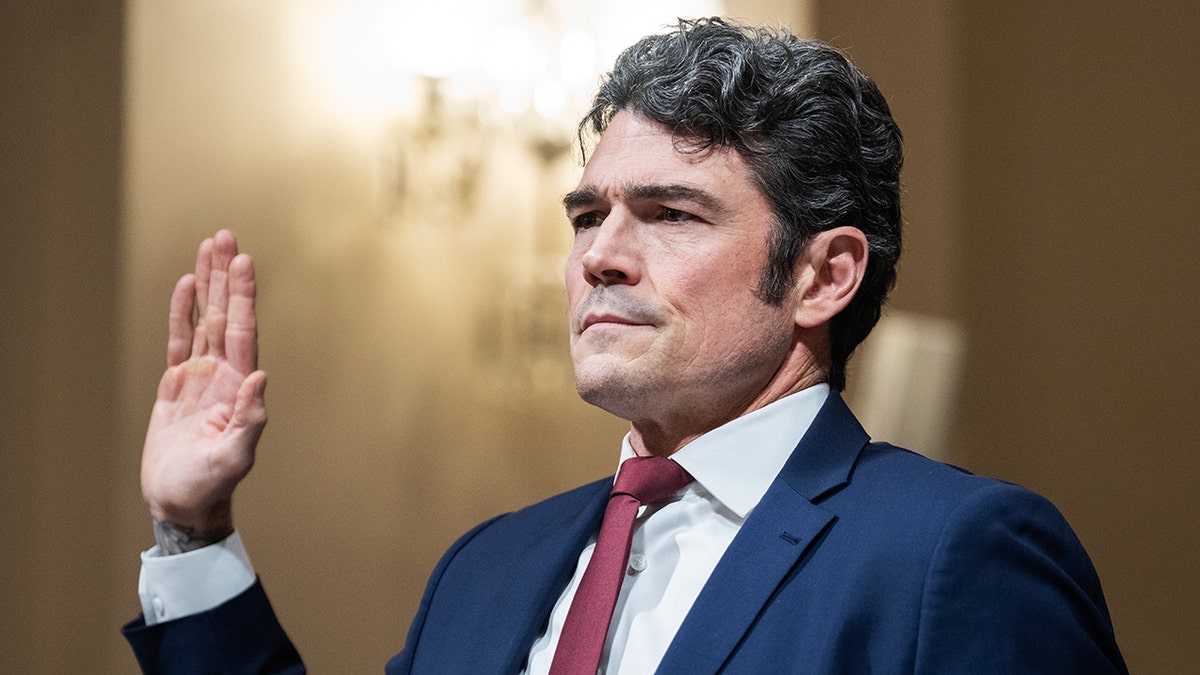
Joe Kent, director of the National Counterterrorism Center, is sworn in to the House Homeland Security Committee hearing titled, «Worldwide Threats to the Homeland,» in the Cannon building on Dec. 11, 2025. (Tom Williams/CQ-Roll Call, Inc. via Getty Images)
Following his announcement, Gabbard said that her job as DNI chief is to help «coordinate and integrate all intelligence to provide the President and Commander in Chief with the best information available to inform his decisions.»
«After carefully reviewing all the information before him, President Trump concluded that the terrorist Islamist regime in Iran posed an imminent threat, and he took action based on that conclusion,» Gabbard said on X.
The hearing will be led by Senate Intelligence Committee Chair Tom Cotton, R-Ark., and Sen. Mark Warner, D-Va., who is the top-ranking Democrat on the panel.
DEMOCRATS THREATEN TO GRIND SENATE TO A HALT TO FORCE PUBLIC IRAN HEARINGS

Sen. Tom Cotton, R-Ark., argued that the war with Iran would continue for weeks, not days, as the U.S. continues to kneecap its offensive abilities. (Bill Clark/CQ-Roll Call, Inc. via Getty Images)
Both have been at odds in their view of the war — Cotton fervently backs Trump’s decision, while Warner argued that Iran posed no «imminent threat» to the U.S.
«So the decision to put our service members in harm’s way and bases around the region in harm’s way was entirely based upon the president’s decision, not an imminent threat to America,» Warner told CNN earlier this month.
Cotton speculated that the conflict would end in a matter of weeks, and reaffirmed that position when pressed.
CLICK HERE TO DOWNLOAD THE FOX NEWS APP
«I’ve said that, based on my conversations with the President and my understanding of Iran’s military capabilities, I would expect it to take weeks, not days, and we’re only a couple weeks into it,» Cotton said.
«And again, every single day brings hundreds, if not 1000s, of strikes into Iran that steadily and methodically degrade their military, and the end state will be a country … without the offensive capabilities to continue to terrorize the United States, Israel, our Arab friends and the civilized world,» he continued.
politics,senate,tulsi gabbard,donald trump,war with iran
$LIBRA: Novelli pidió precios de un BMW, dos Rolex y propiedades de lujo el día en que juntó a Hayden Davis con Milei

Emily Ceco contó reaccionó su exmarido durante el juicio por violencia de género: “Se pegaba trompadas”

Los argentinos, más endeudados: se disparó la mora en billeteras virtuales y financieras y está en torno al 25%

Preocupación en el Servicio Meteorológico por un plan de modernización con posibles despidos

El presidente del Atlético de Madrid elogió a Musso antes de la vuelta contra el Tottenham

Una mujer fue acusada de haber asesinado a su hija, dio una declaración falsa, pero fue beneficiada con un fallo polémico: el caso de «la madre más odiada» de EE.UU.

TRAICIÓN Y ÉXODO: La promesa rota de Monteoliva que desató una ola masiva de bajas en la Policía Federal

Insólito: un esquiador británico terminó la Copa del Mundo de Oslo bajo los efectos del alcohol

La fuerte exigencia a Mauro Icardi para poder ver a sus hijas con Wanda Nara: “A Maurito se lo va a multar si no lleva a las menores al colegio”

Adorni se disculpó por el viaje de su esposa: “Fue una pésima decisión, más allá de que no generó gasto para el Estado”

 POLITICA2 días ago
TRAICIÓN Y ÉXODO: La promesa rota de Monteoliva que desató una ola masiva de bajas en la Policía Federal
- INTERNACIONAL2 días ago
Insólito: un esquiador británico terminó la Copa del Mundo de Oslo bajo los efectos del alcohol
- POLITICA2 días ago
Adorni se disculpó por el viaje de su esposa: “Fue una pésima decisión, más allá de que no generó gasto para el Estado”