INTERNACIONAL
From Syria to Somalia, US troops remain deployed this holiday season under missions that never formally ended

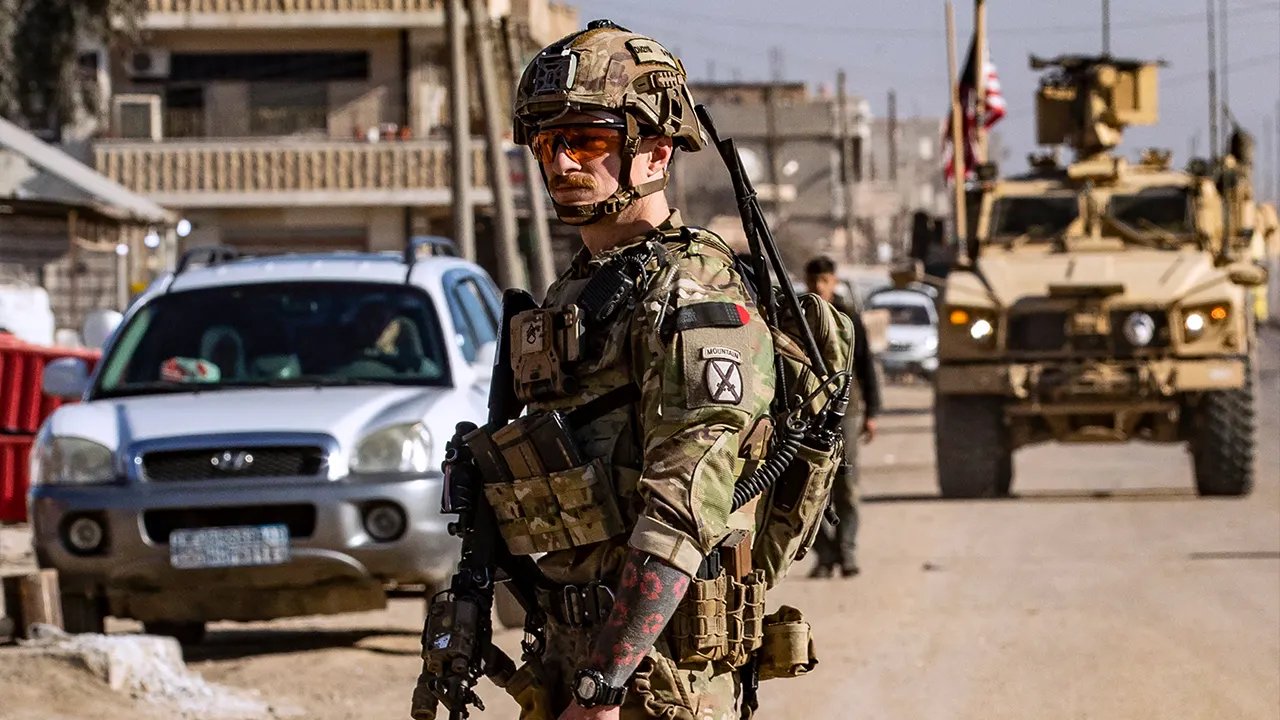
US troops remain in Syrian region to counter ISIS
Fox News chief national security correspondent Jennifer Griffin has the latest on President Donald Trump’s response to the deadly ambush of two National Guardsmen in Syria on ‘Special Report.’
NEWYou can now listen to Fox News articles!
While Washington debates future threats from China, Iran and Russia, U.S. forces remain engaged in conflicts most Americans believe ended years ago — in Syria, Iraq, Somalia and Yemen.
The missions are smaller and quieter than the wars that defined the post-9/11 era. There are no troop surges or primetime speeches.
But American service members continue to conduct raids, launch airstrikes and intercept enemy fire under war authorities passed more than two decades ago — long after public attention moved on.
The wars did not end. They simply faded from view.
DEADLY STRIKE ON US TROOPS TESTS TRUMP’S COUNTER-ISIS PLAN — AND HIS TRUST IN SYRIA’S NEW LEADER
Some 40,000 U.S. troops remain stationed in the Middle East, as of June — a reminder that America’s military footprint there has shrunk, but never disappeared.
Syria: The war that never formally ended
Roughly 900 U.S. troops remain deployed in eastern Syria, where American forces continue counterterrorism operations against the Islamic State group and defend themselves from Iranian-backed militias.
The mission is officially described as a stabilization effort following ISIS’s territorial defeat. In reality, U.S. troops still face rocket, drone and indirect fire attacks, particularly as regional tensions rise.
American forces operate alongside the Syrian Democratic Forces, targeting ISIS cells that continue to carry out assassinations, ambushes and prison-break attempts.
The mission was thrust back into the spotlight in December when two National Guardsmen and one American contractor were shot and killed by a lone suspected Islamic State fighter in Syria.
Some 900 US troops are still stationed in Syria. (Delil SOULEIMAN/AFP via Getty Images)
U.S. airstrikes and special operations raids have continued even as Syria largely has vanished from the national conversation. There is no declared war and no defined end state — yet American troops remain in an active combat environment.
The U.S. military entered Syria in 2014 as part of the campaign against the Islamic State, launching airstrikes and later deploying special operations forces to work with local partners. The American footprint expanded during the fight to dismantle ISIS’s self-declared caliphate, with U.S. troops embedded alongside Kurdish-led forces in eastern Syria.
After ISIS lost its territorial hold in 2019, Washington sharply reduced its presence but did not fully withdraw, keeping several hundred troops in the country to prevent an ISIS resurgence and counter Iranian-backed militias. Despite repeated calls to end the mission, U.S. forces have remained in Syria for more than a decade, operating without a formal declaration of war and under post-9/11 authorities that were never repealed.
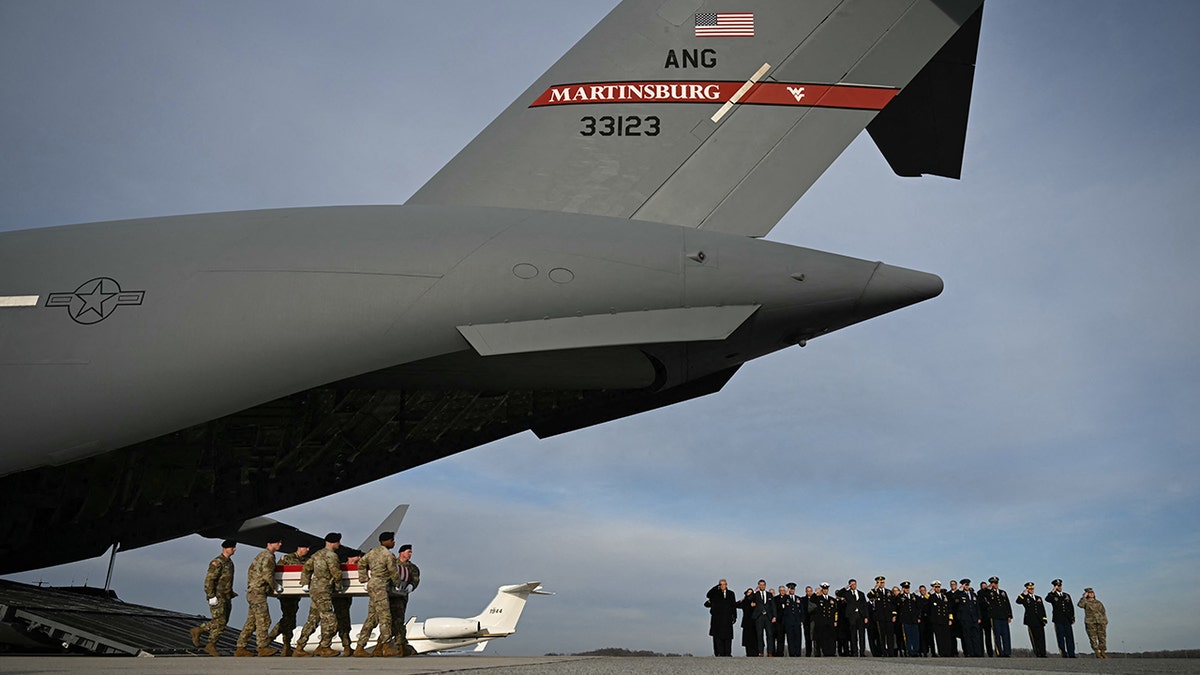
Last week the Syria mission was thrust back into the spotlight when two National Guardsmen and one American contractor were shot by a lone suspected Islamic State fighter in Syria. (ANDREW CABALLERO-REYNOLDS / AFP via Getty Images)
Iraq: A war winding down, but not finished
The U.S. military mission in Iraq is shrinking, but it has not yet concluded.
Under an agreement reached with Baghdad , Washington has begun drawing down its forces and transitioning responsibility for countering the Islamic State to Iraqi security forces. The American-led coalition is expected to reduce its footprint by roughly 20% of the some-900 forces that remained, consolidate remaining troops largely in the Kurdish region and wind down its mission by September.
Even as the drawdown proceeds, U.S. forces have continued to face threats from Iranian-backed militias, particularly during periods of heightened regional conflict. American troops retain the authority to defend themselves and to strike ISIS targets if the group shows signs of resurgence.
The Iraq war no longer resembles the conflict Americans remember from the 2000s. But U.S. troops are still deployed, still armed and still operating in a country where the risk has not disappeared, even as Washington works toward a responsible transition.
The U.S. military entered Iraq in 2003 with the invasion that toppled Saddam Hussein, launching a war that would define American foreign policy for the next decade. U.S. forces remained in large numbers through years of counterinsurgency fighting before formally ending combat operations and withdrawing in 2011.
American troops returned in 2014 after the Islamic State seized large parts of Iraq, leading a U.S.-led coalition that helped Iraqi forces roll back ISIS’s territorial gains. Since then, the U.S. mission has steadily narrowed from combat to advising and assistance, and in 2024 Washington and Baghdad agreed to wind down the coalition’s role, beginning a phased drawdown that is still underway.
Somalia: America’s quietest war
Few Americans realize the United States is still conducting one of its most persistent counterterrorism campaigns in Somalia.
U.S. special operations forces are deployed alongside Somali government troops fighting al-Shabaab, an al-Qaeda-linked terrorist group that continues to carry out deadly attacks. American airstrikes remain a regular feature of the mission, though details are often released sparingly or after the fact.
There is no large U.S. troop presence and little sustained media coverage. But the fighting never stopped.
The U.S. military presence in Somalia dates back to the early 1990s, when American forces intervened as part of a humanitarian mission during the country’s civil war. That deployment ended in 1994 after the deadly «Black Hawk Down» battle in Mogadishu, which killed 18 U.S. service members and led Washington to withdraw. For years afterward, U.S. involvement was limited, but American forces gradually reentered Somalia in the 2000s through counterterrorism strikes and advisory missions as al-Qaeda–linked groups gained ground.
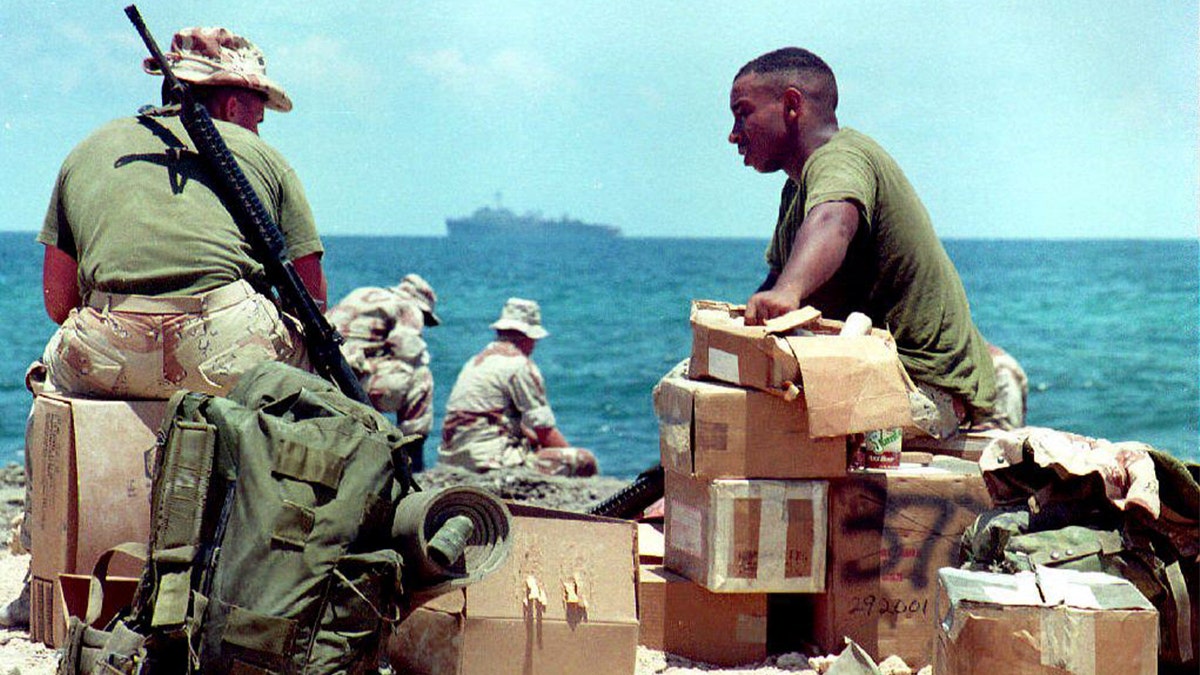
The U.S. military presence in Somalia dates back to the early 1990s, when American forces intervened as part of a humanitarian mission during the country’s civil war. (PASCAL GUYOT/AFP via Getty Images)
The U.S. expanded its presence again after 2017, conducting regular airstrikes and deploying special operations forces to assist Somali troops fighting al-Shabaab. In late 2020, the Trump administration ordered most U.S. forces to withdraw, shifting to an «over-the-horizon» posture. The Biden administration reversed that decision in 2022, redeploying several hundred U.S. troops to Somalia, where they remain today as part of an ongoing counterterrorism mission.
Some 500 U.S. troops are stationed in Somalia and earlier this year War Secretary Pete Hegseth emphasized the importance of maintaining a footprint in Africa.
«Africa is very much the front lines from a fight you’ve got Islamists, you’ve got Christian populations that are under siege in Africa that have been ignored for far too long.»
«We’re not trying to have American boots all over the globe,» he said when asked in February whether the Trump administration would keep troops in Somalia. «We’ll review the force posture there, with the generals doing the heavy lifting.»
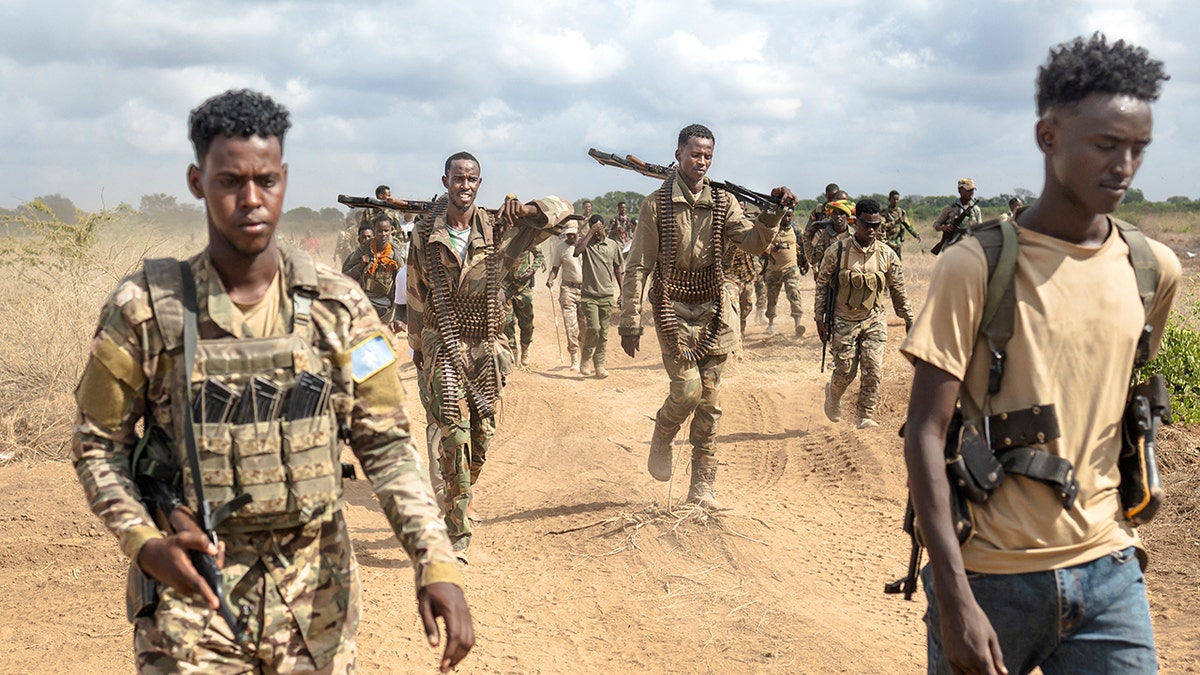
The U.S. expanded its presence again after 2017, conducting regular airstrikes and deploying special operations forces to assist Somali troops, like those above, fighting al-Shabaab. (Tony Karumba/AFP via Getty Images)
Yemen: a war Americans are fighting without realizing it
The U.S. does not have a base presence in Yemen but frequently trades attacks with Houthi rebels settled there.
U.S. naval and air forces have intercepted missiles and drones launched by Iran-backed Houthi forces targeting international shipping lanes in the Red Sea and Gulf of Aden, placing American sailors and pilots in direct combat. The attacks have prompted U.S. strikes aimed at degrading the Houthis’ missile, drone and radar capabilities, as Washington seeks to protect global trade and deter further escalation.
In spring 2025, U.S. forces launched a weeks-long air and naval campaign against Iran-backed Houthi targets across Yemen — hitting more than 1,000 sites linked to missile, drone and weapons infrastructure — in a sustained effort to blunt the rebels’ attacks on commercial and military vessels in the Red Sea and Gulf of Aden.
Operation Southern Spear: Counter-narcotics strikes in the Caribbean and eastern Pacific
The U.S. has conducted 28 strikes on alleged narco-trafficking boats in the waters near Venezuela, killing a total of 103 people.
South and Central America have seen the largest U.S. military buildup in the region in decades: 15% of all naval assets are now positioned in the Southern Command theater, including the world’s largest aircraft carrier, the U.S.S. Gerald R. Ford.
US MILITARY STRIKES NARCO-TERRORIST VESSELS IN LATEST EASTERN PACIFIC DRUG TRAFFICKING OPERATION
So far, U.S. military action has stopped short of strikes on Venezuelan soil. But the scale and proximity of American forces underscore how quickly a campaign launched under counter-narcotics authorities could tip into a far more overt confrontation, one aimed at pushing leader Nicolas Maduro from power.
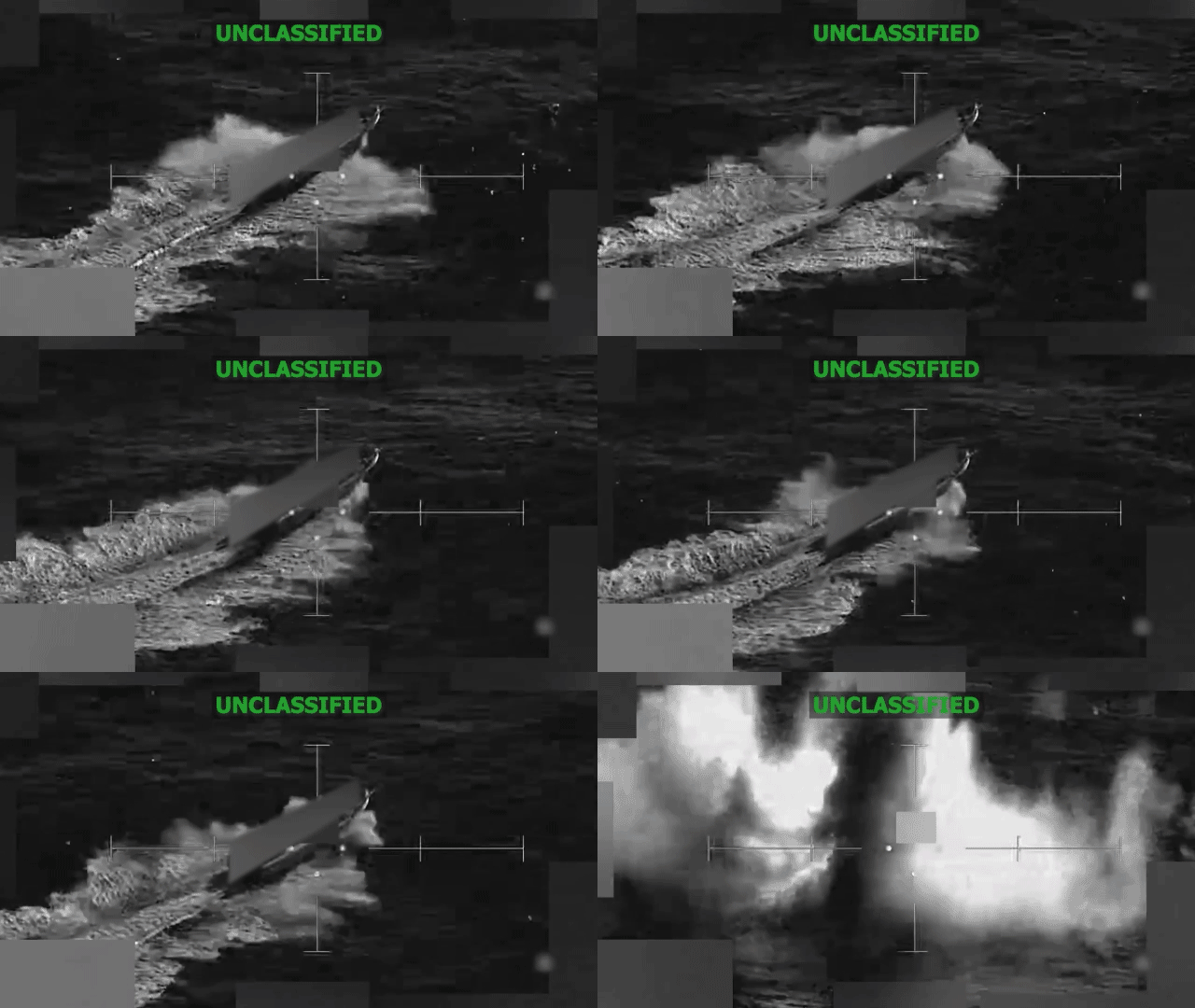
SOUTHCOM said it carried out a lethal kinetic strike that killed four male narco-terrorists in the Eastern Pacific. (U.S. Southern Command via X)
Wars without endings
None of these conflicts were formally concluded by Congress. Most continue under the same post-9/11 authorizations passed more than two decades ago.
For the Middle East, the Trump administration has signaled that may change – but as long as the threat of Iran exists, it’s unlikely the U.S. will leave the region on a broad scale.
CLICK HERE TO DOWNLOAD THE FOX NEWS APP
«The days in which the Middle East dominated American foreign policy in both long-term planning and day-to-day execution are thankfully over — not because the Middle East no longer matters, but because it is no longer the constant irritant, and potential source of imminent catastrophe, that it once was,» the White House’s national security strategy, released earlier this month, said.
«It is rather emerging as a place of partnership, friendship, and investment — a trend that should be welcomed and encouraged.»
syria,iraq,conflicts defense,military,armed forces









INTERNACIONAL
La pintura que nadie esperaba: así fue el increíble redescubrimiento de John Constable en el corazón de Texas

Un nuevo capítulo en la historia del arte británico surgió en el este de Texas, donde una obra atribuida a John Constable —referente del paisaje romántico inglés— fue identificada como un hallazgo insospechado con consecuencias para la comprensión de su proceso creativo.
La pintura, un estudio al óleo de gran escala relacionado con The Cornfield (1826), será la pieza principal en la subasta de arte europeo de la casa Heritage en Dallas este 5 de junio, tras un proceso de atribución que desafió lo sabido sobre el autor y reunió a especialistas ante un enigma de procedencia aún sin resolver.
Una característica distintiva de este hallazgo, nunca registrada en versiones previas de la misma escena, es su tamaño: el estudio mide 140 por 122 centímetros, convirtiéndose en el mayor de los bocetos conocidos para The Cornfield.
Según declaró Marianne Berardi, codirectora de arte europeo en Heritage Auction al medio ARTnews, la obra permaneció décadas en la colección de la Jefferson Historical Society and Museum tras ser donada en los años 1960 por la neoyorquina Newhouse Galleries, con el objetivo de fortalecer esa institución cultural. Solamente en 2017, durante una visita de revisión de patrimonio que gestionó Heritage, surgió la sospecha de que se trataba de una obra auténtica, no una copia más entre las 85 registradas, basadas en la laguna de Fen, en Suffolk.

El estudio, restaurado cuidadosamente e investigado a fondo entre 2023 y 2024, fue sometido a múltiples análisis técnicos —desde pruebas de limpieza hasta reflectografía infrarroja y análisis de pigmentos—. Todos los exámenes confirmaron “consistencia total con los materiales y métodos de trabajo de Constable”, lo que contradijo el consenso anterior entre expertos y abrió nuevas incógnitas sobre la evolución de la célebre pintura terminada, la primera del artista admitida en la National Gallery de Londres en 1837.
La autentificación introdujo elementos inéditos en el relato historiográfico de John Constable. De acuerdo con la restauradora Sarah Cove, versiones previas sostenían que Constable pasaba directamente de pequeños bocetos a la obra final. “Desde el redescubrimiento del boceto a tamaño real, sabemos que eso es incorrecto”, afirmó Cove, quien determinó que el autor ejecutó la composición en una única sesión y, en una segunda etapa, la retocó siguiendo una lógica de revisión más madura, evidenciando un proceso analítico visible y documentable sobre la propia superficie.
Las investigaciones de Anne Lyles, historiadora del arte y experta en Constable, apuntaron a una fecha de ejecución en torno a 1820, basada en el imprimado de la tela. Cove sumó que la intervención principal podría situarse poco después de 1825, en un contexto de experimentaciones simultáneas con la composición The Leaping Horse. “El manejo es tan parecido que sugiere que pudo ocurrir a inicios de 1826, en paralelo al trabajo sobre el boceto a tamaño real para The Cornfield”, sostuvo Cove.

La recurrencia con la que resurgen obras desconocidas de Constable se explica por la extraordinaria cantidad que produjo a lo largo de su carrera, motivado en parte por lo que el mismo artista reconocía como una memoria visual limitada. Los estudios, entonces, se convirtieron en sus equivalentes a la fotografía: modelos de referencia concebidos con una libertad y rapidez que anticipaban la estética impresionista décadas antes de su formulación. Estos trabajos permanecieron, en buena medida, fuera del radar del público hasta la subasta del estudio Foster and Co., un año después de la muerte del pintor en 1837.
A partir de 1816 y luego de su matrimonio, Constable amplió el formato de sus composiciones para hacerlas más atractivas comercialmente y para optimizar el tiempo de ejecución. La obra ahora identificada permite reconstruir cómo la exploración en gran escala fue un paso intermedio crucial entre los bocetos reducidos y el lienzo definitivo, integrando casi todos los elementos presentes en la versión final exhibida en la National Gallery, salvo algunos detalles menores.
La procedencia del estudio aún plantea dudas. Existen registros de ventas históricas que mencionan una “estudio de la naturaleza para The Corn Field, para el cuadro de la National Gallery”. Para Sarah Cove, la pintura recién estudiada desplaza como candidata legítima a la versión hasta ahora conservada en los Newfields de Indianápolis. Anne Lyles, en cambio, mantiene reservas sobre la atribución.
La obra será expuesta antes de la subasta en el espacio londinense de Heritage Auctions entre el 27 de marzo y el 2 de abril. Este recorrido internacional marca un nuevo ciclo para una pieza que permaneció más de medio siglo en relativo anonimato y que, ahora, redefine el conocimiento sobre las estrategias creativas de un pilar del romanticismo inglés.
Pintura,arte,paisaje,National Gallery,óleo,rural,naturaleza,campo,galería,exposición
INTERNACIONAL
Irán pone a Europa en su punto de mira con los misiles lanzados contra la isla Diego García: “Ya no hay vuelta atrás”
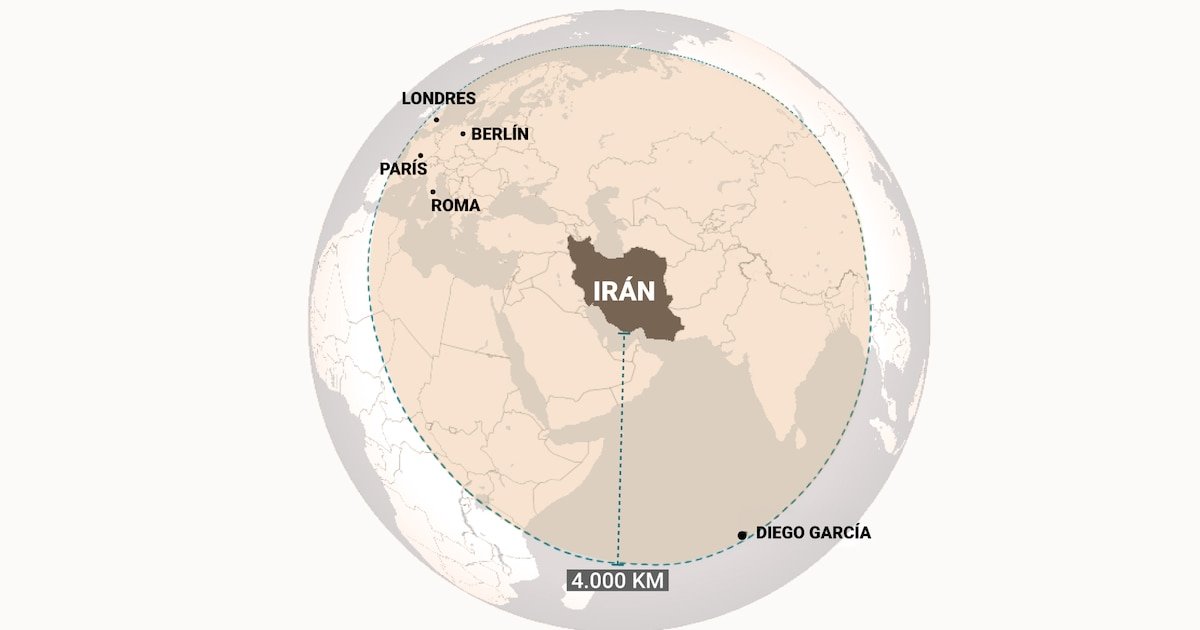
Irán lanzó esta semana dos misiles balísticos de alcance intermedio contra la base militar estadounidense-británica de Diego García, en el océano Índico, revelando capacidades militares que superan lo que muchos analistas creían posible y que, por primera vez, ponen a ciudades europeas dentro del radio de alcance del arsenal iraní.
El ataque, producido en las primeras horas del viernes, fue el primero en que Irán empleó misiles de esta categoría. Uno de los proyectiles falló durante el vuelo; el otro fue neutralizado por un destructor estadounidense que lanzó interceptores SM-3 desde posiciones cercanas a la base. Ninguno impactó en el objetivo, pero el solo hecho de haberlos disparado cambió el mapa estratégico del conflicto.
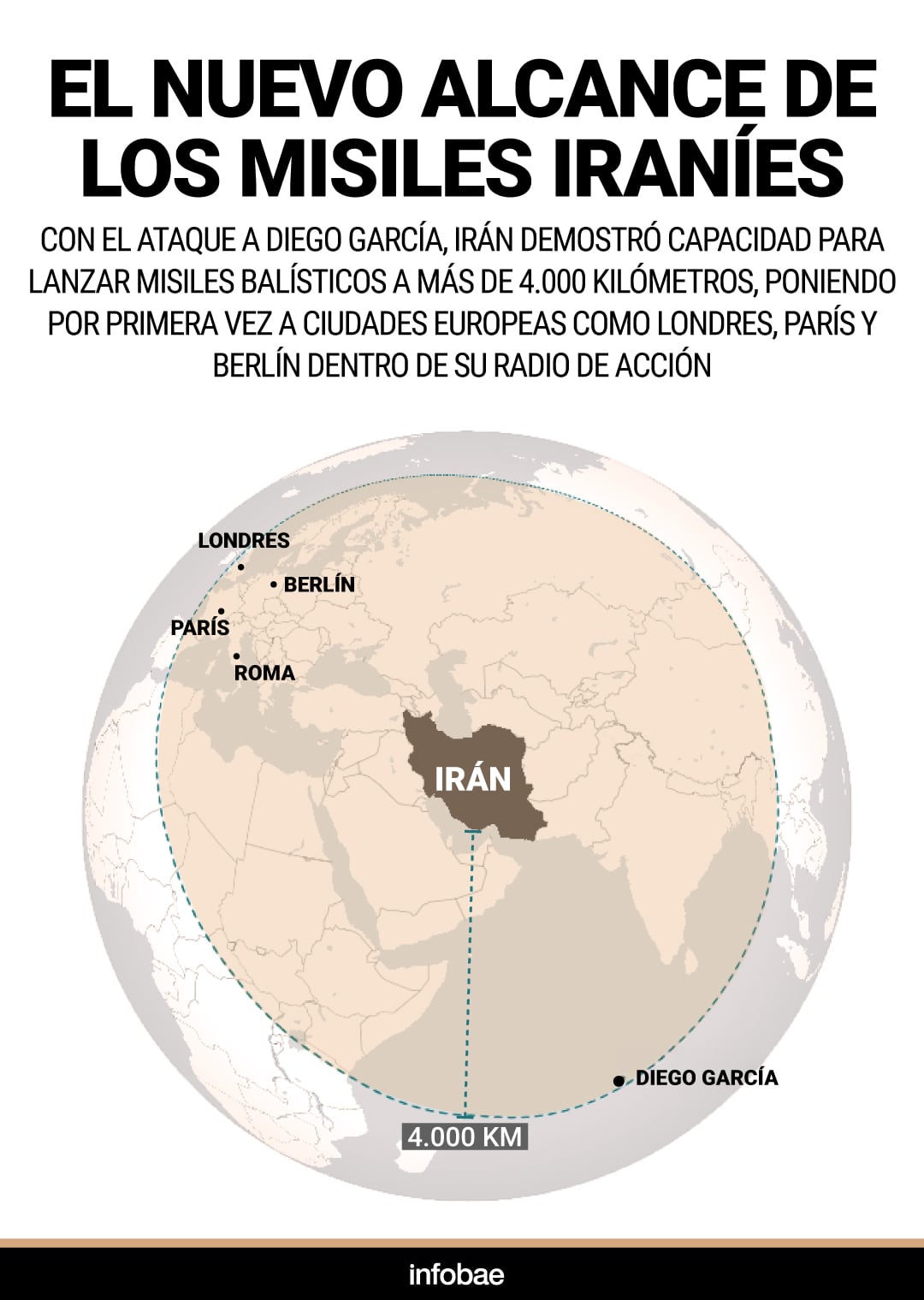
La distancia entre Irán y Diego García supera los 4.000 kilómetros, una cifra que equivale aproximadamente a la que separa a Teherán de Londres o París. Hasta el viernes, las propias autoridades iraníes sostenían públicamente que el alcance máximo de sus misiles no superaba los 2.000 kilómetros. El ataque desmintió esa afirmación de manera contundente.
Analistas consultados por The Wall Street Journal señalaron que la complejidad técnica de estos misiles sugiere que Irán preparó el lanzamiento mucho antes del inicio de la guerra, dado que sería difícil haber completado ese desarrollo bajo los bombardeos de las últimas semanas. Algunos especialistas apuntan a que Irán podría haber adaptado uno de sus lanzadores espaciales civiles para uso militar.

“Ya no hay vuelta atrás”, advirtió Jeffrey Lewis, experto en control de armamentos del Instituto Middlebury. “Este es un hecho: Irán tiene misiles balísticos de alcance intermedio.” Lewis añadió que el cruce de esa línea aumenta el riesgo de que el régimen reconsidere también su postura respecto al desarrollo de armas nucleares, un programa que Teherán ha negado sistemáticamente pero que el conflicto actual podría acelerar.
Danny Citrinowicz, quien dirigió durante años el área de análisis sobre Irán en la inteligencia militar israelí, apuntó al significado político del lanzamiento tanto como al técnico. “Muestra hasta dónde está llegando el proceso de toma de decisiones hacia el extremo”, afirmó al WSJ, sugiriendo que el ataque a Diego García refleja un régimen que ha abandonado los cálculos de prudencia que históricamente moderaron sus respuestas militares.
Farzin Nadimi, investigador especializado en Irán en el Washington Institute, agregó otra capa de incertidumbre: aún no está claro si los misiles disparados habrían podido alcanzar efectivamente Diego García, dado que ninguno impactó en el objetivo. Construir misiles de largo alcance que funcionen de manera confiable es técnicamente complejo, precisó, debido a las tensiones extremas que experimentan los proyectiles durante el vuelo.

El primer ministro israelí, Benjamin Netanyahu, retomó estas conclusiones este domingo durante una visita a Arad, en el sur de Israel, donde el sábado por la noche un misil iraní impactó en un barrio residencial sin ser interceptado. Desde los escombros, Netanyahu fue directo: “Dispararon un misil balístico intercontinental sobre Diego García. Son 4.000 kilómetros. He estado advirtiendo todo el tiempo: ahora tienen la capacidad de llegar profundamente a Europa”.
“Están poniendo a todos en su mira”, agregó el premier, en referencia también al bloqueo iraní del estrecho de Ormuz. “Están cortando una ruta marítima internacional, una ruta energética, e intentando chantajear al mundo entero.”

Netanyahu aprovechó la visita para llamar a los líderes mundiales a sumarse a la ofensiva conjunta israelí-estadounidense contra Irán. “Es hora de que los líderes del resto de los países se sumen. Me complace decir que veo que algunos empiezan a avanzar en esa dirección, pero se necesita más”, afirmó, sin precisar qué países ni en qué capacidad. El presidente Donald Trump ha expresado en repetidas ocasiones su frustración por la escasa respuesta internacional de apoyo a la campaña militar.
Por su parte, el Ejército israelí publicó ayer un mapa en redes sociales mostrando el radio de acción de los misiles iraníes, con Londres, París y Berlín dentro del alcance. “El régimen terrorista iraní representa una amenaza global”, señaló el comunicado militar israelí, recordando que ya en junio de 2025, durante la Operación León Naciente, Israel había advertido sobre el desarrollo de estos proyectiles, advertencia que Teherán negó en ese momento.
El Reino Unido respondió al ataque ampliando el acceso estadounidense a sus bases en todo el mundo para operaciones contra Irán. El Ministerio de Defensa británico calificó los ataques como “una amenaza para los intereses británicos y sus aliados”. El canciller iraní, Abbas Araghchi, advirtió a Londres que permitir el uso de sus instalaciones equivale a “participar en la agresión”.
INTERNACIONAL
Netanyahu visitó uno de los lugares impactados por los misiles iraníes en el sur de Israel: “Estamos aplastando al enemigo”
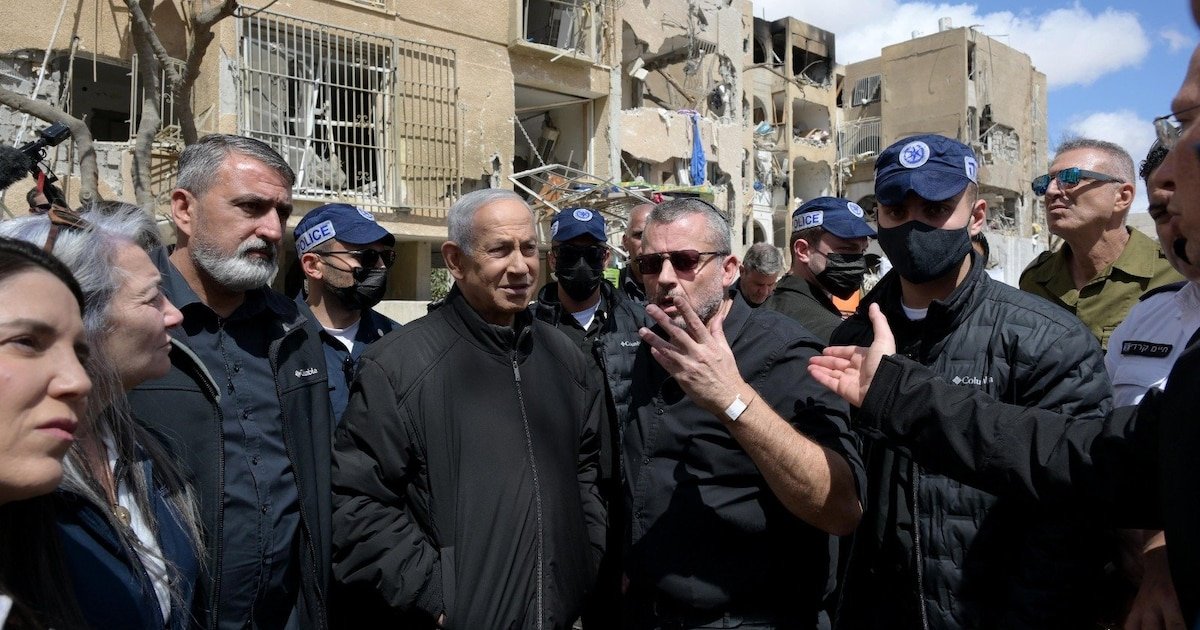
El primer ministro israelí, Benjamin Netanyahu, visitó este domingo la localidad de Arad, en el sur de Israel, donde el sábado por la noche un misil iraní impactó entre edificios residenciales sin ser interceptado por los sistemas de defensa del país. Ante un grupo reducido de periodistas seleccionados por su gabinete, Netanyahu aseguró que Israel está “aplastando al enemigo”, advirtió que Irán ya tiene capacidad para alcanzar el centro de Europa y llamó a los líderes mundiales a sumarse a la ofensiva conjunta con Estados Unidos.
“En las últimas 48 horas, Irán atacó una zona civil”, afirmó Netanyahu señalando los escombros a su alrededor. “Lo están usando como arma de asesinato masivo. Por suerte, nadie murió, pero fue solo suerte”, añadió.
El premier fue más allá en su diagnóstico sobre el alcance de la amenaza iraní. Citó el reciente lanzamiento de un misil balístico intercontinental contra la base militar británico-estadounidense de Diego García, en el océano Índico, como prueba de que Irán ha desarrollado capacidades que superan las estimaciones previas. “Dispararon un misil balístico intercontinental a Diego García. Son 4.000 kilómetros. He estado advirtiendo todo el tiempo: ahora tienen la capacidad de llegar profundamente a Europa”, señaló.

“Están poniendo a todos en su mira. Están cortando una ruta marítima internacional, una ruta energética, e intentando chantajear al mundo entero”, agregó, en referencia al bloqueo iraní del estratégico estrecho de Ormuz. “Es hora de que los líderes del resto de los países se sumen.”
Netanyahu indicó que algunos países “comienzan a moverse en esa dirección”, sin precisar cuáles ni en qué capacidad, pero advirtió que “se necesita más”. El presidente estadounidense Donald Trump ha expresado en reiteradas ocasiones su frustración por la escasa respuesta internacional de apoyo a la ofensiva.
El primer ministro también condenó los ataques iraníes en las cercanías de lugares santos en Jerusalén. “Dispararon sobre Jerusalén, justo al lado de los lugares sagrados de las tres religiones monoteístas: el Muro de los Lamentos, la Iglesia del Santo Sepulcro y la Mezquita de Al-Aqsa. Por un milagro, ninguno resultó dañado, pero estaban apuntando a los sitios sagrados de las tres grandes religiones monoteístas”, denunció.
Consultado sobre cómo responderá Israel a los ataques contra civiles, Netanyahu fue contundente: “Respondemos con gran fuerza, pero no contra civiles. Vamos tras el régimen, tras los Guardianes de la Revolución, esa banda criminal, y los perseguimos personalmente: a sus líderes, sus instalaciones, sus activos económicos. Los estamos persiguiendo con mucha firmeza.”
El misil caído sobre Arad dejó más de 60 heridos, diez de ellos graves, incluido un niño en estado crítico. A 30 kilómetros, en Dimona —sede de la mayor instalación nuclear israelí—, otro misil impactó en circunstancias similares. En total, unas 120 personas resultaron heridas en ambos ataques. El ministro de Exteriores, Gideon Saar, también visitó la zona y afirmó que fue “un milagro” que nadie muriera.

La jornada del domingo dejó además un ataque con misil balístico de ojiva de racimo sobre Tel Aviv, que dispersó submuniciones sobre una amplia zona urbana y dejó 15 heridos, uno grave. En el norte, Hezbolá mató a al menos una persona. El balance diario del Ministerio de Salud israelí contabilizó un muerto y 303 heridos en menos de 24 horas. Desde el inicio del conflicto el 28 de febrero, los heridos hospitalizados en Israel suman 4.564.
En total la guerra dejó 16 muertos en Israel frente a más de 1.200 reconocidos por Irán solo en la primera semana de la ofensiva, y más de un millar de fallecidos en Líbano.
Top Picture,War,Middle East,Military Conflicts

Desde la CGT hablan de crear un “proyecto” para vencer al Gobierno, aunque advierten que “con el peronismo no alcanza”

Alivio fiscal para bares y restaurantes: vence el plazo para pedir la exención de ABL en CABA ante la caída de la actividad

AFA dio a conocer el precio de las entradas para el amistoso entre Argentina y Mauritania: cuándo saldrán a la venta

En plena polémica con Emilia Mernes indican que una amiga suya le copió un particular look a María Becerra en un show

La pintura que nadie esperaba: así fue el increíble redescubrimiento de John Constable en el corazón de Texas

AC/DC en Argentina: la línea D extenderá sus horarios por los shows en River

Senado: la oposición pidió explicaciones por $LIBRA y los vuelos de Adorni y Bullrich defendió al Gobierno

Kicillof desembarcó en CABA, lanzó su proyecto 2027 y empezará a ampliar su armado político en todo el país

¿DÓNDE ESTÁ ESMERALDA? El grito de una madre que sacude a la Argentina: «Me la arrebataron de la puerta»

¿MACRI 2027? El «operativo retorno» que sacude al PRO y los nombres que suenan para la vicepresidencia

 POLITICA3 días ago
Kicillof desembarcó en CABA, lanzó su proyecto 2027 y empezará a ampliar su armado político en todo el país
- POLITICA3 días ago
¿MACRI 2027? El «operativo retorno» que sacude al PRO y los nombres que suenan para la vicepresidencia
- POLITICA2 días ago
¿FIN DE CICLO? Escándalo por la mansión no declarada y viajes de lujo empujan a Manuel Adorni fuera del Gobierno: Su salida sería inminente