INTERNACIONAL
Ghislaine Maxwell told lawmakers Trump, Clinton ‘innocent of any wrongdoing’ regarding Epstein

NEWYou can now listen to Fox News articles!
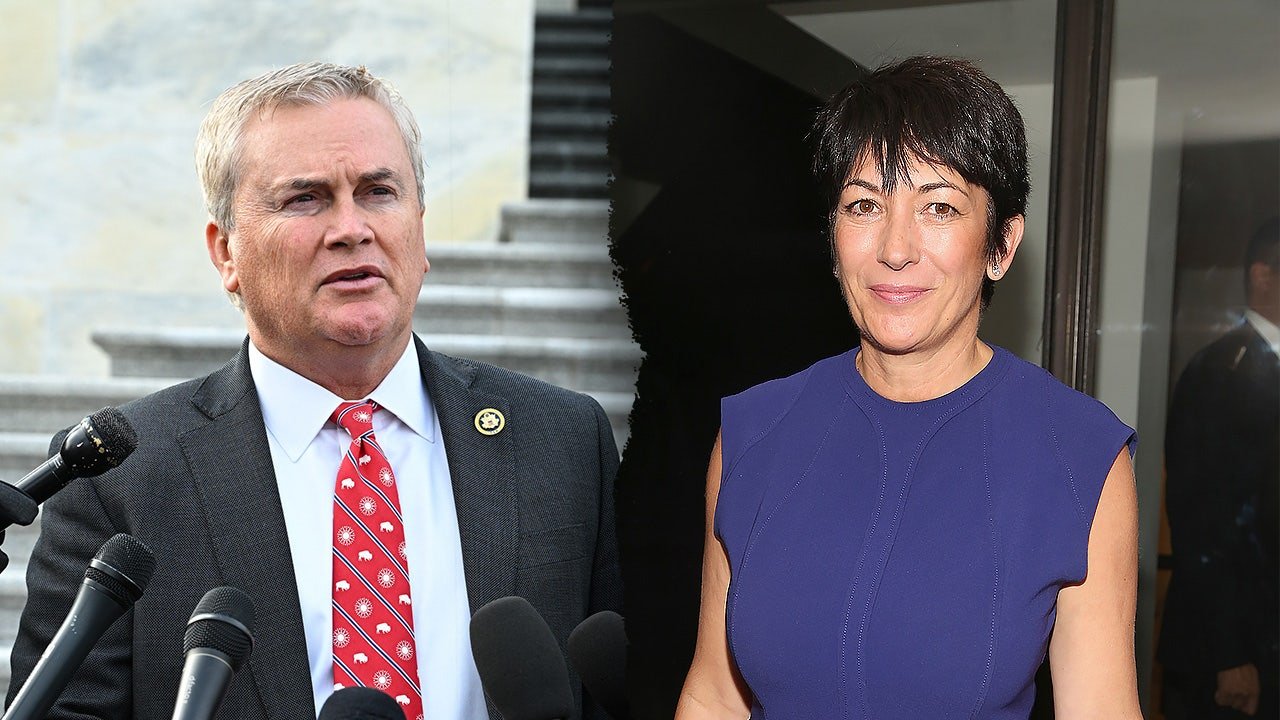
The House Oversight Committee’s deposition of Ghislaine Maxwell ended less than an hour after it began on Monday morning, when the convicted accomplice of the late Jeffrey Epstein pleaded the Fifth Amendment.
Maxwell appeared before lawmakers virtually for a closed-door interview in the House bipartisan probe into the federal government’s handling of Epstein’s case.
Her attorney apparently told lawmakers, however, that she could not implicate neither President Donald Trump nor former President Bill Clinton in any wrongdoing.
«[B]oth President Trump and President Clinton are innocent of any wrongdoing. Ms. Maxwell alone can explain why, and the public is entitled to that explanation,» lawyer David Oscar Markus posted on X after the deposition.
NEW GHISLAINE MAXWELL MUGSHOT INCLUDED IN DOJ’S LATEST EPSTEIN FILES RELEASE
Markus also told lawmakers that she would only answer questions if her prison sentence was cut short by Trump, according to the statement.
«If this Committee and the American public truly want to hear the unfiltered truth about what happened, there is a straightforward path. Ms. Maxwell is prepared to speak fully and honestly if granted clemency by President Trump. Only she can provide the complete account. Some may not like what they hear, but the truth matters,» his statement said.
Maxwell is currently serving out a 20-year sentence at a Texas prison.
«As expected, Ghislaine Maxwell took the fifth and refused to answer any questions. This is obviously very disappointing,» House Oversight Committee Chairman James Comer, R-Ky., told reporters after the deposition. «We had many questions to ask about the crime she and Epstein committed, as well as questions about potential co-conspirators. We sincerely want to get to the truth for the American people and justice for the survivors.»
Comer said Maxwell’s lawyer told the committee that she would only answer questions if she was granted clemency by President Donald Trump.
Maxwell did say through her attorney, however, that neither Trump nor
Democrats on the panel, who spoke after Comer, accused Maxwell of trying to lobby for a pardon and demanded that Trump publicly rule out the possibility.
«What we did get was another episode in her long-running campaign for clemency from President Trump, and President Trump could end that today,» said Rep. James Walkinshaw, D-Va. «He could rule out clemency for Ghislaine Maxwell, the monster. The question for all of us today is why hasn’t he done that?»
DEMOCRATS SAY CLINTONS’ AGREEMENT TO TESTIFY UNDERCUTS SUBPOENA PUSH, WON’T BRING NEW EPSTEIN ANSWERS
Jeffrey Epstein photographed in New York City on Feb. 23, 2011. (David McGlynn)
The former British socialite was found guilty in December 2021 of being an accomplice in Epstein’s scheme to sexually traffic and exploit female minors.
The DOJ said at the time of her sentencing that Maxwell «enticed and groomed minor girls to be abused in multiple ways.»
Comer announced lawmakers would hear from Maxwell late last month during a meeting on holding former President Bill Clinton and former Secretary of State Hillary Clinton in contempt of Congress for refusing to appear for his Epstein probe.
«We’ve been trying to get her in for a deposition. Our lawyers have been saying that she’s going to plead the Fifth, but we have nailed down a date, Feb. 9, where Ghislaine Maxwell will be deposed by this committee,» Comer said at the time.
Contempt proceedings against the Clintons stalled, however, after they agreed via their attorneys to appear in person on Capitol Hill just days before the full House of Representatives was expected to vote on referring the pair to the Department of Justice (DOJ) for criminal charges.
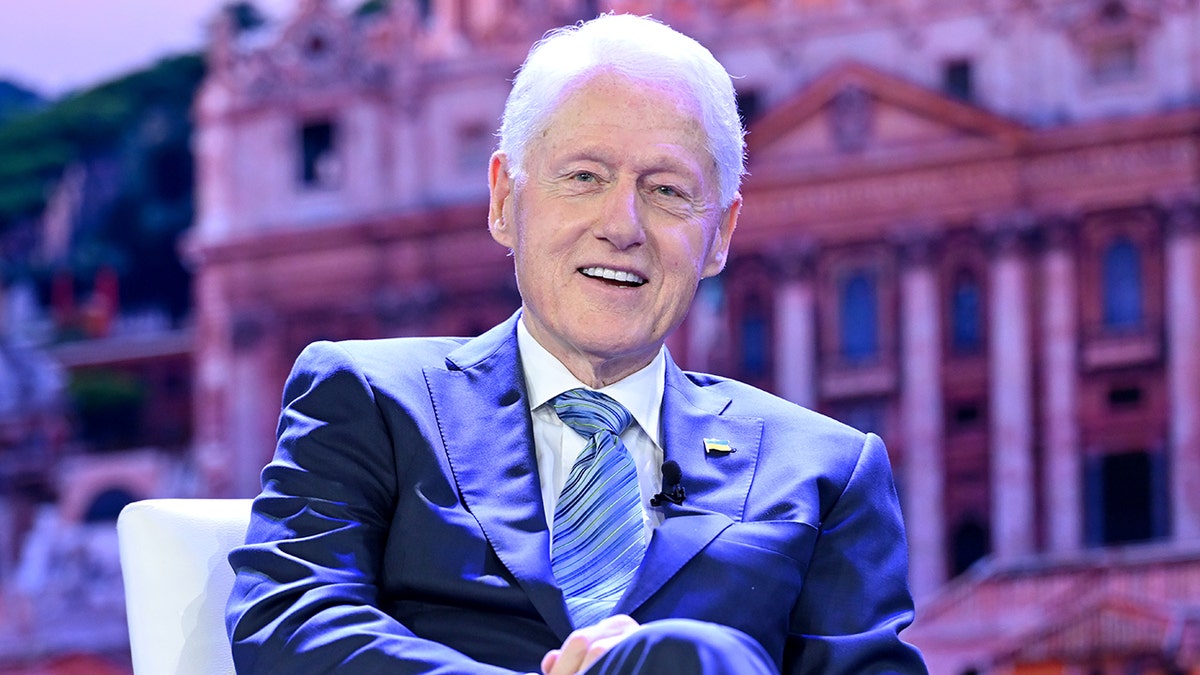
Former President Bill Clinton speaks onstage during the Clinton Global Initiative meeting at New York Hilton Midtown on Sept. 18, 2023, in New York City. (Noam Galai/Getty Images for Clinton Global Initiative)
CLICK HERE TO DOWNLOAD THE FOX NEWS APP
Comer’s team had been in a back-and-forth with Maxwell’s attorney for months trying to nail down a date for her to speak to committee lawyers.
He agreed to delay her previous planned deposition in August after her lawyer asked him to wait until after the Supreme Court decided whether it would hear her appeal. The Supreme Court turned down Maxwell’s case in October.
She and the Clintons’ depositions are part of the House Oversight Committee’s months-long probe into how the government handled Epstein’s case.
Comer told reporters on Monday that five more depositions would happen in the coming weeks including former Victoria’s Secret CEO Les Wexner on Feb. 18, Hillary Clinton on Feb. 26, Bill Clinton on Feb. 27, Epstein accountant Richard Khan on March 11, and Epstein attorney Darren Indyke on March 19.
house of representatives politics,politics,jeffrey epstein,ghislaine maxwell












INTERNACIONAL
EN VIVO: Al menos un muerto y cuatro heridos en ataques de Irán contra varios puntos de Israel
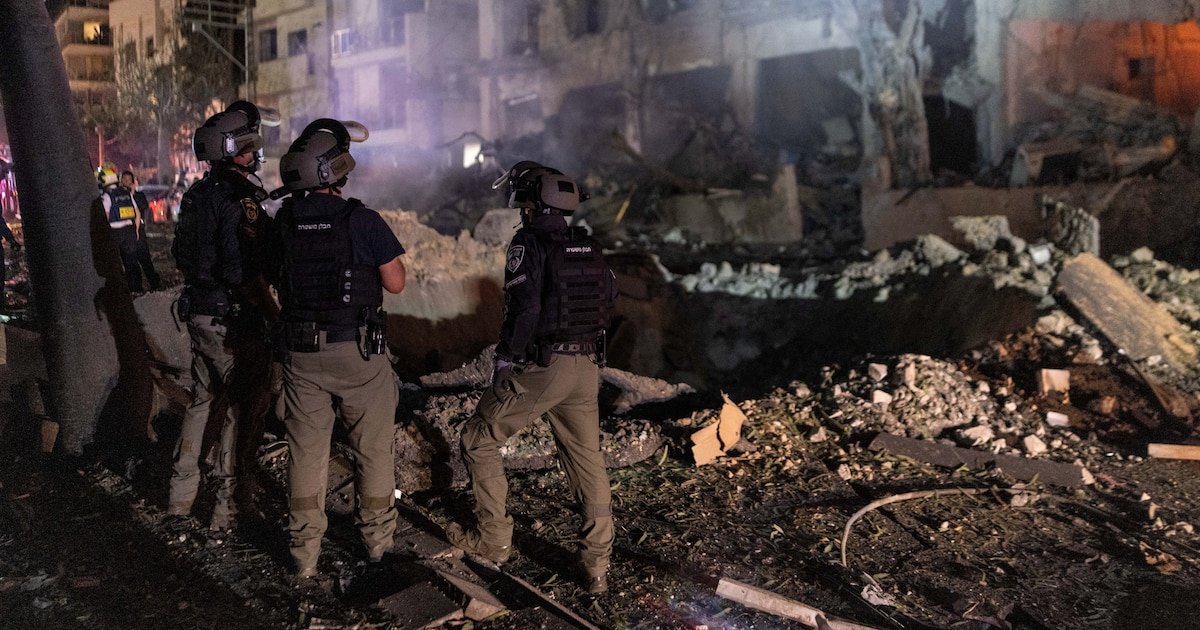
A un mes del inicio de la guerra, el presidente de Estados Unidos, Donald Trump, afirmó en Miami que el régimen iraní está “diezmado” y que desea alcanzar un “acuerdo” para poner fin a la guerra en Medio Oriente. Marco Rubio sostuvo que la república islámica todavía no respondió a la propuesta.
Arabia Saudita, Bahréin, Emiratos Árabes Unidos (EAU) denunciaron nuevas oleadas de bombardeos nocturnos, con misiles y drones, contra sus territorios. Otro ataque contra uno de los principales puertos de Omán dejó a un trabajador extranjero herido, según informaron las autoridades del país del Golfo.
Los hutíes de Yemen, aliados de Irán, anunciaron en la noche del viernes su amenaza a intervenir militarmente en el conflicto de Medio Oriente si nuevos actores se suman a Estados Unidos e Israel en la ofensiva contra Irán, o si el mar Rojo es utilizado para ataques contra Teherán. Horas más tarde, Israel interceptó un misil lanzado desde Yemen.
La Guardia Revolucionaria iraní lanzó el viernes una amenaza directa tras los ataques israelí-estadounidenses contra dos de las principales siderúrgicas de Irán. El comandante de la Fuerza Aeroespacial, Mayid Musavi, afirmó en X que EEUU e Israel “iniciaron el juego con fuego y los ataques contra infraestructuras. Esta vez la ecuación ya no será ‘ojo por ojo’; ¡esperen!”.
A continuación, la cobertura minuto a minuto:

El Organismo Internacional para la Energía Atómica (OIEA), dirigido por Rafael Grossi, informó este viernes que no se registró un aumento en los niveles de radiación tras la ofensiva de Israel contra la planta de producción de óxido de uranio concentrado, conocida como “torta amarilla”, ubicada en la provincia iraní de Yazd.
Un trabajador extranjero resultó herido en un ataque iraní contra Omán

Un ataque con drones iraníes contra uno de los principales puertos de Omán dejó a un trabajador extranjero herido, según informaron las autoridades del país del Golfo.
Dos drones impactaron en el puerto de Salalah, en el extremo sur del país, causando heridas a un trabajador y daños “limitados” a una grúa, de acuerdo con un comunicado difundido por la agencia de noticias oficial omaní.
Israel reportó heridos en su enfrentamiento contra Hezbollah en Líbano
Las Fuerzas de Defensa de Israel (FDI) informaron que el viernes un oficial de combate resultó gravemente herido y otro sufrió heridas leves tras un ataque con misiles antitanque durante un enfrentamiento en el sur del Líbano.
En un incidente distinto, un oficial de combate resultó gravemente herido y seis combatientes sufrieron heridas leves debido al impacto de cohetes contra las fuerzas que operan en la misma zona. Los heridos fueron evacuados al hospital para recibir atención médica y sus familias ya han sido notificadas.
Al menos un muerto y cuatro heridos en ataques de Irán contra varios puntos de Israel

Al menos una persona murió y otras cuatro resultaron heridas a causa de los ataques lanzados por Irán la noche del viernes y la madrugada del sábado contra territorio israelí, en el marco de la guerra iniciada hace un mes tras la ofensiva de Estados Unidos e Israel.
Magen David Adom (MDA), el servicio de emergencias médicas israelí, informó que certificó la muerte de un hombre de unos 60 años en Tel Aviv y brindó asistencia médica a dos heridos leves en otro punto del centro de Israel tras el “lanzamiento de misiles” hacia la región.
“Cuando llegamos al lugar, vimos a un hombre de unos 60 años tirado en el suelo, inconsciente y con heridas muy graves. Sus lesiones eran de gravedad crítica y no nos quedó más remedio que certificar su fallecimiento en el lugar de los hechos”, relató Shai Bachar, técnico de emergencias de MDA.
El bloqueo iraní del estrecho de Ormuz provocó una escasez mundial de fertilizantes y amenaza los precios de los alimentos
La obstrucción del paso marítimo determinada por el régimen de Irán incrementa tanto el valor de los combustibles como la escasez de insumos agrícolas, lo que complica la estabilidad alimentaria en diversas regiones
Seguir en

Agricultores de todo el mundo resienten la presión de la guerra con Irán. Los precios de la gasolina se han disparado y los suministros de fertilizantes escasean debido al cierre casi absoluto del estrecho de Ormuz por parte de Teherán en respuesta a los bombardeos de Estados Unidos e Israel.
Tailandia alcanzó a un acuerdo con el régimen iraní para permitir el paso de sus buques por Ormuz

Tailandia ha llegado a un acuerdo con Irán para permitir el paso seguro de los buques petroleros tailandeses a través del estrecho de Ormuz, según anunció el sábado el primer ministro de la nación del sudeste asiático.
“Se ha llegado a un acuerdo para permitir que los petroleros tailandeses transiten de forma segura por el estrecho de Ormuz”, declaró el primer ministro tailandés, Anutin Charnvirakul, en una rueda de prensa, añadiendo que este avance aliviaría las preocupaciones sobre las importaciones de combustible.
El Ejército israelí informó del primer ataque con misiles de la guerra desde Yemen

El Ejército israelí informó del primer lanzamiento de misiles desde Yemen desde que comenzó la guerra en Oriente Medio el 28 de febrero, después de que los hutíes, aliados de Irán, amenazaran con unirse a los combates.
Un comunicado militar indicó que las fuerzas israelíes habían “identificado el lanzamiento de un misil desde Yemen hacia territorio israelí; los sistemas de defensa aérea están operativos para interceptar la amenaza”.
Fue la primera declaración de este tipo que mencionaba un lanzamiento desde Yemen durante la guerra, que ya ha entrado en su segundo mes.
Emiratos Árabes Unidos reportó un incendio tras una oleada de ataques iraníes y hay al menos cinco heridos
Las autoridades de los Emiratos Árabes Unidos informaron que se produjeron incendios la madrugada del sábado en una zona industrial tras un ataque con misiles y drones procedentes de Irán, sin que se registraran víctimas.
El Ministerio de Defensa del país declaró que sus defensas aéreas estaban respondiendo a los misiles de crucero y drones lanzados por Irán, mientras Teherán intensificaba sus ataques en el Golfo un mes después del inicio de la guerra regional.
La oficina de prensa del gobierno de Abu Dhabi informó en un comunicado publicado en línea que las autoridades estaban lidiando con dos incendios en la zona de las Zonas Económicas Khalifa del emirato. El comunicado indicaba que los incendios se habían originado por la caída de escombros tras la “intercepción exitosa” de un misil balístico.
En un texto divulgado horas más tarde, se indicó que “el incidente ha provocado lesiones de moderadas a leves sufridas por cinco personas de nacionalidad india”.
Las sirenas de alarma se activaron dos veces en la última hora en Bahréin
El Ministerio del Interior de Bahréin emitió dos avisos públicos en la última hora, recomendando a la población que “se dirija al lugar seguro más cercano” y mantenga la calma.
Estas advertencias se producen luego de que el ministerio informara que un incendio en una instalación no identificada en Bahréin fue controlado tras haber sido blanco de un ataque iraní previo.
Middle East,Military Conflicts
NEWYou can now listen to Fox News articles!
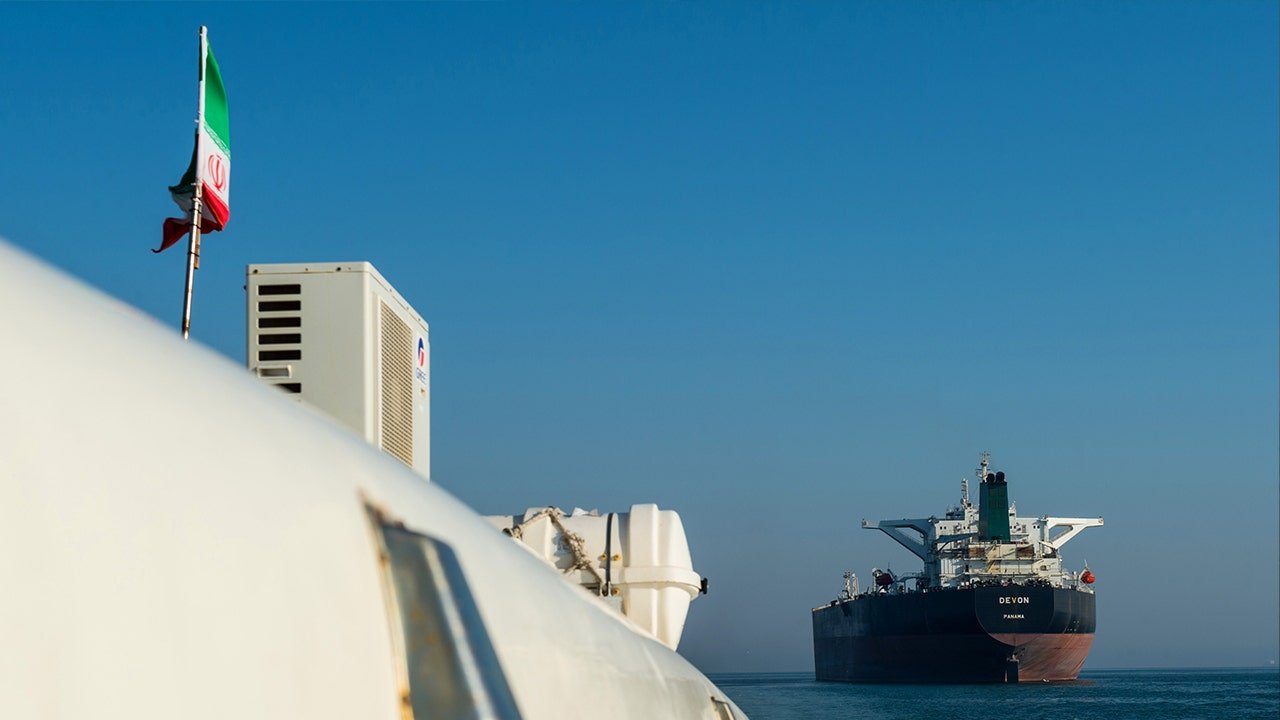
U.S. officials and analysts are weighing whether seizing Iran’s main oil export hub could deal a crippling financial blow — but experts warn the high-risk move may not shut off Tehran’s revenue as quickly or completely as expected.
Analysts say U.S. planners face a high-stakes decision: whether seizing Kharg Island would actually disrupt Iran’s oil revenue or leave key export flows intact while exposing American forces to sustained attack. Options under discussion range from interdicting tankers at sea to striking export infrastructure from the air, approaches some argue could pressure Tehran’s finances without putting troops on the ground.
«There’s a big debate going on right now,» R.P. Newman, Marine veteran and counterterrorism analyst, told Fox News Digital.
Kharg Island handles the vast majority of Iran’s crude oil exports, making it one of the most strategically significant energy nodes in the region and a central pressure point for any effort to economically squeeze Tehran.
US TROOPS BRACE FOR ‘HIT-AND-RUN’ GUERILLA ATTACKS AS 82ND AIRBORNE DEPLOYS TO IRAN, MILITARY ANALYST WARNS
«We certainly have the ability, military wise, to take it,» said R.P. Newman, a Marine veteran and counter-terrorism analyst.
Some analysts argue that taking Kharg could deliver an immediate economic shock, cutting off the regime’s primary source of oil revenue and potentially giving Washington leverage in broader negotiations.
But such an operation would not be simple.
«It would take thousands to do that,» he said.
U.S. forces already have struck the island hitting more than 90 Iranian military targets, including missile and naval mine facilities, earlier in March while deliberately avoiding oil infrastructure, leaving export operations largely intact.
Retired Adm. Kevin Donegan, former commander of the U.S. Navy’s 5th Fleet, said the same objective could be achieved without putting U.S. forces on the island.
U.S. officials and analysts are weighing whether seizing Iran’s main oil export hub could deal a crippling financial blow — but experts warn the high-risk move may not shut off Tehran’s revenue as quickly or completely as expected. (Elif Acar/Anadolu via Getty Images)
«You could achieve that desired outcome just by constraining the flow that comes out of Kharg after it gets outside the Gulf,» Donegan said.
«You could stop every ship that comes out,» he added.
Robbins said the U.S. could also disable Kharg’s export capability with air power rather than seizing it outright.
An influx of thousands of troops from Marine expeditionary units and the Army’s 82nd airborne division has raised speculation that a ground operation could be on the way.
But Secretary of State Marco Rubio said Friday U.S. operations could wrap in «weeks, not months» and without ground troops.
«We are ahead of schedule on most of (the objectives), and we can achieve them without any ground troops, without any,» Rubio told reporters during a trip to Paris for a meeting of G-7 foreign ministers.
Even if U.S. forces were able to seize the island, some analysts warn the economic impact would not be immediate.
«The desired full economic effect of taking Kharg Island is going to be a delayed effect if you don’t also seize underway tankers,» said Gregory Brew, analyst at the Eurasia Group, said.
Any operation targeting Kharg would strike at one of Iran’s most critical economic assets.
«Sales of petroleum products have generally covered between 30 and 40% of the official state budget,» Brew said. «There’s no question the state budget will take a significant hit.»
But a loss of oil revenue would not necessarily cripple the regime’s core power structure.
«The IRGC has what is in effect a shadow budget,» Brew said. «If anything, its relative position may improve.»
That means that while the government’s official budget would shrink, the Iranian Revolutionary Guard Corps (IRGC) could retain a larger share of the country’s remaining resources through its independent revenue streams.
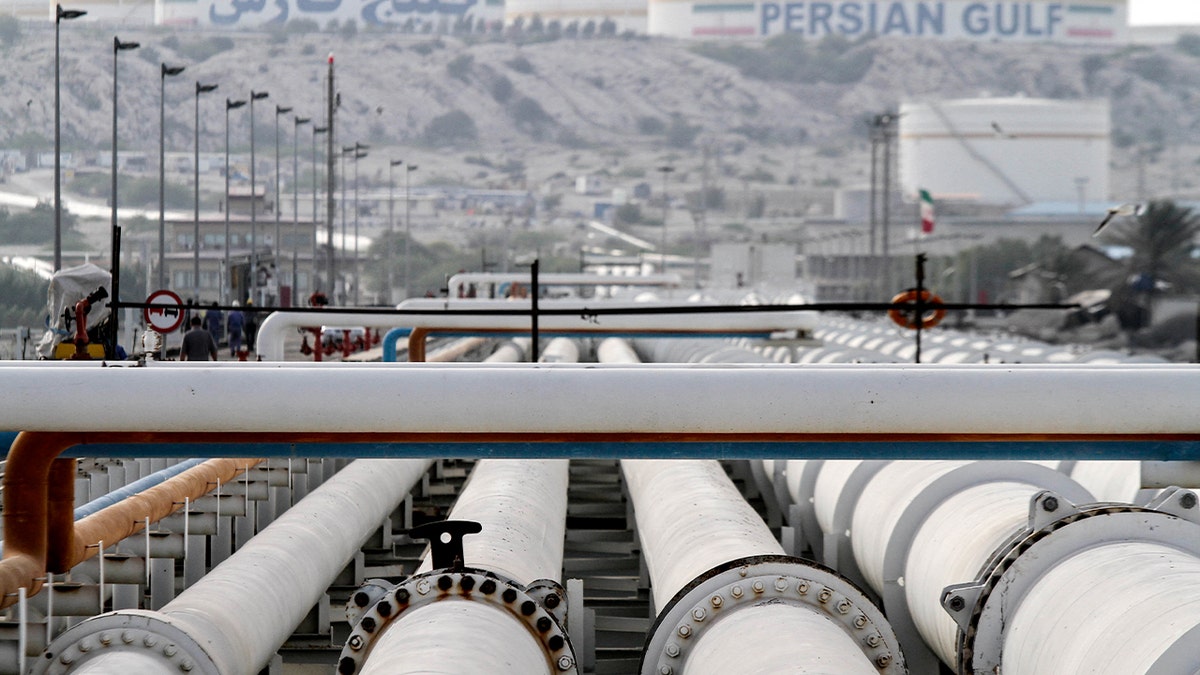
Export oil pipelines are seen at an oil facility on Kharg Island, on the shore of the Gulf. (Str/AFP Via Getty Images)
Even if Kharg were taken offline, Iran would retain other ways to keep exports flowing.
«Iran does have four other export facilities,» Brew said.
Its terminal at Jask, Iran, located outside the Strait of Hormuz, «can handle around one-fifth of the volume of oil that can be exported from Kharg.»
«Stopping completely would require interdicting that traffic as well,» Brew added.
That means any effort to fully choke off Iran’s oil exports would likely extend beyond Kharg, requiring action against multiple export routes and facilities.
US MOVES AIRBORNE TROOPS, MARINES AS IRAN REJECTS CEASEFIRE, RAISING GROUND WAR POTENTIAL
Sustaining the island would prove difficult as well, putting U.S. forces on a sea-locked target within range of Iranian drones, rockets and missiles from the mainland.
«Any deployment to the island will be vulnerable to Iranian counterattack,» Brew said.
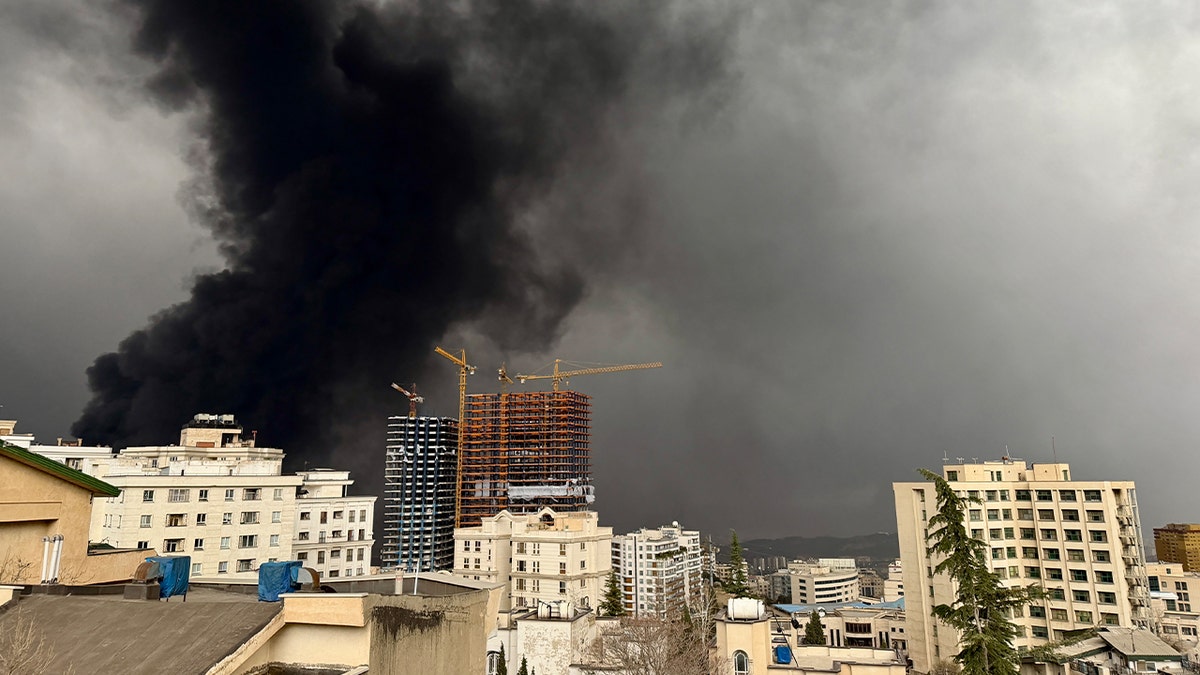
11 days in, here’s where U.S. operations in Iran stand. (Majid Saeedi/Getty Images)
«They would be a very small force, very exposed,» said James Robbins, dean of the Institute of World Politics and a former adviser to Defense Secretary Donald Rumsfeld.
Beyond the initial assault, sustaining forces on the island would present additional challenges.
«Once the guys are on the ground, then you have to support them and that would be extremely hard,» Robbins said.
CLICK HERE TO DOWNLOAD THE FOX NEWS APP
Some analysts also question what a successful seizure would ultimately achieve.
«To what end would be the question,» Robbins said. «I don’t see an endgame to that, to seizing Kharg.»
President Donald Trump has publicly announced a reprieve on strikes on energy infrastructure until April 6, citing «progress» in negotiations with Iran.
But Iranian officials have accused the president of «psychological warfare» and expressed skepticism.
Iran already has begun preparing for a potential Kharg invasion, moving additional forces, bolstering air defenses and laying mines and other traps around the island, including along potential landing areas, sources familiar with the intelligence told CNN.
The Pentagon and the Iranian mission to the United Nations could not immediately be reached for comment.
war with iran, drones, pentagon, middle east, conflicts defense
INTERNACIONAL
Un ataque iraní contra una base en Arabia Saudita dejó al menos a 12 soldados estadounidenses heridos
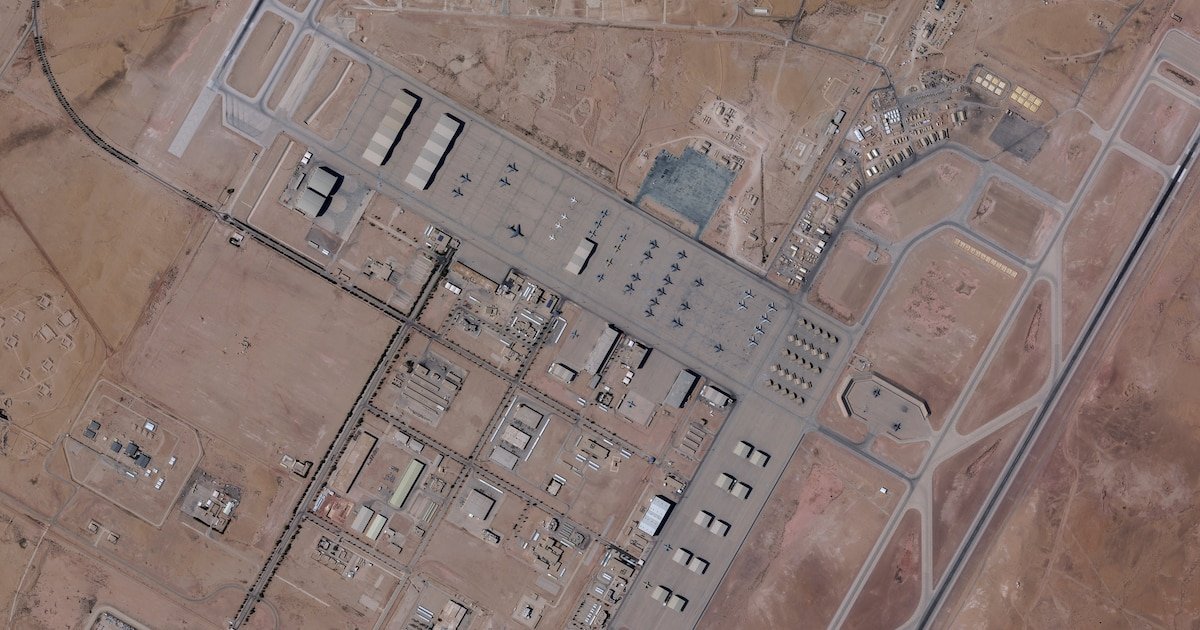
Un ataque con misiles iraníes hirió el viernes al menos a 12 militares estadounidenses y dañó varios aviones en la base aérea Príncipe Sultán en Arabia Saudita. Dos de los soldados resultaron gravemente heridos.
Según confirmaron funcionarios estadounidenses a la agencia The Associated Press, el ataque, que incluyó un misil y drones iraníes, impactó aviones de reabastecimiento estadounidenses.
La base aérea Príncipe Sultán ya había sido blanco de ataques previos. El sargento Benjamin N. Pennington, de 26 años, resultó herido en un ataque el 1 de marzo y falleció días después. Es uno de los 13 militares estadounidenses muertos en la guerra hasta la fecha.
Imágenes satelitales que muestran los daños en la aeronave fueron difundidas por internet. El incidente fue reportado también por The Wall Street Journal y Reuters, a la espera de la confirmación oficial por parte del gobierno estadounidense.
El Comando Central de Estados Unidos informó que más de 300 militares han resultado heridos desde el inicio del conflicto hace un mes. La mayoría se ha reincorporado al servicio, pero 30 permanecen fuera de combate y 10 están gravemente heridos.

La central nuclear de Bushehr, en el sur de Irán, fue atacada este viernes por tercera vez en menos de dos semanas en una operación conjunta atribuida a Israel y Estados Unidos.
El director general del Organismo Internacional de Energía Atómica (OIEA), Rafael Grossi, expresó preocupación por la proximidad de actividades militares al sitio nuclear y advirtió sobre el riesgo de un accidente radiológico de gran magnitud si el reactor resultara dañado. Grossi reiteró su llamado a ejercer la máxima contención militar en la zona para reducir la posibilidad de una catástrofe nuclear.
La administración Trump ofreció a Irán un plan de alto el fuego de 15 puntos, con Pakistán como intermediario. Irán niega la existencia de negociaciones, mientras mantiene el control del estrecho de Ormuz, lo que ha elevado los precios del combustible y alterado la economía global.
El secretario de Estado, Marco Rubio, declaró tras una reunión con los ministros de Asuntos Exteriores del G7 en Francia, que Estados Unidos “puede lograr todos sus objetivos sin tropas terrestres”.
Respecto a los nuevos despliegues en Medio Oriente, subrayó: “Siempre estaremos preparados para darle al presidente (Donald Trump) la máxima flexibilidad y la máxima oportunidad para adaptarse a las contingencias que puedan surgir”.

A su vez, en referencia a la respuesta oficial iraní sobre un diálogo en busca de paz en la región sumó: “Todavía no la hemos recibido”. El jefe de la diplomacia estadounidense detalló que ha habido un intercambio de mensajes e indicios sobre una disposición a hablar de ciertos temas por parte del régimen iraní.
Por su parte, la Guardia Revolucionaria del régimen iraní lanzó una amenaza directa tras los ataques israelí-estadounidenses contra dos de las principales siderúrgicas de Irán. El comandante de la Fuerza Aeroespacial, Mayid Musavi, afirmó vía X: “Ustedes mismos iniciaron el juego con fuego y los ataques contra infraestructuras. Esta vez la ecuación ya no será ‘ojo por ojo’; ¡Esperen!”.
Musavi recomendó a los empleados de empresas industriales vinculadas a Estados Unidos e Israel abandonar de inmediato sus lugares de trabajo para no poner en riesgo sus vidas, en una advertencia interpretada como amenaza explícita de represalias contra infraestructura regional.
Los ataques afectaron las siderúrgicas de Mobarakeh y Juzestán, según autoridades iraníes, que reportaron daños materiales pero no víctimas mortales. La ofensiva representa un cambio en el tipo de objetivos militares, dirigiéndose hacia infraestructuras clave del país. Irán ha respondido en jornadas previas con el lanzamiento de misiles y drones contra objetivos en Israel y otros países de Oriente Medio.
(Con información de The Associated Press y REUTERS)
Defence,Defense,Middle East

Por un pedido del sindicato de Comercio, la Justicia suspendió dos artículos de la reforma laboral

EN VIVO: Al menos un muerto y cuatro heridos en ataques de Irán contra varios puntos de Israel

Los vuelos de Adorni: operativo en la TV Pública por la causa que investiga al jefe de Gabinete

Tan Biónica estrenó su álbum El Regreso en una noche épica ante 50.000 fans y con Andrés Calamaro como invitado

US eyes seizing Iran’s oil lifeline — but it may not cripple Tehran

Video: los jugadores de Mauritania bailaron y aplaudieron a la hinchada de Boca

¡VERGÜENZA NACIONAL! Humillan a la Policía Federal mandándolos a un merendero antes de darles un aumento de sueldo digno

24 DE MARZO: La historia completa que el relato omitió sobre el golpe de 1976 y el Juicio a las Juntas

El Presidente y Karina Milei volvieron a respaldar a Manuel Adorni tras la polémica por sus vuelos

Manuel Adorni: “Mi patrimonio lo construí antes de entrar al Gobierno, no tengo nada que esconder”

 POLITICA2 días ago
¡VERGÜENZA NACIONAL! Humillan a la Policía Federal mandándolos a un merendero antes de darles un aumento de sueldo digno
- POLITICA3 días ago
El Presidente y Karina Milei volvieron a respaldar a Manuel Adorni tras la polémica por sus vuelos
- POLITICA3 días ago
Manuel Adorni: “Mi patrimonio lo construí antes de entrar al Gobierno, no tengo nada que esconder”