INTERNACIONAL
Golpe de Estado en Guinea-Bissau: los militares tomaron el control del país tres días después de las elecciones presidenciales


Oficiales militares de Guinea-Bissau anunciaron este miércoles que estaban tomando el “control total” del país, mientras suspendían el proceso electoral y cerraban las fronteras, tres días después de las elecciones legislativas y presidenciales del país de África occidental.
Personal militar hizo el anuncio leyendo un comunicado en la sede del ejército en la capital, Bissau, según observaron periodistas de AFP en el lugar.
Horas antes, fuertes disparos de armas automáticas resonaron en el centro de la capital, mientras soldados tomaban control de las principales vías de acceso al palacio presidencial, en medio de informaciones sobre la supuesta detención del presidente saliente Umaro Sissoco Embaló, en un país marcado por una larga historia de golpes de Estado e inestabilidad política.
Soldados de la guardia presidencial y una unidad de élite de la gendarmería controlaban la zona desierta cerca del palacio mientras la calma regresaba y los disparos cesaban temporalmente, según observaron periodistas de AFP en el lugar. Cientos de personas huyeron a pie y en vehículos buscando refugio cuando se escucharon los primeros disparos.
Según testigos contactados por EFE en Bissau, la población en esa zona huyó aterrorizada hacia barrios periféricos, intentando protegerse ante la presencia de un grupo de hombres armados. Por el momento, se desconoce el origen de los disparos.
Una fuente del Ministerio del Interior y Orden Público, bajo anonimato, aseguró al diario local O Democrata que hombres armados irrumpieron en la sede de la Comisión Electoral Nacional y también intentaron atacar el palacio presidencial. El semanario panafricano francés Jeune Afrique publicó que el propio Embaló le confirmó que fue detenido alrededor del mediodía en su despacho.
De acuerdo con el semanario, el mandatario saliente afirmó que no se cometió ningún acto de violencia contra él durante este “golpe de Estado” orquestado, según él, por el jefe del Estado Mayor del Ejército. Sin embargo, el paradero de Embaló no era conocido inmediatamente al mediodía del miércoles.
Todas las calles que conducen al palacio presidencial han sido bloqueadas, incluidas las zonas cercanas a la Embajada de Portugal, indicó O Democrata. Soldados fuertemente armados y encapuchados se encuentran en la zona para impedir el paso de líderes políticos que podrían refugiarse en esa legación diplomática.
Un transeúnte que huía de la escena caótica dijo a AFP que “estamos acostumbrados a esto en Bissau”.
Los hechos de violencia se producen después de que tanto Embaló como su principal rival en los comicios, el candidato independiente Fernando Dias da Costa, se adjudicaran la victoria en las elecciones del domingo, que hasta el miércoles se habían desarrollado de forma pacífica.
“No habrá segunda vuelta”, dijo a AFP el martes Oscar Barbosa, portavoz de la campaña de Embaló, agregando que el presidente “tendrá un segundo mandato”.
Dias también declaró victoria, diciendo en un video publicado en redes sociales: “Esta elección ha sido ganada, ha sido ganada en la primera ronda”.
Los resultados provisionales oficiales se esperaban para este jueves en el tumultuoso país de África occidental, que ha experimentado cuatro golpes de Estado desde su independencia, así como múltiples intentos de golpe.
Guinea-Bissau es uno de los países más inestables de África. Desde su independencia de Portugal en 1974, ha sufrido cuatro golpes de Estado exitosos en 1980, 1998/99, 2003 y 2012. El país también se encuentra entre los más pobres del mundo y es un centro para el tráfico de drogas entre América Latina y Europa, un comercio facilitado por su larga historia de inestabilidad política.
Los comicios del domingo se desarrollaron de forma pacífica y, según confirmaron el martes observadores de varias misiones internacionales, incluida la de la Unión Africana, fueron “democráticos, libres y participativos”.
Sin embargo, destacó la ausencia del principal líder de la oposición, el ex primer ministro Domingos Simões Pereira, a quien se le impidió concurrir por supuestas razones técnicas. El Tribunal Supremo eliminó de la lista final de candidatos y partidos a Pereira y al Partido Africano para la Independencia de Guinea y Cabo Verde (PAIGC), el partido principal de la oposición que aseguró la independencia de Guinea-Bisáu de Portugal en 1974, alegando que habían presentado sus solicitudes oficiales demasiado tarde.
Su formación, el histórico PAIGC, respaldó a Da Costa, que también contó con el apoyo de una coalición integrada por este partido y por la Alianza Patriótica Inclusiva (API “Cabaz Grandi”), así como de la mayoría de los dirigentes de su formación original, el Partido de la Renovación Social.
La oposición sostiene que la exclusión del PAIGC de las elecciones presidenciales y parlamentarias equivale a “manipulación” y mantiene que el mandato de Embaló expiró el 27 de febrero, cinco años después de su investidura.
En 2023, Embaló disolvió la legislatura, que estaba dominada por la oposición, y desde entonces ha gobernado por decreto.
Las últimas elecciones presidenciales de Guinea-Bissau en 2019 estuvieron marcadas por una crisis postelectoral de cuatro meses, ya que ambos principales candidatos reclamaron la victoria.
Más de 6,780 efectivos de seguridad, incluidos de la Fuerza de Estabilización de la Comunidad Económica de Estados de África Occidental (CEDEAO), fueron desplegados para la votación y el período postelectoral.
(Con información de AFP y EFE)
essential,horizontal,politics,unrest,vote






INTERNACIONAL
Entre el arte y el mito: así se creó el retrato de John F. Kennedy que cautiva en Love Story
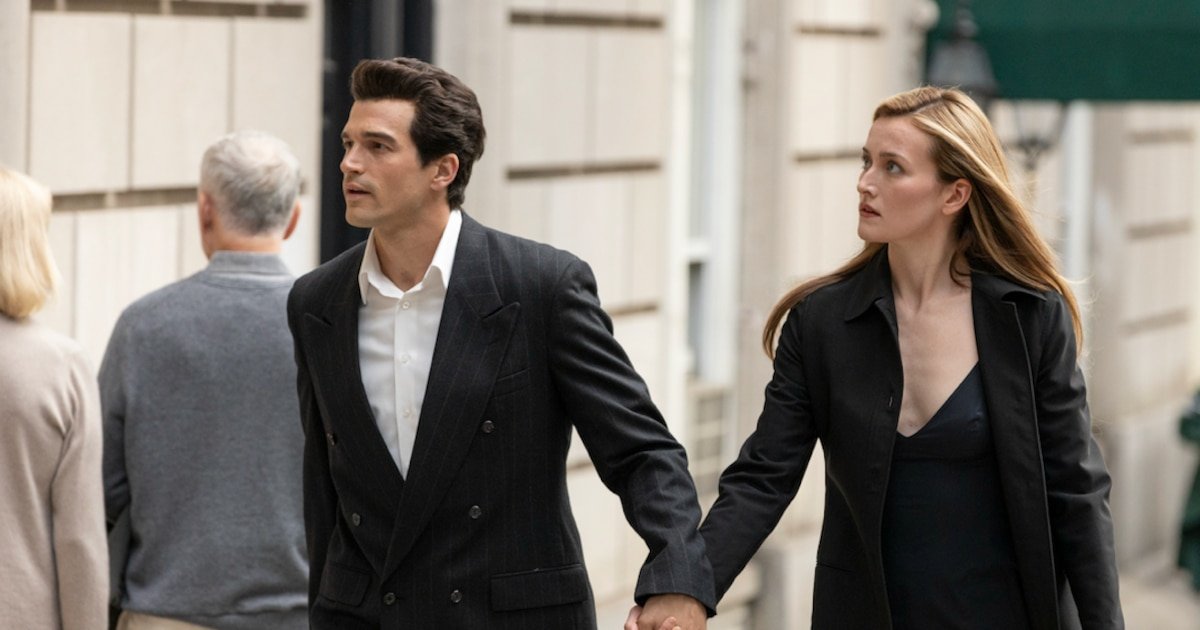
El retrato oficial de John F. Kennedy, creado por Aaron Shikler y exhibido en la Casa Blanca, ha vuelto a captar la atención tras aparecer en la serie Love Story. Detrás de este cuadro hay una historia que simboliza el duelo de Jacqueline Kennedy y la construcción del legado del presidente asesinado.
El retrato oficial de John F. Kennedy, encargado después de su muerte en 1963 y concluido en 1970, fue pintado por Aaron Shikler a partir de fotografías y recuerdos familiares con la supervisión directa de Jacqueline Kennedy.
Su pose inusual y reflexiva lo distingue de otros retratos presidenciales y sigue siendo relevante hoy en día por su aparición en la cultura popular y su profundo significado personal y político, según detalló Artnet News.
El origen y la creación del retrato oficial de John F. Kennedy
El encargo de Jacqueline Kennedy Onassis representó una excepción para la tradición artística de la Casa Blanca, al pedir un retrato presidencial póstumo para su esposo.
El artista Aaron Shikler fue seleccionado por su relación previa con la familia Kennedy. Shikler trabajó en la residencia neoyorquina de Jacqueline Kennedy y basó la composición en fotografías, especialmente en una de Ted Kennedy en la tumba de su hermano.

La pintura muestra a John F. Kennedy cabizbajo y con los brazos cruzados en una postura meditabunda. El propio Shikler explicó al medio que eligió esa posición para transmitir un carácter reflexivo: “Lo pinté con la cabeza baja, no porque lo vea como un mártir, sino porque quise mostrarlo como alguien pensante… Un presidente que piensa es algo raro”.
Con unas dimensiones de 127 por 86 centímetros (50 x 34 pulgadas), la tela fue completada en 1970 y pasó a formar parte de la colección oficial de la Casa Blanca.

La selección del retrato y la participación de Jacqueline Kennedy
La decisión final sobre la imagen fue tomada por Jacqueline Kennedy Onassis, quien revisó bocetos y descartó varias propuestas previas. Shikler recordó: “La única condición que ella puso fue: ‘No quiero que se parezca a los retratos habituales, con las ojeras y esa mirada penetrante. Ya estoy cansada de esa imagen’”, según recogió Artnet News.
El proceso de selección involucró modificaciones guiadas por la viuda para huir de una imagen heroica y mostrar a JFK como un ser humano reservado y pensativo. El resultado, sobrio y alejado de los clichés visuales, generó opiniones divididas entre la crítica y el público.
Mientras algunos consideraron el retrato enigmático y poco usual para un presidente estadounidense, la familia Kennedy lo reconoció como un símbolo de introspección genuina.

El impacto y legado del retrato en la Casa Blanca y la familia Kennedy
El impacto de la obra alcanzó a la familia Kennedy y a la institución presidencial. Jacqueline Kennedy regresó a la Casa Blanca únicamente una vez tras dejarla, el 3 de febrero de 1971, en una visita privada junto a sus hijos Caroline y John Jr. para contemplar el retrato antes de su presentación pública. El encuentro, organizado por la primera dama Pat Nixon, fue completamente privado, según recordó Artnet News.
Actualmente, el retrato de JFK cuelga en el pasillo central de la Casa Blanca, cercano al retrato oficial de Jacqueline Kennedy, también obra de Shikler y ubicado en la Sala Vermeil. En la escena de Love Story, aparecen además otros retratos realizados por Shikler, como los de la ex primera dama y sus hijos.
Más allá de los Kennedy, Shikler fue el autor de retratos presidenciales de figuras como Ronald y Nancy Reagan, así como de personalidades internacionales como la reina Noor de Jordania.

La escena dramatizada en Love Story, donde Jacqueline Kennedy baila con el retrato de su esposo, subraya el significado emocional y simbólico que la obra mantiene más de cincuenta años después de su creación.
Los Kennedy destacaron el valor del retrato no solo por su calidad artística, sino por su papel como testimonio histórico de un periodo crucial en Estados Unidos.
La composición singular de Shikler, aprobada por la familia, se distingue entre los retratos presidenciales de la Casa Blanca por su autenticidad y capacidad de evocación.
John F. Kennedy Jr.,Carolyn Bessette Kennedy,Love Story,Hulu,FX,Disney+,serie,drama,romance,celebridades
NEWYou can now listen to Fox News articles!
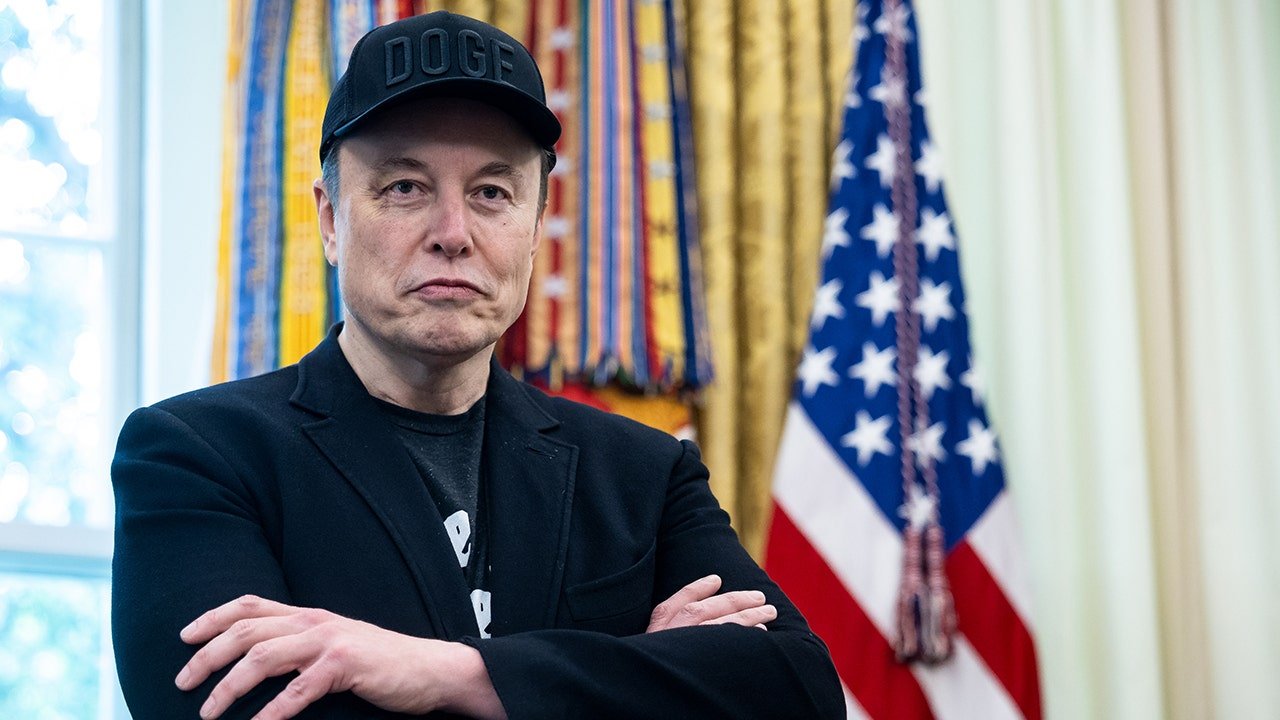
Elon Musk demanded on Wednesday that a Delaware judge recuse herself from Tesla lawsuits, arguing she recently demonstrated her bias against him when she liked an anti-Musk LinkedIn post.
Musk’s lawyers filed a motion for recusal in Delaware’s Court of Chancery, which included a screenshot of Judge Kathaleen McCormick liking the social media post celebrating Musk’s $2 billion court loss in a separate case. The attorneys noted that the incident did «not exist in a vacuum.»
The lawyers were referring to McCormick previously presiding over high-stakes cases involving Musk and the tech billionaire accusing the judge of bias stretching back years. The ongoing friction with the judge follows hostility Musk has faced from the left in recent years, most notably when he became a close ally of President Donald Trump in 2024 and through the early months of the administration.
Musk’s lawyers said McCormick appeared to cheer on a lawyer on LinkedIn who made a post mocking Musk’s legal defeat in a California fraud case. McCormick is currently presiding over separate derivative litigation brought by Tesla shareholders who have alleged Musk harmed the company by overpaying himself and board members. The lawyers said one of McCormick’s staff members also liked another anti-Musk post related to Musk’s pending litigation.
TRUMP NOT INTERESTED IN TALKING TO MUSK: ‘ELON’S TOTALLY LOST IT’
President Donald Trump and Elon Musk attend a press conference in the Oval Office of the White House in Washington, D.C., May 30, 2025. (REUTERS/Nathan Howard)
«This post to which the Court reacted and another to which a Court staff member reacted are not simply negative criticism of Mr. Musk and his attorneys, they are inflammatory,» Musk’s lawyers wrote.
The lawyers said that «the very facts underlying the litigation celebrated in the posts are squarely at issue in the consolidated and coordinated actions.»
McCormick later deactivated her LinkedIn account, and in a letter to attorneys in the case she denied supporting the anti-Musk post.
«I either did not click the ‘support’ icon at all, or I did so accidentally,» McCormick wrote. «I do not believe that I did it accidentally.»
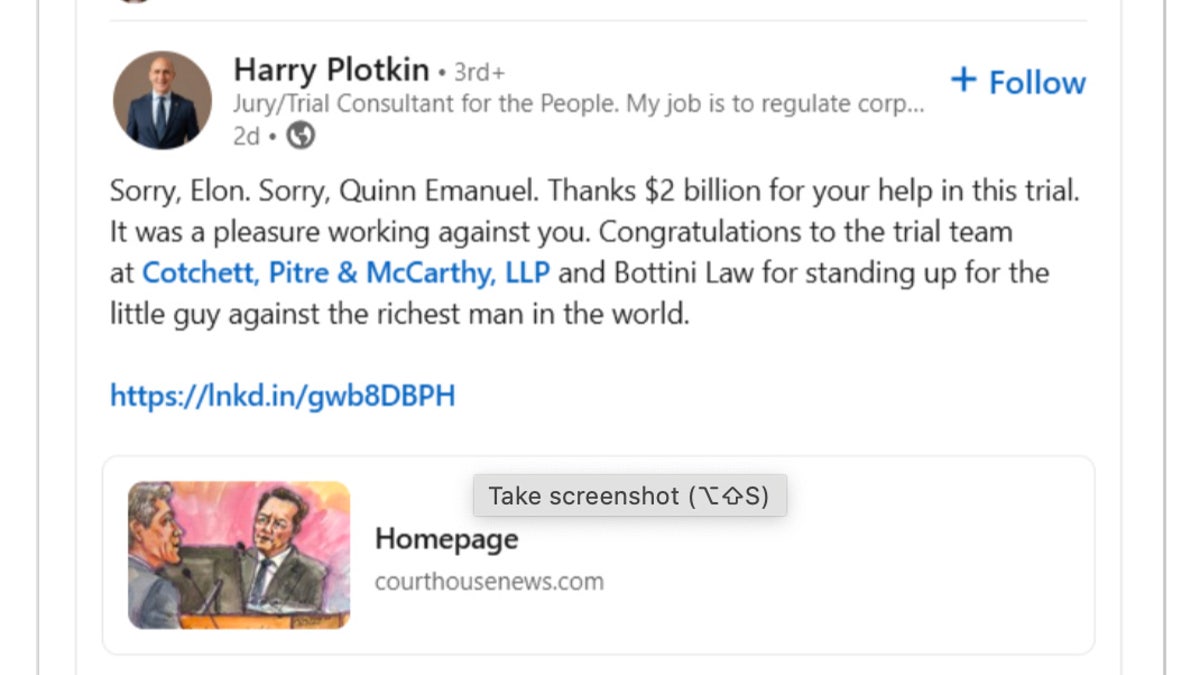
screenshot of LinkedIn post (Court of Chancery of the State of Delaware )
McCormick in 2022 presided over a separate, high-profile lawsuit brought by Twitter, now called X, against Musk to force him to complete his $44 billion acquisition of the company after Musk attempted to back out over allegations the company misled him about the number of bots on the platform. Musk ended up moving forward with the acquisition and later testified that he felt forced to because he believed McCormick was biased against him.
«We were unlikely to win the [Twitter] case in Delaware because the judge was extremely biased against me,» Musk said this month, according to the recusal motion. «This was, in fact, the same judge that struck my Tesla option grant that was subsequently overturned by the Delaware Supreme Court. So it’s accurate to say she was, that judge was not favorably inclined to me. Not objective.»
In another lawsuit, McCormick in 2024 twice voided a multibillion-dollar pay package for Musk and the Tesla board, saying they had breached their fiduciary duties and that Musk effectively controlled the board. The Delaware Supreme Court reinstated the pay package but upheld McCormick’s underlying findings.
Musk responded that year to an X post from a conservative influencer about McCormick, writing «absolute corruption» after the influencer noted that she had previously worked at a Delaware law firm that donated to former President Joe Biden.
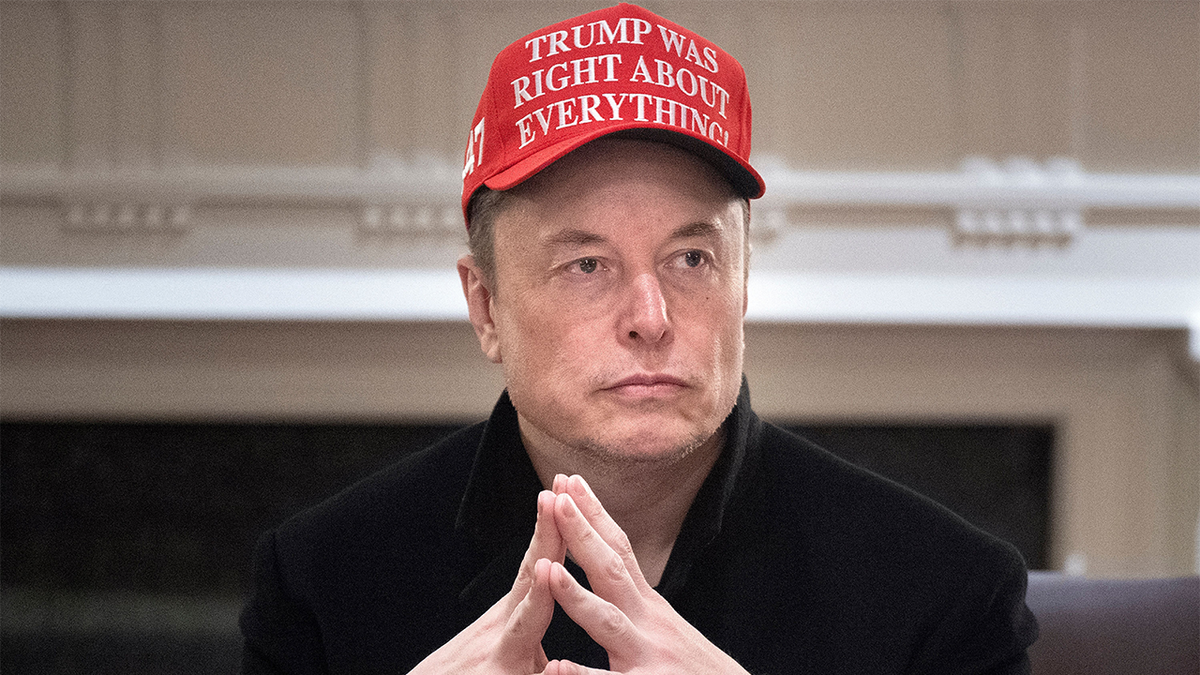
Billionaire entrepreneur Elon Musk has indicated he may support Republican candidates in the upcoming midterm elections. (BRENDAN SMIALOWSKI/AFP via Getty Images)
Musk’s grievances with McCormick began amid a national push against the tech billionaire as he began weighing in on politics, speaking out against the Democrat Party ahead of the 2022 midterms and endorsing Trump in the 2024 election.
He became the head of Trump’s Department of Government Efficiency in 2025, serving in the role as a special government employee as he sought to identify government overspending and fraud, which raised his status as a political target by the left. Democrat lawmakers condemned Musk’s DOGE efforts in protests, while Tesla locations were targeted by rioters last year as critics characterized Musk as an unelected billionaire working in the administration.
CLICK HERE TO DOWNLOAD THE FOX NEWS APP
Trump and Musk had a public falling out last spring, when Musk openly opposed the president’s signature budget bill, known as the One Big Beautiful Bill Act. The pair have since been spotted chatting at various public events.
donald trump, elon musk, delaware, in court
INTERNACIONAL
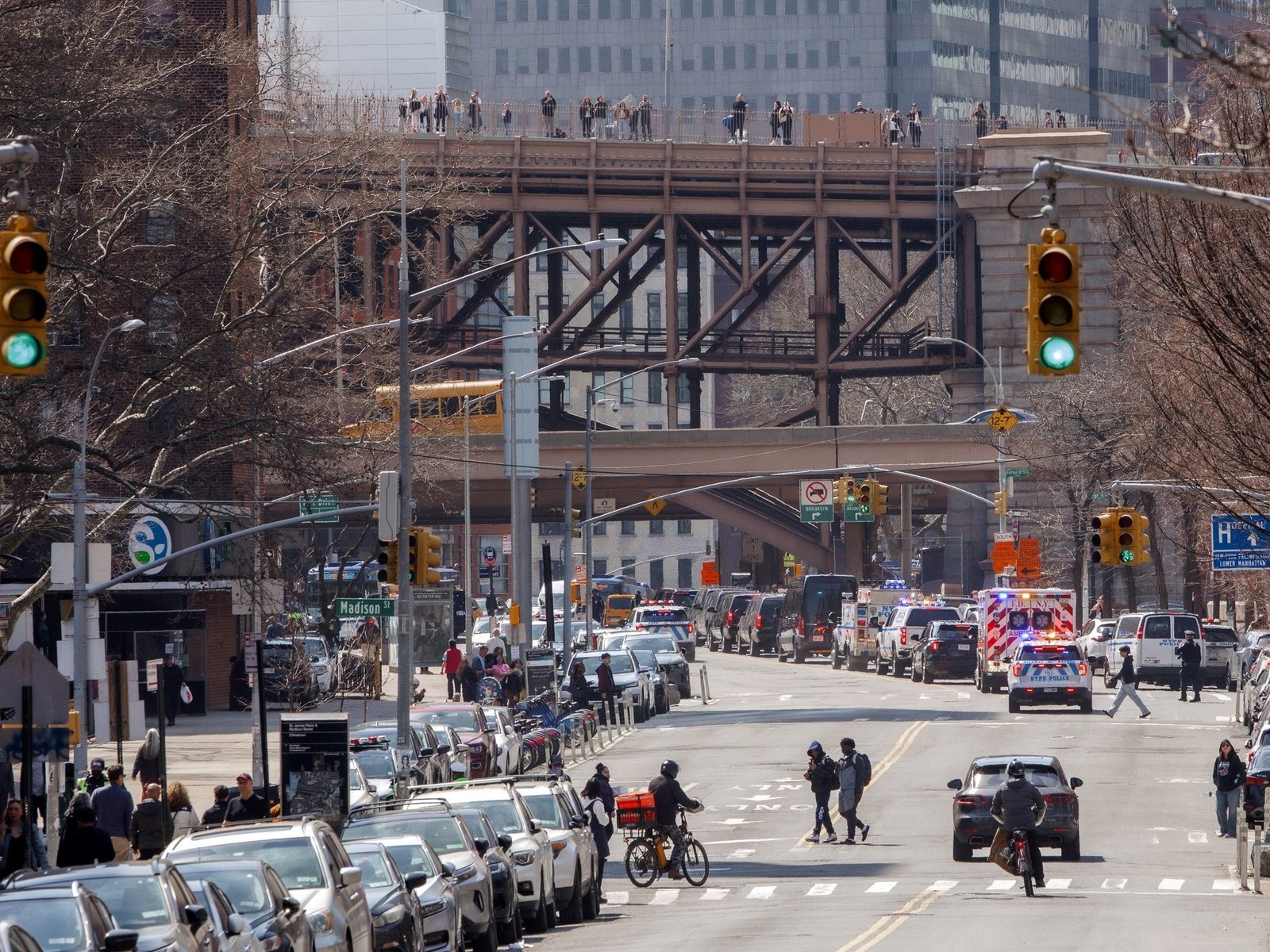
Nicolás Maduro ante una corte de Nueva York: demacrado, ojeroso, con varios kilos de menos y un traje de presidiario color beige


El gobierno porteño reforzó la seguridad y el control en la Villa 31 y avanza con el plan de reordenamiento

El Gobierno envió al Congreso la “Ley de Hojarascas”, el proyecto para eliminar más de 70 normas

El Gobierno confirmó que concesionará por 30 años el complejo turístico de Chapadmalal

El oficialismo avanza en el Congreso con la Ley de Glaciares pese a las impugnaciones sobre la reforma

Kicillof reunió a más de 60 intendentes, criticó a Milei y se comprometió a mejorar el envío de fondos

Diputados de Unión por la Patria lanzaron un indicador mensual para monitorear la vulnerabilidad social

¡VERGÜENZA NACIONAL! Humillan a la Policía Federal mandándolos a un merendero antes de darles un aumento de sueldo digno

El mensaje de Milei sobre la “traición” que llamó la atención en el Gobierno y también en la oposición

24 DE MARZO: La historia completa que el relato omitió sobre el golpe de 1976 y el Juicio a las Juntas

El Presidente y Karina Milei volvieron a respaldar a Manuel Adorni tras la polémica por sus vuelos

 POLITICA1 día ago
¡VERGÜENZA NACIONAL! Humillan a la Policía Federal mandándolos a un merendero antes de darles un aumento de sueldo digno
- POLITICA2 días ago
24 DE MARZO: La historia completa que el relato omitió sobre el golpe de 1976 y el Juicio a las Juntas
- POLITICA1 día ago
El Presidente y Karina Milei volvieron a respaldar a Manuel Adorni tras la polémica por sus vuelos