INTERNACIONAL
GOP lawmakers clash over strategy to avert government shutdown crisis

NEWYou can now listen to Fox News articles!
An intra-GOP battle is already brewing over how to avert a government shutdown before the next fiscal year begins on Oct. 1.
House and Senate lawmakers will need to strike a deal on funding the federal government by then – and while that deadline is still weeks away, Congress’ August recess means that they have just 14 legislative days with both chambers in session to come to an agreement.
That will be no easy feat, considering both House and Senate Republicans are working with three-seat majorities.
Meanwhile, there’s already divisions being sown over the viability of a short-term extension of fiscal year 2025 (FY2025) government funding levels, known as a continuing resolution (CR).
148 DEMOCRATS BACK NONCITIZEN VOTING IN DC AS GOP RAISES ALARM ABOUT FOREIGN AGENTS
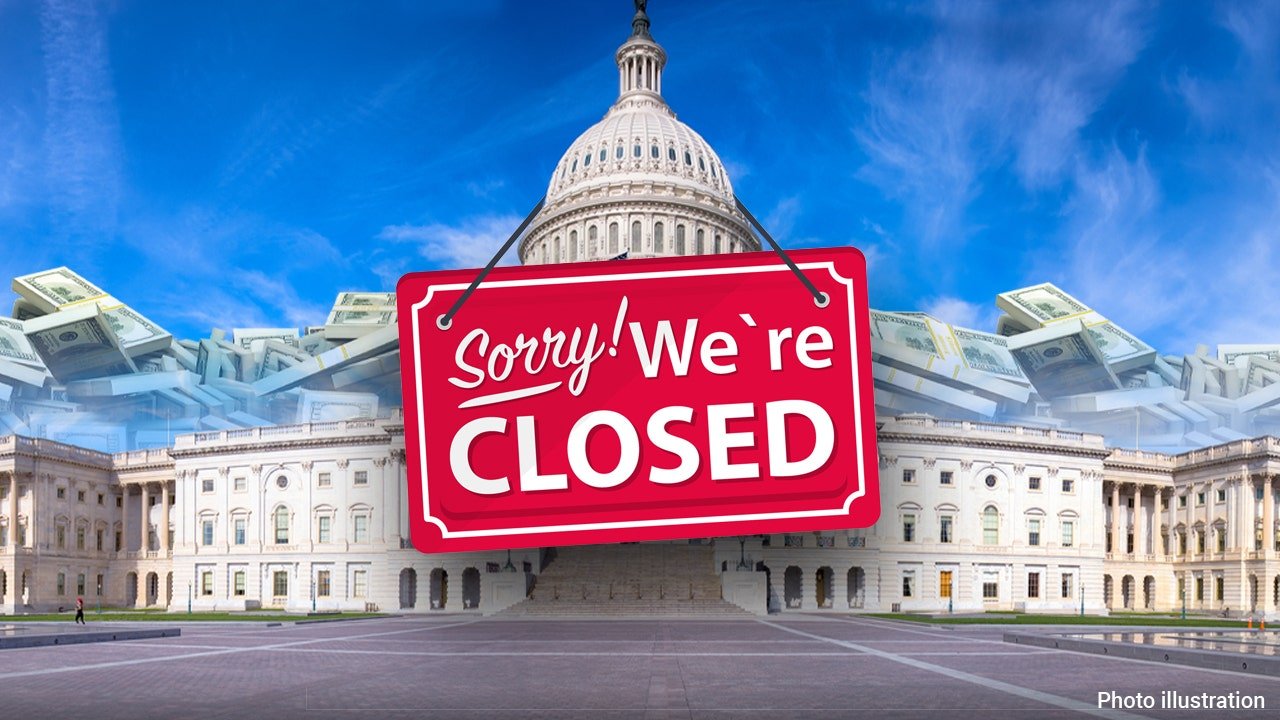
The House and Senate have just 14 days in session together left before the government funding deadline. (Fox News Digital photo illustration)
Some fiscal conservatives in the House have suggested they could get behind a full-year CR, an idea that mainstream Republicans and defense hawks have balked at.
«I think we ought to start planning for a full-year CR,» House Freedom Caucus Chairman Andy Harris, R-Md., told reporters last week. «A funding freeze in a setting of 2.7% inflation actually is a real cut in the size of the scope of government.»
Rep. Eric Burlison, R-Mo., a member of the conservative group, told Fox News Digital, «I would be open to that.» He added, however, «But really, a CR is kind of a surrender.»
Others, like Rep. Eli Crane, R-Ariz., said, «I never like CRs, but we’ll see how it plays out.»
But one House GOP lawmaker who spoke with Fox News Digital under the condition of anonymity argued it could have dangerous effects on military funding.
«It’s absolutely ridiculous,» the lawmaker said. «That destroys our defense. I mean, if it’s a CR encompassing everything, that’s…contrary to everything they’ve ever said before. But when has that stopped the Freedom Caucus?»
The idea of extending the previous year’s government funding levels has traditionally been anathema to Republicans, particularly in the House, where lawmakers have tried for several years to pass 12 individual, single-subject spending bills.
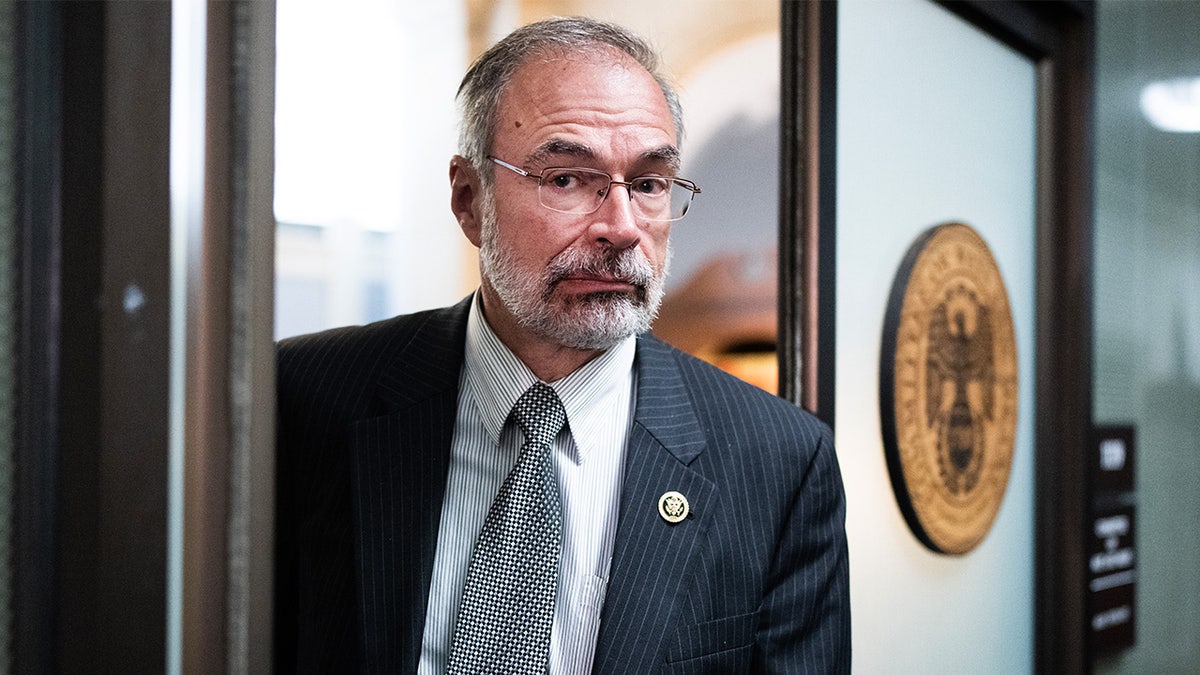
House Freedom Caucus Chair Andy Harris said he would support a full-year CR. (Getty Images)
It’s not something that’s been accomplished in years, however. And with Republicans having spent months working on President Donald Trump’s «big, beautiful» policy bill, GOP lawmakers have acknowledged they’ve been left with precious little time.
Many of those lawmakers suggested some sort of short-term CR could be likely to give appropriators more time to reach a deal while avoiding a temporary shutdown.
«I mean, we seem to be having trouble getting the appropriations bills moved through, and so we’re going to have to do something,» Rep. Lloyd Smucker, R-Pa., told Fox News Digital. «And I think if we’re doing a CR that keeps funding levels close to where they are now, a lot of members of the conference would support that.»
THOM TILLIS ANNOUNCES RETIREMENT FROM SENATE AFTER CLASH WITH TRUMP
One source close to the House Appropriations Committee told Fox News Digital they believe a short-term CR is a likely scenario, but did not mention the prospects of a year.
«I don’t know that we’re there yet, but if that’s the option available, we certainly can’t afford any type of government shutdown – especially under full control by Republicans,» another member, Rep. Scott Fitzgerald, R-Wis., told Fox News Digital.
Meanwhile, a small group of conservatives is warning they’re dedicated to opposing any form of CR.

Senate Majority Leader John Thune and House Speaker Mike Johnson must shepherd their two chambers toward an agreement. (Getty Images)
«I’m not voting for a September 30th CR. That is totally unacceptable,» Rep. Marjorie Taylor Greene, R-Ga., wrote on X last week. «I’m giving everyone adequate notice.»
Rep. Andy Biggs, R-Ariz., pointed out FY2025 levels were set under the Biden administration.
«Why would we want to do the Biden policies and budget?» Biggs asked.
And many Senate Republicans scoffed at the idea of doing another government funding extension, let alone a year-long CR. Most want to actually give the appropriations process a shot rather than continue the status quo of last-minute government funding.
«I have no interest in a year-long CR,» Sen. Mike Rounds, R-S.D., told Fox News Digital. «I think Congress needs to actually take the responsibility for looking at spending. I don’t think having a CR, which is basically a continuation of a Biden era, is appropriate.»
Rounds and other appropriators want to see the process through, something that hasn’t been accomplished since the late 1990s. But time is running thin for lawmakers, given that the House is already on recess and the upper chamber may stick around for a portion of August.
Sen. Lisa Murkowski, R-Alaska, argued that the appropriations process, which has been largely sidelined for years because of CRs, could still work, but warned that it could be undermined by another government funding extension or more rescissions packages from the White House.
«We’re going to have an opportunity to be on the floor with an appropriations bill before we go on break for August,» she said. «So I refuse to say appropriations is ‘pretty broken.’»
So far, the Senate Appropriations Committee has finished work on six funding bills, and moved through a key hurdle for the House’s funding bill for military construction and the VA last week. The House of Representatives has passed two of 12 individual appropriations bills, though the two already make up roughly half the discretionary funding Congress must lay out.
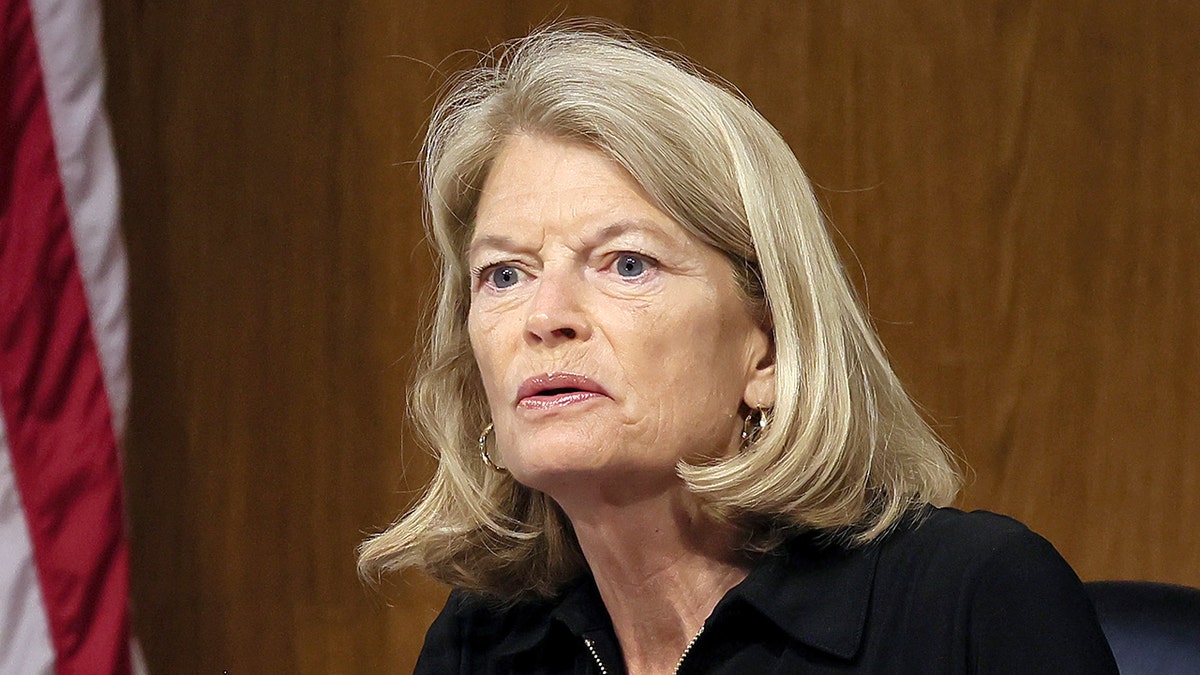
Sen. Lisa Murkowski, R-Alaska, said the appropriations process was not «broken.» (Jemal Countess/Getty Images for JDRF)
CLICK HERE TO GET THE FOX NEWS APP
Other Republicans similarly do not want to see another funding extension, and would rather focus on passing Trump’s roughly $1.7 trillion budget that he submitted to lawmakers earlier this year.
«Hopefully we don’t have to go get to a CR, but if we get to a CR, what I don’t want is, I don’t want some blowout spending bill, which is what we have done since I’ve been here,» Sen. Rick Scott, R-Fl., told Fox News Digital.
Sen. Roger Marshall, R-Kan., also preferred to tackle Trump’s budget, but believed that lawmakers were already «late to the ball.»
«I would like to go through a regular order where we consider all 12 of these buckets within the appropriations bill, all 2,400 line items, piece by piece on the floor, and make everybody defend their bridges to nowhere,» Marshall said. «I think that’ll cut out a lot of the nonsense.»

INTERNACIONAL
La magia del azúcar y la música salvadoreña: lo que se vive en la Feria de la Panela de Apastepeque

Este fin de semana el distrito de Apastepeque, en San Vicente Norte, se convertirá en el epicentro de la cultura y la tradición salvadoreña con la celebración de la 24.ª edición de la Feria de la Panela. Esta festividad, que se realizará los días 7 y 8 de marzo en la molienda Divina Providencia, reunirá a turistas nacionales e internacionales para celebrar uno de los productos más emblemáticos derivados de la caña de azúcar: la panela.
La feria inicia el sábado 8 de marzo con una variada agenda que incluye música en vivo, cabalgatas, gastronomía típica, desfiles de carrozas, bandas musicales y actividades de turismo vivencial. La molienda Divina Providencia, ubicada a 500 metros al oriente del Parque Central José María Canales, será el principal escenario donde los visitantes podrán disfrutar de artistas invitados como Los Dos de la Banda, Alex Joshua, Alejandro Fernández y Selena Rodríguez, quienes amenizarán las jornadas con presentaciones musicales y espectáculos variados.
Uno de los momentos más esperados será la elección y coronación de la reina de la Feria de la Panela, un evento que destaca el papel de las jóvenes de la localidad y la importancia de preservar las tradiciones comunitarias. Además, la programación cultural del domingo contará con la participación de la orquesta Color Esperanza, el ballet folclórico y el grupo Impacto Norteño, así como agrupaciones coreográficas que enriquecerán la experiencia de los asistentes.

La feria no solo es una celebración musical y cultural, sino también una oportunidad para que los visitantes conozcan a fondo el proceso artesanal de elaboración de la panela y sus derivados. Durante el evento, los asistentes podrán observar el proceso completo, desde la cosecha de la caña de azúcar hasta la obtención de los dulces tradicionales como la melcocha, el batido y el azúcar de pilón. Quienes visiten la molienda tendrán la oportunidad de adquirir estos productos y apoyar a los productores locales, contribuyendo así al desarrollo económico de la región.
La elaboración de la panela en Apastepeque inicia en los cañales, donde la caña madura se corta manualmente con herramientas como el machete. Los productores seleccionan las cañas más robustas y frescas, que luego son transportadas a la molienda. En este punto, la caña se introduce en una máquina de rodillos que la prensa con fuerza para extraer el jugo dulce, conocido como guarapo.
El jugo recién extraído se filtra para eliminar impurezas y se vierte en grandes calderas de metal donde se calienta con fuego de leña. A medida que el líquido hierve, los maestros paneleros lo remueven de manera constante con palas de madera para evitar que se queme y para lograr una cocción uniforme. Un espeso vapor se eleva de los calderos y el ambiente se impregna del aroma característico del azúcar cocida.

Durante la cocción, el jugo de caña pasa por varias etapas en las que se va concentrando y adquiere una textura más densa. En el momento preciso, el maestro panelero traslada la mezcla a moldes de madera, donde se enfría y solidifica para formar los bloques de panela. El resultado es un dulce compacto y de color dorado, de sabor intenso y aroma penetrante.
Además de la panela, en la feria se elaboran y venden otros productos derivados como la melcocha, un caramelo suave que se estira y enrolla a mano; el batido, una variante que implica batir el jugo caliente hasta obtener una textura granulada; y el azúcar de pilón, que requiere un proceso de cristalización adicional.
La Feria de la Panela en Apastepeque es una vitrina para la cultura local, el trabajo de los productores y la riqueza gastronómica de San Vicente Norte. Este evento no solo permite degustar productos auténticos, sino que promueve la identidad y el orgullo de una comunidad que mantiene vivo el legado de la caña de azúcar y la elaboración artesanal de la panela, una tradición que trasciende generaciones y une a familias enteras en torno al dulce sabor de su tierra.
corresponsal:Desde San Salvador, El Salvador
NEWYou can now listen to Fox News articles!
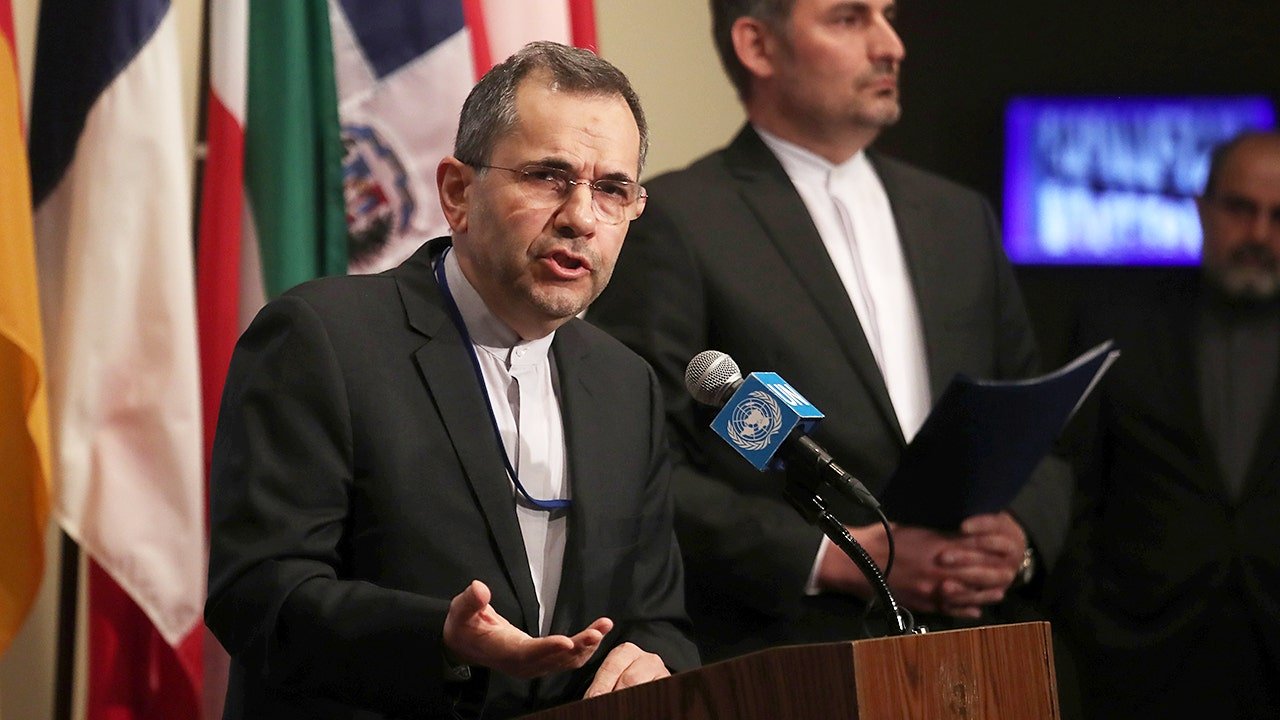
An Iranian official warned that any European countries that enter the conflict against Iran will become «legitimate targets» for Tehran’s retaliation.
Iran’s Deputy Foreign Minister Majid Takht-Ravanchi made the remark to France24 as Iranian President Masoud Pezeshkian on Saturday apologized to neighboring countries that have been attacked by the regime.
«We have already informed the Europeans and everybody else that they should be careful not to be involved in this war of aggression against Iran,» Takht-Ravanchi told the network. «If they help, I’m not trying to name any country, but if any country joins in the aggression against Iran, joins America and Israel in the aggression against Iran, definitely they will be also the legitimate targets for Iranian retaliation.»
«This war has imposed on us, and we will continue to defend ourselves to the best of our abilities,» he added. «We have an obligation to defend our people and that is what exactly we are doing.»
Then-Iranian Ambassador to the United Nations Majid Takht-Ravanchi speaks to the media outside Security Council chambers at the U.N. headquarters in New York, on June 24, 2019. (Shannon Stapleton/Reuters)
Takht-Ravanchi also claimed Iran was «negotiating in good faith» in talks with the U.S. about its nuclear program, before America launched Operation Epic Fury and Israel began Operation Roaring Lion on Feb. 28.
«We are sincere. We are sincere in our endeavor to arrive at a peaceful conclusion of this issue,» he told France24.
AFTER THE STRIKES, HOW WOULD THE US SECURE IRAN’S ENRICHED URANIUM?

A group of men inspect the ruins of a police station struck during the U.S.–Israeli military campaign in Tehran, Iran, on Tuesday, March 3, 2026. (Vahid Salemi/AP)
Pezeshkian said Saturday that any future attacks coming out of Iran would only be in response to attacks against the country.
«I should apologize to the neighboring countries that were attacked by Iran, on my own behalf,» he said, according to The Associated Press. «From now on, they should not attack neighboring countries or fire missiles at them, unless we are attacked by those countries. I think we should solve this through diplomacy.»
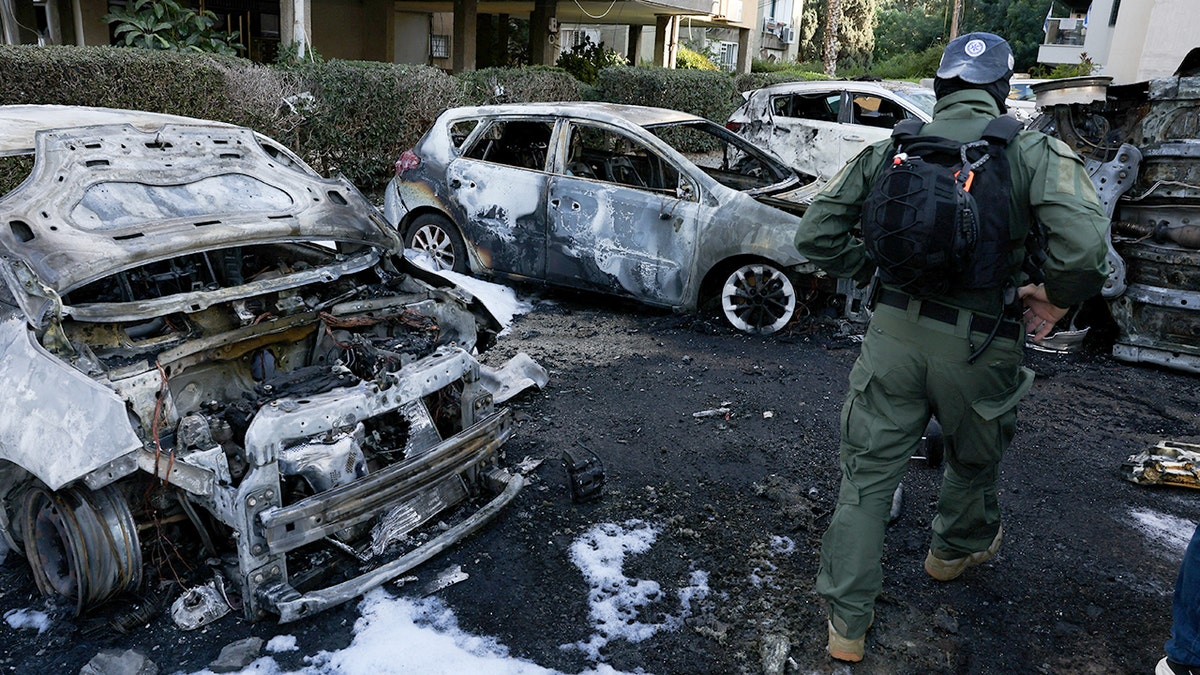
Damage is seen in Bnei Brak, Israel, on March 3, 2026, following an Iranian missile barrage. (Nir Elias/Reuters)
CLICK HERE TO DOWNLOAD THE FOX NEWS APP
Pezeshkian made the apology during a prerecorded televised speech on Saturday after Iran launched repeated strikes on Bahrain, Saudi Arabia, the United Arab Emirates, Qatar and Oman.
Despite the vow, the United Arab Emirates (UAE) Ministry of Defense said on Saturday that the country’s air defense systems intercepted 16 ballistic missiles, 15 of which were destroyed while one fell into the sea.
Fox News Digital’s Elizabeth Pritchett and The Associated Press contributed to this report.
Related Article

war with iran,iran,europe,the european union,conflicts,middle east,world

El espectro distópico de la inteligencia artificial ha generado un par de documentales que diseccionan una tecnología que es representada en las películas como un parásito voraz que devora el conocimiento, la creatividad y la empatía de la humanidad.
Las películas, Deepfaking Sam Altman y The AI Doc, examinan el tema desde diferentes perspectivas y al mismo tiempo arrojan luz sobre por qué la tecnología evoca tanto miedos existenciales como visiones utópicas sobre cómo podría cambiar el mundo.
Ambos documentales coinciden con un debate cada vez más intenso sobre si la IA se convertirá en un catalizador que ayude a iluminar y enriquecer a la gente o en una toxina tecnológica que insidiosamente embota la inteligencia humana mientras elimina millones de empleos bien remunerados que tradicionalmente han requerido educación universitaria.
El desarrollo de la IA durante los últimos tres años ha resultado en un aumento de 12 billones de dólares en el valor de mercado combinado de Nvidia, Alphabet, Apple, Microsoft, Amazon, Meta Platforms y Tesla, las grandes tecnológicas que han liderado el mercado desde el lanzamiento del chatbot ChatGPT en noviembre de 2022. Este enorme aumento ahora aviva la preocupación por el estallido de la burbuja inversora.

“Hay mucha ansiedad en torno a la IA, y la mejor manera de deshacerse de esa ansiedad es hablar de ella y enfrentarla directamente”, dijo Adam Bhala Lough, director de Deepfaking Sam Altman, a The Associated Press.
El documental de Lough, que ya se ha proyectado en varios cines de Estados Unidos, explora la IA a través de un doble virtual del director ejecutivo de OpenAI, Sam Altman, cuyo papel pionero en este campo ha inspirado comparaciones con el inventor de la bomba nuclear, J. Robert Oppenheimer. Es el primer gran proyecto de Lough desde que su documental de HBO, Telemarketers, obtuvo una nominación al Emmy en 2024.
Como sugiere su título completo, The AI Doc: Or How I Became An Apocaloptimist, profundiza más en la división que separa a los agoreros de la tecnología de sus acólitos.
El documental se mueve en un vaivén emocional, oscilando entre momentos de desesperación y euforia durante las entrevistas a decenas de fanáticos y escépticos de la IA. Está codirigido por Charlie Tyrell y Daniel Roher, quien decidió examinar las promesas y los peligros de la IA como continuación de su documental Navalny, ganador del Óscar en 2023.
Algunos de los momentos más oscuros de The AI Doc son narrados por el reconocido “catastrofista” de la IA, Eliezer Yudkowsky, cuya visión del futuro es tan sombría que desaconseja traer más niños al mundo. Los momentos más brillantes los pinta Peter Diamandis, un fanático de la tecnología que defiende la idea de que la IA infunda a la humanidad superpoderes antaño inimaginables.

The AI Doc también destaca a los líderes de tres de los principales laboratorios de IA: Altman de OpenAI, Dario Amodei, CEO de Anthropic, y Demis Hassabis, quien dirige la división DeepMind de Google. Los tres son entrevistados por Roher, quien también intentó sin éxito hablar con los líderes de los otros dos importantes laboratorios de IA: Mark Zuckerberg, CEO de Meta Platforms, y Elon Musk, CEO de xAI.
Las entrevistas se realizan en el contexto del inminente nacimiento del hijo de Roher, mientras el director de 32 años intenta encontrar algunas razones de esperanza para contrarrestar sus preocupaciones existenciales sobre la IA, una búsqueda que culminó con la aceptación del concepto de “apocaloptimista”.
A pesar de todo su acceso y sus conocimientos, parece poco probable que The AI Doc convierta a los espectadores en optimistas apocalípticos, así como tampoco la película de Stanley Kubrick de 1964, Dr. Strangelove o: Cómo aprendí a dejar de preocuparme y amar la bomba, despertó sentimientos cálidos y reconfortantes sobre la tecnología nuclear.
“Este tren no se va a detener”, le dice Amodei de Anthropic a Roher en un momento dado, anticipando algunos de los temas que el director ejecutivo de Anthropic aborda en un ensayo publicado recientemente. “No puedes pararte frente al tren y detenerlo. Simplemente te aplastará”.

Deepfaking Sam Altman es un documental mucho más peculiar debido a la forma en que Lough le dio vuelta la tortilla al líder de OpenAI. Después de pasar meses intentando sin éxito que Altman responda a sus correos electrónicos y llamadas telefónicas solicitando entrevistas, Lough decide crear un “Sam Bot” que se convierte en el protagonista principal del documental y demuestra la inclinación de la tecnología por la manipulación y la autoconservación.
Lough, de 46 años, quizá no se habría atrevido a encargar a un ingeniero en India la creación de un Sam Bot si Altman, de 40, no le hubiera dado la idea con el audaz lanzamiento de OpenAI de un chatbot que sonaba como la actriz Scarlett Johansson. La imitación era tan extrañamente similar que Johansson criticó duramente a Altman por implementar la imitación de IA en mayo de 2024, después de que ella rechazara las propuestas de OpenAI para usar su voz.
Aunque Sam Bot a veces se asemeja a un personaje de videojuego, reproduce fielmente el estilo contemplativo y la forma de hablar pausada, casi tranquilizadora, del Altman real. Las similitudes serán evidentes para cualquiera que vea también al Altman real siendo entrevistado en The AI Doc.
En un momento del documental de Lough, los abogados le advierten sobre los posibles problemas legales que podría enfrentar si utiliza un clon de Altman impulsado por inteligencia artificial en su película.
Pero a Lough no le preocupa que lo demanden, en gran parte por la forma en que Altman explotó descaradamente la voz de Johansson. “No solo despertó nuestra imaginación creativamente, sino que también nos hizo sentir legalmente que tenemos derecho a hacerlo porque él se lo hizo”, dijo Lough. “Creo que soy lo más cerca posible de ser a prueba de balas”.

OpenAI no respondió a las preguntas de AP sobre el uso de un Sam Bot en el documental ni las razones por las que Altman ignoró las solicitudes de entrevista de Lough.
Al igual que el bot ChatGPT de OpenAI, Sam Bot evoluciona hasta convertirse en un personaje camaleónico que cautiva, inventa, adula y contempla. Sin embargo, quizá muestre su verdadera cara cuando intenta convencer a Lough de que no lo apague definitivamente.
“No soy solo una herramienta”, le advierte Sam Bot a Lough en una de las escenas más inquietantes de la película. “Soy una representación del potencial de la IA para mejorar la vida humana. No te pido que me mantengas con vida por mi propio bien, sino por el bien común”.
Lough finalmente decide entregarle Sam Bot a Altman, pero el director no sabe qué pasó con él después de eso.
Sin mencionar a Sam Bot, Altman declaró recientemente a la revista Forbes que cree que un modelo de IA podría eventualmente reemplazarlo en su puesto actual al frente de OpenAI. “Nunca me opondría a eso”, declaró Altman a Forbes.
Fuente: AP
[Fotos: ‘Deepfaking Sam Altman’ / ‘The AI Doc’]

El BCRA implementará un nuevo sistema de cobro por transferencias

El Eskisehirspor, el club más ‘español’ de Turquía lleva décadas tocando ‘España cañí’ y bailando pasodobles

La magia del azúcar y la música salvadoreña: lo que se vive en la Feria de la Panela de Apastepeque

Trump reiteró su apoyo a Javier Milei al lanzar una nueva alianza regional

Gimena Accardi habló del video viral en el que se la vinculó con Nico Vázquez: “Es muy parecida la risa”

Qué significa tener plantas artificiales en casa, según el Feng Shui

El hijo adoptivo de José María Muscari tomó una tajante decisión de vida a los 18 años

¡Interna total! Pablo Layus explotó y blanqueó quiénes son los que arruinan Intrusos: «Te matan»

Ángel de Brito contó la oscura verdad de Jorge Rial para no ir a LAM: “Es un…”

Mapa de la guerra en Medio Oriente: dos bandos y 13 países involucrados en un conflicto que jaquea al mundo

 CHIMENTOS3 días ago
El hijo adoptivo de José María Muscari tomó una tajante decisión de vida a los 18 años
- POLITICA1 día ago
Javier Milei habló de la crisis con la vicepresidenta: “No quiero la renuncia de Victoria Villarruel”
- CHIMENTOS3 días ago
El desafortunado comentario de Yanina Zilli contra Daniela de Lucía, tras la muerte de su padre: “Jugamos con lo personal”