INTERNACIONAL
Greenland’s prime minister says ‘we choose Denmark’ over the US

NEWYou can now listen to Fox News articles!
Greenland’s prime minister declared Tuesday that, «we choose Denmark,» if it had to decide between remaining a Danish territory or becoming part of the United States, a report said.
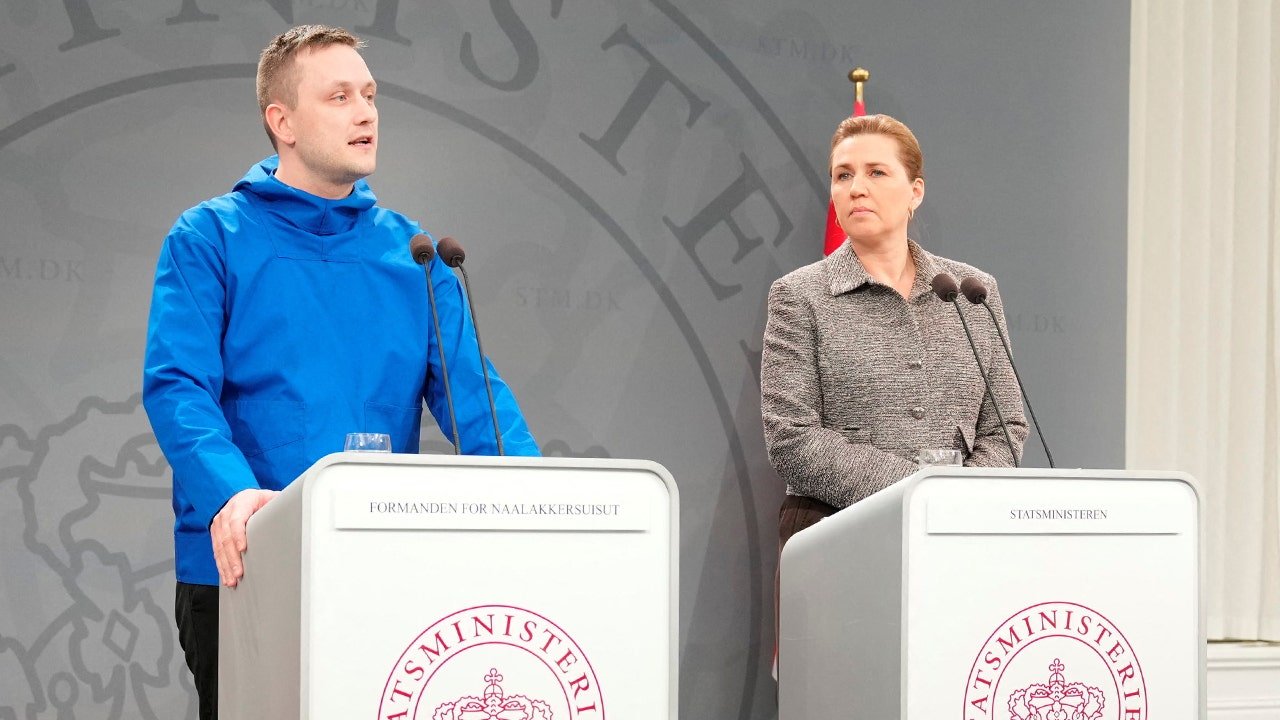
Jens-Frederik Nielsen made the remark while appearing alongside Danish Prime Minister Mette Frederiksen during a joint press conference in Copenhagen, according to Reuters.
«We face a geopolitical crisis, and if we have to choose between the U.S. and Denmark here and now then we choose Denmark,» Nielsen reportedly said. «We stand united in the Kingdom of Denmark.»
The comment comes as Denmark’s Foreign Minister Lars Lokke Rasmussen said he and his Greenlandic counterpart Vivian Motzfeldt are set to meet with Secretary of State Marco Rubio and Vice President JD Vance on Wednesday at the White House, Reuters reported.
TRUMP SAYS GREENLAND’S DEFENSE IS ‘TWO DOG SLEDS’ AS HE PUSHES FOR US ACQUISITION OF TERRITORY
Chairman of the Naalakkersuisut, Greenland’s Prime Minister, Jens-Frederik Nielsen, left, and Denmark’s Prime Minister Mette Frederiksen give a statement on the current situation at a press conference in the Hall of Mirrors at the Prime Minister’s Office in Copenhagen, Denmark, on Tuesday, Jan. 13, 2026. (Liselotte Sabroe/Ritzau Scanpix/Reuters)
«Our reason for seeking the meeting we have now been given was to move this whole discussion, which has not become less tense since we last met, into a meeting room where we can look each other in the eye and talk about these things,» Rasmussen said.
A source familiar with the matter confirmed to Fox News that Rasmussen will be visiting the White House.
President Donald Trump said on Sunday that the U.S. must acquire Greenland — not lease it — arguing the Arctic territory lacks defenses and warning that Russia or China would move in if Washington does not act, a move he said is critical to U.S. and NATO security.
EUROPEAN ALLIES WORKING ON PLAN IF US ACTS ON ACQUIRING GREENLAND: REPORT
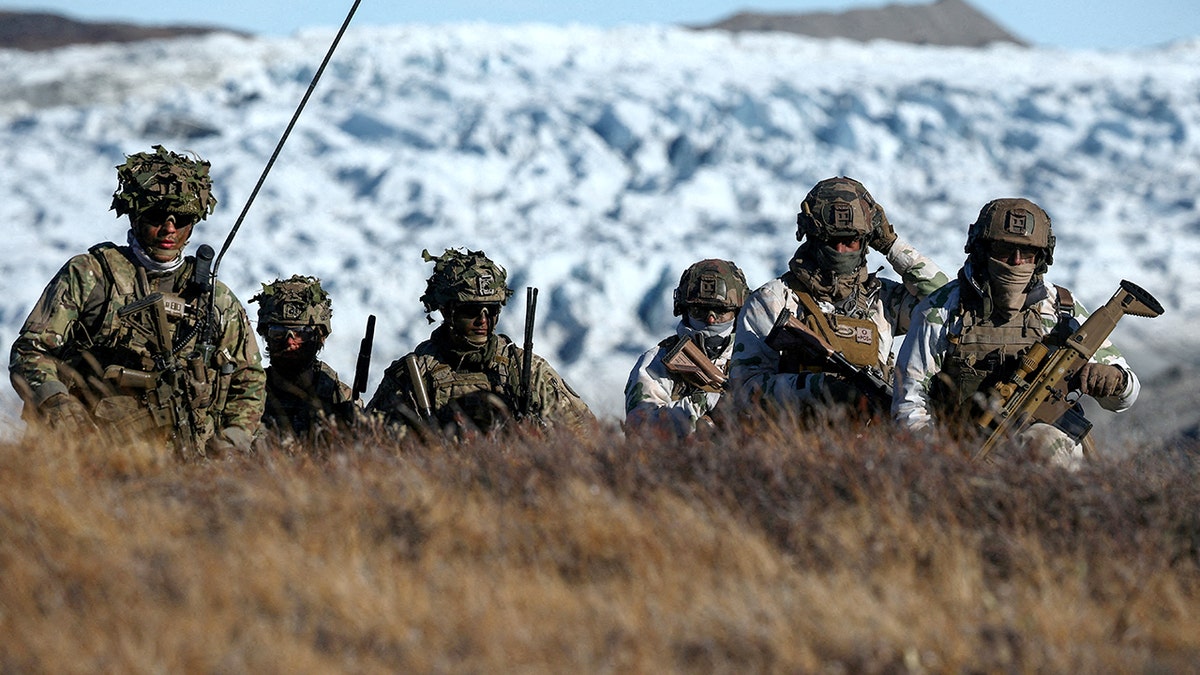
Danish troops practice looking for potential threats during a military drill in Kangerlussuaq, Greenland, on Sept. 17, 2025. (Guglielmo Mangiapane/Reuters)
While speaking with reporters on Air Force One on Sunday night, Trump was asked about Greenland and whether the U.S. had made an offer to acquire the territory from Denmark.
«I haven’t done that. Greenland should make the deal because Greenland does not want to see Russia or China take over,» he said. «Basically, their defense is two dog sleds. You know that? You know what their defense is? Two dog sleds.»
The president was also clear that his administration is not talking about leasing Greenland short term, but only about acquiring the Danish territory.

President Trump has heightened his rhetoric surrounding the U.S. acquiring control of Greenland. (Carsten Snejbjerg/Bloomberg via Getty Images)
CLICK HERE TO GET THE FOX NEWS APP
«If we don’t do it, Russia or China will, and that’s not going to happen when I’m president,» Trump said.
Fox News’ Patrick Ward and Greg Wehner contributed to this report.
greenland,europe,donald trump,jd vance,marco rubio,foreign policy,politics,world










INTERNACIONAL
Pakistán emerge como mediador clave entre Donald Trump e Irán para frenar la escalada en el Estrecho de Ormuz

¿En Islamabad esta semana?
¿Quién negociará?
“Fake news” y la interna iraní
¿Trump frenará los ataques?
El Golfo con sus economías destruidas
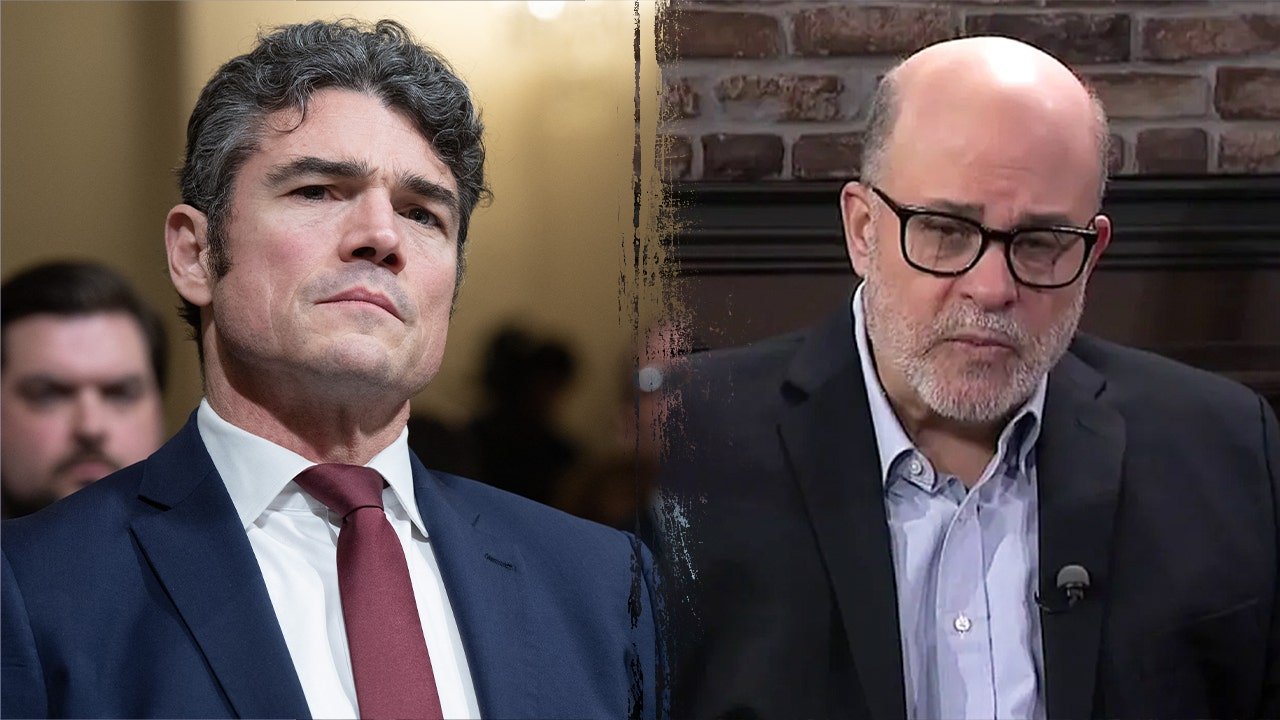
Dan Bongino slams Joe Kent’s comments about Iran
Former FBI deputy director Dan Bongino criticizes former National Counterterrorism Center Director Joe Kent for his claims that Iran was not an imminent threat to the United States on ‘Hannity.’
NEWYou can now listen to Fox News articles!
Former counterterrorism official Joe Kent sparred with conservative radio host and Fox News personality Mark Levin on his syndicated radio show Monday, denying leak allegations, breaking with the Trump administration over Iran, and saying Israel «forced President Trump into this war.»
«I never leaked any classified information,» Kent said, as Levin pressed him on reports he was under investigation by the FBI for leaking.
Three sources familiar with the matter have told Fox News the FBI probe into Kent predated his resignation.
Kent also disputed the administration’s case for the conflict with Iran, saying «there was no imminent threat coming from Iran against Americans.»
Kent resigned March 17 as director of the National Counterterrorism Center (NCTC), issuing a public letter claiming the U.S. entered the conflict due to «pressure from Israel,» a position he has since defended in multiple media appearances.
Kent maintained that U.S. intelligence did not support the administration’s justification for military action in Iran, asserting «we had no intelligence that said that Iran was working to develop a nuclear weapon,» a claim that runs counter to assessments publicly cited by top administration officials.
Kent’s resignation makes him the highest-ranking figure in the Trump administration to step down over the Iran war, a rare instance of open dissent from a senior national security official. His assertions put him at odds with top intelligence and defense officials who have said Iran posed an immediate threat.
INSIDE JOE KENT’S ABRUPT FALL AS GOP BACKLASH GROWS OVER ANTISEMITISM ACCUSATIONS, FBI PROBE
(Former counterterrorism official Joe Kent sparred with Mark Levin in a heated interview Monday, denying leak allegations, breaking with the Trump administration over Iran, and saying Israel «forced President Trump into this war.»)
«Joe Kent’s self-aggrandizing resignation letter and recent comments are riddled with lies. Most egregious are Kent’s false claims that the largest state sponsor of terrorism somehow did not pose a threat to the United States and that Israel forced the President into launching Operation Epic Fury,» White House spokesperson Davis Ingle told Fox News Digital. «As Commander-in-Chief, President Trump took decisive action based on strong evidence which showed that the terrorist Iranian regime posed an imminent threat and was preparing to strike Americans first.»
Levin, a staunch advocate of the U.S. alliance with Israel and host of weekend program «Life, Liberty and Levin» on Fox, repeatedly challenged Kent’s claims throughout the roughly 22-minute interview, turning what began as a policy discussion into a pointed back-and-forth over intelligence, Israel and Trump’s decision-making.
Levin rejected Kent’s assertion that Israel drove the U.S. into war, calling it «conspiratorial» and pushing back on the idea that a foreign government could dictate American military action.
«Why do you create a conspiratorial notion that Israel dragged the powerful Donald Trump into war?» Levin asked on his radio show, «The Mark Levin Show.» «Do you have no respect for Donald Trump’s agency that he has the capacity to make these decisions himself?»
Kent responded, «I believe that he was influenced by a media echo chamber and by the Israelis.»
Kent also argued that «the Israelis forced President Trump into this war,» a claim Levin repeatedly pushed back on during the exchange.
Kent elsewhere described the decision as influenced by Israeli pressure.
Kent maintained that «there was no intelligence that said that Iran was working to develop a nuclear weapon.»
As director of the NCTC, Kent would have had access to high-level intelligence assessments, including threat reporting and interagency analysis used to brief senior policymakers. Administration officials have told Fox News he was not included in discussions surrounding the Iran conflict known as Operation Epic Fury.
Levin countered, saying, «The president agrees with his own conclusions. The CIA director says you’re wrong.»
Asked Wednesday during a Senate hearing if he disagreed with Kent’s assessment that Iran did not pose an imminent threat, CIA Director John Ratcliffe said he did.
«I think Iran has been a constant threat to the United States for an extended period of time and posed an immediate threat at this time,» Ratcliffe said.
Levin also questioned Kent’s credibility, telling him, «I hope when you tell me you haven’t leaked that you are telling me the truth.»
Kent also indicated that efforts to investigate potential foreign links to the killing of Charlie Kirk and the attempted assassination of President Donald Trump in Butler, Pennsylvania, were not fully carried out.
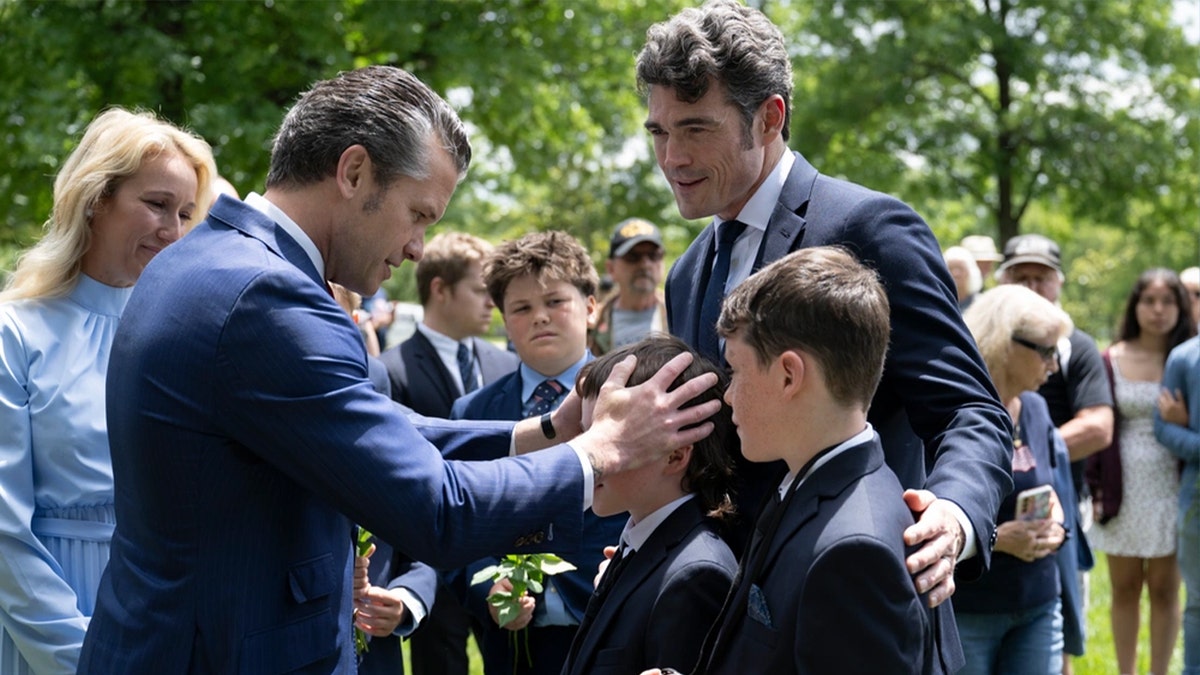
War Secretary Pete Hegseth greets one of Joe Kent’s sons. The former National Counterterrorism Director is a father of two and a Gold Star spouse. (U.S. Army photo by Elizabeth Fraser / Arlington National Cemetery)
GABBARD SIDESTEPS IRAN ‘IMMINENT THREAT’ CLAIM UNDER SENATE GRILLING
«What I know is that there were foreign leads that we didn’t get a chance to look into. From my vantage point at the National Counterterrorism Center, that was not thoroughly looked into,» Kent said, referring to the killing of conservative activist Charlie Kirk.
In other interviews, Kent has pointed to social media posts made before the attack and suggested authorities should examine whether any individuals had prior knowledge or made threats ahead of the violence.
Levin pressed Kent on whether he was suggesting a specific country, including Israel, may have been involved, but Kent stopped short of naming any nation, saying only that potential foreign links should be investigated.
On Thomas Matthew Crooks and the attempted assassination of Trump in Butler, Pennsylvania, Kent said: «We should investigate to see if there’s any linkage, particularly between Iran and the Iranian agent who was convicted for plotting an assassination attempt against President Trump.»
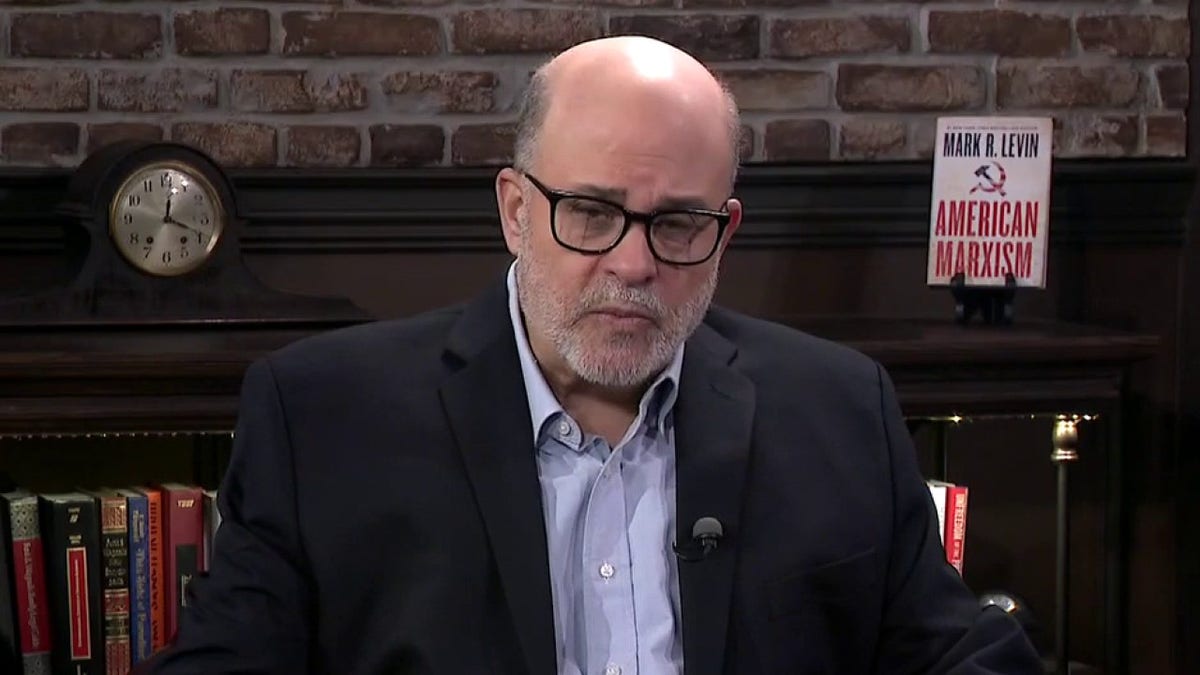
«I never leaked any classified information,» Kent said, as Levin pressed him on reports he was under investigation by the FBI for leaking (Fox News)
Kent pointed to the case of Asif Merchant, a man convicted in federal court for attempting to orchestrate a political assassination plot tied to Iran’s Revolutionary Guard.
CLICK HERE TO DOWNLOAD THE FOX NEWS APP
Endorsed by Trump in two unsuccessful congressional campaigns, Kent rose to MAGA stardom in large part on opposition to «endless wars» after the death of his wife Shannon Kent in a suicide bombing in Syria in 2019.
Kent could not be reached for comment.
Tulsi Gabbard, the director of National Intelligence, has not publicly weighed in on Kent’s claims and largely has deferred to the president’s assessment of the Iran threat in recent public appearances. It’s not clear who has taken on Kent’s duties as director of the NCTC.
The Office of the Director of National Intelligence and Israeli embassy could not immediately be reached for comment.
war with iran, national security
El extenso complejo militar situado en el corazón de Buenos Aires, donde miles de personas fueron torturadas y desaparecidas durante la dictadura militar argentina hace medio siglo, se ha convertido en un memorial, un monumento al compromiso del país con la verdad y la justicia.
Pero los profundos recortes en el presupuesto federal realizados por el presidente Javier Milei tras su toma de posesión hace tres años han perjudicado al monumento, dicen los trabajadores.
El museo del lugar cierra tres días a la semana. Se ha despedido a muchos miembros del personal. Los proyectores que antes mostraban en las paredes los rostros de los generales de la Junta están rotos y nadie los ha reparado. El centro cultural del yacimiento está cerrado.
Carlos Muñoz, activista político durante la dictadura, expresó su enojo mientras recorría las salas donde estuvo detenido y fue torturado. Dijo también que es difícil superar la depresión y el sentimiento de derrota.
El martes, el país conmemora el 50 aniversario de un golpe militar que dio paso a una brutal dictadura de siete años que secuestró, torturó y asesinó a decenas de miles de personas.
Pero en lugar de ser un momento de homenaje colectivo, el aniversario ha quedado atrapado en una lucha partidista.
Leé también: 50 años del golpe: artistas y periodistas recuerdan el 24 de marzo de 1976, el día más oscuro de la argentina
Mientras los familiares siguen buscando los cuerpos de los desaparecidos y de al menos 300 niños que los militares les robaron y entregaron a otros para que los criaran, chocan con un gobierno que está quitando financiamiento a los grupos que llevan a cabo las búsquedas y promueve un relato revisionista de la dictadura.
El gobierno de Milei y sus aliados sostienen que durante décadas la izquierda ha distorsionado la historia de la dictadura, haciendo demasiado hincapié en los crímenes de Estado e ignorando la violencia de los grupos guerrilleros políticos de izquierda.
La oficina del presidente no respondió a una solicitud de comentarios. En campaña, Milei describió los crímenes de la dictadura militar como “excesos” en medio de una guerra.
El gobierno de Milei redujo el papel de la Subsecretaría de Derechos Humanos y recortó su financiación. El gobierno también dejó de financiar a varios grupos de derechos, entre ellos el más destacado, las Abuelas de Plaza de Mayo, fundado por familiares de desaparecidos.
Grupos y sobrevivientes dicen que el gobierno está socavando los cimientos de la democracia moderna de Argentina, lo que amenaza un pacto social erigido sobre la verdad, la memoria y los derechos humanos.
Manuel Gonçalves Granada, cuyo padre fue desaparecido y cuya madre fue asesinada por la Junta Militar, consideró que las acciones del gobierno son un insulto a la construcción más luminosa que supo hacer el país de lo más oscuro y siniestro que padecieron.
Leé también: Del “Nunca Más” a las 361 sentencias: hitos, retrocesos y reapertura de las causas por la dictadura
La semana pasada, expertos en derechos humanos de las Naciones Unidas expresaron su “profunda preocupación” por las “medidas regresivas adoptadas en Argentina, que amenazan con socavar cuatro décadas de avances ejemplares en materia de memoria, verdad y justicia”.
Los militares argentinos tomaron el poder en un golpe de Estado en 1976, aparentemente para poner fin a una espiral de violencia entre guerrilleros políticos de izquierda –que se dedicaban a cometer atentados y secuestros– y escuadrones de la muerte respaldados por el gobierno.
Los métodos de la dictadura evolucionaron rápidamente hacia un terrorismo de Estado sistemático. Los militares abrieron cientos de campos de concentración secretos en todo el país, donde se torturaba y asesinaba a personas, incluidos activistas políticos, estudiantes, profesores y trabajadores sindicales.
Las mujeres daban a luz en cautiverio y sus bebés les eran arrebatados y a menudo criados por los generales que supervisaban la represión.
Veinte años después del retorno del país a la democracia en 1983, a principios de la década de 2000, un gobierno de izquierda juzgó a los responsables de la dictadura y condenó a más de 1000 a prisión. Pidió perdón a las víctimas en nombre del Estado e incorporó el recuerdo en la política estatal.
Las madres de los desaparecidos, que en 1977 habían empezado a protestar en la Plaza de Mayo de Buenos Aires exigiendo respuestas a la Junta, se convirtieron en iconos internacionales de los derechos humanos.
Leé también: Tienen entre 18 y 20 años, nacieron en democracia y responden: ¿Qué sabés del Golpe de Estado de 1976?
Dado que la represión de la dictadura fue clandestina y que muchas personas fueron arrojadas vivas desde helicópteros a un río argentino, el Río de la Plata, o enterradas en fosas comunes secretas, se desconoce el número exacto de víctimas. Grupos de derechos humanos sitúan la cifra en 30.000.
Milei ha defendido una cifra mucho menor, de 9000, a partir de un informe de 1984 de una comisión gubernamental que, según las organizaciones de derechos humanos, solo era preliminar.
Cuando se presentaba a las elecciones presidenciales, Milei atacó la “estafa de los derechos humanos” y acusó a una dirigente de Abuelas de Plaza de Mayo de ser “totalitaria”.
Tras convertirse en presidente, Milei despidió a casi la mitad del personal de un organismo gubernamental creado para ayudar a encontrar a los niños sustraídos a los desaparecidos, recortó gran parte del presupuesto destinado al memorial del complejo militar y redujo la participación del gobierno en los juicios de los acusados implicados en la dictadura.
Aunque muchas de estas políticas entran dentro de los recortes presupuestarios generales, el gobierno federal también ha dejado de trabajar con las Abuelas de Plaza de Mayo, dijeron miembros de la asociación, y está promoviendo un discurso revisionista que hace hincapié en los crímenes de la guerrilla.
La vicepresidenta, Victoria Villarruel, sobrina de un coronel militar que formó parte de la dictadura, ha declarado que las sentencias contra militares son “injustas”.
En 2024, un grupo de legisladores del partido de Milei visitó a militares encarcelados por crímenes contra la humanidad y posaron juntos para una foto. Tras enfrentarse a una reacción violenta, algunos legisladores dijeron que habían sido engañados para realizar la visita, mientras que otro la calificó de gesto humanitario.
Leé también: A 50 años del Golpe, se agotan las “verdades selladas” del kirchnerismo y tampoco prende la versión de Milei
Durante los dos últimos aniversarios del golpe, el gobierno ha publicado un video en el que cuestiona el número oficial de muertos y califica la represión estatal de guerra.
“No decimos que la dictadura fuera buena. No decimos que no hubo violaciones de los derechos humanos, ni negamos los desaparecidos”, dijo Agustín Laje, intelectual argentino que aparece en el video. “Decimos que, del otro lado, la izquierda también cometió violaciones de los derechos humanos”.
Laje recientemente estuvo en un festival de derecha en el que Milei habló. Otro orador, Nicolás Marquez, un experto de extrema derecha, apuntó contra las madres de la Plaza de Mayo. “Celebramos que las madres de los terroristas se hayan quedado sin financiación”, dijo. “Se acabó su estafa a la memoria”.
Aunque muchos sobrevivientes de la dictadura dicen estar seguros de que la mayoría de los argentinos no abrazan una reinterpretación de aquella época traumática, algunos dijeron temer la promoción de un relato alternativo en el discurso oficial del Estado.
Claudia Poblete Hlaczik, de 48 años, que fue criada con otro nombre por un general militar tras el secuestro de sus padres, dijo que, hasta los 21 años, el relato de su hogar describía a las madres de Plaza de Mayo como mujeres “locas” que “buscaban venganza” y a los desaparecidos como terroristas.
Dijo que el discurso con el que fue educada, es muy similar al que mantiene actualmente el gobierno. Esa retórica, añadió, le impidió buscar su verdadera identidad a pesar de tener dudas sobre la avanzada edad de la pareja que se hacía pasar por sus padres. Ahora le preocupan otros como ella.
Leé también: El hijo de Julio López a 50 años del Golpe: “Callar a mi padre era que muchos genocidas no fueran condenados”
Dijo que, en caso de que se desmantelen las políticas de la búsqueda de la verdad, además de que el discurso público niega la realidad, no queda claro qué pueden hacer quienes tienen dudas.
A pesar de haber perdido la financiación pública, las Abuelas de Plaza de Mayo recaudan dinero y siguen encontrando a los hijos de los desaparecidos nacidos en cautiverio, ahora hombres y mujeres adultos.
Este mes, un equipo forense argentino recuperó los restos de 12 víctimas de la dictadura, enterradas en fosas comunes en la ciudad de Córdoba. Los juicios contra los perpetradores, interpuestos por sobrevivientes, familiares de las víctimas y otras personas, siguen su curso.
Sin embargo, quienes buscan la verdad sobre lo ocurrido durante la dictadura, un esfuerzo apoyado durante mucho tiempo por gobiernos de izquierda, ahora no consideran al Estado como un aliado, sino como un obstáculo.
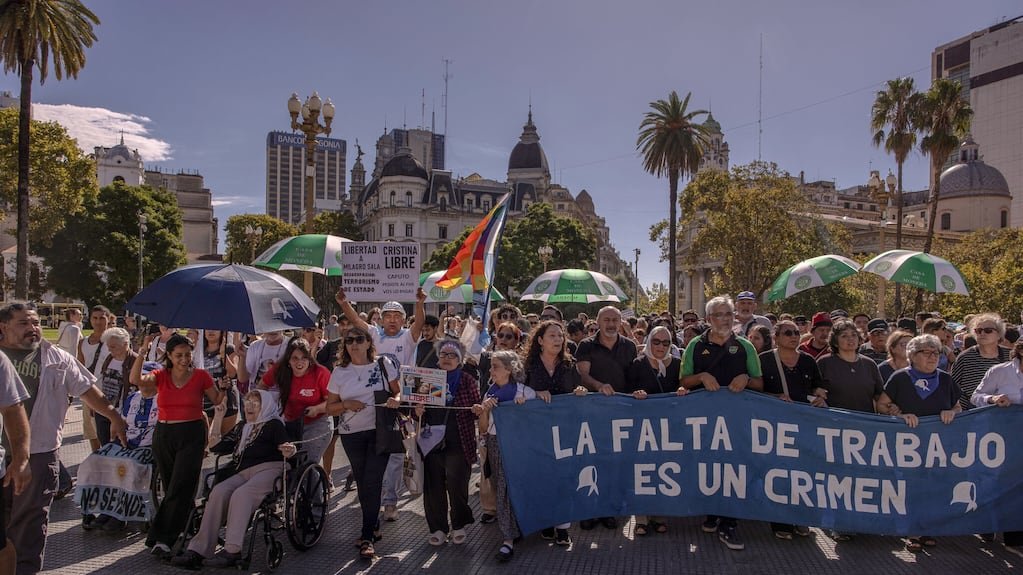
Desde hace casi 50 años, las Madres de Plaza de Mayo se reúnen todos los jueves en la plaza exigiendo noticias de sus hijos aún desaparecidos. Hace poco cantaron “Milei, basura” mientras marchaban.
Pina de Fiore, de 94 años, cuyo hijo, Enzo Fiore, obrero de la fábrica Peugeot, fue detenido y desaparecido en 1977, estaba sentada en una silla de ruedas. Ha asistido a estas marchas durante más de cuatro décadas, llevando el característico pañuelo blanco de las Madres.
Dijo que aún no han encontrado a su hijo y el gobierno no está ayudando.
Emma Bubola es reportera del Times que cubre Argentina desde Buenos Aires.
The New York Times, data-cc, data-cc-nyt

Pakistán emerge como mediador clave entre Donald Trump e Irán para frenar la escalada en el Estrecho de Ormuz

Mauro Icardi y la China Suárez en el país: la salida con las hijas de Wanda Nara y los niños de la actriz

Banco Macro conmemoró en Nueva York sus dos décadas de cotización en Wall Street

Estudiantes vs. Central Córdoba: formaciones, hora y dónde ver por tv

Dejar un frasco con granos de choclo en la cocina: por qué lo recomiendan y para qué sirve

Ex-Trump counterterror chief Kent clashes with Levin, rejects Iran threat claims

¿FIN DE CICLO? Escándalo por la mansión no declarada y viajes de lujo empujan a Manuel Adorni fuera del Gobierno: Su salida sería inminente

»¡VAN A FUNDIR A MEDIO PAÍS!»: El lapidario diagnóstico de Roberto Cachanosky sobre el plan de Milei

Apareció otra factura y complica más a Adorni: el vuelo de vuelta también lo pagó su amigo Grandio

ALERTA FINANCIERA: 4 de cada 10 argentinos ya no pueden pagar sus deudas. ¡Caputo debe actuar ya!

 POLITICA2 días ago
»¡VAN A FUNDIR A MEDIO PAÍS!»: El lapidario diagnóstico de Roberto Cachanosky sobre el plan de Milei
- ECONOMIA2 días ago
ALERTA FINANCIERA: 4 de cada 10 argentinos ya no pueden pagar sus deudas. ¡Caputo debe actuar ya!
- POLITICA20 horas ago
El mensaje de Milei sobre la “traición” que llamó la atención en el Gobierno y también en la oposición