INTERNACIONAL
Gustavo Petro sugirió que Jesús tuvo relaciones sexuales con María Magdalena y la Iglesia colombiana salió a repudiarlo

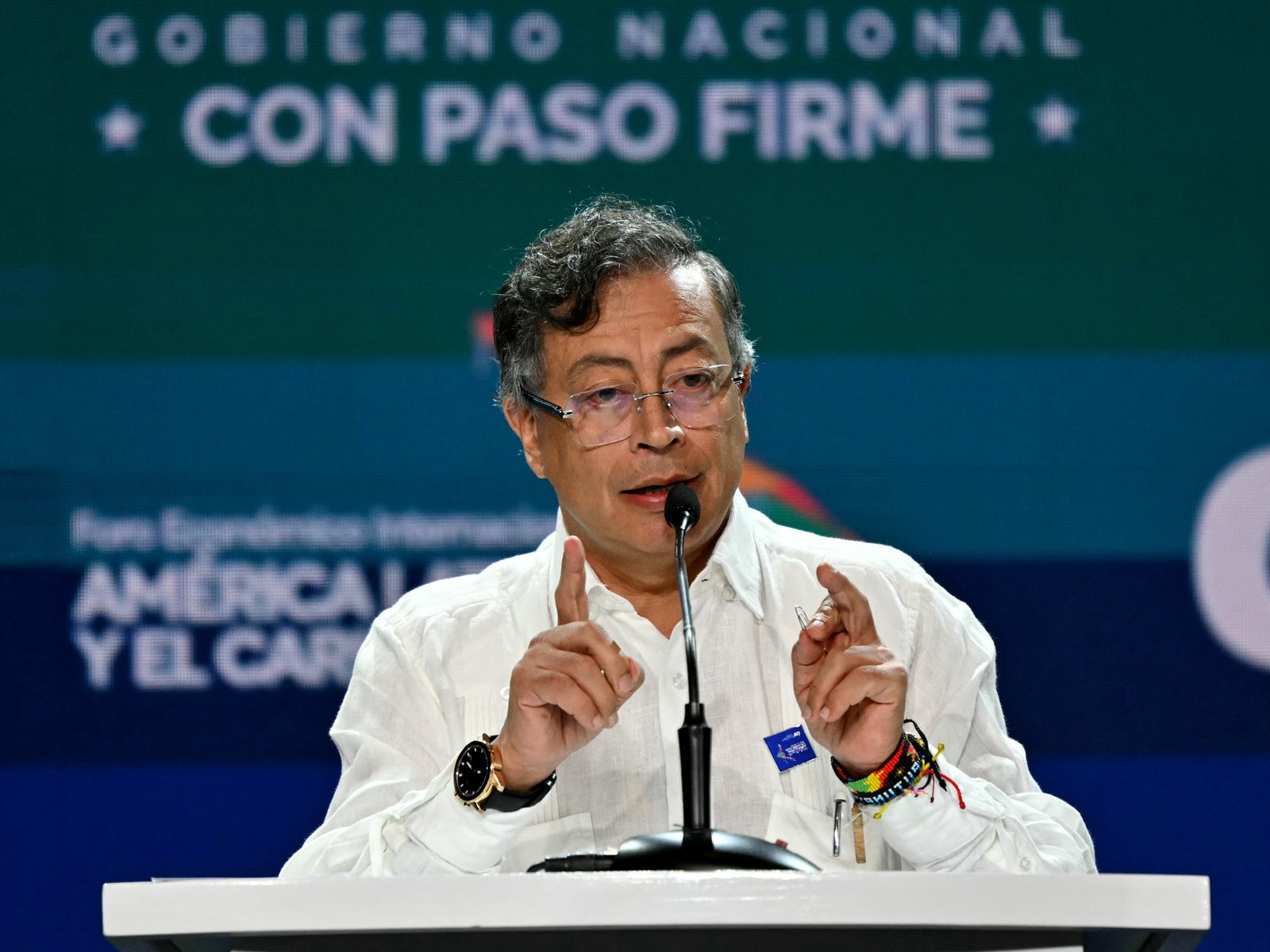
El presidente de Colombia, Gustavo Petro, quedó envuelto en otra polémica discursiva. Esta vez, sus dichos sobre Jesús y sus conclusiones en torno a la presunta vida sexual de la figura central del cristianismo le valieron el rechazo de distintos sectores de la Iglesia de su país, que calificaron a sus palabras como una falta de respeto y una tergiversación de “la verdad histórica, bíblica y teológica”.
Entre otras cuestiones, el líder colombiano aseguró que “Jesús hizo el amor, a lo mejor con María Magdalena”. Según su opinión, un hombre con las características que le atribuyen al “hijo de Dios”, en la vida real, “no podría existir sin amor”.
“Y la mujer lo apoyó hasta el último momento, y él no murió como Bolívar, murió rodeado de las mujeres que lo amaban. Y eran muchas”, afirmó el funcionario, quien se asume “católico, pero no practicante” y gobierna un país en el que el 79% de los 50 millones de colombianos se consideran católicos y un 10% profesan otras ramas del cristianismo.
Las expresiones de Petro, que se escucharon durante la reapertura del Hospital San Juan de Dios, en Bogotá, generaron un fuerte repudio de las autoridades eclesiásticas del país, tanto del catolicismo como por parte de las iglesias evangélicas. El motivo central tiene que ver con que, de acuerdo con la doctrina cristiana, Jesús llevó adelante una vida célibe.
En este sentido, la Conferencia Episcopal de Colombia emitió un comunicado en el que señaló que “ningún funcionario ni otra persona está llamado a emitir conceptos de orden teológico sobre las convicciones religiosas o doctrinales de los ciudadanos y, al contrario, el Poder Público tiene la obligación de proteger a las personas en sus creencias y mantener relaciones armónicas y de común entendimiento con las confesiones religiosas”.
ATENCIÓN ✅ | Los Obispos Católicos de Colombia reiteran su fe en Jesucristo y llaman al respeto por las creencias religiosas.
🌐 Conozca el mensaje oficial👇🏽https://t.co/0kLebFEPoa
— Conferencia Episcopal de Colombia (@episcopadocol) January 28, 2026
El texto, además, dejó en claro que para la comunidad cristiana el nombre de Jesús es “santo y su persona reviste no solo la importancia del personaje histórico, sino que reclama el respeto y la adoración con la que se trata al Dios Verdadero”.
En el mismo sentido, la Confederación Evangélica colombiana difundió un escrito en el que consideró que las afirmaciones del presidente «tergiversan la verdad histórica, bíblica y teológica» y «constituyen una falta de respeto» hacia Jesús.
El discurso de Petro en el centro de salud no fue polémico sólo en el plano religioso. En otro tramo del mismo mensaje sostuvo que hace «cosas muy buenas en la cama» y también habló de sus supuestas habilidades para «conquistar a las mujeres».
En este caso, aludió a esa temática en referencia posibles temas de conversación con su par estadounidense, Donald Trump
«No me interesa qué hizo el señor Trump en la cama. Ni le preguntaré. Ni a ningún periodista chismoso le debe interesar qué hago yo en la cama. Hago cosas muy buenas y pienso. Y nadie se olvidará de mí porque seré inolvidable ahí», dijo el mandatario.
De la misma manera, dijo que «el poder no se puede meter en la cama íntima porque muere la libertad en el mundo inmediatamente». «Automáticamente nos convertimos en esclavos y esclavas y conmigo no se hará, así se mueran de la curiosidad de qué hago, pero no les cuento. Pienso. Creo que genero mis mejores ideas. Por eso, mis trinos más famosos se hacen cuando no duermo”, aseveró.
En otro controvertido fragmento, el mandatario se refirió al robo de celulares y planteó una hipótesis que tampoco fue bien recibida. Afirmó que el robo de celulares en la capital colombiana se produce «por amor». “Son los mayores rateros de Colombia, no ese muchacho que se roba un celular; lo hace por la novia, siempre por amor, y se pueden tirar la vida”, manifestó.
En la teoría que expuso el presidente, «no se roban los celulares para venderlos o comprar drogas; los jóvenes bogotanos se roban los celulares en el centro para dárselos a las novias”.
Después, cuestionó que a los bebés los llamen Bryant o Kevin porque son nombres «de otra civilización”, e hizo extrañas apreciaciones sobre el embarazo adolescente.
“Se tiran a las muchachas porque las dejan embarazadas de jóvenes y se pisan (…) Los árabes sabían de eso, no puedes tener más mujeres que las que puedan vivir en condiciones económicas”, elucubró.

INTERNACIONAL
Soros-backed DA sparks backlash after blaming Old Dominion shooting on pro-gun lawmakers: ‘F— right off’
NEWYou can now listen to Fox News articles!
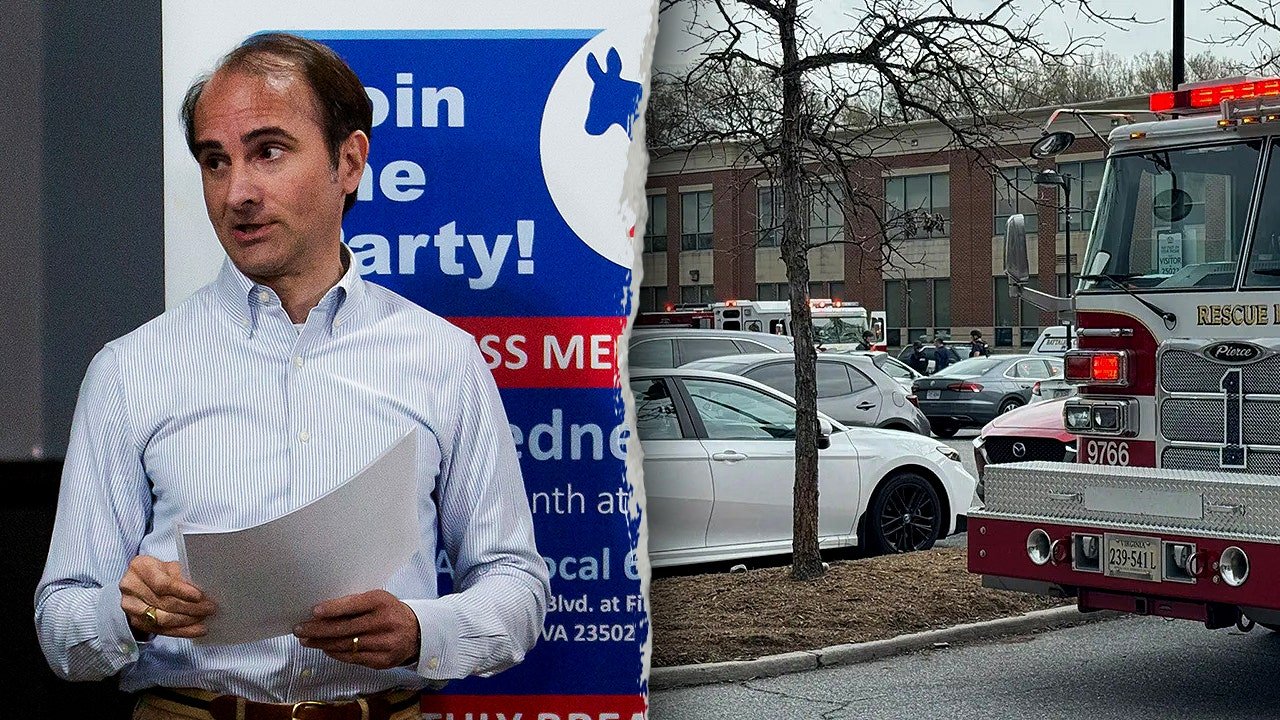
The George Soros-backed district attorney in Norfolk, Virginia, where Thursday’s mass shooting at Old Dominion University took place, doubled down on his viral comments, saying community members looking to place blame on the shooting should direct it towards pro-gun lawmakers and judges.
Commonwealth’s Attorney Ramin Fatehi was pressed by Fox News Digital to elaborate on his comments during the press conference earlier, prompting him to stand by his comments.
«I absolutely stand by what I said. It is the truth, no matter how much the gun lobby wants to deny it,» Fatehi said when asked if he stood by his comments despite Thursday’s mass shooter in Virginia having a public record of supporting Islamic terrorism.
The shooter, a former National Guardsman and naturalized citizen from Sierra Leone, was previously sentenced in 2017 for attempting to provide material support to ISIS, but appears to have been released by the federal Bureau of Prisons in late 2024 during the Biden administration.
NYC BOOSTS PATROLS AMID ‘HEIGHTENED THREAT ENVIRONMENT,’ AFTER GUNMAN RAMS TRUCK INTO MICHIGAN SYNAGOGUE
City of Norfolk Commonwealth’s Attorney Ramin Fatehi (left) can be seen next to an image from Thursday’s mass shooting at Old Dominion University located in Norfolk, Virginia. (Kristen Zeis/For The Washington Post via Getty Images (left) and Norfolk Police Department (right))
«No matter the ideology of an attacker, that attacker is more dangerous with a gun than without one,» Fatehi, whose top two donors include the Soros-subsidized Justice and Public Safety PAC and Democracy PAC, said. A Fox News Digital review found that the two Soros-funded PACs donated over $650,000 combined to his campaign coffers between 2021 and 2025.
A conservative group that tracks nonprofit spending, The Capital Research Center, reported that across a decade, between 2012 and 2022, Soros spent $40 million on the Justice and Public Safety PAC, which is known for supporting left-wing prosecutors. Democracy PAC, a super PAC created by Soros in 2019, was given nearly $30 million during the first three months of 2020, The Capital Research Center also reported.
Some of the better-known liberal prosecutors supported by these Soros-backed groups include recalled San Francisco district attorney, Chesa Boudin, Chicago district attorney, Kim Foxx, and Los Angeles district attorney, George Gascon, according to the Capital Research Center.
On Thursday, Fatehi, who has served as the Commonwealth’s Attorney in Norfolk since 2022, walked up to the podium during a post-shooting press conference unprovoked before giving his remarks about who should be to blame – at least in part – for the shooting.
«I’m constrained in what I can say about the facts of the case, but I can speak a little more freely about the bigger questions,» Fatehi said after walking up to the podium.
‘UNDER SIEGE’: INSIDE THE GROWING RADICAL ISLAM THREAT CRITICS SAY IS HIDING IN PLAIN SIGHT IN DEEP RED TEXAS
«These men work every day to make people safe,» he continued, referring to law enforcement officials. «People are as safe on the ODU campus as anywhere, arguably safer than in other parts of Norfolk. But this is not an ODU problem. This is a national sickness. We live in a country where people care more about guns than they care about 6-year-old children. They care more about guns than they care about synagogue worshipers. And they care more about guns than they do about college students.»
The left-wing prosecutor went on to say that it doesn’t matter «how hard» law enforcement or the university works to ensure tragic incidents like what happened Thursday, are not repeated, adding that «somebody will be a victim eventually.»
These remarks sparked backlash on social media, with several conservatives attacking him and bringing up the criminal history of the shooter.
«I really try not to cuss here, but Fatehi can f— right off with this statement,» BearingArms editor Cam Edwards posted on X.
«Given this lunatic is the DA, there’s like a 90% chance he’s going to charge the hero who stabbed the Islamist to death to stop the attack,» RedState writer Bonchie wrote on X.
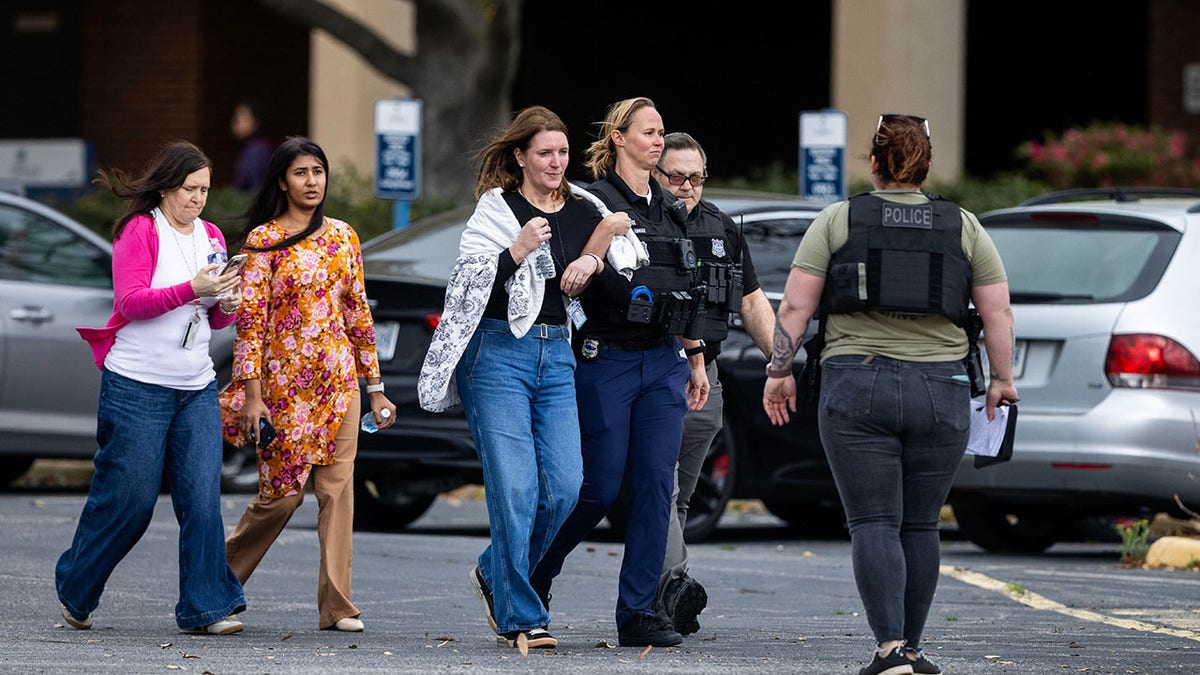
Bystanders are evacuated from Old Dominion University’s campus after reports of an active shooter on Thursday, March 12, 2026 in Norfolk, Va. (Kendall Warner/The Virginian-Pilot via AP)
«You see, ISIS terrorists wouldn’t be terrorists if it weren’t for Republican gun culture or something,» Bonchie said in another X post. «Mind-numbing.»
«I generally stop short of telling bad faith morons to go to hell because eternal damnation isn’t a trifling matter, but this level of intentional and malicious imbecility is testing my resolve,» Amy Swearer, a senior legal fellow at Advancing American Freedom, wrote on X.
«Until there is the political will to break the spell of the cult of gun absolutism, you will see more incidents like this. So, if you are looking for somebody to blame, don’t look at anybody up here, look at our lawmakers who don’t have the courage to implement sensible gun control measures, look to a Supreme Court that enables them, and do something about it,» Fatehi continued.
«That is the lesson – let’s mourn the people who’ve died, let’s decry what has happened, but let’s keep the focus where it belongs. It belongs on us, and having to change something so that we don’t have to suffer through this.»
CLICK HERE TO DOWNLOAD THE FOX NEWS APP
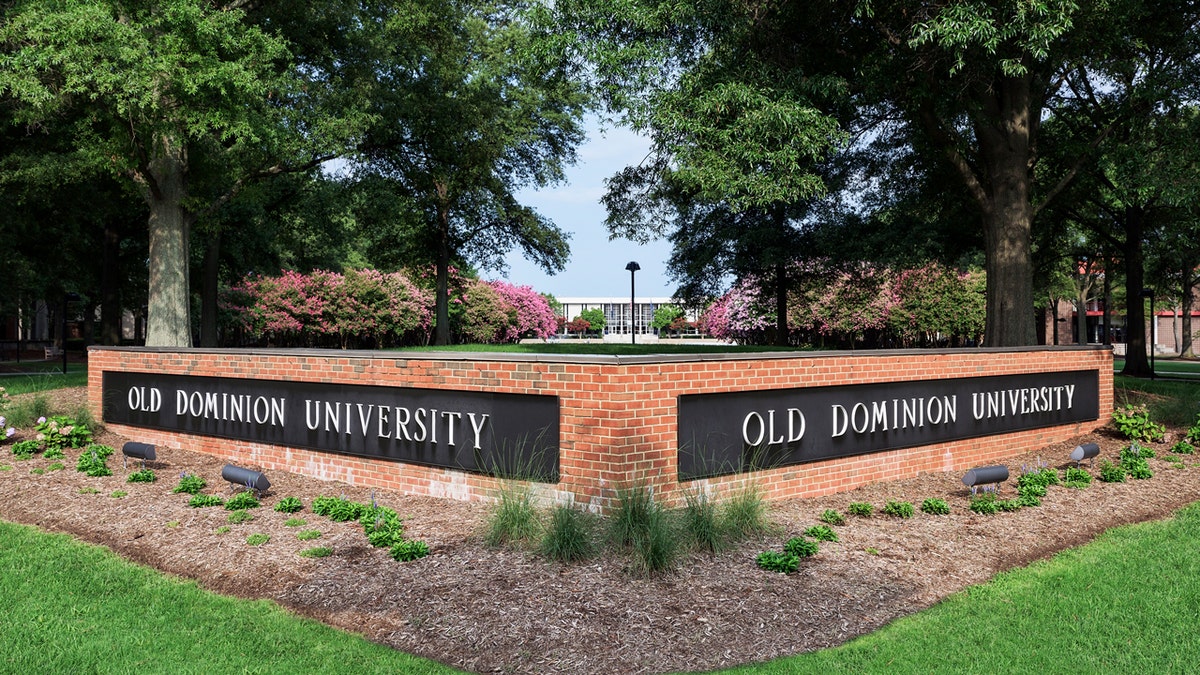
The campus of Old Dominion University, located in Norfolk, Virginia, was the victim of a mass shooting on Thursday, March 12, 2026. (John Greim/LightRocket via Getty Images)
Multiple federal sources confirmed to Fox News that the suspected shooter at ODU, in Norfolk, was Mohamed Jalloh. The shooting occurred shortly before 10:49 a.m., the university said in an emergency alert. The gunman was later pronounced dead when responding officers arrived following a shooting near ROTC cadets, Police Chief Garrett Shelton told reporters during a news conference.
Reporting from the New York Post indicated that Jalloh was targeting ROTC members on campus, before one eventually stepped in to stop the madness, stabbing and killing the suspect.
Later in the day Thursday, ODU Police Chief Garrett Shelton indicated one victim died from the shooting, along with the gunman, while two others were injured. FBI Director Kash Patel also indicated Thursday that federal authorities were investigating the matter as an act of terrorism.
Fox News’ Ashley Carnahan, Louis Casiano, and Bill Melugin contributed to this report
mass shootings,virginia,george soros,second amendment,democratic party,state and local
INTERNACIONAL
Kast ordenó construir “barreras físicas” en la frontera con Bolivia para frenar la inmigración ilegal

El presidente de Chile, José Antonio Kast, ordenó este miércoles la construcción de “barreras físicas” en la frontera con Bolivia como parte de sus primeras medidas de gobierno.
El anuncio fue realizado durante un acto oficial tras asumir la presidencia, en el que el mandatario instruyó al Ejército a colaborar para detener el ingreso de migrantes sin documentación, principalmente venezolanos.
Leé también: Guerra en Medio Oriente: más de 30 países liberan 400 millones de barriles de petróleo para frenar los precios
La medida migratoria que impulsó Kast en su primer día de gobierno
Durante la ceremonia en la que firmó sus primeros seis decretos, tres vinculados a la migración irregular, Kast le pidió al jefe del Ejército, Pedro Varela, reforzar los controles en la frontera.
“Le solicito la colaboración activa en el aumento de funcionarios y le encomiendo también que nos colabore con la construcción de barreras físicas para detener el ingreso de la inmigración ilegal en la frontera con Bolivia”, señaló el mandatario.
La decisión se enmarca en una de las principales promesas de campaña del líder conservador: endurecer la política migratoria y combatir el ingreso irregular al país.
Según datos oficiales citados por el propio gobierno, alrededor de 337.000 extranjeros viven en Chile sin la documentación requerida, y una gran parte ingresó por pasos fronterizos en el norte del país.
El plan de Kast para deportar migrantes y auditar al gobierno anterior
Para llegar al poder, Kast prometió enfrentar con dureza la criminalidad y deportar a unos 340.000 migrantes irregulares, en su mayoría provenientes de Venezuela.
Durante la campaña electoral, el dirigente cuestionó con dureza la gestión del expresidente Gabriel Boric. “Este gobierno generó caos, desorden e inseguridad. Y nosotros vamos a ir a la inversa”, afirmó.
Ya como presidente, anunció además que ordenará una auditoría en todos los ministerios para evaluar la situación en la que recibió la administración pública. “Nos entregan un país en peores condiciones de las que podíamos imaginar”, sostuvo.
Kast también aseguró que, como gesto de austeridad, vivirá con su esposa en el Palacio de La Moneda, a diferencia de algunos de sus antecesores que optaban por residencias privadas financiadas por el Estado
El primer presidente “pinochetista” de Chile
Kast, de profesión abogado, es también el primer mandatario en democracia en respaldar la dictadura de Augusto Pinochet (1973-1990), ya que el único conservador que había gobernado hasta ahora era Sebastián Piñera (2010-2014 y 2018-2022), que votó en contra de la continuidad del régimen en el plebiscito de 1989.
Además de Milei, acudieron el rey español Felipe VI y los presidentes de Ecuador, Daniel Noboa; Bolivia, Rodrigo Paz; Panamá, José Raúl Mulino; Honduras, Nasry Asfura; Costa Rica, Rodrigo Chaves; Paraguay, Santiago Peña; y Uruguay, Yamandú Orsi. Jose Antonio Kast saluda al presidente saliente, Gabriel Boric (Foto: REUTERS/Rodrigo Garrido)
La sorpresa la dio el mandatario brasileño, Luiz Inácio Lula da Silva, quien suspendió su participación a última hora por problemas de agenda. Según la prensa brasileña la cancelación obedeció a la presencia de Flávio Bolsonaro en la ceremonia, considerado su principal rival en las elecciones de octubre e hijo del expresidente Jair Bolsonaro, condenado a 27 años de prisión por intento de golpe de Estado.
También asistió la líder de la oposición venezolana y Premio Nobel de la Paz, María Corina Machado.
Leé también: Hallaron los restos de una de las siete maravillas del mundo antiguo tras haber estado 1600 años bajo el mar
Horas antes, en la residencia oficial de Cerro Castillo, en la vecina Viña del Mar, Kast se hizo una foto oficial con su gabinete, integrado por 24 ministros, en su mayoría sin experiencia política, vinculados al sector privado y a la academia.
Sus ministros fuertes serán el economista ultraliberal Jorge Quiroz (Hacienda), la exfiscal Trinidad Steinert (Seguridad Pública) y el exparlamentario Claudio Alvarado (Interior).
(Con información de EFE y AFP)
Chile, Jose Antonio Kast
INTERNACIONAL
Venezuela firmó un acuerdo con Repsol para impulsar la producción de gas y asegurar el abastecimiento interno

Venezuela y la empresa española Repsol, junto con la italiana Eni, suscribieron este jueves un acuerdo que garantiza el suministro de gas en el país caribeño, además de abrir la puerta a la exportación y a la expansión de proyectos conjuntos en el área energética.
La jefa del régimen chavista, Delcy Rodríguez, destacó la continuidad de ambas compañías en el país durante periodos de inestabilidad y agradeció el compromiso mostrado al mantener sus operaciones en territorio venezolano.
“Me complace mucho que sea de la mano de dos empresas europeas que se quedaron en Venezuela, que creyeron en Venezuela y que no le dieron la espalda a nuestro pueblo”, expresó Rodríguez.
La firma se centró en el desarrollo conjunto del campo Cardón IV, uno de los mayores yacimientos de gas natural en América Latina, con una producción actual de 580 millones de pies cúbicos diarios, según datos proporcionados por la multinacional española.
El acuerdo también incorpora la gestión de la infraestructura existente y la posibilidad de incrementar la capacidad exportadora, tanto para abastecer el mercado local como para generar ingresos a través de ventas al exterior.

Por parte del régimen venezolano participaron la nueva ministra de Hidrocarburos, Paula Henao, y el presidente de PDVSA, Héctor Obregón.
Repsol estuvo representada por Gonzalo Antonio Carrillo Recalde y Francisco Gea Pascual de Riquelme, director general de Exploración y Producción.
El texto del convenio señala que Repsol “apuesta por ampliar sus inversiones y expandir sus fuerzas productivas con PDVSA en el plan estratégico 2026-2028”. Desde la petrolera española se confirmó la intención de restablecer y reforzar las operaciones diarias tras la obtención de licencias, además de invertir en la modernización de instalaciones y en la reactivación de equipos de producción.
Delcy Rodríguez subrayó que el acuerdo busca “garantizar el abastecimiento de gas” para el desarrollo nacional y el consumo doméstico, y que además permitirá retomar y ampliar las exportaciones.
El pacto se produce en un contexto de recuperación progresiva del sector energético venezolano, tras años de sanciones internacionales y restricciones operativas. En febrero, Repsol ya había anunciado su intención de reanudar operaciones, con el objetivo de sumar capacidad al sistema eléctrico nacional y aumentar la producción de gas.
En el ámbito petrolero, la empresa española comunicó su plan para triplicar la producción de crudo en Venezuela y alcanzar aproximadamente 135.000 barriles diarios.

La cúpula chavista ha intentado incentivar la llegada de inversión extranjera, como la reforma de la Ley de Hidrocarburos aprobada en enero por el Parlamento, que busca crear condiciones más favorables para los socios internacionales.
El acuerdo con Repsol y Eni se suma a una estrategia que apunta a convertir a Venezuela en una potencia exportadora de energía, tanto en petróleo como en gas, integrando a empresas internacionales en el desarrollo de proyectos clave.
En el escenario internacional, Venezuela cuenta con una de las mayores reservas de hidrocarburos del mundo, pero enfrenta desafíos relacionados con el deterioro de su infraestructura.
El acuerdo firmado este jueves es presentado por el chavismo como una muestra de la voluntad de consolidar alianzas estratégicas y avanzar hacia una mayor presencia en los mercados globales.
La ministra Paula Henao remarcó tras la firma que la meta es “posicionar a Venezuela como actor relevante en el suministro de gas en América Latina y el Caribe”.
(Con información de EFE y Reuters)
apretón de manos,reunión,oficial,colaboración,institución,saludo,negocios,acuerdo,funcionario,diálogo

Cómo sigue la investigación contra el empleado público de Tucumán que le pegó un violento cabezazo a un diputado

Cómo hacer el perfume para sábanas que usan en los hoteles 5 estrellas con ingredientes básicos

Jornada financiera: las acciones argentinas cayeron hasta 6% y el riesgo país volvió a subir por la guerra en Irán

Boca Juniors: Así será La Bombonera con la ampliación que pretende realizar Juan Román Riquelme

Un abogado amenazó a una jueza laboral con prenderle fuego y ordenaron ponerle custodia a la magistrada

Victoria Villarruel denunció por calumnias e injurias a Luis Petri porque la llamó golpista

Jenny Mavinga angustiada tras una quemadura en Gran Hermano 2026: “¡Ay, me quemó!

Muni Seligmann respondió las críticas tras el accidente de su bebé y su viaje a Miami: “Hay que contarlo y naturalizarlo”

Juan Carlos Schmid deja la conducción de Dragado y Balizamiento después de 33 años

Hilario Navarro estira su extensa carrera: a los 45 años tiene nuevo club

 CHIMENTOS2 días ago
Muni Seligmann respondió las críticas tras el accidente de su bebé y su viaje a Miami: “Hay que contarlo y naturalizarlo”
- POLITICA3 días ago
Juan Carlos Schmid deja la conducción de Dragado y Balizamiento después de 33 años
- POLITICA2 días ago
Manuel Adorni explicó por qué viajó con su esposa en el avión presidencial a la gira del Gobierno en Nueva York