INTERNACIONAL
Headed for the exits: Why 3-dozen House members aren’t running for re-election

NEWYou can now listen to Fox News articles!
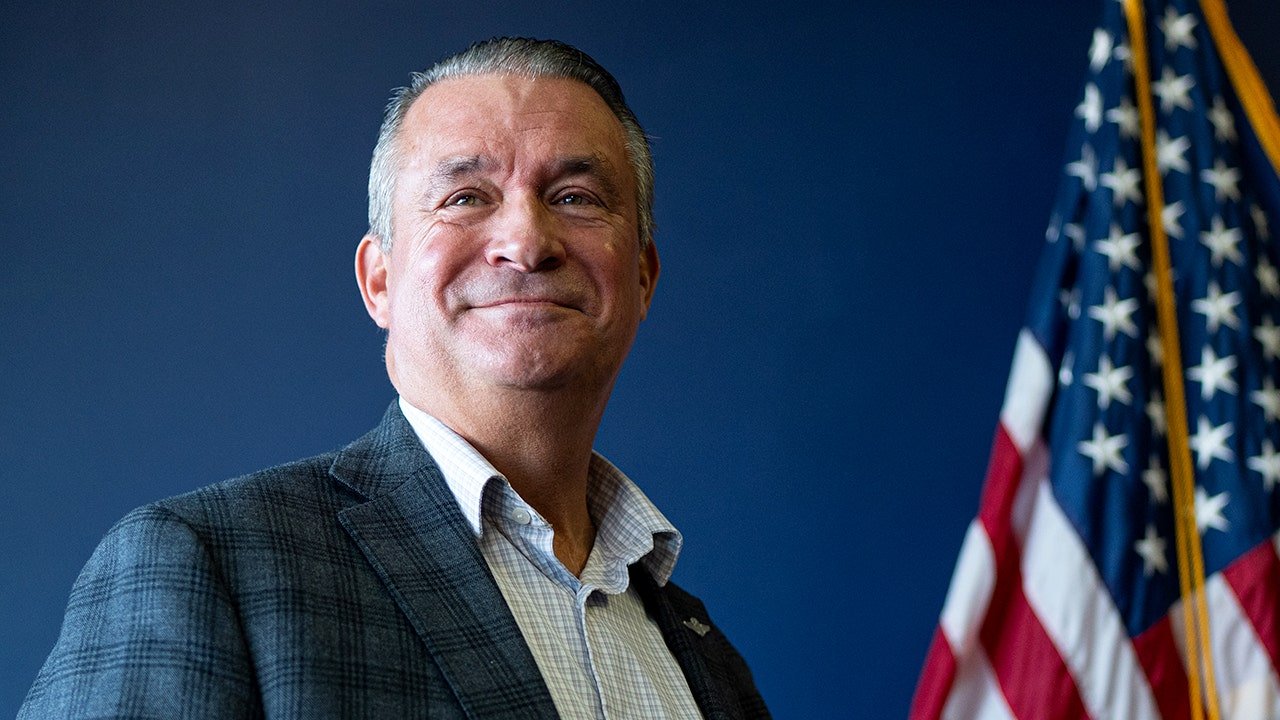
Republican Rep. Don Bacon won nine heavily contested GOP primary battles and general elections over the past decade in his swing U.S. House district.
But the retired Air Force general and moderate Republican who represents an Omaha, Nebraska-anchored congressional district told Fox News Digital that «the fire wasn’t there» anymore.
Bacon, who announced this summer that he wouldn’t run for a sixth two-year term in Congress in next year’s midterms, is one of 36 U.S. House members who’ve announced they won’t seek re-election next year.
And the surge in retirements may impact next year’s midterm elections, when Republicans are aiming to protect their fragile House majority.
AS CONGRESS GROWS OLDER, DEBATE HEATS UP OVER WHEN TO STEP ASIDE
Republican Rep. Don Bacon of Nebraska is retiring at the end of next year rather than seek re-election to a 6th term in Congress. (Bill Clark/CQ-Roll Call, Inc via Getty Images)
«We’re above average,» noted David Wasserman, a senior editor and elections analyst at the non-partisan political handicapper «The Cook Report,» as he pointed to the pace of House retirement announcements so far this cycle.
And we’ve still got six weeks left until the calendar hits 2026.
Waves of retirement announcements traditionally come in the final month or two, amid the holiday season, in the year before congressional elections.
The party breakdown so far on the retirements: 15 Democrats and 21 Republicans.
DEMOCRAT RETIREMENT GIVES GOP BOOST IN BID TO FLIP KEY HOUSE SWING SEAT
A handful of the Democrats headed for the exits are in their 70’s and 80’s and retiring after long tenures in the House. The most prominent is 85-year-old former House Speaker Nancy Pelosi.
But in a continued sign that the bitter partisanship in the House has made the lower chamber in Congress far from a pleasant work environment, most of the members who are passing on re-election are much younger.

Chairman Rep. Jodey Arrington, R-Texas, speaks at a news conference after the House narrowly passed a bill forwarding President Donald Trump’s agenda at the U.S. Capitol on May 22, 2025, in Washington, D.C. (Anna Moneymaker/Getty Images)
Among those forgoing re-election next year is 53-year-old Republican Rep. Jodey Arrington of Texas, the House Budget Committee chair who shared his retirement news first with Fox News Digital.
«I have a firm conviction, much like our founders did, that public service is a lifetime commitment, but public office is and should be a temporary stint in stewardship, not a career,» Arrington said.
Also on that list is moderate Democratic Rep. Jared Golden of Maine, who is only 43.
SENIOR REPUBLICAN SAYS HE’LL ‘MISS THE CLOWNS,’ NOT ‘THE CIRCUS’ AS HE EYES LIFE AFTER CONGRESS
«After 11 years as a legislator, I have grown tired of the increasing incivility and plain nastiness that are now common from some elements of our American community — behavior that, too often, our political leaders exhibit themselves,» Golden wrote last week in an op-ed for the Bangor Daily News, where he revealed his unexpected decision.
«I don’t fear losing. What has become apparent to me is that I now dread the prospect of winning. Simply put, what I could accomplish in this increasingly unproductive Congress pales in comparison to what I could do in that time as a husband, a father and a son,» Golden emphasized.
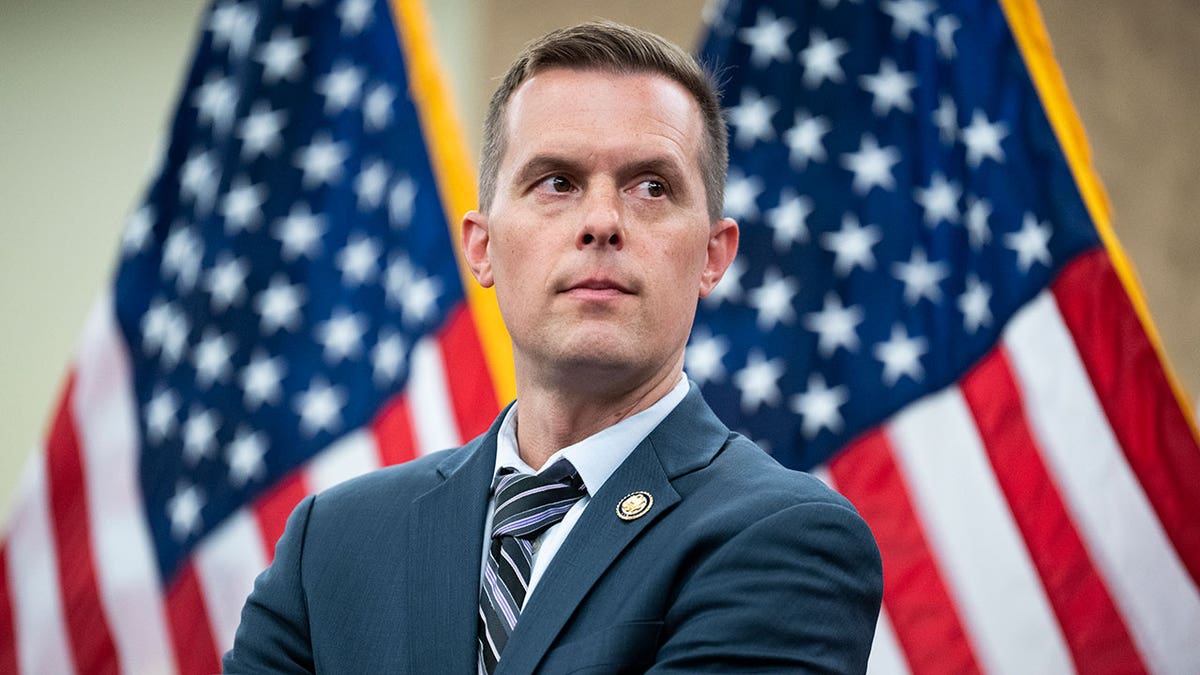
Rep. Jared Golden, D-Maine, attends a news conference in the Capitol Visitor Center in Washington, July 17, 2025. (Tom Williams/CQ-Roll Call, Inc via Getty Images)
Pointing to Golden’s comments, Bacon noted, «He said something I was feeling. The thought of winning was unattractive this cycle. If it feels like it’s a little bit depressing to win, then better let somebody else run.»
«I think that’s where this hyper-partisan ugliness fits in. The thought of winning and going through another two years of this was not a fulfilling thought,» he added.
VULNERABLE HOUSE DEM CRITICIZES ‘EXTREME’ LEFT IN SHOCKING 2026 ANNOUNCEMENT
Former Democratic Rep. Annie Kuster of New Hampshire, who retired a year ago after serving a dozen years in the House, said the dysfunction and political tension in Congress was «definitely a factor» in her decision to leave.
«It had gotten so much more difficult over 12 years to work across the aisle,» Kuster told Fox News Digital. «It had gotten much more fractured, partisan, less congenial.»
Kuster said «a big factor for me was that most of the moderate Republicans that I worked with all the time had left Congress. The people who were coming in were more hard right partisans.»
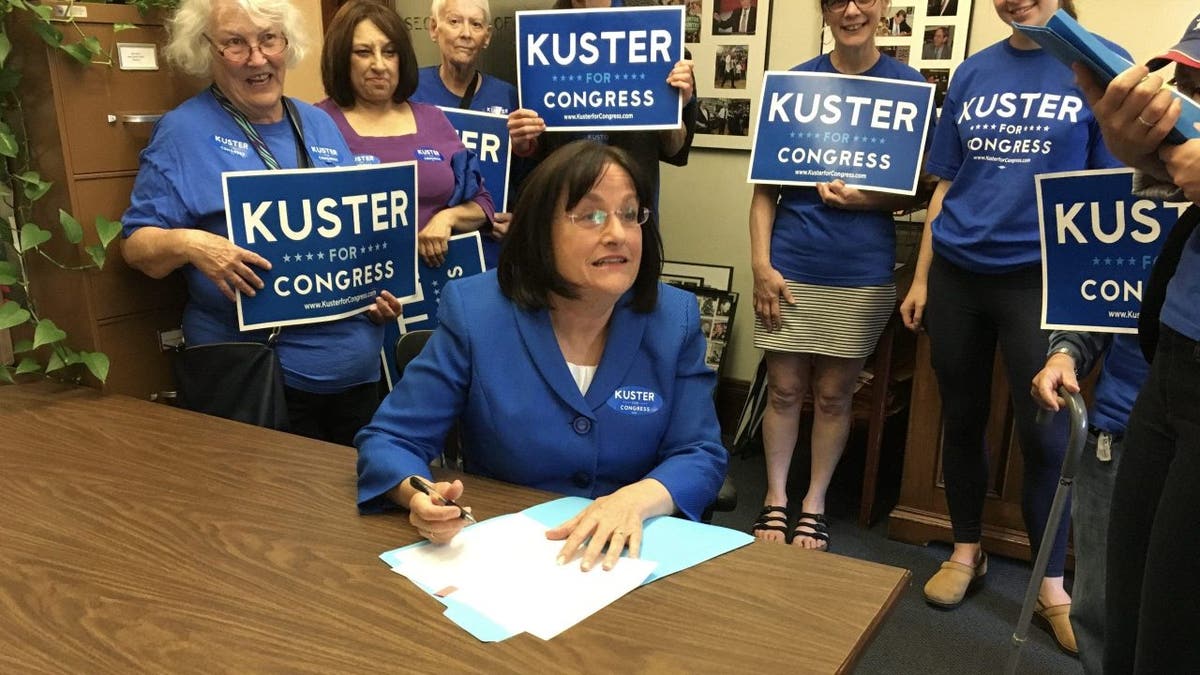
Former Democratic Rep. Annie Kuster of New Hampshire, seen filing for re-election, at the Statehouse in Concord, N.H., retired from Congress a year ago after serving a dozen years in the House. (Fox News – Paul Steinhauser)
Bacon, who describes himself a Ronald Reagan-style old-fashioned Republican, joked that he was «stuck in the middle» with «crazies on the right and crazies on the left.»
TOP HOUSE COMMITTEE CHAIRMAN REVEALS HE WON’T SEEK RE-ELECTION IN 2026
While some, like Bacon and Arrington, are taking a break from politics, most of those not seeking re-election to their House seats are running for statewide offices next year.
Wasserman said that «on the Republican side, there’s a sense that not much will get done beyond OBBBA in the next two years of Trump’s presidency.»
OBBBA is the acronym for ‘One Big Beautiful Bill Act,’ the massive GOP domestic policy bill passed along partisan lines this summer by the Republican-controlled House and Senate that is the centerpiece of President Donald Trump’s second-term agenda.
«They’ve made the heavy lift and now there are opportunities to be more impactful elsewhere,» Wasserman said.
The bitter battle between Republicans and Democrats over the measure was another sign of the vicious partisan climate on Capitol Hill.
CLICK HERE TO DOWNLOAD THE FOX NEWS APP
But Bacon remained optimistic about the future of Congress.
«When folks move on, new people move in, and I know there’s good people out there,» he said.
congress,house of representatives,elections,midterm elections,republicans elections,democratic party










INTERNACIONAL
Travis County DA faces renewed ‘soft on crime’ criticism after career criminal charged with murder
NEWYou can now listen to Fox News articles!
A Texas-based career criminal with a lengthy rap sheet is behind bars in Travis County after he was charged with murdering a father of five outside a 7-Eleven in Austin, reviving scrutiny of Travis County District Attorney José Garza and what critics call his controversial prosecutorial record and «soft on crime» approach.
Caleb Anthony Jenkins, described by police as a career criminal, was charged with murder in connection with a shooting last year that left a 25-year-old father dead outside a 7-Eleven. According to Austin police, Jenkins allegedly shot the victim and drove off.
But critics argue the killing may have been preventable. Garza’s office previously dismissed or declined to prosecute three separate gun charges against Jenkins in incidents dating back to 2022. He was also arrested in 2023 on a domestic violence charge and failed to appear in court, as Fox News reported. Most recently, he was re-arrested and released after his bond was raised.
Taken together, the developments have intensified public criticism of Garza, the Democratic district attorney backed by liberal mega-donor George Soros,
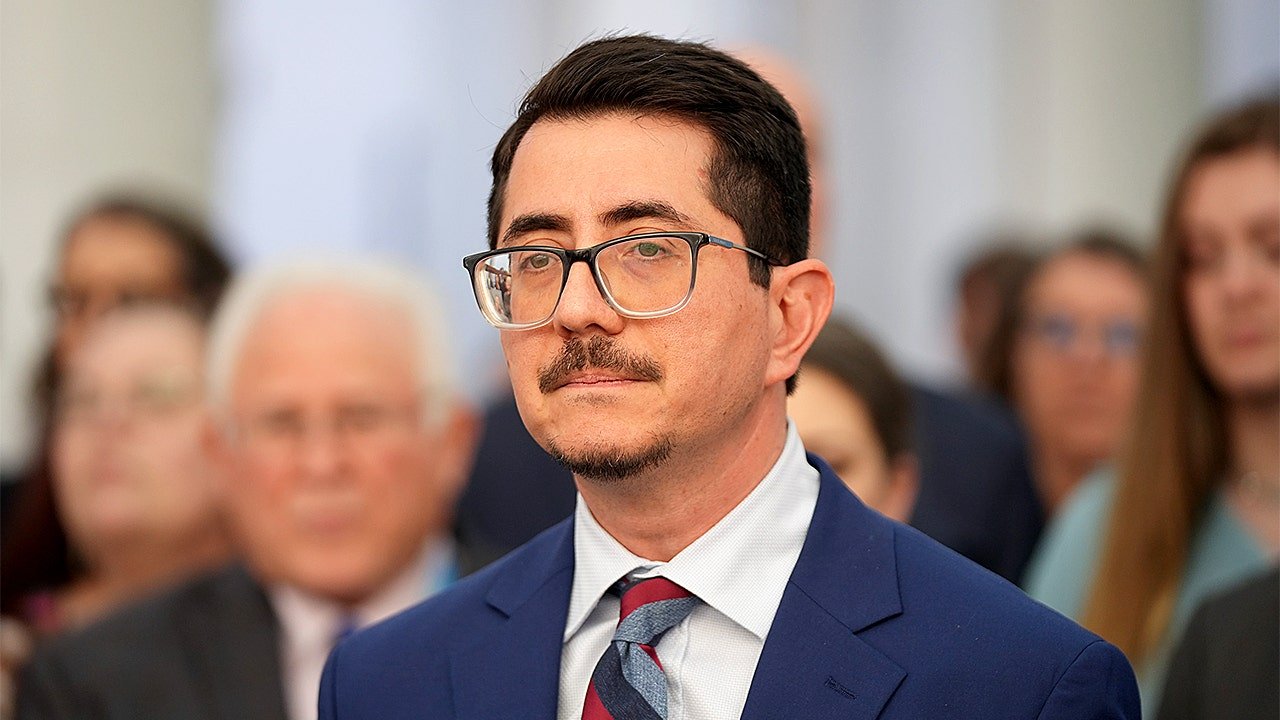
District Attorney Jose Garza in Austin, Texas. ((Photo by Spencer Selvidge for The Washington Post via Getty Images))
Garza, who was elected Travis County DA without prior experience as a prosecutor, has faced criticism from police advocacy groups and victims’ families since taking office. They have accused him of deliberately slow-walking certain cases and embracing lenient sentencing policies.
The criticism has sparked national attention in years past. In 2023, the family of 25-year-old Doug Cantor, who was shot and killed in the 2021 Sixth Street mass shooting in downtown Austin, criticized Garza for slow-walking the trial of the gunman.
Family members told Fox News Digital in an interview at the time that they believed Garza had put the case on the «back burner.»
«It’s very clear that his focus and attention is not on this case,» Nick Kantor told Fox News Digital in an interview reflecting on the two-year anniversary of his brother’s death — and the way Garza, who has been widely criticized for soft-on-crime policies, has handled the case.
AUSTIN DA GARZA CREATES CONFUSION WITH ANNOUNCEMENT OF IMPENDING INDICTMENTS AGAINST MULTIPLE POLICE OFFICERS

Travis County District Attorney Jose Garza poses in front of the Austin skyline in a portrait from the county website. Garza has faced criticism for accusations that he aggressively prosecutes police officers accused of wrongdoing while going easy on career criminals. (Travis County DA Website)
«He’s doing things that are clearly causing distress on the trial and on the overall outcome of the case and for getting justice for my brother,» Kantor said.
Other victims’ families cited similar behavior from Garza’s office in interviews with Fox News Digital.
While overall reported crime in Travis County has declined, opponents argue dismissal rates have been «political,» and could further endanger public safety.
It «appears that Garza has now become more of an advocate for the criminal than he has for the victim,» Dennis Farris, president of the Austin Police Retired Officer’s Association, previously told Fox News Digital.
«The prosecution is acting more like defense attorneys than they are prosecutors,» Farris said in an interview roughly one year after Garza took office. «Whatever his skewed view of what criminal justice reform is, it isn’t working. It sure isn’t working for the victims.»
CRIME EXPERTS RESPOND TO SOROS DEFENDING SUPPORT FOR PROGRESSIVE DAS AMID CRIME WAVE: ‘DISASTROUS’

U.S. investor, philanthropist George Soros delivers a speech on the sidelines of the 2022 World Economic Forum in Davos. (FABRICE COFFRINI/AFP via Getty Images)
«It used to be that they got the victims’ buy-in before offering plea bargains. Now it doesn’t appear he’s even doing that, because they’re not even communicating with them, and that’s what’s leading to the revictimization of these families.»
Current and former local law enforcement officers have criticized Garza’s actions and his alleged «war on cops,» after the Soros-backed district attorney campaigned on indicting police officers and «reimagining» policing in Austin.
Soros contributed $652,000 to the Texas Justice & Public Safety PAC in the months leading up to the 2020 Travis County DA election, according to campaign finance records.
CLICK HERE TO GET THE FOX NEWS APP
That same PAC spent almost $1 million on digital and mail advertisements to help Garza’s campaign, as Fox News reported.
The Travis County District Attorney’s Office did not respond to Fox News Digital’s request for comment.
Related Article

politics,donald trump,crime world,midterm elections,federal judges,texas,immigration,national security
INTERNACIONAL
Trump ally Orban issues scathing letter demanding Zelenskyy change Ukraine’s ‘anti-Hungarian policy’

NEWYou can now listen to Fox News articles!
Hungary is beefing up security at its energy sites as Prime Minister Viktor Orbán accuses Ukraine of threatening his country’s energy supply. Orbán — a vocal ally of President Donald Trump — published a scathing open letter to Ukrainian President Volodymyr Zelenskyy in which he accused Kyiv of pursing an «anti-Hungarian policy.»
«In recent days, you have blocked the Friendship oil pipeline, which is critical to Hungary’s energy supply,» Orbán’s open letter, which he published on X, read. «Your actions are against Hungary’s interests and endanger the secure and affordable energy supply of Hungarian families. I therefore call on you to change your anti-Hungarian policy!»
On Wednesday, Orbán ordered increased security at critical energy infrastructure sites, The Associated Press reported. The prime minister’s order came as Budapest accused Ukraine of blocking the Druzhba pipeline, through which Russian oil is delivered to Hungary, but it crosses Kyiv’s territory. Ukrainian officials have denied the allegations, according to the AP, saying that the pipeline was hit in a Russian drone attack.
Hungarian Prime Minister Viktor Orbán accused Ukraine of blocking his country’s oil supply. (Bernadett Szabo/Reuters; Liesa Johannssen/Reuters)
In a video posted on social media, Orbán claimed Ukraine was using an «oil blockade» to pressure Hungary and that Hungarian national security services showed Ukraine was «preparing further actions to disrupt the operation of Hungary’s energy system,» the AP reported.
«We will deploy soldiers and the necessary equipment to repel attacks near key energy facilities,» Orbán said, according to the AP. «The police will patrol with increased forces around designated power plants, distribution stations and control centers.»
The accusations lobbed against Ukraine also come as Orbán faces an upcoming election. As the election nears, Hungary has seen billboards across the country showing AI-generated images of Zelenskyy holding out his hand as if asking for money while surrounded by European officials, according to the AP.
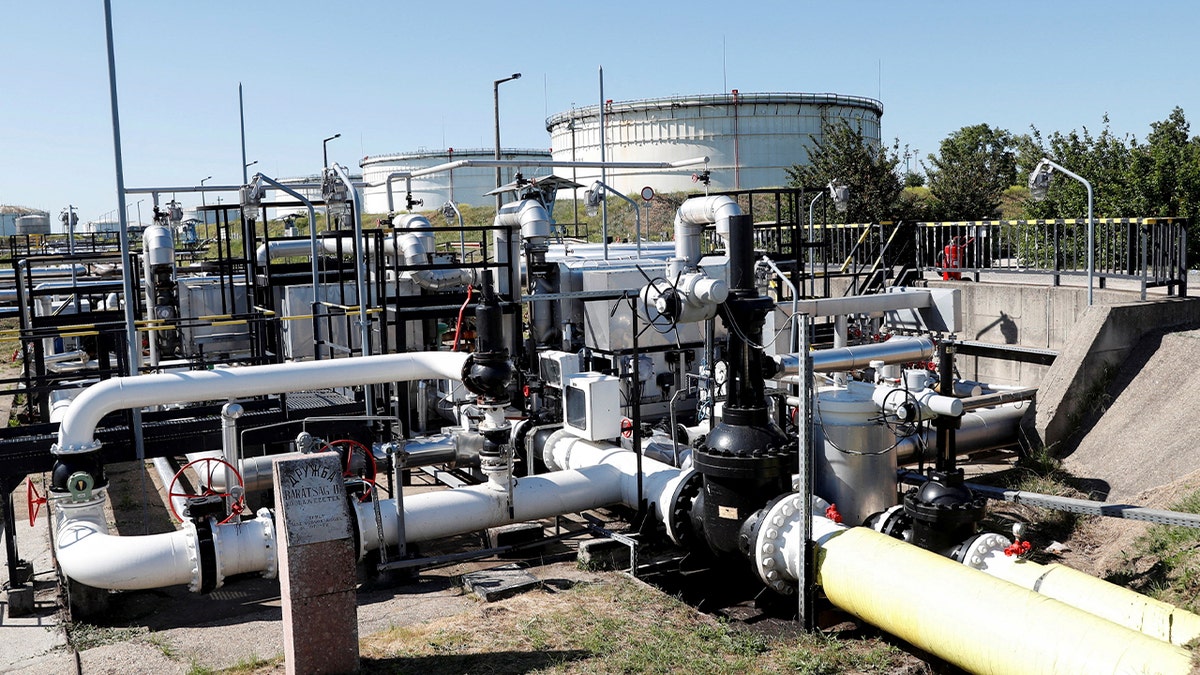
The Druzhba oil pipeline between Hungary and Russia is seen at the Hungarian MOL Group’s Danube Refinery in Szazhalombatta, Hungary, May 18, 2022. (Bernadett Szabo/File Photo/Reuters)
UKRAINE’S ZELENSKYY: RUSSIA TRYING ‘TO PLAY’ GAME WITH TRUMP, STALL PEACE TALKS
Hungary recently threatened to block a proposed €90 billion European Union loan to Ukraine — worth roughly $106 billion — over the blockade of the Druzhba pipeline.
Hungarian Foreign Minister Péter Szijjártó said on Friday that «Ukraine is blackmailing» his country and that Kyiv was coordinating with Belgium and the Hungarian opposition to «push fuel prices higher before the elections.»
«By blocking oil transit to Hungary through the Druzhba pipeline, Ukraine violates the EU-Ukraine Association Agreement, breaching its commitments to the European Union. We will not give in to this blackmail,» Szijjártó added.
Orbán also accused Ukraine, the Hungarian opposition and Belgium of coordinating to exert pressure on Budapest.

Prime Minister Viktor Orban speaks during a news conference with U.S. Secretary of State Marco Rubio in Budapest, Hungary, Feb. 16, 2026. (Alex Brandon, Pool/AP Photo)
‘DELAYING, STALLING AND BLAMING’: RUSSIA SHOWS LITTLE SIGN OF COMPROMISE AS WAR ENTERS FIFTH YEAR, EXPERT SAYS
In the letter released Thursday, Orbán, who has a close relationship with the Kremlin, also said Ukraine had refused «to accept the position of the sovereign Hungarian government and the Hungarian people regarding the Russia–Ukraine war.» Additionally, he accused Ukraine of trying to «force Hungary» into the war with Russia.
«We, the Hungarian people, are not responsible for the situation in which Ukraine finds itself. We sympathize with the Ukrainian people, but we do not wish to participate in the war. We do not want to finance the war effort, and we do not want to pay more for energy,» Orbán wrote.
The Hungarian prime minister ended his letter with demands that Ukraine reopen the oil pipeline and «refrain from any further attacks on Hungary’s energy security,» as well as a demand for «more respect for Hungary.»
CLICK HERE TO DOWNLOAD THE FOX NEWS APP
Neither Zelenskyy’s office nor the Ukrainian Foreign Ministry immediately responded to Fox News Digital’s request for comment.
The Associated Press and Fox News Digital’s Ashley Carnahan contributed to this report.
Related Article

world,russia,ukraine,volodymyr zelenskyy,vladimir putin
INTERNACIONAL
Antes de la anulación de la concesión, Panamá sostuvo conversaciones con PPC, confirmó el presidente Mulino
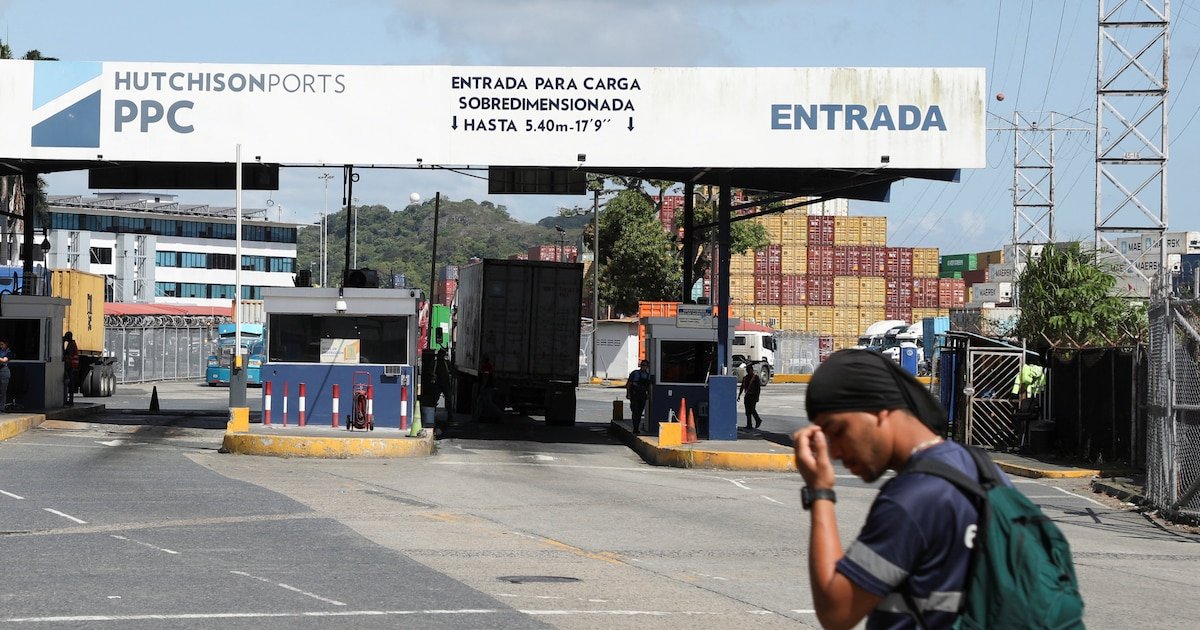
El presidente José Raúl Mulino defendió la estrategia del Gobierno frente al conflicto portuario y aseguró que Panamá se preparó durante meses para distintos escenarios, incluido el fallo de inconstitucionalidad que impactó la operación de terminales clave administradas por Panama Ports Company (PPC), filial del conglomerado CK Hutchison.
Durante su conferencia semanal, el mandatario abordó la situación de los puertos de Balboa y Cristóbal, el proceso de transición operativa y las tensiones diplomáticas derivadas del caso, en un contexto que calificó como decisivo para el futuro logístico del país.
Mulino sostuvo que su administración mantuvo múltiples reuniones durante el último año con directivos de PPC y CK Hutchison para evaluar el estado de las terminales y discutir alternativas ante los cuestionamientos legales y contractuales.

PRESIDENCIA DE PANAMÁ
Según relató, en esos encuentros el Gobierno percibió una actitud que describió como distante y poco colaborativa por parte de la empresa, lo que reforzó la decisión de prepararse para escenarios adversos, incluyendo la eventualidad de una declaratoria de inconstitucionalidad por parte de la Corte Suprema de Justicia.
Antes de la toma de control de ambas terminales, voceros de la empresa PPC habían solicitado un diálogo con el Gobierno para buscar una alternativa al conflicto antes de que el fallo de la Corte se publicada en Gaceta Oficial, lo que ocurrió el pasado lunes 23 de febrero.
El mandatario subrayó que el fallo judicial obligó al Ejecutivo a actuar con rapidez para garantizar la continuidad operativa de los puertos, considerados infraestructuras críticas para el comercio exterior y la estabilidad económica.

En ese sentido, explicó que la transición se desarrolla con empresas de amplia trayectoria internacional que han asumido temporalmente la operación, con el objetivo de evitar interrupciones en el manejo de carga y proteger miles de empleos vinculados al sector marítimo y logístico.
Mulino también pidió a las entidades y equipos involucrados en la transición de Balboa y Cristóbal que trabajen durante el fin de semana “las 24 horas del día” para normalizar el flujo de carga. Según el presidente, el objetivo es acelerar el despacho de importaciones y exportaciones y “poner al día” el manejo de contenedores entre viernes y domingo —o hasta lunes—, en un esfuerzo de corto plazo para reducir atrasos operativos mientras avanza la reorganización de ambas terminales.
En el caso del puerto de Balboa, la administración temporal quedó a cargo de APM Terminals Panamá S.A., mediante un contrato por $26,100,000 destinado a la operación, mantenimiento y gestión de la terminal en el Pacífico. Por su parte, el puerto de Cristóbal será administrado por TIL Panamá S.A., filial de Mediterranean Shipping Company (MSC), bajo un acuerdo por $15,800,000 para la operación de la instalación en el Atlántico.
Uno de los puntos centrales del mensaje presidencial fue la defensa del proceso de sustitución patronal, mediante el cual los trabajadores portuarios mantienen sus puestos y derechos adquiridos.
Mulino indicó que en el puerto de Cristóbal la transición supera el 98% de incorporación del personal, mientras que en Balboa el proceso supera el 70% y continúa avanzando, lo que calificó como una señal de estabilidad laboral y compromiso con la fuerza de trabajo portuaria.

El presidente también rechazó versiones sobre supuestas ofertas de empleo gestionadas por terceros en las terminales, advirtiendo que se trata de información falsa.
Insistió en que únicamente las empresas autorizadas dentro del esquema de transición están facultadas para realizar contrataciones, reiterando que la estructura laboral existente se mantendrá durante el proceso y que el Gobierno prioriza la protección del empleo y la continuidad de la actividad portuaria.
En el plano internacional, Mulino abordó las reacciones del Gobierno chino y afirmó que Panamá defenderá su soberanía jurídica y económica frente a cualquier presión externa.
El mandatario sostuvo que la relación comercial entre ambos países es relevante, pero subrayó que el movimiento de carga y energía asociado a China depende en gran medida del tránsito por el Canal de Panamá y del nodo logístico de la Zona Libre de Colón, lo que, a su juicio, demuestra la interdependencia existente.
El jefe del Ejecutivo planteó que, desde una perspectiva estratégica, China probablemente necesita la conectividad panameña tanto como Panamá valora el comercio con el gigante asiático.

Argumentó que el Canal y el ecosistema logístico nacional continúan siendo plataformas clave para la distribución regional de productos chinos, lo que refuerza el papel del país como hub comercial y marítimo en América Latina.
Mulino también destacó que el Gobierno está preparado para enfrentar el arbitraje internacional anunciado por PPC, insistiendo en que la defensa de los intereses del Estado será firme y basada en argumentos legales y contractuales.
Respecto al proceso de transición, el presidente señaló que se espera un período de aproximadamente 18 meses durante el cual el Estado supervisará la reorganización operativa y evaluará el desempeño de las nuevas empresas encargadas del manejo temporal de las terminales. Durante ese lapso, el Gobierno prevé mantener el flujo de carga y consolidar ingresos asociados a la actividad portuaria, mientras define el modelo definitivo de operación futura.
Panamá podría recibir hasta $100 millones durante el período transitorio de operación portuaria, estimado en 18 meses.
Business,Corporate Events,South America / Central America

A qué hora es el paro con movilización de algunos gremios al Congreso, este viernes 27 de febrero

Patricia Bullrich defendió el Acuerdo UE-Mercosur: «Es histórico, un gran paso de madurez»

Monotributo: paso a paso, qué tienen que hacer los contribuyentes si ARCA los recategoriza de forma automática

Alarcón sigue impactando en la Eredivisie

Travis County DA faces renewed ‘soft on crime’ criticism after career criminal charged with murder

Apuntado desde el cristinismo, Bianco cuestionó la falta de conducción del PJ pero luego avaló que Cristina siga al frente

Jorge Macri prepara su discurso para abrir el año legislativo: el deseo de reelección y el espejo en Bukele

Uno por uno, todos los famosos que saludaron a Mirtha Legrand por sus 99 años

Daiana Fernández Molero defendió la reforma laboral: “Va a haber mayor creación de empleo porque va a ser más fácil contratar en blanco”

Crisis en la industria: otra multinacional se achica y cierra una planta en la Argentina

 POLITICA1 día ago
Jorge Macri prepara su discurso para abrir el año legislativo: el deseo de reelección y el espejo en Bukele
- CHIMENTOS2 días ago
Uno por uno, todos los famosos que saludaron a Mirtha Legrand por sus 99 años
- POLITICA3 días ago
Daiana Fernández Molero defendió la reforma laboral: “Va a haber mayor creación de empleo porque va a ser más fácil contratar en blanco”