INTERNACIONAL
Here are the top US cities Trump could target with National Guard deployments in 2026

NEWYou can now listen to Fox News articles!
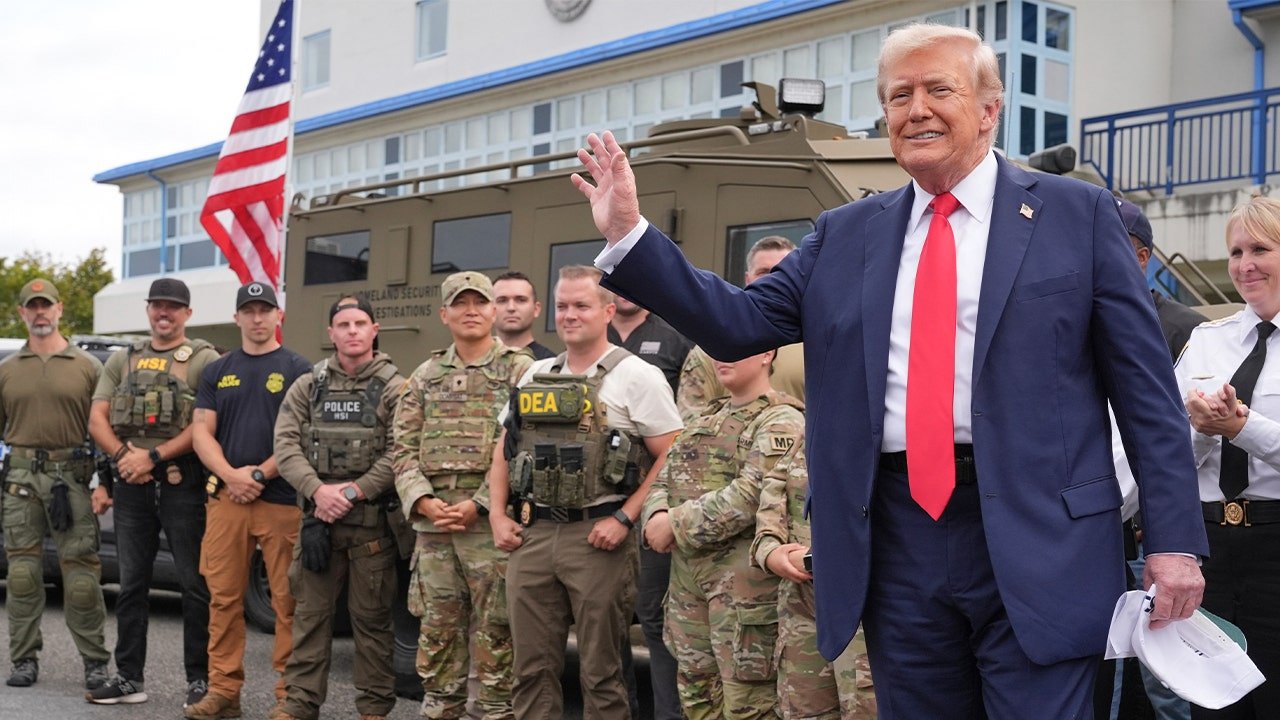
One of President Donald Trump’s most controversial moves in 2025 was his deployment of the National Guard to several major U.S. cities to provide security for federal buildings, public places and around law enforcement operations, including deportation operations.
While popular in some areas, Trump’s deployments were met with fierce resistance in some cities, especially in jurisdictions with «sanctuary» laws shielding immigrants from federal authorities. In some particularly controversial instances, the president went around Democratic governors by federalizing the National Guard or deploying troops from friendly states to blue cities.
In 2025, Trump deployed the National Guard to Washington, D.C., Los Angeles, the Chicago area, Memphis and New Orleans.
Here are the cities where residents may see National Guard troops on their streets in 2026.
WHERE THE TRUMP ADMIN’S COURT FIGHT OVER DC NATIONAL GUARD STANDS IN WAKE OF SHOOTING
National Guard members patrol the National Mall in Washington, D.C., on Aug. 30, 2025. (Andrew Leyden/Getty)
Chicago
Despite a setback in the form of a Christmas week Supreme Court ruling denying a request to proceed with immediately deploying the National Guard to Chicago, the White House told Fox News Digital that the Trump administration plans to keep working «day in and day out to safeguard the American public.»
«The President promised the American people he would work tirelessly to enforce our immigration laws and protect federal personnel from violent rioters. He activated the National Guard to protect federal law enforcement officers and to ensure rioters did not destroy federal buildings and property,» White House spokesperson Abigail Jackson said in a statement. «Nothing in today’s ruling detracts from that core agenda.»
With that being said, the Trump administration is likely to continue pushing for National Guard troops to be allowed into Chicago and the legal case is still ongoing.
St. Louis
While announcing a National Guard deployment to Memphis on Sept. 15, Trump hinted at sending troops to the Gateway City, saying, «We have to save St. Louis.»
While speaking with reporters in the Oval Office about the Memphis deployment, Trump said, «We’ll get to St. Louis also.»
The president grouped St. Louis in with Memphis and Chicago as a city suffering from high violent crime and strained local law enforcement, needing federal assistance to restore order.
According to the FBI’s most recent annual crime report, compiled for cities with 50,000+ residents and released in August, St. Louis ranks among the highest in violent crime rates nationally.
TRUMP CALLS CHICAGO ‘OUT OF CONTROL’ AFTER TRAIN ATTACK LEFT WOMAN CRITICALLY BURNED

National Guard are seen after reports of two National Guard soldiers shot near the White House in Washington, Wednesday, Nov. 26, 2025. (Evan Vucci/AP Photo)
New York
While announcing his temporary federal takeover of D.C. in August, Trump suggested he may also intervene in New York, saying, «We have other cities that are very bad. New York has a problem.»
Trump also said, «I’m going to look at New York in a little while.»
At the same time, Trump voiced, «I hope they do a self-clean-up.» He expressed, however, that the rise to power of socialist now Mayor-elect Zohran Mamdani may necessitate a deployment to «straighten out the city.»
The president has since met with Mamdani in the Oval Office, in a highly publicized meeting in which the two appeared to have worked through their differences. Trump predicted that Mamdani would be a «great mayor.»
«We have one thing in common,» said Trump. «We want this city of ours that we love to do very well.»
Despite this, the possibility of a National Guard deployment to New York remains should the city begin to spiral out of control under Mamdani’s leadership.
PAM BONDI SAYS TRUMP ‘ABSOLUTELY’ HAS AUTHORITY TO INVOKE INSURRECTION ACT TO CURB CHICAGO CRIME
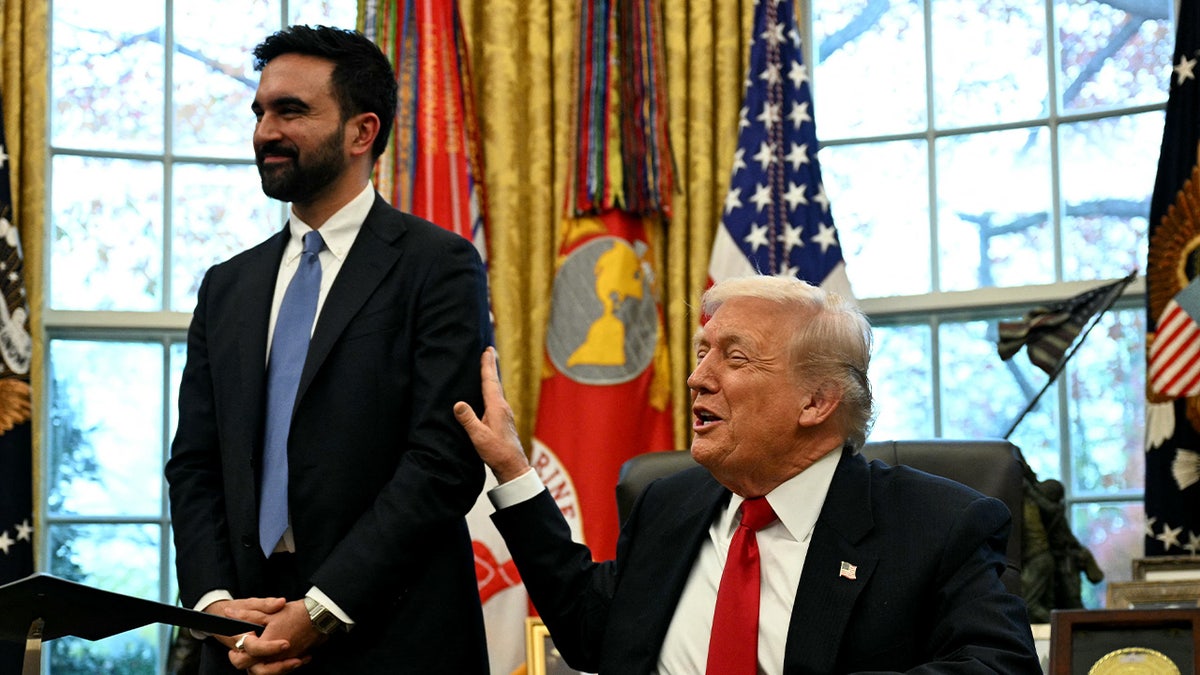
President Donald Trump met with New York City Mayor-elect Zohran Mamdani for the first time in the Oval Office in November. (Jim Watson / AFP via Getty Images)
Baltimore
Trump also said that he would send the National Guard to Baltimore to «quickly clean up the crime» if Maryland Democratic Gov. Wes Moore were to say he needs help.
Moore had earlier invited Trump to attend a public safety walk in the crime-ridden city in September, saying in an Aug. 21 letter that the event would provide an opportunity to «discuss strategies for effective public safety policy.»
«As President, I would much prefer that he clean up this crime disaster before I go there for a walk,» Trump wrote in a Truth Social post.
He accused Moore of having a poor record on crime, «unless he fudges his figures on crime like many of the other Blue States are doing.»
Trump added that he did not appreciate the tone of Moore’s invitation.
«But if Wes Moore needs help, like Gavin Newscum did in L.A., I will send in the «troops,» which is being done in nearby DC, and quickly clean up the crime,» Trump wrote. He added that Baltimore ranks among the worst cities in the United States for crime and murder.
THE ICIEST MOMENTS OF 2025: THE 5 POLITICAL FEUDS THAT FROZE WASHINGTON
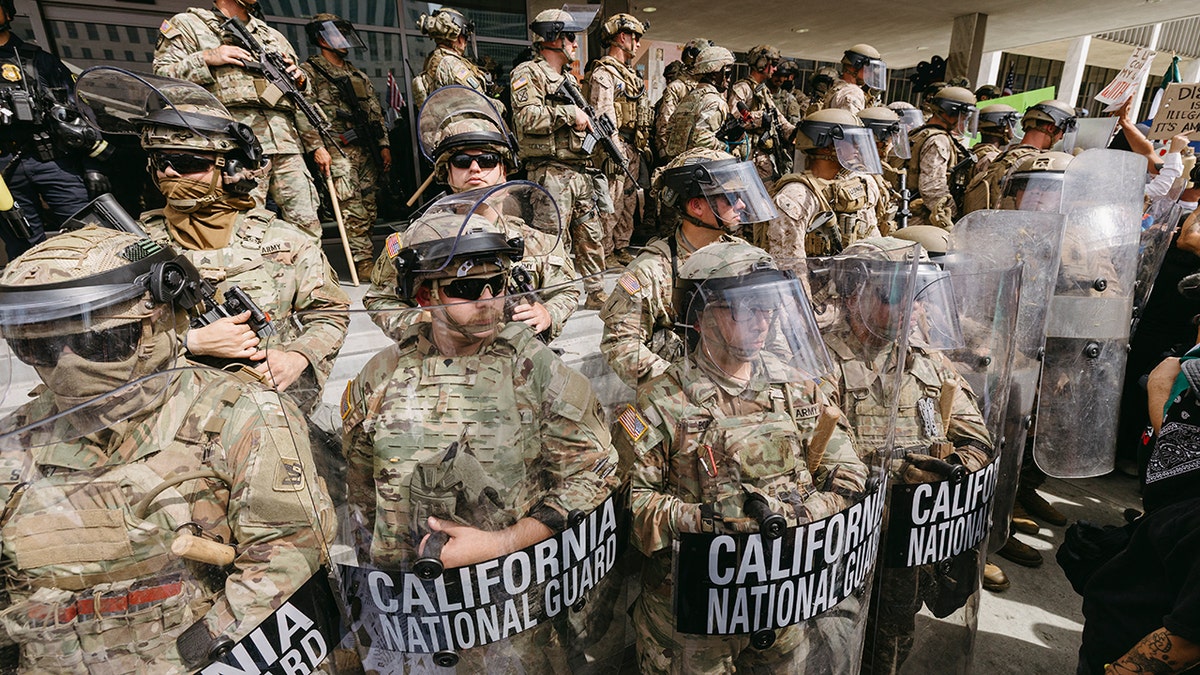
California National Guard members stand in formation during the protest in Los Angeles, California on June 14, 2025. (David Pashaee/Middle East Images/AFP via Getty Images)
California cities
Led by Democratic, pro-sanctuary politicians, America’s most populous state has stood firmly opposed to much of the Trump administration’s actions. California Gov. Gavin Newsom was a fierce critic of Trump’s deployment of the National Guard to Los Angeles over the summer despite ongoing unrest and anti-ICE riots in the city.
Despite the pushback, Trump has signaled his willingness to send the National Guard back to Los Angeles as well as to Oakland and San Francisco.
«We have other cities also that are bad. Very bad,» said the president. «You look at Los Angeles, how bad it is.»
CLICK HERE TO DOWNLOAD THE FOX NEWS APP
Addressing crime, Trump has said, «Then you have, of course, Baltimore and Oakland. We don’t even mention that anymore. They are so far gone. We are not going to let that happen. We are not going to lose our cities over this.»
Trump also said, «Look at what the Democrats have done to San Francisco. They’ve destroyed it. We can clean that up, too, we’ll clean that one up, too.»
Fox News Digital’s Amanda Macias contributed to this report.
donald trump,national guard,defense,us






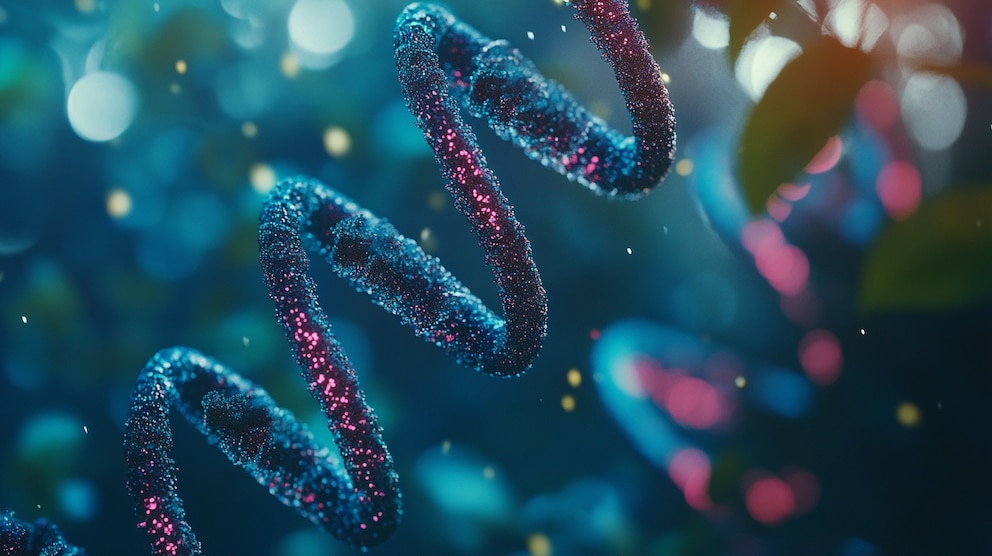
Un pequeño cambio en el ADN puede cambiar el destino de la sangre. Investigadores de los Estados Unidos y Europa identificaron una variante genética hereditaria que protege contra la leucemia y otros cánceres hematológicos, un hallazgo que abre nuevas posibilidades para prevenir enfermedades graves.
El descubrimiento sugiere que algunas personas tienen una defensa genética natural.
Los científicos comprobaron que este cambio genético limita la multiplicación de clones celulares peligrosos y reduce el riesgo de cáncer de sangre. Replicar este mecanismo podría transformar los tratamientos médicos en el futuro.
El estudio fue dirigido por Gaurav Agarwal y reunió datos de más de 640.000 personas en Estados Unidos y Europa. Fue publicado en la revista Science.
Los investigadores pertenecen a instituciones como el Hospital Infantil de Boston, la Facultad de Medicina de Harvard, el Instituto del Cáncer Dana-Farber, el Instituto Médico Howard Hughes, el Broad Institute del MIT y Harvard, el Memorial Sloan Kettering Cancer Center, y el Instituto Nacional del Cáncer de los Estados Unidos. También colaboraron expertos de la Universidad Newcastle del Reino Unido.

El equipo de investigadores se preguntó por qué algunas personas desarrollan cáncer de sangre y otras no, aunque acumulen mutaciones similares en las células madre.
El proceso de clonación hematopoyética permite que ciertos clones de células madre tomen ventaja y se multipliquen, lo que eleva el riesgo de leucemia y enfermedades crónicas.
Con el paso de los años, las mutaciones se acumulan, pero no siempre causan enfermedad. Algunos clones mutados permanecen bajo control o retroceden.
El objetivo fue identificar factores genéticos capaces de frenar la expansión de estos clones y proteger a las personas de desarrollar cáncer.

Los científicos se enfocaron en variantes hereditarias presentes en el ADN y analizaron el genoma completo de cientos de miles de personas.
El reto fue distinguir qué cambios genéticos influyen realmente en el riesgo de cáncer de sangre y cuáles no tienen impacto clínico.
El análisis priorizó las variantes no codificantes, que no modifican la estructura de las proteínas pero pueden regular la actividad de genes clave en las células madre de la sangre.

El equipo del doctor Agarwal identificó la variante «rs17834140-T», que se comporta como una defensa genética ante la clonación hematopoyética y el desarrollo de cánceres sanguíneos.
Esta mutación disminuye el riesgo de padecer CHIP (que es la sigla en inglés de “Hematopoyesis clonal de Potencial Indeterminado), un proceso que predispone a la leucemia.
La variante rs17834140-T reduce la expresión del gen musashi 2 (MSI2), esencial para las células madre sanguíneas. Al bajar la actividad de este gen, la red de apoyo a los clones mutados pierde fuerza y su expansión se debilita.
Los investigadores demostraron en el laboratorio que la mutación interrumpe el sitio de unión del factor GATA-2 en el ADN. Esta interferencia limita la producción de MSI2 y restringe el crecimiento de los clones peligrosos.

La red genética suprimida por la variante se activa en las células madre con mutaciones de alto riesgo y en niños con leucemia mieloide aguda. En estos casos, la actividad de la red se relaciona con una menor supervivencia.
Los investigadores sostuvieron que “el efecto protector de la variante se vincula a un solo cambio en el ADN que debilita la actividad del gen MSI2”.
El mapa genético elaborado por los científicos muestra cómo MSI2 influye en el destino de las células madre y en el dominio clonal de mutaciones asociadas a cáncer.
Los datos sugieren que bloquear MSI2 podría convertirse en una vía para prevenir nuevos casos de cáncer de sangre.

El avance resalta la importancia de compartir datos genéticos para impulsar la investigación médica.
Vijay Sankaran, coautor e investigador en la Universidad de Harvard, afirmó que “la integridad científica mejoró sustancialmente gracias a la difusión y el acceso público” a los datos de secuenciación y estudios GWAS.
Los científicos alertaron sobre la necesidad de validar estos resultados en poblaciones más diversas y continuar el seguimiento en estudios clínicos de largo plazo. El descubrimiento allana el camino para desarrollar medicamentos que imiten el efecto protector de la variante genética.
Los investigadores resaltaron que la mutación “ilumina la regulación post-transcripcional de las células madre humanas y sugiere la inhibición de MSI2 o sus objetivos para la prevención del cáncer de sangre”.
guantes,laboratorio,manos,muestras,tubos,vih
INTERNACIONAL
Donald Trump dio su explicación sobre los moretones en sus manos y reveló detalles sobre su último examen médico

Preguntas sobre la salud del presidente
 Un visible moretón en la mano derecha de Donald Trump, en una imagen de agosto. Foto: REUTERS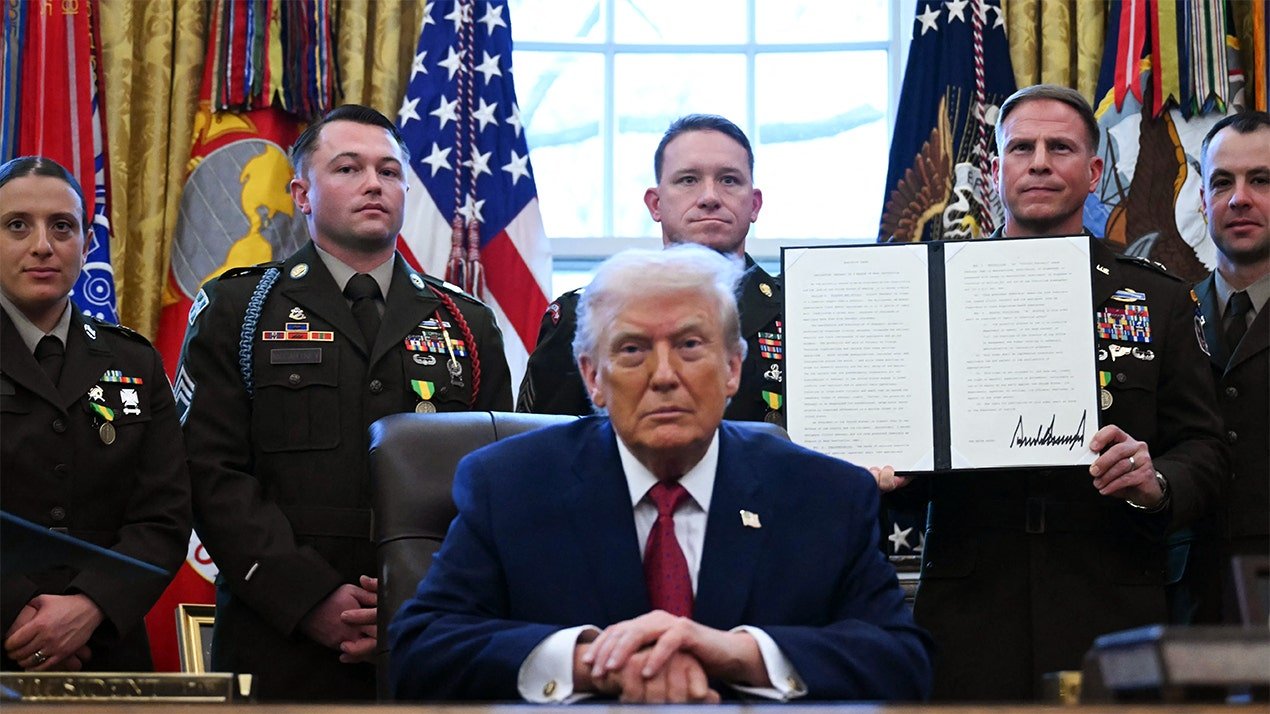
NEWYou can now listen to Fox News articles!
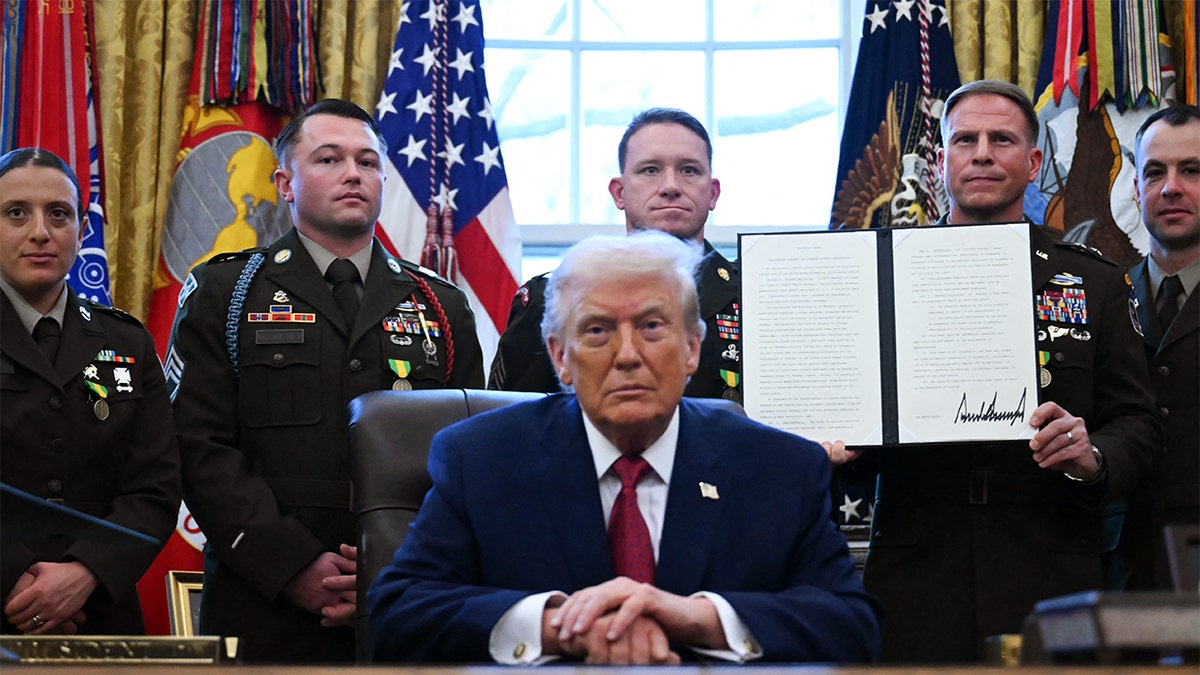
President Donald Trump spent the first year of his second White House term signing a torrent of executive orders aimed at delivering on several major policy priorities, including slashing federal agency budgets and staffing, implementing a hard-line immigration crackdown and invoking emergency authority to impose steep tariffs on nearly every U.S. trading partner.
The pace of Trump’s executive actions has far outstripped that of his predecessors, allowing the administration to move quickly on campaign promises. But the blitz has also triggered a wave of lawsuits seeking to block or pause many of the orders, setting up a high-stakes confrontation over the limits of presidential power under Article II and when courts can — or should — intervene.
Lawsuits have challenged Trump’s most sweeping and consequential executive orders, ranging from a ban on birthright citizenship and transgender service members in the military to the legality of sweeping, DOGE-led government cuts and the president’s ability to «federalize» and deploy thousands of National Guard troops.
FEDERAL JUDGE BLOCKS TRUMP’S BIRTHRIGHT CITIZENSHIP BAN FOR ALL INFANTS, TESTING LOWER COURT POWERS
Many of those questions remain unresolved. Only a few legal fights tied to Trump’s second-term agenda have reached final resolution, a point legal experts say is critical as the administration presses forward with its broader agenda.
Trump allies have argued the president is merely exercising his powers as commander in chief.
Critics counter that the flurry of early executive actions warrants an additional level of legal scrutiny, and judges have raced to review a crushing wave of cases and lawsuits filed in response.
President Donald Trump speaks to the media after signing an executive order at the White House. (Chip Somodevilla/Getty Images)
WINS:
Limits on nationwide injunctions
In June 2025, the Supreme Court sided with the Trump administration 6-3 in Trump v. CASA, a closely watched case centered on the power of district courts to issue so-called universal or nationwide injunctions blocking a president’s executive orders.
Though the case ostensibly focused on birthright citizenship, arguments narrowly focused on the authority of lower courts’ ability to issue nationwide injunctions and did not wade into the legality of Trump’s order, which served as the legal pretext for the case. The decision had sweeping national implications, ultimately affecting the more than 310 federal lawsuits that had been filed at the time challenging Trump’s orders signed in his second presidential term.
Justices on the high court ultimately sided with U.S. Solicitor General John Sauer, who had argued to the court that universal injunctions exceeded lower courts’ Article III powers under the Constitution, telling justices that the injunctions «transgress the traditional bounds of equitable authority,» and «create a host of practical problems.»
The Supreme Court largely agreed. Justices ruled that plaintiffs seeking nationwide relief must file their lawsuits as class action challenges. This prompted a flurry of action from plaintiffs in the weeks and months that followed as they raced to amend and refile relevant complaints to lower courts.
Firing independent agency heads
The Supreme Court also signaled openness to expanding presidential authority over independent agencies.
donald trump,supreme court,federal courts

Las importaciones superaron los USD 70.000 millones en 2025 y las compras “puerta a puerta” crecieron casi 300 por ciento

El Gobierno iniciaría el proceso para privatizar el Belgrano Cargas: la letra chica y el plan para renovar otra compañía clave

Úrsula Corberó y el Chino Darín celebraron un Año Nuevo inolvidable en Madrid: las fotos de la actriz embarazada

El biógrafo de Milei respaldó las críticas del “Gordo Dan” contra el Islam y le respondió a Zulemita Menem

Fuerte reacción de la oposición contra los cambios en el sistema de Inteligencia que impulsa Milei por decreto

Georgi Minoungou, el jugador semiciego que lidera a una ‘tapada’ en la Copa África

Calor extremo en el AMBA: cuándo la temperatura rozará los 40 grados

Quién era Charlie Menditéguy, el millonario argentino que conquistó a Brigitte Bardot y renunció a la Fórmula 1 por ella

Axel Kicillof insistirá con la reelección indefinida de intendentes, pero evita el debate de la Boleta Única

Jorge Lanata, a un año de su muerte: el periodista más original, influyente y popular de su generación

 POLITICA3 días ago
Axel Kicillof insistirá con la reelección indefinida de intendentes, pero evita el debate de la Boleta Única
- CHIMENTOS3 días ago
Jorge Lanata, a un año de su muerte: el periodista más original, influyente y popular de su generación
- POLITICA2 días ago
Documento clave: la empresa de Faroni pactó con la AFA quedarse con el 30% de sus ingresos comerciales en el exterior