INTERNACIONAL
Historias del Cónclave: aquel «carpetazo» de los Kirchner a Jorge Bergoglio para perjudicar su candidatura papal


¿Qué tanta similitud tiene la película Cónclave -tan vista en estos días en vísperas de una nueva elección de un Papa- con un cónclave real? El debate está abierto. Pero en un pasaje del filme hay un “carpetazo” en perjuicio de un candidato. Ciertamente esa situación no es inverosímil. Por el contrario, el entonces cardenal Jorge Bergoglio fue víctima de una operación para dañar sus posibilidades de ser papa en 2005, tras la muerte de Juan Pablo II, cuando los medios decían que tenía chances de sucederlo.
En este caso no fue a través de una carpeta con un informe puesta en las mesas donde se sentaban los cardenales como en la película, sino mediante el envío por mail a los respectivos purpurados de un artículo periodístico. Allí se lo acusaba a Bergoglio de haber prácticamente “entregado” a las autoridades militares -cuando era provincial de los jesuitas en el país- a dos sacerdotes que se desempeñaban en una villa de emergencia del barrio porteño de Flores, dos meses después del golpe militar de 1976.
De acuerdo con esa versión, Bergoglio les pidió a los padres Orlando Yorio y Francisco Jalics que abandonaran su trabajo pastoral en la barriada y, como ellos se negaron, les comunicó a las autoridades militares que los religiosos ya no contaban con el amparo de la Iglesia -más bien de su orden, la Compañía de Jesús-, dejándoles así el camino expedito para que los secuestraran, con el consiguiente gravísimo peligro que eso implicaba para sus vidas.
El artículo pertenecía al diario Página 12 y era parte de una sucesión elaborados por el periodista Horacio Verbitsky. Bergoglio estaba convencido de que esos artículos eran supervisados -o, cuanto menos, conocidos previamente- por el entonces presidente Néstor Kirchner y su esposa. Eran los tiempos en que el extinto mandatario lo consideraba “el jefe espiritual de la oposición” y no iba a la celebración que presidía en la catedral metropolitana por el tedeum del 25 de Mayo.
La campaña contra la candidatura papal de Bergoglio de los Kirchner -que se extendía a otros medios y periodistas amigos- contaba con aliados impensables: los sectores más conservadores de la Iglesia en la Argentina y en el Vaticano que consideraban que el entonces arzobispo de Buenos Aires era demasiado blando frente a proyectos para legalizar el aborto o consagrar el matrimonio gay y aspiraban a que fuese removido de sus funciones.
No parece que el «carpetazo» haya perjudicado su candidatura. Con 40 votos en el cónclave fue el segundo más votado detrás de Joseph Ratzinger -a la postre Benedicto XVI- que parecía el sucesor cantado de Juan Pablo II. Pero en la Argentina, Bergoglio tuvo que declarar ante un tribunal en calidad de testigo, siendo interpelado por el abogado Luis Zamora con el riesgo de que si sus respuestas no convencían pudiera ser imputado.
El cardenal Bergoglio durante años no contestó las acusaciones hasta que en 2010, para el libro “El Jesuita” lo hizo. Dijo entonces que a los dos sacerdotes los había alertado sobre los riesgos que corrían trabajando en una villa ante «la paranoia de los militares». Y señaló que cuando se produjo su detención “nos movimos como locos” llegando a reunirse con el presidente Jorge Videla y el comandante de la Marina, Emilio Massera, para obtener su liberación, cosa que logró varios años después.
En su libro “Salvados por Francisco”, el escritor Aldo Duzdevich -ex integrante de la organización Montoneros- recopila varios casos de personas que estaban bajo la mira de la dictadura y fueron ocultados en el Colegio Máximo de San Miguel donde residía en aquella época, o sacados del país, por el propio Bergoglio.
Antes de que el vínculo se recompusiera y Francisco pasara a ser objeto de adoración, el 13 de marzo de 2013 Cristina Kirchner dejaba en claro que aún seguía desconfiando del ex arzobispo de Buenos Aires. Ese día, cuando Bergoglio fue electo papa, la entonces presidenta comentó la noticia desde Tecnópolis, sin hacer referencia a su país de nacimiento: señaló que ese miércoles era «un día histórico», dado que por primera vez en dos mil años de Iglesia Católica, «hay un Papa que pertenece a Latinoamérica».

INTERNACIONAL
La mayor petrolera del mundo advirtió sobre consecuencias “catastróficas” de la guerra ante nuevos ataques iraníes a refinerías

Los mercados financieros globales revirtieron parte de su optimismo del martes luego de que una serie de señales contradictorias sobre el curso de la guerra en Oriente Medio volvieron a sembrar la incertidumbre: el ataque con drones a la refinería más grande de los Emiratos Árabes Unidos, la advertencia del gigante petrolero Saudi Aramco sobre consecuencias “catastróficas” para la economía mundial y las declaraciones del primer ministro israelí, Benjamín Netanyahu, quien aseguró que la ofensiva militar contra Irán “aún no ha terminado”.
En las primeras operaciones, el Dow Jones cedía un 0,44%, el Nasdaq fluctuaba casi sin cambios y el S&P 500 perdía 0,26%. Los tres índices habían llegado a mostrar caídas más pronunciadas en la preapertura luego de una noche en verde que parecía prever una recuperación.
Pero el detonante negativo fue el reporte de medios estatales iraníes sobre la explosión de un buque cisterna cerca de Abu Dhabi, que agravó las dudas sobre la confianza del presidente Donald Trump en que el conflicto podría terminar “muy pronto”.
A eso se sumó el ataque con drones que provocó un incendio en la zona industrial de Ruwais, en los Emiratos Árabes Unidos, y obligó a detener operaciones en la refinería más grande del complejo, operada por la compañía estatal Abu Dhabi National Oil Co. (ADNOC). La planta tiene capacidad para procesar 922.000 barriles de petróleo por día. Las autoridades de Abu Dhabi confirmaron el incendio pero indicaron que no había víctimas.
El incidente se suma a una cadena de ataques contra infraestructura energética en el Golfo Pérsico. Arabia Saudita cerró la semana pasada su mayor refinería tras un bombardeo similar, y Qatar clausuró la mayor planta exportadora de gas natural licuado del mundo.

En ese contexto, el director ejecutivo de Saudi Aramco, Amin Nasser, advirtió en una llamada de resultados que el conflicto tendría “consecuencias catastróficas” para el mercado petrolero y efectos “drásticos” sobre la economía global si se prolongaba. Nasser informó que la compañía trabaja para despachar en los próximos días alrededor del 70% de sus exportaciones habituales a través del puerto de Yanbu, en el Mar Rojo, ruta alternativa ante el bloqueo efectivo del Estrecho de Ormuz, por donde normalmente transita una quinta parte del petróleo mundial.
El crudo, que llegó a rozar los 120 dólares por barril el lunes, operaba este martes sobre los 90 dólares, luego de la caída generada por los comentarios de Trump. El petróleo de referencia estadounidense WTI cotizaba por encima de los 90 dólares por barril, mientras que el Brent internacional superaba los 93 dólares, ambos recuperando parte de las pérdidas nocturnas. Desde el inicio de la guerra, los precios acumulan una suba de alrededor del 34%.
El secretario de Defensa, Pete Hegseth, anunció desde el Pentágono que este martes será “el día más intenso de ataques dentro de Irán” desde el inicio de la guerra. Confirmó que Trump “tiene el control del acelerador” y declinó precisar si la operación está en su inicio, mitad o final. El general Dan Caine agregó que las fuerzas estadounidenses siguen atacando buques minadores iraníes y que la marina de Teherán ha sido golpeada con “artillería, cazas, bombarderos y misiles lanzados desde el mar”. Hegseth acusó además a Irán de desplazar lanzacohetes cerca de escuelas y hospitales para dificultar los ataques estadounidenses.
Netanyahu declaró este martes que la ofensiva “aún no ha terminado” e inició una nueva oleada de ataques sobre Teherán, en contraste con el tono más conciliador que Trump había adoptado un día antes al afirmar que consideraba la guerra “prácticamente completa”. Irán, por su parte, mantuvo su desafío: un portavoz de los Guardianes de la Revolución sostuvo que Teherán no permitirá que “ni un litro” de petróleo de la región llegue a Estados Unidos o sus aliados mientras continúen los ataques, y reafirmó que serán ellos quienes “determinen el fin de la guerra”.
Los mercados europeos y asiáticos habían abierto con ganancias, alentados por las palabras de Trump, pero el ánimo fue enfriándose a medida que avanzaba la jornada. El galón de gasolina en Estados Unidos subía este martes a 3,54 dólares en promedio, según el club automovilístico AAA, frente a los menos de 3 dólares registrados antes del inicio del conflicto.
Middle East
NEWYou can now listen to Fox News articles!
Vietnam’s trade ministry is urging businesses to encourage employees to work from home to curb fuel consumption as the country grapples with supply disruptions and sharp price increases triggered by the U.S.-Israeli war involving Iran.
In a statement on Tuesday, the government said Vietnam has been among the nations hardest hit by the turmoil due to its heavy reliance on energy imports from the Middle East. Citing a report from the Ministry of Industry and Trade, it called on companies to «encourage work-from-home when possible to reduce the need for travel and transportation.»
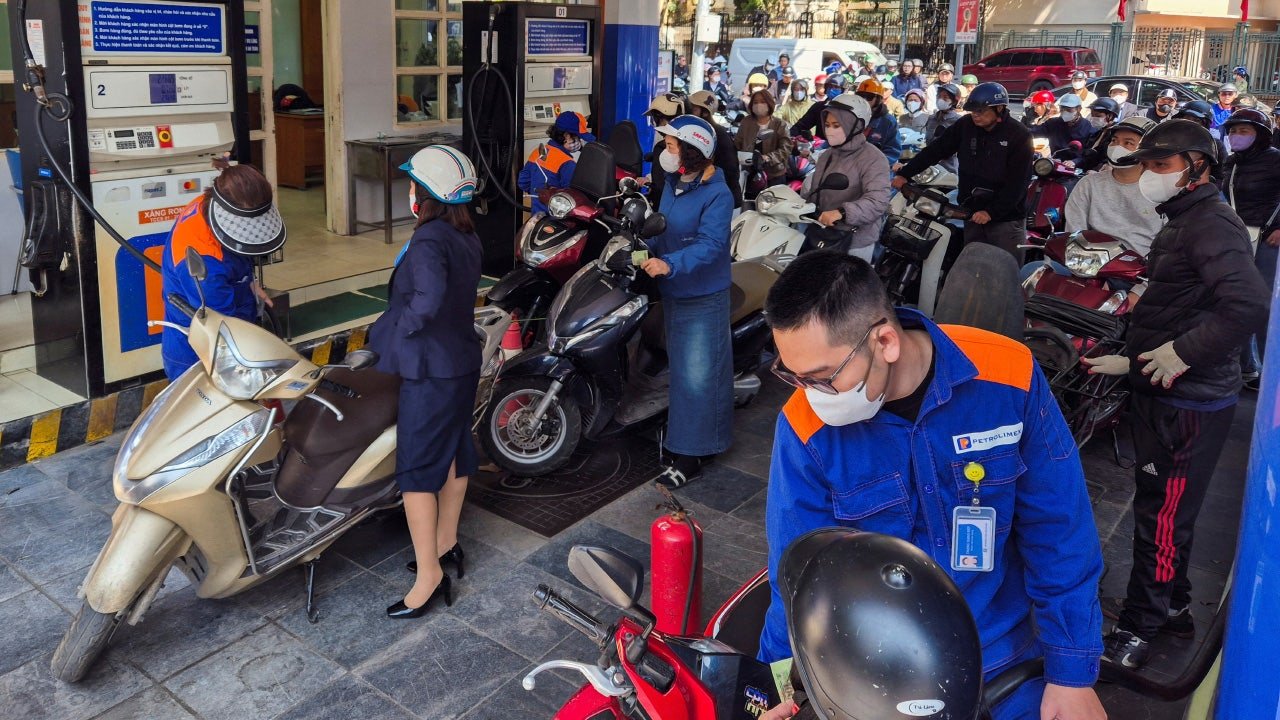
Fuel prices have surged since the end of last month, with gasoline up 32%, diesel rising 56% and kerosene climbing 80%, according to data from Petrolimex, the country’s top fuel trader. Long lines of cars and motorbikes were seen at petrol stations in Hanoi on Tuesday.
The ministry also urged businesses and individuals not to hoard or speculate on fuel.
People queue to buy petrol at a petrol station after Vietnam’s trade ministry called on local businesses to encourage their employees to work from home to save fuel amid disruptions in supply and price surges triggered by the U.S.-Israeli conflict with Iran, in Hanoi, Vietnam, March 10, 2026. (REUTERS/Khanh Vu)
GAS PRICES COULD JUMP AS MIDDLE EAST TENSIONS THREATEN GLOBAL OIL SUPPLY
Prime Minister Pham Minh Chinh on Monday held calls with leaders of Kuwait, Qatar and the United Arab Emirates to secure additional fuel and crude oil supplies. The government has also removed import tariffs on fuels through the end of April in a bid to ease pressure on the market.
President Donald Trump’s strikes on Iran have made for volatile crude markets, with prices surging to $120 a barrel in the U.S. over the weekend before dipping back to just over $80 on Monday night as Trump spoke to a Republican retreat in Florida.
Prices have stabilized after Trump assured investors the Strait of Hormuz will be safe for oil tankers in the Middle East, a notorious choke point for the largely dismantled Iranian regime.
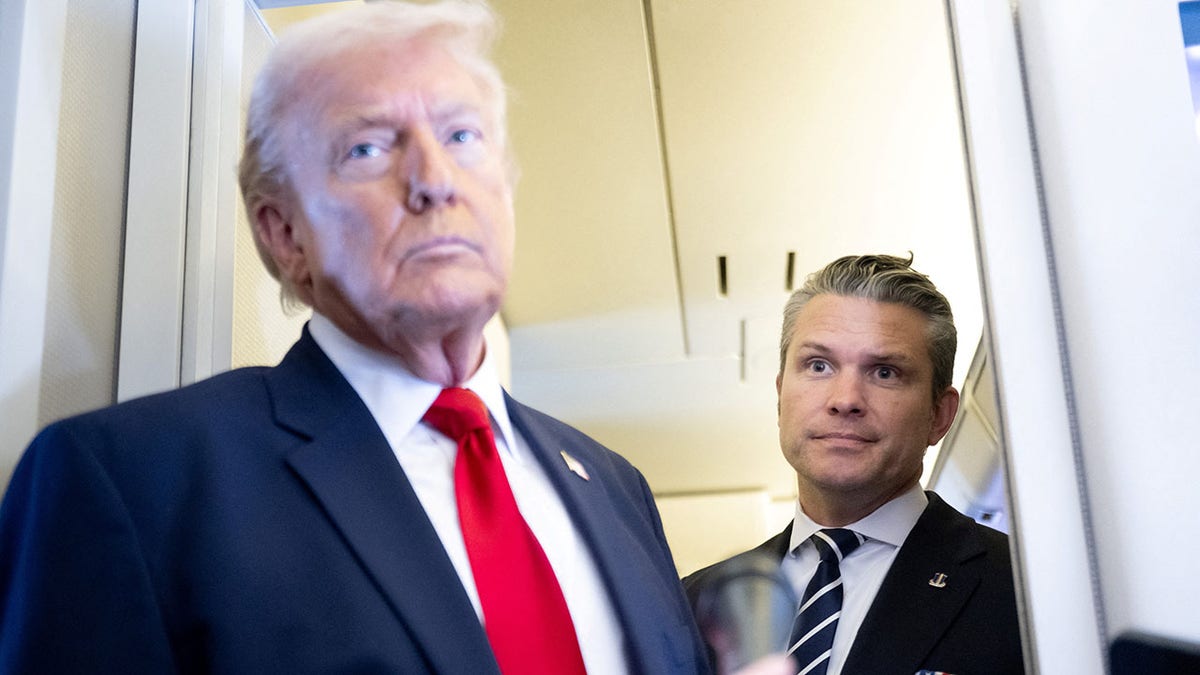
President Donald Trump addresses reporters aboard Air Force One last week as War Secretary Pete Hegseth looks on. (SAUL LOEB / AFP via Getty Images)
TRUMP IS REALIGNING WORLD ENERGY MARKETS AND THE IRAN STRIKES ARE ACTUALLY HELPING
The situation in the region remains tenuous as Iran has announced Mojtaba Khamenei as the next supreme leader, a decision that Trump told Fox News that he «was not happy» about.
«I don’t believe he can live in peace,» Trump said from Air Force One.
Iran’s Revolutionary Guard said Tuesday they would not let any oil out of the Middle East until U.S. and Israeli attacks cease, a threat that had prompted Trump to threaten to hit Iran «20 times harder» if it blocked exports.
US SIGNALS READINESS TO ESCORT TANKERS THROUGH HORMUZ AS TRAFFIC THINS BUT NO MISSION LAUNCHED
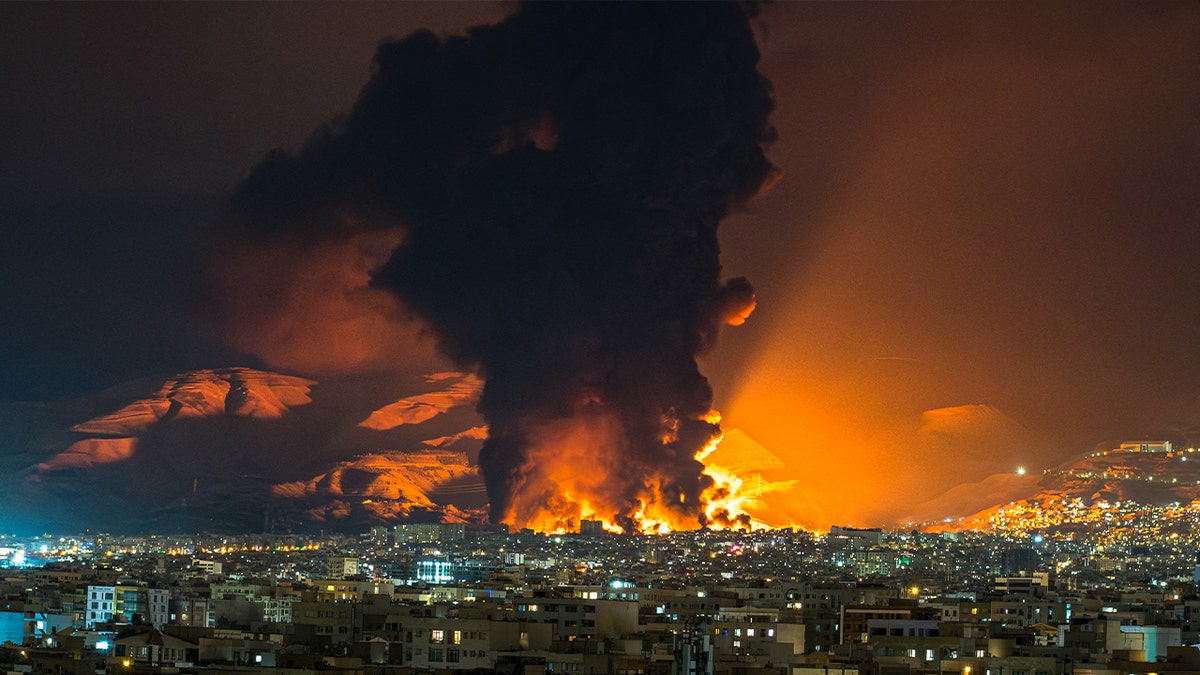
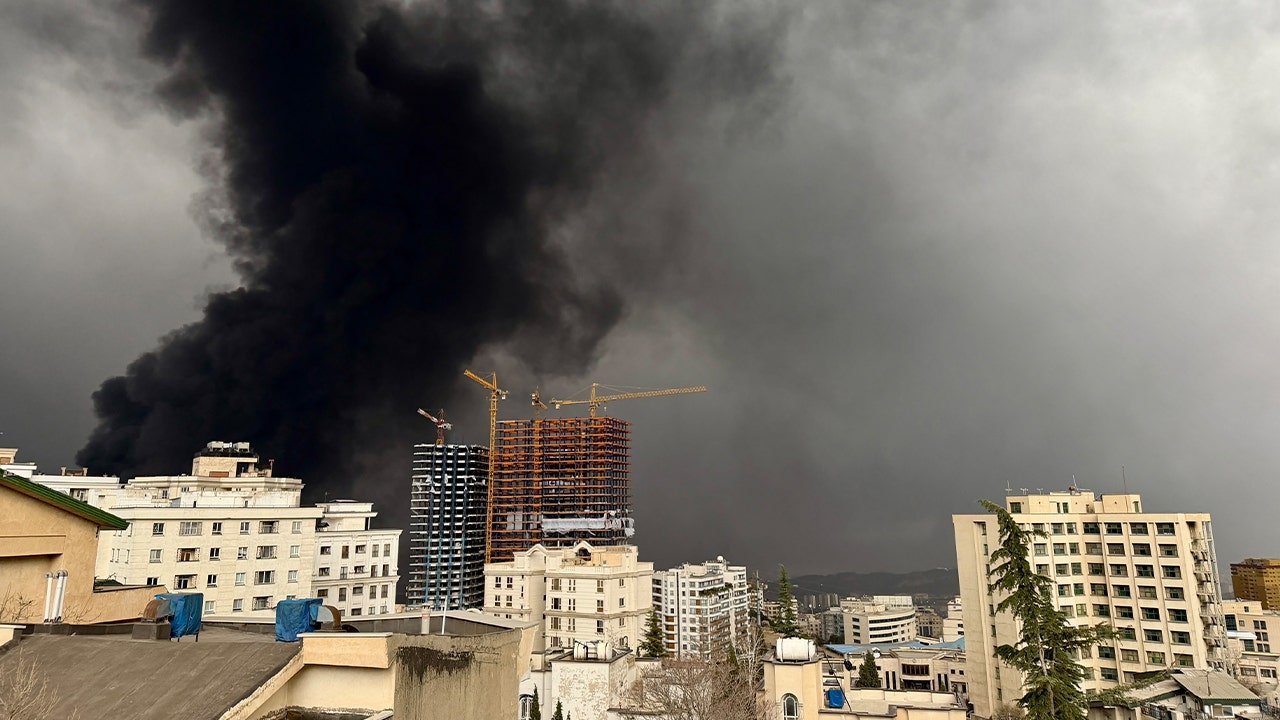
Strikes on the Iranian leadership, the IRGC, and Iranian naval vessels and oil infrastructure have roiled the markets. ( Sasan / Middle East Images / AFP via Getty Images)
Despite the defiant rhetoric from both sides, investors placed strong bets Tuesday that Trump would call off his war soon, before the unprecedented disruption it has caused to energy supplies causes a global economic meltdown.
«I’m hearing they want to talk badly,» Trump said, as the Department of War has claimed 50 Iranian naval vessels have been sunk and Trump is suggesting the war objections are weeks ahead of schedule, if not nearly «complete.»
CLICK HERE TO DOWNLOAD THE FOX NEWS APP
«It’s possible,» Trump added of engaging the new Iranian leadership, descendants of the deceased leaders, but said it «depends on what terms, possible, only possible.»
«You know, we sort of don’t have to speak anymore, you know, if you really think about it, but it’s possible,» he said.
Fox News’ Trey Yingst and Reuters contributed to this report.
world,donald trump,war with iran,finance global economy
INTERNACIONAL
Iran war, 11 days in: US controls skies, oil surges and the region braces for what’s next
NEWYou can now listen to Fox News articles!
One week into the war with Iran, U.S. officials say American and Israeli forces are moving toward «complete control» of Iranian airspace — clearing the way for deeper strikes, a broader target list and a conflict that appears to be expanding rather than winding down.
In briefings this week, Secretary of War Pete Hegseth and Joint Chiefs Chairman Gen. Dan Caine described what they called near-uncontested airspace over key corridors, a shift that allows sustained bombing operations deep inside Iran.
«We are winning with an overwhelming and unrelenting focus on our objectives,» Hegseth said in a press briefing Tuesday morning.
AFTER THE STRIKES, HOW WOULD THE US SECURE IRAN’S ENRICHED URANIUM?
Caine said U.S. forces have now struck more than 5,000 targets in the first 10 days of operations, including dozens of deeply buried missile launchers hit with 2,000-pound penetrating bombs.
The message from Washington is one of overwhelming military advantage.
But the broader picture, rising oil prices, expanding drone warfare, strikes on energy and civilian infrastructure, and regional spillover touching NATO territory, suggests a conflict that is growing in scope even as U.S. officials project confidence in its trajectory.
Leadership hardens in Tehran
Amid the intensifying conflict, Iran’s Assembly of Experts has selected Mojtaba Khamenei — son of the recently deceased Ayatollah Ali Khamenei — as the country’s new supreme leader, consolidating authority within the clerical establishment and the Islamic Revolutionary Guard Corps at a pivotal moment.
The succession, only the second since the 1979 revolution, signals continuity rather than recalibration in Iran’s posture. Mojtaba Khamenei had long been viewed as a potential successor and is closely aligned with hard-line factions inside Iran’s security apparatus.
President Donald Trump criticized the selection, saying the leadership change would not alter U.S. objectives and suggesting it reflects the same entrenched power structure Washington has sought to weaken. The administration has made clear that military operations will continue regardless of who occupies the supreme leader’s office.
Rather than opening a diplomatic off-ramp, the transition appears to reinforce the likelihood of a prolonged confrontation.
‘Uncontested airspace’
Hegseth said Tuesday that the U.S. and Israel had achieved «total air dominance» over Iran and were «winning decisively with brutal efficiency.»
«That doesn’t mean they won’t be able to project,» Hegseth said. «It doesn’t mean our air defenders still don’t have to defend. They do. But that is strong evidence of degradation.»
«Most of their higher-end surface-to-air missile systems are not factors at this point in time,» Caine said.
«Fighters are moving deeper with relative impunity,» he added, noting there is «always some risk.»
One week into the war with Iran, U.S. officials say American and Israeli forces are moving toward «complete control» of Iranian airspace. ( Sasan / Middle East Images / AFP via Getty Images)
Adm. Brad Cooper, head of the U.S. military’s Central Command, also reported that Iranian ballistic missile launches had dropped by roughly 90% from the opening days of the conflict, while drone attacks had fallen by more than 80%, attributing the decline to sustained strikes on launchers and infrastructure.
Still, officials have cautioned that air superiority does not mean every threat can be stopped. Iranian missiles and drones continue to be launched, and some have required interception across the region.
A shift in munitions and message
Hegseth said the campaign is transitioning from expensive standoff weapons like Tomahawk cruise missiles to 500-, 1,000- and 2,000-pound precision gravity bombs — a shift he said reflects confidence that Iranian surface-to-air missile systems have been suppressed in key areas.
He described the U.S. stockpile of such bombs as «nearly unlimited» and warned that Washington’s timeline «is ours and ours alone to control.»
The emphasis on gravity bombs is more than rhetorical. It signals a move toward sustained, high-tempo operations designed not only to hit active threats but to degrade Iran’s ability to regenerate its missile force.
US SIGNALS READINESS TO ESCORT TANKERS THROUGH HORMUZ AS TRAFFIC THINS, BUT NO MISSION HAS BEEN LAUNCHED
Drones redefine the fight
Even as missile launches decline, unmanned systems remain central to the war.
Iran has leaned heavily on drones — including Shahed-style loitering munitions — to strike energy facilities, pressure U.S. bases and disrupt shipping near the Strait of Hormuz. Compared to ballistic missiles, drones are cheaper and easier to deploy in volume, allowing Tehran to sustain pressure despite losses elsewhere.
In response, the United States has deployed a Ukraine-tested counter-drone interceptor system to the region. Ukrainian specialists, drawing on experience defending against Iranian-designed drones used in the Russia-Ukraine war, are assisting in strengthening base protection.
The drone fight underscores a key dynamic: while U.S. forces may dominate the skies, lower-cost unmanned systems can still impose risk and strain air defenses.
Energy at risk
The Strait of Hormuz — through which roughly 20% of the world’s oil and major liquefied natural gas shipments transit — has become one of the most consequential flashpoints of the war.
Drone attacks and Iranian threats sharply have reduced commercial traffic, driving up insurance costs and forcing some vessels to reroute. Oil prices have climbed above $100 per barrel amid fears that disruptions could persist.
Israeli strikes on Iranian oil facilities, and Iran’s retaliatory targeting of regional energy infrastructure, signal that energy assets are now active targets. Reports of strikes affecting water and desalination plants further suggest the war is expanding beyond strictly military sites.
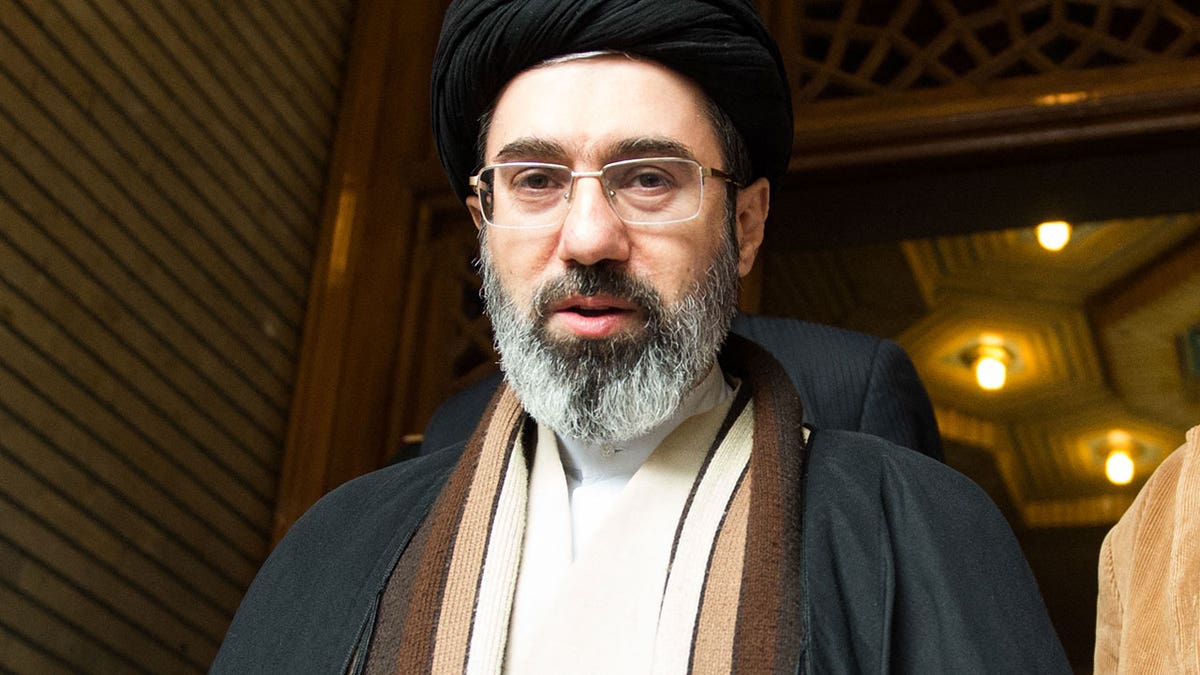
Iran’s Assembly of Experts has selected Mojtaba Khamenei — son of the late Ayatollah Ali Khamenei — as the country’s new supreme leader. (Photo by Reza B / Middle East Images / AFP via Getty Images)
If instability in Hormuz stretches for weeks, analysts warn, global energy markets could tighten quickly, translating into higher gasoline prices and renewed inflation pressure in the United States.
Trump warned Monday that Iran will be hit «20 times harder» than it already has if it threatens ships in the Strait.
NATO proximity and regional backlash
The war has edged closer to NATO territory. Two Iranian ballistic missiles were intercepted near Turkish airspace, raising the risk of broader alliance involvement.
Iran has also struck Azerbaijan, drawing sharp condemnation from Baku and angering Turkey, Azerbaijan’s closest ally. Notably, Iran has not seen a unified regional bloc mobilize in its defense, highlighting its relative diplomatic isolation even as it escalates militarily.
Industrial mobilization
Despite Hegseth’s assertion that certain offensive munitions are plentiful, sustaining air and missile defense operations is resource-intensive, and inventories of high-end interceptors were already under strain before the conflict began.
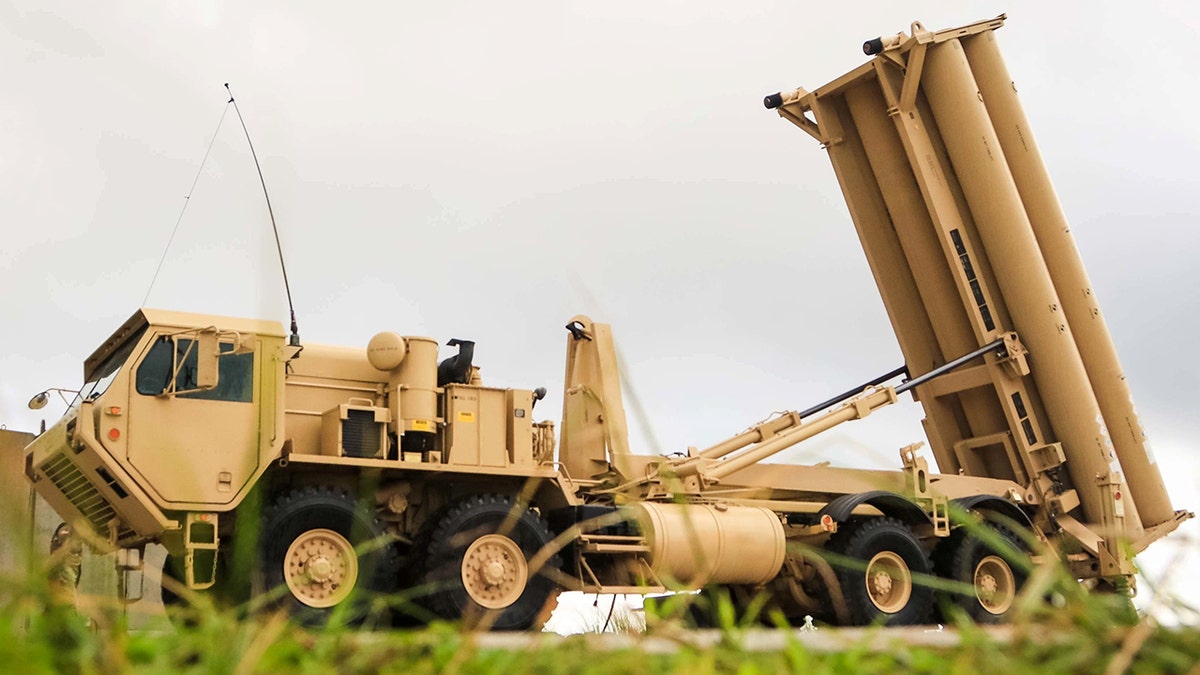
Iran has attempted to degrade radar systems tied to platforms such as THAAD and Patriot batteries. (Reuters/U.S. Army/Capt. Adan Cazarez)
Iran has attempted to degrade radar systems tied to platforms such as THAAD and Patriot batteries. While U.S. commanders say launch rates have declined sharply, interceptors are expensive and produced in limited quantities.
Trump convened major defense contractors last week to press for accelerated production of interceptors and related systems. Expanding output could require congressional funding if the campaign continues at its current pace.
The battlefield now extends beyond launch sites and into supply chains.
Rising casualties
The Pentagon has confirmed seven U.S. service members have been killed and eight seriously injured in Iranian strikes.
In Iran, the U.S. claims over 50 top Iranian leaders, including Supreme Leader Ali Khamenei, have been taken out. Iran claims more than 1,000 people have been killed in the strikes and approximately 175 people, including many schoolchildren, were killed in an attack on a girls’ elementary school in Minab.
No group has claimed responsibility, and investigations are ongoing.
The incident has intensified scrutiny over civilian protection as the conflict widens.
No quick off-ramp
A little more than one week in, the trajectory points toward expansion rather than containment.
CLICK HERE TO DOWNLOAD THE FOX NEWS APP
U.S. officials project confidence in air dominance and sustained strike capacity. Iranian leadership has consolidated under a hard-line successor. Energy markets are volatile. Drone warfare continues to test defenses. The conflict has brushed NATO territory and struck civilian infrastructure.
The central question is how far the conflict will spread, and whether military momentum can outpace the economic and geopolitical costs mounting across the region.
war with iran,iran,conflicts defense,middle east foreign policy,energy

La mayor petrolera del mundo advirtió sobre consecuencias “catastróficas” de la guerra ante nuevos ataques iraníes a refinerías

25 años del primer programa de Gran Hermano en Argentina: cómo fue el debut y qué pasó con los participantes

Quién es Matías Álvarez, el nuevo titular de la Unidad de Información Financiera

Javier Milei aseguró que los empresarios que defienden la industria nacional son “unos chorros” y reiteró en Nueva York duras críticas a Rocca y Madanes Quintanilla

Jamie Dimon, CEO global de JP Morgan, elogió a Milei: “Este Presidente tiene convicciones muy sólidas sobre cómo arreglar un país”

Quién es Lara Ghione, la niña prodigio de Rosario que se graduó de la universidad con solo 12 años

La cruda confesión de Amalia Granata por el trastorno que sufre su hijo Roque: “Le hicimos estudios y salió que tiene TDAH, dislexia y disgrafia”

Wanda Nara involucrada en la separación de su hijo Valentino: su ex nuera contó toda la verdad

«Crisis industrial masiva»: alarmante informe de la UBA se mete en la pelea de Milei con la UIA

El mercado le está corriendo el arco a Caputo y el riesgo país no baja: en la City palpitan medidas

 CHIMENTOS2 días ago
La cruda confesión de Amalia Granata por el trastorno que sufre su hijo Roque: “Le hicimos estudios y salió que tiene TDAH, dislexia y disgrafia”
- ECONOMIA2 días ago
El mercado le está corriendo el arco a Caputo y el riesgo país no baja: en la City palpitan medidas
- CHIMENTOS2 días ago
¿Fraude? Robertito Funes Ugarte contó todo sobre el “porro” y el celular dentro de Gran Hermano: “Se dice que les pasan información a los chicos”