INTERNACIONAL
If Khamenei falls, who takes Iran? Strikes will expose power vacuum — and the IRGC’s grip

NEWYou can now listen to Fox News articles!
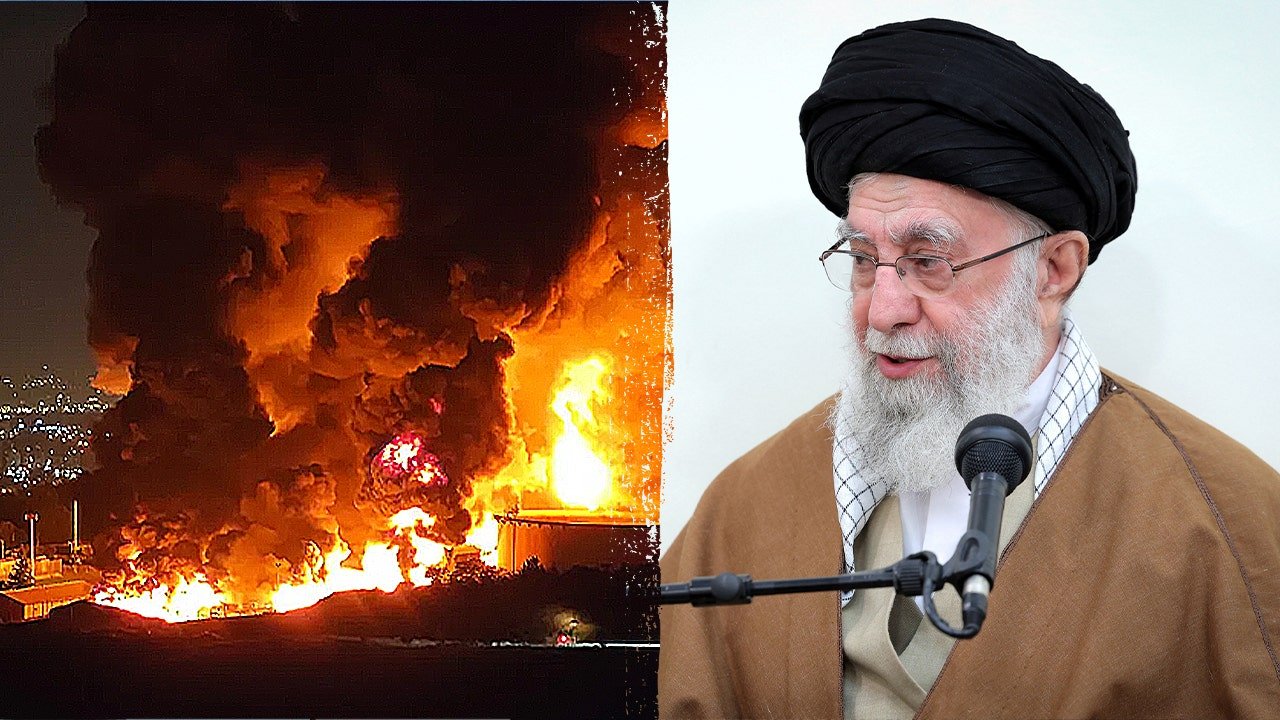
As U.S. and Israeli forces strike deep inside Iran — reportedly targeting senior regime officials including Supreme Leader Ayatollah Ali Khamenei and President Masoud Pezeshkian — the question of who would lead Iran if the Islamic Republic collapses is no longer theoretical.
Iran has retaliated with missile barrages against U.S. positions across the Middle East, and while Iranian state media says top leaders remain alive and have been moved to secure locations, the direct targeting of political and military leadership marks a dramatic escalation.
Yet, despite the intensity of the moment, regional analysts say there is no obvious successor poised to take control of the country.
The real power center: security forces
Experts consistently point to one determining factor: whether Iran’s coercive institutions — particularly the Islamic Revolutionary Guard Corps (IRGC) — fracture or consolidate.
If the IRGC remains cohesive, the most likely outcome is not democratic transition but a harder, more openly security-dominated system. A clerical reshuffle or military-led consolidation could preserve much of the existing power structure even if key figures are removed.
As U.S. and Israeli forces strike deep inside Iran — reportedly targeting senior regime officials including Supreme Leader Ayatollah Ali Khamenei and President Masoud Pezeshkian — the question of who would lead Iran if the Islamic Republic collapses is no longer theoretical. (Iranian Leader Press Office/Anadolu via Getty Images)
If, however, segments of the IRGC or regular armed forces defect or splinter under pressure from war and internal unrest, a political opening could emerge.
At this stage, there is no confirmed evidence of widespread security defections.
Reza Pahlavi: visible but long in exile
One of the most prominent opposition figures abroad is Reza Pahlavi, son of Iran’s last shah. He has lived outside Iran since the 1979 revolution and has spent decades advocating for a secular, democratic system.
In a recent statement, Pahlavi called the U.S. strikes a «humanitarian intervention» and urged Iran’s military and security forces to abandon the clerical regime. He declared that the Islamic Republic is «collapsing» and called on Iranians to prepare to return to the streets at the appropriate time.
But while Pahlavi has name recognition and support among parts of the diaspora, his actual base of support inside Iran is difficult to measure. He has not lived in the country for more than four decades, and many Iranians remain divided over the legacy of the monarchy.
Analysts note that symbolic visibility — including chants heard during past protests — does not necessarily translate into the organizational infrastructure needed to govern a country of nearly 90 million people.
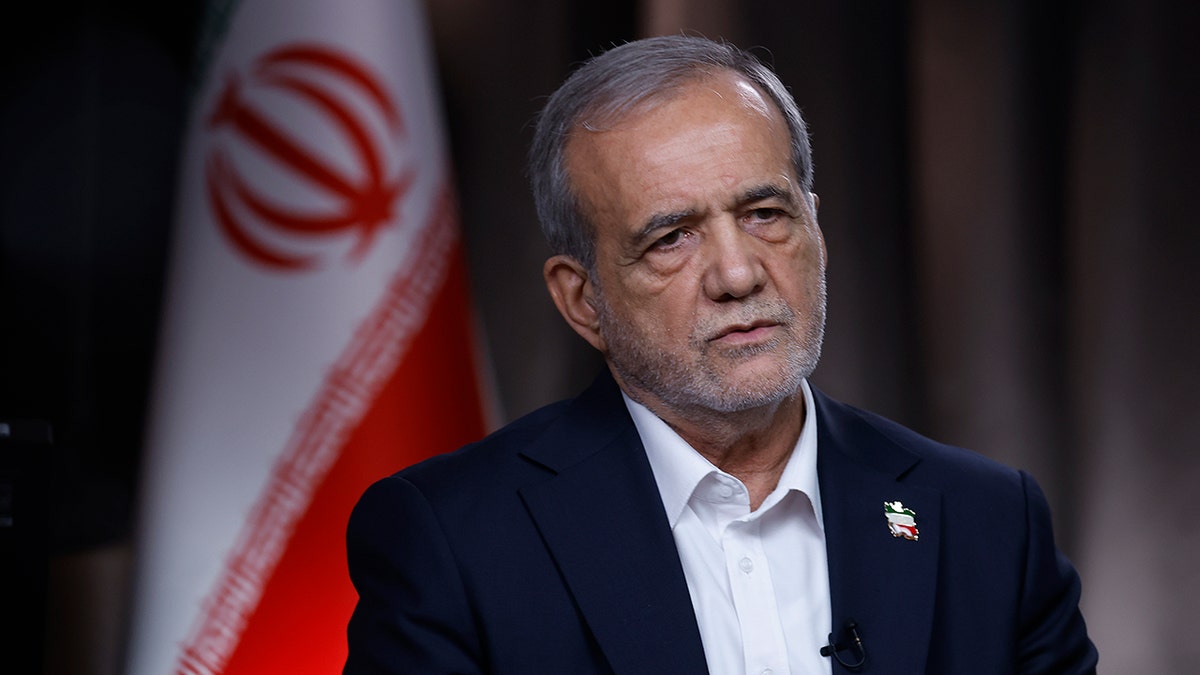
Iranian President Masoud Pezeshkian speaks with Fox News Channel’s Martha MacCallum during an interview on September 25, 2025, in New York City. (John Lamparski/Getty Images)
Maryam Rajavi and the NCRI: organized but controversial
Maryam Rajavi, leader of the National Council of Resistance of Iran (NCRI), has taken a different approach. Her organization announced a provisional government framework aimed at transferring sovereignty to the Iranian people and establishing a democratic republic based on her longstanding ten-point plan.
In a subsequent message, Rajavi called on «patriotic personnel in the armed forces» to stand with the Iranian people and urged regime forces to «lay down their arms and surrender.» She also rejected both clerical rule and what she described as «monarchical fascism,» an apparent reference to restorationist movements linked to the former royal family.
The plan calls for dissolving the IRGC and other security institutions, separating religion from the state, abolishing the death penalty, guaranteeing gender equality and holding elections for a constituent assembly.
The NCRI presents itself as a ready governing alternative.
TRUMP ADMIN RAMPS UP ‘MAXIMUM PRESSURE’ IRAN SANCTIONS AHEAD OF NEW ROUND OF NUCLEAR TALKS
But the group — closely associated with the Mujahedin-e Khalq (MEK) — remains deeply controversial. Its history of armed struggle and years spent in exile have led many analysts to question the depth of its support inside Iran, particularly among younger generations.
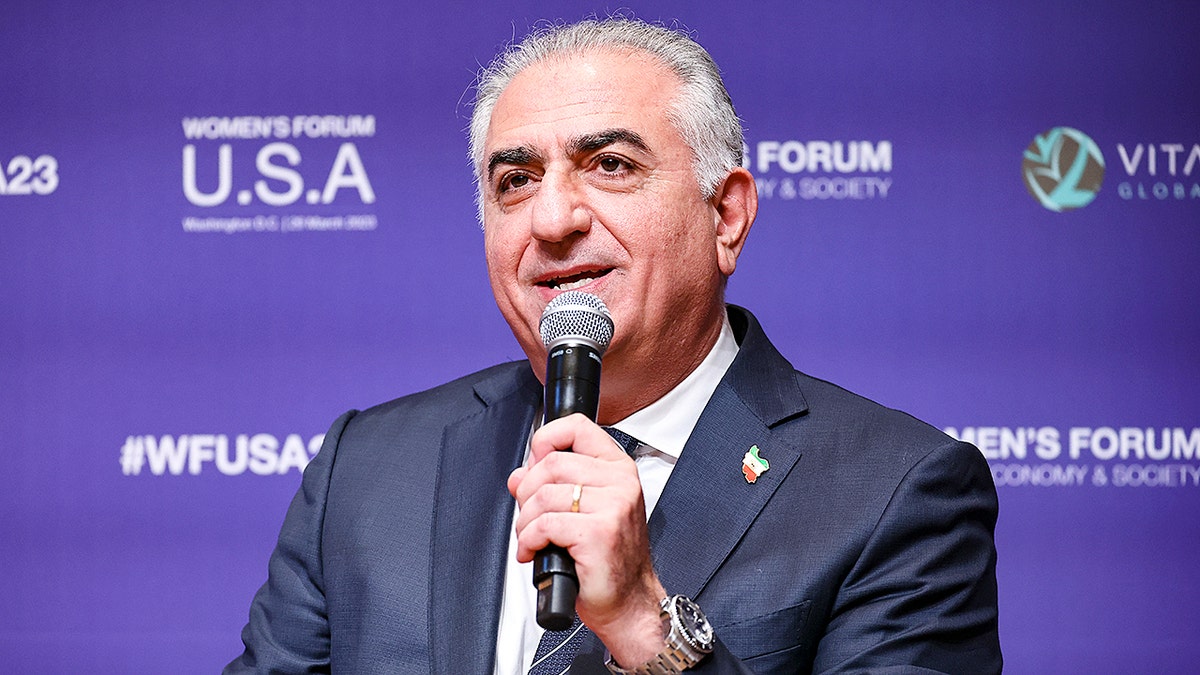
Exiled Iranian Crown Prince Reza Pahlavi said the Ayatollah’s regime engages in a pattern of pretending to negotiate in earnest to buy time. (Paul Morigi/Getty Images)
While some Western political figures have expressed backing over the years, domestic legitimacy remains uncertain.
No clear heir apparent
Despite bold statements from opposition figures, experts caution that Iran’s future leadership is more likely to be shaped inside military barracks and security compounds than in exile press conferences.
Four decades of repression have hollowed out internal political alternatives. No widely recognized civilian leader inside Iran has emerged with cross-factional legitimacy.
If the regime’s leadership were to fall quickly, the immediate struggle would likely be among security elites — not between rival exile figures.
CLICK HERE TO DOWNLOAD THE FOX NEWS APP
For now, analysts say, Iran has competing visions but no consensus successor. Whether the country transitions toward a new political system, hardens into military rule or experiences prolonged instability will depend less on declarations abroad and more on whether the regime’s core power structures fracture from within.
Related Article
war with iran,iran,conflicts defense,donald trump,middle east,politics,world










NEWYou can now listen to Fox News articles!
Rep. Eric Swalwell, D-Calif., invoked his collegiate soccer career while introducing a package of bills to prevent immigration enforcement behavior in and around World Cup sites this June.
More than a dozen American cities will be hosting World Cup soccer matches, including East Rutherford, N.J., San Francisco, Los Angeles, Miami and Washington – while three Democrats on the House Homeland Security Committee want to prevent what they call racial and linguistic profiling that would instill fear in fans.
«How can our country host the World Cup while deporting visiting fans from around the world?» Swalwell asked in a statement introducing his «Safe Passage to the World Cup Act.»
«As a former Division I soccer player, I know what an honor it is to host the world’s biggest sporting event.
SENATE DEMS REFUSING TO BUDGE ON DHS FUNDING MAY CAUSE HEADACHE FOR WORLD CUP TRAVELERS
Swalwell, an Iowa native, played goalkeeper in Division I soccer at Campbell University in Buies Creek, North Carolina.
The future liberal firebrand dreamed of being a professional soccer star himself but ended up breaking his thumbs, which eventually sidelined his prospective career.
After transferring to the University of Maryland in College Park, he interned in neighboring Washington, D.C. for Rep. Ellen Tauscher, a California Democrat.
«That was a turning point. I knew I didn’t want to play soccer anymore; I wanted to be in Washington,» Swalwell told Diablo Magazine in 2013 in a story now facsimiled on his official congressional website.
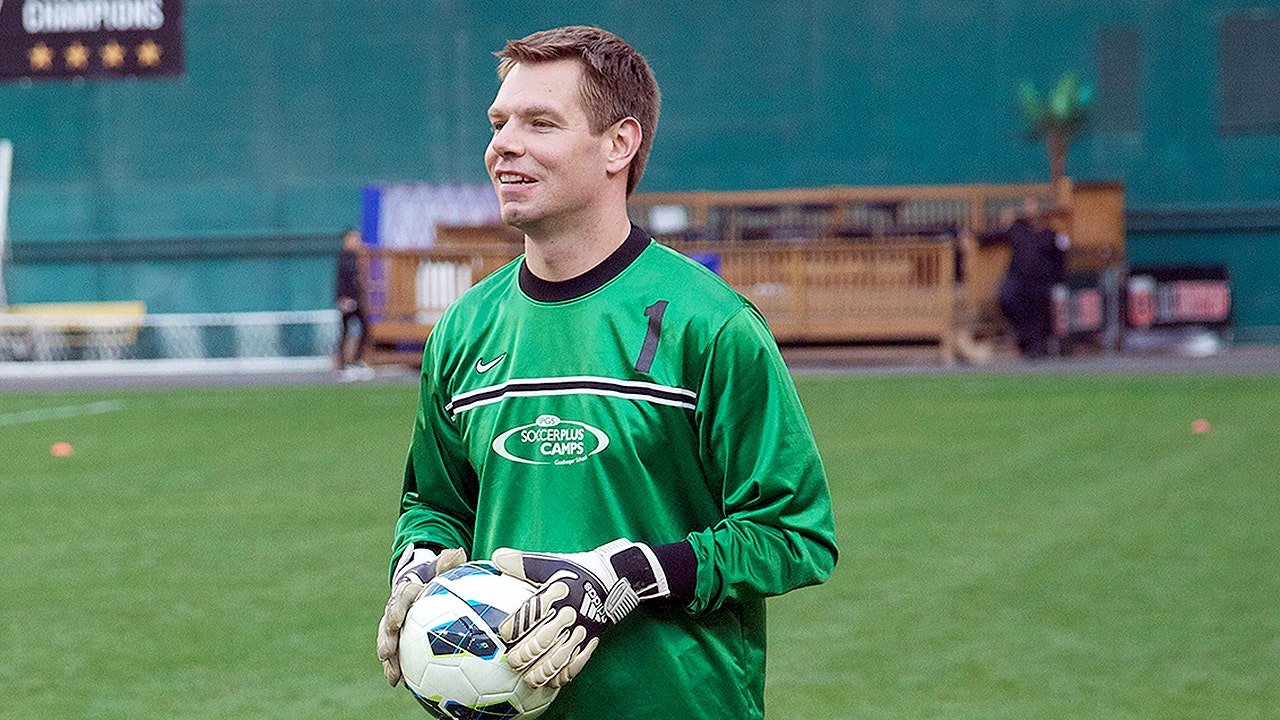
Eric Swalwell participates in the 2nd Annual Capital Classic soccer event. (Warren Rojas/Getty Images)
Swalwell’s bill would ban federal DHS funding from being used for civil immigration enforcement activities on public transit or at terminals from June 11 to July 19 in any city hosting a FIFA match or festival.
GERMAN SOCCER TEAM WERDER BREMEN CANCELS MINNESOTA TRIP OVER TRUMP IMMIGRATION ENFORCEMENT: REPORT
The bill does provide a carveout for «hot pursuit» of suspects presenting an «imminent risk to public safety.»
«Our priority should be to showcase our best—not have police commandeering buses, trains, and public spaces,» Swalwell said in a statement.
«This bill ensures ICE cannot turn everyday public transportation into a place of terror. It is shameful for DHS to trap people with political stunts.»
«We are better than this,» he said.
Swalwell sits on the House Homeland Security Committee’s Task Force on Enhancing Security for Special Events in the United States.
That panel’s top Democrat, Rep. Nellie Pou of New Jersey, represents the area around the New York Giants’ stadium, where matches will be held.
Pou crafted a companion bill called the Save the World Cup Act, which bans immigration enforcement near matches or festivals themselves and would enforce measures to ensure parking lots and fan midways are not encroached upon by ICE enforcement sweeps to «deter attendance and indiscriminately target communities.»
GOP WARNS DEMOCRATS’ DHS SHUTDOWN COULD JEOPARDIZE WORLD CUP SECURITY
«With fewer than 90 days until kickoff, the World Cup should bring the world together and not leave families wondering if ICE agents will be waiting outside stadiums,» Pou said in a statement, adding that she had asked ICE Director Todd Lyons whether he would assure her of no such enforcement — but that he had declined.
A third task force member — Rep. LaMonica McIver, D-N.J., — still faces charges over an alleged assault on a federal agent outside Delaney Hall in her hometown of Newark.
The case remains active as of January, according to the New Jersey Monitor, which reported that Biden-appointed Judge Jamel Semper allowed two of three counts to proceed as McIver appeals.
McIver’s companion bill would prohibit state grant programs for being used for civil immigration enforcement near World Cup game sites.
«Fans from around the world and across the country will travel to New Jersey to watch the World Cup, and keeping them safe means protecting them from DHS attempting to turn this global event into a dragnet for the Trump administration’s mass deportation agenda,» she said in a statement.
«We fought to secure millions of federal dollars so soccer fans can enjoy the biggest game in the world — they should not be intimidated by immigration enforcement. I’m introducing this bill to draw a clear line that makes sure state and local law enforcement can actually focus on keeping fans safe.»
A DHS spokesperson said the agency still plans to work with local and federal partners to secure the World Cup matches «in line with federal law and the U.S. Constitution as we do with every major sporting event, while showcasing American greatness to the entire world.»
CLICK HERE TO DOWNLOAD THE FOX NEWS APP
«International visitors who legally come to the United States for the World Cup have nothing to worry about,» DHS said. «What makes someone a target for immigration enforcement is whether or not they are illegally in the U.S.— full stop.»
The spokesperson called speculation in the legislative package «ill informed» and said that foreign visitors must still be «proactive» and have all their forms filed in Washington, and their personal documents in order, ahead of time to ensure a smooth travel experience.
homeland security,eric swalwell,deportation,the world cup,politics
INTERNACIONAL
La dictadura cubana anunció el segundo apagón general en la isla en menos de una semana
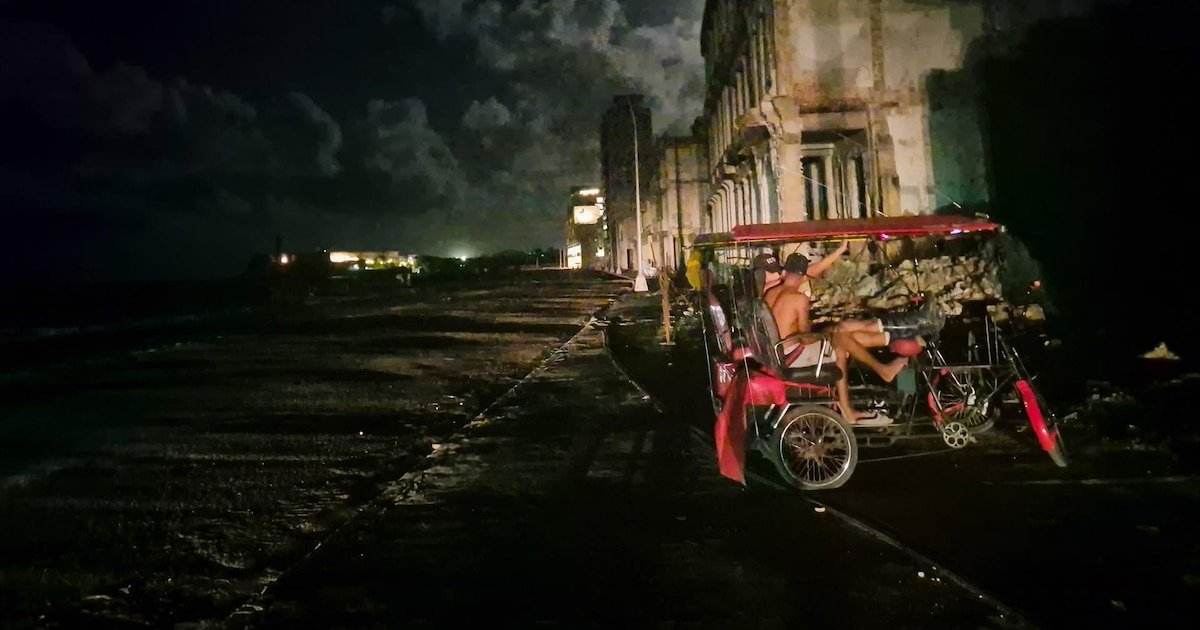
En medio de la grave crisis que atraviesa el pueblo cubano, este sábado se produjo un nuevo corte de electricidad en toda la isla, según informó el Ministerio de Energía del régimen castrista, en lo que supone el segundo apagón general en menos de una semana.
Se produjo una “desconexión total” del sistema eléctrico nacional, de acuerdo a lo reportado por el ministerio en una publicación en X alrededor de las 18:45 (22:45 GMT) hora local, añadiendo que se habían iniciado los trabajos para restablecer el suministro eléctrico.
Se trata del séptimo apagón general que sufre la población en el último año y medio.

El último fue hace apenas unos días. El martes pasado ocurrió lo mismo de este sábado, cuando toda la isla sufrió una “desconexión total” del sistema eléctrico. El corte afectó a todo el territorio durante aproximadamente 29 horas y media.
El miércoles régimen declaró restablecido el Sistema Electroenergético Nacional tras más de un día sin servicio, aunque gran parte de la isla permanecía bajo apagones programados y prolongados en medio de la crisis energética persistente.
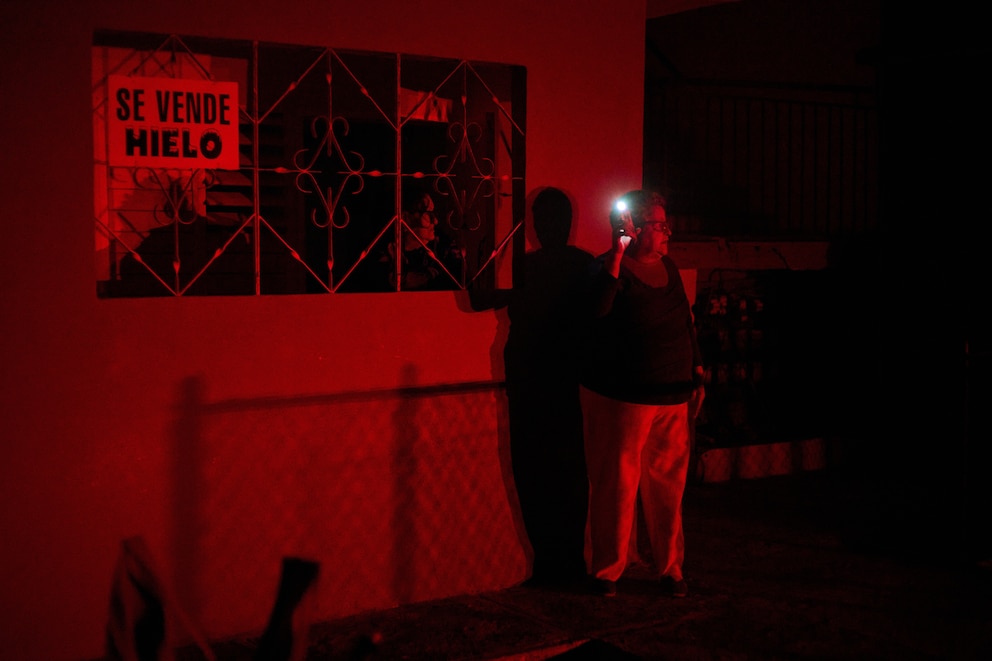
En La Habana, los cortes diarios alcanzaron hasta 15 horas, mientras que en provincias del interior las interrupciones llegaron a superar las 48 horas consecutivas Los prolongados apagones han afectado la vida económica y social de la isla, que experimentó una contracción superior al 15 % de su economía desde 2020.
Además, los cortes de luz han sido el principal motivo de las protestas más significativas en el país.
Marco Rubio, secretario de Estado de Estados Unidos, calificó este viernes al régimen de Cuba como un “desastre” en su administración de la isla tras el anuncio del presidente estadounidense Donald Trump del inicio de contactos con La Habana para una salida a la crisis humanitaria que atraviesa.
“Cuba es un desastre, y se debe a su gobierno comunista“, afirmó el jefe de la diplomacia estadounidense ante la prensa al salir junto a Trump de la Casa Blanca rumbo a Florida.
En ese sentido, señaló que el rumbo que buscan las autoridades para el país “no funciona”. “Hoy no tengo ninguna novedad para ustedes al respecto, salvo que esto lleva ocurriendo desde hace seis o siete años: son un desastre”, reiteró.
Sin embargo, dejó en claro la mirada de Estados Unidos sobre la administración régimen: “La situación está peor que nunca”. Estados Unidos y Cuba mantienen un diálogo reciente tras la captura del ex dictador Nicolás Maduro en una operación estadounidense en Caracas, el pasado 3 de enero.
No obstante, este sábado la dictadura advirtió a Washington que no negociará su sistema político “con nadie”. “Puedo confirmar categóricamente que el sistema político de Cuba no es negociable, y por supuesto ni el presidente ni el cargo de ningún funcionario en Cuba están sujetos a negociación con Estados Unidos”, afirmó el viceministro de Relaciones Exteriores cubano, Carlos Fernández de Cossio, en una rueda de prensa recogida por la Agencia Cubana de Noticias (ACN).

Fernández de Cossio ha puntualizado que no descartan que las dos naciones puedan alcanzar “determinados acuerdos de interés mutuo” como ya ha ocurrido en “experiencias anteriores”, al tiempo que ha apuntado a la existencia de otros “asuntos de repercusión para los dos países que pueden incluirse de forma prioritaria en las negociaciones”. Por ejemplo, cuestiones relacionadas con la cooperación regional en materia de seguridad nacional y lucha contra el narcotráfico.
Horas más tarde, durante la cumbre de la Comunidad de Estados Latinoamericanos y Caribeños (CELAC), celebrada en Bogotá, el ministro de Relaciones Exteriores del régimen, Bruno Rodríguez, anunció la disposición de La Habana a entablar “undiálogo serio y responsable»con Estados Unidos, siempre bajo la condición de que cualquier acercamiento excluya la injerencia en los asuntos internos de la isla.
Estas declaraciones de la dictadura tienen lugar tras los dichos del presidente Trump, quien en la semana había afirmado que podría ser quien tenga “el honor” de “tomar Cuba”, refiriéndose a un posible acuerdo o a la adopción de medidas más drásticas si las autoridades cubanas no acceden a sus demandas.
El mandatario estadounidense describió a la isla como una “nación fallida” y “muy debilitada”, y manifestó su confianza en poder “hacer cualquier cosa que quiera” respecto a la situación cubana.
Domestic,Politics,South America / Central America,Government / Politics
INTERNACIONAL
Trump le dio 48 horas a Irán para liberar el estrecho de Ormuz y amenazó con «arrasar» sus centrales eléctricas
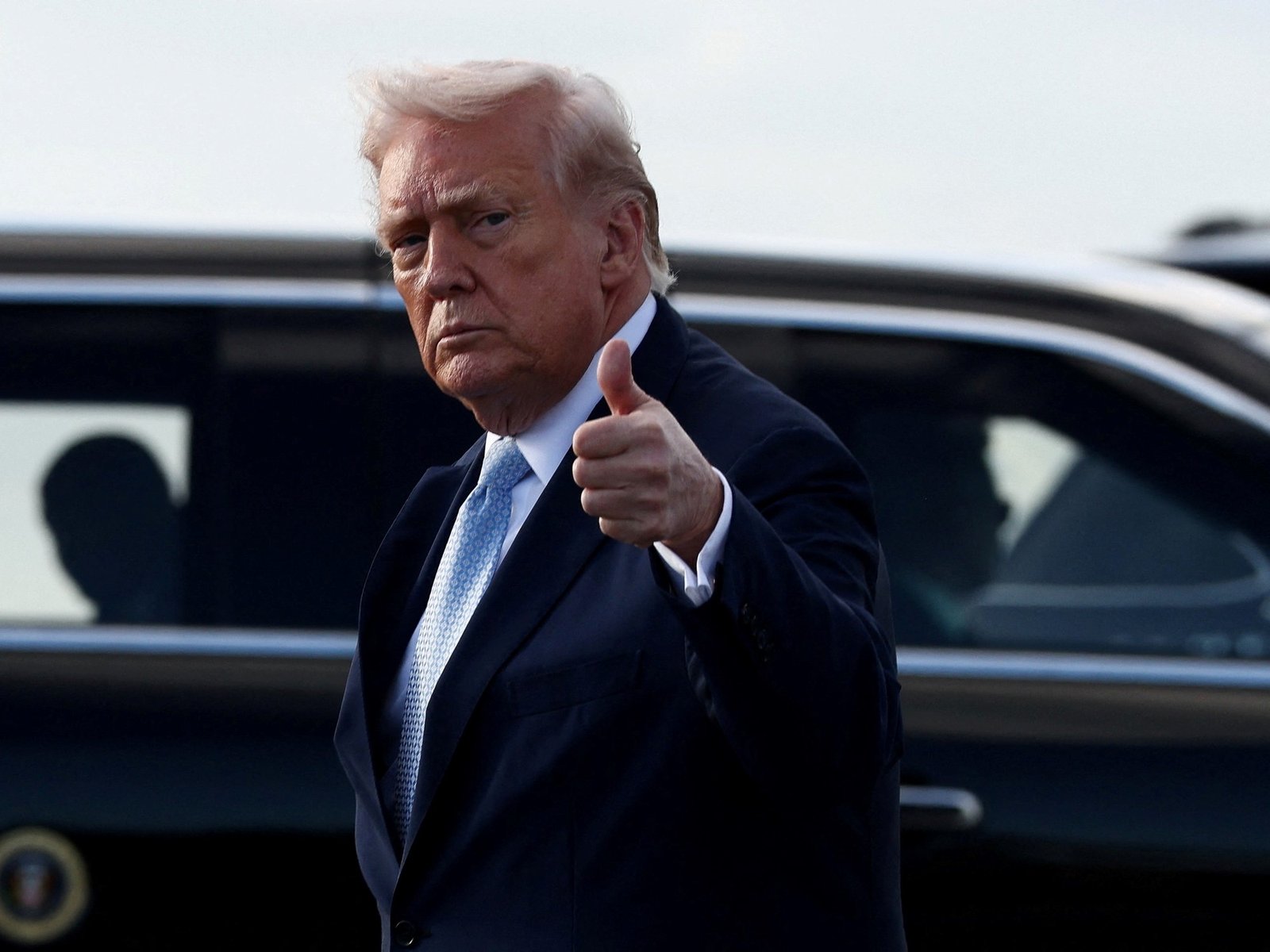
El presidente de Estados Unidos, Donald Trump, amenazó este sábado por la noche con arrasar las centrales eléctricas de Irán si el estrecho de Ormuz, un paso clave para el suministro del petróleo mundial, no es reabierto por el régimen iraní en 48 horas.
«Si Irán no abre totalmente, sin amenazas, el estrecho de Ormuz en un plazo de 48 HORAS a partir de este preciso momento, Estados Unidos atacará y arrasará con sus diversas centrales eléctricas, ¡empezando por la más grande!», escribió el mandatario en su red Truth Social.
Trump no mencionó ninguna planta específica. El mayor complejo hidroeléctrico del río Karun aparecería como el candidato más evidente por tamaño. Pero la mayor central eléctrica de Irán es la Central Nuclear de Bushehr, situada en el Golfo Pérsico, en el suroeste de Irán. Esta última tendría mayor peso simbólico, pero implicaría un riesgo de escalada mucho más amplio, lo que hace más probable que cualquier acción real se concentre en plantas térmicas estratégicas del sur del país.
Días atrás, Israel atacó el gigantesco yacimiento de gas de South Pars en Irán, horas después de que las fuerzas israelíes mataran al ministro de inteligencia del régimen y lanzaran algunos de los ataques aéreos más intensos en Beirut en décadas. El ataque a esta central gasífera, que Irán comparte con Qatar, llevó a Teherán a advertir a los estados vecinos que su infraestructura energética podría ser atacada «en cuestión de horas», y provocó furiosas reprimendas de Qatar y otras naciones de la región.
Trump aparece frustrado por la prolongación del conflicto y con la resistencia de Irán, que este sábado lanzó fuertes ataques contra Arad y Dimona, una ciudad que es sede del mayor centro nuclear israelí, provocando más de 120 heridos, en total.
Además, la base estadounidense Diego García, ubicada en el Océano Indico, fue atacada con misiles balísticos iraníes, luego de que Trump hubiera dicho que Irán no tenía la capacidad para llegar atacar tan lejos.
El estrecho de Ormuz ha estado prácticamente cerrado a la mayor parte del tráfico marítimo por las fuerzas militares iraníes desde que comenzó la guerra hace tres semanas. Esta vía fluvial, crucial y crucial, es responsable del movimiento de aproximadamente el 20% del petróleo mundial, y su cierre ha provocado un aumento en los precios del gas.
La última amenaza de Trump llega después de que dijera en una publicación de Truth Social el viernes que Estados Unidos está considerando “reducir” o desescalar la ofensiva militar en Oriente Medio. También el viernes había desestimado las preguntas sobre el plan de la Casa Banca para reestablecer el tráfico en el Estrecho de Ormuz, diciendo que «en cierto momento, se abrirá solo.»
Trump les ha pedido concretamente ayuda a los aliados de la OTAN para que los ayude a liberar el Estrecho y estos se han negado a enviar fuerzas militares a ese paso estratégico, no solo porque no desean escalar el conflicto, sino que además nunca fueron consultados por Estados Unidos antes de lanzar la ofensiva.
Luego del rechazo, Trump atacó a los líderes atlánticos llamándolos “cobardes” y les dijo que “¡Sin EE.UU., la OTAN es un tigre de papel!”.
Los precios del petróleo han escalado dramáticamente desde el inicio del conflicto, con el barril llegando a rozar los 120 dólares, lo que ha provocado temores de que aumente la inflación global, más allá de la incertidumbre que provoca la guerra y la posibilidad de que se prolongue.
Pero a medida que los precios del combustible vienen subiendo en el mundo y particularmente en Estados Unidos (donde ya subió un dólar el galón desde el inicio de la ofensiva el 28 de febrero), los funcionarios estadounidenses han estado intentando frenéticamente evitar un posible cierre del estrecho prolongado, reconociendo en privado que reabrir la vía fluvial clave es un problema sin una solución clara.
Antes de publicar este posteo, Trump había dicho que quiere llegar a un acuerdo con Irán, pero no lo hace porque ya ha cumplido sus objetivos «semanas antes de lo previsto» y que Estados Unidos ha «desplazado a Irán del mapa.»
«Su liderazgo ha desaparecido, su marina y fuerza aérea están muertas, no tienen absolutamente ninguna defensa y quieren llegar a un acuerdo. ¡No lo hago!» Trump dijo en Truth Social.

La lucha por evitar los descensos en España que involucra a dos DTs argentinos

El mercado laboral se reconfigura: las becas y cursos gratuitos que abren puertas a nuevos empleos

Swalwell plays up athletic credentials in effort to blunt DHS sweeps at World Cup

La dictadura cubana anunció el segundo apagón general en la isla en menos de una semana

Veterano del crimen: la historia del ladrón de 58 años que lideró una banda de falsos policías

Mirtha Legrand deslumbró con un look de alta costura: vestido orange, brillo y elegancia

Juicio por YPF: la Justicia de EEUU benefició a Argentina y suspendió todas las demandas hasta que se defina la cuestión de fondo

Senado: la oposición pidió explicaciones por $LIBRA y los vuelos de Adorni y Bullrich defendió al Gobierno

Kicillof desembarcó en CABA, lanzó su proyecto 2027 y empezará a ampliar su armado político en todo el país

¿DÓNDE ESTÁ ESMERALDA? El grito de una madre que sacude a la Argentina: «Me la arrebataron de la puerta»

 POLITICA2 días ago
Kicillof desembarcó en CABA, lanzó su proyecto 2027 y empezará a ampliar su armado político en todo el país
- POLITICA3 días ago
¿DÓNDE ESTÁ ESMERALDA? El grito de una madre que sacude a la Argentina: «Me la arrebataron de la puerta»
- POLITICA2 días ago
¿MACRI 2027? El «operativo retorno» que sacude al PRO y los nombres que suenan para la vicepresidencia