INTERNACIONAL
Ilhan Omar claims ICE pulled over her son during ‘racial profiling’ sweep amid Trump’s crackdown in Minnesota

NEWYou can now listen to Fox News articles!
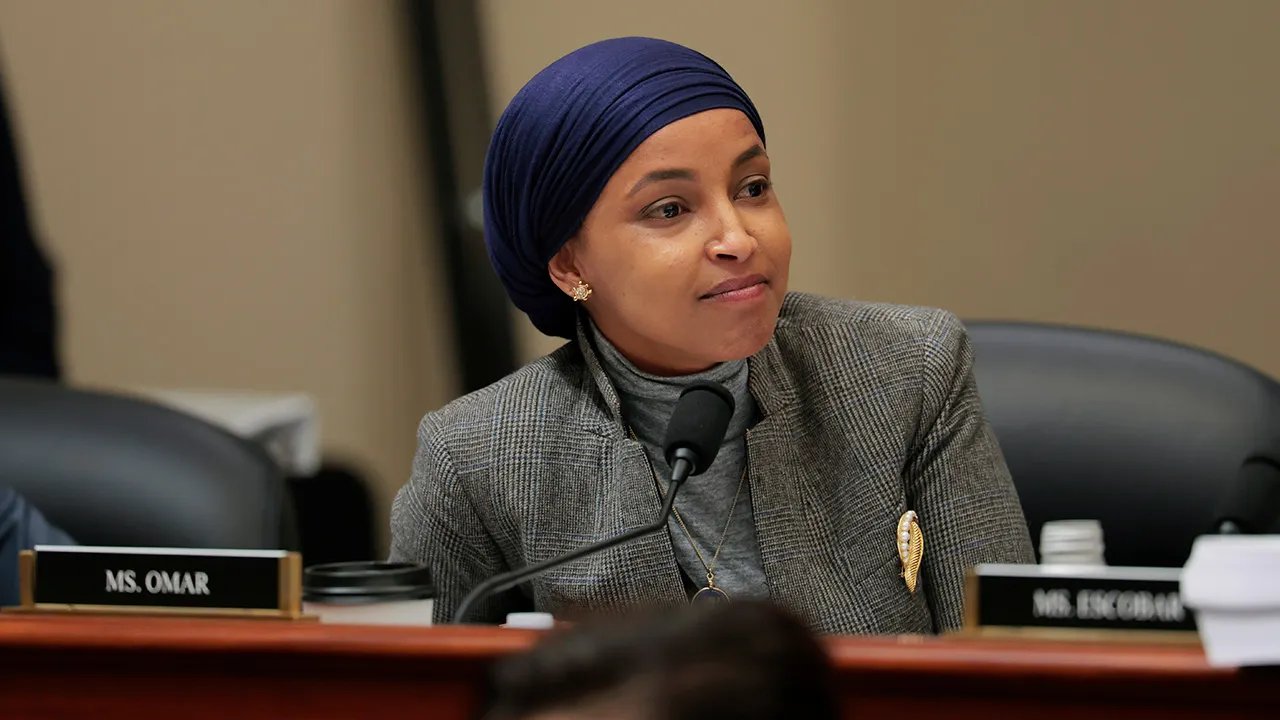
Rep. Ilhan Omar, D-Minn., said that her U.S.-born son was pulled over by Immigration and Customs Enforcement (ICE) agents in Minnesota on Saturday, raising concerns about «racial profiling» as federal authorities ramp up immigration enforcement across the state.
Omar said her son was stopped outside a Target store and released after showing his passport, an encounter that came just days after President Donald Trump defended ICE operations in Minnesota.
«Yesterday after he made a stop at Target, he did get pulled over by ICE agents and once he was able to produce his passport ID they did let him go,» Omar said Sunday during an interview on WCCO-TV, CBS’s Minnesota station.
Omar told the station that her son routinely carries his passport because he fears being mistaken for an illegal immigrant.
BORDER CZAR TOM HOMAN FIRES BACK AT CNN HOST IN DEFENSE OF ICE TACTICS: ‘THEY’VE BEEN SHOT AT’
Rep. Ilhan Omar, D-Minn., said that her U.S.-born son was pulled over by Immigration and Customs Enforcement (ICE) agents in Minnesota on Dec. 13. (Anna Moneymaker/Getty Images)
«I had to remind him just how worried I am because all of these areas they’re talking about are areas where he can possibly find himself in and they are racially profiling,» she said, adding that ICE is «looking for young men who look Somali.»
Minnesota Gov. Walz reacted to the incident on X, writing that Omar’s son was pulled over even though he was following the law.
«This isn’t a targeted operation to find violent criminals, it’s racial profiling,» he wrote.
CONVICTED ILLEGAL IMMIGRANT CHILD KILLER WHO MURDERED INFANT SON ARRESTED IN TWIN CITIES ICE SWEEP
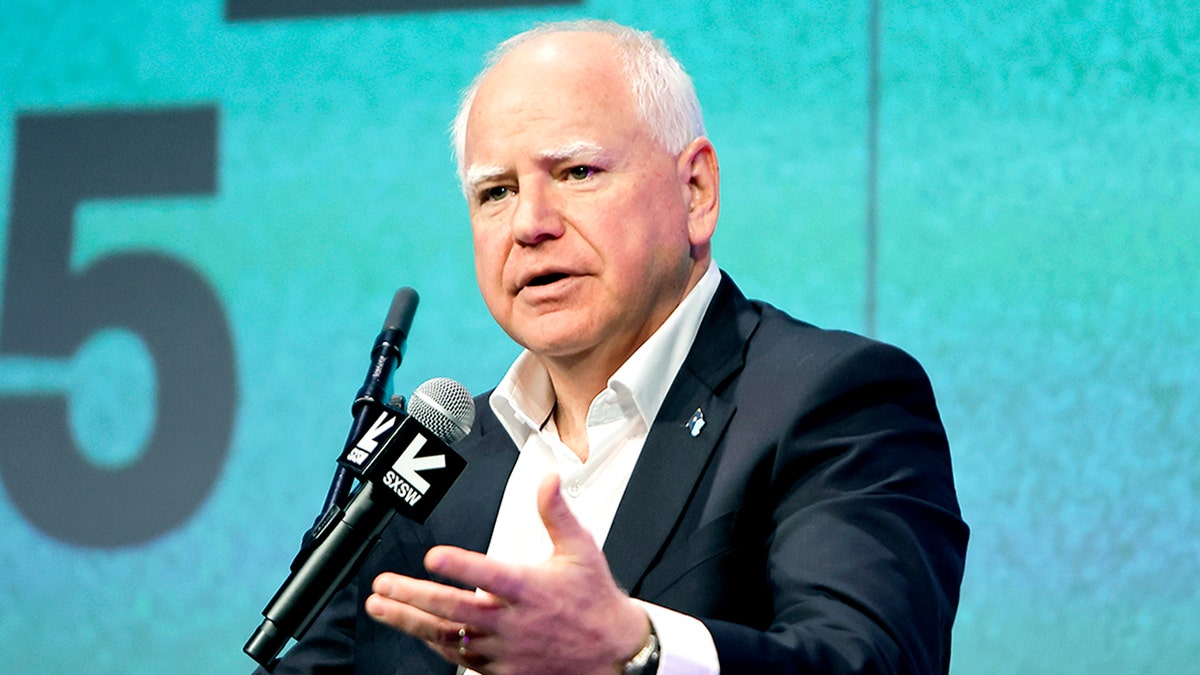
Tim Walz called on Homeland Security Secretary Kristi Noem to «reassess» her enforcement strategy after he said multiple U.S. citizens have been arrested during federal immigration operations across Minnesota. (Tibrina Hobson/Getty Images)
The Minnesota representative’s comments came after ICE announced on Friday it has arrested more than 400 illegal immigrants as part of Operation Metro Surge in Minnesota, including «pedophiles, rapists and violent thugs.»
President Donald Trump also told reporters Friday that Omar is «very bad for our country.»
The president called Omar and a bloc of Somali migrants in Minnesota «garbage» during a cabinet meeting earlier this month, adding that Somalia «is barely a country, where they run around killing each other.»
OMAR COMPARES STEPHEN MILLER’S MIGRANT RHETORIC TO NAZI DESCRIPTIONS OF JEWISH PEOPLE

ICE announced on Dec. 12 that it has arrested more than 400 illegal immigrants as part of Operation Metro Surge in Minnesota, (Christopher Dilts/Bloomberg via Getty Images / (Photo by Jamie Kelter Davis/Getty Images))
«When they come from hell, and they complain and do nothing but b—- — we don’t want them in our country. Let ‘em go back to where they came from and fix it,» Trump said.
Last week, Minnesota Gov. Tim Walz wrote a letter to Secretary of Homeland Security Kristi Noem asking her to «reassess» her enforcement strategy, stating that multiple U.S. citizens have been arrested by ICE agents across the state.
DEMOCRATIC CONGRESSMAN CLAIMS TRUMP’S ICE IS ‘PRIMARILY GOING AFTER INNOCENT PEOPLE, INCLUDING US CITIZENS’
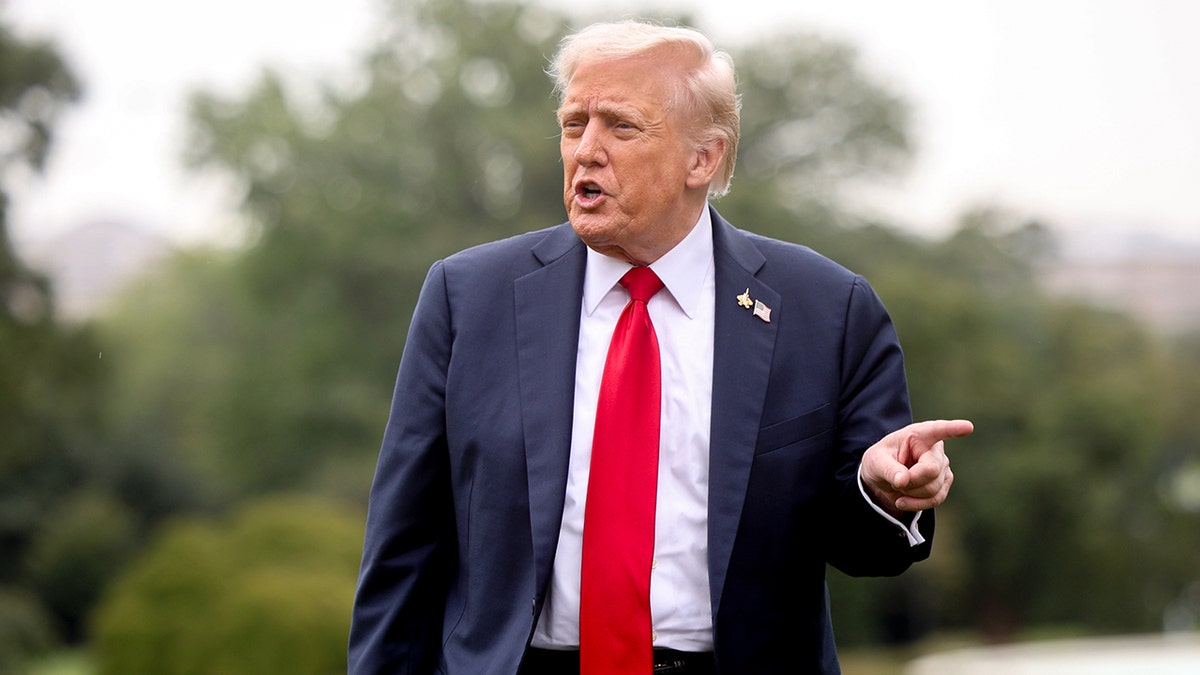
President Donald Trump also told reporters on Dec. 12 that Rep. Omar is «very bad for our country.» (Francis Chung/Politico/Bloomberg via Getty Images)
«Reports indicate that some citizens were documenting federal activity, while others were going about their daily lives,» he wrote.
«This troubling pattern raised serious questions, not only about due process and the rights of U.S. citizens, but also about trust between Minnesota communities and federal authorities,» he added.
In response to the letter, Department of Homeland Security spokesperson Tricia McLaughlin told Fox News Digital that Americans «who assault and obstruct law enforcement have been arrested.» she said.
CLICK HERE TO DOWNLOAD THE FOX NEWS APP
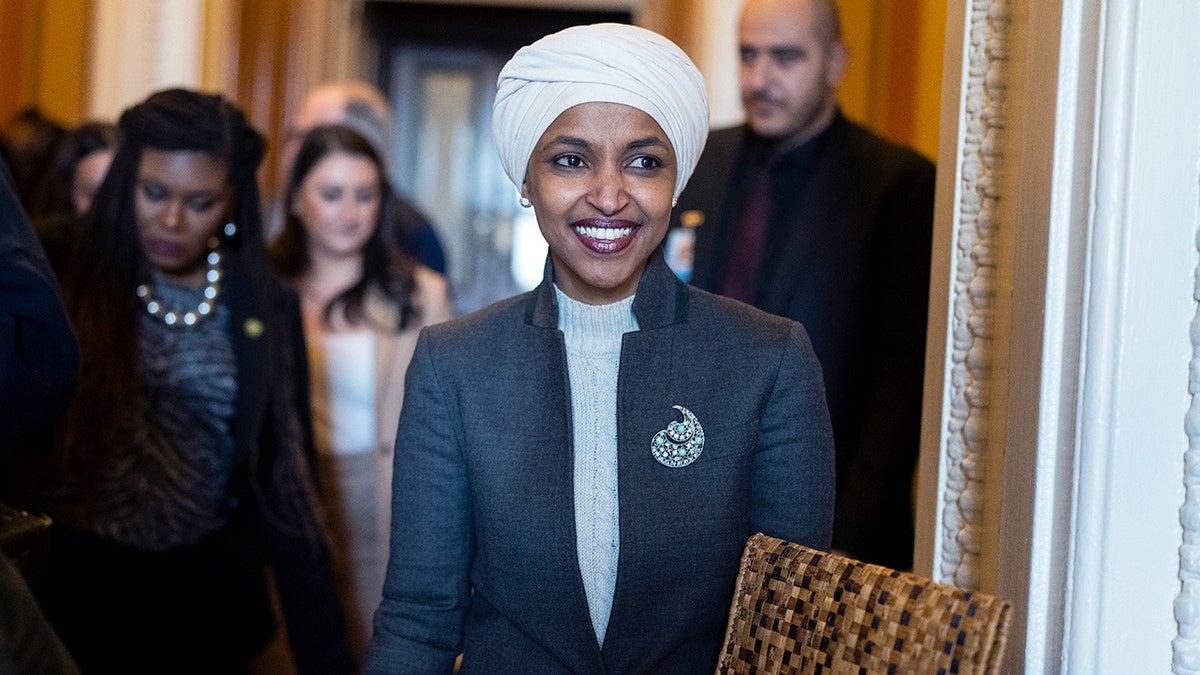
Rep. Ilhan Omar, D-Minn., said her son was pulled over by ICE on Dec. 13. (Tom Williams/CQ-Roll Call, Inc via Getty Images)
Fox News Digital has reached out to ICE for comment.
Fox News Digital’s Charles Creitz and Louis Casiano contributed to this report.
donald trump,ilhan omar,tim walz,somali immigrant community,illegal immigrants,homeland security




INTERNACIONAL
Chile da un giro ideológico de 180 grados: asume la presidencia el ultraderechista José Antonio Kast

José Antonio Kast se convertirá este miércoles en el primer presidente abiertamente pinochetista de Chile, a 36 años de la recuperación de la democracia, en un giro de 180 grados después de cuatro años de gobierno izquierdista de Gabriel Boric.
Kast, de 60 años, asumirá el poder en un contexto global complejo dominado por la guerra de Medio Oriente y en un país cuya mayor preocupación pasa hoy por la inseguridad y la inmigración.
Leé también: Con la designación de Mojtaba Jamenei, Irán endurece el régimen y profundiza la confrontación con EE.UU.
Chile se ha caracterizado por pacíficas alternancias de poder entre la izquierda moderada y la derecha tradicional no pinochetista en las últimas tres décadas.
Este será el primer gobierno de un presidente que, a lo largo de su extensa carrera política, reivindicó en varias ocasiones la dictadura de Augusto Pinochet (1973-90) y que prometió en campaña “mano dura” contra la violencia y la migración irregular.
“Un cambio de expectativas”
Javier Milei será uno de los presidentes de la región que asistirán a la jura de Kast, que se realizará en la sede del Congreso Nacional, en la ciudad de Valparaíso, 121 kilómetros al norte de Santiago. Entre ambos hay una gran sintonía ideológica y personal.
Además, se espera la presencia de sus pares de Ecuador, Daniel Noboa; de Costa Rica, Rodrigo Chaves; de Honduras, Nasry Asfura; de Paraguay, Santiago Peña, y de Bolivia, Rodrigo Paz, todos ubicados en el arco ideológico de la centroderecha, entre otros. También estará la líder opositora venezolana, María Corina Machado. El presidente saliente Gabriel Boric, a la izquierda, y el presidente electo José Antonio Kast asisten a la ceremonia de cambio de mando del Ejército antes de la entrega presidencial en Santiago, Chile, el lunes 9 de marzo de 2026. (AP Foto/Esteban Félix)
Sin embargo, no asistirán tres presidentes identificados con el progresismo en la región: el brasileño Luiz Lula da Silva, la mexicana Claudia Sheinbaum y el colombiano Gustavo Petro. En cambio estará el uruguayo Yamandú Orsi.
Kast gobernará hasta el año 2030 después de imponerse en el balotaje del pasado 14 de diciembre, con más del 58% de los votos, a la candidata oficialista Jeannette Jara, afiliada al Partido Comunista (PC).
Leé también: Un testigo iraní aportó nuevas pruebas sobre la participación de Irán en el atentado terrorista a la AMIA
La analista chilena Marta Lagos, fundadora de la consultora Latinobarómetro y la encuestadora MORI Chile, dijo a TN que la asunción de Kast abre un escenario caracterizado “sobre todo por un cambio de expectativas”.
La economía chilena creció alrededor del 2,5% el año pasado. El Banco Central estima un alza del PBI de entre 1,75% y 2,75% para 2026.
“Los empresarios empezarán a invertir porque confían en el (nuevo) gobierno. Pero dada la situación económica mundial debido a las guerras, las inversiones, la bolsa y las monedas que están volátiles, el efecto positivo en la economía tendrá que esperar a que se calme la situación mundial”, dijo Lagos.
En campaña, Kast prometió recortar 6000 millones de dólares de gasto en los próximos 18 meses.
La inflación en Chile cerró en 2025 con 3,5% anual, el nivel más bajo en cinco años, según el Instituto Nacional de Estadísticas (INE). El desempleo se ubica en 8%.
Inseguridad y migración
La inseguridad es el gran problema que enfrentan los chilenos. Esta preocupación está presente en todas las encuestas. El país pasó de ser el más seguro del Cono Sur a presentar un creciente índice de violencia vinculada al narcotráfico.
Si bien Boric logró bajar un 11,5% los asesinatos el año pasado, la tasa de homicidios se ubicó en 5,4 por cada 100.000 habitantes frente al 6,1 de 2024. En Argentina, ese índice se situó en 3,7, el más bajo de Sudamérica.
Un sondeo reciente del Centro de Estudios Fundación Paz Ciudadana reveló que el 23,8% de los chilenos consultados consideraba “bastante o muy probable” ser víctima de asesinato en los próximos 12 meses.
Leé también: Según la prensa israelí, el nuevo líder supremo de Irán, Mojtaba Jamenei, fue herido en un bombardeo
“La gente esperará que el gobierno mande militares a las calles a eliminar la violencia, los homicidios y los asaltos. Pero no creo que Chile pueda lograr más que lo que han logrado otros países con los militares, a menos que sigan a (el presidente de El Salvador Nayib) Bukele”, dijo Lagos.
Los expertos achacan las causas de la violencia a la entrada de bandas internacionales del narcotráfico, como la venezolana Tren de Aragua, lo que derivó en una ola de xenofobia contra la emigración de ese origen estimada en alrededor de 700.000 personas.
Kast prometió en campaña expulsar a todos los inmigrantes sin papeles. Se estima que 300.000 migrantes, sobre un total de 1,6 millones, carecen de documentos. La mayoría de ellos son venezolanos.
Chile, Gabriel Boric, Jose Antonio Kast
INTERNACIONAL
El régimen de Corea del Norte se sumó a Rusia y respaldó la elección del nuevo líder supremo de Irán, Mojtaba Khamenei
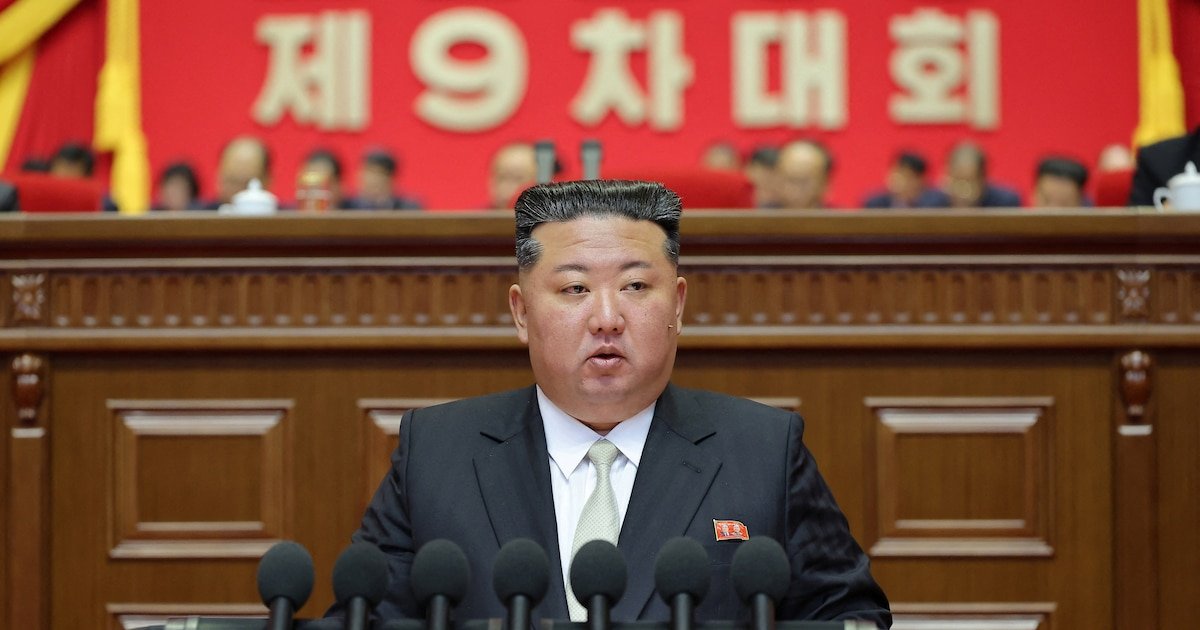
Las autoridades de la dictadura norcoreana expresaron este miércoles su apoyo a la elección del nuevo líder supremo de Irán, Mojtaba Khamenei, tras la muerte de su padre, Ali Khamenei, durante el primer día de los bombardeos de Estados Unidos e Israel a Teherán.
Un portavoz del Ministerio de Exteriores de Corea del Norte afirmó que, “ante el reciente anuncio oficial de la Asamblea de Expertos iraní”, Pyongyang respalda “el derecho y la libertad del pueblo iraní de elegir a su propio líder supremo”, según recogió la agencia estatal KCNA.
El portavoz manifestó además su “profunda preocupación” y condenó enérgicamente lo que calificó como agresión “ilegal” por parte de las fuerzas estadounidenses e israelíes, a quienes acusó de “socavar los cimientos de la paz y la seguridad regionales, y aumentar la inestabilidad en el panorama internacional”.
En ese sentido, el funcionario del régimen liderado por Kim Jong-Un señaló que “todas las formas de amenazas retóricas y acciones militares que socaven el sistema político y la integridad territorial del país en cuestión, interfieran en sus asuntos internos y aboguen abiertamente por el derrocamiento son inaceptables bajo cualquier circunstancia y deben ser condenadas y rechazadas”.

La semana pasada, Corea del Norte calificó los ataques militares de Estados Unidos e Israel contra Irán como “un acto de agresión totalmente ilegal” y “la forma más despreciable de violación de la soberanía”, en medio del estancamiento de las conversaciones nucleares indirectas entre Washington y Teherán.
Pyongyang y Teherán mantienen una relación histórica de cooperación en materia de defensa y tecnología militar, y el conflicto en Medio Oriente podría reforzar la postura norcoreana de que su arsenal nuclear es fundamental para garantizar la supervivencia del régimen.
Entre otras personalidades internacionales que apoyaron la asunción política de Mojtaba Khamenei se encontró el líder del movimiento hutí de Yemen, Abdelmalek al Hutí, quien calificó el lunes el nombramiento como “una bofetada enorme” para Estados Unidos e Israel.
En una carta de felicitación publicada por medios hutíes, Al Hutí elogió la transición de liderazgo en Irán como una victoria para la Revolución Islámica. “Esta exitosa elección fortalece los cimientos del sistema islámico y asesta una bofetada a los tiranos de esta era: Estados Unidos e Israel”, expresó el líder hutí.

A su vez, enmarcó la resiliencia de Irán como parte de una lucha más amplia contra “el plan sionista para cambiar Medio Oriente” y añadió que “la firmeza y la resistencia eficaz de Irán contra la agresión conducirán a la victoria”. El politburó hutí elogió el nombramiento como “una nueva victoria para la Revolución Islámica” y celebró la sucesión como “un golpe rotundo” para los adversarios de Irán.
El comunicado subrayó “la fe, la sabiduría y el coraje” de Mojtaba Khamenei y expresó confianza en que su liderazgo fortalecerá el papel de Irán en la lucha contra la “agresión estadounidense-israelí” y la “arrogancia global”. La transición marca la primera sucesión hereditaria en la historia de la República Islámica.
El presidente de Rusia, Vladimir Putin, también expresó el apoyo “inquebrantable” de su país a Irán tras la elección de Mojtaba como sucesor en el liderazgo supremo iraní.
“Rusia ha sido y seguirá siendo un socio fiable de la República Islámica. Le deseo éxito en las tareas difíciles que enfrenta”, señaló Putin en su mensaje de felicitación difundido por la Presidencia rusa. El mandatario reafirmó la solidaridad de Moscú con Teherán y sus “amigos iraníes”.

Putin subrayó que el nuevo mandato requiere “gran coraje y dedicación” en un contexto de agresión armada. “Confío en que continuará con honor la labor de su padre y que unirá al pueblo iraní durante estas duras pruebas”, concluyó el presidente ruso.
La Asamblea de Expertos, compuesta por 88 miembros, eligió a Khamenei como sucesor, respaldado por autoridades políticas, parlamentarias y militares de Irán, que defendieron la designación como una medida para garantizar la estabilidad del país en el contexto de la guerra con Estados Unidos e Israel.
(Con información EFE)
defence,domestic politics
INTERNACIONAL
US strike on key Iran oil hub would fit Trump’s ‘energy dominance doctrine,’ expert says

NEWYou can now listen to Fox News articles!
Kharg Island, which handles the bulk of Iran’s crude exports and was once floated by President Donald Trump as a potential target could spark broader regional instability and attacks on energy infrastructure if struck by the U.S., a leading energy security expert has warned.
Reports indicate the Trump administration is weighing options that could include a direct attack on Kharg Island.
Discussing the possibility of boots on the ground amid Operation Epic Fury on «The Claman Countdown,» retired Army Brig. Gen. Mark Kimmitt also told Liz Claman striking Kharg could be in the «offing.»
«I don’t think a significant number of boots on the ground, other than the chance of an assault on Kharg Island, is in the offing,» he said March 9.
TRUMP IS REALIGNING WORLD ENERGY MARKETS, AND THE IRAN STRIKES ARE ACTUALLY HELPING
The Kharg Island Oil Terminal brings Iranian oil to the world market. The oil terminal is the world’s largest open oil terminal, with 95% of Iran’s crude oil exports coming through it. (Fatemeh Bahrami/Anadolu Agency/Getty Images)
Trump’s interest in the island dates back to a 1988 interview in which he reportedly suggested targeting Kharg in response to Iranian aggression, according to reports.
«I’d be harsh on Iran. They’ve been beating us psychologically, making us look like a bunch of fools,» Trump said. «One bullet shot at one of our men or ships, and I’d do a number on Kharg Island. I’d go in and take it.»
Sara Vakhshouri, a global energy analyst, said striking Kharg aligns squarely with Washington’s «energy dominance» doctrine and spoke as U.S. and Israeli military action in Iran rattles energy markets and disrupts oil flows through the Strait of Hormuz.
«Kharg currently acts as a strategic restraint point in the conflict,» Vakhshouri, founder and president of SVB Energy International, told Fox News Digital.
«Interrupting Iran’s main export terminal would likely trigger a major oil price spike, market instability and regional retaliation against energy infrastructure.»
TRUMP SAYS IT’S AN ‘HONOR’ TO KEEP STRAIT OF HORMUZ OPEN FOR CHINA AND OTHER COUNTRIES

Reports indicate President Donald Trump’s administration is considering a direct attack on Iran’s Kharg Island, which handles 90% of Iranian oil exports near Strait of Hormuz. (Fatemeh Bahrami/Anadolu Agency/Getty Images)
Kharg’s significance is not only tactical but strategic, she added, arguing that it fits squarely within Trump’s long-touted doctrine.
The policy, central to Trump’s first term, prioritized maximizing U.S. oil and gas production, expanding exports and leveraging U.S. energy strength as a geopolitical tool.
«But when we talk about Kharg, the most important factor is that it fits within the U.S. energy dominance concept,» Vakhshouri said, suggesting that holding the island in reserve as a pressure point — rather than immediately striking it — may be a more strategic option.
Kharg sits in the northern Persian Gulf, roughly 15 miles off Iran’s mainland. Tankers leaving the terminal pass through the Strait of Hormuz, the narrow choke point that handles about one-fifth of global oil trade.
KEANE WARNS IRAN STRIKE BECOMING ‘REGIONAL WAR,’ SAYS THREE GULF STATES PREPARING FOR COMBAT
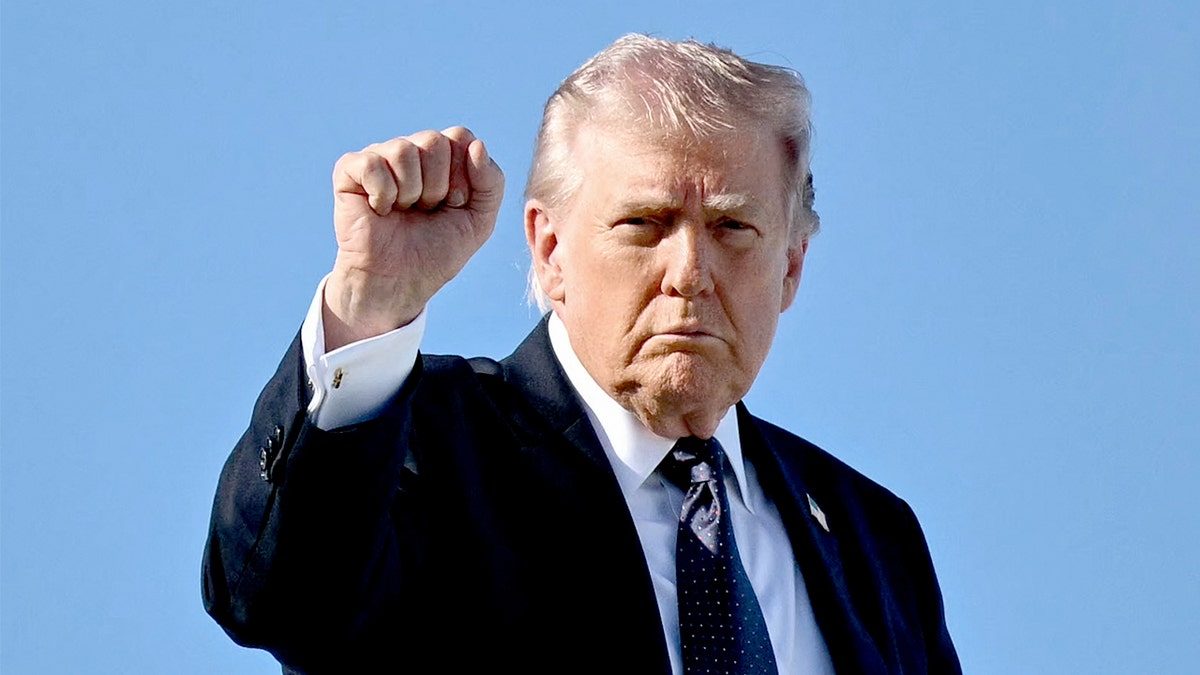
President Donald Trump gestures as he boards Air Force One before departing Palm Beach International Airport in West Palm Beach, Fla., March 1, 2026. (Mandel Ngan/AFP via Getty Images)
Around 90% to 95% of Iran’s crude and petroleum exports pass through Kharg, making it the regime’s primary oil revenue hub.
«Roughly 15 to 20 million barrels may be in storage, with around 1.5 to 3 million barrels per day exported through the terminal during the sanctions, with export capacity up to 5 million barrels per day,» Vakhshouri said.
«If the export capability from Kharg were lost, this restraint could diminish, shifting the risk toward further strikes on regional energy facilities and, more importantly, prolonged disruption of oil flows and tanker traffic through the Strait of Hormuz,» she warned.
CLICK HERE TO DOWNLOAD THE FOX NEWS APP
«Putting a price ceiling on such a scenario would depend largely on Iran’s retaliatory actions,» Vakhshouri added.
«The certain outcome, however, would be prolonged volatility and uncertainty in the market, driven by fears of further retaliation or an extended cycle of disruption.»
Fox News Digital has reached out to the White House for comment.
war with iran,iran,middle east,donald trump,wars,energy,geopolitics

¡La guerra del streaming! Martín Cirio le pegó a Coscu donde más le duele: “Esta gagá y no le…”

Chile da un giro ideológico de 180 grados: asume la presidencia el ultraderechista José Antonio Kast
¿Alta demanda o fachada?: el hotel “fantasma” de Toviggino no cuenta con habitaciones disponibles en 2026

El romance imposible de Nikola Tesla: la mujer que fascinó al genio que no quería enamorarse

Ley de Semillas: un punto clave del acuerdo comercial con Estados Unidos reabre una grieta en el campo

La proeza que el Bodø/Glimt persigue casi 30 años después

La cruda confesión de Amalia Granata por el trastorno que sufre su hijo Roque: “Le hicimos estudios y salió que tiene TDAH, dislexia y disgrafia”

El mercado le está corriendo el arco a Caputo y el riesgo país no baja: en la City palpitan medidas

Jenny Mavinga angustiada tras una quemadura en Gran Hermano 2026: “¡Ay, me quemó!

Trump anunciará la creación del Escudo de las Américas, una alianza regional que integrará Milei para enfrentar al narcoterrorismo y a China

 CHIMENTOS3 días ago
La cruda confesión de Amalia Granata por el trastorno que sufre su hijo Roque: “Le hicimos estudios y salió que tiene TDAH, dislexia y disgrafia”
- ECONOMIA2 días ago
El mercado le está corriendo el arco a Caputo y el riesgo país no baja: en la City palpitan medidas
- CHIMENTOS2 días ago
Jenny Mavinga angustiada tras una quemadura en Gran Hermano 2026: “¡Ay, me quemó!