INTERNACIONAL
Inside Operation Midnight Hammer: B-2 commander reveals how US pulled off surprise strikes on Iran

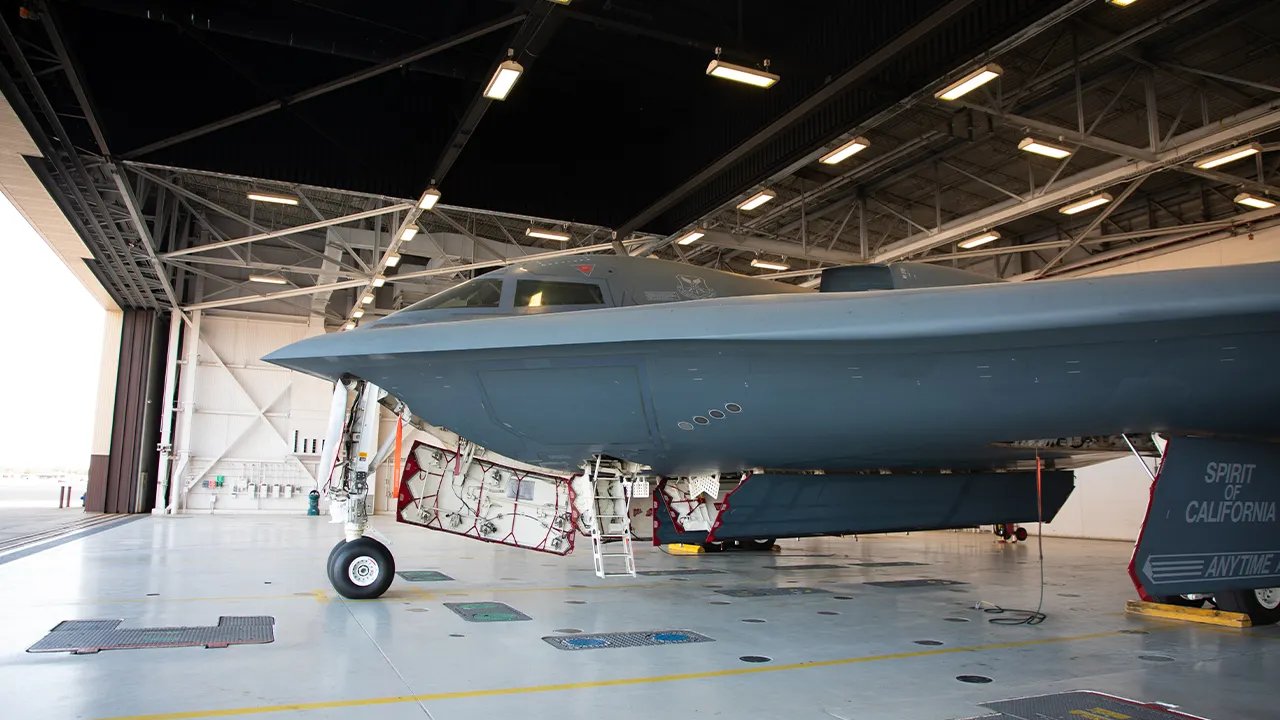
B-2 crews break silence on secret mission into Iran
Fox News Digital gained rare access to Whiteman Air Force Base, where Col. Josh Wiitala and his crews revealed how seven bombers carried out the first combat use of America’s 30,000-pound bunker busters on Iran’s nuclear sites.
NEWYou can now listen to Fox News articles!
KNOB NOSTER, MO – Details from the longest large-scale B-2 bombing mission in history are only now coming into focus, as Fox News Digital gained rare access to Whiteman Air Force Base and the commanders who led Operation Midnight Hammer, striking Iran.
In interviews on base, Col. Josh Wiitala and his crews described how 4,000 personnel worked in secrecy to send seven stealth bombers on a 30-hour mission into Iranian airspace — the first time America’s 30,000-pound Massive Ordnance Penetrator was used in combat. They called the raid a flawless performance and offered vivid accounts of the strain, training and coordination required to pull it off.
«We have a low observable culture — everybody’s working in secrecy to carry out the mission,» Wiitala told Fox News Digital, speaking publicly for the first time since the June strikes. «It was the entire team working together leveraging the lessons from years of exercises.»
While thousands supported the mission through maintenance, munitions, operations and medics, 14 of the «several dozen» pilots trained on the B-2 stealth bomber ultimately traveled to enemy territory to drop the 30,000-pound GBU-57 Massive Ordnance Penetrators (MOPs) on Iran’s nuclear sites.
EXPERTS GAUGE SUCCESS OF ‘BUNKER BUSTER’ BOMBS DROPPED BY US ON IRAN NUCLEAR SITES
A B-2 bomber is seen at Whiteman Air Force Base on Sept. 8, 2025. (Morgan Phillips/Fox News Digital )
In deciding who went, Wiitala said he prioritized experience over everything else. «This team had flown Red Flag after Red Flag, major exercise after major exercise,» he said. «I was watching the crews prepare, I was just thinking about how many repetitions they’d had, how long they’d trained for this. And it was a very seasoned crew.»
The colonel would not discuss specifics such as how much notice the crew was given, whether electronic warfare or other countermeasures were used, or measurable evidence for why commanders believed the bombs hit their intended targets. Those details remain classified, leaving outsiders to rely on satellite imagery and independent assessments for verification.
Wiitala said the team that was selected was «fired up» to carry out the mission. «What I told them is, ‘I think this will be remembered as one of the most consequential raids of our lifetime.’ They absolutely understood the historic nature of the mission.»
Pilots came home from the 30-hour mission «completely exhausted,» according to Wiitala — it was the longest mission for a large-scale bombing attack with seven planes. Each aircraft had two pilots, and they took turns resting for 45 minutes to an hour at a time, particularly in between complex aerial refuelings. Some carted cases of energy drinks on board to stay alert.
The longest combat mission for any airplane was 44.3 hours, when pilots struck al Qaeda and Taliban targets after the Sept. 11, 2001, attacks. Rest periods consist of trying to get horizontal on the small patch of metal floor behind the pilot’s seats.
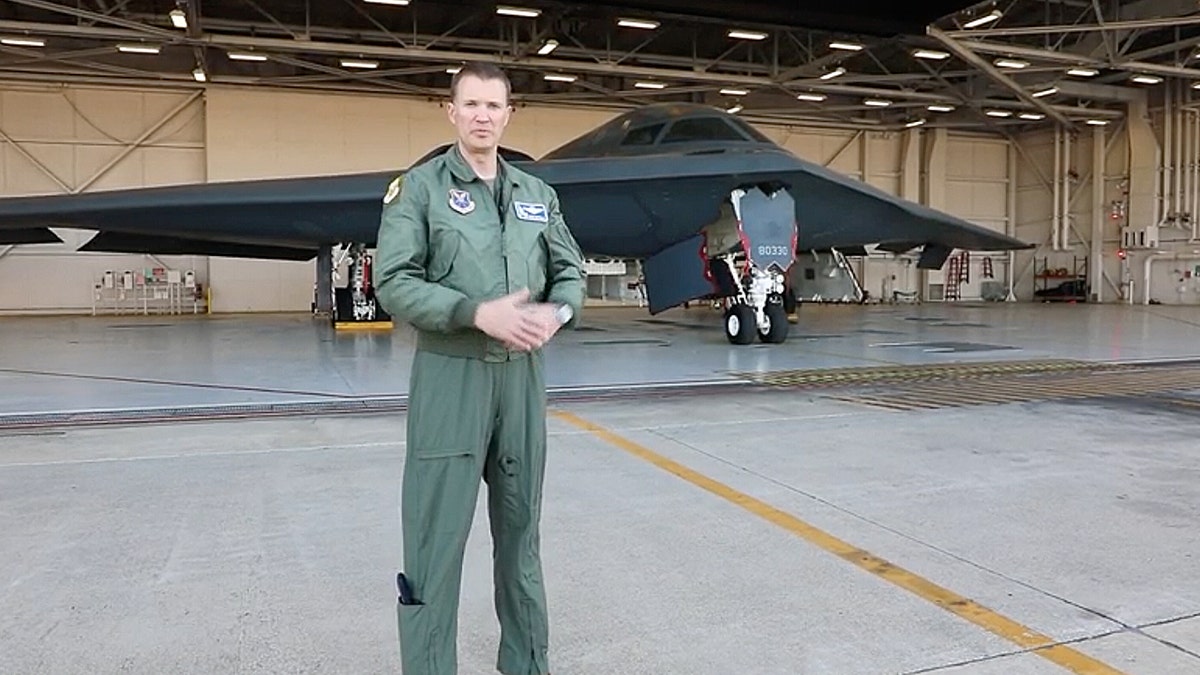
Col. Josh Wiitala speaks about piloting the B-2 stealth bomber during a Fox News Digital visit to Whiteman Air Force Base on Sept. 8, 2028. (Morgan Phillips/Fox News Digital )
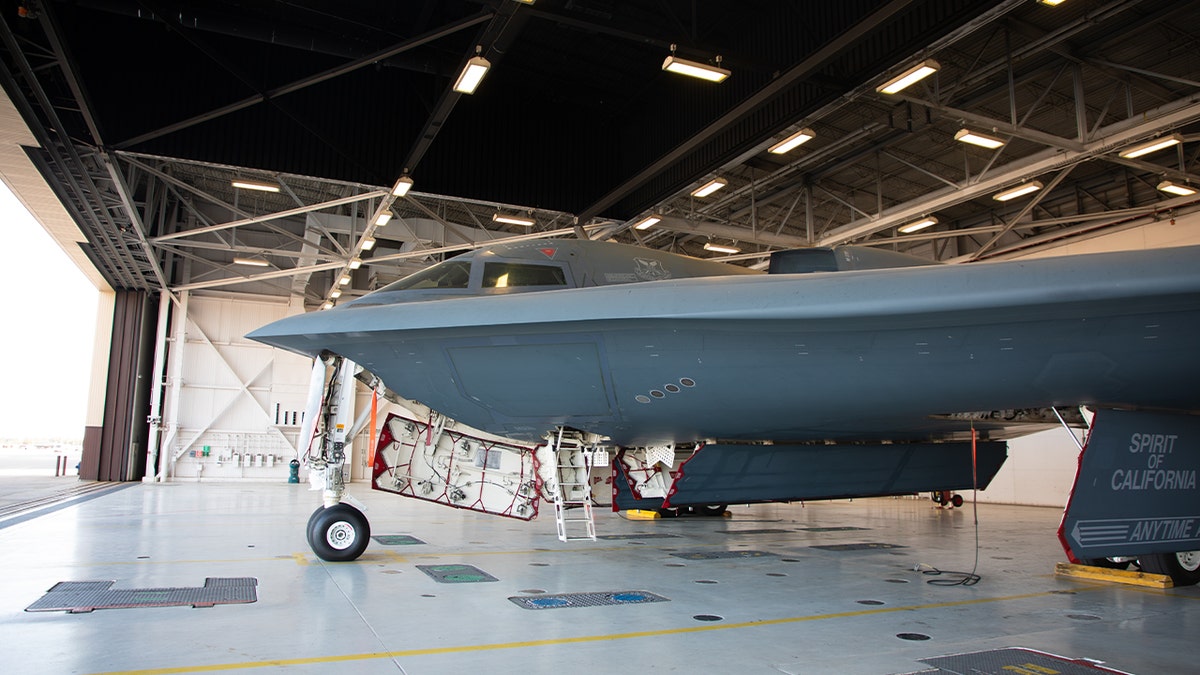
A B-2 stealth bomber on display at Whiteman Air Force Base, Sept. 8, 2025. (Morgan Phillips/Fox News Digital )
OPERATION MIDNIGHT HAMMER: HISTORIC B-2 BOMBER MISSION FLEW FROM MISSOURI TO STRIKE IRANIAN NUCLEAR SITES
The aerial refueling, according to Wiitala, «is the hardest stick and rudder, hand-flying piece of what we do.» The process consists of aligning as close as 10 feet below a KC-135, KC-10, or KC-46 tanker, where a hose and nozzle at the bottom of the plane attach to a fuel opening at the top of the B-2. The B-2 must fly parallel below the KC tanker for 15–30 minutes to take on a fuel load of up to 167,000 pounds.
Wiitala said the «biggest moment» of his 22-year career in the Air Force was when the pilots made it back safely. «When I knew the crews were safe, when I knew that they were in friendly airspace and they were safe. That was the biggest thing for me. In terms of mission success, it was 14 weapons on target. Again, it was just flawless performance. So I was incredibly proud of how they executed, incredibly proud of the whole, you know, all 4,000 people here across our hundreds of specialties supporting this mission and making it work.»
The B-2 is the only long-range stealth aircraft that can carry the 30,000-pound bunker-buster bombs. But the $2 billion plane is aging: 20 of them have been in operation for close to 30 years. Combined with rapidly evolving air defenses — drone swarms, long-range surface-to-air missiles and sensors — the B-2 was built for an earlier generation of air combat.
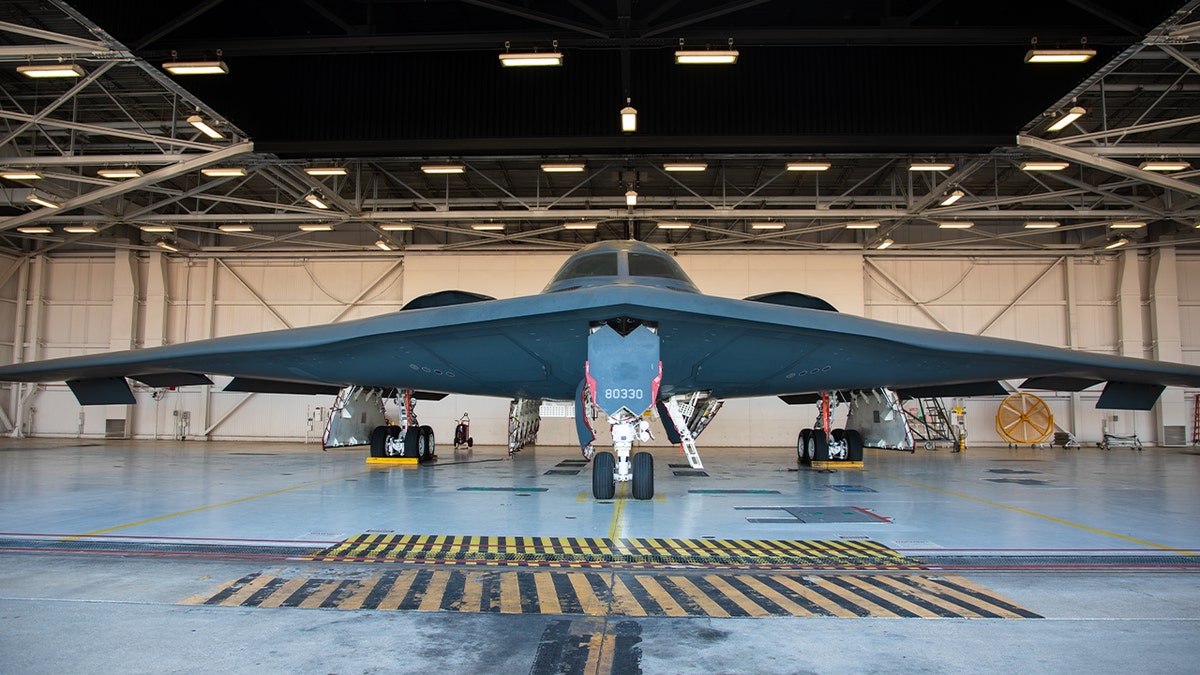
Head-on view of a B-2 stealth bomber at Whiteman Air Force Base on Sept. 8, 2025. (Morgan Phillips/Fox News Digital)
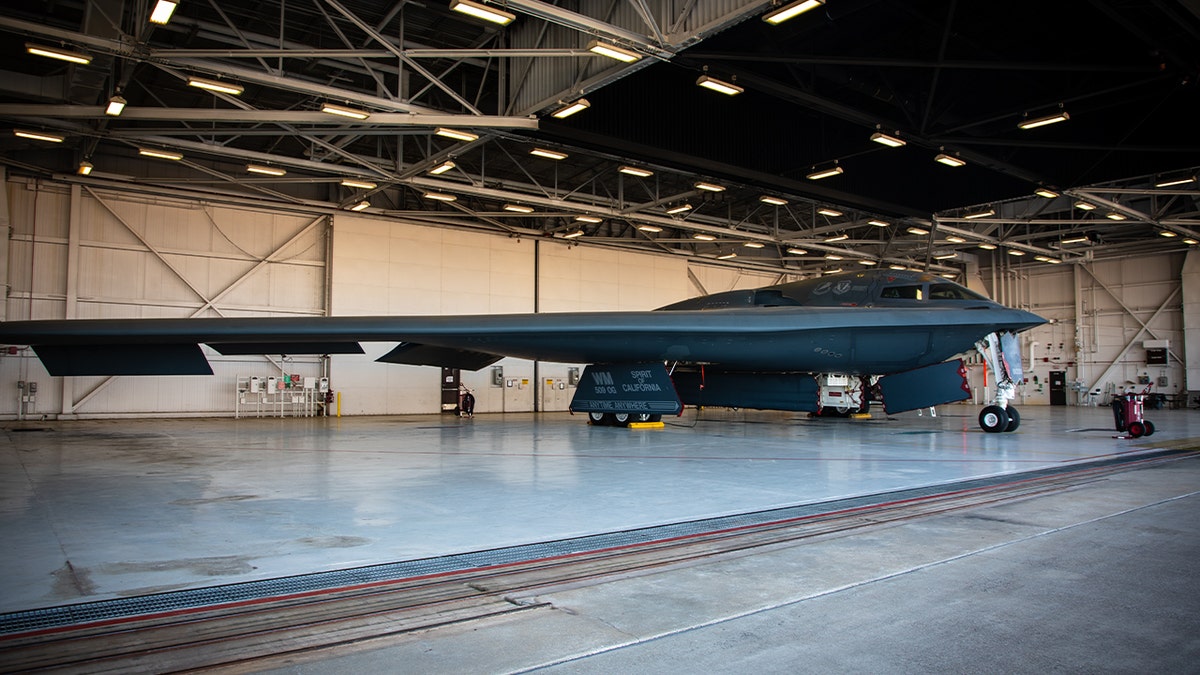
A B-2 bomber seen during the Fox News Digital visit to Whiteman Air Force Base, Sept. 8, 2025. (Morgan Phillips/Fox News Digital )
«We’re constantly evolving how we employ the airplane,» said Wiitala. «It’s still a very effective aircraft, but the B-21 is the next step.»
The B-21 is expected to be more cost-effective, under $1 billion per plane, and the Air Force plans to buy 175–200 of them.
The MOPs are stored on base along with 500-pound and 2,000-pound bombs. They are maintained to be ready for use at a moment’s notice. Weapons loaders train for 21 days to become certified in maintaining and loading the 30,000-pound bombs, which lock into the body of the plane at two steel touchpoints, according to Chief Master Sgt. Frank Espinoza, 509th Maintenance Group wing weapons manager.
Those who handle the weapons train every month on loading the ordnance for flight missions. When dropped, the weapons penetrate deep into the ground before exploding. Iran’s underground bunkers were the first combat targets for the weapons.
Fifteen years of testing and multiple iterations led to the combat-ready version of the MOP. The finalized version has now been tested for «several years,» according to Espinoza.
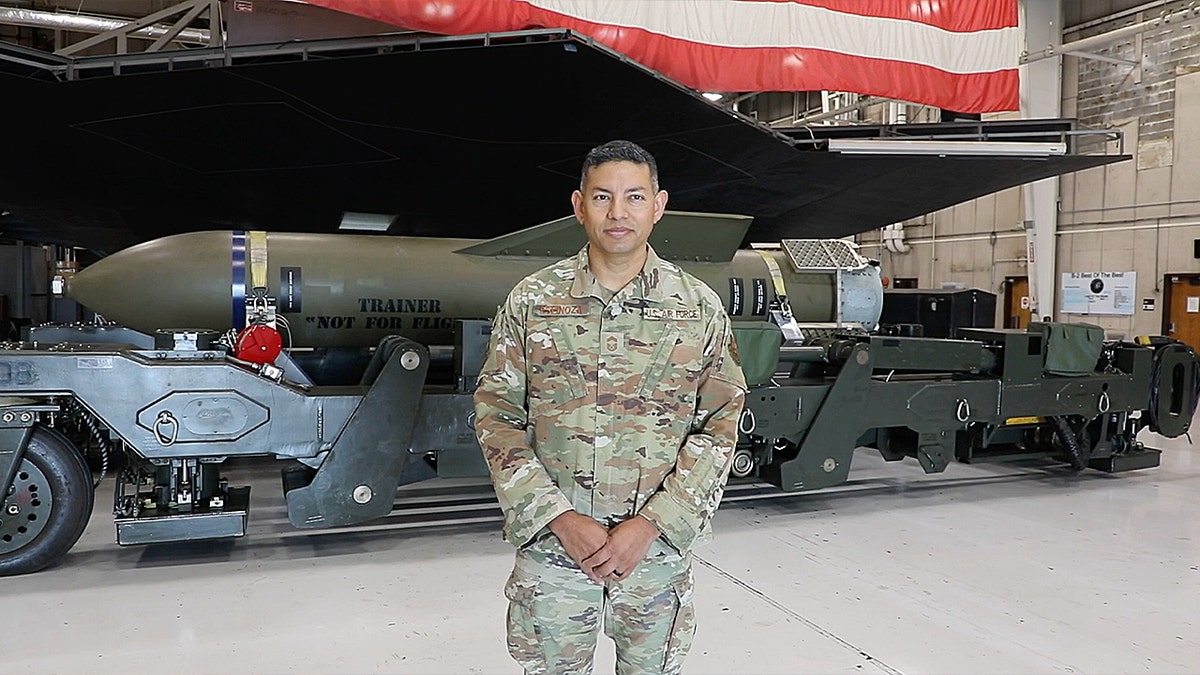
Maintenance chief Frank Espinoza explains how the Massive Ordnance Penetrator, or bunker buster bomb, is kept combat-ready. (Morgan Phillips/Fox News Digital)
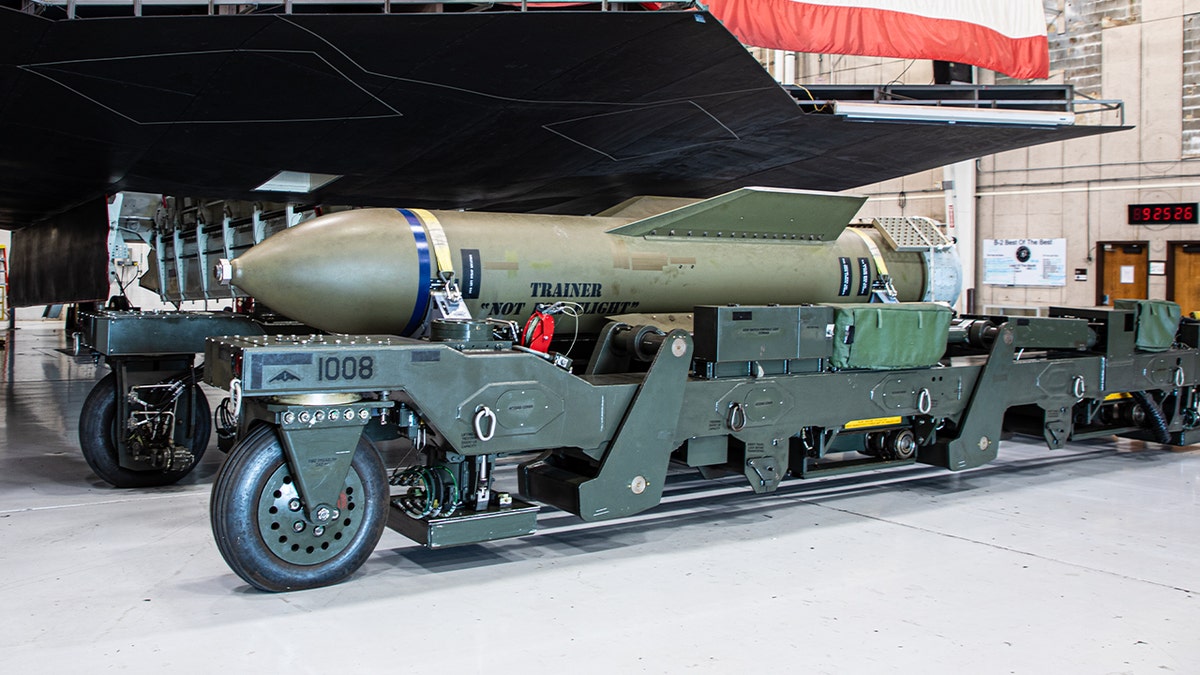
A Massive Ordnance Penetrator, known as a bunker buster bomb, at Whiteman Air Force Base, Sept. 8, 2025. (Morgan Phillips/Fox News Digital)
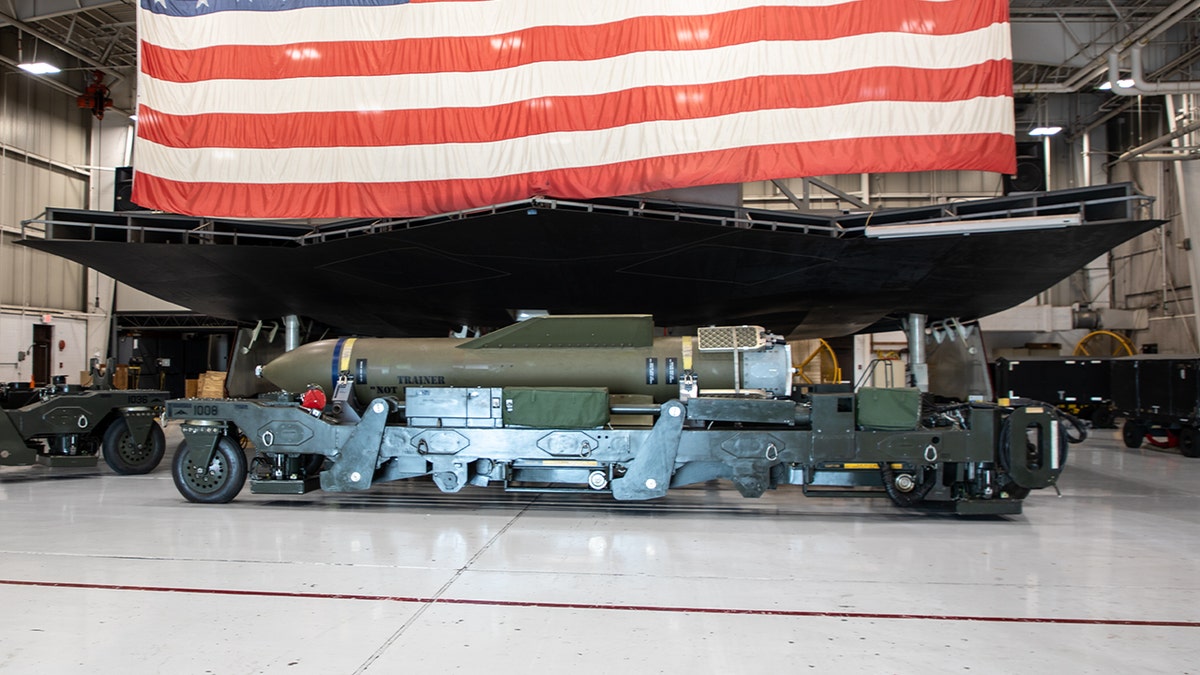
A 30,000-pound Massive Ordnance Penetrator on display at Whiteman Air Force Base, Sept. 8, 2025. (Morgan Phillips/Fox News Digital)
The bombs were dropped on targets across two Iranian nuclear facilities: 12 MOPs were dropped on the Fordow uranium enrichment plant, buried under 300 feet of rock, and two on the Natanz nuclear facility. Israeli airstrikes took out Iran’s air defenses, creating a ripe opportunity for U.S. bombers to enter Iranian airspace at relatively lower risk.
A recent assessment from nuclear weapons expert David Albright and a team of researchers analyzing data from the International Atomic Energy Agency (IAEA) found that after U.S. strikes, Iran has no path to produce weapons-grade uranium at any of its known centrifuge plants «for the first time in 15 years.»
«The military attacks destroyed or made inoperative all of Iran’s installed centrifuges — almost 22,000 gas centrifuges — at Iran’s three enrichment sites,» the analysis said. But the researchers noted it’s unclear how long it would take for Iran to acquire a nuclear weapon, since the country may have other centrifuges not yet in use and not destroyed in the strikes.
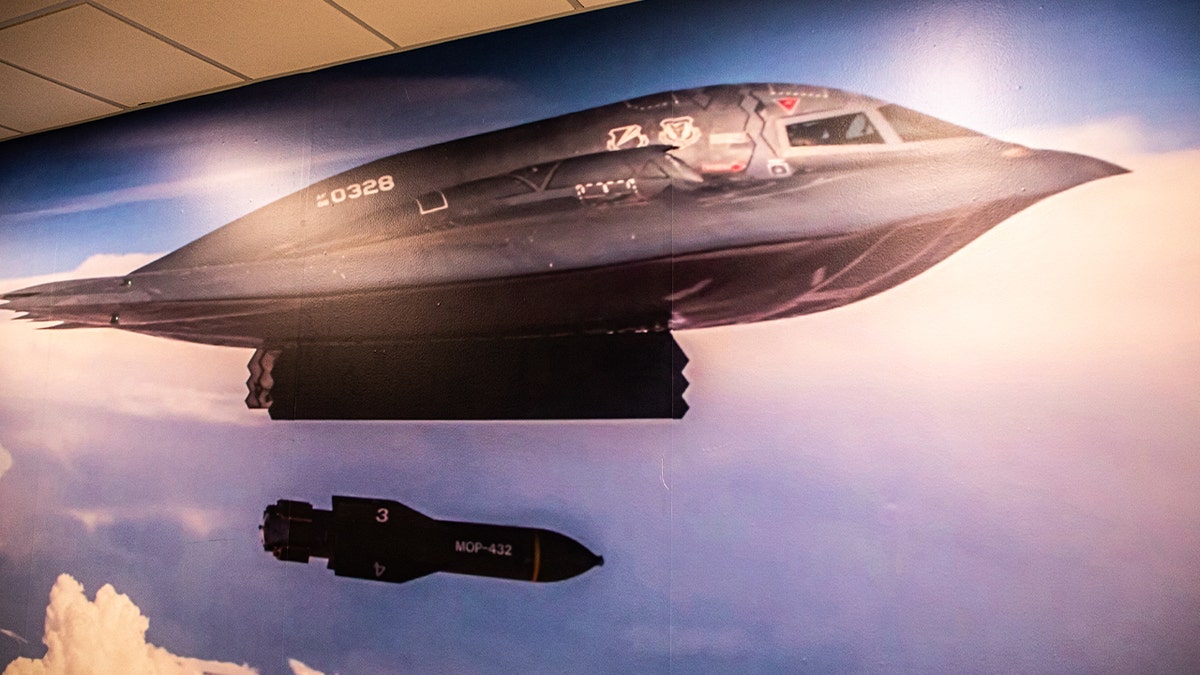
A mural at Whiteman Air Force Base depicts a Massive Ordnance Penetrator being dropped from a B-2 bomber. (Morgan Phillips/FoxNews Digital)
CLICK HERE TO GET THE FOX NEWS APP
President Donald Trump immediately proclaimed Iran’s nuclear program had been «completely and totally obliterated,» though skeptics and opponents of the strikes voiced caution about declaring the mission a success before a final damage assessment was finished.
While Iran ceased cooperation with nuclear authorities as a result of the strike, its retaliation on U.S. military personnel has been muted. Tehran launched a strike on a U.S. airbase in Qatar, but notified both parties in advance. No one was injured in the counterstrikes.
us air force,air force,pentagon,iran,air and space,defense













NEWYou can now listen to Fox News articles!
Iran’s military is not designed to win a conventional war against the United States or Israel. It is designed to survive one, absorb damage and continue fighting over time, experts say.
That strategy is reflected both in how the force is built and how it is performing now, after weeks of sustained U.S. and Israeli strikes.
The scale of the campaign has been significant. More than 9,000 targets have been struck since the launch of Operation Epic Fury, according to a March 23, 2026, fact sheet from U.S. Central Command, alongside more than 9,000 combat flights, hitting missile sites, air defenses, Islamic Revolutionary Guard Corps command centers and weapons production facilities.
NEXT MOVE ON IRAN: SEIZE KHARG ISLAND, SECURE URANIUM OR RISK GROUND WAR ESCALATION
Iran’s military is not designed to win a conventional war against the United States or Israel: It is designed to survive one, experts say. (Iranian Army/WANA (West Asia News Agency)/Handout via Reuters)
U.S. officials say the objective is clear.
«We are targeting and eliminating Iran’s ballistic missile systems … destroying the Iranian Navy … and ensuring Iran cannot rapidly rebuild,» Joint Chiefs of Staff Chairman Gen. Dan Caine said during a March Pentagon briefing.
But analysts caution that the picture is more complex.
«It’s a mixed bag,» Nicholas Carl, a fellow at the conservative American Enterprise Institute think tank and assistant director of the Critical Threats Project, told Fox News Digital. «On one hand, (Iran’s military) is badly degraded across the board, but the regime still retains a significant amount of capability.»
INSIDE THE ISRAELI DRONE UNIT TAKING ON IRAN AND HEZBOLLAH
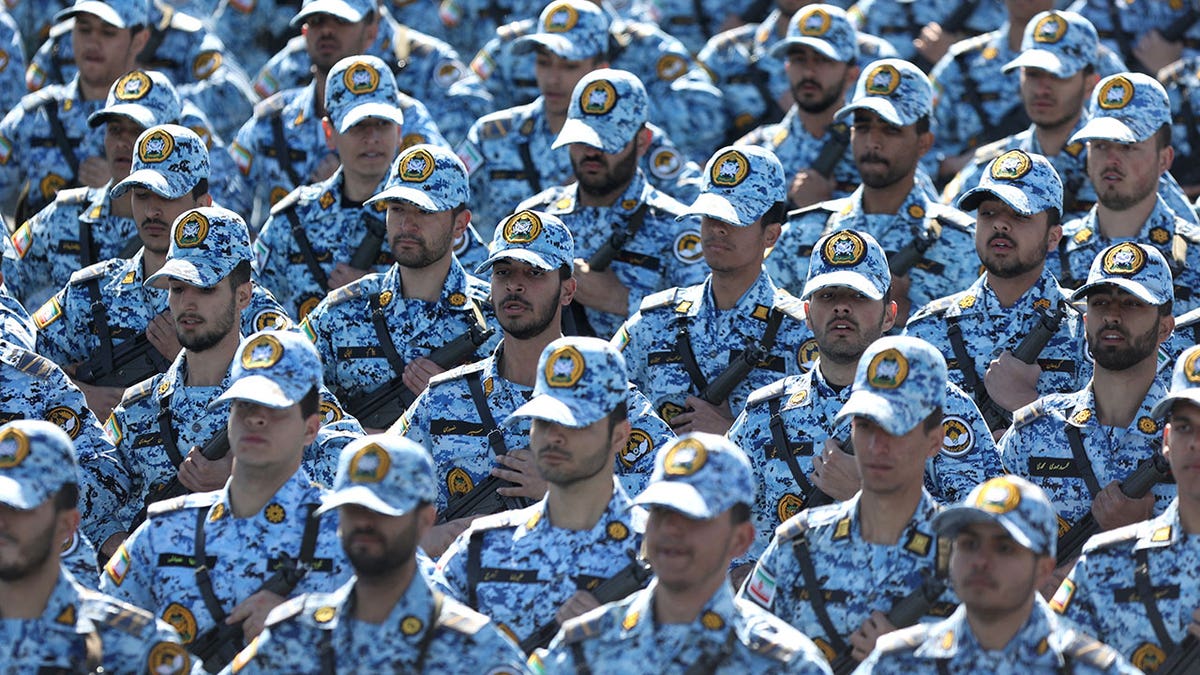
At the heart of Iran’s military system is a deliberate dual structure: the conventional army, known as the Artesh, and the Islamic Revolutionary Guard Corps. (Majid Asgaripour/WANA (West Asia News Agency) Handout via Reuters)
A ‘double army’ built to protect the regime
At the heart of Iran’s military system is a deliberate dual structure: the conventional army, known as the Artesh, and the Islamic Revolutionary Guard Corps, a parallel force created after the 1979 revolution to safeguard the regime.
According to Carl, Supreme Leader Ali Khamenei has shaped the armed forces throughout decades around one central objective: preserving the Islamic Republic and exporting its revolutionary ideology.
«You need to separate between the IRGC and the regular army,» Middle East intelligence expert Danny Citrinowicz told Fox News Digital. «The IRGC gets all of the budgets — better salaries, better equipment, better everything.»
Carl describes the Islamic Revolutionary Guard Corps as a «deeply ideological praetorian guard,» while the Artesh remains a more conventional force tasked with defending Iran’s borders.
But the distinction is not absolute.
«The IRGC is probably the more dangerous of the two, but we cannot discount the threat that the regular military poses as well,» Carl said.
TRUMP’S IRAN STRATEGY SHOWCASES ‘DOCTRINE OF UNPREDICTABILITY’ AMID STRIKE THREATS AND SUDDEN PAUSE
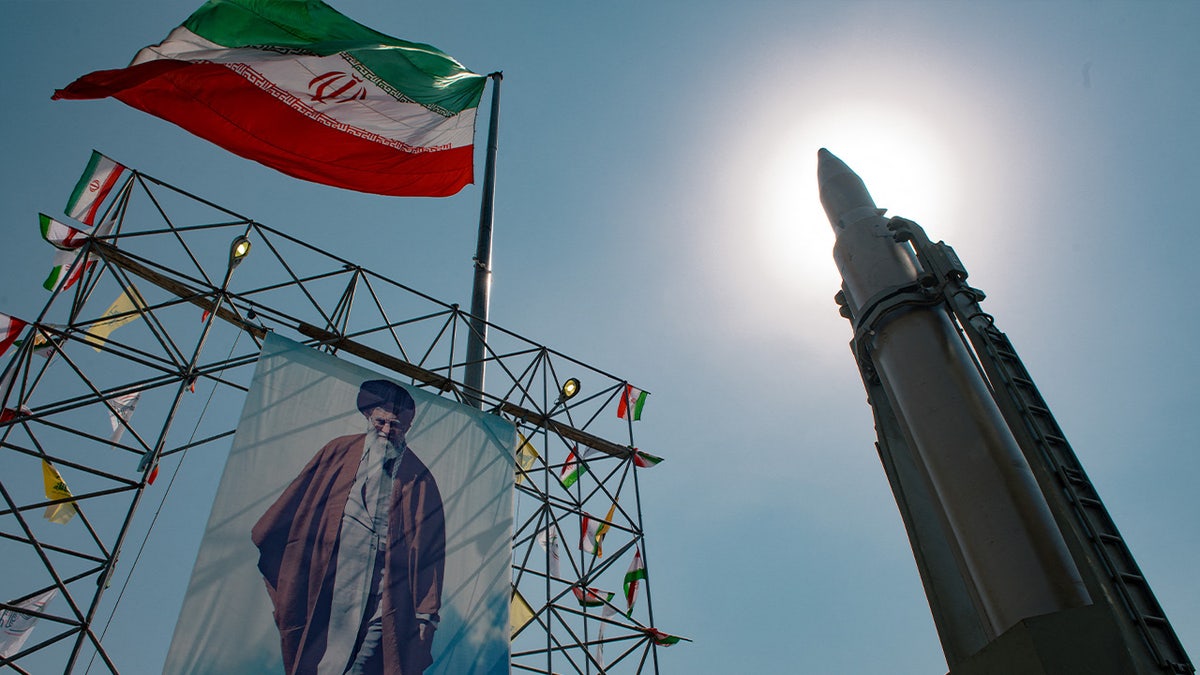
A big banner depicting Iran’s Supreme Leader Ayatollah Ali Khamenei is placed next to a ballistic missile in Baharestan Square in Tehran, Iran, in 2024. (Photo by Hossein Beris / Middle East Images / Middle East Images via AFP) (Photo by HOSSEIN BERIS/Middle East Images/AFP via Getty Images)
Missiles remain Iran’s most powerful weapon
Iran’s missile program remains the backbone of its military power, even after extensive strikes.
The Islamic Revolutionary Guard Corps Aerospace Force has spent years building what Carl describes as the largest missile inventory in the Middle East.
U.S. officials say those capabilities have been significantly reduced with recent strikes.
«Iran’s ballistic missile shots fired are down 86% from the first day of fighting,» Caine said in a Pentagon briefing earlier in March, adding that drone launches have dropped by roughly 73%.
Secretary of War Pete Hegseth said in the same briefing that the campaign has sharply limited Iran’s ability to sustain attacks.
«The enemy can no longer shoot the volume of missiles they once did, not even close,» he said.
But even U.S. officials acknowledge the threat persists.
«Iran will still be able to shoot some missiles … and launch one-way attack drones,» Hegseth said.
Carl said the decline in fire has plateaued.
«Iranian missile and drone fire has dropped precipitously … about 90% since the war began… but that number has been consistent for weeks,» he said. «That means they still retain enough capability to sustain strikes across the region.»
Citrinowicz offered a similar assessment.
«They suffered blows, but still hold the ability and still have the capacity to launch missiles for weeks to come,» he said.
U.S. estimates cited by Carl suggest roughly a third of Iran’s missile capabilities remain active.
«The regime still does have a significant capability to threaten targets across the region … especially as it demonstrates the ability to shoot beyond 2,000 kilometers,» Carl said.
WHY TRUMP, IRAN SEEM LIGHT-YEARS APART ON ANY POSSIBLE DEAL TO END THE WAR
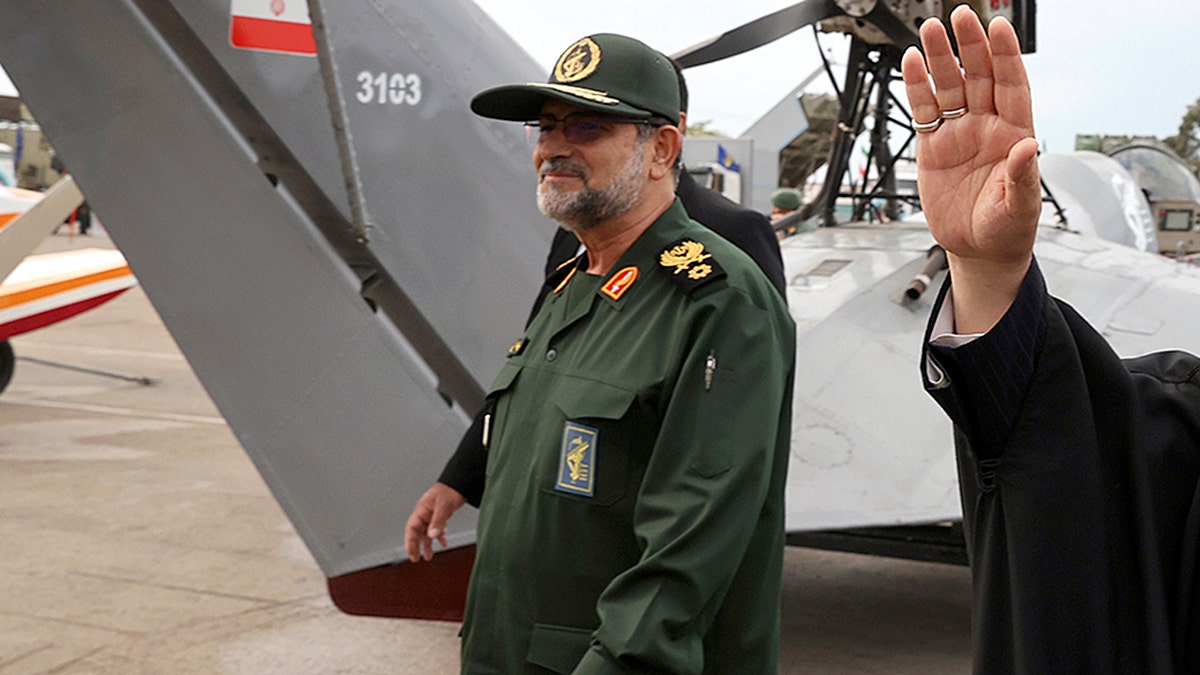
The Iranian Revolutionary Guard’s navy commander Alireza Tangsiri, who was killed by the Israelis on March 26, 2026, at an exhibition in the southern port city of Bandar Abbas, Iran, in 2024. (Iranian Presidency Office via AP)
A navy built to disrupt global trade
The Pentagon says it has made major gains against Iran’s naval forces.
More than 140 Iranian vessels have been damaged or destroyed, according to U.S. Central Command.
Caine said U.S. forces have «effectively neutralized» Iran’s major naval presence in the region.
But analysts warn that Iran’s naval threat was never dependent on large ships.
The Islamic Revolutionary Guard Corps Navy is built around «area denial capabilities,» including fast attack craft, mines, missiles and drones designed to swarm adversaries and disrupt maritime movement.
«They still have the capacity — speedboats, drones, surface-to-sea missiles — allowing them to block the Strait of Hormuz,» Citrinowicz said.
Carl cautioned against a common misconception.
«It’s not technically accurate to say the Strait of Hormuz is closed … Iran is selectively denying access … firing at some ships while allowing others to pass,» he said.
«Iran has to do very, very little to achieve a meaningful effect.»
HEZBOLLAH, IRAN UNLEASH COORDINATED CLUSTER BOMB STRIKES ON ISRAEL IN MAJOR ESCALATION
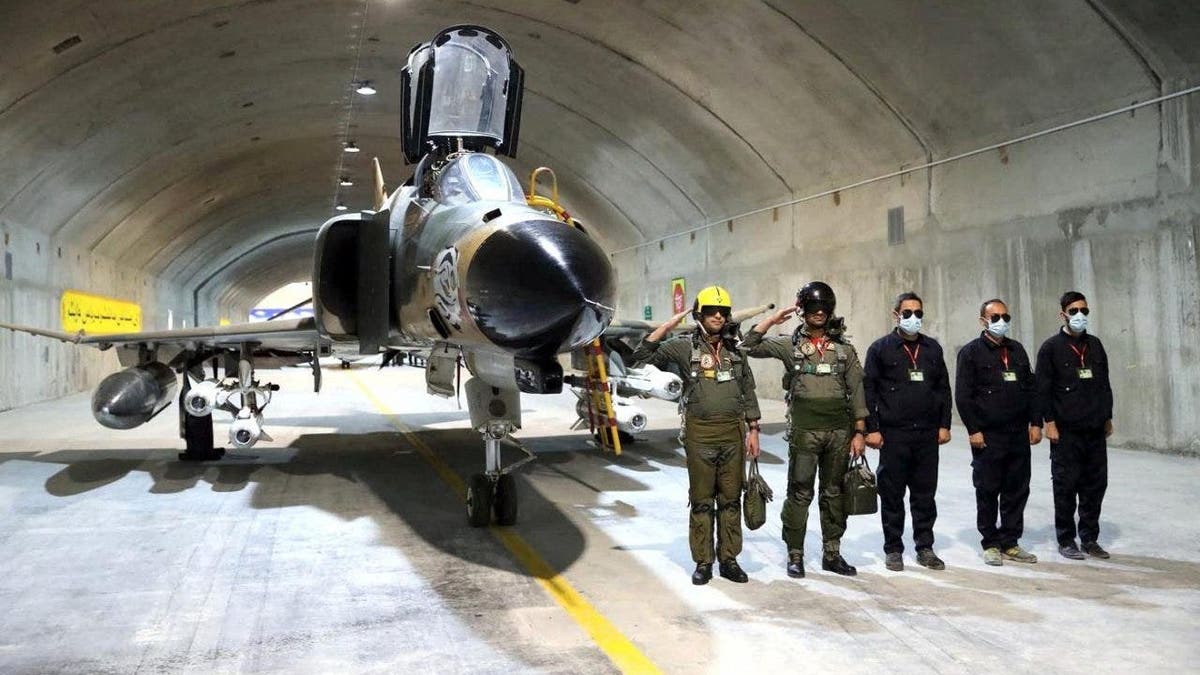
A Fighter aircraft is seen at the first underground air force base, called «Eagle 44» at an undisclosed location in Iran, in this handout image obtained Feb. 7, 2023. (West Asia News Agency/Handout via REUTERS)
Air superiority, but not total control
U.S. officials say the campaign has achieved major progress in the air.
«We will have complete control of Iranian skies, uncontested airspace,» Hegseth said.
Caine added that U.S. forces have already established «localized air superiority» and are expanding operations deeper into Iranian territory.
But Iran’s air force was never the centerpiece of its strategy. Years of sanctions have left it reliant on aging aircraft and limited modernization, making it far less capable than its Western or regional adversaries.
«There is definitely a setback … but Iran was never built on an air force,» Citrinowicz said.
Instead, Iran relies on missiles, drones and layered defenses.
WHO ACTUALLY RUNS IRAN RIGHT NOW? THE KEY POWER PLAYERS AS TRUMP CLAIMS TALKS TO ‘TOP’ OFFICIAL
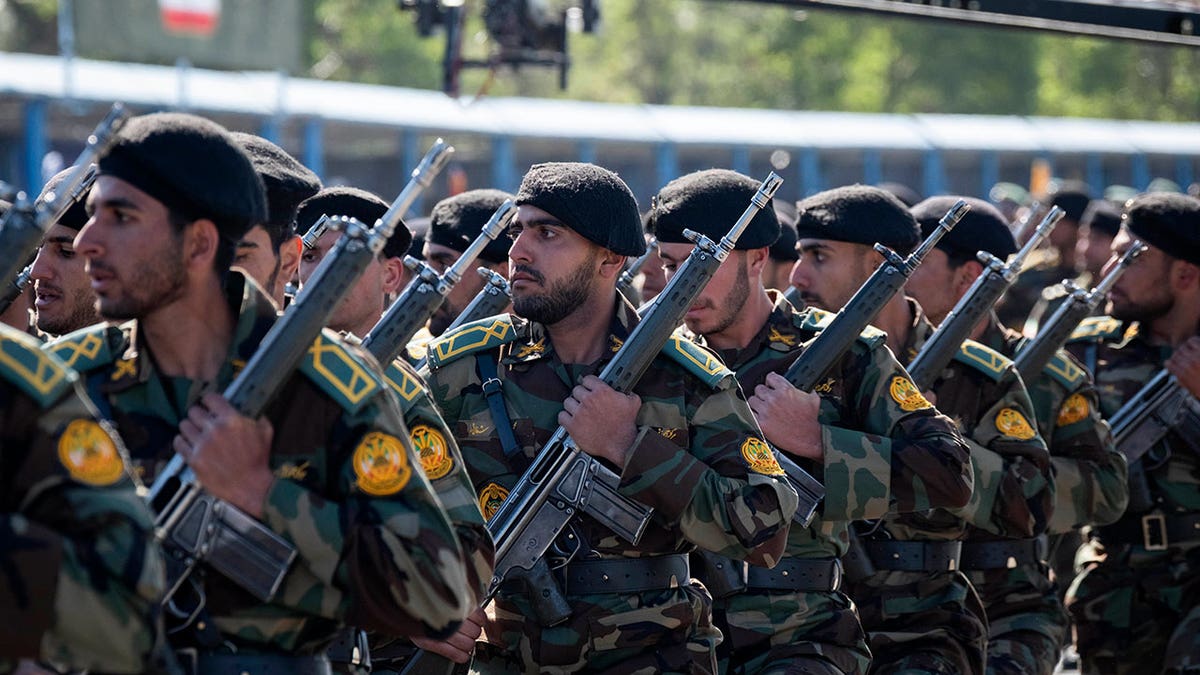
On the ground, Iran retains a key advantage: its forces have largely not been directly engaged. (Morteza Nikoubazl/Nur Photo via Getty Images)
Ground forces remain largely intact
On the ground, Iran retains a key advantage: its forces have largely not been directly engaged.
The Artesh ground forces, which include tens of brigades, are positioned primarily to defend Iran’s borders, according to Carl’s report.
«The ground troops are still intact, nobody has invaded Iran,» Citrinowicz said.
He noted that ground forces are increasingly launching drones, signaling a broader shift in how Iran fights.
Proxy network extends Iran’s reach
Beyond its borders, Iran’s military power is extended through a network of proxy forces managed by the Islamic Revolutionary Guard Corps’ Quds Force.
Carl said the Quds Force provides «leadership, materiel, intelligence, training and funds» to allied militias across the Middle East, including Hezbollah, Hamas and the Houthis.
«The ‘Axis of Resistance’ is the central mechanism by which Iran can further regionalize the conflict … to endanger as many actors’ interests as possible,» Carl said.
US MOVES AIRBORNE TROOPS, MARINES AS IRAN REJECTS CEASEFIRE, RAISING GROUND WAR POTENTIAL
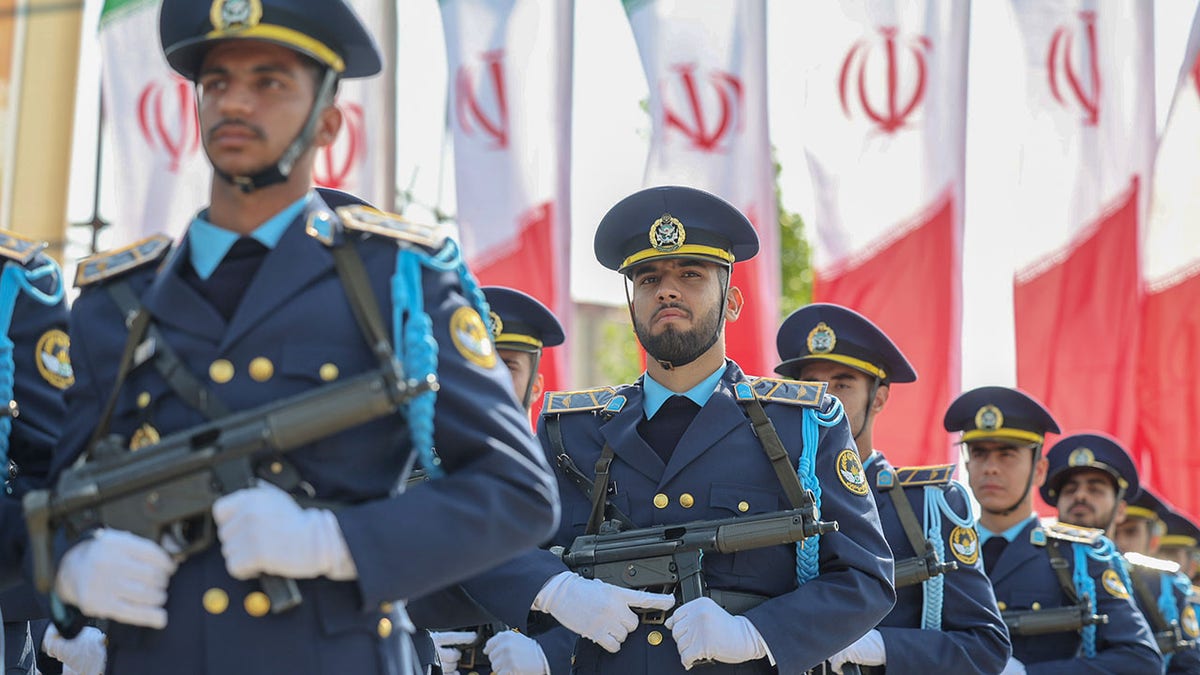
Iranian soldiers take part in a military parade during a ceremony marking the country’s annual army day April 17, 2024, in Tehran, Iran. (Getty Images)
Built to survive, not to win
Iran’s military is also structured to confront internal threats, reinforcing its core purpose: regime survival.
The result is a force built on redundancy, asymmetry and endurance.
CLICK HERE TO DOWNLOAD THE FOX NEWS APP
Even after weeks of sustained strikes, Iran retains enough capability to continue launching missiles, harassing global shipping and leveraging proxy forces across the region.
It may be weakened, but it remains strategically dangerous.
«We cannot discount the threat that the Iranian military poses,» Carl said, «it remains a force capable of threatening regional and international security.»
war with iran, military, wars, pete hegseth, national security
INTERNACIONAL
Cómo los habitantes de Kiev sobrevivieron al “invierno negro” bajo los bombardeos rusos: “Esto nos unió aún más”

Rusia atacó el sistema energético de Ucrania más de 4.500 veces en 2025. Pero en 2026, esperó a que se produjeran olas de frío sin precedentes para lanzar sus ataques: en enero y febrero, las temperaturas en las ciudades ucranianas bajaron hasta los −20 y −26 °C. Como resultado de ataques masivos con drones de ataque, misiles balísticos y misiles de crucero, las plantas de cogeneración que suministran calefacción y electricidad a millones de personas en las ciudades ucranianas quedaron parcial o totalmente destruidas. Se ha declarado el estado de emergencia en el sector energético. En Kiev, la capital de Ucrania, las tres plantas de cogeneración han sufrido daños, y una de ellas ha quedado completamente fuera de servicio. En enero y febrero, entre 1 y 1,5 millones de personas en Kiev se quedaron sin calefacción. Restaurar la infraestructura energética de Ucrania podría llevar años. Sin embargo, los ataques de Rusia, que no tuvieron un impacto directo en los combates, tenían como objetivo minar la moral de la población civil. También fueron acompañados de ataques coordinados de bots en las redes sociales que culpaban a las autoridades ucranianas de los cortes de energía, citando la “corrupción” y el uso “ineficiente” de la ayuda internacional.
“Cuando tengo frío, sueño que me están matando”

Yulia Po, una artista de cuarenta años, se mantenía al calor en casa con botellas de agua caliente y, cada vez que volvía la luz, con una manta eléctrica y un calentador. Esta temporada no habrá calefacción en su edificio. Yulia vive en la parte izquierda de Kiev, la parte de la ciudad donde las centrales térmicas y eléctricas han sufrido los ataques rusos más intensos.
Todas las ventanas y puertas del departamento de Yulia —e incluso parte de las paredes— han sido cubiertas con plástico de burbujas. Sus plantas también están envueltas en él.
Yulia es de Crimea, ocupada por Rusia en 2014. Se ríe al decir que, al haber nacido en un lugar cálido, siempre ha sido especialmente sensible al frío.
“Tienes que estar en constante movimiento o envolverte en varias capas de ropa, lo que hace que incluso las tareas domésticas básicas, como lavar los platos, sean incómodas”, dice.
Tampoco hay calefacción en el lugar de trabajo de Yulia. En casa, no es posible trabajar ni realizar ninguna actividad creativa: se le entumecen las manos por el frío. “Incluso el trabajo más mínimo en la computadora es imposible”, dice. “En primer lugar, hace un frío glacial. Todos los cables se congelan y se ponen rígidos. Mi hervidor se rompió por el frío”.

Yulia cocina en un hornillo de campamento y calienta agua en una olla. Las temperaturas bajo cero reventian las tuberías de los departamentos y de la escalera.
“Una noche pensé: “Voy a intentar dormir sin las botellas”, y literalmente 30 minutos después me desperté de un sueño en el que me estaban matando. Eso siempre pasa cuando tengo frío», dice Yulia. “Cada día entendía que solo tenía que aguantarlo y que pronto haría más calor. Pero no siento ninguna euforia del tipo: “Oh, por fin, la primavera”“. Para la primavera, el clima se había calentado y los horarios de los apagones se habían estabilizado, pero aún así tenía que seguir calentando el departamento y hirviendo agua.
Sin embargo, no tiene planes de mudarse, porque nadie sabe cómo estará la situación el año que viene. Yulia está convencida de que los rusos “seguirán bombardeando otras plantas de cogeneración. Así que no hay garantía de que un departamento que alquiles en otra parte de la ciudad no se quede también sin calefacción”.

Hay cientos de miles de personas como Yulia en Kiev. Algunos días de enero y febrero, entre 1 y 1,5 millones de personas en la ciudad se quedaron sin calefacción. La situación más grave se da en la margen izquierda de la ciudad.
Kiev, una ciudad de más de 3,5 millones de habitantes cuya población ha crecido significativamente durante la guerra debido al gran número de personas desplazadas de otras partes de Ucrania, está dividida en dos orillas por el río Dniéper. El centro de la ciudad y el barrio gubernamental se encuentran en la orilla derecha. La orilla izquierda —donde viven casi un millón de personas— está densamente urbanizada con grandes barrios residenciales de rascacielos. Es aquí donde se encuentra el mayor número de edificios que ahora carecen de calefacción.
Durante los cuatro años de la invasión a gran escala, las fuerzas rusas atacaron la planta de cogeneración de Darnytska —que abastece de calefacción a la mayor parte de este distrito y de parte de su electricidad— 13 veces con misiles y drones, nueve de esos ataques solo en los últimos seis meses. El 3 de febrero, la planta de cogeneración de Darnytska quedó completamente fuera de servicio después de que Rusia la atacara con cinco misiles balísticos. La planta había suministrado calefacción a casi medio millón de personas —aproximadamente toda la población de una ciudad europea bastante grande—.
El “milagro” de los ingenieros eléctricos

“No se trataba solo de misiles balísticos, sino de misiles balísticos cargados de metralla, lo que complica aún más cualquier labor de reconstrucción”, declaró el viceprimer ministro de Ucrania encargado de la Reconstrucción, Oleksii Kuleba, ante periodistas y diplomáticos extranjeros al día siguiente del ataque. Señalando las calderas de la central de cogeneración de Darnytska destrozadas por los misiles, los edificios derrumbados y las tuberías cubiertas de una gruesa capa de hielo, destacó: “Es difícil imaginar cómo este montón de metal y ladrillos podría volver a convertirse en una central de calefacción en funcionamiento. El objetivo era lo único que aquí seguía operativo: el equipo que suministraba calefacción a los residentes. Todos entendían perfectamente que las temperaturas nocturnas eran de menos 25 grados, por lo que los misiles balísticos apuntaban precisamente a las calderas de calefacción. Los terroristas rusos están utilizando el frío extremo como arma”.
Kuleba dijo que restablecer la calefacción para los residentes de Kiev requeriría un auténtico milagro. E incluso si tal milagro ocurriera, aún se necesitaría energía de respaldo para hacer frente a las constantes situaciones de emergencia.

Sin embargo, los ingenieros eléctricos de Ucrania ya habían logrado un verdadero “milagro” para los habitantes de Kiev. Maksym Tymchenko, director ejecutivo de DTEK, una de las principales empresas energéticas de Ucrania, dijo que después de algunos de los ataques la situación parecía catastrófica: se había perdido casi el 80 % de la generación de electricidad. La asombrosa capacidad de sus equipos para reparar rápidamente daños críticos, improvisar soluciones de ingeniería utilizando equipos destrozados y trabajar durante horas y horas en un frío anormalmente intenso —o incluso bajo el agua— lo sorprendió y le dio al país las pocas semanas vitales que necesitaba para aguantar hasta el deshielo de la primavera.
“Fue su carácter, su espíritu, su disposición a sufrir pero no rendirse lo que nos permitió aguantar”, dice Tymchenko.
“Esto nos unió aún más”

Los ancianos, los pacientes postrados en cama y las personas con niños pequeños fueron quienes más sufrieron la falta de calefacción y electricidad.
A sus 83 años, Vira Havrylova aún conserva una reserva de optimismo. Vive con su nieta. El año pasado renovaron su departamento. “¡Solo para fastidiar a esos canallas!“, dice Vira, que es de origen ruso, refiriéndose a los rusos.
En febrero, la temperatura dentro de su casa se mantuvo entre 8 y 10 grados Celsius. El agua de las tuberías se congeló y las reventó. El edificio se quedó sin agua corriente. Una estufa de gas, ropa de abrigo y gatos les ayudaron a sobrellevarlo.
A Vira le preocupaba sobre todo su hermana de 77 años y el esposo de esta, de 80 años, postrado en cama. Él tenía diabetes, había sufrido una amputación y sus riñones estaban fallando. “Había que cambiarle los vendajes constantemente y tenía que estar conectado a aparatos médicos; compramos pilas para eso, pero ni siquiera esas bastaban siempre. Sufrió terriblemente al morir”.
Vira cuenta que toda la familia ayudó a su hermana: cocinaban, les llevaban la comida y los apoyaban en todo lo que podían. “Ya éramos una familia muy unida, pero esto nos unió aún más”.
Cada vez que volvía la electricidad, aunque fuera por muy poco tiempo, ella decía en voz alta: “¡Gracias, muchachos! Incluso en el frío glacial y bajo los bombardeos, los trabajadores de la electricidad seguían haciendo algo para hacernos la vida más fácil».
Vira y su nieta tuvieron suerte: se restableció la calefacción en su edificio. Más de mil personas siguen pasando frío y es poco probable que vuelvan a tener calefacción esta temporada. Vira recibe la llegada de la primavera con cautela: “Nací en 1943, durante la Segunda Guerra Mundial. Los años de la posguerra fueron muy duros. Quizás aún conserve en mi alma algo del valor de aquellos días”.
Está guardando los zapatos de abrigo, los calcetines y la ropa interior térmica que sus hijos le compraron para la próxima temporada. No ve otra forma de prepararse.
La destrucción de la infraestructura energética como crimen de lesa humanidad

Ucrania presentó ante la Corte Penal Internacional pruebas relativas a los ataques de Rusia contra la infraestructura energética ucraniana. Según el fiscal general de Ucrania, Ruslan Kravchenko, la intensidad de estos ataques superó la de todos los periodos anteriores de ataques masivos juntos, en los cuatro años que lleva la invasión a gran escala. Se vio afectada toda la cadena tecnológica del sistema energético, desde la generación hasta la transmisión y distribución de alta tensión. Se dañaron centrales térmicas, centrales hidroeléctricas, centrales de cogeneración y redes de distribución. Once civiles murieron y 68 resultaron heridos.
Estas acciones no podían proporcionar a Rusia ninguna ventaja militar, y de hecho no lo hicieron. Su propósito era aterrorizar a la población y crear condiciones insalubres, subrayó el fiscal general, describiéndolas como “un ataque generalizado y sistemático que lleva las características de crímenes contra la humanidad”.
Se ha informado a la Corte Penal Internacional sobre la cronología de los ataques, sus consecuencias, las unidades rusas potencialmente involucradas y los miembros de la cúpula militar y política de Rusia que podrían haber dado las órdenes. La investigación actual se centra en crímenes de guerra, incluidos los ataques contra objetivos civiles y la infligición de daños colaterales excesivos a civiles o a la infraestructura civil, así como el crimen de lesa humanidad en forma de otros actos inhumanos. En general, esto forma parte de una investigación abierta en 2024 sobre los primeros ataques sistemáticos contra instalaciones energéticas. La CPI ha emitido varias órdenes de detención, entre ellas las del exministro de Defensa ruso, Serguéi Shoigú, y del jefe del Estado Mayor ruso, Valeri Gerásimov. Sin embargo, hasta ahora no se ha detenido a nadie.
La mejor ayuda es la defensa aérea

Según funcionarios ucranianos, restaurar la planta combinada de calor y electricidad de Darnytsia en Kiev requerirá más de 500 millones de dólares y al menos dos o tres años. La Unión Europea ha desarrollado un nuevo plan de asistencia de 920 millones de euros para Ucrania para el próximo invierno. También están en marcha programas para construir refugios protectores para las instalaciones energéticas, con el apoyo de socios. Pero estas plantas de energía son difíciles de ocultar bajo el hormigón.
El mejor “refugio” es una defensa aérea eficaz.
Rusia ataca ciudades ucranianas con diversos tipos de misiles de crucero y balísticos, así como con oleadas de drones. Solo los sistemas de defensa aérea Patriot, de fabricación estadounidense, son capaces de interceptar misiles balísticos rusos como el Iskander, el Kinzhal, el S-300, el S-400 y el KN-23 norcoreano, que Rusia utilizó ampliamente durante el invierno. Así lo explicó Anton Muraveinyk, analista de Come Back Alive, una de las mayores fundaciones benéficas que apoyan al ejército ucraniano. Los sistemas europeos SAMP/T también pueden interceptar misiles balísticos, pero hay muchos menos de ellos en el mundo, así como muchos menos misiles interceptores para ellos, debido a la limitada capacidad de producción.
El Patriot es uno de los sistemas de defensa aérea más codiciados del mundo, pero sus baterías cuestan millones de dólares. Después de que Donald Trump volviera al poder en Estados Unidos, este país dejó de suministrar estos sistemas a Ucrania. En su lugar, los socios europeos los han estado comprando para Ucrania. Aun así, a pesar de años de solicitudes, el número disponible para Ucrania sigue siendo limitado. Por ejemplo, el presidente Volodimir Zelensky señaló que, en respuesta a los ataques iraníes, los países del Golfo dispararon más de 800 misiles Patriot solo en los primeros días. Por el contrario, según el asesor de Zelenskyy, Dmytro Lytvyn, Ucrania recibió 600 misiles de este tipo durante los cuatro años completos de la invasión a gran escala.
Los misiles Iskander rusos también cuestan millones de dólares. En los últimos años, Moscú ha ampliado su propia producción de drones de largo alcance tipo Shahed, desarrollados originalmente por Irán. Según diversas estimaciones, cuestan entre 20.000 y 30.000 dólares cada uno. Los misiles y los Shahed van acompañados de docenas de drones señuelo diseñados para agotar los sistemas de defensa aérea. En una sola noche, las fuerzas ucranianas pueden tener que repeler varios cientos de ataques.
Muraveinyk destaca que la ausencia de un sistema de defensa aérea operativo habría supuesto una catástrofe total para las grandes ciudades. “Realmente estuvimos al límite, y el hecho de que aguantáramos fue el resultado de una combinación de factores: en algunos lugares, a los rusos se les acabó el tiempo; en otros, carecían de capacidad de ataque; y en otros más, nuestros socios internacionales nos proporcionaron misiles interceptores adicionales justo a tiempo”, explicó el analista de Come Back Alive.
Ucrania comenzó a prepararse para ataques simultáneos de cientos de Shaheds ya en la primavera de 2025, poniendo en marcha esfuerzos para desarrollar y fabricar drones interceptores, que comenzaron a utilizarse en el verano. Desde finales del otoño de 2025, se han desplegado a gran escala interceptores de bajo costo con un precio de entre 1100 y 1500 dólares, repeliendo una parte significativa de los ataques.
“Los rusos están aumentando la producción de drones, y nosotros estamos aumentando los medios para contrarrestarlos. Esto requiere tanto inversión en las propias tecnologías como una mayor capacidad de entrenamiento, incluido el desarrollo de centros de entrenamiento. En Ucrania, esta área se está desarrollando bien”, explicó Muraveinyk, advirtiendo que el final del invierno no cambiará significativamente las tácticas rusas. “Es importante no olvidarse del verano. Si hace calor, continuarán los ataques contra la infraestructura crítica. Existe una alta probabilidad de que los sistemas de suministro de agua de las principales ciudades y las instalaciones de tratamiento de agua puedan ser objeto de ataques. Además de causar grandes pérdidas civiles, esto también podría hacer que las ciudades ucranianas se vuelvan inhabitables”.
Al mismo tiempo, más allá de la defensa aérea, también se necesitan sanciones más duras contra Rusia, para que no pueda seguir aumentando la producción de Shahed ni obtener acceso a componentes de fabricación extranjera, que aún consigue a través de esquemas de evasión de sanciones.
Esta es la primera parte de un informe especial de The Reckoning Project – Laboratorio de Periodismo de Interés Público sobre los ataques rusos a la infraestructura energética de Ucrania durante el invierno de 2026. La segunda parte aborda la campaña de desinformación que acompañó los bombardeos.

NEWYou can now listen to Fox News articles!
The House of Representatives passed a stopgap measure that would temporarily fund the Department of Homeland Security late Friday, but the 43-day shutdown could drag on for several more weeks.
The two-month funding extension approved by the House is likely dead on arrival in the Senate, where any funding bill needs to overcome a 60-vote threshold, meaning buy-in from a handful of Democrats. That hurdle has not stopped House GOP leadership from arguing that their rejection of a Senate-passed deal — and pitching a subsequent rival DHS funding proposal — is the way out of the shutdown.
«We’re not going to split apart two of the most important agencies in the government and leave them hanging like that,» House Speaker Mike Johnson, R-La., told reporters leaving the U.S. Capitol on Friday night. «We just couldn’t do it.»
«House Republicans will have no part in reopening the border and stopping illegal immigration enforcement,» Johnson said earlier Friday on «The Ingraham Angle,» in a scathing takedown of the Senate-passed deal that stopped short of funding Immigration and Customs Enforcement (ICE) and portions of U.S. Customs and Border Protection (CBP).
TSA CALLOUTS HIT HOUSTON, ATLANTA, NEW ORLEANS HARDEST, 450 OFFICERS HAVE QUIT NATIONWIDE
Speaker of the House Mike Johnson, R-La., talks to reporters outside his office on day 28 of the government shutdown, at the Capitol in Washington, Tuesday, Oct. 28, 2025. (J. Scott Applewhite/AP Photo)
But the full-court press launched by House Republicans aimed at persuading the Senate to return to Washington to take up their bill is likely to fall on deaf ears in the upper chamber.
A GOP aide told Fox News Digital that «the easiest way to end this shutdown is for the House to pass the Senate-passed bill.»
«We know the Democrats are not going to support a CR, in fact the Senate tried to pass CRs for the last 40 days and Dems have blocked Every. Single. One,» they said.
Senators left Washington, D.C., for a two-week Easter recess after unanimously approving a DHS funding measure in the early morning hours Friday with some traveling abroad on congressional delegations.
«I would suggest that the Senate does come back and at least take a vote,» House Republican Conference Chairwoman Lisa McClain said Friday. «That is what they were elected to do. So they’re going to stay out on recess for two weeks and not come back while people don’t get paid. That’s pretty sad.»
Republican Study Committee Chairman August Pfluger, R-Texas, also called on the Senate to return to Washington «immediately» to take up the House-passed measure in a statement late Friday.
House lawmakers are also scheduled to be in recess for the next two weeks.
Left holding the tab in the cross-chamber feud are the tens of thousands of DHS employees working unpaid during the shutdown.
President Donald Trump moved Friday to shield TSA agents from further financial distress by taking executive action directing DHS to pay those employees with existing funds.
The roughly 50,000 agents have missed two full paychecks during the ongoing funding lapse, leading hundreds to quit their jobs and forcing others to grapple with mounting financial distress.
The president’s move is likely to alleviate lengthy wait times at TSA security checkpoints, though senior officials have warned of long-term impacts due to more than 500 agents quitting during the funding lapse.

President Donald Trump speaks with reporters before departing on Marine One from the South Lawn of the White House, Friday, March 20, 2026, in Washington, as Secretary of State Marco Rubio listens. (Julia Demaree Nikhinson/AP Photo)
DEMS BLOCK DHS FUNDING AFTER GOP REJECTS THEIR COUNTER, THUNE SAYS SCHUMER ‘GOING IN CIRCLES’
However, other DHS personnel, such as those employed by the Federal Emergency Management Agency, the Cybersecurity and Infrastructure Security Agency, the U.S. Coast Guard and certain support staff working for ICE and CBP will still have their paychecks withheld until the department’s funding is restored.
«Anybody who shows up to work deserves to get a paycheck, and the Senate needs to come back and at least do their job,» McClain told Fox News on Friday.
Democratic lawmakers are sure to spend the next several weeks blaming Republicans for the impasse after Johnson’s decision to reject the Senate deal.
«We’re here dealing with a partisan spending bill that the Senate has already indicated is dead on arrival,» House Minority Leader Hakeem Jeffries, D-N.Y., said on the House floor Friday. «And so Republicans have taken the decision to own this shutdown decisively. There is no doubt.»
The short-term DHS funding patch passed by the House is a clean extension of government funding and has no partisan policy riders.
Trump also came out against the bill Friday afternoon in an interview with Fox News.

Senate Majority Leader John Thune, R-S.D., didn’t believe that Senate Minority Leader Chuck Schumer, D-N.Y., nor House Minority Leader Hakeem Jeffries, D-N.Y., would be honest brokers in the upcoming DHS negotiations. (Photo by Kevin Dietsch/Getty Images)
CLICK HERE TO DOWNLOAD THE FOX NEWS APP
The bill notably does not include any of the reforms that Democrats have demanded for six weeks to rein in immigration enforcement, including tightening warrant requirements and prohibiting agents from wearing masks.
Senate Majority Leader John Thune, R-S.D., who warned throughout the funding stalemate that nobody wins in a shutdown, has indicated that Democrats are less likely to get those demands met than when the funding lapse first started.
«I mean, I think that ship has sailed, and they kind of kissed that opportunity goodbye by failing to provide funding for those agencies,» Thune said.
government shutdown, homeland security, immigration, republicans, democrats

Fin del Relato K: Milei logra un fallo histórico por YPF y desactiva la «bomba» de US$ 16.000 millones que dejó Kicillof

Inside Iran’s military: missiles, militias and a force built for survival

Franco Colapinto largará en el puesto 15° en el Gran Premio de Japón de Fórmula 1: hora y TV

Tras el fallo de YPF, Adorni se mostró con Milei, convocó a la mesa política y dará una nueva conferencia

Cómo los habitantes de Kiev sobrevivieron al “invierno negro” bajo los bombardeos rusos: “Esto nos unió aún más”

Prepagas, alquileres, transporte y tarifas: uno por uno, cuáles son los aumentos que se vienen en abril

¡VERGÜENZA NACIONAL! Humillan a la Policía Federal mandándolos a un merendero antes de darles un aumento de sueldo digno

24 DE MARZO: La historia completa que el relato omitió sobre el golpe de 1976 y el Juicio a las Juntas

El Presidente y Karina Milei volvieron a respaldar a Manuel Adorni tras la polémica por sus vuelos

Manuel Adorni: “Mi patrimonio lo construí antes de entrar al Gobierno, no tengo nada que esconder”

 POLITICA3 días ago
¡VERGÜENZA NACIONAL! Humillan a la Policía Federal mandándolos a un merendero antes de darles un aumento de sueldo digno
- POLITICA3 días ago
El Presidente y Karina Milei volvieron a respaldar a Manuel Adorni tras la polémica por sus vuelos
- POLITICA3 días ago
Manuel Adorni: “Mi patrimonio lo construí antes de entrar al Gobierno, no tengo nada que esconder”