INTERNACIONAL
Inside the Trump administration’s effort to quickly reach audiences behind media walls in Venezuela, Iran


NEWYou can now listen to Fox News articles!
EXCLUSIVE: As protests erupted in Iran and a dramatic U.S. operation unfolded in Venezuela, the U.S. Agency for Global Media (USAGM) moved quickly to push information into some of the world’s most tightly controlled media environments, the agency’s head, Kari Lake, told Fox News Digital in an interview.
In the early morning hours of Jan. 3, reports began to trickle out about a law enforcement operation carried out by the U.S. military to remove Venezuelan dictator Nicolás Maduro, prompting USAGM, the agency responsible for broadcasting U.S. news in areas where press freedom is restricted, to take immediate action.
«I found out about the situation in Venezuela, the incredible bravery of our service members who extracted Maduro,» Lake said. «And the minute I heard about it, I had the team down in Miami that operates our office of Cuba broadcasting on the phone.»
Lake described a rapid expansion of coverage, with the agency ramping up broadcasts, expanding language services and surging personnel within hours to reach audiences via Radio Martí and Martí Noticias out of Miami, broadcasting directly into Cuba, Venezuela, and across Latin America.
TRUMP DISCUSSES EXPANSION OF DRUG CARTEL CRACKDOWN, ISSUES GRIM WARNING TO IRAN
Venezuelans living in Peru celebrate near the Venezuelan Embassy in Lima on Jan. 3, 2026, after President Donald Trump (left) announced that U.S. forces had captured Venezuelan leader Nicolas Maduro. (Getty Images)
«They were immediately deployed into the newsroom, and they started coverage right away, bringing out exactly what was happening,» Lake explained. «They were covering it in Spanish to the folks in Cuba, and then we also have affiliates all around the Caribbean. We’re taking our broadcast and pushing it in and pumping it in so that more people in Cuba were able to hear it.»
«When people in Cuba hear that Maduro has been taken down, it gives them hope that they too can one day have that freedom. What we want to see is the people rising up and saying, we want freedom, we want conditions that are improved. We don’t want to live this way any longer. So we’ve been doing incredible nonstop coverage.»
USAGM’s Voice of America carried Trump’s major addresses on Venezuela live while covering the latest developments, congressional reaction, and responses within Venezuela, reaching more than 6.6 million global audience impressions.
IRAN REGIME CUTS NATIONWIDE INTERNET ACCESS AS PROTESTS CLAIM 44 LIVES ACROSS MAJOR CITIES
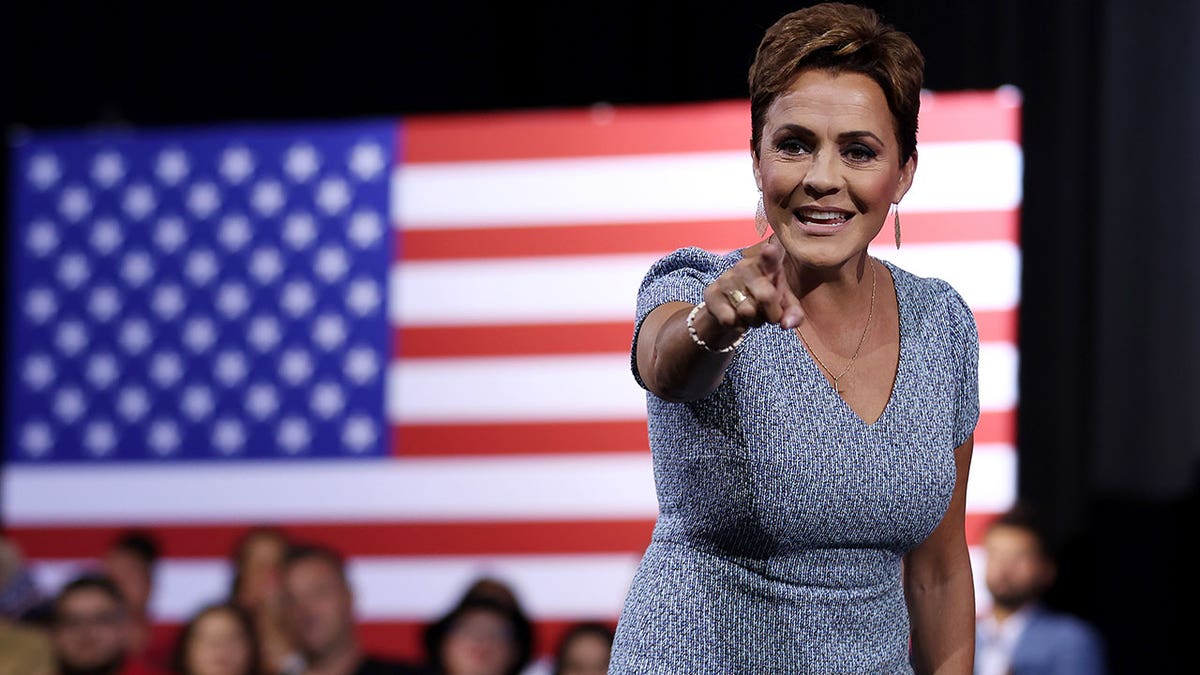
Senior Advisor for the U.S. Agency for Global Media Kari Lake.
Roughly a week before explosions rocked Venezuela during the Maduro extraction, USAGM sprung into action in another global crisis when protests erupted on the streets of Iran as citizens mobilized against the Khomeini regime in one of the world’s most media-restricted regions.
Lake spoke to Fox News Digital about how her team took action in that instance as well and immediately began trying to reach as many Iranians as possible with U.S.-backed coverage.
«Think about the people on the ground in Iran,» Lake said. «Iranian people have been subjected to such horrible conditions with a dictator and a regime that has been just cruel for 47 years. They don’t get fair media. They don’t get honest coverage over there. We’ve been able to provide them with honest coverage.»
«We’re working to get more of it in. We’re hiring contractors to up our coverage and add more additional hours to coverage. What we’re watching on the streets in the country of Iran is historic. The people are rising up saying we don’t care anymore. We have to get our freedom back and we’re there to do that coverage.»
After protests erupted in Iran, the USAGM moved quickly to expand coverage through Voice of America’s Persian-language service, significantly increasing satellite television programming aimed at Iranian audiences. Over the first 12 days of unrest, the service added seven additional hours of live broadcasts, including two hour-long primetime breaking newscasts on Jan. 3 and Jan. 4, while extending its regular evening newscasts from one hour to two as demonstrations spread.
IRANIAN MILITARY LEADER THREATENS PREEMPTIVE ATTACK AFTER TRUMP COMMENTS
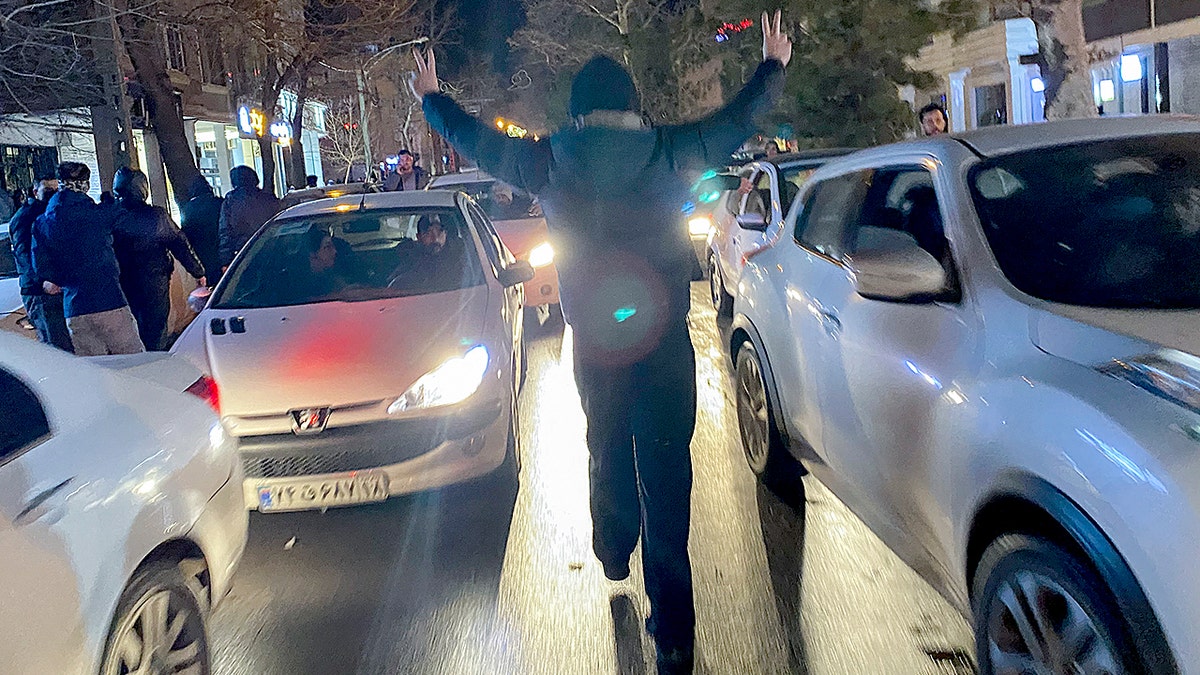
Iranian protesters try to take control of two cities in western Iran as nationwide unrest continues, with demonstrators chanting, «Death to Khamenei» in the streets. (Getty)
As the unrest continued, VOA’s Persian-language service also ramped up its digital and social media footprint, publishing 52 web stories focused on the protests by Jan. 7. During that same period, the service pushed more than 1,700 pieces of content across six social media platforms, including over 170 user-generated videos sent from inside Iran that showed demonstrations and documented the regime’s crackdown.
The surge in coverage, according to the agency, resulted in a surge in audience engagement in the form of VOA’s Persian website recording a record 1.69 million daily visits on Dec. 28. Over the first 12 days of protests, video views jumped more than 160 percent and article views rose nearly 80 percent, driving a total of roughly 13 million visits to the site during that period representing a 15% increase.
Lake told Fox News Digital that there is overlap between their Iran and Cuba coverage, explaining that they are pumping information about what’s happening in Venezuela to the people of Iran.
«People in Iran are very interested in what happened in Venezuela, and so we’re using both our Office of Cuba broadcasting with our Persian Farsi language services, and we’re kind of combining forces and making sure that everyone realizes, everybody living under these regimes realizes that the people are rising up all over the world right now.»
CLICK HERE TO DOWNLOAD THE FOX NEWS APP
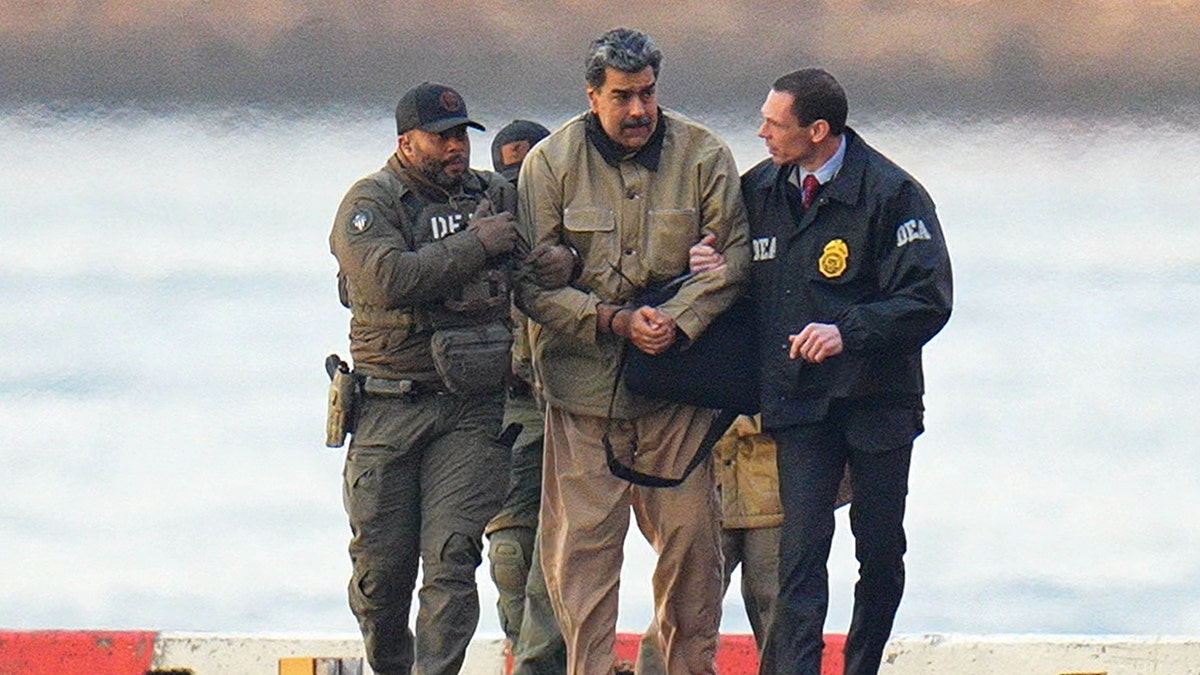
Nicolás Maduro is seen in handcuffs after landing at a Manhattan helipad, escorted by heavily armed Federal agents as they make their way into an armored car en route to a Federal courthouse in Manhattan on Jan. 5, 2026, in New York City. (XNY/Star Max/GC Images via Getty Images)
«This is such a historic moment and the people in Cuba know what’s happening in Venezuela. The people in Cuba now know what is happening in Iran and vice versa. Iran realizes what happened in Venezuela and what’s happened in Cuba as well. It’s amazing. We’re at the precipice, I believe, of not only just a peaceful world, but one where the people are free in places where they haven’t experienced that lovely feeling of freedom for a long time. I’m happy with the work that we’re doing. We’re doing it with a smaller staff, and it shows that the federal government doesn’t have to be a bloated, slow-moving dinosaur anymore.»
Lake’s reference to the agency no longer being a «dinosaur» stems from her efforts to streamline an agency she says was wasting taxpayer dollars and not delivering a message across the world that was defending America’s interests.
«We came into the agency and I had a very tough job to go in and right-size the agency,» Lake explained, telling Fox News Digital that the previous administration’s USAGM was inefficient and at times put out messaging that was not «aligned» with the best interests of American foreign policy.
«It was bloated. The president put out an executive order saying, ‘bring this agency down to its statutory minimum,’ which means, go back to what is statutorily required and not more than that. Get rid of the bloat and just do what’s statutorily required, and we were able to do that, and our detractors sued us and said, oh, you’ll never be able to cover the news. What happens if a big story breaks?»
«Well, I worked in the media for 30 years,» Lake said. «I know that when a big story breaks, you ramp up coverage and that’s exactly what we’ve done.»
politics,kari lake,venezuelan political crisis,iran,donald trump








INTERNACIONAL
Uruguay anuncia medidas de apoyo para productores rurales tras cinco años de sequías intermitentes

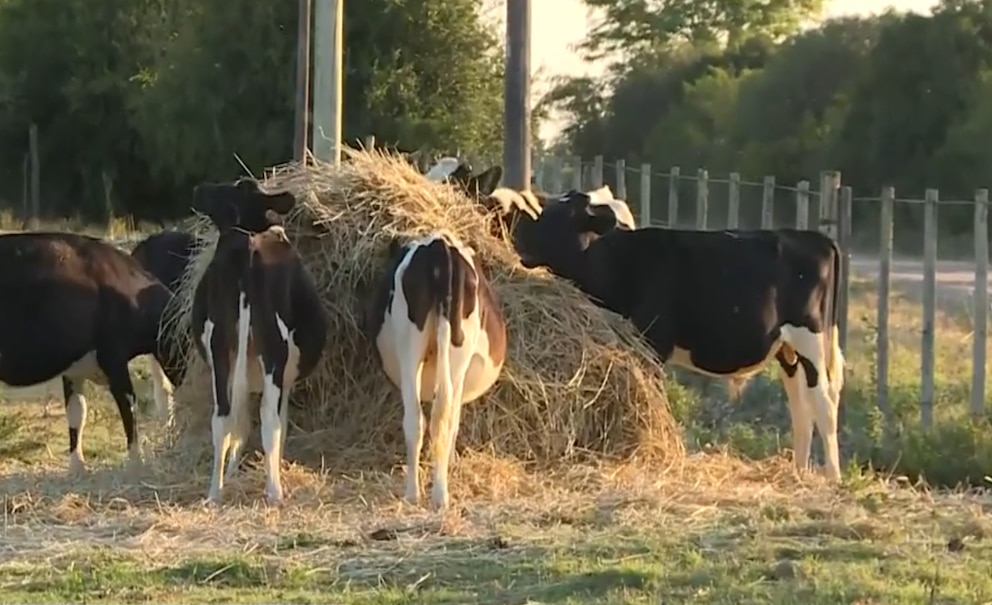
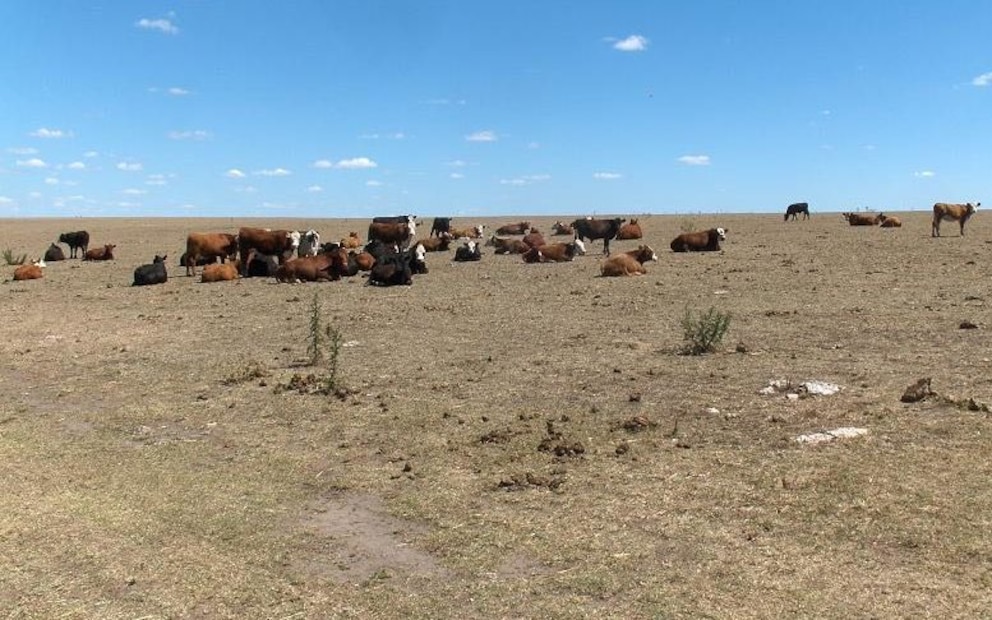
El tambo familiar del productor uruguayo Daniel Suárez sufre sequías, de manera interrumpida, hace cinco años. El déficit hídrico es un asunto que cada tanto vuelve a ser el tema central de sus preocupaciones, como sucedió en las últimas semanas de 2025. La lluvia no llegaba al país y las pasturas destinadas a la alimentación del ganado eran cada vez menos.
Suárez veía cómo los cultivos no lograban desarrollarse y se iban perdiendo, con la consiguiente pérdida económica que eso significaba, según relató este lunes al noticiero Telenoche de Canal 4. Tuvo que utilizar las reservas previstas para el invierno, lo que encarece los costos de producción. La cantidad de leche diaria se redujo un 50%, lo que derivó en una baja de entre el 20% y el 25% de la elaboración de quesos.
Historias como las de Suárez se repiten en el sur de Uruguay, que hasta este fin de semana esperaba con ansias la lluvia. Las precipitaciones llevaron calma a los productores rurales, que sintieron “alivio”, pero en muchos casos no fue suficiente y los reclamos al gobierno para que tomara medidas de apoyo continuaron.
Para este martes, el Ministerio de Ganadería, Agricultura y Pesca (MGAP) convocó una reunión para evaluar la situación provocada por la falta de lluvias. A la salida del encuentro, el ministro de Ganadería, Alfredo Fratti, aseguró que no existen “datos objetivos” que hagan necesario que Uruguay declare la emergencia agropecuaria (el nivel máximo de las decisiones previstas).
Sin embargo, se resolvieron medidas de apoyo para productores agropecuarios de Canelones, Colonia, Florida, Lavalleja, Maldonado, Montevideo, Rocha y San José, los departamentos más afectados por el déficit hídrico.
El Ministerio de Ganadería anunció que solicitará al Banco de Previsión Social (BPS) –el organismo previsional de Uruguay– que postergue los vencimientos del pago de los aportes patronales rurales. Con esto, las obligaciones que vencían en enero pasarán a mayo; al tiempo que los vencimientos del quinto mes, se postergan para julio.

De esta manera, explicó el gobierno, se evitan superposiciones de pagos.
“Es un alivio”, dijo Fratti al anunciar esta medida. Y señaló en una rueda de prensa que de continuar con esta situación hídrica, se deberán tomar medidas puntuales para el sector de la granja y para los pequeños ganaderos.
Otra medida anunciada por el gobierno fue la autorización para el pastoreo del ganado en caminos rurales y en rutas nacionales. “Es imprescindible para este momento”, argumentó Fratti.
Un reclamo del sector productivo era poder acceder a alternativas de financiamiento flexibles en este momento. Una de las respuestas a este pedido es que el banco estatal República presentará “nuevas medidas específicas”, según se señala en la información difundida por Presidencia.
Además, el Instituto Nacional de Colonización –otro organismo estatal– abrió una línea de crédito por USD 2.000 dólares –con una tasa de un 5% de interés anual– para pequeños productores familiares que necesiten dinero para el alumbramiento de agua o la compra de forrajes. Así lo informó el presidente de la institución, Alejandro Henry, en una rueda de prensa.
Henry agregó que el organismo trabaja en medidas de apoyo para proyectos de riego en las colonias. “Nos parece que tenemos que apuntar como país a estas medidas para el mediano y largo plazo”, señaló.
● Postergación del vencimiento de enero del aporte patronal rural al BPS
● Autorización del pastoreo en rutas nacionales y caminos rurales
● Apoyo técnico y divulgación de buenas prácticas para productores ganaderos por parte del Instituto Plan Agropecuario y del programa Procría
● Facilidades en los créditos e inversiones en agua para productores colonos por parte del Instituto Nacional de Colonización
● Facilidades créditos de República Microfinanzas
● Habilitación de una línea específica del Banco República para enfrentar consecuencias del déficit hídrico
● Concretar coordinaciones interinstitucionales para el suministro de agua para consumo humano y producción familiar, con OSE e intendencias.
corresponsal: Desde Montevideo
INTERNACIONAL
Iran pushes for fast trials and executions of suspects detained in protests despite Trump’s warning: report

NEWYou can now listen to Fox News articles!
Despite President Donald Trump’s warnings, Iran’s chief justice called for fast trials and executions of suspects detained in the ongoing anti-government demonstrations, a report said Wednesday.
The remarks from Gholamhossein Mohseni-Ejei come as the death toll in the protests has risen to at least 2,571, the U.S.-based Human Rights Activists News Agency said. Other reports say the death toll is more than 3,000, with the real number likely to be even higher.
«If we want to do a job, we should do it now. If we want to do something, we have to do it quickly,» Mohseni-Ejei said in a video shared by Iranian state television, according to The Associated Press. «If it becomes late, two months, three months later, it doesn’t have the same effect. If we want to do something, we have to do that fast.»
Trump warned Iran about executions in an interview with CBS News that aired on Tuesday.
SOME US MILITARY PERSONNEL TOLD TO LEAVE MIDDLE EAST BASES, US OFFICIAL CONFIRMS
President Donald Trump, left, and Gholamhossein Mohseni-Ejei, the chief justice of Iran, right. (Anna Moneymaker/Getty Images; Mohammadali Najib/Middle East Images/AFP via Getty Images)
«We will take very strong action,» Trump said. «If they do such a thing, we will take very strong action.»
«We don’t want to see what’s happening in Iran happen. And you know, if they want to have protests, that’s one thing, when they start killing thousands of people, and now you’re telling me about hanging — we’ll see how that works out for them. It’s not going to work out good,» the president added.
IRANIAN REGIME TARGETING STARLINK USERS IN BID TO SQUASH LEAKING PROTEST FOOTAGE
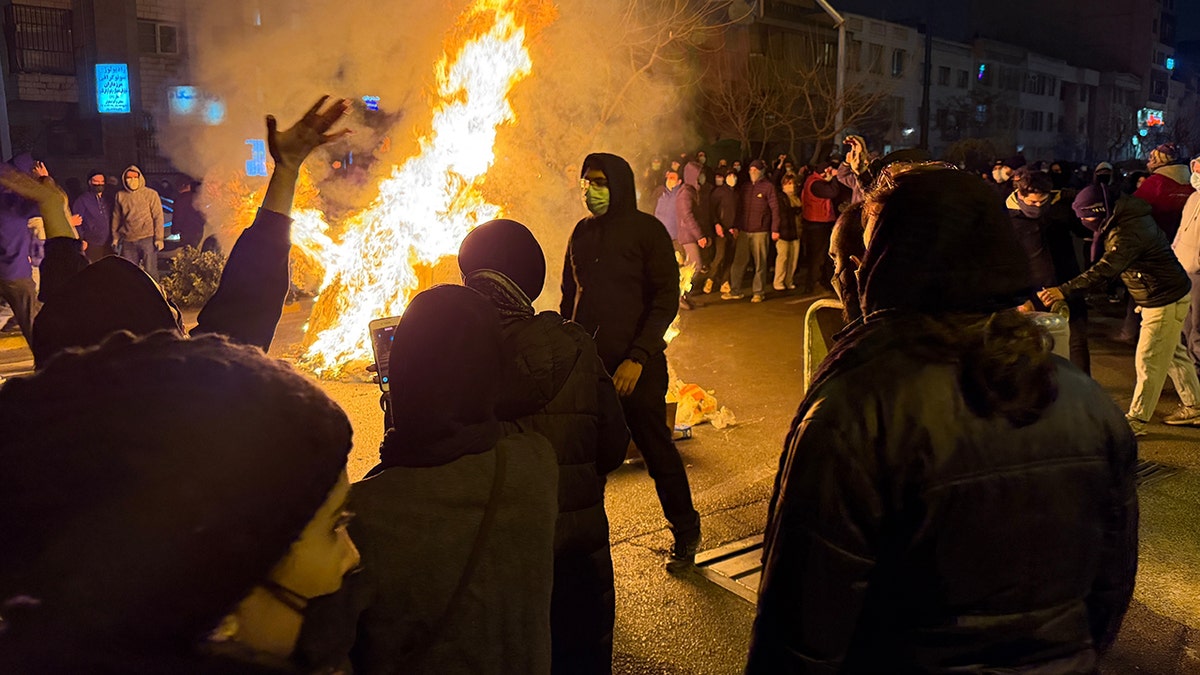
Iranians attend an anti-government protest in Tehran, Iran, on Jan. 9, 2026. (UGC via AP)
Trump also vowed on Tuesday that those responsible for killing anti-regime demonstrators will «pay a big price.»
«Iranian Patriots, KEEP PROTESTING — TAKE OVER YOUR INSTITUTIONS!» Trump wrote on Truth Social. «Save the names of the killers and abusers. They will pay a big price.»
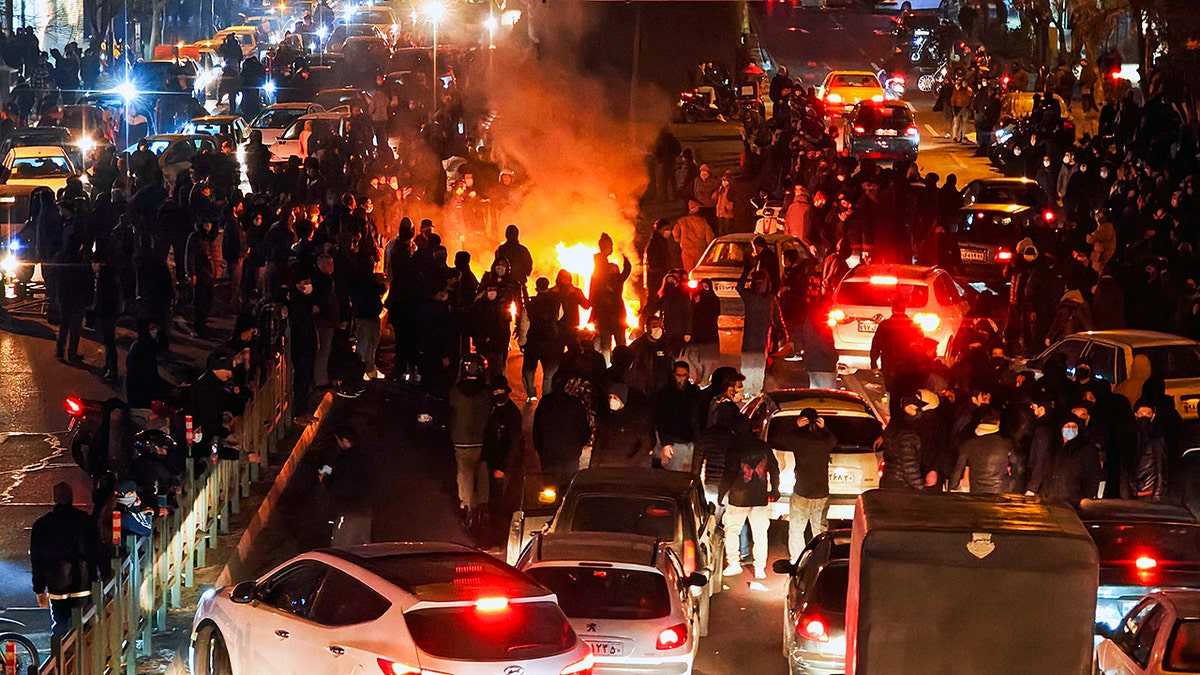
People gather on Jan. 8, 2026, in Tehran, Iran. (Anonymous/Getty Images)
CLICK HERE TO GET THE FOX NEWS APP
«I have canceled all meetings with Iranian Officials until the senseless killing of protesters STOPS. HELP IS ON ITS WAY,» he added.
Fox News’ Anders Hagstrom and The Associated Press contributed to this report.
iran,donald trump,conflicts,middle east,world protests,politics,world
INTERNACIONAL
«Acabo de salir del infierno», el crudo relato del argentino-israelí sobre la cárcel en Venezuela, su liberación y un cara a cara con Diosdado Cabello
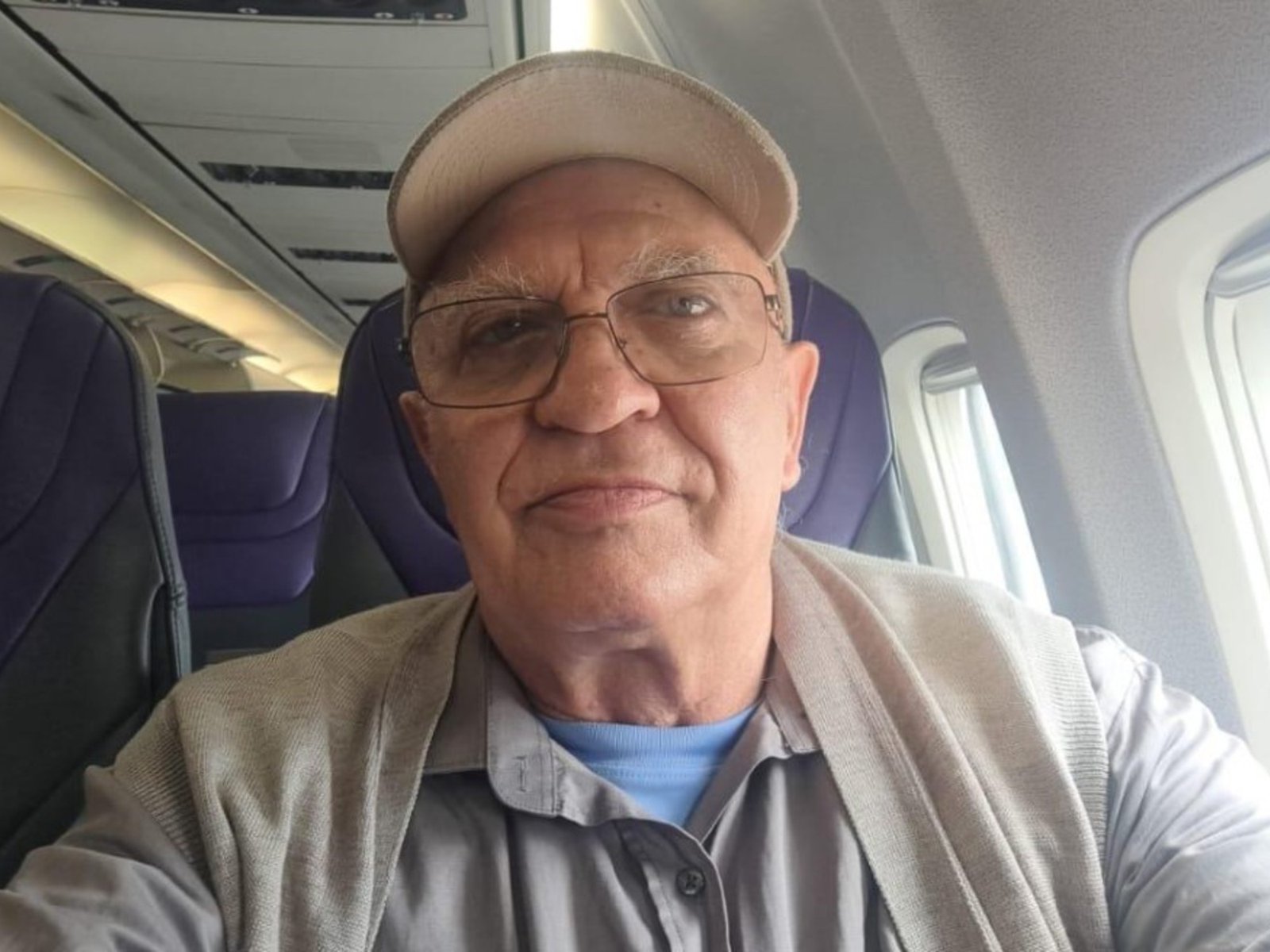
El infierno, según Yaacob
El cara a cara con Diosdado Cabello
 Diosdado Cabello se mostró llamativamente de traje en una conferencia del gobierno venezolano. Foto: Reuters.
El recibimiento en Tel Aviv
 El argentino-israelí Yaacob Harary, en Tel Aviv tras ser liberado del chavismo. Foto: EFE
Calendario ARBA: cuándo se pagan los impuestos patrimoniales en Buenos Aires y qué beneficios hay por hacerlo a término

Uruguay anuncia medidas de apoyo para productores rurales tras cinco años de sequías intermitentes

Iran pushes for fast trials and executions of suspects detained in protests despite Trump’s warning: report

River Plate volvió a preguntar por Gianluca Prestianni, el gran deseo de Gallardo: la respuesta de Benfica

Camioneros de Corrientes: en desafío a la Justicia, un aliado de Moyano se proclamó ganador en elecciones suspendidas

Aumento de peajes desde febrero: montos y autopistas incluidas

El drama matrimonial que vive Maru Botana luego de 28 años en pareja con Bernardo Solá: «Tiene varios problemas»

Polémica en redes: Milei y Feinmman se cruzaron con Marcela Feudale por los incendios en Chubut

Murió el cantante colombiano Yeison Jiménez en un accidente de avión: el video del día que predijo la tragedia

La triste despedida de Jorge “Corcho” Rodríguez a Pía, su asistente por 30 años: “Gracias por tu amor”

 CHIMENTOS2 días ago
La triste despedida de Jorge “Corcho” Rodríguez a Pía, su asistente por 30 años: “Gracias por tu amor”
- POLITICA1 día ago
La AFA giró US$8 millones a cinco empresas en Miami que ya no existen: un argentino disolvió hace seis días una firma clave
- POLITICA2 días ago
Incendios en Chubut: el fiscal general aseguró que el responsable podría recibir hasta 20 años de prisión