INTERNACIONAL
Investigadores revelaron cómo llegaron los cerdos domésticos a Oceanía desde Asia hace 4 mil años

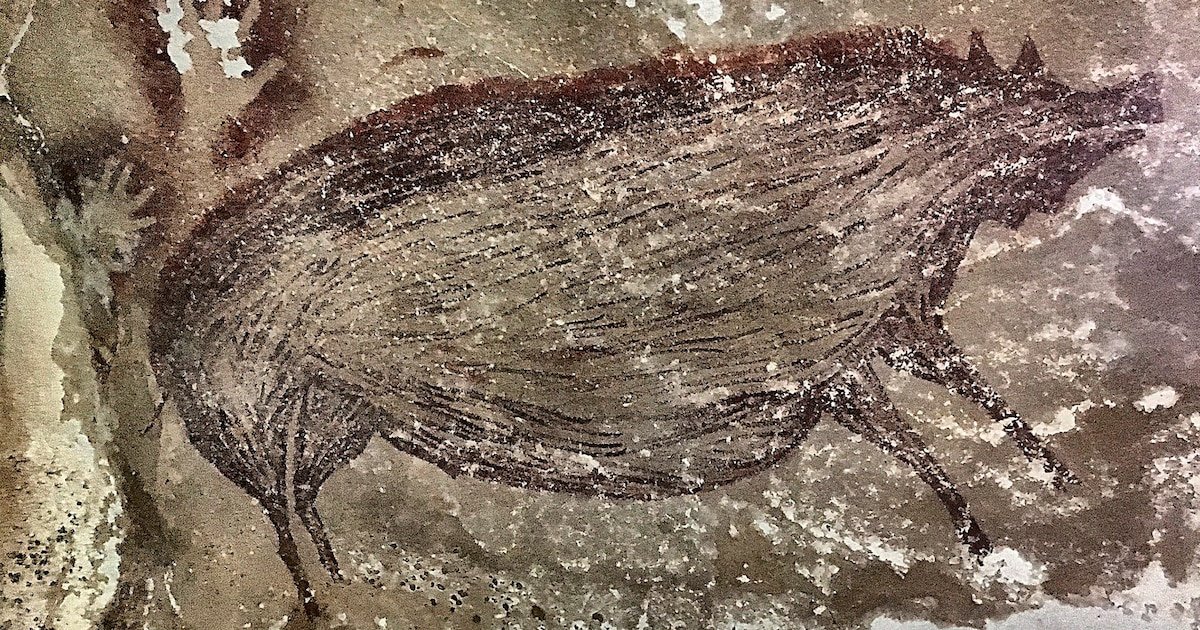
Los cerdos de las islas del Pacífico tienen una historia que se conecta con antiguos viajes humanos.
Un equipo internacional encontró que la mayoría de los cerdos domésticos y libres desde Filipinas hasta Hawái desciende de animales que grupos de habla austronesia llevaron desde el sudeste de China y Taiwán hace unos 4.000 años.
Esa llegada dejó una marca clara en la fauna de las islas. Los cerdos viajaron junto a los humanos en canoas por largas distancias y, al establecerse en nuevas islas, se integraron a los ecosistemas locales.
El estudio publicado en la revista Science, de la Asociación Estadounidense para el Avance de la Ciencia (AAAS) muestra que estos cerdos no se mezclaron con especies silvestres locales en las islas al llegar.

Los investigadores afirmaron: “los cerdos en Oceanía carecen de mezcla genética con especies silvestres nativas presentes a lo largo de la ruta de dispersión austronesia en Filipinas, Sulawesi y otras islas”.
Solo los descendientes que quedaron en Wallacea (una región de islas en el sudeste asiático, situada entre Asia y Australia) y se volvieron salvajes llegaron a cruzarse con especies locales.
David W. G. Stanton lideró la investigación junto a científicos de la Universidad Queen Mary de Londres, el Instituto de Ciencia Evolutiva de Montpellier, la Universidad de Oxford, la Universidad de Estocolmo y otras instituciones del Reino Unido, Francia, Suecia, Alemania, Estados Unidos, Filipinas, Australia, Nueva Zelanda, Islandia, Bélgica, Brunei, Vietnam, Bután, Sri Lanka, Vanuatu e Indonesia.

Durante mucho tiempo, la presencia de cerdos en islas lejanas como Hawái fue un misterio para la ciencia. Las personas han movido animales durante siglos, pero el origen real de los cerdos del Pacífico seguía sin respuesta.
Los investigadores quisieron saber si estos animales llegaron en una sola ola migratoria o en varias etapas. Buscaron aclarar si los cerdos del Pacífico se mezclaron con otras especies o si mantuvieron su linaje original.
Para responder, el equipo analizó el ADN y la forma de los dientes de cientos de cerdos modernos y antiguos. Así lograron reconstruir los recorridos y cambios de los cerdos en el Pacífico durante casi 3.000 años.
El hallazgo ayuda a entender cómo los movimientos humanos pueden transformar la vida animal y el ambiente en las islas.

El equipo estudió 117 genomas de cerdos modernos, antiguos y de museos y más de 700 dientes.
Los datos muestran que los cerdos llevados por los austronesios permanecieron aislados de las especies silvestres durante siglos.
Los investigadores escribieron: “los cerdos en Oceanía carecen de mezcla genética con especies silvestres nativas de las islas a lo largo de la ruta migratoria”.
Identificaron un grupo genético especial, el “Clado del Pacífico”, en la mayoría de los cerdos desde Wallacea hasta Hawái.
Ese grupo se identifica en la mayoría de los cerdos al este de la Línea de Wallace (un límite biogeográfico que separa las especies animales de Asia y Australia en el sudeste asiático) y también en algunos animales de Java, Sumatra y el sudeste asiático continental.

La forma de los dientes fue una pista clave. Los cerdos del Pacífico tienen una dentadura diferente, que los distingue de otras poblaciones. Este rasgo surgió por el aislamiento y la adaptación a nuevas islas.
Los primeros cerdos domésticos que llegaron al Pacífico no se mezclaron con especies salvajes locales. Solo después, algunos de estos cerdos se volvieron salvajes en Wallacea y se cruzaron con otras especies.
Durante la época colonial, llegaron cerdos europeos a Papúa Nueva Guinea y Nueva Caledonia. Esto generó nuevas mezclas genéticas.
Los investigadores escribieron que “la ascendencia europea se introdujo en estas regiones, probablemente por cerdos domésticos europeos durante y después del periodo colonial”.

El análisis reveló que, aunque algunos cerdos de Sumatra, Java y otras islas mezclaron linajes, la mayoría de los cerdos del Pacífico mantiene el linaje traído por los austronesios.
Los resultados muestran que la dispersión de los cerdos estuvo marcada por cuellos de botella genéticos y adaptación.
Los investigadores afirmaron: “su peculiar morfología dental y el aislamiento genético inicial pueden reflejar que estos cerdos introducidos tenían rasgos domésticos que facilitaron su transporte y manejo por grupos de habla austronesia”.

El equipo científico expresó que se debería analizar más genomas antiguos y modernos para entender mejor la historia de los cerdos en el Pacífico.
“Las futuras investigaciones con genomas de alta cobertura y análisis funcionales serán clave para entender el éxito de estas poblaciones ferales”, mencionaron.
Aún faltan muestras de ADN antiguo en partes de Asia. Esto impide conocer todos los detalles de las rutas que siguieron los cerdos.
Pero con los resultados obtenidos ya se puede afirmar que la historia de estos cerdos muestra cómo los viajes humanos dejan huellas en los animales y en los ambientes. El estudio reveló una historia de traslados, aislamiento y cambios en islas lejanas.
Environment,North America,Science / Technology,Oahu









INTERNACIONAL
La foca más grande del mundo y su piojo: un vínculo oculto y milenario que revela secretos del océano
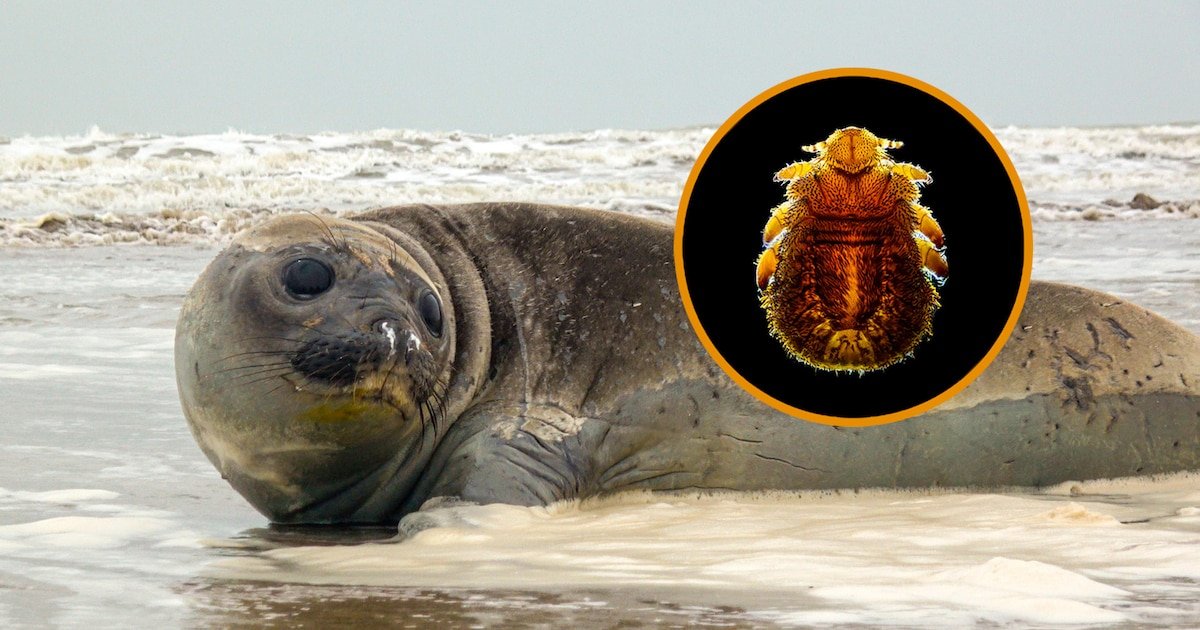
En el mundo, existen 33 especies de focas reconocidas, que están distribuidas en diferentes hábitats marinos y de agua dulce. Hoy es el Día Internacional de las Focas, una efeméride para promover su conservación y sus ecosistemas.
La foca más grande del mundo es el elefante marino del sur. Los machos adultos pueden medir más de cinco metros y pesar más de tres toneladas.
Científicos de la Argentina, Francia, Brasil y Austria analizaron cómo un piojo logra sobrevivir bajo el agua durante las largas inmersiones de su hospedador, el elefante marino del sur.
Descubrieron cuáles son las adaptaciones fisiológicas únicas que permiten al parásito tolerar la falta de oxígeno y las condiciones extremas del océano profundo. El piojo se llama Lepidophthirus macrorhini.
Los mecanismos fisiológicos únicos, como el cierre de espiráculos y una hemoglobina funcional, permiten que los piojos toleren la falta de oxígeno y las condiciones extremas en el océano profundo. Los resultados fueron publicados en la revista Communications Biology.
El elefante marino del sur es el pinnípedo más grande, con cuerpo robusto y piel grisácea. No tiene orejas externas y se desplaza con torpeza en tierra.
Habita en costas subantárticas y antárticas, donde pasa largos periodos en el océano abierto. Sus principales colonias reproductivas se encuentran en la Península Valdés y en islas del hemisferio sur.
Esta especie mantiene una relación exclusiva con Lepidophthirus macrorhini, el único piojo identificado en esos animales. Por el momento, no se ha registrado otras especies de piojos que los afecten.
Los investigadores quisieron entender cómo el piojo sobrevive durante las inmersiones del elefante marino. Esas inmersiones pueden durar meses e incluyen buceos de hasta 2.000 metros. Para eso, analizaron las adaptaciones fisiológicas del parásito en condiciones extremas.
Recolectaron muestras de piojos en la Península Valdés, que es la única colonia reproductiva y continental de elefantes marinos. El equipo incluyó expertos en biología molecular, genética y fisiología de varios países.

Evaluaron la capacidad del piojo para resistir bajos niveles de oxígeno y altas presiones. Observaron que el parásito cierra sus espiráculos para evitar el ingreso de agua al sistema tráqueal durante el buceo del hospedador.
El análisis genómico mostró la presencia genes de hemoglobina en los piojos, algo poco estudiado en insectos. Esta característica les permitiría almacenar oxígeno y sobrevivir durante largas inmersiones.
Los investigadores notaron que el intercambio gaseoso también ocurre a través de la cutícula. Esto permite que el piojo obtenga oxígeno mientras el elefante marino está sumergido.
El estudio demostró que esos mecanismos fisiológicos permiten soportar presiones elevadas y bajas temperaturas marinas. Los hallazgos ofrecen evidencia de la coevolución entre parásito y hospedador.
“Fue sorprendente que hayamos podido demostrar que efectivamente los piojos pueden respirar bajo el agua”, dijo a Infobae la doctora en biología Soledad Leonardi, investigadora del Instituto de Biología de Organismos Marinos (IBIOMAR), que depende del Conicet/CENPAT.
“Un intercambio gaseoso con el medio hace posible la supervivencia del piojo durante los meses que pasan sumergidos con los elefantes marinos”, resaltó.
“Hay un aspecto particularmente interesante en los piojos de las focas, relacionado con su proceso evolutivo. Los antecesores terrestres de las focas ya estaban infectados con piojos”, señaló.
Durante la transición al medio marino, “esos organismos lograron adaptarse a las nuevas condiciones impuestas por sus hospedadores, algo que no ocurrió con la mayoría de los parásitos, que se extinguieron al pasar a la vida marina”, afirmó.
“Como las focas mantienen una etapa en tierra, los piojos sobreviven gracias a este comportamiento anfibio de sus hospedadores. Los períodos en tierra les permiten reproducirse, ya que los huevos no sobreviven bajo el agua”, explicó.

La investigación no terminó con el hallazgo, sino que abrió nuevas preguntas para el futuro. “Este trabajo abrió nuevos interrogantes. Uno tiene que ver con el rol de la hemoglobina. Quisiéramos comprobar si efectivamente cumple una función en la reserva celular de oxígeno”, aclaró la doctora Leonardi.
“Nos interesa evaluar experimentalmente hasta qué profundidad es posible que los piojos respiren. Nuestro modelo de estudio nos permite abordar esas preguntas. Los elefantes marinos pueden bucear a más de 2.000 metros de profundidad”, agregó.
Con cada respuesta surgen nuevos desafíos en la ciencia, y comprender estos vínculos ayuda a proteger la vida marina. La curiosidad y el respeto por la naturaleza impulsan a los científicos a seguir explorando el océano y sus secretos invisibles.
america,american,animal,beach,big sur,california,coast,habitat,mammal,marine,national park,nature,outdoor,outdoors,park,rest,sea life,seal,united states,usa,wilderness
INTERNACIONAL
Connecticut Dems demand IDs to recycle cans but reject GOP efforts to verify citizenship at polls
NEWYou can now listen to Fox News articles!
Connecticut Democrats recently rushed through an emergency anti-fraud law requiring bottle redemption centers to collect a copy of a person’s driver’s license when they cash in more than 1,000 cans or bottles in a day — a document demand that Republicans say undercuts the party’s attacks on voter-ID rules.
Earlier this month, an emergency certification bill, SB 299, was introduced by top Democratic leaders in the state’s legislature. It was later passed in both chambers in late February and was signed by Gov. Ned Lamont, a Democrat, on March 3.
It requires people wishing to recycle cans for money to present a copy of their driver’s license, put in place because the state has had issues with non-residents crossing its border to take advantage of its higher return rate of 10 cents a can instead of five cents. The issue was reportedly causing the state to lose significant revenue.
Meanwhile, the state still does not require its residents to present a driver’s license or some other form of formal identification when voting. Instead, residents wishing to vote simply have to attest, under penalty of the law, that they are a citizen of the United States.
Both of Connecticut’s senators, Sens. Richard Blumenthal, D-Conn., and Chris Murphy, D-Conn., recently voted against advancing the SAVE Act earlier this week, which Republicans introduced to pass stricter photo-ID requirements for voting in federal elections, including a national proof-of-citizenship requirement for anyone wishing to register to vote.
PENCE URGES SENATE TO ‘RESTORE PUBLIC CONFIDENCE’ WITH NATIONWIDE VOTER ID LAW
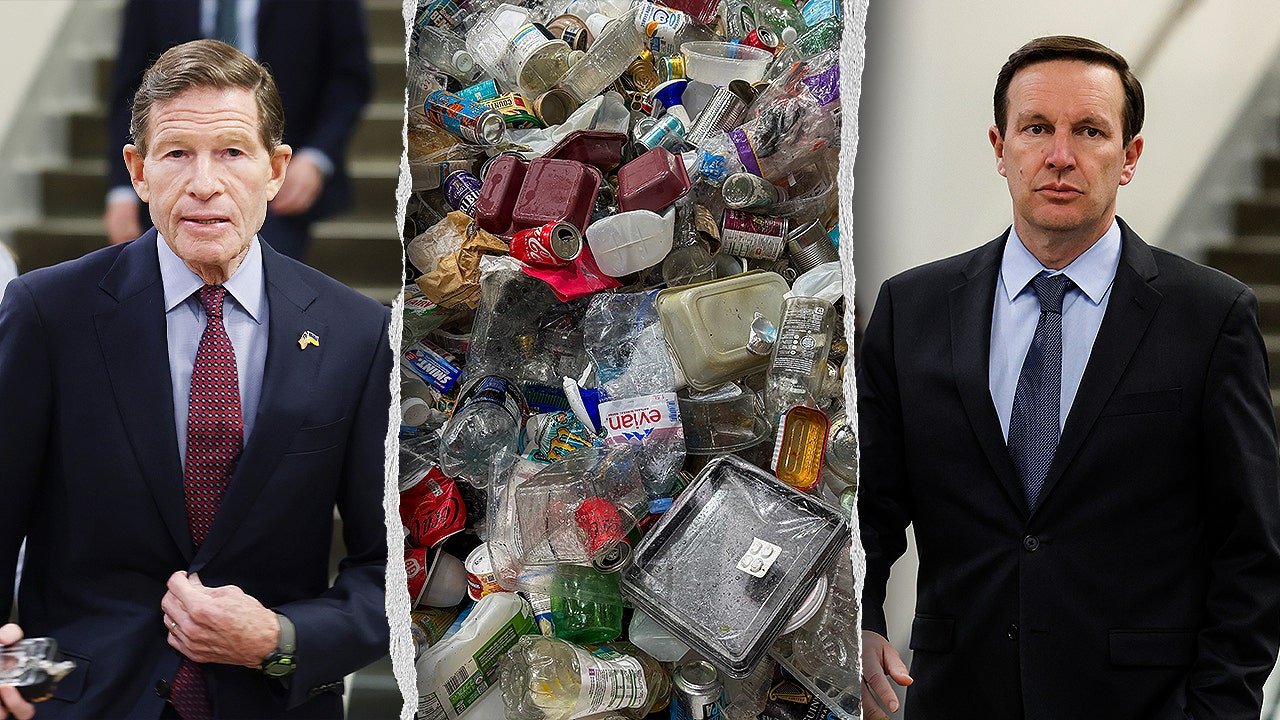
U.S. Sens. from Connecticut, Richard Blumenthal and Chris Murphy, are seen pictured next to a pile of recyclable trash. (Getty Images)
«In Connecticut, it seems that they are committed to securing recycling, but not to securing elections,» said Anna Pingel, America First Policy Institute’s Campaign Director for Secure Elections. «Requiring photo ID to collect cash from recycling but opposing photo ID to cast a vote tells you everything you need to know about the hypocrisy of politicians fighting against commonsense legislation like the SAVE Act. What is more important to safeguard—bottles or ballots?»
Fox News Digital reached out to Blumenthal, Murphy and Lamont for comment but only heard back from Blumenthal.
«Let’s be very clear: the SAVE America Act requires a birth certificate or passport to register to vote, which Republicans know 21 million Americans do not have,» Blumenthal told Fox News Digital. «This is not a voter identification bill. It is a voter purge bill.»
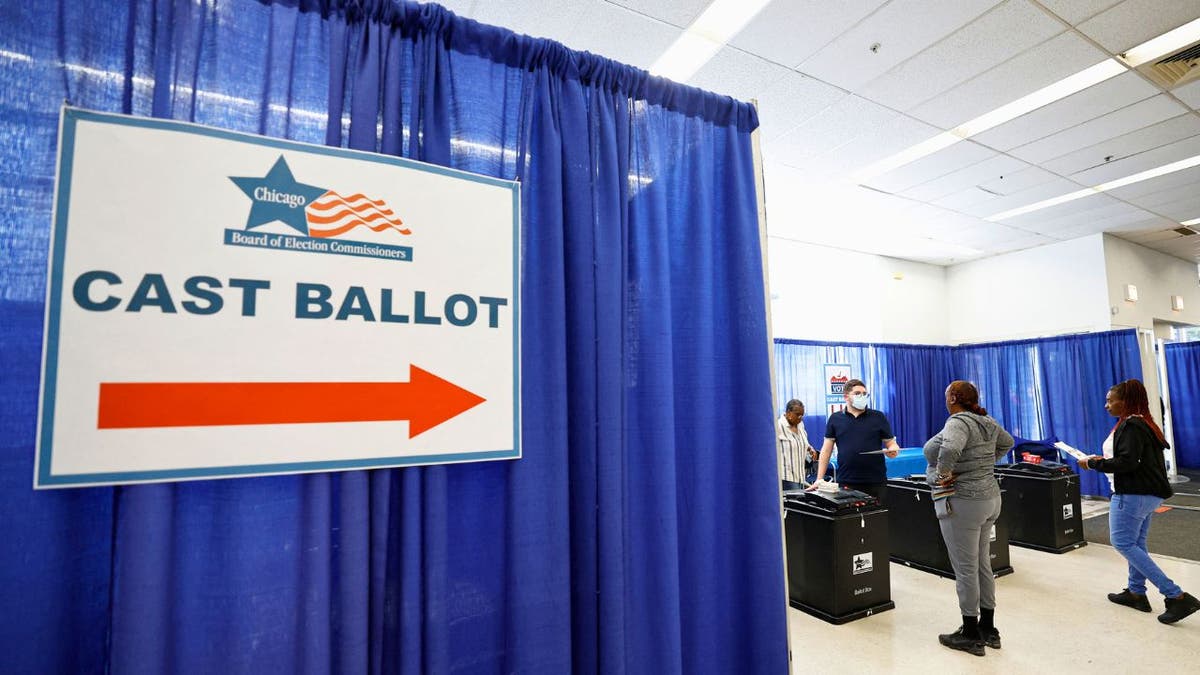
Voters cast their ballots during early voting at the Board of Elections Loop Super Site in Chicago, Illinois, on Oct. 4, 2024.KAMIL KRZACZYNSKI/AFP via Getty Images (KAMIL KRZACZYNSKI/AFP via Getty Images)
STEPHEN A SMITH STUNNED AFTER REP KEVIN KILEY EDUCATES HIM ON CALIFORNIA VOTER ID BAN
Earlier this week, the Senate voted 51-48 to begin a debate on the House-passed SAVE Act vehicle, S. 1383. Blumenthal and Murphy both voted ‘Nay.’ The House had already passed the bill 218-213 on Feb. 11, but the measure still faces the Senate’s 60-vote hurdle to advance toward passage — a threshold Democrats have said they intend to block.
In speeches on the Senate floor trying to downplay the seriousness and scope of illegal citizen voting, Sen. Chuck Schumer, D-N.Y., and Sen. Raphael Warnock, D-Ga., tacitly acknowledged the existence of a problem they’ve argued is immaterial: that illegal immigrants may be able to unlawfully participate in federal elections.
«The evidence is that almost no illegal aliens vote,» Schumer said in remarks on the Senate floor. Warnock similarly acknowledged the issue while listing statistics about voting records in his home state. «8.2 million people are registered to vote in Georgia. The Republican Secretary of State found 20 instances of non-citizens who were registered, and only nine had ever attempted to vote,» Warnock said.

Senate Minority Leader Chuck Schumer (D-NY) and Sen. Raphael Warnock (D-GA) walk up the Senate steps. (Drew Angerer/Getty Images)
Democrats have fiercely opposed the Republican-led bill, citing concerns that its voter integrity measures are overly heavy-handed and could inadvertently burden communities that may struggle to provide documented proof of citizenship.
CLICK HERE TO DOWNLOAD THE FOX NEWS APP
Republicans, who argue that lax identity requirements may have already allowed an unknown number of non-citizens onto voter rolls, have launched a marathon standoff over the bill on the Senate floor.
The Senate will be holding weekend sessions as the deadlock continues.
Fox News Digital’s Leo Briceno contributed to this report.
voting,voter fraud concerns,elections,connecticut,democrats senate,democratic party,politics
INTERNACIONAL
«Desearía nunca haberlo conocido»: la princesa Mette-Marit de Noruega repudió la amistad que tuvo con Jeffrey Epstein
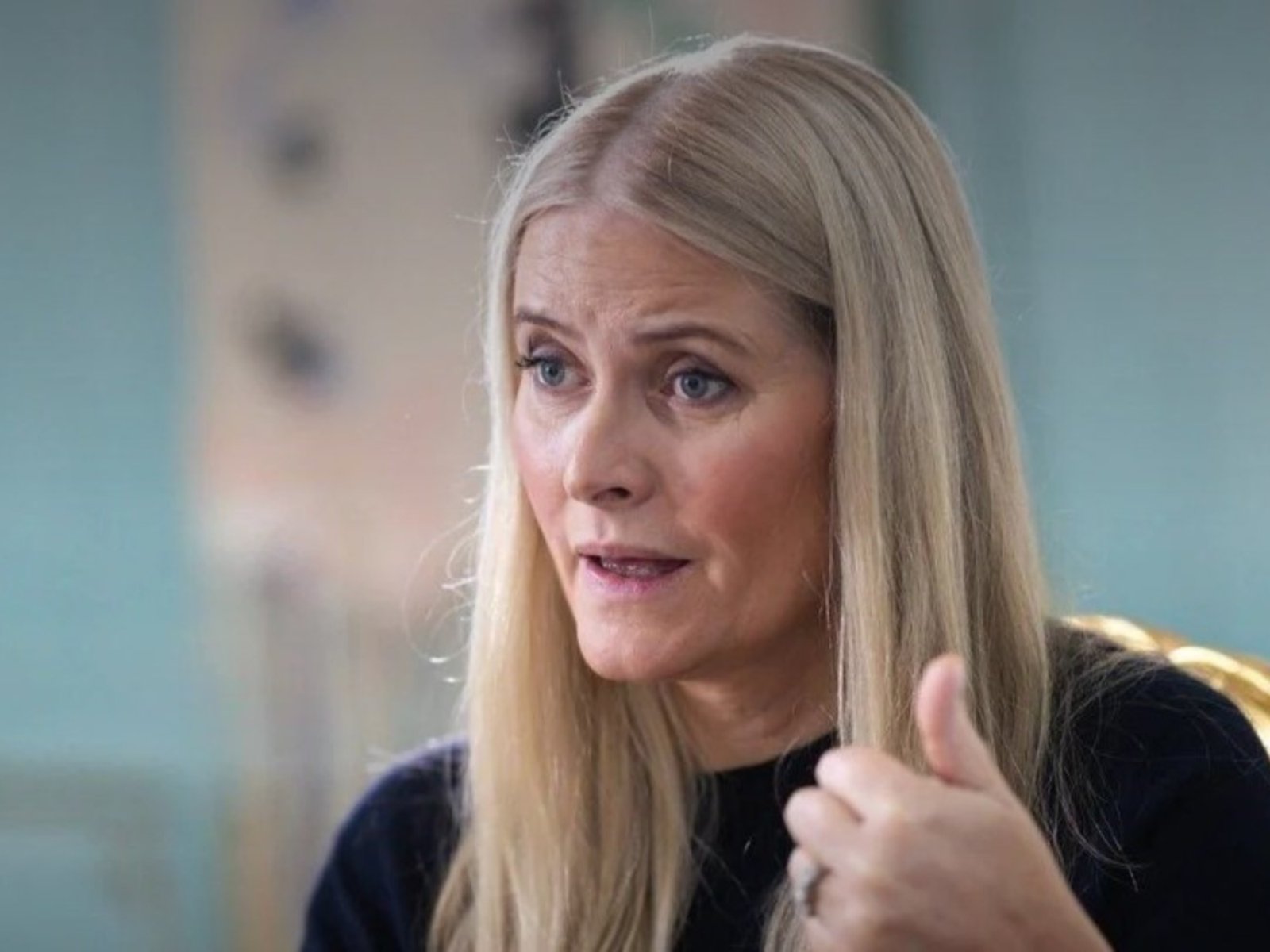
Luego de varios días de intrigas sobre su estado de salud y la visita a su hijo en la cárcel, la princesa noruega Mette-Marit reapareció el viernes en una entrevista que ofreció al principal noticiero de la TV de Oslo, acompañada por su esposo Haakon, el heredero del trono, y en la que se refirió a sus vínculos con el fallecido Jeffrey Epstein.
Si bien a principios de febrero, cuando se difundieron sus mails y chats con Epstein, había dicho en un comunicado del Palacio que tuvo «falta de criterio» por haber «tenido contacto» con el financista en un episodio que calificó de «vergonzoso», ahora la princesa dio la cara y habló abiertamente de su «relación de amistad» con el acusado de delitos sexuales.
Mette-Marit, de 52 años, exmodelo y madre de tres hijos, sostuvo en una entrevista que difundió el canal oficial NRK TV en su «nyheter» o noticiero central que había sido «manipulada y engañada» por Jeffrey Epstein. Y, reconoció que «por supuesto, hubiera preferido no haberlo conocido nunca».
La publicación desde enero por autoridades de los Estados Unidos de una infinidad de documentos el caso Epstein , un escándalo que salpica a ricos y famosos de todo el mundo, reveló para el interés de Noruega una correspondencia constante y de una confianza íntima, entre la princesa y el financista entre 2011 y 2014. Por entonces, Mette-Marit ya era princesa y madre de los próximos herederos. Se había casado en agosto de 2001 con Haakon, con quien tuvo a sus hijos Ingrid y Sverre.
Durante el reportaje filmado en un impecable living en tonos pastel del Palacio y que duró cerca de veinte minutos, la princesa consideró «sumamente importante admitir el hecho de no haber investigado más a fondo su pasado y asumir también haber sido tan manipulada y engañada» por Epstein, a quien había visitado en Palm Beach.
Mette-Marit también aclaró la naturaleza de su vínculo con Epstein. «Era una relación de amistad: para mí era, ante todo, un amigo». Y descartó cualquier otro tipo de vínculo sentimental.
La princesa también reconoció que después de un tiempo decidió ponerle fin a esa amistad por episodios incómodos que no dio a conocer. En ese momento, intervino el príncipe Haakon y se limitó a señalar que en uno de esos momentos la hicieron sentir «un poco insegura» a su esposa.
Según los mensajes divulgados por los medios noruegos, cuando ya llevaba diez años de casada con el príncipe noruego y Epstein ya había sido condenado por pagar servicios sexuales a una menor de edad, Mette-Marit le escribió a Epstein que lo había «buscado en Google» y que acompañó su mensaje con la leyenda «no me causó muy buena impresión» y un emoticón sonriente.
Cuando le mencionaron ese episodio en la entrevista, con los ojos llorosos, la princesa dijo que no lo recordaba con precisión y tampoco dio mayores detalles sobre otra comunicaciones, ni la visita que hizo con una amiga durante cuatro días a su casa de Florida.
«Entendí que era alguien malo, con quien la gente no debería tener contacto. Y vi de cerca cómo chantajeaba a otros», dijo la princesa a modo de corolario según el texto de la entrevista que publicó el sitio del canal NRK.
Entre las publicaciones más escandalosas entre el financista y la princesa, hay una de 2012 cuando Epstein le cuenta que iba a París «en busca de una esposa» y ella le respondió que la capital francesa es «buena para el adulterio» pero que «las escandinavas son mejores esposas».
La del viernes fue la única entrevista que Mette-Marit concedió tras las revelaciones de los archivos de Epstein y se dio en medio de una semana convulsionada por las noticias sobre la salud de la princesa y la visita que el domingo anterior realizó a la cárcel para ver a su hijo, Marius Borg Høiby.
El hijo que Mette-Marit tuvo antes de casarse con el príncipe Haakon fue procesado por la justicia noruega por 38 delitos, entre los que resaltan acusaciones de violación, violencia de género y tráfico de drogas. Si bien el joven niega las acusaciones, los avances del juicio en su contra lo mantienen detenido con prisión preventiva.
Mette-Marit sufre además una forma de fibrosis pulmonar crónica que la mantiene alejada de la agenda de actividades oficiales de la corona.
En los últimos días, el director de comunicaciones del Palacio, Guri Varpe, dijo al canal de noruego TV2, que en medio del cuadro crónico que afecta a la princesa heredera «recientemente ha habido un claro desarrollo negativo en su salud, y se han iniciado los preparativos para evaluar un trasplante de pulmón».

Wanda Nara mostró su lujoso paso por Shanghai: regalos, paseos y un detalle inesperado

La foca más grande del mundo y su piojo: un vínculo oculto y milenario que revela secretos del océano

Formularios y descripciones precisas: cómo la SIDE recomendaba la censura de libros y películas durante la última dictadura

Cambios en las patentes de medicamentos: cómo sigue la tensión entre los laboratorios y qué pasará con los precios

Jesús Arroyo, el estratega español de la Saudi Pro League: ‘Celebraremos los 1.000 goles de Cristiano, un hito histórico para el fútbol’

Connecticut Dems demand IDs to recycle cans but reject GOP efforts to verify citizenship at polls

Juicio por YPF: la Justicia de EEUU benefició a Argentina y suspendió todas las demandas hasta que se defina la cuestión de fondo

Senado: la oposición pidió explicaciones por $LIBRA y los vuelos de Adorni y Bullrich defendió al Gobierno

Kicillof desembarcó en CABA, lanzó su proyecto 2027 y empezará a ampliar su armado político en todo el país

¿DÓNDE ESTÁ ESMERALDA? El grito de una madre que sacude a la Argentina: «Me la arrebataron de la puerta»

 POLITICA2 días ago
Kicillof desembarcó en CABA, lanzó su proyecto 2027 y empezará a ampliar su armado político en todo el país
- POLITICA3 días ago
¿DÓNDE ESTÁ ESMERALDA? El grito de una madre que sacude a la Argentina: «Me la arrebataron de la puerta»
- POLITICA2 días ago
¿MACRI 2027? El «operativo retorno» que sacude al PRO y los nombres que suenan para la vicepresidencia