INTERNACIONAL
Iran accused of killing 16,500 in sweeping ‘genocide’ crackdown: report

NEWYou can now listen to Fox News articles!
Iranian protesters are facing their deadliest days yet as security forces unleash mass killings and executions in a sweeping crackdown some have labeled «genocide,» new reports say.
According to The Sunday Times, a report compiled by doctors entrenched in the region and reviewed by the outlet, estimates that security forces have killed at least 16,500 protesters and injured more than 330,000 others.
The report also described the violence as an «utter slaughter,» warning that the true toll may be even higher due to restricted access to hospitals and the near-total shutdown of communications.
POMPEO SAYS IRANIAN REGIME HAS ARRIVED AT ‘NATURAL TERMINUS’: ‘LET’S NOT WASTE THIS HISTORIC OPPORTUNITY’
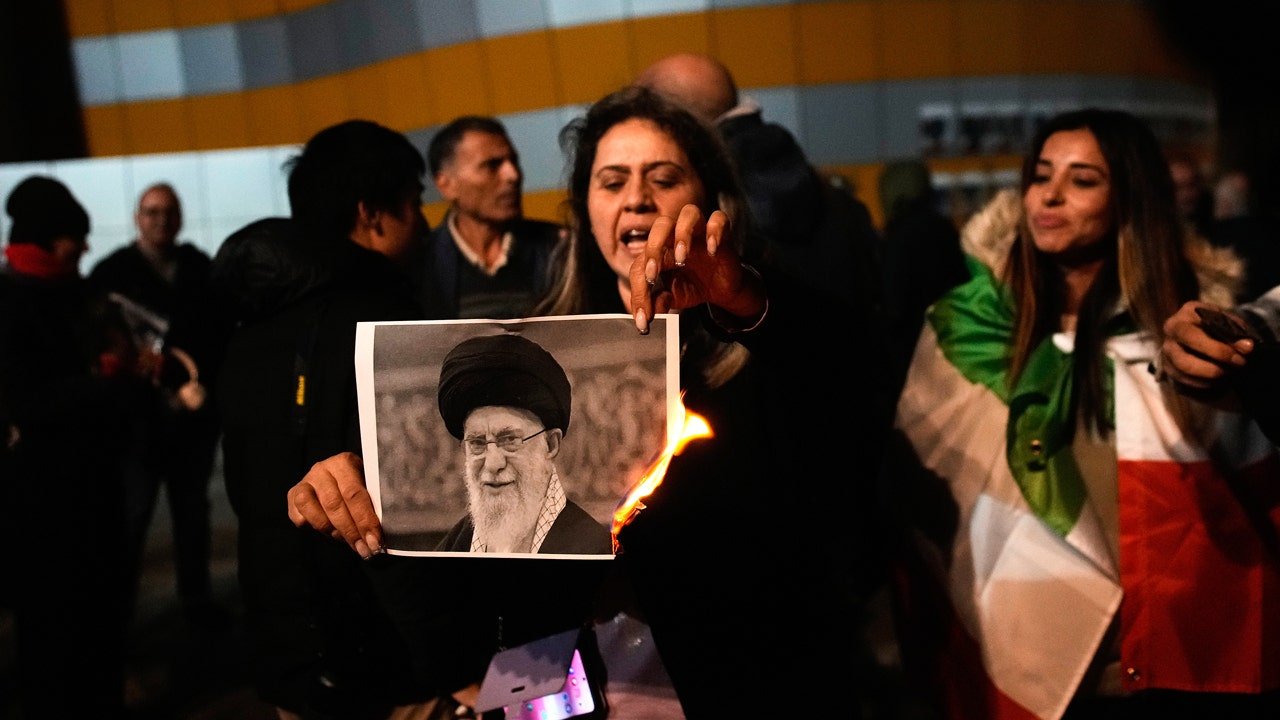
A report alleges that Iranian security forces have killed at least 16,500 protesters. (Ohad Zwigenberg/AP Photo)
Most of the victims, the report says, are believed to be under the age of 30, underscoring the heavy toll on Iran’s younger generation as the regime intensifies its efforts to crush dissent.
Iran’s Supreme Leader, Ayatollah Ali Khamenei acknowledged Sunday that «several thousands» have been killed since protests erupted Dec. 28.
In a televised address, he blamed demonstrators, calling them «foot-soldiers of the U.S.» and falsely claiming protesters were armed with imported live ammunition.
Meanwhile, Human Rights Activists News Agency (HRANA) reported that as of day 22 of the protests, verified figures show 3,919 people killed, with 8,949 additional deaths under investigation, 2,109 severely injured, and 24,669 detainees.
HRANA noted that the true toll is likely far higher due to the internet shutdown.
Professor Amir Parasta, an Iranian-German eye surgeon and medical director of Munich MED, said in The Sunday Times report that doctors across Iran are «shocked and crying,» despite having experience treating war injuries.
G7 THREATENS IRAN WITH NEW SANCTIONS OVER NATIONWIDE PROTEST CRACKDOWN KILLING THOUSANDS
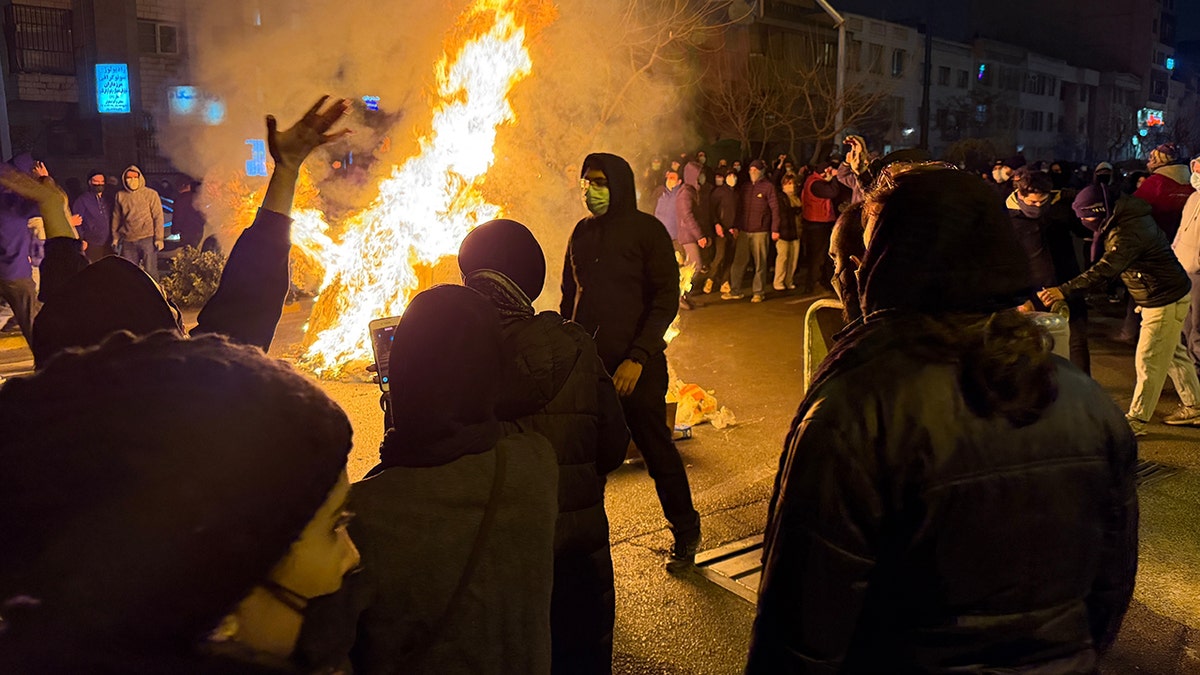
Eye surgeon Amir Parasta called the crackdown «a whole new level of brutality.» (UGC via AP)
«This is a whole new level of brutality,» Parasta said. He added that Starlink terminals smuggled into Iran have been the only means of communication since authorities cut internet access on Jan. 8.
Eyewitnesses who fled Iran also described snipers targeting protesters’ heads, mass shootings and systematic blinding using pellet guns.
One former Iranian resident said in the report that doctors reported more than 800 eye removals in a single night in the capital alone, with possibly more than 8,000 people blinded nationwide.
«This is genocide under the cover of digital darkness,» Parasta said.
Alongside the street killings, executions have surged dramatically, according to Ali Safavi, a senior official with the National Council of Resistance of Iran (NCRI).
Safavi told Fox News Digital that 2,200 people were executed in 2025, while 153 have already been hanged in the first 18 days of January 2026, averaging more than eight executions per day.
IRAN REGIME OPENED FIRE WITH LIVE AMMUNITION ON PROTESTERS, DOCTOR SAYS: ‘SHOOT-TO-KILL’

President Trump castigated Ayatollah Ali Khamenei over the weekend, calling him a «sick man.» (Majid Saeedi/Getty Images)
«Ali Khamenei is continuing mass executions in parallel with the killing of young protesters,» Safavi said. «Three executions in the form of hanging are now happening every hour according to our data.»
Iranian Foreign Minister Abbas Araghchi previously disputed high death tolls reported in an interview with Fox News’ Bret Baier, claiming fatalities were only in the hundreds and dismissing higher figures as «misinformation.»
CLICK HERE TO DOWNLOAD THE FOX NEWS APP
President Donald Trump sharply condemned Khamenei over the weekend, calling him a «sick man» and urging new leadership in Iran.
In an interview with Politico, Trump accused Khamenei of overseeing «the complete destruction of the country» and using «violence at levels never seen before,» adding that Iran’s leadership should «stop killing people.»
iran,ali khamenei,human rights,world protests,persecutions







INTERNACIONAL
La mirada de un ex marine: “Trump no tiene una estrategia, busca ser el virrey de Irán”

Una guerra de poco tiempo
Trump no es el primero ni el último líder del mundo que vaya a contradecirse de hacer una cosa y decir otra. Pero Estados Unidos, que nunca ha sido un país perfecto, siempre ha sido un país líder
Molestias en Estados Unidos por la guerra
¿Una Delcy iraní?
No hay Delcy Rodríguez en Irán. Irán no era y no es un régimen basado en el crimen organizado
¿Trump, el virrey?
La espera de los republicanos
Para realmente cambiar un régimen, para instalar un gobierno títere, para controlar los recursos de un país, todavía se requiere lo que se requería en la época medieval y esos son soldados
El poder del Estrecho de Ormuz
INTERNACIONAL
Rubio designates Afghanistan as ‘state sponsor of wrongful detention’: ‘Despicable tactics’

NEWYou can now listen to Fox News articles!
U.S. Secretary of State Marco Rubio designated Afghanistan as a «state sponsor of wrongful detention,» accusing the Taliban of «unjustly» detaining Americans and other foreign nationals.
In his announcement on Monday, Rubio said the Taliban continues to use «terrorist tactics» that he insisted «need to end.»
«I am designating Afghanistan as a State Sponsor of Wrongful Detention,» Rubio said in a statement. «The Taliban continues to use terrorist tactics, kidnapping individuals for ransom or to seek policy concessions. These despicable tactics need to end.»
The secretary also called on the terror group to free a pair of Americans who are «unjustly detained» in Afghanistan.
IRAN REGIME CITED AS TRUMP ADMIN SET TO DESIGNATE SUDAN’S MUSLIM BROTHERHOOD A TERROR GROUP
U.S. Secretary of State Marco Rubio designated Afghanistan as a «state sponsor of wrongful detention.» (Alex Wong/Getty Images)
«It is not safe for Americans to travel to Afghanistan because the Taliban continues to unjustly detain our fellow Americans and other foreign nationals,» he said. «The Taliban needs to release Dennis Coyle, Mahmoud Habibi, and all Americans unjustly detained in Afghanistan now and commit to cease the practice of hostage diplomacy forever.»
Coyle, 64, was detained more than a year ago without charges by the Taliban General Directorate of Intelligence, according to his family, noting that he still has not been charged. His family said he was legally working to support Afghan language communities as an academic researcher.
Habibi, a 38-year-old American citizen who was born in Afghanistan, was taken along with his driver from their vehicle in the capital of Kabul in August 2022 by the Taliban General Directorate of Intelligence, according to the State Department.
The FBI said Habibi was previously Afghanistan’s director of civil aviation and worked for the Kabul-based telecommunications company Asia Consultancy Group. The FBI said the Taliban detained 29 other employees of the company but has released most of them.
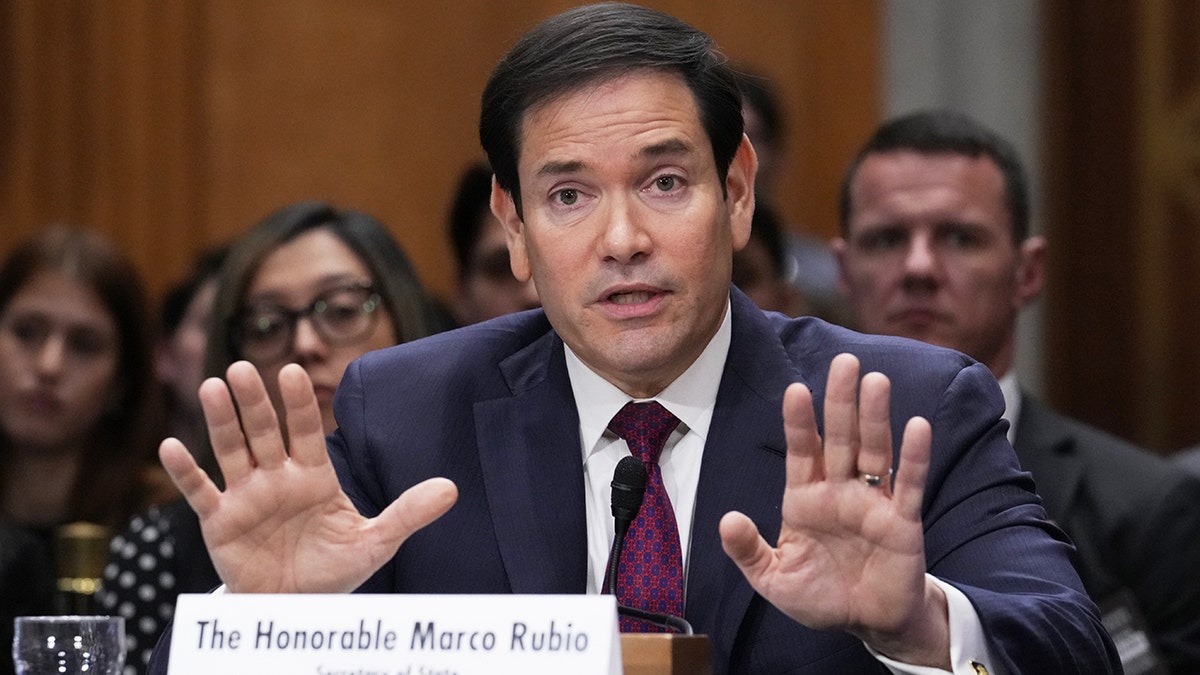
Secretary of State Marco Rubio said the Taliban continues to use «terrorist tactics» that he insisted «need to end.» (J. Scott Applewhite/AP Photo)
Habibi has not been heard from since his arrest, and the Taliban has not disclosed his whereabouts or condition, according to the State Department and FBI. The Taliban has previously denied it detained Habibi.
The U.S. is also calling for the return of the remains of Paul Overby, an author who was last seen close to Afghanistan’s border with Pakistan in 2014, according to Reuters, citing two sources familiar with the situation.
The State Department could restrict the use of U.S. passports for travel to Afghanistan if the Taliban does not meet the U.S. government’s demands, the sources told the outlet.
A passport restriction of this kind is currently only in place for North Korea.
The Taliban called the decision by Rubio to designate Afghanistan a «state sponsor of wrongful detention» regrettable, adding that it wanted to resolve the matter through dialogue.
STATE DEPARTMENT DEFENDS ‘PROACTIVE’ EVACUATION EFFORTS AGAINST DEMS’ CLAIMS OF DIPLOMATIC CHAOS
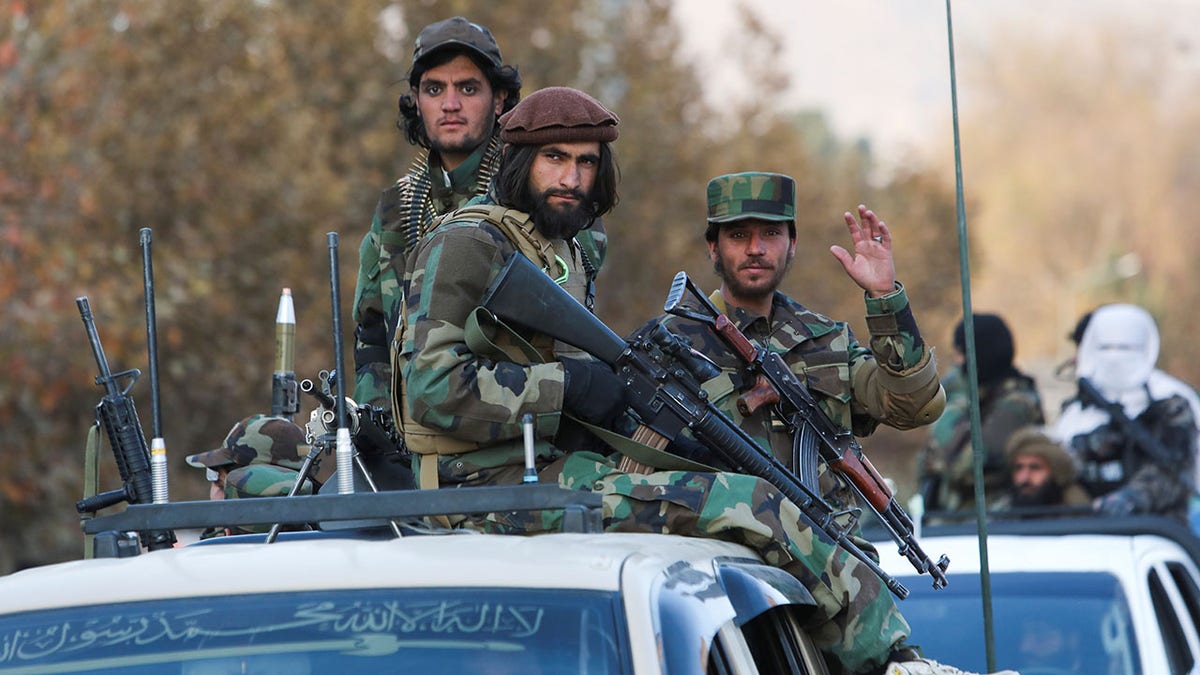
The Taliban called the decision to designate Afghanistan a «state sponsor of wrongful detention» regrettable. (Reuters/Ali Khara)
CLICK HERE TO DOWNLOAD THE FOX NEWS APP
The Taliban took control of Afghanistan in 2021 during the U.S. military’s chaotic withdrawal from the country that ended the 20-year war in the region.
Rubio gave the «state sponsor of wrongful detention» designation to Iran late last month, just one day before the U.S.-Israeli strikes on the country. He warned that the U.S. could restrict travel to Iran over its detention of U.S. citizens, but there have not been any restrictions yet.
«The Iranian regime must stop taking hostages and release all Americans unjustly detained in Iran, steps that could end this designation and associated actions,» Rubio said at the time.
Reuters contributed to this report.
afghanistan,world,terrorism,marco rubio,secretary of state,state department
INTERNACIONAL
Mamdani avoids ‘radical Islamic terror’ phrase after ISIS-inspired NYC attack, echoing Obama-era debate

NEWYou can now listen to Fox News articles!
New York Mayor Zohran Mamdani condemned an alleged ISIS-inspired bomb plot outside Gracie Mansion but did not use the phrase «radical Islamic terror,» reviving long-running criticism from the Obama era that some Democratic leaders avoid the term.
Two suspects were arrested after allegedly throwing improvised explosive devices near the mansion during a protest Saturday, with one reportedly telling authorities he was inspired by ISIS. Mamdani later described the attempted attack as «terrorism» but did not reference radical Islam in his initial public remarks.
Several Republican lawmakers and political rivals criticized Mamdani’s choice of words.
«There is absolutely no excuse for any public official to equivocate or be confused here,» New York State Sen. Steve Chan, R-Brooklyn, told Fox News Digital Tuesday.
DRAMATIC VIDEO SHOWS NYPD TACKLING MAN WHO THREW ‘IGNITED DEVICE’ NEAR NYC MAYOR’S HOME DURING PROTEST CLASH
New York State Sen. Steve Chan marches along the Avenue of the Americas during the Dominican Day Parade in Manhattan. (Luiz Rampelotto/NurPhoto)
«Anyone who throws a bomb is not a protester: they are a terrorist, plain and simple, and elected officials need to call it like it is,» Chan said, adding that he commends the NYPD for their brave and swift action at the scene.
Authorities said the two suspects, Emir Balat and Ibrahim Kayumi, both from the Philadelphia suburbs, allegedly threw improvised explosive devices containing a compound known as the «Mother of Satan» during the protest, with one reportedly admitting he was inspired by the Islamic State of Iraq and Syria (ISIS).
Greg Kelly, the son of former NYPD Commissioner Ray Kelly, who led New York through the aftermath of both 9/11 and the 1993 World Trade Center bombing, critiqued Mamdani for calling out the protest as led by an alleged «White supremacist» but whiffing on the ideology behind suspected ISIS-supporters’ actions.
«Imagine that: a bomb goes off in New York City, laid by ISIS-inspired terrorists. The mayor points at White supremacy as the problem; White supremacy if only we could get rid of those White supremacists,» Kelly said on his 77WABC radio program.
After the alleged attack, Mamdani held a press conference with NYPD Commissioner Jessica S. Tisch and called out the «vile protest» against Islam led by January 6 defendant Jake Lang that allegedly inspired the two boys to attack.
«New York City will never tolerate violence, whether from protests or counterprotests,» Mamdani said, condemning the arrested suspects for «coming here to commit an act of terrorism» in return.
New York Democratic scion Andrew Cuomo, the former three-term governor and mayoral candidate, lambasted Mamdani’s response as well.
HERO NYPD OFFICERS HONORED FOR FOILING ALLEGED ISIS-INSPIRED TERROR PLOT NEAR GRACIE MANSION
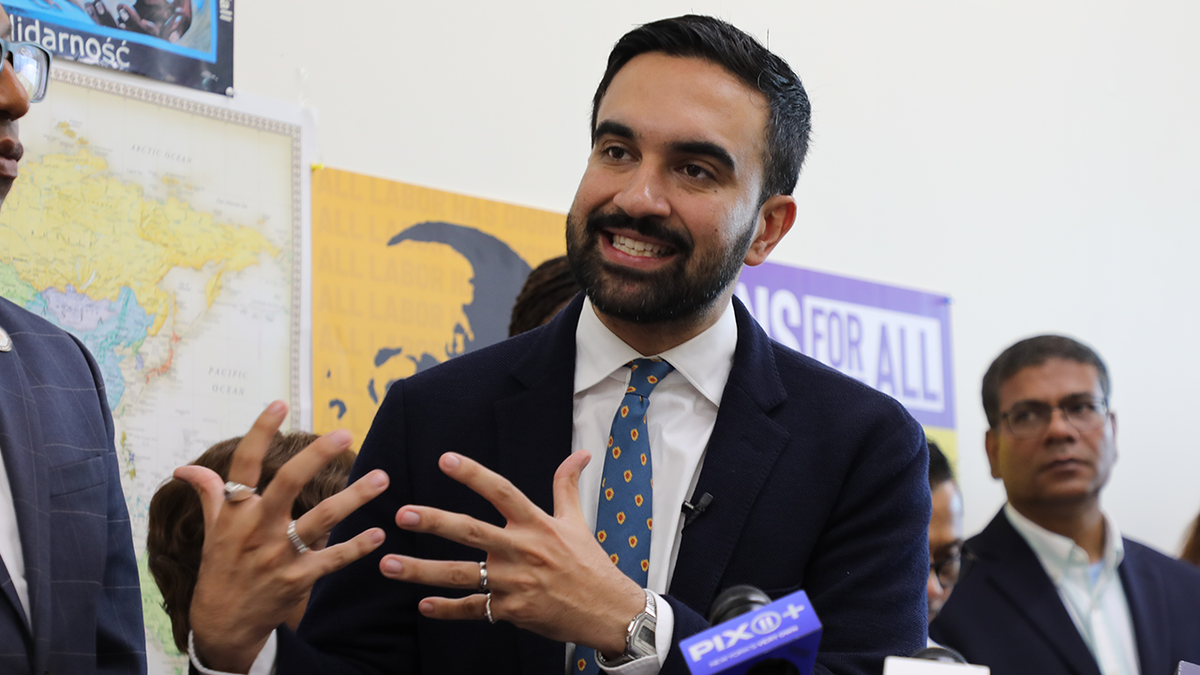
New York City Democratic mayoral candidate Zohran Mamdani (Deirdre Heavey/Fox News Digital)
«Had the bomb gone off … [it] literally would have done horrific damage. And the police, ironically, were closest to the bomb. Not Jake Lang,» he said.
«The mayor puts out a statement condemning Jake Lang. I agree. And in the second part of the statement, (he) condemns the terrorists. There is no moral equivalency: Jake Lang; bigot, hateful, of course. Yes, I agree — terrorists who bring a bomb to kill people? They are not equivalent, and this city has no tolerance for terrorism or attempted terrorists, and that statement has to be made loud and clear,» Cuomo said.
Hours later, Mamdani returned with a statement posted to social media that cited ISIS.
«Emir Balat and Ibrahim Kayumi have been charged with committing a heinous act of terrorism and proclaiming their allegiance to ISIS. They should be held fully accountable for their actions,» the statement said in part.
A few minutes later, former Mayor Eric Adams posted his own more thorough response to the situation, saying that «no one should be surprised.»
«After years of hateful rhetoric and incitement, attempts to justify attacks on Jews in Israel, praise for violence like the killing of a CEO, and chants about ‘globalizing the intifada’ and ‘Death to America,’ words have now escalated into violence on the streets of New York City, with explosives being thrown,» Adams said.
He identified a «serious radicalization problem» on both political fringes and said it is troubling to see an emphasis on young people being radicalized.
«If we don’t confront it, this will only get worse,» Adams said.
SUSPECT IN NYC TERROR PROBE PLANNED ATTACK ‘BIGGER THAN THE BOSTON MARATHON BOMBING,’ PROSECUTORS SAY
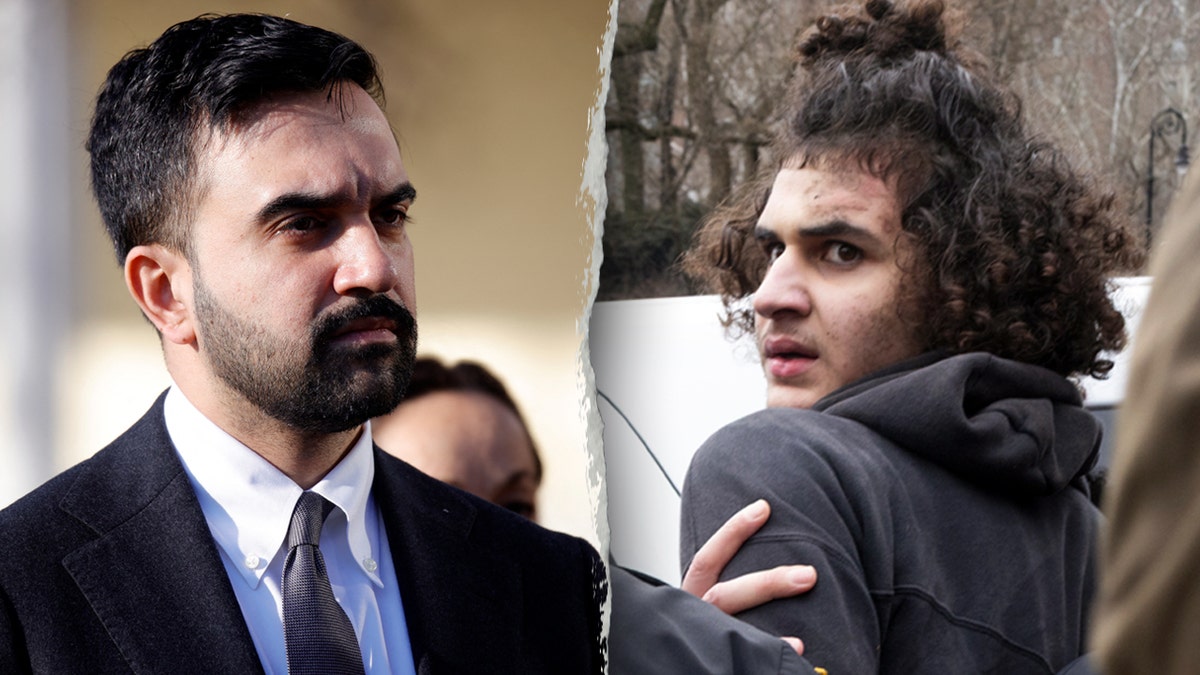
New York Mayor Zohran Mamdani, left, and one of the alleged Gracie Mansion terrorists, right. (Leonardo Munoz/Getty Images; Andrew Lictenstein/Getty Images)
One of the two alleged terrorists arrested was still a student at Neshaminy High School in Neshaminy, Pennsylvania.
Rep. Brian Fitzpatrick, R-Pa., the longtime Bucks County moderate, said in a statement that authorities in Middletown Township were investigating the situation near the boys’ homes.
«Authorities have indicated that there is no known threat to the surrounding community, and the situation remains under the control of law enforcement. The activity was not related to immigration enforcement,» Fitzpatrick said.
In a letter to parents, Neshaminy Superintendent Jason Bowman said the school is in contact with law enforcement and that there is no threat to other students at this time.
President Donald Trump made what he described as the left’s refusal to call out «radical Islamic terrorism» a centerpiece of his 2016 platform, when he regularly criticized former President Barack Obama for failing to fully identify such attacks.
CLICK HERE TO DOWNLOAD THE FOX NEWS APP
«Radical Islamic terrorism, and people don’t like saying that. And our president refuses to use the term. Every time another event happens, I say, ‘I wonder if he’ll say it this time,’» Trump said during a campaign rally in Fort Lauderdale, Florida. He went on to criticize his 2016 opponent, former first lady Hillary Clinton, along similar lines.
Fox News Digital reached out to Mamdani’s office for comment.
ericadams,isis,zohran mamdani,terrorism,bombings

El CEO de JP Morgan elogió a Milei: «Tiene convicciones muy sólidas sobre cómo arreglar un país»

Fase 3 de la Libertadores: primer clasificado y así quedan los bombos para el sorteo

La mirada de un ex marine: “Trump no tiene una estrategia, busca ser el virrey de Irán”

La trastienda del saludo formal entre Mauricio Macri y Axel Kicillof en Expoagro

Los gestos que marcan el nuevo armado anti Milei: el pedido de CFK y el acto de dos ex Juntos por el Cambio

Quiénes fueron las 6 participantes que salieron de placa en Gran Hermano: “Todas mujeres”

La cruda confesión de Amalia Granata por el trastorno que sufre su hijo Roque: “Le hicimos estudios y salió que tiene TDAH, dislexia y disgrafia”

El mercado le está corriendo el arco a Caputo y el riesgo país no baja: en la City palpitan medidas

Jenny Mavinga angustiada tras una quemadura en Gran Hermano 2026: “¡Ay, me quemó!

Trump anunciará la creación del Escudo de las Américas, una alianza regional que integrará Milei para enfrentar al narcoterrorismo y a China

 CHIMENTOS3 días ago
La cruda confesión de Amalia Granata por el trastorno que sufre su hijo Roque: “Le hicimos estudios y salió que tiene TDAH, dislexia y disgrafia”
- ECONOMIA2 días ago
El mercado le está corriendo el arco a Caputo y el riesgo país no baja: en la City palpitan medidas
- CHIMENTOS2 días ago
Jenny Mavinga angustiada tras una quemadura en Gran Hermano 2026: “¡Ay, me quemó!