INTERNACIONAL
Irán: los escenarios que se abren tras las amenazas de Trump y la sangrienta represión de las protestas

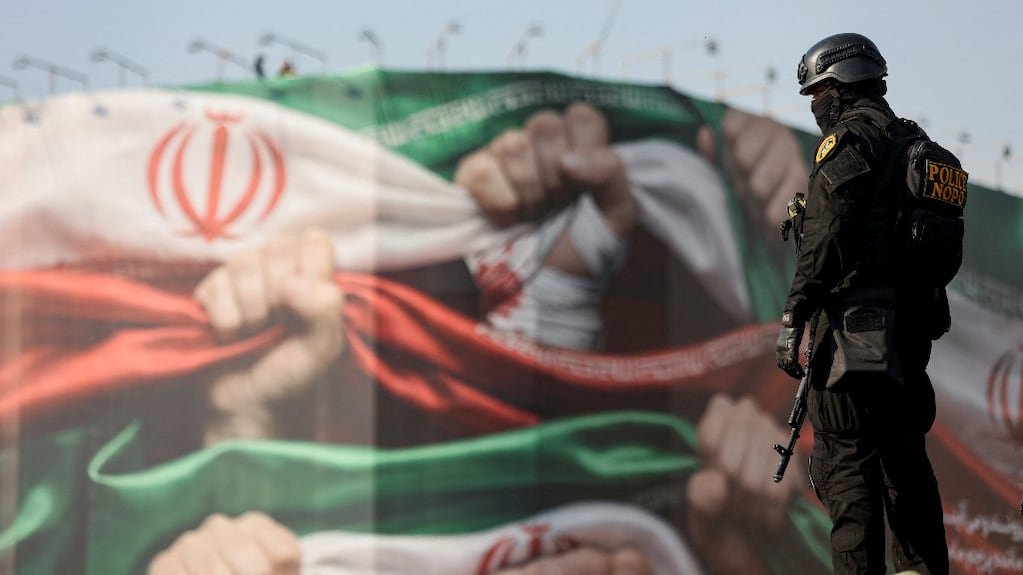
Donald Trump no solo tiene en la mira al hemisferio occidental. Con sus manos en Venezuela y la mirada fija sobre Cuba, el presidente estadounidense amenaza con atacar al gobierno de Irán, sometido a la mayor presión desde el triunfo de la revolución islámica en 1979.
El primer paso ya fue dado, aunque por ahora busca solo asfixiar económicamente a Teherán. “Con efecto inmediato, cualquier país que haga negocios con la República Islámica de Irán deberá pagar un arancel del 25% en todas sus transacciones comerciales con los Estados Unidos de América. Esta orden es definitiva y vinculante”, anunció en su red Truth Social.
Irán es hoy un foco de candentes manifestaciones opositoras. Con vivas al Sha (el título que recibían los monarcas iraníes, el último de los cuales fue derrocado por el actual modelo de gobierno teocrático), miles de personas salieron a las calles de Teherán y otras ciudades del país.
Leé también: Venezuela: qué son y por qué siguen activos los “colectivos”, los grupos armados protegidos por el chavismo
Las movilizaciones comenzaron a fines de diciembre como una protesta de comerciantes por el elevado costo de vida y la hiperinflación. Pero pronto se sumaron estudiantes y finalmente descontentos con el gobierno del ayatolá Ali Jamenei. La represión dejó cientos de muertos (más de 600 y hasta 3000 según cálculos de grupos de derechos humanos con base en el exterior). Irán cortó las comunicaciones y el servicio de internet.
En ese escenario, Trump amenazó con bombardear Irán, algo que ya hizo a mediados de 2025 cuando atacó, junto a Israel, varias centrales nucleares.
“Una cosa en la que el presidente es muy bueno es en mantener siempre todas sus opciones sobre la mesa. Y los ataques aéreos serían una de las muchas, muchas opciones que están sobre la mesa para el comandante en jefe”, dijo la portavoz de la Casa Blanca, Karoline Leavitt.
Cuáles son las opciones que baraja Donald Trump
El gobierno iraní realizó el lunes una contramarcha en respaldo de la revolución islámica que copó la plaza central de Teherán, en un intento por aplacar la ola de protestas.
Estas son las manifestaciones más multitudinarias en el país tras la muerte en 2022 de Mahsa Amini, de 22 años, bajo custodia policial, que desencadenó una oleada de movilizaciones en todo el territorio.
En un marco de absoluta tensión y con morgues desbordadas según mostraron videos viralizados en redes sociales, el gobierno iraní advirtió que responderá ante cualquier nuevo ataque de EE.UU. o Israel.
El presidente del parlamento iraní, Mohamed Baqer Qalibaf, alertó que en caso de un ataque estadounidense “tanto los territorios ocupados (Israel) como todos los centros militares, bases y barcos” de Estados Unidos e Israel en la región “serán objetivos legítimos”.
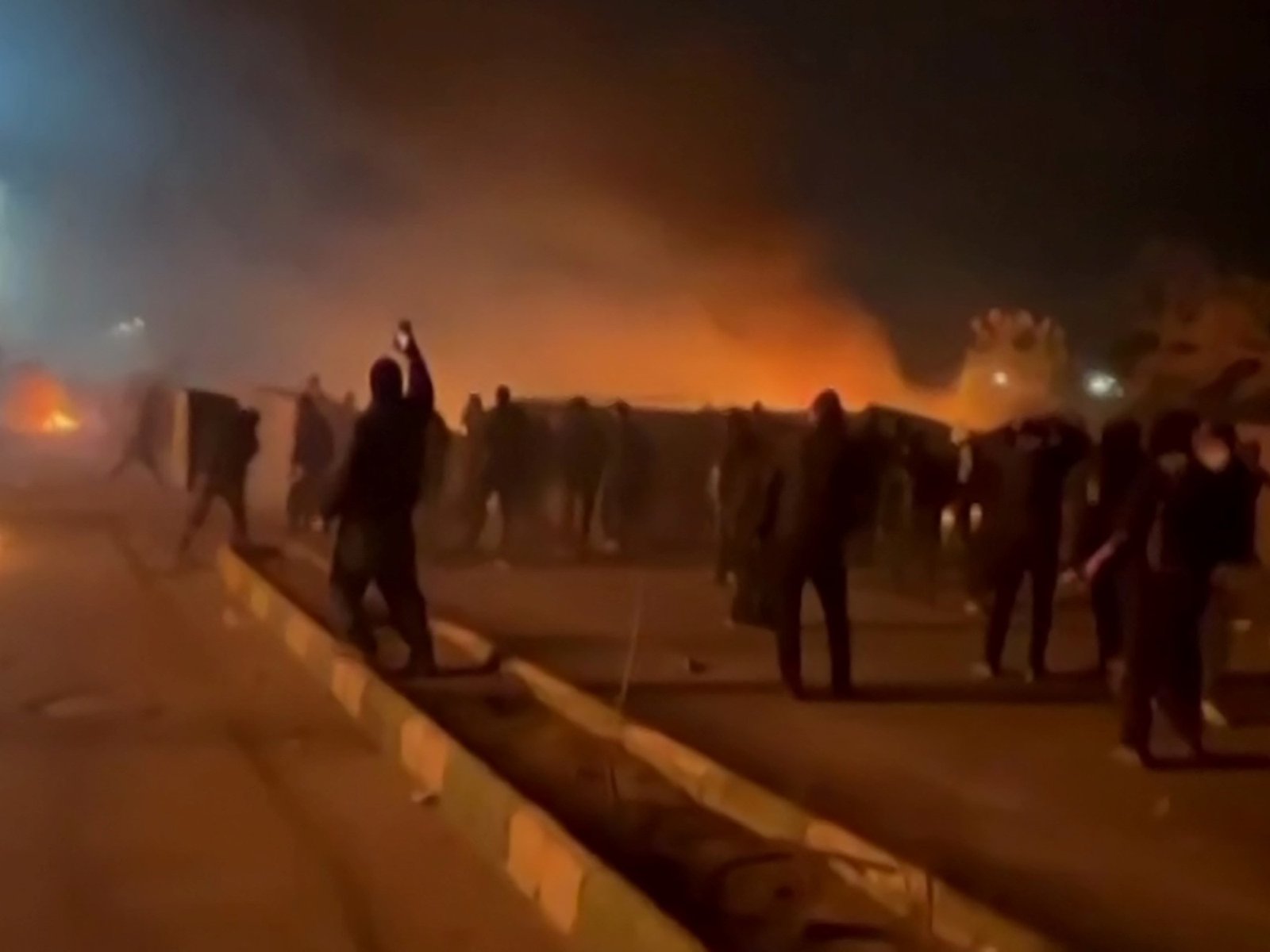
Pero Trump no detuvo sus amenazas. Ve en esta crisis una oportunidad única para presionar a su gran enemigo en la región, ya golpeado por la guerra de los 12 días con Israel en junio del año pasado y con la derrota de sus grupos proxy en el área como Hamas en Gaza y el Hezbolláh libanés. Manifestantes queman vehículos en Teherán (Foto: Redes sociales/vía REUTERS)
Ali Vaez, analista en temas iraníes del Crisis Group, una ONG internacional dedicada a la resolución de conflictos, dijo a TN que “Trump tiene una gama de opciones, tanto cinéticas como no cinéticas”.
“Puede atacar las bases de los Cuerpos de la Guardia Revolucionaria Islámica (una rama de las Fuerzas Armadas), llevar a cabo una decapitación política o atacar la infraestructura energética”, sostuvo.
Leé también: Se profundiza la escasez de combustible en Cuba y suspenden el servicio de ómnibus local
Para Vaez, “Trump también puede lanzar ciberataques para interrumpir la capacidad de comunicación del aparato represivo. Como alternativa, puede redoblar los esfuerzos en la aplicación de sanciones”.
“Pero es probable que ninguna de estas opciones produzca el resultado de bajo costo y alto impacto que pretende”, alertó.
El gobierno de Irán busca aplacar las protestas
En tanto, el gobierno de los ayatolás intenta sobrevivir en un contexto de absoluta tensión con más represión y una demostración de fuerza.
“Las protestas representan un serio desafío al régimen. Por eso, los líderes aplicaron mano dura. Es posible que el movimiento decaiga tras la reciente masacre. Pero resurgirá, porque el régimen simplemente es incapaz de abordar las causas subyacentes», dijo Vaez.
Leé también: Los misiles rusos que debían proteger a Maduro estaban desconectados en el momento del ataque de EE.UU.
El principal problema que enfrentan los manifestantes es la anarquía y la falta de un liderazgo conocido.
Para Vaez, “los grupos de oposición externos solo tienen seguidores dentro de Irán, pero no han alcanzado una masa crítica ni tienen capacidad organizativa sobre el terreno”. No tienen líderes capaces de liderar las protestas.
Reza Pahlevi, hijo mayor del último Shá de Irán, Mohamed Reza Pahlevi, busca ocupar ese rol desde el exilio. Así lanzó un “llamamiento a la acción” dirigido a los iraníes para que resistan “ya sea desde las calles o incluso desde sus propios hogares”.
En un video en su canal de Telegram, llamó a inicios de enero a siete días de protestas. “Es fundamental mantener estas manifestaciones disciplinadas y lo más numerosas posibles”, afirmó el heredero del Sha. Su plan no es solo derrocar al gobierno de los ayatoláh. Quiere restaurar la dinastía Pahlevi en Irán.
Irán, Donald Trump




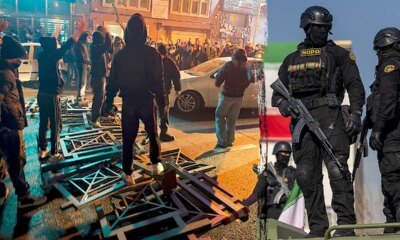

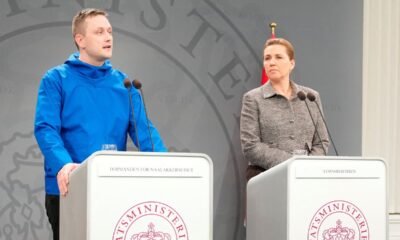

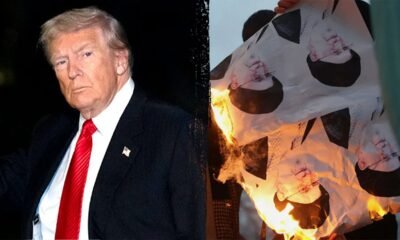

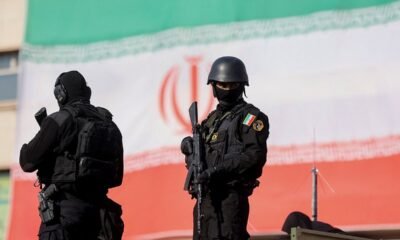

Mientras se mantienen en Irán las masivas protestas contra el régimen islámico pese a la durísima represión que, según datos de organizaciones de derechos humanos dejó ya alrededor de mil muertos, la información llega desde allí a cuentagotas, tras el corte de Internet y de las comunicaciones decretado por las autoridades.
En medio de la incertidumbre, la agencia RFI logró contactarse con su corresponsal en Teherán, Catalina Gómez Ángel. Desde allí contó lo que está viviendo el país desde fines de diciembre, cuando estallaron las manifestaciones, que en un comienzo se debían a la bronca por el aumento del costo de vida, pero se transformó en un fuerte clamor por libertad y contra el régimen de los ayatollah, que se extendió por todo el país.
Pese a la mala calidad de la conexión, esto es lo que relató desde la capital iraní.
-¿Qué se sabe de lo que ocurre en Irán?
-Sabemos muy poco lo que pasa dentro del país, pero sí sabemos lo que pasa en Teherán. Desde el jueves hubo grandes demostraciones que se unían a esas protestas que ya habían empezado el 28 de diciembre por motivos económicos, que habían pasado a pedir la caída del régimen, y este jueves respondían al llamado que les había hecho de cierta manera algún sector de la población desde el extranjero, uno de los líderes de la oposición, Reza Pahlavi (hijo del último sha, depuesto en la revolución islámica de 1979).
-¿La gente salió igual a las calles pese a la represión?
-Fue una convocatoria muy grande, en unas demostraciones muy diferentes a las que habíamos visto ya muchas veces en Irán en el pasado. Había gente en todos los barrios y poco a poco fue empezando la represión que se esperaba y también la respuesta agresiva de muchos jóvenes en la calle, cansados de tantos años.
-¿Qué se sabe de los muertos?
-Lo que no sabemos cuántos muertos, pero se habla de miles solamente en Teherán y en el gran Teherán. Lo que hemos visto en las calles, en cierta manera fueron batallas muy duras, con enfrentamientos, los chicos respondiendo con piedras, los otros disparando con todo tipo de armas, tanto antimotines como reales. Mucha gente habla de muertos en la calle, especialmente el viernes. Todo el mundo conoce a alguien que ha muerto, que está herido, detenido. Realmente el temor es muy grande. Desde el sábado y el domingo la intensidad de las demostraciones se han reducido como consecuencia de ese miedo. El sistema nos habla al interior de presencia de terroristas, de presencia de infiltrados, y así se lo cuentan a la población local.
-Estas manifestaciones, que empezaron protestando contra la situación económica, han derivado a otras demandas sociales. ¿Esto puede ser el comienzo del fin del régimen?
-Es muy difícil decirlo. El régimen, el sistema de la República Islámica, a pesar de todas estas protestas y movilizaciones, todavía se ve muy fuerte. Todavía tiene estos grandes sectores de defensa, no solamente la policía, la Guardia Revolucionaria, ese gran sistema de misiles y un sector de la sociedad que, si bien cada vez es menos, sigue siendo grande. Se considera que es entre 15 y un 20% de la sociedad, como lo veíamos ayer, con más de 1 millón por lo menos en las calles de Teherán. Era una de las demostraciones oficiales más grandes de las que hemos visto. Y eso hay que tenerlo en cuenta. Lo que sí ha pasado es que este descontento se ha expandido en muchas regiones del país, donde antes la gente no se atrevía a salir. Decir que es el fin es extremadamente complicado. El sistema se está agarrando a muchos factores para sobrevivir. Todavía tiene la fuerza y tiene las armas, que es realmente lo que los hace importantes.
-Sobre la posibilidad de una intervención de Estados Unidos, ¿cómo la evoca la gente al interior de Irán? ¿Se ve con buenos ojos, se pide?
-Muchos están en un grado en este momento que no saben lo que va a pasar. Trump va a responder a esa promesa de atacar al país, que sería realmente lo que muchos piensan que es la segunda etapa, cómo reaccionará la gente que estaba en la calle… Y otros también temen incluso la posibilidad de una guerra y un enfrentamiento civil, porque realmente la rabia entre los dos sectores es bastante grande. Así que la incertidumbre es muy grande. La ciudad está relativamente calmada durante el día, pero cuando llega la noche todo el mundo se esconde porque el que no sale tiene miedo de lo que pueda pasar.
Entrevista de Paula Estañol, RFI
NEWYou can now listen to Fox News articles!
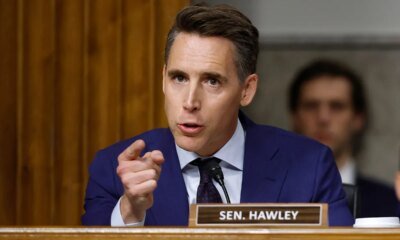
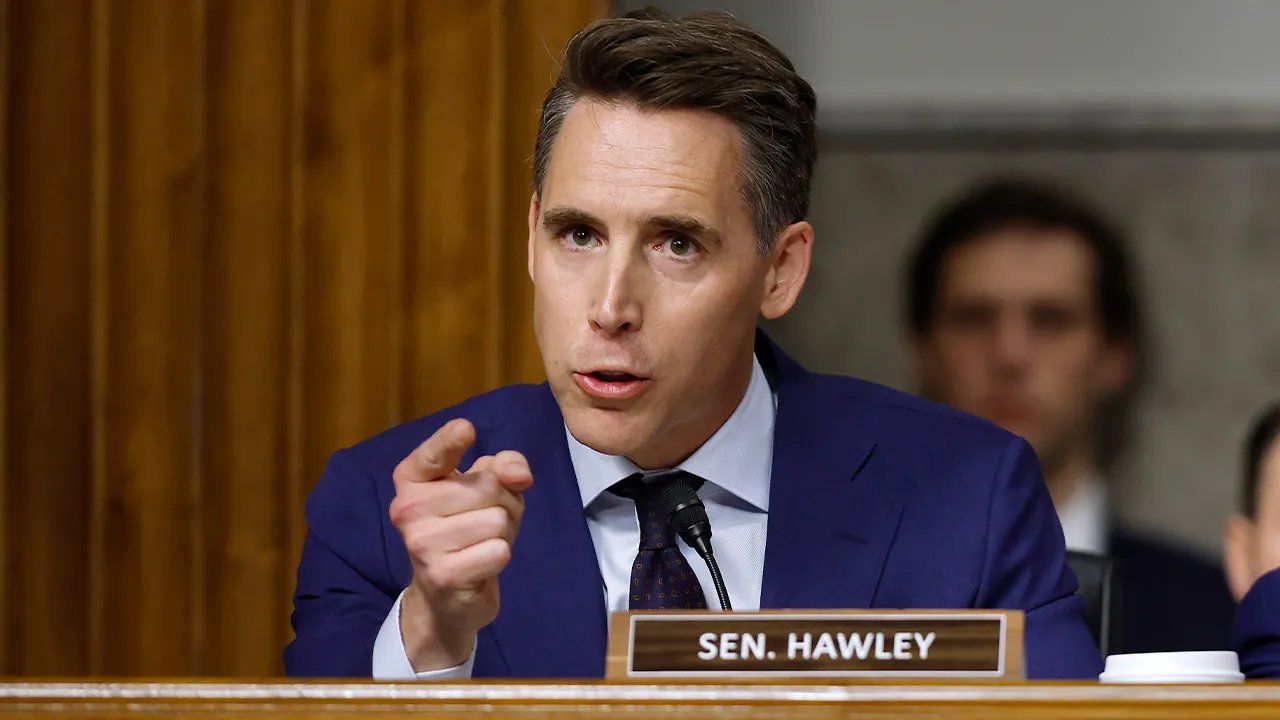
Sen. Josh Hawley, R-Mo., is facing backlash from the MAGA base after voting with Democrats and a small group of Republican senators to advance a war powers resolution related to Venezuela — marking a break with President Donald Trump.
On Wednesday, the Senate is expected to hold a full vote on the resolution that would limit Trump’s ability to conduct future military operations against Venezuela without Congressional approval, teeing up a test for Hawley with MAGA and its base.
The vote comes after Trump announced Jan. 3 that the U.S. military carried out a successful operation in Venezuela, capturing dictatorial president Nicolás Maduro and his wife. The couple is now being held in a New York City jail on sweeping narco-terrorism conspiracy and drug trafficking charges.
The operation set off condemnation among Democrats who took issue with Trump ordering the mission and strike on Venezuela without prior congressional approval.
HOUSE REPUBLICANS RIP SENATE WAR POWERS PUSH AS ‘POLITICAL THEATER’ AFTER TRUMP’S VENEZUELA RAID
Sen. Josh Hawley, R-Mo., is facing backlash from the MAGA base after voting with Democrats and a small group of Republican senators to advance a war powers resolution related to Venezuela. (Chip Somodevilla)
Days later, on Jan. 8, the Senate advanced a bipartisan war powers resolution by a 52–47 vote that would require the president to seek congressional authorization before engaging U.S. armed forces in «hostilities within or against Venezuela.» The procedural vote set up a full Senate vote slated for Wednesday.
Hawley joined Sens. Lisa Murkowski, R-Alaska; Rand Paul, R-Ky.; Susan Collins, R-Maine; and Todd Young, R-Ind., in voting with Democrats to require Trump obtain congressional approval prior to military action in Venezuela, sparking condemnation and surprise from the MAGA base on social media earlier in January.
«The Republicans who sided with Democrats today on the War Powers resolution are STUPID & WEAK,» former campaign aide Alex Bruesewitz posted to X following the procedural vote. «It came as no surprise to see Rand Paul, Lisa Murkowski, Susan Collins, or Todd Young vote against President Trump, they’ve all shown clear signs of Trump Derangement Syndrome in the past.»
Bruesewitz added that he was «surprised and disappointed» by Hawley for aligning «himself with the anti-Trump faction and Democrats, particularly since he represents Missouri, one of the most staunchly pro-Trump states in the nation.»
«Shameful,» he added.
Hawley previously defended his procedural vote by framing it as a constitutional issue rather than a rebuke of the administration.
«My read of the Constitution is that if the President feels the need to put boots on the ground there in the future, Congress would need to vote on it,» Hawley posted to X explaining the vote.
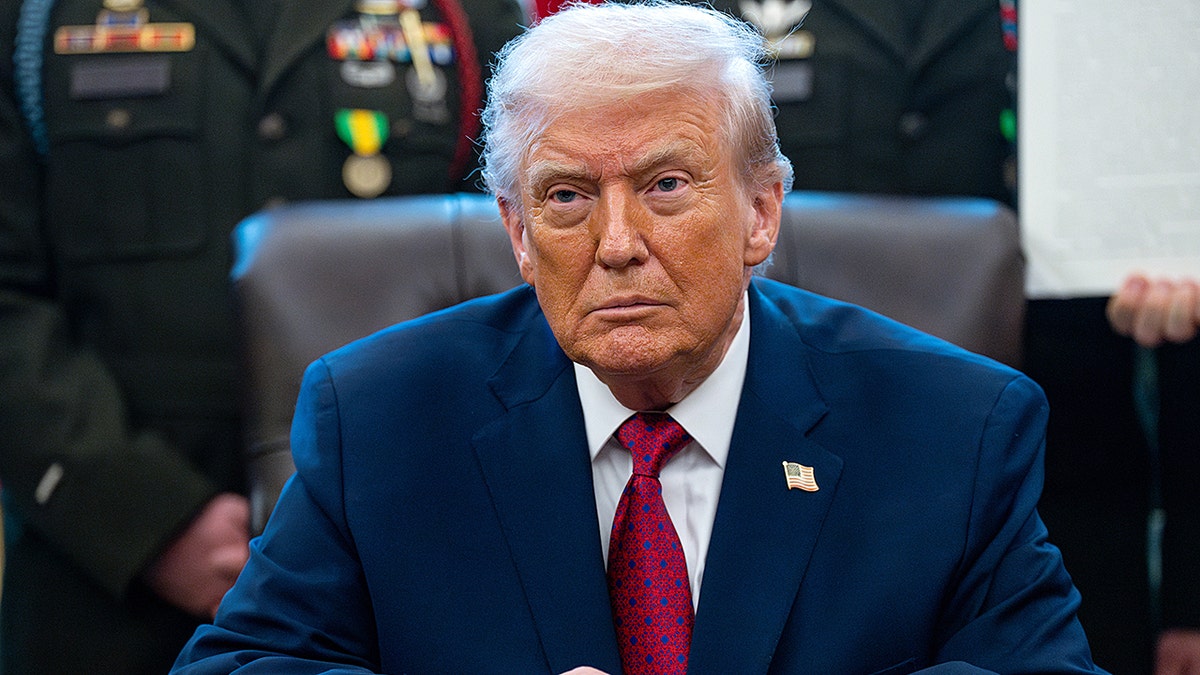
The Trump administration carried out a successful operation in Venezuela Jan. 3, capturing Nicolás Maduro and his wife. (Bonnie Cash/UPI/Bloomberg via Getty Images)
Fox News Digital spoke to a longtime Republican campaign operative working on midterm races, who said Hawley has broken with the administration over a handful of issues, and compared him to former Republican Georgia Rep. Marjorie Taylor Greene and Kentucky Rep. Thomas Massie, who frequently take shots at the president and his policies and draw media attention.
DEMOCRATS’ OWN WORDS BACK UP TRUMP ACTION IN VENEZUELA, TOP INTEL LAWMAKER SAYS
«It seems like every other month he does something that’s opposed to the president and the party more broadly,» the source said.
Trump needs two of the five Republicans to switch their positions ahead of Wednesday’s vote. The president put the five senators on notice following the procedural vote, warning on social media that they «should never be elected to office again.»
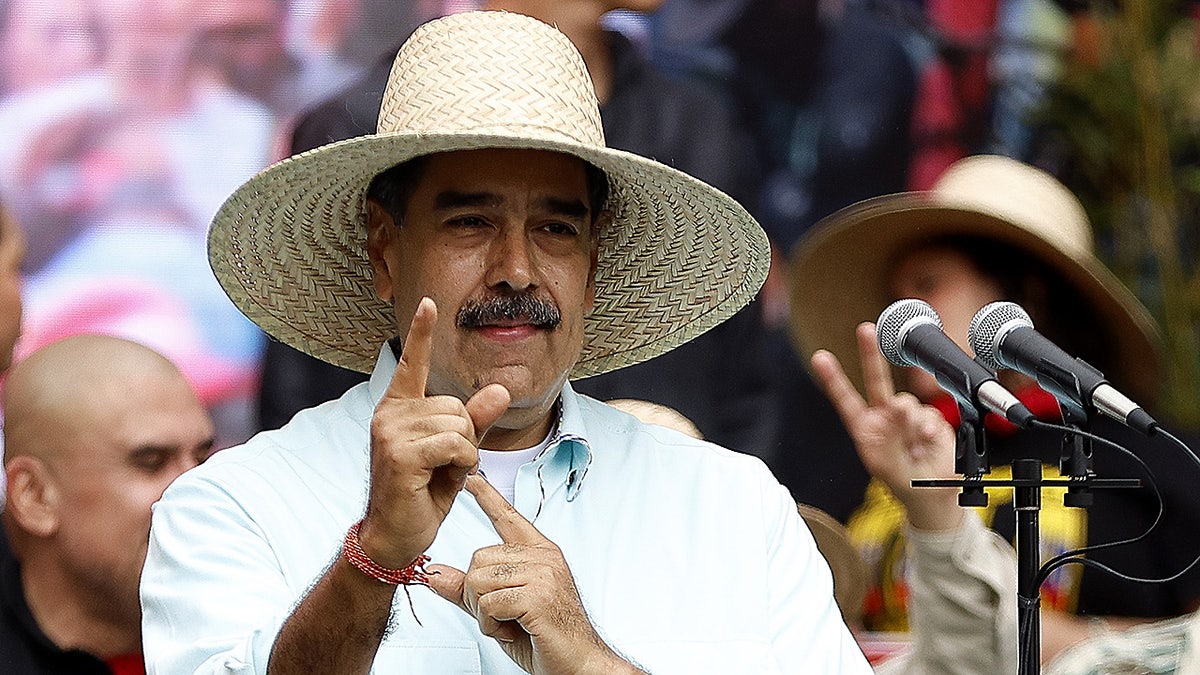
Venezuela President Nicolás Maduro addresses supporters in Caracas, Venezuela, on Dec. 10, 2025. (Pedro Rances Mattey/Anadolu via Getty Images)
«This Vote greatly hampers American Self Defense and National Security, impeding the President’s Authority as Commander in Chief,» he wrote earlier in January. «In any event, and despite their ‘stupidity,’ the War Powers Act is Unconstitutional, totally violating Article II of the Constitution, as all Presidents, and their Departments of Justice, have determined before me.»
MAGA allies echoed Trump’s Truth Social message in their own posts, describing Hawley as a «RINO» whose political career is allegedly teetering over the vote.
«President Trump ERUPTS on the Republican senators who just voted to approve the War Powers resolution that would rein in his Venezuela operations, says NEVER ELECT THEM AGAIN,» Eric Daughtery posted to X Jan. 8.
«Remember this in November. Susan Collins, Lisa Murkowski, Rand Paul, Josh Hawley, and Todd Young should never be elected to office again! We are sick of compromised GOP dirtbags going against our President,» another MAGA-aligned social media account, Farm Girl Carrie, posted.
Hawley told Fox News Tuesday, when asked how he plans to vote, that he’s spoken with Trump, Secretary of State Marco Rubio, and DOJ officials about his top concern of having American troops on the ground.
He said they «assured me there are no ground troops in Venezuela» and that there «are not going to be ground troops in Venezuela.»
«My big concern has been ground troops in Venezuela and, making sure that if there’s going to be ground troops in Venezuela, (which) I would hope we would not do, that Congress authorizes that. But I will tell you, I’ve talked to the president. I talked to the secretary of state. I talked to the Department of Justice here in the last few days and have had tremendous conversations in the Secretary of State, who I just talked to recently, assured me there are no ground troops in Venezuela. There are not going to be ground troops in Venezuela,» he said. «The administration will notify Congress, will seek congressional approval where necessary.»
Hawley has drawn Trump’s ire before, including during a fight over Hawley’s stock-trading ban proposal in July. Trump, who previously said he liked the idea «conceptually,» accused Hawley of siding with Democrats to block a GOP-backed effort tied to reviewing Nancy Pelosi’s stock trading.
«Why would one ‘Republican,’ Senator Josh Hawley from the Great State of Missouri, join with all of the Democrats to block a Review, sponsored by Senator Rick Scott, and with the support of almost all other Republicans, of Nancy Pelosi’s Stock Trading over the last 25 years. The information was inappropriately released just minutes before the Vote — Very much like SABOTAGE!» Trump wrote on Truth Social.
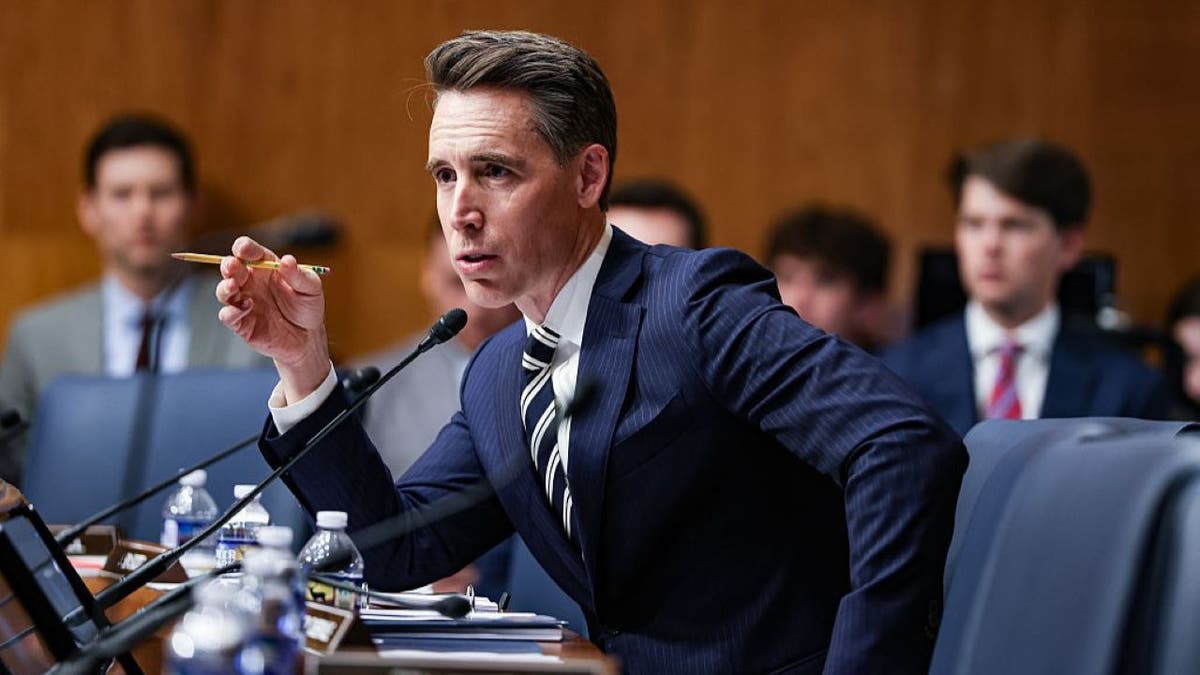
Sen. Josh Hawley, a Republican from Missouri, introduced the bipartisan bill during a news conference Tuesday. (Valerie Plesch/Bloomberg via Getty Images)
Hawley has also broken with the administration on domestic policy, repeatedly criticizing Medicaid reforms included in Trump’s «big, beautiful bill» back in 2025, even as he ultimately voted in favor of the sweeping package when it came to the Senate floor.
REPORTER’S NOTEBOOK: GOP REBELS DEFY TRUMP AS CONGRESSIONAL GRIP CONTINUES TO WEAKEN ACROSS MULTIPLE VOTES
The Republican campaign operative said it is unclear why Hawley has broken with the administration on certain policies, speculating he might have 2028 aspirations.
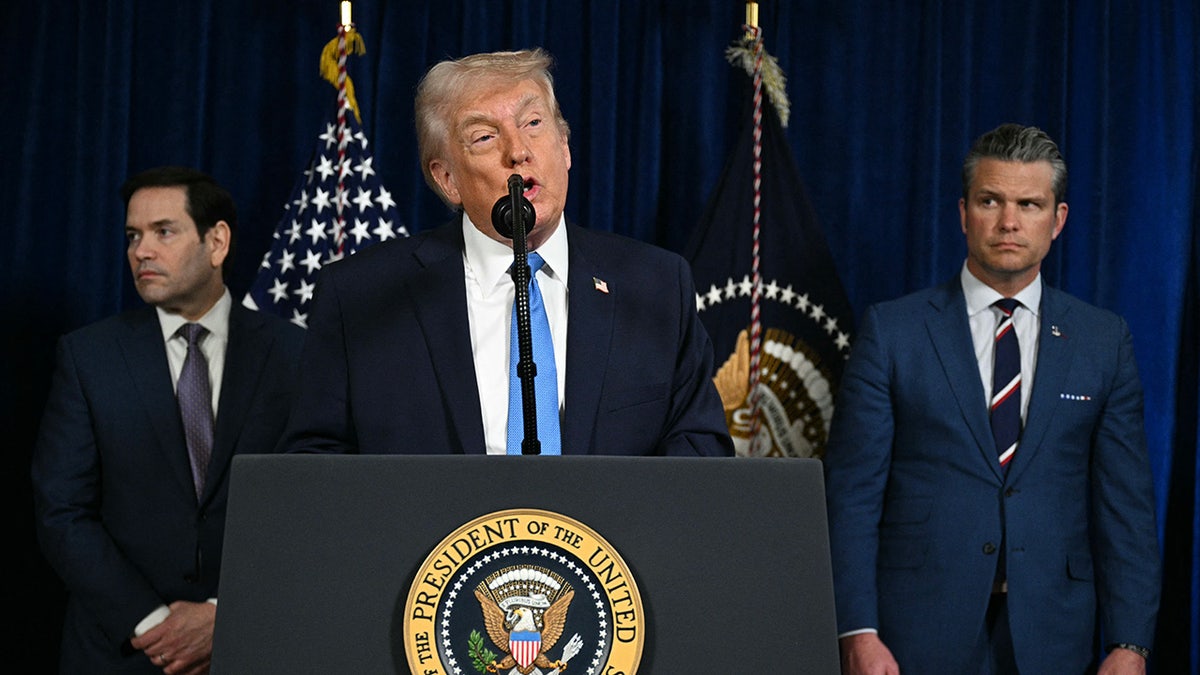
President Donald Trump, alongside Secretary of State Marco Rubio, left, and Secretary of Defense Pete Hegseth, right, speaks to the press following U.S. military actions in Venezuela, at his Mar-a-Lago residence in Palm Beach, Florida, Jan. 3, 2026. (Jim Watson/AFP via Getty Images)
«The polling I’ve seen shows that Republicans are in favor of the president’s actions in Venezuela,» the sourced added. «He would be out of step with our voters. I don’t think it’d bode well for him. I think this was one of the most unifying moments on the right, when the president successfully arrested Maduro and took him out the country. Him siding with the Democrats is bizarre.»
CLICK HERE TO DOWNLOAD THE FOX NEWS APP
«How has that worked out for Rand Paul or Massie,» the operative said, referring to Kentucky lawmakers’ ongoing policy spats with the president and administration.
donald trump,senate,venezuelan political crisis,politics
NEWYou can now listen to Fox News articles!
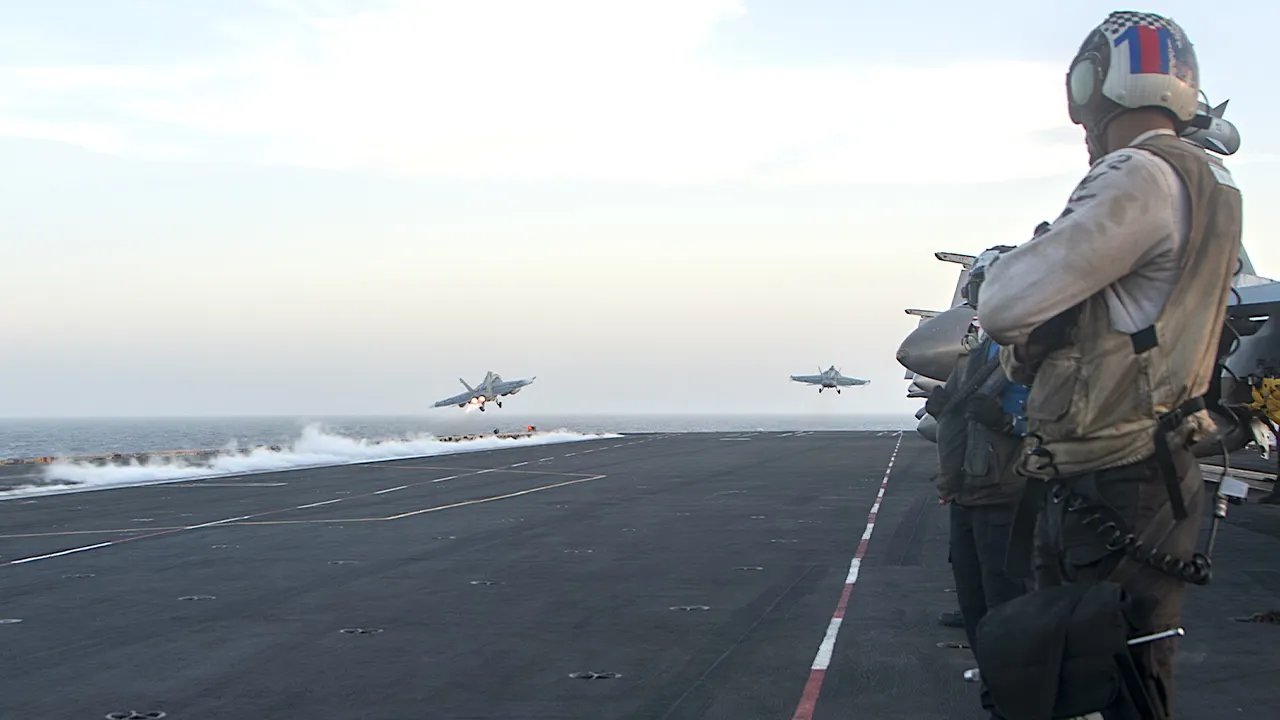
The U.S. stepped up airstrikes in Somalia in January, targeting al-Shabab and the local affiliate of the Islamic State group, ISIS, according to U.S. Africa Command (AFRICOM).
In a Jan. 12 release, AFRICOM said U.S. forces, working with the Somali federal government, carried out airstrikes against al-Shabab militants.
AFRICOM said the operation was part of ongoing efforts to «degrade the group’s ability to threaten the U.S. homeland, U.S. forces and Americans overseas.»
Airstrikes against ISIS—Somalia were also reported on Jan. 11 and Jan. 9 in northern Somalia, including the Golis Mountains region of Puntland, southeast of Bosaso.
TRUMP VOWS ‘VERY SERIOUS RETALIATION’ AGAINST ISIS AFTER DEADLY SYRIA AMBUSH KILLS US SOLDIERS
U.S. forces conclude an operation targeting ISIS in Somalia in August 2025. (Hannah Kantner/AFRICOM)
Additional airstrikes targeting al-Shabab were reported on Jan. 8, including one in the vicinity of Buur Heybo, about 154 kilometers northwest of Mogadishu.
The command said between the evening of Jan. 3–4, strikes were also conducted «in coordination with Somali authorities.»
AFRICOM said in a release the strikes were part of a broader campaign conducted with Somali partners. No casualty figures were released.
The latest spate of operations comes amid a broader intensification of U.S. airstrikes in Somalia.
According to information released by AFRICOM, between Feb. 1, when the Trump administration conducted its first strike in Somalia in 2025, and June 10, the U.S. carried out 38 airstrikes against al-Shabab and the Islamic State in Somalia.
DEADLY STRIKE ON US TROOPS TESTS TRUMP’S COUNTER-ISIS PLAN — AND HIS TRUST IN SYRIA’S NEW LEADER
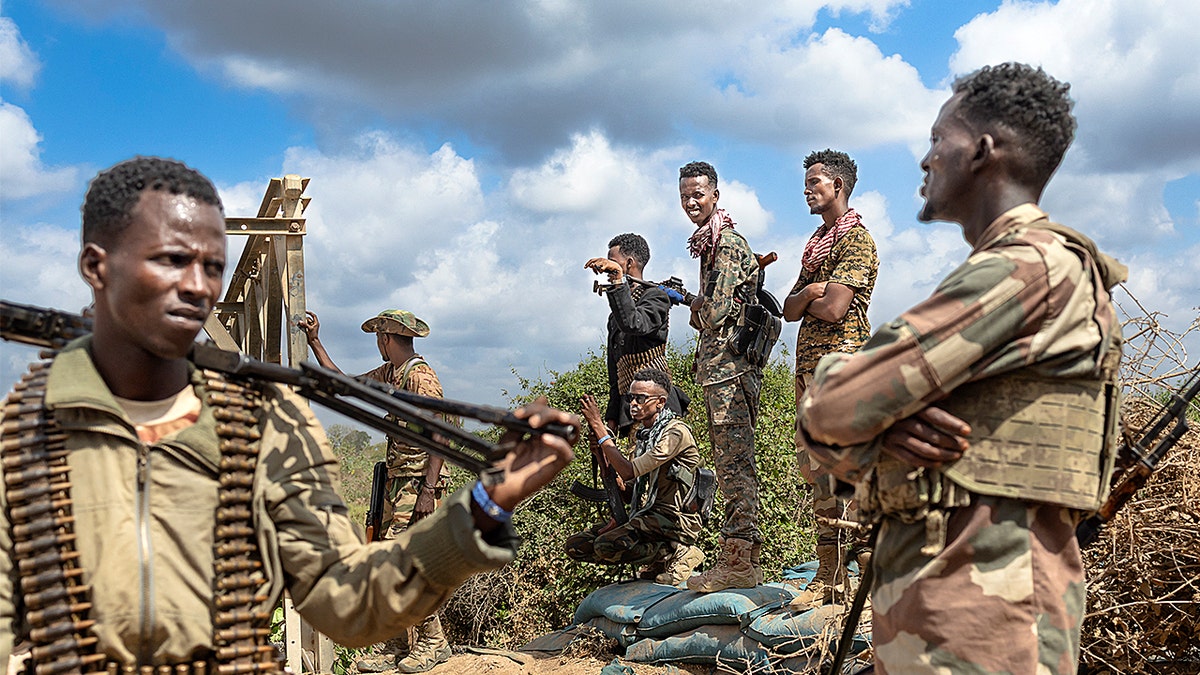
Somalia airstrikes escalate as U.S. forces partner with Somali authorities against al-Shabab. (TONY KARUMBA/AFP via Getty Images)
AFRICOM has said additional strikes have been conducted since June 10.
Independent monitoring organizations have reported a rise in strikes since President Donald Trump returned to office in 2024, according to a report by the Combating Terrorism Center.
The report cited an April 2025 statement by AFRICOM commander Gen. Michael E. Langley before the Senate Armed Services Committee, in which he referenced the potential threat posed by jihadi groups in Africa to the U.S. homeland.
«We are acutely aware that if ISIS and al Qaeda groups continue their expansion, they will pose a direct threat to the U.S. homeland,» Langley said.
«Given this environment, US AFRICOM will work collaboratively with the intelligence community and inter-agency partners to keep the risk to U.S. national security interests low,» Langley said in a statement.
WAR SEC. HEGSETH ISSUES STATEMENT AFTER TWO U.S. SOLDIERS KILLED IN SYRIA ARE IDENTIFIED
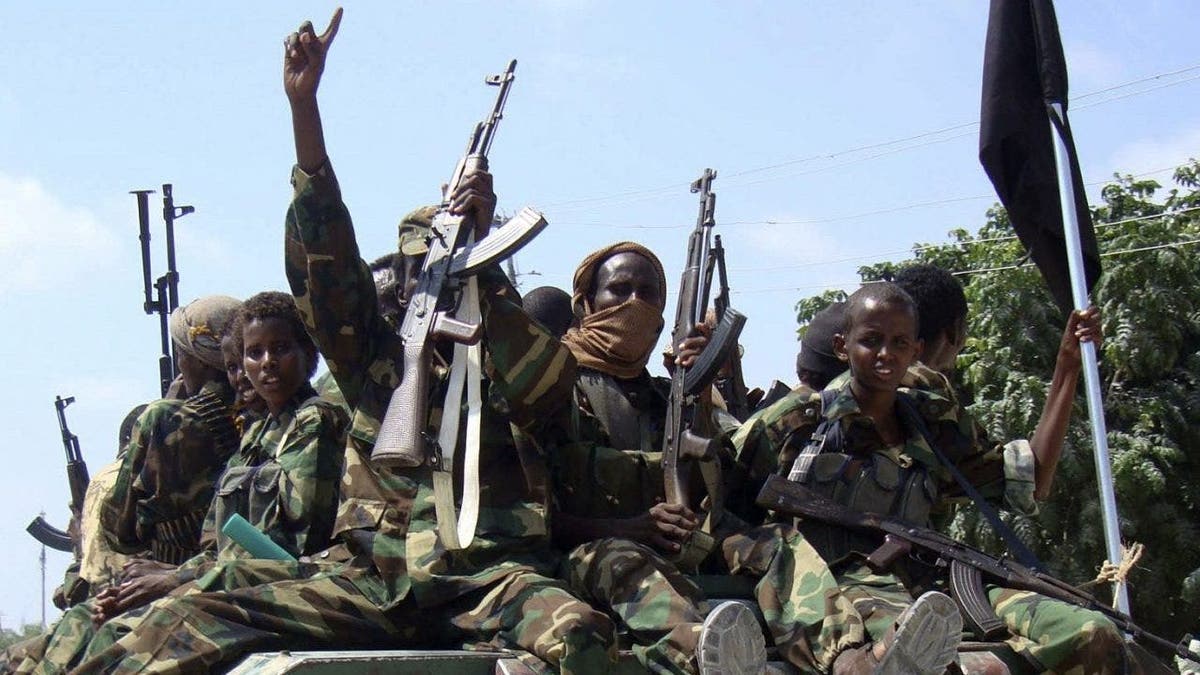
Members of al-Shabab terrorist rebel group parade through the streets of Somalia’s capital Mogadishu on Jan. 1, 2010. (REUTERS/Feisal Omar)
Al-Shabab, an al Qaeda affiliate, has waged war on Somalia’s government since 2007 and continues to control territory in south-central Somalia.
CLICK HERE TO DOWNLOAD THE FOX NEWS APP
ISIS-Somalia is a smaller faction concentrated largely in Puntland’s mountainous northeast, where it is also said to compete with al-Shabab for influence.
According to the U.S.-based Africa Center for Strategic Studies, Somalia’s conflict with armed groups was the third-deadliest in Africa through 2024, killing an estimated 7,289 people.
Fox News Digital has reached out to AFRICOM for comment.
al qaeda terror,al qaeda,counter terrorism,military,africa,isis,conflicts

Diego Santilli anticipó que el Gobierno enviará fondos a Chubut para combatir los incendios

Crónica desde Teherán bajo la revuelta: «El régimen todavía se ve muy fuerte»

La tremenda pregunta de Wanda Nara a Rusherking sobre la China Suárez y Mauro Icardi: “¿Qué opinás de tu ex con mi ex?”

La inflación en 2025 fue de 31,5%, la más baja de los últimos 8 años

Diego Simeone se disculpa con Florentino Pérez y Vinicius: «No estuve bien»

Se agrava la interna de la UCR: pese al intento de sellar la unidad, se profundiza la división en el Congreso

El drama matrimonial que vive Maru Botana luego de 28 años en pareja con Bernardo Solá: «Tiene varios problemas»

Polémica en redes: Milei y Feinmman se cruzaron con Marcela Feudale por los incendios en Chubut

La próxima jugada del Gobierno contra Tapia, la resistencia de la AFA y el silencioso respaldo de Kicillof

La triste despedida de Jorge “Corcho” Rodríguez a Pía, su asistente por 30 años: “Gracias por tu amor”

 CHIMENTOS1 día ago
La triste despedida de Jorge “Corcho” Rodríguez a Pía, su asistente por 30 años: “Gracias por tu amor”
- INTERNACIONAL3 días ago
Murió el cantante colombiano Yeison Jiménez en un accidente de avión: el video del día que predijo la tragedia
- INTERNACIONAL3 días ago
“¡Muerte a Estados Unidos!»: el Parlamento de Irán redobla las amenazas contra las tropas de Trump tras la sangrienta represión a las protestas