INTERNACIONAL
Iran president vows defiance as protests build against regime amid US military build up

NEWYou can now listen to Fox News articles!
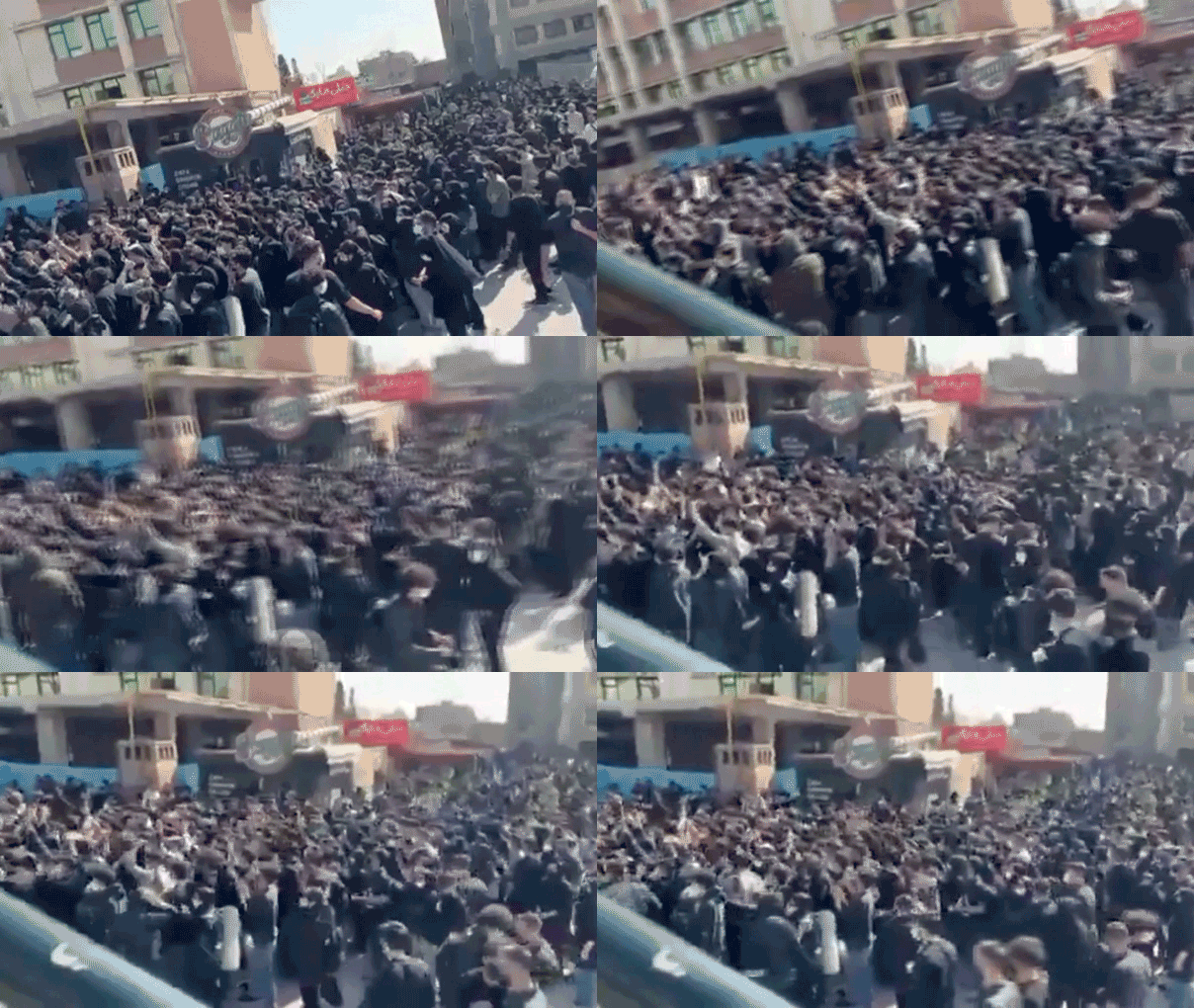
Anti-government protests are resurging across Iran, with videos showing students chanting slogans against the regime as nuclear negotiations with the United States are set to resume on Thursday.
A video translated by Reuters showed demonstrators shouting «We’ll fight, we’ll die, we’ll reclaim Iran,» reflecting growing anger towards the country’s leadership.
The renewed unrest follows months of frustration over economic hardship, repression and previous crackdowns, placing additional domestic pressure on the regime as talks unfold. Analysts say the convergence of protests at home, military pressure abroad and a stalled diplomatic track has hardened rhetoric on both sides rather than pushing them toward compromise.
Military members of the Islamic Revolutionary Guard Corps (IRGC) in western Tehran, Iran. (Morteza Nikoubazl/NurPhoto via Getty Images)
The Iranian regime, meanwhile, is striking a defiant tone. President Masoud Pezeshkian said Tehran would «not bow down» to pressure tied to nuclear negotiations, warning that external coercion would not change Iran’s stance, according to Al Jazeera.
His remarks come ahead of a new round of U.S.–Iran talks set for Thursday in Geneva, confirmed by Oman, which is mediating the discussions. The negotiations aim to address Tehran’s nuclear program amid rising regional tensions, though major disputes remain over enrichment limits, sanctions relief and the scope of any deal.
In a February speech analyzed by the Foundation for Defense of Democracies, Supreme Leader Ayatollah Ali Khamenei ruled out abandoning uranium enrichment and rejected U.S. demands to include Iran’s ballistic missile program and regional proxy activity in negotiations.
The analysis, authored by FDD research analyst Janatan Sayeh and Iran Program Senior Director Behnam Ben Taleblu, noted that Khamenei has escalated attacks on Washington’s leadership, calling President Donald Trump a «criminal» for backing Iranian protests and circulating rhetoric likening him to a tyrant.
US POSITIONS AIRCRAFT CARRIERS, STRIKE PLATFORMS ACROSS MIDDLE EAST AS IRAN TALKS SHIFT TO OMAN

An exercise aimed at assessing readiness and rehearsing responses to security threats comes during a second round of talks. ( Press Office of Islamic Revolutionary Guard Corps / Handout/Anadolu via Getty Images)
Meanwhile, the United States has expanded its military presence in the Middle East while signaling force remains an option. The deployments have shaped both the tone and urgency of the negotiations, reinforcing that diplomacy is unfolding under the shadow of potential escalation.
Special envoy Steve Witkoff warned Saturday that Iran could be «a week away» from having «industrial-grade bomb-making material,» citing enrichment levels he said are approaching weapons capability.
CLICK HERE TO DOWNLOAD THE FOX NEWS APP
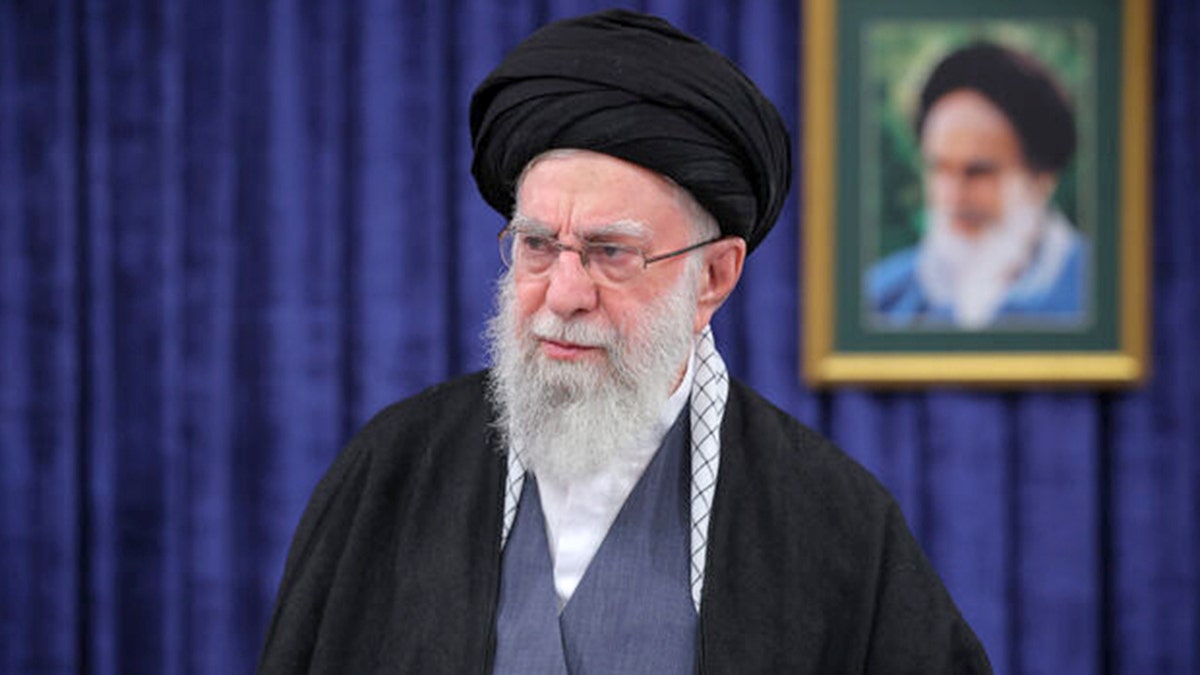
Iran Supreme Leader Ali Khamenei addresses the public on the occasion of the 47th anniversary of the Iranian Revolution, according to Iranian state television in Tehran, Iran, on February 9, 2026. (Iranian Leader Press Office/Anadolu via Getty Images)
«It’s up to 60%,» Witkoff said. «They’re probably a week away from having industrial-grade bomb-making material.» He made the remarks on «My View with Lara Trump,» describing the situation as dangerous and accusing Iran of violating President Trump’s «zero enrichment» red line.
U.S. officials have warned that failure to reach an agreement could trigger serious consequences, while Tehran has signaled readiness to retaliate if attacked, reinforcing the sense that negotiations are taking place under intense pressure.
Reuters contributed to this report.
Related Article
iran,donald trump,wars,world,world protests








INTERNACIONAL
Laura Dogu y una delegación del Senado de Estados Unidos mantuvieron un encuentro con Jorge Rodríguez en el Parlamento de Venezuela
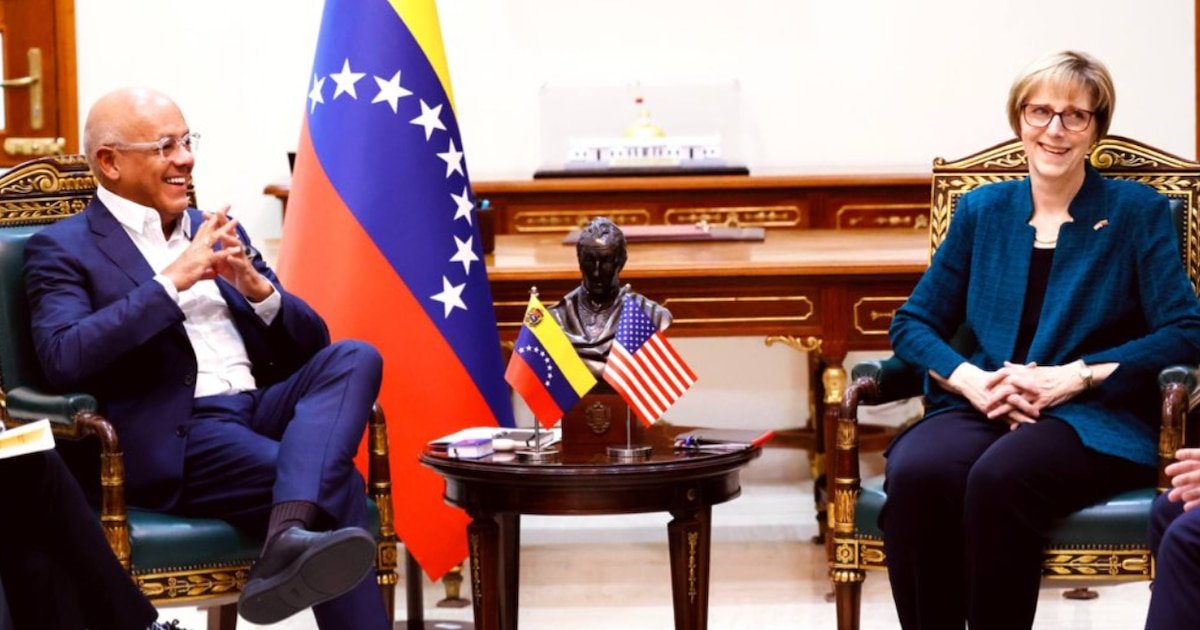
El titular de la Asamblea Nacional de Venezuela, el chavista Jorge Rodríguez, se reunió este miércoles en Caracas con Laura Dogu, encargada de negocios de Estados Unidos en el país caribeño, y con una delegación del Comité de Relaciones Exteriores del Senado norteamericano.
“Mantenemos una agenda firme de interlocución directa, basada siempre en el respeto mutuo y la cooperación entre naciones”, expresó el dirigente chavista tras el encuentro, del que se difundieron imágenes pero no detalles sobre los temas tratados.
A la reunión asistieron también los vicepresidentes parlamentarios Pedro Infante y Grecia Colmenares.
De forma paralela, la diputada opositora Nora Bracho informó que la comisión especial de seguimiento de la Ley de Amnistía sostuvo una “sesión histórica” con los representantes estadounidenses.

“Hoy, 14 miembros de la Comisión de Seguimiento de la Ley de Amnistía, sostendremos una importante reunión con representantes del Senado de EEUU, con quienes conversaremos en profundidad sobre la Ley de Amnistía, sus avances y próximos pasos a seguir”, comunicó Bracho, sin precisar los nombres de los funcionarios.
Fuentes parlamentarias confirmaron que la delegación estadounidense estuvo compuesta por cinco funcionarios de alto nivel del Senado, que mantuvieron encuentros tanto con la directiva de la Asamblea Nacional como con la comisión de seguimiento de la amnistía, presidida por el diputado chavista Jorge Arreaza.
El tema de la Ley de Amnistía, destinada a facilitar la reconciliación política y la liberación de presos políticos, figura entre las prioridades del actual ciclo de diálogo en Venezuela.

Esta ronda de reuniones de alto nivel coincide con una serie de cambios en el gabinete venezolano, impulsados por la sucesora de Maduro, Delcy Rodríguez.
En las últimas semanas, la jefa del chavismo ha removido a figuras emblemáticas del régimen anterior y reforzado su equipo con nuevos nombramientos en áreas clave de defensa, energía y seguridad.
Este miércoles, designó a Gustavo González López como nuevo ministro de Defensa, en sustitución de Vladimir Padrino López, quien ocupaba el cargo desde 2014 y será reasignado a otras funciones aún no especificadas.
En el área de seguridad, Henry Navas Rumbos fue nombrado comandante de la Guardia de Honor Presidencial, mientras que Germán Gómez Lárez asumió la Dirección General de Contrainteligencia Militar (DGCIM).
Estos movimientos se producen poco después de la captura y extradición a Estados Unidos del narcodictador Nicolás Maduro y de su esposa, Cilia Flores, quienes permanecen bajo custodia en ese país tras la operación militar estadounidense de enero.

Delcy Rodríguez también ha renovado los equipos ministeriales en sectores estratégicos como Energía Eléctrica, Vivienda, Transporte y Trabajo, y nombró a un nuevo vicepresidente sectorial de Obras Públicas y Servicios.
Entre los cambios recientes se destaca la designación de Paula Henao al frente del Ministerio de Hidrocarburos y de Luis Villegas en Industrias y Comercio Nacional, en sustitución de Alex Saab, quien estuvo encarcelado en Estados Unidos y era uno de los empresarios más cercanos al círculo de Maduro.
Desde su asunción el 5 de enero, la jefa del régimen chavista ha dado señales de buscar una relación diferente con Washington. Ha calificado al presidente estadounidense Donald Trump como “socio y amigo” y ha recibido en Caracas a altos funcionarios estadounidenses, incluyendo a los secretarios de Energía e Interior, Chris Wright y Doug Burgum.
Estos acercamientos se producen en un contexto de expectativa internacional sobre la evolución del proceso político venezolano y la posibilidad de lograr acuerdos que incluyan garantías para la oposición, la liberación de presos políticos y la reinstitucionalización del país.
(Con información de EFE)
STX IT20 RISK.5RV NR EO,oficial,sénior,reunión,diálogo,política,diplomacia,gobierno,encuentro
INTERNACIONAL
Otro país aliado de Trump cierra su embajada en Cuba y retira a su personal diplomático
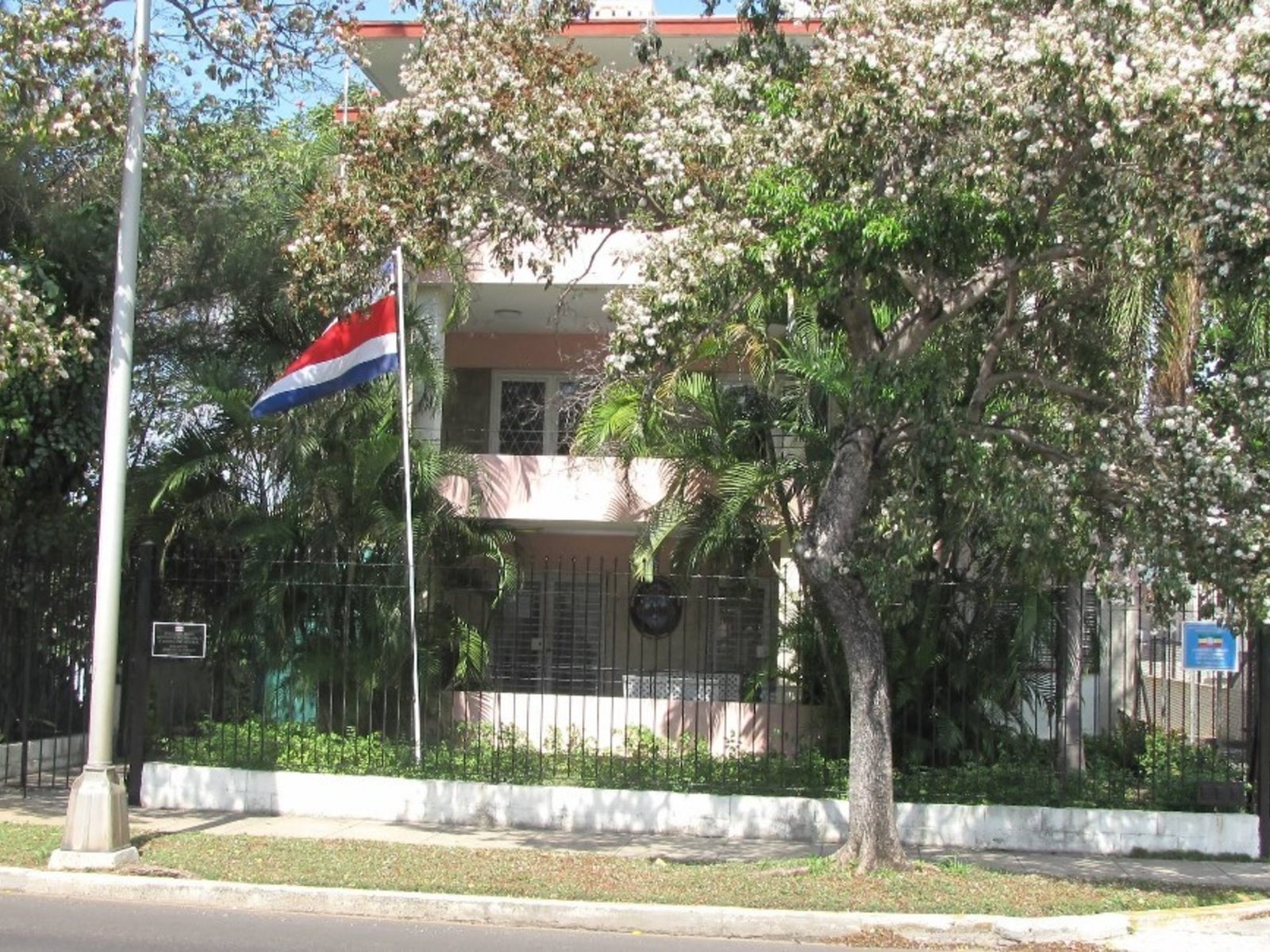
Cuba rechazó que Costa Rica cierre su embajada en La Habana «bajo presión» de Washington
Los países que cerraron su embajada y la creciente presión de Trump sobre Cuba

NEWYou can now listen to Fox News articles!
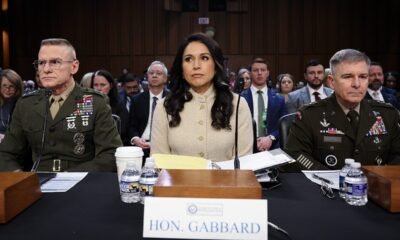
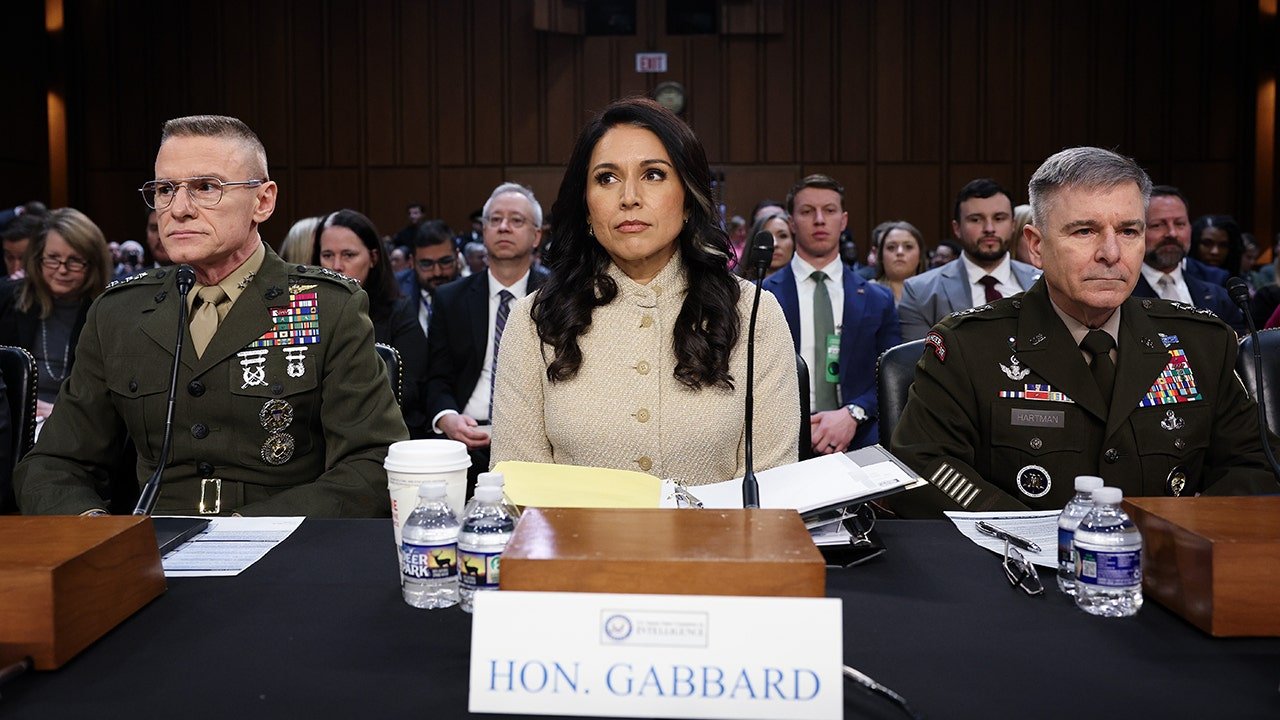
Director of National Intelligence Tulsi Gabbard declined to say whether intelligence showed that Iran posed an «imminent threat» to the U.S. prior to the launch of recent offensive operations, as President Donald Trump repeatedly has asserted.
«Was it the assessment of the intelligence community that there was an ‘imminent nuclear threat’ posed by the Iranian regime? Yes or no?» Sen. Jon Ossoff, D-Ga., asked Gabbard during the Senate Intelligence Committee’s annual worldwide threats hearing Wednesday.
«The only person who can determine what is and is not an imminent threat is the president,» Gabbard said.
TRUMP RESURFACES OLD TWEET FROM INTEL OFFICIAL WHO RESIGNED
The White House has repeatedly argued Iran’s nuclear stockpiles and ballistic missile capacity pose an imminent threat to the U.S.
«Our objective is to defend the American people by eliminating imminent threats from the Iranian regime,» Trump said March 1.
Ossoff pressed Gabbard further Wednesday: «Was it the intelligence community’s assessment … there was an ‘imminent nuclear threat’? Yes or no?»
«It is not the intelligence community’s responsibility to determine what is and is not an imminent threat,» Gabbard said.
Gabbard highlighted the impact of U.S. operations in Iran.
«The IC assesses that Operation Epic Fury is advancing fundamental change in the region,» she said. Iran’s «conventional military power projection capabilities have largely been destroyed, leaving limited options. Iran’s strategic position has been significantly degraded.»
Director of National Intelligence Tulsi Gabbard testifies before a Senate Intelligence Committee hearing on Capitol Hill in Washington. (Kevin Lamarque/Reuters )
Her refusal to directly answer comes one day after Trump’s director at the National Counterterrorism Center, Joe Kent, resigned after publicly stating he did not believe Iran posed an imminent threat.
CIA Director John Ratcliffe struck a more assertive tone at the hearing.
«Is there anything to indicate that Iran had ceased in its nuclear ambitions or in its desire to continue to build ballistic missiles capable of threatening American troops and allies in the Middle East?» Sen. John Cornyn, R-Texas, asked him.
«No. In fact, the intelligence reflects the contrary,» Ratcliffe said.
«So you disagree with Mr. Kent?» Cornyn asked.
«I do,» Ratcliffe said.
TRUMP BIDS GOODBYE TO INTEL OFFICIAL WHO RESIGNED OVER IRAN: ‘GOOD THING THAT HE’S OUT’
«I think Iran has been a constant threat to the United States for an extended period of time and posed an immediate threat at this time,» he later added.
Top administration officials have argued that Iran was building up its missile stockpiles to a point where foreign powers could no longer effectively intervene.
Iran is not believed to currently possess missiles capable of reaching the U.S. homeland, but Trump has said the Islamic Republic is working toward that capability.
«They attempted to rebuild their nuclear program and to continue developing long range missiles that can now threaten our very good friends and allies in Europe, our troops stationed overseas and could soon reach the American homeland,» Trump said.
The Defense Intelligence Agency said in May 2025 that Iran could develop a long-range missile capable of reaching the U.S. by 2035. Russia, China and North Korea, some of Iran’s closest allies, already possess intercontinental ballistic missiles.

CIA Director John Ratcliffe asserted that U.S. intelligence asserts Iran has not ceased nuclear ambitions. (Kevin Lamarque/Reuters)
Iran possessed roughly 441 kilograms of uranium enriched to 60% as of mid-2025, according to the International Atomic Energy Agency. Enough, if further enriched to weapons-grade levels, to fuel multiple nuclear weapons.
Experts estimate that final enrichment to 90% could take weeks under ideal conditions. However, producing a functional nuclear weapon would require additional steps, including weaponization and delivery system development, which could take months or longer.
Gabbard, a former Democratic congresswoman, rose to national prominence in part for her opposition to U.S. military interventions overseas.
She has said little publicly about the Iran conflict, but in a statement posted to X following Kent’s resignation, Gabbard emphasized that the determination of an imminent threat rests with the president.
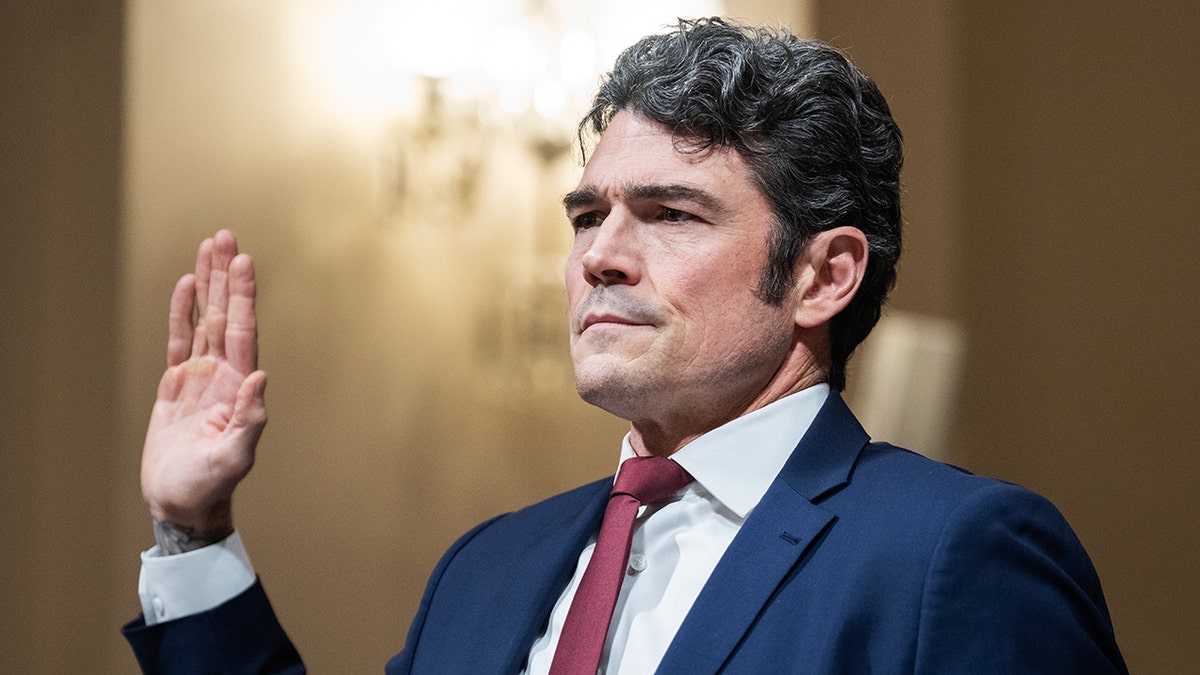
Gabbard’s refusal to directly answer comes one day after Trump’s director at the National Counterterrorism Center, Joe Kent, resigned after publicly stating he did not believe Iran posed an imminent threat. (Tom Williams/CQ-Roll Call, Inc via Getty Images)
«Donald Trump was overwhelmingly elected by the American people to be our President and Commander in Chief. As our Commander in Chief, he is responsible for determining what is and is not an imminent threat,» she wrote on X.
CLICK HERE TO DOWNLOAD THE FOX NEWS APP
«After carefully reviewing all the information before him, President Trump concluded that the terrorist Islamist regime in Iran posed an imminent threat and he took action based on that conclusion.»
Her comments underscored a central tension in Wednesday’s hearing: While the administration has framed the conflict as a response to an imminent threat, intelligence officials stopped short of publicly affirming that assessment.
tulsi gabbard,war with iran,senate,donald trump,cia

Laura Dogu y una delegación del Senado de Estados Unidos mantuvieron un encuentro con Jorge Rodríguez en el Parlamento de Venezuela

Una batalla tras otra

Horacio Rodríguez Larreta y Claudio “El Turco” García compartieron guiños electorales en las redes sociales

La Argentina e India avanzan en el impulso de su intercambio comercial que hoy llega a USD 7.000 millones por año

Y no para hasta los mil: Lionel Messi anotó el gol número 900 en su carrera futbolística

Sonic Racing Crossworlds comparte su imagen principal actualizada con los nuevos personajes – Nintenderos

TRAICIÓN Y ÉXODO: La promesa rota de Monteoliva que desató una ola masiva de bajas en la Policía Federal

Adorni se disculpó por el viaje de su esposa: “Fue una pésima decisión, más allá de que no generó gasto para el Estado”

Horacio Rodríguez Larreta reapareció y lanzó “Metrópolis”, su nuevo espacio en la Ciudad de Buenos Aires

Insólito: un esquiador británico terminó la Copa del Mundo de Oslo bajo los efectos del alcohol

 POLITICA2 días ago
TRAICIÓN Y ÉXODO: La promesa rota de Monteoliva que desató una ola masiva de bajas en la Policía Federal
- POLITICA2 días ago
Adorni se disculpó por el viaje de su esposa: “Fue una pésima decisión, más allá de que no generó gasto para el Estado”
- POLITICA2 días ago
Horacio Rodríguez Larreta reapareció y lanzó “Metrópolis”, su nuevo espacio en la Ciudad de Buenos Aires