INTERNACIONAL
Iran war, 11 days in: US controls skies, oil surges and the region braces for what’s next

NEWYou can now listen to Fox News articles!
One week into the war with Iran, U.S. officials say American and Israeli forces are moving toward «complete control» of Iranian airspace — clearing the way for deeper strikes, a broader target list and a conflict that appears to be expanding rather than winding down.
In briefings this week, Secretary of War Pete Hegseth and Joint Chiefs Chairman Gen. Dan Caine described what they called near-uncontested airspace over key corridors, a shift that allows sustained bombing operations deep inside Iran.
«We are winning with an overwhelming and unrelenting focus on our objectives,» Hegseth said in a press briefing Tuesday morning.
AFTER THE STRIKES, HOW WOULD THE US SECURE IRAN’S ENRICHED URANIUM?
Caine said U.S. forces have now struck more than 5,000 targets in the first 10 days of operations, including dozens of deeply buried missile launchers hit with 2,000-pound penetrating bombs.
The message from Washington is one of overwhelming military advantage.
But the broader picture, rising oil prices, expanding drone warfare, strikes on energy and civilian infrastructure, and regional spillover touching NATO territory, suggests a conflict that is growing in scope even as U.S. officials project confidence in its trajectory.
Leadership hardens in Tehran
Amid the intensifying conflict, Iran’s Assembly of Experts has selected Mojtaba Khamenei — son of the recently deceased Ayatollah Ali Khamenei — as the country’s new supreme leader, consolidating authority within the clerical establishment and the Islamic Revolutionary Guard Corps at a pivotal moment.
The succession, only the second since the 1979 revolution, signals continuity rather than recalibration in Iran’s posture. Mojtaba Khamenei had long been viewed as a potential successor and is closely aligned with hard-line factions inside Iran’s security apparatus.
President Donald Trump criticized the selection, saying the leadership change would not alter U.S. objectives and suggesting it reflects the same entrenched power structure Washington has sought to weaken. The administration has made clear that military operations will continue regardless of who occupies the supreme leader’s office.
Rather than opening a diplomatic off-ramp, the transition appears to reinforce the likelihood of a prolonged confrontation.
‘Uncontested airspace’
Hegseth said Tuesday that the U.S. and Israel had achieved «total air dominance» over Iran and were «winning decisively with brutal efficiency.»
«That doesn’t mean they won’t be able to project,» Hegseth said. «It doesn’t mean our air defenders still don’t have to defend. They do. But that is strong evidence of degradation.»
«Most of their higher-end surface-to-air missile systems are not factors at this point in time,» Caine said.
«Fighters are moving deeper with relative impunity,» he added, noting there is «always some risk.»
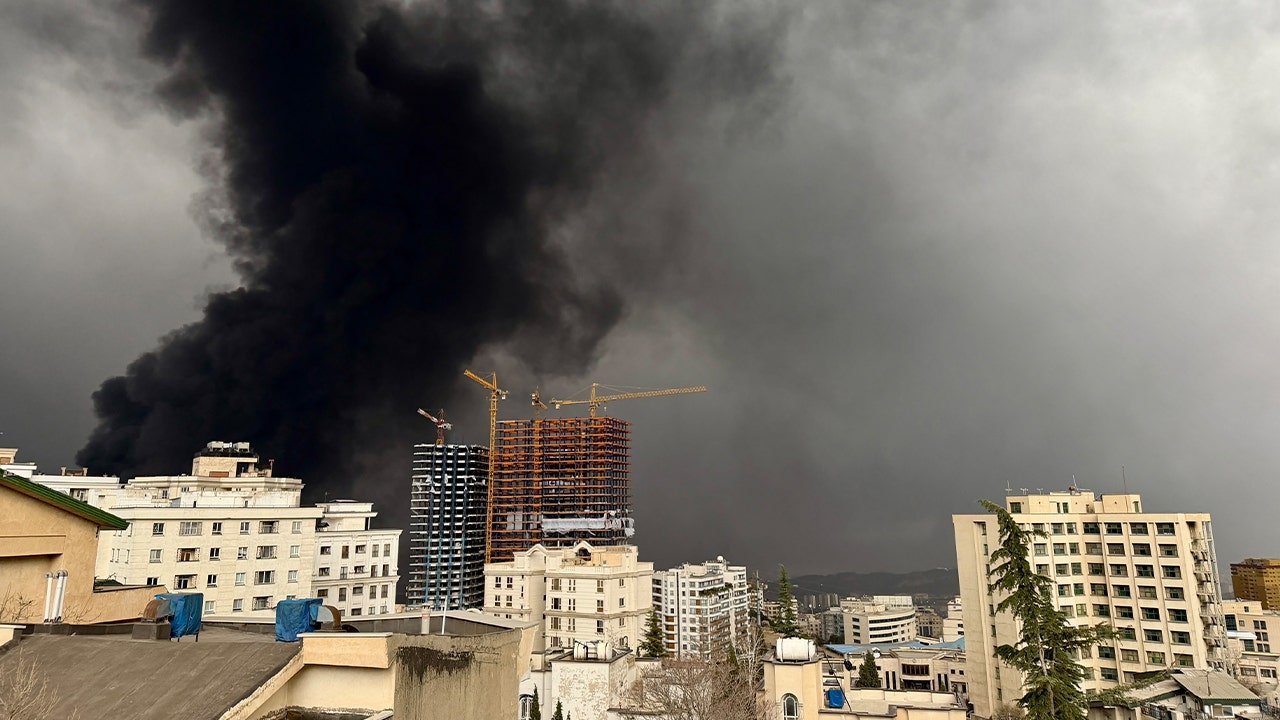
One week into the war with Iran, U.S. officials say American and Israeli forces are moving toward «complete control» of Iranian airspace. ( Sasan / Middle East Images / AFP via Getty Images)
Adm. Brad Cooper, head of the U.S. military’s Central Command, also reported that Iranian ballistic missile launches had dropped by roughly 90% from the opening days of the conflict, while drone attacks had fallen by more than 80%, attributing the decline to sustained strikes on launchers and infrastructure.
Still, officials have cautioned that air superiority does not mean every threat can be stopped. Iranian missiles and drones continue to be launched, and some have required interception across the region.
A shift in munitions and message
Hegseth said the campaign is transitioning from expensive standoff weapons like Tomahawk cruise missiles to 500-, 1,000- and 2,000-pound precision gravity bombs — a shift he said reflects confidence that Iranian surface-to-air missile systems have been suppressed in key areas.
He described the U.S. stockpile of such bombs as «nearly unlimited» and warned that Washington’s timeline «is ours and ours alone to control.»
The emphasis on gravity bombs is more than rhetorical. It signals a move toward sustained, high-tempo operations designed not only to hit active threats but to degrade Iran’s ability to regenerate its missile force.
US SIGNALS READINESS TO ESCORT TANKERS THROUGH HORMUZ AS TRAFFIC THINS, BUT NO MISSION HAS BEEN LAUNCHED
Drones redefine the fight
Even as missile launches decline, unmanned systems remain central to the war.
Iran has leaned heavily on drones — including Shahed-style loitering munitions — to strike energy facilities, pressure U.S. bases and disrupt shipping near the Strait of Hormuz. Compared to ballistic missiles, drones are cheaper and easier to deploy in volume, allowing Tehran to sustain pressure despite losses elsewhere.
In response, the United States has deployed a Ukraine-tested counter-drone interceptor system to the region. Ukrainian specialists, drawing on experience defending against Iranian-designed drones used in the Russia-Ukraine war, are assisting in strengthening base protection.
The drone fight underscores a key dynamic: while U.S. forces may dominate the skies, lower-cost unmanned systems can still impose risk and strain air defenses.
Energy at risk
The Strait of Hormuz — through which roughly 20% of the world’s oil and major liquefied natural gas shipments transit — has become one of the most consequential flashpoints of the war.
Drone attacks and Iranian threats sharply have reduced commercial traffic, driving up insurance costs and forcing some vessels to reroute. Oil prices have climbed above $100 per barrel amid fears that disruptions could persist.
Israeli strikes on Iranian oil facilities, and Iran’s retaliatory targeting of regional energy infrastructure, signal that energy assets are now active targets. Reports of strikes affecting water and desalination plants further suggest the war is expanding beyond strictly military sites.
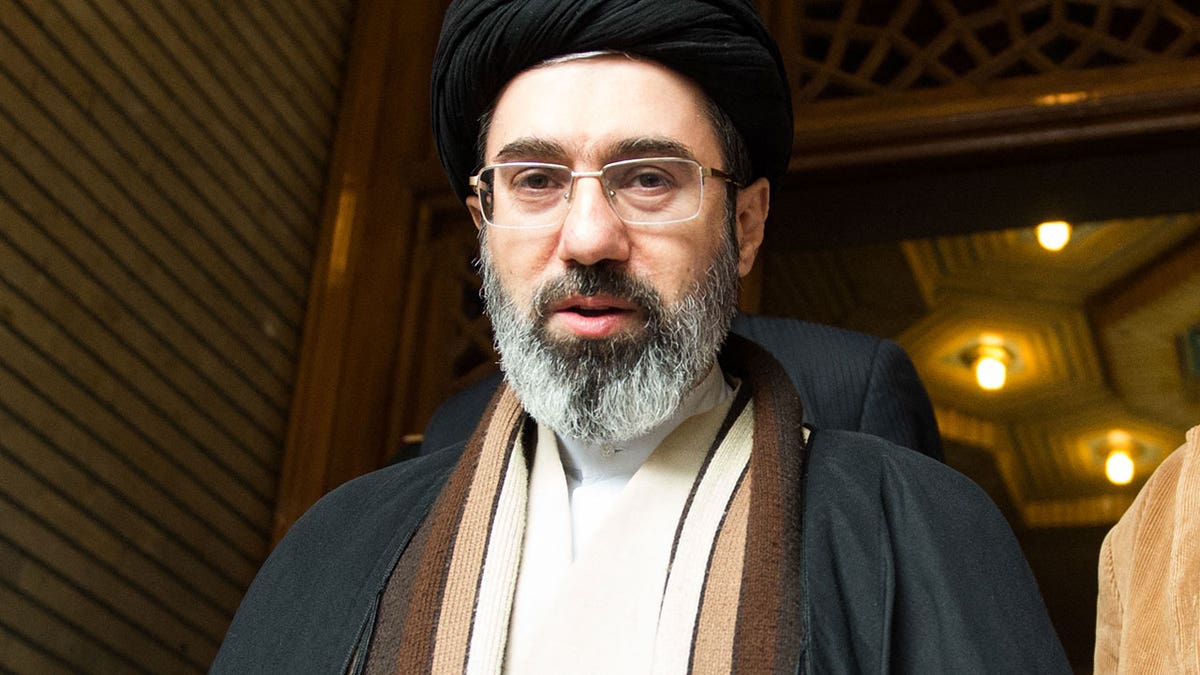
Iran’s Assembly of Experts has selected Mojtaba Khamenei — son of the late Ayatollah Ali Khamenei — as the country’s new supreme leader. (Photo by Reza B / Middle East Images / AFP via Getty Images)
If instability in Hormuz stretches for weeks, analysts warn, global energy markets could tighten quickly, translating into higher gasoline prices and renewed inflation pressure in the United States.
Trump warned Monday that Iran will be hit «20 times harder» than it already has if it threatens ships in the Strait.
NATO proximity and regional backlash
The war has edged closer to NATO territory. Two Iranian ballistic missiles were intercepted near Turkish airspace, raising the risk of broader alliance involvement.
Iran has also struck Azerbaijan, drawing sharp condemnation from Baku and angering Turkey, Azerbaijan’s closest ally. Notably, Iran has not seen a unified regional bloc mobilize in its defense, highlighting its relative diplomatic isolation even as it escalates militarily.
Industrial mobilization
Despite Hegseth’s assertion that certain offensive munitions are plentiful, sustaining air and missile defense operations is resource-intensive, and inventories of high-end interceptors were already under strain before the conflict began.
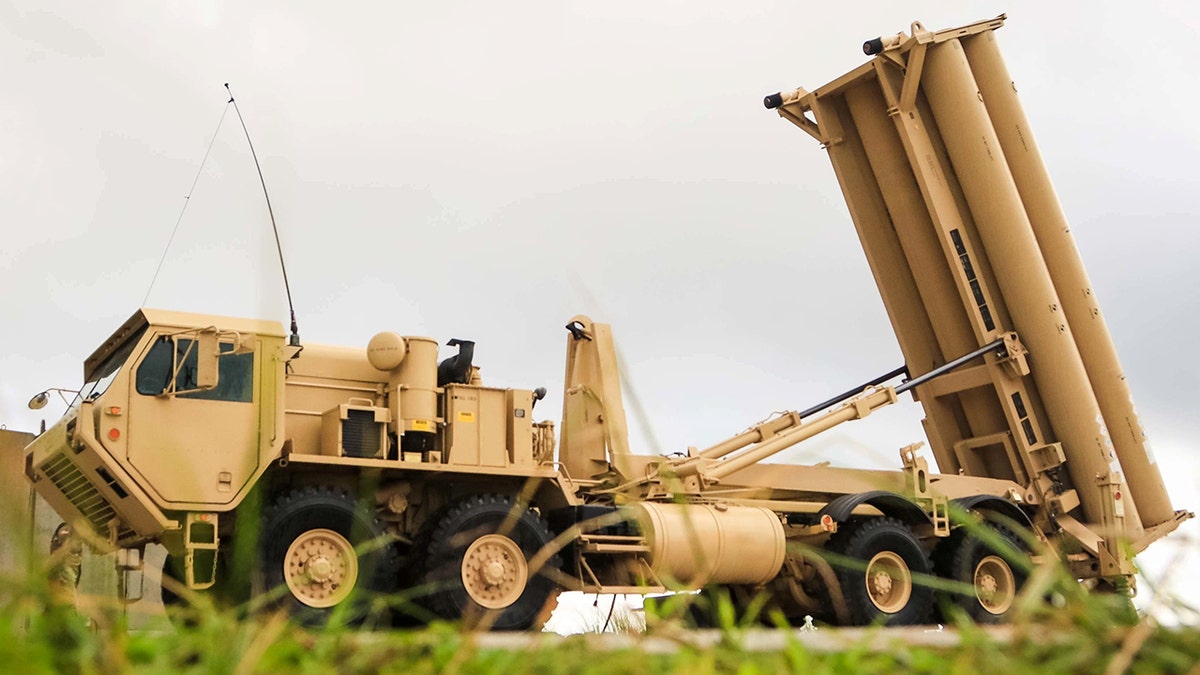
Iran has attempted to degrade radar systems tied to platforms such as THAAD and Patriot batteries. (Reuters/U.S. Army/Capt. Adan Cazarez)
Iran has attempted to degrade radar systems tied to platforms such as THAAD and Patriot batteries. While U.S. commanders say launch rates have declined sharply, interceptors are expensive and produced in limited quantities.
Trump convened major defense contractors last week to press for accelerated production of interceptors and related systems. Expanding output could require congressional funding if the campaign continues at its current pace.
The battlefield now extends beyond launch sites and into supply chains.
Rising casualties
The Pentagon has confirmed seven U.S. service members have been killed and eight seriously injured in Iranian strikes.
In Iran, the U.S. claims over 50 top Iranian leaders, including Supreme Leader Ali Khamenei, have been taken out. Iran claims more than 1,000 people have been killed in the strikes and approximately 175 people, including many schoolchildren, were killed in an attack on a girls’ elementary school in Minab.
No group has claimed responsibility, and investigations are ongoing.
The incident has intensified scrutiny over civilian protection as the conflict widens.
No quick off-ramp
A little more than one week in, the trajectory points toward expansion rather than containment.
CLICK HERE TO DOWNLOAD THE FOX NEWS APP
U.S. officials project confidence in air dominance and sustained strike capacity. Iranian leadership has consolidated under a hard-line successor. Energy markets are volatile. Drone warfare continues to test defenses. The conflict has brushed NATO territory and struck civilian infrastructure.
The central question is how far the conflict will spread, and whether military momentum can outpace the economic and geopolitical costs mounting across the region.
war with iran,iran,conflicts defense,middle east foreign policy,energy








INTERNACIONAL
Artemis II astronaut tells Trump what communication blackout was like: ‘I said a little prayer’
NEWYou can now listen to Fox News articles!
The Artemis II cew literally went where no man, or woman, had gone before on a historic trek around the dark side of the moon on Monday, and the crew did it with pilot Victor Glover making a quick request for divine assistance.
«I’d like to ask, what was your feeling when you had no communication?» President Donald Trump asked in a call arranged by NASA Administrator Jared Isaacman from Houston mission control to «Integrity,» the crew’s chosen name for the Orion capsule. «Zero communication all of a sudden: It was cut off by obviously your very special location; what was your feeling when you had no communication? A little bit different, perhaps.»
«Yes, Mr. President, it was,» Glover replied. «I said a little prayer, but then I had to keep rolling.»
The prayer was quick, because when things went dark, the crew had to get to work during the 45-minute communications outage.
NASA’S ARTEMIS II CREW COMMITS TO MOON TRAJECTORY AFTER CRITICAL BURN SENDS ORION INTO DEEP SPACE
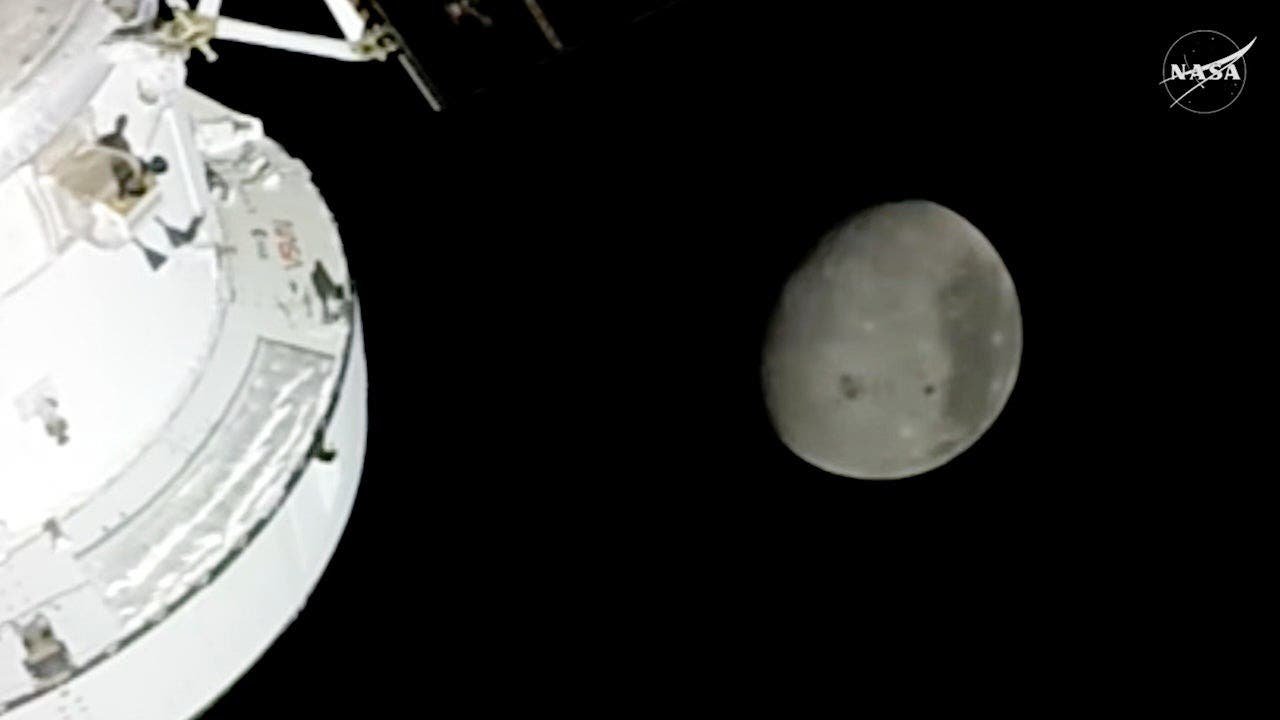
The moon is seen from a camera outside the Orion spacecraft after Artemis II astronauts surpassed the farthest distance ever traveled by humans from Earth on April 6, 2026. (NASA)
«I was actually recording scientific observations of the far side of the moon,» Glover continued. «You know, that is actually the time when we were the farthest and the closest to the moon.
«And so we were really able to make some of our most detailed observations of the far side of the moon up close. And so we were busy up here working really hard. And I must say it was actually quite nice.»
NASA CHIEF JARED ISAACMAN SAYS ARTEMIS II WOULD NOT BE POSSIBLE ‘IF IT WASN’T FOR PRESIDENT TRUMP’
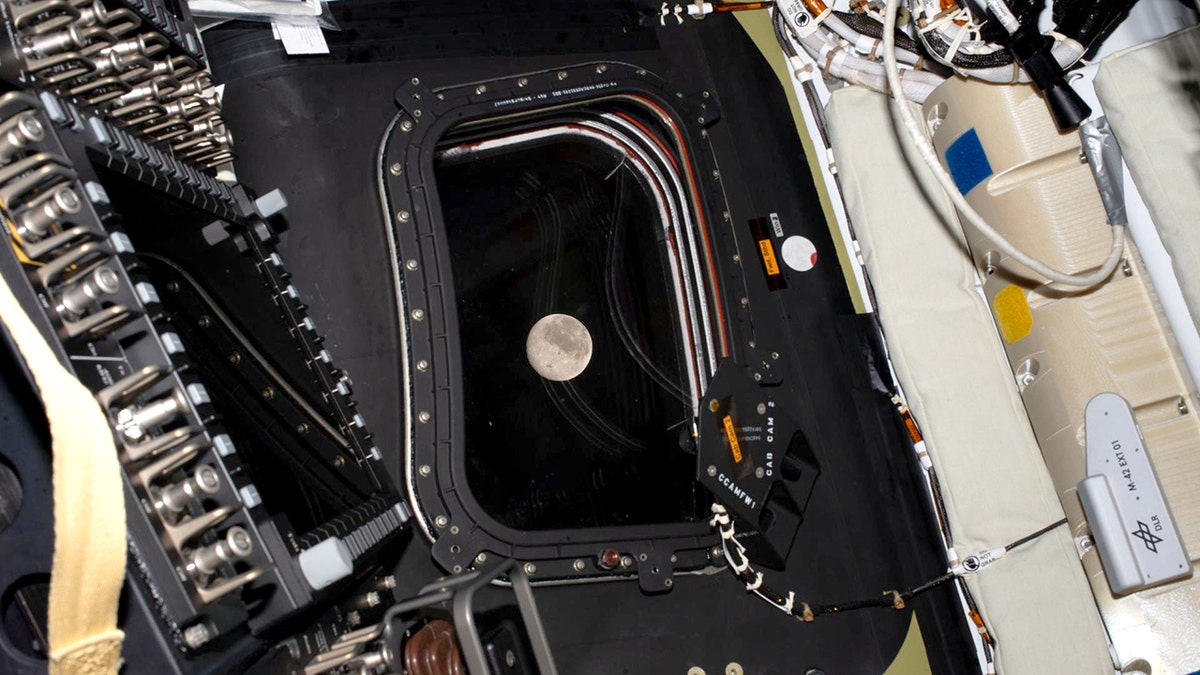
Before going to sleep on flight day 5, the Artemis II crew snapped one more photo of the Moon, as it drew closer through the window of the Orion spacecraft. (NASA)
Trump drilled down on the observations.
«Did you see a difference, a big difference between the far side of the moon and the near side of the moon?» Trump asked. «Was there a difference in feel or difference in look, what did you see?»
The lack of light «certainly did» change the perspective, Canadian astronaut Jeremy Hansen said, noting the far side looked strikingly different from the near side, with far fewer of the dark plains visible from Earth.
GIANT LEAP FOR MANKIND: AMERICA’S SPACE EDGE IS AT STAKE AS ARTEMIS II HEADS TO THE MOON
«The gravitational pull of the Earth has had a profound effect on the near side of the moon, changing all those dark mares, those dark patches of the moon you see from Earth. It’s very different on the far side.
«While you see some small patches of those mare and deep craters, it’s very much absent on that side. So that’s really neat.»
Hansen also took a moment to thank Trump on behalf of Canada, a country that has had at-times testy dealings with Trump.

This image from video provided by NASA shows the Artemis II crew, from left, Canadian astronaut and mission specialist Jeremy Hansen, Commander Reid Wiseman, mission specialist Christina Koch and pilot Victor Glover as they speak with NASA Mission Control in a video conference while en route to the moon, Thursday, April 2, 2026. (NASA)
NUTELLA CAPITALIZES ON GREATEST FREE ADVERTISING MOMENT IN HISTORY ON NASA MOON MISSION
«And while I have the microphone, sir, I just want to thank you on behalf of Canada: The space leadership you spoke of from America truly is extraordinary,» Hansen said. «I’ve said this many times before, a nation that leads like that and creates and sets big goals for humanity, that brings other countries along with it, is truly incredible.
«And I know that’s a very intentional, not a necessary decision, intentional decision to lead by example and to allow other countries like Canada to share our gifts and help you achieve these mutually beneficial goals, like establishing a presence on the moon and eventually going to Mars.
«And Canadians are so proud to be a part of this program.»
TRUMP HYPES MOON MISSION AS ARTEMIS II PREPARES TO LIFT OFF UNDER PRESSURE FROM PAST FAILURES
Trump referenced Canadian hockey great Wayne Gretzky and said the country is proud of Hansen’s bravery.
«They are so proud of you, and you have a lot of courage,» Trump said. «I’m not sure if they’d want to do that. I’m not even sure if The Great One would want to do that, to be honest with you. But you have a lot of courage doing what you’re doing, a lot of bravery and a lot of of genius. But they’re very, very proud of you.»
ASTRONAUT VICTOR GLOVER PRAISED FOR SAYING MOON MISSION IS ‘HUMAN HISTORY,’ NOT ‘BLACK HISTORY’
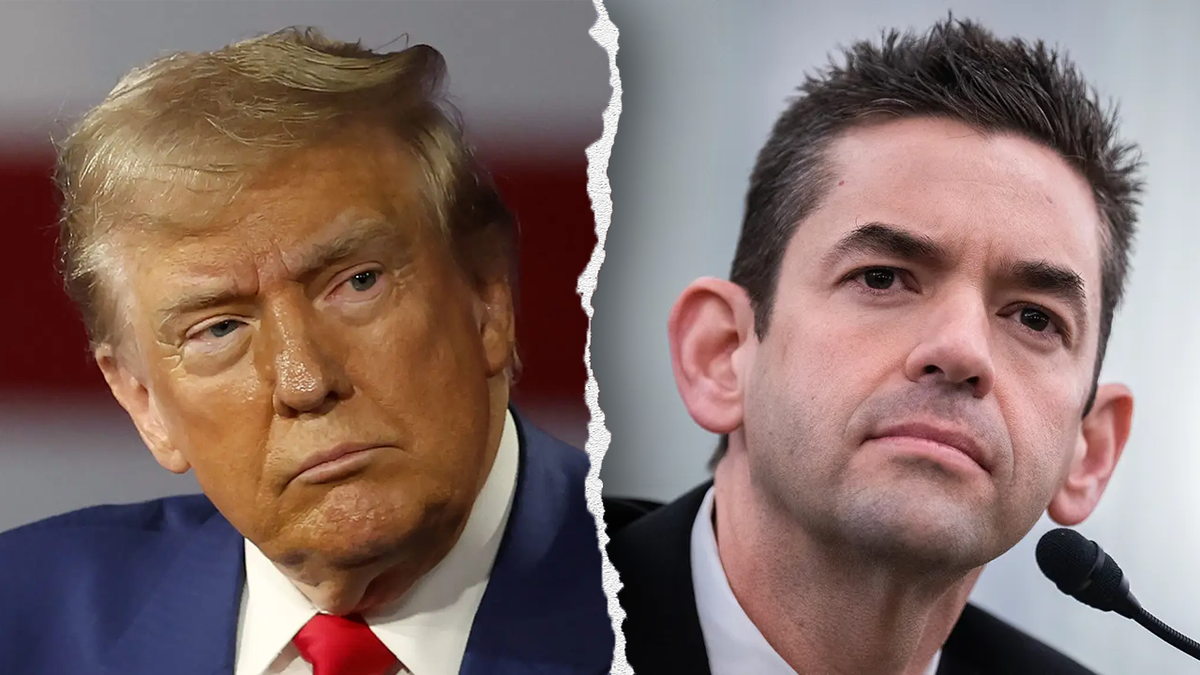
Split of President Donald Trump and Jared Isaacman. (Kevin Dietsch/Getty Images, Tom Williams/CQ-Roll Call, Inc via Getty Images)
Mission specialist Christina Koch spoke about regaining sight of Earth after the blackout and the importance of U.S. leadership in deep-space exploration.
«One of the biggest highlights was coming back from the far side of the moon and having the first glimpses of planet Earth again, after being out of communication for about 45 minutes,» said Koch, the first woman to the moon, who already holds the record for the longest single spaceflight by a woman (328 days) and was part of the first all-female spacewalk.
«It really just reminds you what a special place we have and how important it is for our nation to work, to lead and not follow in exploring deep space.»
Commander Reid Wiseman told Trump the crew had witnessed views that were first sights for humanity, including a solar corona during an eclipse and planets lining up beyond the moon.
CLICK HERE TO DOWNLOAD THE FOX NEWS APP
«We saw sights hat no human has ever seen before, not even in Apollo, and that was amazing for us,» Wiseman said. «And then the surprise of the day, we just came out of an eclipse where the sun, moon — the entire dark moon about that big right out the window that we were watching — we could see the corona of the sun, and then we could see the planet train line up, and Mars.
«And all of us commented how excited we are to watch this nation, and this planet become a two-planet species.»
spaceflight, mars, solar eclipse, moon, nasa
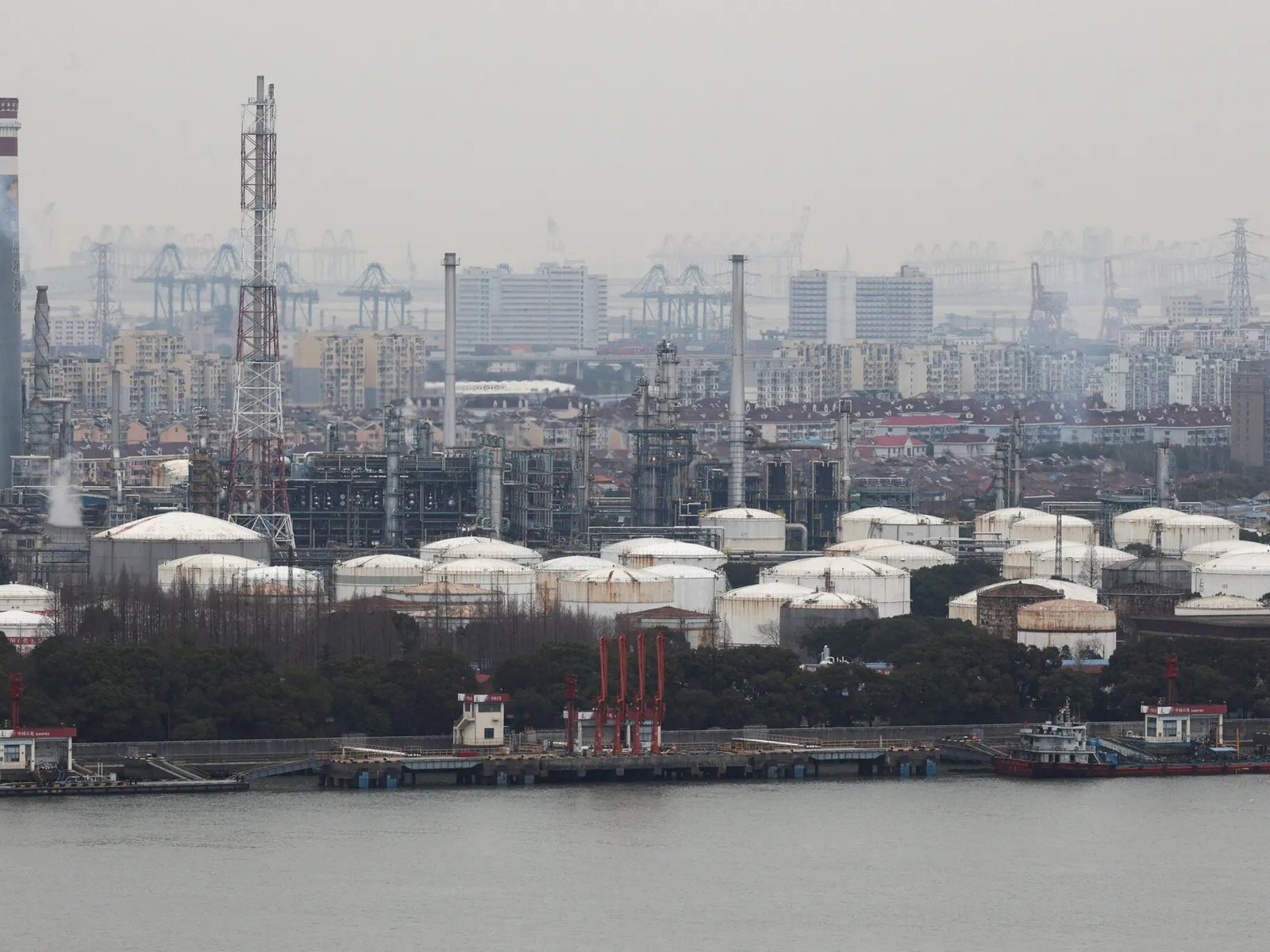
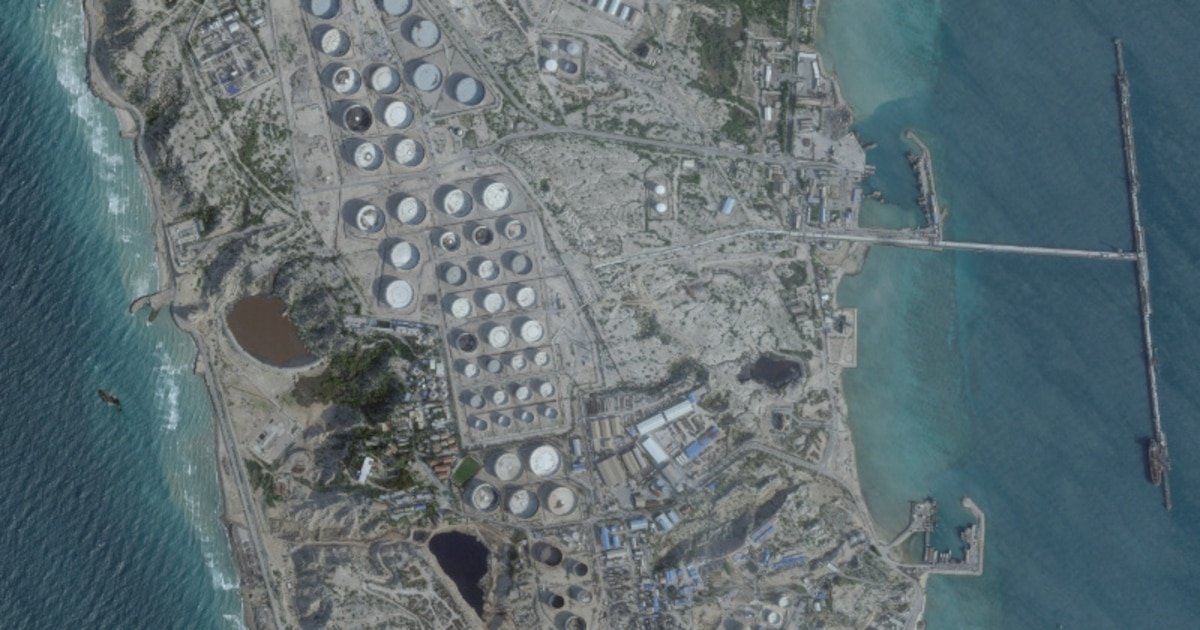
Una serie de fuertes explosiones sacudieron este martes la isla de Kharg, el principal centro de exportación de crudo de Irán, tras un ataque de Estados Unidos, según informaron medios de ese país.
La agencia de noticias estatal Mehr y el canal qatarí Al Araby confirmaron las detonaciones en la isla, que gestiona aproximadamente el 90% de las exportaciones de petróleo de la República Islámica.
El medio Axios, citando a un alto funcionario estadounidense no identificado, confirmó que los ataques fueron llevados a cabo por Estados Unidos. Según el reporte fue golpeada únicamente la infraestructura militar de la isla, dejando intacta la infraestructura de procesamiento o a las terminales de carga.
El incidente ocurre en un momento de máxima tensión, apenas días después de que el presidente de Estados Unidos, Donald Trump, sugiriera la posibilidad de tomar el control de la isla para asegurar los recursos petroleros de la región, y a horas de que venciera el ultimatum del mandatario para reabrir el Estrecho de Ormuz.
Kharg es considerada una pieza irremplazable para la economía de Teherán; su ubicación en aguas profundas permite el atraque de los superpetroleros más grandes del mundo, una capacidad de la que carecen los puertos menos profundos de la costa continental iraní.
La situación en el Golfo se ha deteriorado rápidamente tras el vencimiento de un plazo impuesto por la administración Trump para la reapertura total del Estrecho de Ormuz. En una entrevista concedida al Financial Times el pasado domingo 29 de marzo, el mandatario estadounidense endureció su retórica al afirmar que deseaba “apropiarse del petróleo de Irán” y que el control de la isla de Kharg es una opción real sobre la mesa.
“Queremos ese petróleo y podríamos tomar la isla”, declaró Trump en la entrevista, vinculando la seguridad de la infraestructura energética con las negociaciones para poner fin a la guerra actual.
Por su parte, el liderazgo iraní ha intentado proyectar una imagen de normalidad operativa. Moussa Ahmadi, jefe de la comisión de energía del parlamento iraní, declaró recientemente a la agencia ISNA que las exportaciones no solo se han mantenido estables, sino que han aumentado en los últimos días, a pesar de la constante amenaza de hostilidades.
El ataque del martes no es el primer contacto bélico en la zona este año. El pasado 13 de marzo, fuerzas estadounidenses llevaron a cabo ataques contra objetivos militares en Kharg, aunque evitaron deliberadamente golpear las instalaciones petroleras para prevenir un desastre ambiental y económico de escala global. Trump afirmó entonces que los objetivos militares habían sido “totalmente obliterados”.
Sin embargo, los movimientos recientes sugieren la preparación para una operación de mayor envergadura. La llegada al Oriente Medio del USS Tripoli, un buque de asalto anfibio que transporta a unos 3.500 marines y marineros, ha alimentado las advertencias de Teherán sobre una posible invasión terrestre.
Más ataques contra la infraestructura iraní
El ataque a la terminal petrolera fue acompañado este martes por una serie de impactos contra nodos logísticos y de transporte en el interior de Irán. En la provincia de Qom, al sur de la capital, el vicegobernador Morteza Heydari informó a la televisión estatal que proyectiles enemigos atacaron uno de los puentes de las líneas de comunicación en el oeste de la provincia. Simultáneamente, en la ciudad central de Kashan, un funcionario de seguridad regional confirmó a la agencia IRNA que un ataque contra el puente ferroviario de Yahya Abad dejó un saldo de dos personas muertas y tres heridas, calificando la acción como una agresión “estadounidense-sionista”.
Paralelamente, el servicio ferroviario hacia y desde Mashhad, la segunda ciudad más grande de Irán, fue cancelado por completo. El gobernador local, Hassan Hosseini, atribuyó la medida a una advertencia previa emitida por el ejército israelí, en la que se instaba a los ciudadanos iraníes a no utilizar las vías férreas. Poco después, las fuerzas de defensa de Israel emitieron un comunicado informando que habían completado una amplia ola de ataques contra decenas de sitios de infraestructura en diversas áreas del país, dirigidos contra lo que denominaron las capacidades operativas del régimen iraní.
Corporate Events,Military Conflicts

Artemis II astronaut tells Trump what communication blackout was like: ‘I said a little prayer’

Tensión en Avellaneda por una protesta de piqueteros

Esta no es la guerra de China, pero Beijing comenzó a prepararse para ella hace años

Sueldo empleado de Seguridad Privada 2026: cuánto ganarán en abril 2026 con el aumento

El dolor de Nico Vázquez por la muerte de su ex representante, Alejandro Farrell: “Luchaste como un león”

Falleció una adolescente por hantavirus en Chubut

La nueva advertencia de Donald Trump a Irán: «El tiempo se acaba, quedan 48 horas antes del infierno»

Círculo rojo: intrigas en el gabinete, desgaste por el caso Adorni y movimientos inquietantes en el Poder Judicial

Caputo habló sobre los créditos del Banco Nación que tomaron sus funcionarios: “No hay nada ilegal ni inmoral”

Créditos del Banco Nación: el Gobierno reveló que Pettovello echó a Massaccesi porque “mintió”

 INTERNACIONAL3 días ago
La nueva advertencia de Donald Trump a Irán: «El tiempo se acaba, quedan 48 horas antes del infierno»
- POLITICA2 días ago
Círculo rojo: intrigas en el gabinete, desgaste por el caso Adorni y movimientos inquietantes en el Poder Judicial
- ECONOMIA1 día ago
Caputo habló sobre los créditos del Banco Nación que tomaron sus funcionarios: “No hay nada ilegal ni inmoral”