INTERNACIONAL
Iran will retaliate ‘with everything we have’ if US attacks, senior diplomat warns

NEWYou can now listen to Fox News articles!
Iran warned it would respond «with everything we have» to any new U.S. military attack, accusing Washington and its allies of exploiting recent unrest to push the region toward a wider war.
In a Wall Street Journal op-ed, Foreign Minister Abbas Araghchi said protests in Iran began peacefully before being hijacked by «foreign and domestic terrorist actors,» prompting a violent crackdown and near-total internet and communications shutdown.
He blamed U.S. rhetoric for escalating the bloodshed, arguing that warnings from President Donald Trump created incentives for mass violence.
While insisting Iran prefers diplomacy, Araghchi cautioned that future attacks would trigger a far more forceful response and risk igniting a prolonged regional conflict.
KHAMENEI CALLS TRUMP A ‘CRIMINAL,’ BLAMES HIM FOR DEADLY PROTESTS SWEEPING IRAN
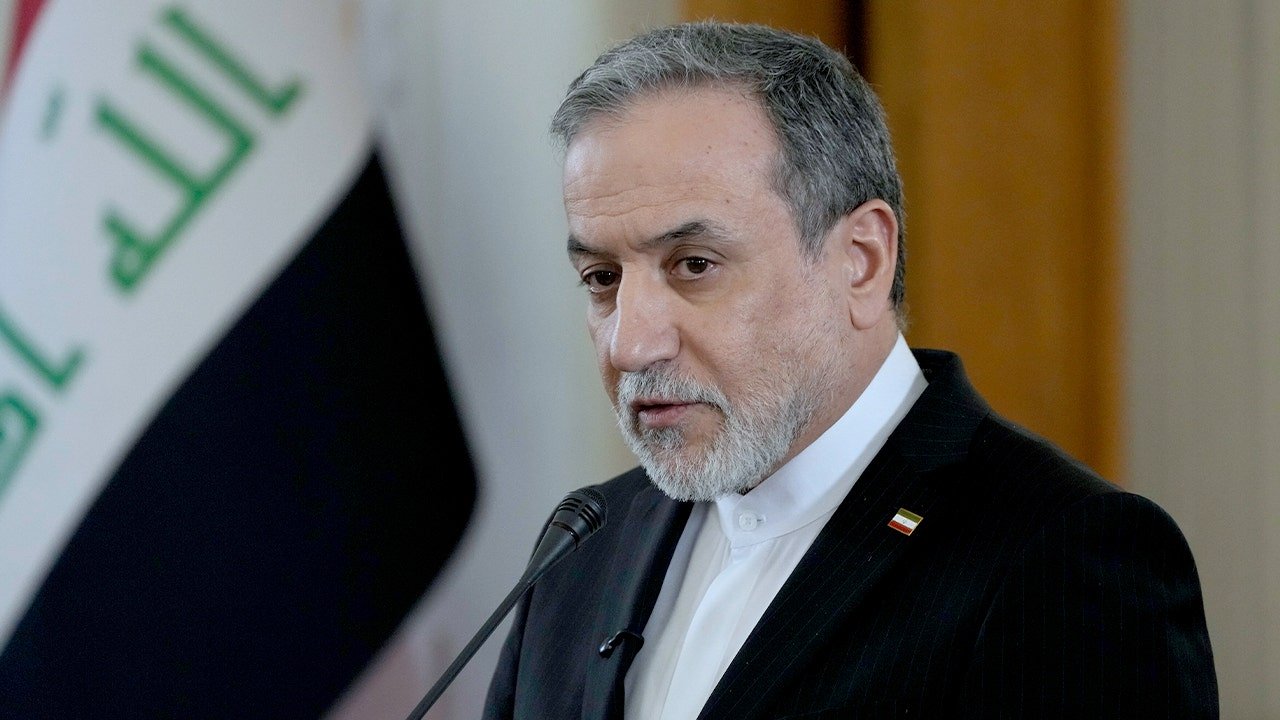
Iran’s Foreign Minister Abbas Araghchi waits for the arrival of his Qatari counterpart before their meeting in Tehran on Aug. 26, 2024. (Atta Kenare/AFP via Getty Images)
«As Iranians grieve their loved ones and rebuild what has been destroyed, another threat looms: the final failure of diplomacy. Unlike the restraint Iran showed in June 2025, our powerful armed forces have no qualms about firing back with everything we have if we come under renewed attack,» he said.
«Iran’s message to President Trump is clear: The U.S. has tried every conceivable hostile act against Iran, from sanctions and cyber assaults to outright military attack—and, most recently, it clearly fanned a major terrorist operation—all of which failed. It is time to think differently. Try respect, which will allow us to advance farther than one may believe.»
Trump is weighing military action against Tehran, with U.S. assets moving into the region amid international scrutiny over a crackdown that has killed thousands of anti-government protesters.
KEANE WARNS IRAN’S LEADERSHIP TO TAKE TRUMP ‘AT HIS WORD’ AS MILITARY ASSETS MOVE INTO REGION
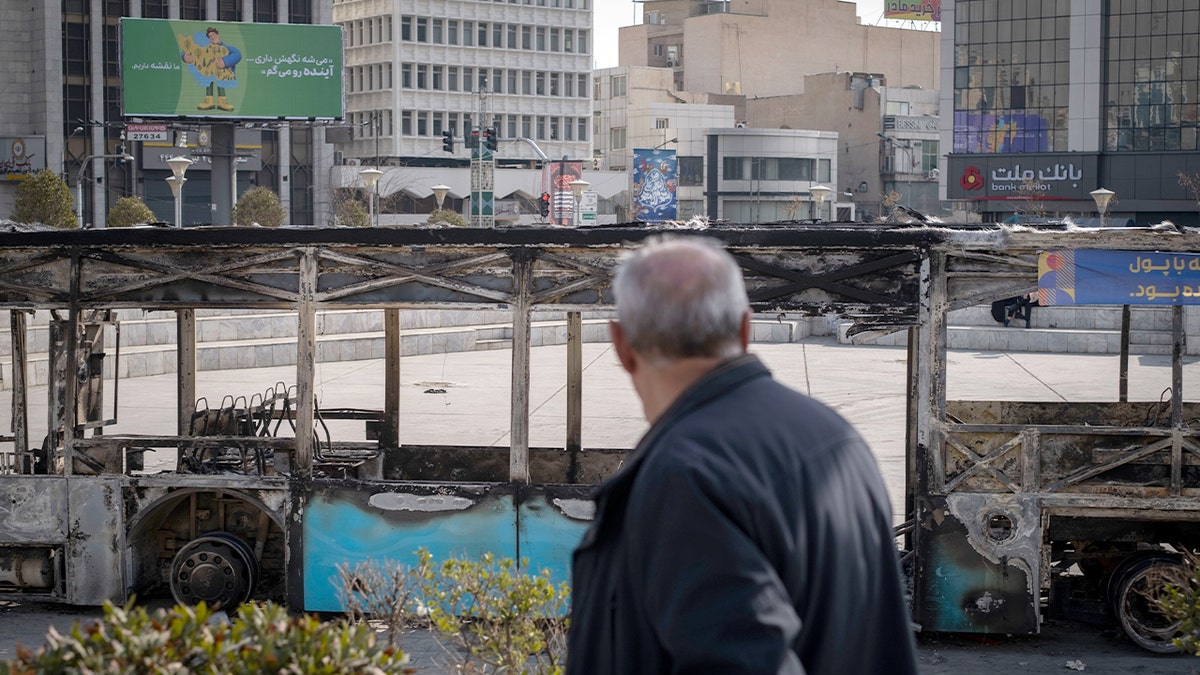
An Iranian man looks at a bus burned during recent anti-government unrest, displayed in a square in downtown Tehran, Iran, Sunday, Jan. 18, 2026. (Morteza Nikoubazl/NurPhoto via Getty Images)
The U.S.-based Human Rights Activists News Agency (HRANA), which tracks human rights violations in Iran, said on Tuesday that nationwide protests continued into the 24th day.
The group’s aggregated figures showed 629 recorded protests, the arrest of at least 26,314 people and the confirmed deaths of 4,519 individuals.
HRANA said 4,251 of those killed were protesters, including 33 children under the age of 18.
The United Nations Human Rights Council announced it will hold a special session to address the deteriorating human rights situation in Iran on Friday.
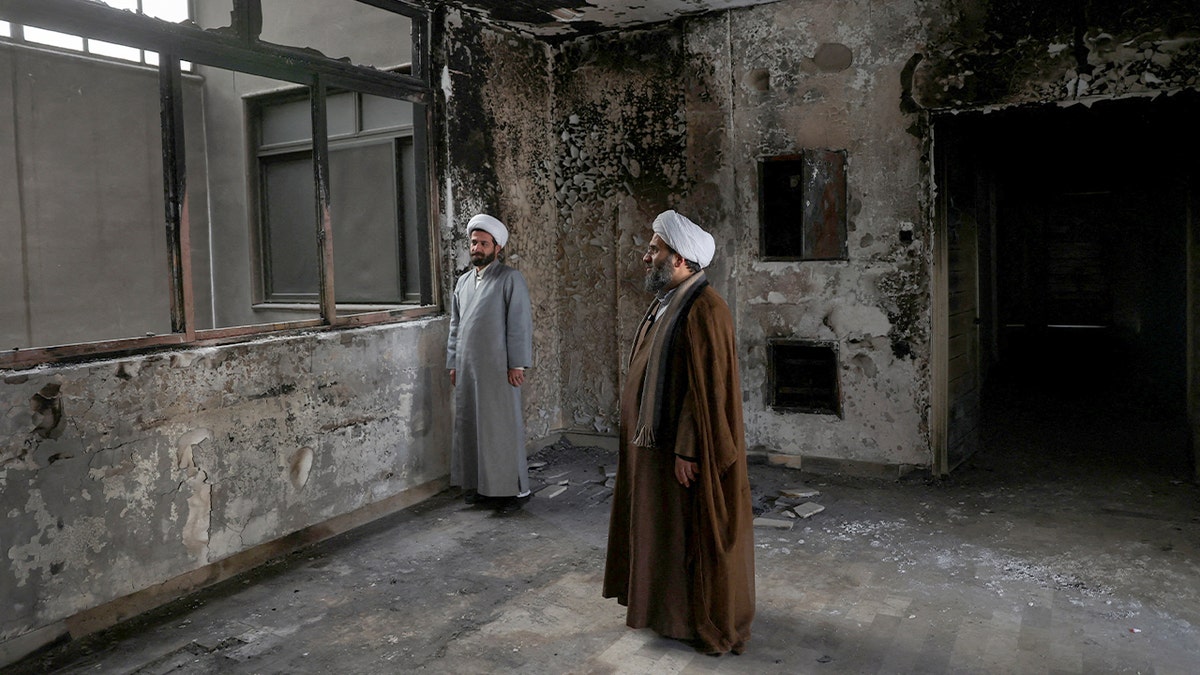
Iranian clerics stand inside an Islamic seminary that was burned during protests in Tehran, Iran, Wednesday, Jan. 21, 2026. (Majid Asgaripour/West Asia News Agency via REUTERS)
CLICK HERE TO DOWNLOAD THE FOX NEWS APP
Iranian journalist Elaheh Mohammadi said on X that for the past day or two, VPN access has worked only sporadically for 30 minutes to an hour at a time, allowing brief internet connections to let people know they are still alive.
«The city smells of death. In all my life, I had never seen snow fall in Tehran and not a single person even smile,» she wrote. «Hard days have passed and everyone is stunned; a whole country is in mourning, a whole country is holding back tears, a whole country has a lump in its throat.»
iran,world protests,middle east,donald trump







INTERNACIONAL
Donald Trump y Keir Starmer dialogaron sobre la importancia de “reabrir” el estrecho de Ormuz

El presidente estadounidense Donald Trump y el primer ministro británico Keir Starmer conversaron este domingo sobre la crítica situación en el estrecho de Ormuz, actualmente cerrado por Irán en respuesta a los ataques de Estados Unidos e Israel.
Según un comunicado de Downing Street, ambos líderes destacaron la importancia de reabrir el paso marítimo para frenar el aumento de los precios globales y normalizar el comercio internacional.
“Los líderes discutieron la situación en desarrollo en Oriente Medio y la importancia de reabrir el estrecho de Ormuz para acabar con las perturbaciones en el transporte marítimo mundial, que están provocando un incremento de los costos en todo el mundo”, indicó un portavoz británico.
Starmer aprovechó la llamada para expresar sus condolencias por los militares estadounidenses fallecidos durante el conflicto, que comenzó el 28 de febrero. El Reino Unido, aunque no participa de manera activa en la ofensiva militar, ha permitido el uso de bases británicas por parte de las fuerzas estadounidenses y ha reforzado su presencia en la región con operaciones defensivas, incluyendo el derribo de drones iraníes.

Tras un ataque con dron a la base británica de Akrotiri en Chipre, Starmer ordenó el despliegue del destructor HMS Dragon, helicópteros y aviones antidrones al área.
La conversación entre Trump y Starmer se produce en un contexto de presión internacional para resolver el bloqueo del estrecho de Ormuz, por donde transita aproximadamente el 20% del petróleo mundial.
El sábado, Trump instó públicamente a países como China, Francia, Japón, Corea del Sur y el propio Reino Unido a enviar buques de guerra para garantizar la seguridad de la vía y contrarrestar la amenaza iraní. El régimen de Teherán, según fuentes citadas por Downing Street, mantiene el cierre de Ormuz como medida de presión y en represalia por los ataques occidentales.
En paralelo, Trump ha reiterado en sus declaraciones que las fuerzas estadounidenses han causado importantes daños en las infraestructuras petroleras iraníes, en particular en la isla de Kharg.
“Podemos golpearla unas cuantas veces más solo por diversión”, dijo Trump a NBC News, advirtiendo que no está dispuesto a negociar mientras continúe el bloqueo.
Por su parte, el canciller iraní Abbas Araqchi rechazó cualquier posibilidad de diálogo con Washington, afirmando en CBS que “no hemos pedido negociaciones ni alto el fuego” y que Teherán está preparado para resistir mientras sea necesario.

“No es una guerra de supervivencia. Somos lo suficientemente estables y fuertes”, aseguró Araqchi.
La Casa Blanca, según reportó The Wall Street Journal, está cerca de anunciar un acuerdo con varios países para formar una coalición internacional destinada a escoltar barcos comerciales a través del estrecho. Las discusiones continúan sobre el calendario de inicio de estas operaciones, si se implementarán durante el conflicto o solo una vez que concluyan las hostilidades.
El secretario de Energía de Estados Unidos, Chris Wright, declaró que el gobierno espera que el conflicto termine en cuestión de semanas y que, con ello, se estabilicen los precios del petróleo.
El Reino Unido, tras la llamada de Starmer con Trump, también coordinó su posición con Canadá para analizar el impacto del cierre de Ormuz en el comercio internacional y acordó mantener consultas bilaterales sobre la crisis.

Mientras tanto, el bloqueo de Ormuz sigue alterando el mercado energético mundial y prolonga la incertidumbre respecto al suministro y los costos del petróleo, en un contexto en el que ningún actor internacional concreta aún una solución inmediata para la reapertura del paso estratégico.
(Con información de AFP, EFE y Europa Press)
arts culture and entertainment,british royalty,color image,diplomacy,horizontal,human interest,politics,royalty
INTERNACIONAL
EEUU y China reanudaron en París las negociaciones comerciales para preparar la cumbre entre Trump y Xi Jinping

Las delegaciones de Estados Unidos y China completaron este domingo la primera jornada de una nueva ronda de consultas económicas y comerciales en la sede de la Organización para la Cooperación y el Desarrollo Económico (OCDE) en París, en un encuentro que continuará el lunes y que busca allanar el terreno para la visita del presidente Donald Trump a Beijing a finales de mes. Las conversaciones arrancaron a las 10:05 hora local y se prolongaron hasta las 18:00.
La cita, que es la sexta del mecanismo bilateral inaugurado en Ginebra en mayo de 2025, reúne al secretario del Tesoro estadounidense, Scott Bessent, y al representante comercial Jamieson Greer, por el lado americano, frente al vicepresidente chino He Lifeng y el principal negociador comercial de Beijing, Li Chenggang. Sobre la mesa figuran los aranceles vigentes, los controles de exportación de tecnología avanzada, el comercio de minerales estratégicos —en particular las tierras raras— y las compras chinas de productos agrícolas estadounidenses.
El contexto en el que se celebra esta ronda es radicalmente distinto al de las cinco anteriores. El 20 de febrero, la Corte Suprema de Estados Unidos anuló, por seis votos contra tres, los aranceles que Trump había impuesto mediante la Ley de Poderes Económicos de Emergencia Internacional (IEEPA, por sus siglas en inglés), el instrumento jurídico en el que Washington había basado su principal palanca de presión comercial. Trump respondió de inmediato aplicando un arancel global del 15% bajo la Sección 122 de la Ley Arancelaria de 1974, pero ese mecanismo tiene una caducidad legal de 150 días, hasta mediados de julio, lo que limita su alcance y añade incertidumbre al calendario negociador.

REUTERS/Abdul Saboor
El fallo fortaleció la posición china. Analistas del Consejo de Relaciones Exteriores y del Centro de Estudios Estratégicos e Internacionales señalaron que Beijing llega a París con mayor margen de maniobra, dado que Washington ha perdido su principal herramienta arancelaria de respuesta rápida. China, por su parte, conserva intacto uno de sus instrumentos de presión más eficaces: las restricciones a la exportación de tierras raras, materiales esenciales para la industria aeroespacial y de semiconductores. Empresas del sector en Estados Unidos enfrentan escasez creciente de itrio, un elemento usado en recubrimientos resistentes al calor para motores de reactores.

A esa presión estructural se suma el impacto de la guerra en Medio Oriente. El cierre del estrecho de Ormuz, tras las operaciones militares estadounidenses e israelíes contra Irán, ha interrumpido el paso de aproximadamente el 20% del suministro mundial de petróleo, según Reuters. Para China, la dependencia es aún más pronunciada: cerca del 45% de sus importaciones de crudo transitan por esa vía. La disrupción energética añade urgencia a ambas partes. Para Washington, la guerra también ha intensificado las necesidades de abastecimiento de minerales críticos para uso militar, lo que refuerza el interés en alcanzar acuerdos con Beijing sobre tierras raras.
Bessent dijo el jueves pasado que el diálogo económico entre los dos países “avanza”, en una declaración que el Departamento del Tesoro distribuyó antes del viaje a París. China, por su parte, envió el viernes un comunicado de su ministerio de Comercio en el que indicó que ambas partes abordarán “cuestiones comerciales y económicas de interés mutuo”, fórmula habitual de Beijing para estas citas. La agencia oficial Xinhua publicó un comentario el domingo en el que sostuvo que un progreso “significativo” en la cooperación bilateral podría devolver confianza a una economía global “cada vez más frágil”.

REUTERS/Benoit Tessier
Las cinco rondas anteriores del mecanismo —celebradas en Ginebra, Londres, Estocolmo, Madrid y Kuala Lumpur entre mayo y octubre de 2025— desembocaron en la tregua comercial de Busan, acordada por Trump y el presidente chino Xi Jinping al margen de la cumbre del Foro de Cooperación Económica Asia-Pacífico (APEC) en Corea del Sur. En virtud de ese pacto, en vigor por un año, China se comprometió a comprar 12 millones de toneladas métricas de soja estadounidense en la campaña 2025 y 25 millones en la de 2026. Funcionarios del Tesoro han indicado que Beijing ha cumplido hasta ahora con esos compromisos.
Sin embargo, no todo el escenario es de distensión. Esta semana, la administración Trump lanzó una nueva investigación bajo la Sección 301 de la Ley de Comercio contra China por presuntas prácticas comerciales desleales, lo que introduce un factor de tensión adicional en la mesa de París. Las exportaciones chinas a Estados Unidos cayeron un 11% en los dos primeros meses del año frente al mismo período de 2025, aunque las exportaciones totales de China al resto del mundo crecieron cerca de un 22% en ese lapso.
Los analistas son escépticos ante la posibilidad de un avance comercial de calado en esta ronda. Scott Kennedy, experto en economía china del Centro de Estudios Estratégicos e Internacionales, señaló a Reuters que el objetivo mínimo de ambas partes es “mantener las cosas unidas y evitar una ruptura y una reescalada de tensiones”. Trump tiene previsto visitar China entre el 31 de marzo y el 2 de abril, en lo que sería el primer viaje de un presidente estadounidense a ese país desde su primera visita en 2017. Beijing no ha confirmado oficialmente las fechas, práctica habitual en la diplomacia china. Durante aquella visita de Estado, Washington anunció compromisos de inversión por valor de unos 250.000 millones de dólares.
Europe
NEWYou can now listen to Fox News articles!
The United States is left vulnerable even by its own naturalized U.S. citizens from hostile foreign lands, proving a free country can be exposed to security risks by the very freedoms the Constitution endows, an expert warned on Fox News.
«That’s partially because of legal reasons: They can’t just monitor constitutionally protected free speech and opinions after they become a naturalized citizen, indefinitely, just to keep tabs on them,» Mauro Institute president Ryan Mauro told Fox News on Saturday.
«They legally can’t do it, and they also don’t have the resources to do it.»
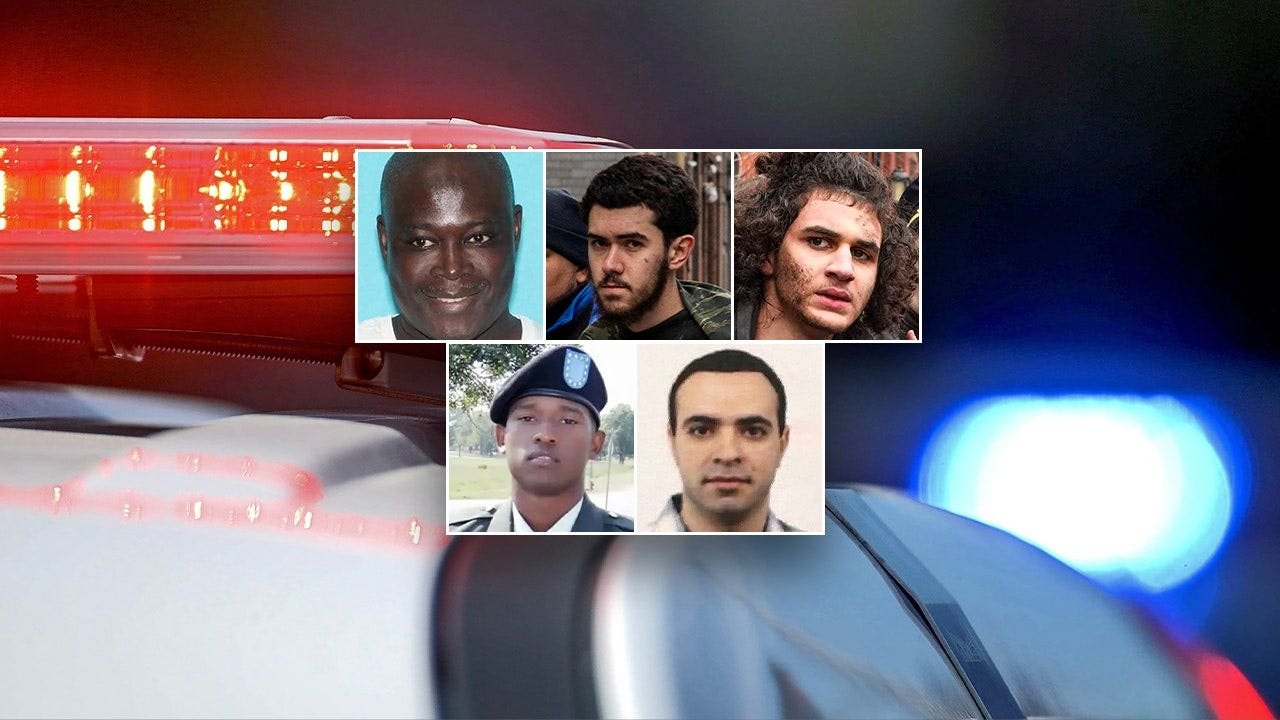
Just this month alone, the U.S. has experienced four attacks with ties to naturalized citizenship.
TULSI GABBARD WARNS OF ‘DIRECT THREAT’ FROM SUSPECTED TERRORISTS NOW LIVING IN UNITED STATES
The U.S. has seen four attacks in recent weeks in connection to naturalized citizens. (Fox News)
- March 1 – Austin, Texas, bar shooting
- March 7 – New York City attempted bombing (parents of suspects were naturalized citizens)
- March 12 – Old Dominion University shooting
- March 12 – West Bloomfield, Michigan, synagogue attack
«There’s a bit of a jihad olympics going on, which is where you have the Sunni radicals like ISIS competing with the Shiite radicals of the Iranian regime because they need attention in order to survive and in order settle the argument of who has Allah’s blessing so that they can trigger the apocalypse,» Mauro said.

Surveillance footage shows Ayman Mohamad Ghazali inside a Phantom Fireworks store in Livonia, Michigan, where he purchased more than $2,000 worth of fireworks days before the synagogue attack on March 12. (Obtained by NYPost)
«That’s what they both want to do,» Mauro said.
NATIONAL SECURITY EXPERT URGES DHS TO RAISE TERROR THREAT LEVEL, WARNS OF SLEEPER CELL RISKS IN US

Mohamed Bailor Jalloh was identified as the shooter at Old Dominion University on Thursday, March 12. (AP Photo)
The process of citizenship revocation has been a hotly debated topic during the second Trump administration, and the spate of four terror attacks amid the latest Israel-U.S. war on Iran may increase scrutiny on the vetting process.
«A person is subject to revocation of naturalization if the person becomes a member of, or affiliated with, the Communist party, other totalitarian party, or terrorist organization within five years of his or her naturalization,» the U.S. Grounds for Revocation of Naturalization reads.
ODU GUNMAN WHO KILLED ROTC INSTRUCTOR HAD PRIOR ISIS CONVICTION, WAS RELEASED EARLY
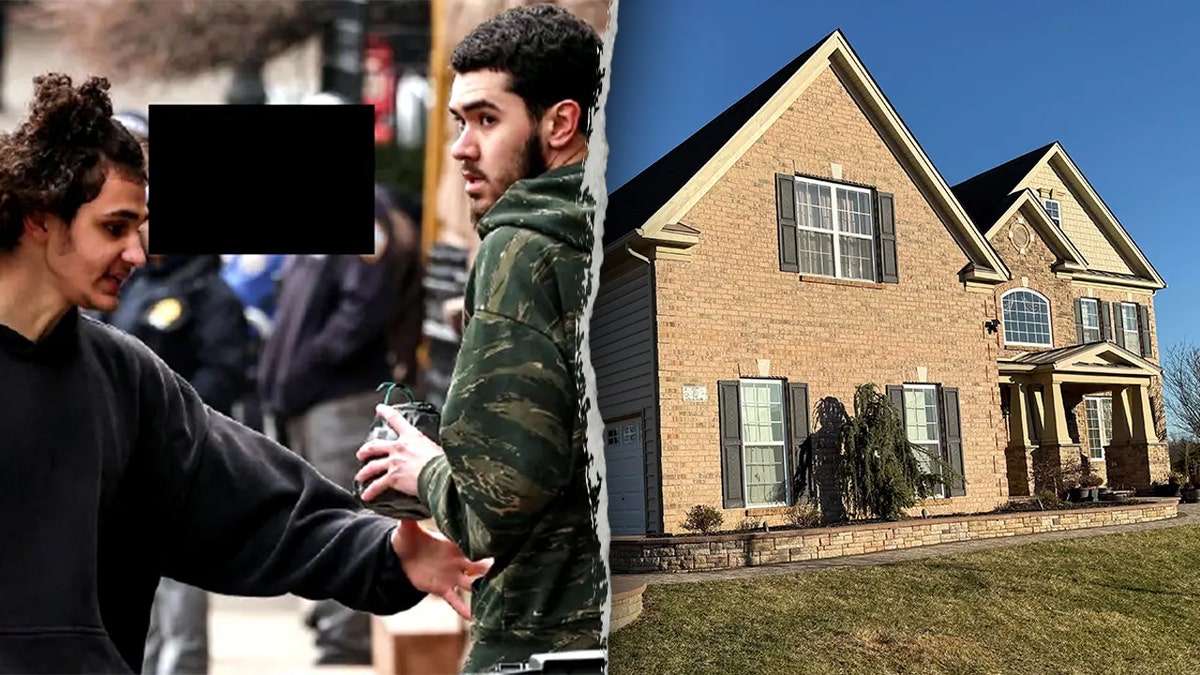
Emir Balat and Ibrahim Kayumi lived in Bucks County, Pennsylvania. Pictured is Ibrahim Kayumi family’s home. (U.S. Attorney’s Office, Southern District of New York and Greg Wehner for Fox News Digital)
Mauro’s institute is not constrained by federal law in vetting potential terrorist ideology of naturalized citizens like the Justice Department is, he noted.
«That’s why I personally have set up a civilian intelligence team that does do that type of thing,» Mauro said. «And why we’ve been so successful is because whereas the government has to be very careful not to launch investigations based off of just a mere suspicion or an unpopular opinion, civilians are free to comb through social media and just find people and report them.»
U.S. freedoms even protect suspected terrorists, he added.
«If they do come across someone who is expressing support for a terrorist organization, it still gets tricky,» he lamented. «You would think, oh, at that point you can revoke it and just get rid of the people because that would make sense, but the question is membership and affiliation.

The Austin, Texas, bar shooter was an Iran sympathizer and believed to have conducted a terrorist attack in the U.S. to retaliate after Israel killed the Iranian supreme leader. (KTBC)
CLICK HERE TO DOWNLOAD THE FOX NEWS APP
«I mean, there’ll be a lot of headaches just over those words. At what point does it go from, oh, I agree with them, versus actually being affiliated with them as like a unit?»
Fox News Digital reached out to the State Department, the FBI and multiple agencies within the Department of Homeland Security for comment on this story. The State Department redirected us to the latter two federal departments.
terror,terrorism,counter terrorism,immigration,war with iran

Donald Trump y Keir Starmer dialogaron sobre la importancia de “reabrir” el estrecho de Ormuz

El bello Letters to Arralla y más juegos llegan en las próximas semanas a Nintendo Switch – Nintenderos

Cerró la votación en la interna del PJ bonaerense: 16 distritos definen autoridades

Lollapalooza: la potencia de Massacre y el romanticismo de Yami Safdie animan la tarde en el último día del festival

La soja disfruta de precios internacionales récord, pero la falta de agua en zona núcleo achicó la producción en un millón de toneladas

Belgrano y Talleres se enfrentan en una nueva edición del clásico de Córdoba

El ex novio de Luana de Gran Hermano reveló información sensible sobre su relación: “El bolso tenía plata”

Sorpresa en Gran Hermano tras la expulsión de Carmiña: la reacción de la producción y las dudas sobre su reemplazo

Morena Rial salió de la cárcel y se conoció escalofriante dato que involucra a Jorge Rial: «Me pidió que me hiciera cargo»

Emanuel Noir, de Ke Personajes, anunció que dejará las redes sociales: “Una búsqueda mayor a la que creí, apareció”

 CHIMENTOS3 días ago
Emanuel Noir, de Ke Personajes, anunció que dejará las redes sociales: “Una búsqueda mayor a la que creí, apareció”
- POLITICA1 día ago
BOMBAZO – Guerra abierta: Feinmann y Rossi contraatacan tras la denuncia de Victoria Villarruel
- POLITICA2 días ago
Milei llegó a Madrid para participar de un foro ultraliberal organizado por expertos en criptomonedas