INTERNACIONAL
Iran’s Khamenei stays away from talks as JD Vance says dynamic makes diplomacy ‘much more complicated’


NEWYou can now listen to Fox News articles!
As indirect talks between the U.S. and Iran started on Friday in Oman, remarks from Vice President JD Vance earlier in the week questioning the absence of the Supreme Leader Ali Khamenei from talks have raised a core dilemma for Washington — the person with ultimate authority in Tehran is not sitting at the negotiating table.
In the interview, Vance said, «It’s a very weird country to conduct diplomacy with, when you can’t even talk to the person who’s in charge of the country. That makes all of this much more complicated… It is bizarre that we can’t just talk to the actual leadership of the country. It really makes diplomacy very, very difficult,» he said on Megyn Kelly’s podcast.
IRANIAN SUPREME LEADER BLAMES TRUMP FOR INCREASINGLY INTENSE DEMONSTRATIONS
Iran’s Supreme Leader Ali Khamenei waves to the audience during a speech in Tehran, Iran, on Nov. 3, 2025. During his address marking the anniversary of the 1979 takeover of the U.S. Embassy in Tehran, known as the «National Day of Fight against Global Arrogance,» Khamenei stated that cooperation between Tehran and Washington is impossible as long as the U.S. continues to support Israel and maintain military bases in the region. ( Iranian Leader Press Office/Anadolu via Getty Images)
The Supreme Leader has no equals
Ayatollah Ali Khamenei, 86, has served as Iran’s supreme leader since 1989 and remains the country’s highest political and religious authority, with ultimate control over military, security and strategic decisions. That concentration of power means any diplomatic outcome must ultimately pass through him.
Sina Azodi, the director of the Middle East Studies Program at George Washington University, told Fox News Digital that Khamenei’s authority stems from direct control over Iran’s core power centers. «He is very powerful because he is the commander in chief of the armed forces and appoints the heads of the IRGC, the Artesh (conventional military), the judiciary and other important institutions.»
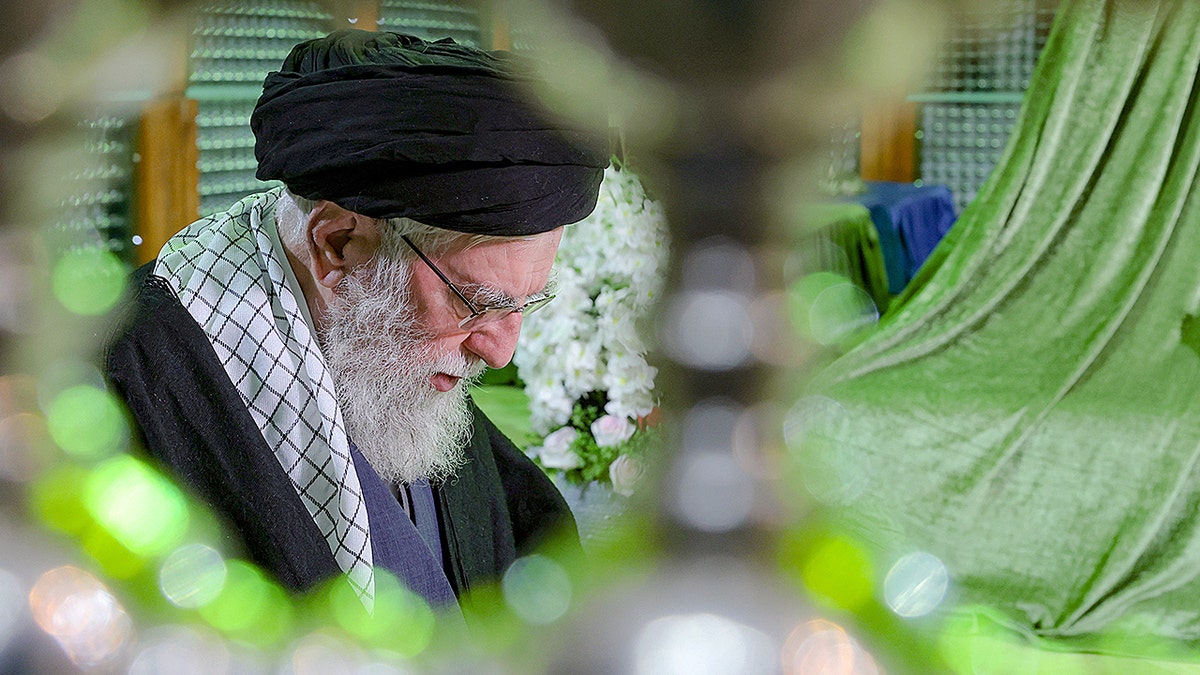
Iran’s Supreme Leader Khamenei makes first public appearance in weeks with fresh U.S. threats. (Office of the Iranian Supreme Leader Credit/Associated Press)
Azodi added that protocol and hierarchy also explain Khamenei’s absence from negotiations. «Iranians are very adamant about diplomatic protocols — that since other countries don’t have the equivalent rank, he does not participate in any negotiations because his ‘equal’ rank does not exist,» Azodi said. «Even when foreign heads of state visit him, there is only the Iranian flag, and foreign flags are not allowed.»
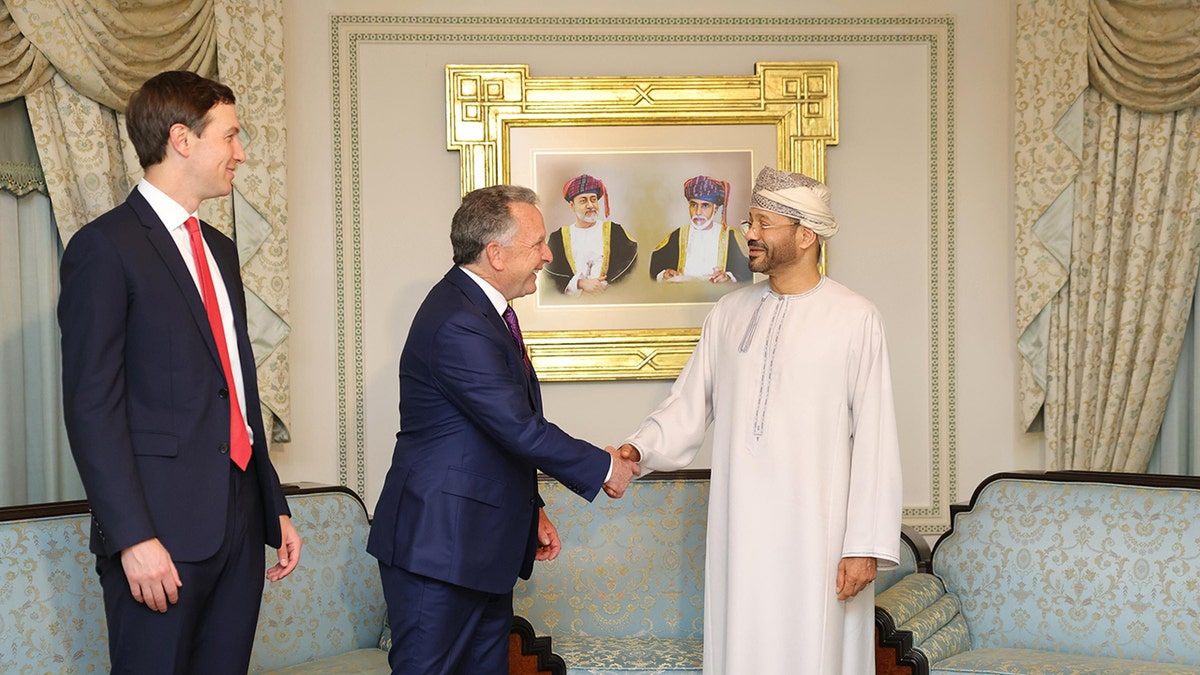
Omani Foreign Minister Sayyid Badr Hamad Al Busaidi, President Donald Trump’s Special Representative for the Middle East, Steve Witkoff and U.S. negotiator Jared Kushner meet ahead of the U.S.-Iran talks, in Muscat, the capital of Oman, on Feb. 6, 2026. (Oman Foreign Ministry/Anadolu via Getty Images)
Iranian sources familiar with internal discussions described Khamenei as operating from a legacy mindset at this stage of his life. «The supreme leader sees the confrontation with Washington as defining his historical role and believes Iran can retaliate against U.S. interests in the region. Khamenei is not focused on personal risk and views strategic confrontation as part of preserving his legacy,» a Middle Eastern source speaking on the condition of anonymity told Fox News Digital.
Behnam Ben Taleblu, a senior fellow at the Foundation for Defense of Democracies, told Fox News Digital that Khamenei remains the decisive figure in Iran’s system even as the regime faces pressure at home and abroad.
«He wields great influence in Iran but also exercises the greatest veto in Iran’s political hierarchy»
«He wields great influence in Iran but also exercises the greatest veto in Iran’s political hierarchy,» Ben Taleblu said.
He added, «The Iranian strategy… is to raise the cost of war in the thinking of the adversary,» he said, describing a system that signals willingness to talk while simultaneously preparing for confrontation.
He warned that «regimes that are afraid and lethal and weak can still be dangerous,» and said Tehran may believe threatening U.S. assets could deter a broader war even if such escalation risks triggering a stronger American response.
TOP IRANIAN GENERAL THREATENS TO ‘CUT OFF’ TRUMP’S HAND OVER POTENTIAL MILITARY STRIKES
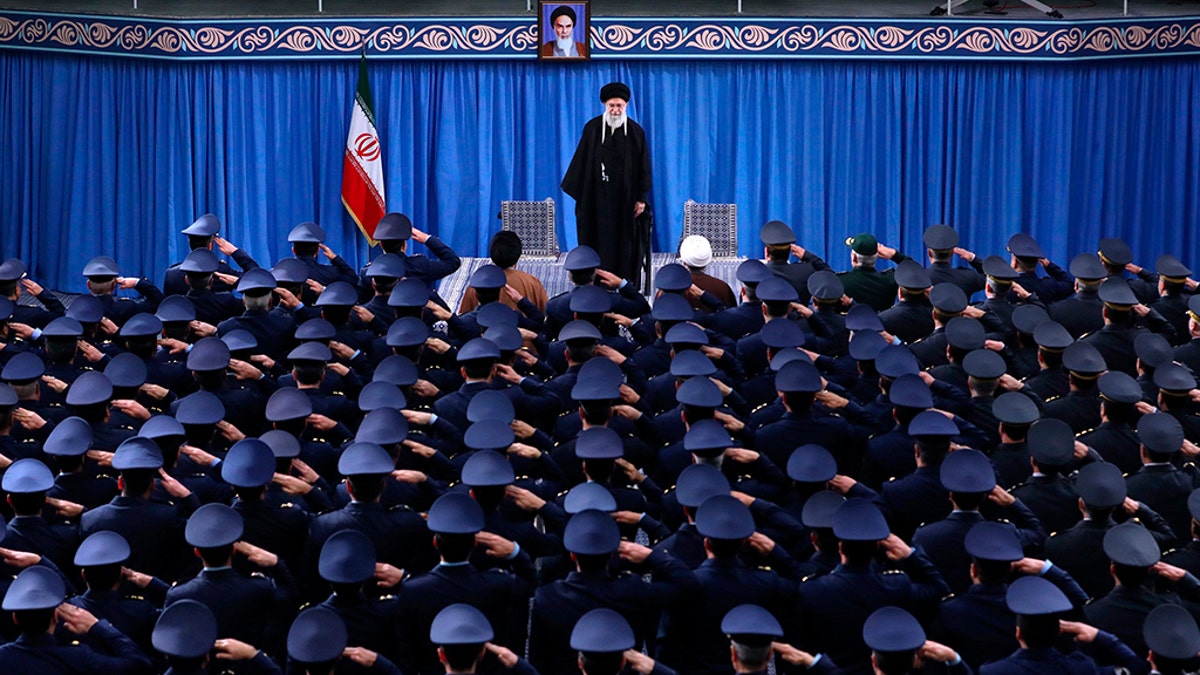
In this picture released by the official website of the office of the Iranian supreme leader, Supreme Leader Ayatollah Ali Khamenei stands as army air force staff salute at the start of their meeting in Tehran, Iran, Friday, Feb. 8, 2019. Khamenei is defending «Death to America» chants that are standard fare at anti-U.S. rallies across Iran but says the chanting is aimed at America’s leaders and not its people. (Office of the Iranian Supreme Leader via AP)
«Very difficult to say what Khamenei’s mindset is, but I think that he, along with other senior officials, think that the current conflict is not an isolated phenomenon but rather the continuation of the June 2025 conflict and the recent protests, which he called ‘an American coup,’» Azodi told Fox News Digital.
«I think that he thinks that the U.S. is definitely after a regime change and that needs to be resisted at all costs,» he added.
Inside Iran, frustration with Khamenei has become increasingly visible, according to a journalist reporting from within the country.
TRUMP SAYS IRANIAN SUPREME LEADER KHAMENEI SHOULD BE ‘VERY WORRIED’ AMID TENSIONS
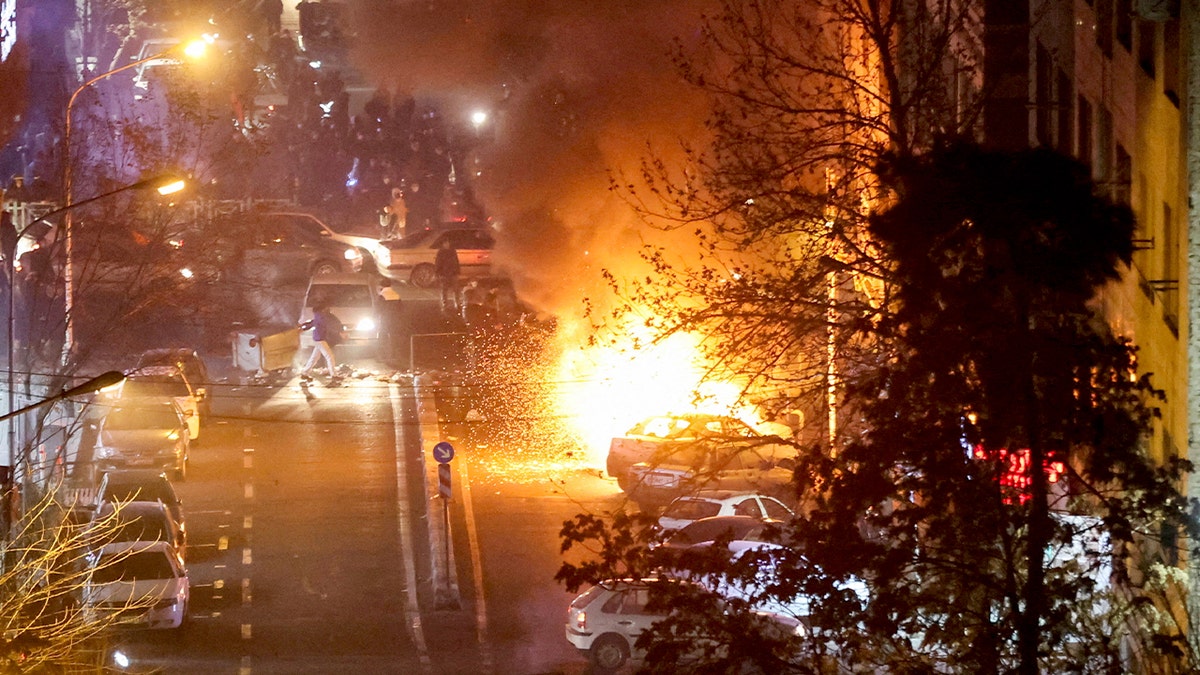
Cars burn in a street during a protest over the collapse of the currency’s value in Tehran, Iran, Jan. 8, 2026. (Stringer/WANA (West Asia News Agency) via REUTERS)
«What people want more than anything else is for Khamenei to die… I hear it every day, everywhere I go — why doesn’t he die?» the journalist told Fox News Digital.
«He is perceived as God’s representative, while leaders of enemy states are viewed as representatives of Satan, which is why he never meets with them.»
«You just open the Twitter of Iranians… the tweet is, why don’t you die? And everybody knows who we are talking about. So a nation is waiting for him to die.»
The journalist said many Iranians no longer believe political reform is possible and instead see generational change as the only turning point.
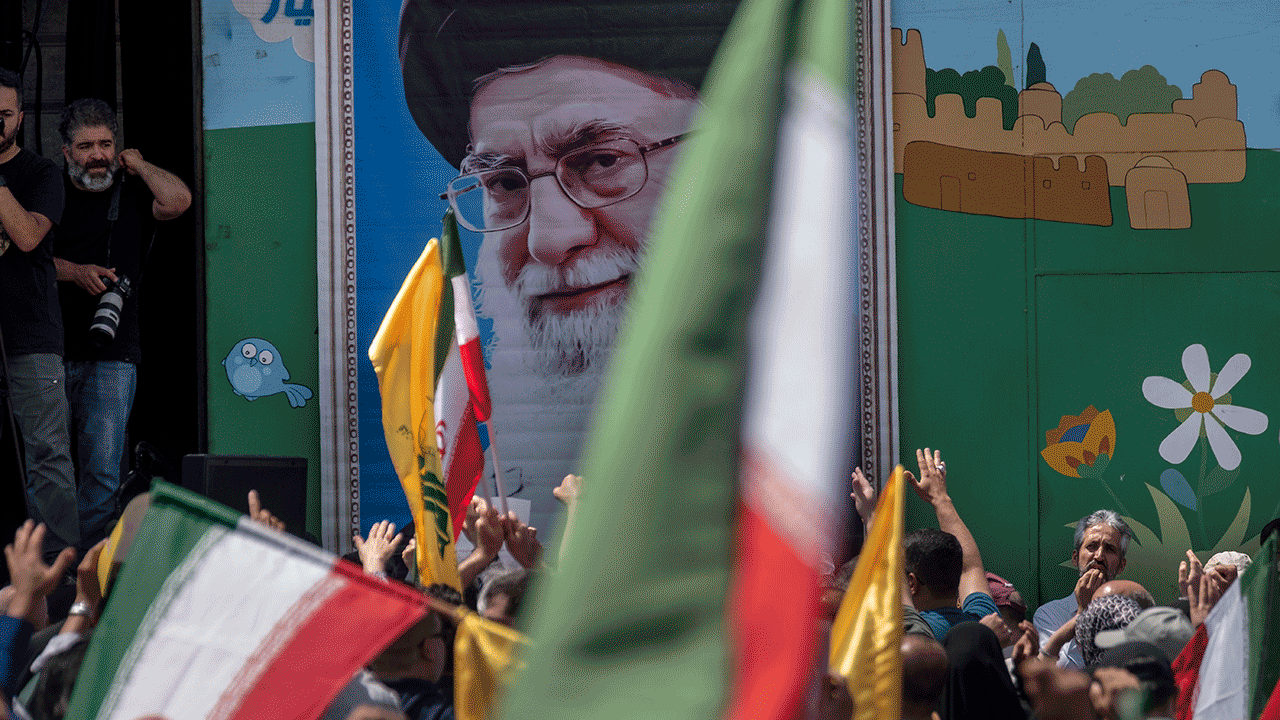
Iranian worshipers hold up their hands as signs of unity with Iranian Supreme Leader Ayatollah Ali Khamenei during an anti-Israeli rally to condemn Israel’s attacks on Iran, in downtown Tehran, Iran, on June 20, 2025. (Morteza Nikoubazl/NurPhoto via Getty Images)
An Iranian journalist in exile, Mehdi Ghadimi, told Fox News Digital that, «The Islamic government considers itself obligated to enforce Islamic law across the entire world. They harbor hatred toward Iranians and Jews, whom they regard as enemies of Islam,» he explained, «In such a structure, the leader is seen as more than a political ruler; he is perceived as God’s representative, while leaders of enemy states are viewed as representatives of Satan, which is why he never meets with them. If dialogue or compromise were to take place, his sacred image would collapse in the eyes of his supporters.»
He continued, «For this reason, groups labeled as ‘moderate,’ ‘reformist’ or ‘pro-Western’ are created so that the West can negotiate with them,» Ghadimi added. «No one within the structure of the Islamic Republic thinks about anything other than defeating the Western world and establishing Islamic dominance globally. The diplomats presented to Western politicians as moderates are tasked with using diplomacy to buy time for Khamenei.»
CLICK HERE TO DOWNLOAD THE FOX NEWS APP
The negotiations come amid heightened regional tensions, U.S. military deployments and unresolved disputes over Iran’s nuclear program and missile capabilities.
Regional analysts say that for the U.S., the central challenge remains unchanged. Diplomats can negotiate, but the final decision rests with one man — a leader shaped by decades of confrontation with the United States, focused on regime survival and determined to preserve his legacy even as Iran enters a new round of talks.
ali khamenei,iran,jd vance,foreign policy,donald trump,world protests









INTERNACIONAL
Los archivos del fallido golpe de Estado de 1981 en España reivindican la figura del rey Juan Carlos: ¿Volverá a su país?

INTERNACIONAL
Trump says he plans to order federal ban on Anthropic AI after company refuses Pentagon demands
NEWYou can now listen to Fox News articles!
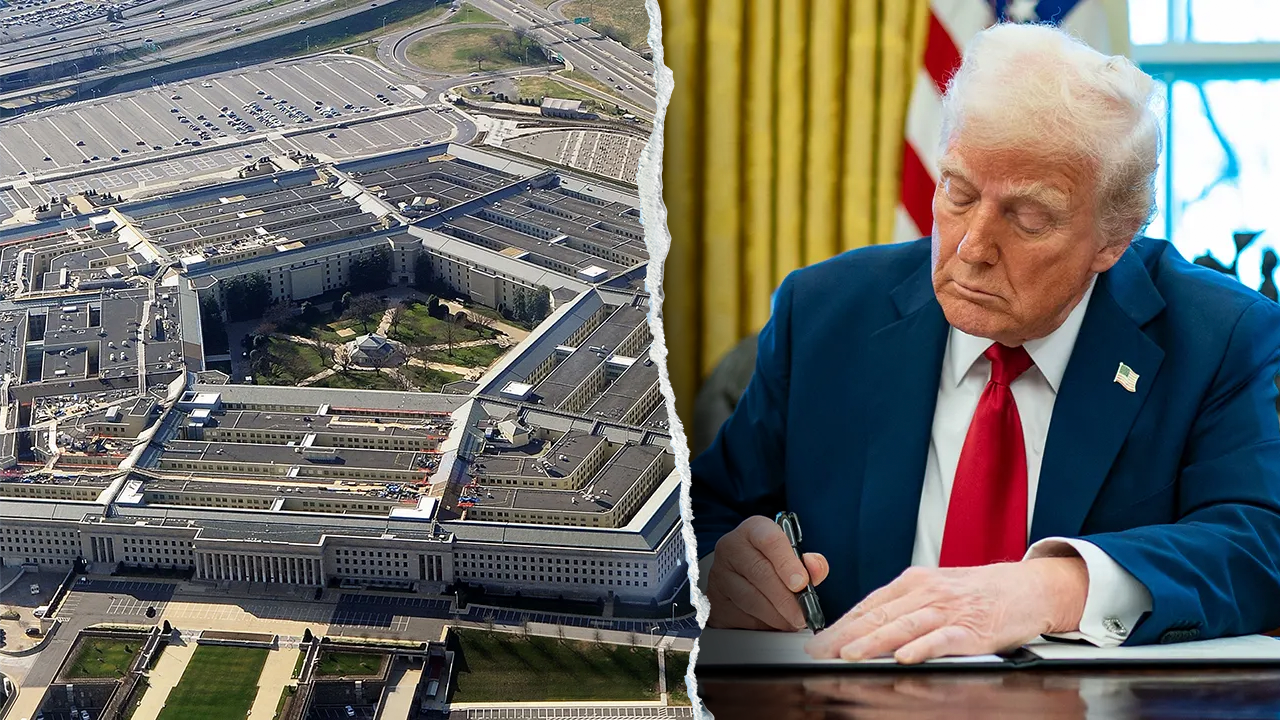
President Donald Trump on Friday said he was ordering every federal government agency to stop using Athropic AI immediately.
«THE UNITED STATES OF AMERICA WILL NEVER ALLOW A RADICAL LEFT, WOKE COMPANY TO DICTATE HOW OUR GREAT MILITARY FIGHTS AND WINS WARS! That decision belongs to YOUR COMMANDER-IN-CHIEF, and the tremendous leaders I appoint to run our Military,» Trump began in a lengthy Truth Social post Friday afternoon.
He added, «The Leftwing nut jobs at Anthropic have made a DISASTROUS MISTAKE trying to STRONG-ARM the Department of War, and force them to obey their Terms of Service instead of our Constitution. Their selfishness is putting AMERICAN LIVES at risk, our Troops in danger, and our National Security in JEOPARDY.»
The president said he would immediately direct every federal agency to stop using Anthropic technology.
Secretary of War for Public Affairs Sean Parnell speaks to the media. Earlier this week, Anthropic leadership refused demands from the Department of War to use its artificial intelligence for «all lawful purposes.» (Alex Wong/Getty Images)
«We don’t need it, we don’t want it, and will not do business with them again!» he continued.
There will be a six-month phase out period for agencies such as the Department of War, he added.
«Anthropic better get their act together, and be helpful during this phase out period, or I will use the Full Power of the Presidency to make them comply, with major civil and criminal consequences to follow,» he wrote.
He continued, «WE will decide the fate of our Country — NOT some out-of-control, Radical Left AI company run by people who have no idea what the real World is all about.»
Earlier this week, Anthropic CEO Dario Amodei refused demands from the Department of War to use its artificial intelligence for «all lawful purposes,» but Amodei said no, concerned over the possibility it could be used for «mass domestic surveillance» or «fully autonomous weapons.»
TOP AI FIRM ALLEGES CHINESE LABS USED 24K FAKE ACCOUNTS TO SIPHON US TECH
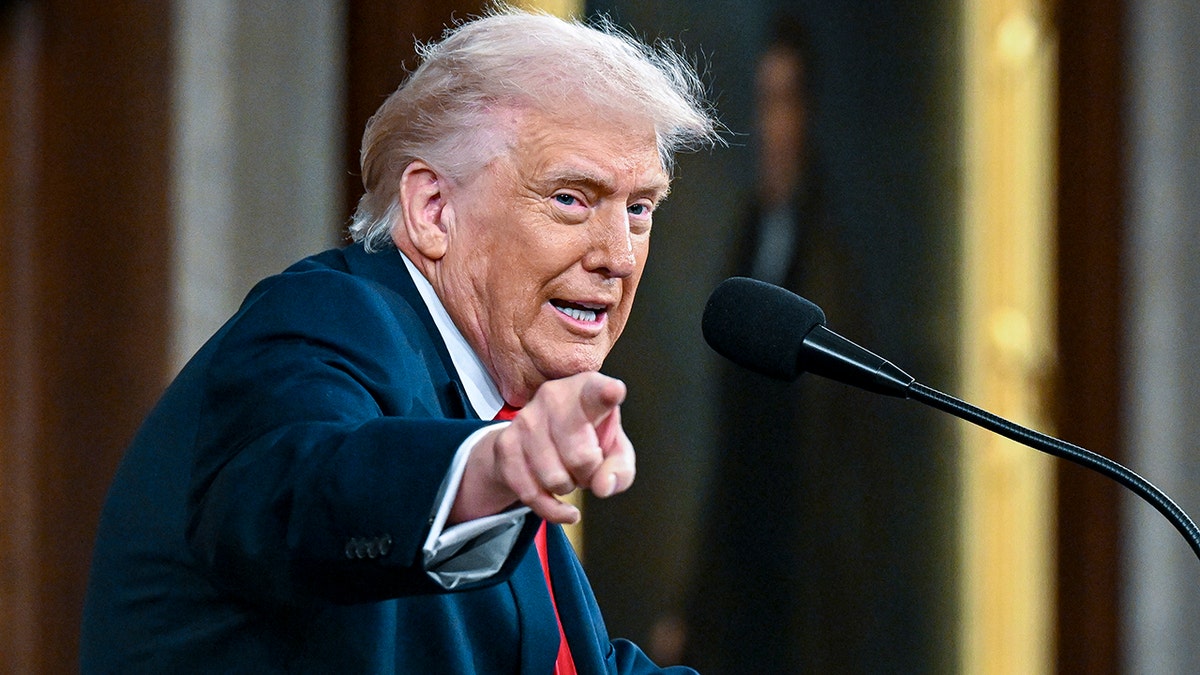
President Donald Trump on Friday said he was ordering every federal government agency to stop using Anthropic AI immediately. (Kenny Holston-Pool/Getty Images)
«The Department of War has stated they will only contract with AI companies who accede to ‘any lawful use’ and remove safeguards in the cases mentioned above. They have threatened to remove us from their systems if we maintain these safeguards; they have also threatened to designate us a ‘supply chain risk’ — a label reserved for US adversaries, never before applied to an American company — and to invoke the Defense Production Act to force the safeguards’ removal,» Amodei said in a Thursday statement.
He declared that the «threats do not change our position: we cannot in good conscience accede to their request.»
Assistant to the Secretary of War for Public Affairs Sean Parnell declared in a post on X that the department does not want to engage in either of those activities but is asking to use Anthropic’s AI for all legal purposes.
«The Department of War has no interest in using AI to conduct mass surveillance of Americans (which is illegal) nor do we want to use AI to develop autonomous weapons that operate without human involvement,» Parnell said in the post. «Here’s what we’re asking: Allow the Pentagon to use Anthropic’s model for all lawful purposes.»
«This is a simple, common-sense request that will prevent Anthropic from jeopardizing critical military operations and potentially putting our warfighters at risk. We will not let ANY company dictate the terms regarding how we make operational decisions. They have until 5:01 PM ET on Friday to decide. Otherwise, we will terminate our partnership with Anthropic and deem them a supply chain risk for DOW,» he noted.
PENTAGON TAPS MUSK’S XAI TO BOOST SENSITIVE GOVERNMENT WORKFLOWS, SUPPORT MILITARY OPERATIONS
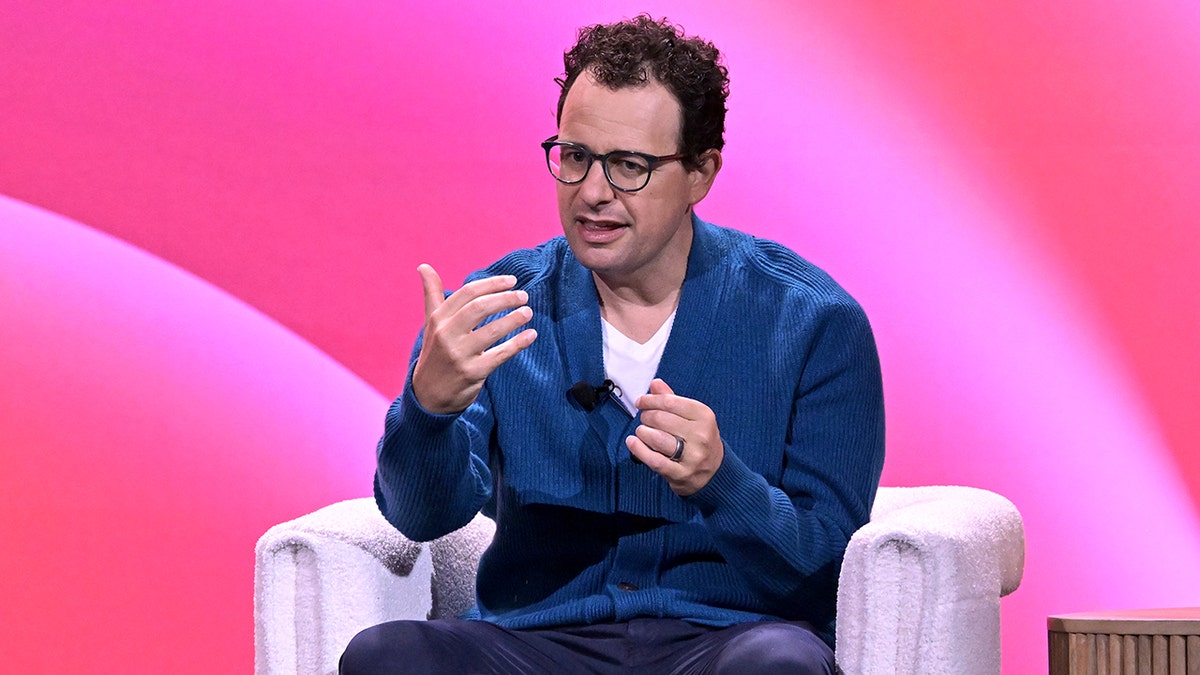
Anthropic Co-founder and CEO Dario Amodei declared this week that the «threats do not change our position: we cannot in good conscience accede to their request.» (Chance Yeh/Getty Images for HubSpot)
Under Secretary of War for Research and Engineering Emil Michael accused Anthropic and Amodei of lying.
In a post on X, Michael called Amodei «a liar» who «has a God-complex.»
«He wants nothing more than to try to personally control the US Military and is ok putting our nation’s safety at risk. The @DeptofWar will ALWAYS adhere to the law but not bend to whims of any one for-profit tech company,» he asserted.
In another post he asserted, «Anthropic is lying. The @DeptofWar doesn’t do mass surveillance as that is already illegal. What we are talking about is allowing our warfighters to use AI without having to call @DarioAmodei for permission to shoot down an enemy drone swarms that would kill Americans.»
CLICK HERE TO DOWNLOAD THE FOX NEWS APP
«It is the Department’s prerogative to select contractors most aligned with their vision. But given the substantial value that Anthropic’s technology provides to our armed forces, we hope they reconsider,» Amodei said in a statement sent on Thursday to Fox News Digital. «Our strong preference is to continue to serve the Department and our warfighters — with our two requested safeguards in place. Should the Department choose to offboard Anthropic, we will work to enable a smooth transition to another provider, avoiding any disruption to ongoing military planning, operations, or other critical missions. Our models will be available on the expansive terms we have proposed for as long as required.»
«We remain ready to continue our work to support the national security of the United States,» he added.
Fox News Digital’s Alex Nitzberg contributed to this report.
Related Article

politics,pentagon,donald trump,artificial intelligence,tech,technologies
NEWYou can now listen to Fox News articles!
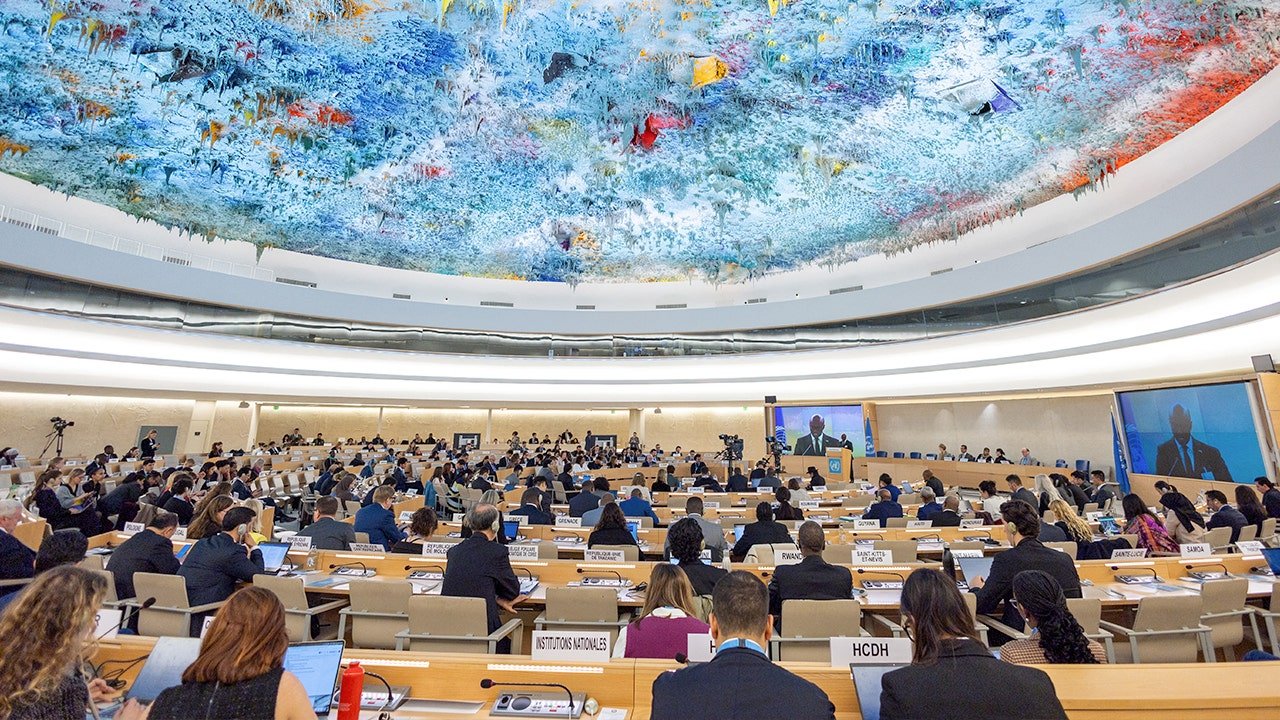
The United Nations Human Rights Council (UNHRC) abruptly cut off a video statement after the speaker began criticizing several United Nations officials, including one who has been sanctioned by the Trump administration. The video message was being played during a U.N. session in Geneva, Switzerland, Friday morning.
Anne Bayefsky, director of the Touro Institute on Human Rights and the and president of Human Rights, called out several U.N. officials in her message, including U.N. High Commissioner for Human Rights Volker Türk and special rapporteur Francesca Albanese, who is the subject of U.S. sanctions.
Secretary of State Marco Rubio announced sanctions against Albanese July 9, 2025, saying that she «has spewed unabashed antisemitism, expressed support for terrorism and open contempt for the United States, Israel and the West.»
«That bias has been apparent across the span of her career, including recommending that the ICC, without a legitimate basis, issue arrest warrants targeting Israeli Prime Minister Benjamin Netanyahu and former Defense Minister Yoav Gallant,» Rubio added.
Secretary of State Marco Rubio and Francesca Albanese (Getty Images)
«I was the only American U.N.-accredited NGO with a speaking slot, and I wasn’t allowed even to conclude my 90 seconds of allotted time. Free speech is non-existent at the U.N. so-called ‘Human Rights Council,’» Bayefsky told Fox News Digital.
Bayefsky noted the irony of the council cutting off her video in a proceeding that was said to be an «interactive dialogue,» an event during which experts are allowed to speak to the council about human rights issues.
«I was cut off after naming Francesca Albanese, Navi Pillay and Chris Sidoti for covering up Palestinian use of rape as a weapon of war and trafficking in blatant antisemitism. I named the prosecutor of the International Criminal Court, Karim Khan, who is facing disturbing sexual assault allegations but still unaccountable almost two years later. Those are the people and the facts that the United Nations wants to protect and hide,» Bayefsky told Fox News Digital.
«It is an outrage that I am silenced and singled out for criticism on the basis of naming names.»
Bayefsky’s statement was cut off as she accused Albanese and Navi Pillay, the former chair of the U.N. Independent International Commission of Inquiry on the Occupied Palestinian Territory; and Chris Sidoti, a commissioner of the U.N. Independent International Commission of Inquiry on the Occupied Palestinian Territory. She also slammed Khan, who has faced rape allegations. Khan has denied the sexual misconduct allegations against him.
Had her video message been played in full, Bayefsky would have gone on to criticize Türk’s recent report for not demanding accountability for the atrocities committed by Hamas Oct. 7, 2023.
When the video was cut short, Human Rights Council President Ambassador Sidharto Reza Suryodipuro characterized Bayefsky’s remarks as «derogatory, insulting and inflammatory» and said that they were «not acceptable.»
«The language used by the speaker cannot be allowed as it has exceeded the limits of tolerance and respect within the framework of the council which we all in this room hold to,» Suryodipuro said.
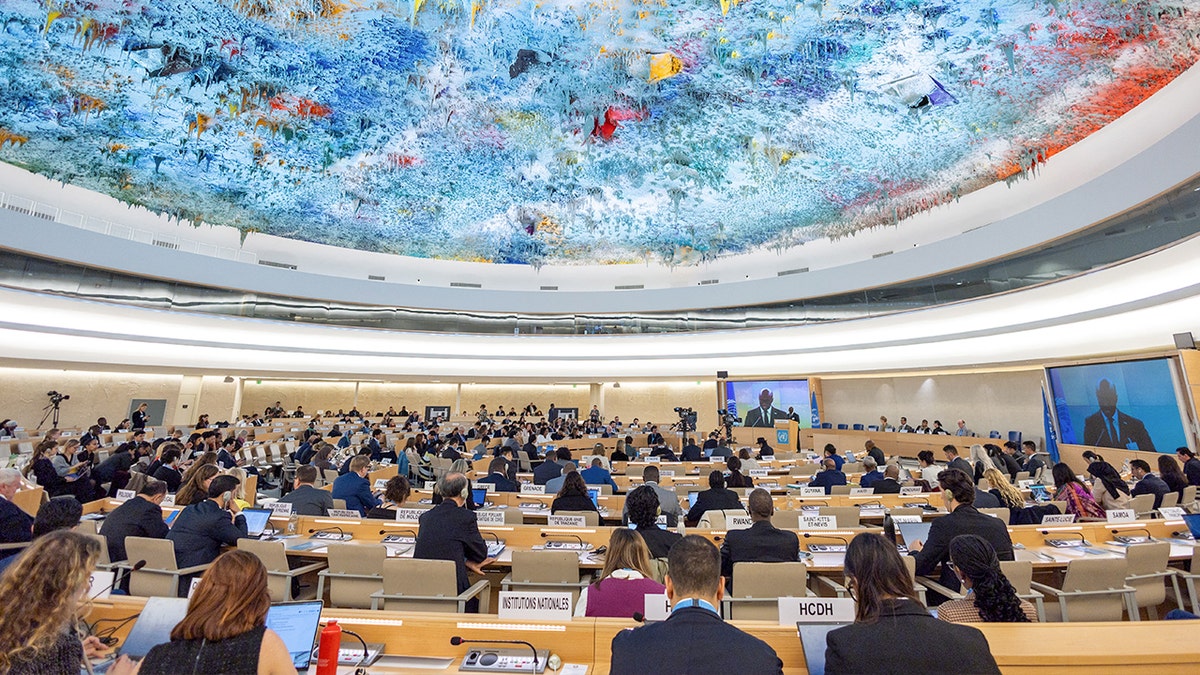
The Human Rights Council at the United Nations in Geneva, Switzerland, Feb. 26, 2025. (Denis Balibouse/Reuters)
MELANIA TRUMP TO TAKE THE GAVEL AT UN SECURITY COUNCIL IN HISTORIC FIRST
In response to Fox News Digital’s request for comment, Human Rights Council Media Officer Pascal Sim said the council has had long-established rules on what it considers to be acceptable language.
«Rulings regarding the form and language of interventions in the Human Rights Council are established practices that have been in place throughout the existence of the council and used by all council presidents when it comes to ensuring respect, tolerance and dignity inherent to the discussion of human rights issues,» Sim told Fox News Digital.
When asked if the video had been reviewed ahead of time, Sim said it was assessed for length and audio quality to allow for interpretation, but that the speakers are ultimately «responsible for the content of their statement.»
«The video statement by the NGO ‘Touro Law Center, The Institute on Human Rights and The Holocaust’ was interrupted when it was deemed that the language exceeded the limits of tolerance and respect within the framework of the council and could not be tolerated,» Sim said.
«As the presiding officer explained at the time, all speakers are to remain within the appropriate framework and terminology used in the council’s work, which is well known by speakers who routinely participate in council proceedings. Following that ruling, none of the member states of the council have objected to it.»
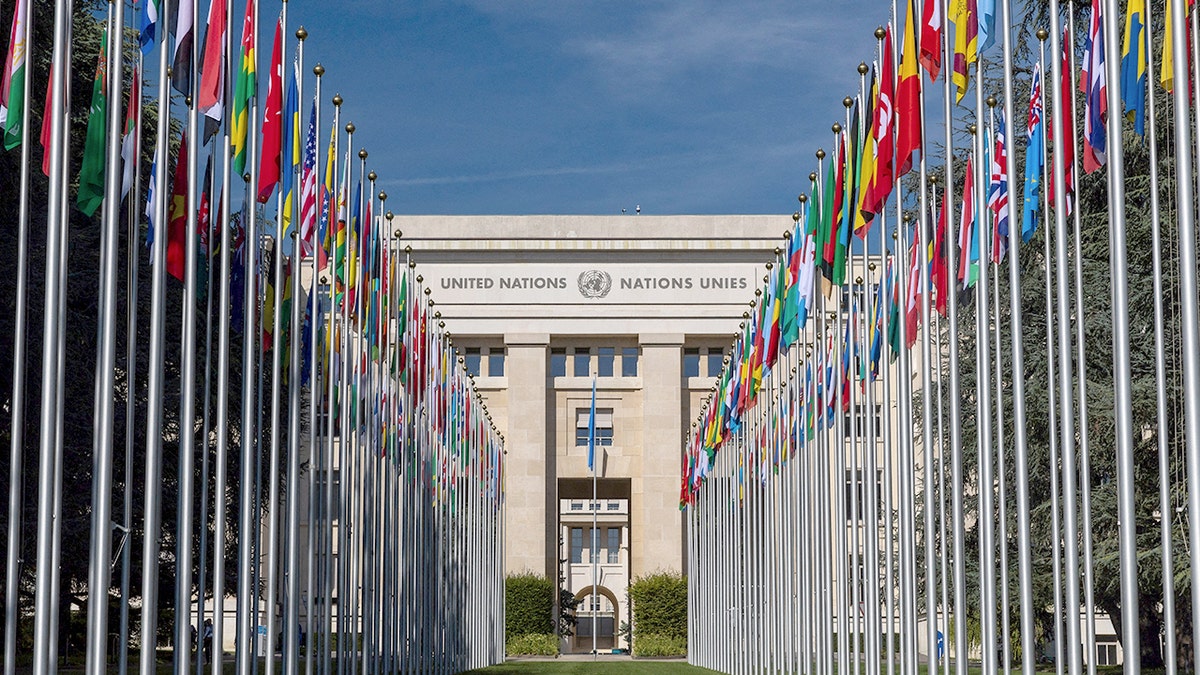
Flag alley at the United Nations’ European headquarters during the Human Rights Council in Geneva, Switzerland, Sept. 11, 2023. (Denis Balibouse/File Photo/Reuters)
UNRWA OFFICIALS LOBBY CONGRESSIONAL STAFFERS AGAINST TRUMP TERRORIST DESIGNATION THREAT
While Bayefsky’s statement was cut off, other statements accusing Israel of genocide and ethnic cleansing were allowed to be played and read in full.
This is not the first time that Bayefsky was interrupted. Exactly one year ago, on Feb. 27, 2025, her video was cut off when she mentioned the fate of Ariel and Kfir Bibas. Jürg Lauber, president of the U.N. Human Rights Council at the time, stopped the video and declared that Bayefsky had used inappropriate language.
Bayefsky began the speech by saying, «The world now knows Palestinian savages murdered 9-month-old baby Kfir,» and she ws almost immediately cut off by Lauber.
CLICK HERE TO DOWNLOAD THE FOX NEWS APP
«Sorry, I have to interrupt,» Lauber abruptly said as the video of Bayefsky was paused. Lauber briefly objected to the «language» used in the video, but then allowed it to continue. After a few more seconds, the video was shut off entirely.
Lauber reiterated that «the language that’s used by the speaker cannot be tolerated,» adding that it «exceeds clearly the limits of tolerance and respect.»
Last year, when the previous incident occurred, Bayefsky said she believed the whole thing was «stage-managed,» as the council had advanced access to her video and a transcript and knew what she would say.
Related Article
anti semitism,united nations,human rights united nations,politics,world

Los detalles más fuertes del romance de Milett Figueroa con un actor argentino: “Ella lo niega, pero fuimos novios”

El Senado sancionó la ley que baja la edad de imputabilidad a los 14 años

En un encuentro de intendentes, los gobernadores de la UCR mostraron diferencias sobre Milei rumbo a 2027

Jornada financiera: las acciones cayeron hasta 8% y el riesgo país superó los 570 puntos

Un invasor de campo placa a Leo Messi y lo tira al suelo durante su encuentro con el Inter Miami

¿12, 13 o 14 años? A cuánto bajó la edad de imputabilidad con la nueva ley aprobada

Jorge Macri prepara su discurso para abrir el año legislativo: el deseo de reelección y el espejo en Bukele

Crisis en la industria: otra multinacional se achica y cierra una planta en la Argentina

Uno por uno, todos los famosos que saludaron a Mirtha Legrand por sus 99 años

Alarma por la salud de Divina Gloria tras salir de Gran Hermano: “La internaron directamente en terapia intensiva”

 POLITICA3 días ago
Jorge Macri prepara su discurso para abrir el año legislativo: el deseo de reelección y el espejo en Bukele
- ECONOMIA2 días ago
Crisis en la industria: otra multinacional se achica y cierra una planta en la Argentina
- CHIMENTOS1 día ago
Alarma por la salud de Divina Gloria tras salir de Gran Hermano: “La internaron directamente en terapia intensiva”