INTERNACIONAL
Iran’s long trail of deception fuels skepticism over new nuclear deal as talks continue


Saturday’s talks in Rome between the Trump administration and the Islamic Republic of Iran over the rogue regime’s failure to dismantle its illicit nuclear weapons program have raised pressing questions about whether Tehran will adhere to a new deal.
Speaking on «The Story with Martha MacCallum,» retired Gen. Jack Keane, a Fox News senior strategic analyst, said Iran is reintroducing its «playbook» that [was] used to secure the JCPOA from Obama and termed its strategy a «bold-faced lie» that led to the «disastrous 2015» agreement.
Keane said Iran is repackaging the lie that it will reduce highly enriched uranium down to a low percentage and not use it for a nuclear weapon. Instead, it will employ it for civilian commercial nuclear power. Kean added that the Iranians «think the Trump administration is going to buy this. After all, in 2018, Trump pulled out of that very deal.»
In 2018, President Trump withdrew from the Joint Comprehensive Plan of Action (JCPOA), the formal name for the 2015 nuclear deal brokered by the Obama administration, because, he argued, it failed to stop Iran’s ambitions to construct an atomic bomb.
AHEAD OF TRUMP ADMIN-IRAN TALKS, NEW REPORT SAYS IRAN NUCLEAR THREAT RISES TO ‘EXTREME DANGER’
Iran’s supreme leader, Ali Khamenei, and President Donald Trump (West Asia News Agency, Reuters; Saul Loeb/AFP via Getty Images)
Fox News Digital sent a detailed press query to the State Department regarding the Islamic Republic’s history of cheating and lying when dealing with its previous pledges to not build a nuclear weapon.
A spokesperson for the State Department told Fox News Digital, «This, along with many other issues, will be decided at the negotiating table. The president has been clear: Iran cannot have a nuclear weapon or enrichment program. As we continue to talk, we expect to refine a framework and timetable for working towards a deal that achieves the president’s objectives peacefully.»
Speaking Friday, President Trump told reporters, «I’m for stopping Iran very simply from having a nuclear weapon. They can’t have a nuclear weapon.»
Enrichment of uranium is the key process that enables Iran’s regime to advance its work on a deliverable nuclear weapon.
«Iran’s enrichment is a real, accepted matter,» Iranian Foreign Minister Abbas Araghchi said Wednesday. «We are ready to build confidence in response to possible concerns, but the issue of enrichment is non-negotiable.»
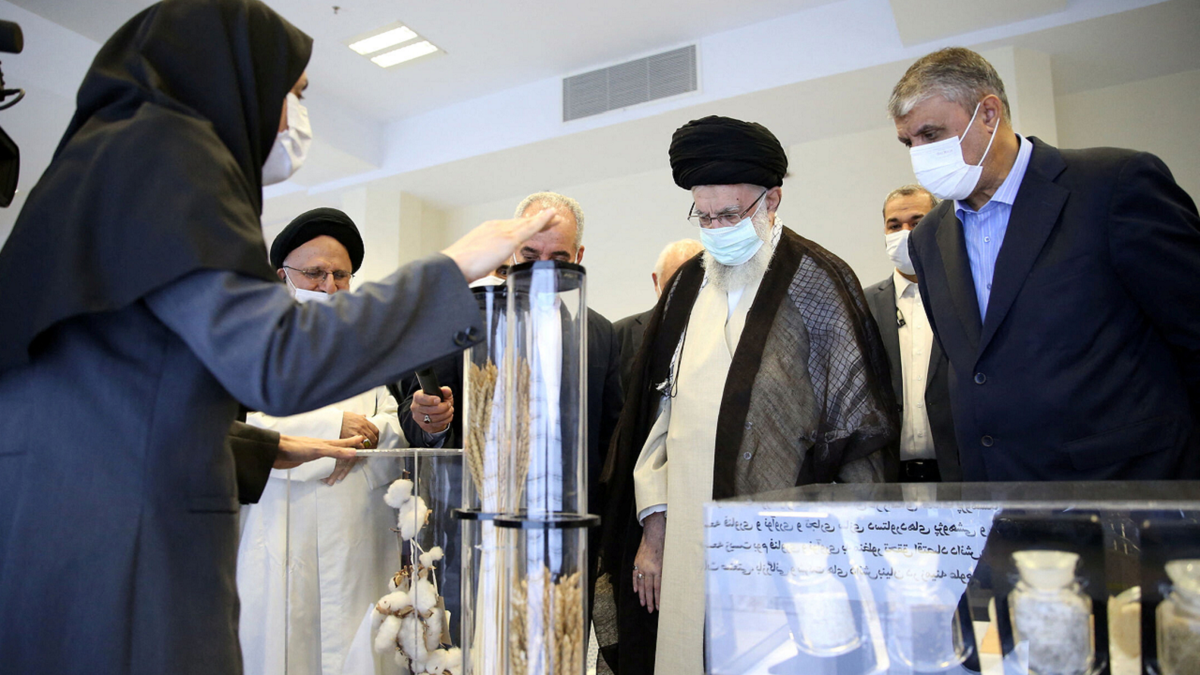
Iran’s supreme leader, Ayatollah Ali Khamenei, views Iranian nuclear achievements on June 11. (Office of the Iranian Supreme Leader/WANA/Reuters)
Mark Wallace, the CEO of United Against Nuclear Iran (UANI) and a former U.N. ambassador to the United Nations under President George W. Bush, told Fox News Digital, «Under the Bush administration, zero enrichment was enshrined in U.N. Security Council resolutions. The Obama administration changed that position, allowing enrichment up to 3.67%, and this paved the way for the failed JCPOA that has allowed Iran to extort the international community ever since.»
The Obama administration’s concession to Iran to permit it to enrich uranium to 3.67% has created new problems for Trump to halt Tehran’s drive to build a weapon. Iran has exploited the right to enrich uranium to speed up its weapons program. The U.N.’s International Atomic Energy Agency announced in February that Iran has produced dramatically more uranium that can be used in six atomic bombs and stressed that Tehran has made no progress on resolving outstanding issues.
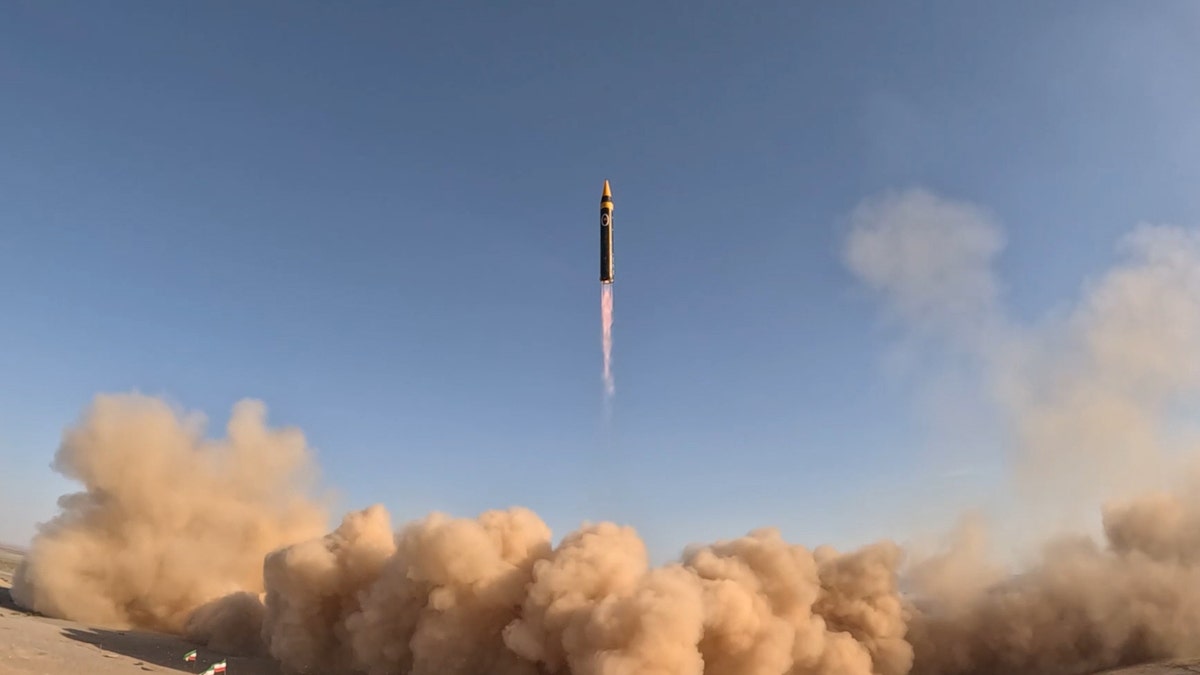
Iran’s medium-range ballistic missile Hayber after a launch during a promotional program organized with the participation of high-ranking military officials in Tehran, Iran, May 7, 2023. (Iranian Defense Ministry/Hanodut/Anadolu Agency via Getty Images)
Trump said in late March he would launch military strikes against Iran if it failed to agree to his demands for a new nuclear pact.
Prior to Trump’s withdrawal from the JCPOA, Fox News Digital reported in 2017 that Iran tried to obtain illicit technology that could be used for military nuclear and ballistic missile programs, raising questions about a possible violation of the 2015 agreement intended to stop Tehran’s drive to become an atomic armed power, according to three German intelligence reports.
TRUMP HAS A TIMELINE IN MIND FOR IRAN NUKE DEAL, TAPS ISRAEL TO LEAD ANY POTENTIAL MILITARY ACTION
The Trump administration has outlined a two-month framework to reach a deal with Iran, John Hannah, a senior fellow at JINSA, said during a briefing about Iran’s nuclear weapons program Thursday.
Hannah served in senior advisory roles with former Vice President Dick Cheney and was intimately involved in developing U.S. strategy toward talks with Iran over Afghanistan, Iraq and the Islamic Republic’s nuclear program throughout President George W. Bush’s two terms in the White House.
Traditionally, military pressure has influenced the Islamic Republic of Iran’s recalcitrant and anti-American leaders to make concessions. The U.S. invasion of Iraq in 2003 reportedly compelled the clerical regime’s Supreme Leader, Ali Khamenei, to briefly pause his country’s work on nuclear weapons.
Khamenei feared American military action at the time.
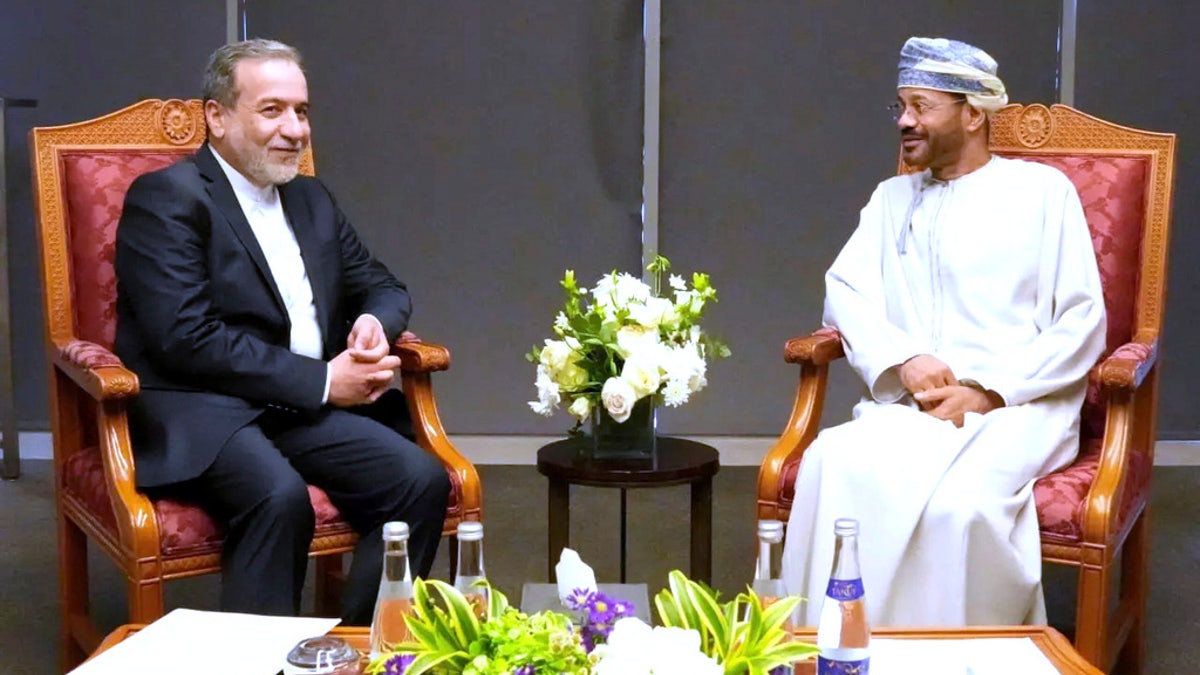
Iranian Foreign Minister Abbas Araghchi, left, meets Omani counterpart Sayyid Badr Albusaidi before negotiations with U.S. Mideast envoy Steve Witkoff in Muscat, Oman, April 12, 2025. (Iranian Foreign Ministry via AP)
Hannah said Trump’s «military threat is what brought Supreme Leader Khamenei to the table» because it «put his own regime at risk.» Hannah outlined what dismantlement «with a capital D» would mean for Iran. He said «all of their enriched uranium leaves the country,» and the centrifuges are destroyed and taken out of the country. Hannah said Iran’s secretive underground Fordow nuclear fuel enrichment plant and Natanz nuclear site were where Iran was caught digging tunnels in the mountains.
Hannah’s organization, JINSA, released an infographic Wednesday that focused in on Trump administration officials’ comments on verification and dismantlement.
According to a Reuters report, a senior Iranian official said Friday that Iran told the United States in talks last week it was ready to accept some limits on its uranium enrichment but needed watertight guarantees President Donald Trump would not again ditch a nuclear pact.
Tehran’s red lines «mandated by Supreme Leader Ayatollah Ali Khamenei» could not be compromised in the talks, the official told Reuters, describing Iran’s negotiating position on condition of anonymity.
He said those red lines meant Iran would never agree to dismantle its centrifuges for enriching uranium, halt enrichment altogether or reduce the amount of enriched uranium it stores to a level below the level it agreed in the 2015 deal that Trump abandoned.
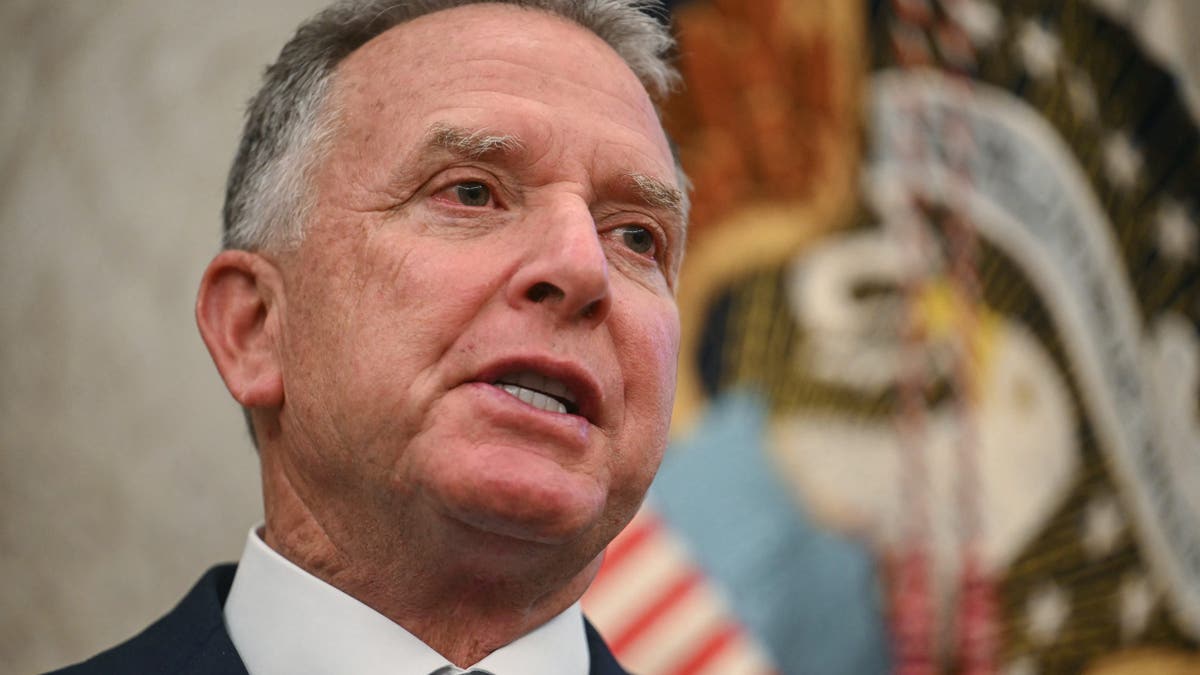
U.S. Special Envoy to the Middle East Steve Witkoff speaks after President Donald Trump signed an executive order to create a U.S. sovereign wealth fun, in the Oval Office of the White House Feb. 3, 2025, in Washington, D.C. (Jim Watson/AFP via Getty Images)
CLICK HERE TO GET THE FOX NEWS APP
It would also not negotiate over its missile program, which Tehran views as outside the scope of any nuclear deal.
Top U.S. negotiator Steve Witkoff, in a post on X on Tuesday, said Iran must «stop and eliminate its nuclear enrichment» to reach a deal with Washington.
Reuters contributed to this report.

INTERNACIONAL
Donald Trump dijo que la Marina de Estados Unidos escoltará a los petroleros que quieran cruzar el Estrecho de Ormuz
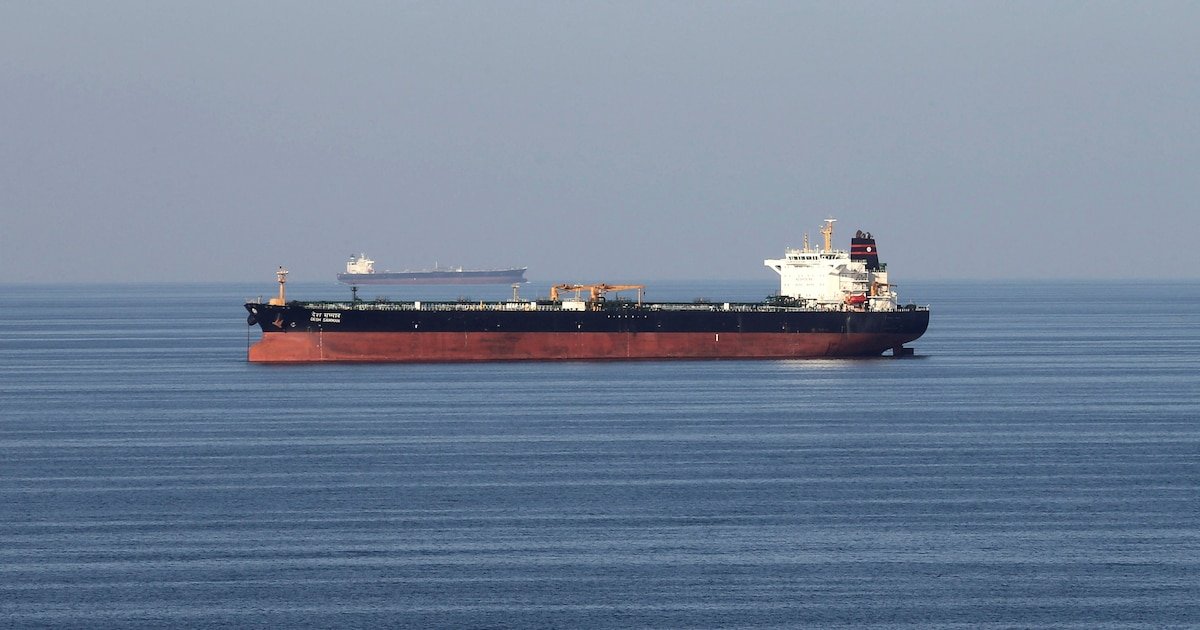
El presidente de Estados Unidos, Donald Trump, anunció que el país ofrecerá garantías de seguro e incluso escoltas navales para asegurar el paso seguro de petroleros y otras embarcaciones a través del estrecho de Ormuz, con el objetivo de evitar una posible crisis energética derivada de la guerra con Irán. Trump comunicó el martes que la US International Development Finance Corporation (DFC) ofrecerá seguros “a un precio muy razonable” para facilitar el flujo de energía y comercio en el Golfo, y que la Marina estadounidense escoltará buques si resulta necesario.
“No importa qué suceda, Estados Unidos garantizará el FLUJO LIBRE de ENERGÍA para el MUNDO”, publicó Trump en redes sociales. El anuncio tuvo impacto inmediato en los mercados: el precio del Brent, referencia internacional del petróleo, se estabilizó en torno a 80 dólares el barril tras una jornada de volatilidad.
La decisión surge después de que los ataques de Estados Unidos e Israel contra Irán interrumpieran el tráfico de crudo por el estrecho de Ormuz, ruta por la que transita una quinta parte del suministro energético mundial. El conflicto provocó que los principales clubes de seguro marítimo retiraran la cobertura por riesgos de guerra para barcos que ingresen al Golfo Pérsico, incrementando drásticamente los costos para los armadores que buscan otras alternativas de cobertura.
El gobierno estadounidense busca frenar la escalada de precios del petróleo resultante del cierre virtual del estrecho, considerado un corredor estratégico para el transporte de crudo. Un aumento sostenido en los precios de los combustibles podría convertirse en un riesgo político para Trump de cara a las elecciones legislativas de noviembre.
El secretario de Estado, Marco Rubio, declaró a la prensa que la administración había previsto el encarecimiento de la energía y anticipó que el secretario del Tesoro, Scott Bessent, y el secretario de Energía, Chris Wright, anunciarán un programa de contención de precios. Trump tenía previsto reunirse con ambos funcionarios en la Casa Blanca el mismo martes para abordar el tema.

El seguro político de la DFC está diseñado para cubrir pérdidas derivadas de guerras, violencia o inestabilidad política, aunque el presidente no especificó los detalles del mecanismo. Se informó que la medida busca sostener el comercio y reducir la incertidumbre para los operadores marítimos, en un contexto donde los precios del petróleo han sufrido aumentos abruptos por las hostilidades en Oriente Medio y la interrupción de una de las rutas más vitales para el suministro energético global.
Emmanuel Macron solicitó este martes la creación de una coalición internacional para proteger las vías marítimas esenciales, tras el aumento de tensiones en Oriente Medio que amenazan el tráfico por el estrecho de Ormuz. La decisión llegó después de que Estados Unidos e Israel atacaran objetivos en Irán, acción que el mandatario francés desaprobó por haberse realizado fuera del marco del derecho internacional, aunque señaló a Teherán como responsable final de la situación debido a su programa militar y respaldo a milicias en la región.
Durante un discurso televisado, el presidente de Francia advirtió sobre la gravedad de la crisis surgida en el estrecho de Ormuz, por donde circula el 20% del petróleo mundial. Macron enfatizó que tanto el Canal de Suez como el mar Rojo se encuentran igualmente bajo amenaza. En palabras del mandatario: “La historia nunca llora a los verdugos de sus pueblos. No se echará de menos a ninguno”.
El aumento de la tensión en el estrecho de Ormuz ha suscitado preocupación internacional por las posibles repercusiones en el suministro energético global. Macron explicó que Francia ha lanzado una iniciativa para conformar una coalición que reúna medios, incluidos recursos militares, con el objetivo de restaurar y mantener la seguridad en las rutas marítimas clave para la economía mundial. Al mismo tiempo, anunció un refuerzo del dispositivo militar francés en la zona, para contribuir a la protección de estas arterias estratégicas.
La propuesta de Macron surge en un contexto de creciente hostilidad entre Irán, Estados Unidos e Israel, donde los recientes acontecimientos han incrementado el riesgo de incidentes que puedan afectar la estabilidad del transporte marítimo en una región esencial para el comercio internacional.
(Con información de Bloomberg y EFE)
Corporate Events,Middle East,Military Conflicts
INTERNACIONAL
Mamdani putting NYPD ‘between rock and a hard place’ in move that could ultimately help his goal: expert
NEWYou can now listen to Fox News articles!
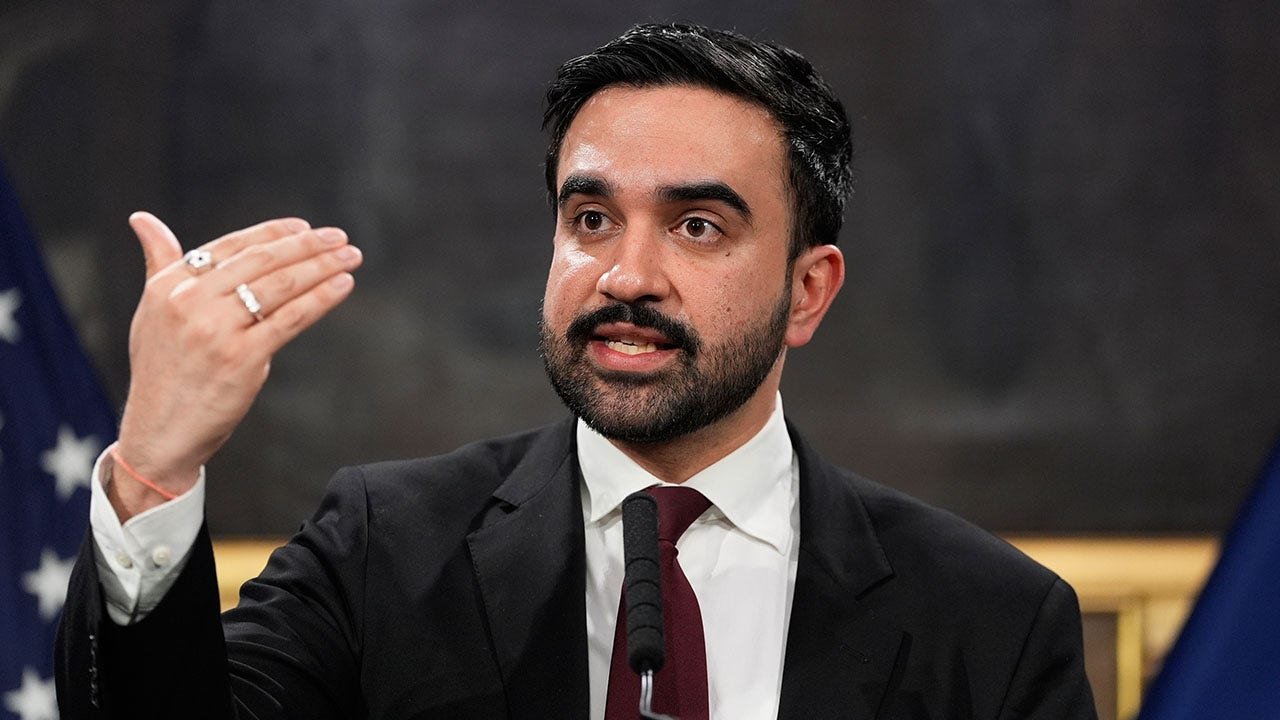
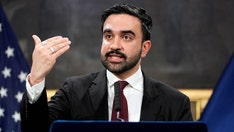
New York City Mayor Zohran Mamdani’s recent reactions to law enforcement, which some have interpreted as pushing back against the New York Police Department, likely won’t hurt him as much as previous mayors, a local crime expert told Fox News Digital, and could end up working to his overall political advantage.
«It may not hurt Mamdani in the way that it might hurt another mayor,» Manhattan Institute Fellow Rafael Mangual.
«I do think that Zohran Mamdani is okay with being an opponent and a critic of the NYPD. I think he comes from a sort of ideological perspective that does not believe that the NYPD actually reduces crime. So, if the NYPD pulls back and crime goes up, I think he will see that as an opportunity to further criticize the NYPD and point to reasons why it should be defunded in favor of this Department of Community Safety and some of these other proposals that he would much rather invest in.»
Two significant events in the city indicate that the mayor will not defend the police department, according to Mangual, and could result in cops pulling back due to lack of support. They include an incident last month in Washington Square Park, dubbed «Snowballgate,» where a mob of roughly 100 people pelted NYPD officers with snowballs, leaving two officers injured.
New York City Mayor Zohran Mamdani speaks to reporters during a news conference in New York, Tuesday, Feb. 17, 2026. (AP Photo/Seth Wenig)
Rather than condemning the assault, Mamdani appeared to downplay the violence, referring to the perpetrators as «kids» taking part in a snowball fight.
«Mamdani did not come out in support of the NYPD in that incident. Instead, he seemed to kind of brush it off and even refused to call for the prosecution of the perpetrators,» Mangual said, adding that the actions of the mob clearly qualified as an assault against police officers.
«Unfortunately, I think the mayor’s response was found wanting. He seemed unwilling to condemn it as an assault. He seemed unwilling to even say that it was something that shouldn’t be done in the future, and I think that is going to create a sense in the NYPD that this administration does not have their back.»
Perhaps more concerning, according to Mangual, was Mamdani’s reaction to a recent officer-involved shooting in Queens where, despite bodycam footage showing an officer being immediately attacked with a deadly weapon after entering a home at the owner’s invitation, Mamdani called on the district attorney to not prosecute the knife wielding suspect who was reportedly having a mental health episode.
CITY-RUN BOARD CANCELS LEASE OF ISRAEL DRONE SUPPLIER, SPARKING BACKLASH TOWARD MAMDANI: ‘LUDICROUS’
Additionally, Mamdani visited the attacker and his family after the incident.
«For Mayor Mamdani to come out and not just meet with the family as if this individual is some sort of crime victim, but to also make an open call to the Queens DA not to prosecute the individual for the obvious and clear assault with a deadly weapon on a police officer, I think is just completely irresponsible,» Mangual said.
«But it also will reinforce that sense in the NYPD that I think is already existing: that this administration is an opponent, not a partner. And if that dynamic continues and it reaches further down into the rank and file, I do think that the city is going to see a more reluctant police force at a time in which it needs it to be proactive.»
As a candidate, Mamdani attempted to distance himself from previous support of police defunding but faced backlash last month when he announced that part of his plan to balance the budget involves cutting the NYPD’s budget and canceling 5K new officer hires.
CLICK HERE TO DOWNLOAD THE FOX NEWS APP
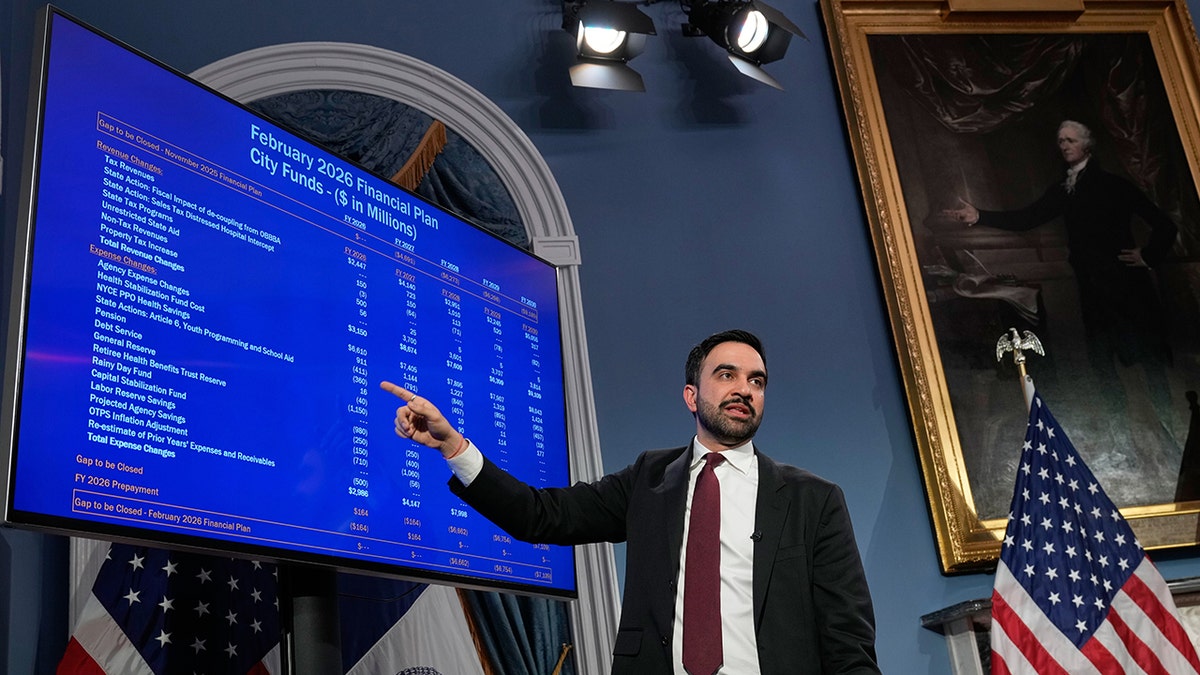
In front of a painting of Alexander Hamilton, Mayor Zohran Mamdani speaks to reporters about the city’s finances during a news conference in New York, Tuesday, Feb. 17, 2026. (Seth Wenig/AP Photo)
«I think what we’ve seen in the early days of this administration is that Mamdani is not yet willing to position himself as an open partner of the NYPD,» Mangual said. «He is still trying to make a decision about whether he is going to lean into his more natural identity of an opponent of the NYPD.»
The NYPD is «between a rock and a hard place» under Mamdani, Mangual said, adding that officers will be «less likely to put their lives on the line for a city that they do not feel has their back.»
«He’d be perfectly happy with a world in which he can say, ‘Look, the NYPD is a failure, it’s not keeping crime down, it’s time to try other approaches,’» Mangual said.
Fox News Digital reached out to Mamdani’s office for comment.
Related Article
politics,zohran mamdani,crime world
INTERNACIONAL
París bajo la sombra de la guerra: el miedo al desabastecimiento y la repatriación masiva de franceses en el Golfo
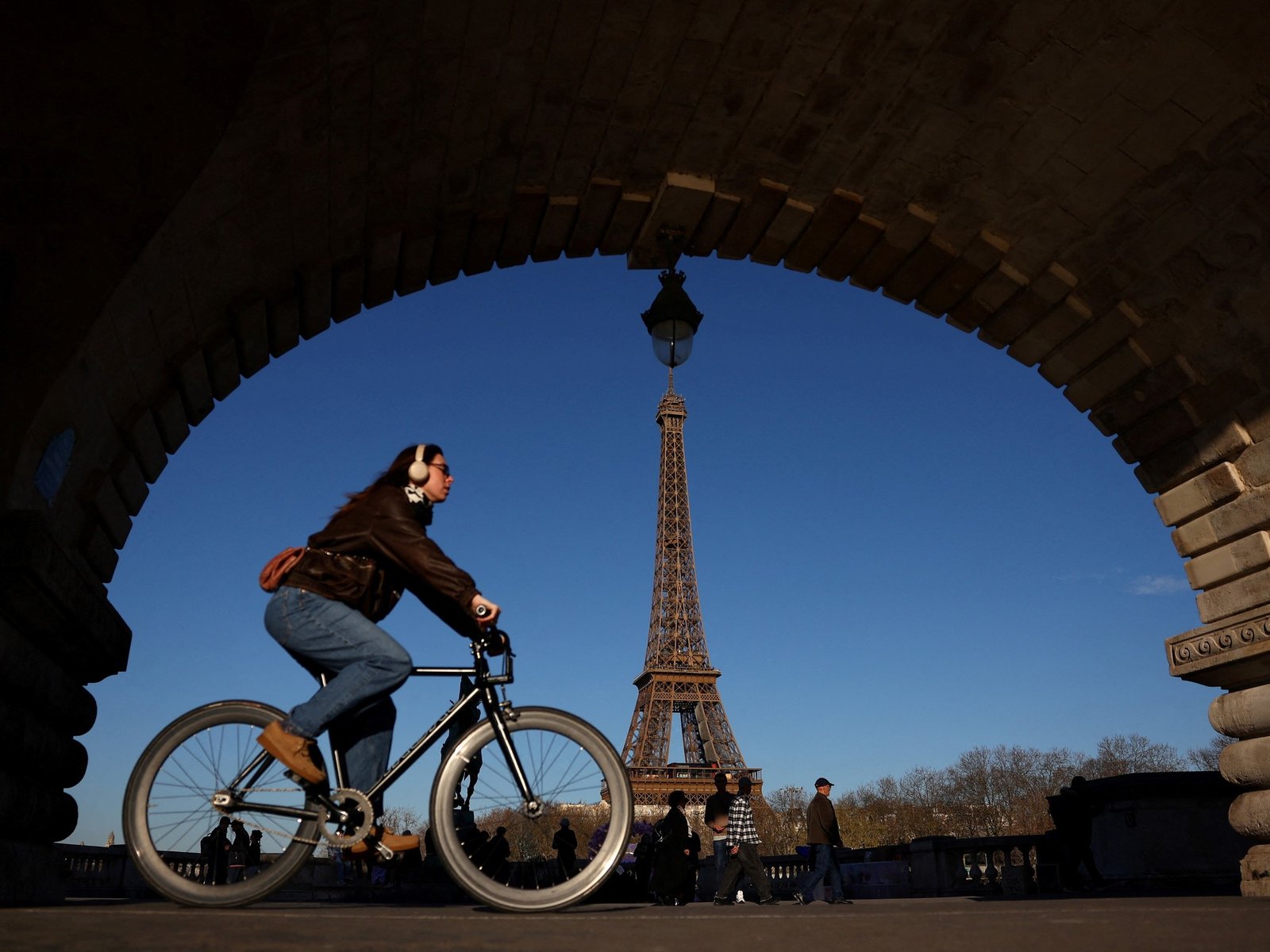
Los parisinos están inquietos ante una guerra que pisa las fronteras europeas. Cuando el presidente Emmanuel Macron se disponía a hablar este martes, a la hora de la cena, para explicar la posición francesa frente al conflicto de Estados Unidos con Irán, París era un desierto.
Los restaurantes y bares estaban vacíos. En las paradas de taxis esperaban más de veinte vehículos a pasajeros que no llegaban. En las calles se escuchaban sirenas, había mucha presencia policial y las patrullas militares del Vigipirate estaban desplegadas.
En el Café Flore, el corazón de la intelectualidad y la política francesa, no había ni siquiera turistas curiosos. La habitualmente superpoblada brasserie Lipp era un desierto.
En el café Armani, en el St Germain des Prés, solo había tres mesas a la hora de cenar.
“La gente tiene miedo a salir. Estas noticias de la guerra los intimidan, los asustan. Temen atentados. También sienten que hay incertidumbre, que deben ahorrar porque el futuro es difícil de adivinar”, contó David, uno de sus históricos mozos.
Los que estaban, comían rápido y se iban. Todos hablaban de lo mismo: la guerra, el alza de los precios del gas y del petróleo y el impacto en su vida cotidiana.
En las pocas estaciones de servicio dentro de París había colas de automóviles cargando combustible. Temían su escasez.
Al menos hay 400.000 franceses en el golfo Pérsico y el gobierno ha decidido comenzar la repatriación de los que quieran regresar. Primero serán los enfermos, los ancianos y las familias. Después, los demás.
«Nos preparamos para fletar vuelos para que las personas más vulnerables, aquellas que merecen asistencia, puedan beneficiarse de ellos si es necesario», declaró el canciller Jean-Noël Barrot al canal de noticias BFMTV, sin especificar cuántas personas podrían verse afectadas por estos vuelos.
Según el ministro de Asuntos Exteriores francés, unos 400.000 ciudadanos franceses se encuentran actualmente en la decena de países afectados por el conflicto en curso.
«En su mayoría, se trata de ciudadanos franceses residentes en la región, incluyendo personas con doble nacionalidad. Otros son ciudadanos franceses de paso», de los cuales aproximadamente 25.000 ya se han puesto en contacto con el Ministerio de Asuntos Exteriores, especificó. Todos los ciudadanos franceses deben registrarse «para que puedan ser localizados».
Las medidas implementadas varían según los países involucrados.
«Por ejemplo, hemos desplegado equipos consulares en las fronteras entre Israel, Egipto y Jordania, lo que ha facilitado el paso de ciudadanos franceses que desean salir por tierra y luego tomar un vuelo desde Egipto o Jordania«, declaró el ministro.
Los ciudadanos franceses que deseen salir de los Emiratos Árabes Unidos podrán hacerlo en las fronteras con Omán y Arabia Saudita, «dos países cuyo espacio aéreo permanece abierto hasta el momento«, añadió.
En cuanto a los vuelos, también se están considerando varias opciones.
Por un lado, los ciudadanos franceses podrán tomar vuelos comerciales en los que París ha reservado «bloques de asientos». También se podrían fletar «vuelos civiles» y «podríamos solicitar aviones de la República Francesa», explicó Jean-Noël Barrot.
«En cuanto a las personas vulnerables, las misiones diplomáticas, embajadas y consulados, que están en contacto con nuestros ciudadanos allí, en colaboración con el Ministerio de Asuntos Exteriores, están elaborando estas listas para que puedan regresar a Francia con prioridad», declaró.
Ante la incertidumbre económica causada por la guerra en Oriente Medio, el ministro de Economía y Finanzas, Roland Lescure, también anunció el martes que una unidad de crisis se reunirá «una vez al día», bajo su dirección, en el Ministerio de Economía y Finanzas. Su objetivo será «seguir la evolución de los mercados financieros, los indicadores económicos y, por supuesto, los mercados energéticos», especificó.
Sin embargo, «no existe riesgo de escasez de suministro a corto plazo» en Francia, «ni de gas ni de gasolina», aseguró el ministro.

Donald Trump dijo que la Marina de Estados Unidos escoltará a los petroleros que quieran cruzar el Estrecho de Ormuz

El tenso cruce en vivo entre Guillermo Moreno y una conductora de televisión: “No me grite, acá no tiene revolver”

Javier Milei quiere recibir al gendarme Nahuel Gallo y planea entregarle una condecoración

En medio de una guerra entre accionistas, la Justicia decretó la quiebra de Bioceres SA

El crudo relato de una ex estrella de la Premier League sobre su adicción: “La cocaína destruye todo”

El orgullo de Luisana Lopilato por el nuevo hobby de su hijo Noah Bublé: “Chocho explorando el mundo”

Destrozaron a Andrea del Boca por el terrible pecado que tuvo en Gran Hermano: “La quiero presa”, apuntaron contra la actriz por un detalle en la cocina

Las predicciones más importantes en la vida de cada signo del horóscopo en marzo, según Jimena La Torre: «Será un cambio rotundo»

¡Tensión en vivo! Aníbal Pachano y Nancy Pazos protagonizaron un cruce explosivo en la mesa de Mirtha Legrand

¡Otro abandono! El participante de Gran Hermano que anunció su salida de la casa: La confesión de Gabriel Lucero que se suma a la lista de renuncias

 CHIMENTOS2 días ago
Destrozaron a Andrea del Boca por el terrible pecado que tuvo en Gran Hermano: “La quiero presa”, apuntaron contra la actriz por un detalle en la cocina
- CHIMENTOS3 días ago
¡Tensión en vivo! Aníbal Pachano y Nancy Pazos protagonizaron un cruce explosivo en la mesa de Mirtha Legrand
- CHIMENTOS2 días ago
¡Otro abandono! El participante de Gran Hermano que anunció su salida de la casa: La confesión de Gabriel Lucero que se suma a la lista de renuncias