INTERNACIONAL
Israel identificó tres de los cuatro cuerpos entregados por Hamas: uno no corresponde a un rehén secuestrado en Gaza


Los restos de los rehenes israelíes Uriel Baruch, Tamir Nimrodi y Eitan Levy fueron identificados la madrugada del miércoles en el Instituto Forense Abu Kabir, tras la confirmación forense de sus identidades, informaron las Fuerzas de Defensa de Israel (FDI) y el Foro de Rehenes y Familias Desaparecidas.
En cuanto al cuarto cuerpo entregado, las FDI indicó que “tras realizar pruebas en el Centro Nacional de Medicina Forense, el cuarto cuerpo entregado por Hamas a Israel no coincide con el de una persona secuestrada”. “Hamas debe hacer todos los esfuerzos necesarios para devolver a los rehenes muertos”, afirmó. Esta no es la primera vez que Hamas entrega restos que luego resultan no corresponder a rehenes israelíes, como ocurrió en febrero de este año con Shiri Bibas.
Uriel Baruch, de 35 años, fue secuestrado el 7 de octubre de 2023 durante el festival de música Nova. Huyó con un amigo, pero ambos se encontraron con una célula terrorista en el cruce de Mefalsim, que abrió fuego contra ellos; su amigo murió en el lugar y Baruch fue llevado cautivo a Gaza.

La familia comunicó: “Con gran pesar y profundo dolor anunciamos el regreso del cuerpo de nuestro querido Uriel Baruch, desde la Franja de Gaza, después de casi dos largos años de oración, esperanza y fe”.
Tamir Nimrodi, de 20 años, fue secuestrado cerca del cruce de Erez a los 18 años, junto con Ron Sherman y Nik Baizer, quienes murieron por error durante un ataque de las FDI. Nimrodi prestaba servicio como suboficial de educación en la Administración de Coordinación y Enlace (COGAT) en Gaza.
Su familia declaró: “Tamir fue secuestrado cruelmente de su base y asesinado durante el cautiverio de Hamas. Ayer regresó a Israel para su descanso final. No abandonaremos a las familias de los rehenes restantes hasta que el último regrese a casa”.

Eitan Levy, de 53 años y taxista de Bat Yam, fue asesinado tras dejar a un pasajero en el Kibutz Beeri la mañana del 7 de octubre de 2023. Estuvo desaparecido más de 40 días antes de que las FDI confirmaran su muerte en cautiverio.
Su familia expresó: “Con gran pesar y profundo dolor, anunciamos el regreso de nuestro querido Eitan Levy desde la Franja de Gaza después de casi dos largos años”. Le sobreviven su hijo, Shahar, y su hermana, Sigi.
Estas nuevas identificaciones se sumaron a las anunciadas el martes, cuando las Fuerzas de Defensa de Israel (FDI) confirmaron la identidad y las circunstancias de la muerte de los primeros cuatro rehenes entregados por el grupo terrorista Hamas, en el marco del acuerdo de alto el fuego vigente en la Franja de Gaza.

Los restos de Guy Iloz, Bipin Joshi y otros dos secuestrados —cuyos nombres se mantienen en reserva por solicitud de sus familias— fueron trasladados desde Gaza a territorio israelí por equipos humanitarios, y posteriormente identificados en el Instituto Nacional de Medicina Forense Abu Kabir, en Tel Aviv.
Según el comunicado de las FDI, Guy Iloz resultó herido mientras huía del festival Nova, en las proximidades de Re’im, el 7 de octubre de 2023, y fue capturado con vida cerca de Tel Gama por miembros de Hamas. El ejército precisó que Iloz “falleció a causa de sus heridas tras no recibir tratamiento médico adecuado durante su cautiverio, bajo el mando de Hamas, a los 26 años de edad”.
El comunicado también detalló que Bipin Joshi, ciudadano nepalí de 23 años y estudiante de agricultura, fue secuestrado de un refugio en el kibutz Alumim por la organización terrorista. Las FDI señalaron que fue asesinado en cautiverio durante los primeros meses del conflicto, aunque su fallecimiento fue confirmado oficialmente solo tras la reciente identificación de sus restos.
War,Middle East,Military Conflicts











INTERNACIONAL
US signals readiness to escort tankers through Hormuz as traffic thins, but no mission has been launched

NEWYou can now listen to Fox News articles!
Energy Secretary Chris Wright said the U.S. Navy could begin escorting commercial vessels through the Strait of Hormuz «as soon as reasonable,» reinforcing President Donald Trump’s public statements that the United States is prepared to protect energy shipments through the strategic waterway.
But a U.S. official told Fox News Digital that American forces are not currently escorting ships through the Strait and declined to speculate on future operations, making clear that no convoy mission has yet been launched.
«As soon as it’s reasonable to do it, we’ll escort ships through the straits and get the energy moving again,» Wright said on «Fox and Friends» Friday.
The renewed signaling comes as commercial traffic through the strait has thinned sharply after attacks on tankers and soaring war-risk insurance costs, raising pressure on global energy markets and Gulf producers that rely on the narrow corridor for oil and liquefied natural gas exports.
A time lapse video shows marine traffic moving through the Strait of Hormuz. (Kpler/Marine Traffic)
Only nine oil tankers, cargo ships and container ships have crossed the strait since Monday, according to MarineTraffic data analyzed by Agence France-Presse after three vessels were attacked over the weekend.
At least three tankers and a vessel carrying gas have transited the choke point since the strikes, according to Agence France-Presse.
The Strait of Hormuz normally handles roughly 20% of the world’s crude oil and about one-fifth of global liquefied natural gas exports, according to the U.S. Energy Information Administration, making even a temporary disruption a serious concern for global energy markets and Gulf producers that rely on the passage to move supplies to Asia and Europe.
Several commercial vessels have been struck since the start of Operation Epic Fury, heightening security concerns for shipowners and insurers. Industry analysts say war-risk premiums have surged, and some coverage has become difficult to secure, prompting tankers to anchor outside the Strait rather than risk transit.
Despite the political signaling about potential naval protection, the U.S. military has not confirmed any escort operation.
A U.S. official told Fox News Digital Friday, «We are not escorting ships through the Strait of Hormuz, and we will not speculate on future operations.»
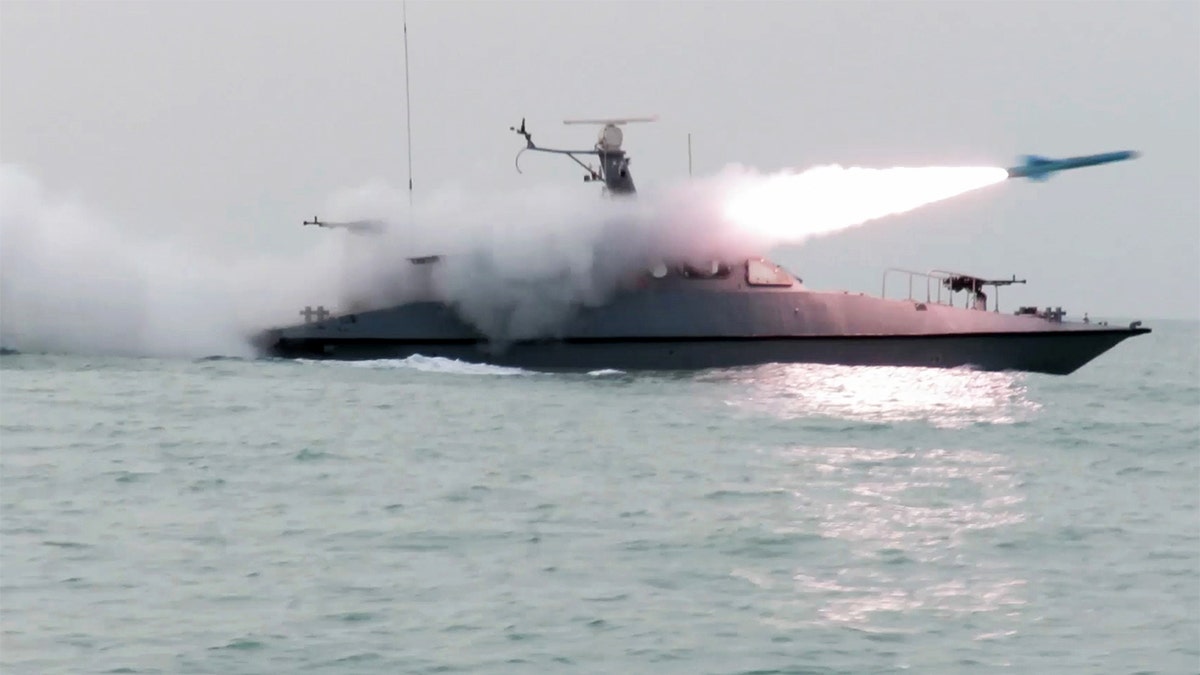
Iranian military personnel take part in the «Smart Control of the Strait of Hormuz» exercise in the Persian Gulf and the Strait of Hormuz Feb. 16, 2026. (Press Office Of The Islamic Revolutionary Guard Corps/Handout/Anadolu via Getty Images)
TRUMP RALLIES DEFENSE TITANS TO SURGE WEAPONS OUTPUT AS IRAN WAR RAGES
The gap between policy signaling and operational execution underscores the delicate balance Washington faces. Escort missions would require U.S. warships to operate in close proximity to Iran’s coastline in a narrow and heavily surveilled waterway, increasing the risk of direct confrontation.
Iran, for its part, has stopped short of declaring a closure of the strait while leaving the door open to escalation.
Iran has «no intention» of closing the Strait «right now,» Iranian Foreign Minister Abbas Araghchi said in an interview with NBC News Thursday.
«As the war continues, we will consider every scenario.»
Araghchi also suggested commercial ships were avoiding the passage out of fear of being struck «by either side» and said international oil tankers were not targets for Iran.

The Strait of Hormuz is a critical maritime choke point that handles roughly 20% of the world’s crude oil shipments, and tensions between the U.S. and Iran raise concerns about shipping security. (Giuseppe Cacace/AFP via Getty Images)
Even without a formal closure, the measurable reduction in ship traffic is placing real pressure on global markets and Gulf economies. Crude prices have risen amid concerns that prolonged disruption could tighten supply, particularly for Asian buyers dependent on Gulf exports.
Trump has publicly downplayed concerns about rising gasoline prices in the United States.
«They’ll drop very rapidly when this is over, and if they rise, they rise, but this is far more important than having gasoline prices go up a little bit,» he told Reuters.
CLICK HERE TO DOWNLOAD THE FOX NEWS APP
The administration’s posture suggests it is prepared to tolerate short-term energy price volatility while signaling readiness to intervene militarily if commercial shipping cannot resume safely on its own.
For now, however, the Strait of Hormuz remains open but under strain, a critical artery of the global economy operating in a climate of active attacks, rising insurance costs and escalating rhetoric between Washington and Tehran.
Related Article

war with iran,middle east,energy,us navy
En solo ocho años se hicieron multimillonarias unas 350 personas
Las rebajas de impuestos de Trump incrementaron la venta de aviones privados y las ganancias corporativas
La pandemia fue un factor multiplicador
Enorme riqueza en el condado de Teton
En el condado de Teton el contrato social se está deteriorando
INTERNACIONAL
Israel strikes slain Iranian Supreme Leader Ayatollah Ali Khamenei’s underground military bunker
NEWYou can now listen to Fox News articles!
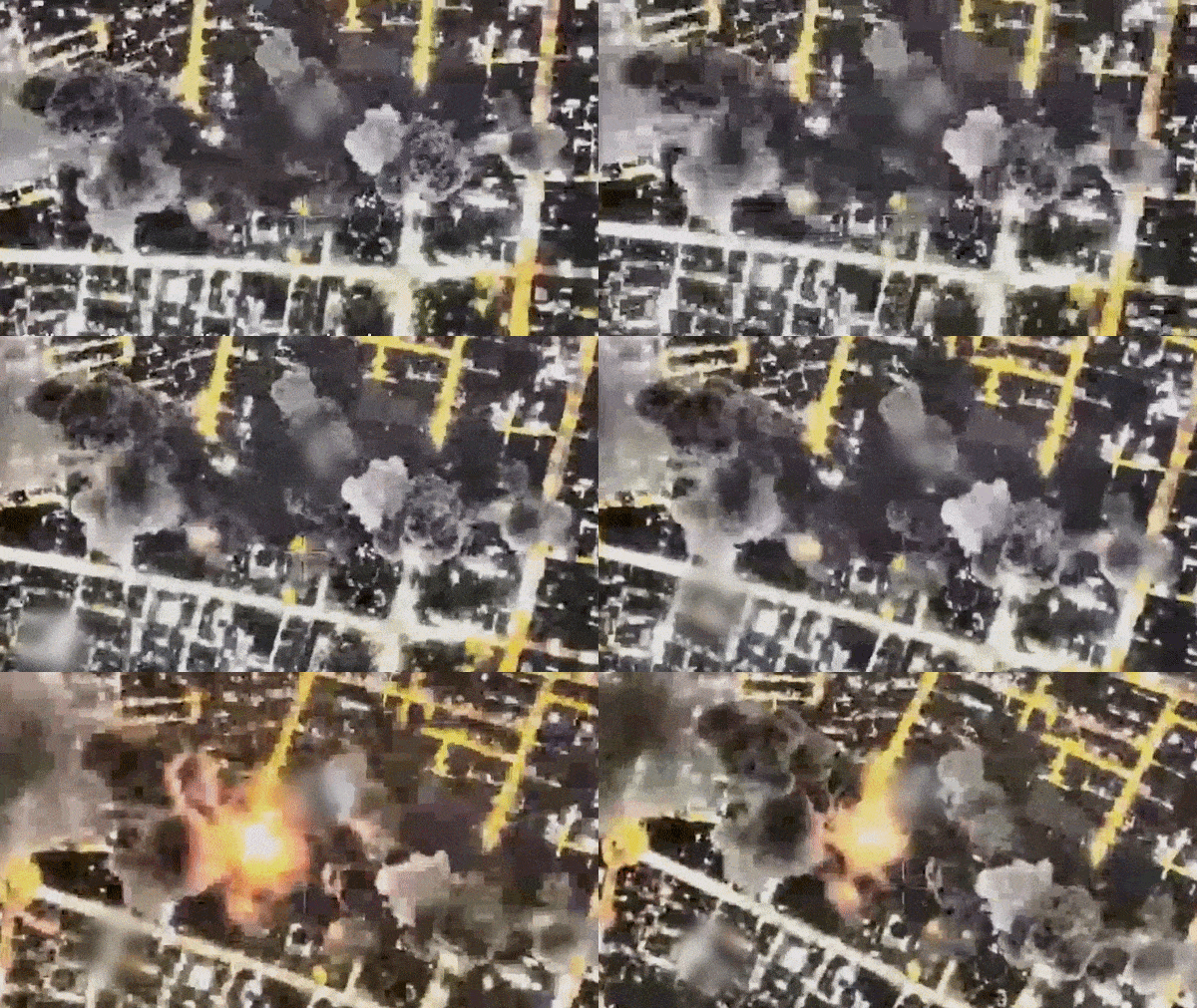
The Israel Defense Forces (IDF) on Friday announced that it had dismantled former Iranian Supreme Leader Ayatollah Ali Khamenei’s underground bunker in Tehran.
«The underground compound was created by the regime as a base for advancing military activities and its extremist ideologies against the State of Israel and the Western world,» the IDF said. «It spanned multiple streets in the heart of Tehran and contained numerous entrances and meeting rooms for senior members of the Iranian terrorist regime.»
Israel later released an illustrated video which showed a number of entry points throughout Tehran with tunnels leading to the underground bunker.
The Israel Defense Forces struck former Iranian Supreme Leader Ayatollah Ali Khamenei’s bunker in Tehran. (IDF)
The fortified compound was directly under where Khamenei and other regime leaders were situated on Saturday morning when almost 50 of them were killed in under 50 seconds during the launch of Operation Epic Fury, a senior Israeli official told Fox News.
IRAN POSTPONES TEHRAN FAREWELL CEREMONY FOR KHAMENEI WHERE LARGE CROWDS WERE EXPECTED TO GATHER
The official said that Khamenei spent millions of dollars and a number of years building the bunker, which he did not use on the morning of the strike. Sources familiar with the intelligence say that Khamenei believed no one had the guts to strike him.
The senior Israeli official told Fox News that Khamenei’s confidence was partially thanks to an Israeli-American deception plan that included messaging, signals and public statements by President Donald Trump that suggested nothing immediate was coming. Top IDF commanders even went home on Friday night, hours before the strike, in an attempt to deceive Iranian leadership.
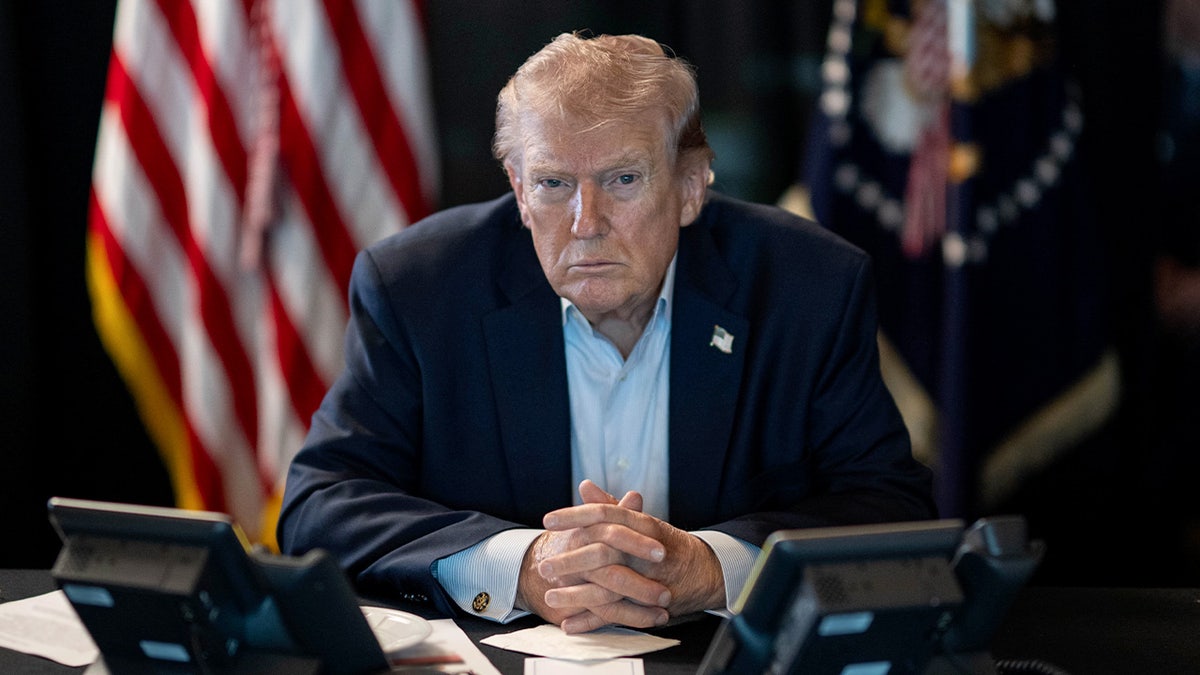
President Donald Trump confirmed the U.S. launched strikes on Iran on Saturday, Feb. 28, 2026. (The White House via X Account/Anadolu via Getty Images)
CLICK HERE TO DOWNLOAD THE FOX NEWS APP
Khamenei was killed on the first day of Operation Epic Fury after ruling the Islamic Republic for more than 30 years. During that time, he oversaw harsh internal crackdowns, including the most recent one in January, which targeted Iranian protesters, as well as international confrontations.
Fox News’ Trey Yingst and Fox News Digital’s Efrat Lachter and Ruth Marks Eglash contributed to this report.
Related Article
war with iran,iran,world,israel,middle east

US signals readiness to escort tankers through Hormuz as traffic thins, but no mission has been launched

Javier Milei llegó a Miami para participar de la cumbre de mandatarios de América Latina organizada por Trump

Quebró Garbarino: qué pasará con los electrodomésticos que le quedaron sin vender

Atlético Tucumán vs. Racing: formaciones, hora y dónde ver por tv

Los signos del horóscopo con mayor intensidad y que enfrentarán verdades fuertes en marzo, según Jimena La Torre: «Aries, Tauro, Géminis, Cáncer y Leo»

Vacantes judiciales, reformas pendientes y tensiones con los tribunales: los desafíos que enfrenta Mahiques en Justicia

El hijo adoptivo de José María Muscari tomó una tajante decisión de vida a los 18 años

Petri y Villarruel se cruzaron por un gesto en el Congreso: de “golpista” a “te conozco por el trencito de la alegría”

¡Interna total! Pablo Layus explotó y blanqueó quiénes son los que arruinan Intrusos: «Te matan»

Ángel de Brito contó la oscura verdad de Jorge Rial para no ir a LAM: “Es un…”

 CHIMENTOS2 días ago
El hijo adoptivo de José María Muscari tomó una tajante decisión de vida a los 18 años
- CHIMENTOS3 días ago
¡Interna total! Pablo Layus explotó y blanqueó quiénes son los que arruinan Intrusos: «Te matan»
- CHIMENTOS2 días ago
El desafortunado comentario de Yanina Zilli contra Daniela de Lucía, tras la muerte de su padre: “Jugamos con lo personal”