INTERNACIONAL
Israel’s Gaza offensive sparks fierce clash over Ultra-Orthodox military draft


IDF troops in Gaza
The IDF says it recently operated and concluded the encirclement of Tel al-Sultan in Gaza . (IDF Video.)
NEWYou can now listen to Fox News articles!
As Israel mobilizes an additional 60,000 reservists for its Gaza City offensive, Prime Minister Benjamin Netanyahu faces a showdown over mandatory military service for the Ultra-Orthodox community, a debate sharpened by the strain on reservists pulled from their families for months at a time.
During Israel’s 1948 War of Independence, Prime Minister David Ben-Gurion reached an agreement with the Ultra-Orthodox community to exempt full-time Bible students from the army. The arrangement, known as «Torato manuto» — literally «his Torah is his occupation» — originally applied to only a few hundred students.
Today, that community makes up roughly 15% of Israel’s population of 10 million, a share projected to grow to about a third by 2050 due to high birth rates.
ISRAEL’S NETANYAHU HOLDS ON TO POWER, ATTEMPT TO DISSOLVE GOVERNMENT FALLS SHORT
The Chief of the General Staff, LTG Eyal Zamir, conducted a field tour in the Gaza Strip. (IDF Spokesman’s Unit)
When the Knesset broke for its summer recess at the end of July, Prime Minister Benjamin Netanyahu’s coalition was on the verge of collapse over the conscription issue, even as the war against Hamas in Gaza intensified.
Likud lawmaker Yuli Edelstein told Fox News Digital that the ideal outcome would see full-time Torah students continue their studies, while those who are not engaged in religious learning would enlist in the IDF.
«The army needs them, Israel needs them, and it’s manageable — we can do it. What makes it difficult is the lack of an oversight mechanism that the Haredim would agree to,» Edelstein said.
In July, Netanyahu’s Likud party removed Edelstein as chair of the influential Knesset Foreign Affairs and Defense Committee after he publicly accused Haredi lawmakers of refusing to engage in compromise on legislation the body was ready to advance.
The shake-up came a week after the Ultra-Orthodox parties United Torah Judaism and Shas withdrew from the coalition in protest over the failure to pass legislation exempting Haredi men from military service. However, they stopped short of joining opposition no-confidence motions that could topple the government.
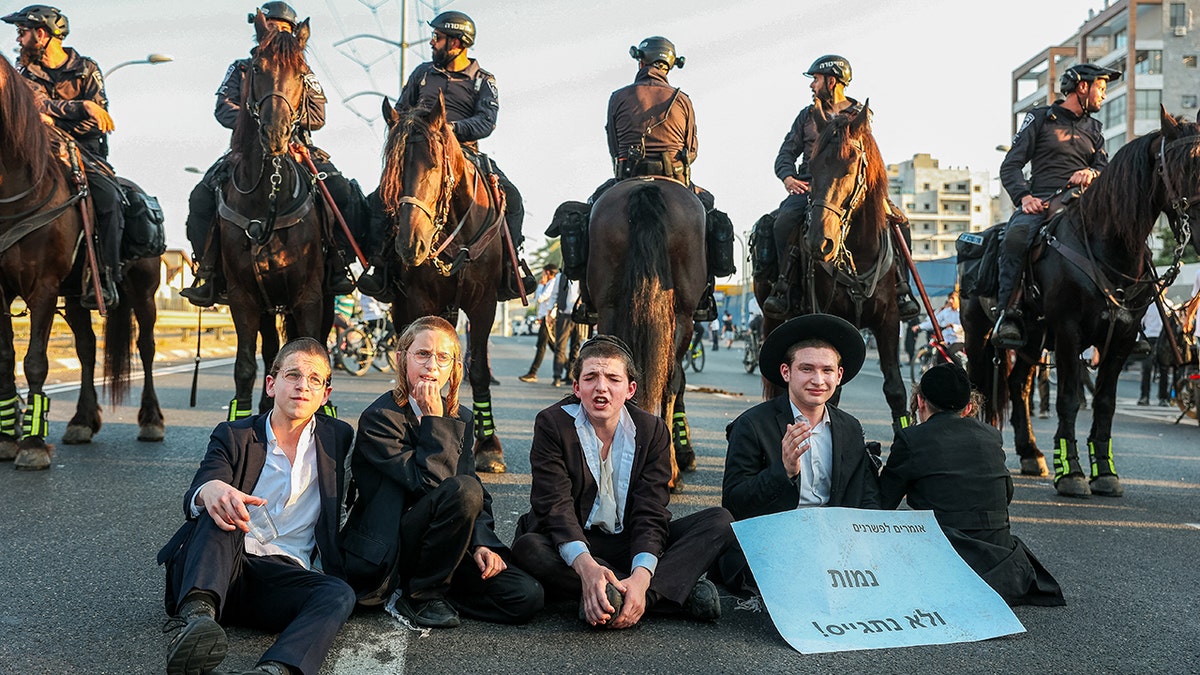
Ultra-Orthodox Jewish boys sit in front of mounted police officers during a demonstration against the draft into the Israeli army on June 27, 2024, in Bnei Brak, Israel. (Itai Ron/Middle East Images/AFP via Getty Images)
ISRAEL WARNS OF IMMINENT ATTACK ON GAZA CITY, URGES RESIDENTS TO FLEE
The Knesset reconvenes for its winter session next month, giving Netanyahu a little over a month to broker a deal.
«We insisted that anyone who joins the army as a Haredi should leave as a Haredi, and we insisted that the army build the infrastructure to make that possible. We really understand the sensitivity,» Edelstein told Fox News Digital.
«The rabbis, for now, are not in favor of Haredim joining the army — not all of them, of course — but we are trying to work with them as well,» he added.
Ido Keren is the founder of «Katef Le Katef» («Shoulder to Shoulder»), an organization of young military reservists from across Israel’s political spectrum that advocates for universal conscription, both as a security necessity and a matter of equality.»

Ultra-Orthodox Jewish group gathers to protest against conscription in front of the Tel HaShomer military branch in Tel Aviv, Israel on Aug. 6, 2024. (Matan Golan/Anadolu via Getty Images)
«The IDF chief of staff has said there is a shortage of 10,000 to 12,000 soldiers, and these gaps must be filled,» Keren told Fox News Digital. «While 64,000 Haredim are eligible for enlistment, they are not joining. During this time, reservists continue to serve without pause.
«It is not logical that entire groups in Israeli society serve and pay taxes,» he continued, «while another group does not serve, does not pay taxes, and gets a free ride thanks to others. The Jewish state is built on values of mutual responsibility and unity.»
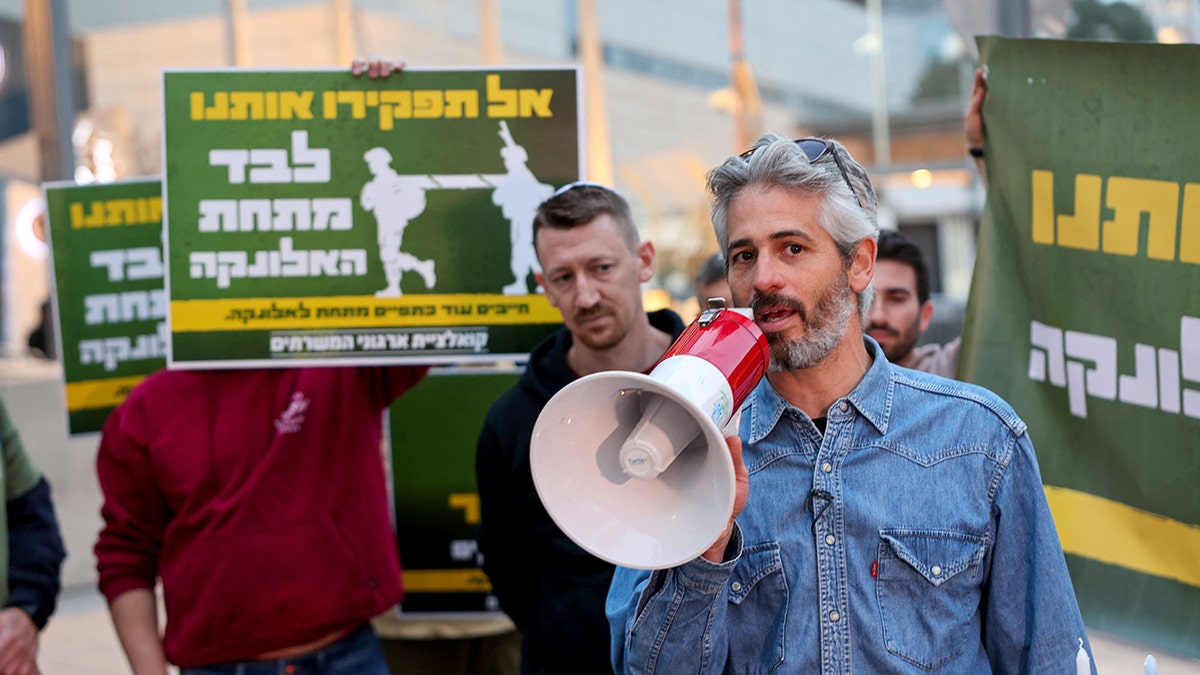
Israeli army reservists protest against a bill that would grant exemptions to Ultra-Orthodox Jews from serving in the army, outside the Israeli Defense Ministry in Tel Aviv on December 26, 2024. (Jack Guez/AFP via Getty Images)
Keren argued that the solution lies in enforcing a universal draft law backed by economic, rather than criminal, sanctions. Cutting public budgets for those who refuse to serve, he said, would push Haredim to enlist and enter the workforce, enabling them to contribute to Israeli society.
A former lawmaker from the Ultra-Orthodox United Torah Judaism party, Moshe Roth, told Fox News Digital that the roots of the debate go back to Israel’s founding. «From the establishment of the state, it was understood that, as the people of the book, it is vital for the country’s spiritual and national existence that a portion of the population devote themselves to Torah study,» he said.
Roth noted that about 20 years ago, Israel’s High Court deemed the status quo arrangement illegal for violating the principle of equality. Since then, the Knesset has repeatedly tried — and failed — to pass legislation addressing the Haredi draft.
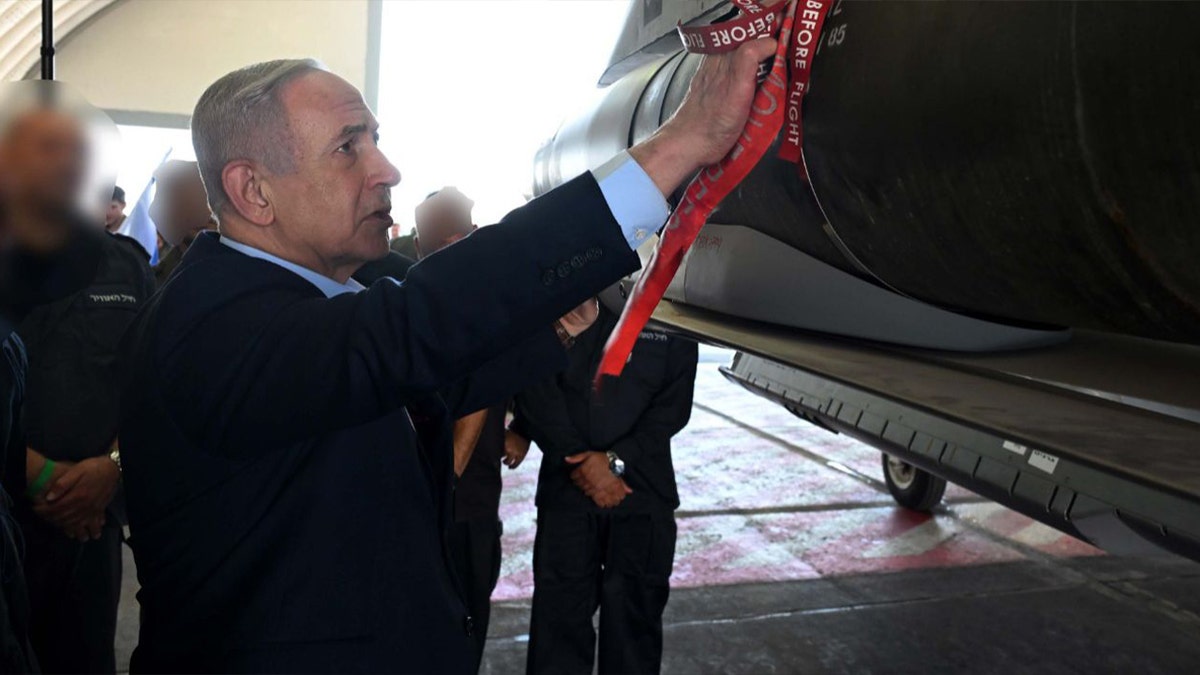
Prime Minister Bejamin Netanyahu visit the Tel Nof Airbase on June 16, 2025, accompanied by Defense Minister Israel Katz and IDF Chief of Staff Lt. Gen. Eyal Zamir. (GPO)
«It has become politically charged and weaponized. Many parties use it as a tool to win votes, which has made passing a law extremely difficult. Even when the Knesset succeeds, the High Court often rules that it falls short,» Roth said. «Since Oct. 7, the issue has grown even more sensitive.»
According to Roth, the IDF resisted drafting Haredim due to cultural reasons. «The army is progressive, and the yeshiva students would change its character and deter women from being integrated. It will change the situation dramatically; the military is not too keen about that,» he said.
ISRAEL SET TO LAUNCH GAZA CITY OFFENSIVE: HIGH STAKES, HIGH COSTS AHEAD
During a tour of the Gaza Strip late last month IDF Chief of Staff Lt. Gen. Eyal Zamir called for enlistment from all sectors.
«Israel’s security requires the full partnership of all parts of the nation. This is a civic duty and a national imperative. I call on everyone to enlist and contribute their share equally; this is the call of the hour,» Zamir said.
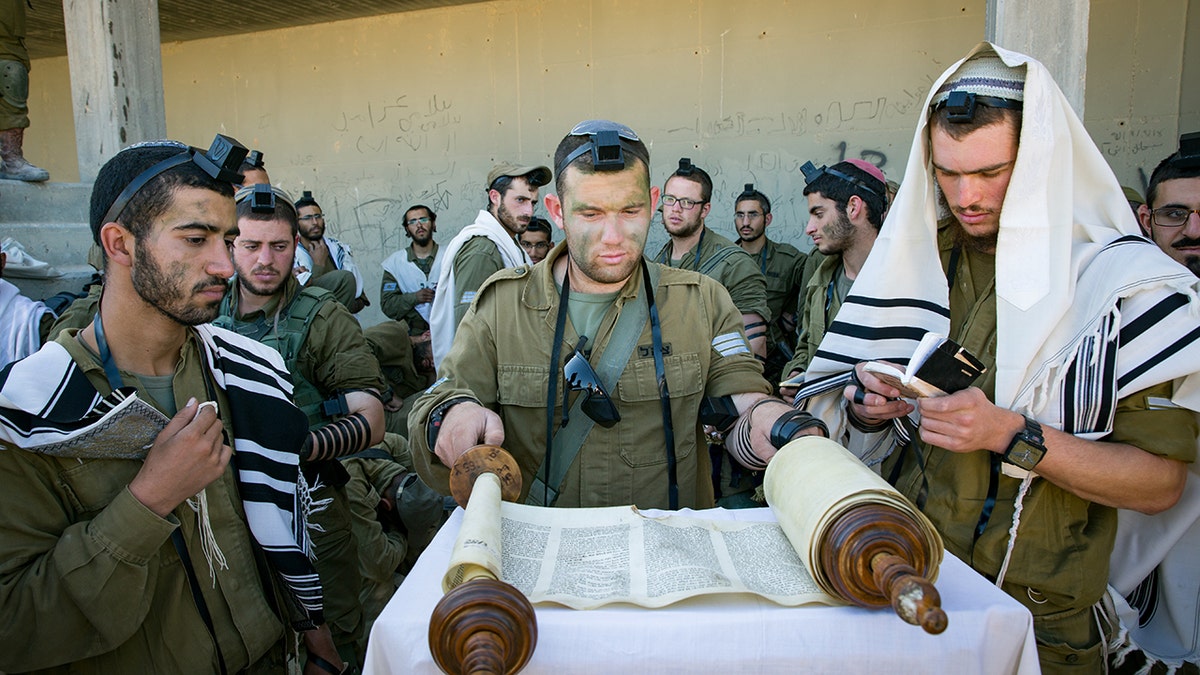
Netzach Yehuda soldiers reading from a torah scroll during the battalion training. Netzach Yehuda is a Haredi battalion of the Kfir brigade in the IDF. (Hillel Maeir/TPS-IL)
In the interim, the IDF is making strides to accommodate religious soldiers. In January, dozens of Ultra-Orthodox recruits joined the military’s new Hasmonean Brigade. The Netzah Yehuda Battalion, formerly Nahal Haredi, enables Haredi men to serve as combat soldiers while observing strict religious practices.
In June, the IDF announced it would issue more than 50,000 draft orders to Ultra-Orthodox yeshiva students and increase enforcement against draft evasion.
«We are attempting to change a situation that has existed for 77 years,» Likud’s Edelstein told Fox News Digital. «It’s a big and difficult shift, a scary change, but it’s necessary.»
CLICK HERE TO GET THE FOX NEWS APP
«We have no choice — both for military and social reasons,» he said.
israel,conflicts,faith








INTERNACIONAL
El régimen iraní aumentó sus ataques contra Israel y bombardeó zonas residenciales del centro del país

Una persona resultó herida en el centro de Israel tras el impacto de un misil balístico iraní equipado con munición de racimo, según informaron medios locales en la madrugada de este sábado.
El servicio de emergencia Magen David Adom (MDA) reportó que un hombre de 79 años sufrió heridas al ser alcanzado por fragmentos impulsados por la onda expansiva del misil en Kiryat Ata, cerca de Haifa.
Las Fuerzas de Defensa de Israel (IDF) identificaron el ataque y emitieron una alerta instando a la población a ingresar a espacios protegidos, mientras los sistemas de defensa trabajaban para interceptar la amenaza.
El Canal 12 de Israel informó que se recibieron llamadas de emergencia desde 17 puntos afectados por los impactos. Entre las ciudades con reportes de daños figuran Tel Aviv, Bnei Brak, Givatayim, Givat Shmuel, Petah Tikva y Rosh HaAyin.
Según el portal Ynet, el misil fragmentado impactó en seis ciudades diferentes y provocó un incendio en un edificio y un apagón en algunas zonas de la ciudad en Rosh HaAyin, daños en un edificio de Petah Tikva y destrozos en Tel Aviv.
Durante el viernes, las FDI llevaron a cabo más de 70 ataques en el oeste y centro de Irán contra emplazamientos de lanzamiento de misiles balísticos y vehículos aéreos no tripulados.
El Ejército israelí lanzó este sábado una serie de bombardeos contra posiciones de Hezbollah en Beirut, la capital de Líbano, en respuesta al lanzamiento de cohetes contra el norte de Israel desde territorio libanés.
“Las Fuerzas Armadas comenzaron a atacar infraestructura de Hezbollah en Beirut”, informó el Ejército israelí en redes sociales durante la madrugada, después de registrar varios ataques en el norte de Israel atribuidos al grupo terrorista.

Este último ataque del régimen iraní se desarrolla en medio de la búsqueda de un soldado estadounidense tras recientes intercepciones de Irán a dos aeronaves militares norteamericanas. Dos aeronaves militares de Estados Unidos fueron derribadas en incidentes separados el viernes durante operaciones de combate contra el régimen iraní, lo que desencadenó una operación de búsqueda y rescate que continúa para localizar a un miembro de la tripulación desaparecido.
Un caza F-15E fue alcanzado por fuego enemigo y se estrelló en territorio iraní; uno de sus dos tripulantes fue rescatado, aunque su estado de salud no detalló. El A-10, también impactado, logró llegar hasta el espacio aéreo de Kuwait antes de que el piloto se eyectara; posteriormente fue rescatado.
Durante la operación de búsqueda y rescate, dos helicópteros estadounidenses también fueron alcanzados por fuego iraní, resultando heridos algunos tripulantes, aunque ambas aeronaves lograron regresar a su base.

Por su parte, el primer ministro israelí, Benjamín Netanyahu, afirmó que la Fuerza Aérea de Israel destruyó el 70% de la capacidad de producción de acero de Irán. En un mensaje, Netanyahu explicó que esta ofensiva priva a la Guardia Revolucionaria iraní de recursos financieros y limita su capacidad para fabricar armamento, en el marco de una operación conjunta con Estados Unidos.
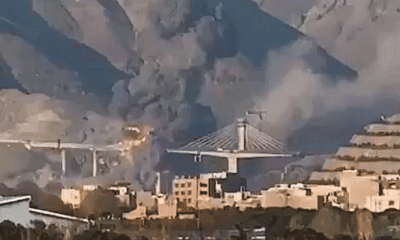
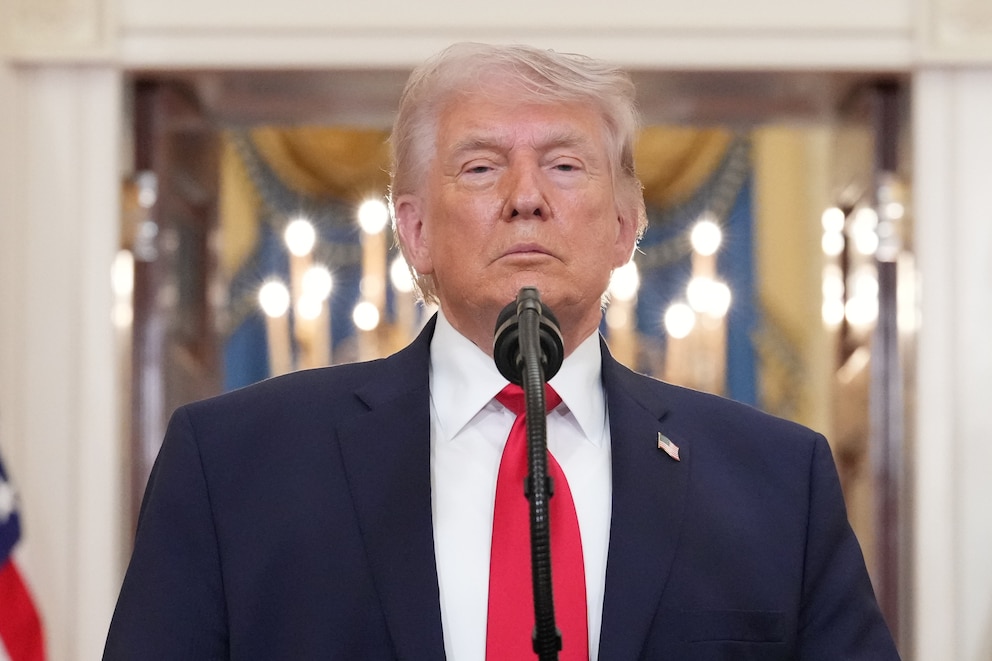
El mandatario indicó que las acciones recientes incluyeron bombardeos contra puentes y otras infraestructuras estratégicas en Irán, y subrayó que todas las operaciones se realizaron “en plena coordinación” con el presidente estadounidense Donald Trump. Netanyahu aseguró que las ofensivas continuarán hasta debilitar aún más al régimen iraní.
“Este régimen está más débil que nunca; Israel está más fuerte que nunca”, declaró tras una reunión de evaluación militar en la base principal de la unidad de Inteligencia del Ejército en Tel Aviv.
El acero es considerado un material estratégico para la industria y el sector militar, esencial en la producción de misiles, drones y embarcaciones. Tras los ataques, las dos mayores plantas siderúrgicas iraníes —Khuzestán y Mobarakeh— quedaron fuera de servicio. Las empresas advirtieron que su reconstrucción podría requerir meses.
La destrucción del 70% de la capacidad siderúrgica iraní representa un golpe relevante para la industria militar y la economía del país. El Gobierno israelí sostiene que la campaña conjunta busca frenar el flujo de recursos hacia la producción de armas por parte de la Guardia Revolucionaria. En respuesta, la Guardia Revolucionaria lanzó misiles y drones contra zonas industriales de la región e Israel, y adviritó sobre nuevas represalias si continúan los ataques.
(Con información de EFE)
War,Middle East,Military Conflicts

NEWYou can now listen to Fox News articles!
FIRST ON FOX: A bipartisan pair of top-ranking senators want to know why sanctioned Russian officials were in Washington, D.C., and given access to the Capitol and meetings with administration officials as wars in Iran and Ukraine rage on.
Senate Armed Services Committee Chair Roger Wicker, R-Miss., and Sen. Jeanne Shaheen, D-N.H., the top-ranking Democrat on the Senate Foreign Relations Committee, raised counterintelligence concerns over the recent visit of a delegation of Russian Duma members, all of whom are sanctioned for «conduct deemed to be harmful to U.S. national security.»
«The delegation came onto U.S. soil for one purpose: to advance the Kremlin’s strategic aims — including gathering additional useful intelligence,» the lawmakers wrote in a letter to Secretary of State Marco Rubio and Treasury Secretary Scott Bessent.
TRUMP EYES NEXT ATTORNEY GENERAL AS KEY GOP SENATOR SIGNALS POTENTIAL ROADBLOCK
Sens. Roger Wicker, R-Miss., and Jeanne Shahenn, D-N.H., raised counterintelligence concerns with the recent visit of a delegation of Russian officials to Washington, D.C. (Alex Wong/Getty Images; Anna Rose Layden/Getty Images)
«They did not come to engage in dialogue or pursue democratic aims,» they continued.
The lawmakers argued that Duma members «include Kremlin subordinates who have committed numerous cyber and ransomware attacks on Americans and have facilitated war crimes against Ukrainian civilians.»
«Remarkably, they are now helping Iran target U.S. military and diplomatic personnel across the Middle East,» Wicker and Shaheen wrote.
SENATE TO QUESTION TRUMP INTEL LEADERS ON IRAN WAR AFTER TOP OFFICIAL QUITS IN PROTEST
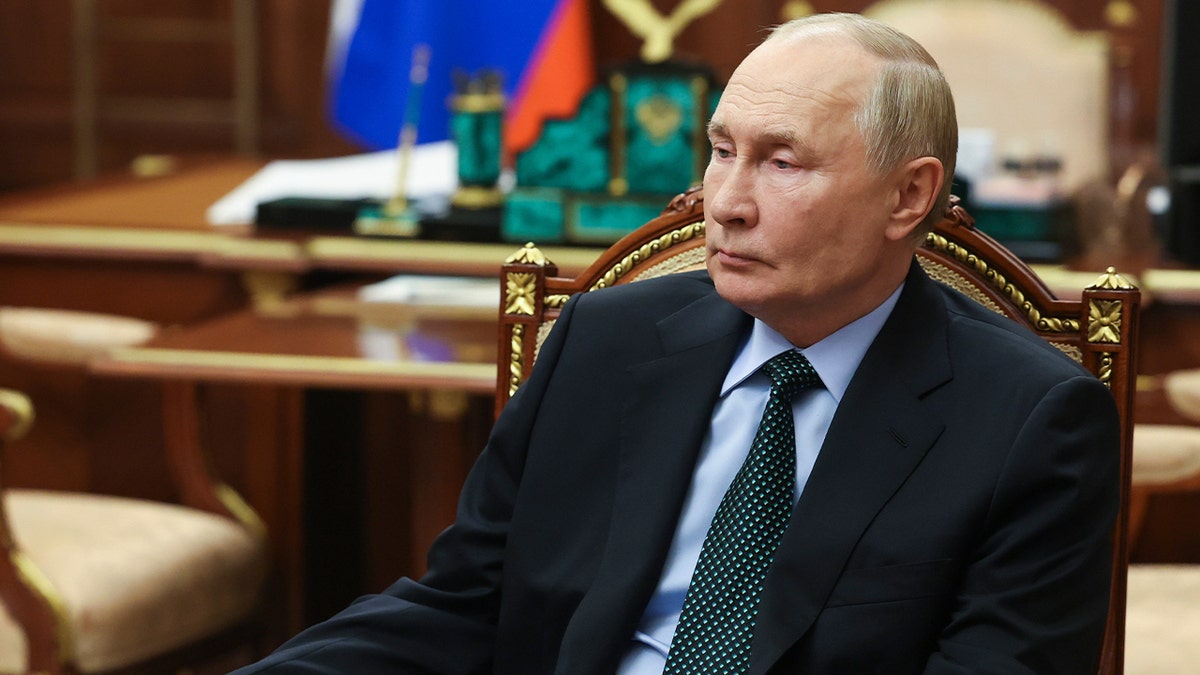
Russian President Vladimir Putin listens to Moscow-appointed head of Russian-controlled Zaporizhzhia region of Ukraine, Yevgeny Balitsky, during their meeting at the Kremlin in Moscow, Nov. 18, 2024. (Vyacheslav Prokofyev, Sputnik, Kremlin via AP)
Several members of the Russian Duma visited Washington, D.C., late last month on a trip organized by Rep. Anna Paulina Luna, R-Fla. She was joined by Reps. Eli Crane, R-Ariz., Derrick Van Orden, R-Wis., Andy Ogles, R-Tenn., and Vicente Gonzalez, D-Texas, for a meeting with the delegation.
Luna later gave them a tour of the Capitol after posing for photos outside the United States Institute of Peace.
«As representatives of the world’s two greatest nuclear superpowers, we owe our citizens open dialogue, the exchange of ideas, and open lines of communication,» Luna said on X following the meeting. «We will continue to foster this dialogue and push for peace in support of this [administration’s] efforts, as well as economic opportunity.»
GRAHAM SAYS RUSSIA SANCTIONS BILL ‘NEVER GOING BACK ON THE SHELF’ AFTER TRUMP BACKS PUSH
Wicker and Shaheen noted that the Duma members were «far from innocent participants in a cultural exchange.»
«It included Vyacheslav Nikonov, who in 2023 referred to the United States and the North Atlantic Treaty Organization as the ‘Fourth Reich’ on Russian television. Mikhail Delyagin has advocated for destroying Ukraine’s energy sector. Boris Chernyshov once claimed that Russian retaliatory strikes were ‘an expression of our hatred [of Ukraine],’» they wrote.
CLICK HERE TO DOWNLOAD THE FOX NEWS APP
Wicker and Shaheen demanded that Rubio and Bessent explain why sanctions were waived for the Russian officials’ visit, what meetings the delegation had with Trump administration officials, what counterintelligence assessments were conducted on the visiting Russians, and provide a complete manifest of who traveled from the Russian Federation.
The lawmakers wrote that the delegation’s visit came «at a time when Russia’s intentions are unambiguously clear.»
«Numerous public reports have cited Russian support for Iran’s military targeting of American service members in the Middle East,» they wrote. «European intelligence agencies have reported that Russia intends to attack NATO member states in the coming years. And [Russian President Vladimir] Putin has made it clear that peace in Ukraine is a mirage. His singular ambition for Ukraine is to erase its existence.»
politics, senate, russia, war with iran
INTERNACIONAL
Ante la presión de EEUU e Israel, el régimen iraní designó a un nuevo portavoz de la Guardia Revolucionaria
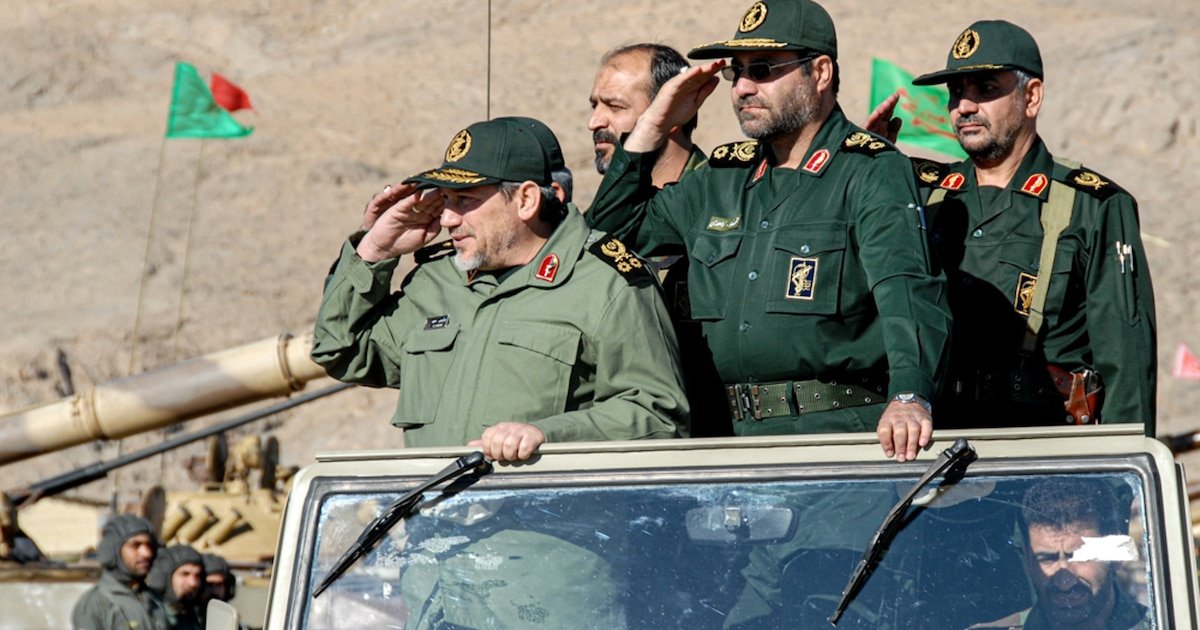
La Guardia Revolucionaria iraní enfrenta un proceso de reorganización interna tras la muerte de su portavoz, en medio de la actual ofensiva militar conjunta de Estados Unidos e Israel contra Irán.
La agencia de noticias Fars informó que el militar Hosein Mohabi asumió de forma provisional la jefatura de la Subdirección de Relaciones Públicas y la vocería del Cuerpo de Guardianes de la Revolución Islámica (CGRI), luego del fallecimiento de Ali Mohamad Naini.
El nombramiento de Mohabi se realizó por orden de Hojatoleslam Haji Sadeghi, representante del Líder Supremo (Mojtaba Khamenei) en el cuerpo militar iraní. La designación responde al vacío dejado por Naini, cuya muerte fue confirmada por la Guardia Revolucionaria el pasado 20 de marzo y que fue descrita oficialmente como un “martirio”.
Poco después de conocerse la noticia, el Ejército de Israel reivindicó la autoría del fallecimiento de Naini. Las fuerzas israelíes difundieron en redes sociales el mensaje: “Eliminado”, y subrayaron que “el asesinato de Naini se suma a una serie de asesinatos de decenas de altos cargos del régimen en el marco de la operación”, en referencia a la ofensiva en curso junto con Estados Unidos.

Entre las víctimas de la cúpula del régimen figuran altos funcionarios iraníes, incluyendo al ex líder supremo, el ayatollah Ali Khamenei; el secretario del Consejo Supremo de Seguridad Nacional, Alí Larijani; y los ministros de Defensa e Inteligencia, Aziz Nasirzadeh y Ismail Khatib.
En síntesis, la sustitución provisional de Naini por Mohabi refleja el intento del CGRI de mantener la continuidad institucional y comunicacional bajo una situación extraordinaria, marcada tanto por la pérdida de figuras clave como por el recrudecimiento de los ataques y la disputa geopolítica abierta en Medio Oriente.
El CGRI consolidó su control sobre las funciones gubernamentales esenciales en Irán, desplazando de facto a la administración civil encabezada por el presidente Masoud Pezeshkian. Esta situación se desarrolla en medio de una inestabilidad política profunda y la continua incertidumbre sobre el paradero y la situación del líder supremo Mojtaba Khamenei, según informó el medio Iran International.
El mando militar se convirtió en el eje real del poder en la república islámica, mientras en Washington, Donald Trump sostiene que Estados Unidos negocia con “un nuevo presidente” iraní menos radicalizado, aunque evita mencionar nombres. El CGRI, en los últimos días, frustró la capacidad de la presidencia para nombrar altos funcionarios, limitando así el margen de maniobra política del ejecutivo.
En respuesta a los recientes intentos de Pezeshkian por designar un nuevo ministro de inteligencia, el comandante Ahmad Vahidi intervino directamente y bloqueó cualquier avance, según el reporte del medio iraní. Ninguno de los candidatos propuestos —entre ellos el ex ministro Hossein Dehghan— recibió el visto bueno militar. Vahidi justificó la decisión al declarar que, debido a la situación de guerra, “los puestos de liderazgo más delicados seguirán bajo administración y supervisión del CGRI por tiempo indefinido”.
La maniobra representa una ruptura abierta con el procedimiento político tradicional del país, donde la elección de los ministros de inteligencia corresponde al presidente, tras recibir el aval del líder supremo. Sin embargo, la ausencia prolongada de Khamenei permitió al estamento militar bloquear las promociones impulsadas por el Ejecutivo y afianzar su dominio sobre el aparato de seguridad nacional.
En la práctica, el CGRI pasó a ejercer el control de las áreas estratégicas del Estado iraní, relegando a la presidencia a un papel secundario. A día de hoy, la autoridad de la Guardia Revolucionaria sobre los nombramientos clave revela la magnitud del cambio de poder en Teherán y el protagonismo absoluto de los mandos militares en la crisis actual.
(Con información de Europa Press)
Ali Mohammad Naini,Irán,prensa,conferencia,militar,gobierno,discurso,asesor,uniforme

Las encuestas que preocupan a Milei por el caso Adorni y el plan para relanzar la gestión

Unión vs. Deportivo Riestra: formaciones, hora y dónde ver por tv

Revelaron cómo trabajaba Fini Lanusse, la médica que organizaba fiestas con droga robada: “Sedada y…”

ANSES: cuándo cobro en abril 2026 si mi DNI termina en 2

El régimen iraní aumentó sus ataques contra Israel y bombardeó zonas residenciales del centro del país

Cuál es la estrategia del Gobierno para revertir la suspensión de la reforma laboral: temores, versiones y la vía rápida a la Corte

Dos jubiladas que le habrían prestado dinero a Manuel Adorni negaron conocerlo

El Gobierno reevalúa la estrategia de comunicación por el caso Adorni y mide el impacto en la imagen de Milei

Milei se pone al frente de la defensa de Adorni y lo suma a un acto por Malvinas en una nueva muestra de respaldo

Oriana Sabatini sorprendió al elegir a una famosa como madrina de Gia, su hija con Paulo Dybala

 POLITICA3 días ago
El Gobierno reevalúa la estrategia de comunicación por el caso Adorni y mide el impacto en la imagen de Milei
- POLITICA2 días ago
Milei se pone al frente de la defensa de Adorni y lo suma a un acto por Malvinas en una nueva muestra de respaldo
- CHIMENTOS2 días ago
Oriana Sabatini sorprendió al elegir a una famosa como madrina de Gia, su hija con Paulo Dybala