INTERNACIONAL
Israel’s Netanyahu holds on to power, attempt to dissolve government falls short


NEWYou can now listen to Fox News articles!
Israeli Prime Minister Benjamin Netanyahu and his coalition have faced the most serious challenge to their power since Oct. 7 after a bill to dissolve parliament and call for early elections failed.
This is more than a momentary victory: under Israeli law, the bill’s failure means that no other proposal to dissolve the Knesset (parliament) can be introduced for six months, buying Netanyahu and his coalition some time.
Israeli Prime Minister Benjamin Netanyahu, Foreign Minister Israel Katz and Israeli Finance Minister Bezalel Smotrich attend a Plenum session of the Knesset, Israel’s Parliament, in Jerusalem, June 11, 2025. (REUTERS/Ronen Zvulun)
NETANYAHU COALITION THREATENED BY CONSCRIPTION STANDOFF WITH RELIGIOUS PARTIES
Ultra-Orthodox lawmakers had threatened to dissolve the government amid a deadlock over exemptions to military service. According to the Associated Press, most of the ultra-Orthodox members of the Knesset agreed to vote against the bill after reaching a compromise with MK Yuli Edelstein, who leads the Knesset Foreign Affairs and Defense Committee. Discussions about the new draft law will reportedly continue over the coming week.
Edelstein has been a vocal opponent of any bill that would enshrine the ultra-Orthodox military service exemption into Israeli law, according to the Times of Israel.
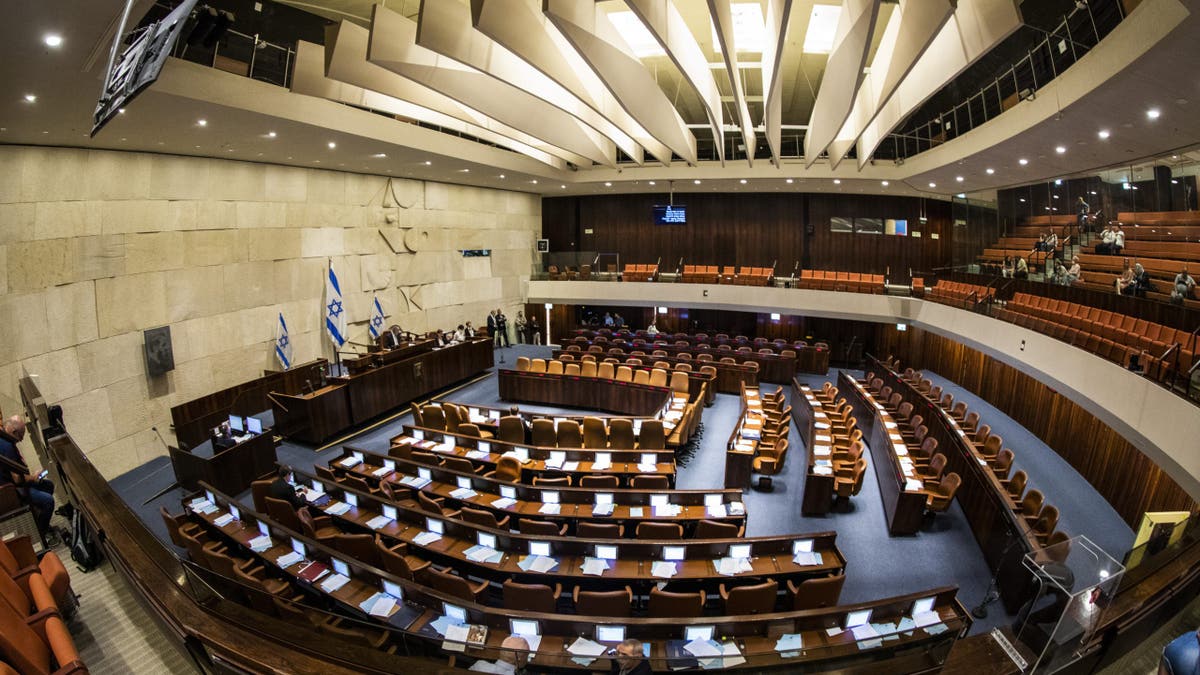
A general view of the empty plenary chamber of the Israeli Knesset. (Ilia Yefimovich/picture alliance via Getty Images)
NETANYAHU ACCUSES ISRAELI POLICE OF TRYING TO ‘TOPPLE’ HIS GOVERNMENT
While Israel requires citizens to enlist in the military at age 18, several groups are exempt—including the ultra-Orthodox community, also known as Haredim—which makes up roughly 13% of Israeli society, according to the Associated Press.
The Israel Defense Forces (IDF) have Haredi units, which allow soldiers to follow religious traditions more strictly than other parts of the army. However, many Haredim choose to study Torah instead.
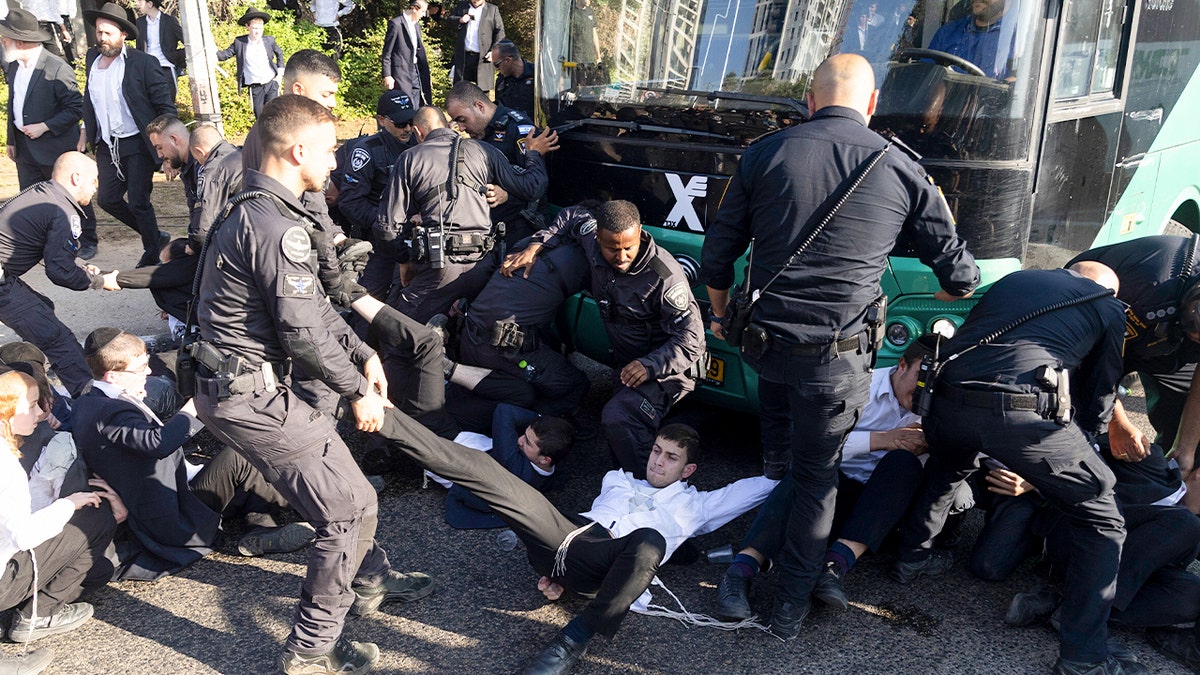
Ultra-Orthodox Jewish men clash with police officers as they block a main highway during a demonstration against drafting to the Israeli army on June 5, 2025, in Bnei Brak, Israel. (Amir Levy/Getty Images)
CLICK HERE TO GET THE FOX NEWS APP
Opposition leader and former Prime Minister Yair Lapid said the government «spat in the faces» of Israeli soldiers and «sold out our troops» with the compromise, the Times of Israel reported. The outlet added that Edelstein stated that the only way to get an «effective bill like this leading to an expansion of the IDF’s conscription base» would be through his committee.
The issue of religious exemption has been a debate among Israelis for decades, but it has become especially heated since Hamas’ Oct. 7 massacre.
Israel is currently fighting the longest war in its history as the country marks 20 months of its ground operation in Gaza. Israelis from all walks of life have been called up to the reserves throughout the war, fueling frustration with the Haredi community’s exemption.

INTERNACIONAL
Panamá impulsa su primera carretera ecológica en Colón en medio de dudas de ambientalistas

La construcción del Corredor del Caribe, considerada la primera carretera ecológica de Panamá, avanza en medio de una combinación de expectativas económicas y exigencias ambientales que han marcado su desarrollo desde el inicio.
El proyecto, que conecta Quebrada Ancha con María Chiquita en la provincia de Colón, registra un avance cercano al 40% y se ha convertido en una de las obras de infraestructura más observadas del país por su ubicación dentro de un corredor biológico estratégico.
La iniciativa busca equilibrar desarrollo y conservación, aunque ese mismo objetivo ha sido el centro de una controversia que obligó a rediseñar su ejecución.
Desde su concepción, la obra fue planteada como una vía de 28 kilómetros destinada a mejorar la conectividad hacia la Costa Arriba de Colón, una región históricamente rezagada en términos de acceso vial.
El proyecto apunta a dinamizar el turismo, la agricultura y el comercio, facilitando el traslado de personas y productos en una zona con alto potencial económico.
Además, se estima que beneficiará directamente a más de 150,000 personas, lo que refuerza su importancia dentro de la estrategia de desarrollo regional impulsada por el Estado.
Sin embargo, el elemento que distingue al Corredor del Caribe es su enfoque ambiental. La carretera ha sido rediseñada bajo un modelo ecológico, incorporando criterios que no formaban parte del contrato original.

Entre las medidas más relevantes destacan la construcción de al menos 35 pasos de fauna —aéreos, terrestres y pluviales—, diseñados para permitir el desplazamiento seguro de especies como jaguares, pumas, ocelotes y monos.
A esto se suman restricciones operativas como límites de velocidad de 40 km/h, control de acceso mediante garitas y la prohibición de circulación de vehículos pesados en ciertos tramos.
El componente ecológico también se articula con la creación del Parque Nacional Sierra Llorona, una nueva área protegida de más de 16,700 hectáreas. Esta zona cumple una función clave dentro del Corredor Biológico Mesoamericano, al conectar ecosistemas entre el Parque Nacional Chagres y el Parque Nacional Portobelo.
La coexistencia entre la vía y el parque ha sido presentada por el Gobierno como un modelo de integración entre infraestructura y conservación, aunque expertos advierten que este equilibrio dependerá de la ejecución efectiva de las medidas de mitigación.

El impacto esperado de la obra trasciende lo económico. El proyecto busca transformar la dinámica social y territorial de la región, mejorando el acceso a servicios básicos, educación y oportunidades de empleo.
Asimismo, se proyecta que impulse el turismo ecológico hacia destinos como Portobelo y María Chiquita, aprovechando la riqueza natural del área. No obstante, estos beneficios están condicionados a que la intervención no degrade los ecosistemas que precisamente constituyen su principal atractivo.
La controversia ambiental ha sido uno de los factores determinantes en el desarrollo del proyecto. Organizaciones ambientalistas cuestionaron desde el inicio el trazado de la carretera, señalando que atraviesa zonas sensibles como la reserva de Sierra Llorona y afecta fuentes hídricas críticas.
Uno de los principales puntos de conflicto fue la categoría del Estudio de Impacto Ambiental (EIA), ya que sectores técnicos consideraban que el tramo más delicado debía evaluarse bajo categoría III y no II, debido a la magnitud de los posibles impactos.

Estas tensiones derivaron en un proceso legal que frenó temporalmente la obra. En junio de 2024, la Corte Suprema de Justicia ordenó la suspensión provisional del proyecto, lo que obligó a revisar su diseño y enfoque.
La posterior reactivación en enero de 2025 estuvo condicionada a ajustes técnicos y ambientales, marcando un punto de inflexión en la ejecución. Como resultado, el trazado fue dividido en dos obras con estudios de impacto diferenciados, lo que permitió avanzar bajo estándares más estrictos de evaluación.
El debate de fondo ha girado en torno a la disyuntiva entre desarrollo y conservación. Mientras sectores empresariales y comunidades locales respaldan la carretera como motor económico, grupos ambientalistas insisten en que existen alternativas menos invasivas, como la rehabilitación de rutas existentes. Esta discusión refleja una tensión estructural en la planificación territorial del país, donde los proyectos de infraestructura suelen intersectar con áreas de alto valor ecológico.
A pesar de las críticas, las autoridades sostienen que el Corredor del Caribe representa un cambio de paradigma. El proyecto incorpora por primera vez en Panamá un enfoque sistemático de conectividad ecológica, integrando infraestructura vial con conservación de la biodiversidad.
Sin embargo, expertos coinciden en que el verdadero reto no está en el diseño, sino en la ejecución, fiscalización y cumplimiento de las medidas ambientales a lo largo del tiempo.
corresponsal:Desde Panamá
NEWYou can now listen to Fox News articles!
Senate Republicans dug in for the long haul as they embarked on their floor takeover and signaled that the hours of debate that crept well beyond the upper chamber’s usual twilight business hours were just the beginning.
The GOP launched its plan to control the Senate floor earlier Tuesday and spent the ensuing hours lauding and defending the Safeguarding American Voter Eligibility (SAVE) America Act as Senate Democrats hammered the bill as a tool of voter suppression.
But without Democratic support, the bill is destined to fail. And the vote to open the marathon debate session, which lawmakers predict could last days if not weeks, was an indicator that the support did not exist in the upper chamber to pass the SAVE America Act.
GOP TRIGGERS MARATHON SENATE FIGHT TO EXPOSE DEMS’ OPPOSITION TO TRUMP-BACKED VOTER ID BILL
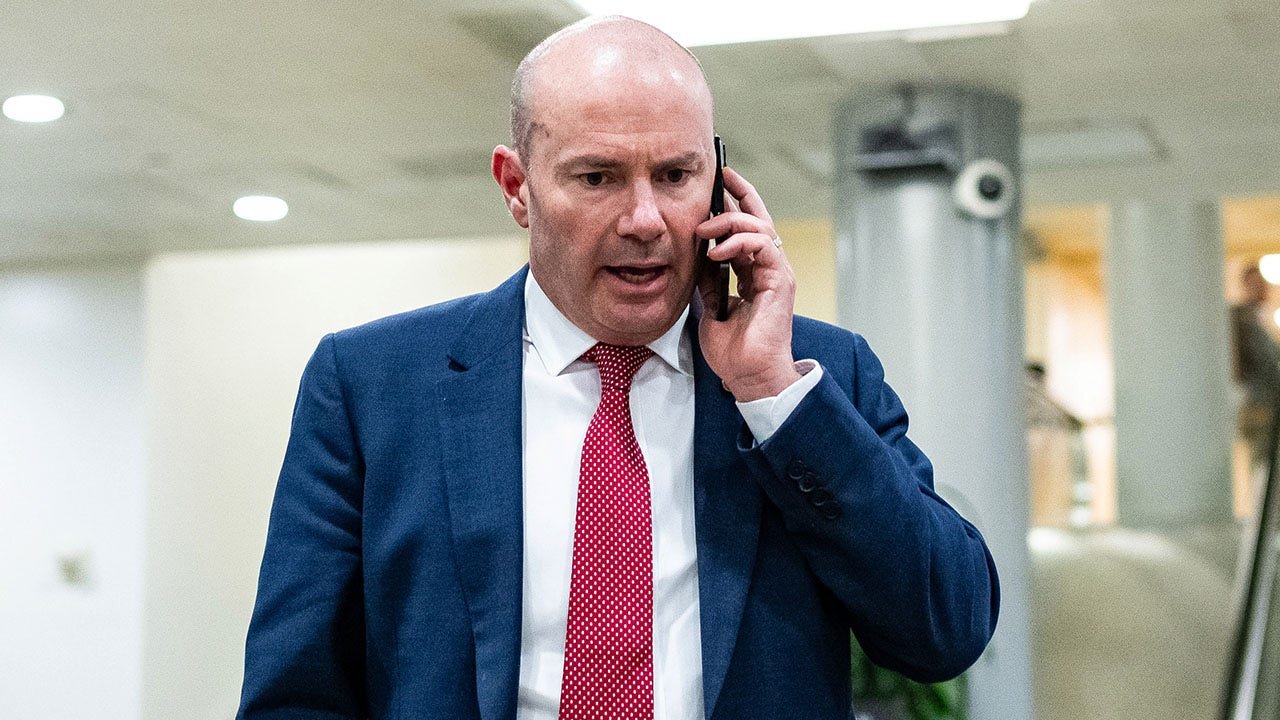
Sen. Mike Lee, R-Utah, was determined to make sure the Senate continued to debate his voter ID bill until it «damn well passes.» (Graeme Sloan/Bloomberg via Getty Images)
Still, Sen. Mike Lee, R-Utah, the bill’s sponsor in the upper chamber and the lawmaker who led lobbying efforts with Senate Republican leadership to get the bill on the floor, argued late Tuesday night that Senate Republicans would be remiss to waste the opportunity ahead of them.
«This is our moment,» Lee said. «Stand for a simple principle; let the American people see who is willing to defend their sacred right to vote and who is not.»
Several other lawmakers took to the floor throughout the late afternoon and evening, with debate often weaving in and out of the topic at hand and stretching into other matters of the day, like President Donald Trump’s war in Iran or honoring the Ohio service members who died in a midair refueling mission in the Middle East.
Democrats charged that the bill went far beyond just voter ID and was designed to suppress a plethora of groups from voting.
TRUMP VOTER ID PUSH FACES SENATE TEST AS GOP REBELS THREATEN TO SINK BILL
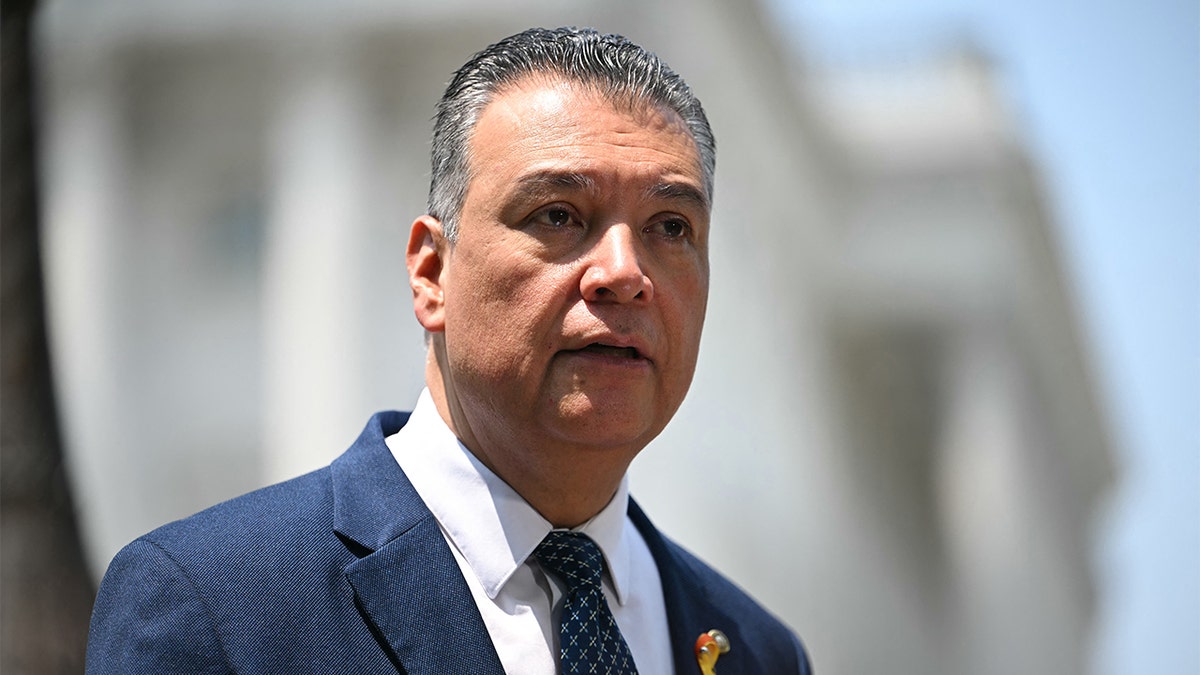
Sen. Alex Padilla, Democrat from California, speaks during a news conference with immigration experts, DACA recipients and Dreamers in Washington, D.C., on June 11, 2025. (Andrew Caballero-Reynolds/AFP via Getty Images)
Sen. Alex Padilla, D-Calif., accused Republicans of using the floor exercise to distract from other pressing issues.
«Instead of focusing on the affordability crisis or trying to save us from endless wars, Senate Republicans are once again doing Donald Trump’s bidding,» Padilla said. «This time, they’re making his conspiracy-fueled election takeover bill their top priority.»
Sen. Jeff Merkley, D-Ore., said that repeated probes and investigations found that «you are more likely to get struck by lightning than for a non-citizen to vote.» Republicans argue the bill is explicitly designed to end that practice.
Merkley countered that the legislation was about «rigging the November election.»
«And that’s exactly what Trump said — ‘You give me this bill, my party will win November and every other election for a long time to come,’» Merkley said.
Sen. Eric Schmitt, R-Mo., who is leading an amendment to include several changes to the bill requested by Trump, argued that «a republic has the right to distinguish citizens from noncitizens.»
«That should not be controversial,» Schmitt said. «That should not even be difficult. The vote is not a global entitlement. The vote is not a participation trophy for anyone who happens to cross our borders.»
SENATE GOP EYES BLAME GAME AS TRUMP-BACKED SAVE ACT HEADS FOR DEFEAT
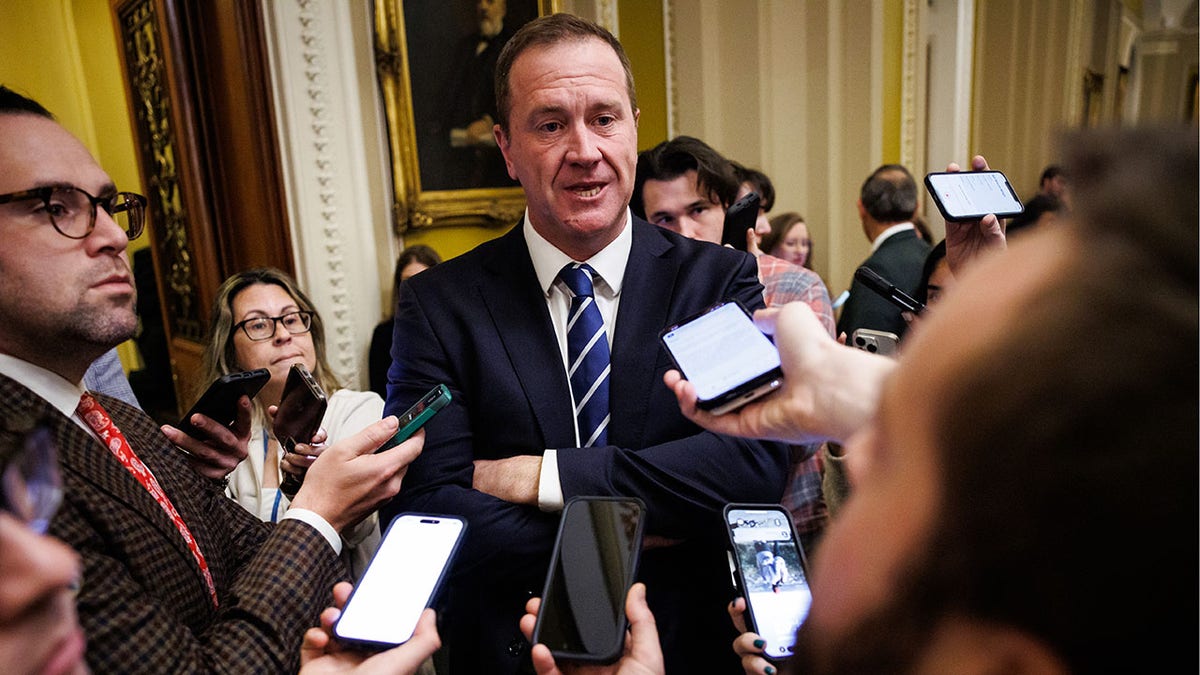
Sen. Eric Schmitt, R-Mo., is leading an amendment to include several changes to the bill. (Samuel Corum/Getty Images)
The floor debate is expected to continue for the next several days. In the meantime, some Republicans believe they can wear down Senate Democrats enough to pass the legislation, despite the challenge of the 60-vote filibuster threshold.
Lee and a cohort of like-minded Republicans pushed for Senate Majority Leader John Thune, R-S.D., to turn to the talking filibuster to pass the SAVE America Act, which, after possibly several weeks of debate, would lower the threshold to pass the bill to a simple majority.
Despite pressure from within his conference, Trump, and conservatives beyond the walls of Congress, the notion has become an insurmountable math problem that Republicans have not been able to unify behind.
CLICK HERE TO DOWNLOAD THE FOX NEWS APP
Lee, however, was ready for the long haul Tuesday night.
«Let’s face it, there is no legitimate reason to oppose this bill,» Lee said. «And I stand by that, and I will continue to stand by that in the coming days and weeks. And I’m ready for many, many weeks. We’re going to stay on this bill until it damn well passes, because the American people demand and deserve nothing less than that.»
politics,senate,elections,donald trump
INTERNACIONAL
EN VIVO: Israel llevó a cabo un ataque “a gran escala” en Teherán contra sistemas de misiles e infraestructura clave del régimen iraní
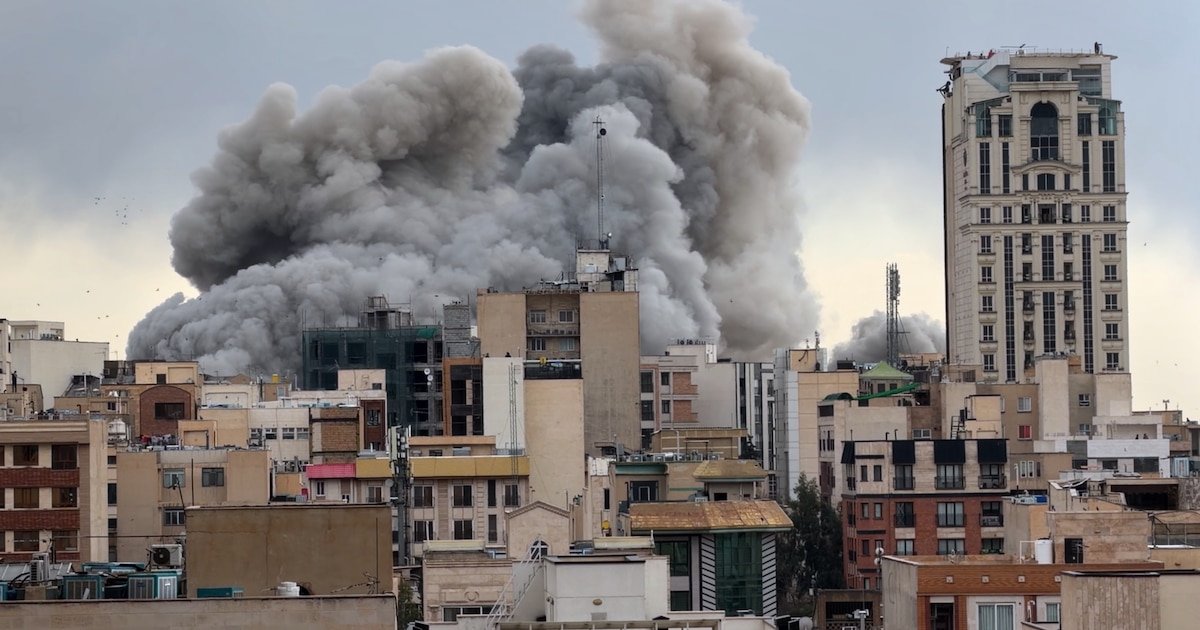
Entre los objetivos alcanzados se encuentra el cuartel general de la unidad de seguridad del Cuerpo de la Guardia Revolucionaria Islámica (CGRI), organismo encargado de reprimir protestas y disturbios dentro del país
Irán prometió venganza y disparó una andanada de misiles contra Israel este miércoles mientras preparaba los funerales de dos de sus figuras más poderosas: el jefe de seguridad Ali Larijani y Gholamreza Soleimani, comandante de la fuerza paramilitar Basij, ambos abatidos en ataques israelíes el martes. En paralelo, el ministro de Defensa israelí, Israel Katz, anunció que Esmaeil Khatib, ministro de Inteligencia iraní, fue eliminado durante la noche en un ataque aéreo sobre Teherán, y prometió “sorpresas significativas” en todos los frentes a lo largo del día. La andanada iraní mató a dos personas cerca de Tel Aviv, en tanto que medios iraníes reportaron siete muertos en ataques israelí-estadounidenses en la provincia occidental de Lorestan.
El conflicto, desatado el 28 de febrero cuando ataques de Israel y Estados Unidos mataron al líder supremo Ayatolá Alí Khamenei, continúa cobrando víctimas en toda la región. En Líbano, ataques israelíes sobre el centro de Beirut dejaron al menos 12 muertos y 41 heridos en los barrios de Basta y Zuqaq al-Blat, mientras que otro ataque en Sidón mató a dos personas, entre ellas un rescatista de defensa civil. Más de un millón de personas se encuentran desplazadas en el país, arrastrado al conflicto cuando Hezbollah lanzó cohetes hacia Israel tras la muerte del ayatolá.
En el frente económico, Washington escaló su intervención militar lanzando bombas de 5.000 libras sobre posiciones iraníes cerca del Estrecho de Ormuz, una vía por la que transita una quinta parte del petróleo y gas natural licuado del mundo y que los ataques iraníes han dejado prácticamente cerrada. El petróleo se mantiene cerca de los 100 dólares por barril, aunque los precios cedieron levemente tras el anuncio de Irak de que reanudaría exportaciones limitadas por una ruta alternativa a través de Turquía. Israel, en paralelo, prometió cazar al nuevo líder supremo iraní, Mojtaba Khamenei, quien no ha aparecido en público desde que sucedió a su padre.
A continuación, la cobertura minuto a minuto:
Israel lanzó una oleada de ataques contra la infraestructura del grupo terrorista Hezbollah en Líbano tras el lanzamiento de decenas de cohetes hacia territorio israelí por parte de la organización, según informaron las Fuerzas de Defensa de Israel (FDI) en un comunicado oficial.
Israel anunció que abatió a Ismail Khatib, jefe de la Inteligencia de Irán

El ministro de Defensa israelí, Israel Katz, afirmó este miércoles que Esmaeil Khatib, ministro de Inteligencia de Irán, murió en un ataque aéreo israelí ejecutado durante la noche sobre Teherán. “La intensidad de los ataques en Irán va en aumento. El ministro de Inteligencia iraní Khatib también fue eliminado durante la noche”, declaró Katz durante una evaluación de seguridad, según un comunicado difundido por su oficina.
El funcionario israelí advirtió que la jornada traería consecuencias de mayor alcance. “En este día se esperan sorpresas significativas en todos los frentes, que escalarán la guerra que estamos llevando a cabo contra Irán y Hezbollah en el Líbano”, señaló Katz. El ministro no precisó de inmediato la naturaleza de esas acciones ni confirmó otros detalles sobre el ataque en que murió Khatib.
Katz indicó además que él y el primer ministro Benjamin Netanyahu han “autorizado a las FDI a [eliminar] a cualquier figura iraní de alto rango… sin necesidad de aprobación adicional”, lo que sugiere que Israel ha ampliado significativamente el alcance de sus operaciones contra funcionarios del gobierno iraní. La muerte de Khatib representa uno de los golpes más directos contra la cúpula del régimen desde el inicio del conflicto.
La nota completa en este enlace.
El canal de televisión de Hezbollah dijo que uno de sus directores murió en el ataque israelí sobre Beirut
El canal de televisión Al Manar, del grupo terrorista Hezbollah, informó que el director de sus programas políticos murió junto a su esposa en un ataque israelí contra el centro de Beirut el miércoles.
En un comunicado, el canal afirmó que “el director de programas políticos del canal, Mohammad Sherri, y su esposa” murieron “en el ataque sionista contra la zona de Zuqaq al-Blat, en Beirut”.
Según Al Manar, sus hijos y nietos resultaron heridos y fueron hospitalizados tras el ataque.
Irán arresta más de 100 “células monárquicas” y detiene a presuntos espías vinculados a Estados Unidos
Las autoridades iraníes informaron el miércoles que desmantelaron más de 100 supuestas “células monárquicas” que planeaban acciones contra la República Islámica antes de que pudieran actuar. El Ministerio de Inteligencia indicó, en un comunicado difundido por la agencia Fars, que las fuerzas de seguridad identificaron y arrestaron 111 células distribuidas en 26 provincias. No quedó claro de inmediato cuántas personas en total fueron detenidas en el marco de esos operativos.
Además de los grupos monárquicos, las autoridades arrestaron a cuatro presuntos espías vinculados a Estados Unidos en la ciudad de Hamedan y en la provincia de Azerbaiyán Occidental, ambas en el occidente del país, según el ministerio. Otras 21 personas fueron detenidas por supuesta colaboración con Iran International, canal de televisión con sede en Londres que Irán tiene prohibido desde que lo designó organización terrorista en 2022. En los allanamientos se incautaron armas de fuego, armas blancas, pistolas eléctricas y bastones.
Las detenciones se producen en medio de un contexto de alta tensión en Irán. Desde el 28 de febrero, cuando ataques israelí-estadounidenses mataron al líder supremo, el ayatolá Alí Khamenei, el país se encuentra en guerra con Israel y Estados Unidos en un conflicto que se ha extendido por toda la región. En las últimas semanas, las autoridades han intensificado los operativos: el domingo, el jefe de la policía, Ahmad-Reza Radan, señaló que un total de 500 personas habían sido arrestadas bajo sospecha de espionaje y de enviar información “al enemigo y a medios antiiraníes”, de acuerdo con medios locales.
El régimen de Irán amenazó con una represalia “decisiva” tras la muerte de su jefe de seguridad Ali Larijani
La Guardia Revolucionaria islámica advirtió que la muerte del dirigente podría impulsar nuevas ofensivas y afirmó que “la sangre pura de este gran mártir será fuente de honor, poder y despertar nacional frente al frente de la arrogancia global”


El régimen de Irán prometió este miércoles una represalia “decisiva” por la muerte de su jefe de seguridad, Ali Larijani, y lanzó una oleada de misiles contra Israel, en una escalada del conflicto en Medio Oriente que dejó al menos dos muertos cerca de un centro comercial en Tel Aviv y elevó la tensión regional.
Israel completó una oleada de ataques contra infraestructuras de Hezbollah en Líbano
Hezbollah lanzó decenas de cohetes hacia territorio israelí, según informaron las Fuerzas de Defensa de Israel (FDI). Las FDI detectaron preparativos de la organización terrorista para intensificar los ataques y el Comando Norte inició operaciones para interrumpir y frustrar estos intentos. En el marco de estas acciones, fueron atacados varios lanzadores, depósitos de armas y cuarteles generales de la organización.
Durante el inicio de los ataques, se cerraron rápidamente los cercos y los escuadrones de lanzamiento que disparaban hacia Israel, impidiendo así un bombardeo significativo. Posteriormente, las FDI evacuaron a los residentes de Tiro para su protección y atacaron depósitos de armas y cuarteles generales de Hezbolá ubicados en zonas pobladas, señalando que la organización utiliza a ciudadanos libaneses para actividades terroristas.
Durante la noche, se llevaron a cabo ataques en Beirut contra activos de la asociación “Al-Qarch Al-Hassan”, entidad financiera de Hezbollah utilizada para el pago de salarios y la promoción de actividades terroristas. Además, el cuartel general de la división “Imam Hussein” en el sur del Líbano fue atacado por aire y mar, y la Armada israelí alcanzó un centro terrorista en la capital libanesa.
Las imágenes satelitales comienzan a mostrar los daños causados por la guerra en Medio Oriente
Las fotografías recientemente difundidas dejan ver la intensidad de los ataques entre Irán, Estados Unidos, Israel y países árabes, así como las consecuencias en infraestructuras estratégicas del Golfo Pérsico

Las primeras imágenes satelitales difundidas después del inicio de la guerra de Irán muestran barcos en llamas en Bandar Abbas y edificios destruidos en una base militar estadounidense en Bahréin. El material, captado por Planet Labs PBC y otras compañías, aporta datos inéditos sobre el daño en instalaciones clave del Golfo Pérsico.
La central nuclear de Bushehr, un punto crítico para la seguridad del Golfo en manos del régimen iraní
La reciente caída de un proyectil en las inmediaciones del complejo reavivó el temor de riesgos radiológicos en Medio Oriente. Los reportes iniciales descartaron daños en la infraestructura crítica de la planta

Un proyectil impactó el martes en las inmediaciones de la central nuclear de Bushehr, en Irán, según informaron este miércoles autoridades iraníes y el Organismo Internacional de Energía Atómica (OIEA). Hasta el momento, no se reportó liberación de material nuclear a raíz del hecho que planteó la posibilidad de un incidente radiológico.
Israel abatió a un terrorista que promovía el proyecto de misiles de precisión de Hamas
Las Fuerzas de Defensa de Israel (FDI) informaron que abatieron a Yahya Abu Labdah, comandante del departamento de suministros de Hamas y responsable del proyecto de misiles de precisión de la organización terrorista.
Abu Labdah se encargaba de la compra y transporte de equipo militar y armamento para el ala militar de Hamas, y dirigió el suministro de decenas de toneladas de materia prima y componentes electrónicos avanzados destinados a la producción de cohetes en la planta de la organización. Parte de este material fue utilizado en el ataque del 7 de octubre.
Las FDI señalaron que continuarán operando para erradicar los intentos del grupo terrorista de fortalecer su posición en la Franja de Gaza y eliminar cualquier amenaza al Estado de Israel y su población.
Israel llevó a cabo un ataque “a gran escala” en Teherán contra sistemas de misiles e infraestructura clave del régimen iraní
Entre los objetivos alcanzados se encuentra el cuartel general de la unidad de seguridad del Cuerpo de la Guardia Revolucionaria Islámica (CGRI), organismo encargado de reprimir protestas y disturbios dentro del país

La Fuerza Aérea de Israel llevó a cabo un ataque “a gran escala” en Teherán, según informaron las Fuerzas de Defensa de Israel (FDI). El operativo apuntó contra cuarteles generales, sistemas de misiles balísticos e infraestructura clave del régimen iraní, identificados como parte de su estructura central.

Panamá impulsa su primera carretera ecológica en Colón en medio de dudas de ambientalistas

Benjamín Vicuña habló del presente del cine argentino: “La situación que está viviendo es prácticamente agónica”

Supermercados lanzan descuentos del 60 por ciento en toallas y suman cuotas sin interés

Las reacciones en Senegal y Marruecos tras el histórico escritoriazo

VIDEO | Durísima denuncia contra Marcela Pagano por un presunto episodio de maltrato laboral

En 2005, Sony quiso convertir a PS3 en un ordenador. El destino le enseñó que los jugadores querían otra cosa

TRAICIÓN Y ÉXODO: La promesa rota de Monteoliva que desató una ola masiva de bajas en la Policía Federal

Insólito: un esquiador británico terminó la Copa del Mundo de Oslo bajo los efectos del alcohol

La fuerte exigencia a Mauro Icardi para poder ver a sus hijas con Wanda Nara: “A Maurito se lo va a multar si no lleva a las menores al colegio”

Adorni se disculpó por el viaje de su esposa: “Fue una pésima decisión, más allá de que no generó gasto para el Estado”

 POLITICA1 día ago
TRAICIÓN Y ÉXODO: La promesa rota de Monteoliva que desató una ola masiva de bajas en la Policía Federal
- INTERNACIONAL2 días ago
Insólito: un esquiador británico terminó la Copa del Mundo de Oslo bajo los efectos del alcohol
- POLITICA1 día ago
Adorni se disculpó por el viaje de su esposa: “Fue una pésima decisión, más allá de que no generó gasto para el Estado”