INTERNACIONAL
Italy’s Meloni rebukes Trump remarks on NATO’s role in Afghanistan

NATO tensions grow amid Trump’s push for Greenland
Fox News senior national correspondent Rich Edson and Fox News contributor Brett Velicovich join ‘The Faulkner Focus’ to discuss President Donald Trump’s push to acquire Greenland and the tension it is creating within NATO.
NEWYou can now listen to Fox News articles!
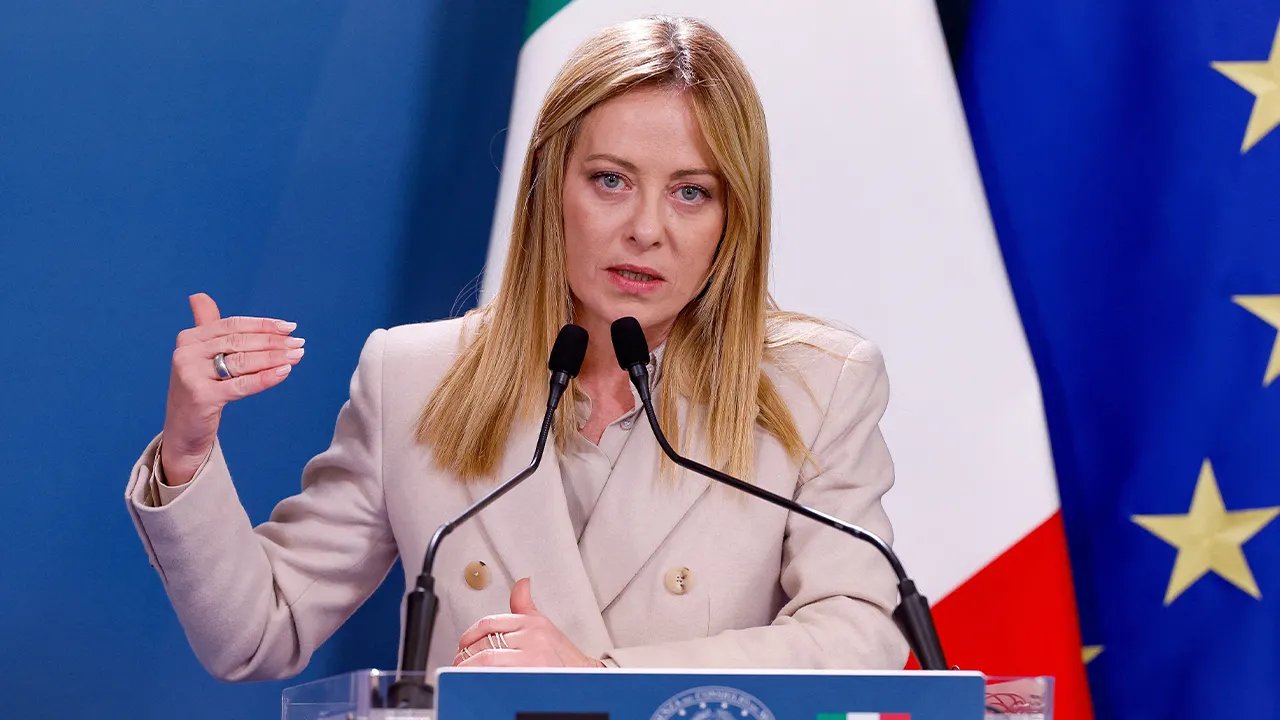
Italian Prime Minister Giorgia Meloni on Saturday called President Donald Trump’s comments about NATO allies’ role in Afghanistan «unacceptable,» pushing back against suggestions they «stayed a little back» from the front lines.
«Following the terrorist attacks of September 11, 2001, NATO activated Article 5 for the first and only time in its history: an extraordinary act of solidarity toward the United States,» Meloni wrote on X.
«In that massive operation against those who fueled terrorism, Italy responded immediately alongside its allies, deploying thousands of troops and taking full responsibility for Regional Command West, one of the most significant operational areas of the entire international mission,» she said.
Meloni explained that Italy’s nearly two decades of involvement in Afghanistan came at a significant cost, with 53 Italian soldiers killed and more than 700 wounded during combat operations, security missions and training programs for Afghan forces.
TRUMP SAYS US SHOULD HAVE TESTED NATO BY INVOKING ARTICLE 5 OVER BORDER SECURITY
Italian soldiers carry the flag-draped coffin of Sergeant Michele Silvestri upon its arrival from Afghanistan at Ciampino Airport near Rome on March 26, 2012. (Alessandro Bianchi/Reuters)
«For this reason, statements that minimize the contribution of NATO countries in Afghanistan are unacceptable, especially if they come from an allied Nation,» she added.
«Italy and the United States are bound by a solid friendship, founded on a shared community of values and historical collaboration, which is even more necessary in the face of the many current challenges. But friendship requires respect, a fundamental condition for continuing to ensure the solidarity at the heart of the Atlantic Alliance.»
Trump has repeatedly questioned NATO allies’ reliability, including whether they would come to the United States’ aid if ever called upon.
NATO CHIEF PRAISES TRUMP AT DAVOS, SAYS HE FORCED EUROPE TO ‘STEP UP’ ON DEFENSE

Italian Prime Minister Giorgia Meloni attends her annual press conference in Rome on Jan. 9, 2026. (Antonio Masiello/Getty Images)
He unsettled U.S. allies across Europe, including U.K. Prime Minister Keir Starmer and Danish Prime Minister Mette Frederiksen, after downplaying their contributions in Afghanistan during an interview with FOX Business host Maria Bartiromo at the World Economic Forum.
«We’ve never needed them. We have never really asked anything of them,» Trump said of NATO. «You know, they’ll say they sent some troops to Afghanistan, or this and that. And they did, they stayed a little back, a little off the front lines.»
Trump later appeared to soften his remarks in a Saturday post on Truth Social, praising the sacrifices of British troops in Afghanistan.
«The GREAT and very BRAVE soldiers of the United Kingdom will always be with the United States of America! In Afghanistan, 457 died, many were badly injured, and they were among the greatest of all warriors. It’s a bond too strong to ever be broken. The U.K. Military, with tremendous Heart and Soul, is second to none (except for the U.S.A.!). We love you all, and always will!» he wrote.

British soldiers with the NATO-led Resolute Support Mission arrive at the site of an attack in Kabul, Afghanistan, on March 6, 2020. (Omar Sobhani/Reuters)
CLICK HERE TO DOWNLOAD THE FOX NEWS APP
Sen. Thom Tillis, R-N.C., also highlighted the broader international toll of the war, citing the sacrifices of 31 allied nations that fought alongside U.S. forces in Afghanistan.
He thanked those countries for answering the call after Sept. 11, noting that 159 troops from Canada, 90 from France, 62 from Germany, 44 from Poland and 43 from Denmark were among those killed in the conflict.
italy,nato,donald trump,afghanistan









INTERNACIONAL
Dem gubernatorial candidate racked up eye-popping travel bill as AG on up to 400+ travel days out of state
NEWYou can now listen to Fox News articles!
FIRST ON FOX: Nevada Attorney General Aaron Ford, a Democrat running for governor of Nevada in November, has racked up hundreds of thousands of dollars in travel costs since assuming office, prompting criticism from his political rivals as he pursues re-election in 2026.
State records indicate that Ford spent close to $270,000 on airfare and out-of-state hotel stays since assuming office in 2019. When combined with over $140,000 Ford accepted from group-sponsored travel and lodging, such as the Democratic Attorneys General Association, his total travel amounts to over $410,000 in trips over seven years.
In 2024 alone, Ford spent $60,730 on trips to 16 different cities, including $2,819 on a trip to Secrets Puerto Los Cabos, a luxury resort in Mexico, and another $11,992 at Martha’s Vineyard, a top vacation spot that attracts a wealthy clientele.
While it’s unclear how much of the figure represents in-state travel, the numbers dovetail with reports that Ford spent as much as 137 days away from his state in 2024, a figure confirmed by his office.
SENATE HOPEFUL WITH DEEP DEM TIES HAS PAID FAMILY OVER $350K FROM HIS CAMPAIGN COFFERS
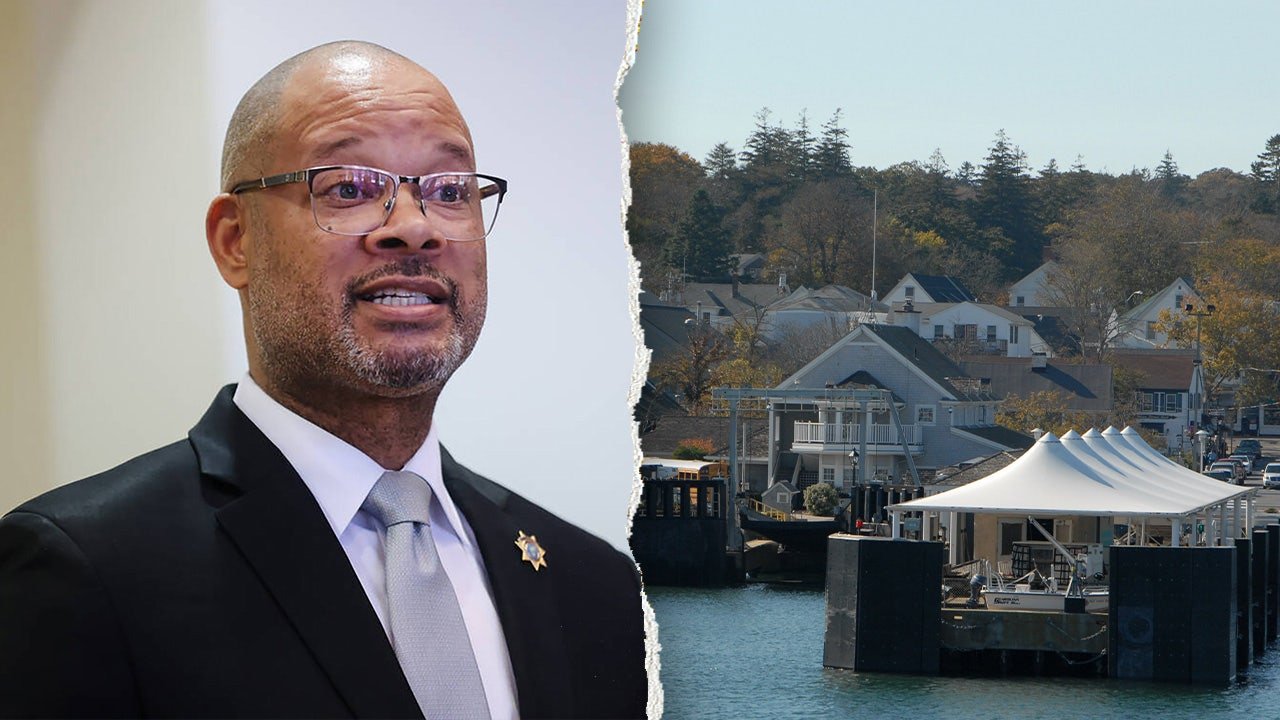
Aaron Ford, left, pictured alongside a dock at Martha’s Vineyard, right. (Rachel Aston/Las Vegas Review-Journal/Tribune News Service via Getty Images; Peter Bischoff/Getty Images)
Additionally, Ford’s record of hotel travel stays since his election indicate he has spent almost 20% of his career as Nevada AG out of the state, based on reporting from The Nevada Independent that found Ford spent at least 420 days out of state during his time in office.
To at least one Republican strategist, the costs and time away exceed what’s likely necessary for the job.
«High-Flying Aaron Ford has treated his position as attorney general like a part-time job, vacationing on the dime of special interests and campaign donors for well over a year of his tenure,» John Burke, spokesman for Better Nevada PAC, said in a comment to Fox News Digital.
Ford is also under investigation by the Nevada Commission on Ethics over whether he solicited improper gifts or used his office to improperly benefit himself, according to documents recovered by local outlets.
John Sadler, a spokesperson for the attorney general’s office, noted that the reported travel falls under campaign events and would not draw from state funding. At the same time, Sadler noted that Ford traveled to perform his role and coordinate with law enforcement offices across the country. Under Nevada state law, candidates are allowed to use campaign funds to conduct official business.
«He attended several meetings for bipartisan groups, such as NAAG and AGA, an organization that Attorney General Ford was voted by his attorneys general colleagues to serve as chair of in 2024,» Sadler said, referring to the National Association of Attorneys General and the Attorney General Alliance, respectively.
«These events allowed AG Ford to discuss critical issues for Nevadans, such as human and sex trafficking, cybercrime and fraud and the opioid crisis,» Sadler added.
FEDERAL ELECTION COMPLAINT ALLEGES AOC MISUSED CAMPAIGN FUNDS FOR PSYCHIATRIST SERVICES
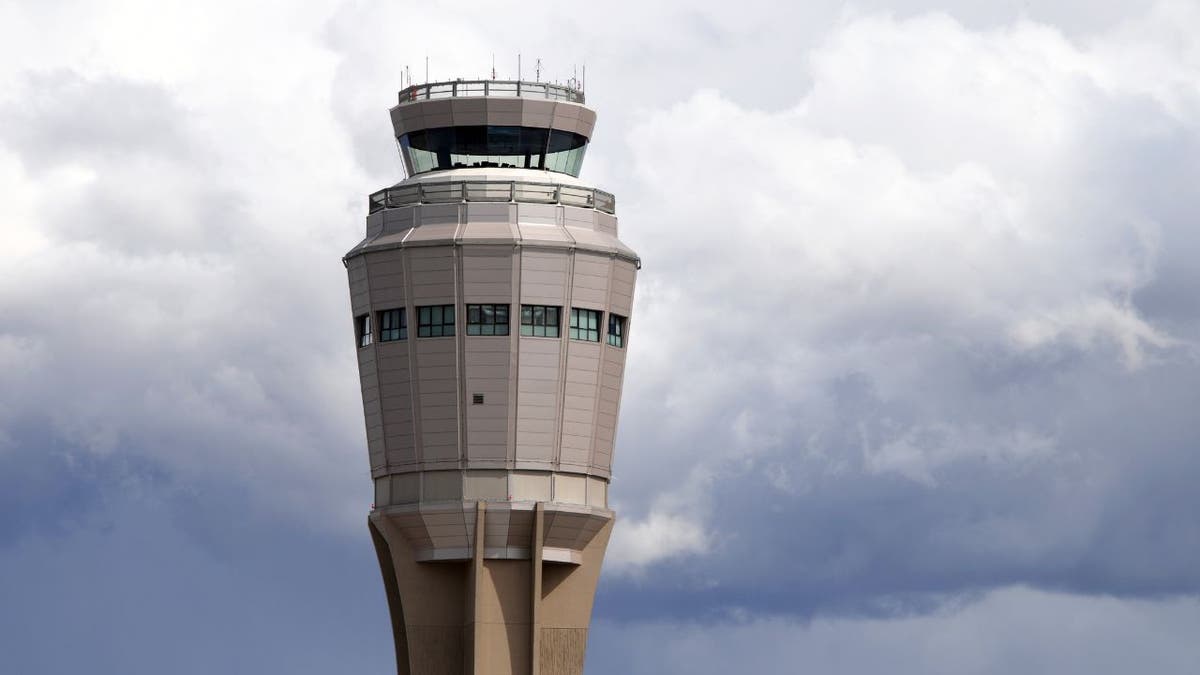
The air traffic control tower at McCarran International Airport in Las Vegas March 19, 2020. (Ethan Miller/Getty Images)
Before becoming attorney general, Ford served in the Nevada State Legislature, leading the chamber as majority leader from 2017-2019. Before that, he served as minority leader from 2015-2016 and as an assistant majority whip from 2013-2014.
Ford’s travel habits didn’t start off expensive. In 2019 and 2020, his travel outside of Nevada totaled less than $15,000 each year but increased significantly soon after. He spent $29,189 outside of Nevada in 2021 and then $52,630 in 2022.
While past attorneys general have also conducted out-of-state travel, Ford stands out when compared to his predecessor, Adam Laxalt, a Republican.
In his last year as AG, Laxalt spent under $5,000 out of state, less than 1% of his total expenses that year.
Ford’s Republican opponent, Gov. Joe Lombardo, reacted to the news via a statement from his campaign.
«Governor Joe Lombardo has delivered real results for Nevada: creating over 40,000 new jobs, driving billions in record economic investment, securing historic funding for education, expanding attainable housing and cutting hundreds of burdensome regulations , all while showing up every day to get the job done,» Halee Dobbins, spokeswoman for the Joe Lombardo Campaign, told Fox News Digital.
«While our state is moving in the right direction, Governor Lombardo is committed to building on this progress and continuing to improve the lives of all Nevadans. Meanwhile, while hardworking Nevada families are struggling, Part-Time Aaron Ford has spent 420 days on special interest-funded travel and collecting a taxpayer-funded salary. Aaron Ford’s record makes clear he’s focused on himself, not the people he was elected to serve.»
AOC SPENT OVER $53K IN CAMPAIGN FUNDS ON LUXURY HOTELS IN 2025: ‘CARPETBAGGER’

Attorney General Aaron D. Ford (L.E. Baskow/Las Vegas Review-Journal)
CLICK HERE TO DOWNLOAD THE FOX NEWS APP
Burke blasted Ford for failing to provide reasons for the travel expenses or contextualize his time away from the office.
«Now, as he faces legal jeopardy from the Nevada Commission on Ethics, he still refuses to be transparent with the people of our state about his outrageous travel spree. Ford has disgraced his office and made a mockery of public service; he has no business leading Nevada,» Burke said.
politics, nevada, elections state and local
INTERNACIONAL
Un juez bloqueó los planes de Donald Trump para construir un enorme y lujoso salón de baile en la Casa Blanca
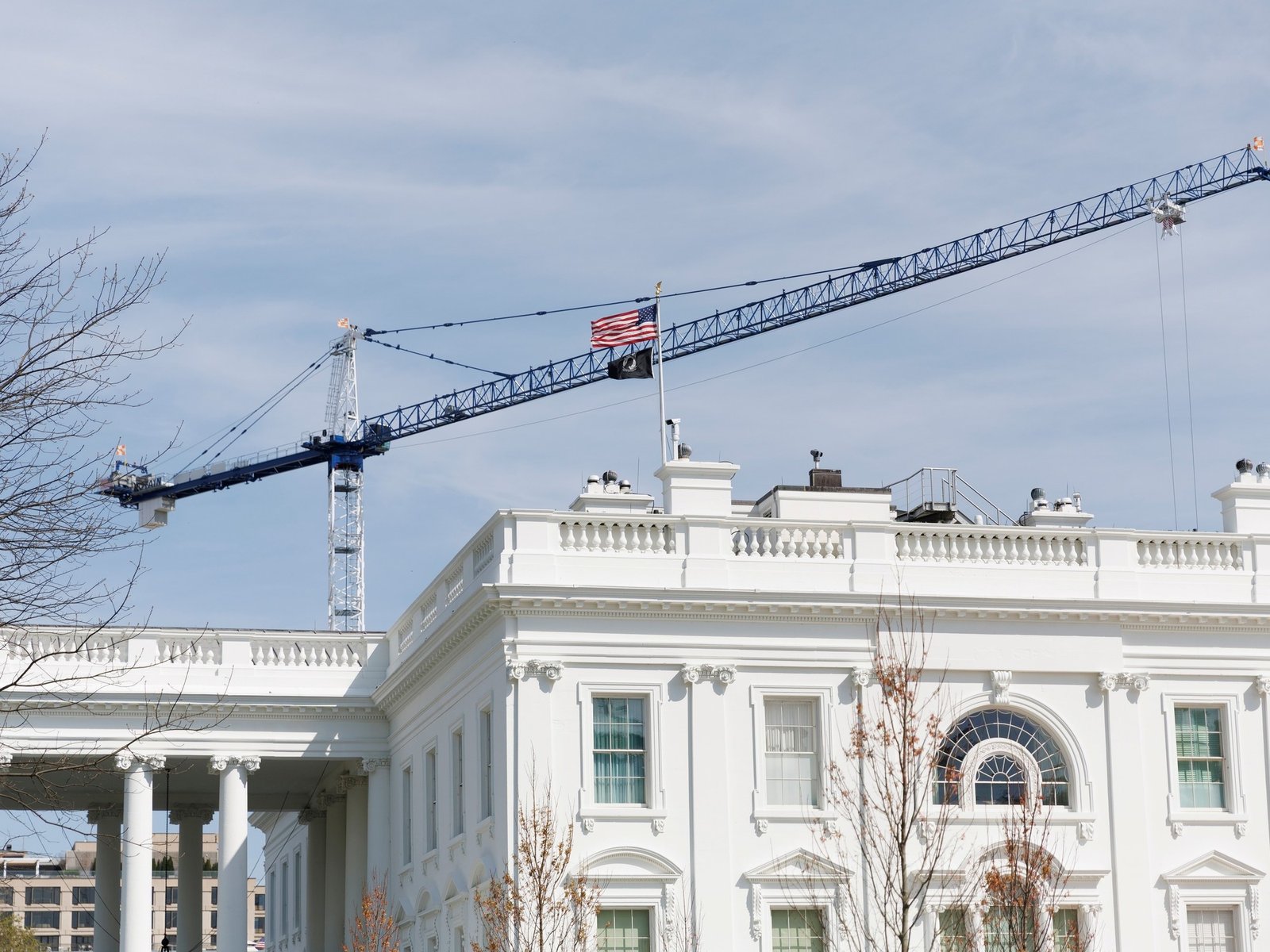
Un juez federal prohibió este martes al presidente Donald Trump avanzar con la construcción del lujoso y controvertido salón de baile con capacidad para unas 600 personas en el Ala Este de la Casa Blanca y dijo que la obra debe contar con la autorización del Congreso.
«El Presidente de los Estados Unidos es el administrador de la Casa Blanca para las futuras generaciones de Primeras Familias. ¡Sin embargo, él no es el dueño!», señaló el juez Richard Leon en un escrito de 35 páginas.
La decisión es el primer revés significativo para los esfuerzos del presidente por rediseñar la Casa Blanca con su sello personal.
El juez, nombrado en su cargo por el ex presidente George W Bush, dijo que retrasaría la implementación de su fallo durante dos semanas para una posible apelación. Pero advirtió que «cualquier construcción sobre el suelo durante los próximos catorce días que no cumpla» con su sentencia «corre el riesgo de ser retirada».
«¡A menos que el Congreso bendiga este proyecto mediante autorización legal, la construcción debe detenerse!», escribió Leon, añadiendo que la «buena noticia» es que Trump y el Congreso pueden trabajar para autorizar el proyecto.
«El Presidente puede en cualquier momento acudir al Congreso para obtener autoridad expresa para construir un salón de baile y hacerlo con fondos privados. De hecho, el Congreso incluso podría elegir asignar fondos para el salón de baile, o al menos decidir que algún otro esquema de financiación es aceptable», añadió Leon.
«De cualquier manera, el Congreso conservará así su autoridad sobre la propiedad nacional y su supervisión sobre el gasto del Gobierno», escribió el juez. «Y el pueblo estadounidense se beneficiará de que las ramas del Gobierno ejerzan sus funciones constitucionalmente prescritas. ¡No está mal el resultado!»
La decisión sugiere que el juez Leon avala la demanda del National Trust for Historic Preservation, una organización sin ánimo de lucro creada por el Congreso para proteger los edificios históricos de Estados Unidos, que había criticado el proyecto.
Sin criticar personalmente al juez, Trump reaccionó al fallo en su red social: “El National Trust for Historic Preservation me demanda por un salón de baile que está dentro del presupuesto, adelantado a lo previsto, que se está construyendo sin costo para el contribuyente, y que será el mejor edificio de su tipo en cualquier parte del mundo”, señaló y criticó que esa organización no se enfoque en otras construcciones como el edificio de la Reserva Federal, entre otros.
Trump inició la construcción de un gran salón de baile permanente para reemplazar las carpas temporales que hoy se usan para eventos oficiales, una obra financiada con donaciones privadas y que aparentemente costará unos 400 millones de dólares.
Unas dos docenas de empresas tecnológicas, de criptomonedas y de defensa aportaron dinero para financiar la construcción. Un informe del grupo Public Citizen encontró que dos tercios de los donantes corporativos identificados públicamente habían recibido contratos gubernamentales, valorados colectivamente en más de 275.000 millones de dólares.
El presidente presenta al salón como una mejora funcional y estética para recepciones, alineada con necesidades logísticas modernas, pero tiene su sello inconfundible con columnas griegas y ornamentos dorados.
Pero la iniciativa despertó un fuerte rechazo entre arquitectos, historiadores y expertos en preservación, que advierten que una ampliación de ese tipo altera el equilibrio arquitectónico de la residencia presidencial, un símbolo nacional cuidadosamente intervenido a lo largo de los años.
Días atrás arquitectos consultados por The New York Times analizaron además varios errores como que la inmensa escalinata de ingreso no conducía a la entrada principal y otros detalles sorprendentes. El artículo comienza con un dibujo interactivo que señala lo que los arquitectos consideran numerosos fallos de diseño.
Advierten sobre «ventanas falsas en el lado norte», columnas que «bloquean la vista interior del salón de baile» y una zona de azotea «innecesariamente grande». También que “el pórtico es demasiado grande, sus escaleras no llevan a ninguna parte, sus columnas bloquearán las vistas desde el interior del salón de baile», decía el artículo.
Al día siguiente de publicada esa nota, Trump mostró casualmente a los periodistas a bordo del Air Force One una nueva ilustración del proyecto. «Acabamos de recibir esto de los arquitectos», dijo el presidente, mientras mostraba el diseño. Mágicamente la inmensa escalera que no conducía a ninguna parte había sido eliminada.

NEWYou can now listen to Fox News articles!
EXCLUSIVE: Activists and agitators opposed to enforcement of federal immigration laws have found a new, intrusive way to dox or leak personal and identifying information of ICE and CBP agents, the Department of Homeland Security exclusively told Fox News Digital Tuesday.
Immigration agents continue to face an escalating 8,000% increase in death threats and a 1,300% increase in assaults since President Donald Trump took office in January 2025, according to DHS.
An ICE agent living in Wake County, North Carolina, was doxxed in recent days, as evidenced by postcards sent to the officer’s neighbors with language suggesting they needed to be warned of his presence on their block.
«Beware, your neighbor is an ICE agent. Immigration enforcement lives next door,» the postcard said in billboard-style font festooned with a generic image of a federal agent and a mock-up of an ICE badge addressed to a resident in Raleigh.
DEMOCRATIC OFFICIALS, TIKTOKERS, LIBERALS TAKE THEIR ANTI-ICE RHETORIC TO THE NEXT LEVEL
Federal law enforcement agents detain a demonstrator during a raid in south Minneapolis. An Oklahoma man was charged with threatening to kill ICE agents, «MAGA Republicans» and politicians, the Justice Department said Wednesday. (Getty Images)
The message section of the postcard shared with Fox News Digital showed what appeared to be a still shot from CCTV footage depicting a Black federal immigration agent. DHS blurred the agent’s face, which was not blurred in the original mailing.
DHS Assistant Secretary Lauren Bis told Fox News Digital the doxxing only adds to threats because agents «risk their lives every single day to remove murderers, pedophiles, rapists, terrorists and gang members from American neighborhoods.»
Fox News Digital also noticed fine print on the doxxing postcard’s postage stamp indicating it was sent «presorted first-class,» a special subset of USPS business mail that requires the sender to mail at least 500 pieces, each weighing 3.5 ounces or less.
Presorted first-class also requires more than typical local «junk mail» granted presorted standard postage, which indicates at least 50 such letters or postcards.
That detail indicates that hundreds of such postcards were disseminated around the country.
THE FAR-LEFT NETWORK THAT HELPED PUT ALEX PRETTI IN HARM’S WAY, THEN MADE HIM A MARTYR
«Comparing ICE day-in and day-out to the Nazi Gestapo, the Secret Police and slave patrols has consequences,» Bis said Tuesday. «The men and women of ICE are fathers and mothers, sons and daughters. They get up every morning to try and make our communities safer.
«Like everyone else, they just want to go home to their families at night. The violence and dehumanization of these men and women who are simply enforcing the law must stop.»
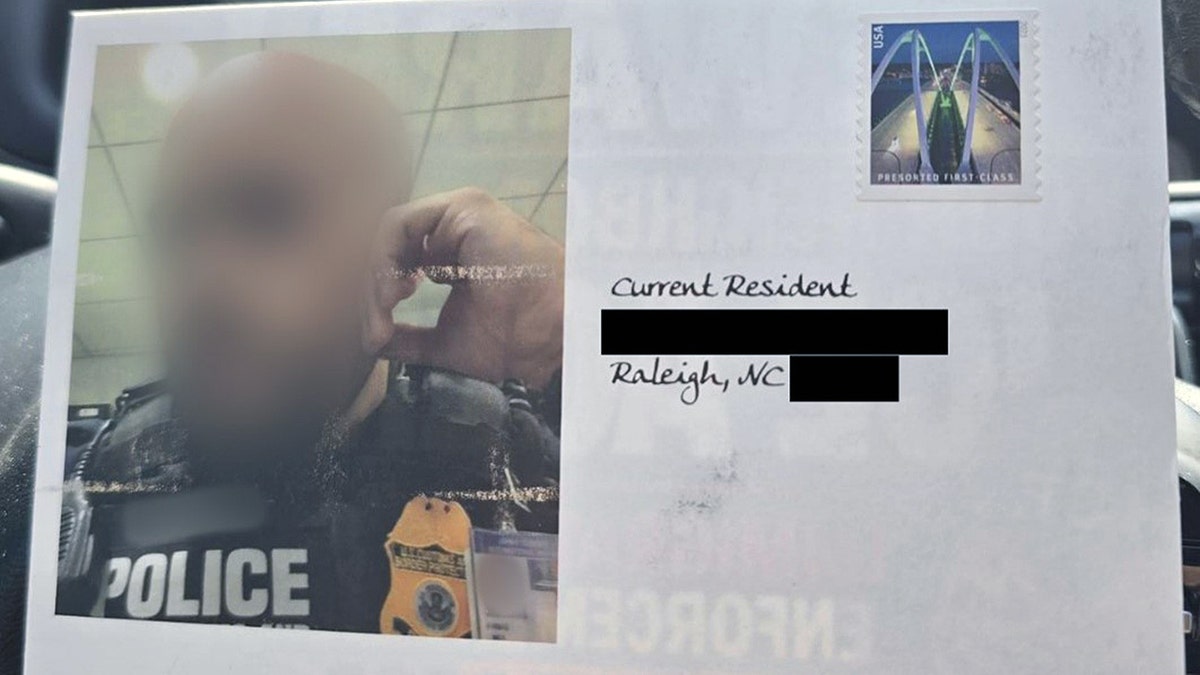
An ICE Agent was doxxed in this postcard sent to a North Carolina resident. (U.S. Immigration and Customs Enforcement)
The news comes weeks after identifying information for a reported 4,500 ICE and USBP employees was allegedly leaked by a DHS whistleblower to an Irish national who runs a website called the «ICE list.»
After the shooting death of Renee Good in January, Dominick Skinner received the massive dataset, The Daily Beast reported. The outlet quoted the website administrator as saying information about ICE agents’ identities flooded in.
Some people told him their neighbors were allegedly immigration agents, while hotel and bar staff reportedly sent him sticky notes, according to the outlet.

A postcard doxxing ICE agents was sent in North Carolina. (U.S. Immigration and Customs Enforcement)
CLICK HERE TO GET THE FOX NEWS APP
Skinner, who now lives in the Netherlands but has American family, told the outlet the website was not supposed to turn into a database but suggested it was a response to then-Secretary Kristi Noem warning people stateside they could be prosecuted for doxxing.
Anyone who receives similar postcards or paraphernalia doxxing DHS agents is advised to contact ICE’s tip line at (866) DHS-2-ICE or (866) 347-2423.
homeland security, police and law enforcement, immigration, enforcement, fox news investigates

¿El último? Lionel Messi anotó ante Zambia un gol que podría ser histórico con la Albiceleste

Dem gubernatorial candidate racked up eye-popping travel bill as AG on up to 400+ travel days out of state

Graciela Alfano en “Lo de Pampita”: “No sé quién es Susana Giménez, sorry”

Así es por dentro la casa de Adorni en un country de Exaltación de la Cruz: el detalle que revelan los planos

¿Seguirá bajando la pobreza en 2026?: cuáles los datos que ponen en duda la continuidad de la tendencia descendente

Videos: los goles y mejores momentos de Irak 2 – Bolivia 1

Máximo Kirchner salió al cruce de Milei y Macri tras el fallo por YPF a favor de la Argentina

La secretaria del piloto denunció que el amigo de Adorni la hostiga y la justicia dispuso medidas

El Gobierno cambia su propuesta de reforma: endurece penas para delitos comunes, pero no para los casos de corrupción

Nuevas críticas de Marcela Pagano contra los Milei: “Karina es la que gobierna”, aseguró

 POLITICA3 días ago
El Gobierno cambia su propuesta de reforma: endurece penas para delitos comunes, pero no para los casos de corrupción
- POLITICA2 días ago
Nuevas críticas de Marcela Pagano contra los Milei: “Karina es la que gobierna”, aseguró
- POLITICA21 horas ago
Dos jubiladas que le habrían prestado dinero a Manuel Adorni negaron conocerlo