INTERNACIONAL
‘It’s hidden’: Female genital mutilation and the secret shame of Minnesota’s Somalis

NEWYou can now listen to Fox News articles!
More than half a million women and girls in the United States are living with the physical and psychological scars of female genital mutilation — including many in Minnesota, home to a large Somali community from a country where roughly 98% of women have undergone the procedure, according to United Nations data.
Yet despite a state law that makes performing the procedures a felony, Minnesota has never secured a single criminal prosecution under its law — raising questions about enforcement, and whether cases could be going on undetected.
Female genital mutilation, or FGM, involves the cutting or removal of parts of a female’s genital organs, typically for cultural rather than medical reasons. The practice is irreversible.
«It’s hidden — it’s a cultural practice, and who is doing the cutting could be a family member or a doctor who is also in that same culture,» Minnesota Republican state Rep. Mary Franson told Fox News Digital, noting it may be carried out within tight-knit communities. She said the secrecy surrounding the practice makes it exceptionally difficult to detect and confront.
MINNESOTA ‘ON THE CLOCK’ AS HHS THREATENS PENALTIES OVER CHILDCARE FRAUD SCANDAL
Razor blades often used before carrying out female genital mutilation. (REUTERS/James Akena)
For some within Minnesota’s Somali community, the issue is less about public crime statistics and more about private silence — a practice survivors say is carried in secrecy, shame and fear.
The lack of prosecutions comes amid broader scrutiny of how Minnesota agencies handle oversight failures, including high-profile welfare and daycare fraud cases in which prosecutors allege billions of taxpayer dollars were siphoned off while warning signs went unaddressed. Investigators and watchdogs later concluded that officials were reluctant to probe deeply in culturally sensitive contexts — a reluctance, critics say, allowed large-scale violations to persist in plain sight.
The estimate of more than half a million survivors in the United States comes from the Centers for Disease Control and Prevention’s most recent national analysis, published in 2016.
Together, the scale of the issue and the difficulty of detection have raised questions about whether Minnesota’s ban on FGM is being effectively enforced when the crime is often carried out in secrecy.

Ayaan Hirsi Ali, a Somali-born activist and author who survived FGM, recalled the harm the practice has had on her and the need for accountability. ((Photo by Leonardo Cendamo/Getty Images))
Survivor warns of lasting harm
Ayaan Hirsi Ali, a Somali-born activist and author who survived FGM, described the lasting physical and psychological damage she endured and called for legal accountability.
«Female genital mutilation is violence against the most vulnerable — children,» Hirsi Ali told Fox News Digital. «It causes infection, incontinence, unbearable pain during childbirth and deep physical and emotional scars that never heal. Religious or cultural practices that deliberately and cruelly harm children must be confronted. No tradition can ever justify torture.»
Hirsi Ali, who founded the AHA Foundation as a means to end FGM, said that the pressure placed on parents in these groups to enforce the practice poses an overwhelming risk to girls.
«Only legal accountability can help reduce that risk,» Hirsi Ali said. «I survived female genital mutilation and I carry its scars with me. But I refuse to accept that another girl in America must endure what I did in Somalia.»
‘I remember being held down’
Zahra Abdalla, a Minnesota-based Somali survivor of female genital mutilation, told Fox News Digital that the practice survives in secrecy, shielded by family pressure and silence.
Abdalla, who spoke to Fox News Digital on camera but asked that her face be blurred, said she was between six and seven years old when she was forcibly restrained in a refugee camp in Kenya while adult women in her community carried out the procedure without anesthesia, using a razor blade.
«They tied my hands and my legs,» Abdalla said. «I remember being held down. I remember the pain — and knowing I could not escape.»
Abdalla said she was «lucky» because she fought back during the procedure, kicking one of the women who was pregnant at the time. The disruption, she said, caused the cutting to stop before it was fully completed. She said the wound was later washed with salt water.
«That pain — I thought I was going to pass out,» she said.
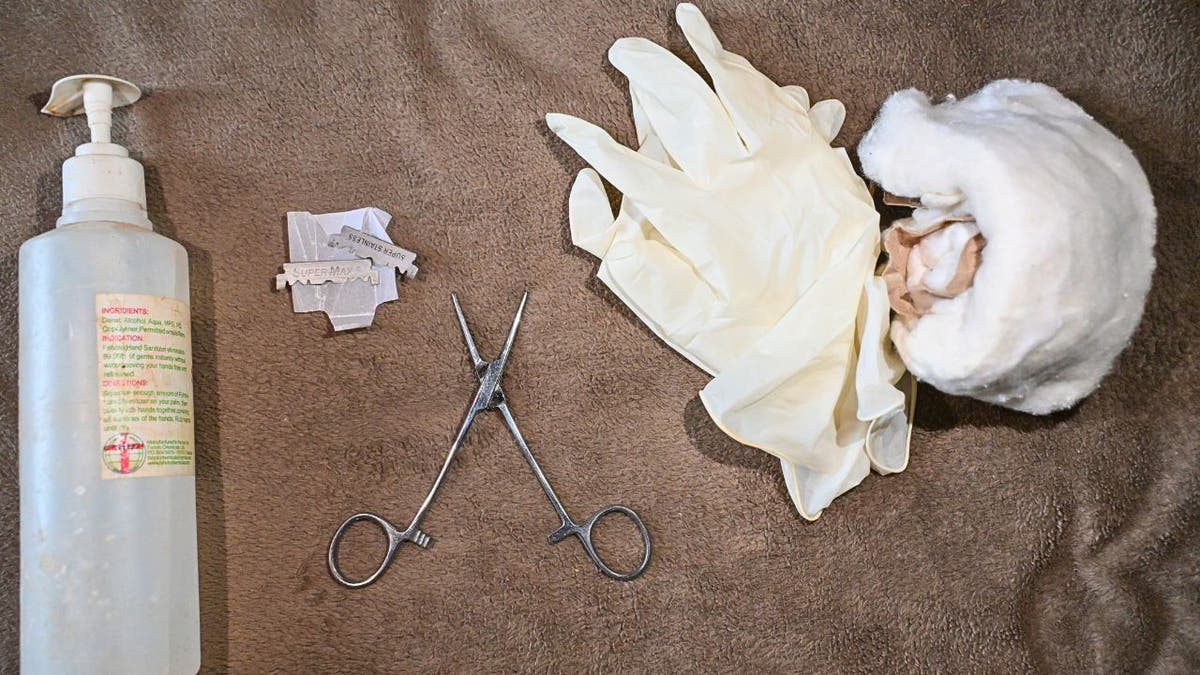
Tools used to perform medicalized female genital mutilation (FGM) procedures are displayed in Kisii, Kenya in 2023. (Simon Maina/AFP)
The damage followed her into adulthood, she said, later requiring surgery and, in her view, contributing to multiple miscarriages. She also said intercourse was very difficult.
She said the practice is often driven by marriage expectations, adding that in some communities men are reluctant to marry women who have not undergone the procedure.
«It’s tied to dowry. It’s tied to marriage,» she said, referring to the financial and social expectations placed on families when arranging marriages. «It’s tied to what men expect,» she said. «Families believe it protects a girl’s value.»
She said silence remains one of the biggest barriers to enforcement. She is the executive director of the nonprofit Somaliweyn Relief Agency (SRA), which seeks to raise awareness about the practice.
«You don’t talk about it,» she said. «You’re told to stay quiet.»
While she said she cannot confirm specific cases inside Minnesota, she said she believes some families take girls back to Somalia during school breaks to have the procedure performed.
No prosecutions despite felony law
Her warning mirrors how some of the only known U.S. cases have surfaced.
In a high-profile federal case in Michigan in 2017, prosecutors alleged that two young girls were taken from Minnesota to undergo female genital mutilation. The case later collapsed because the judge ruled that Congress did not clearly have the constitutional authority, at the time, which expanded federal jurisdiction in cases involving interstate or international travel.
That ruling prompted Congress to strengthen the statute, a change signed into law by President Donald Trump in 2021 under the Stop FGM Act, which expanded federal jurisdiction in cases involving interstate or international travel.
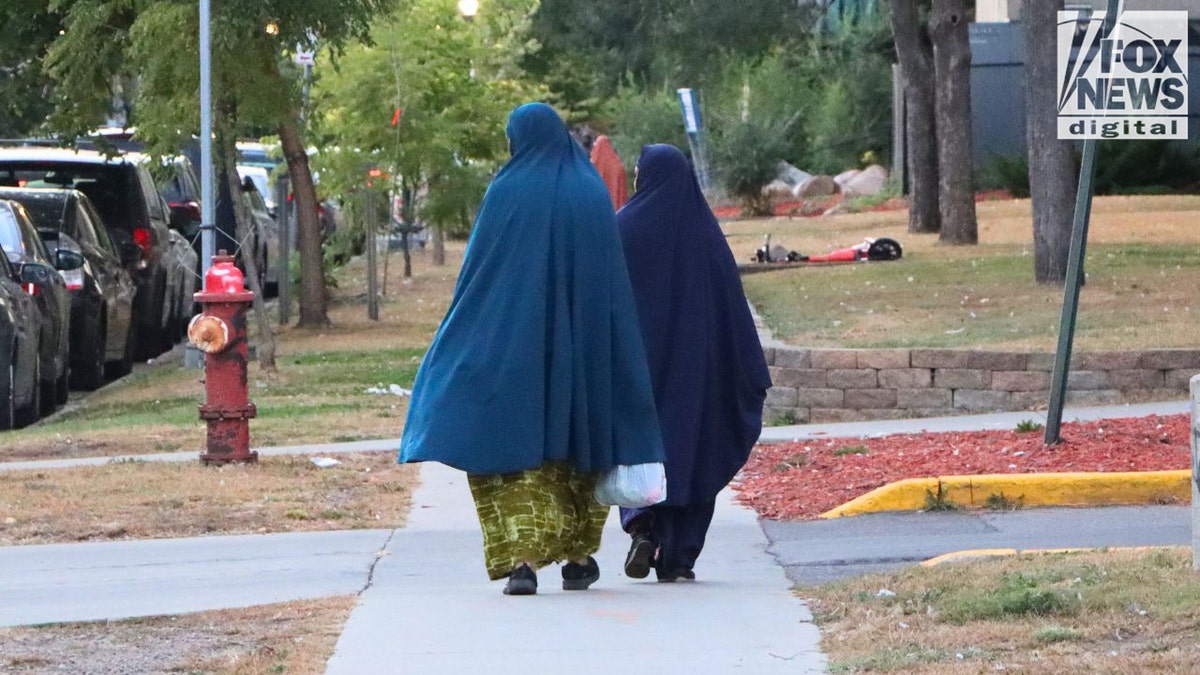
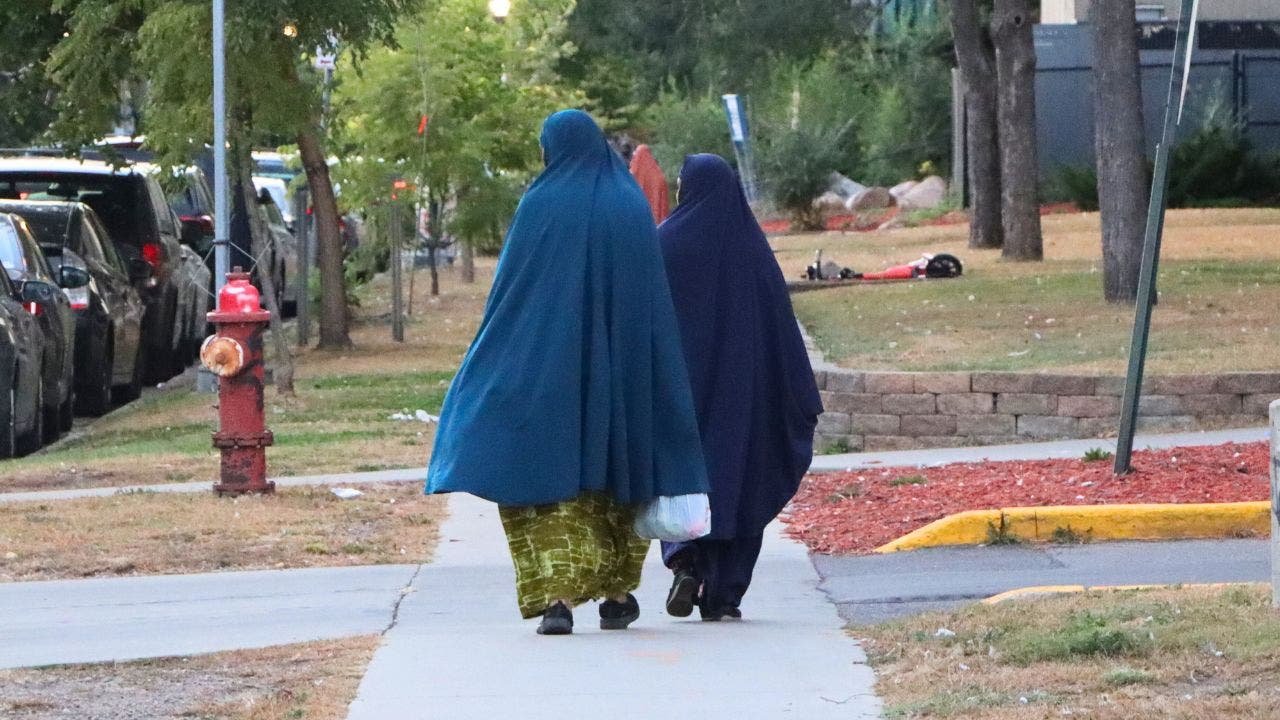
Women wearing traditional Muslim clothing walk along a sidewalk in Minneapolis. The city is home to a large Muslim population. (Michael Dorgan/Fox News Digital) (Michael Dorgan/Fox News Digital)
However, a Fox News Digital review of publicly available Minnesota court records, enforcement announcements and professional licensing disciplinary records found no documented prosecutions or sanctions tied to FGM. The Minnesota Attorney General’s Office said prosecutions for state crimes like female genital mutilation are handled by county attorneys and did not identify any FGM cases. County prosecutors contacted for this story also did not identify any prosecutions.
Those provisions, however, have not resulted in documented criminal prosecutions.
Minnesota criminalized female genital mutilation in 1994, classifying the practice as a felony.
The Minnesota Department of Health told Fox News Digital that it does not track specific data on female genital mutilation, underscoring how difficult the practice is to monitor or enforce.
Global context, local uncertainty
Around the world, FGM is most prevalent in parts of Africa and the Middle East.
Somalia has among the highest prevalence rates in the world, with United Nations data estimating roughly 98% of women ages 15 to 49 there have undergone the procedure. The United Nations, World Health Organization and UNICEF classify FGM as a human rights violation rooted in efforts to control female sexuality and enforce gender inequality, and the UN observes an annual day of awareness in February to combat the practice globally.
Those figures describe conditions in Somalia and are not proof the procedure is occurring in Minnesota, but they help explain why risk is acknowledged even as the practice remains difficult to detect.
Medical experts say the procedure can cause chronic pain, severe bleeding, infections, urinary problems, sexual dysfunction, childbirth complications and, in some cases, death. Because it permanently alters genital tissue, the harm cannot be undone. Survivors often require repeated medical care and carry lasting psychological trauma.
Critics say the gap between the law and enforcement is fueled by silence.
Survivors often do not report the practice out of fear, stigma, family pressure or concern about involving authorities — even when mandatory reporting laws exist. Medical professionals, particularly OB-GYNs, are often the first to encounter adult survivors, placing clinicians near the center of any enforcement effort that has yet to materialize.
MINNESOTA FRAUD WHISTLEBLOWER SAYS ‘LACK OF GUARDRAILS WAS PRETTY SHOCKING’
The CDC has not released a newer national estimate, and there is no data on the number of people in Minnesota who are victims. However, a CDC-supported Women’s Health Needs Study conducted from 2019 to 2021 included Minneapolis as one of four U.S. metro areas documenting a significant survivor population.
The study did not track where procedures occurred or whether anyone was charged, underscoring how little the public knows about enforcement.
Fox News Digital also contacted multiple Minnesota clinics that provide reproductive and women’s health services asking whether clinicians encounter patients with physical evidence of female genital mutilation. None responded.
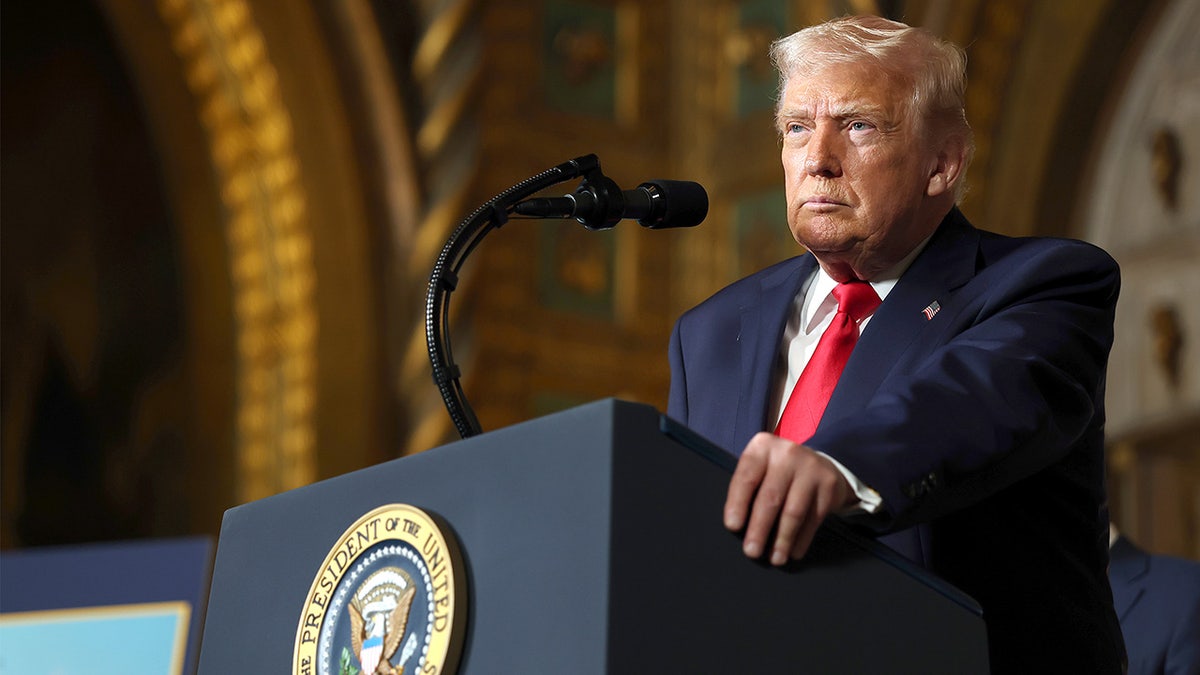
The AHA Foundation said it is pushing for President Donald Trump to sign an executive order to make combating female genital mutilation a national priority. (Tasos Katopodis/Getty Images)
Lawmakers push task force amid accountability questions
Some Minnesota state lawmakers have introduced legislation this session to establish a «task force on prevention of female genital mutilation» — a step that Rep. Mary Franson said reflects concerns raised by women in the community that the practice may be occurring or going undetected in Minnesota.
Franson said the legislation was prompted by concerns raised by women in the Somali community. The bill’s chief author is Rep. Huldah Momanyi-Hiltsley, a Democrat of Kenyan heritage, and it is co-sponsored by Franson along with Democratic Reps. Kristin Bahner, Kristi Pursell and Anquam Mahamoud, who is Somali-American. None of them responded to multiple Fox News Digital requests for comment.
Franson said she became a focal point of opposition once she became publicly associated with the bill.
«The bill was brought forward by women in the Somali community. I was the chief author, but then Democrats told one of the DFL women that if I carried the bill, they would not support it,» Franson said. «Of course, it’s because they believe I am a racist.»
Franson, who is white, first introduced FGM-related legislation in 2017 that would have classified the practice as child abuse and clarified parental accountability. That effort stalled and never became law.
CLICK HERE TO DOWNLOAD THE FOX NEWS APP
At the federal level, Congress criminalized female genital mutilation in 1996 and later expanded federal jurisdiction in 2018 under legislation signed by then-President Donald Trump, explicitly covering cases involving interstate or international travel.
Even so, prosecutions nationwide have remained rare, with the only widely cited state-level conviction occurring in Georgia in 2006, where a woman was convicted under Georgia state law for performing FGM on a minor.
In Minnesota, where the practice has been a felony since 1994, there is no public record of a single criminal prosecution — raising an unavoidable question: with laws on the books and a documented survivor population, who is responsible for enforcing the ban, and why have prosecutions not followed?
immigration,minnesota fraud exposed,minnesota,minneapolis st paul,politics,donald trump,africa,health










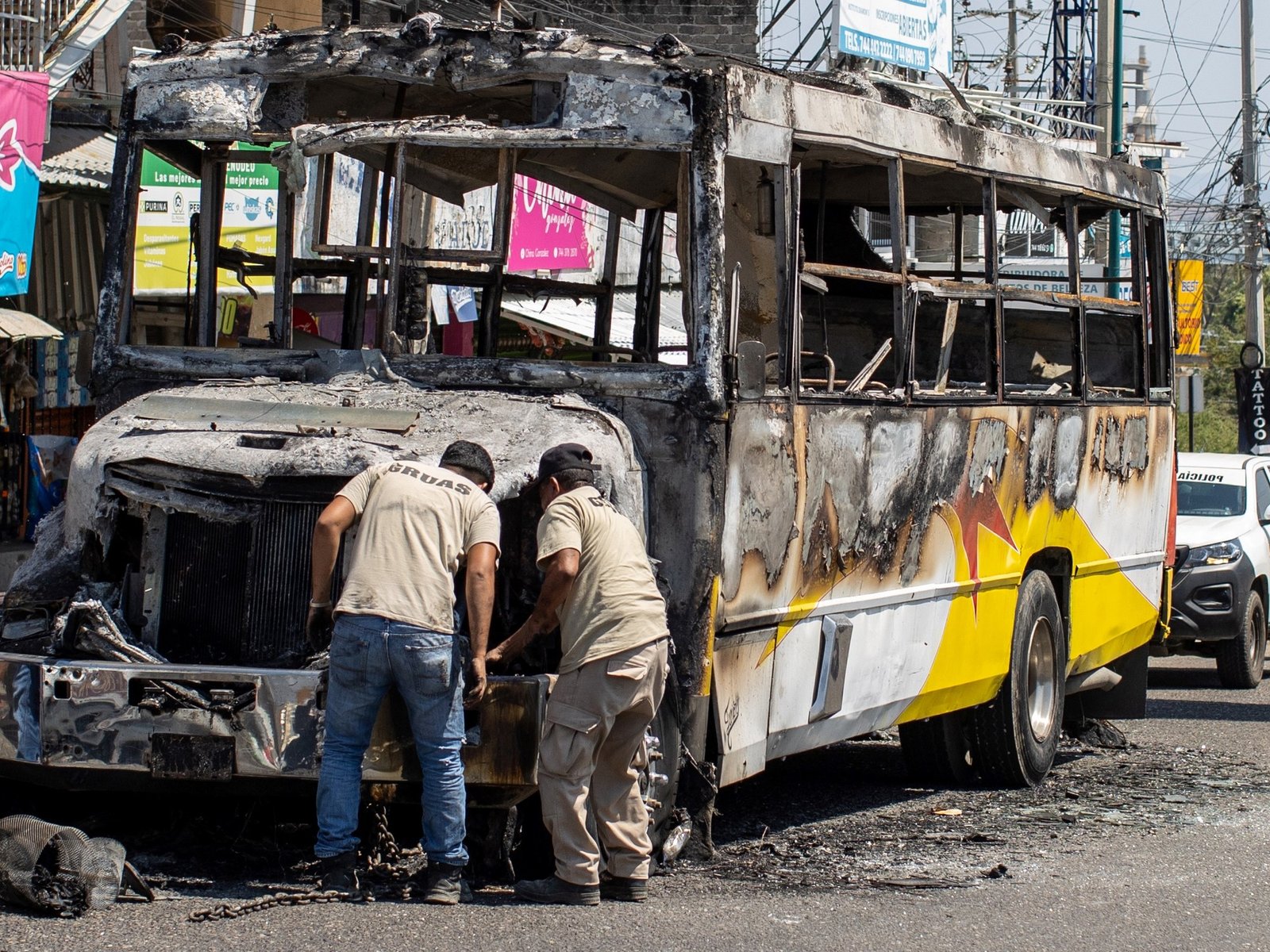
1.- Cartel de Sinaloa:
2.- Cartel Jalisco Nueva Generación:
3.- Cartel del Golfo:

4.- Cartel del Noroeste:
5.- La Nueva Familia Michoacana:

6.- Carteles Unidos:
NEWYou can now listen to Fox News articles!
A man was shot and killed early Sunday after allegedly breaching the secure perimeter of President Donald Trump’s Mar-a-Lago estate in Palm Beach, Florida, the U.S. Secret Service said.
The incident occurred around 1:30 a.m. when the suspect made an «unauthorized entry» through the north gate of the resort as another vehicle was exiting. The man has been identified as 21-year-old Austin Tucker Martin of North Carolina, Palm Beach County Sheriff Ric Bradshaw confirmed to Fox News.
The suspect was observed carrying what appeared to be a shotgun and a fuel can. Agents and a deputy from the Palm Beach County Sheriff’s Office (PBSO) confronted him.
«They confronted a white male that was carrying a gas can and a shotgun. He was ordered to drop those two pieces of equipment that he had with him – at which time he put down the gas can, raised the shotgun to a shooting position,» Bradshaw told reporters. «At that point in time, the deputy and the two Secret Service agents fired their weapons and neutralized the threat.»
SECRET SERVICE THWARTS POTENTIAL THREAT NEAR TRUMP’S WHITE HOUSE GROUNDS WITH RAPID RESPONSE
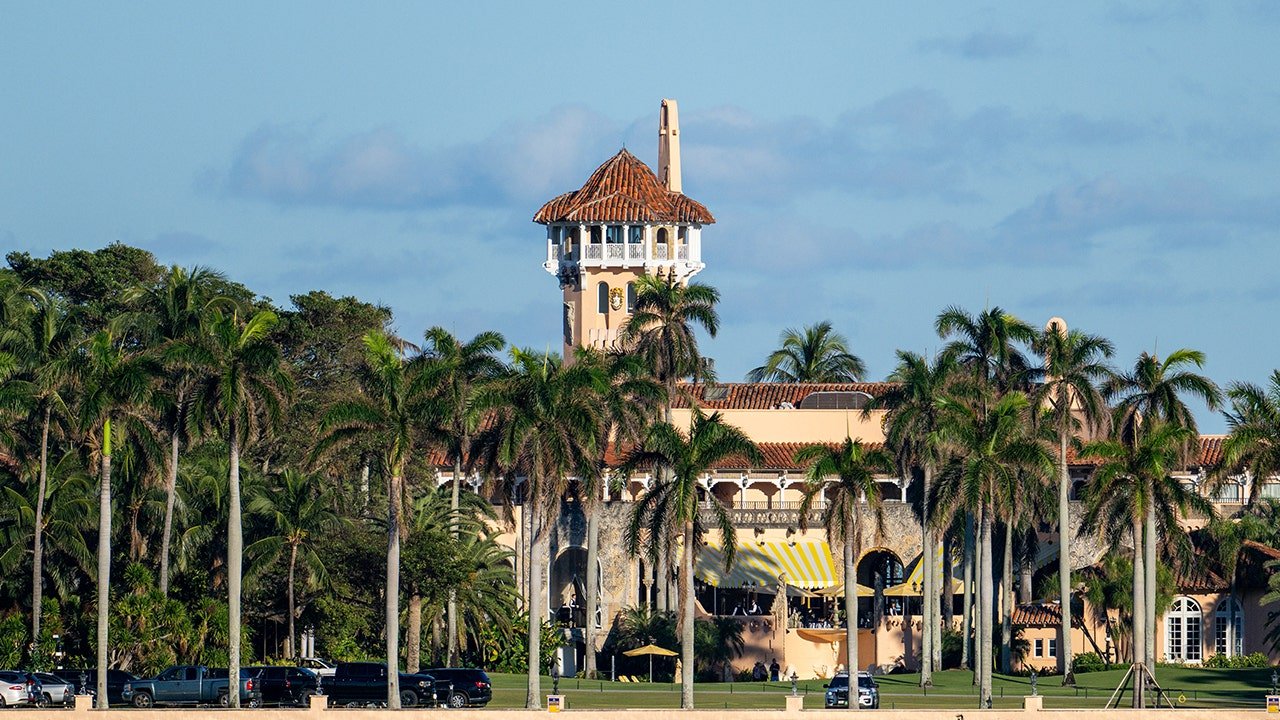
An aerial view shows the Mar-a-Lago estate and the north gate in Palm Beach, Florida, following reports of a shooting incident, Feb. 22, 2026. (Fox News)
Bradshaw said the suspect did not exchange any words with law enforcement officers who instructed the man to «drop the items.»
The man was pronounced dead at the scene.
No Secret Service or PBSO personnel were injured, and no Secret Service protectees were present at the location during the time of the incident, officials said.
Trump was at the White House at the time of the breach, even though he frequently spends weekends at Mar-a-Lago, according to The Associated Press.
Secret Service spokesman Anthony Guglielmi said the man is believed to have bought the shotgun while traveling south, and authorities later discovered the weapon’s box inside his vehicle, The Associated Press reported.
The Moore County Sheriff’s Office said in a press release that a relative reported Martin missing around 1:38 a.m. Sunday.
He was entered into a national missing person database before federal authorities informed local officials they were conducting an active investigation in Florida related to Martin.
BONGINO DETAILS FBI’S ‘ZERO-FAIL MISSION’ AFTER HUNTING STAND FOUND NEAR TRUMP’S AIR FORCE ONE EXIT AREA
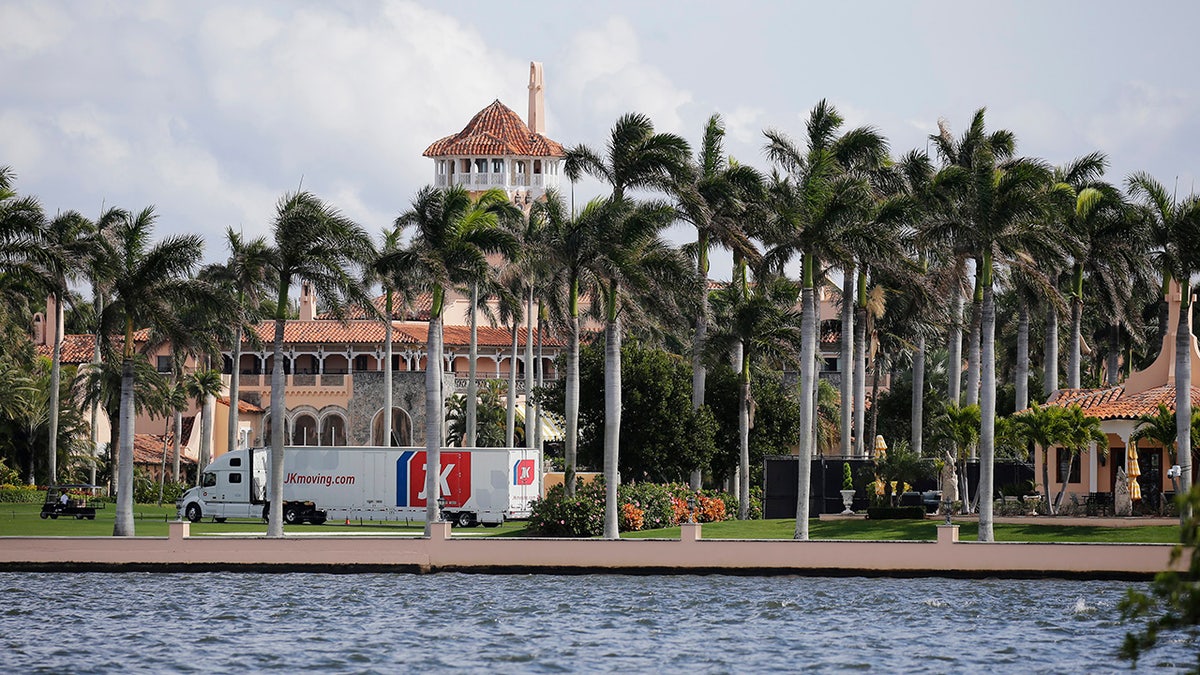
A moving truck is parked outside Mar-a-Lago in Palm Beach, Fla., on Jan. 18, 2021. (Terry Renna/AP)
The sheriff’s office said it had no prior history with the 21-year-old and has since turned over the missing person case information to federal authorities. It is not involved in the Florida investigation.
The incident, including the suspect’s background, actions and potential motive, as well as the circumstances surrounding the use of force, are under investigation by the FBI, the U.S. Secret Service, and the Palm Beach County Sheriff’s Office.
Officials said they are working to compile a psychological profile as part of the investigation, according to The Associated Press.
FBI Miami Special Agent in Charge Brett Skiles said the bureau is assisting in the investigation because the shooting occurred in an area under Secret Service protection.
He said the FBI’s evidence response team is processing the scene and collecting evidence, and urged residents who live nearby to review their exterior cameras for footage from Saturday night into early Saturday morning.
«If you see anything that looks suspicious or out of place, please contact us,» he told reporters.
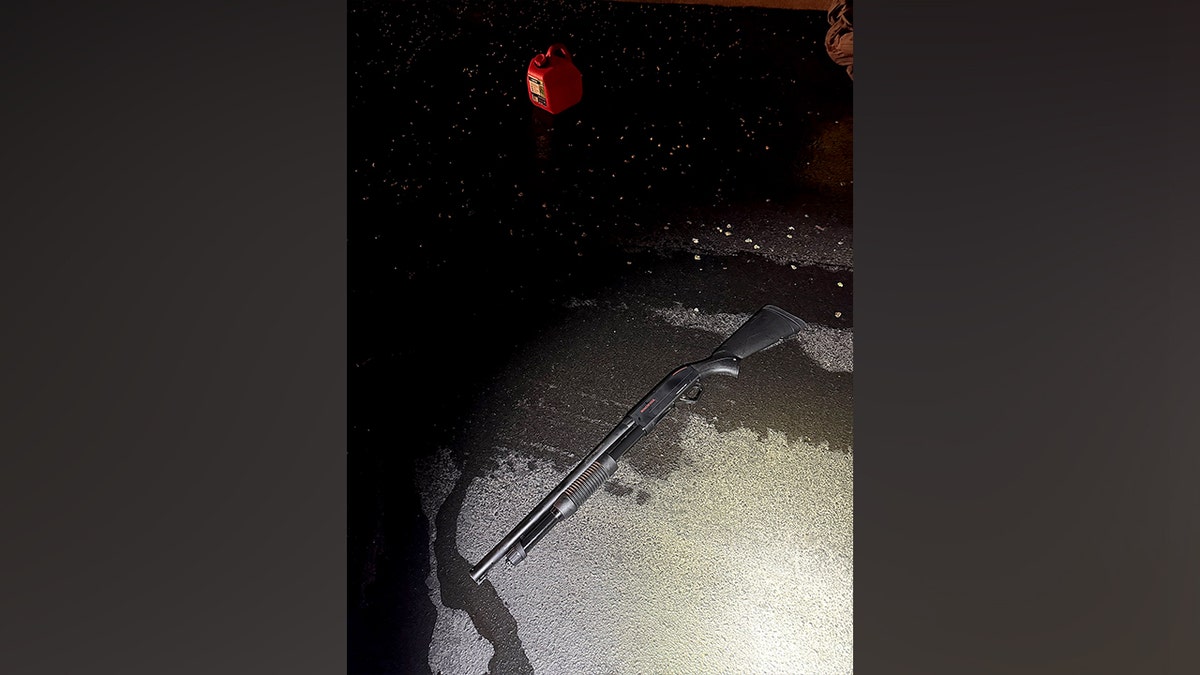
The man who was shot and killed after allegedly breaching the secure perimeter at President Donald Trump’s Mar-a-Lago estate in Palm Beach, Florida, was observed carrying what appeared to be a shotgun and a fuel can. (@PBCountySheriff via X)
CLICK HERE TO DOWNLOAD THE FOX NEWS APP
FBI Director Kash Patel said in a post on X that his agency is «dedicating all necessary resources in the investigation of this morning’s incident,» and «will continue working closely with @SecretService as well [as] our state and federal partners and will provide updates as we are able.»
White House press secretary Karoline Leavitt wrote on X that the U.S. Secret Service «acted quickly and decisively to neutralize a crazy person, armed with a gun and a gas canister, who intruded President Trump’s home.»
The breach comes after Trump faced two assassination attempts during his 2024 campaign.
donald trump,florida,police and law enforcement
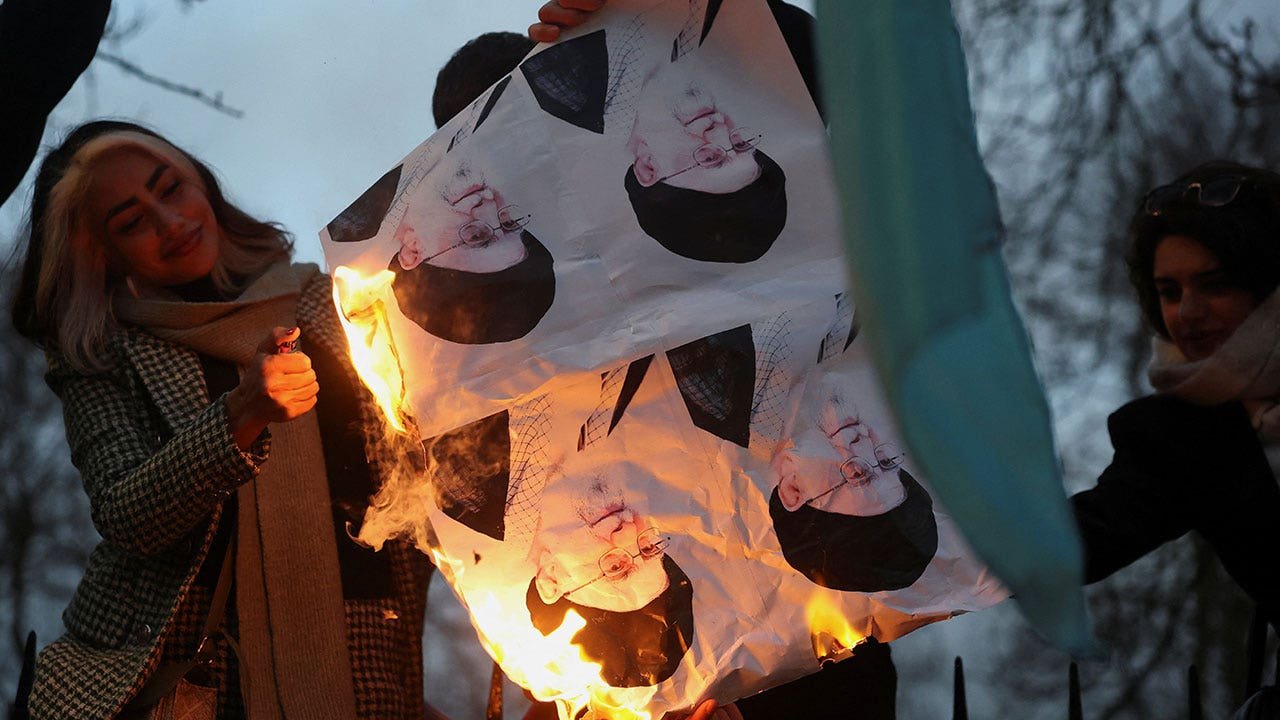
NEWYou can now listen to Fox News articles!
Tensions flared Sunday across Iran as anti-government protests reignited at major universities and in the streets of Tehran, with reports of tear gas and shots fired in the capital.
Students gathered in Tehran and the northeastern city of Mashhad to mark 40-day memorials for those killed during January’s nationwide anti-government demonstrations before violence broke out.
Ali Safavi, a member of Iran’s Parliament-in-Exile, the National Council of Resistance of Iran (NCRI), told Fox News Digital anti-government protests at the University of Tehran featured chants such as, «This is the year of blood,» and noted that Iran’s Revolutionary Guard Corps (IRGC) shot at protesters at another location in the city.
«At Khajeh Nasir University in Tehran, students trampled on Khamenei’s picture, while similar acts took place at Ferdowsi and Sajjad universities,» Safavi said.
IRAN OPERATING SECRET ‘BLACK BOX’ SITES HOLDING THOUSANDS IN DETENTION: REPORTS
Student protesters in Iran clash with authorities. (Simay Azadi/Iranntv.com)
«Students were shouting ‘death to the oppressor, whether the Shah or the Leader,’ while in Tehran’s Vali Asr Street forces fired at the crowds, which were mostly young people,» he added.
Safavi also claimed that two motorcycle units composed of men and women affiliated with resistance groups paraded through parts of Tehran carrying flags of the National Liberation Army (NLA), the armed wing associated with the NCRI.
IRAN LOCKS NATION INTO ‘DARKER’ DIGITAL BLACKOUT, VIEWING INTERNET AS AN ‘EXISTENTIAL THREAT’
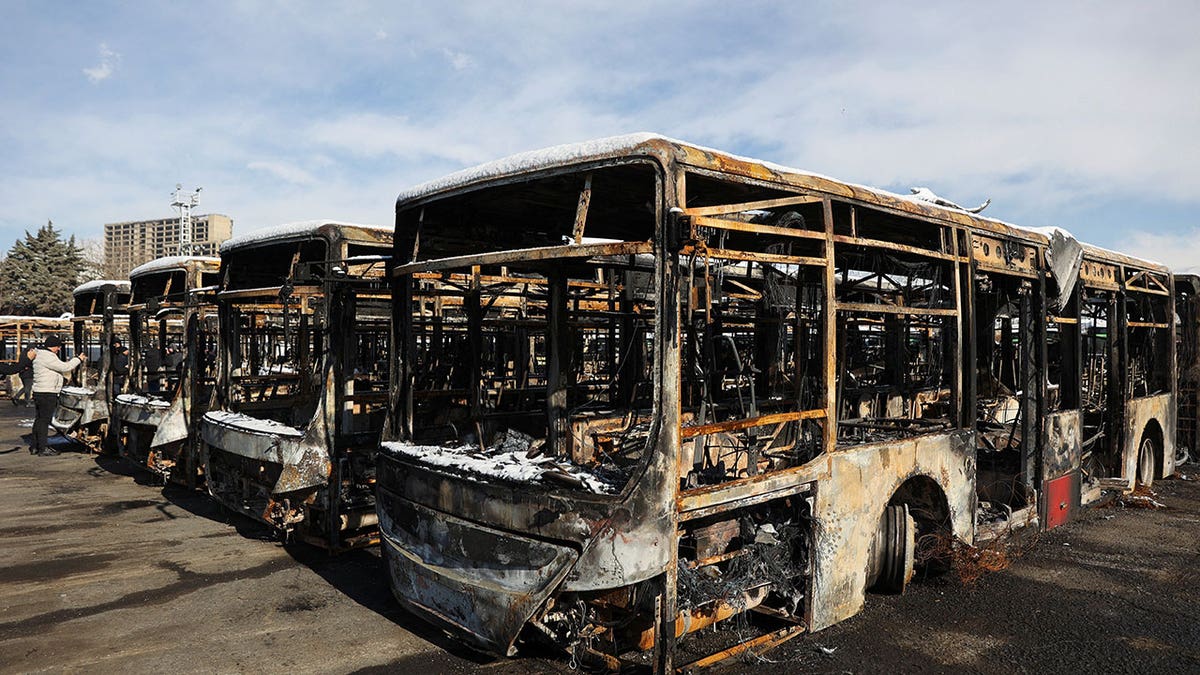
Buses that were burned during Iran’s protests, in Tehran, Iran, Jan. 21, 2026. (Majid Asgaripour/WANA (West Asia News Agency) via Reuters)
In a statement circulated online, university students also condemned what they described as renewed attempts by authorities to suppress dissent.
«Once again we see that the tainted hands of monopolists seek to turn this sacred space into a playground for reactionary forces,» the statement read. «We who have tasted the bitter experience of repression accept no form of dictatorship, whether with a turban or with boots,» it said.
IRAN OPERATING SECRET ‘BLACK BOX’ SITES HOLDING THOUSANDS IN DETENTION: REPORTS
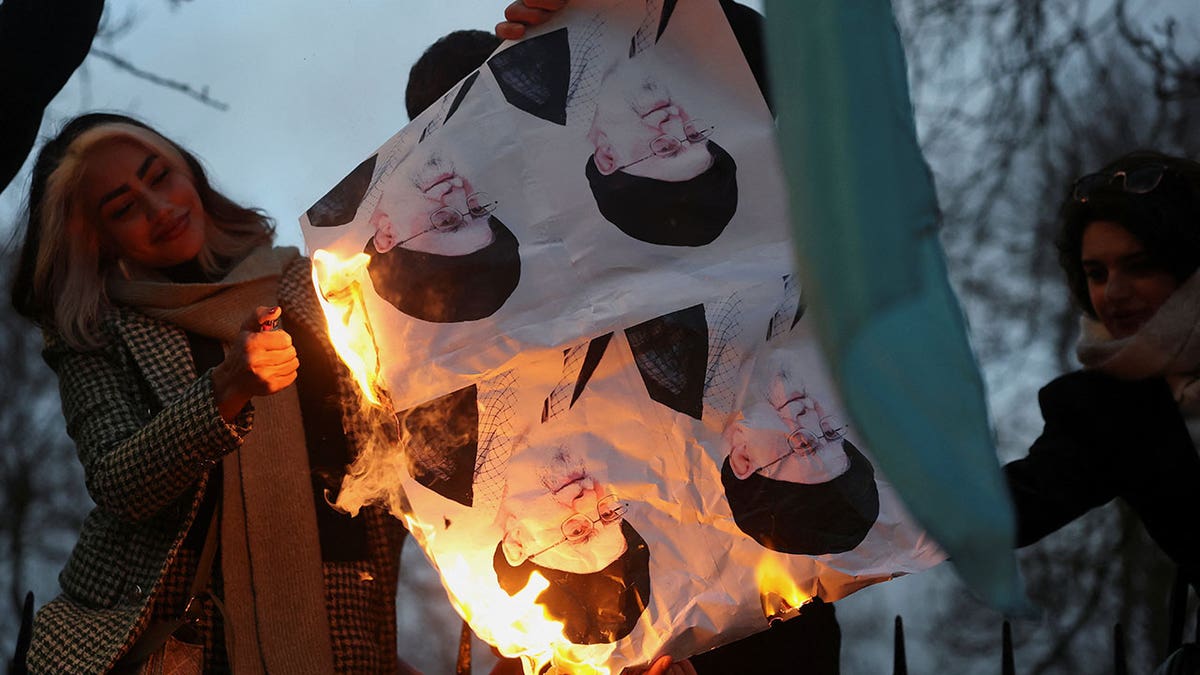
Demonstrators burn pictures of Iran’s Supreme Leader Ayatollah Ali Khamenei outside the Iranian embassy during a rally in support of nationwide protests in Iran, in London, Jan. 12, 2026. (Toby Melville/Reuters)
Iran’s state TV showed videos of what it said were people «pretending to be students» attacking pro-government students in Tehran who were taking part in protests to condemn January’s protests.
The individuals were allegedly injuring students by throwing rocks, Reuters reported.
Some witness accounts and opposition groups described a more forceful response by authorities.
Security forces reportedly fired tear gas at crowds of demonstrators, many of them young people.
At other locations, the protesters also confronted groups of pro-regime demonstrators.
Reports from opposition sources indicated that shots were also fired as security units attempted to disperse gatherings that had spilled beyond campus grounds into surrounding streets.
CLICK HERE TO DOWNLOAD THE FOX NEWS APP
Nighttime mobilizations also continued for a second time, with large-scale protests reported across several campuses.
The clashes marked one of the most visible displays of unrest since January’s crackdown and came as Iran faces a potential military strike by the U.S. and amid ongoing talks to negotiate over Iran’s nuclear program.
iran,world protests,ali khamenei,armed forces

La CGT se encamina a un paro de mayor impacto, pero el dilema es el día después: los sectores más duros se unen y van por más

La contundente decisión de Cazzu con tres artistas urbanos, después de que mencionaran a Christian Nodal en una canción: “Ya conocen la mía”

Detuvieron a un ex gendarme por un robo boquetero en una relojería de Lomas de Zamora

Carrefour canceló la venta de la cadena en la Argentina y anunció un nuevo plan para el país

Los árbitros para la fecha 7 del Torneo Apertura de la Liga Profesional

Reforma laboral: pese al abroquelamiento de los gobernadores, el peronismo enfrenta un escenario de debilidad en Diputados

Escándalo en MasterChef: una famosa abandonó a los gritos y acusando que está todo arreglado

Del himno peronista de Kelly Olmos al exabrupto de Agustina Propato: las perlitas del debate por la reforma laboral

Villarruel cuestionó la apertura de importaciones: «Sin industria, se pasa a depender de China»

“Ahora es la hora de jugarse”: el mensaje de Patricia Bullrich a los empresarios tras aprobarse la reforma laboral

 ECONOMIA2 días ago
Villarruel cuestionó la apertura de importaciones: «Sin industria, se pasa a depender de China»
- POLITICA1 día ago
“Ahora es la hora de jugarse”: el mensaje de Patricia Bullrich a los empresarios tras aprobarse la reforma laboral
- ECONOMIA1 día ago
Según un especialista, el precio de la carne se mantendrá alto “entre dos y tres años”