INTERNACIONAL
Jihadists massacre 89 Christians in African nation, many slain at funeral service


NEWYou can now listen to Fox News articles!
WARNING: This article contains graphic and distressing details.
At least 89 Christians have been slaughtered by jihadists in the east of the Democratic Republic of the Congo (DRC). Open Doors, which monitors Christian persecution around the world, claimed some 70 were killed while worshiping at a funeral service, with the rest slain in the villages of Potodu and Ntoyo in the DRC’s North Kivu region.
Many more villagers are missing. The U.S.-based SITE Intelligence Group, which monitors militant activities, told Reuters the death toll had approached 100.
Responsibility for the attack was claimed by the Allied Democratic Forces (ADF) group, also known as Islamic State Central Africa Province, linked to ISIS — the same group that allegedly killed 49 Christians while they were praying for peace in a church in the DRC village of Komanda in July, and a further 66 earlier in Irumu.
WHITE HOUSE RESPONDS TO SURGE IN CHRISTIAN PERSECUTION CRISIS ACROSS SUB-SAHARAN AFRICA
A volunteer holds a cross as a family member follows under heavy rain during a burial ceremony in Ntoyo, Sept. 10, 2025. Terrorists linked to the Islamic State group killed at least 89 people in an overnight attack at a funeral event and in nearby villages in eastern Democratic Republic of Congo, local and security sources said. (SEROS MUYISA/AFP via Getty Images)
A local pastor, Rev. Mbula Samaki, told an Open Doors partner from the scene: «They arrived and started killing. Those who tried to flee were shot dead, and others were killed with machetes.»
Fox News Digital has seen a verified video of the aftermath. It is too distressing to share, showing bodies of small children and women lying on the ground. The pitiful screaming of surviving family members can be heard. Another image is said to show that some of the victims had their hands tied behind their backs.
An African Open Doors partner with extensive knowledge of the events, who must have her identity hidden for her safety, told Fox News Digital there have been multiple other attacks by the ADF that have not been reported. «If we take just August, there’s been over 10, we have documented 10 attacks, but there have been a lot more which go unreported. And sometimes two or three villages are attacked at the same time.»
«The people, they say we are tired, when will this come to an end? Because it’s every day you hear someone has been killed. You can find a family where two or three family members have been killed, or a child whose both parents have been killed. So it’s pain, it’s agony.»
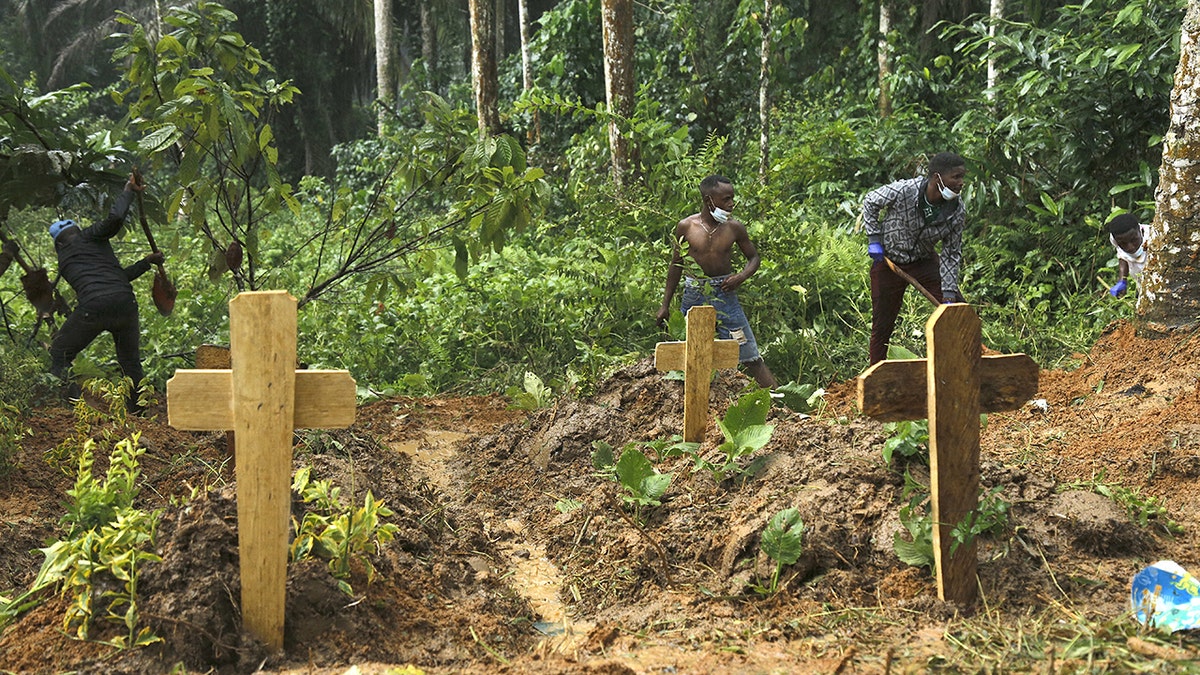
Crosses are seen as volunteers dig graves for the victims of an attack during a burial ceremony in Ntoyo, Sept. 10, 2025. Terrorists linked to the Islamic State group killed at least 89 people in an overnight attack on a funeral event and in nearby villages in eastern Democratic Republic of Congo, local and security sources said. (SEROS MUYISA/AFP via Getty Images)
ISIS SOLDIERS BEHEAD CHRISTIANS IN MOZAMBIQUE, BURNING CHURCH AND HOMES: ‘SILENT GENOCIDE’
President Donald Trump announced a peace deal for the DRC in June. But local combatants, sources say, only appear willing to get it to work in the area around the eastern city of Goma. The ADF, by contrast, is increasing its attacks. This area is almost exclusively Christian. The ADF attackers are all Islamist militants bent, observers say, on forcing Christians off their land and determined to stop Christians from practicing their faith.
DRC forces are trying to push back against the ADF. But as one local source told Fox News Digital, «it’s largely insufficient.»
Following last month’s attack, a White House spokesperson told Fox News Digital, «The Trump administration condemns in the strongest terms this horrific violence against Christians in the DRC and is committed to advancing the Washington Accords to bring peace back to the region and end targeted killings.»
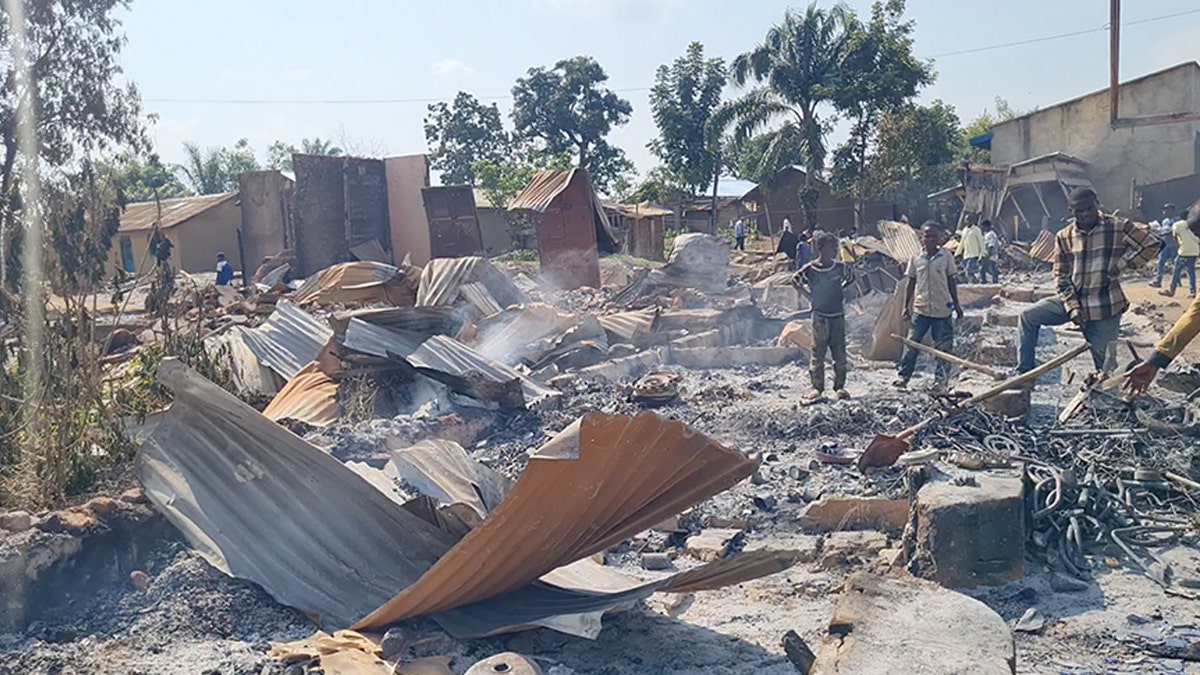
A screenshot shows villagers inspecting the damage left by jihadi terrorists who killed 49 Christians in DR Congo in July. (Open Doors)
A Christian leader with on-the-ground knowledge added, «if the Trump administration can pay attention to what’s happening in the east of the DRC with ADF as they do, maybe with other countries like Ukraine, I think they can mount pressure on the DRC government and even support them to address these ADF attacks more properly.»
«If these people, these powers that be, and that can change things, can see this as a family, as a child whose father no longer lives. If they can just see it as people, not numbers, it’s not incidents, it’s people. It’s like their lives are less worth it, less worth being spoken of. And I don’t think that’s right. Everybody deserves to live.»
CLICK HERE TO GET THE FOX NEWS APP
Fox News Digital reached out to the government of the Democratic Republic of the Congo for comment, but did not receive a response.
The Associated Press and Reuters contributed to this story.
christianity religion,africa,conflicts,isis







INTERNACIONAL
Cuba excarceló a 14 presos políticos en medio de presiones internacionales y críticas por falta de transparencia
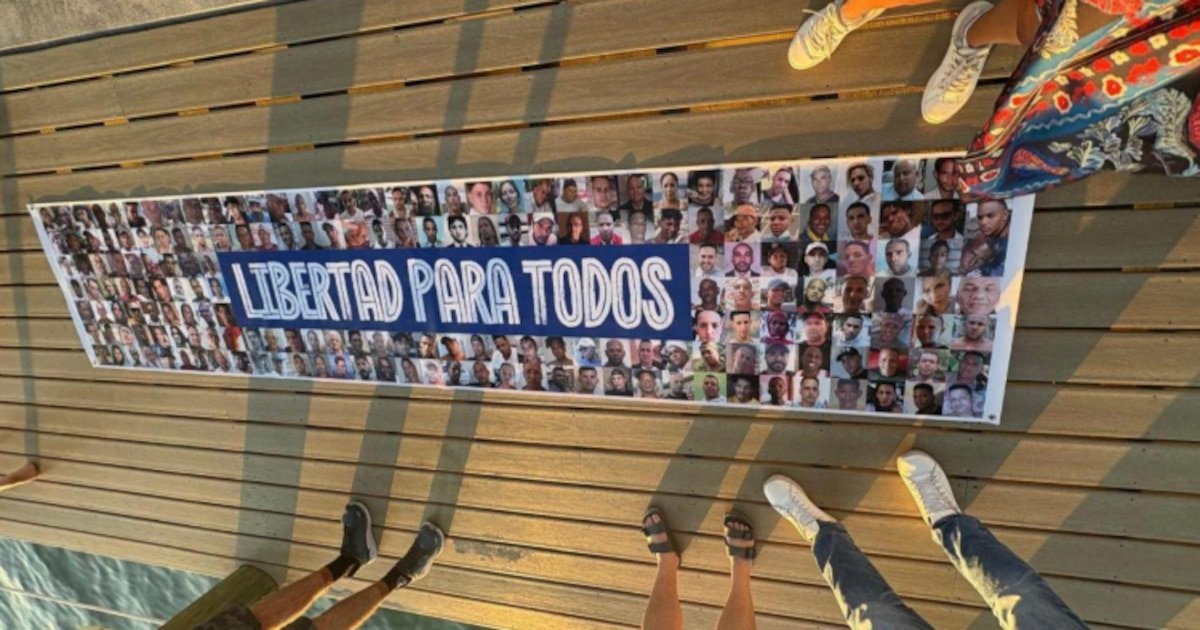
La ONG Prisoners Defenders elevó a 14 la cifra de presos por motivos políticos excarcelados en Cuba, tras el anuncio del régimen de la isla sobre el inicio de un proceso para liberar a 51 reclusos.
Estas primeras excarcelaciones se produjeron en coincidencia con la confirmación del diálogo entre autoridades cubanas y representantes de la administración estadounidense.
14 personas encarceladas por motivos políticos fueron excarceladas en Cuba tras el anuncio oficial de un proceso para liberar a 51 reclusos. Según Prisoners Defenders, los excarcelados no son opositores de alto perfil, sino ciudadanos que participaron en las protestas del 11 de julio de 2021.

Entre ellos figura Adael Jesús Leyva Díaz, de 29 años, quien cumplía una condena de 13 años por sedición. “Feliz, contento de estar con la familia”, expresó a EFE tras regresar a su hogar en el barrio habanero de Arroyo Naranjo, luego de salir del presidio de trabajos forzados Zona 0 del Combinado del Este.
Leyva Díaz explicó que debe buscar empleo para sostener a sus hijos y cuidar a su madre, y que la excarcelación no implica el fin de su condena, sino un beneficio condicionado al cumplimiento de requisitos.
Prisoners Defenders detalló que las excarcelaciones no constituyen indultos. Son permisos temporales bajo vigilancia y con el compromiso de mantener buena conducta hasta completar la pena.
El informe mensual de la organización reporta que Cuba cerró febrero con 1.214 personas encarceladas por motivos políticos, el mayor registro desde el inicio del monitoreo penitenciario de la organización.

Los beneficiados tienen entre 26 y 52 años, todos varones, y recibieron condenas de entre 9 y 14 años por delitos como atentado, desacato, desórdenes públicos, sabotaje y sedición.
Amnistía Internacional denunció el uso de los presos políticos “como fichas de cambio en un juego político” y exigió la liberación “inmediata e incondicional” de todas las personas encarceladas por motivos políticos en Cuba. Justicia 11J consideró que “la única solución compatible con los derechos humanos es la liberación plena e incondicional de todas las personas encarceladas por motivos políticos”.
Las excarcelaciones en Cuba han tenido precedentes tras gestiones diplomáticas, muchas veces con la mediación del Vaticano.
El canciller del régimen cubano, Bruno Rodríguez, mantuvo una reunión el 28 de febrero en el Vaticano con el papa León XIV y el cardenal Pietro Parolin, secretario de Estado.

Ocho días antes, el embajador estadounidense en Cuba, Mike Hammer, visitó Roma y dialogó con el secretario vaticano para las Relaciones con los Estados, Paul Richard Gallagher.

La última excarcelación masiva de presos en la isla ocurrió en enero de 2025, cuando 553 personas recuperaron la libertad en el marco de un acuerdo con la administración estadounidense del ex mandatario Joe Biden, facilitado por la mediación del Vaticano.
En ese entonces, la Casa Blanca retiró a Cuba de la lista de países patrocinadores del terrorismo. Tras la llegada de Donald Trump a la presidencia de Estados Unidos, el acercamiento diplomático se interrumpió y Washington reincorporó a Cuba en la lista negra.

El presidente de la ONG, Javier Larrondo, señaló a Infobae que “la represión sigue siendo una constante frente a cualquier expresión de descontento”.

“Estas cifras reflejan una realidad preocupante: la criminalización absoluta de la libertad de expresión y la persecución de quienes reclaman cambios políticos en Cuba a manos de un régimen criminal de lesa humanidad en sus últimos estertores, cuya única herramienta de control del poder es la represión más inhumana”, resaltó.
(Con información de EFE)
libertad,derechos humanos,protesta,banner,activismo,justicia,manifestación,rostros
INTERNACIONAL
La guerra en Medio Oriente redujo el tránsito por el Estrecho de Ormuz a 77 barcos en marzo
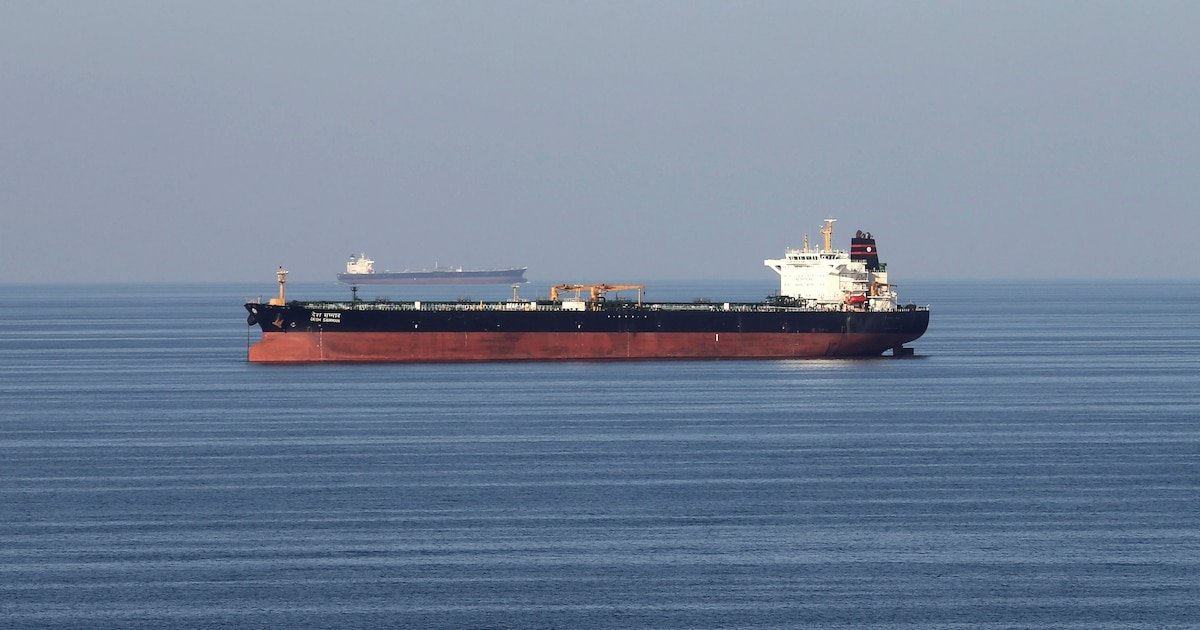
Sólo 77 barcos atravesaron el Estrecho de Ormuz en marzo, una cifra muy inferior a los 1.229 tránsitos registrados en el mismo período del año anterior, según datos de Lloyd’s List Intelligence.
La guerra en Medio Oriente provoca una fuerte caída en el paso de embarcaciones por una de las vías marítimas más relevantes para el transporte de energía a nivel mundial.
De acuerdo con Lloyd’s List Intelligence, la mayoría de los buques que lograron cruzar pertenecen a la denominada flota fantasma, integrada por barcos antiguos, con condiciones deficientes, sin seguro adecuado y propietarios poco identificables, generalmente asociados a Rusia e Irán.
La consultora marítima precisó que los buques vinculados al régimen iraní representan el 26% del tráfico en la zona, seguidos por embarcaciones de Grecia con el 13% y de China con el 12%.
“Más de la mitad de los buques cisterna y gaseros que transitan por la zona son flotas paralelas”, afirmó Bridget Diakun, analista senior de Lloyd’s List Intelligence. “Estos barcos están muy acostumbrados a las interrupciones”, añadió Diakun, y sostuvo que por ese motivo “es más probable que intenten la travesía”.

El Cuerpo de la Guardia Revolucionaria Islámica (CGRI) del país persa mantiene prácticamente cerrado el estrecho, que limita con Irán y por donde circula aproximadamente el 20% del suministro mundial de petróleo. Desde comienzos de mes, 20 buques comerciales —nueve de ellos petroleros— fueron atacados o sufrieron incidentes, de acuerdo con la Agencia Británica de Operaciones de Comercio Marítimo. La Organización Marítima Internacional confirmó 16 incidentes en la región, de los cuales ocho involucran a petroleros.
El nuevo líder supremo de Irán, Mojtaba Khamenei, manifestó el jueves: “Sin duda alguna, hay que recurrir al bloqueo del estrecho de Ormuz”. Esta decisión pretende afectar la economía global y ejercer presión sobre Estados Unidos. Según Diakun, “la principal conclusión es que… Irán sigue exportando”.
Por otra parte, la agencia de noticias AFP contabilizó cerca de 40 embarcaciones que cruzaron el Estrecho de Ormuz desde el inicio del conflicto, tomando en cuenta solo aquellos buques que mantuvieron encendidos sus transpondedores AIS, el sistema de identificación automática.
El jefe de asuntos humanitarios de las Naciones Unidas, Tom Fletcher, exigió el viernes que se autorice el tránsito seguro de ayuda humanitaria a través del estrecho, afectado por las interrupciones en el tráfico marítimo durante el conflicto.

“Se debe permitir el paso seguro de la ayuda humanitaria a través del estrecho de Ormuz”, afirmó Fletcher en un comunicado, y advirtió que “millones de personas corren peligro” si continúan las restricciones.
Un buque de propiedad turca logró atravesar la zona con autorización de las autoridades iraníes, informó el viernes el ministro de Transportes de Turquía, Abdulkadir Uraloglu. “Tenemos 15 buques de propiedad turca en el estrecho de Ormuz y pudimos permitir el paso de uno de ellos tras obtener el permiso de las autoridades iraníes”, declaró Uraloglu a periodistas el jueves por la noche, según declaraciones difundidas el viernes.
El estrecho de Ormuz constituye una ruta marítima central para el comercio global y permanece cerrado por decisión de Irán tras el ataque de Israel y Estados Unidos el 28 de febrero.
A su vez, la angustia de los marineros que esperan pasar por la zona en conflixto se apoderó de las redes sociales. “Todos los días en el barco veo lanzamientos de misiles y oigo explosiones, lo que me hace sentir en peligro”.
Así describió Wang Shang, marinero chino de 32 años, la situación en la que permanece varado en el Golfo Pérsico. Su embarcación se encuentra imposibilitada de cruzar el estrecho de Ormuz, bloqueado desde hace casi dos semanas después de los ataques de Estados Unidos e Israel contra Irán.
Wang Shang relató sus experiencias a través de vídeos publicados en Douyin, la versión china de TikTok. “Estoy preocupado porque ayer la sala de máquinas de un buque fue alcanzada por un dron iraní a solo dos millas náuticas de mi embarcación, aproximadamente a 3.600 metros, lo cual es muy cerca”, expresó Wang.
(Con información de AFP)
Crime,Government / Politics,Military Conflicts
NEWYou can now listen to Fox News articles!
As Iranian-designed Shahed drones proliferate across battlefields from Ukraine to the Middle East, relatively cheap unmanned aircraft are forcing the use of some of the world’s most expensive air defense systems, raising questions about the long-term sustainability of that approach.
The issue has taken on new urgency in the wake of Operation Epic Fury, as Iranian drones — widely estimated to cost $20,000 to $50,000 to manufacture — target U.S. forces and allied Gulf states across the region.
U.S. and partner forces have relied on a mix of Patriot missiles, Terminal High Altitude Area Defense batteries, naval interceptors and other systems to blunt the attacks.
While many of the incoming drones have been intercepted, the strikes have still exacted a cost, killing six U.S. service members in Kuwait and damaging civilian infrastructure, including airports and hotels in the United Arab Emirates and Bahrain.
TOMAHAWKS SPEARHEADED US STRIKE ON IRAN — WHY PRESIDENTS REACH FOR THIS MISSILE FIRST
Iranian-made unmanned aerial vehicles (UAV), the Shahed-136, are carried by a truck during a military parade in south Tehran on Sept. 21, 2024. (Morteza Nikoubazl/NurPhoto via Getty Images)
The mounting toll has intensified concerns over how to counter drone swarms without depleting interceptor stockpiles that cost millions of dollars each to replace.
Ukraine has been at the forefront of modern drone warfare since Russia’s 2022 invasion, rapidly adapting its tactics and emerging as a leader in battlefield drone technology.
Alex Roslin, a spokesman for the Ukrainian nonprofit miltech company Wild Hornets, told Fox News Digital in an interview that interceptor drones developed in Ukraine offer a dramatically cheaper alternative to traditional air defense systems.
HERE COME THE BIG BOMBS AS US ESCALATES STRIKES ON IRAN’S HUGE MILITARY ARSENAL
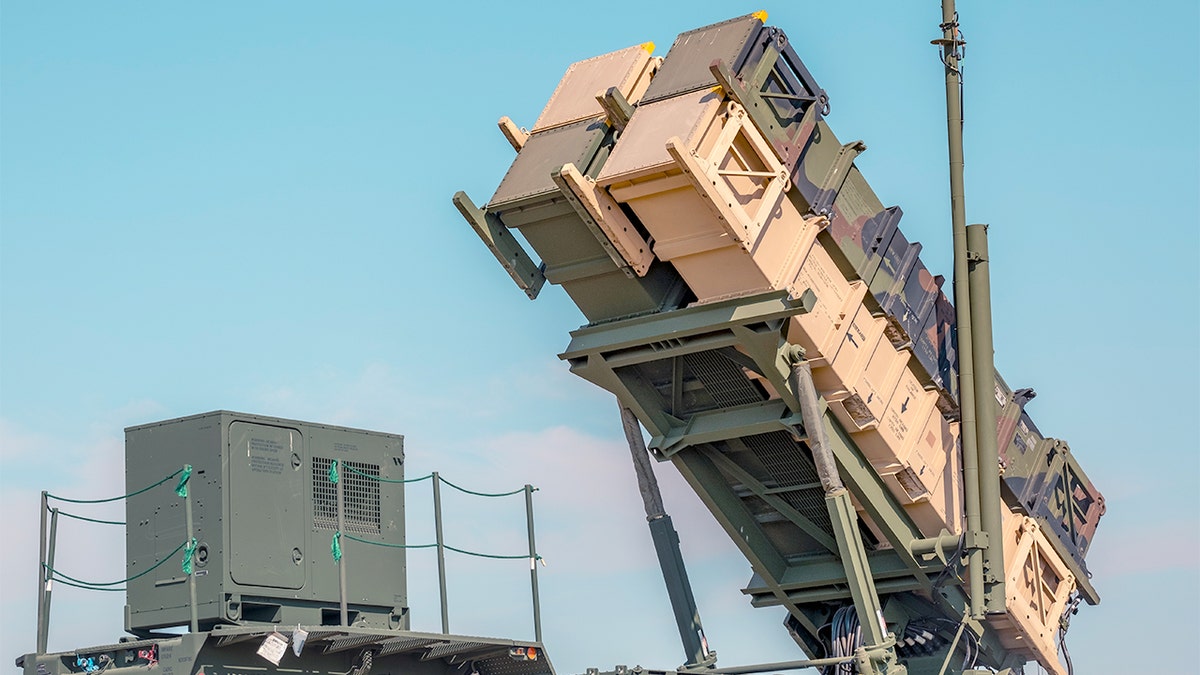
A U.S. Army Patriot launcher from the 5th Battalion, 7th Air Defense Artillery Regiment is deployed in southeast Poland on Sept. 4, 2024. (U.S. Army photo by Capt. Leara Shumate)
While a U.S. Patriot missile can cost roughly $4 million, Roslin said his organization’s interceptor drones can be produced for as little as $1,400 apiece.
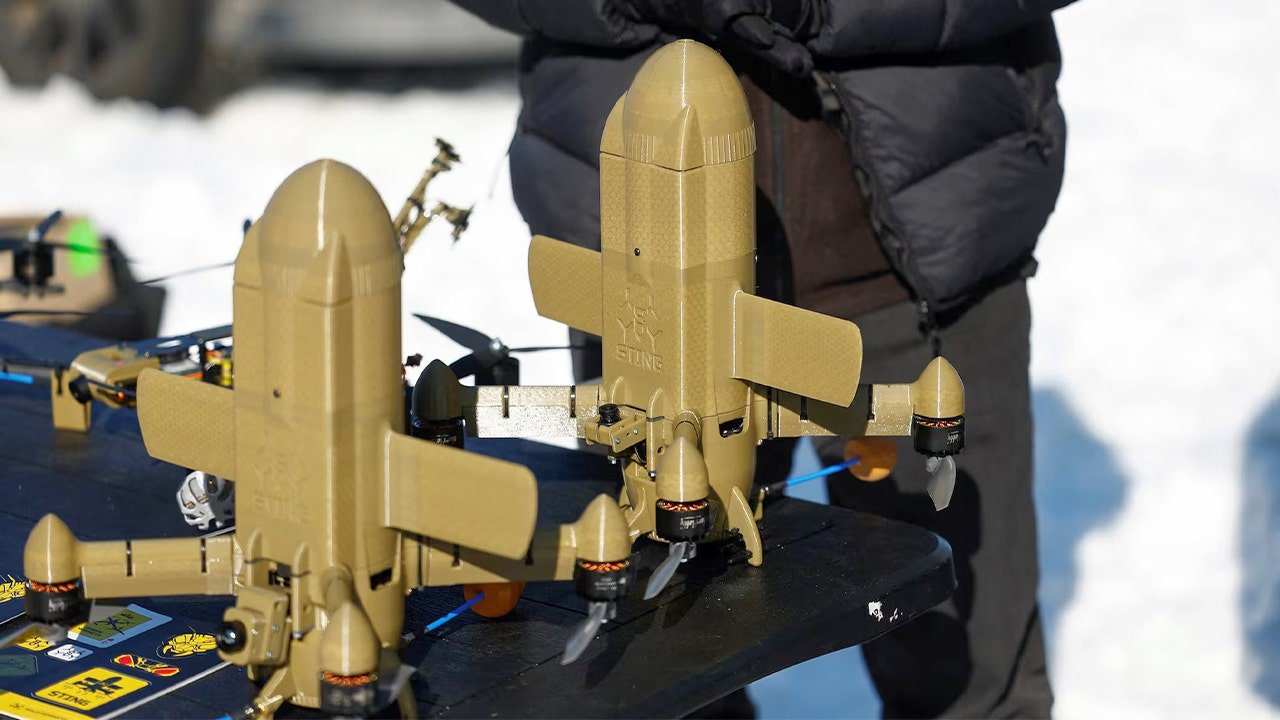
Wild Hornets’ so-called «Sting» interceptors have downed thousands of Russian-made Shahed-type drones and now achieve a 90% effectiveness rate, according to the group, up from roughly 70% last fall as pilots and radar teams gained experience and adopted improved ground control systems.
«Ukraine had to fight smart and didn’t have rocket-propelled grenades and anti-tank missiles, stuff like that, so they turned to these kinds of drones to sort of equalize the battlefield,» Roslin told Fox News Digital.
IRAN WAR, 11 DAYS IN: US CONTROLS SKIES, OIL SURGES AND THE REGION BRACES FOR WHAT’S NEXT

A pair of «Sting» interceptor drones, developed by the Ukrainian group Wild Hornets, are displayed at a training facility. (Credit: Wild Hornets)
The Financial Times reported the Pentagon and at least one Gulf government are in talks to buy Ukrainian-made interceptors amid Iran’s retaliatory attacks.
President Donald Trump told Reuters in a phone interview in early March that he would be open to assistance from any country, when asked about an offer from Ukrainian President Volodymyr Zelenskyy to help defend against Iranian drones.
Zelenskyy said Friday in a post on X that Kyiv was sending a team of experts and military personnel to three countries in the Gulf region to help counter Tehran’s drones.
US DIPLOMATIC FACILITY IN IRAQ STRUCK BY DRONE
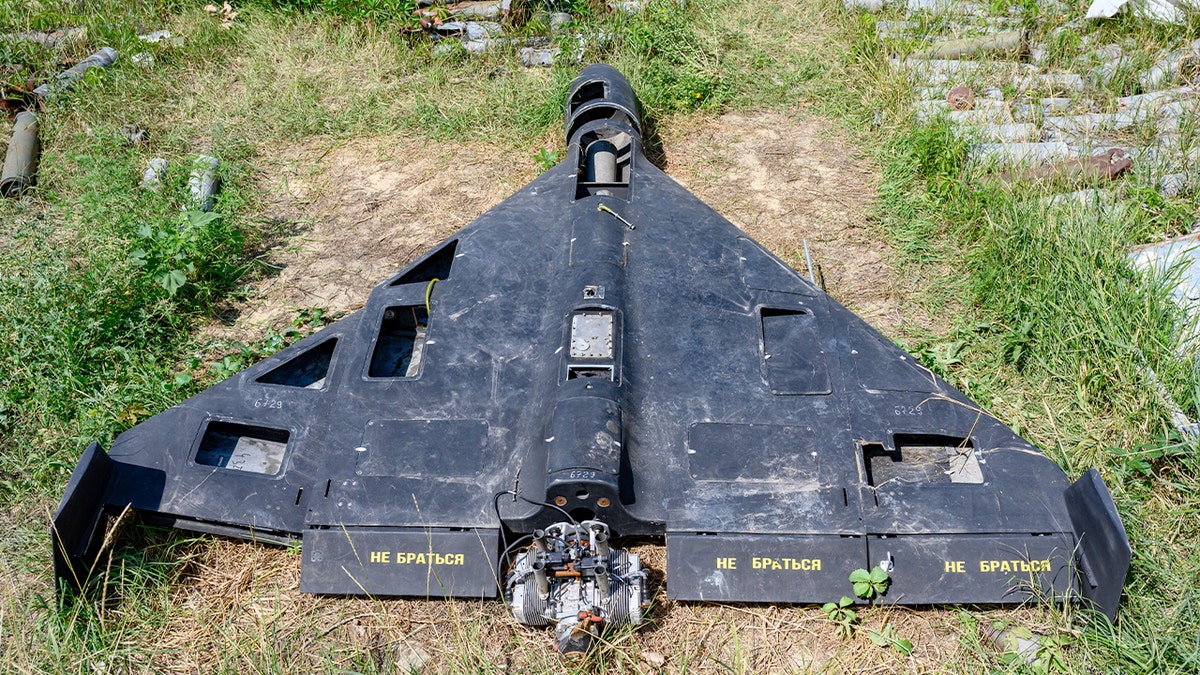
The remains of a Russian-made, Iran-designed Shahed-136 drone, known in Russia as a Geran-2, are displayed with other recovered drones, glide bombs, missiles and rockets in Kharkiv on July 30, 2025. (Scott Peterson/Getty Images)
«We know that in Middle Eastern countries, in the U.S., and in European states, there is a certain number of interceptor drones. But without our pilots, without our military personnel, without specialized software, none of this works,» he wrote.
Tom Karako, director of the Missile Defense Project at the Center for Strategic and International Studies, said the focus on air defense price tags can obscure the more pressing constraint.
«Capacity is even more important than cheap,» he told Fox News Digital.
US SCRAMBLES AS DRONES SHAPE THE LANDSCAPE OF WAR: ‘THE FUTURE IS HERE’
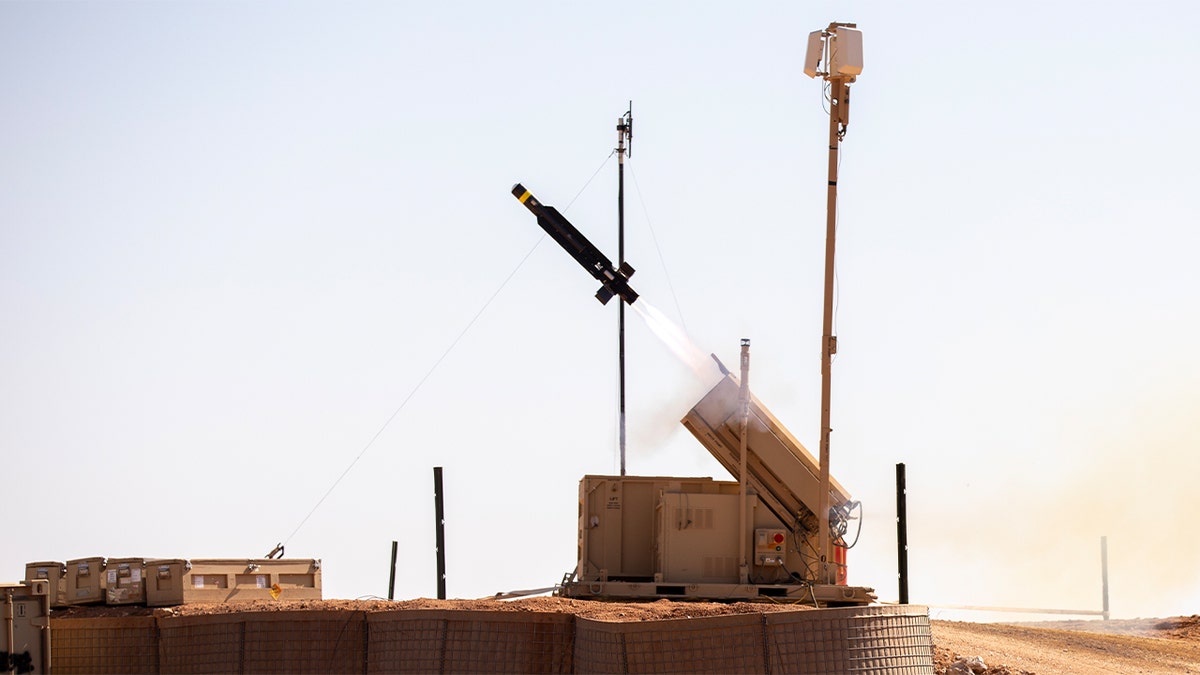
Coalition Forces fire a Coyote Block 2C interceptor during a base defense exercise at Al-Tanf Garrison, Syria, on March 12, 2025. (U.S. Army photo by Staff Sgt. Fred Brown)
CLICK HERE TO DOWNLOAD THE FOX NEWS APP
Karako cited lower-cost counter-drone systems, including the Coyote interceptor and the Army’s Low, Slow, Small Unmanned Aircraft Integrated Defeat System, or LIDS, as examples of capabilities already fielded to address many drone threats without relying exclusively on high-end air defense systems such as the Patriot.
As Iran’s drone campaign widens, the debate is no longer just about the cost gap between missiles and drones, but about whether traditional air defenses can sustain a new era of mass, low-cost aerial warfare.
military tech,drones,middle east,ukraine,war with iran

Inflación esperada para marzo y abril: qué opinan los economistas

BOMBAZO – Guerra abierta: Feinmann y Rossi contraatacan tras la denuncia de Victoria Villarruel

Javier Milei y sus medidas, EN VIVO: tras reunirse con el líder de Vox en España, el Presidente habla hoy en el Madrid Economic Forum

Canales para ver el Independiente vs. Unión por el Torneo Apertura

Qué siente tu gato cuando traés otra mascota a casa y cómo reconocer sus emociones, según los expertos

Cuba excarceló a 14 presos políticos en medio de presiones internacionales y críticas por falta de transparencia

Muni Seligmann respondió las críticas tras el accidente de su bebé y su viaje a Miami: “Hay que contarlo y naturalizarlo”

El ex novio de Luana de Gran Hermano reveló información sensible sobre su relación: “El bolso tenía plata”

Sorpresa en Gran Hermano tras la expulsión de Carmiña: la reacción de la producción y las dudas sobre su reemplazo

Emanuel Noir, de Ke Personajes, anunció que dejará las redes sociales: “Una búsqueda mayor a la que creí, apareció”

 CHIMENTOS2 días ago
El ex novio de Luana de Gran Hermano reveló información sensible sobre su relación: “El bolso tenía plata”
- CHIMENTOS2 días ago
Sorpresa en Gran Hermano tras la expulsión de Carmiña: la reacción de la producción y las dudas sobre su reemplazo
- CHIMENTOS2 días ago
Emanuel Noir, de Ke Personajes, anunció que dejará las redes sociales: “Una búsqueda mayor a la que creí, apareció”