INTERNACIONAL
Jim Beam shuts down iconic Kentucky distillery for at least a year amid market downturn

NEWYou can now listen to Fox News articles!
A whiskey sour for the distilled spirits industry.
Consumers are souring on drinking alcohol.
And that’s one of a host of complex reasons why Jim Beam is placing its main distillery in Clermont, Kentucky, on ice for at least a year.
Claudia Coffey knows Kentucky bourbon country as well as anyone. She’s a podcaster and bourbon insider.
TARIFFS PUSH US WINE INDUSTRY INTO UNCERTAIN TERRITORY: ‘REALLY CREATES A CHALLENGE’
«Bourbon is Kentucky, right? We love horse racing in Kentucky. We love bourbon in Kentucky. It’s the reason that 2.7 million people come to visit the Commonwealth every single year,» said Coffey. «It’s some of the biggest news to come out of Kentucky in quite some time, and this is one of the most iconic brands in bourbon.»
Not everyone has heard of Willett or Four Roses when it comes to bourbon. But Jim Beam is Americana. Ubiquitous. Kind of like McDonald’s or Coke.
Americans are imbibing less — down 6% from just two years ago. And more than 16 million barrels of Kentucky spirits — including bourbon and rye — are aging in warehouses across the state. Distillers are paying taxes on those barrels while they age.
It’s an issue of supply and demand. But the problem is not exclusive to Jim Beam.
«It’s not a question of who’s shutting down production,» said Charlie Prince, who runs the Drammers Whiskey Club. «It’s a question of who is admitting it.»
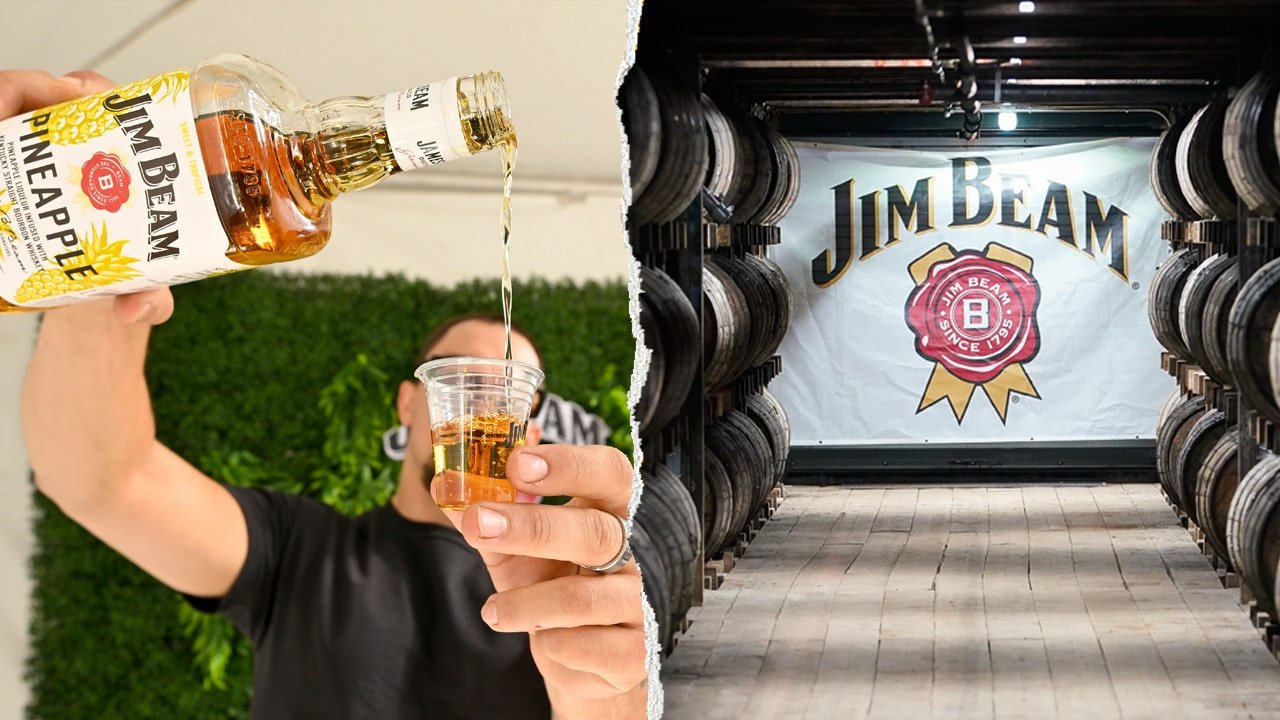
Barrels of bourbon are stacked in a barrel house at the Jim Beam Distillery Feb. 17, 2020 in Clermont, Ky. U.S. whiskey exports have fallen by 27% to the European Union, the product’s largest export market, caused by retaliatory tariffs imposed by the 27-nation alliance, a trade group said last week. (Bryan Woolston/Getty Images)
Overseas distillers like Midleton in Ireland, which makes Jameson, and Highland Park in Scotland all reduced production recently because of a glut of bourbon, whiskey and Scotch on the market.
However, observers say tariffs and the trade war with Canada hit Jim Beam especially hard.
«Ten percent of Kentucky bourbon sales were going to Canada, and that has dropped to almost zero,» said Prince. «In Canada, that has been taken on as a kind of a national mission for Canadians, saying, ‘Let’s buy Canadian’ and push back against the politics they don’t like coming from the U.S. And, so, you see stores just pulling all American products and banning them in some provinces. So, that’s definitely a political response.»
Democrats quickly latched onto the tariff argument.
«Thousands of Kentuckians power the bourbon industry. We will all feel the impact of this,» declared Rep. Morgan McGarvey, D-Ky. «It’s hard to overstate just how devastating Trump’s tariffs are for America’s signature spirit.»
RECORD LOW NUMBER OF AMERICANS REPORT DRINKING ALCOHOL, AND NEW TEETOTALERS ARE EXPLAINING WHY
But one industry observer believes that tariffs are a single ingredient in a complex economic cocktail. Jessica Spector is a professor at Yale who studies the history and culture of liquor and spirits.
«Anybody that tells you that they have an explanation, ‘Oh, it’s tariffs,’ or ‘Oh, it’s post-pandemic retraction,’ is giving you a too simplistic explanation,» said Spector. «It’s unclear what impact the tariffs are having and will have in the future. People have argued over tariffs for a long time. As long as there has been trade, there have been arguments over tariffs. It’s unclear whether the tariffs are sort of the coup de gras to an industry that was already suffering.»
Spector says yes, Generation Z drinks less and uses cannabis more. There are also health concerns. But the spirits industry has witnessed shifts before. She says people moved from brown liquor to vodka in the 1970s because it was seen as healthier.
«They also jogged more and did a lot more cocaine because that was seen as more health conscious. So, it gets really complicated when you break things down generationally,» said Spector.
But the tariffs remain extraordinarily controversial. The Trump administration says tariffs are here to stay.
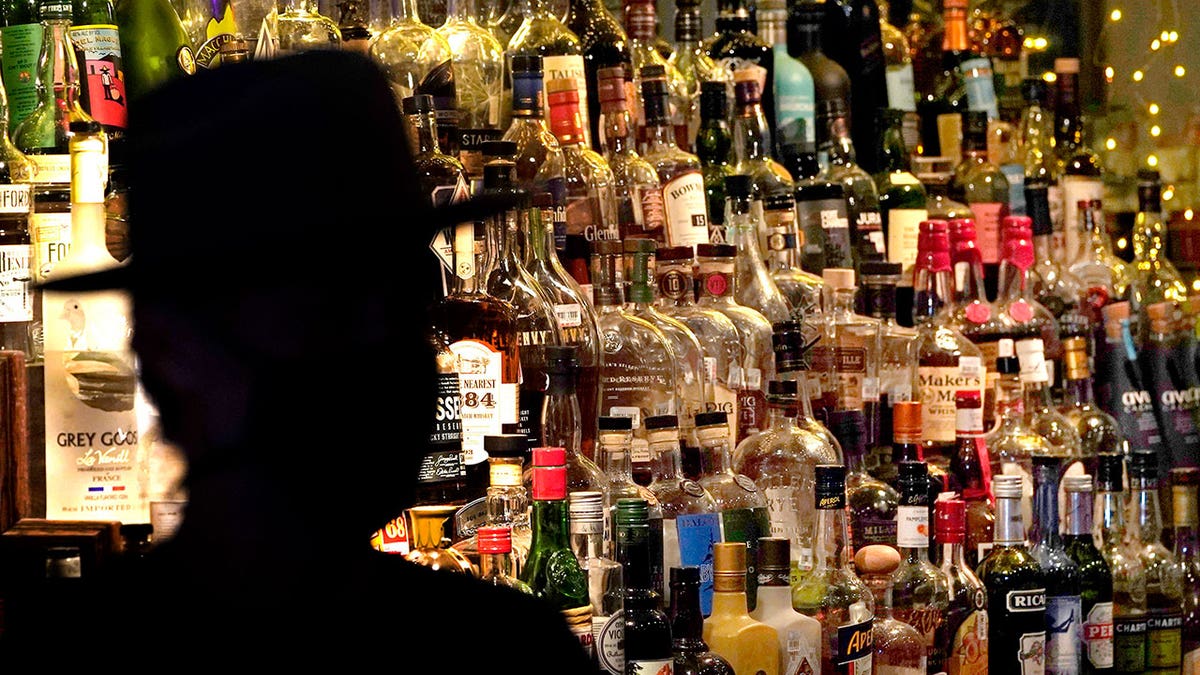
Bottles of alcohol sit on shelves at a bar in Houston June 23, 2020. Moderate drinking was once thought to have benefits for the heart, but better research methods starting in the 2010s have thrown cold water on that. (AP Photo/David J. Phillip, File)
«Tariffs are going to be part of the policy landscape,» United States Trade Representative Jamieson Greer said Fox. «We know they’re successful.»
But the tariffs may also evaporate.
The Constitution grants Congress the authority to tax and impose tariffs. President Trump used emergency powers to levy global tariffs earlier this year. That’s why this issue wound up at the Supreme Court. Attorneys argued the case in October.
«Canada is one of our closest allies. I think it would be hard to find Canada engaging in unfair trade practices because we have what used to be called the NAFTA agreement, between Canada, the United States and Mexico to bring down all the trade barriers between the countries,» said University of California law professor John Yoo.
Based on the oral arguments, Yoo believes the high court will halt the Trump-imposed tariffs under the premise that the U.S. faces a national emergency.
«Canada will immediately benefit, and you’ll be able to find your choice of American bourbons on Canadian store shelves,» said Yoo.
FREEDOM AND FACTS, NOT FEAR, SHOULD FRAME AMERICA’S CHOICES ON ALCOHOL
In fact, Yoo believes the Supreme Court could issue its ruling sooner rather than later — especially if it nixes the tariffs. That’s because of all the duties and fees that might be levied on products for months — and then reversed.
It’s important to note that Jim Beam will continue operating two other distilleries for the time being. And Spector says Generation Z prefers cocktails. So, that could force the industry to shift what it produces.
Now here’s a little tidbit you probably won’t learn any place else.
Roam any distillery in Scotland, be it Dalwhinnie in the Highlands, Glen Scotia in Campbeltown, GlenGrant in Speyside or Bowmore on Islay, and you will find distillers aging Scotch in Jim Beam barrels.
It’s not just Jim Beam barrels that you will find in Scotland. It’s also Buffalo Trace. Heaven Hill. Woodford Reserve. Wild Turkey. Congress only allows American distillers to use American oak barrels once for producing bourbon. So, Scotch distillers overseas love to get their hands on a good bourbon barrel to age their spirit.
The barrels may partially impart a vanilla flavor into the expression, stemming from «vanillans» in the wood.
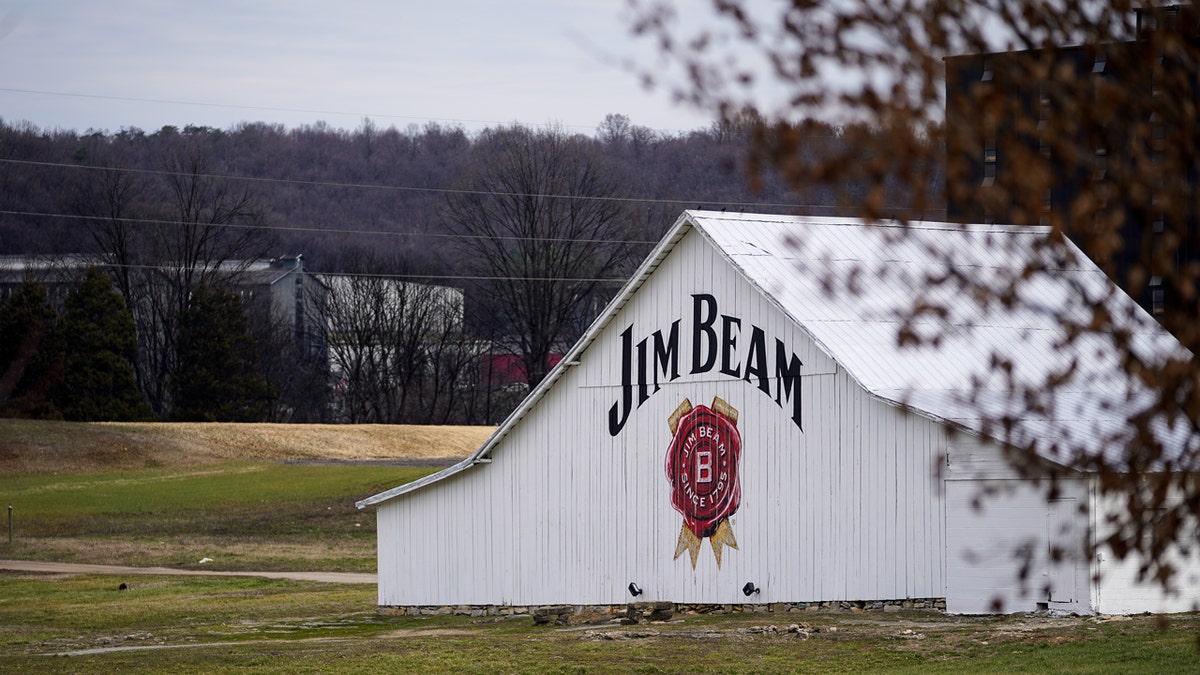
The Jim Beam Distillery Feb. 17, 2020, in Clermont, Ky. (Bryan Woolston/Getty Images)
The trend of using American bourbon barrels for Scotch began in the 1940s after the U.S. market came back online following the end of Prohibition. Distillers in Scotland began using sherry barrels to age their spirits prior to that (hence, the rich meaty flavors you get from Macallan). Sherry is still prevalent despite a decline in people consuming sherry these days. But fewer bourbon barrels from a big producer like Jim Beam now could alter the taste of Scotch in about 15 to 20 years.
That said, demand for Scotch is down like bourbon. So, some of these may even out.
It’s worth noting that Suntory Global Spirits owns Jim Beam. It was known as Beam Suntory until recently. Suntory also owns major Scotch labels like Bowmore, Admore, Laphroaig, Auchentoshan and Glen Garioch. The pipeline of barrels from Jim Beam was a good proposition for Suntory to age Scotch.
So, it’s possible that, down the road, Scotch distillers may age some of their expressions in barrels that once contained something else — other than Kentucky bourbon. And that’s where the flavor profile will evolve.
CLICK HERE TO GET THE FOX NEWS APP
It’s also impossible to know the market trends and what people will be interested in drinking in 15 to 20 years. And, so, whatever distillers put into a barrel now might not match market trends in the future.
In fact, perhaps people will revert to drinking bourbon and Scotch. And the market glut now may switch into a spirits famine where products consumers want are hard to find.
beer,trade,canada,drinks,congress,lifestyle,health








INTERNACIONAL
El régimen de Irán amenazó con paralizar el tráfico marítimo a través del estrecho clave del Mar Rojo
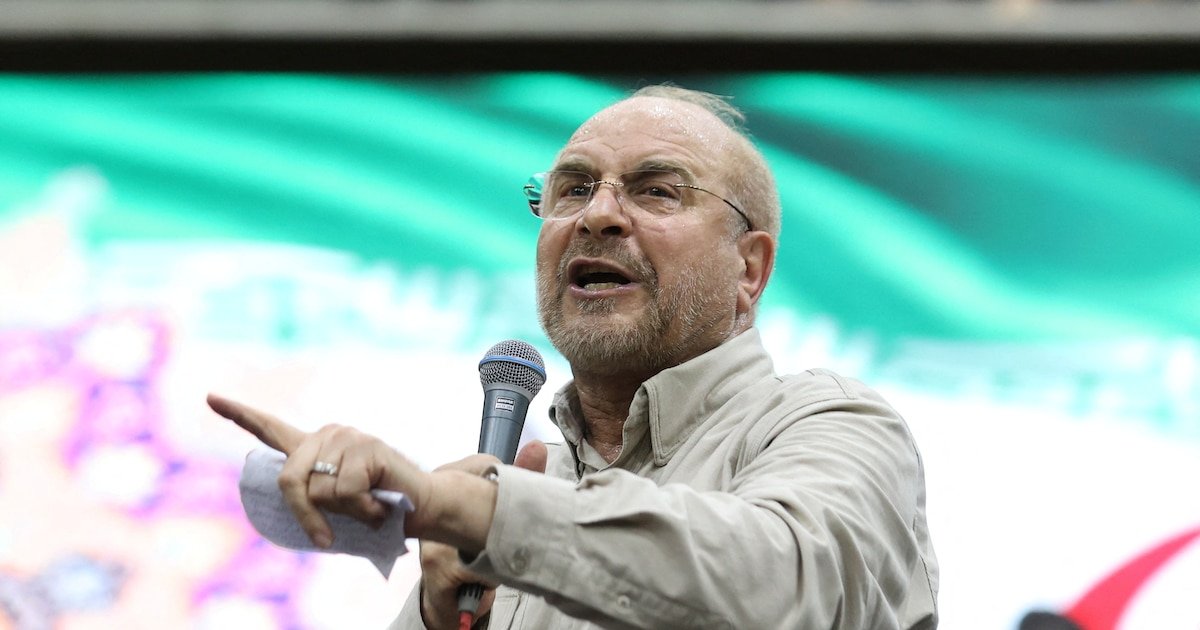
El presidente del Parlamento iraní, Mohammad Bagher Ghalibaf, amenazó con bloquear el tráfico marítimo comercial a través del estrecho de Bab al Mandeb, un paso estratégico en el mar Rojo. Hasta el momento, el régimen de la república islámica mantiene un cierre completo del estrecho de Ormuz, el punto crítico por el que normalmente transita una quinta parte del petróleo y el gas natural licuado del mundo.
En una publicación en X, Ghalibaf planteó: “¿Qué proporción del petróleo, GNL, trigo, arroz y fertilizantes globales transita por el estrecho de Bab al Mandeb?” y añadió: “¿Qué países y empresas representan los mayores volúmenes de tránsito por el estrecho?”.
El estrecho, clave para el comercio internacional, fue escenario de repetidos ataques contra embarcaciones por parte de los hutíes de Yemen, grupo rebelde aliado del régimen iraní. Las amenazas sobre Bab-el-Mandeb surgen en un contexto en el que Irán ya restrigió de manera significativa el tráfico marítimo en el estrecho de Ormuz, lo que generó disrupciones económicas globales.
Los mercados del petróleo y las materias primas están ansiosos por ver señales de que el tráfico se está reanudando. Varios petroleros y portacontenedores lograron escapar del bloqueo en las semanas previas, pero la actividad fue seguida rápidamente por días de parálisis total.

El presidente Donald Trump afirmó el que Estados Unidos podría “abrir” nuevamente el estrecho cercano a Irán y “tomar el petróleo” con “un poco más de tiempo”. Sin embago, a través de un mensaje en su plataforma Truth Social, Trump no detalló cómo el país pondría fin al control iraní sobre la vía marítima ni a qué petróleo se refería.
“Con un poco más de tiempo, podemos abrir fácilmente el estrecho de Ormuz, tomar el petróleo y hacer una fortuna. ¿Sería un manantial para el mundo?“, escribió el mandatario.
La distancia de casi 2.000 kilómetros entre Irán y el estrecho de Bab al-Mandeb no reduce la amenaza sobre esta vía estratégica. En la orilla oriental del paso opera el movimiento Ansar Allá —conocido como los hutíes—, que controla amplias zonas del norte y oeste de Yemen desde la toma de la capital, Saná, en 2014 y la expulsión del gobierno reconocido internacionalmente.
Los hutíes forman parte del llamado “eje de la resistencia”, la red regional de grupos armados respaldados por Teherán y opuestos a Israel y Estados Unidos. Entre estos actores también figuran Hezbollah en el Líbano y diversas milicias en Irak y Siria. De acuerdo con analistas citados por Euronews, atacar Bab al Mandeb resulta para Irán una opción menos costosa que defender Ormuz, ya que no requiere exponer directamente a sus propias fuerzas.

A su vez, el cierre del estrecho de Ormuz podría provocar una crisis económica más grave que la causada por la pandemia de covid-19 si la situación se prolonga más de dos meses, advirtió el economista jefe de la FAO, el peruano Máximo Torero.
“Si el estrecho de Ormuz permanece cerrado entre 30 y 60 días más, las consecuencias en la producción y los precios de los alimentos pueden ser más serias que la crisis que se vivió durante la pandemia del covid-19 si no tenemos cuidado”, señaló Torero en una entrevista con EFE en la sede de la Organización de las Naciones Unidas para la Agricultura y la Alimentación en Roma.
El conflicto en Medio Oriente y, en particular, el cierre de Ormuz ya inciden en los precios de los alimentos, ya que por ese punto circula el 25% del petróleo mundial, entre el 20 y 30% de los fertilizantes globales, el 20% del gas natural y el 45 % del sulfuro, insumos esenciales para la agricultura y la producción alimentaria.
El último índice de precios de alimentos de la FAO, publicado hoy, alcanzó un promedio de 128,5 puntos en marzo, un 2,4% más que en febrero y un 1% por encima del mismo mes de 2025.

En el primer mes de conflicto, los fertilizantes subieron un 50%, afectando principalmente a países en periodo de siembra que deben adquirir insumos a precios elevados, como Bangladesh, India y Sri Lanka en Asia, y Sudán y Kenia en África. Según la FAO, estos países se encuentran en situación de mayor emergencia por el aumento de los fertilizantes.
Los países del Golfo pedirán defenderse de la agresión iraní en el estrecho de Ormuz
El Consejo de Cooperación del Golfo (CCG) solicitó este jueves al Consejo de Seguridad de la ONU autorización para el uso de la fuerza con el objetivo de proteger el estrecho de Ormuz ante ataques de Irán. La petición se presenta en vísperas de una votación clave en la que los quince miembros del Consejo deberán decidir sobre una resolución impulsada por Bahréin y respaldada por los países árabes del Golfo y Estados Unidos.
La medida responde al cierre casi total de esta vía marítima estratégica por parte de Teherán, en represalia a los ataques estadounidenses e israelíes sobre territorio iraní, hechos que desencadenaron la actual ola de violencia en Medio Oriente.

El secretario general del Consejo de Cooperación del Golfo (CCG), Jasem Mohamed AlBudaiwi, denunció en Nueva York que Irán impuso severas restricciones al tránsito de buques comerciales y petroleros, llegando incluso a condicionar el paso de determinadas embarcaciones.
(Con información de EFE)
War,Military Conflicts
INTERNACIONAL
Nebraska Senate candidate restructures campaign after complaint over payments to family: report
Democrats unveil new 2028 election playbook
After 2024 losses, Democrats unveil a 2028 playbook focused on voter connection, progressive policies and wealth taxes. Bernie Sanders senior advisor Faiz Shakir and Fox News contributor Karl Rove debate the agenda’s viability for future elections.
NEWYou can now listen to Fox News articles!
U.S. Senate candidate in Nebraska Dan Osborn is reportedly restructuring his campaign following complaints he has been improperly steering funds for personal use to his relatives, including his wife, who, a complaint with the Federal Election Commission (FEC) alleges, received funds illegally via the Osborn campaign, a web of political action committees and consulting firms.
While paying family members is not illegal under federal election law, there are certain guidelines that must be followed, including that the services rendered are bona fide campaign services, and that they are paid at fair-market value. Fox News Digital reported last month that conservative watchdog Americans for Public Trust filed a complaint with federal election officials alleging the Osborn campaign and two political action committees were engaging in an illegal «scheme» to pay nearly half-a-dozen of his relatives.
Osborn’s wife was among the relatives at the center of the complaint, having been paid hundreds of thousands of dollars from her husband’s campaigns and his affiliated PACs, both directly and via two political consulting firms she was working for, or had an ownership stake in, according to the complaint. But, on Thursday, Osborn and his wife informed the Omaha-World Herald that she would be stepping away from her roles with the two consulting firms and would be joining her husband’s campaign as its full-time operations manager.
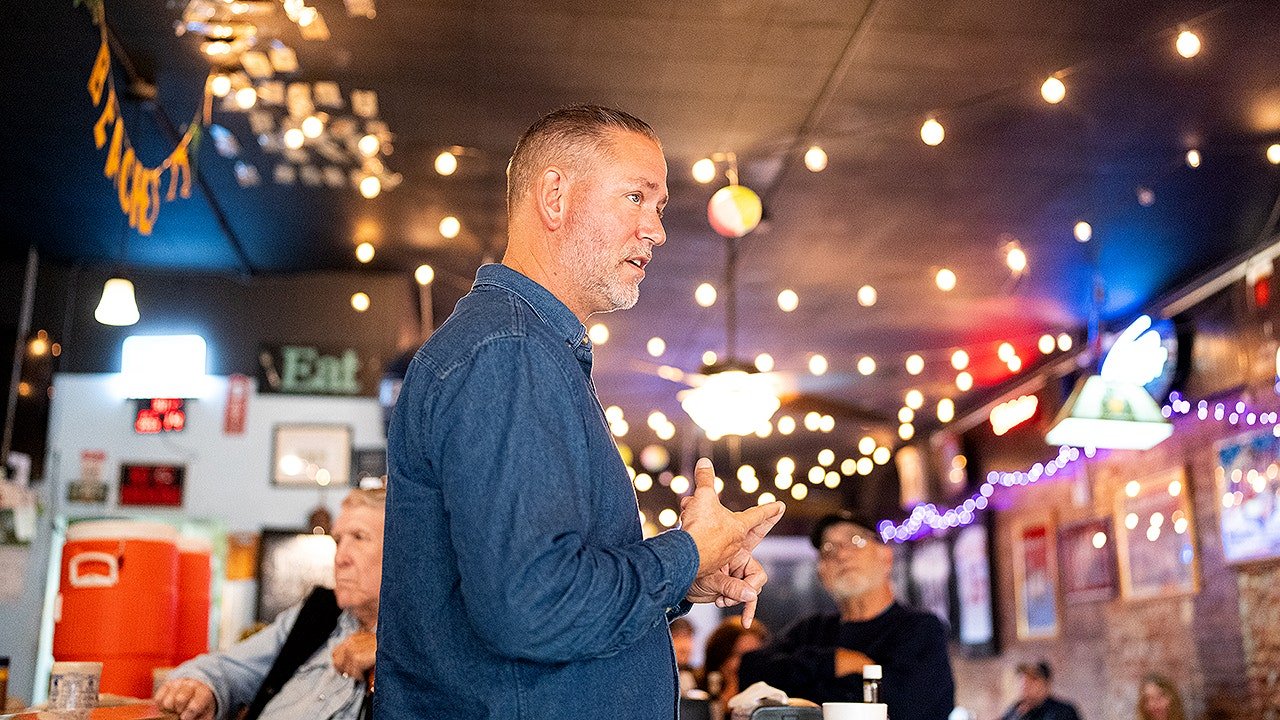
U.S. Senate candidate Dan Osborn speaks during his campaign stop at Sly’s Family Bar and Grill in Neligh, Neb. (Bill Clark/CQ-Roll Call, Inc. via Getty Images)
FEDERAL ELECTION COMPLAINT ALLEGES AOC MISUSED CAMPAIGN FUNDS FOR PSYCHIATRIST SERVICES
«I am not going to let Pete and his cronies dictate who runs my campaign,» Osborn told the Omaha-World Herald. «No one works harder than my wife. Along with running our household and raising our kids, she has been instrumental in running my campaign.»
In a statement to Fox News Digital, campaign spokesperson John Dolan called the concerns about Osborn’s campaign spending «a joke.»
«Why is a billionaire like Pete Ricketts so afraid of a mechanic?» Dolan questioned, referring to incumbent GOP Nebraska Sen. Pete Ricketts, whom Osborn is challenging. «Ricketts and his allies are doing what they always do: throwing mud to distract voters from the fact that they’re getting rich while bankrupting the country.»
Osborn has been steadfast that his wife, reportedly a former bar manager, has been an instrumental part of his campaign and that payments have been in line with fair-market value rates. In some cases, Megan has gotten money directly from her husband’s campaign, and in other cases she has received it from two firms, one called Independent Campaigns LLC, which Megan has a one-third ownership stake in, and Dark Forest LLC, which official candidate disclosures show Megan gets compensation from. The firms were being paid for campaign services as well.
Just two days after Independent Campaigns was set up, Osborn’s Working Class Heroes Fund (WCHF) made its first $50,000 payment to the firm, according to the Lincoln-Journal Star. Per Americans for Public Trust’s FEC complaint, Independent Campaigns has received nearly $200,000 from Osborn’s principal campaign, WCHF and another PAC called the League of Labor Voters (LLV), which Americans for Public Trust also alleges is controlled by Osborn.
In total, per the Americans for Public Trust complaint letter, Osborn’s wife has been able to rake in close to $300,000 for herself for things like «strategy consulting» and work reimbursements.
OMAR CALLS GOP PROBE INTO HUSBAND’S $30M BUSINESS SURGE A ‘POLITICAL STUNT’ AS RECORDS DEADLINE PASSES
Meanwhile, the complaint against Osborn’s campaign also includes payments made to two of Osborn’s sisters-in-law, his brother-in-law and his daughter.
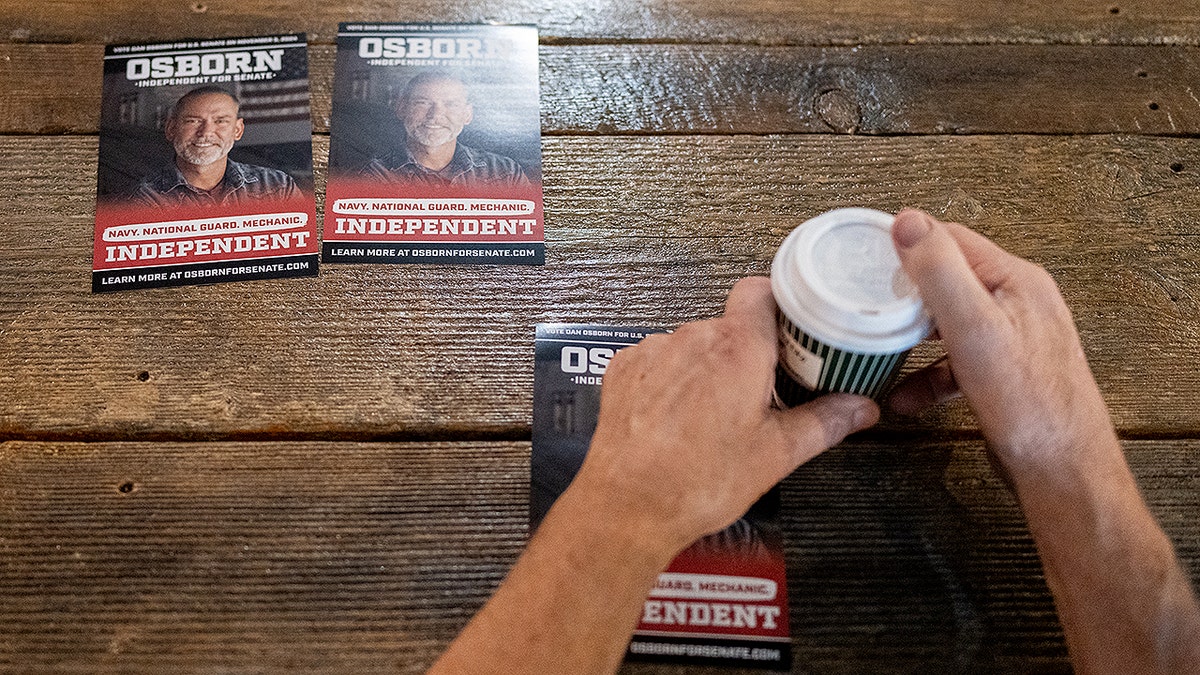
Placards for U.S. Senate candidate Dan Osborn are seen as he speaks during his campaign stop at the Handlebend coffee shop in O’Neill, Neb. (Bill Clark/CQ-Roll Call, Inc via Getty Images)
Osborn’s daughter, Georgia, a part-time dancer who Osborn says still needs help paying her bills, was given $4,200 from Osborn’s first failed campaign that was defunct at the time. The payment came between when Osborn’s first 2024 campaign lost and before launching his 2026 bid. The money was for «assistant services» from the then-dormant campaign.
«Perhaps the Osborn family is teeming with previously undiscovered, dynastic political talent, akin to the Kennedys or Roosevelts,» states the Americans for Public Trust complaint to the FEC. «Or perhaps Mr. Osborn has realized his ability to funnel large amounts of unchecked campaign cash to his own family.»
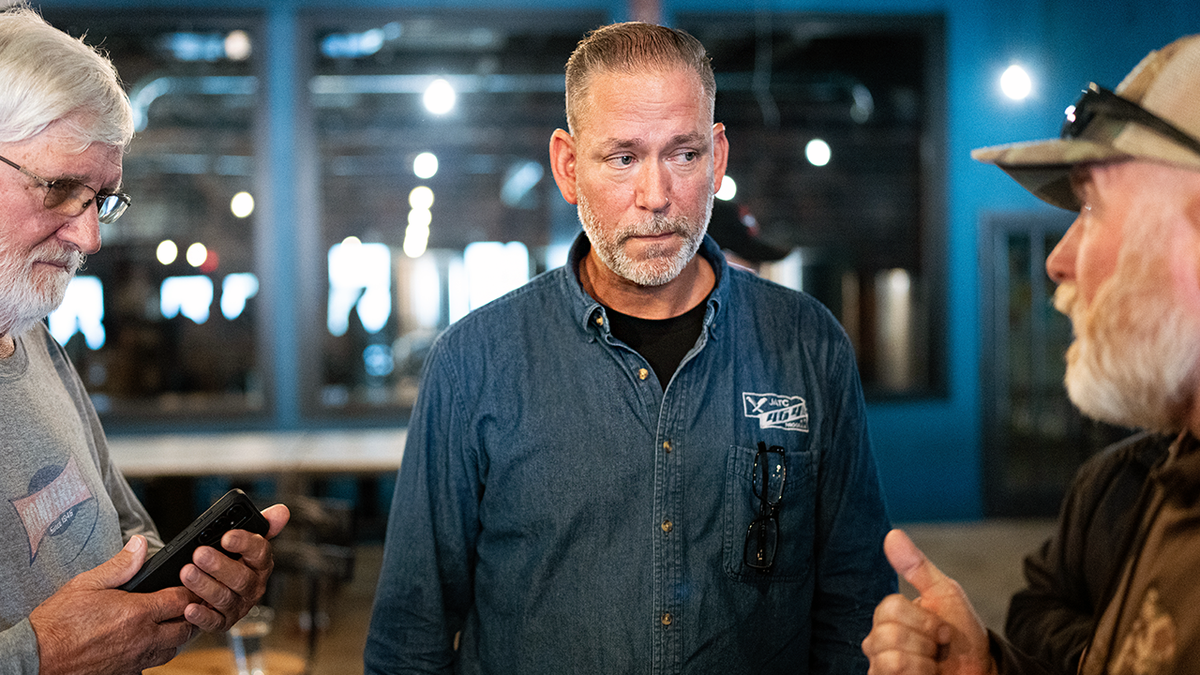
Independent Senate candidate Dan Osborn chats with attendees after speaking during his campaign stop at the Handlebend coffee shop in O’Neill, Neb., on Oct. 14, 2024. (Bill Clark/CQ-Roll Call, Inc. via Getty Images)
CLICK HERE TO DOWNLOAD THE FOX NEWS APP
According to the Omaha-World Herald, Osborn’s wife will not only no longer be working for the consulting firms she was with previously, but would also be divesting her stake in Independent Campaigns. The outlet also reported that Osborn and his wife indicated she would be paid a salary of $8,000 per month, which is slightly lower than the $9,000 per month that Osborn said his wife was making from multiple income sources prior to beginning work with her husband’s first failed campaign in 2024.
«Dan Osborn only restructured how he pays his wife after we filed a complaint with the FEC that he was running afoul of campaign finance laws,» Caitlin Sutherland, executive director of Americans for Public Trust, told Fox News Digital on Friday. «However, questions still remain regarding his payments to his daughter, his brother-in-law, and two sisters-in-law, and his control over two federal PACs. Rest assured, Osborn may have changed tactics, but he isn’t off the hook in his attempt to funnel campaign cash to his entire family.»
Osborn, who is running as an Independent, has also been criticized for his affiliations with Democrats despite committing to not caucusing with either major party if elected. Osborn is looking to unseat incumbent Sen. Pete Ricketts, R-Neb., after losing his 2024 challenge against Sen. Deb Fischer, R-Neb.
elections, banking finance, nebraska, midterm elections, politics, elections disputes
INTERNACIONAL
Estados Unidos duplicó a USD 40.000 millones su reaseguro para buques en el estrecho de Ormuz
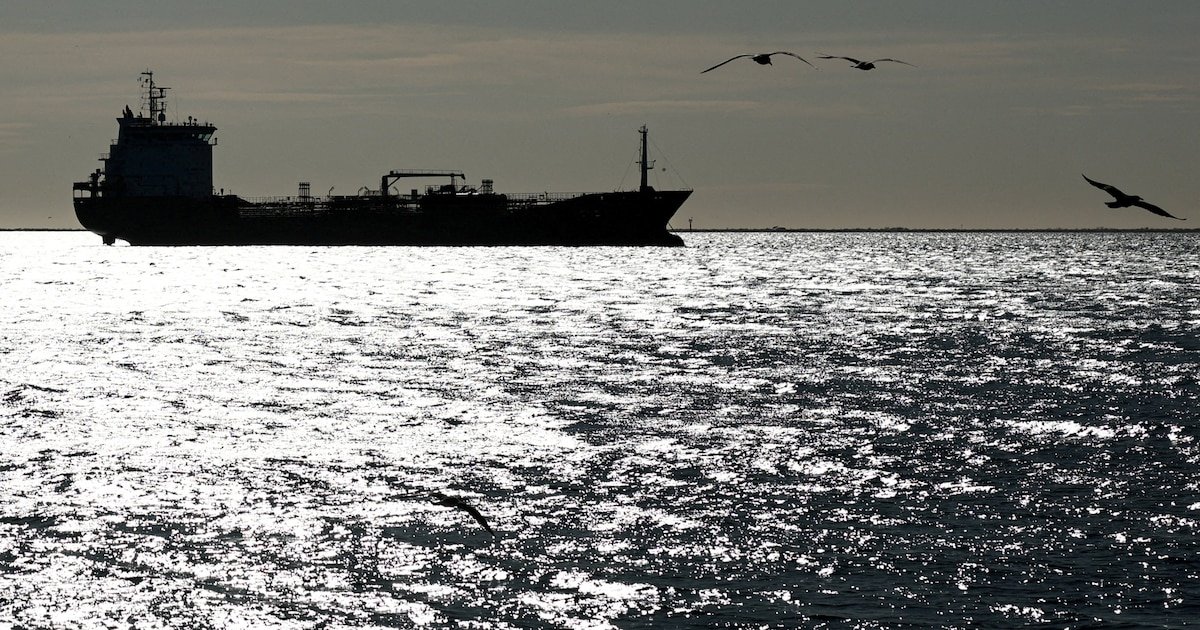
Estados Unidos duplicará, hasta alcanzar los 40.000 millones de dólares, su compromiso de proporcionar garantías de reaseguro a los buques que transiten por el estrecho de Ormuz, con la incorporación de nuevos socios aseguradores, entre ellos AIG y Berkshire Hathaway.
Esta medida, anunciada el viernes, representa el último esfuerzo estadounidense por aliviar la preocupación por esta vía marítima vital y fomentar la reanudación del tráfico, a pesar del bloqueo iraní y la persistencia de las hostilidades en la guerra que ya dura cinco semanas.
La Corporación Financiera de Desarrollo Internacional de Estados Unidos (DFC) anunció el mes pasado un programa de reaseguro de 20.000 millones de dólares. El viernes, la agencia informó que Travelers, Liberty Mutual Insurance, Berkshire Hathaway, AIG, Starr y CNA se unirán a Chubb para aportar 20.000 millones de dólares adicionales en reaseguro para su programa marítimo.
El anuncio del viernes constituye la primera información relevante que la DFC ha revelado públicamente sobre su programa de reaseguro desde la creación del proyecto hace casi un mes. El cierre efectivo del estrecho, por donde normalmente transita aproximadamente una quinta parte del flujo mundial de petróleo y gas natural licuado, ha convulsionado los mercados y desencadenado una amplia crisis energética.
“Junto con Chubb, estas aseguradoras estadounidenses líderes aportan una amplia experiencia en la suscripción de pólizas marítimas y de guerra marítima, lo que fortalece nuestros esfuerzos para ayudar a restablecer la confianza en el comercio marítimo”, declaró Ben Black, director ejecutivo de la DFC, en un comunicado.
El viernes, Trump reiteró su frustración por el cierre del estrecho y la falta de apoyo de sus aliados para reabrir la vía marítima.
“Con un poco más de tiempo, podemos abrir fácilmente el estrecho de Ormuz, extraer el petróleo y hacernos ricos”, publicó Trump en redes sociales. No quedó claro de inmediato qué medidas estaba considerando el presidente.

Sin embargo, las navieras siguen mostrándose escépticas ante un regreso generalizado al estrecho de Ormuz, incluso después de la promesa de Trump de proteger a los buques y su discurso del miércoles en horario estelar, en el que reiteró que la guerra pronto terminará. La principal preocupación sobre el tránsito por esta ruta marítima es que pone en riesgo la vida de las tripulaciones, ya que Irán continúa amenazando a los buques con ataques de drones, misiles y minas acuáticas.
La DFC también indicó en el comunicado que la agencia y sus socios aseguradores determinarán qué buques son elegibles para el programa de reaseguro. Para calificar, la DFC exige a los solicitantes que proporcionen, entre otros datos, el país de origen y destino del buque; los principales beneficiarios finales del buque y su domicilio; el propietario de la carga y su domicilio; e información sobre las entidades financieras que financian los buques.
Recuperar la confianza de los transportistas dispuestos a transitar por el Estrecho de Ormuz es uno de los objetivos más urgentes de Estados Unidos. Los precios mundiales de la energía han aumentado debido a la escasez de una línea de suministro de petróleo esencial para los países. India, el tercer mayor consumidor de petróleo del mundo y un importante comprador de gas, se ha visto particularmente afectada por la crisis.
En Estados Unidos, los precios de la gasolina han superado los 4 dólares por galón por primera vez desde 2022, lo que agrava aún más la situación de los consumidores estadounidenses, que ya enfrentan dificultades económicas.

Si bien duplicar el compromiso de reaseguro amplía las garantías financieras, el programa aún carece de la promesa de escoltas navales que, en teoría, brindarían protección a las tripulaciones de los buques. E incluso así, podría no ser suficiente para convencer a los buques de reanudar las expediciones a través del estrecho.
“Las primas de los seguros bajarán —y la disposición de los operadores comerciales a asegurar y enviar cargamentos a través del estrecho aumentará— solo después de que se debiliten las capacidades militares de Irán», declaró Bob McNally, presidente de Rapidan Energy Group, una consultora con sede en Washington, a Bloomberg News a principios de esta semana.
(Bloomberg)

Tragedia en la cancha de Alianza Lima: una avalancha dejó un muerto y 65 heridos

Petroleras se alinearon con YPF: mantendrán los precios de la nafta por 45 días

El biógrafo de Milei elogió a Pettovello por remover a un funcionario y apuntó contra Adorni

El horóscopo de hoy: sábado 4 de abril

Las impactantes imágenes del temporal en Buenos Aires: granizo, ráfagas y autos bajo el agua

‘Es un obsesionado del fútbol’: el lazo especial entre Jorge Alastuey y Carles Martínez, dos ex del Barça

Dos jubiladas que le habrían prestado dinero a Manuel Adorni negaron conocerlo

El Gobierno reevalúa la estrategia de comunicación por el caso Adorni y mide el impacto en la imagen de Milei

Milei se pone al frente de la defensa de Adorni y lo suma a un acto por Malvinas en una nueva muestra de respaldo

Oriana Sabatini sorprendió al elegir a una famosa como madrina de Gia, su hija con Paulo Dybala

 POLITICA3 días ago
El Gobierno reevalúa la estrategia de comunicación por el caso Adorni y mide el impacto en la imagen de Milei
- POLITICA2 días ago
Milei se pone al frente de la defensa de Adorni y lo suma a un acto por Malvinas en una nueva muestra de respaldo
- CHIMENTOS2 días ago
Oriana Sabatini sorprendió al elegir a una famosa como madrina de Gia, su hija con Paulo Dybala