INTERNACIONAL
Jim Jordan pressed to subpoena climate group accused of ‘judicial manipulation’

NEWYou can now listen to Fox News articles!
FIRST ON FOX: A conservative climate policy group is urging House Judiciary Committee Chairman Rep. Jim Jordan, R-Ohio, to subpoena records from the Environmental Law Institute’s Climate Judiciary Project as part of an ongoing probe into the influence of climate advocacy groups in climate policy litigation.
Hon. Jason Isaac, CEO of the American Energy Institute, a conservative pro-U.S. energy production policy group, wrote a letter to Jordan last week pointing to evidence from a Sept. 12 Multnomah County v. ExxonMobil et al. court filing that he says suggests «covert coordination and judicial manipulation.»
«This new evidence raises serious red flags about the credibility of both the so-called science being used in climate lawsuits and the judicial training programs behind the bench,» Isaac told Fox News Digital.
According to Isaac’s letter to Jordan, the court filing submitted by Chevron Corporation earlier this month reveals that «one of the plaintiffs’ lead attorneys, Roger Worthington, had undisclosed involvement in at least two so-called scientific studies that the county is presenting as independent, peer-reviewed evidence.»
TRUMP ADMIN SCORES LEGAL WIN IN $16B CLIMATE FIGHT AS FEDERAL APPEALS COURT LIFTS BLOCK ON GRANT TERMINATIONS
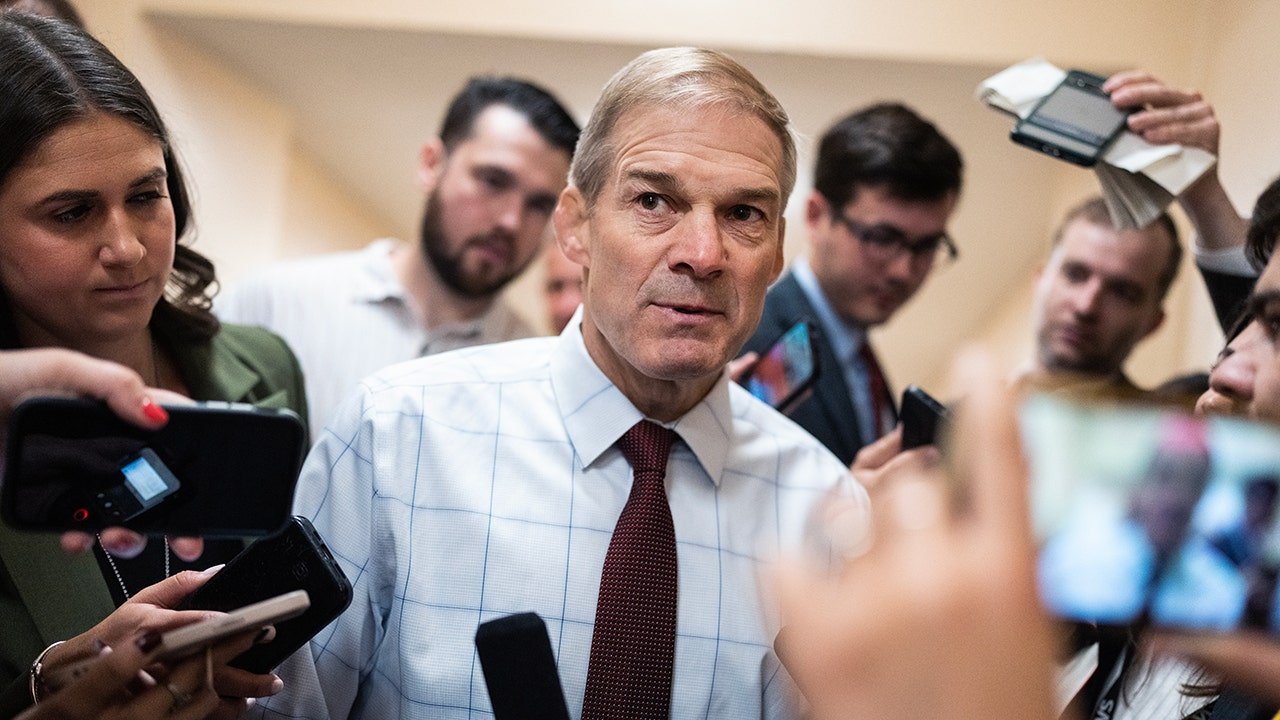
Rep. Jim Jordan, R-Ohio, chairman of the House Judiciary Committee, speaks to reporters as House Republicans hold a caucus meeting at the Longworth House Office Building on Oct. 13, 2023, in Washington. (Tom Williams/CQ-Roll Call, Inc via Getty Images)
One of those studies «acknowledged funding from the Climate Judiciary Project in a draft version, but that disclosure was inexplicably removed from the final publication,» Isaac said in the letter.
Earlier drafts of the study, labeled «DO NOT DISTRIBUTE,» were found on Worthington’s law firm website, the letter revealed.
TOP ENERGY GROUP CALLS FOR PROBE INTO SECRETIVE ‘NATIONAL LAWFARE CAMPAIGN’ TO INFLUENCE JUDGES ON CLIMATE
According to the American Energy Institute, the study seeks to «attribute global economic losses from climate change to specific oil companies.» The website also included a «pre-publication draft of a CJP judicial training module» with internal editorial comments, according to the letter.
Isaac told Jordan this mark-up raises «serious questions about how and why a plaintiffs’ attorney had early access to, and possibly editorial influence over, materials being presented to state and federal judges as ‘neutral’ science.»
Another module was designed to «educate» participant judges on how to apply «attribution science» in the courtroom, according to Isaac.
Attribution science seeks to measure how much human-caused climate change is responsible for certain extreme weather events, per Science News Explores’ definition.
«The Environmental Law Institute has claimed neutrality, yet documents suggest coordination with plaintiffs’ counsel who stand to profit from the outcomes,» Isaac told Fox News Digital. «If the same lawyers suing energy companies are shaping the studies and educating the judges, that is not justice; it is manipulation. Congress is right to dig deeper, and the American Energy Institute is proud to support that effort.»
Isaac is requesting that Jordan formally request «communications, draft documents, funding agreements, and internal editorial notes related to the scientific studies and CJP curriculum.»
While commending Jordan’s leadership, Isaac said, «Judges and the public deserve to know whether the courtroom is being quietly shaped by coordinated climate advocacy posing as neutral expertise.»
Isaac said the Environmental Law Institute and Worthington should answer several questions about their involvement in the studies, including the «judicial education module on attribution science.»

A climate protester scales the Wilson Building as part of an Earth Day rally against fossil fuels on April 22, 2022. (Getty Images)
«Does ELI regularly seek input from plaintiffs’ attorneys on its judicial education modules?» Isaac questioned.
«ELI did not fund the Nature study, and the Climate Judiciary Project has not coordinated with Mr. Worthington,» Environmental Law Institute spokesman Nick Collins told Fox News Digital in a statement.
«CJP does not participate in or provide support for litigation,» Collins added. «Rather, CJP provides evidence-based continuing education to judges about climate science and how it arises in the law. Our curriculum is fact-based and science-first, grounded in consensus reports and developed with a robust peer review process that meets the highest scholarly standards.»
When 23 Republican state attorneys general sent a letter last month to Environmental Protection Agency chief Lee Zeldin calling on him to cancel funding to the Environmental Law Institute, Collins told Fox News Digital that the Climate Judiciary Project’s projects are far from «radical.»
«The programs in which the Climate Judiciary Project (CJP) participates are no different than other judicial education programs, providing evidence-based training on legal and scientific topics that judges voluntarily choose to attend,» Collins said.
CLICK HERE TO GET THE FOX NEWS APP
Fox News Digital has reached out to Jordan and Worthington for comment on the letter but did not immediately hear back.
Fox News Digital’s Emma Colton contributed to this story.
politics,climate,energy,jim jordan,energy in america











INTERNACIONAL
EN VIVO: Israel responde en las alturas a un ataque de misiles iraníes contra su territorio
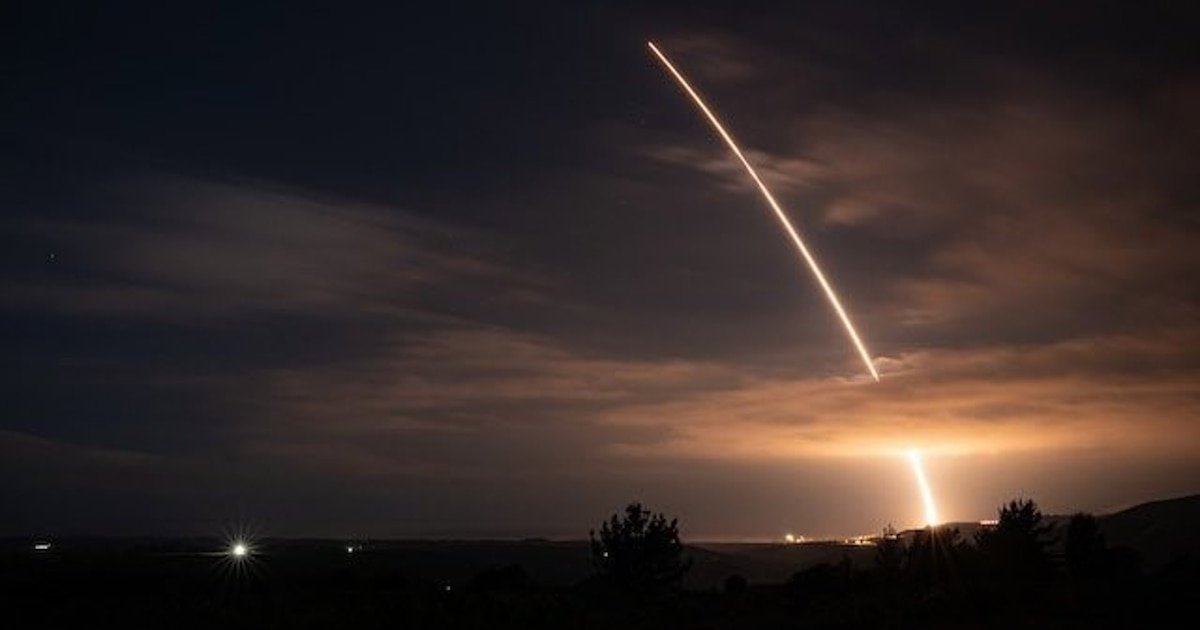
El ejército israelí identificó los proyectiles lanzados desde Irán. “Los sistemas de defensa están en acción para interceptar la amenaza”, detalló el comunicado militar
Al inicio del séptimo día desde el inicio del conflicto en Medio Oriente, bombardeos aéreos de Israel alcanzaron las capitales de Irán y Líbano, mientras que Estados Unidos atacó en el mar un buque iraní, en una escalada de la ofensiva contra la flota naval de la república islámica.
Durante la madrugada del viernes, el régimen iraní respondió con nuevos ataques de represalia dirigidos a países vecinos que cuentan con presencia de fuerzas estadounidenses, como Qatar y Arabia Saudita, países que frustraron ataques con drones. También apuntó a Tel Aviv, en Israel.
Desde allí partieron 50 aeronaves que redujeron a la nada el antiguo búnker de Alí Khamenei en la capital iraní, mientras que se dio aviso de nuevos ataques contra el bastión de Hezbollah en el sur de Beirut, el barrio de Dahiyya.
Los enfrentamientos cumplen ya una semana, y de acuerdo con fuentes militares israelíes, gran parte de los sistemas de defensa aérea y los lanzadores de misiles iraníes fueron neutralizados. Desde Washington, el secretario de Guerra estadounidense, Pete Hegseth, calificó como un “error de cálculo” que Irán piense que EEUU no puede sostener los ataques.
Donald Trump calificó “una pérdida de tiempo” considerar el envío de tropas terrestres estadounidenses al país persa tras la advertencia del canciller iraní Abbas Araghchi, ya que las autoridades del régimen “lo han perdido todo”. “Han perdido su Armada. Han perdido todo lo que pueden perder”, resaltó.
A continuación, la cobertura minuto a minuto:
Misiles iraníes sobrevolaron Israel
Se vieron misiles iraníes en el cielo Israel en las primeras horas del sábado, mientras que el Ejército israelí dijo que identificó misiles lanzados desde Irán hacia su territorio.
Poco después del nuevo bombardeo, el Ejército anunció el inicio de una nueva oleada de ataques contra la infraestructura iraní en Teherán
Estados Unidos pronosticó la “mayor campaña de bombardeos” hasta la fecha contra Irán
El secretario del Tesoro de Estados Unidos, Scott Bessent, declaró a Fox News que “esta noche será nuestra mayor campaña de bombardeos” contra Irán.
El funcionario anticipó que el ataque estadounidense tendrá como objetivo principal los lanzadores de misiles iraníes y las fábricas donde se producen, señalando que “los estamos degradando sustancialmente”.
El funcionario también acusó a Irán de “intentar crear caos económico”, haciendo referencia al control ejercido por Teherán sobre el estrecho de Ormuz.
Explosión en Jerusalén tras alerta de misil iraní
Según periodistas de la agencia AFP, se escuchan explosiones de misiles del régimen lanzados contra Jerusalén, ciudades cercanas y otras localidades al sur de Israel.
El canal de noticias 12 de Israel dijo que las defensas aéreas interceptaron un misil iraní y no se reportaron víctimas.
Por otra parte, el Ministerio del Interior de Bahréin advirtió a la población que se dirija al “espacio seguro más cercano” en medio de la última ola de misiles lanzados desde Irán.
La Agencia Tasnim de Noticias, vinculada a la Guardia Revolucionaria del régimen, informó de la oleada número 24 de bombardeos contra “el corazón de los territorios ocupados y Tel Aviv”.
El Departamento de Estado de EEUU aprobó la venta de armas a Israel por USD 151 millones

El Departamento de Estado de Estados Unidos aprobó el viernes la venta de municiones a Israel por un valor de 151,8 millones de dólares, en el contexto de la escalada bélica con Irán en Oriente Medio.
La operación incluye la transferencia de 12.000 cuerpos de bombas de 1.000 libras (470 kilogramos), según informó la Oficina de Asuntos Político-Militares.
“La venta propuesta mejorará la capacidad de Israel para enfrentar las amenazas actuales y futuras, fortalecerá la defensa de su territorio y servirá como elemento disuasorio ante las amenazas regionales”, señaló la oficina en un comunicado.
Israel responde a un ataque de misiles iraníes
Las Fuerzas de Defensa de Israel (FDI) confirmaron el lanzamiento de misiles desde Irán hacia territorio israelí. Los sistemas de defensa trabajan para interceptar la amenaza. El Comando del Frente Nacional envió alertas anticipadas a los teléfonos móviles en las zonas afectadas, instando a la población a seguir las instrucciones de seguridad.
Las autoridades solicitaron a los residentes que ingresen a áreas protegidas al recibir la alerta y permanezcan allí hasta recibir nuevas indicaciones. Abandonar la zona segura solo estará permitido tras una instrucción explícita del Comando del Frente Nacional, que pidió mantener la responsabilidad y cumplir con las indicaciones para preservar la vida.
La OTAN refuerza su defensa contra misiles balísticos en todo el territorio de la Alianza

La OTAN anunció el refuerzo de sus sistemas de defensa contra misiles balísticos en toda la Alianza, en respuesta a los recientes acontecimientos en Medio Oriente. La organización aseguró que este nivel de alerta se mantendrá elevado hasta que disminuya la amenaza derivada de los ataques indiscriminados de Irán en la región, aunque no ofreció detalles sobre la operación.
Según un comunicado firmado por el portavoz del Cuartel General Supremo de las Potencias Aliadas en Europa, coronel Martin O’Donnell, la medida fue adoptada de inmediato por el comandante del Mando Aéreo de la OTAN y contó con el respaldo unánime de los países miembros durante una reunión del Consejo del Atlántico Norte. En el encuentro, los aliados condenaron nuevamente el ataque iraní contra Turquía.
O’Donnell afirmó que este ajuste es lo que necesita el mando europeo para defender a la Alianza ante la amenaza actual y subrayó la capacidad de la OTAN para ejecutar procedimientos de defensa contra misiles balísticos. El coronel destacó que, en menos de diez minutos, los miembros del servicio identificaron una amenaza, confirmaron su trayectoria, alertaron a los sistemas de defensa y lanzaron un interceptor para neutralizar el misil y proteger tanto el territorio como la población aliada.
Arabia Saudita interceptó un misil balístico y destruyó cuatro drones iraníes
Arabia Saudita interceptó un misil balístico dirigido contra la base aérea Príncipe Sultán, ubicada al sureste de Riad, en medio de la intensificación de los ataques iraníes en el Golfo. “Un misil balístico lanzado hacia la base aérea Príncipe Sultán fue interceptado y destruido”, informó el Ministerio de Defensa saudí a través de X.
La cartera también señaló que cuatro drones fueron destruidos en la zona desértica de “Empty Quarter”, en el sur del país, mientras volaban hacia el yacimiento petrolífero de Shaybah.
EEUU desestimó los informes de que Rusia colabora en los ataques de Irán

El secretario de Guerra de Estados Unidos, Pete Hegseth, afirmó que el país “no está preocupado” por los reportes sobre el posible suministro de inteligencia por parte de Rusia a Irán respecto a posiciones y movimientos de tropas estadounidenses en Medio Oriente.
En una entrevista con el programa “60 Minutes” de CBS, Hegseth evitó confirmar esos informes, pero señaló: “Estamos rastreando todo”. El funcionario agregó que los comandantes estadounidenses “están al tanto de todo”, destacando que “tenemos la mejor inteligencia del mundo. Sabemos quién habla con quién”.
“Eso no nos preocupa”, reiteró el secretario de Defensa. “Lo mitigamos según sea necesario”.
Putin respaldó a Irán tras los reportes de que Rusia compartió inteligencia sobre los activos de Estados Unidos en la región
Rusia y la República Islámica mantienen canales abiertos tras informes de colaboración, mientras Washington minimiza el impacto de la supuesta transferencia de información clasificada para ataques contra activos estadounidenses

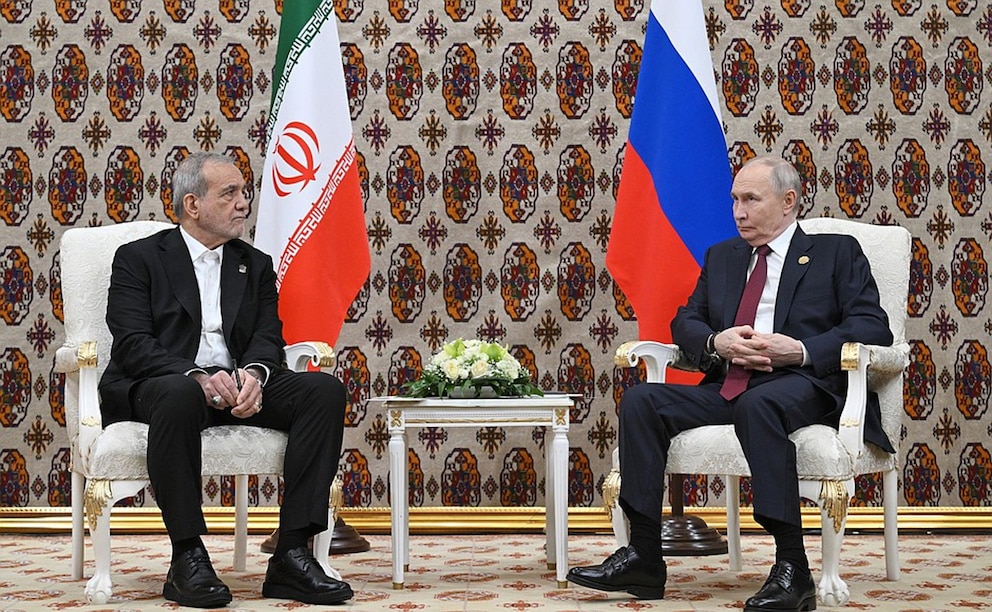
El presidente de Rusia, Vladímir Putin, sostuvo este viernes una conversación telefónica con Masud Pezeshkian, mandatario de Irán, en la que reiteró las condolencias de Moscú por el asesinato del líder supremo iraní, Ali Khamenei, y varios miembros de su familia. Se trata del primer diálogo entre ambos mandatarios desde el inicio de los ataques de Estados Unidos e Israel contra Irán, marcando un momento clave en la relación bilateral y en el posicionamiento internacional de ambos gobiernos ante la crisis.
Guerra en Medio Oriente: el mayor portaaviones de Estados Unidos cruzó el canal de Suez y se acerca a Irán
El USS Gerald Ford está camino al mar Rojo en medio de la escalada militar entre Washington, Israel e Irán

El USS Gerald Ford, el mayor portaviones de Estados Unidos, transitó por el canal de Suez rumbo al mar Rojo en medio de la escalada militar entre Washington, Israel e Irán. El Pentágono publicó fotografías este viernes donde se observa al Gerald Ford y al destructor USS Bainbridge —parte de su grupo de ataque— atravesando el canal el jueves, lo que confirma que ambos navíos ya navegan el mar Rojo. Las imágenes fueron difundidas además por el Instituto Naval de Estados Unidos, un medio de noticias militares independiente.
Corporate Events,North America,Government / Politics
INTERNACIONAL
US signals readiness to escort tankers through Hormuz as traffic thins, but no mission has been launched

NEWYou can now listen to Fox News articles!
Energy Secretary Chris Wright said the U.S. Navy could begin escorting commercial vessels through the Strait of Hormuz «as soon as reasonable,» reinforcing President Donald Trump’s public statements that the United States is prepared to protect energy shipments through the strategic waterway.
But a U.S. official told Fox News Digital that American forces are not currently escorting ships through the Strait and declined to speculate on future operations, making clear that no convoy mission has yet been launched.
«As soon as it’s reasonable to do it, we’ll escort ships through the straits and get the energy moving again,» Wright said on «Fox and Friends» Friday.
The renewed signaling comes as commercial traffic through the strait has thinned sharply after attacks on tankers and soaring war-risk insurance costs, raising pressure on global energy markets and Gulf producers that rely on the narrow corridor for oil and liquefied natural gas exports.
A time lapse video shows marine traffic moving through the Strait of Hormuz. (Kpler/Marine Traffic)
Only nine oil tankers, cargo ships and container ships have crossed the strait since Monday, according to MarineTraffic data analyzed by Agence France-Presse after three vessels were attacked over the weekend.
At least three tankers and a vessel carrying gas have transited the choke point since the strikes, according to Agence France-Presse.
The Strait of Hormuz normally handles roughly 20% of the world’s crude oil and about one-fifth of global liquefied natural gas exports, according to the U.S. Energy Information Administration, making even a temporary disruption a serious concern for global energy markets and Gulf producers that rely on the passage to move supplies to Asia and Europe.
Several commercial vessels have been struck since the start of Operation Epic Fury, heightening security concerns for shipowners and insurers. Industry analysts say war-risk premiums have surged, and some coverage has become difficult to secure, prompting tankers to anchor outside the Strait rather than risk transit.
Despite the political signaling about potential naval protection, the U.S. military has not confirmed any escort operation.
A U.S. official told Fox News Digital Friday, «We are not escorting ships through the Strait of Hormuz, and we will not speculate on future operations.»
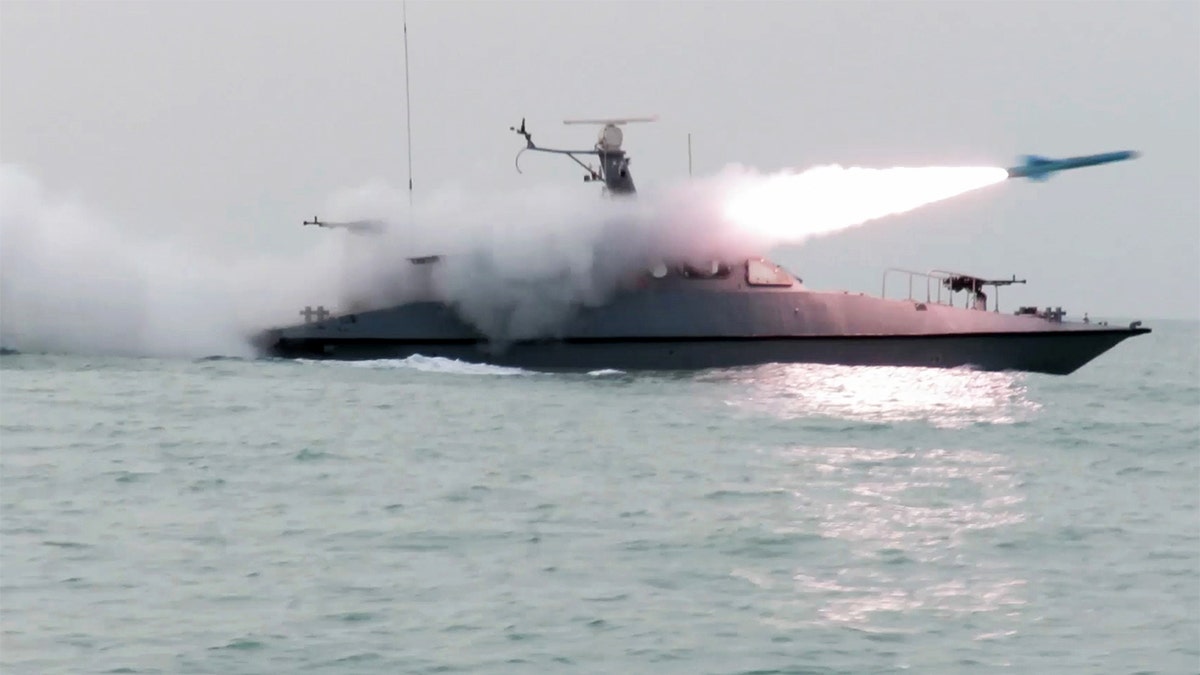
Iranian military personnel take part in the «Smart Control of the Strait of Hormuz» exercise in the Persian Gulf and the Strait of Hormuz Feb. 16, 2026. (Press Office Of The Islamic Revolutionary Guard Corps/Handout/Anadolu via Getty Images)
TRUMP RALLIES DEFENSE TITANS TO SURGE WEAPONS OUTPUT AS IRAN WAR RAGES
The gap between policy signaling and operational execution underscores the delicate balance Washington faces. Escort missions would require U.S. warships to operate in close proximity to Iran’s coastline in a narrow and heavily surveilled waterway, increasing the risk of direct confrontation.
Iran, for its part, has stopped short of declaring a closure of the strait while leaving the door open to escalation.
Iran has «no intention» of closing the Strait «right now,» Iranian Foreign Minister Abbas Araghchi said in an interview with NBC News Thursday.
«As the war continues, we will consider every scenario.»
Araghchi also suggested commercial ships were avoiding the passage out of fear of being struck «by either side» and said international oil tankers were not targets for Iran.
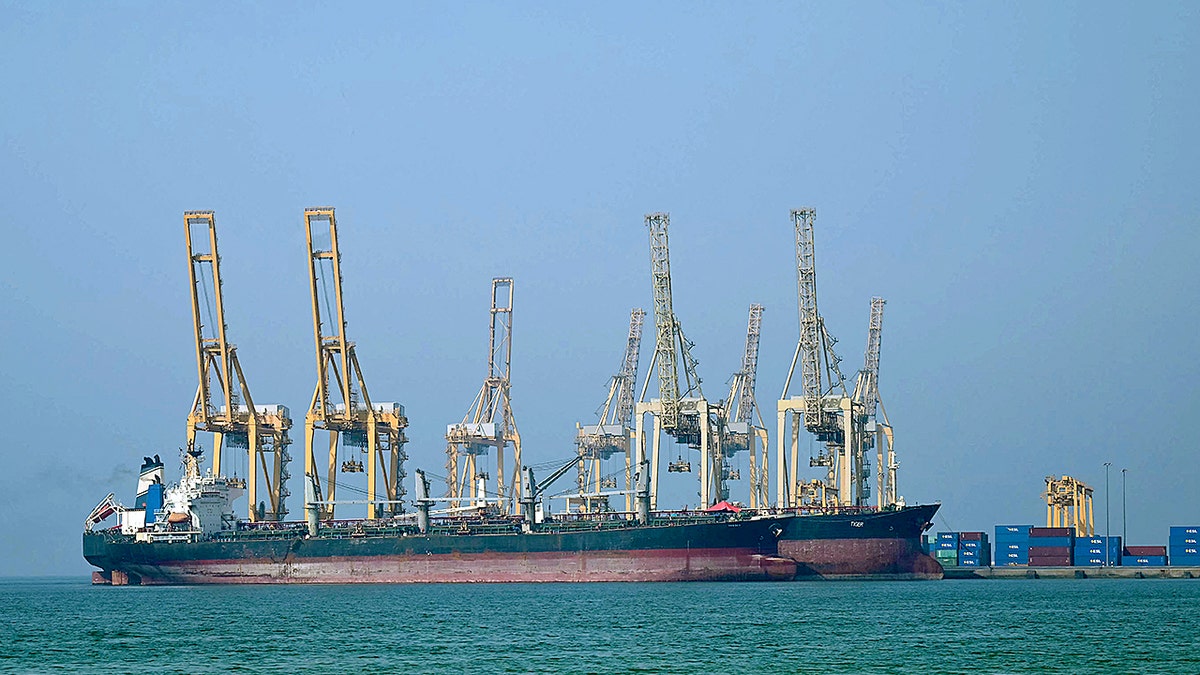
The Strait of Hormuz is a critical maritime choke point that handles roughly 20% of the world’s crude oil shipments, and tensions between the U.S. and Iran raise concerns about shipping security. (Giuseppe Cacace/AFP via Getty Images)
Even without a formal closure, the measurable reduction in ship traffic is placing real pressure on global markets and Gulf economies. Crude prices have risen amid concerns that prolonged disruption could tighten supply, particularly for Asian buyers dependent on Gulf exports.
Trump has publicly downplayed concerns about rising gasoline prices in the United States.
«They’ll drop very rapidly when this is over, and if they rise, they rise, but this is far more important than having gasoline prices go up a little bit,» he told Reuters.
CLICK HERE TO DOWNLOAD THE FOX NEWS APP
The administration’s posture suggests it is prepared to tolerate short-term energy price volatility while signaling readiness to intervene militarily if commercial shipping cannot resume safely on its own.
For now, however, the Strait of Hormuz remains open but under strain, a critical artery of the global economy operating in a climate of active attacks, rising insurance costs and escalating rhetoric between Washington and Tehran.
Related Article
war with iran,middle east,energy,us navy

En solo ocho años se hicieron multimillonarias unas 350 personas
Las rebajas de impuestos de Trump incrementaron la venta de aviones privados y las ganancias corporativas
La pandemia fue un factor multiplicador
Enorme riqueza en el condado de Teton
En el condado de Teton el contrato social se está deteriorando

Antes de renunciar a la IGJ, Vítolo firmó un segundo pedido de veedores para auditar otros negocios de la AFA

Hernán Lirio arranca una nueva aventura por el mundo junto a Ramoncito: “El entusiasmo se siente”

La confesión de uno de los ladrones que asesinó a un referente del peronismo

El cruce automatizado de datos redefine la supervisión fiscal de billeteras virtuales en el sistema tributario

El paraguayo Joshua Dürksen ganó la primera carrera del año de Fórmula 2: el argentino Nicolás Varrone quedó 21°

Cuál es el nuevo reclamo salarial de Hugo Moyano que rompe la pauta del Gobierno y preocupa a los empresarios

El hijo adoptivo de José María Muscari tomó una tajante decisión de vida a los 18 años

¡Interna total! Pablo Layus explotó y blanqueó quiénes son los que arruinan Intrusos: «Te matan»

Petri y Villarruel se cruzaron por un gesto en el Congreso: de “golpista” a “te conozco por el trencito de la alegría”

Ángel de Brito contó la oscura verdad de Jorge Rial para no ir a LAM: “Es un…”

 CHIMENTOS2 días ago
El hijo adoptivo de José María Muscari tomó una tajante decisión de vida a los 18 años
- CHIMENTOS3 días ago
¡Interna total! Pablo Layus explotó y blanqueó quiénes son los que arruinan Intrusos: «Te matan»
- CHIMENTOS2 días ago
El desafortunado comentario de Yanina Zilli contra Daniela de Lucía, tras la muerte de su padre: “Jugamos con lo personal”