INTERNACIONAL
Justice Barrett urges students to ‘take the high road like Erika Kirk’ in face of campus hostility

NEWYou can now listen to Fox News articles!
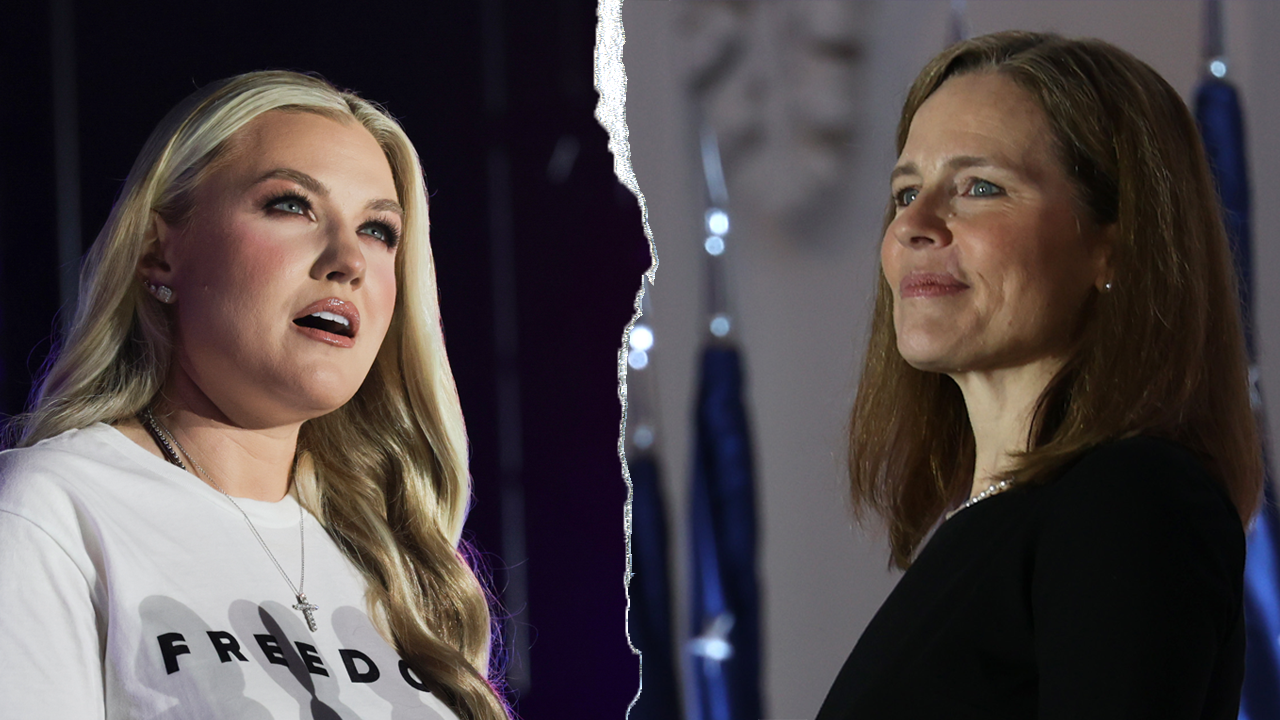
Supreme Court Justice Amy Coney Barrett delivered powerful public remarks about the death of conservative activist Charlie Kirk on Thursday night, praising the «grace and strength» she said was espoused by Kirk’s wife, Erika, in the days after his killing.
Barrett, who spoke on stage during the Federalist Society’s annual National Lawyers Convention dinner, said she was particularly struck by Erika Kirk’s act of forgiving her husband’s killer.
«Fighting poison with poison doesn’t work,» she said, and «leads to more poison.»
She urged students to «take the high road like Erika Kirk and show grace and strength in the face of hatred.»
LAW STUDENTS EAGER TO FIGHT CORROSIVE CAMPUS ‘CANCEL CULTURE’ SPREADING NATIONWIDE
Justices Brett Kavanaugh and Amy Coney Barrett talk before President Joe Biden delivers the State of the Union address to a joint session of Congress in the House Chamber at the U.S. Capitol on Feb. 7, 2023 in Washington, DC. (Chip Somodevilla/Getty Images)
Barrett, who sat on stage next to Justice Brett Kavanaugh as they addressed hundreds of lawyers and law students attending the dinner, said one of the «most moving things» was Erika Kirk «forgiving her husband’s murderer.»
Her remarks came in response to a question from a student about how conservatives should navigate campus politics in the wake of the assassination of Charlie Kirk, who was killed while speaking onstage at a university in Utah.
«I think that when you see the poison, when you see the anger, when you see the backlash that led to Charlie Kirk’s murder, I think meeting it with strength and grace, not cowering, not saying, ‘I’m going to be silent.’ I think you still say what you’re going to say,» Barrett said.
Students previously spoke to Fox News Digital about his death, which sent shockwaves across the U.S., and especially on college campuses, where administrators and students alike cited increased fears of an uptick in violence.
Federalist Society presidents and other young conservatives interviewed said they were worried about their own safety and had fears of a broader chilling effect if they were to avoid hosting controversial speakers or events that invite spirited debate.
ERIKA KIRK, AHEAD OF MEMORIAL SERVICE, INSPIRES CHRISTIAN STAFFER TO REMAIN ‘ROOTED IN FAITH’
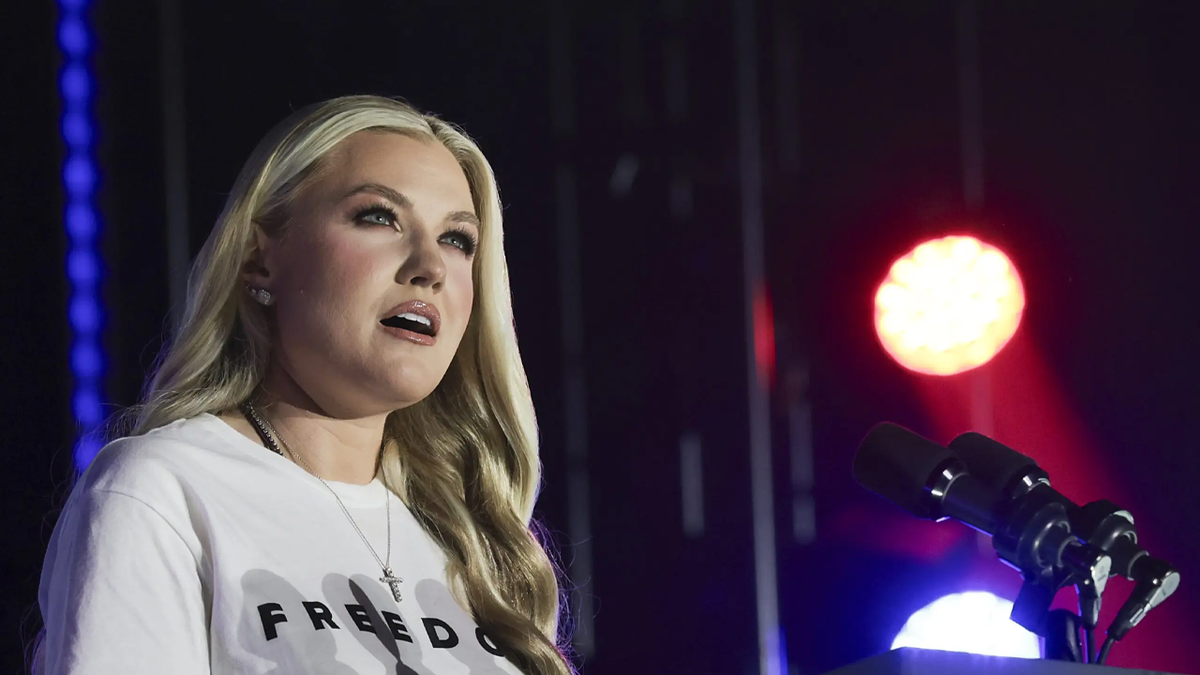
Erika Kirk, widow of Turning Point USA founder Charlie Kirk, speaks during a Turning Point USA event at the University of Mississippi, on Oct. 29, 2025 in Oxford, Mississippi. (Jonathan Ernst-Pool/Getty Images)
«I think that’s something that struck us all deeply,» David Haungs, who leads the Federalist Society chapter at Yale, said. «The threat of political violence — especially against conservatives in law school, and college campuses — it’s something that’s very troubling to have in the back of your mind.»
Kavanaugh addressed a broader threat landscape in which judges and political figures across the ideological spectrum have been inundated with death threats, which sometimes have led to criminal prosecutions. A person was sentenced last month to eight years in prison for attempting to assassinate Kavanaugh in the weeks preceding the landmark Dobbs decision. The defendant traveled across the country and showed up armed at the justice’s house before self-reporting to police.
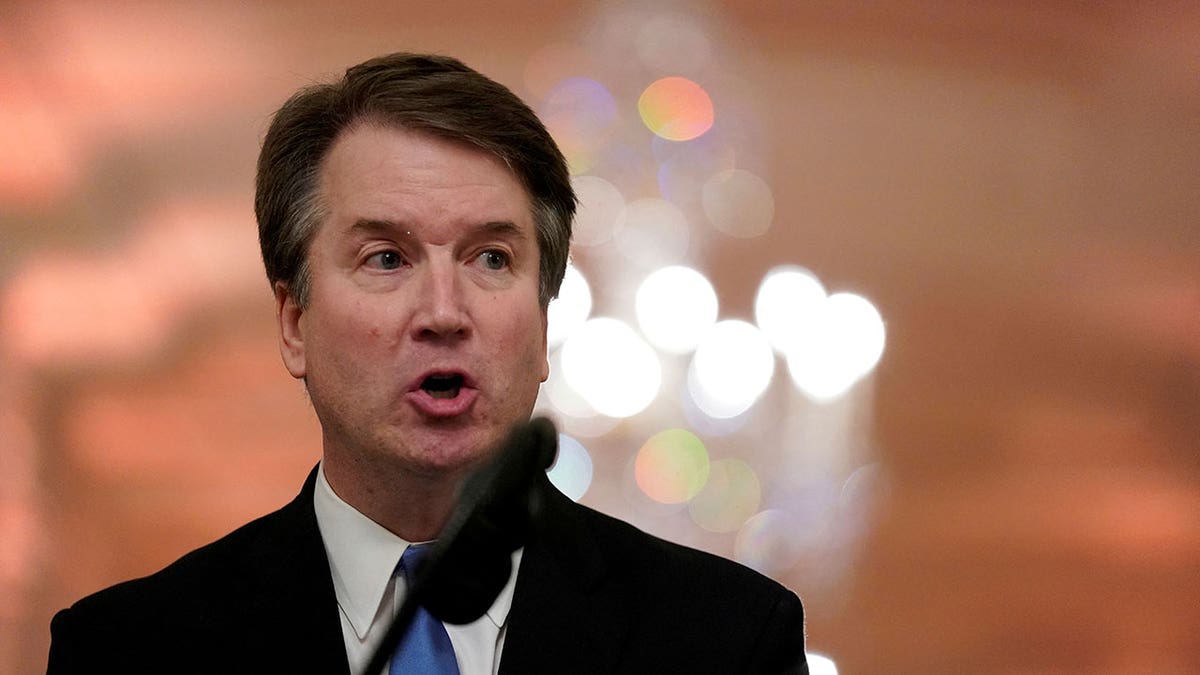
A suspect attempted to assassinate Supreme Court Justice Brett Kavanaugh on June 8, 2022. (Reuters)
Kavanaugh said he has looked to the Catholic hymn «Be Not Afraid» for inspiration.
«I think about that, the principle of ‘being not afraid,’ to make the right decision,» he told the audience.
«Be not afraid to stand up for your principles. Be not afraid to resist peer pressure. Be not afraid to pursue what you know is right, even when you’re going to get criticized for it,» he said.
«I think about those words a lot going through life.»
CLICK HERE TO GET THE FOX NEWS APP
Their discussion was part of the Federalist Society’s Antonin Scalia Memorial Dinner, and was moderated by U.S. District Judge Trevor McFadden, a Trump appointee.
Their colleague, Samuel Alito, was also in attendance, as was Deputy Attorney General Todd Blanche.
supreme court,campus controversy,education,charlie kirk,erika kirk






INTERNACIONAL
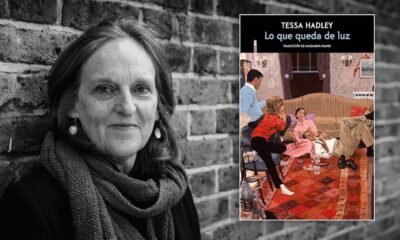
“Lo que queda de la luz”, de Tessa Hadley: una novela sobre el matrimonio, la amistad y el peso de las renuncias del pasado
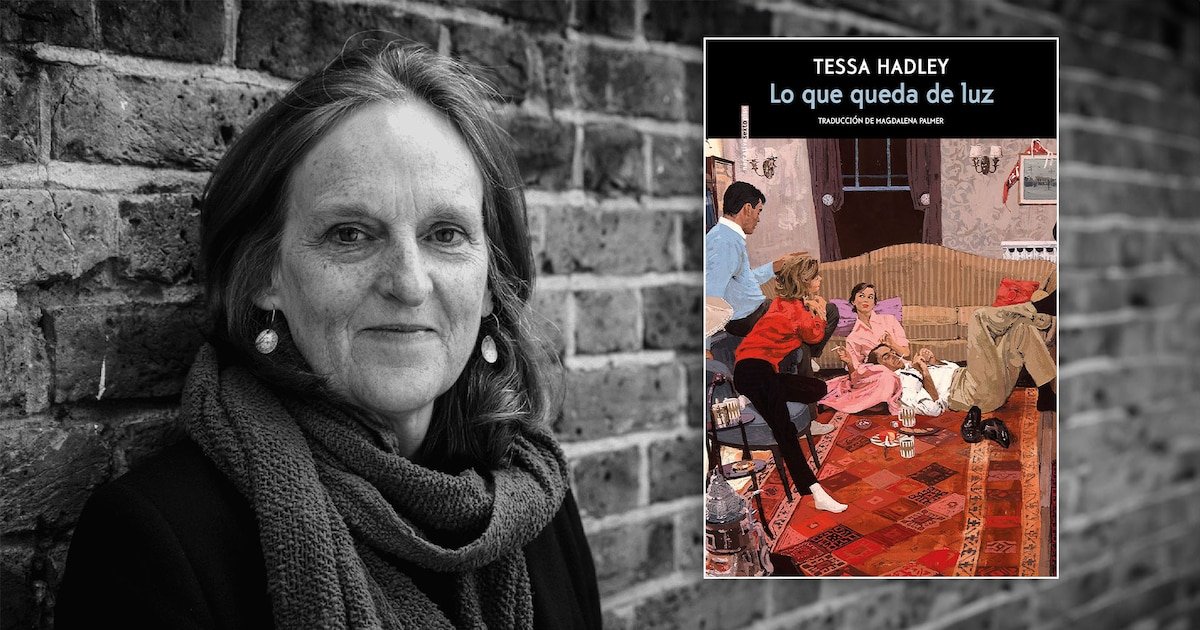
Si nos preguntaran por el mejor momento de nuestras vidas, seguramente tendríamos esa postal a mano. Es porque en general asociamos esa idea de “mejor momento” a tiempos felices que tienen que ver con el amor, la belleza, la familia, la amistad o los logros personales o profesionales de cada uno. Hay algo de idealización en las escenas del pasado ya sea porque a la distancia les damos valor a cosas que cuando eran puro presente se pensaban naturales o, simplemente, porque como la juventud lo tiñe todo, lo que en realidad extrañamos de esa escena es que éramos jóvenes. A medida que nos hacemos viejos, tendemos a pensar que lo mejor ya fue. ¿Puede acaso el mejor momento de la vida llegar cuando la mayor parte de nuestra existencia ya es pasado? ¿Es posible disolver un conflicto estructural, un trauma paralizante o una fobia cuando el tramo que queda es infinitamente más corto que el que ya vivimos? En su novela Lo que queda de luz, publicada originalmente en 2019 y publicada un año después en español por la editorial Sexto Piso, la inglesa Tessa Hadley (Bristol, 1956) reflexiona sobre esa pregunta crucial para todo ser humano.
La historia arranca con una muerte inesperada. Zachary, un londinense cincuentón rico, amante y promotor del arte, marido ideal y entusiasta, sufre un infarto en su galería de Clerkenwell una noche de verano. Es Lydia, su esposa, la que llama desde el hospital a su amiga Christine para avisarle en pleno shock lo que acaba de suceder. Christine estaba con su esposo Alex disfrutando de una noche tranquila y escuchando música cuando llega ese llamado que va a cambiar todo en sus vidas y sus destinos. Amigas las mujeres, amigos los hombres, amigas las parejas y hasta las hijas jóvenes de ambos matrimonios, acaba de morir la persona que mantenía en pie las amistades y hasta las identidades de todos. En la novela, Hadley irá desmontando pieza a pieza la construcción de esos vínculos de más de tres décadas que aparentaban ser inquebrantables.

Lo hará a través de un narrador en tercera persona que contará a través de siete capítulos los acontecimientos del presente de duelo pero también cómo se desarrolló aquello que unió para siempre a los cuatro amigos mayores. Así, el lector podrá saber que las acciones y sentimientos del presente estaban montados sobre hechos fundamentales del pasado y que, como suele ocurrir, ciertas brasas que parecían apagadas para siempre en realidad nunca habían dejado de arder.
Zachary era muy rico y su mujer, Lydia, bella y sensual, después de nacer en una familia sin recursos y a partir de su pareja con Zachary, desarrolló una severa adicción al ocio, pero también a la dependencia. Alex es director de un colegio y fue poeta, nació en República Checa y llegó a Londres a los 9 años con su familia, huyendo del régimen comunista; pasó toda su vida queríendo ser local y buscando no cometer errores provincianos. Aunque su padre fue un gran escritor, él siempre tuvo dudas acerca de su propia literatura o, al menos, no consiguió la legitimación de la crítica y los pares que podría haberlo hecho feliz. Christine, su mujer, es una pintora que que tiene miedo de pintar: no consigue explotar como artista. Su esposo ignora su obra, la menosprecia. En sus cuadros, Christine –una persona muy inteligente e ilustrada– aborda cuestiones clásicas del día a día de las mujeres como los cuidados y el mantenimiento del hogar (es admiradora de la portuguesa Paula Rego) y eso siempre ha sido visto como algo menor, en el mejor de los casos, como arte menor. La mayoría de las veces, ni siquiera como arte.
“Christine tiene una mente muy literal –dijo Alex–. Le gusta el arte de lo cotidiano”.

Tanto Lydia como Christine no consiguen terminar de ser ellas mismas; todo lo que son tiene que ver con sus esposos. Ellas son alguien en cuanto están en pareja: “Sus vidas íntimas estaban protegidas por la fuerte coraza de popularidad y el saber hacer de sus maridos”.
Las mujeres se conocieron muy jóvenes, fueron compañeras de colegio y Alex fue su profesor de francés. Alex y Zachary se conocieron también en la adolescencia. Ya en la universidad, Christine vivió un romance con Zachary y Lydia estaba profundamente obsesionada con Alex, quien por entonces estaba casado con su primera esposa. Pese a que Lydia hace todo por conquistarlo, Alex finalmente elige a Christine y todo conduce a Lydia a terminar con Zachary para consolidar el “happy together” del grupo.
Volvemos al presente. El bueno de Zachary, que no confiaba en su atractivo (“Soy como el hermano de todo el mundo, ¿verdad?”), el que realmente creía en el arte de Christine y el mismo que le daba a Lydia todo lo que parecía necesario para ella se sintiera feliz y valiosa, muere sorpresivamente y deja a todos huérfanos de amor y humanidad. Lydia no puede quedarse sola y acepta mudarse a la casa de su amiga para atravesar el duelo en grupo. Mientras se recuperan del impacto, los tres sobrevivientes comienzan entonces a preguntarse por sus propias decisiones del pasado y actúan con la cabeza puesta en el presente, tal vez para extenderlo todo lo posible ya que, a la luz de la muerte de Zachary, el final de sus vidas se percibe más cercano que antes.

El matrimonio en esta novela no es una institución, tampoco un contrato: es una costumbre. Hadley parece observar a sus personajes casados como a esos objetos que ya no vemos, de tanto usarlos. Christine, en uno de los momentos más lúcidos de la novela, dice que para ella el matrimonio es simplemente “aferrarse al otro a través de la sucesión de metamorfosis. O fracasar en el intento”.
Esta amarga definición ilumina el problema central del libro (y de tantas vidas): los cuatro protagonistas se casaron siendo personas distintas a las que son ahora, y la distancia entre esas dos versiones de sí mismos es el fantasma que recorre la novela. No hay nostalgia por la juventud perdida, sino algo más duro: la lucidez que llega cuando empezás a ver que ya no es posible deshacer nada de lo que hiciste.
Cuando esto sucede, las mujeres de la historia terminan de ser concientes del modo en que organizaron su existencia en función de los hombres que las eligieron. Pasado el shock, la muerte y luego la ausencia de Zachary llevan a Christine y a Lydia a preguntarse por sus propios deseos. En la novela hay también espacio para pensar en los conceptos de traición y lealtad, pero prefiero no abundar en eso.

El gran tema sobre el que se construye la novela de Hadley es el paso del tiempo aunque no como drama sino como la fuerza que va esmerilando los cuerpos, los deseos y las ambiciones. El título original es Late in the Day (Al final del día) pero el título en español parece concentrar mejor la idea madre de la novela. En Lo que queda de luz nos encontramos con ese resto, ese cachito vital que aún tienen por delante los personajes, algo que en el título original se pierde. Y entonces volvemos al comienzo de esta nota: ¿qué queda cuando la luz del día ya pasó? ¿Qué forma van adoptando los amores, los sueños y las frustraciones para quienes ya no tienen todo el tiempo por delante? ¿Cómo se hace para dedicar lo que queda para sostener la ilusión y la confianza en uno mismo?
A través de formas narrativas clásicas que bucean en profundidad en las características de sus criaturas, Hadley consigue que los personajes de esta novela, que tienen alrededor de cincuenta años, sean concientes de que si bien aún queda tiempo por delante, el margen para redireccionar o reinventarse ya es muy estrecho. Algunas críticas se detuvieron en una escena clave: transcurre en Venecia y todavía están los cuatro, por momentos todos juntos, a veces no (y no siempre sabe el lector qué está pasando entre ellos). En un momento, Christine le dice a Zachary: “A veces pienso que puedo prescindir del presente. El pasado es suficiente para mi vida”. En ese pasado, ya sabemos, siguen vivas todas las Christine que pudieron haber sido, aquellas a las que ella renunció por temor, por inseguridad, por falta de acompañamiento.
La historia de Lo que queda de luz no avanza en línea recta sino en espiral y a la manera de pentimento: cada regreso al pasado añade una capa de comprensión que permite ver el presente de otra manera. Es interesante porque la estructura de alguna manera reproduce el modo en que se activa la memoria cuando alguien muere: no es una cronología sino una acumulación de imágenes que pelean por buscar un sentido que no existe.

Tessa Hadley publicó su primera novela a los cuarenta y seis años, luego de varias décadas de escritura privada y una larga carrera académica. Ese trayecto alejada del sistemadefinió la madurez de su obra. No parecen interesarle los fuegos artificiales de la lengua así como tampoco la frivolidad y por eso su novela se lee como un intento de exploración de los sentimientos y los deseos humanos. Tal vez allí esté la herencia de Henry James, el escritor al que le dedicó varios años de su vida en sus trabajos académicos.
Sin embargo su prosa no se parece a la de James. Hadley escribe como sin esfuerzo, tratando de iluminar rincones de la historia y las experiencias que podrían quedar ocultos si no estuviera ella ahí, observando. No hay en su escritura alardes ni gran experimentación formal; hay, en cambio, una gran atención a los detalles —la ropa, la comida, los gestos— con los que construye el mundo social de sus personajes. La crítica Johanna Thomas-Corr encontró la fórmula justa para describir esa particularidad: “Su prosa —mesurada, irónica y de una perspicacia cautivadora— capta todas las contradicciones de la existencia humana. Con Hadley, uno sabe que hay un adulto en la sala”.
Hadley tiene fans entre las escritoras más jóvenes que ella como Zadie Smith o Chimamanda Ngozi Adichie y muchos ven en su modo de reflejar el flujo de la conciencia la influencia de Virginia Woolf, pero a partir de que narra la vida cotidiana y el mundo doméstico para explorar la existencia misma y la moral de su tiempo la asocian a otras grandes escritoras británicas como Elizabeth Taylor, la autora de Prohibido morir aquí.

Aunque habla de sus valores y su calidad literaria, en su reseña de Lo que queda de luz, que es la séptima novela de Tessa Hadley, el crítico Andrew Motion recurrió al concepto despectivo de “Hampstead novel” con el que cuestionan y se burlan de la ficción de adulterios y dilemas morales que transcurren en ambientes de clase media ilustrada londinense. La mayor crítica que le hace a la novela es que las historias matrimoniales ocupan demasiado espacio hasta que trata temas como el desplazamiento o la independencia de las mujeres.
Pienso que Motion escribió en influido por el que fue un momento muy rico para las mujeres, cuando la revolución de por los derechos estaba en marcha y sin grandes obstáculos a la vista. Cuando no imaginábamos ni en las peores pesadillas la era actual de desprecio y burla por esos mismos derechos. Sin embargo, y sin dejar de reconocer que la novela se ocupa de problemas burgueses en un ambiente burgués y en una ciudad europea, me atrevo a decir que es mejor dejar de abundar en tantas etiquetas para hablar de la literatura.
Y es que con esta historia Hadley consigue darles espacio a preguntas existenciales (cómo cambiar cuando ya es tarde o cómo conservar el entusiasmo vital cuando el tiempo va quedando corto) y esas preguntas, queridos lectores, van mucho más allá de los espacios físicos, sociales y simbólicos que las disparan porque son, en definitiva, las preguntas que nos hacemos todos los humanos que tenemos la fortuna de llegar a viejos.

Para ir terminando: hay una canción que me gusta mucho, que es de un artista que me gusta mucho. El tema es Day is done; el artista, Nick Drake, uno de los artistas más tristes de la historia. La letra de su canción habla de fiestas, partidos y carreras que están llegando al final, pero en realidad habla de la vida misma y del tiempo que nos queda para hacer y para cambiar cosas. Nick Drake consumió su vida muy rápido, por eso hablaba como alguien mucho mayor. Murió a los 26 años, pero hacía tiempo que su día, su fiesta, su partido y su carrera habían terminado.
El final de la letra dice así:
When the party’s through
Seems so very sad for you
Didn’t do the things you meant to do
Now there’s no time to start a new
Now the party is through
When the day is done
Down to Earth then sinks the Sun
Along with everything that was lost and won
When the day is done
……………………………….
Cuando la fiesta se acaba
Parece muy triste para ti
No hiciste las cosas que querías hacer
Ahora no hay tiempo para empezar de nuevo
Ahora que la fiesta se acaba
Cuando el día termina
El sol se hunde en la tierra
Junto con todo lo que se perdió y se ganó
Cuando el día termina
Si llegaste hasta acá, seguro, seguro, te quedaste pensando en esta pregunta: ¿hasta cuándo hay tiempo para tirar del mantel y empezar de nuevo?
academic,archive,author,authors,autores de libro,book,book authors,book published,book writers,books,creative story,creative writing,cultural,culture,edinburgh book festival,edinburgh international book festival,education,emotional writer,escritores,escritura,europe book festival,european writer,event,interesting author,international book festival,journalist,learn,learning culture,libro,literature,novels,page,page enthusiasm to read,portrait,read,reading,reading book,story,study,summer festival,tessa hadley,tessa hadley auhtor,tessa hadley portrait,tessa hadley retrato,tessa hadley writer,unesco,writer,writers,writing,written language
INTERNACIONAL
Exiled Iranian crown prince says he’s ready to lead Iran ‘as soon as the Islamic Republic falls’
NEWYou can now listen to Fox News articles!
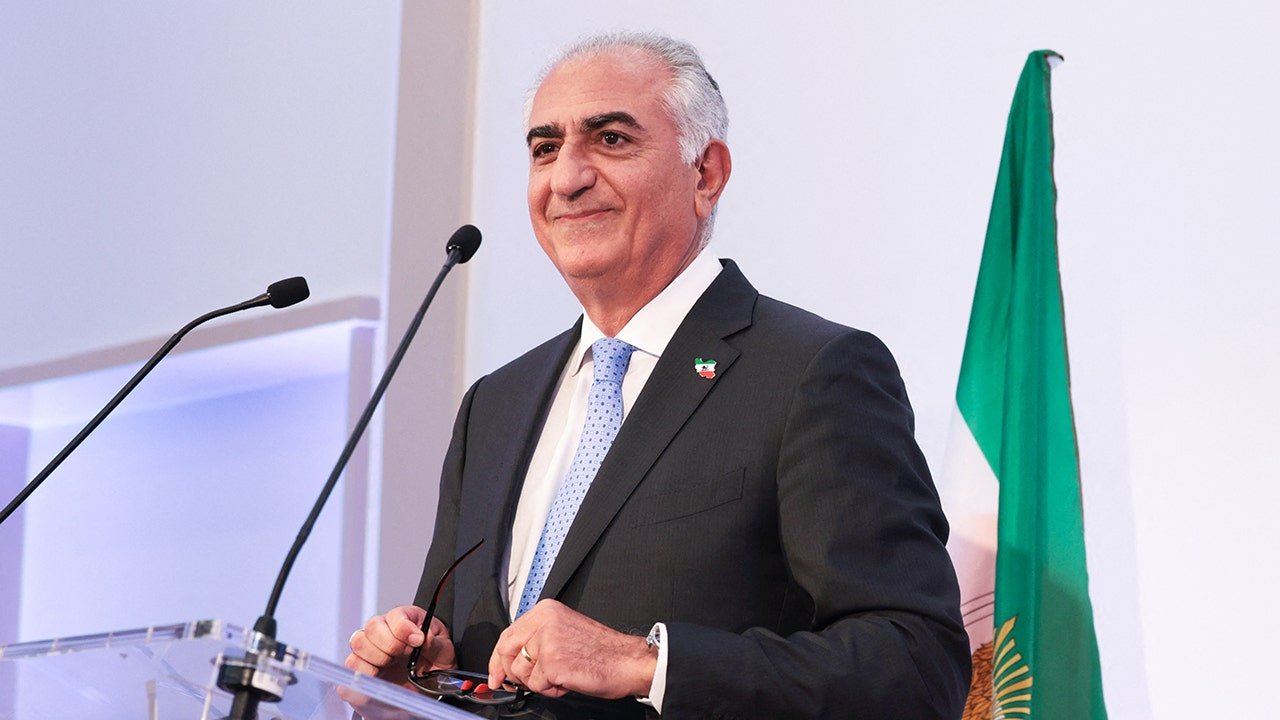
Exiled Iranian Crown Prince Reza Pahlavi said Saturday he is ready to lead Iran’s transition «as soon as the Islamic Republic falls.»
As the war in Iran entered its third week, Pahlavi — the son of the late Shah Mohammad Reza Pahlavi — said he has been working in recent months to develop a transition plan should the Iranian regime collapse to ensure the country does not experience a disruption in governance.
Pahlavi said in a social media post that «capable individuals» have been identified both inside and outside Iran to lead what he called a «transitional system.»
«The transitional system, under my leadership, will be ready to assume governance of the country as soon as the Islamic Republic falls and, in the shortest possible time, establish order, security, freedom and the conditions for Iran’s prosperity and flourishing,» he said.
MIKE POMPEO: OPERATION EPIC FURY IS RIGHTEOUS — AND REGIME CHANGE MUST FOLLOW
Exiled Iranian Crown Prince Reza Pahlavi said on March 14 that he is ready to lead Iran’s transition should the current regime collapse. (JOEL SAGET/AFP via Getty Images)
Pahlavi has lived in exile since the 1979 Islamic Revolution toppled Iran’s monarchy and established the Islamic Republic.
He has in recent years sought to position himself as a unifying opposition figure and has said he would help guide a transition of power from theocracy to democracy in Iran.
In a message addressed to his «compatriots,» Pahlavi said his plan for governing the country would fall within the framework of the «Iran Prosperity Project.»
IRAN’S NEW SUPREME LEADER IS ‘HIS FATHER ON STEROIDS,’ EXPERTS WARN OF HARDLINE RULE

In this picture obtained from Iran’s ISNA news agency, Mojtaba Khamenei, son of Iran’s supreme leader Ayatollah Ali Khamenei, looks on in Tehran on October 13, 2024. (Hamed JAFARNEJAD / ISNA / AFP via Getty Images)
He said that many compatriots with valuable experience and expertise have declared «their readiness to participate in the rebuilding of the country and to serve the homeland.»
Since joint operations between the U.S. and Israel began, nearly 50 regime figures have been killed, including Supreme Leader Ayatollah Ali Khamenei.
His son, Mojtaba Khamenei, was elected this week by Iran’s Assembly of Experts as the country’s new supreme leader.
TRUMP EXPLORING BACKING MILITIAS IN IRAN TO TOPPLE WEAKENED REGIME FOLLOWING STRIKES: REPORTS

Reza Pahlavi, the exiled crown prince of Iran, said the Islamic Republic is «crumbling» and called for a democratic transition following recent U.S. and Israeli military strikes. (Paul Morigi/Getty Images)
In an appearance last week on Fox News’ «My View» with Lara Trump, Pahlavi said the Iranian people would not accept any outcome moving forward tied to the current regime.
«Only a clean break will ensure that not only we achieve a democratic solution and alternative to this regime, but there will be people who are not in any form or shape directly associated with this regime,» he said.
CLICK HERE TO DOWNLOAD THE FOX NEWS APP
Pahlavi said the Iranian people must decide their country’s leadership and that «only the ballot box should determine the outcome and who will be responsible for our country in the future.»
«I think what we will expect any government, including, of course, the current Trump administration to recognize that indeed the best way to help the Iranian people is to allow them to make that choice freely and to support that choice as a Western democracy, as the leading democracy in the world,» he said.
mojtaba khamenei,ali khamenei,war with iran,iran,israel
INTERNACIONAL
Elvira Sastre: “Este libro es una resistencia a las ausencias de la gente que quiero y que se va muriendo”

A Elvira Sastre no le gustan las etiquetas ni los hermetismos porque ella escribe justo para lo contrario: para ofrecer una apertura. Escoge las palabras como quien elige un gesto de abrigo, algo íntimo y cercano, un lugar donde resguardarse cuando afuera nos envuelve el ruido. En su literatura no hay voluntad de encajar en un molde, sino de mirar el mundo con cuidado, atención y delicadeza. Sus textos, más que para leerlos, son para habitarlos.
Su último libro nace, precisamente, desde la premisa del cuidado. Un cuaderno de bitácora que responde a la urgencia de retener en la retina aquello que ha sido importante para ella: personas, escenas, cuerpos, momentos. En ese gesto de preservación confluyen dos de sus grandes pasiones, la escritura y la fotografía analógica, que aquí dialogan como si siempre hubieran estado destinadas a encontrarse. Podemos hablar, en este sentido, de un cuidado visual, un lugar para guarecer la memoria sin imponer ni mancillar lo vivido.
Cuando Elvira llega al lugar en el que hemos quedado, yo ya la espero con un café caliente entre las manos. Ella no puede recordarme, es comprensible. Aun así, tiro de carrete memorístico y le cuento que nos conocimos varios años atrás, en la presentación de uno de sus poemarios, en un momento bisagra de mi vida: estaba a punto de mudarme a Colombia. Recuerdo que en aquella dedicatoria me deseó un feliz viaje. Un gesto sencillo que, sin embargo, para mí se convirtió en algo más. Me subí al avión con aquel garabato bajo el brazo y acunarme en ese deseo fue, de algún modo, sentir el hogar a diez mil metros por encima de mi casa.

La narrativa de Sastre es así: parece pequeña, pero acompaña durante mucho tiempo. Quizá por eso sus textos llegan al corazón de tantas personas. Más allá del impulso que puedan darle las redes sociales o del fenómeno que a veces se proyecta sobre su figura, en su escritura hay algo profundamente honesto, una ternura sin artificio. Siempre he pensado que su poesía huele a pan recién horneado o al aroma que desprende el cuerpo caliente de quien amamos. Hay calor en sus palabras, y también verdad.
Esa es su magia: la capacidad constante de humanizar lo inenarrable, de poner nombre a aquello que parecía quedarse fuera del lenguaje. En En defensa de la memoria hay fragilidad, sí, pero también la fuerza arrolladora de una tormenta en una noche de estío. Es una flor silvestre: encapsula la belleza de lo efímero y, al mismo tiempo, demuestra la tenacidad de quien es capaz de brotar en medio de la roca. Desde ahí, desde ese territorio íntimo y resistente, comienza esta conversación.
-Este libro es como el álbum fotográfico que nos encontraríamos en el salón de la casa de la abuela. La intimidad compartida de Elvira Sastre. Leyéndolo, a mí me aparece una palabra una y otra vez: todavía. Todavía seguimos palpando, todavía seguimos haciendo fotos, todavía seguimos cultivando recuerdos. Si hoy tuvieras que elegir una palabra que designara este momento creativo y vital, ¿cuál sería?
-Elegir me cuesta muchísimo, pero yo te diría que resistencia, creo que es la palabra que me ha acompañado y que me acompaña cuando hago fotografía analógica. Que me acompaña también cuando me siento a escribir. Este libro es una resistencia al olvido y al paso del tiempo, a las ausencias de la gente que quiero y que se va muriendo. Es como decir: bueno, sé que la vida funciona así, pero yo voy a resistir fabricando este artefacto que defiende la memoria, porque considero que eso es lo importante.
-De hecho, justo la siguiente pregunta que te iba a hacer está relacionada con eso… ¿Qué te ayuda más en esa resistencia al olvido: la escritura o la fotografía?
-No te sabría decir pero, por la experiencia que he tenido este año, que ha sido complicado y he tenido que atravesar muchas capas de mí para poder llegar a escribir lo que estaba sintiendo, la fotografía me ha liberado. Tengo la necesidad de expresarme siempre, pero las palabras me han provocado este año un esfuerzo demasiado grande; la fotografía, en cambio, me ha permitido soltarme. Al final, cuando estoy escribiendo, todo parte de dentro y va hacia afuera; con la fotografía es al revés, va desde fuera y llega hacia adentro. Son distintas formas artísticas de hacer lo mismo. Por eso este libro se ha construido con fotografías. Es el texto el que las acompaña, y no al revés.

-¿Siempre habías hecho fotografía? ¿De dónde te nace esa pulsión?
-Siempre me gustó. No de un modo profesional ni muchísimo menos, pero de pequeña me gustaba mucho. Recuerdo unas navidades que mi hermana me regaló una réflex digital. Fue la primera y, además, la compró con su primer sueldo. Me encantaba llevarla de viaje. Tuve una época que me dio mucho por la fotografía digital. Cuando después descubrí la analógica, sentí que era ir a contracorriente de todo lo que se estaba haciendo (de todo lo que se está haciendo también ahora). La cámara analógica te exige pausa, concentración, solo tienes una oportunidad de hacer un disparo. También practica mucho la paciencia, porque luego hay que esperar a que te llegue el revelado. Es otra forma de resistencia.
-Algo que creo que hemos perdido con las redes sociales y la fotografía digital es la intimidad. Porque cuando tú tienes un móvil y sacas una foto, generalmente es porque tienes intención de mandarla por WhatsApp o subirla a una red social. En cambio, con la analógica hay muchas fotografías que se quedan ahí para siempre, guardadas en un cajón, donde puede que nadie más las vea nunca. Quería preguntarte cómo ha sido, en este caso, la selección, porque al final en este libro tenemos acceso a una pequeña parte de tu intimidad. ¿Qué archivos has decidido quedarte solo para ti?
-Hace tiempo estuve en París en una exposición de fotografía analógica. No recuerdo el nombre del autor, pero vi una imagen que él había hecho del mar. En la parte de arriba, lo acompañaba un pequeño texto. Ahora que lo pienso, creo que ese fue, en realidad, el germen de este libro. Explicaba que ese día su hermana había dado a luz y que había hecho esa foto porque él estaba lejos y quería enseñarle a su sobrino cómo estaba el mar el día en el que había nacido. Me pareció precioso. Fue entonces cuando dije: venga, voy a hacer esto yo también con mi sobrino cuando nazca. Le hice un álbum donde le explicaba cómo estaba el campo el día que nació, las flores, los perros, el hospital, su número de habitación. Tengo muchísimas fotos, pero las personales las he decidido guardar solo para mí.

-Como tú dices, esa exposición fue, claramente, el germen de este libro, pero ¿en qué otras cosas te inspiras para escribir o fotografiar?
-Me inspira mucho el cine. Estoy pensando en una película japonesa, Perfect days, en la que el protagonista es un hombre que se dedica a limpiar retretes en Tokio. Tiene también una cámara de fotos, es la manera en la que él transita la belleza. Ese tipo de cosas son las que me inspiran, me obsesionan, me quedo como colgada mucho tiempo ahí… Todo lo que me emociona, y no sé muy bien por qué lo hace, intento descifrarlo. Muchas veces la fotografía me resuelve eso, me permite capturar la belleza de las cosas que no sé si nadie más está mirando.
-¿Te digo cuál es mi foto favorita? La del señor mayor que está caminando, saliendo lentamente del pueblo. Te imagino ahí esperando dentro del coche a que cruce, en esa bella pausa creativa.
-Ese verano hice muchísimas fotografías. Me quedaba dentro del coche, esperando. Pensaba: madre mía, cualquiera que me vea aquí… Me da mucho pudor fotografiar a gente que no me está viendo, por eso hay muchas personas de espaldas. Cuando vi a ese señor, vi claramente una historia, el mundo de ese hombre, en ese pueblo vacío, un día de julio, atravesando esa puerta. Pensar ahora en ese momento está siendo muy importante para mí.
*Este es un fragmento de la entrevista publicada por la revista Lengua.
Elvira Sastre

La trastienda de la semana en que dos vuelos complicaron al funcionario complicaron al funcionario más empoderado

Empleado de seguridad privada: qué sueldo cobrará por lo trabajado en marzo 2026 con el aumento

River Plate vs. Sarmiento: formaciones, hora y dónde ver por tv

CAF participó en la CSW70 de la ONU y reafirmó su compromiso con la igualdad de género en la región

La inesperada pregunta de Mirtha Legrand a Moria Casán sobre su relación con Susana Giménez

Descubrieron un cráneo en una playa de Berisso y los especialistas trabajan en identificar los restos

El ex novio de Luana de Gran Hermano reveló información sensible sobre su relación: “El bolso tenía plata”

Sorpresa en Gran Hermano tras la expulsión de Carmiña: la reacción de la producción y las dudas sobre su reemplazo

Emanuel Noir, de Ke Personajes, anunció que dejará las redes sociales: “Una búsqueda mayor a la que creí, apareció”

Morena Rial salió de la cárcel y se conoció escalofriante dato que involucra a Jorge Rial: «Me pidió que me hiciera cargo»

 CHIMENTOS3 días ago
El ex novio de Luana de Gran Hermano reveló información sensible sobre su relación: “El bolso tenía plata”
- CHIMENTOS3 días ago
Sorpresa en Gran Hermano tras la expulsión de Carmiña: la reacción de la producción y las dudas sobre su reemplazo
- CHIMENTOS2 días ago
Emanuel Noir, de Ke Personajes, anunció que dejará las redes sociales: “Una búsqueda mayor a la que creí, apareció”