INTERNACIONAL
La Eurocámara aprobó el préstamo de USD 90.000 millones para Ucrania

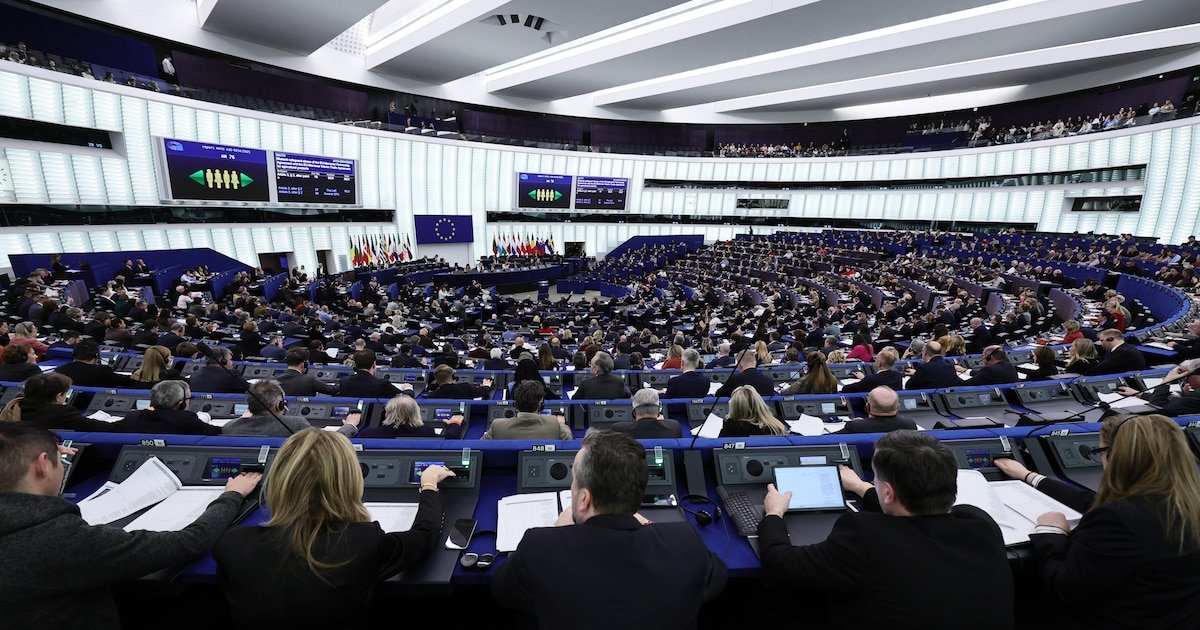
El Parlamento Europeo autorizó este miércoles que los países de la Unión Europea puedan poner en marcha un préstamo de 90.000 millones de euros a Ucrania para los años 2026 y 2027, aunque sin la participación de Hungría, Eslovaquia y República Checa. La votación, que avaló la medida con 499 votos a favor, 135 en contra y 24 abstenciones, constituye el paso previo para que la iniciativa se concrete mediante un mecanismo de cooperación reforzada.
Este procedimiento, contemplado en el artículo 20 del Tratado de la Unión Europea, permite que un mínimo de nueve Estados miembros avancen en iniciativas concretas cuando no existe consenso entre todos los socios comunitarios. El instrumento legal se aplica en ámbitos donde la Unión en su conjunto no puede alcanzar los objetivos en un plazo razonable. La cooperación reforzada no permite la ampliación de competencias más allá de lo recogido en los tratados europeos, y está diseñada para superar puntos muertos sin perjudicar a quienes deciden no participar.
La decisión de los tres países de Europa Central de quedar al margen del préstamo fue formalizada en la cumbre del Consejo Europeo del 18 de diciembre. Según el acuerdo aprobado por los líderes, la movilización de recursos del presupuesto comunitario como garantía del crédito no tendrá impacto en las obligaciones financieras de Hungría, Eslovaquia y la República Checa. No obstante, las empresas de estos países podrán participar en las licitaciones financiadas con estos fondos.
El primer ministro húngaro, Viktor Orbán, señaló en su momento que la exclusión permite evitar que sus ciudadanos soporten la carga de este préstamo, que calificó de dinero perdido. Hungría y Eslovaquia, considerados los gobiernos más cercanos a Moscú entre los Veintisiete, han rechazado cualquier tipo de ayuda militar a Ucrania. La posición de la República Checa difiere ligeramente: su primer ministro, Andrej Babis, aclaró que Praga respalda las conclusiones de la cumbre y apoya a Ucrania, pero no está dispuesta a garantizar el préstamo.

REUTERS/Bernadett Szabo
El mecanismo financiero acordado por los líderes europeos en diciembre se financiará mediante la emisión de deuda común respaldada por los márgenes del presupuesto comunitario. Esta alternativa se impuso después de constatar que no había acuerdo para financiar el préstamo con los activos rusos inmovilizados, una opción que había sido rechazada principalmente por Bélgica. Bruselas mantiene congelados cerca de 210.000 millones de euros del Banco Central de Rusia, pero las exigencias belgas de garantías ilimitadas para compartir responsabilidades legales y financieras resultaron inaceptables para otros socios.
La presidenta de la Comisión Europea, Ursula von der Leyen, presentó el 14 de enero el diseño concreto del préstamo. Propuso que dos tercios del total, es decir, 60.000 millones de euros, se destinen al gasto militar, con prioridad para las compras a la industria ucraniana y europea. Los 30.000 millones restantes cubrirán las necesidades presupuestarias de Kiev y garantizarán el funcionamiento de la administración pública.
El plan establece que Ucrania recibirá el préstamo sin intereses y solo deberá devolverlo una vez que Rusia pague reparaciones de guerra. La Unión Europea se reserva el derecho de usar los activos rusos inmovilizados para apoyar a Kiev si fuera necesario. Mientras tanto, la deuda será colocada en los mercados internacionales con el respaldo del presupuesto europeo. Bruselas estima que los intereses ascenderán a unos 3.000 millones de euros anuales, que deberán presupuestarse en el próximo marco financiero plurianual.
El dispositivo también contempla que las adquisiciones militares se realicen en los países de la Unión Europea, Ucrania, Noruega, Islandia, Liechtenstein y Suiza. Solo cuando estas compras no sean posibles en esta región geográfica o no puedan realizarse con la rapidez necesaria podrá recurrirse a proveedores de otros Estados.

REUTERS/Stringer
El Parlamento Europeo aprobó además esta semana tramitar por procedimiento de urgencia las propuestas legislativas necesarias para poner en marcha el préstamo. El objetivo de la Comisión Europea es que los eurodiputados y los Estados miembros las aprueben antes de finales de marzo para que el primer desembolso pueda producirse en abril.
Como en anteriores programas de ayuda a Kiev, los pagos estarán condicionados a que Ucrania cumpla un programa de reformas destinadas también a allanar su camino a la adhesión a la Unión Europea. Estas reformas abarcan áreas como la lucha contra la corrupción y el refuerzo del Estado de Derecho.
La decisión de la Eurocámara se produce en un contexto en el que la Unión Europea busca garantizar el apoyo financiero y militar a Ucrania en un momento crítico. Según las estimaciones de la propia Unión, Kiev necesita 135.000 millones de euros adicionales para sostener sus finanzas durante los próximos dos años, con una crisis de liquidez prevista a partir de abril de 2026.
eu,european parliament,parliament







INTERNACIONAL
Una protesta estudiantil sacude la Universidad de La Habana en medio de la crisis en Cuba

Una treintena de estudiantes protagonizó este lunes una sentada en la Universidad de La Habana para protestar por la grave crisis en el país, sus efectos en la educación y la falta de efectividad de las vías institucionales para sus quejas.
La protesta en la icónica escalinata de la universidad capitalina fue pacífica y discreta, pero llamativa por inusual.
Tras casi dos horas de negociación con el personal académico, los jóvenes -que no quisieron hablar con los medios- accedieron a trasladarse a otro lugar para proseguir con el diálogo.
En un país atravesado por una crisis estructural de años agravada ahora por el bloqueo petrolero de EEUU, la educación superior también se ha visto fuertemente afectada por los problemas que ha atizado la falta de combustible.

Los apagones se han prolongado aún más —y con la corriente también se pierde la cobertura móvil y la telefonía—, el transporte público casi ha desaparecido y muchos servicios públicos, como las universidades, están en modo a distancia.
La sentada comenzó a las 10 de la mañana, cuando un sólo joven, con una sombrilla y una mochila, se sentó en el primer escalón, siguiendo una convocatoria estudiantil por redes sociales que tanto la universidad como la oficialista Federación de Estudiantes Universitarios (FEU) trataron de desincentivar.
Poco a poco se le fueron sumando estudiantes y de forma paralela, pero incluso en un mayor número, se fueron acercando al lugar personal de la universidad -del claustro y la administración- y miembros de la inteligencia del Ministerio del Interior (Minint), la denominada Seguridad del Estado.
Hasta el lugar donde estaban concentrados los jóvenes se acercaron la rectora de la Universidad de La Habana, Miriam Nicado García, y el viceministro primero de Educación Superior, Modesto Ricardo Gómez.

“¿Cuántas horas de corriente tuvo la semana pasada? ¿Y tiene conexión cuando le quitan la corriente?”, preguntaba a una decana un alumno, según pudo seguir EFE.
“Muchos alumnos de provincias no han podido entregar nada porque no hay conectividad”, aseguraba otro.
Estos reclamos eminentemente académicos fueron siendo superados en la conversación por las quejas en torno a la forma en la que los universitarios pueden plantear sus problemas y formar parte del debate de las soluciones y de los procesos de toma de decisiones.
“Los caminos para llegar al Ministerio de Educación Superior están entorpecidos”, manifestó una joven, a lo que un estudiante apostilló: “Esta sentada, me temo, es un último recurso”.
Gómez interpeló directamente a los jóvenes para tratar de acabar con la sentada: “Esto no nos va a mejorar los problemas que tenemos nosotros. ¿Por qué esto, caballeros, muchachos, yo que mi vida entera ha sido para formarlos a ustedes?”.
“Porque no nos han escuchado desde el primer momento: esa es la respuesta que usted tiene”, le replicó un joven.

De hecho, los estudiantes habían empezado la semana pasada a sentirse relegados y, ante lo que entendieron como decisiones tomadas desde arriba, crearon varios grupos de debate alternativos en redes sociales y lanzaron la convocatoria de la sentada.
Tanto la Universidad de La Habana como la FEU salieron rápidamente a decir que esa iniciativa era “fake” y subrayaron que los espacios de diálogo establecidos estaban funcionando.
Varios jóvenes resaltaron que parte de la erosión de la confianza en la universidad y en la FEU comenzó el pasado junio, cuando no se atendió como los estudiantes querían a su malestar por una fortísima subida de las tarifas móviles de la empresa estatal de telefonía.
No obstante, los jóvenes acabaron accediendo y abandonaron voluntariamente en grupo la escalinata para reunirse con Nicado García, entre otros, una vez que ya habían sido alejados de los medios de comunicación.
Gómez aseguró en declaraciones a los medios de comunicación que las autoridades “en ningún momento” han “desestimado ningún tipo de diálogo” con los universitarios.
La culpa de esta situación “extremadamente severa” en el país es del bloqueo petrolero de EEUU que “está realmente masacrando a toda una sociedad” y es un “genocidio contra todo el pueblo de Cuba”.
“Nosotros no sabemos hasta donde va a llegar esto”, dijo Gómez en referencia a “la agresión de EEUU”.
(Con información de EFE)
economy,horizontal,telecommunication

NEWYou can now listen to Fox News articles!
EXCLUSIVE: Iranian Kurdish opposition groups say they are prepared to challenge Tehran but are holding back for now as the war between the United States, Israel and the Islamic Republic continues to unfold.
Khalid Azizi, spokesperson for the Democratic Party of Iranian Kurdistan (KDPI), told Fox News Digital in an exclusive interview that Kurdish forces are closely watching developments but have no plans to launch a ground offensive at this stage.
Reports in recent days have suggested that President Donald Trump spoke with Mustafa Hijri, the leader of KDPI, as Washington explores possible Kurdish involvement in pressure on Iran.
Azizi declined to confirm or deny whether such a conversation took place.
74 RETIRED US GENERALS, ADMIRALS BACK IRAN STRIKES, WARN TEHRAN SEEKS TO ‘SPILL AMERICAN BLOOD’
Iranian Kurdish fighters from the Kurdistan Freedom Party (PAK) take part in a training session at a base on the outskirts of Erbil, Iraq, Feb. 12, 2026. (Thaier Al-Sudani/ Reuters)
Azizi himself has firsthand experience with Iran’s military retaliation.
In 2018, Iran’s Islamic Revolutionary Guard Corps launched ballistic missiles at the KDPI headquarters in Koy Sanjaq in Iraq’s Kurdistan region during a leadership meeting, killing at least 18 people and injuring dozens.
«We have been targeted by the Islamic Republic,» Azizi said. «The first Iranian missile was sent to my headquarters and I was personally injured in that attack.»
Despite the risks, Azizi said Kurdish resistance remains strong after decades of confrontation with Iran.
«The Iranian Kurdish resistance movement is actually very strong because we have been on the ground since the Iranian revolution,» he said.
Azizi spoke from Washington, D.C., where he said Kurdish representatives were meeting with policymakers and institutions to discuss the situation in Iran and the role Kurdish groups could play if the conflict evolves.
But for now, Kurdish groups say they are waiting to see how the broader war develops.
«We are ready and our party is well organized,» Azizi said. «But right now we do not have any intention to enter Iranian Kurdistan because the ground forces in this war have not been a topic.»
«It’s very easy to start a war,» he added. «But it will be more complicated how to end this war.»
KEANE WARNS IRAN STRIKE BECOMING ‘REGIONAL WAR,’ SAYS THREE GULF STATES PREPARING FOR COMBAT
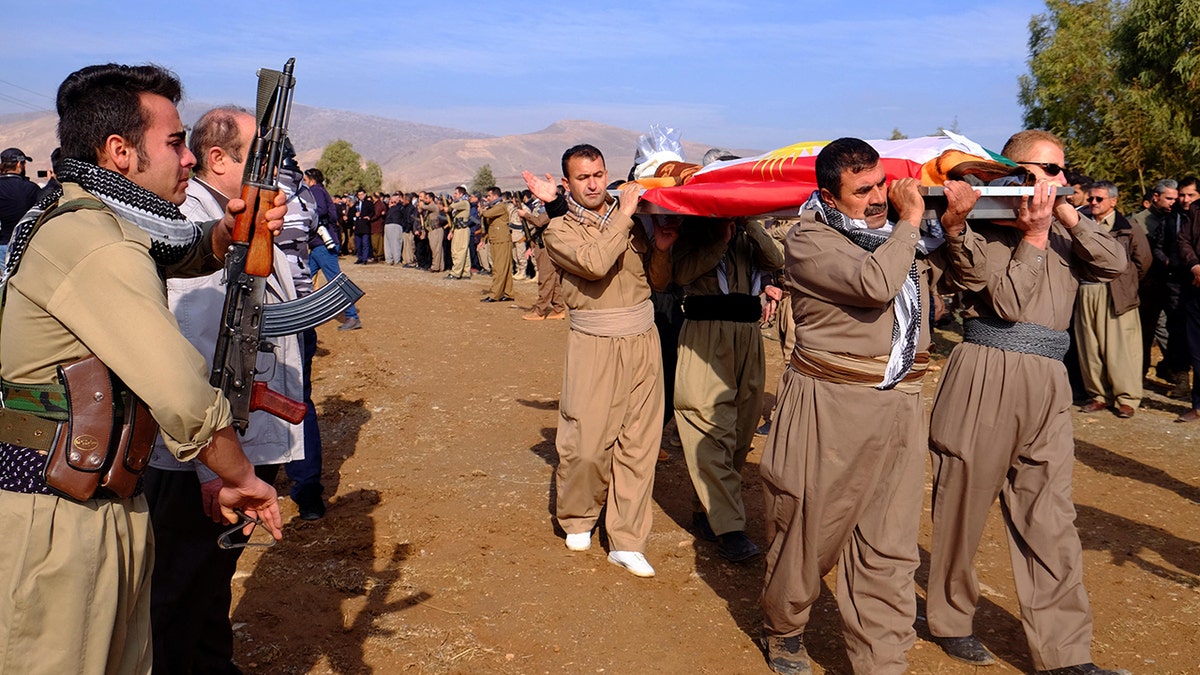
Members of the Kurdistan Democratic Party-Iran attend the funeral of their comrades killed in a bomb attack in Koysinjaq, in Iraq autonomous Kurdish region, on Dec. 21, 2016. (Stringer/AFP via Getty Images)
The KDPI is one of the oldest Kurdish opposition movements fighting Iran’s Islamic Republic. The group is a member of the Socialist International and operates primarily from bases in the Kurdistan region of Iraq and has been in armed and political opposition to Tehran since the 1979 Iranian Revolution.
Azizi said Kurdish political movements have recently taken a significant step by forming a joint alliance aimed at coordinating their political strategy.
«We have managed to create a unity among the Kurdish political parties,» he said. «This has been welcomed by the Iranian Kurdish people and by different Iranian political parties.»
The alliance, known as the Coalition of Political Forces of Iranian Kurdistan, brings together several historically divided Kurdish factions that oppose the Islamic Republic.
Azizi said the future of Iran will ultimately depend on whether Iranians themselves rise up against the regime.
US SURGES FORCES TO MIDDLE EAST AS PENTAGON WARNS IRAN FIGHT ‘WILL TAKE SOME TIME’
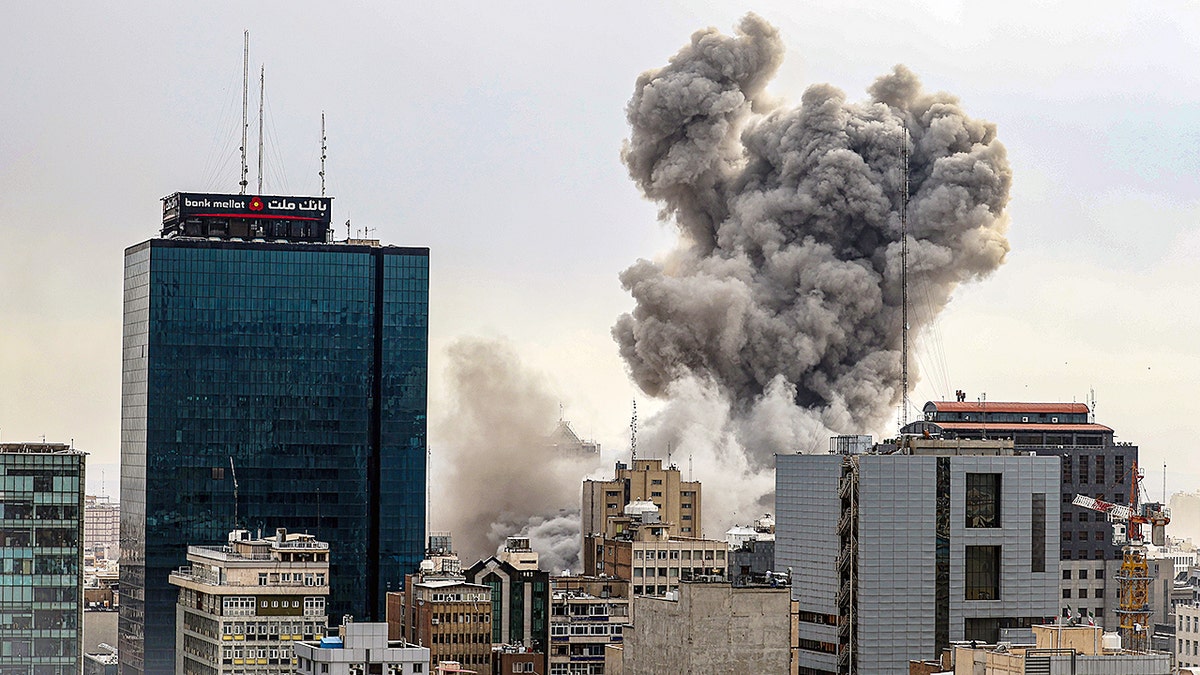
Smoke rises from reported explosions in Tehran, Iran, on March 2, 2026. (Contributor/Getty Images)
«If you look at the goal of the United States and Israel in this war, they have been targeting the Iranian military, security and political institutions. In this aspect Iran has been weakened,» he said.
«But the regime still remains in power because people are not on the streets and there is no alternative right now to replace this regime.»
Azizi urged Western governments to focus not only on the military campaign but also on helping Iranian opposition movements coordinate politically.
Iran, he said, is a multi-ethnic country whose future stability will depend on building a democratic system that includes all of its communities.
«The path and the roadmap for rebuilding Iran must be based on the participation of all ethnic groups,» Azizi said. «Iran is a multi-ethnic society.»
CLICK HERE TO DOWNLOAD THE FOX NEWS APP
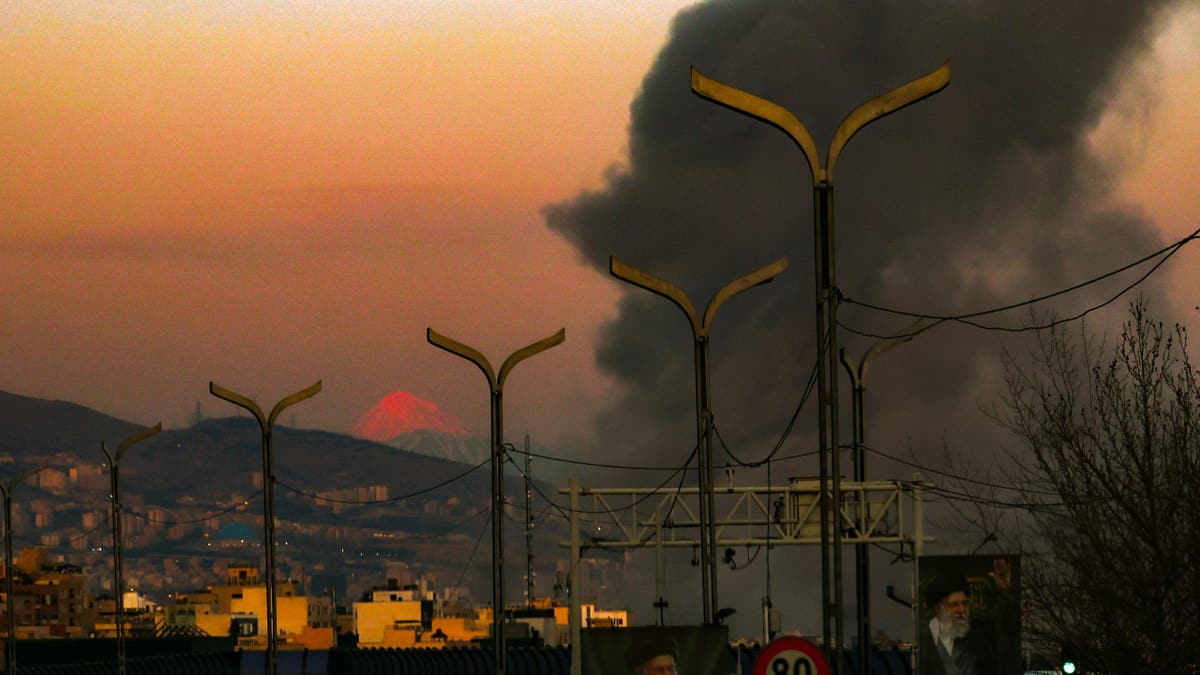
Explosions rock Tehran, Iran, on March 6, 2026. (Contributor/Getty Images)
For now, he said, Kurdish fighters remain in a holding pattern.
«We have the ability and we have the capacity,» Azizi said. «But it is not easy right now for us to make any decision regarding entering Iranian Kurdistan.»
war with iran,iran,iraq,middle east foreign policy,wars
NEWYou can now listen to Fox News articles!
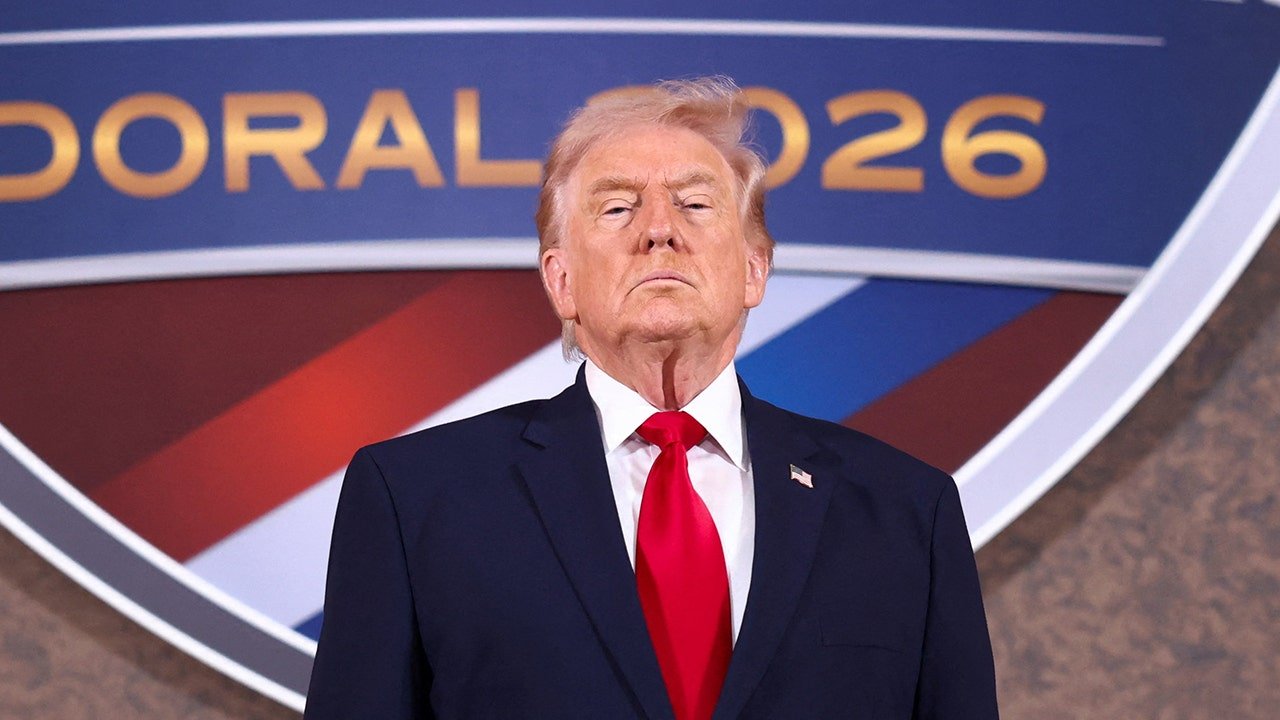
President Donald Trump’s declaration that he won’t sign any new bills until the Senate passes voter ID legislation threatens to derail his own legislative priorities and sideline confirmation of the newest addition to his Cabinet.
Trump wants Senate Republicans to ram the Safeguarding American Voter Eligibility (SAVE) America Act through the upper chamber with the talking filibuster, even at the cost of the Senate’s most valuable commodity: floor time.
«It must be done immediately. It supersedes everything else. MUST GO TO THE FRONT OF THE LINE. I, as President, will not sign other Bills until this is passed,» Trump said on Truth Social.
SCHUMER ONCE BLOCKED TRUMP’S MOVE TO FILL THE NATION’S OIL RESERVES, NOW HE WANTS THEM OPENED
President Donald Trump attends the Shield of the Americas Summit on March 7, 2026. (Kevin Lamarque/Reuters)
But that comes as the Senate is wrestling with reopening the Department of Homeland Security (DHS), which entered its fourth week of being shut down. A White House official told Fox News Digital that Trump was «referring to other bills, not DHS funding.»
«If the Democrats do the right thing and pass funding for DHS, the president will, of course, fund the agency,» the official said.
Trump’s edict and push for the Senate to turn to the talking filibuster has intensified the pressure on Senate Majority Leader John Thune, R-S.D., who has vowed to have a vote on the bill, but could not guarantee it would pass.
When asked about the growing campaign from both Trump and social media to use the talking filibuster, Thune said, «A lot of that is, it’s in that kind of, you know, paid influencer ecosystem.»
«But there’s a lot of support for it,» Thune said. «Like I said, we’re, I think, for the most part, not everybody, but there’s a lot of really strong support among Republican senators for the policy. But the process and how do you ultimately try and get a result is still unclear to me.»
SCHUMER, DEMS HOLD FIRM ON DHS FUNDING DESPITE NOEM’S BOMBSHELL OUSTING
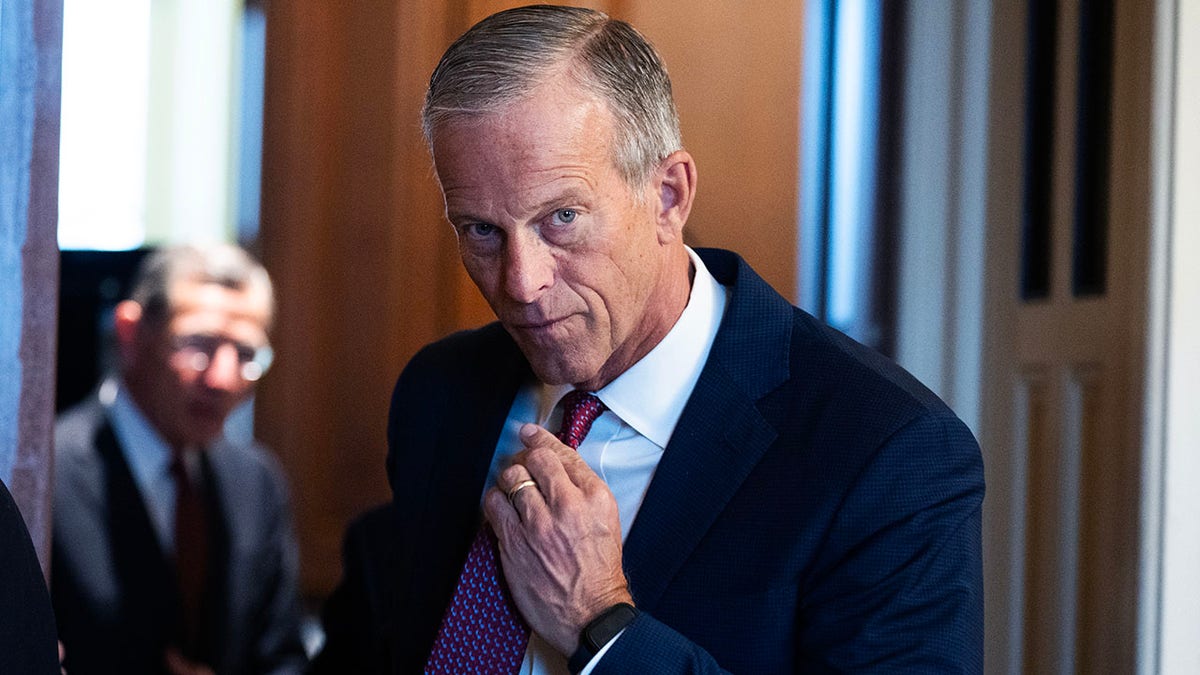
Senate Majority Leader John Thune, R-S.D., argued that Democrats were continuing their push to keep DHS closed because it was «politically advantageous.» (Tom Williams/CQ-Roll Call, Inc. via Getty Images)
Republicans are also working to advance a massive affordable housing package that Trump backs, to consider a likely supplemental spending package to resupply munitions for the conflict with Iran, and go through the confirmation process for Sen. Markwayne Mullin, R-Okla., the president’s latest pick to lead DHS.
Senate Majority Whip John Barrasso, R-Wyo., noted that the top priority for the GOP right now is funding DHS.
«The Democrats have blocked that right now,» Barrasso told Maria Bartiromo on «Sunday Morning Futures.» «And the greatest threat to the American people today is terrorism.»
And while the SAVE America Act is supported by most Senate Republicans, it’s not an easy bill to pass in the upper chamber, given the hardline stance Senate Democrats have taken against it.
Senate Minority Leader Chuck Schumer, D-N.Y., reiterated that the bill is «Jim Crow 2.0. It would disenfranchise tens of millions of people.»
«If Trump is saying he won’t sign any bills until the SAVE Act is passed, then so be it: there will be total gridlock in the Senate,» Schumer said on X. «Senate Democrats will not help pass the SAVE Act under any circumstances.»
THUNE GUARANTEES VOTER ID BILL TO HIT THE SENATE DESPITE SCHUMER, DEM OPPOSITION: ‘WE WILL HAVE A VOTE’
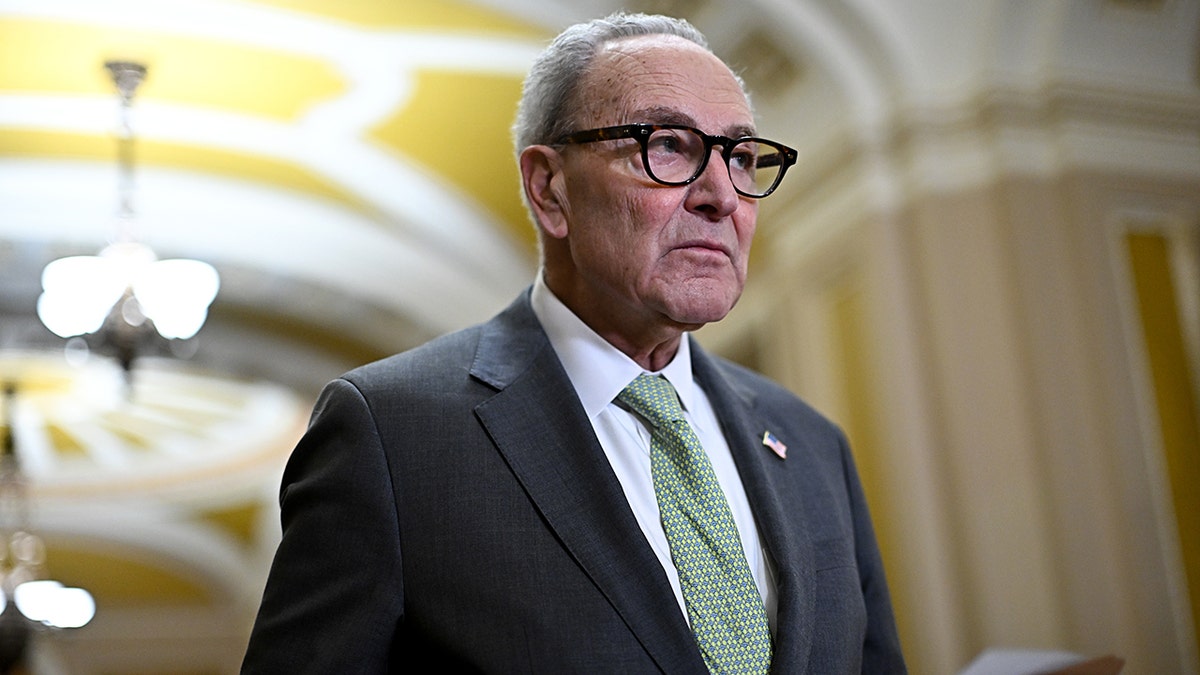
Senate Minority Leader Chuck Schumer, D-N.Y., during a news conference at the U.S. Capitol in Washington, D.C., March 3, 2026. (Graeme Sloan/Bloomberg via Getty Images)
Turning to the talking filibuster is unlikely, too, because of a major fear among Republicans it would dominate floor time for hundreds of hours of debate. But another factor is that there may not be unity among Republicans to kill amendments put forth by Senate Democrats.
Further complicating matters is which version of the SAVE America Act Trump wants.
House Republicans advanced the SAVE America Act last month, which would require voter ID to vote, proof of citizenship to register to vote in federal elections, mandate states to actively verify and remove noncitizens from voter rolls, expand information sharing with federal agencies, including DHS, to verify citizenship and create new criminal penalties for registering noncitizens to vote.
CLICK HERE TO DOWNLOAD THE FOX NEWS APP
But Trump asked Republicans to «GO FOR THE GOLD» with a bill to show voter ID and proof of citizenship, nix mail-in ballots except for military service members or people with illnesses, disabilities or travel issues, no men in women’s sports and «NO TRANSGENDER [MUTILATION] FOR CHILDREN!»
That version of the bill would again have to go through the House before making its way to the Senate. Whether it could survive either chamber is an open question. Thune acknowledged that Trump wanted a modified iteration of the bill, but still remained firm that the talking filibuster, or nuking the current filibuster, likely weren’t going to happen.
«The one thing I’ve said all along is, and I’ve told him and others that I can’t guarantee an outcome. I can’t guarantee a result,» Thune said. «If the result is only achieved by nuking the legislative filibuster, we don’t have the votes to do that. And so that’s just not a realistic option. And I’ve made that clear to anybody who’s asked.»
politics,donald trump,senate,elections,chuck schumer,john thune

Vuelven los créditos hipotecarios en dólares: un banco privado presta hasta USD 1 millón a una tasa del 11,5%

El tremendo fixture que tiene por delante el Manchester City

El tremendo comentario de Nati Jota sobre Messi que provocó una reacción inesperada de Antonela Roccuzzo

Nuevo régimen penal juvenil: qué se sabe de la ley que fija sanciones desde los 14 años

Ya puedes ver con doblaje en castellano y español latino el tráiler final de Super Mario Galaxy: La Película – Nintenderos

Sin reservas y con instalaciones de lujo: así es el hotel vinculado a Pablo Toviggino en Santiago del Estero

Javier Milei habló de la crisis con la vicepresidenta: “No quiero la renuncia de Victoria Villarruel”

Ian Lucas se hartó de las mentiras de Evangelina Anderson y confirmó que fueron novios: “Ella me da vergüenza”

Wanda Nara involucrada en la separación de su hijo Valentino: su ex nuera contó toda la verdad

La cruda confesión de Amalia Granata por el trastorno que sufre su hijo Roque: “Le hicimos estudios y salió que tiene TDAH, dislexia y disgrafia”

 CHIMENTOS3 días ago
Wanda Nara involucrada en la separación de su hijo Valentino: su ex nuera contó toda la verdad
- CHIMENTOS1 día ago
La cruda confesión de Amalia Granata por el trastorno que sufre su hijo Roque: “Le hicimos estudios y salió que tiene TDAH, dislexia y disgrafia”
- ECONOMIA3 días ago
«Crisis industrial masiva»: alarmante informe de la UBA se mete en la pelea de Milei con la UIA