INTERNACIONAL
La OEA rechazó cualquier acción que intente obstaculizar el proceso electoral del domingo en Bolivia

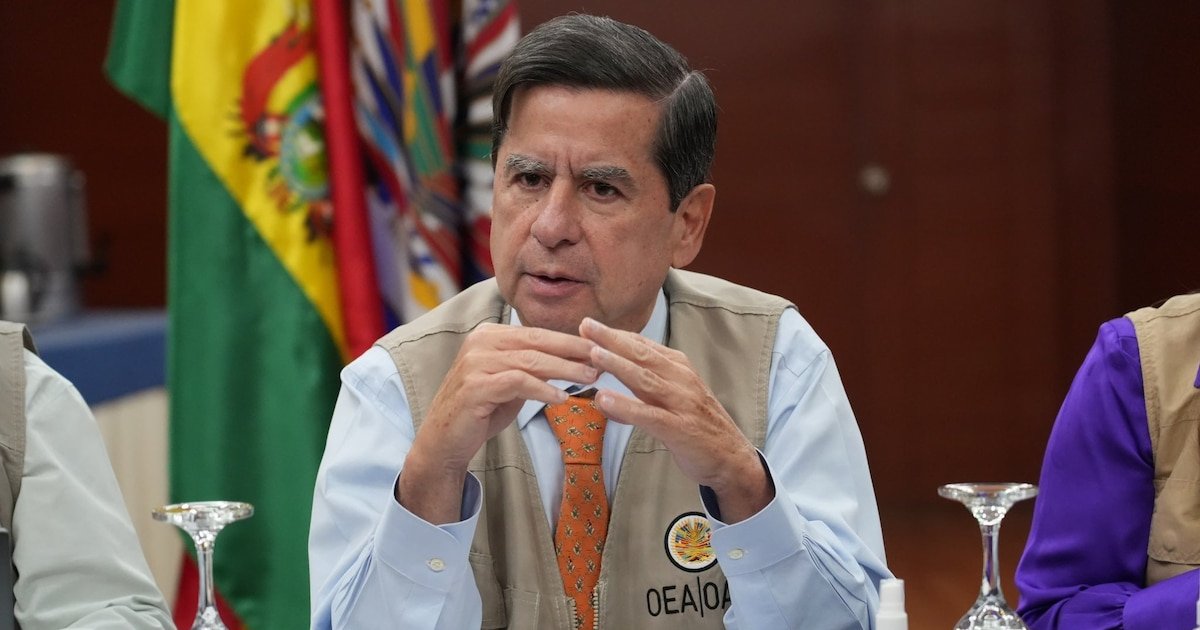
La Organización de Estados Americanos (OEA) expresó su rechazo a cualquier acción que pretenda obstaculizar el proceso electoral de Bolivia, según un mensaje difundido este sábado en sus redes sociales. El jefe de la misión de observación, Juan Fernando Cristo, instó a los ciudadanos a ejercer su derecho al voto para fortalecer la democracia y remarcó la importancia de evitar incidentes que puedan afectar la transparencia y tranquilidad de la jornada.
“El sufragio es el instrumento más poderoso que tenemos para construir una democracia más fuerte”, señaló Cristo e hizo un llamado “a actuar con responsabilidad por el presente y el futuro de Bolivia”. La misión de la OEA subrayó en un comunicado que es fundamental que los ciudadanos participen sin inconvenientes en los comicios e instó a todas las partes a mantener un compromiso responsable ante la situación nacional.
La OEA desplegó observadores en las nueve regiones del país, así como en las ciudades de Argentina, Brasil, Chile y España donde residen comunidades bolivianas. Se trata de la vigésima tercera misión electoral del organismo en Bolivia, posible gracias a contribuciones financieras de Canadá, Chile, Colombia, España, Estados Unidos, Francia, Italia, Países Bajos y Perú.
Durante la semana previa a los comicios, la delegación de observadores sostuvo encuentros con el presidente Luis Arce, representantes del órgano electoral, el Tribunal Constitucional, candidatos, partidos, movimientos políticos y referentes de la sociedad civil, además de miembros de la comunidad internacional. Las reuniones buscaron complementar la observación directa para lograr una visión integral del proceso.
El gobierno boliviano confirmó el viernes la presencia de catorce misiones de observación extranjeras y cinco nacionales. Las comisiones de observadores más numerosas corresponden a la OEA y la Unión Europea (UE).
El rol observador de la OEA es objeto de fuertes críticas por parte del ex presidente Evo Morales, quien denunció que la organización internacional viene “a bendecir un proceso electoral diseñado a la medida de los intereses imperiales”. Morales también responsabilizó al organismo por supuesta complicidad en la crisis política y social de 2019, cuando el país atravesó protestas y su posterior renuncia a la presidencia tras denuncias de fraude electoral.
Morales sostiene que en 2019 se perpetró un golpe de Estado tras los comicios anulados de ese año, mientras que sus opositores argumentan que la renuncia ocurrió por las denuncias de fraude ratificadas por un informe preliminar de la OEA que identificó “operaciones dolosas” en las elecciones.
El escenario político boliviano, marcado por divisiones internas en el MAS y la imposibilidad de Morales de postularse –por restricción constitucional y carencia de partido propio– dio paso a un clima de protesta, principalmente por parte de sectores afines al ex mandatario. Intentaron sin éxito forzar la inscripción de su candidatura y, al verse impedidos, Morales y sus seguidores ahora promueven el voto nulo.
En la contienda de este domingo, cerca de 8 millones de bolivianos están convocados a elegir presidente, vicepresidente y el total de 156 legisladores nacionales (26 senadores y 130 diputados) que marcarán el rumbo del país para el próximo quinquenio.
Ocho candidatos, todos hombres, buscan suceder al actual mandatario Luis Arce, quien declinó su candidatura a comienzos de año con la intención de evitar la fragmentación de la izquierda. “No seré un factor de división”, explicó Arce en mayo tras un prolongado enfrentamiento político con Morales.
Las encuestas indican que Samuel Doria Medina, empresario y figura recurrente en la política boliviana, lidera la intención de voto rondando el 20%. Le sigue el ex mandatario Jorge “Tuto” Quiroga, con cifras similares. Este panorama anticipa una segunda vuelta el 19 de octubre, conforme a la Constitución de 2009, que dispone la realización de una segunda ronda si ningún candidato supera el 50% de los votos, o el 40% con una diferencia de 10 puntos.
El principal aspirante de la izquierda es Andrónico Rodríguez, actual presidente del Senado y ex postulado como posible candidato de unidad del MAS. Participa por la lista independiente Alianza Popular y recoge poco menos del 10% de la intención de voto. Rodríguez denuncia un creciente voto nulo promovido por el entorno de Morales, que podría alcanzar hasta el 14% y afectaría directamente a las opciones progresistas.

El proceso electoral boliviano de 2024 introduce un nuevo sistema de recuento: las hojas de votación serán fotografiadas en los colegios electorales y transmitidas en tiempo real a los centros de cómputo para fortalecer la transparencia y reducir eventuales irregularidades. El Tribunal Electoral busca publicar el 80% de los resultados preliminares la noche de la elección y los resultados oficiales en un plazo de siete días.
El contexto económico y social agrega presión: casi la mitad de los niños viven en situación de pobreza según la ONU, el crecimiento del PIB fue de solo un 0,73% en 2024 y la inflación alcanzó cerca del 10%. Las exportaciones de gas natural han disminuido notoriamente y la escasez de combustible se agravó. Bolivia alberga las mayores reservas mundiales de litio, pero los proyectos de desarrollo permanecen estancados por la falta de acuerdos legislativos y la fragmentación política.
La incertidumbre marca la víspera electoral en Bolivia, donde la sociedad se encuentra polarizada y donde el desenlace de los comicios es visto como un momento decisivo para el futuro del país y su democracia.
(Con información de EFE, EP y Reuters)
South America / Central America,Government / Politics,El Chapare






NEWYou can now listen to Fox News articles!
FIRST ON FOX: Beijing’s growing influence inside the United Nations is raising alarms after a new report from the House Select Committee on China warns the Chinese Communist Party is allegedly leveraging money, personnel and peacekeeping deployments to advance its strategic interests.
The report, obtained by Fox News Digital ahead of its release, outlines what lawmakers describe as a «systematic campaign» by China to reshape the U.N. from within — using expanded financial contributions, placement of Chinese nationals in key roles, and state-linked organizations to steer outcomes in Beijing’s favor.
One of the report’s most concrete findings centers on China’s use of U.N. peacekeeping operations.
Chinese troops increasingly are deployed to regions tied to Beijing’s economic and strategic priorities, the report claims, particularly in Africa, as part of a «sophisticated strategy» to convert influence into hard power.
US SEEKS UN AUTHORIZATION FOR GAZA INTERNATIONAL FORCE LASTING THROUGH 2027 UNDER TRUMP PLAN
A new report from the House Select Committee on China is raising alarms about Beijing’s growing influence inside the United Nations. (Li Gang/Xinhua via Getty Images)
Lawmakers point to South Sudan as a key example, where a significant share of oil production is exported to China and Chinese state-backed firms maintain major investments.
The report highlights a concentration of Chinese peacekeepers in the U.N. mission in South Sudan and argues these deployments allow China to «secure its national interests» while operating under the legitimacy of the U.N.
The committee does not allege China is violating U.N. rules. Instead, the report finds Beijing is «exploiting» its participation in the U.N. system to shape outcomes in its favor.
The bipartisan committee is led by Chairman John Moolenaar, R-Mich., and Ranking Member Raja Krishnamoorthi, D-Ill., and has spent months investigating China’s influence across international institutions. Moolenaar previously has warned China is working to «reshape the international system to serve its interests.»
The findings are based on a review of Chinese government documents, U.N. data, academic research and open-source reporting, according to the committee.
TRUMP ADMIN WARNED TO TAKE FRONT SEAT AS UN CHIEF RACE SHIFTS LEFT, BOOSTING ANTI-US CONTENDERS
Beyond troop deployments, the report details how China’s financial contributions to the U.N. have surged throughout the past two decades, increasing from roughly 2% to more than 20% of the U.N. budget. That growing share gives Beijing more influence in budget negotiations and agency priorities, particularly as the U.N. faces periodic funding shortfalls.
The report states China uses its financial weight to «redefine UN norms to advance its own national interests» and influence budget discussions and mandates.
In one example cited, delays in Chinese funding during a budget dispute were linked to disruptions that slowed human rights investigations, illustrating how financial pressure can affect U.N. operations.
The report also raises concerns about China placing nationals in senior U.N. roles, arguing Beijing «captures key bodies» by securing influential positions that allow it to shape decision-making from within.
U.N. hiring rules allow member states to nominate candidates and compete for senior roles across agencies, creating openings for countries like China to expand their presence through standard selection processes.
Another focus is the role of so-called «GONGOs» — government-organized nongovernmental organizations — which the report says are used to «inject» political influence into U.N. processes while presenting as independent civil society groups.
The findings come as U.S. officials increasingly focus on countering China’s influence in international institutions.
The committee calls for greater transparency, stronger U.S. leadership, and coordination with allies to counter what it describes as China’s expanding influence inside the U.N. system.
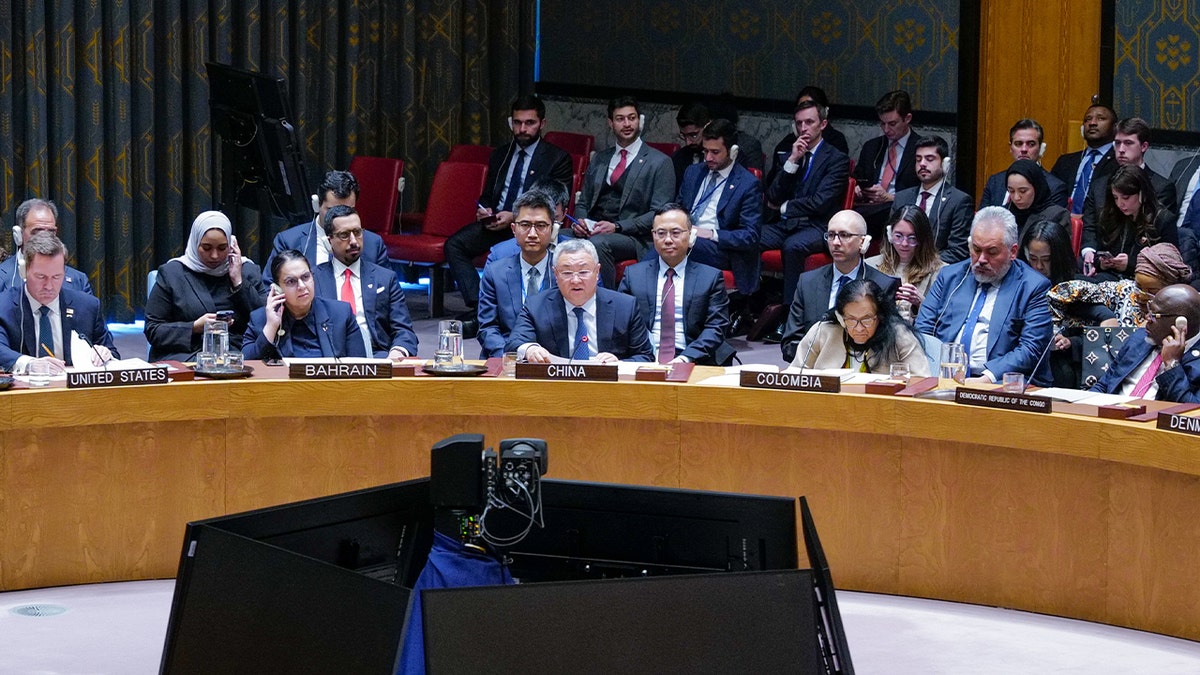
House committee accuses China of using funding and troops to steer U.N. outcomes. (Wang Fan/China News Service/VCG via Getty Images)
The report also lands amid broader questions about the U.S. role at the United Nations under President Donald Trump.
CLICK HERE TO DOWNLOAD THE FOX NEWS APP
«What is the purpose of the United Nations?» Trump asked during an address to the U.N. General Assembly in September 2025.
He argued that the organization is prone to writing «very strongly worded letters» that never lead to action, famously stating that «empty words don’t solve war.»
The U.S. remains the UN’s biggest financial backer — paying roughly 22% of its budget — while also owing billions in unpaid contributions.
The dynamic has effectively turned Washington into both the U.N.’s top funder and one of its biggest debtors, a position that shapes everything from budget fights to influence battles with China.
Fox News Digital reached out to the United Nations and China’s mission to the U.N. for comment.
Chinese officials previously have defended their role at the United Nations, describing China as a supporter of multilateralism and international cooperation.
united nations,china,house of representatives politics
INTERNACIONAL
Rey al rescate: Carlos III viaja a EE.UU. y busca salvar la relación especial tras los insultos de Trump a Starmer
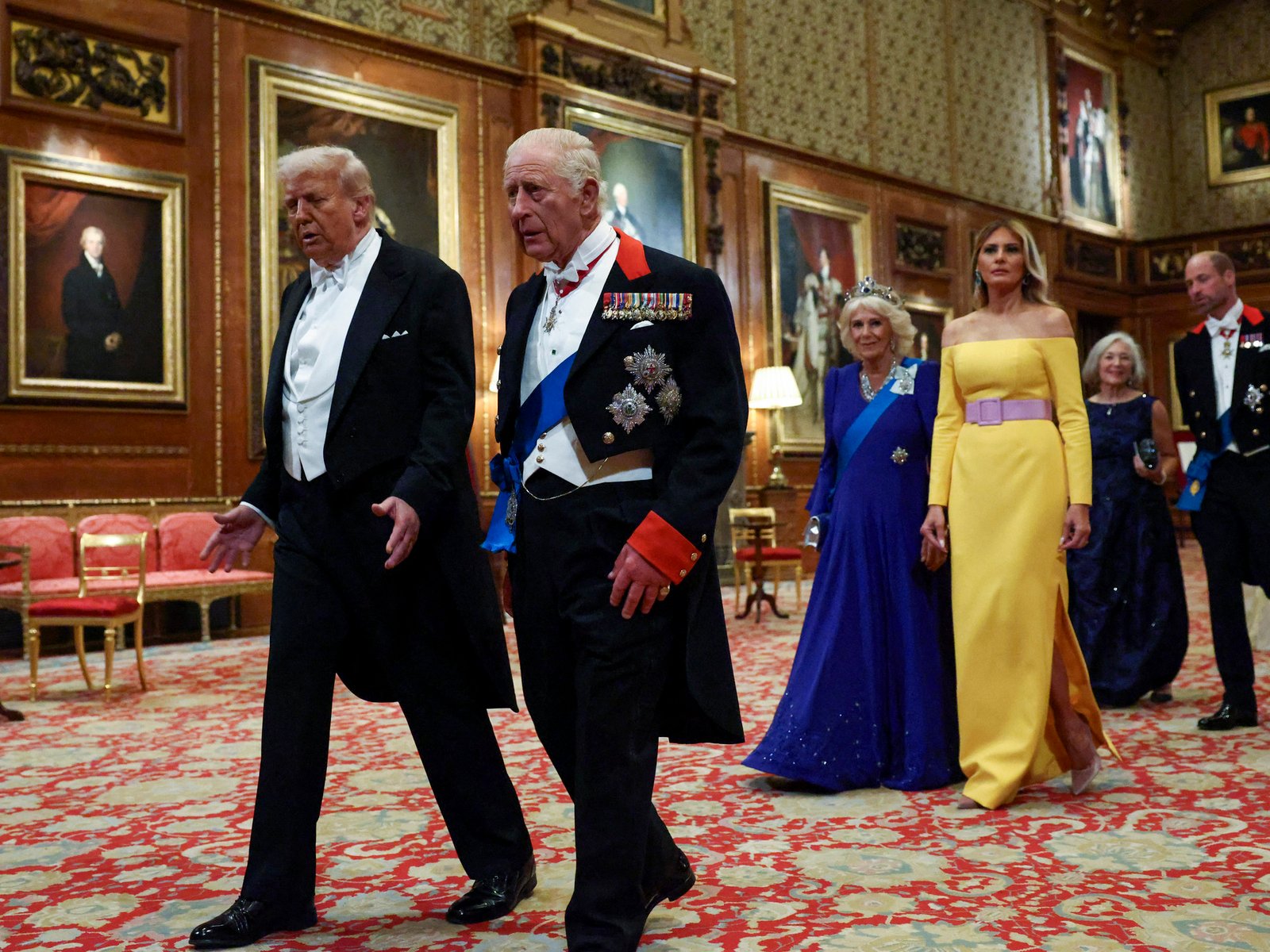
Por los 250 años de la independencia
Poderío militar a cambio de pompa
Calendario alterado
Preparativos difíciles
INTERNACIONAL
Neither the US nor Israel will ‘succeed in replacing the Iranian regime,’ retired US general says
NEWYou can now listen to Fox News articles!
A retired U.S. general predicted that «neither Israel nor the U.S. will fully succeed in replacing the Iranian regime.»
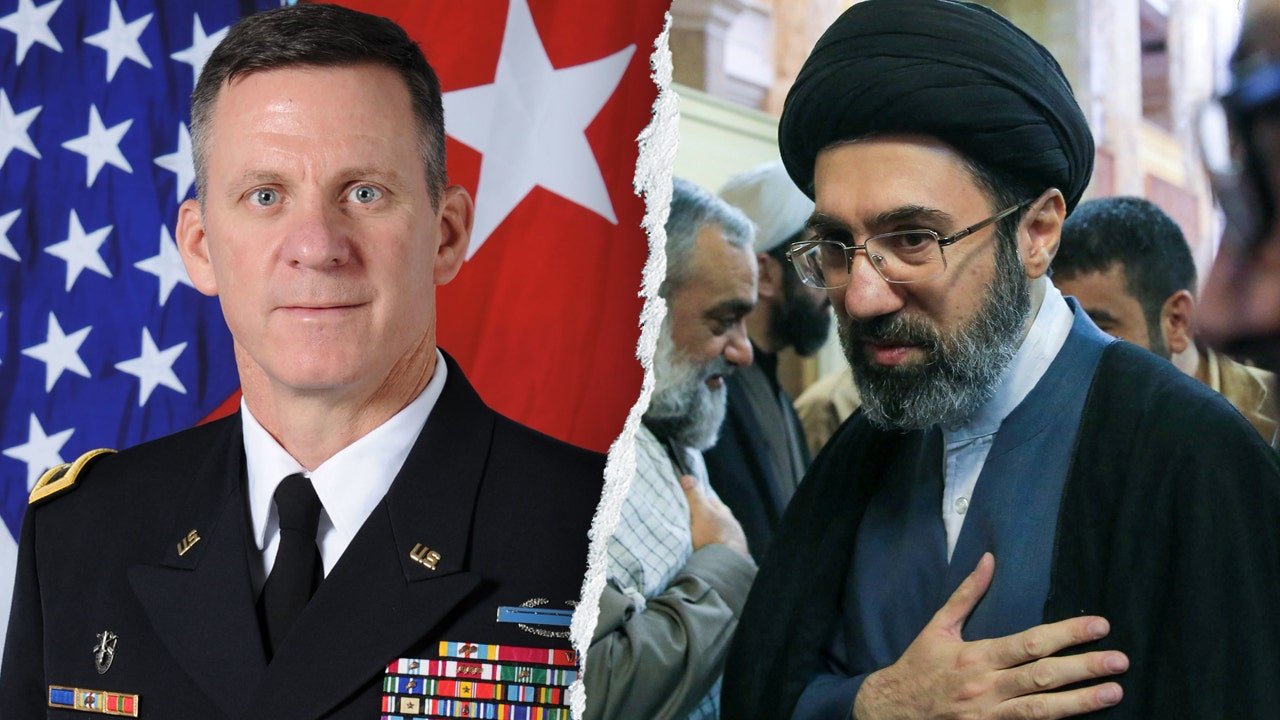
Former Lt. Gen. Mark Schwartz was quoted by the Israel Hayom newspaper as making the remark. The joint U.S. and Israeli missions against Iran, named Operation Epic Fury and Operation Roaring Lion, are in their 20th day Thursday.
«In my professional assessment, neither Israel nor the U.S. will fully succeed in replacing the Iranian regime. The main reason is that there are dozens, if not hundreds, of Iranian religious leaders who can replace the Supreme Leader, the Ayatollah, if he is eliminated,» Schwartz told Israel Hayom.
«No matter how many successors you kill one after another, there will always be another one in line. Iran’s intelligence and security apparatus, the Revolutionary Guards, and the Iranian military also have depth. They are capable of replacing the top of the organization if it is destroyed,» he reportedly added.
IRAN’S SUPREME LEADER MOJTABA KHAMENEI ‘MISFUNCTIONING,’ NOT CONTROLLING REGIME: SOURCES
Retired Lt. Gen. Mark Schwartz, left, and Iran’s new supreme leader, Mojtaba Khamenei, right. (U.S. State Department; Rouhollah Vahdati/ISNA/WANA via Reuters)
Schwartz is a career Green Beret who served in the U.S. Army for 33 years, according to The National Special Forces Green Beret Memorial, where he is the chairman of the advisory board.
The organization said, «During his career, Mark served throughout the Middle East, Europe, and North Africa,» and, «He has had the opportunity to lead strategic planning and operations working with the North Atlantic Treaty Organization, the United Nations, the European Union, and the United States Agency for International Development.»
PENTAGON SEEKS AT LEAST $200 BILLION FROM CONGRESS FOR IRAN WAR
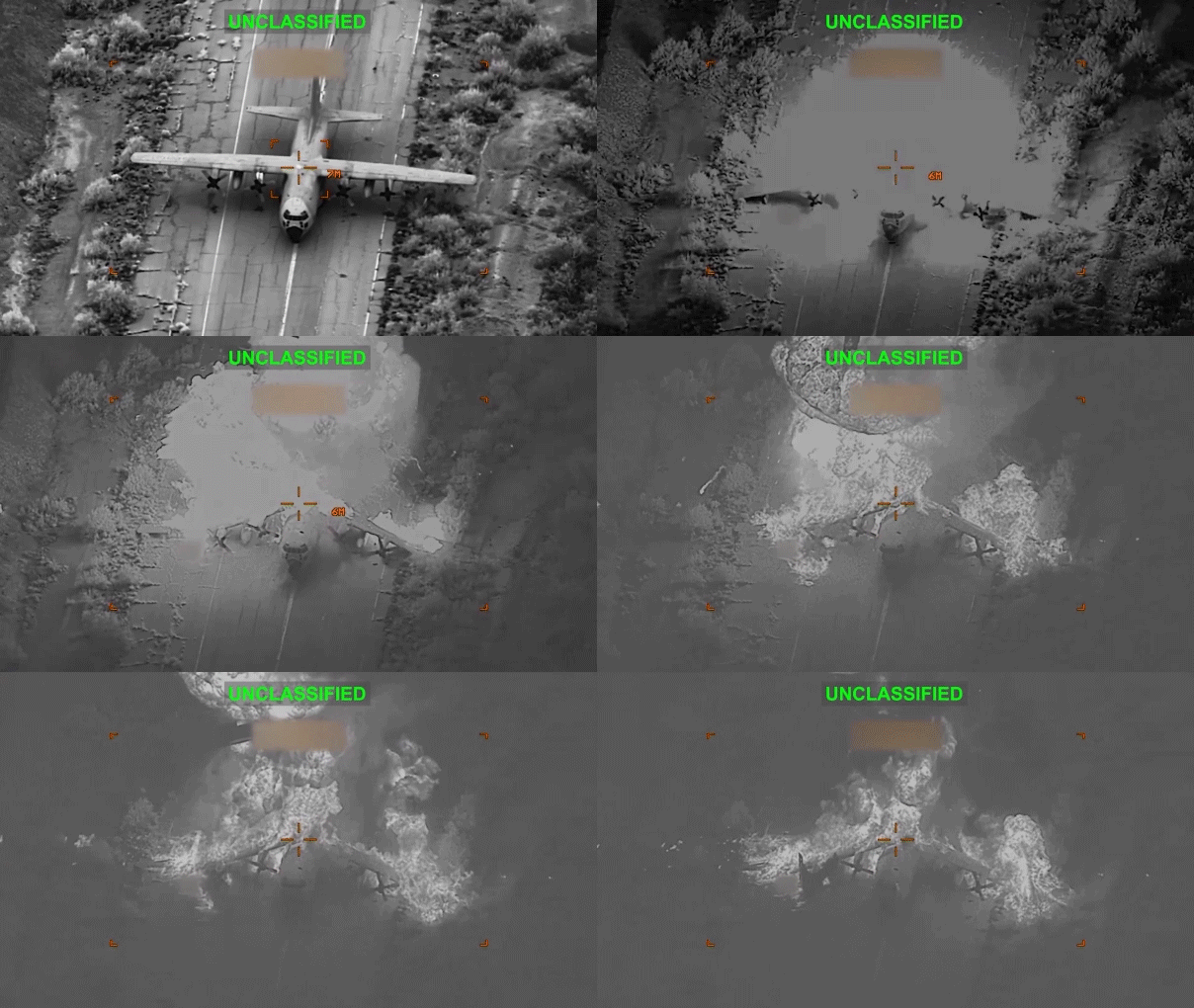
Recent footage shared by U.S. Central Command showed strikes against airplanes during the Iran war. (U.S. Central Command on X)
Director of National Intelligence Tulsi Gabbard had warned Wednesday that if the Iranian regime survives Operation Epic Fury, «it will likely seek to begin a yearslong effort to rebuild its military, missiles and UAV forces.»
Gabbard also said the intelligence community «assesses that Operation Epic Fury is advancing fundamental change in the region that began with Hamas’s attack on Israel on October 7th, 2023, and continued with the 12-day war last year, resulting in weakening Iran and its proxies.»
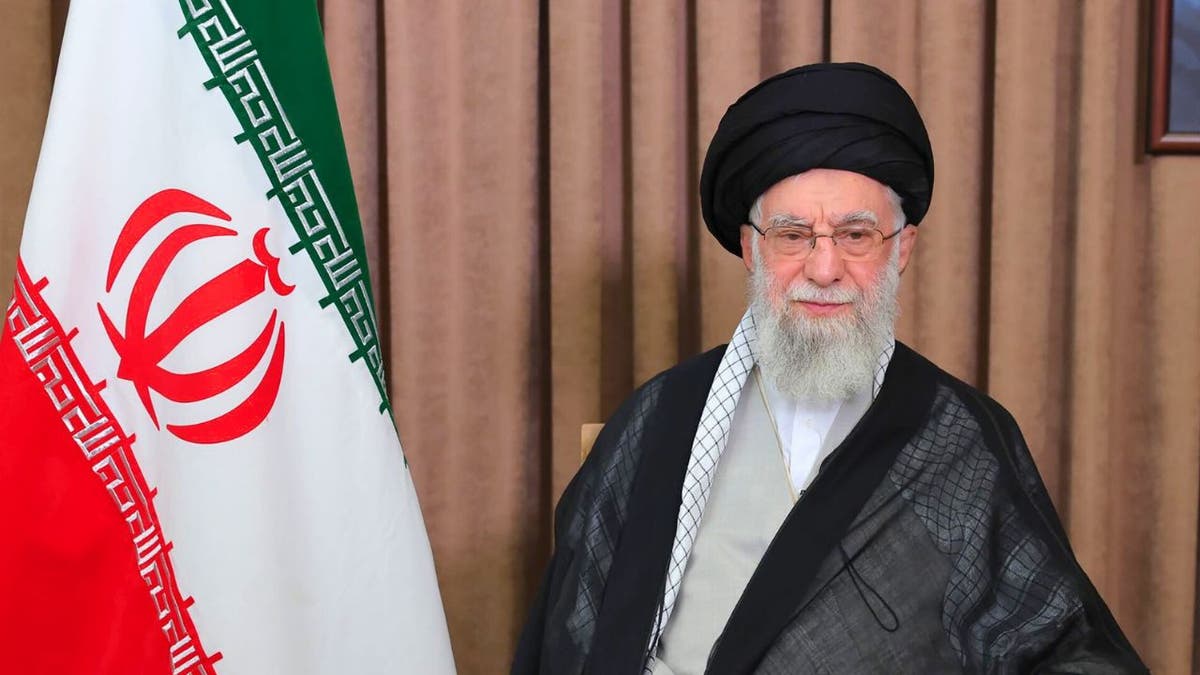
Iran’s Supreme Leader Ayatollah Ali Khamenei was killed at the beginning of Operation Epic Fury on Feb. 28, 2026. ( Office of the Supreme Leader of Iran via Getty Images)
CLICK HERE TO GET THE FOX NEWS APP
The campaign so far has resulted in the killing of former Iranian Supreme Leader Ayatollah Ali Khamenei, who has been replaced by his son, Mojtaba Khamenei.
war with iran,iran,israel,conflicts,middle east,military,world

El Gobierno enviaría mañana la reforma del Código Penal y un paquete de leyes sobre propiedad privada

Beijing leverages UN troops, funding to expand global influence, House report warns

Economía en “clave K”, inflación y riesgo país: las claves de Miguel Kiguel sobre los desafíos que enfrenta el Gobierno

La MLS tendrá una temporada ‘sprint’ de tres meses en 2027

Videos: un partido de fútbol terminó en batalla campal en un club de Villa Lynch

El presidente uruguayo se mostró optimista sobre alcanzar acuerdos con Argentina sobre la planta de Paysandú

TRAICIÓN Y ÉXODO: La promesa rota de Monteoliva que desató una ola masiva de bajas en la Policía Federal

Adorni se disculpó por el viaje de su esposa: “Fue una pésima decisión, más allá de que no generó gasto para el Estado”

Horacio Rodríguez Larreta reapareció y lanzó “Metrópolis”, su nuevo espacio en la Ciudad de Buenos Aires

Insólito: un esquiador británico terminó la Copa del Mundo de Oslo bajo los efectos del alcohol

 POLITICA3 días ago
TRAICIÓN Y ÉXODO: La promesa rota de Monteoliva que desató una ola masiva de bajas en la Policía Federal
- POLITICA3 días ago
Adorni se disculpó por el viaje de su esposa: “Fue una pésima decisión, más allá de que no generó gasto para el Estado”
- POLITICA3 días ago
Horacio Rodríguez Larreta reapareció y lanzó “Metrópolis”, su nuevo espacio en la Ciudad de Buenos Aires