INTERNACIONAL
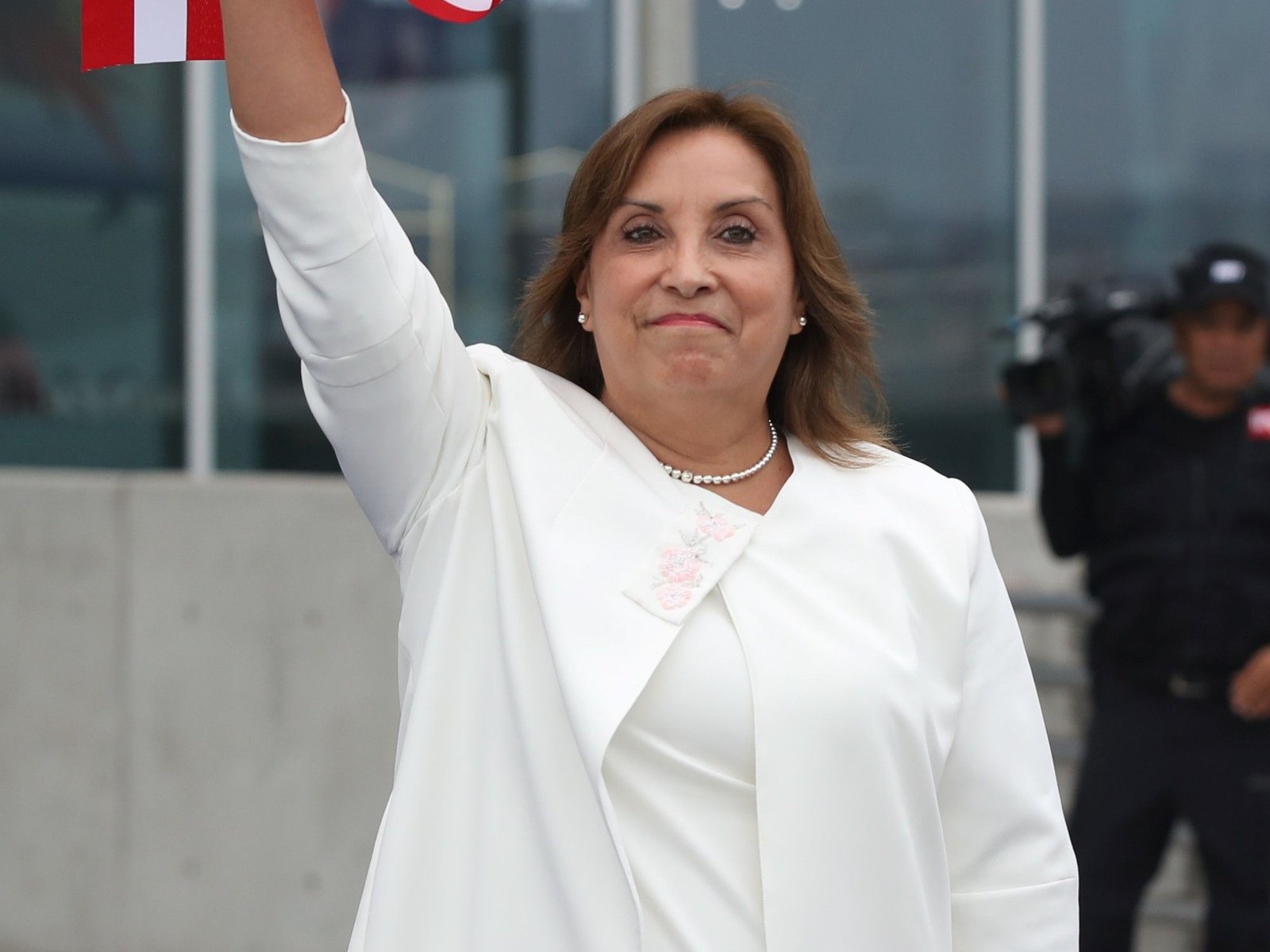
¿La presidenta más impopular del mundo? Dina Boluarte se aferra al poder en Perú



INTERNACIONAL
Jackson-Kavanaugh tensions surface in candid exchange over Supreme Court ‘shadow docket’

NEWYou can now listen to Fox News articles!
Supreme Court Justices Ketanji Brown Jackson and Brett Kavanaugh had a dispute over the high court’s approach to its emergency docket in a rare, candid discussion during an event Monday night.
Jackson, a Biden appointee, signaled that the high court’s willingness to side with President Donald Trump most of the time when it comes to the emergency docket, sometimes known as the «shadow docket,» was a «problem.» The liberal justice is one of three, and all have frequently sided against Trump in emergency decisions, which have often broken 6-3 in favor of the president.
«The administration is making new policy … and then insisting the new policy take effect immediately, before the challenge is decided,» Jackson said, according to reports from the Associated Press and NBC News. «This uptick in the court’s willingness to get involved in cases on the emergency docket is a real unfortunate problem.»
SUPREME COURT’S EMERGENCY DOCKET DELIVERS TRUMP STRING OF WINS AS FINAL TESTS LOOM
Supreme Court Justice Ketanji Brown Jackson. (Tom Williams/CQ-Roll Call, Inc via Getty Images)
Jackson said: «It’s not serving the court or this country well.»
Kavanaugh, a Trump appointee, countered that the Supreme Court’s approach to emergency requests was not unique to the Trump administration and that the high court handled the Biden administration the same way, despite there being fewer interim requests under the former president.
Kavanaugh said presidents «push the envelope» more with executive orders because Congress is passing less legislation.
«Some are lawful, some are not,» Kavanaugh said, later adding, «None of us enjoy this.»
The pair spoke in a courtroom during an annual lecture honoring the late Judge Thomas Flannery of the U.S. District Court of Washington, D.C., while several federal judges, including high-profile ones like Judge James Boasberg, looked on.
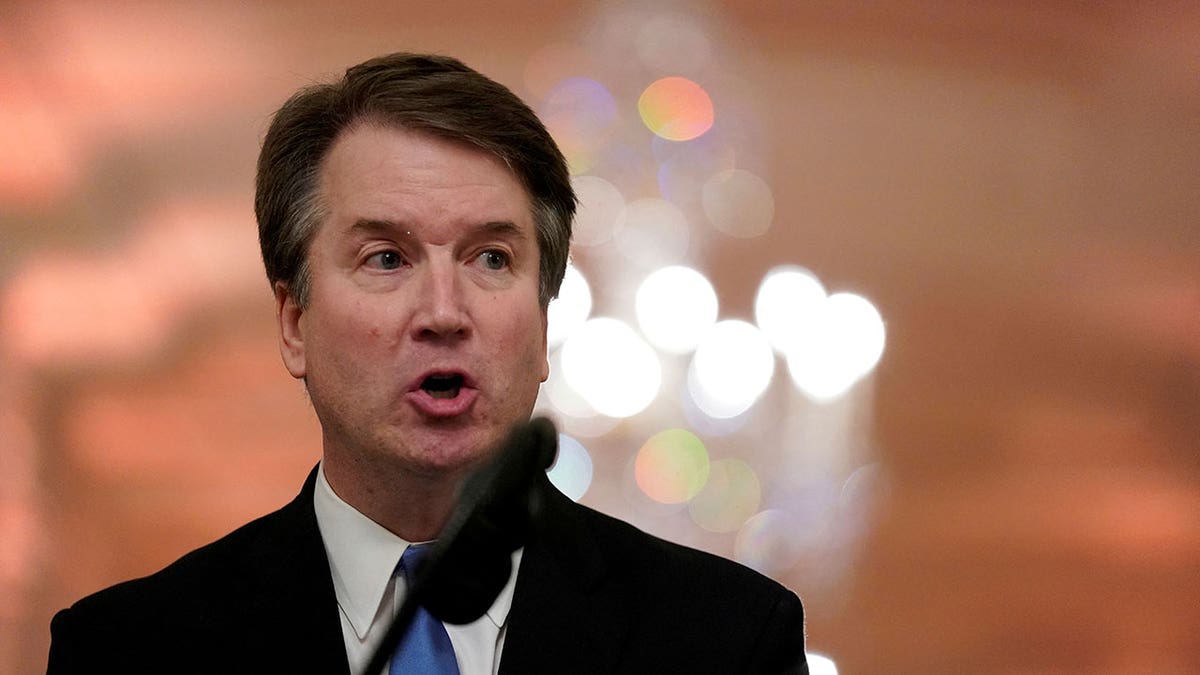
Supreme Court Justice Brett Kavanaugh speaking at microphone. (Reuters)
Jackson’s criticism is not new; she has been perhaps the most vocal dissenter in emergency docket cases.
In August, she lambasted the Supreme Court majority for «lawmaking» from the bench in a dissent to an emergency decision to temporarily allow the National Institutes of Health’s cancellation of about $738 million in grant money.
«This is Calvinball jurisprudence with a twist. Calvinball has only one rule: There are no fixed rules. We seem to have two: that one, and this Administration always wins,» Jackson wrote.
The Trump administration has faced hundreds of lawsuits and adverse rulings in the lower courts, and the Department of Justice’s solicitor general’s office, which represents the government before the Supreme Court, often does not elevate cases to that level.
JACKSON’S SCATHING DISSENT LEVELS PARTISAN CHARGE AT COLLEAGUES AFTER HIGH-PROFILE RULING
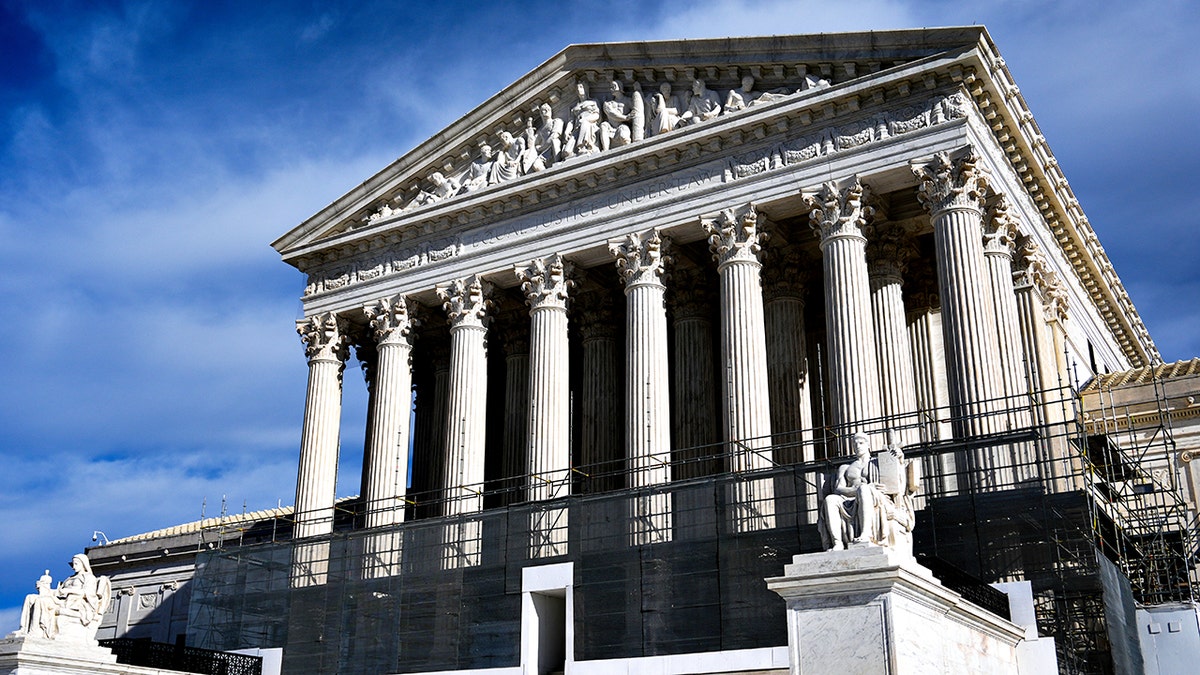
he Supreme Court is seen, Jan. 13, 2026, in Washington. (AP Photo/Julia Demaree Nikhinson, File)
Such emergency requests allow the government to bypass the lengthy court process, involving extensive briefings and oral arguments, to seek immediate relief in the face of restraining orders and injunctions in the lower courts.
The Trump administration has brought about 30 emergency applications to the Supreme Court and secured victories about 80% of the time, according to the Brennan Center for Justice.
CLICK HERE TO GET THE FOX NEWS APP
Through the emergency docket, the Supreme Court has greenlit Trump’s mass firings and curtailed nationwide injunctions. The high court has also cleared the way for deportations and immigration stops viewed as controversial by critics of the administration. The justices have also found that the government can, for now, discharge transgender service members from the military.
But Trump has not won out all the time by taking this route. The justices required the administration to give more notice to alleged illegal immigrants being deported under the Alien Enemies Act and agreed with a lower court that the president improperly federalized the National Guard as part of his immigration crackdown in Chicago.
supreme court,donald trump,federal judges,politics
INTERNACIONAL
La mayor petrolera del mundo advirtió sobre consecuencias “catastróficas” de la guerra ante nuevos ataques iraníes a refinerías

Los mercados financieros globales revirtieron parte de su optimismo del martes luego de que una serie de señales contradictorias sobre el curso de la guerra en Oriente Medio volvieron a sembrar la incertidumbre: el ataque con drones a la refinería más grande de los Emiratos Árabes Unidos, la advertencia del gigante petrolero Saudi Aramco sobre consecuencias “catastróficas” para la economía mundial y las declaraciones del primer ministro israelí, Benjamín Netanyahu, quien aseguró que la ofensiva militar contra Irán “aún no ha terminado”.
En las primeras operaciones, el Dow Jones cedía un 0,44%, el Nasdaq fluctuaba casi sin cambios y el S&P 500 perdía 0,26%. Los tres índices habían llegado a mostrar caídas más pronunciadas en la preapertura luego de una noche en verde que parecía prever una recuperación.
Pero el detonante negativo fue el reporte de medios estatales iraníes sobre la explosión de un buque cisterna cerca de Abu Dhabi, que agravó las dudas sobre la confianza del presidente Donald Trump en que el conflicto podría terminar “muy pronto”.
A eso se sumó el ataque con drones que provocó un incendio en la zona industrial de Ruwais, en los Emiratos Árabes Unidos, y obligó a detener operaciones en la refinería más grande del complejo, operada por la compañía estatal Abu Dhabi National Oil Co. (ADNOC). La planta tiene capacidad para procesar 922.000 barriles de petróleo por día. Las autoridades de Abu Dhabi confirmaron el incendio pero indicaron que no había víctimas.
El incidente se suma a una cadena de ataques contra infraestructura energética en el Golfo Pérsico. Arabia Saudita cerró la semana pasada su mayor refinería tras un bombardeo similar, y Qatar clausuró la mayor planta exportadora de gas natural licuado del mundo.

En ese contexto, el director ejecutivo de Saudi Aramco, Amin Nasser, advirtió en una llamada de resultados que el conflicto tendría “consecuencias catastróficas” para el mercado petrolero y efectos “drásticos” sobre la economía global si se prolongaba. Nasser informó que la compañía trabaja para despachar en los próximos días alrededor del 70% de sus exportaciones habituales a través del puerto de Yanbu, en el Mar Rojo, ruta alternativa ante el bloqueo efectivo del Estrecho de Ormuz, por donde normalmente transita una quinta parte del petróleo mundial.
El crudo, que llegó a rozar los 120 dólares por barril el lunes, operaba este martes sobre los 90 dólares, luego de la caída generada por los comentarios de Trump. El petróleo de referencia estadounidense WTI cotizaba por encima de los 90 dólares por barril, mientras que el Brent internacional superaba los 93 dólares, ambos recuperando parte de las pérdidas nocturnas. Desde el inicio de la guerra, los precios acumulan una suba de alrededor del 34%.
El secretario de Defensa, Pete Hegseth, anunció desde el Pentágono que este martes será “el día más intenso de ataques dentro de Irán” desde el inicio de la guerra. Confirmó que Trump “tiene el control del acelerador” y declinó precisar si la operación está en su inicio, mitad o final. El general Dan Caine agregó que las fuerzas estadounidenses siguen atacando buques minadores iraníes y que la marina de Teherán ha sido golpeada con “artillería, cazas, bombarderos y misiles lanzados desde el mar”. Hegseth acusó además a Irán de desplazar lanzacohetes cerca de escuelas y hospitales para dificultar los ataques estadounidenses.
Netanyahu declaró este martes que la ofensiva “aún no ha terminado” e inició una nueva oleada de ataques sobre Teherán, en contraste con el tono más conciliador que Trump había adoptado un día antes al afirmar que consideraba la guerra “prácticamente completa”. Irán, por su parte, mantuvo su desafío: un portavoz de los Guardianes de la Revolución sostuvo que Teherán no permitirá que “ni un litro” de petróleo de la región llegue a Estados Unidos o sus aliados mientras continúen los ataques, y reafirmó que serán ellos quienes “determinen el fin de la guerra”.
Los mercados europeos y asiáticos habían abierto con ganancias, alentados por las palabras de Trump, pero el ánimo fue enfriándose a medida que avanzaba la jornada. El galón de gasolina en Estados Unidos subía este martes a 3,54 dólares en promedio, según el club automovilístico AAA, frente a los menos de 3 dólares registrados antes del inicio del conflicto.
Middle East
NEWYou can now listen to Fox News articles!
Vietnam’s trade ministry is urging businesses to encourage employees to work from home to curb fuel consumption as the country grapples with supply disruptions and sharp price increases triggered by the U.S.-Israeli war involving Iran.
In a statement on Tuesday, the government said Vietnam has been among the nations hardest hit by the turmoil due to its heavy reliance on energy imports from the Middle East. Citing a report from the Ministry of Industry and Trade, it called on companies to «encourage work-from-home when possible to reduce the need for travel and transportation.»
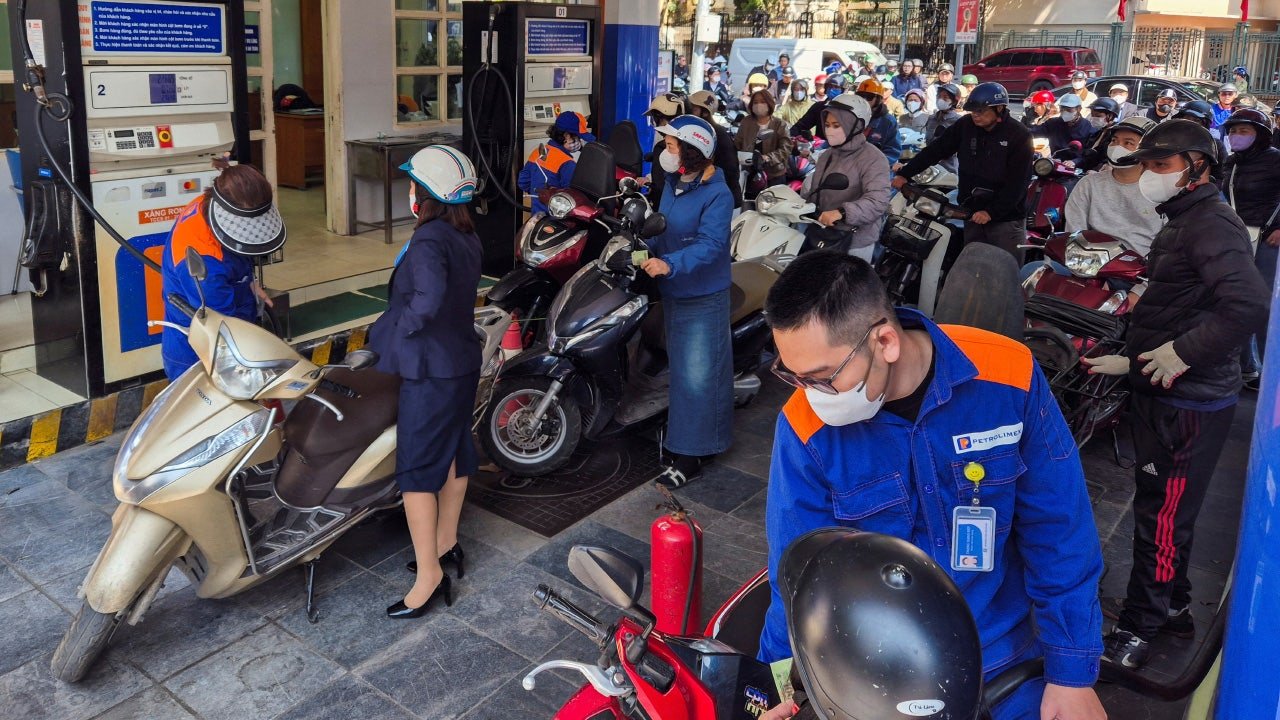
Fuel prices have surged since the end of last month, with gasoline up 32%, diesel rising 56% and kerosene climbing 80%, according to data from Petrolimex, the country’s top fuel trader. Long lines of cars and motorbikes were seen at petrol stations in Hanoi on Tuesday.
The ministry also urged businesses and individuals not to hoard or speculate on fuel.
People queue to buy petrol at a petrol station after Vietnam’s trade ministry called on local businesses to encourage their employees to work from home to save fuel amid disruptions in supply and price surges triggered by the U.S.-Israeli conflict with Iran, in Hanoi, Vietnam, March 10, 2026. (REUTERS/Khanh Vu)
GAS PRICES COULD JUMP AS MIDDLE EAST TENSIONS THREATEN GLOBAL OIL SUPPLY
Prime Minister Pham Minh Chinh on Monday held calls with leaders of Kuwait, Qatar and the United Arab Emirates to secure additional fuel and crude oil supplies. The government has also removed import tariffs on fuels through the end of April in a bid to ease pressure on the market.
President Donald Trump’s strikes on Iran have made for volatile crude markets, with prices surging to $120 a barrel in the U.S. over the weekend before dipping back to just over $80 on Monday night as Trump spoke to a Republican retreat in Florida.
Prices have stabilized after Trump assured investors the Strait of Hormuz will be safe for oil tankers in the Middle East, a notorious choke point for the largely dismantled Iranian regime.
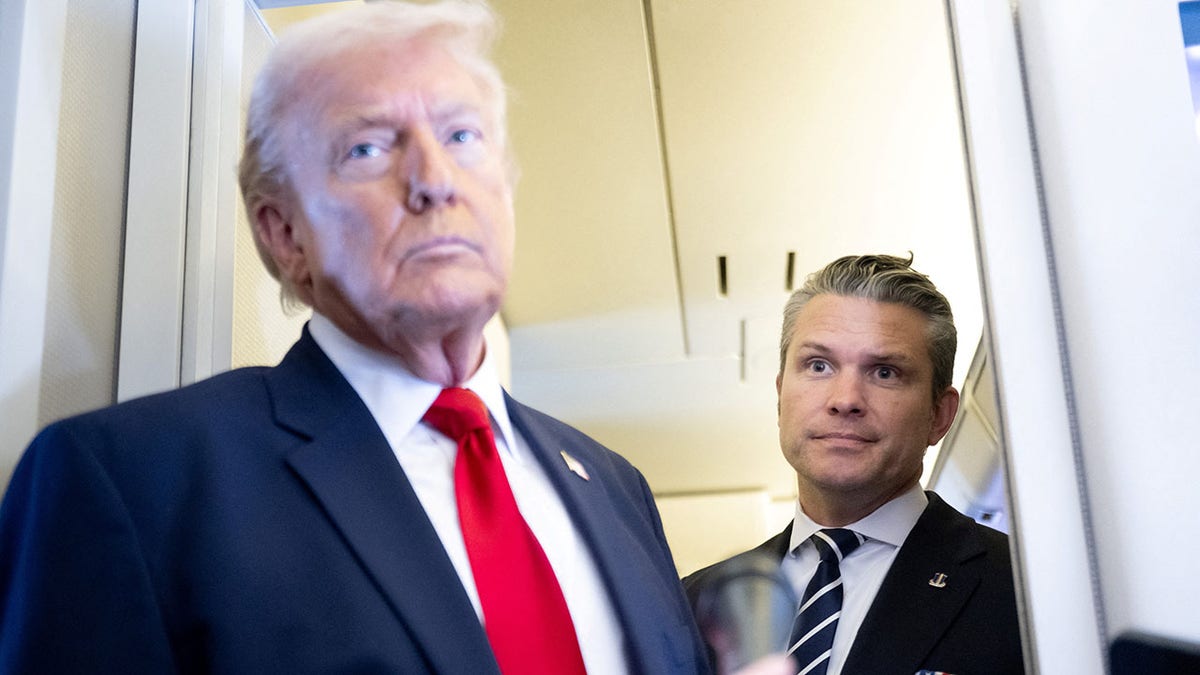
President Donald Trump addresses reporters aboard Air Force One last week as War Secretary Pete Hegseth looks on. (SAUL LOEB / AFP via Getty Images)
TRUMP IS REALIGNING WORLD ENERGY MARKETS AND THE IRAN STRIKES ARE ACTUALLY HELPING
The situation in the region remains tenuous as Iran has announced Mojtaba Khamenei as the next supreme leader, a decision that Trump told Fox News that he «was not happy» about.
«I don’t believe he can live in peace,» Trump said from Air Force One.
Iran’s Revolutionary Guard said Tuesday they would not let any oil out of the Middle East until U.S. and Israeli attacks cease, a threat that had prompted Trump to threaten to hit Iran «20 times harder» if it blocked exports.
US SIGNALS READINESS TO ESCORT TANKERS THROUGH HORMUZ AS TRAFFIC THINS BUT NO MISSION LAUNCHED
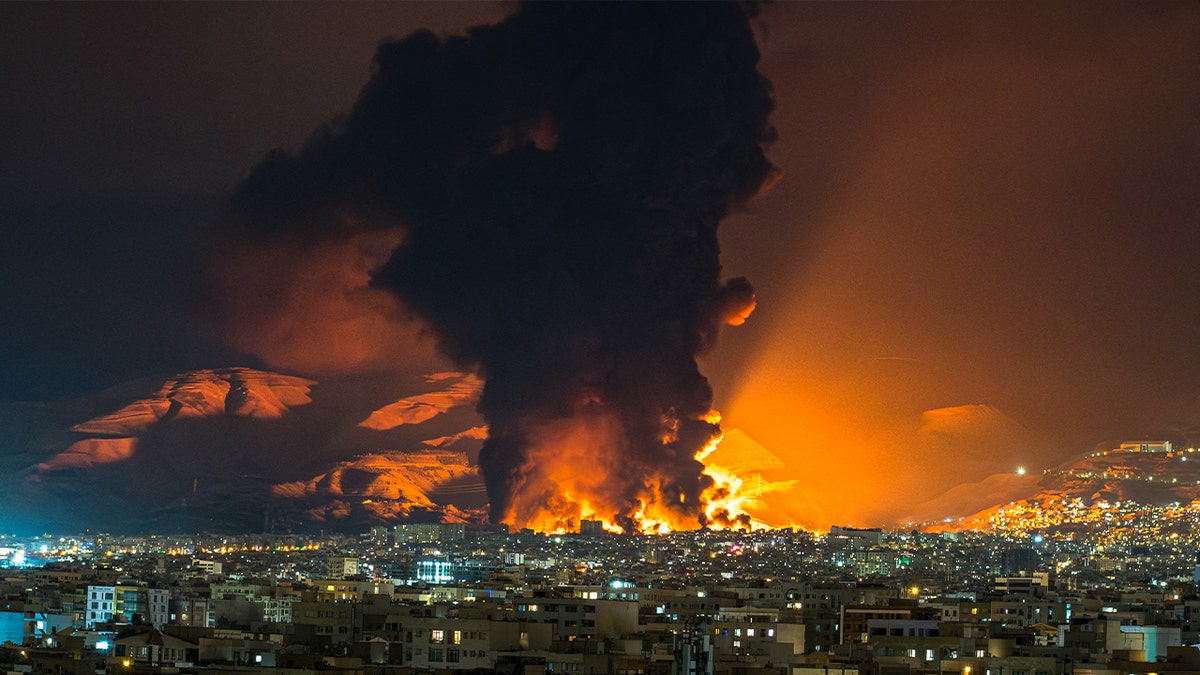
Strikes on the Iranian leadership, the IRGC, and Iranian naval vessels and oil infrastructure have roiled the markets. ( Sasan / Middle East Images / AFP via Getty Images)
Despite the defiant rhetoric from both sides, investors placed strong bets Tuesday that Trump would call off his war soon, before the unprecedented disruption it has caused to energy supplies causes a global economic meltdown.
«I’m hearing they want to talk badly,» Trump said, as the Department of War has claimed 50 Iranian naval vessels have been sunk and Trump is suggesting the war objections are weeks ahead of schedule, if not nearly «complete.»
CLICK HERE TO DOWNLOAD THE FOX NEWS APP
«It’s possible,» Trump added of engaging the new Iranian leadership, descendants of the deceased leaders, but said it «depends on what terms, possible, only possible.»
«You know, we sort of don’t have to speak anymore, you know, if you really think about it, but it’s possible,» he said.
Fox News’ Trey Yingst and Reuters contributed to this report.
world,donald trump,war with iran,finance global economy

Jackson-Kavanaugh tensions surface in candid exchange over Supreme Court ‘shadow docket’

Endeudada y con cheques sin cubrir, láctea emblemática reduce al mínimo la labor y negocia su venta

Causa Cuadernos: el Tribunal rechazó las objeciones de Cristina Kirchner y el resto de los acusados

La guerra que “termina”, el uranio que falta y el cisne negro del petróleo

Sebastián Báez cayó ante Daniil Medvedev y ya no quedan argentinos en el cuadro de singles de Indian Wells

La mayor petrolera del mundo advirtió sobre consecuencias “catastróficas” de la guerra ante nuevos ataques iraníes a refinerías

La cruda confesión de Amalia Granata por el trastorno que sufre su hijo Roque: “Le hicimos estudios y salió que tiene TDAH, dislexia y disgrafia”

Wanda Nara involucrada en la separación de su hijo Valentino: su ex nuera contó toda la verdad

«Crisis industrial masiva»: alarmante informe de la UBA se mete en la pelea de Milei con la UIA

El mercado le está corriendo el arco a Caputo y el riesgo país no baja: en la City palpitan medidas

 CHIMENTOS2 días ago
La cruda confesión de Amalia Granata por el trastorno que sufre su hijo Roque: “Le hicimos estudios y salió que tiene TDAH, dislexia y disgrafia”
- ECONOMIA2 días ago
El mercado le está corriendo el arco a Caputo y el riesgo país no baja: en la City palpitan medidas
- CHIMENTOS2 días ago
¿Fraude? Robertito Funes Ugarte contó todo sobre el “porro” y el celular dentro de Gran Hermano: “Se dice que les pasan información a los chicos”