INTERNACIONAL
Legal experts react to Trump’s SCOTUS clash and tariff pivot in fiery SOTU

NEWYou can now listen to Fox News articles!
Legal experts and commentators toed a careful line Wednesday in responding to President Donald Trump’s State of the Union address, with many using the moment to weigh in on the broader legal and political climate itself, rather than Trump’s actual remarks.
Some of the biggest moments of Trump’s address included his response to the Supreme Court’s 6–3 ruling that invalidated his use of a 1977 emergency law to impose tariffs on most U.S. trading partners, as well as his administration’s crackdown on violent crime in major U.S. cities, among other things.
«This is the golden age of America,» Trump proclaimed Tuesday night. «And you’ve seen nothing yet. We’re going to do better, and better, and better.»
Trump struck a notably measured tone in responding to the Supreme Court’s tariff ruling during the State of the Union, briefly describing the 6–3 majority decision as «unfortunate» before pivoting to highlight the 10% import fees his administration had announced shortly after the high court’s ruling under Section 122 of the U.S. Trade Act of 1974.
«Countries that were ripping us off for decades are now paying us hundreds of billions of dollars,» Trump said of the tariffs, which he previously described as «life or death» for the nation’s economy.
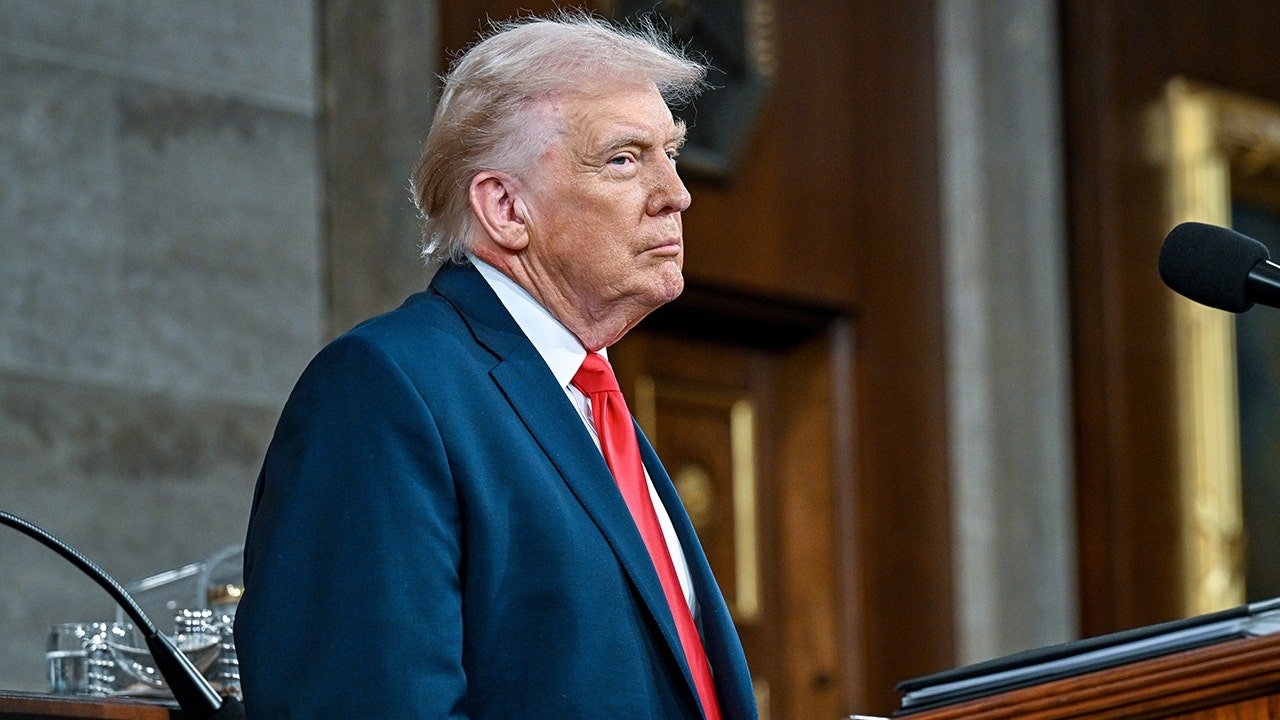
Four of the nine Supreme Court justices present for the State of the Union, including Chief Justice John Roberts, Justice Elena Kagan and Justice Amy Coney Barrett, who had ruled against Trump’s use of IEEPA to enact his tariffs. ( Chip Somodevilla/Getty Images)
«The good news is that almost all countries and corporations want to keep the deal that they already made» with the U.S., Trump said Tuesday night, «knowing that the legal power that I as president have to make a new deal could be far worse for them.»
«Therefore, they will continue to work along the same successful path that we had negotiated before the Supreme Court’s unfortunate involvement,» he added.
Four of the nine Supreme Court justices present for the State of the Union, including Chief Justice John Roberts, Justice Elena Kagan and Justice Amy Coney Barrett, who had ruled against Trump’s use of the International Emergency Economic Powers Act, or IEEPA, to unilaterally enact his tariffs.
Trump’s comments marked a shift from his more abrasive tone in the immediate aftermath of the tariff decision, when he said the high court was «incompetent» and that the majority should be «absolutely ashamed» of themselves «for not having the courage to do what’s right for our country.»
TRUMP TAKES DIRECT SOTU SWIPE AT DEMOCRATS OVER TAXES: ‘TO HURT THE PEOPLE’
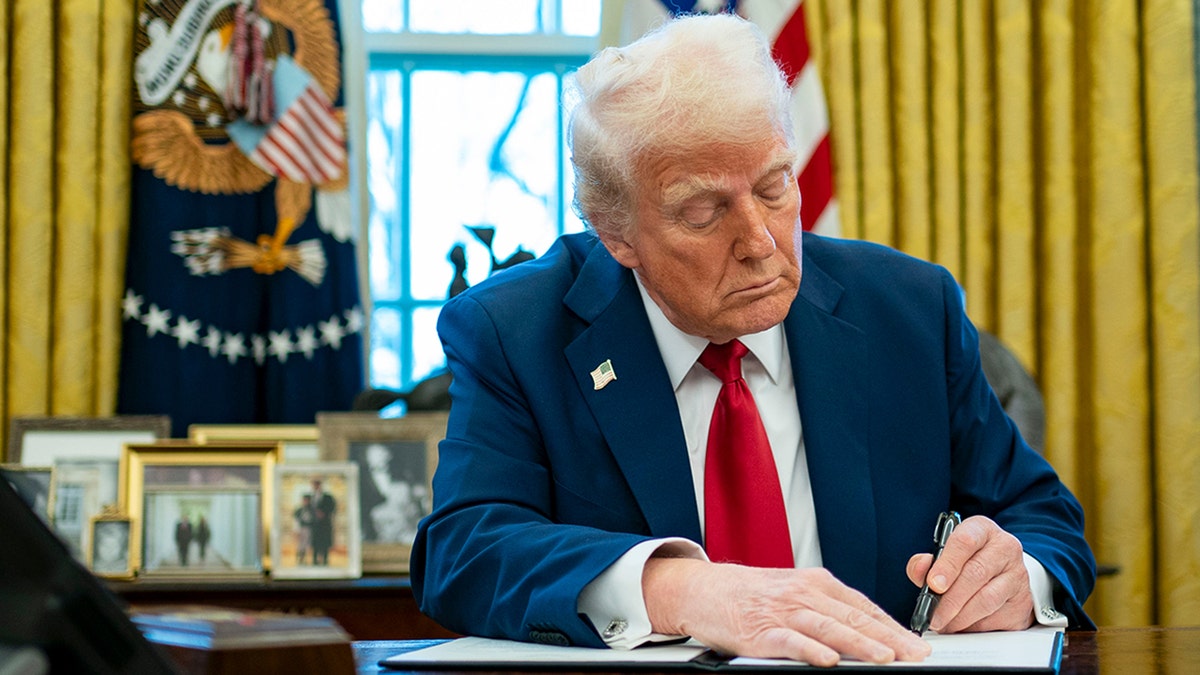
Legal experts and commentators toed a careful line Wednesday in responding to President Donald Trump’s State of the Union address. (Bonnie Cash/UPI/Bloomberg via Getty Images)
Trump’s remarks during the State of the Union were a nod to his new tariffs he invoked under Section 122, or a statute that allows a sitting president to impose sweeping tariffs for up to 150 days in response to either large or serious U.S. «balance-of-payments deficits,» or in response to situations that pose «fundamental international payments problems» for the U.S. Congress can extend them once the 150-day period ends.
But some experts have questioned the legality of using Section 122 to invoke the broad global tariffs — signaling what could be more legal challenges to come.
Gita Gopinath, Harvard economics professor and former senior International Monetary Fund official, noted on social media: «As long as there is plenty of demand for US debt and equities, which is the case, the US does not have a ‘payments’ problem. It can finance its trade deficits easily.»
«The first thing to note is that the statute does not apply to the current US international payments position,» the Peterson Institute’s Kimberly Clausing and Maurice Obstfeld said Monday. «Indeed, the president’s own lawyers argued in the IEEPA case that Section 122 was no substitute for IEEPA, since balance of payment deficits are conceptually distinct from the current account and trade deficits that Trump has characterized as an emergency.»
Separately, Senate Minority Leader Chuck Schumer, D-N.Y., vowed that his caucus would not approve Trump’s bid to extend tariffs beyond the 150-day period.
«We will not extend those tariffs,» Schumer declared, urging Republicans to join Democrats in blocking them.
Schumer linked the tariffs to higher costs of groceries, cars, and homes.
«Americans are suffering, because (Trump) is raising tariffs,» Schumer said.
Trump also used his remarks to tout the significant drop-off in violent crime during his first year back in the White House, reiterating his administration’s claim that the U.S. murder rate dropped to its lowest point in 125 years in 2025.
FROM GRIEF TO GOLD MEDALS, TRUMP’S SOTU GUEST LIST TELLS A BIGGER STORY
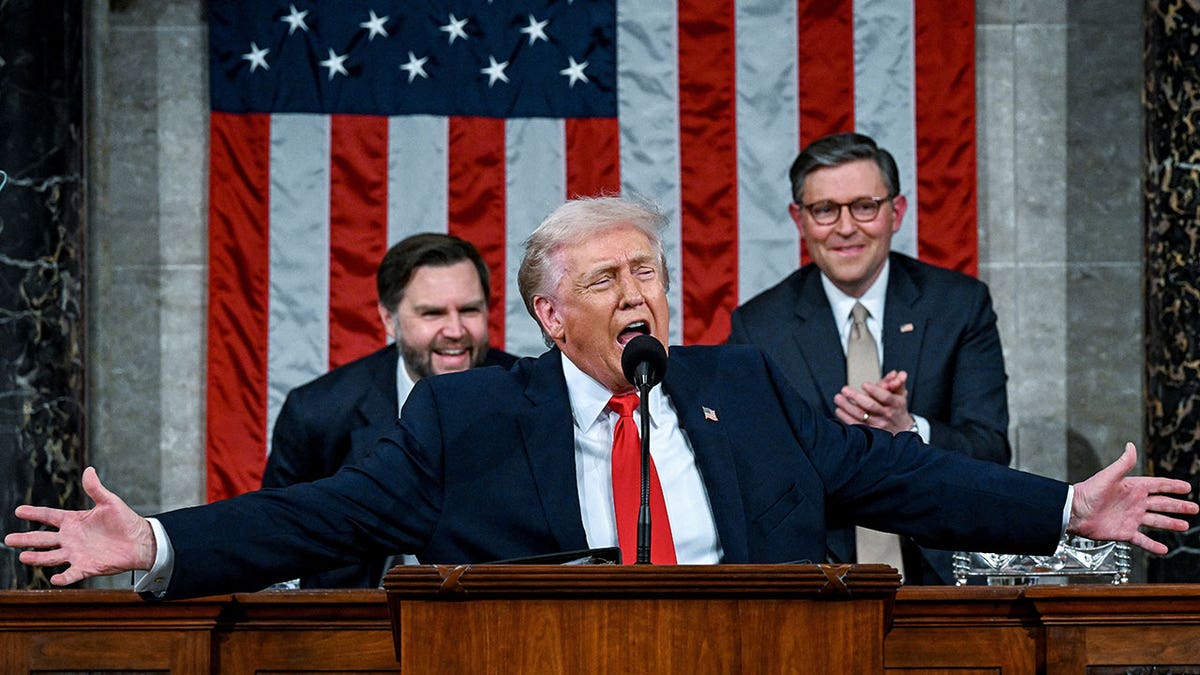
President Donald J. Trump delivers the first State of the Union address of his second term to a joint session of Congress. (Kenny Holston /Pool via Reuters)
White House press secretary Karoline Leavitt previously pointed Fox News Digital and other outlets to recent data from the Council on Criminal Justice that she said shows that Trump is «delivering overwhelmingly on his promise» to restore law and order in the U.S.
«A study from the Council on Criminal Justice shows that the murder rate across America’s largest cities plummeted in 2025 to its lowest level since at least 1900,» Leavitt told reporters. «Let me repeat to put this in perspective, this marks the largest single-year drop in murders in recorded history.»
Nationwide homicide data released later in 2026 could show killings in 2025 falling to roughly 4.0 per 100,000 residents – the lowest rate ever recorded in law enforcement or public health data dating back to 1900 and the largest single-year percentage drop on record.
CLICK HERE TO GET THE FOX NEWS APP
Reactions to the speech — and Trump’s policies — vary, but the president did win some praise from across the aisle.
«As a voter, I may not like him. I may find his long form exhausting. But when he speaks, he never wavers from American exceptionalism,» Michael Ceraso, a Democratic strategist with a background in speechwriting, told Fox News Digital.
«I see someone protecting our cities against those he deems a threat to democracy, revving up the economy, managing global partners, and defeating terrorism.
Fox News Digital’s Charlie Creitz, Emma Colton and Michael Ruiz contributed to this report.
Related Article
donald trump,politics,supreme court,national security,economy,congress







INTERNACIONAL
Una serie de denuncias por presunto acoso sexual contra periodistas mujeres sacude a los medios de Colombia
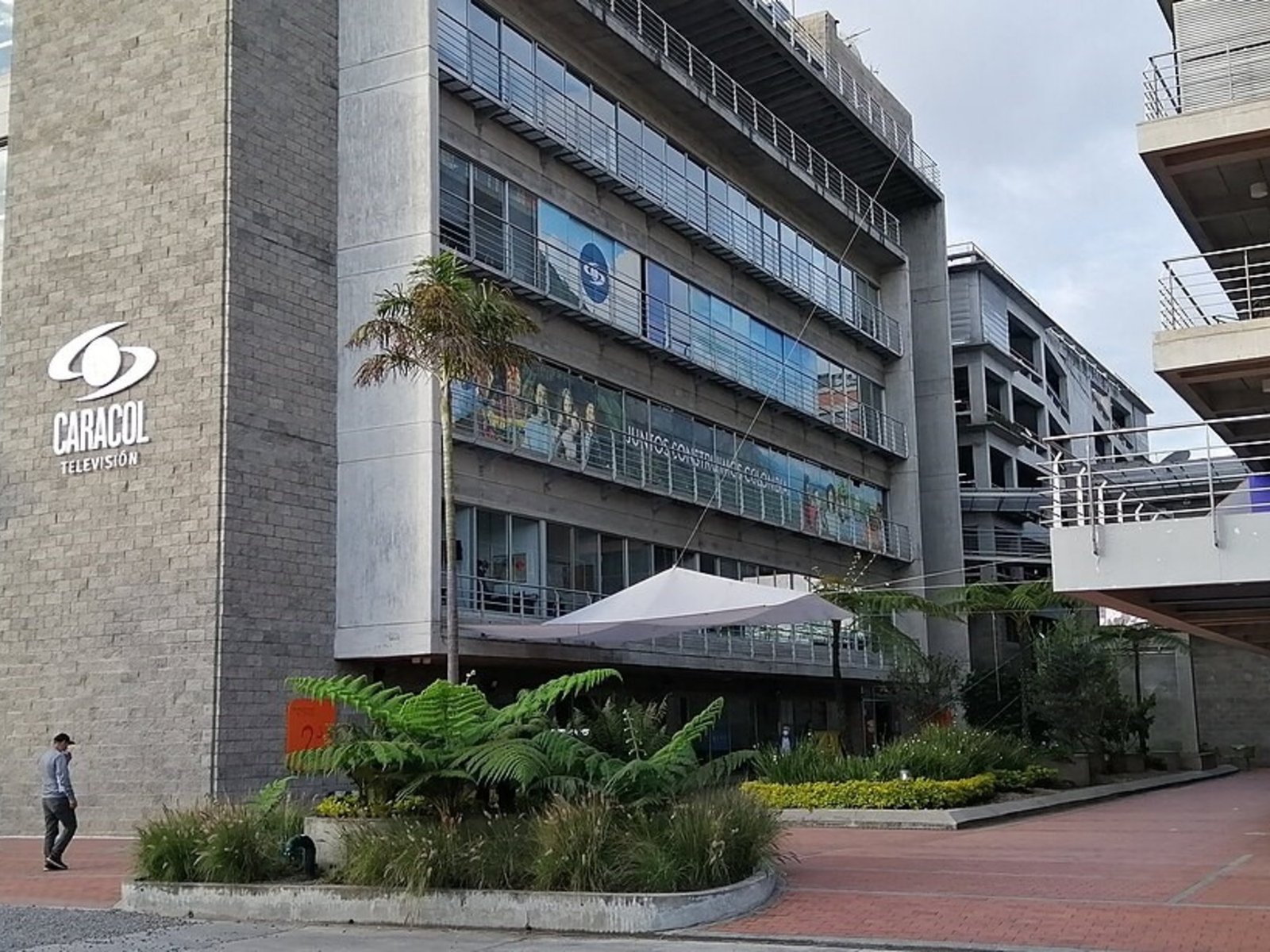
Una serie de denuncias de presunto acoso sexual en medios de comunicación colombianos sacuden por estos días al gremio periodístico y provocaron una ola de pronunciamientos, cartas públicas y movimientos de apoyo a las víctimas que apuntan a un problema estructural en las redacciones del país.
El caso más reciente involucra a Caracol Televisión, que confirmó -en un comunicado publicado el pasado viernes en la mañana- la activación de sus protocolos internos tras recibir denuncias contra dos periodistas y presentadores por presunto acoso sexual.
La empresa indicó, en la misma nota, que está llevando a cabo investigaciones «con garantías de confidencialidad, debido proceso y acompañamiento a las posibles víctimas».
En paralelo, salieron a la luz testimonios de periodistas que denuncian conductas inapropiadas en los medios, incluido el relato de una comunicadora que aseguró haber sido besada sin su consentimiento por un presentador, un hecho ocurrido en instalaciones vinculadas al canal.
Según estos testimonios, que también mencionan otros episodios similares, el miedo a represalias y a perder oportunidades laborales ha sido un factor clave para no denunciar oportunamente, lo que reavivó el debate sobre la eficacia de los mecanismos internos en los medios.
El director de Noticias Caracol, Juan Roberto Vargas, calificó este domingo como «doloroso» el caso y afirmó que la compañía actuará con rigor.
«Estamos del lado de las víctimas (…) se tomaron las medidas de rigor con protocolos laborales y legales muy estrictos», señaló, y añadió que se adoptarán «las decisiones que haya que tomar con severidad».
En medio de la controversia, más de 40 mujeres periodistas firmaron una carta pública en la que denuncian un patrón de silenciamiento frente a las violencias basadas en género en el sector y piden garantías para quienes deciden hablar.
El documento señaló que, tras denunciar, algunas mujeres han enfrentado presiones, amenazas y procesos judiciales, lo que consideran una forma de revictimización.
«Es urgente garantizar condiciones seguras y justicia con enfoque de género para las víctimas que denuncian acoso en el ejercicio periodístico», señalaron las firmantes, entre ellas María Jimena Duzán, Jineth Bedoya Lima y Catalina Ruiz-Navarro.
En ese contexto, la carta alude al caso del gerente del sistema de medios públicos RTVC, Hollman Morris, y advirtió sobre los riesgos que enfrentan quienes denuncian. En redes sociales, Duzán afirmó que Morris había acudido a «acciones sistemáticas para silenciar a las mujeres que lo denuncian».
Asimismo, las firmantes cuestionan lo que describen como respaldo institucional a los señalados y advierten sobre la persistencia de la impunidad en casos de violencia contra las mujeres en el ámbito laboral, al tiempo que piden a la justicia actuar con enfoque de género.
Por su parte, el Colegio Nacional de Periodistas de Colombia expresó su «profunda preocupación» por los hechos y aseguró que evidencian una problemática estructural que ha sido silenciada durante años.
El gremio pidió «cero tolerancia» frente al acoso y la violencia de género en el ejercicio periodístico, así como investigaciones transparentes, garantías de protección para las víctimas y entornos laborales seguros.
«El silencio no puede seguir siendo la norma. Denunciar no es traicionar el oficio, es dignificarlo«, señaló la organización.
Al mismo tiempo, periodistas impulsan en redes sociales iniciativas como #MeTooColombia y #YoTeCreoColega, con las que buscan visibilizar casos de acoso y crear redes de apoyo.
Como parte de esta iniciativa, se habilitó un correo electrónico para recibir testimonios de forma confidencial, con el objetivo de recopilar denuncias y promover acciones concretas dentro del sector.
Las impulsoras del movimiento advierten que durante años «depredadores sexuales» se ampararon en el poder de sus cargos y en el silencio institucional, y subrayan que el momento actual representa una oportunidad para transformar esa realidad.
Con información de la agencia EFE
INTERNACIONAL
UK nuclear submarine deployed to Arabian Sea before Iran targets key US-UK base: reports

NEWYou can now listen to Fox News articles!
A British nuclear-powered submarine has been deployed to the Arabian Sea amid rising tensions in the region and came ahead of Iran’s failed ballistic missile attempt targeting Diego Garcia, a key U.S.-U.K. military base in the Indian Ocean, according to reports.
HMS Anson — a Royal Navy Astute-class submarine armed with Tomahawk Block IV cruise missiles and Spearfish heavyweight torpedoes — traveled about 5,500 miles from HMAS Stirling, near Perth, Australia, to the region earlier in March.
The submarine is reportedly operating in the northern Arabian Sea, positioning Britain to respond quickly if the conflict escalates.
HMS Anson periodically surfaces to maintain communications with the U.K.’s Permanent Joint Headquarters in London, GB News reported.
TRUMP SAYS US ‘OBLITERATED’ TARGETS IN STRIKE ON KEY IRANIAN OIL HUB
HMS Anson, the fifth of the Royal Navy’s Astute-class nuclear submarines, is seen docking in Gibraltar. (UCG/Getty Images)
The outlet reported that Anson is typically based at Faslane in Scotland, where an Iranian man has been charged with attempting to gain entry.
The deployment was said to have come shortly after the U.K. government authorized the United States to use British military bases for defensive operations targeting Iranian missile capabilities that have threatened shipping in the Strait of Hormuz.
In a statement, Downing Street said the aim of those operations was to «degrade the missile sites and capabilities» used in attacks on ships, while emphasizing that Britain does not want to be drawn into a wider regional conflict.
Tensions intensified Sunday after Iran launched two ballistic missiles toward Diego Garcia, according to multiple reports. Neither missile reached its target; one reportedly failed in flight, while the other was intercepted.
KING CHARLES TO ADDRESS ‘INCREASING PRESSURES OF CONFLICT’ IN SPEECH AS TRUMP CRITICIZES BRITISH PM ON IRAN

Diego Garcia is a strategic Indian Ocean base hosting 2,500 US military personnel. (Reuters)
The attempted strike has raised concerns about Iran’s missile range, as Diego Garcia is roughly 2,485 miles from Iran.
Iranian Foreign Minister Seyed Abbas Araghchi had warned Britain against supporting U.S. or Israeli military action, saying such involvement could further escalate the conflict.
Araghchi told U.K. Home Secretary Yvette Cooper that Iran views Britain’s decision to allow U.S. forces to use its bases as «participation in aggression,» according to his account of the call, the BBC reported.
IRAN’S DRONE SWARMS CHALLENGE US AIR DEFENSES AS TROOPS IN MIDDLE EAST FACE RISING THREATS
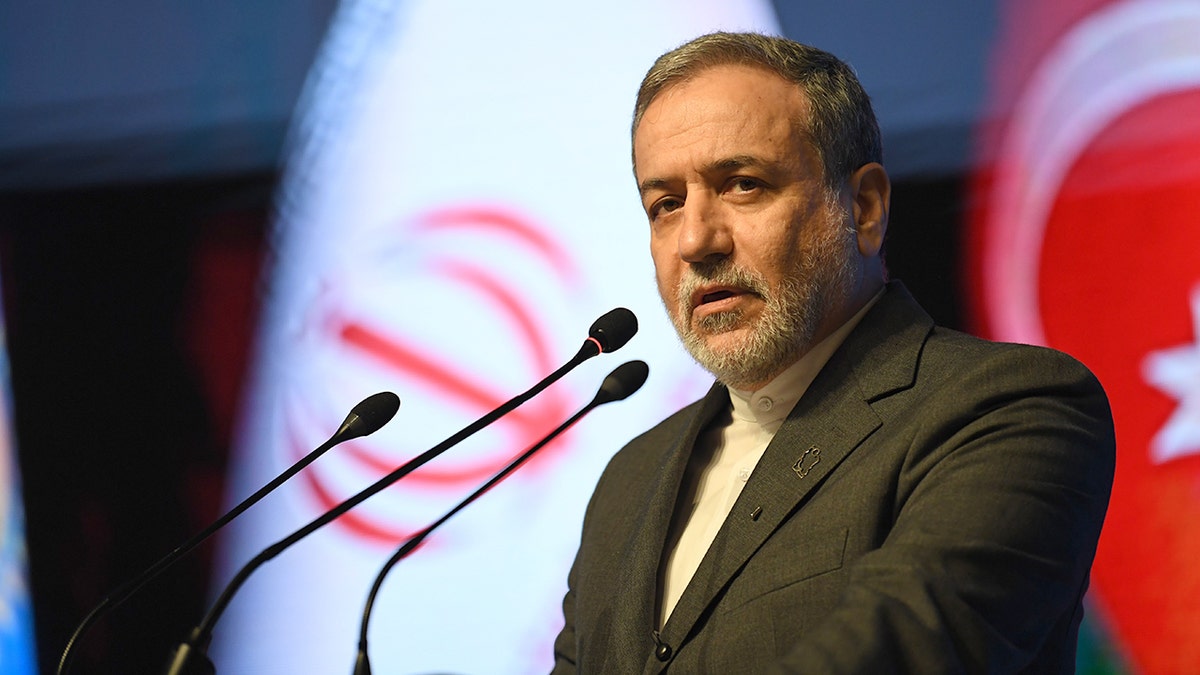
Iranian Foreign Minister Seyed Abbas Araghchi claimed he told U.K. Home Secretary Yvette Cooper that Iran views Britain’s decision to allow U.S. forces to use its bases as «participation in aggression.» (Shadati/Xinhua via Getty Images)
He also criticized what he described as the U.K.’s «negative and biased» approach and demanded that it cease cooperation with the United States.
The U.K. did not allow the U.S. to use its bases for initial offensive strikes against Iran but later granted permission for defensive operations in response to Iranian missile threats.
Downing Street said: «We didn’t participate in the initial strikes, and we’re not getting drawn into the wider war.»
Tehran has said it would exercise what it calls its right to self-defense if threatened.
Meanwhile, the U.K. Ministry of Defence said Sunday that Royal Air Force assets, including Typhoon jets, remain engaged in defensive operations in the region.
CLICK HERE TO DOWNLOAD THE FOX NEWS APP
The ministry added that British forces have helped counter Iranian drone threats while coordinating closely with allies.
Fox News Digital has reached out to the U.K. Ministry of Defence for comment.
war with iran,iran,us navy,military,united kingdom,geopolitics
INTERNACIONAL
El partido del canciller alemán Merz se perfila ganador de las elecciones regionales en Renania-Palatinado

La Unión Cristianodemócrata del canciller Friedrich Merz ganó este domingo las elecciones en Renania-Palatinado, estado federado del suroeste alemán que el Partido Socialdemócrata gobernó sin interrupción durante 35 años, mientras la ultraderechista Alternativa para Alemania duplicó su resultado de 2021 y se afianzó como tercera fuerza, según los sondeos a pie de urna.
De acuerdo con las primeras proyecciones de las cadenas públicas ZDF y ARD, los conservadores obtuvieron alrededor del 30,5% de los votos, seguidos de los socialdemócratas con entre 26,5% y 27%, la Alternativa para Alemania con el 20% y Los Verdes con entre 7,5% y 8,5%. Si se confirman estas cifras, la formación ultranacionalista habría pasado del 8,3% que logró hace cinco años a rozar el 20%, un salto histórico para una región occidental que nunca había registrado resultados tan elevados de la extrema derecha.
La victoria conservadora representa un alivio para Merz en un momento de presión acumulada. Dos semanas antes, su partido perdió la disputa por el primer puesto en Baden-Wurtemberg frente a Los Verdes, que obtuvieron el 30,2% ante el 29,7% de los democristianos. En ese estado, los socialdemócratas se desplomaron al 5,5%, su peor resultado histórico en unas elecciones regionales desde 1945. Según el barómetro ARD-DeutschlandTrend, apenas el 18% de los alemanes valora positivamente la gestión del gobierno Merz, mientras que el 79% la rechaza.

En Renania-Palatinado, la elección enfrentó al ministro-presidente en funciones, el socialdemócrata Alexander Schweitzer, y al candidato conservador Gordon Schnieder, de 50 años. Los sondeos le daban a Schweitzer una ventaja considerable en imagen: 41% de apoyo frente al 23% de Schnieder, según el Politbarometer de ZDF. Schweitzer asumió el cargo en julio de 2024 tras la renuncia por motivos de salud de Malu Dreyer, e intentó capitalizar esa popularidad personal frente a un rival de menor reconocimiento público. Sin embargo, los conservadores retuvieron una ventaja estructural al ser percibidos como más competentes en economía y seguridad, los dos temas prioritarios para el electorado regional.
La región es conocida por su tradición vinícola —concentra el 63% de los viñedos de Alemania— y es sede de importantes empresas como el gigante químico BASF, con la industria representando alrededor del 25% del valor añadido. Durante la campaña, los ejes centrales del debate fueron la política educativa, la infraestructura y la inmigración. Ambos partidos descartaron cualquier forma de cooperación con la Alternativa para Alemania, lo que en la práctica convierte la formación de gobierno en un asunto bilateral entre conservadores y socialdemócratas, con independencia de quién encabece la coalición.
Algunos expertos atribuyen el auge ultraderechista a que el partido logró canalizar el descontento de un electorado que se siente en situación de precariedad económica. En los comicios de 2021 la Alternativa para Alemania obtuvo el 8,3% en este estado; su instalación en torno al 20% en las encuestas de 2026 refleja un proceso de normalización del voto extremo también en los estados occidentales, históricamente más resistentes a ese fenómeno que los del este del país.

El resultado de Renania-Palatinado tiene implicaciones que van más allá de sus fronteras. El Partido Socialdemócrata, socio menor del gobierno Merz en Berlín bajo la figura del vicecanciller Lars Klingbeil, acumula una cadena de golpes electorales regionales que debilitan su posición dentro de la coalición. A nivel federal, el partido recibió apenas el 16% en las elecciones legislativas de febrero de 2025. En las regionales previstas para septiembre en Mecklemburgo-Pomerania Occidental y otras regiones del este, la Alternativa para Alemania parte como favorita o segunda fuerza, lo que podría agudizar la fragmentación del sistema político alemán y estrechar aún más el margen de los partidos establecidos para construir mayorías viables.
Europe,Government / Politics

Una serie de denuncias por presunto acoso sexual contra periodistas mujeres sacude a los medios de Colombia

Jorge Oscar Montiel: el militar desaparecido en 1975 por haber intentado evitar el golpe un año antes

El Banco Central alcanzó su mayor racha compradora en casi dos décadas: cuántos dólares sumó en lo que va del año

Tomás Etcheverry frenó a la revelación española y avanzó a octavos de final en el Miami Open

El apoyo de Pablo Echarri a Andrea Del Boca en Gran Hermano: “Fue objeto de una persecución injusta y horrible”

Novelli y Grandio: los amigos del pasado de Milei que ahora se transformaron en una pesadilla

Kicillof desembarcó en CABA, lanzó su proyecto 2027 y empezará a ampliar su armado político en todo el país

¿DÓNDE ESTÁ ESMERALDA? El grito de una madre que sacude a la Argentina: «Me la arrebataron de la puerta»

¿FIN DE CICLO? Escándalo por la mansión no declarada y viajes de lujo empujan a Manuel Adorni fuera del Gobierno: Su salida sería inminente

¿MACRI 2027? El «operativo retorno» que sacude al PRO y los nombres que suenan para la vicepresidencia

 POLITICA2 días ago
¿FIN DE CICLO? Escándalo por la mansión no declarada y viajes de lujo empujan a Manuel Adorni fuera del Gobierno: Su salida sería inminente
- POLITICA3 días ago
¿MACRI 2027? El «operativo retorno» que sacude al PRO y los nombres que suenan para la vicepresidencia
- POLITICA2 días ago
“Tiro al facho”: la repudiable “intervención” en Facultad de Medicina en la que había que tirarle dardos a Javier Milei