INTERNACIONAL
Macron says children’s brains are ‘not for sale,’ urges fast-track to ban social media for kids under 15

NEWYou can now listen to Fox News articles!
France is moving toward banning social media for children under 15, with President Emmanuel Macron urging lawmakers to rush the legislation as countries worldwide tighten controls on kids’ screen time.
In a video released late Saturday by broadcaster BFM-TV, Macron said he has directed his government to use an accelerated legislative process so the bill can clear Parliament and be approved by the Senate by the start of the next school year in September.
«The brains of our children and our teenagers are not for sale,» Macron said. «The emotions of our children and our teenagers are not for sale or to be manipulated. Neither by American platforms, nor by Chinese algorithms.»
Macron’s push comes days after the British government said it is considering similar restrictions as it tightens rules to protect children from harmful online content and excessive screen time.
PROTECTING KIDS FROM AI CHATBOTS: WHAT THE GUARD ACT MEANS
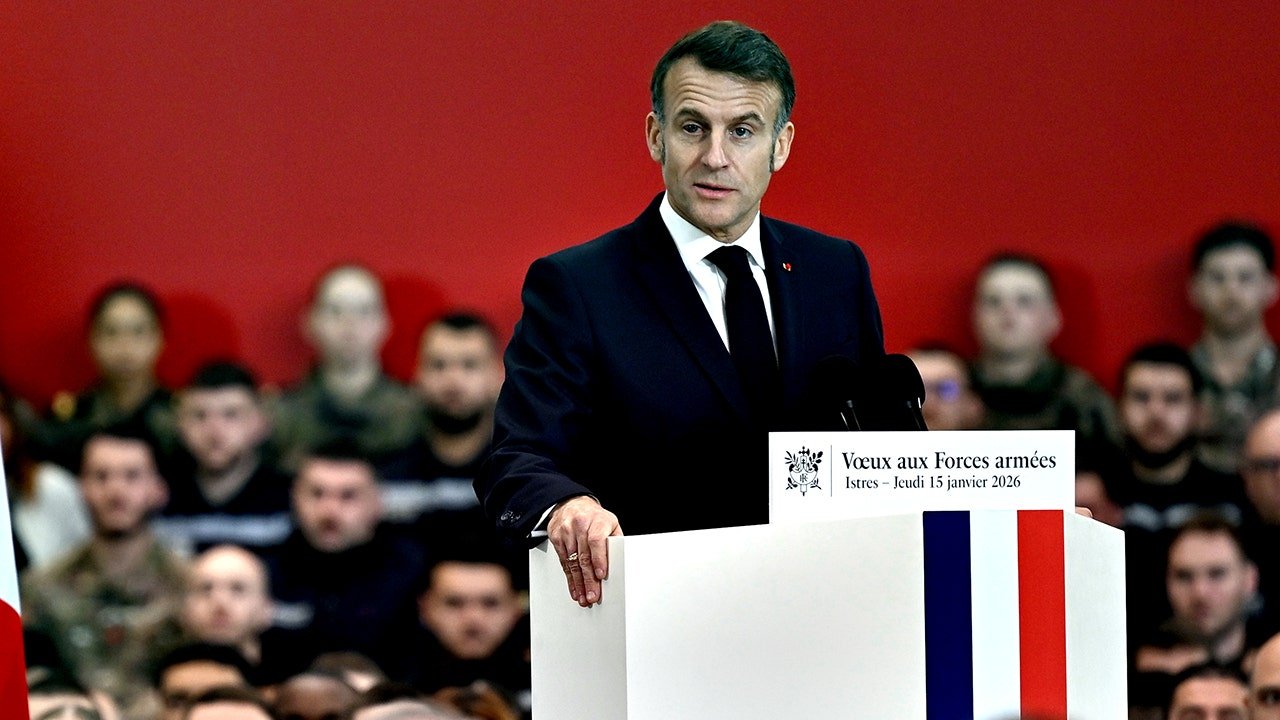
French President Emmanuel Macron delivers a speech as he visits the Istres military air force base, southern France, Thursday, Jan. 15, 2026. (AP Photo/Philippe Magoni, Pool) (AP Photo/Philippe Magoni, Pool)
France’s health watchdog reports that one in two teenagers spends between two and five hours a day on a smartphone. A December report found about 90% of children ages 12 to 17 use smartphones daily to access the internet, with 58% using them for social media.
The agency warned of links between heavy social media use and reduced self-esteem, as well as increased exposure to content tied to risky behaviors, including self-harm, drug use and suicide.

France’s health watchdog warned of links between heavy social media use and reduced self-esteem, as well as increased exposure to content tied to risky behaviors, including self-harm, drug use and suicide. (Nimito/Getty Images, File)
Several French families have sued TikTok, alleging the platform exposed teens to harmful content connected to suicides.
LAWMAKERS UNVEIL BIPARTISAN GUARD ACT AFTER PARENTS BLAME AI CHATBOTS FOR TEEN SUICIDES, VIOLENCE
Macron’s office told The Associated Press the video message was addressed to lawmaker Laure Miller, who is sponsoring the bill set for public debate Monday.

A December report from France’s health watchdog found about 90% of children ages 12 to 17 use smartphones daily to access the internet, with 58% using them for social media. (iStock)
«We are banning social media for under-15s, and we are going to ban mobile phones in our high schools,» Macron said. «I believe this is a clear rule. Clear for our teenagers, clear for families, clear for teachers, and we are moving forward.»
CLICK HERE TO DOWNLOAD THE FOX NEWS APP
The move would follow Australia’s lead after the country introduced a world-first ban on social media for children under 16 years old in December, restricting access to platforms such as Facebook, TikTok and YouTube.
Fox News Digital’s Bonny Chu and The Associated Press contributed to this report.
france,emmanuel macron,smartphones,world










NEWYou can now listen to Fox News articles!
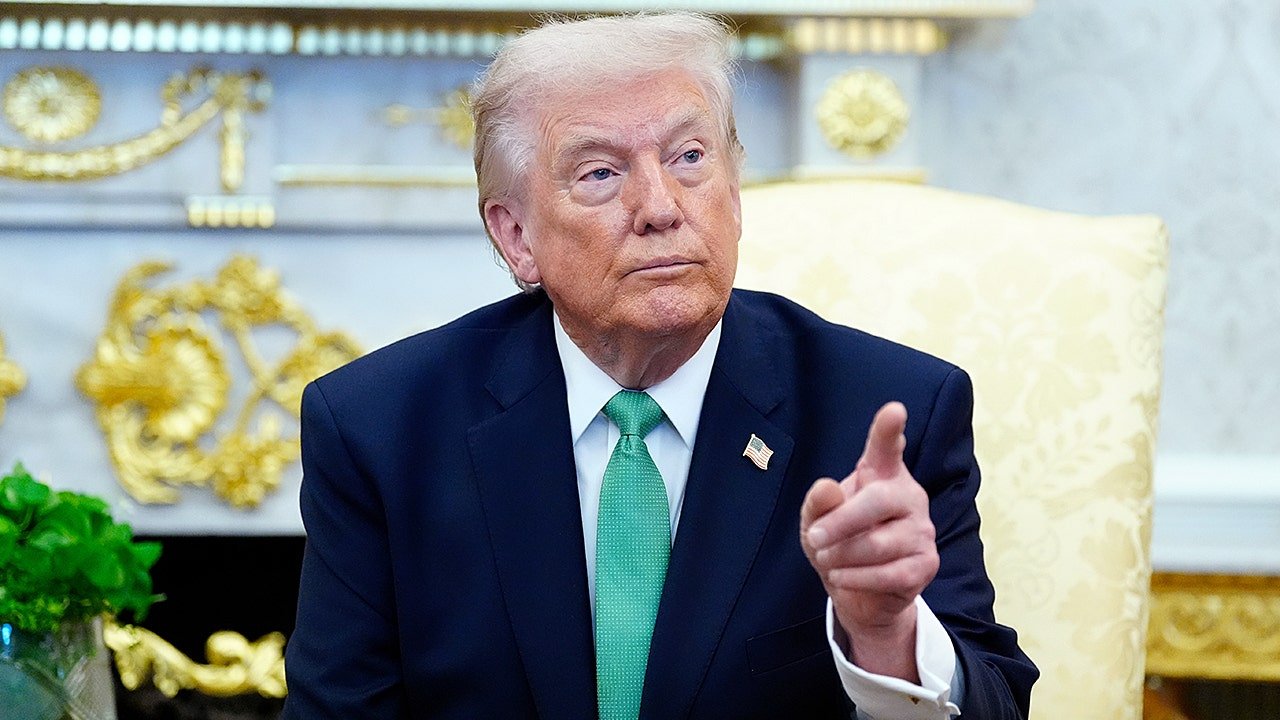
Voters are not only dissatisfied with the direction of the country but also pessimistic about the economic outlook, financially strained in their own lives and unconvinced Washington leaders are in touch or will offer solutions.
That’s according to a new Fox News national survey released Thursday.
Nearly two-thirds, 64%, are dissatisfied with how things are going in the U.S.
While that’s the highest dissatisfaction rating of President Trump’s second term, it’s also a small improvement from the 68% who were unhappy at the end of the Biden administration in December 2024.
FOX NEWS POLL: VOTERS OPPOSE ACTION IN IRAN BUT GIVE US MILITARY POSITIVE MARKS
At the same time, majorities say national leaders are out of touch with people like them. Six in 10 voters say the White House is out of touch (60%), and similar shares say the same about congressional Republicans (61%) and congressional Democrats (58%).
A quarter of both Democrats and Republicans think their respective party’s lawmakers are out of touch. Half of non-MAGA Republicans say the White House is out of touch.
FOX NEWS POLL: VOTERS EXPECT AI TO TRANSFORM OUR LIVES — BUT TODAY IS NOT THAT DAY
Trump receives negative marks across issues. His worst numbers are on inflation, with a new low of 28% approving. That’s down 7 points since January and 12 points since March 2025.
His 34% approval for the economy is another new low, down 6 points since January and 9 points from a year ago. Other ratings are also well underwater: healthcare (36 approve, 64 disapprove), Iran (36-64), taxes (36-64), foreign policy (38-62), and immigration (44-56). His best issue is border security (50-50), where equal numbers approve and disapprove.
The president’s overall job rating stands at 41% approve and 59% disapprove. Former President Obama had similar ratings at a comparable point in his second term, 40%-53% in March 2014.
Trump’s 59% disapproval is the highest of either term. Last month, 43% approved and 57% disapproved. A year ago, views were nearly evenly divided, 49-51%.
Current approval of Trump among Republicans is 84%, a second-term low (down from 92% last March), while disapproval has reached a high of 16%. Approval among non-MAGA Republicans dropped 11 points over the past year (70% to 59%). MAGA Republicans remain nearly unanimous with 97% approval, little changed from 98% a year ago. Fully 95% of Democrats disapprove, tying a record high this term. Independents are also negative, 75% disapprove.
The economy remains central to dissatisfaction. Large numbers of Democrats (91%) and independents (90%) rate it negatively, as do more than half of Republicans (52%).
Overall, 75% of voters say the economy is in bad shape, up 4 points since last month (71%). The number giving the economy negative marks has ranged from 67% to 79% since Trump took office in January 2025.
Personal financial assessments are similarly downbeat, with nearly half, 46%, saying they are falling behind. That’s up from 44% in December and just one point below the record high of 47% in June 2022.
That strain is reflected by 61% saying they could not miss more than two paychecks and still pay their bills. That’s up from 54% in both 2023 and 2019.
Two years ago, 17% lived paycheck-to-paycheck. Now, 27% say they couldn’t miss even one payday. That number climbs to 37% for those with annual household income below $50,000.
Neither major party has convinced voters it has a clear plan to address costs. Some 68% say the Democratic Party lacks a clear plan for bringing prices down, while 70% say the same about the GOP. More than 4 in 10 say neither party has a plan. Equal numbers of Democrats and Republicans, 59%, say their respective party has a clear plan.
«The issue environment in 2026 has almost completely flipped from 2022 and 2024,» says Daron Shaw, a Republican who conducts the survey with Democrat Chris Anderson. «Voters don’t think either side has a plan, of course, but since the GOP is in charge, they shoulder the blame.»
To top things off, voters don’t see the economy getting better anytime soon. A 53% majority anticipates economic conditions will worsen in the next year, up from 45% in January and more than double the share who see improvement (25%).
Republicans are alone in their optimism, expecting the economy to improve by a 19-point margin. Both independents (by 44 points) and Democrats (by 68 points) see the economy declining next year by wide margins.
Concerns about the economy — day-to-day costs in particular — top the list of what worries voters most. A large majority of 86% is concerned about inflation and high prices, including 57% who are extremely concerned. Around 8 in 10 express concerns about healthcare (81%), gas prices (80%), and political divisions in the country (80%).
Seven in ten or more are worried about unemployment (73%), potential attacks in the United States (73% by Islamic terrorists and 70% non-Islamic terrorists) and their ability to pay their bills (70%). Concern also extends to gun violence (69%), Iran obtaining nukes (66%), AI technology (66%), antisemitism (63%) and detentions and deportations by ICE (62%).
Inflation is the top concern for Democrats, Republicans and independents. Healthcare is second for Democrats and independents, while Islamic terrorist attacks are second for Republicans. There is a consensus that political divisions within the country are a problem, with most Democrats (85%), Republicans (80%), and independents (70%) expressing concern.
Worry about gas prices is widespread, with about 8 in 10 across all income levels — including $100,000 and above — saying they are concerned.
CLICK HERE FOR CROSSTABS AND TOPLINE
Poll-pourri
Sixty-nine percent of voters support birthright citizenship for children born in the United States to illegal immigrants. That’s up from 67% in 2025 and from 45% when Fox News first asked the question in 2006. Current support stands at 91% among Democrats, 75% among independents and 44% among Republicans. The U.S. Supreme Court will hear a birthright citizenship case April 1.
Conducted March 20-23, 2026, under the direction of Beacon Research (D) and Shaw & Company Research (R), this Fox News survey includes interviews with a sample of 1,001 registered voters randomly selected from a national voter file. Respondents spoke with live interviewers on landlines (104) and cellphones (641) or completed the survey online after receiving a text (256). Results based on the full sample have a margin of sampling error of ±3 percentage points. Sampling error for results among subgroups is higher. In addition to sampling error, question wording and order can influence results. Weights are generally applied to age, race, education and area variables to ensure the demographics are representative of the registered voter population. Sources for developing weight targets include the most recent American Community Survey, Fox News Voter Analysis, and voter file data.
Fox News’ Victoria Balara contributed to this report.
fox news poll, republicans elections, independents, donald trump, war with iran, economy, jobs
INTERNACIONAL
EN VIVO: Israel atacó el principal centro de producción de misiles y minas navales del régimen iraní
El secretario de Estado de Estados Unidos, Marco Rubio, participa este viernes en Francia de la reunión de cancilleres del Grupo de los Siete (G7). Antes de embarcar hacia la capital francesa, el funcionario subrayó la relevancia estratégica del Estrecho de Ormuz, afectado por la escalada militar. “Los demás países obtienen mucho más combustible de ahí que nosotros”, señaló.
Abbas Araqchi, ministro de Exteriores de la república islámica, afirmó en una conversación telefónica con el secretario general de la ONU, Antonio Guterres, que mantener el bloqueo en el estrecho de Ormuz al paso de buques vinculados a “enemigos” constituye un “derecho legal” del país.
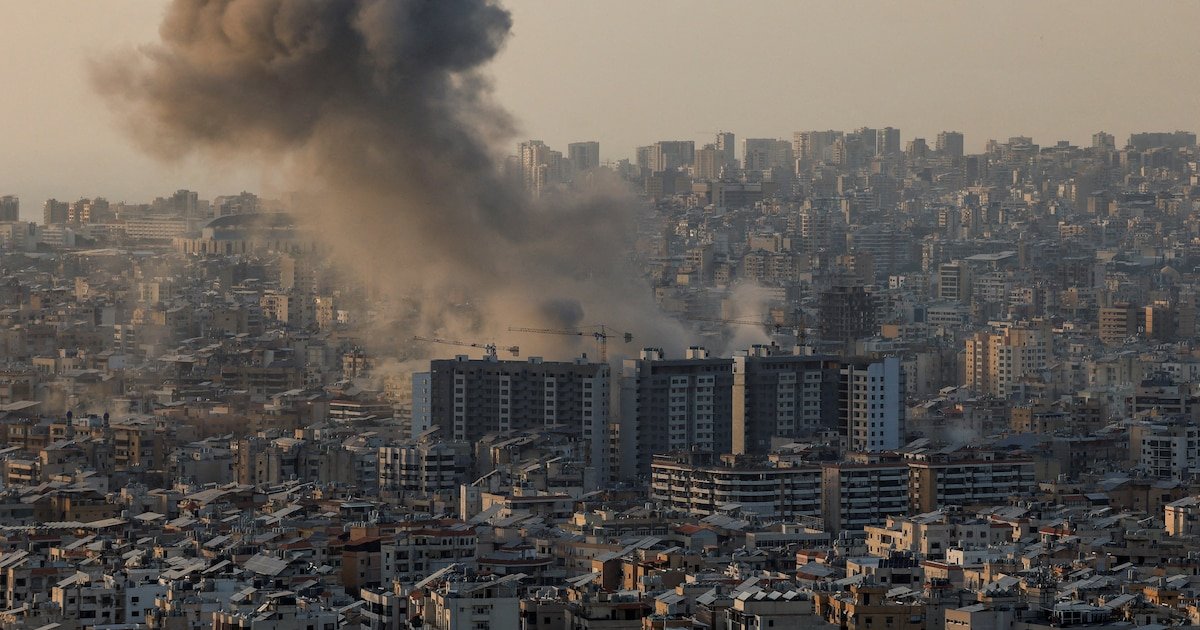
Por su parte, el Ejército de Israel afirmó, en medio de su ofensiva contra el grupo terrorista Hezbollah, que necesita incrementar su número de soldados en el frente con Líbano. Las Fuerzas de Defensa anunciaron ataques a “gran escala” contra el corazón de Teherán, en especial contra la infraestructura del régimen iraní.
En paralelo, Irán no cesa con su presión contra los países del Golfo: Kuwait derribó dos drones en diferentes zonas del país y el Ministerio de Defensa de Arabia Saudí comunicó durante la noche varios ataques en la región oriental y la intercepción de seis drones.
A continuación, la cobertura minuto a minuto:
Los líderes de línea dura de Irán toman el control: quiénes son los funcionarios que asumieron en plena guerra
El liderazgo supremo recayó en Mojtaba Khamenei, la Guardia Revolucionaria reforzó su control y el presidente Pezeshkian se mantiene en el cargo, aunque con atribuciones limitadas frente a las instituciones militares


La muerte del ex líder supremo iraní Ali Khamenei y otros altos funcionarios tras los ataques conjuntos de Estados Unidos e Israel provocó una reconfiguración veloz del poder en Teherán. Pese a la conmoción, las instituciones clave lograron mantener su operatividad, proyectando la imagen de un sistema que resiste los embates externos y asegura la continuidad.
El régimen iraní instó a civiles en Medio Oriente a abandonar zonas cercanas a las fuerzas estadounidenses

La Guardia Revolucionaria de Irán instó a los civiles de toda la región a mantenerse alejados de las zonas cercanas a las fuerzas estadounidenses ante nuevos ataques en la región, casi un mes después del inicio de la guerra con Estados Unidos e Israel.
“Las cobardes fuerzas estadounidenses-sionistas… están intentando utilizar lugares civiles y personas inocentes como escudos humanos”, sostuvo la Guardia en un comunicado difundido en su sitio web Sepah News.
El cuerpo militar instó a la población abandonar urgentemente las áreas donde se encuentran desplegadas fuerzas estadounidenses para evitar cualquier daño en medio de un nuevo ataque en Medio Oriente.
Las bolsas europeas muestran una actividad moderada
Las bolsas europeas registraron fluctuaciones el viernes mientras los inversores evaluaban el posible impacto de la prórroga de 10 días concedida por el presidente estadounidense Donald Trump para que Irán reabra el estrecho de Ormuz.
El índice regional Stoxx Europe 600 se mantuvo prácticamente sin cambios, mientras que el índice de referencia londinense FTSE 100 abrió con un incremento del 0,4%.
Los precios del petróleo registraron una segunda jornada consecutiva al alza este viernes, con el Brent subiendo un 1,3% y situándose cerca de los 110 dólares por barril.
Por otra parte, las bolsas asiáticas cerraron en su mayoría a la baja el viernes y el petróleo volvió a subir, tras una jornada en la que Wall Street registró su peor desempeño desde el inicio de la guerra con Irán, en medio de crecientes dudas sobre una posible desescalada.
El Nikkei 225 de Tokio retrocedió un 0,4% y cerró en 53.373,07 puntos. El Kospi de Corea del Sur también perdió un 0,4%, situándose en 5.438,87 puntos. El Hang Seng de Hong Kong subió un 0,4% hasta 24.952,98 puntos tras haber caído a primera hora, mientras que el índice compuesto de Shanghái avanzó un 0,6% hasta 3.913,72 puntos.
El S&P/ASX 200 de Australia cayó un 0,1%, hasta los 8.516,30 puntos. El Taiex de Taiwán bajó un 0,7%, y el Sensex de la India perdió un 1,7%.
Marco Rubio se reúne en París con cancilleres del G7 en busca de apoyo a la estrategia de Washington en la guerra contra Irán
El secretario de Estado de EEUU viajó a Francia con una posición clara: los socios occidentales deben implicarse en la reapertura del Estrecho de Ormuz, bloqueado por Teherán, cuyo cierre disparó los precios de la energía a nivel global

El secretario de Estado de Estados Unidos, Marco Rubio, participa este viernes en Francia de la reunión de cancilleres del Grupo de los Siete (G7), que se celebra en la Abadía de Vaux-de-Cernay, en un contexto de crecientes tensiones entre Washington y sus aliados por la ofensiva militar contra Irán y su impacto en el mercado energético global.
Asia se asfixia entre los precios del petróleo y el dólar
Desde la India hasta el sudeste asiático y Corea del Sur, las monedas se están desmoronando mientras los gobiernos se apresuran a conseguir combustible cuyo precio se fija en dólares estadounidenses
Seguir en

La crisis en Medio Oriente obliga a los gobiernos regionales a buscar el delicado balance entre comprar combustible en dólares y trasladar lo menos posible el incremento de precios a la población. En toda Asia, los países que ya eran vulnerables a la interrupción sostenida de los suministros energéticos procedentes del golfo Pérsico se enfrentan ahora a un ominoso efecto secundario. Sus divisas están siendo asfixiadas por un dólar cuyo valor aumenta.
La guerra en Irán: el estrecho de Ormuz como pieza estratégica clave y otros sistemas de armamento más utilizados
El conflicto bélico ha evidenciado que las rutas energéticas, y no solo la superioridad armamentística, pueden inclinar la balanza en un enfrentamiento contemporáneo

El bloqueo del estrecho de Ormuz ha transformado el escenario bélico en Medio Oriente desde el 28 de febrero. La interrupción de este corredor, por donde transita el 20% del crudo global, ha provocado una alteración notable en el mercado energético, elevando los precios del petróleo, el gas natural y los fertilizantes, y afectando las cadenas de suministro a escala mundial.
Reino Unido afirmó que Rusia proporcionó “inteligencia y entrenamiento” al régimen de Irán antes del comienzo de la guerra
“Esto no debería sorprender a nadie, como tampoco debería sorprender a nadie que tengamos la mano oculta de Putin en Teherán, al igual que en Ucrania”, afirmó el ministro de Defensa británico, John Healey
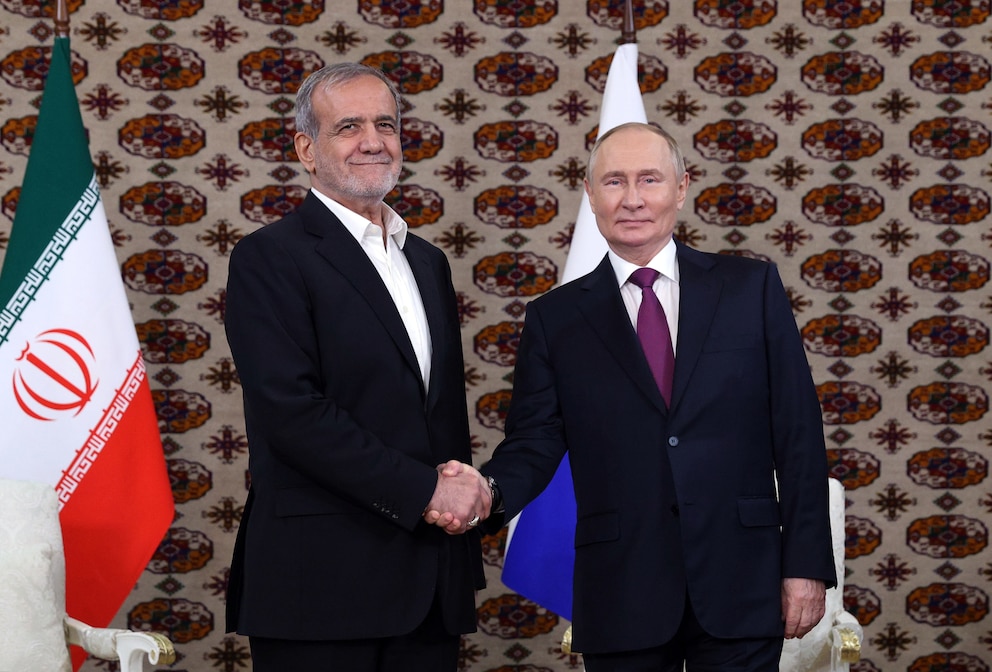
La Inteligencia de Defensa del Reino Unido afirmó que Rusia compartió información de inteligencia y proporcionó entrenamiento a Irán en el uso de drones y tácticas de guerra electrónica antes del inicio del conflicto con Estados Unidos e Israel, según declaraciones del ministro de Defensa británico, John Healey.
Irán amenazó con atacar hoteles que alberguen soldados estadounidenses en la región

El Ejército del régimen iraní advirtió que los hoteles que alberguen a soldados estadounidenses en Medio Oriente serán considerados objetivos en el marco de la guerra contra Estados Unidos e Israel.
“Cuando todas las fuerzas estadounidenses entran en un hotel, desde nuestra perspectiva ese hotel se convierte en estadounidense”, declaró el portavoz de las fuerzas armadas, Abolfazl Shekarchi, a la televisión estatal.
Shekarchi añadió: “¿Debemos quedarnos de brazos cruzados y dejar que los estadounidenses nos ataquen? Cuando respondamos, naturalmente tendremos que atacar dondequiera que estén”.
Israel lanzó una ofensiva contra el centro neurálgico de Irán para la producción de misiles y minas navales

La Fuerza Aérea de Israel, bajo la dirección de la Inteligencia Militar y el Departamento de Inteligencia de la Armada, atacó el principal centro de producción de misiles y minas navales del régimen iraní en la ciudad de Yazd.
Según las Fuerzas de Defensa de Israel (FDI), el centro se utilizaba para la planificación, desarrollo, ensamblaje y almacenamiento de misiles avanzados destinados a su lanzamiento desde cruceros, submarinos y helicópteros contra objetivos navales móviles y fijos.
El reporte vía X señaló que en ese centro se desarrollaba la mayor parte de los misiles y minas navales de las fuerzas navales iraníes. El ataque, sumado a la eliminación de la cúpula de la Armada de la Guardia Revolucionaria, representa un fuerte golpe a la capacidad productiva de las fuerzas navales iraníes.
Kuwait reportó que su principal puerto resultó dañado
El principal puerto comercial de Kuwait, Shuwaikh, resultó dañado el viernes en un ataque con drones, según informaron las autoridades. El incidente se produjo al amanecer, en el marco de la campaña de Irán en el Golfo en represalia por los ataques estadounidenses e israelíes.
La autoridad portuaria de Kuwait informó en un comunicado en X que el puerto fue atacado por “drones enemigos” y que los informes preliminares revelan daños materiales, pero ninguna víctima humana.
International,Relations,Diplomacy / Foreign Policy,Europe
INTERNACIONAL
Rubio meets G7 ministers in France as US leads on Iran — allies under fire for tepid response

NEWYou can now listen to Fox News articles!
Secretary of State Marco Rubio arrived in France on Friday to attend the G7 foreign ministers meeting where he will deliver a clear message on U.S. priorities for the ongoing war with Iran.
In the days leading up to the meeting, other members have taken markedly different approaches to the war. Nearly all of Washington’s partners — Britain, Canada, France, Germany, Italy and Japan — have reacted cautiously to the U.S.-Israeli military campaign and declined to participate in offensive operations, even as they condemn Iranian actions.
Before departing on Thursday, Rubio signaled a defiant approach to the talks: «I don’t work for France or Germany or Japan… the people I’m interested in making happy are the people of the United States. I work for them,» he said in a video posted on X.
The divergence has drawn frustration from President Donald Trump, who has pressed allies to contribute more, particularly in securing key maritime routes such as the Strait of Hormuz. While some countries have signaled a willingness to support defensive or maritime security efforts, they have stopped short of joining direct military strikes.
TRUMP PRESSES NATO PARTNERS ON SUPPORT AS HEGSETH BLASTS HESITATION
«The U.S. is constantly asked to help in wars and we have. But when we had a need, it didn’t get positive responses from NATO. A couple leaders said that Iran was not Europe’s war. Well, Ukraine isn’t our war, yet we’ve contributed more to that fight than anyone,» Rubio added.
«The Strait of Hormuz could be open tomorrow if Iran stops threatening global shipping, which is an outrage and a violation of international law. For all these countries that care about international law, they should be doing something about it,» he said before boarding his plane to France.
The remarks set the tone for a summit already marked by growing friction between Washington and some of its closest allies over how to handle the Iran conflict. Rubio has framed the stakes in stark terms. «Iran has been at war with the United States for 47 years… Iran has been killing Americans and attacking Americans across this planet,» he said during a White House cabinet meeting, adding that allowing Tehran to obtain nuclear weapons would be «an unacceptable risk for the world.»
But even before Rubio arrived at the meeting, European officials were signaling a markedly different approach.
«We need to exit from the war, not escalate this further, because the consequences for everybody around the world are quite severe,» Vice President of the European Commission Kaja Kallas said during a briefing on the sidelines of the G7 on Thursday.
JACK KEANE CALLS OUT NATO’S WEAKNESS AS SHIPPING CRISIS GRIPS STRAIT OF HORMUZ
(L/R, clockwise) French President Emmanuel Macron, European Commission President Ursula Von der Leyen, NATO Secretary General Mark Rutte, Japanese Prime Minister Shigeru Ishiba, German Chancellor Friedrich Merz, US Secretary of Treasury Scott Bessent, Canadian Prime Minister Mark Carney, Ukrainian President Volodymyr Zelenskyy, British Prime Minister Keir Starmer, and Italian Prime Minister Giorgia Meloni meet during the Group of Seven (G7) Summit at the Pomeroy Kananaskis Mountain Lodge in Kananaskis, Alberta, Canada on June 17, 2025 (LUDOVIC MARIN/AFP via Getty Images)
«It can only be a diplomatic solution… sit down and negotiate to have a way out,» she added.
The contrast between Rubio’s framing and Kallas’s message captures the core tension shaping the meeting.
U.S. officials say Rubio is heading into the talks with a broader agenda that goes beyond Iran.
According to a State Department spokesperson, who spoke to Fox News Digital on background, Rubio will use the meeting to «advance key U.S. interests» and push discussions on the wars in Ukraine and the Middle East, as well as «international burden sharing» and the overall effectiveness of the G7.
The U.S. is also expected to emphasize maritime security, including freedom of navigation in the Strait of Hormuz and the Red Sea, while urging allies to take on a greater share of responsibilities in conflict zones and international organizations, the spokesperson said.
RUBIO, RATCLIFFE TO DELIVER CLASSIFIED IRAN BRIEFING TO ‘GANG OF EIGHT’ AHEAD OF TRUMP’S STATE OF THE UNION
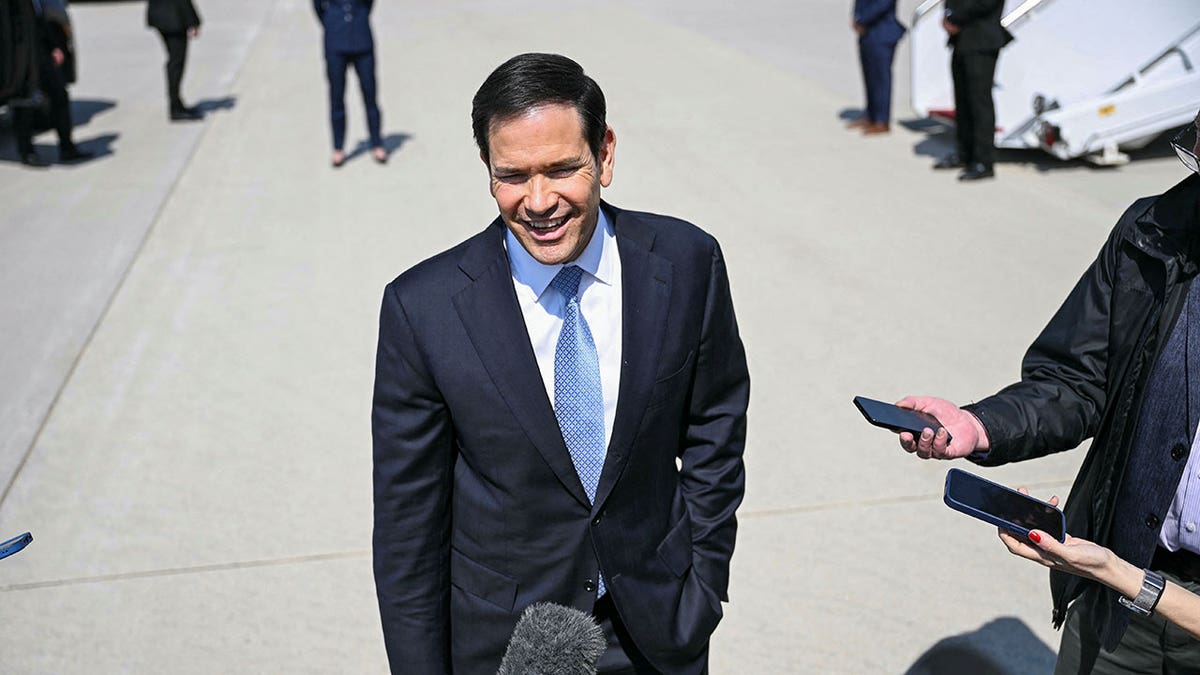
U.S. Secretary of State Marco Rubio speaks to reporters before boarding a plane as he is headed to France where he will take part in the G7 foreign ministers’ meeting, at Joint Base Andrews in Maryland, U.S., March 26, 2026. (Brendan Smialowski/Pool via Reuters)
European officials have instead emphasized the broader risks of the conflict.
France’s foreign minister, Jean-Noël Barrot, said discussions at the G7 would build on a recent joint statement condemning Iran’s actions while also addressing maritime security concerns.
He said the «discussions will provide an opportunity to revisit positions already agreed at the G7 level… including the unjustifiable attacks carried out by Iran against Gulf countries… which we condemned in the strongest possible terms.»
Barrot added that ministers would also focus on securing global shipping routes.
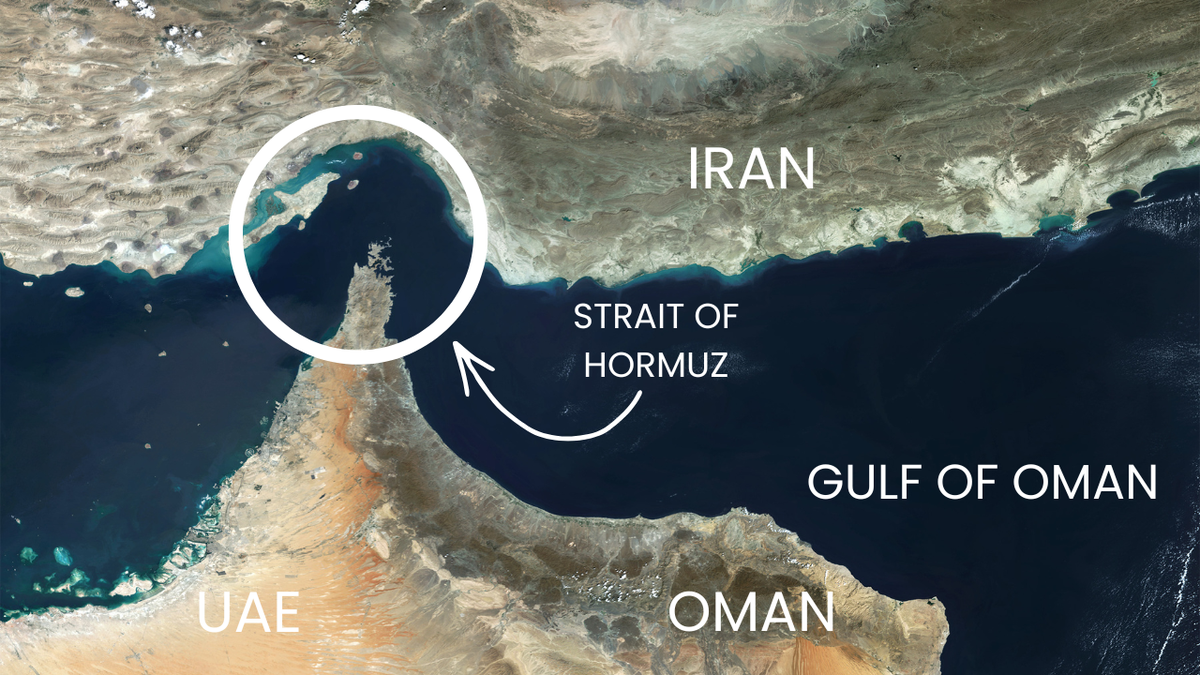
A satellite image shows the Strait of Hormuz, a key maritime passage connecting the Persian Gulf to the Gulf of Oman, vital for global energy supply. (Amanda Macias/Fox News Digital)
«We will also have the opportunity to address maritime security and freedom of navigation… including an international mission… to ensure the smooth flow of maritime traffic in a strictly defensive posture, thereby helping to ease pressure on energy prices,» he said.
Kallas echoed that global framing. «All the countries in the world are one way or another affected by this war… it is in the interest of everybody that this war stops,» she said.
IRAN SIGNALS NUCLEAR PROGRESS IN GENEVA AS TRUMP CALLS FOR FULL DISMANTLEMENT
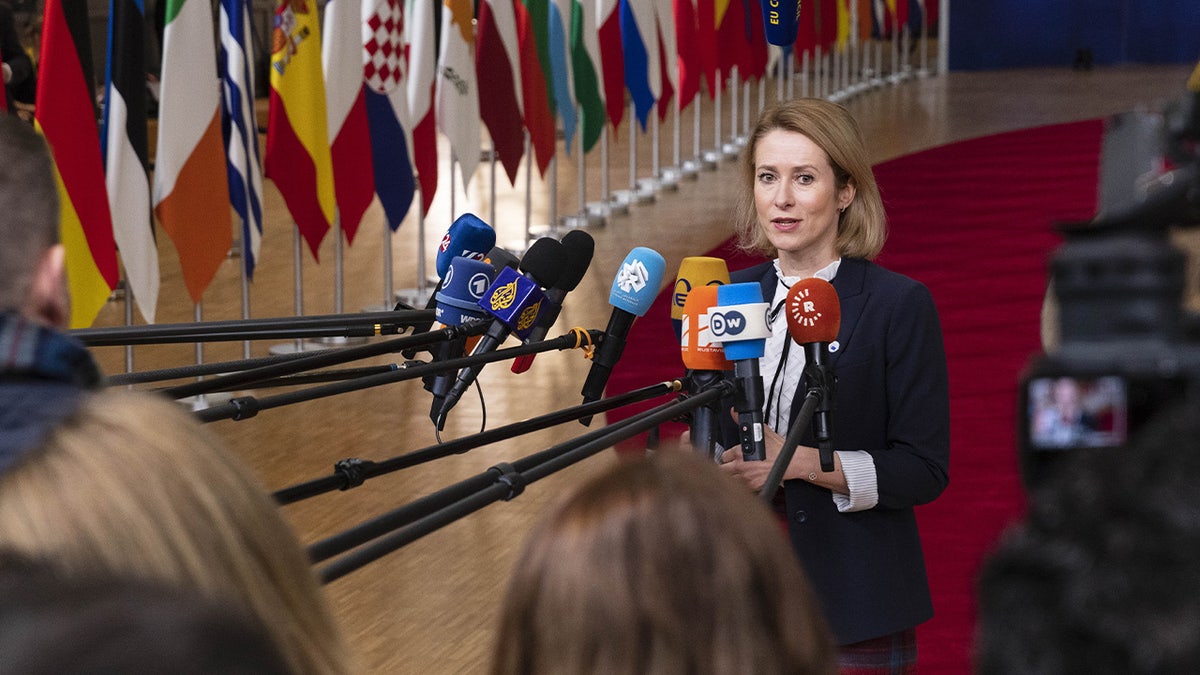
Kaja Kallas, High Representative of the European Union (EU) for Foreign Affairs and Security Policy speaks to the press during EU Summit in Brussels, Belgium on Dec. 19, 2024. (Photo by Nicolas Landemard/Anadolu via Getty Images)
Her remarks also pointed to the interconnected nature of the crisis. «Russia is helping Iran with intelligence… and also supporting Iran now with drones,» she said, linking the Iran conflict to the war in Ukraine.
That uncertainty is already affecting the structure of the summit, with officials dropping plans for a unified final communiqué to avoid exposing divisions, Reuters reported.
Analysts say those differences reflect deeper structural tensions in the alliance. «Europe has criticized Donald Trump’s ‘maximum pressure’ strategy towards Iran while pursuing a failed diplomatic approach that has enabled the regime to expand its terrorist networks and edge closer to nuclear threshold status,» Barak Seener, senior research fellow at the Henry Jackson Society, told Fox News Digital.
«This reflects a lack of European capability to project power in the region, particularly in safeguarding the Strait of Hormuz.»
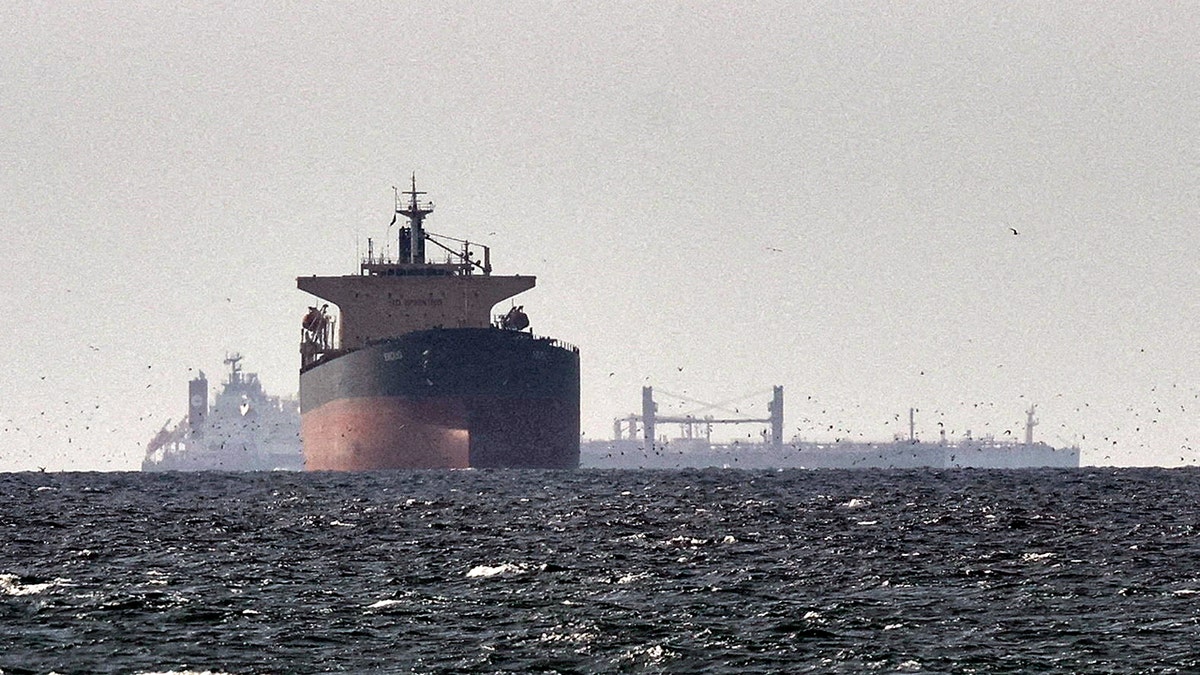
FILE PHOTO: Cargo ships in the Gulf, near the Strait of Hormuz, as seen from northern Ras al-Khaimah, near the border with Oman’s Musandam governance, amid the U.S.-Israeli conflict with Iran, in United Arab Emirates, March 11, 2026. (REUTERS/Stringer/File Photo/File Photo)
Seener added that years of reliance on Washington have left Europe increasingly exposed as the U.S. shifts its strategic priorities. «Years of underinvestment in defense and reliance on the United States have created a dependency that Washington increasingly views as a betrayal of the peace it has guaranteed Europe since the Second World War,» he said.
«With the U.S. placing greater value on its relationship with Israel than NATO, the result may be further erosion of the alliance, reduced support for Ukraine and rising economic pressure on Europe.»
He warned that the immediate test will come at the G7 itself. «Divisions over how to respond to Iran and to any U.S. request for support are likely to expose a deeper transatlantic split,» Seener said.
«Operation Epic Fury has showcased President Trump’s ability to assemble a coalition of allies to eliminate a common threat — in this case the Iranian regime — and stabilize international trade,» Jacob Olidort, chief research officer and director of American security at the America First Policy Institute, told Fox News Digital.
CLICK HERE TO DOWNLOAD THE FOX NEWS APP
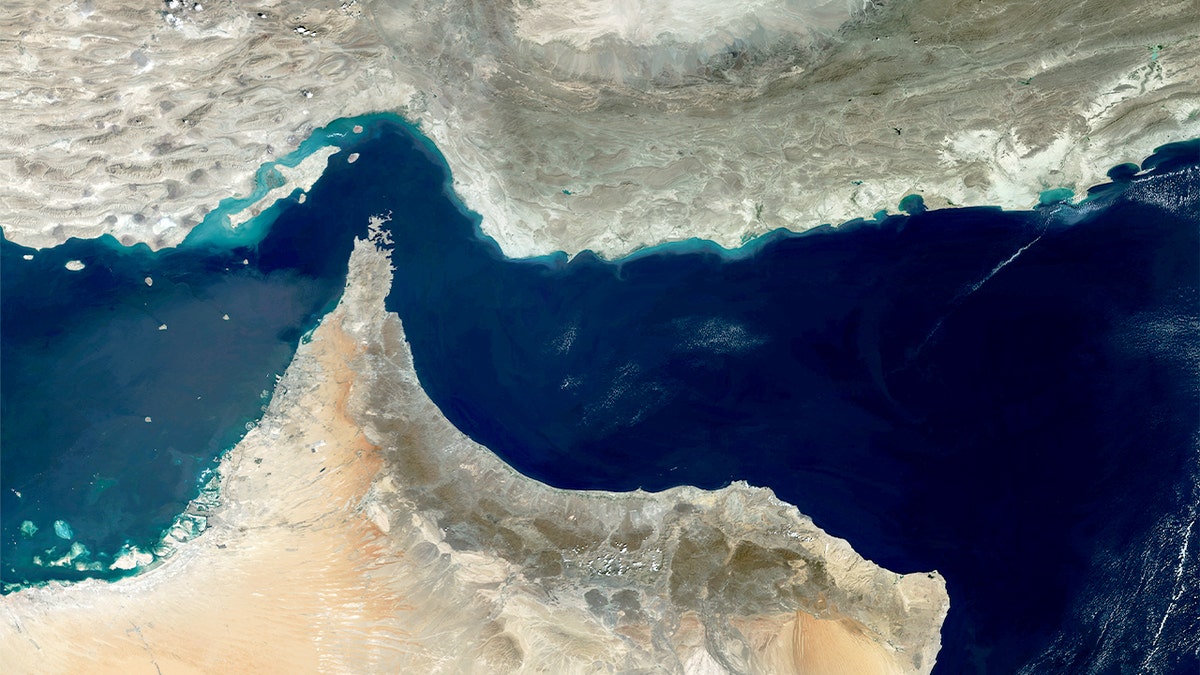
A satellite view shows the Strait of Hormuz, a key global energy chokepoint connecting the Persian Gulf to the Gulf of Oman, on Oct. 2, 2024. (Gallo Images/Orbital Horizon/Copernicus Sentinel Data via Getty Images)
«The failure of Western Europe to participate in securing the Strait of Hormuz is particularly egregious because those countries depend on it more than we do,» he added.
«At the same time, the historic successes of Operation Epic Fury have awakened a new confidence in our Middle East partners to eradicate the threats from the Iranian regime and to work together to shape a more peaceful and prosperous region.»
war with iran, europe, marco rubio, canada, japan, france, germany

ANSES: quiénes cobran hoy viernes 27 de marzo de 2026

Diego Santilli retoma las visitas a gobernadores para garantizar los votos en el Congreso a las reformas de Milei

Thiago Medina sorprendió a su hermana Camilota en vivo y contó la dieta que siguió para recuperarse del accidente

Fox News Poll: Sour voters say Washington is out of touch

El día que Romario rompió todos los moldes: jugador, técnico y capitán en un partido oficial

Una mala noticia del exterior podría complicar el riesgo país argentino e influirá sobre el nuevo bono en dólares

¡VERGÜENZA NACIONAL! Humillan a la Policía Federal mandándolos a un merendero antes de darles un aumento de sueldo digno

24 DE MARZO: La historia completa que el relato omitió sobre el golpe de 1976 y el Juicio a las Juntas

El mensaje de Milei sobre la “traición” que llamó la atención en el Gobierno y también en la oposición

El Presidente y Karina Milei volvieron a respaldar a Manuel Adorni tras la polémica por sus vuelos

 POLITICA1 día ago
¡VERGÜENZA NACIONAL! Humillan a la Policía Federal mandándolos a un merendero antes de darles un aumento de sueldo digno
- POLITICA3 días ago
24 DE MARZO: La historia completa que el relato omitió sobre el golpe de 1976 y el Juicio a las Juntas
- POLITICA2 días ago
El Presidente y Karina Milei volvieron a respaldar a Manuel Adorni tras la polémica por sus vuelos