INTERNACIONAL
Mamdani’s God Squad: The clerics, activists and political operatives who have his back


NEWYou can now listen to Fox News articles!
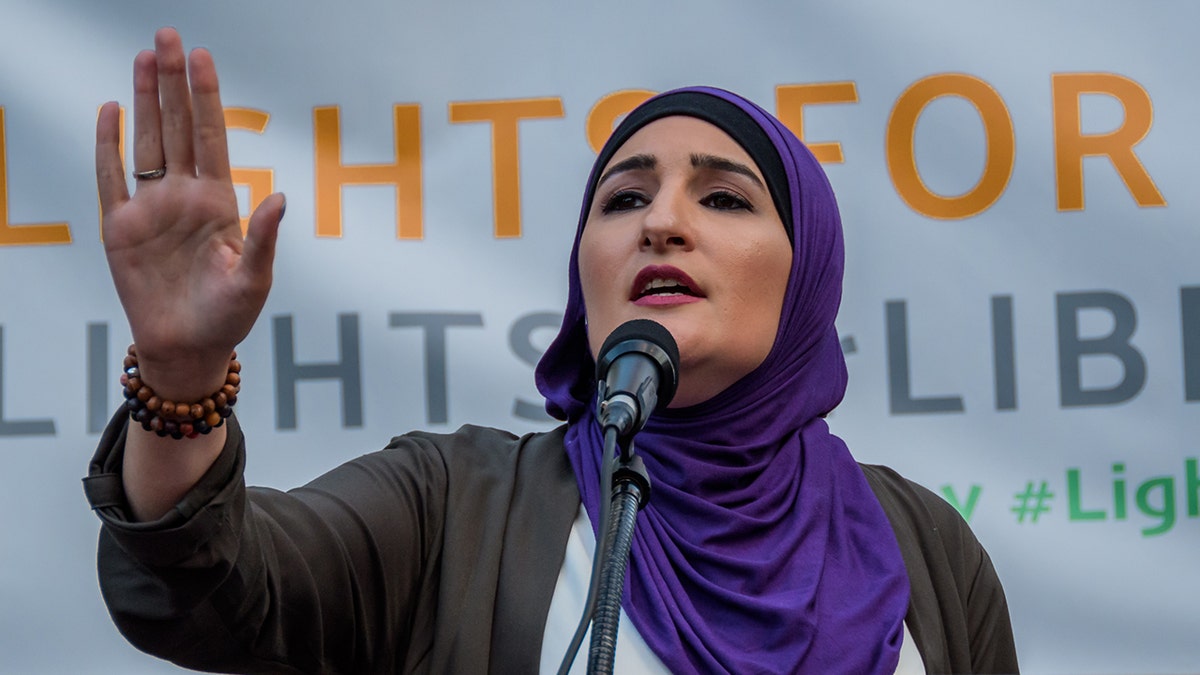
When New York mayoral candidate Zohran Mamdani stepped to the microphone outside the Islamic Cultural Center of the Bronx last week near Yankee Stadium, his voice broke as he spoke about «the memory of my aunt who stopped taking the subway after Sept. 11 because she did not feel safe.»
Behind him, a Yemeni-American educator in sunglasses named Debbie Almontaser nodded.
Almost two decades ago, in 2007, she was forced to resign as principal of a city school after defending a T-shirt with the slogan «Intifada NYC.»
City officials viewed it as a call to violence. She said it was benign. Her case became a rallying cry for Muslim American activists who cast her as a victim of «Islamophobia.»
FBI AGENTS FROM ’93 WTC ATTACK BLAST MAMDANI FOR EMBRACING RADICAL IMAM
Now, Almontaser was back, this time as a senior advisor to Emgage Action and a board member of Yemeni American Merchants Association Action, two of 110 political nonprofits, community groups and political action committees backing Mamdani as he alleges «Islamophobia» against him. Recently, when critics questioned Mamdani’s ties to hardline Brooklyn Imam Siraj Wahhaj, she sprang to action, helping to organize a protest to defend Wahhaj. That rapid, coordinated response captured the modus operandi of a network of political operatives and clerics intertwined with the shared mission of catapulting Mamdani into the mayor’s office. Mamdani’s background diverges from many of his co-religionists. In an interview, he said he is a Khoja Shia Muslim, part of a small, relatively liberal sect with roots in India. Many of his New York-area allies are religiously strict Sunni Muslims who practice more conservative interpretations of the faith. But they find common ground in politics. «It’s a sophisticated fusion of religion, politics and identity,» said Mansour Al-Hadj, a Washington-based researcher on Muslim political movements and extremism. «The same networks that once focused on community services are now mobilizing voters and producing candidates. This is how political Islam adapts inside democracy.» Mansour Al-Hadj, a Washington, D.C.,-based researcher on Muslim political movements and extremism, warns of radical forces backing Zohran Mamdani’s bid to be mayor of New York City. (Mansour Al-Hadj) Mamdani’s God Squad includes about a few dozen key players who specialize in painting any critique as an attack on their faith, accusing critics of Islamophobia even as many of them have engaged in strident rhetoric against the U.S., Israel and capitalism. The Original Imam: America is «filthy and sick» Mamdani set off a firestorm Oct. 7 when he walked into Masjid At-Taqwa in Brooklyn and later posted a photo of himself beaming beside the mosque’s imam, or prayer leader, Wahhaj. Zohran Mamdani meets Imam Siraj Wahhaj and Yusef Abdus Salaam Oct. 17, 2025. (@ZohranKMamdani/X) The imam’s checkered past goes back decades. In a 1992 talk, he said American Muslims should elect an «emir» rather than choose between George Bush and Bill Clinton. Soon after, he served as a character witness in the trial of Sheikh Omar Abdel-Rahman, the so-called «Blind Sheikh» convicted for plotting the 1993 World Trade Center bombing that killed six people. «You know what this country is?» Wahhaj said in 1995. «It’s a garbage can. Filthy. Filthy and sick.»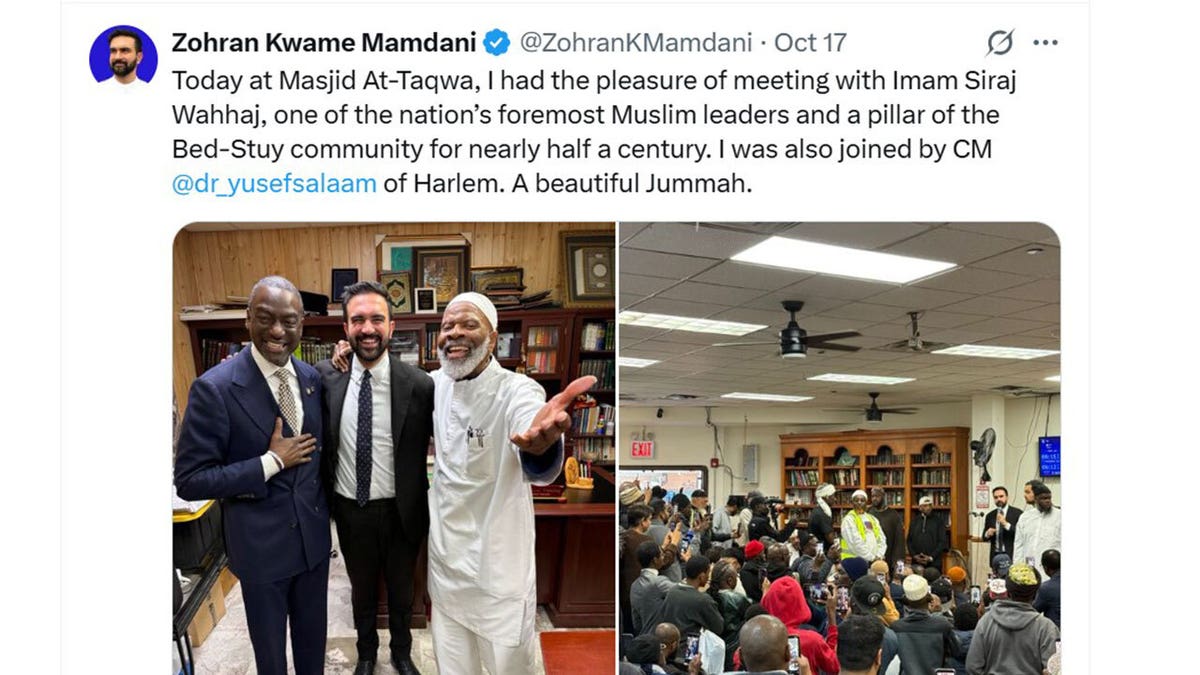
politics,zohran mamdani,nyc mayoral elections coverage,islam










INTERNACIONAL
Imágenes satelitales muestran cómo el régimen de Irán reconstruye las plantas nucleares bombardeadas en la Guerra de los 12 días

Imágenes satelitales recientes muestran nuevos techos en dos instalaciones nucleares iraníes después de que fueran atacadas por Estados Unidos en junio del año pasado.
Las fotografías satelitales tomadas por Planet Labs PBC muestran estructuras reconstruidas sobre edificios previamente destruidos en los sitios nucleares de Natanz e Isfahan.
Estados Unidos atacó las instalaciones nucleares iraníes de Fordow, Isfahan y Natanz en junio de 2025, durante una guerra de 12 días entre Israel e Irán que paralizó las negociaciones nucleares entre Washington y Teherán.
Desde entonces, Teherán ha afirmado que su trabajo de enriquecimiento de uranio se ha detenido, pero las tensiones siguen siendo altas en medio de un despliegue militar de la Marina estadounidense cerca de Irán, tras una violenta represión contra manifestaciones antigubernamentales el mes pasado.
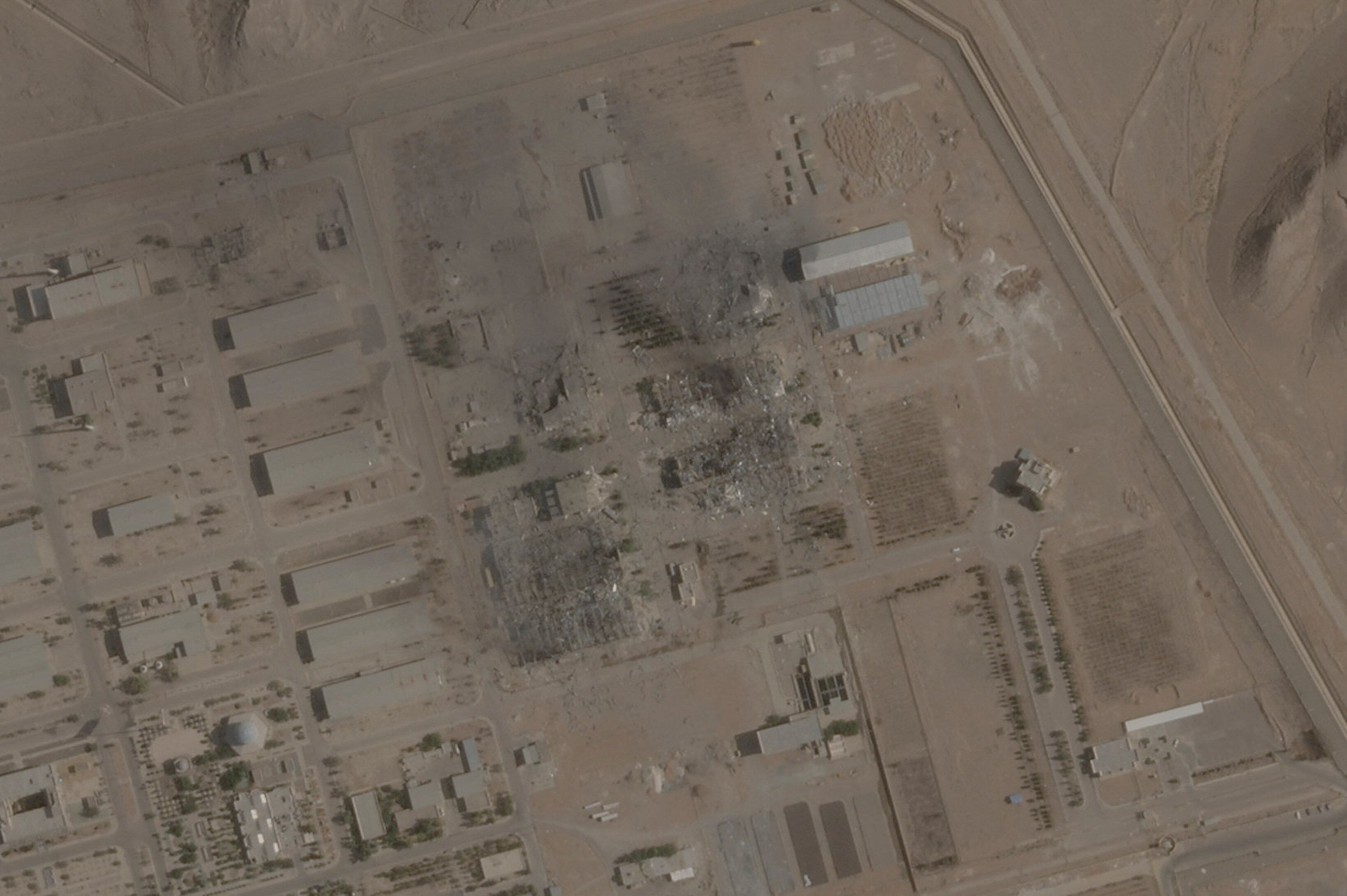
Las imágenes satelitales del 21 de junio de 2025 mostraban edificios destruidos en el sitio nuclear de Isfahan. Nuevas fotografías tomadas el 1 de febrero de 2026 revelan que se ha construido un nuevo techo sobre las estructuras previamente dañadas.
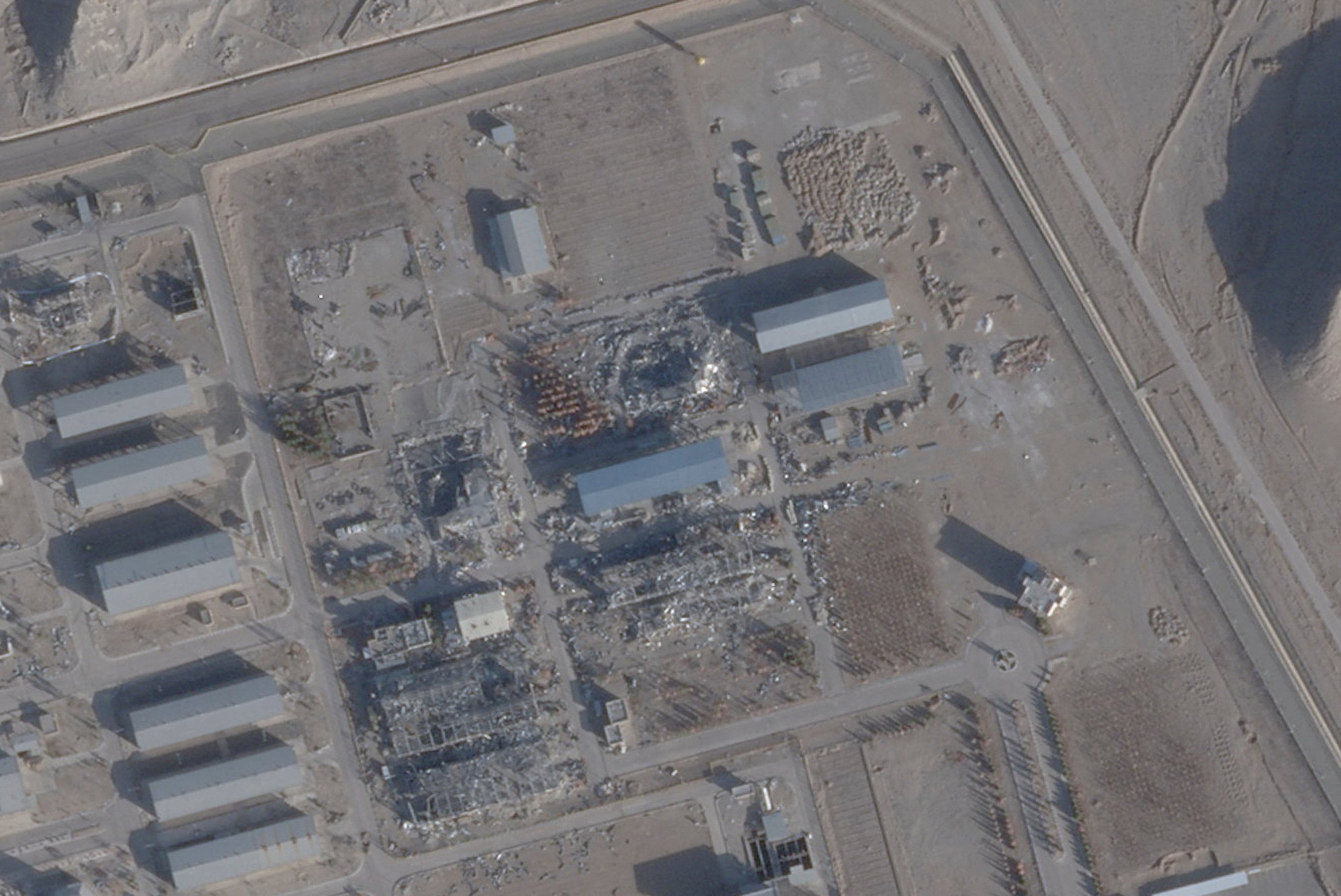
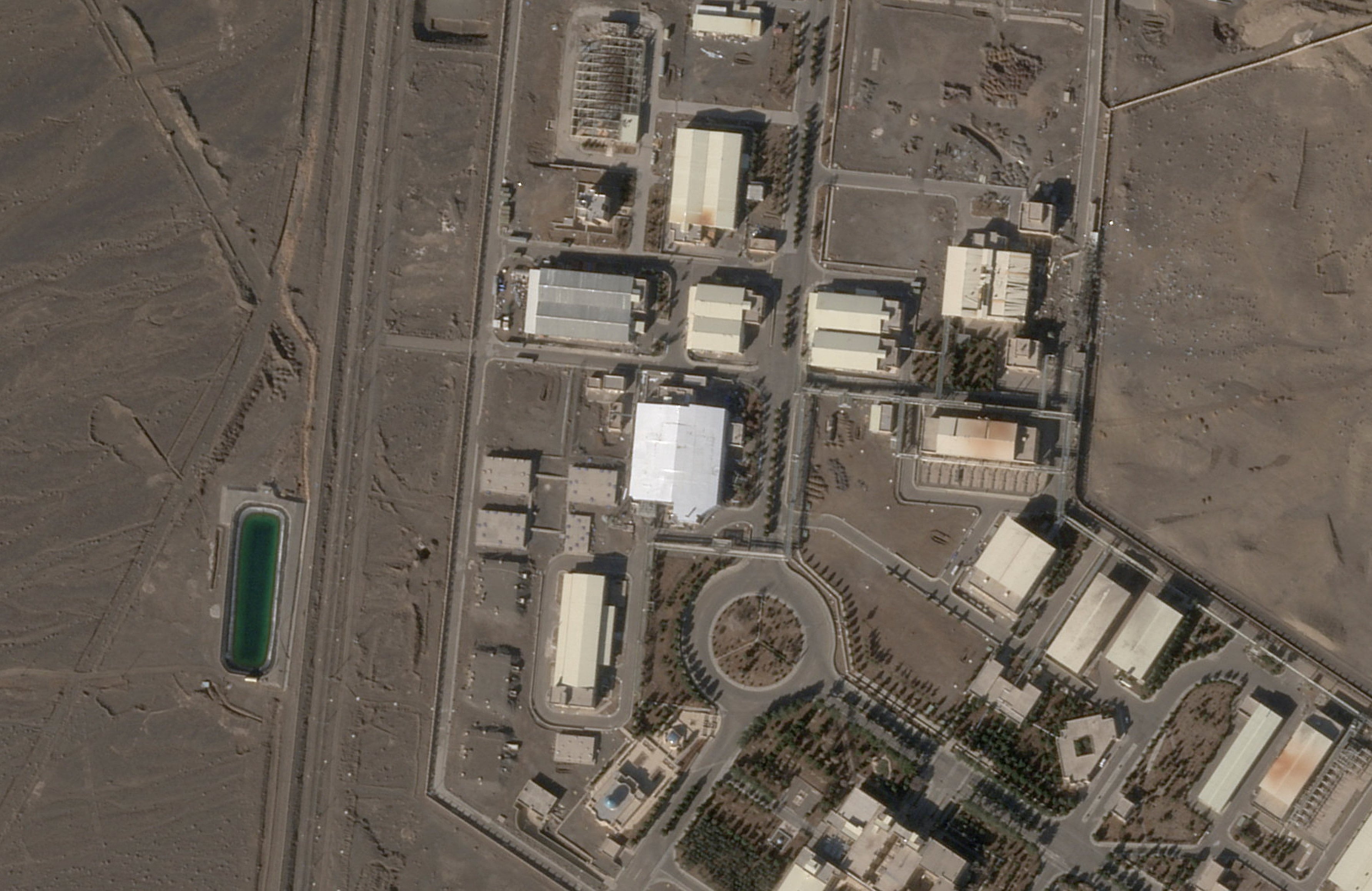
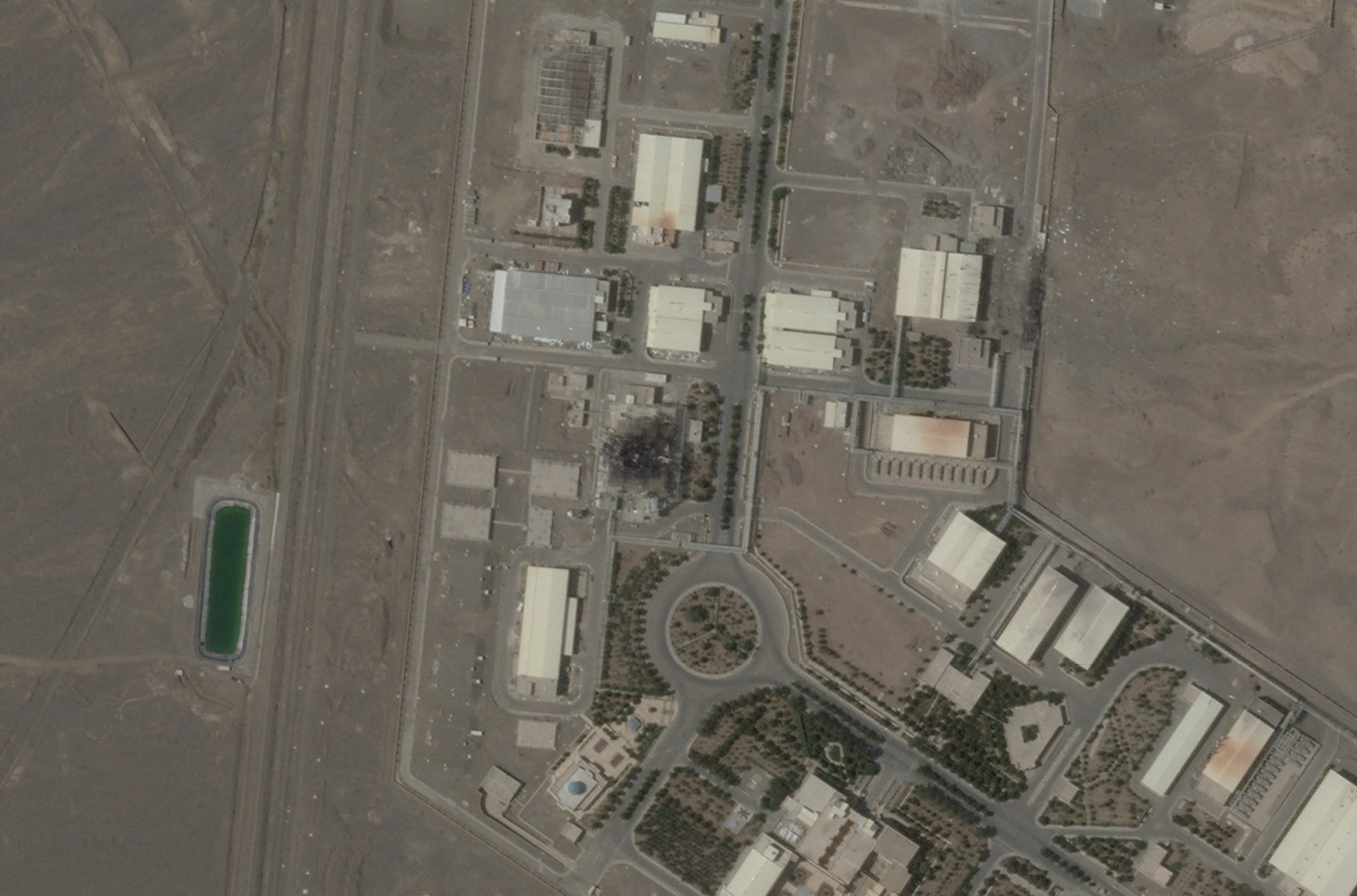
De manera similar, en Natanz, las imágenes del 17 de junio de 2025 mostraban instalaciones destruidas, mientras que las fotografías del 30 de enero de 2026 evidencian la construcción de nuevos techos sobre los edificios afectados.
El presidente estadounidense Donald Trump, quien se abstuvo de cumplir las amenazas de intervenir durante la represión de las protestas, ha exigido desde entonces que Teherán haga concesiones nucleares y envió una flotilla a su costa.
Trump dijo la semana pasada que Irán estaba “hablando en serio”, mientras que el principal funcionario de seguridad de Teherán, Ali Larijani, afirmó que se están realizando los arreglos para negociaciones.
El presidente iraní Masud Pezeshkian ordenó este lunes la apertura de conversaciones con Estados Unidos sobre el programa nuclear de la República Islámica, después de que Trump se mostrara optimista sobre un acuerdo para evitar una intervención militar.
El ejército estadounidense ha trasladado el portaviones USS Abraham Lincoln y varios destructores con misiles guiados a Oriente Medio, intensificando la presión sobre Irán.
Estados Unidos exige que Irán renuncie por completo al enriquecimiento de uranio, algo a lo que Teherán se niega, alegando su derecho en virtud del Tratado de No Proliferación Nuclear, del que es signatario.
El ministro de Relaciones Exteriores iraní, Abbas Araghchi, dijo el domingo que Irán está “totalmente de acuerdo” con el rechazo de Trump a las armas nucleares. “Por supuesto, a cambio, esperamos un levantamiento de las sanciones”, añadió.

Las conversaciones previas entre Araghchi y el enviado especial de Trump, Steve Witkoff, se estancaron en la cuestión del enriquecimiento de uranio antes de la guerra de junio.
Países occidentales sospechan que la República Islámica pretende dotarse del arma atómica, algo que Teherán desmiente categóricamente.
Mientras tanto, Turquía está intentando organizar una reunión entre Witkoff y funcionarios iraníes para iniciar conversaciones que alivien la amenaza de una acción militar estadounidense contra la República Islámica, según dos funcionarios turcos.
La presión sobre Teherán se ha intensificado desde principios de enero, tras la feroz represión de una oleada de protestas que sacudió al país. Según la ONG Human Rights Activists News Agency, con sede en Estados Unidos, la represión dejó al menos 6.842 muertos confirmados, en su mayoría manifestantes.
La Unión Europea respondió a la represión designando al Cuerpo de la Guardia Revolucionaria Islámica como organización terrorista, lo que provocó que Irán convocara a todos los embajadores de la UE para protestar.
Irán ha advertido que cualquier ataque estadounidense conduciría a una “guerra regional”, según declaró el líder supremo, el ayatolá Alí Khamenei.
International,Relations,Diplomacy / Foreign Policy,Middle East
INTERNACIONAL
Education experts warn Mamdani plan could gut NYC gifted programs, hurt low-income students

NEWYou can now listen to Fox News articles!
Socialist New York City Mayor Zohran Mamdani has outlined plans to scale back the city’s Gifted and Talented program, prompting some education experts to warn that doing so could deprive high-achieving students, particularly those from low-income families, of critical academic opportunities.
Recent media reports indicate that Mamdani, who took office in January, intends to end the city’s Gifted and Talented program for kindergarten students and delay entry until third grade, a move critics argue would amount to a major weakening of accelerated learning options in the nation’s largest school district.
The plan is drawing sharp criticism from Defending Education, a national education watchdog group that previously fought, and won, a years-long legal battle to preserve New York’s gifted programs after it was argued that the admissions system had discriminatory effects and reinforced racial inequities in education.
«The Court of Appeals rightly concluded that the role of the judiciary is not to make education policy,» Sarah Parshall Perry, vice president and legal fellow at Defending Education, told Fox News Digital, adding that the program complied with state education law and equal protection requirements.
GOT A SCOOP ON CAMPUS? SEND US A TIP HERE
New York City Mayor Zohran Mamdani plans to end the city’s Gifted and Talented program for kindergarten students and delay entry until third grade. (Adam Gray/Bloomberg via Getty Images)
But Perry warned that Mamdani’s policy agenda could undo what the courts upheld.
«As we suspected he might, newly minted democratic socialist mayor Zohran Mamdani — himself, a product of expensive private schools — has pledged to shut down the gifted and talented program, despite the fact that it has helped countless students from humble backgrounds achieve their full academic potential,» Perry told Fox News Digital.
«Depriving kids of much-needed advanced learning opportunities is not only foolhardy, but it’s also the height of hypocrisy coming from someone who was born into affluence and attended costly private schools. Apparently, Mamdani believes only the privileged should have access to various educational opportunities.»
‘FULL-BLOWN BATTLE’ BREWING IN DEM PARTY AS MAMDANI-STYLE CANDIDATES RISE IN KEY RACES
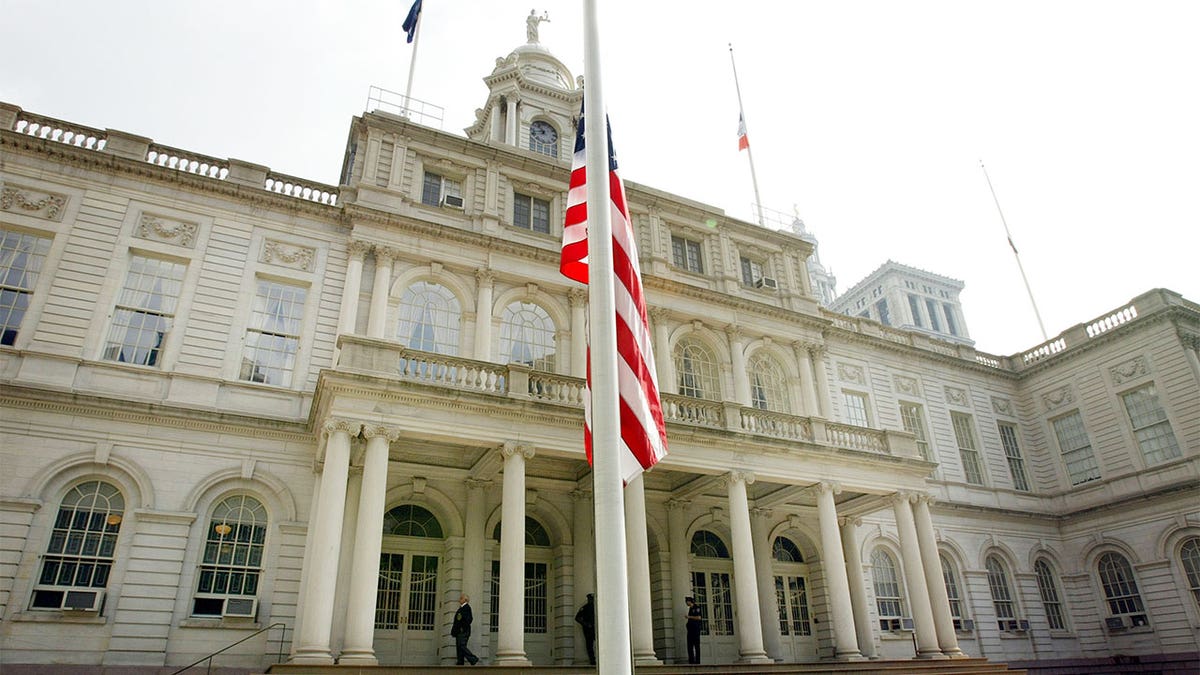
Mamdani has argued that early gifted testing contributes to inequities in the school system, though critics counter that dismantling selective programs does little to improve outcomes for struggling students while actively harming high performers.
Paul Runko, senior director of strategic initiatives for K-12 programs at Defending Education, echoed Perry’s concerns, emphasizing the impact such changes could have on working-class families.
«On behalf of parents who simply want the best possible education for their children, Defending Education spent years in court fighting to preserve New York City’s gifted and talented programs against efforts to use the courts to inject race into every aspect of the school system,» Runko said.
CLICK HERE TO DOWNLOAD THE FOX NEWS APP
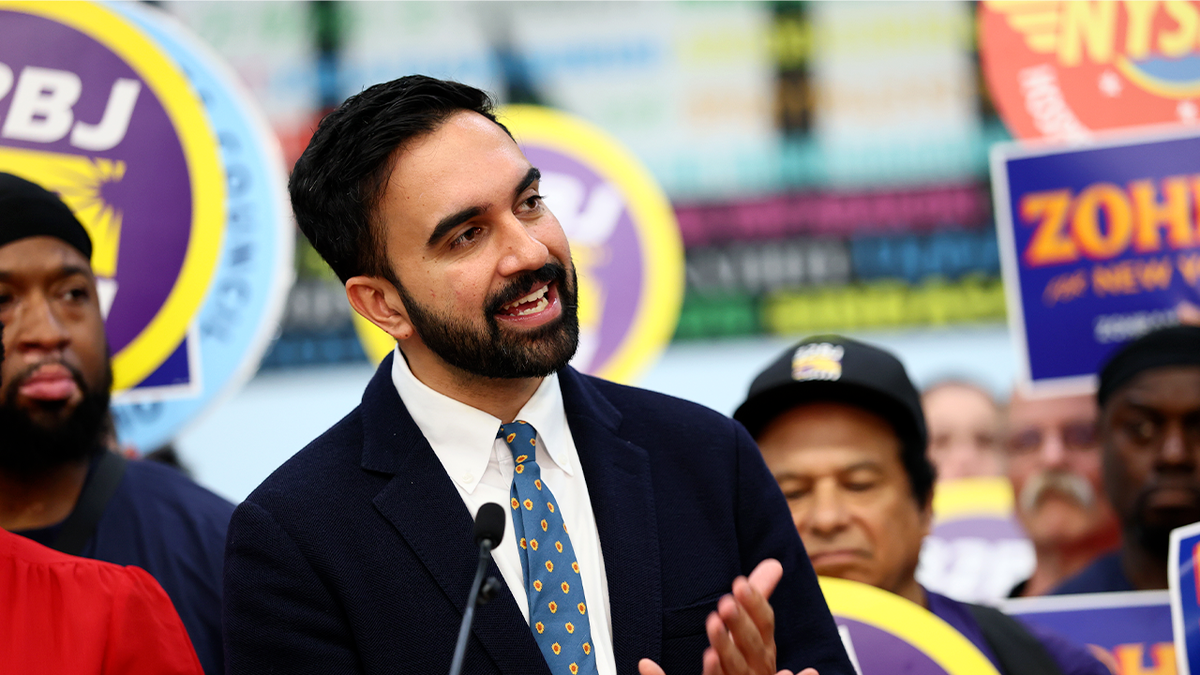
New York City Mayor Zohran Mamdani was elected in November 2025 and sworn in as the city’s first socialist mayor on Jan. 1, 2026. (Michael M. Santiago/Getty Images)
«Those efforts may succeed if Mayor Zohran Mamdani moves forward with eliminating these accelerated learning opportunities,» he warned. «Students, particularly those from lower-income families who benefit from NYC’s gifted and talented programs, deserve opportunities for academic excellence, not a one-size-fits-all approach that could weaken learning for all students.»
Mamdani’s office pushed back on Defending Education’s characterization, telling Fox News Digital that the administration opposes testing five-year-olds for gifted and talented programs but is not eliminating advanced learning opportunities across all grade levels.
Mamdani’s office said the focus is instead on reshaping the public school system to provide «rigorous» instruction for all students, rather than separating children at an early age.
Mamdani faced heated criticism from his opponents in the mayoral race regarding his plans to change the program, as well as from the Washington Post editorial board in October.
«Who could have guessed that Zohran Mamdani (D), the leading candidate to become the next New York mayor, would provoke a firestorm by announcing this week that he intends to phase out the city’s early elementary school programs for gifted students in the name of equity? Parents of bright children want access to schooling that meets their needs?» The Post wrote. «Shocking.»
zohran mamdani,politics,education,campus radicals
INTERNACIONAL
Iran ramps up regional threats as Trump considers talks, and eyewitness accounts of regime violence emerge
NEWYou can now listen to Fox News articles!
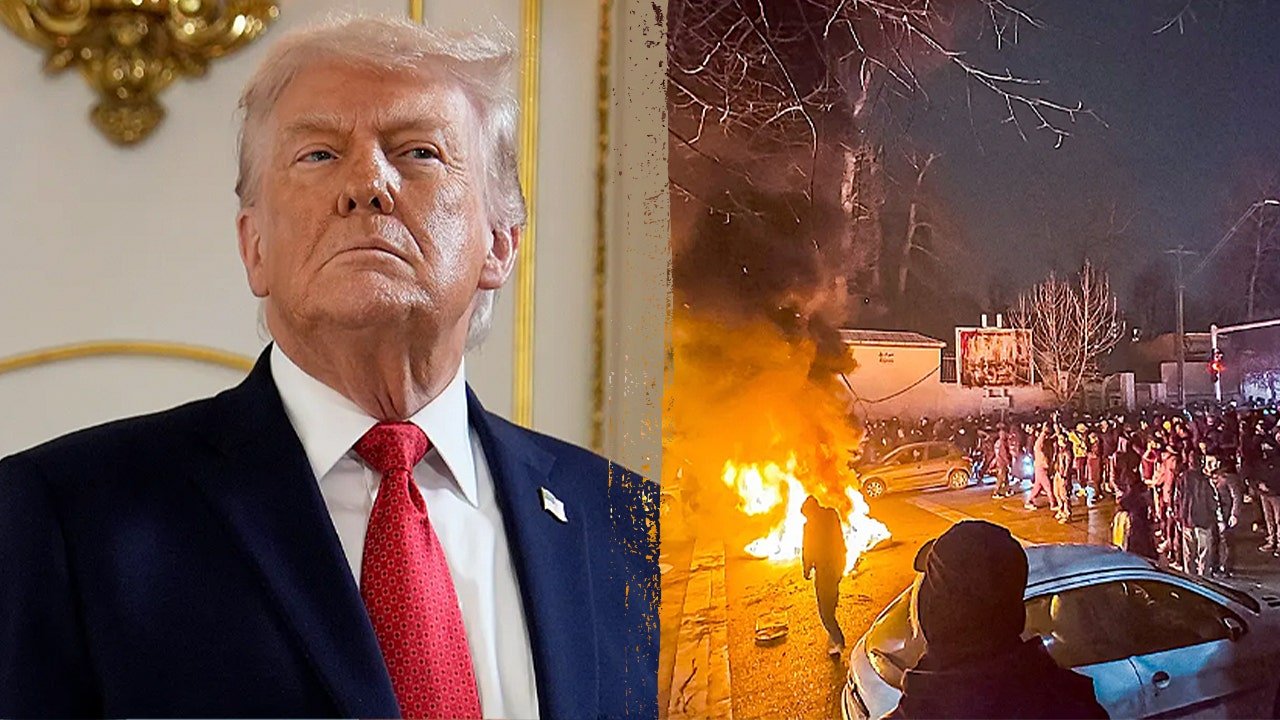
As diplomatic talks between Washington and Tehran gain momentum, Iran has intensified its rhetoric toward the region while continuing a violent crackdown at home, according to analysts and eyewitness accounts obtained by Fox News Digital.
On Sunday and Monday morning, Iran issued fresh warnings that any military strike on its territory would ignite a regional conflict, even as senior Iranian officials signaled a willingness to negotiate. Reuters reported Monday that Tehran is examining the possibility of renewed nuclear talks with the United States, with Turkey emerging as a potential venue and regional mediators, including Saudi Arabia and Qatar, playing an active role, after President Donald Trump said he was hopeful a deal could be reached to avert military action against Iran.
U.S. envoy Steve Witkoff is expected to arrive in Israel on Tuesday for meetings with Prime Minister Benjamin Netanyahu and Israel Defense Forces Chief of Staff Lt. Gen. Eyal Zamir, according to Axios. The publication also reported that Steve Witkoff will meet Iranian Foreign Minister Abbas Araghchi in Istanbul on Friday.
IRAN WILL RETALIATE ‘WITH EVERYTHING WE HAVE’ IF US ATTACKS, SENIOR DIPLOMAT WARNS
The state tax building burned during Iran’s protests in Tehran, Jan. 19, 2026. (Majid Asgaripour/West Asia News Agency via Reuters)
The talks are expected to focus on Iran, following Zamir’s weekend visit to Washington, where he held a series of meetings with U.S. defense officials on the Islamic Republic.
Benny Sabti, an Iran expert at Israel’s Institute for National Security Studies, told Fox News Digital this pattern is consistent with Tehran’s long-standing strategy.
«This is very typical behavior for the Iranian regime,» Sabti said. He said Iran deliberately escalated threats days ago, warning that if it were attacked, no country in the Middle East would be safe. «They treat the region as if it is being held hostage,» he said, adding that the tactic appears to have worked.
Sabti pointed to the list of mediators now involved. «Saudi Arabia, Turkey, Qatar, all of them went to the United States pushing for talks,» he said. «They are trying to avoid being dragged into the Iranian threat.»
TRUMP SAYS IRAN ALREADY HAS US TERMS AS MILITARY STRIKE CLOCK TICKS
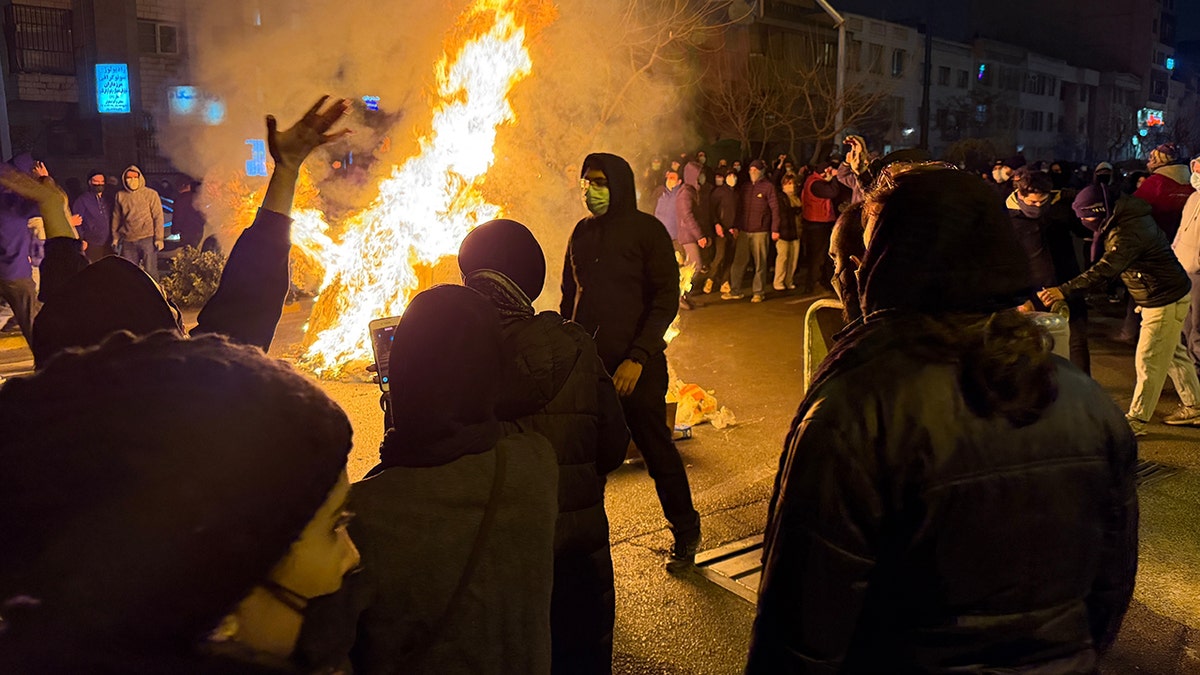
Iranians attend an anti-government protest in Tehran on Jan. 9, 2026. (UGC via AP)
According to Sabti, Tehran is also projecting mixed messages by design. «There are two voices coming out of Iran,» he said. «On one side, the generals, the IRGC, the military, escalating threats. On the other side, the foreign minister and the president are talking about negotiations.»
On Monday morning, Al Arabiya reported that Iranian news agencies Tasnim and Fars deleted a report that referenced approval for negotiations with the United States.
Sabti said that even Iran’s National Security Council reflects this dual messaging. He noted that a deputy official recently signaled Iran would not yet further advance its enriched uranium, while military officials simultaneously escalated rhetoric. «It is meant to confuse the enemy and to keep the entire Middle East under pressure,» he said.
While Iran’s external posture oscillates between threats and diplomacy, reports from inside the country point to an intensifying crackdown on protesters.
Independent casualty estimates vary widely. The Human Rights Activists News Agency (HRANA) reported that, based on its latest aggregated data, 6,842 people had been confirmed killed by the end of the 36th day of protests. According to HRANA, 6,425 of those killed were recorded as protesters, while 146 were children under the age of 18. An additional 11,280 cases remain under review. HRANA and other opposition-linked groups have warned that the final toll could be significantly higher, with some estimates reaching as high as 30,000 deaths.
Fox News Digital received eyewitness accounts from individuals identified as part of the MEK’s Resistance Units network inside Iran.
IRAN’S SUPREME LEADER ACKNOWLEDGES THOUSANDS KILLED AS TRUMP CALLS FOR NEW LEADERSHIP: REPORTS
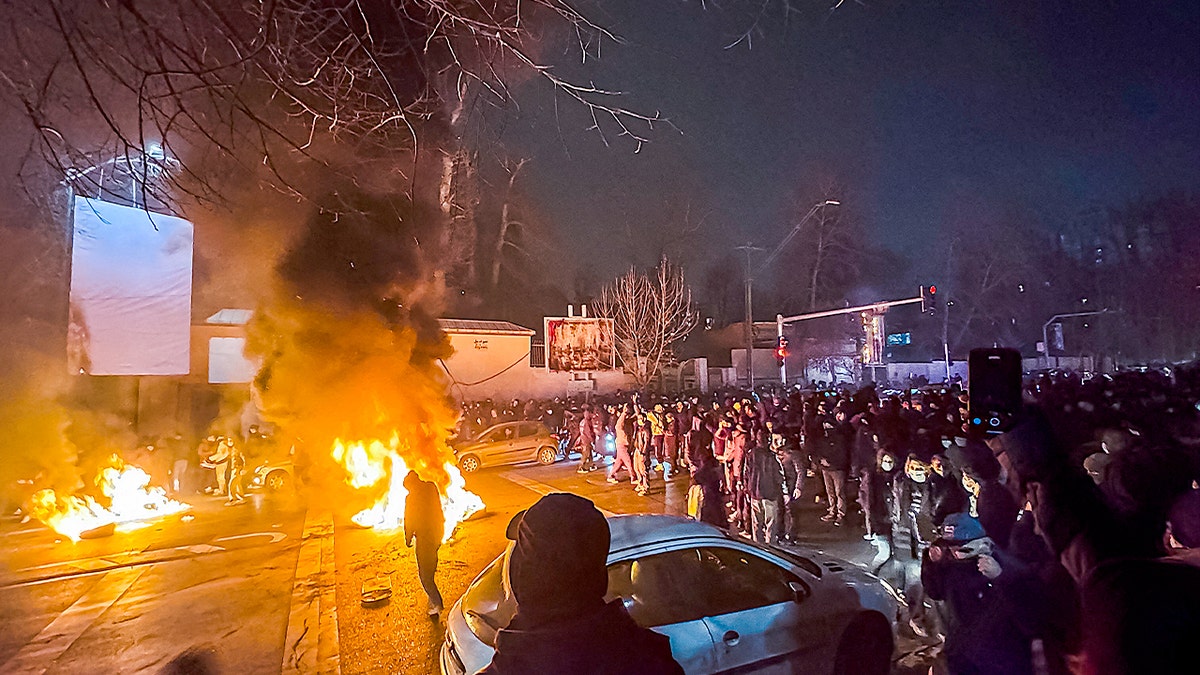
Opposition-linked groups warn that the final death toll could be as high as 30,000. (MAHSA/Middle East Images/AFP via Getty Images))
One eyewitness from Eslamshahr, a southern district of Tehran, said a group of 27 protesters was fired upon, killing 10. The source said a cousin was killed, another cousin, Melika, 20, was mutilated, and the bodies were buried in a nearby park.
In Lahijan, in northern Gilan Province, an eyewitness said 30 protesters were shot outside the governor’s office on Jan. 8, with seven later dying in the hospital. In Shiraz, a 16-year-old said he was shot with pellet guns in the lips, eye and throat and is now experiencing vision problems.
Another eyewitness from Bandar Abbas in southern Iran said that since Jan. 18, martial law has been imposed, with residents barred from the streets after 4 p.m. local time. The source claimed security forces entered hospitals to remove or kill wounded protesters and that families were allegedly told to pay 10 billion rials, roughly $8,000, to recover the bodies of their children.
Sabti said the renewed diplomacy has also deepened public disillusionment inside Iran.
CLICK HERE TO DOWNLOAD THE FOX NEWS APP
Iranian security forces allegedly killed detainees and burned bodies during protests, with clashes continuing in Kermanshah, Rasht and Mashhad despite government claims. (NCRI)
«Many protesters are very disappointed,» he said. «When Trump said on Jan. 13 that ‘help is on its way,’ they believed it. They were very emotional about it. After 47 years, an American president was speaking in support of the Iranian people. But now they interpret his words as helping the regime, not the protesters. The disappointment is very deep.»
Reuters contributed to this report.
iran,world protests,saudi arabia,turkey,israel,donald trump

Infantino propone revisar el veto a Rusia y reabrir su participación en el fútbol internacional

Yuji Horii, creador de Dragon Quest, también contará con biografía adaptada al manga – Nintenderos

La Justicia realizó un nuevo operativo en el aeropuerto de San Fernando por los vuelos de los helicópteros a la mansión de Pilar

Congreso: con la reforma laboral en el centro del debate, comienzan las sesiones extraordinarias

Imágenes satelitales muestran cómo el régimen de Irán reconstruye las plantas nucleares bombardeadas en la Guerra de los 12 días

Cómo es el nuevo Índice de Precios que estaba por publicar el director saliente del Indec

La escandalosa prohibición de María Susini: por qué no quiere que Facundo Arana se acerque a sus hijos

A qué hora puede llover hoy en CABA, según el Servicio Meteorológico Nacional

Julieta Díaz contó por qué no funcionó su noviazgo con Luciano Castro en medio de la separación con Griselda Siciliani

Estados Unidos advirtió al régimen de Irán que “no tolerará” ejercicios militares “inseguros” cerca de sus fuerzas en Medio Oriente

 CHIMENTOS3 días ago
Julieta Díaz contó por qué no funcionó su noviazgo con Luciano Castro en medio de la separación con Griselda Siciliani
- INTERNACIONAL2 días ago
Estados Unidos advirtió al régimen de Irán que “no tolerará” ejercicios militares “inseguros” cerca de sus fuerzas en Medio Oriente
- ECONOMIA2 días ago
Las tensiones geopolíticas alteran los mercados pero benefician a la Argentina por un inesperado motivo