INTERNACIONAL
Mexican sewage gushing into Navy SEAL training waters is US’ ‘next Camp Lejeune,’ vets warn

«Disgusting,» said Navy SEAL veteran Rob Sweetman in describing the smell and mist of Mexican sewage spewing into U.S. waters as he stood on a hill overlooking the Tijuana River estuary in California.
Sweetman, a Navy veteran who served on the SEALs for eight years, spoke to Fox News Digital to sound the alarm on a water crisis rocking the San Diego area, including where SEALs train, taking a camera with him to show viewers firsthand how the contaminated water flows into the U.S.
Just one mile away from where Sweetman spoke, SEALs and candidates train in the same water, which has sickened more than 1,000 candidates in a five-year period, per a Department of Defense watchdog report released in February.
San Diego and the surrounding area are in a clean-water crisis that has raged for decades, but it is finding revived concern from the Trump administration as SEALs and local veterans warn of a «national security crisis» that they say is on par with the Camp Lejeune, North Carolina, water crisis.
Thousands of Marines and others were sickened at North Carolina’s Camp Lejeune base between 1953 and 1987 as a result of water contaminated by industrial solvents used to drink, bathe and cook at the training facilities and on-base housing.
EPA CHIEF TAKES ON MEXICAN ‘SEWAGE CRISIS’ FLOWING INTO US WATERS WHERE NAVY SEALS TRAIN
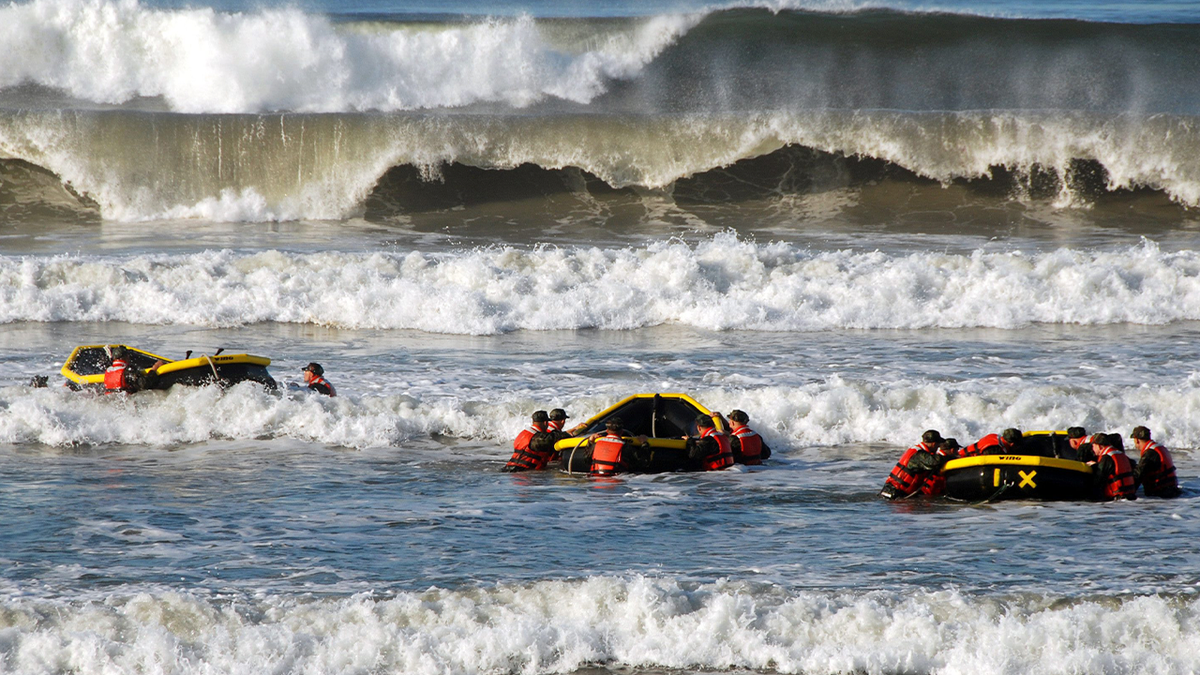
The Basic Underwater Demolition/SEAL (BUD/S) class participates in a surf passage training exercise at Naval Amphibious Base Coronado in Coronado, California. (Getty Images)
Kate Monroe, a Marine Corps veteran and CEO of VetComm — which advocates for disabled veterans and those navigating the VA’s complicated health system — told Fox Digital in an April Zoom interview, «San Diego County is as big as some states. It’s giant. Millions of people live here and are breathing the air of this water. It goes well beyond the military. It’s a crisis. It’s a FEMA-level travesty, and we have just been hiding it.»
The Navy has deep roots in the San Diego area, with the United States Naval Special Warfare Command headquartered in America’s Finest City and where Navy SEAL candidates complete their arduous six-month Basic Underwater Demolition/SEAL (BUD/S) at the Naval Amphibious Base Coronado.
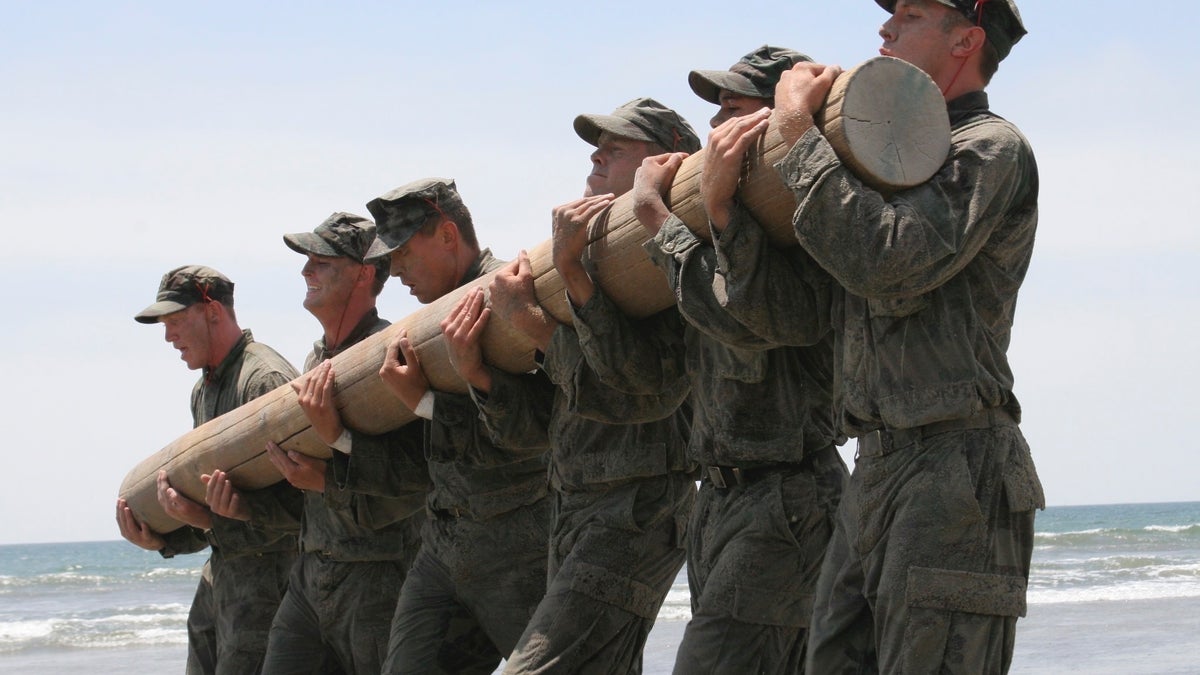
Naval Special Warfare Center reported 1,168 cases of acute gastrointestinal illnesses among SEAL candidates between January 2019 and May 2023 alone. (Jeff Gum)
The sewage problem flowing from neighboring Mexico into the U.S. has percolated in San Diego for years.
But the water crisis hit crisis level when it was reported in 2024 that 44 billion gallons of contaminated water imbued with raw sewage was released along the California coast in 2023, the most on record since at least 2000, the Los Angeles Times reported at the time.
The issue of sewage water flowing into U.S. waters is largely attributed to outdated wastewater infrastructure across the southern border, local media outlets recently reported, with Mexico reportedly in the midst of addressing its infrastructure to curb the leaks of sewage water.
The Tijuana River has for decades been plagued by sewage and waste that has affected its beaches and neighboring San Diego.
In February, the Department of Defense’s inspector general released a report finding that the Naval Special Warfare Center reported 1,168 cases of acute gastrointestinal illnesses among SEAL candidates between January 2019 and May 2023 alone.
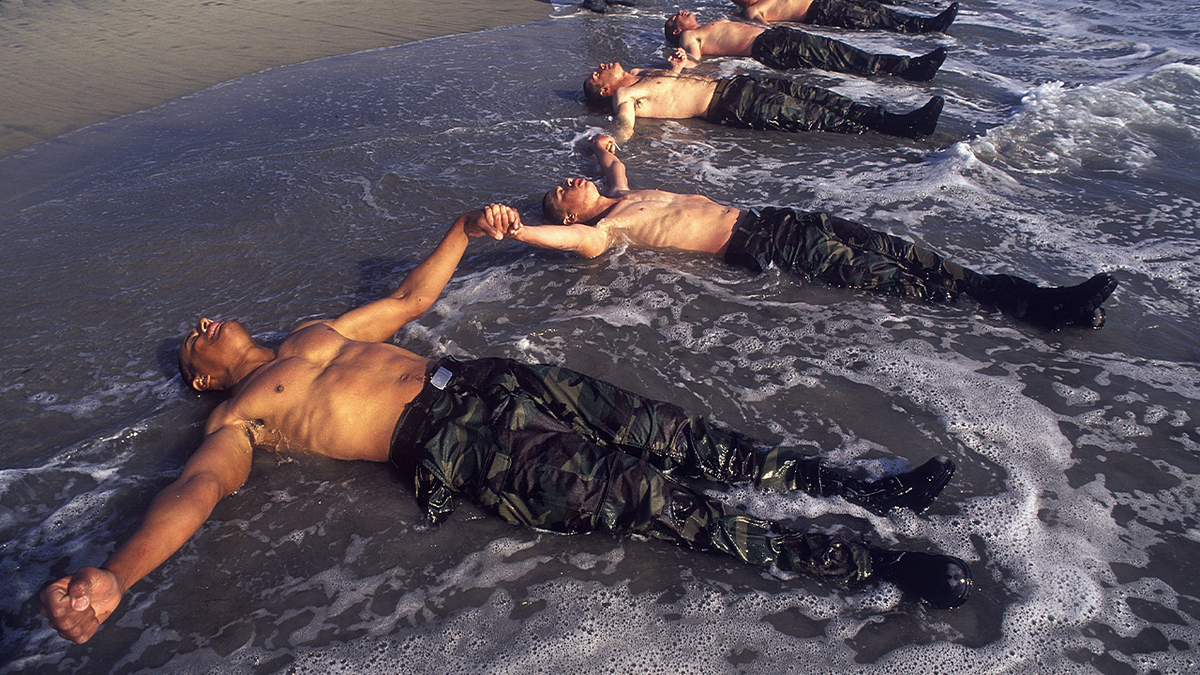
Navy SEAL trainees are shown during Hell Week. (Getty Images)
«Navy SEAL candidate exposure to contaminated water occurred because (Naval Special Warfare Command) did not follow San Diego County’s Beach and Bay Water Quality Program’s beach closure postings,» the inspector general report found. «As a result of Navy SEAL candidate exposure to contaminated water during training, candidates are presented with increased health risks and NAVSPECWARCOM’s training mission could be impacted.»
‘IBS, GERD, skin issues, weird cancers’
It was when Monroe, who is well-versed with veteran health through VetComm, was working with SEALs who were retiring that she realized the severity of the San Diego water pollution of the past few years.
She observed an increase in health claims related to intestinal issues and «weird cancers,» which was a departure from typical claims related to PTSD or orthopedic ailments.
US SENATOR BLASTS PRESIDENT OF MEXICO, SAYS TOXIC SEWAGE DUMP THREATENS ‘NATIONAL SECURITY’
«I started creating relationships with the SEAL teams, the people that were exiting the SEALs, you know, at 14 years, 20 years, nearing their retirement,» Monroe told Fox News Digital. «And the claims that we were making for these guys were surprising to me because a lot of them, they have combat PTSD, a lot of orthopedic issues. But we were having guys coming to us with, like, IBS, GERD, skin issues, weird cancers, and they were all attributing it to their time spent in San Diego training to be a SEAL in that water here that we have in San Diego.»
Swimming and spending time in water contaminated with feces can lead to a host of illnesses, including bacterial, viral and parasitic infections that leave people nauseous, vomiting and rushing to the bathroom.
Navy SEAL vet Jeff Gum was only days from entering the SEAL’s aptly named Hell Week — the fourth week of basic conditioning for SEAL candidates — when nausea hit him. He was trapped in a cycle of drinking water and vomiting when he realized a serious illness had its grips on him.
Gum is a retired SEAL who served from 2007 to 2017 and was exposed to the contaminated water in 2008 during BUD/S training off the San Diego coast.
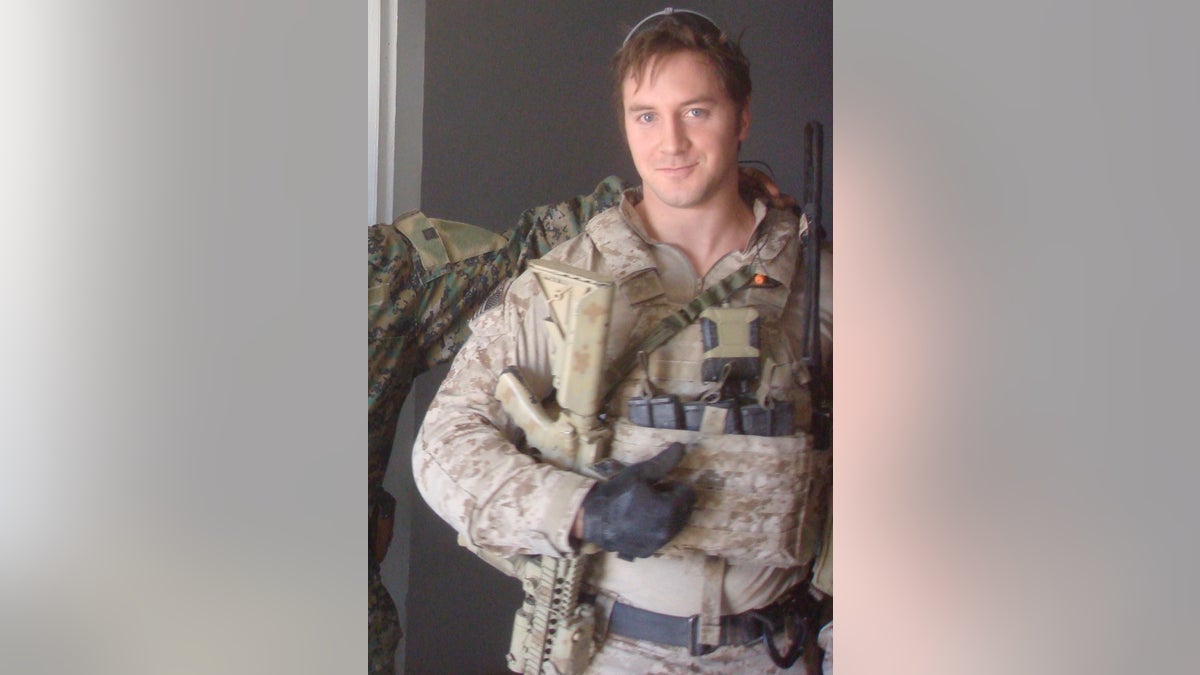
Navy SEAL vet Jeff Gum (Jeff Gum)
«I couldn’t stop,» Gum recounted of how he couldn’t keep water down without vomiting. «You never really want to go to medical because they can pull you out or make you get rolled to the next class, but I couldn’t even drink water without throwing up. It’s the only time in my whole life that this has happened.»
Gum’s nausea overcame him on a Friday in 2008, with Hell Week kicking off that Sunday night. Hell Week is a more than five-day training that puts candidates through rigorous training, including cold-water immersion, «surf torture,» buoy swims, mud runs, all while operating on minimal sleep.
SAN DIEGO SUBURB FACES ‘SEWAGE CRISIS’ FROM LOCAL BEACH
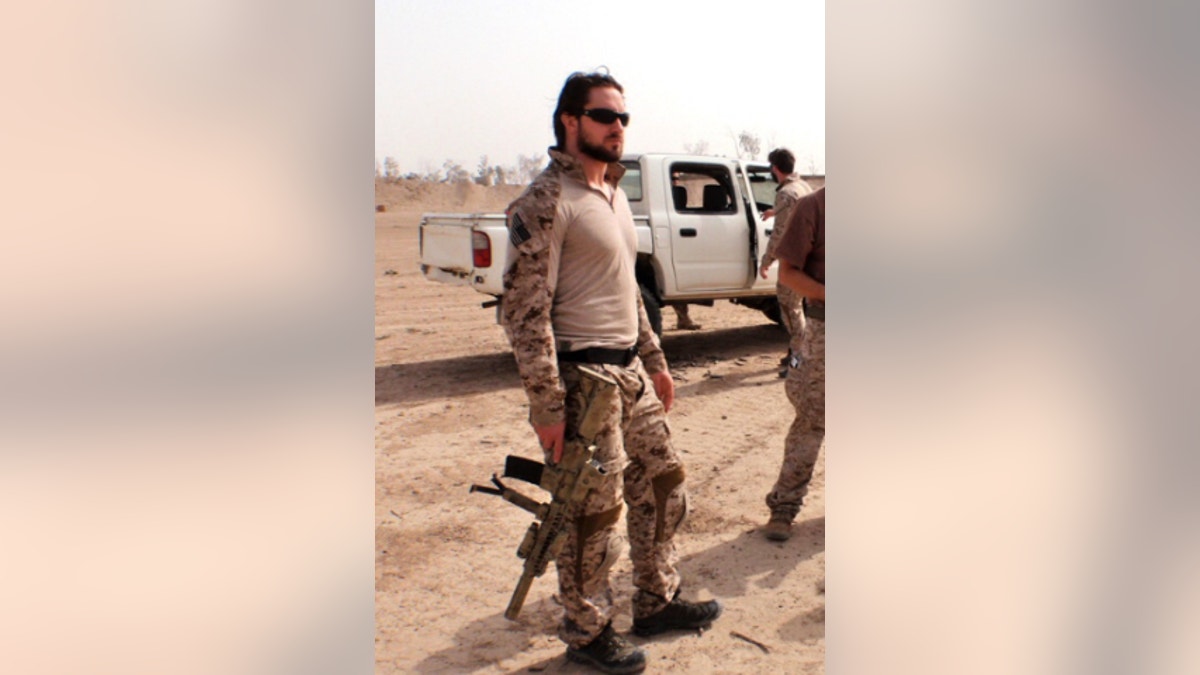
Navy SEAL vet Jeff Gum in Iraq. (Jeff Gum)
«The sun goes down, and the instructors come out with big machine guns, that kicks it off,» Gum said of how Hell Week began. «We run out to the beach, right into the ocean. You spend the rest of the week soaking wet, covered in sand. And everywhere you go, you have a 200-pound boat on your head that you and your boat crew of six to seven guys will share the weight of, and you just run everywhere.»
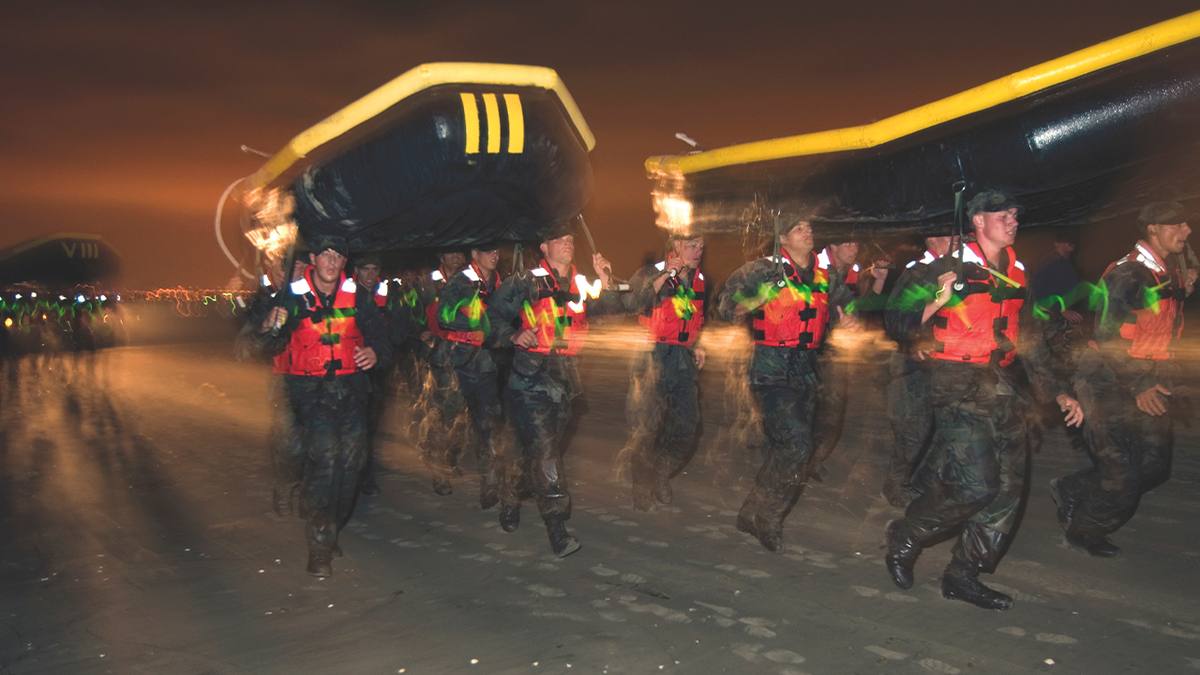
Hell Week training for the SEALs includes carrying boats. (Getty Images)
«You’re just in the water. There’s no escaping it. It’s part of what makes BUD/S BUD/S. And it’s part of what makes the Navy SEALs America’s premier maritime special operators,» he said. «There’s not getting around how comfortable we have to be in the water. Cold, wet, miserable, doesn’t matter, we suck it up and we do it.»
MEXICO IS POISONING SOUTHERN CALIFORNIA IN A BORDER CRISIS ALMOST NO ONE KNOWS ABOUT
Gum received IVs the weekend ahead of Hell Week and was able to keep food and water down by the time the intense training began, but he had been diagnosed with viral gastroenteritis, commonly known as the stomach flu and highly contagious, which then morphed into rhabdomyolysis due to exerting so much energy while dehydrated from viral gastroenteritis
Rhabdomyolysis is a serious illness that causes muscle to break down quickly and can lead to «muscle death» and the release of high levels of myoglobin in the blood that can injure a person’s kidneys.
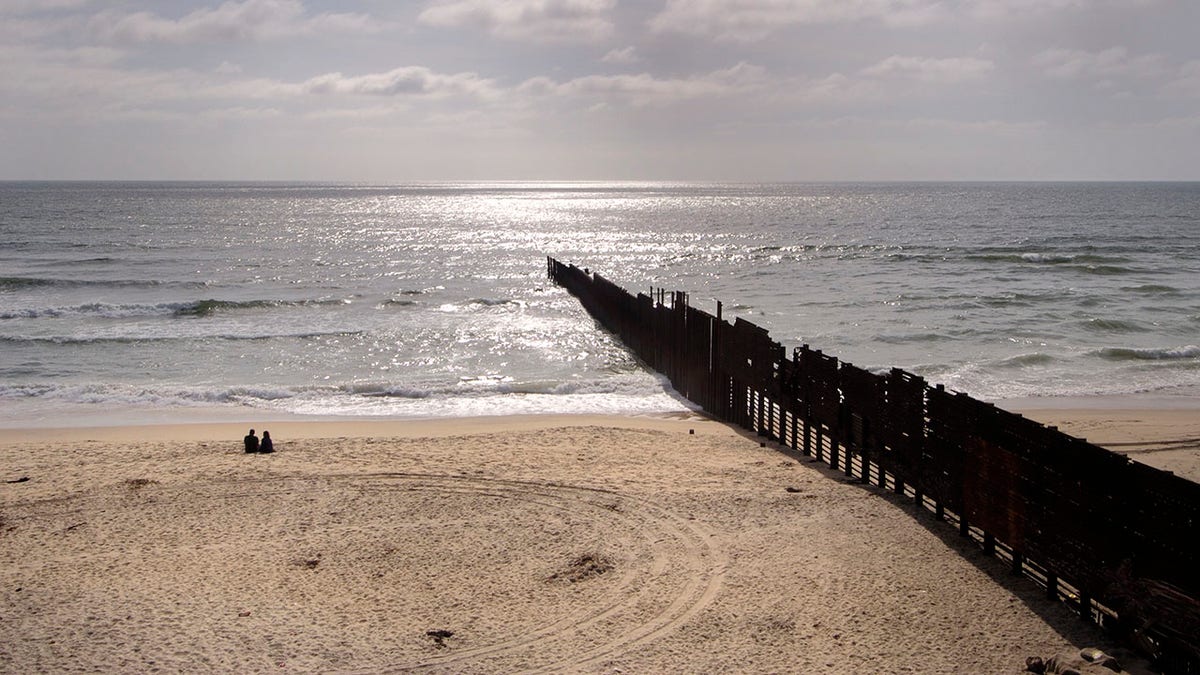
The border fence between Imperial Beach near San Ysidro, California, right, and Playas de Tijuana near Tijuana, Mexico. (Getty Images)
Gum failed the first phase of BUD/S, but he was granted permission to return to training for a second time after senior leaders saw he had viral gastroenteritis. Gum again went through the first phase of BUD/S, but again he went to medical, where tests showed that his «blood came back toxic» from rhabdomyolysis.
The SEAL was put on medical leave and able to fully recover in his home state of Pennsylvania before he «crushed» the hellish training on his third try. He served on SEAL Team Five, deployed to Fallujah, Iraq, and taught combatives and prisoner handling to SEAL trainees in San Diego from 2013 until his retirement in 2017.
Sweetman told Fox Digital that «everyone who goes through training is going to get sick.»
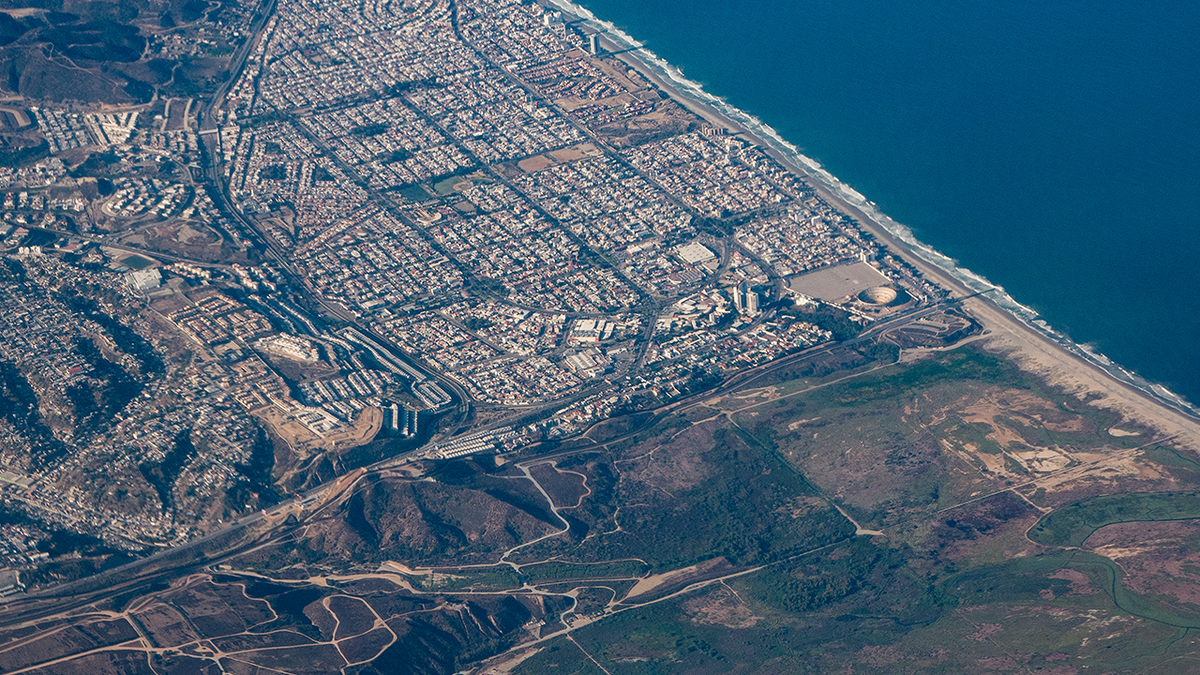
Tijuana, Mexico, top, and San Diego (Getty Images)
«They’re going to get infections, and it’s terrible,» Sweetman told Fox Digital in an April Zoom interview. «And some might argue that this is Navy SEAL training. You have to go through the toughest conditions to be able to survive and make it. I would say that it’s gotten a little bit out of hand.»
The SEAL vet, who lives in the San Diego area, said the issue has gotten worse in recent years as Tijuana’s population grows.
I TRAINED WITH THE NAVY SEALS FOR A DAY. THIS IS WHAT I LEARNED
«When I went through training, it was absolutely a thing that they’d shut down the Imperial Beach because the ocean water was so bad, because the waste coming from Tijuana had infected the water,» Sweetman said. «You could always smell it. And oftentimes, even in the bay, we’d need to wash our wet suit after being out on a swim.»

Rob Sweetman served eight years as a Navy SEAL. (Rob Sweetman)
«Now, some of the training causes us to be deeply immersed in the water, and infections and all types of things can come up from being in the water. But I’ll say that it has gotten significantly worse as the population has doubled in Tijuana.»
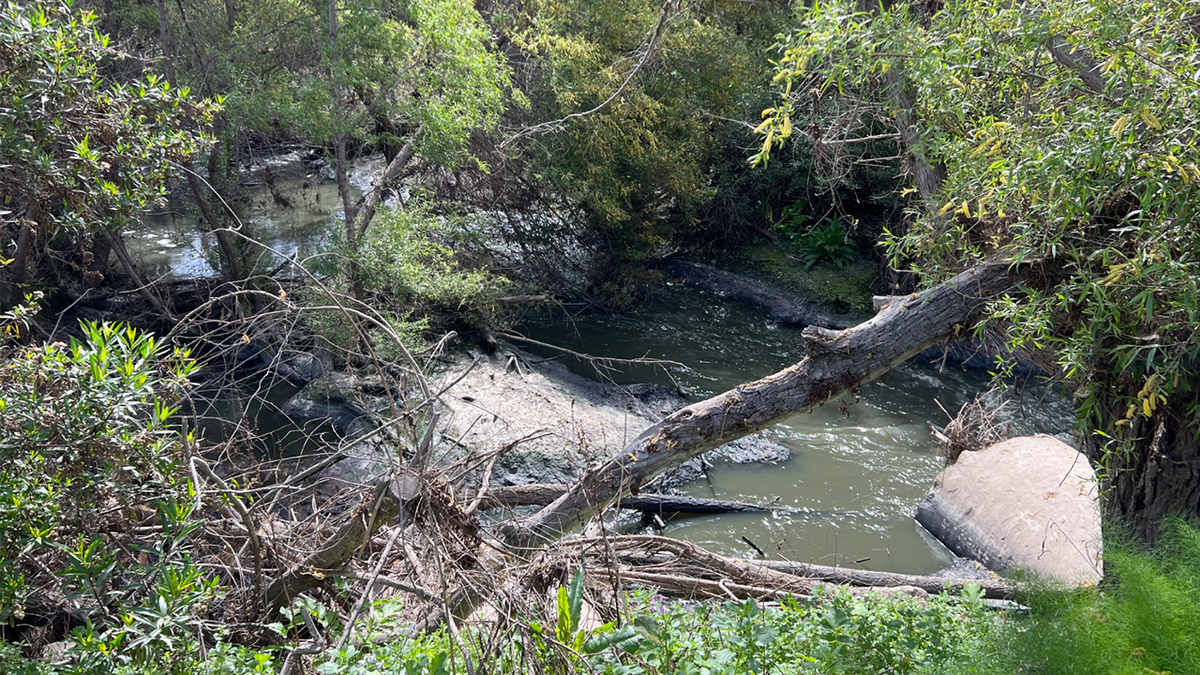
Raw sewage from Tijuana is flowing into the San Diego area, causing illness to spread among SEALs and candidates. (Rob Sweetman)
‘A huge national crisis’
Gum and Monroe both said that water issue is a crisis, with Gum identifying it as a national security crisis that could cull well-suited candidates from the SEALs due to acute illnesses as well as sicken active SEALs.
«This is a huge national crisis,» he said. «Like half the SEAL teams are located in San Diego, the other half are in Virginia Beach. So when you’ve got half the SEAL teams who are getting exposed to this, then it’s a major issue.»
Monroe called it the «next Camp Lejeune» crisis, which sickened Marines with contaminated drinking water at the North Carolina Marine Corps base camp for nearly three decades. The crisis has cost the U.S. billions of dollars, including legal costs and settlements to vets and their families.
«This is going to be, in my opinion, the next Camp Lejeune water problem that cost our government $21 to $25 billion,» she said. «That’s just in the compensation directly, like the lawsuit portion of it. That doesn’t cover all the compensation you have to pay these veterans tax-free for the rest of their lives. I would say that this issue here in San Diego, if you look at it over the time that people have been training here, you’re looking at another $21 to $25 billion, plus all of the compensation that’s going to come. It would be cheaper for our country to fix this than it would to allow it to continue.»
The three veterans who spoke to Fox Digital all responded with optimism that the Trump administration will tackle the crisis and end it.
WILL CAIN, NAVY SEALS HONORS VETERANS AT 2024 NYC SEAL SWIM
Fox Digital exclusively reported earlier in April that EPA Administrator Lee Zeldin is heading to San Diego to meet with SEALs and see the crisis firsthand April 22, 2025.
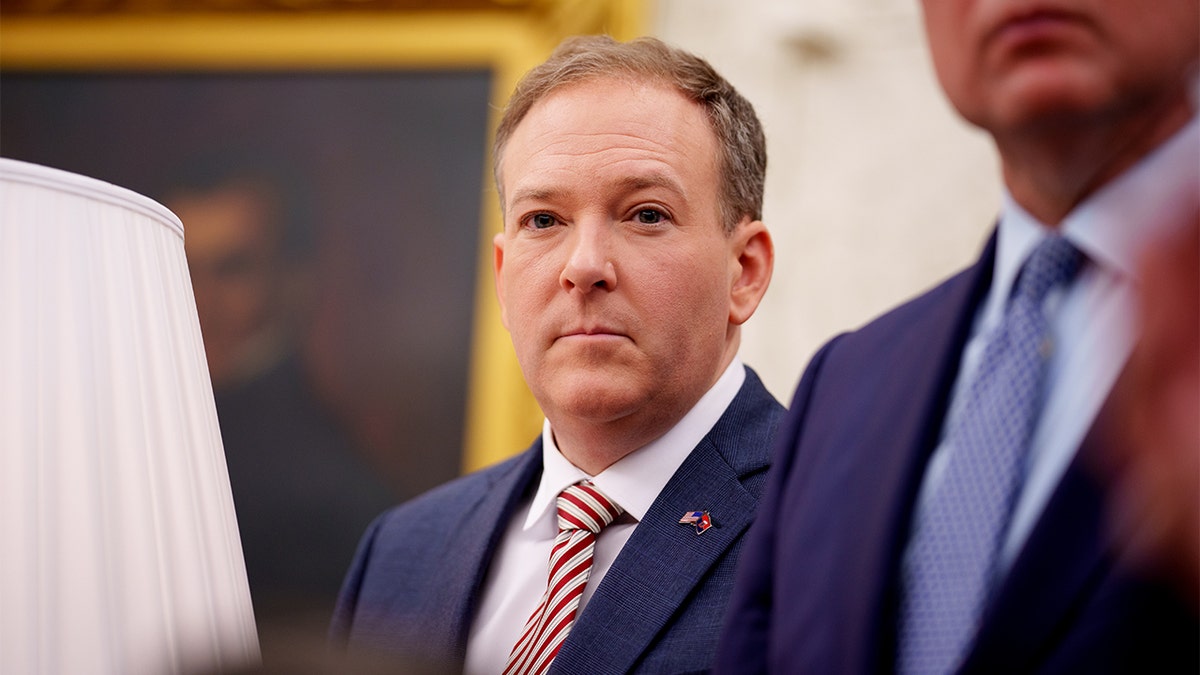
EPA Administrator Lee Zeldin is heading to San Diego to meet with SEALs and see the water firsthand April 22, 2025. (Andrew Harnik/Getty Images)
«The raw sewage flowing from Mexico into the Tijuana River is creating serious, detrimental issues for communities with affected waterways,» Zeldin told Fox Digital ahead of the Tuesday trip.
«Ensuring America’s waters are clean is part of EPA’s core mission, and I look forward to being on the ground in San Diego in a few days to assess the situation and hear directly from those affected,» he said. «It is top-of-mind knowing that as this issue persists, more and more Navy SEALs remain at risk of sickness because of the contaminated waterways they train in. I strongly believe the time has come to finalize and implement an urgent strategy to end decades of raw sewage entering the U.S.»
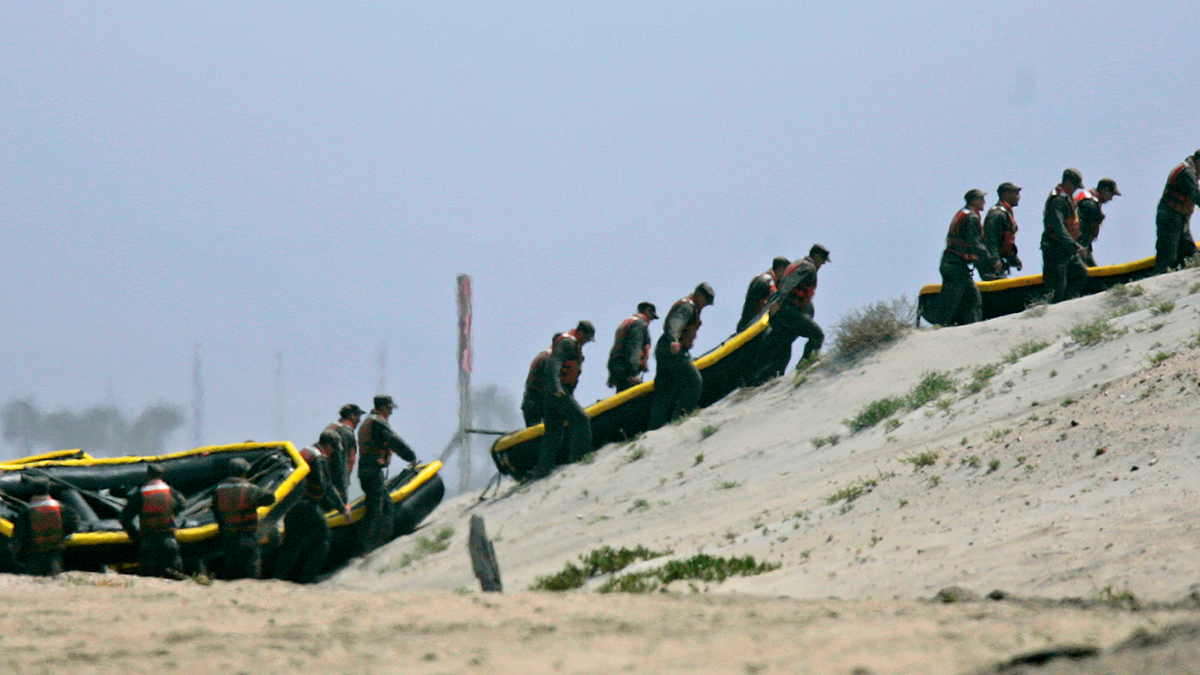
BUD/S students participate in SEAL training at the Naval Special Warfare Center, Naval Amphibious Base in Coronado, California. (Gina Ferazzi/Los Angeles Times via Getty Images)
A spokesperson for Naval Special Warfare added in a comment to Fox News Digital that SEALs and candidates’ health are a top priority and that officials are monitoring water quality in areas where they train.
«The Navy takes the health and safety of our personnel very seriously,» the spokesperson said. «Water quality at Navy training locations on the beach waterfront is closely monitored in coordination with local authorities. We are fully committed to ensuring warfighters at U.S. Naval Special Warfare Command train in a safe environment.»
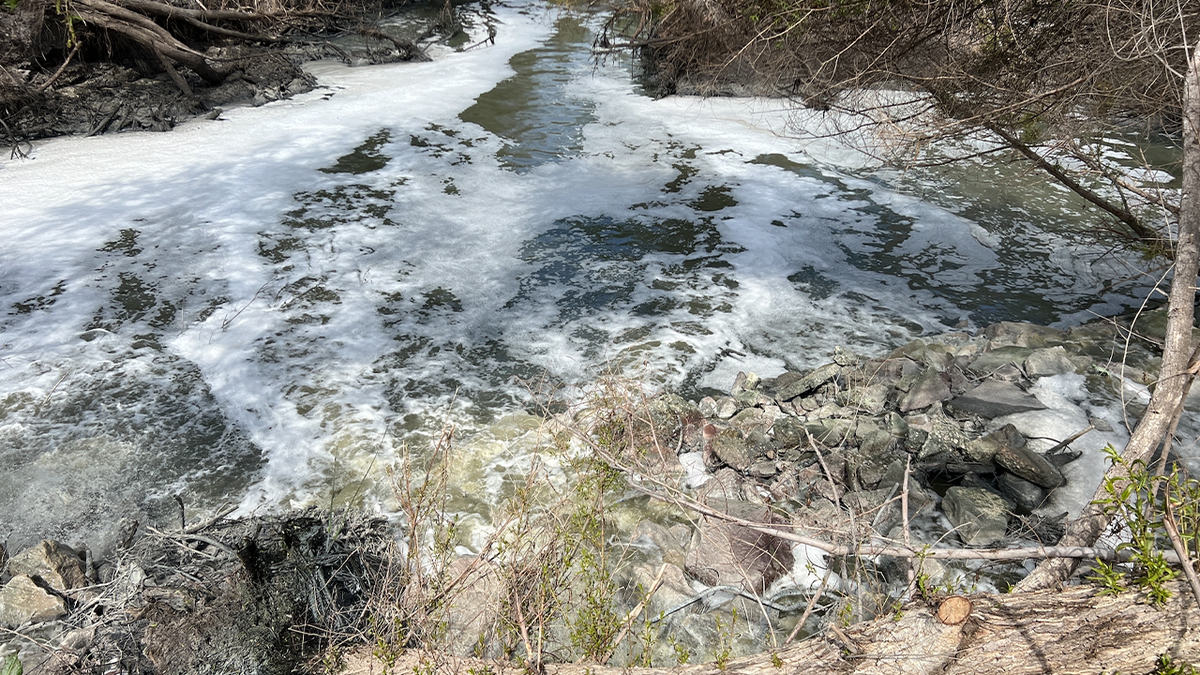
Mexican sewage flows into the U.S. (Rob Sweetman)
Ahead of Zeldin’s visit, the water flowing from Mexico into the U.S. is as «nasty» as ever, according to Sweetman.
«What I see here is a tremendous amount of green, nasty water,» Sweetman said while pointing at the murky water. «I mean, you can smell it. This is disgusting. As it pours through, it doesn’t clear up. There’s no clarity to it. It just turns into a foam. And the foam sits on top of the water where it’s murky and it just continues to flow towards Imperial Beach and the ocean down here.»
CLICK HERE TO GET THE FOX NEWS APP
«It’s absolutely disgusting. I can’t comment strongly enough about how bad it is to be here. I’m here specifically because I want people to see just how bad it is,» he said. «The moment that I leave here, I’m going to go take a shower.»
US Navy,California,Mexico,MILITARY,National Security,Politics,Donald Trump,Lee Zeldin

INTERNACIONAL
Crece la tensión en Irán: estudiantes se sumaron a los comerciantes para protestar contra la crisis económica

Estudiantes se sumaron al movimiento de protesta de comerciantes contra el elevado costo de vida y la hiperinflación que golpea a Irán, un país afectado por severas sanciones occidentales.
La República Islámica sufre desde hace años un encarecimiento de productos básicos y una irrefrenable caída de su moneda, el rial. La inflación interanual se situó en diciembre en 52%, según el Centro de Estadísticas.
Leé también: Trump aumentó la presión sobre Venezuela: sancionó a un fabricante estatal de drones vinculado con Irán
En el tercer día de protestas, el presidente iraní, Masud Pezeshkian, pidió a sus ministros escuchar “las demandas legítimas” de los manifestantes y “actuar con todas sus fuerzas para resolver los problemas”.
Irán atraviesa una grave crisis económica agravada por las sanciones internacionales, en un año en que sufrió además ataques israelíes y estadounidenses en sus plantas nucleares.
Las protestas se extienden al interior del país
Pero el llamado presidencial no aplacó las protestas. Estudiantes universitarios se sumaron a las movilizaciones en Teherán y en la ciudad de Ispahan, en el centro del país, según la agencia de prensa Ilna, cercana a los sindicatos.
Agobiados por el efecto en sus negocios, vendedores de la capital cerraron sus tiendas el lunes y marcharon contra el deterioro de la situación económica. Manifestantes recorren una avenida del centro de Teherán. (Foto: AP)
Las movilizaciones comenzaron el domingo en el mayor mercado de teléfonos celulares de Teherán. Imágenes de la agencia de noticias estatal Fars mostraron que las fuerzas de seguridad lanzaron gases lacrimógenos para dispersar las protestas.
“Pedí al ministro del Interior que escuche las demandas legítimas de los manifestantes” para que el gobierno “pueda actuar con todas sus fuerzas para resolver los problemas y hacerlo de manera responsable”, aseguró el presidente Pezeshkian en la red social X.
Aumenta la vigilancia policial
Este martes por la mañana, la mayoría de las tiendas y cafeterías estaban abiertas en la avenida Vali-asr, que atraviesa la capital de norte a sur a lo largo de 18 kilómetros.
Policías antidisturbios vigilaban las principales plazas del centro de la ciudad.
Leé también: “No quería ver morir a nadie”: el hombre que enfrentó a un terrorista en Bondi Beach rompió el silencio
Para el miércoles, las autoridades decretaron el cierre de escuelas, bancos y establecimientos públicos en Teherán y otras partes del país por el frío y para ahorrar energía, indicó la prensa estatal, que no lo vinculó a las protestas.
El presidente del Parlamento, Mohamad Bagher Ghalibaf, pidió a los diputados y políticos a tomar las “medidas necesarias para aumentar el poder adquisitivo de la población”.
Sin embargo, también alertó contra el riesgo de instrumentalización de estas protestas para sembrar “el caos”. El presidente iraní Masud Pezeshkian (Foto: REUTERS)
Moneda en caída libre
El rial iraní alcanzó el domingo un nuevo mínimo histórico frente al dólar, según el tipo de cambio informal en el mercado negro, a más de 1,4 millones de riales por dólar (frente a los 820.000 de hace un año) y 1,7 millones por euro (frente a los 855.000).
El lunes, la divisa se recuperó ligeramente.
Esta depreciación crónica llevó a una hiperinflación y a una fuerte volatilidad en Irán, donde algunos precios aumentan considerablemente de un día para otro.
Leé también: China inició maniobras militares con fuego real para simular el bloqueo de puertos de Taiwán
Esta situación paraliza las ventas de algunos productos importados. Tanto vendedores como compradores prefieren posponer cualquier transacción a la espera de que la situación se aclare.
“Ningún dirigente nos ha apoyado ni ha tratado de averiguar cómo afecta el tipo de cambio del dólar a nuestras vidas. Tuvimos que manifestar nuestro descontento”, lamentó un manifestante citado por el diario local Etemad.
La economía iraní, ya debilitada por décadas de sanciones occidentales, sufre además por el restablecimiento a finales de septiembre por parte de la ONU de las penalizaciones internacionales relacionadas con su programa nuclear, que habían sido levantadas hace diez años.
(Con información de AFP)
Irán, Protesta
INTERNACIONAL
Japón proveerá drones y tecnología a Argentina, Uruguay, Perú y Ecuador para frenar la pesca ilegal china
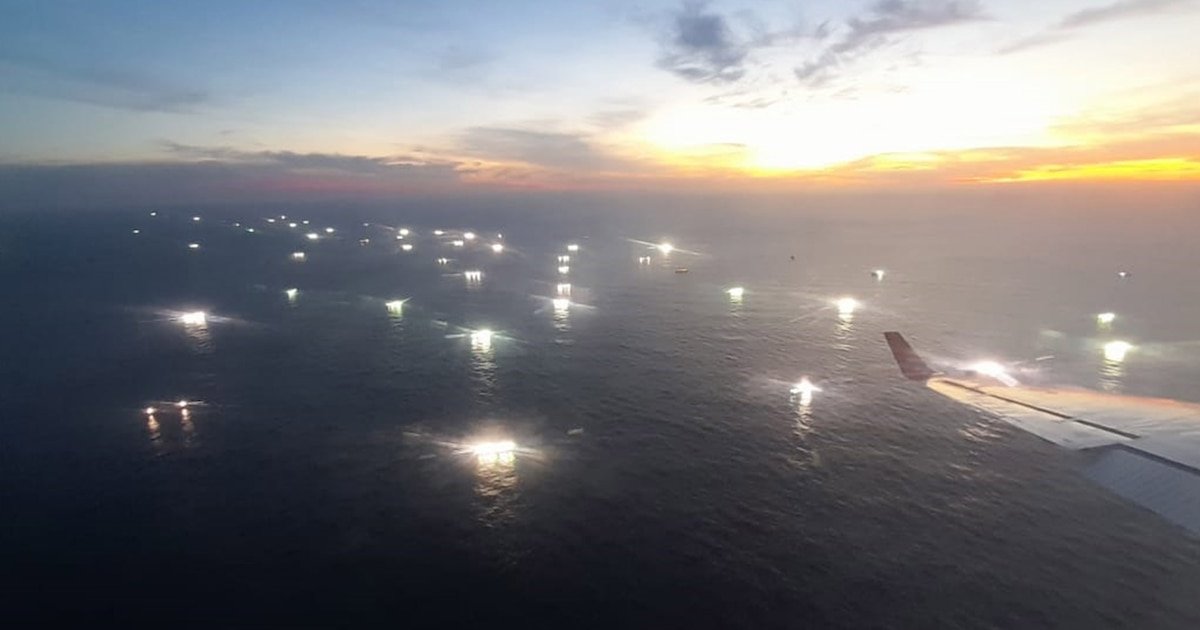
Japón implementará un programa de asistencia a países sudamericanos que enfrentan flotas pesqueras chinas operando ilegalmente en sus aguas, proporcionando drones de vigilancia y otro equipamiento para reforzar los patrullajes marítimos, anunció el Ministerio de Relaciones Exteriores nipón.
Ecuador, Perú, Argentina y Uruguay recibirán la ayuda a través de la Oficina de las Naciones Unidas contra la Droga y el Delito, según informó este lunes Nikkei Asia. El Ministerio de Relaciones Exteriores japonés destinó 300 millones de yenes (1,9 millones de dólares) para la iniciativa, que incluye botes patrulleros inflables y equipos que analizan imágenes tomadas por drones. Esta tecnología permitirá identificar el registro de las embarcaciones, el tamaño de la tripulación y las rutas que siguen los buques.
Las flotas pesqueras chinas mantienen una presencia activa en las aguas alrededor de las Islas Galápagos de Ecuador. Con sus transpondedores GPS aparentemente apagados, estas flotas navegan hacia el sur frente a las costas de Perú y Chile. En el Atlántico, se ha confirmado actividad de flotas chinas en aguas cercanas a Argentina y Uruguay.

Estas flotas chinas son sospechosas de pesca ilegal, no declarada y no reglamentada, así como de actividades de recopilación de información, incluyendo el mapeo del lecho marino. .
Cuando una flota pesquera desactiva el rastreo GPS, determinar la trayectoria y el número de embarcaciones involucradas se vuelve extremadamente difícil. Tomar medidas de aplicación requiere capacidades superiores de guardacostas, de las cuales muchos países sudamericanos carecen.
Los buques pesqueros chinos también operan ilegalmente en el Banco de Yamato del Mar de Japón, y embarcaciones pesqueras japonesas han estado involucradas en incidentes frente a la costa del Pacífico del noreste de Japón. El gobierno japonés busca apoyar a países que enfrentan problemas similares.

La presencia de la flota china en aguas sudamericanas ha generado gran preocupación en la región. En Argentina, la actividad pasó de 61.727 horas por cada 500 kilómetros cuadrados en 2013 a 384.046 horas en 2023 en la zona conocida como “Milla 201”, al borde de la Zona Económica Exclusiva del país, según datos de Global Fishing Watch citados por Infobae.
La Prefectura Naval Argentina informó recientemente que reforzó el monitoreo de “más de 500 buques pesqueros extranjeros que arribarán a la Milla 201 en la próxima zafra del calamar”, de los cuales ya detectó 148 “en tránsito”. La mayoría proviene de China, Corea del Sur y Taiwán, reportó Infobae.
Investigadores locales han denunciado además actividades sospechosas de mapeo de la Plataforma Continental Argentina por parte de buques chinos. El arrastrero Lu Qing Yuan Yu 205, que en 2016 había realizado pesca ilegal dentro del Mar Argentino, fue detectado este año realizando movimientos en cuadrículas que sugieren prospección del fondo marino, según Milko Schvarzman, investigador del Círculo de Políticas Ambientales, citado por Infobae.
En Ecuador, el episodio de mayor tensión tuvo lugar en 2017, cuando las autoridades capturaron el carguero chino Fu Yuan Yu Leng 999 dentro de la reserva marina de Galápagos cargado con 6.623 tiburones de diversas especies.
También se han planteado preocupaciones sobre posibles abusos a los derechos humanos de trabajadores en embarcaciones pesqueras ilegales en Sudamérica. Según reportes, estos trabajadores enfrentan largas jornadas en condiciones difíciles en barcos sin control de temperatura.
Muchos de los trabajadores son del Sudeste Asiático, según el ministerio de Relaciones Exteriores japonés. Intensificar la aplicación de medidas contra las flotas pesqueras ilegales en Sudamérica podría ayudar a proteger a esos trabajadores, según Nikkei Asia, proporcionando potencialmente una oportunidad para que Japón refuerce las relaciones con los países del Sudeste Asiático.
INTERNACIONAL
Minnesota Dem Senate candidate faces call from opponent to apologize over viral ‘pandering’ hijab video

NEWYou can now listen to Fox News articles!
Minnesota Republican senatorial candidate David Hann is calling on one of his potential Democratic opponents to apologize after a video of her wearing a hijab and supporting the Somali community amidst a massive fraud scandal went viral on social media.
«It’s emblematic of the way she and other Democrat politicians in Minnesota have behaved over the past decade or so. They’re very political,» said former Minnesota state Sen. David Hann, who is running for Senate in the Republican primary, of Lt. Gov. Peggy Flanagan’s video wearing a hijab and defending the Somali community amid a massive fraud scandal that has rocked Minnesota over the past several years.
«They just are pandering to political constituencies, and they’re not doing the job that they were elected to do.»
In the video, which was widely criticized by conservatives on social media last week, Flanagan can be seen donning a hijab while talking to Somali constituents.
MINNESOTA GOP LAWMAKERS CITE CONSTITUTION IN CALL FOR WALZ TO RESIGN OVER FRAUD CRISIS
Minnesota Lt. Gov. Peggy Flanagan is facing backlash over a viral video defending Somalis amid a massive fraud scandal. (Getty)
«Salam alaikum,» Flanagan says in the video giving an Arabic greeting before saying, «The Somali community is part of the fabric of the state of Minnesota.»
«I am here shopping today and just encouraging other folks to show up, support our Somali businesses, support our immigrant neighbors, and I know that things are scary right now,» Flanagan added in the video that was aired on Somali TV.
«Being part of Minnesota and growing up here, the Somali community has always been a part of my Minnesota,» Flanagan added, while telling residents to «show up and support our Somali businesses and our immigrant neighbors.»
«We’ve got your back,» Flanagan said.
Flanagan, who has not spoken out in response to the viral investigation from journalist Nick Shirley highlighting the alleged fraud problem in Minnesota, faced criticism over the video from those who accused her of downplaying the scandal.
MEDIA ‘COMPLICITY’ BLAMED AS FEDS SAY MINNESOTA FRAUD CRISIS COULD REACH $9B: ‘SHOWN THEIR TRUE COLORS’
«This is what political performance looks like — symbolism over accountability — while billions in taxpayer dollars vanish,» Fox News anchor Laura Ingraham posted on X. «Minnesota Lt. Gov. Peggy Flanagan wears hijab in solidarity with Somalis as feds probe multibillion-dollar fraud scandal.»
Hann told Fox News Digital that Flanagan should apologize for and retract the video.
«They did not do their duty out of concern that they would offend a political constituency,» Hann said. «So they haven’t done anything to take responsibility for what the public expects them to do. So yes, she should apologize.»
«She certainly should not be sent to Washington to oversee federal dollars being spent. But it’s emblematic of the way Democrats have governed in this state. They like to posture, they like to tell people how compassionate they are. They tell us our high taxes are helping people, but they really haven’t demonstrated a concern for helping people. They’re more interested in just spending.»
Fox News Digital has extensively reported in recent weeks on the Minnesota fraud scandal, including concerns that the fear of being called «racist» helped provide cover for the fraud, which primarily occurred within the state’s Somali community.
LAWMAKERS PROBE SBA LOANS LINKED TO MINNESOTA’S $9B FRAUD SCANDAL: ‘RECKLESS DECISION MAKING’

Minnesota Lt. Gov. Peggy Flanagan speaks as Gov. Tim Walz, right, listens. (Aaron Lavinsky/Star Tribune via Getty Images)
«The Somali voting block is significant in the Minneapolis area, of course, and they’re concerned about that,» Hann told Fox News Digital. «And yes, I’ve seen those reports as well, that there were concerns about how this would appear. Most of the fraud was conducted by Somalis who put up these shell companies and looted the public treasury and I think the Democrats were concerned that if they went after that, they would appear to be picking on the Somali community when, in fact, they needed to enforce the law.»
«I think every community wants to see the laws enforced and people in Minnesota want to see laws enforced. And this is why this is so terrible. They are just failing to do the duty that they were elected to do.»
The lieutenant governor, who has been in office since 2019, is challenging two other Democratic candidates in the Senate primary race to fill the seat of outgoing Democratic Sen. Tina Smith. Former Democratic presidential candidate and current Sen. Amy Klobuchar serves as the other senator from the state.
In a statement to Fox News Digital, Flanagan spokesperson Alexandra Fetissoff said the focus should be on the Trump administration’s efforts to deport illegal immigrants in Minnesota.
«While the Lt. Governor was showing her support for small businesses and communities being terrorized by ICE, she was handed a scarf by a friend and briefly wore it out of respect,» Fetissoff said. «The real outrage should not be a scarf, but masked men throwing American citizens into vans and violating the constitution.»
Flanagan’s team also clarified that while many on social media have claimed she said Somalis «built» Minnesota, «she does not say that in the video.»
CLICK HERE TO DOWNLOAD THE FOX NEWS APP
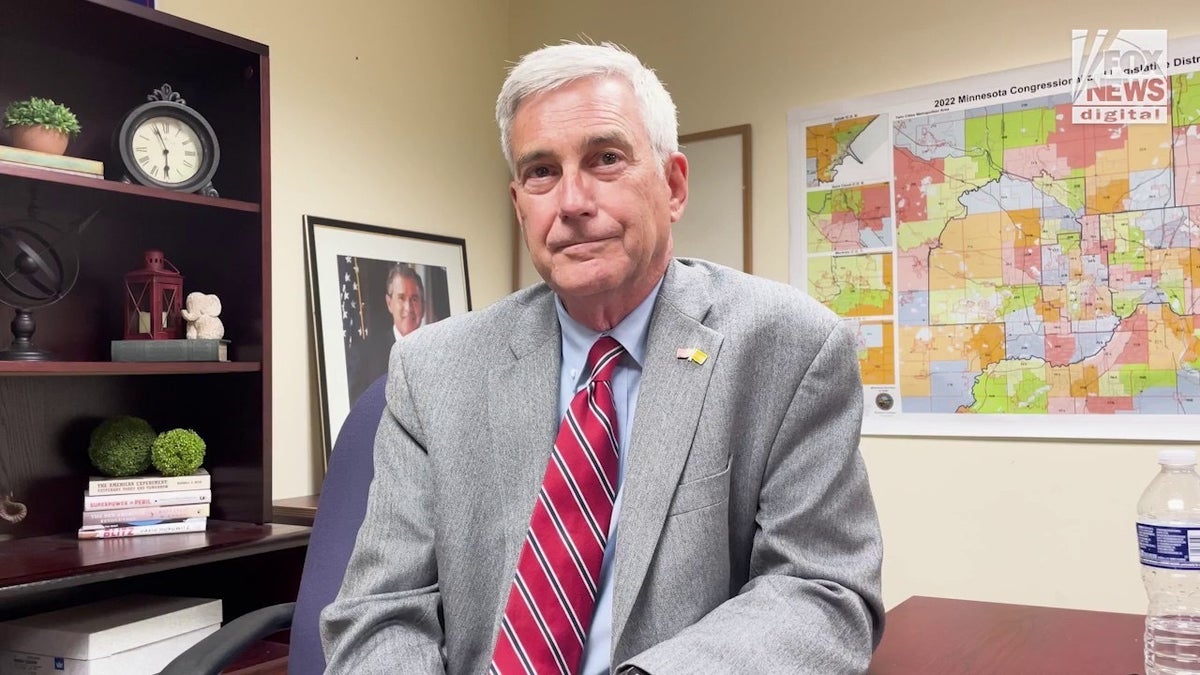
Senate candidate David Hann speaks to Fox News Digital in a 2024 interview when he was chair of the Minnesota GOP. (Fox News Digital)
Last week, Fox News Digital first reported on legislation introduced by GOP Rep. Mariannette Miller-Meeks named after Tim Walz that is aimed at addressing future fraud like what has occurred in Minnesota and could total as much as $9 billion, according to federal prosecutors.
If elected to the Senate, Hann told Fox News Digital he would push for more «safeguards.»
«But I think we should also be looking at, how can we reform the whole welfare establishment?» Hann explained.
«Are there better ways to help people? We should be more concerned about trying to make sure people’s lives are improved, rather than just spending money. It seems to me that the Waltz administration has been focused on just handing out money, Democrats in Washington just hand out the money and no accountability and no attempt to figure out the effectiveness of the programs that we have, we need to take a hard look at that.»
Fox News Digital’s Preston Mizell contributed to this report.
minnesota fraud exposed,politics,minnesota

Crece la tensión en Irán: estudiantes se sumaron a los comerciantes para protestar contra la crisis económica

Lo que intentó ser un buen gesto de Mbappé, terminó en un escándalo en Francia: jubilaron a un policía que recibió una donación del futbolista

Diego Peretti y su novia disfrutaron de un mediodía soñado en José Ignacio: las fotos exclusivas

Expertos de la City revelan su estrategia de inversión para 2026: acciones y bonos elegidos

Desde el Gobierno sostienen que Villarruel habría frenado la designación de Milman en el Senado para complicar a Bullrich

Una de las mejores aventuras gráficas de los últimos 10 años es el mejor ejemplo, en las Rebajas de Steam, de por qué este género no ha muerto

Una legisladora de izquierda enfrentará un juicio oral por expresiones antisemitas

Calendario de pagos de ANSES de enero 2026: cuándo cobran jubilados, pensionados y beneficiarios de planes sociales

Patricia Bullrich destacó la aprobación del Presupuesto 2026 y la ruptura del peronismo en el Senado

Milei logra su primera ley de Presupuesto: dólar e inflación en 2026 y una herramienta para Caputo

 ECONOMIA2 días ago
Calendario de pagos de ANSES de enero 2026: cuándo cobran jubilados, pensionados y beneficiarios de planes sociales
- POLITICA2 días ago
Patricia Bullrich destacó la aprobación del Presupuesto 2026 y la ruptura del peronismo en el Senado
- DEPORTE2 días ago
Jana Maradona, hija de Diego: «Toda la vida estuve en juicio con mi papá»