INTERNACIONAL
Migrant lawyers claim Trump is deporting without ‘due process,’ but what does that mean?


Lawyers for Venezuelan men facing deportation told the Supreme Court on Monday that the Trump administration is defying its order by failing to give proper notice, violating their due process rights under the Constitution.
The Supreme Court issued a ruling in a separate case on April 7, allowing the Trump administration to continue its deportations under the 1798 Alien Enemies Act (AEA), proving a significant victory for President Donald Trump’s immigration agenda. The justices noted that the deportations could continue so long as the AEA detainees received proper notice.
«More specifically, in this context, AEA detainees must receive notice after the date of this order that they are subject to removal under the Act,» the opinion reads. «The notice must be afforded within a reasonable time and in such a manner as will allow them to actually seek habeas relief in the proper venue before such removal occurs.»
Due process is a constitutional principle that ensures fairness in legal and administrative proceedings, which includes giving proper notice and an opportunity to be heard in a timely manner by an impartial tribunal. The Supreme Court pointed to Reno v. Flores, a 1993 Supreme Court case, in writing, ‘»It is well established that the Fifth Amendment entitles aliens to due process of law’ in the context of removal proceedings.»
GORSUCH, ROBERTS SIDE WITH LEFT-LEANING SUPREME COURT JUSTICES IN IMMIGRATION RULING
Attorneys representing a group of Venezuelan men fighting deportation and who are currently being held in Texas alleged to the Supreme Court on Monday that the Trump administration was not providing proper notice in contradiction to the high court’s order instructing them to do so. (Getty Images)
«So, the detainees are entitled to notice and opportunity to be heard ‘appropriate to the nature of the case,’» the Court wrote, citing another Supreme Court precedent.
Former Palm Beach County, Florida, state attorney Dave Aronberg told Fox News Digital the high court has purposefully avoided «precise language» when issuing such opinions, leaving the lower courts to concretely delineate what proper due process looks like in these cases.
«Chief Justice [John] Roberts is trying to get unanimity within the Supreme Court,» Aronberg said. «He wants everyone on the same page. And he also wants to avoid a constitutional crisis with the executive branch. So with all these competing interests in mind, he’s trying to be more conciliatory than confrontational with the White House. But that can only go so far.»
Aronberg said that «we may see stronger language going forward from the high court» as the legal challenges proceed.
TWO FEDERAL JUDGES MAY HOLD TRUMP IN CONTEMPT AS HE DEFIES COURTS IN IMMIGRATION CRACKDOWN
In its Monday filing, plaintiff attorneys argued the notice given to the detainees was «inadequate» in light of the high court’s order.
The attorneys wrote that the notice provided was in English, «even though putative class members largely speak only Spanish,» and that it «did not inform» the individuals about how to contest their designation and removal under the AEA, or provide a timeline on how to do so.
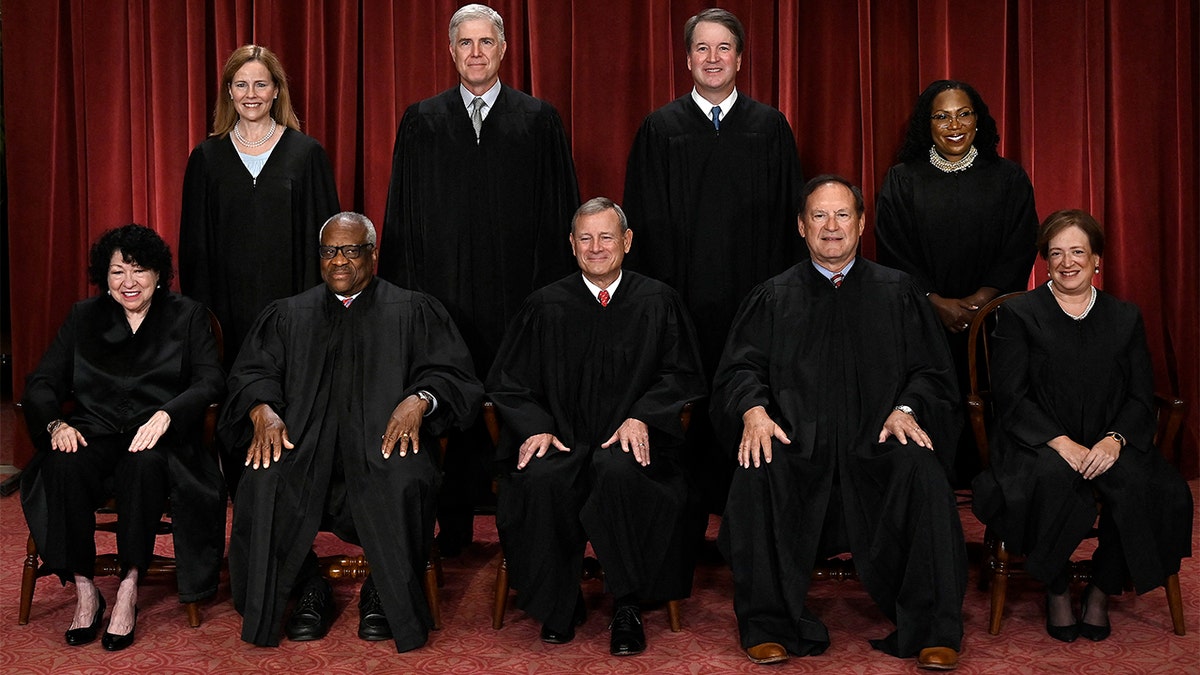
The Supreme Court issued a ruling in a separate case on April 7, allowing the Trump administration to continue its deportations under the 1798 Alien Enemies Act. (Olivier Douliery/AFP via Getty Images)
They argued the notice provided «comes nowhere near satisfying the Court’s directive» issued on April 7.
«Whatever due process may require in this context, it does not allow removing a person to a possible life sentence without trial, in a prison known for torture and other abuse, a mere 24 hours after providing an English-only notice form (not provided to any attorney) that gives no information about the person’s right to seek judicial review, much less the process or timeline for doing so,» the filing reads.
DETAINED MIGRANTS GIVEN AS FEW AS 12 HOURS TO CONTEST DEPORTATION UNDER ALIEN ENEMIES ACT, ICE DOCUMENT SAYS
«The government cannot plausibly claim that 12 hours is sufficient notice, which could be the reason they tried to keep it from the public and other courts addressing the notice issue, including the U.S. Supreme Court,» ACLU attorney Lee Gelernt, lead counsel in the case, told Fox News Digital in a statement.
Lora Ries, Director of the Border Security and Immigration Center at the Heritage Foundation, told Fox News Digital that she expects these deportation cases to «bounce up and down the court system» as litigants work within the confines the Supreme Court specified in its April 7 opinion.
«For now, the Supreme Court is relying on, if there’s going to be a habeas suit, it’s going to be in the U.S. District Court and then that judge is going to have to rule,» Ries explained. «And I’m sure there will be appeals and some or all of it may end up back at the Supreme Court.»

Lora Ries, Director of the Border Security and Immigration Center at the Heritage Foundation, told Fox News Digital that she expects these deportation cases to «bounce up and down the court system» as litigants work within the confines the Supreme Court specified in its April 7 opinion. (John Moore/Getty Images)
Aronberg noted that due process procedures may vary across the district courts as they juggle the various lawsuits. However, both he and Ries said the issue will likely end up in the high court’s hands once again.
«It is possible that some courts require notice to be in writing and in the native language of the deportee, whereas others could possibly accept less stringent notice requirements,» Aronberg said. «Ultimately, it will lead back to the Supreme Court to dictate what is required.»
CLICK HERE TO GET THE FOX NEWS APP
Ries also said that proceedings will differ in non-AEA cases, saying individuals sought to be removed in those contexts would undergo different types of removals.
«Immigration proceedings are civil proceedings. So you are not innocent until proven guilty,» Ries said. «It doesn’t apply here. You don’t have a right to a public defender. You can have a deportation immigration attorney, but you, the taxpayer, is not paying for it like a public defender.»
Fox News’ Shannon Bream, Bill Mears and Breanne Deppisch contributed to this report.
Law,Politics,Donald Trump,Immigration,Constitution











INTERNACIONAL
Zelenskyy claims US tied Ukraine security guarantees to giving up Donbas, White House denies
NEWYou can now listen to Fox News articles!
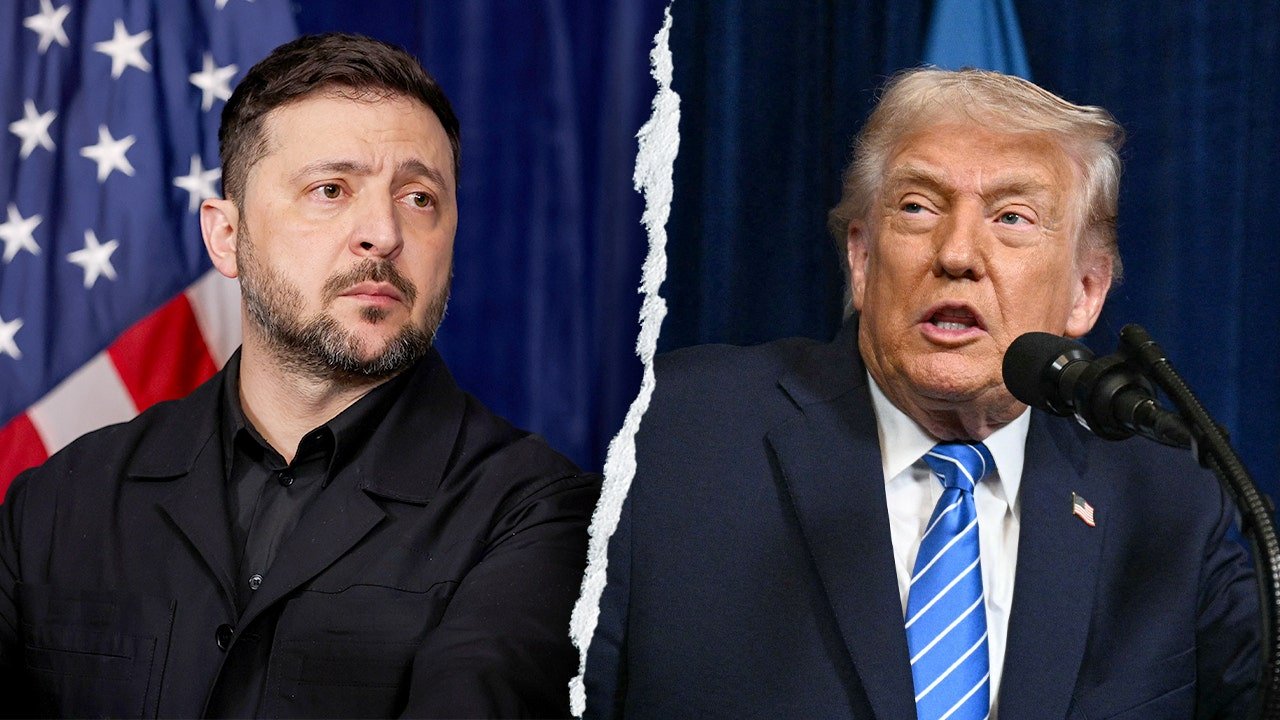
U.S. security guarantees for Ukraine are being tied to Kyiv ceding the eastern Donbas region to Russia as part of a potential peace deal, Ukrainian President Volodymyr Zelenskyy told Reuters in an interview published Thursday.
«The Americans are prepared to finalize these guarantees at a high level once Ukraine is ready to withdraw from Donbas,» Zelenskyy said, describing a proposal he warned could undermine both Ukraine’s defenses and broader European security.
But a U.S. official, speaking on background, told Fox News Digital the claim is false.
Zelenskyy’s comments point to growing pressure from President Donald Trump to reach a swift end to the war, now in its fourth year following Russia’s 2022 invasion.
ZELENSKYY SAYS PEACE DEAL IS CLOSE AFTER TRUMP MEETING BUT TERRITORY REMAINS STICKING POINT
Zelenskyy suggested the administration’s approach is influenced in part by competing global crises, including the ongoing conflict involving Iran.
U.S. security guarantees for Ukraine are being tied to Kyiv ceding the eastern Donbas region to Russia as part of a potential peace deal, Ukrainian President Volodymyr Zelenskyy said. (Pavlo Bahmut/Ukrinform/NurPhoto via Getty Images)
«The Middle East definitely has an impact on President Trump,» Zelenskyy said. «President Trump, unfortunately, in my opinion, still chooses a strategy of putting more pressure on the Ukrainian side.»
Talks between the United States, Russia and Ukraine have taken place in Abu Dhabi and Geneva in 2026, but key issues remain unresolved, including how Ukraine’s future security would be guaranteed and who would fund its long-term defense.
Zelenskyy warned that abandoning Donbas would hand Russia heavily fortified Ukrainian defensive lines, weakening Kyiv’s position and potentially enabling future aggression.
«I would very much like the American side to understand that the eastern part of our country is part of our security guarantees,» he said.
ZELENSKYY CLAIMS TRUMP SAID US WILL CONSIDER GIVING UKRAINE DECADES OF SECURITY GUARANTEES

Ukrainian President Volodymyr Zelenskyy warned that abandoning Donbas would hand Russia heavily fortified Ukrainian defensive lines. (Joe Raedle/Getty Images)
Russian President Vladimir Putin has long insisted that full control of Donbas is central to Moscow’s war aims. While Russian forces have made gains, analysts cited by Reuters say progress has been slow, and capturing the remaining territory could take significant time and manpower.
Zelenskyy also warned that Moscow is betting Washington will lose interest if negotiations stall.
«Russia is counting on the fact that the United States will not have the strength or patience to bring this to an end,» he said.
Despite tensions over negotiations, Zelenskyy thanked the Trump administration for continuing deliveries of Patriot missile defense systems, which Ukraine relies on to intercept Russian ballistic missiles.
«Deliveries to us were not stopped. I’m very grateful to President Trump, and to his team,» he said, while adding that supplies remain insufficient.
In parallel with the diplomatic push, Zelenskyy signaled a broader strategy to expand Ukraine’s role as a security provider, particularly in the Middle East, where countries are seeking solutions to large-scale drone and missile threats.
UKRAINE PEACE TALKS PRODUCTIVE AS EX-GOVERNMENT OFFICIAL SAYS COUNTRY RETHINKING ‘UNCOMPROMISING’ STANCE

A cemetery worker prepares a burial vault at military cemetery outside of the city of Dnipro, Ukraine, May 25, 2023. (Seth Herald/Anadolu Agency via Getty Images)
«The United States has reached out to us regarding their bases in Middle Eastern countries,» Zelenskyy wrote on X Thursday, adding that Saudi Arabia, Qatar, the United Arab Emirates, Bahrain, Jordan and Kuwait have also approached Ukraine.
He said Ukrainian teams are already on the ground sharing operational experience, particularly in countering mass drone attacks.
«No matter how many Patriots, THAADs, or other air defense systems are in the Middle East, that alone is not enough,» he wrote. «There are modern interceptors designed to counter heavy drone strikes.»
Zelenskyy also indicated Ukraine is exploring defense trade arrangements, offering to sell surplus systems and expertise while seeking access to air defense missiles it currently lacks.
«Funding is the scarcest resource today,» he wrote, noting Ukraine’s defense industry is operating at roughly half capacity and needs additional financing to scale drone production.
CLICK HERE TO DOWNLOAD THE FOX NEWS APP

Ukraine is exploring defense trade arrangements, the country’s president said. (Iryna Rybakova/Press Service of the 93rd Kholodnyi Yar Separate Mechanized Brigade of the Ukrainian Armed Forces/Reuters)
In separate posts tied to an address at a Joint Expeditionary Force summit, Zelenskyy emphasized that Ukraine’s battlefield experience could play a broader role in European and global security.
«We have this experience. … Let’s bring all of this together even more,» he wrote, calling for deeper cooperation with European partners and warning that the continent must build its own capacity to produce air defense systems rather than rely on external suppliers.
Reuters contributed to this story.
ukraine, russia, wars, donald trump
INTERNACIONAL
Watchdog warns legal powerhouse has made far-left advocacy their ‘dominant focus’ over the last decade
NEWYou can now listen to Fox News articles!
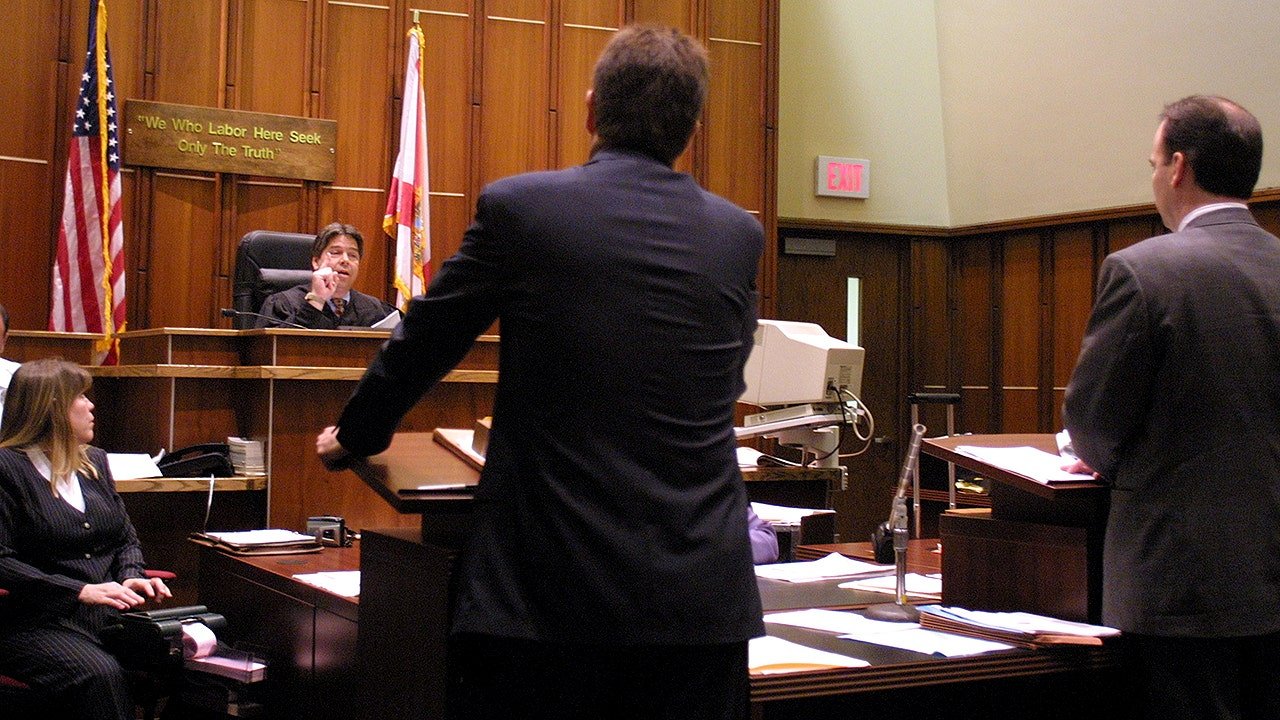
A conservative watchdog group is adding fodder to the debate over whether the American Bar Association has become a politicized institution favoring the left.
A new report released by Trump-aligned lawfare group America First Legal, co-founded by one of the president’s top advisors, Stephen Miller, claims that the ABA’s Standing Committee on Amicus Curiae Briefs over the last decade has produced 80% of left-leaning liberal arguments, 20% neutral and non conservatively-aligned.
Meanwhile, in all 6 cases the ABA has filed amicus briefs involving Trump, the ABA went against the president or his allies.
President Donald Trump’s second term has included attacks against the ABA, arguing it has politicized its accrediting power, and has favored Democratic Party-backed candidates when vetting judicial nominees. The ABA’s size and legacy make it the premier trade association for the legal sector, but some conservatives fear the group’s power is becoming a «monopoly.»
REPUBLICANS CALL FOR TRUMP TO CUT OFF AMERICAN BAR ASSOCIATION
TKTK (Justin Sullivan/Getty Images)
«The ABA requires that amicus briefs be authorized by its Board of Governors and must be consistent with existing ABA policy or involve matters of ‘special significance to lawyers or the legal profession,’» a press release from AFL argued. «Briefs on birthright citizenship, transgender healthcare for minors, and the Texas heartbeat law fall well outside that mandate.»
Fox News Digital reached out to the ABA for comment on the allegations about its amicus filings, but did not receive a response in time for publication.
According to AFL’s audit, which scanned briefs filed between April 2016 and February 2026, there were a total of 87 filed. Seventy of them «favored a liberal or progressive outcome,» AFL argues, while none they came across were «conservative-aligned» the group added. The remaining covered what AFL described as neutral issues, such as a patent law case.
TRUMP LAWYER IN JACK SMITH CASE DRAWS CONSERVATIVE BACKING AFTER DOJ PRAISE RATTLES ‘ELITE’ LEGAL CONFERENCE
The audit also found that cases where Trump, or a Trump official, was named, and the ABA filed an amicus brief, every time they argued in the direction contrary to the Trump official or Trump himself.
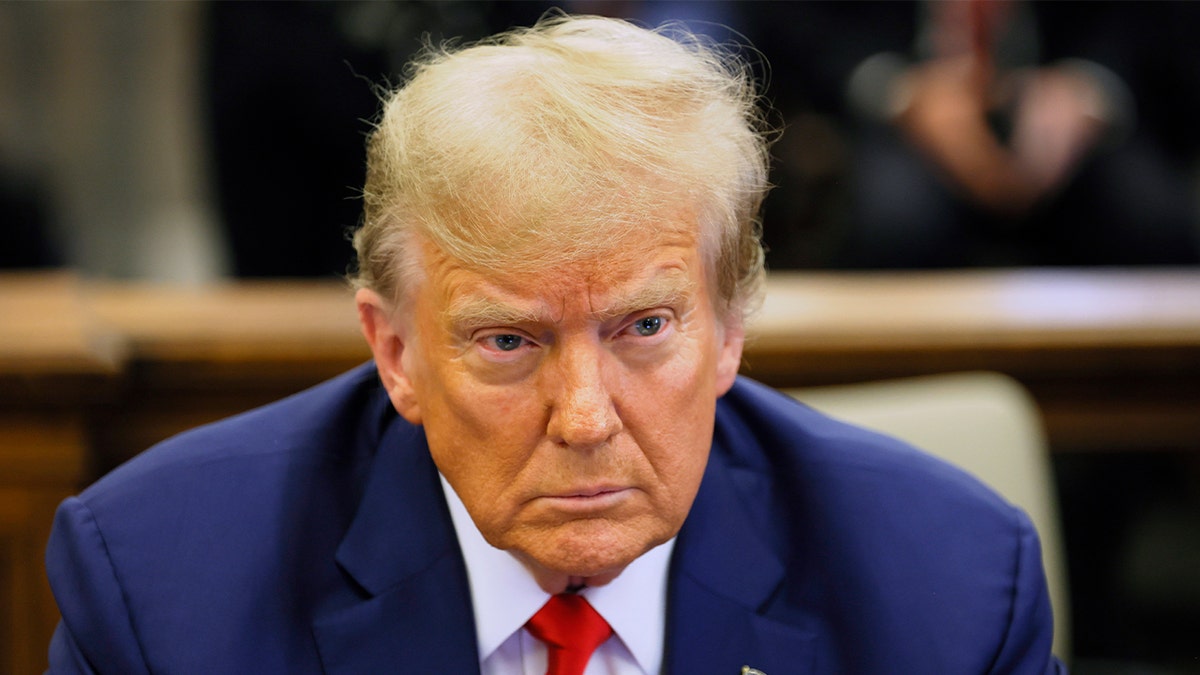
U.S. President Donald Trump sits in the courtroom during his civil fraud trial at New York Supreme Court on January 11, 2024 in New York City. (Michael M. Santiago)
«The ABA presents its amicus program as advancing the interests of the legal profession and the rule of law,» said Gene Hamilton, President of America First Legal.
«The data tells a different story,» Hamilton continued. «More than four in five briefs push a progressive agenda, immigration advocacy has become the program’s dominant focus, and the organization has not once — in ten years and across two Trump administrations — filed a brief that could be characterized as supportive of a conservative legal position. The ABA is not a neutral arbiter and should be treated no differently than any other liberal advocacy group.»
In President Trump’s second term, the Trump administration has taken several steps to push back against what it says is bias at the ABA. In February 2025, Federal Trade Commission Chairman Andrew Ferguson announced a new policy prohibiting FTC political appointees from holding leadership roles in the American Bar Association (ABA), participating in ABA events, or renewing their ABA memberships.
CLICK HERE TO GET THE FOX NEWS APP
That early action was also followed by several others, such as a May letter to the ABA’s president from Attorney General Pam Bondi indicating the Department of Justice would no longer be engaging in its traditional partnership related to vetting judicial nominees, citing «refusal to fix the bias in its ratings process, despite criticism.»
Meanwhile, in April, Trump signed an Executive Order that singled out the ABA and other powerful accrediting groups, warning that anyone engaging in unlawful discrimination would be refused federal recognition.
federal courts, law, politics, democratic party, republicans elections, supreme court, federal judges
INTERNACIONAL
Qué es la enfermedad de Huntington y en qué consiste el “puente secreto” que permite su avance en el cerebro
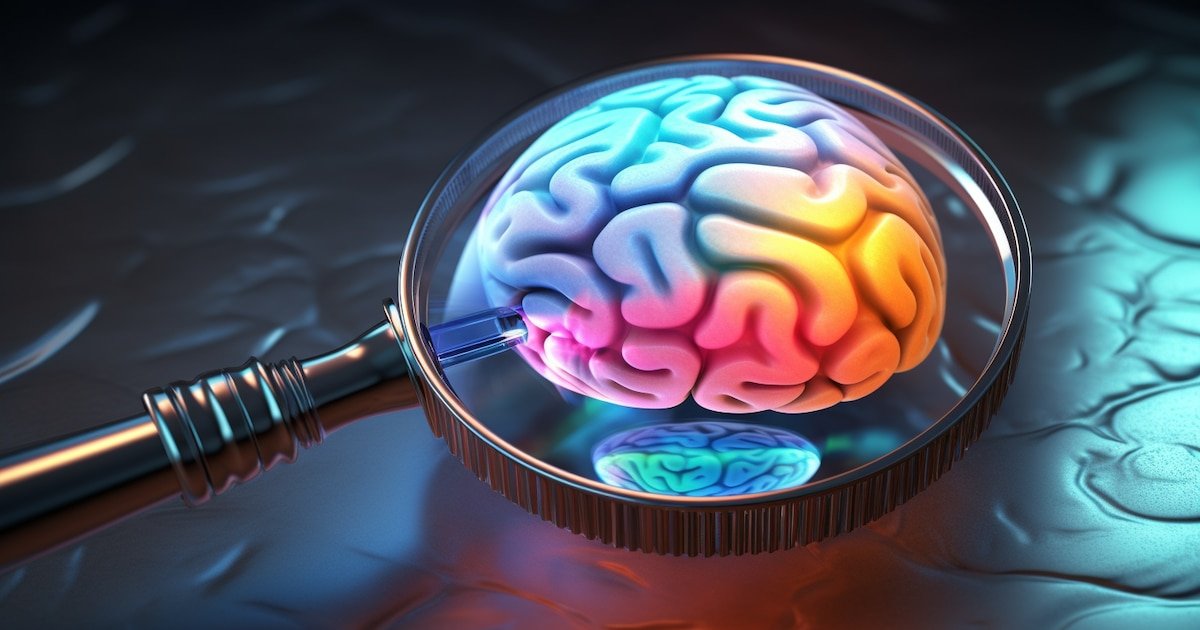
Crédito del video: Emaad Mirza, Universidad Atlántica Florida
La enfermedad de Huntington es un trastorno poco frecuente y hereditario que provoca movimientos involuntarios y problemas de memoria. Afecta el cerebro poco a poco y suele aparecer en adultos jóvenes o de mediana edad.
Científicos de los Estados Unidos y México consiguieron identificar que la proteína tóxica de Huntington no queda atrapada en una sola neurona, sino que se desplaza entre células.
Lo hacen al usar nanotubos de membrana, que son canales microscópicos que permiten que la enfermedad avance silenciosamente en el cerebro.
A traves de un estudio publicado en Science Advances, investigadores de la Universidad Atlántica de Florida, de los Estados Unidos, y la Universidad Nacional Autónoma de México, entre otras instituciones, demostraron que las proteínas Rhes y SLC4A7 son esenciales para que se formen esos nanotubos y la huntingtina mutada pueda moverse de una neurona a otra.
Al bloquear SLC4A7, los nanotubos desaparecen y la proteína dañina deja de propagarse. El resultado señala un nuevo camino para desarrollar tratamientos que detengan la enfermedad de Huntington, al impedir que la proteína se extienda por el cerebro y cause más daño.

La enfermedad de Huntington (EH) se produce por una mutación en el gen de la huntingtina, ubicado en el cromosoma 4.
Esta alteración genera una producción anormal de la proteína, que daña progresivamente ciertas áreas del cerebro responsables del control motor, las emociones y las capacidades cognitivas, explicó a Infobae la doctora María Eugenia González Toledo, coordinadora médica General de INECO.
Uno de los grandes desafíos científicos era comprender cómo la huntingtina mutada pasaba de una neurona a otra y expandía el daño cerebral. Durante mucho tiempo, los científicos sospecharon que la proteína no se limitaba a una sola célula, pero no sabían cómo lograba viajar y empeorar la enfermedad. Por eso, los investigadores que publicaron en Science Advances intentaron averiguar si la proteína tóxica usaba caminos físicos y directos entre células, además de las conocidas señales químicas.
Entender ese proceso resultaba clave para imaginar nuevas terapias que pudieran bloquear la expansión del daño desde el principio.

En el laboratorio, los investigadores detectaron que dos proteínas, Rhes y SLC4A7, colaboran en la superficie de las neuronas. Rhes actúa como activador y SLC4A7 regula el equilibrio interno de la célula. Juntas, permiten que se formen los nanotubos de membrana, canales tan pequeños que solo pueden verse con microscopios especiales.
A través de esos nanotubos, la proteína dañina viaja rápidamente entre neuronas, extendiendo la enfermedad.
Srinivasa Subramaniam, uno de los investigadores, dijo: “Este trabajo cambia fundamentalmente la manera en que pensamos sobre la progresión de la enfermedad de Huntington”.

El equipo bloqueó SLC4A7 mediante herramientas genéticas y medicamentos. Cuando esta proteína no funcionaba, los nanotubos de membrana no se formaban y la huntingtina mutada quedaba atrapada en la célula original.
Lo mismo ocurrió en células en laboratorio y en cerebros de ratones modificados para el estudio.
En los ratones sin SLC4A7, la transferencia de la proteína tóxica en el cerebro se redujo, especialmente en el estriado, la región más afectada por la enfermedad.

Estos resultados apoyaron la idea de que cortar estos puentes puede frenar el avance de la patología.
La investigación sugirió que la colaboración entre Rhes y SLC4A7 resulta esencial para que la proteína dañina se propague.
Subramaniam mencionó que “al identificar SLC4A7 como socio clave de Rhes, hemos descubierto un nuevo objetivo potencial para detener esa propagación en su origen”.

El descubrimiento de los nanotubos de membrana tiene implicancias en otras enfermedades, ya que también aparecen en trastornos neurodegenerativos y en cáncer.
En esas afecciones, también las células usan rutas similares para pasar señales y defenderse de medicamentos. Así, el mecanismo podría repetirse en distintos tipos de daño cerebral.
Los científicos sostuvieron que desarrollar medicamentos para bloquear SLC4A7 puede ser clave para impedir la formación de nanotubos y la transmisión de la proteína mutada.

Aclararon que, aunque los resultados en células y ratones son prometedores, falta probar la seguridad y eficacia en seres humanos.
Sin embargo, los resultados del estudio despiertan más esperanza para favorecer el desarrollo de mejores terapias que no solo de la enfermedad de Huntington, sino también de otras afecciones cerebrales y algunos tipos de cáncer.
cerebro,congelado,investigación,ciencia,laboratorio,neurociencia,criogenia,científico,muestra,experimento

El fiscal de Campana se opuso a que el juez González Charvay acumule todas investigaciones ligadas a la AFA

Ley de glaciares: en la última audiencia, el oficialismo evalúa cómo avanzar para evitar un revés en Diputados

Matías Alé pasó por el quirófano y llevó tranquilidad a sus seguidores: “Salió todo espectacular”

El ministro Caputo se reunió con Arcor y Danone tras la adquisición de Mastellone

Franco Colapinto habló por primera vez sobre las versiones de romance con la actriz Maia Reficco antes del GP de Japón de Fórmula 1

Manuel Adorni se muestra activo tras su reaparición: recibió a Bullrich y Mahiques y espera por Santilli y Pettovello

¡VERGÜENZA NACIONAL! Humillan a la Policía Federal mandándolos a un merendero antes de darles un aumento de sueldo digno

El mensaje de Milei sobre la “traición” que llamó la atención en el Gobierno y también en la oposición

24 DE MARZO: La historia completa que el relato omitió sobre el golpe de 1976 y el Juicio a las Juntas

El Presidente y Karina Milei volvieron a respaldar a Manuel Adorni tras la polémica por sus vuelos

 POLITICA19 horas ago
¡VERGÜENZA NACIONAL! Humillan a la Policía Federal mandándolos a un merendero antes de darles un aumento de sueldo digno
- POLITICA3 días ago
El mensaje de Milei sobre la “traición” que llamó la atención en el Gobierno y también en la oposición
- POLITICA2 días ago
24 DE MARZO: La historia completa que el relato omitió sobre el golpe de 1976 y el Juicio a las Juntas