INTERNACIONAL
Momentum builds for Israel-Syria peace as Trump reboots regional diplomacy


For the first time, Syrians are openly calling for peace with Israel. In an interview with Fox News Digital, journalist Furat Alali from Damascus said, «We want a future without wars. We want to live. People are not afraid to speak up anymore.»
Her statement reflects a significant shift in the country’s political landscape, as many Syrians begin to openly discuss the prospect of peace with Israel. This change comes at a time when Syria and Israel are engaged in direct talks as Reuters revealed on Tuesday, marking a dramatic departure from the decades-long hostility between the two nations.
Reuters reported, Israel and Syria have recently held direct meetings focused on security issues along their shared border. These talks represent a major step in the relationship between the two countries, which have been adversaries for decades.
A WEAKENED HEZBOLLAH LEADS SOME IN LEBANON TO TALK OF PEACE WITH ISRAEL AS US PUSHES SIDES TOGETHER
A Syrian opposition fighter takes a picture of a comrade stepping on a portrait of Syrian President Bashar Assad in Aleppo, early Saturday, Nov. 30, 2024. (AP Photo/Ghaith Alsayed)
Sources familiar with the discussions have indicated that the U.S. has played a pivotal role in facilitating these talks, encouraging Syria’s new leadership to engage with Israel.
The discussions come after a shift in U.S. policy, following President Donald Trump’s meeting with Syrian interim President Ahmed al-Sharaa earlier this month. The meeting signaled a break from decades of U.S. hostility toward Syria’s Assad regime and opened the door to potential normalization between Syria and Israel.
While the talks are still in the early stages, Trump’s engagement has raised the possibility of Syria’s leadership eventually normalizing ties with Israel, although this process will likely take time.
Furat Alali explained: «We don’t want to be part of the Axis of Resistance anymore. The Palestinian cause has been used to oppress us. We feel sympathy for the Palestinians, but now we need to focus on Syria and our future.»
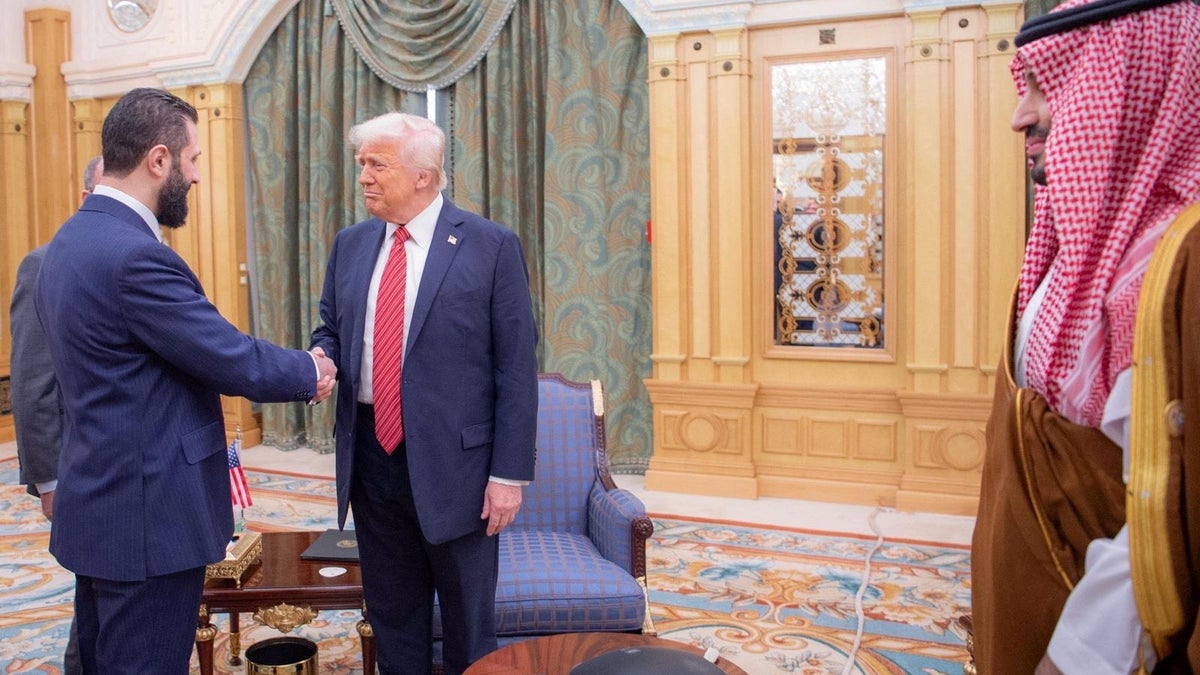
U.S. President Donald Trump meets with Syrian President Ahmed al-Sharaa in Riyadh, Saudi Arabia, in this handout released on May 14, 2025. Saudi Press Agency/Handout via Reuters.
Lina Ali, a 24-year-old pharmacist from Latakia, told Fox News Digital, «We feel for the people of Gaza. We condemn the mass killings, but we are in a different situation. We are thinking about our own interests now. The idea of exploiting the Palestinian cause to oppress the Syrian people has been rejected. We are tired of this.»
Another young woman interviewed by Jusoor News, a Pan-Arab media outlet, shared similar thoughts: «We are for anything that serves our country’s interest. We’ve lived through difficult times. The country’s economy is very weak. It’s time for people to live.»
FALL OF SYRIA’S BASHAR ASSAD IS STRATEGIC BLOW TO IRAN AND RUSSIA, EXPERTS SAY
An elderly Syrian man explained to Jusoor, «We’ve spent 40-50 years preaching Arabism and liberating Palestine, and what do we have to show for it? Nothing. It’s time for peace.»
The shift in Syria’s stance on Israel is significant, especially given the historical enmity between the two nations. For decades, Syria and Israel have been locked in conflict, with the status of the Golan Heights remaining a key point of contention since its capture by Israel during the 1967 war. Syria’s involvement in the Axis of Resistance, aligning with Iran and Hezbollah against Israel, has been a cornerstone of its foreign policy.
However, the recent emergence of interim president Ahmed al-Sharaa has raised new possibilities, as well as concerns.
Furat Ali said, «I was one of the journalists who extensively covered the violations of Jabhat al-Nusra before the fall of the Assad regime, the group Al-Jolani emerged from (using his previous name), which was part of al-Qaeda. I know exactly what they did. So, when I first heard that Al-Jolani was taking over Aleppo and challenging Assad, I was scared.»
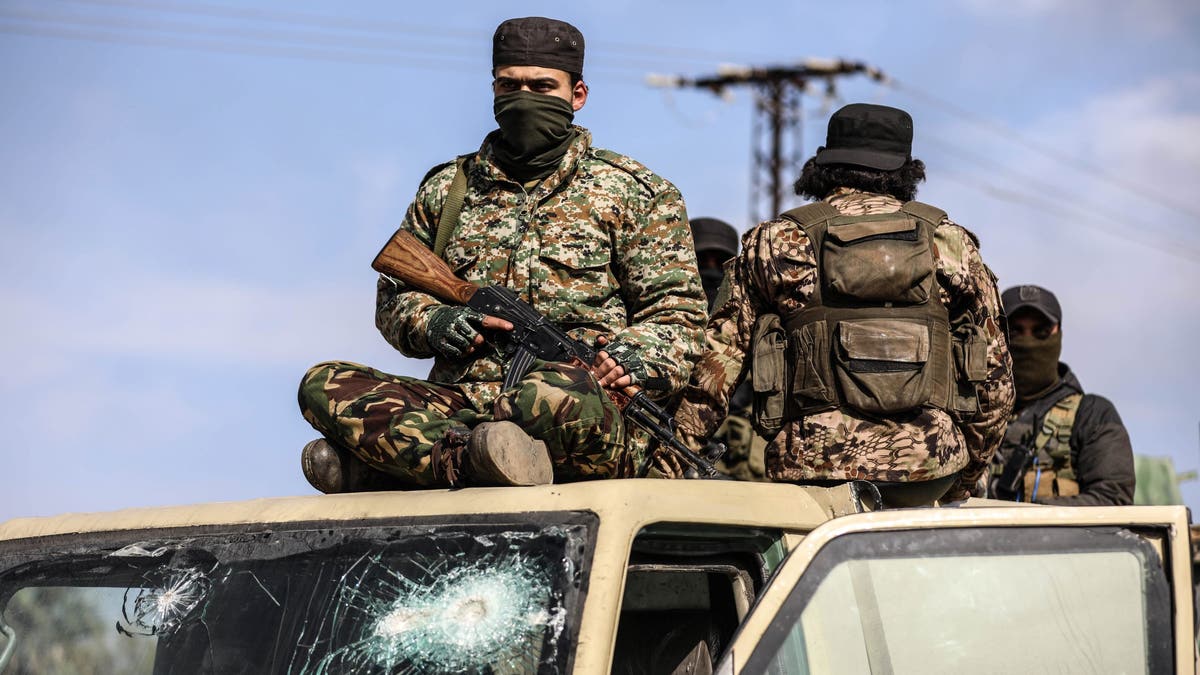
The Syrian army sends reinforcements, including tanks, armored vehicles and rocket launchers, to Latakia and Tartus as search operations against the ousted regime forces expand following an attack on security forces in Latakia province of Syria on March 7, 2025. (Izettin Kasim/Anadolu via Getty Images)
«But as time went on,» she added, «when he rebranded himself as Ahmed al-Sharaa and promised a new direction, I saw he was smart. He managed to convince the West to lift sanctions and engage with him, bringing back international recognition for Syria. While we remain skeptical and cautious, what we’re seeing from Sharaa domestically is so far being accepted.»
Joseph Braude, founder and president of the Center for Peace Communications, highlighted the significance of the shift in public opinion within Syria. He noted, «People in Syria and Lebanon often associate the Palestinian issue with dictators who exploited it to justify corruption and brutality. There is a growing rejection of pro-Palestinian militancy, as many people now desire to turn the page and focus on new partnerships aimed at developing their own countries.
«We believe that it has become a majority view in Syria that if peace with Israel brings economic development and improvements, then it’s worth pursuing.»

Syrians gather at Umayyad Square to celebrate the collapse of 61 years of Baath Party rule in Damascus, Syria on December 9, 2024. (Murat Sengul/Anadolu via Getty Images)
CLICK HERE TO GET THE FOX NEWS APP
He also pointed out that in countries dominated by Iran and its militias, ordinary people have the clearest understanding of the harm these groups cause. «They are among the most eager for a different future, increasingly calling for peace,» Braude added.
As one man interviewed by Jusoor News put it: «We’ve suffered years of oppression and war. It’s time for reconstruction. We need peace with everyone,» another Syrian added’ «I support normalization a million percent! If normalization with Israel, or America or whoever can bring us comfort, then I’m on board. We just want peace!»

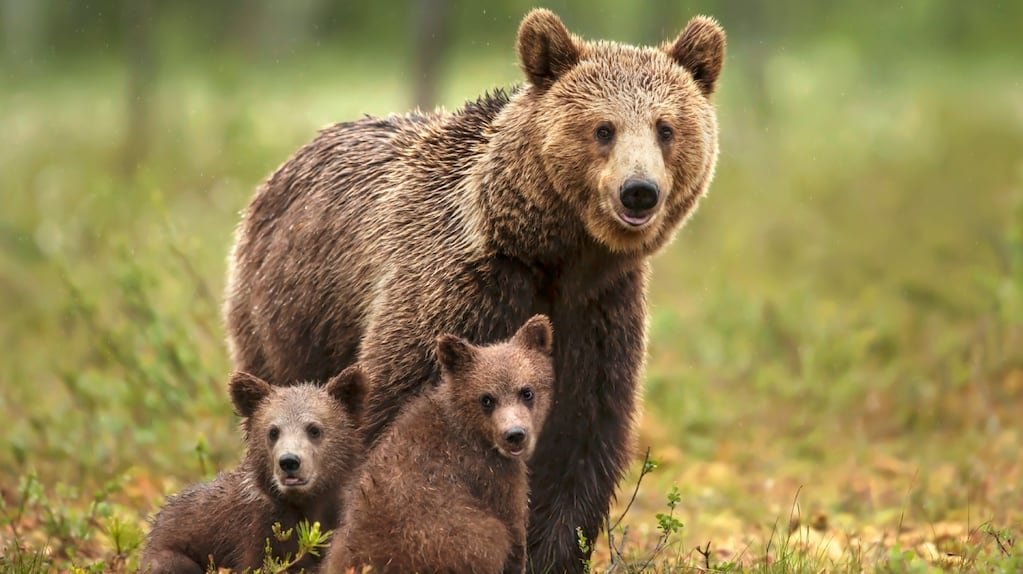
En el corazón del suroeste de Alaska, una decisión drástica encendió la polémica: el Estado eliminó casi 200 osos, en su mayoría grizzlies, y 20 lobos desde helicópteros, con el objetivo de revertir el colapso del rebaño de caribú Mulchatna. La medida, que se implementó entre 2022 y 2025, busca aumentar la supervivencia de los caribúes, un recurso vital para la alimentación y la cultura de las comunidades locales.
La campaña, impulsada por el Departamento de Pesca y Caza de Alaska y respaldada por organizaciones tribales como la Alaska Federation of Natives y el Orutsararmiut Native Council de Bethel, surgió tras una caída histórica en la población de caribúes. En los años 90, el rebaño Mulchatna llegó a tener 200.000 ejemplares. Pero en 2022, la cifra se desplomó a 12.000, según datos oficiales.
Leé también: Estados Unidos utiliza ratas con paracetamol para combatir serpientes invasoras en una isla del Pacífico
Un repunte que no convence a todos
Desde que se prohibió la caza de caribú en 2021 y se intensificó la eliminación de depredadores, la población mostró una leve recuperación: en el último año contabilizado, el rebaño subió a 16.000 animales, un 30% más desde el inicio del programa. El rebaño de caribú subió a 16.000 animales desde el incio del programa. (Foto: Adobe Stock)
Sin embargo, la polémica no tardó en llegar. Jeff Stetz, biólogo de fauna y excoordinador de la investigación sobre el caribú Mulchatna, advirtió que es apresurado atribuir el repunte a la matanza de osos y lobos. Para Stetz y otros científicos, faltan pruebas sólidas que vinculen directamente la eliminación de depredadores con la recuperación del rebaño.
Demandas, bloqueos y un debate científico sin fin
El programa estatal desató una ola de demandas judiciales. Organizaciones como la Alaska Wildlife Alliance y el Center for Biological Diversity acusaron al Estado de llevar adelante una “masacre” sin suficiente respaldo científico y sin evaluar el impacto sobre los osos, cuya población ronda los 30.000 ejemplares en Alaska.
En varias ocasiones, jueces estatales frenaron temporalmente el operativo por falta de consulta pública y por no garantizar la viabilidad de las poblaciones de osos. El Departamento de Pesca y Caza respondió reautorizando las operaciones en períodos breves, amparándose en nuevas investigaciones que, según la bióloga Kristin Denryter, muestran que la predación es la principal causa de muerte de crías y hembras adultas en el rebaño Mulchatna.
Pero la evidencia sigue siendo motivo de discusión. En 2022, biólogos estatales presentaron datos preliminares que apuntaban a la malnutrición y las enfermedades —como la brucelosis— como factores más graves que la depredación. Además, la falta de estudios sobre el hábitat, según Patrick Walsh del Togiak National Wildlife Refuge, impide entender qué regula realmente la dinámica del rebaño.
“Si el hábitat es el verdadero problema, eliminar depredadores no sirve de mucho”, explicó Walsh.
El caribú, clave para la vida y la cultura local
Para habitantes como Janet Bavilla, cazadora de la comunidad Yup’ik en Platinum, el caribú es mucho más que alimento: es el corazón de la cultura y la economía de subsistencia en una región aislada y con precios altísimos para los productos importados.
El derrumbe del rebaño coincidió con malas temporadas de salmón y el aumento del costo de vida. Para Bavilla y otros defensores del programa, la recuperación del caribú es una señal de esperanza: “Creo que los caribúes están en un punto de inflexión. Solo necesitan un poco de ayuda”, sostuvo.
Sin embargo, la postura indígena no es unánime. Mientras algunas organizaciones tribales apoyan la intervención para asegurar la comida, expertos indígenas como Michelle Quillin, bióloga Koyukon Athabascan, sostienen que la estrategia choca con los valores tradicionales y no ataca las verdaderas causas del declive: el cambio climático, la degradación del hábitat y las enfermedades.
El impacto del clima y el futuro del programa
Un informe de la NOAA reveló que las poblaciones de caribú del Ártico cayeron un 65% en las últimas décadas por el calentamiento global y la expansión industrial. En el caso del Mulchatna, sin grandes explotaciones industriales, la variabilidad climática y el sobrepastoreo en años de auge parecen ser los factores clave, según coinciden cazadores y biólogos.
El futuro del programa depende de nuevas evaluaciones. El Alaska Board of Game revisará los objetivos de población en 2028, cuando vence la autorización actual para el control de depredadores. Hasta entonces, la caza de caribú sigue suspendida en casi toda el área, salvo permisos muy limitados en tierras federales.
Un dilema sin solución fácil
La gestión estatal enfrenta sus propios límites: puede manejar hábitats y depredadores, pero no el clima. Para la bióloga Anne Gunn, con décadas de experiencia en caribús, la clave está en proteger el hábitat y frenar el desarrollo industrial, más que en eliminar depredadores.
“Persistir con métodos reduccionistas no alcanza para resolver un sistema tan complejo”, advirtió Gunn.
Mientras tanto, los habitantes de las aldeas buscan alternativas, como la carne de alce o productos importados desde Anchorage, a más de 600 kilómetros. Pero la falta de caribú sigue cambiando la alimentación, la cultura y la vida de toda una región.
Alaska, osos, Lobos, TNS
INTERNACIONAL
Venezuela’s Delcy Rodriguez replaces sanctioned loyalist defense minister with military intel head
NEWYou can now listen to Fox News articles!
Venezuela’s acting President Delcy Rodriguez on Wednesday replaced a longtime loyalist military official, as she continues to make changes to her cabinet amid relations with the Trump administration.
General Gustavo Gonzalez Lopez, 65, will replace General Vladimir Padrino as defense minister, who held the position for more than a decade, Reuters reported.
In a Telegram post, Rodriguez thanked Padrino for his service and said he would be given new responsibilities.
MADURO’S SON GIVES ‘UNCONDITIONAL SUPPORT’ TO NEWLY SWORN IN INTERIM VENEZUELA PRESIDENT
Venezuela’s acting President Delcy Rodriguez waves after bidding farewell to U.S. Energy Secretary Chris Wright following their meeting at Miraflores Palace in Caracas, Venezuela, on Wednesday, Feb. 11, 2026. (Ariana Cubillos/AP)
Lopez was appointed by Rodriguez in January as the head of the presidential guard and the General Directorate of Military Counterintelligence (DGCIM).
Lopez, who is among several officials sanctioned by the United States and European Union for human rights violations and corruption, was appointed in January the new head of the presidential guard and the General Directorate of Military Counterintelligence.
TRUMP ISSUES DIRECT WARNING TO VENEZUELA’S NEW LEADER DELCY RODRÍGUEZ FOLLOWING MADURO CAPTURE

U.S. State Department «wanted» posters show Venezuelan Defense Minister Vladimir Padrino López accused by U.S. authorities of corruption and links to drug trafficking networks. (State Department)
He previously worked with Rodriguez as head of strategic affairs at PDVSA, the state-owned oil company, which she previously oversaw as energy minister.
Padrino had also been sanctioned by the U.S. over alleged drug trafficking and his support for ousted President Nicolas Maduro.
Despite the U.S. intervention, Venezuela’s repressive apparatus remains intact, the United Nations said last week. The government has repeatedly denied allegations of human rights and political oppression.
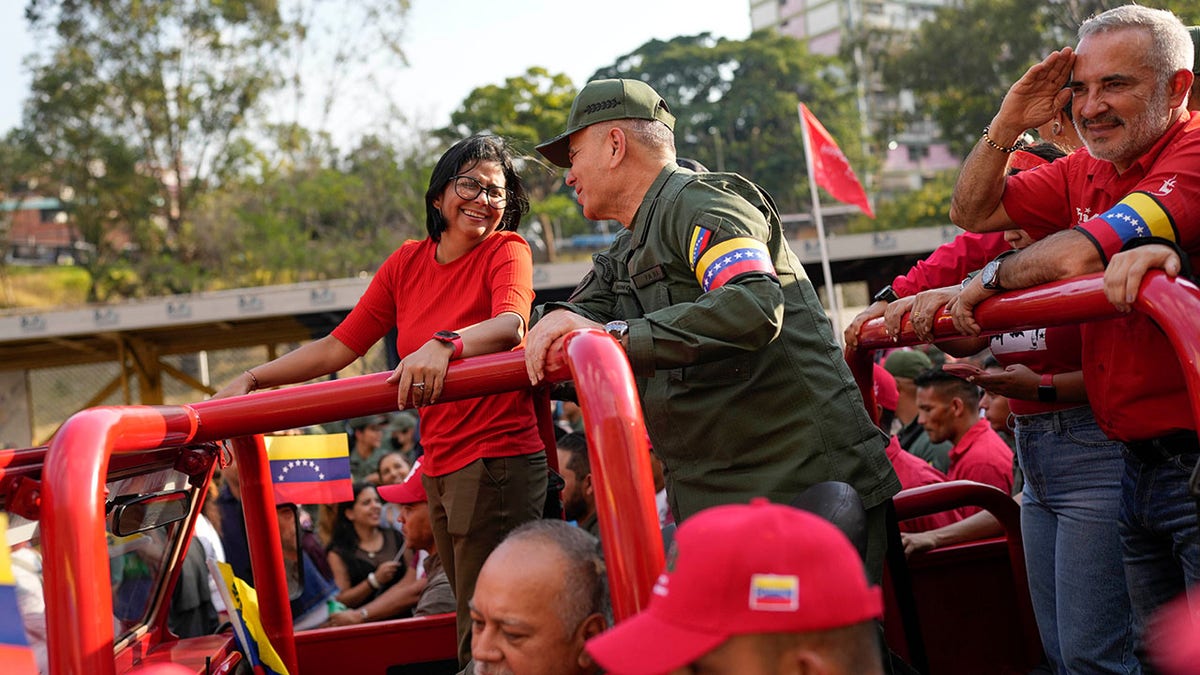
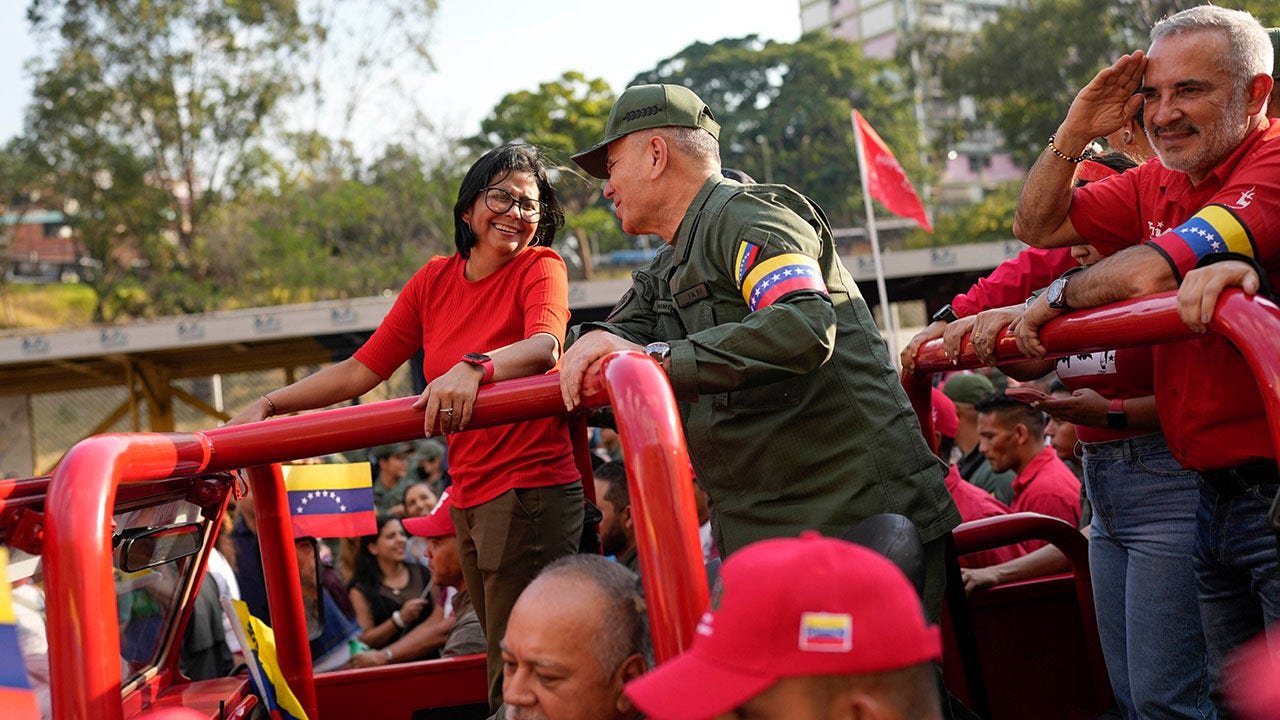
Vice President Delcy Rodriguez, left, smiles at Defense Minister Vladimir Padrino Lopez, as they take the route that the body of late President Hugo Chavez followed to his final resting place, during the activities marking the 10th anniversary of Chavez’s death, in Caracas, Venezuela, March 15, 2023. (AP Photo/Matias Delacroix)
CLICK HERE TO DOWNLOAD THE FOX NEWS APP
The United States recently restored diplomatic relations with the South American nation following years of heightened tensions between the two states.
venezuelan political crisis,south america,latin america
INTERNACIONAL
‘How do you sleep at night?’ Moreno slams ‘disgraceful’ shutdown leaving 260,000 workers without pay
NEWYou can now listen to Fox News articles!
Sen. Bernie Moreno, R-Ohio, lambasted his Democratic colleagues for blaming Republicans for the partial government shutdown during a Congressional hearing on Wednesday, calling their behavior «disgusting» and «disgraceful.»
Moreno used his allotted time during Oklahoma Republican Sen. Markwayne Mullin’s confirmation hearing for the Department of Homeland Security Secretary to focus on the close to 260,000 DHS employees, which includes Transportation Security Administration employees, who have gone without a paycheck for more than a month.
«260,000 American citizen families who have not received a paycheck in over a month. None of those people are in charge of policy,» Moreno said. «It’s not one of those families that makes policy decisions. For the most part, that’s on the people here. There isn’t a single human being on this dais that has missed a paycheck. Every single one of us has gotten a paycheck the last 30 days and before that.»
‘YOU CAN CRY ABOUT IT’: TEMPERS FLARE IN SENATE AS DHS SHUTDOWN DEBATE ERUPTS, STALEMATE DIGS DEEPER
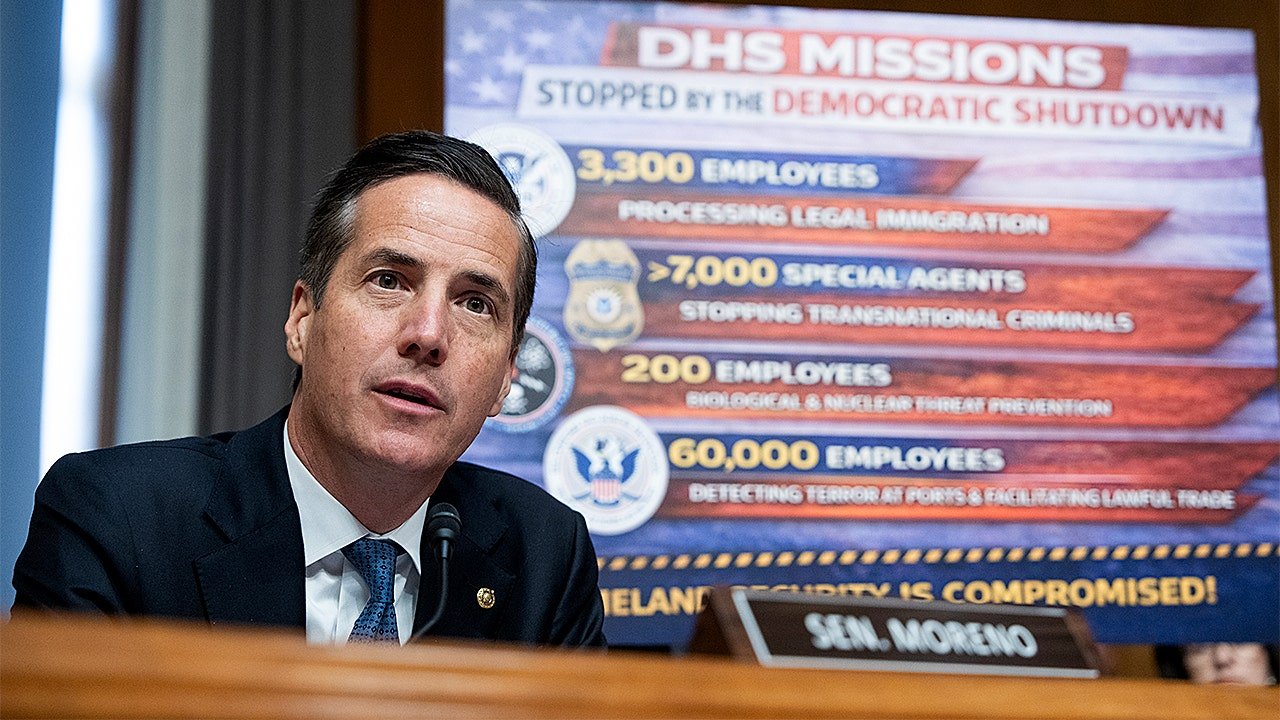
Sen. Bernie Moreno, R-Ohio, delivers remarks during a Congressional hearing on the nomination of Sen. Markwayne Mullin, R-Okla., as Secretary of Homeland Security. (Chip Somodevilla/Getty Images)
Moreno argued that the real victims of the government shutdown are DHS employees.
«They’re having to tell their kids they can’t send them to dance recital because they did everything right in life except got a job with the Department of Homeland Security so that a politician can make a 30-second video online to fundraiser for the next election,» he said.
«That’s disgusting.»
Weeks ago, Sen. Cory Booker, D-N.J., posted a video on social media vowing to vote against funding DHS until reforms are made to the agency.
CORNYN CLASHES WITH PROGRESSIVE REP GREG CASAR IN HEATED AIRPORT FACE-OFF OVER DHS SHUTDOWN
Moreno then turned his attention toward Homeland Security & Governmental Affairs ranking member Gary Peters, D-Mich., accusing him of failing to keep his promise of keeping key agencies funded. But Peters wasn’t paying attention. Moreno called it «incredibly disrespectful» before laying in on Peters.
«You said you’re going to fund all these agencies,» Moreno said to Peters. «Here’s one that you haven’t funded.»
Moreno showcased a large poster board, which shared how the mission of DHS was being compromised by the government shutdown. At the top of the board was listed U.S. Citizenship and Immigration Services.
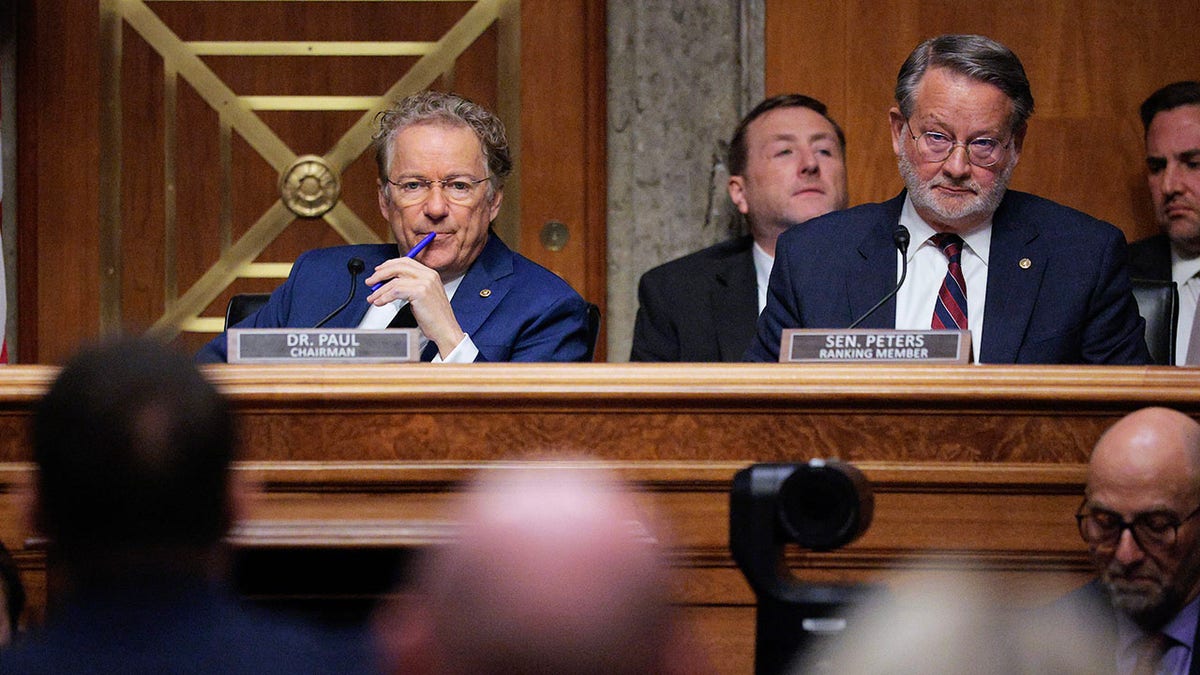
Sens. Rand Paul, R-Ky., and Gary Peters, D-Mich., grilled Sen. Markwayne Mullin, R-Okla., during his confirmation hearing to become the next DHS chief. (Chip Somodevilla/Getty Images)
«USCIS is near and dear to my heart,» Moreno said. «That’s how I became a US citizen. We’ve defunded the agency that allows legal immigrants into this country. That is insane. Never hear the Democrats talk about that. 3,300 employees, trying to process legal immigrants. They don’t get a paycheck.»
He also railed against the defunding of Customs and Border Patrol and Immigration Customs and Enforcement.
«Are you suggesting that we not fund an organization that tracks transnational organizations?» Moreno rhetorically asked Democrats of ICE funding. «Be specific. When you say you don’t want to fund ICE, I want you to say the words ‘we do not want to fund 7,000 special agents that are in charge of stopping transnational criminal organizations, drug smugglers, and human traffickers.»
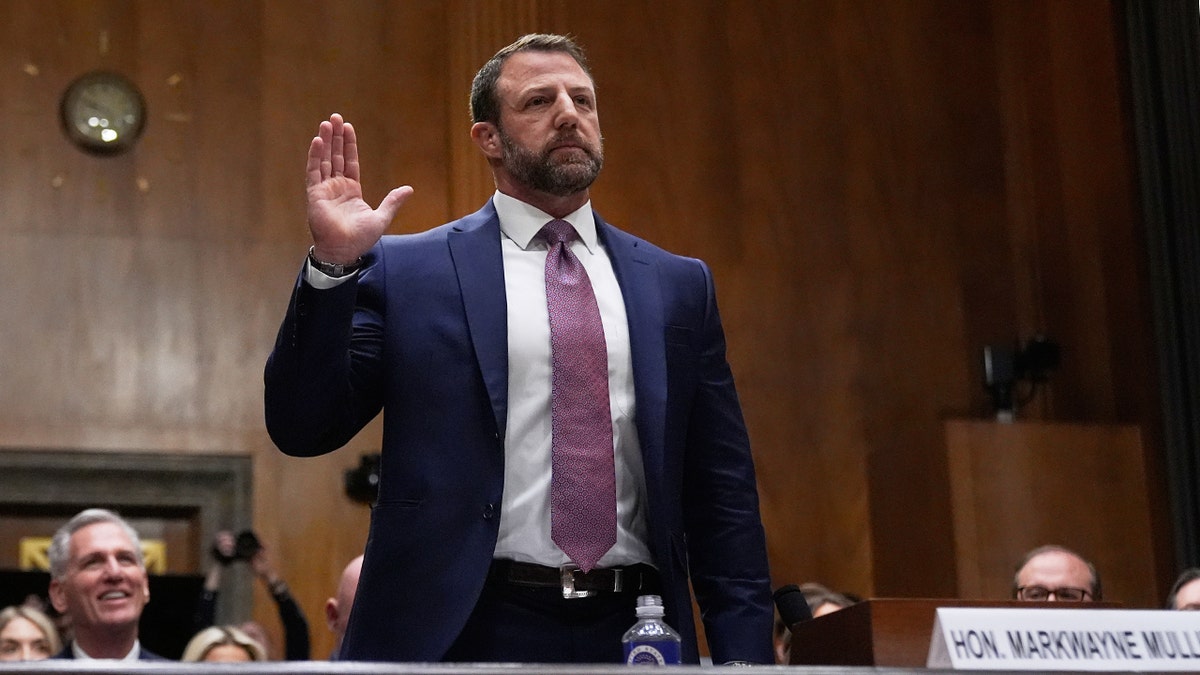
Sen. Markwayne Mullin, R-Okla., President Donald Trump’s pick for Homeland Security secretary, is sworn in before testifying during Senate Committee on Homeland Security and Governmental Affairs hearing, Wednesday, March 18, 2026 on Capitol Hill in Washington. (Manuel Balce Ceneta/AP Photo)
CLICK HERE TO DOWNLOAD THE FOX NEWS APP
Moreno’s comments during Mullin’s Senate confirmation hearing come a day after Senate Majority Leader John Thune, R-S.D., accused Democratic leadership of holding DHS agencies «hostage» amid negotiations for appropriations.
Fox News Digital reached out to Sen. Peters for comment.
homeland security,republicans,government shutdown,senate,politics

El petróleo se disparó y superó los u$s110, tras nuevos ataques que sembraron pánico en los mercados

Peter Lamelas: “Trump me pidió alinear a la Argentina con Estados Unidos”

Marco Rubio felicitó a la Argentina por asumir la presidencia de una alianza por la memoria del Holocausto y Milei le respondió: «Vamos a defender la verdad histórica»

El Inter Miami de Lionel Messi enfrenta a Nashville SC en busca del pase a los cuartos de la Concachampions: formaciones confirmadas

A 15 días del derrumbe en Parque Patricios, crece la indignación entre los vecinos evacuados

Alaska lleva adelante una caza de osos y lobos para salvar al caribú Mulchatna

TRAICIÓN Y ÉXODO: La promesa rota de Monteoliva que desató una ola masiva de bajas en la Policía Federal

Adorni se disculpó por el viaje de su esposa: “Fue una pésima decisión, más allá de que no generó gasto para el Estado”

Insólito: un esquiador británico terminó la Copa del Mundo de Oslo bajo los efectos del alcohol

Horacio Rodríguez Larreta reapareció y lanzó “Metrópolis”, su nuevo espacio en la Ciudad de Buenos Aires

 POLITICA2 días ago
TRAICIÓN Y ÉXODO: La promesa rota de Monteoliva que desató una ola masiva de bajas en la Policía Federal
- POLITICA2 días ago
Adorni se disculpó por el viaje de su esposa: “Fue una pésima decisión, más allá de que no generó gasto para el Estado”
- INTERNACIONAL2 días ago
Insólito: un esquiador británico terminó la Copa del Mundo de Oslo bajo los efectos del alcohol