INTERNACIONAL
More than 90% of Iranian missiles intercepted, but a dangerous imbalance is emerging

NEWYou can now listen to Fox News articles!
EXCLUSIVE: As U.S., Israeli and allied forces continue to intercept the vast majority of Iranian missiles and drones, a new report and expert analysis reveal a growing concern behind the headline success: the cost and sustainability of the defense itself.
More than 90% of Iranian projectiles have been intercepted during the war, according to a report obtained by Fox News Digital from the Jewish Institute for National Security of America (JINSA), thanks to a layered regional air defense system built during years of coordination.
But beneath that success lies a widening imbalance that could shape the next phase of the conflict.
The report highlights a critical trend: Iran’s least expensive weapons are proving the most disruptive and are draining costly U.S. and Israeli interceptors.
IRAN’S REMAINING WEAPONS: HOW TEHRAN CAN STILL DISRUPT THE STRAIT OF HORMUZ
U.S. Central Command released footage showing strikes on Iranian mobile missile launchers. (@CENTCOM via X)
The current air defense architecture, integrating U.S., Israeli and Arab systems, has proven highly effective at stopping incoming threats. Early warning systems, shared radar coverage and pre-positioned assets have allowed multiple countries to work together to defeat Iranian missiles and drones.
During a press briefing on Wednesday, press secretary Karoline Leavitt said, «More than 9,000 enemy targets have been struck to date … Iran’s ballistic missile attacks and drone attacks are down by roughly 90%,» she said, adding that U.S. forces have also destroyed more than 140 Iranian naval vessels, including nearly 50 mine layers.
A surge of U.S. assets before the war, including Terminal High Altitude Area Defense (THAAD), batteries, Patriot systems, two carrier strike groups and roughly 200 fighter aircraft, helped absorb Iran’s opening salvos and maintain high interception rates, according to JINSA’s report.
But Ari Cicurel, associate director of foreign policy at JINSA and author of the report, said focusing only on interception percentages misses the bigger picture.
«Overall high missile and drone interception rates have been important but only tell part of the story,» Cicurel told Fox News Digital. «Iran came into this war with a deliberate plan to dismantle the architecture that makes those intercepts possible. It has struck energy infrastructure to upset markets and used cluster munitions to achieve higher hit rates.»
IRAN’S DRONE SWARMS CHALLENGE US AIR DEFENSES AS TROOPS IN MIDDLE EAST FACE RISING THREATS
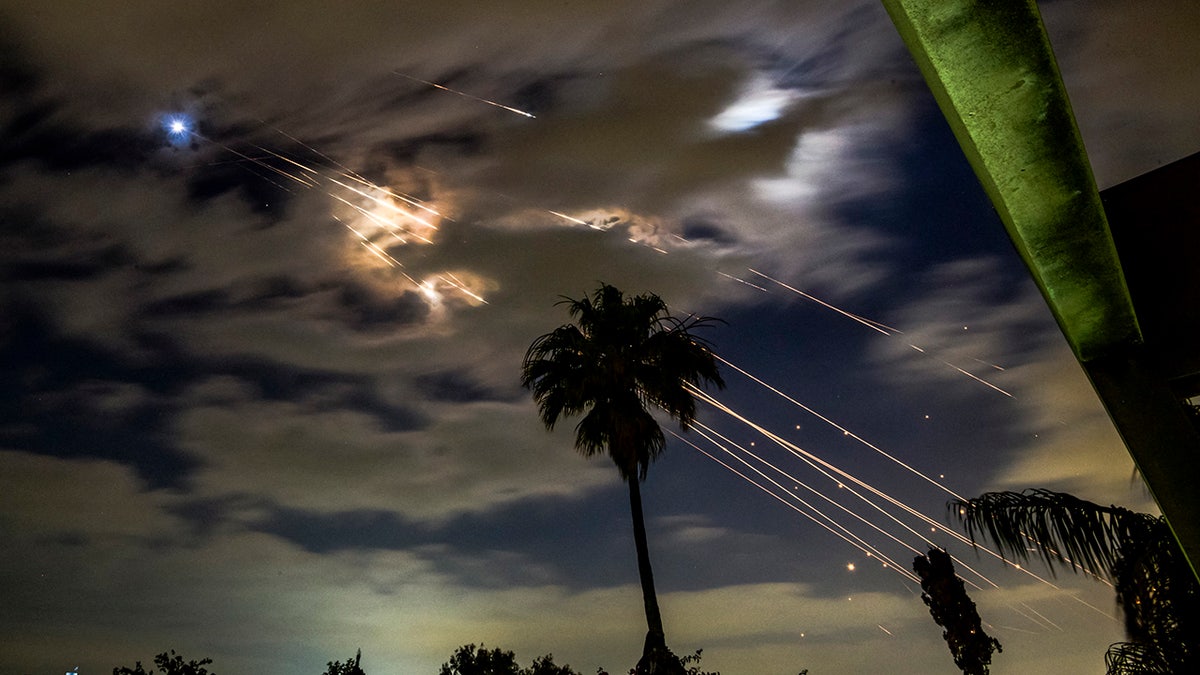
Israel’s air defense targets Iranian missiles in the sky of Tel Aviv in Israel, on June 16, 2025. (MATAN GOLAN/Middle East Images/AFP via Getty Images)
Danny Citrinowicz, a Middle East and national security expert at Institute for National Security Studies and a nonresident fellow at the Atlantic Council, said that imbalance is at the heart of the problem.
«There needs to be a change in the equation,» he told Fox News Digital. «The Iranians are launching drones that cost around $30,000, and we are using missiles that cost millions of dollars to intercept them. That gap is a very problematic one.»
He added that the same dynamic applies to ballistic missiles.
«Building a missile in Iran may cost a few hundred thousand dollars, while the interceptor costs millions, especially when we talk about systems like Arrow,» he said. «It’s easier and quicker to produce missiles than it is to build interceptors. That’s not a secret.»
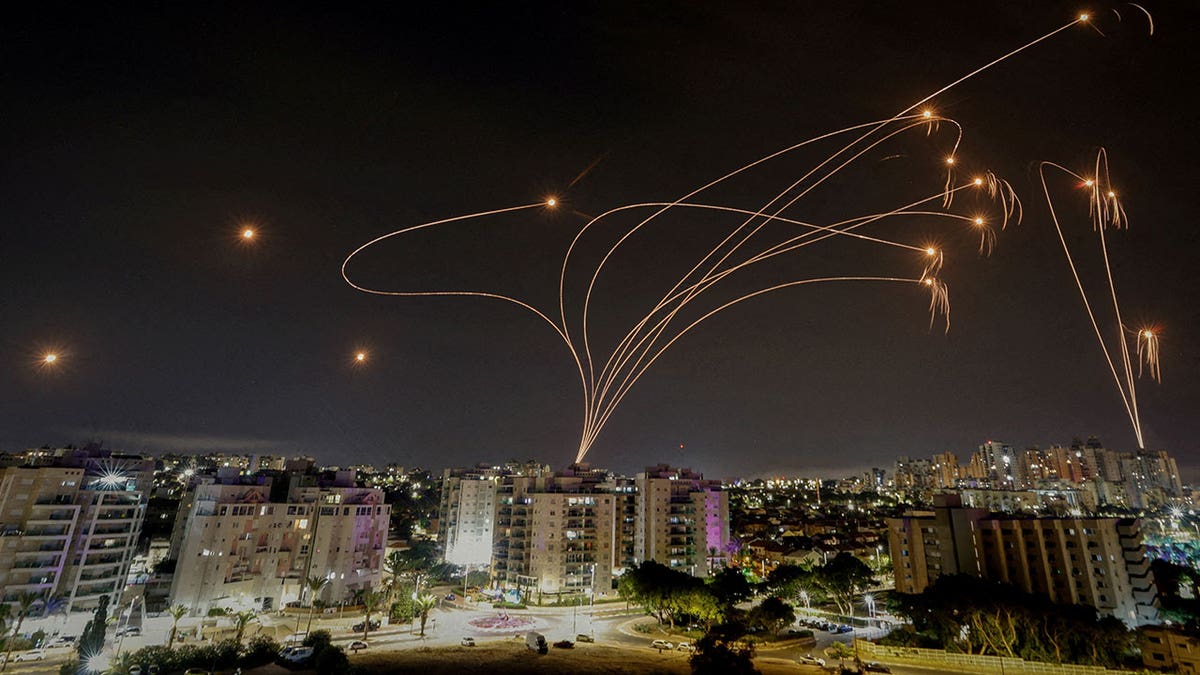
Israel’s Iron Dome anti-missile system intercepts rockets launched from the Gaza Strip, as seen from the city of Ashkelon, Israel, Oct. 9, 2023. (Amir Cohen/Reuters)
This cost imbalance is feeding into a broader concern: interceptor depletion.
The JINSA report warns that stockpiles across the region are already under strain. Some Gulf states have used a significant portion of their interceptor inventories, with estimates suggesting Bahrain may have expended up to 87% of its Patriot missiles, the United Arab Emirates and Kuwait have used roughly 75% and Qatar has used roughly 40%.
Israel is also facing mounting pressure. While officials have not publicly confirmed stockpile levels, the report notes signs of rationing, including decisions not to intercept certain cluster-munition threats in order to conserve more advanced interceptors.
PENTAGON ESTIMATES IRAN WAR COST $11.3B IN THE FIRST SIX DAYS IN CLOSED-DOOR CONGRESSIONAL HEARING: REPORT
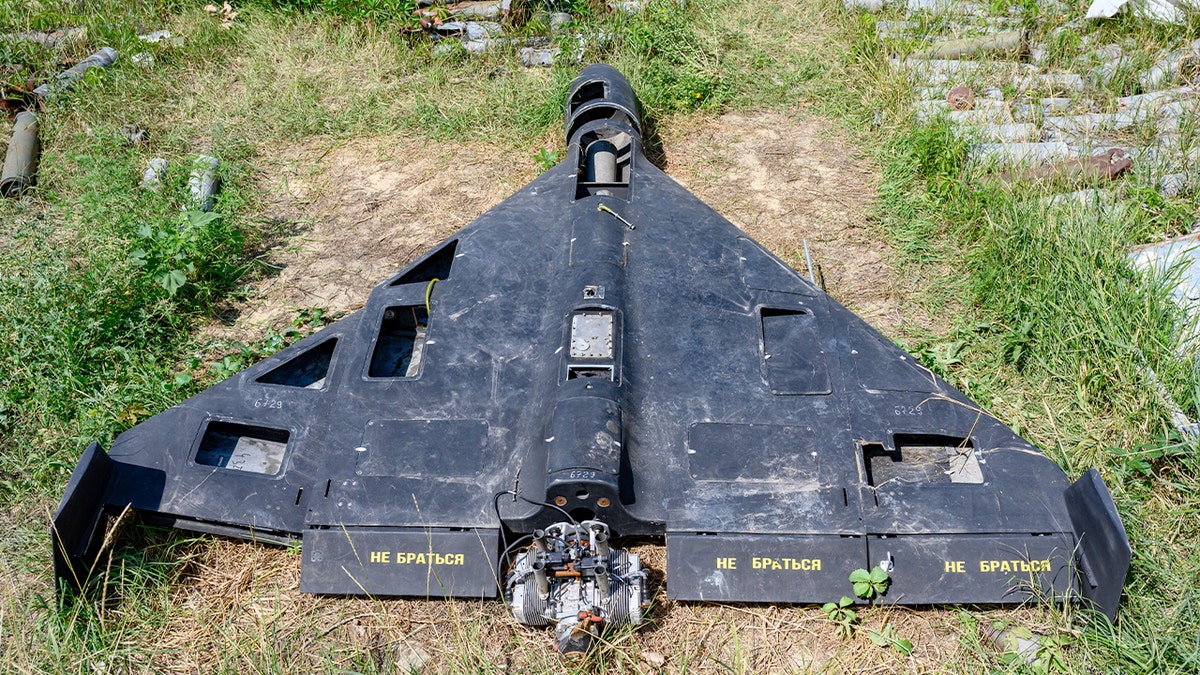
The remains of a Russian-made, Iran-designed Shahed-136 drone, known in Russia as a Geran-2, are displayed with other recovered drones, glide bombs, missiles and rockets in Kharkiv on July 30, 2025. (Scott Peterson/Getty Images)
Citrinowicz said that dynamics become more acute the longer the war continues.
«We are now several weeks into the war, and even if the salvos are limited, the issue of interceptors becomes more significant over time,» he said.
Iran has adapted its tactics accordingly, shifting from large barrages to smaller, more frequent attacks designed to maintain constant pressure while gradually draining defensive resources.
These persistent salvos, even if limited in size, force defenders to remain on high alert and continue expending interceptors, accelerating the depletion of already finite stockpiles.
The report underscores that drones pose a unique challenge compared to ballistic missiles.
Unlike missiles, which rely on large launchers and leave detectable signatures, drones can be launched from mobile platforms and can fly at low altitudes that make them harder for radar systems to detect.
For example, A Shahed-136 weighs roughly 200 kilograms and launches from an angled rail mounted on a pickup truck, after which the crew can quickly relocate. That simpler launch profile makes it easier for Iran to disperse, conceal and fire under pressure, the report stated.
Iran also has incorporated lessons from the war in Ukraine, deploying more advanced drones, including those guided by fiber-optic cables that are immune to electronic jamming, and faster variants powered by jet engines.
These innovations complicate interception timelines and increase the likelihood of successful strikes, even against otherwise effective defense systems.
INSIDE THE ISRAELI DRONE UNIT TAKING ON IRAN AND HEZBOLLAH
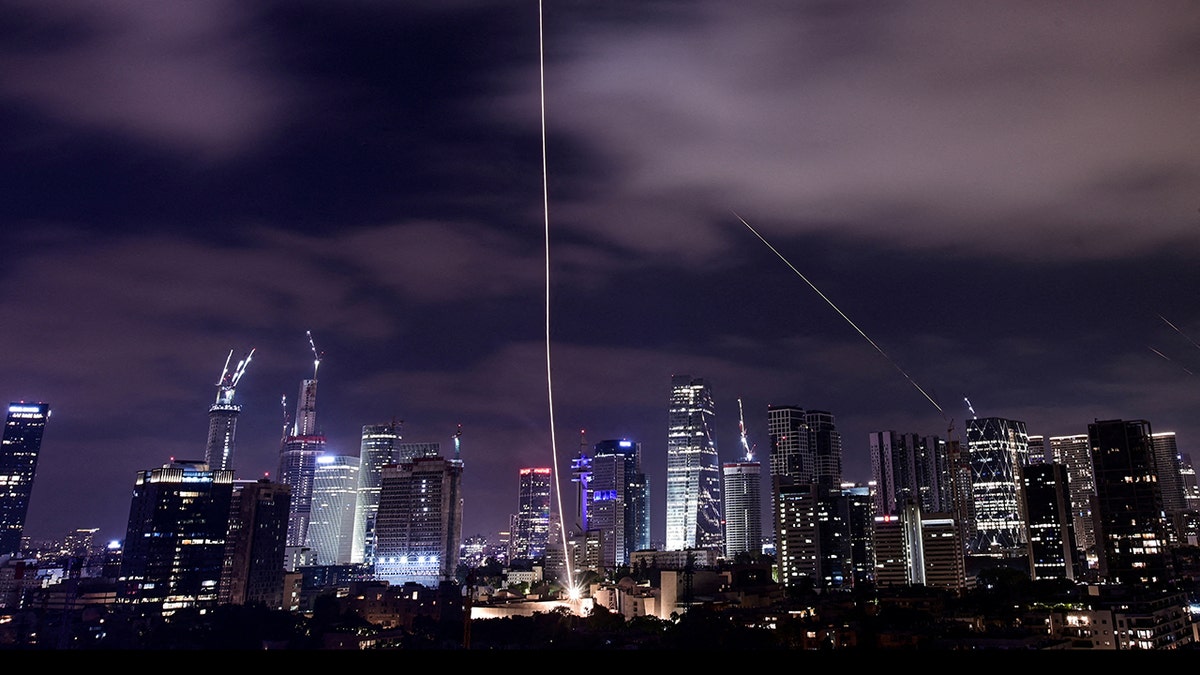
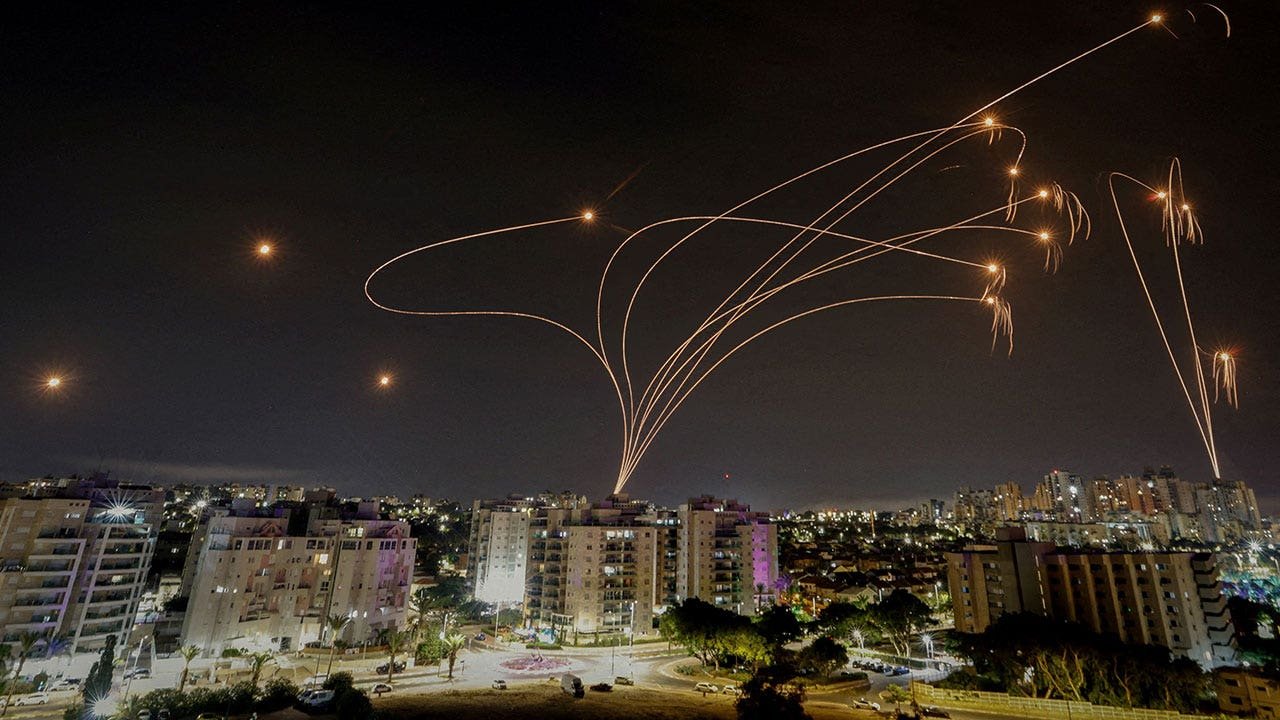
Missiles launched from Iran are intercepted as seen from Tel Aviv, Israel, June 15, 2025. (REUTERS/Tomer Neuberg)
Despite these challenges, the report emphasizes that the defensive architecture has not failed.
«The architecture has held, but the trajectory is moving in the wrong direction,» Cicurel said. «Reversing it requires moving assets to where the pressure is greatest, hunting Iranian launchers and drones more aggressively, and convoying ships through the Gulf.»
Even with high interception rates, the broader impact of the attacks is being felt.
Iranian strikes on energy infrastructure and shipping have driven oil prices higher and disrupted traffic through the Strait of Hormuz, demonstrating that air defense alone cannot prevent economic and strategic consequences.
The emerging picture is not one of failing defenses, but of a system under growing strain.
CLICK HERE TO DOWNLOAD THE FOX NEWS APP
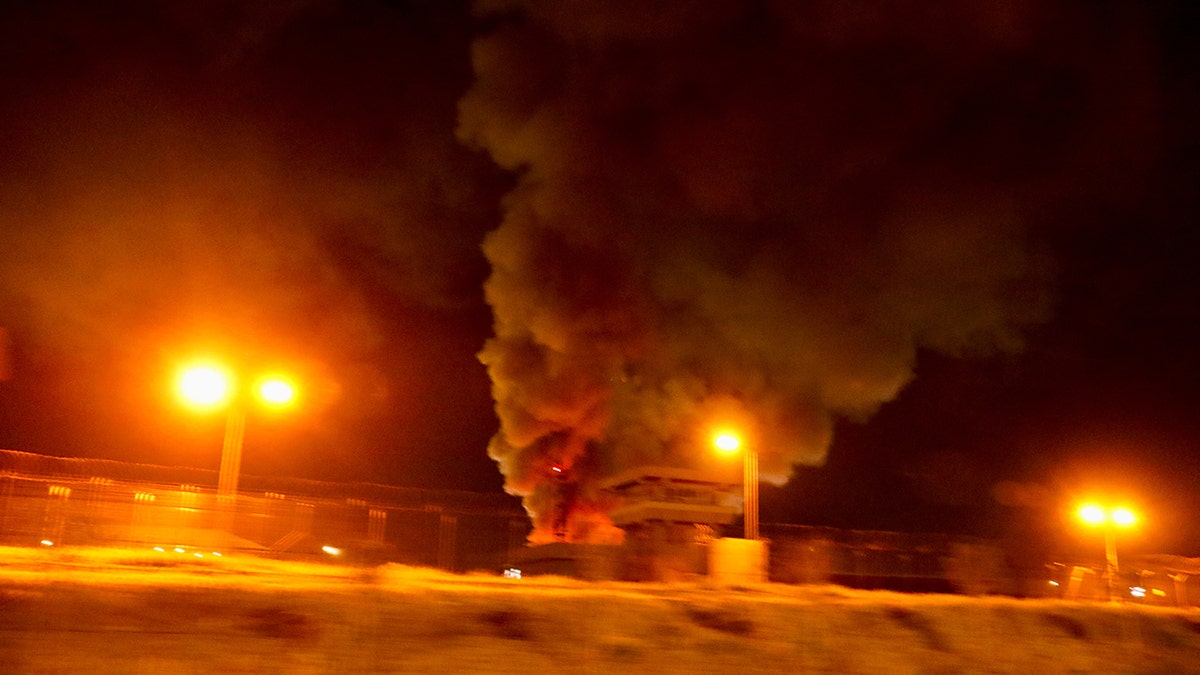
An explosion is reported near the U.S. Consulate and the Erbil International Airport area, where a U.S. military base is also located, in Erbil, Iraq, with fire breaking out and thick smoke rising following the blast, on march 12, 2026. (Ahsan Mohammed Ahmed Ahmed/Anadolu via Getty Images)
As long as Iran can produce cheap drones and missiles faster than the U.S., Israel and their partners can produce interceptors, the balance may gradually shift.
«As long as the war continues,» Citrinowicz said, «the key question will be whether Iran can produce missiles faster than we can produce interceptors.»
war with iran, drones, us air force, military, wars











INTERNACIONAL
Guerra entre Estados Unidos, Israel e Irán: qué es el estrecho de Ormuz y por qué es importante para la economía mundial
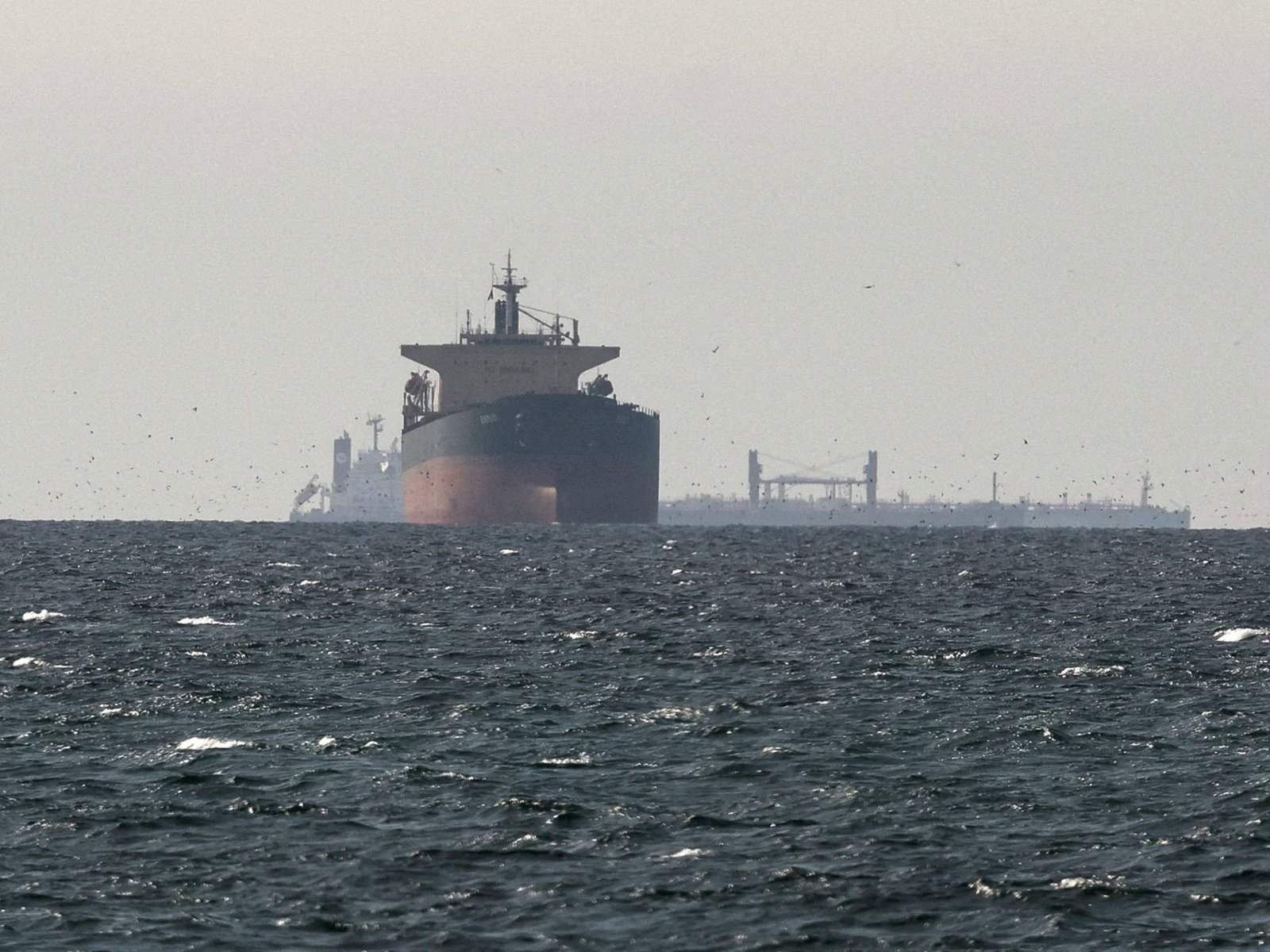
El estrecho de Ormuz, que se ubica entre Omán e Irán, funciona como una de las rutas marítimas más importantes del mundo. A través de este paso circula cerca del 20% del petróleo que se comercia globalmente, según datos de la Agencia Internacional de Energía (IEA). Su geografía angosta y su posición estratégica lo convierten en un punto crítico para el transporte de hidrocarburos.
Cada día, buques cisterna transportan millones de barriles de crudo y gas natural licuado desde países del Golfo Pérsico hacia Asia, Europa y América. Este paso no solo concentra rutas energéticas, sino también tensiones militares, como las que ocurren a diario en la guerra que enfrenta a Estados Unidos e Israel con Irán.
El estrecho conecta el Golfo Pérsico con el Golfo de Omán y el mar Arábigo. Tiene una ancho de apenas 39 kilómetros en su parte más angosta. En tiempos de paz, por allí cruzan embarcaciones que transportan más de 17 millones de barriles diarios de petróleo, de acuerdo con datos del portal BBC. Arabia Saudita, Irak, Emiratos Árabes Unidos, Kuwait y Catar dependen de esta vía para exportar sus recursos energéticos.
La República Islámica mantiene el estrecho bloqueado para sus «enemigos» desde el comienzo de la guerra que comenzaron Estados Unidos e Israel el 28 de febrero, aunque permite el paso de petroleros de lo que considera países amigos, como Tailandia o la India.
Su importancia geopolítica es tal que el cierre total o parcial del estrecho afecta la cadena de suministro energético global y golpea especialmente a las economías más dependientes del crudo importado, como India, Japón o Alemania.
Durante casi 50 años, Arabia Saudita preparó un plan ante el eventual cierre del estrecho de Ormuz. Se trata de un oleoducto de 1.200 kilómetros, construido en la década de 1980, que se convirtió en un personaje fundamental en el actual conflicto de Medio Oriente.
Cruzando a lo ancho la Península Arábiga desde los masivos campos petroleros de Arabia Saudita en el este del país, este oleoducto este-oeste desemboca en el puerto de Yanbu, en el Mar Rojo, una moderna ciudad industrial donde una enorme flota de petroleros se está concentrando para cargar crudo saudí, con más barcos llegando cada día.
El bloque del estrecho de Ormuz desató una crisis energética mundial. Los precios de las materias primas se dispararon, y todo, desde los metales hasta el transporte y el combustible para cocinar, aumentaron.
El crudo Brent alcanzó algunos de sus niveles más altos desde la invasión rusa de Ucrania en 2022, subiendo un 55% en las tres semanas transcurridas desde que comenzó la guerra, cerrando a 112,19 dólares el barril el último viernes. Este lunes el crudo cayó tras los anuncios de Trump de negociaciones con Irán, algo que Teherán sin embargo desmintió.
A más largo plazo, esto podría remodelar la industria en Medio Oriente, obligando a los productores a fijarse en la resistencia y seguridad de las operaciones, y en la necesidad de opciones adicionales. Omán ofrece su remoto puerto de Duqm como centro regional alternativo.
Empresas respaldadas por el gobierno están desarrollando instalaciones de almacenamiento de petróleo con capacidad para albergar potencialmente decenas de millones de barriles si se construyen totalmente. Aunque Duqm se abastece actualmente por barco, un oleoducto de longitud similar al este-oeste podría llevar el petróleo saudí desde Abqaiq hasta las costas del Mar Arábigo.
El comandante de la Armada iraní Alireza Tangsiri, del Cuerpo de la Guardia Revolucionaria Islámica, murió en un ataque en la ciudad portuaria de Bandar Abás, cerca del estrecho de Ormuz, según informó este jueves el Ejército israelí, cuando la guerra el Golfo ya entra en el día 27.
Tangsiri era el responsable del cierre del tránsito internacional de mercancías por el estrecho. Asumió el mando de la Fuerza Naval del Cuerpo de la Guardia Revolucionaria Islámica en agosto de 2018, nombrado directamente por el Líder Supremo, el ayatolá Alí Khamenei.
Es un veterano de la guerra entre Irán e Irak (1980-1988), con una larga carrera centrada en operaciones navales en el Golfo.
Debido a su rol en el programa de misiles y las actividades de desestabilización regional, fue objeto de sanciones por parte de Estados Unidos (desde 2019) y otros países occidentales.
INTERNACIONAL
Reporter’s Notebook: GOP’s ‘favorite bill’ faces reality check as Senate stalls on SAVE America Act
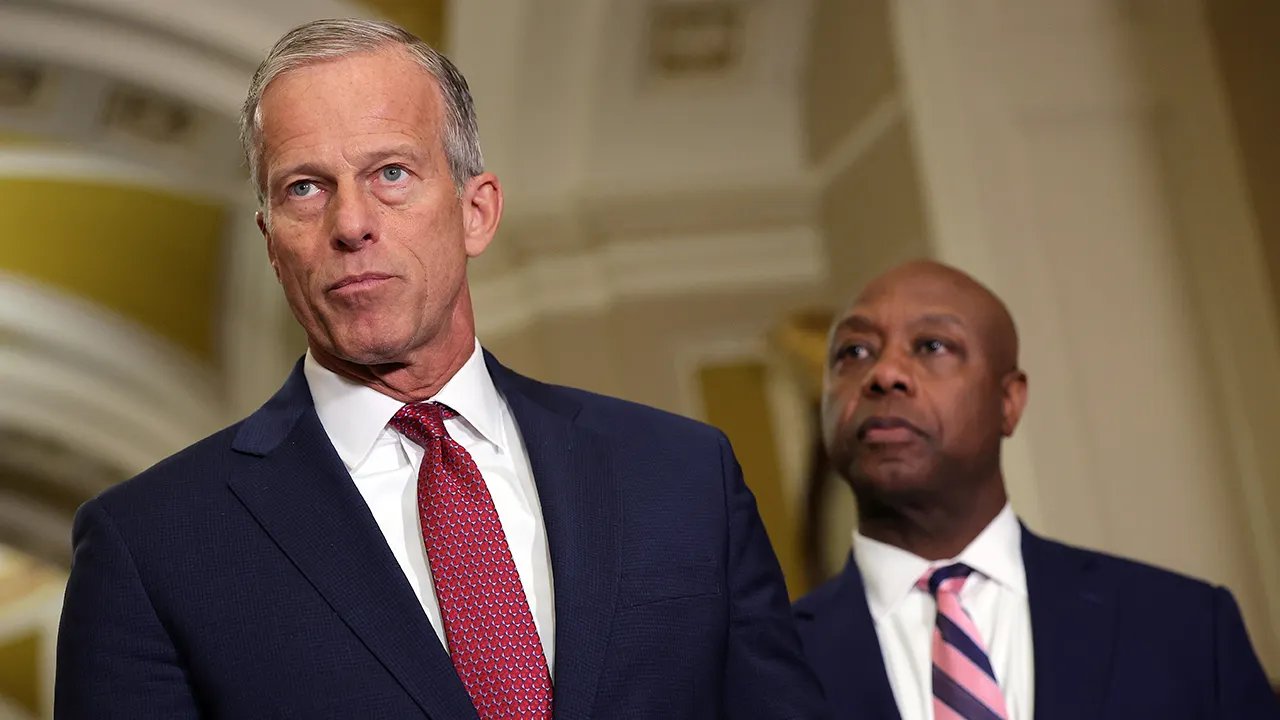
Democrats block GOP push to split DHS funding bill
Fox News chief congressional correspondent Chad Pergram reports on the Senate’s failure to reach a Homeland Security funding deal as Republicans accuse Democrats of moving the ‘goalposts’ on ‘Special Report.’
NEWYou can now listen to Fox News articles!
Parents won’t admit that they have a favorite child.
But they do.
The same is true with lawmakers.
They won’t admit they have a favorite bill.
But they do.
That’s why the SAVE America Act is the favorite bill of Senate Republicans.
Until it isn’t.
TRUMP DEMANDS SAVE AMERICA ACT BE TIED TO DHS FUNDING AMID AIRPORT CHAOS
Sen. Mike Lee, R-Utah, talks with a guest during an «Only Citizens Vote Bus Tour» rally in Upper Senate Park to urge Congress to pass the Safeguard American Voter Eligibility (SAVE) Act on Wednesday, Sept. 10, 2025. (Tom Williams/CQ-Roll Call, Inc. via Getty Images)
At some point, lawmakers will forge a deal to fund the Department of Homeland Security (DHS). It could be today. Tomorrow. A week. A month. But it will happen. And until then, the Senate likely squats on the SAVE America Act, which requires proof of citizenship to vote.
The Senate is stalled here, partly because it lacks anything else to do. But mostly because the SAVE America Act is the «favorite child» of Republican senators — for now. It’s good optics for the Senate to look like it’s working on the hallmark of President Trump’s legislative agenda — even if it has no viable path to passage.
And when the Senate eventually secures that DHS agreement, it will likely ditch its favorite child. The DHS bill will quickly matriculate in status to Republican senators.
It’s not that GOP senators loved the SAVE America Act less. But that they loved funding DHS more.
So why wouldn’t the Senate quickly revert to the SAVE America Act as soon as it passes DHS funding? Well, that’s because senators will acquire another favorite child: congressional recess. That’s right. If there’s a DHS deal, lawmakers will abandon Washington for about two weeks to observe Easter and Passover.
Senators will wrestle with the SAVE America Act again down the road. But the measure is likely relegated to the island of misfit toys for legislation. Something called «budget reconciliation.»
More on that in a moment.
Yes. Republicans relish talking about the importance of voter ID and securing elections so persons illegally in the country can’t cast ballots. But if enough Republicans really liked the SAVE America Act, they’d have the votes to pass the measure.
The Senate has incinerated more than a week of debate on the SAVE America Act. Republicans have little to show for their efforts. That is, unless you include the Senate blocking a proposed amendment to bar men from competing in women’s sports. That test vote secured a paltry 49 yeas Saturday afternoon.
Everyone has known where the vote count stands on this for weeks now.
«I’m telling you, the SAVE (America) Act is not going to pass,» said Senate Minority Whip Dick Durbin, D-Ill. «They have to change the rules of the Senate for that to happen.»
THUNE ACCUSES CRITICS OF ‘CREATING FALSE EXPECTATIONS’ AMID BACKLASH OVER STALLED SAVE AMERICA ACT
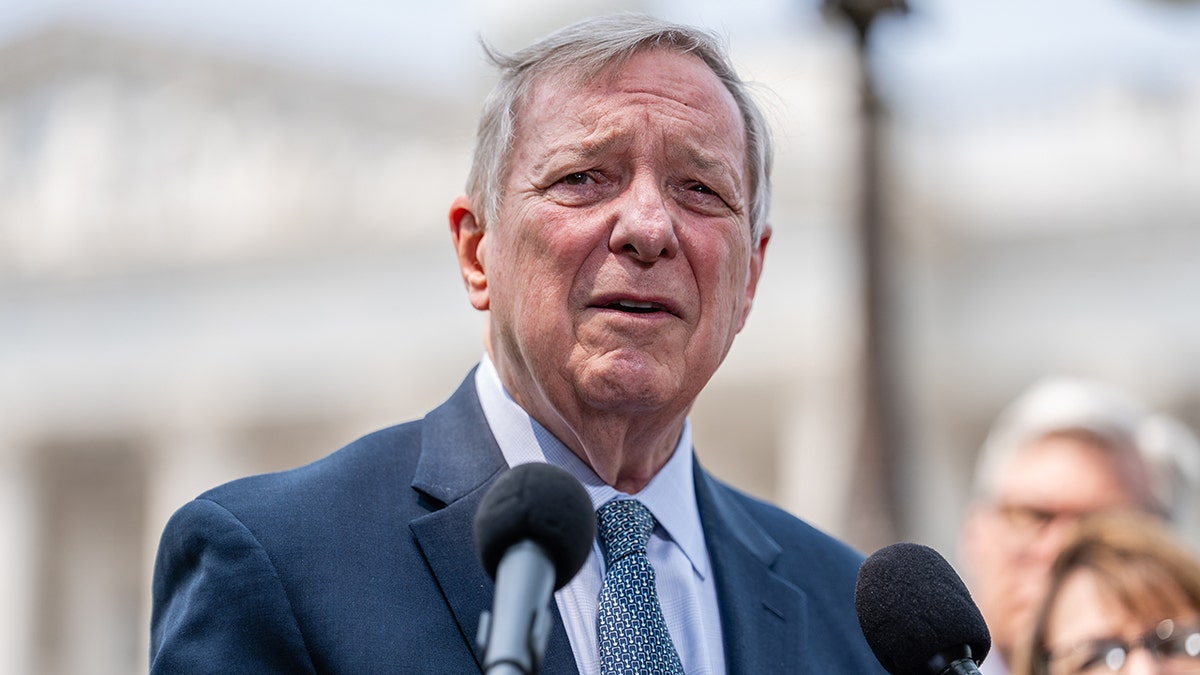
Sen. Dick Durbin, a Democrat from Illinois, during a news conference outside the U.S. Capitol in Washington, D.C., on Thursday, June 5, 2025 (Eric Lee/Bloomberg via Getty Images)
And, for the record, the Senate lacks the votes to alter the rules, too.
It’s not that Republicans didn’t embrace the SAVE America Act. It’s just that lines at the airports and the risk of terrorism worry them.
The SAVE America Act has emerged as a messaging exercise for Senate Republicans. They can get Democrats on the record about opposing bans on men in women’s sports and voter ID. The National Republican Senatorial Committee (NRSC) — the panel charged with electing GOPers to the Senate — is more than happy to document Democrats via a roll call vote how they feel about those subjects. However, the GOP simply lacks the votes to pass the bill.
Moreover, there is finally an opportunity to end the protracted government shutdown. There are only so many exits on the legislative interstate. You have to be able to read a map. Republicans don’t want to miss this exit. The limited interstate exits also apply to opportunities for congressional recesses.
Republicans are about to punt more than Ray Guy.
«We have had this battle now for two weeks,» said Sen. Steve Daines, R-Mont., on Fox. «This is going to continue after we get back. After the Easter break.»
Some advocates of the bill promise they won’t retreat.
«We’re busting our butt to do what the public wants us to do. We’ve got to secure our elections,» said Sen. Rick Scott, R-Fla.
«Then why haven’t we seen a 25-hour speech, [Sen.] Cory Booker [D-N.J.] style, by somebody to keep the Senate in session around the clock?» asked yours truly.
HOUSE CONSERVATIVES ERUPT OVER SENATE GOP, WHITE HOUSE DEAL AMID SAVE ACT FIGHT
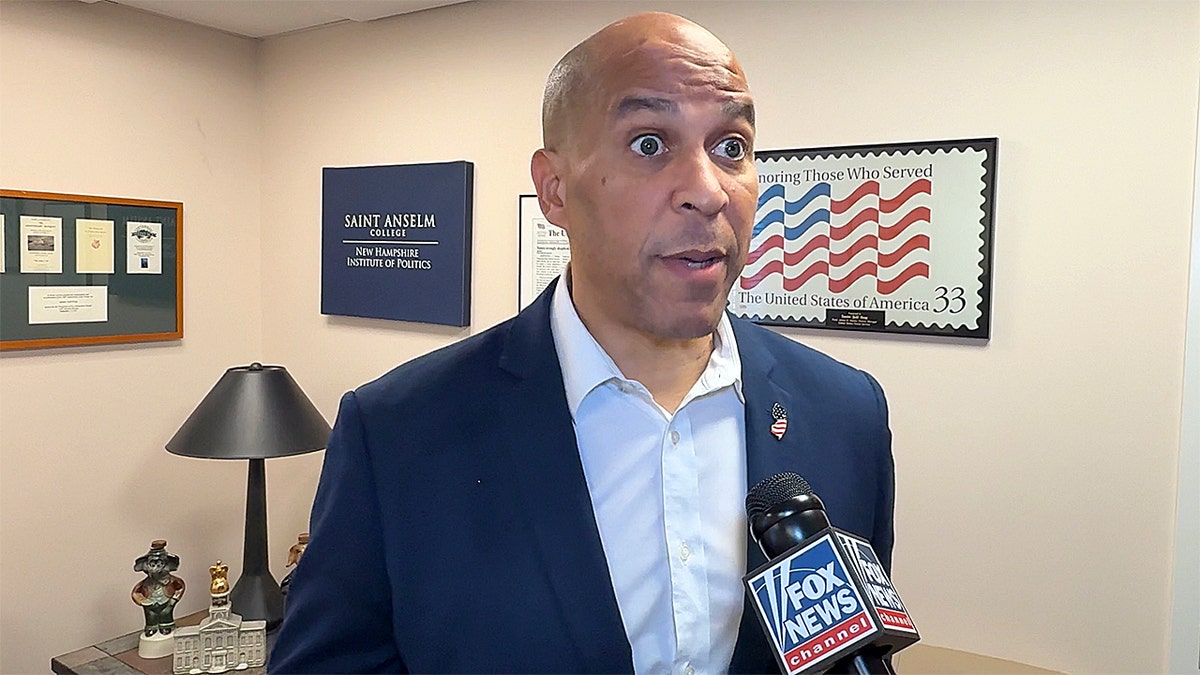
Democratic Sen. Cory Booker of New Jersey is interviewed by Fox News Digital at the New Hampshire Institute of Politics, in Manchester, N.H., on Nov. 14, 2025 (Paul Steinhauser/Fox News)
«I think we ought to do everything we can,» replied Scott.
Some Republicans say their side raised expectations too high.
«I think anytime you promise something you can’t possibly deliver, you’ve got to be held accountable,» said Sen. Thom Tillis, R-N.C. «It’s disingenuous to go out to the people and say ‘I’m fighting for you’ when you haven’t even entered the ring.»
So Republicans will try to shoehorn every possible component of the SAVE America Act into a «budget reconciliation» bill later this year. «Try» is the key word. Budget reconciliation is a special process, inoculated from a filibuster and only needs a simple majority to pass. Sounds great, right? But budget reconciliation is an elite Senate process for only money and tax matters. Not policy, like voter ID. And voter ID could be a target of the Senate’s umpire — Parliamentarian Elizabeth MacDonough — if GOPers try to stuff it in that bill.
«Budget reconciliation, as I’ve said before, you have to have a reason to do it,» said Senate Majority Leader John Thune, R-S.D. «Obviously the parliamentarian has a role to play in that process. And in the past we have respected it. And I would expect we would do that.»
If they’re being honest, few Republicans think budget reconciliation is feasible to salvage parts of the SAVE America Act.
«I don’t think under reconciliation we’re going to be able to pass voter ID,» said Senate Budget Committee Chairman Lindsey Graham, R-S.C.
«The SAVE America act is not reconcilable,» said House Freedom Caucus Chairman Andy Harris, R-Md. «It will never fly past the parliamentarian because it really is predominantly a policy issue.»
«This is fake,» said Rep. Warren Davidson, R-Ohio, about any wing-and-a-prayer effort to wedge the SAVE America Act into budget reconciliation. «It isn’t going to work.»
«A talking filibuster is the most obvious and the most sure way of getting this thing passed,» said Rep. Brandon Gill, R-Texas. «This reconciliation is not an out for the Senate. They need to do their job and get this bill passed.»
CLICK HERE TO DOWNLOAD THE FOX NEWS APP

Rep. Brandon Gill, R-Texas, leaves the House Republican Conference caucus meeting in the Capitol on Tuesday, May 6, 2025. (Bill Clark/CQ-Roll Call, Inc. via Getty Images)
But Senate Republicans haven’t shown a willingness to hold the Senate in session until they wear down their opponents and pass the bill via a lengthy talking filibuster. Staying on the bill for now is a parliamentary convenience. Especially after the weekend vote on men playing women’s sports.
The Senate will eventually move on. And senators will eventually embrace yet another favorite legislative child.
politics, democratic party, republicans, congress, democrats senate, senate
Hace apenas cinco años, el mapa energético mundial era un tablero con múltiples jugadores. Rusia suministraba a Europa 150.000 millones de metros cúbicos de gas natural a través de gasoductos que llevaban décadas operando. Irán y Venezuela vendían crudo pesado a China fuera del sistema financiero del dólar. Qatar abastecía una quinta parte del GNL mundial desde Ras Laffan, la mayor planta de licuefacción del planeta. China construía la Ruta de la Seda con un corredor terrestre a través de Irán, Irak y Siria que le permitía sortear los estrechos marítimos controlados por la armada norteamericana. El mundo tenía opciones. Y cuando un comprador tiene opciones, el vendedor no tiene poder.
Hoy ese tablero es irreconocible. Si dejamos de ver los eventos geopolíticos de los últimos cuatro años como episodios aislados y los observamos como una secuencia única, la arquitectura de una gran estrategia estadounidense se vuelve visible.
El primer movimiento fue Europa. El conflicto en Ucrania proporcionó la justificación para sanciones que redujeron el gas ruso de gasoducto de 150.000 millones de metros cúbicos a 40.000 millones. Luego se destruyó el Nord Stream y se eliminó toda posibilidad de retorno. Estados Unidos pasó de suministrar el 28% del GNL europeo en 2021 al 58% en 2025, exportando un récord de 111 millones de toneladas métricas, el primer país de la historia en superar los 100 millones. Europa dejó de ser un cliente con alternativas para convertirse en un mercado cautivo que compra su supervivencia en dólares.
El segundo movimiento fue Siria. La caída de Assad cortó el nodo crítico que conectaba la Ruta de la Seda china con el Mediterráneo. El ferrocarril trilateral entre Irán, Irak y Siria, diseñado para eludir los cuellos de botella marítimos occidentales, quedó destruido. Esto aisló geográficamente a Irán y despejó el camino para lo que vino después.
El tercero fue Venezuela. En enero de este año, Estados Unidos tomó efectivamente el control de las mayores reservas de crudo pesado del mundo. La costa del Golfo norteamericano tiene el complejo de refinación más avanzado del planeta, construido específicamente para procesar crudo pesado y ácido. Phillips 66, Valero y el resto están ahora posicionados para refinar cientos de miles de barriles diarios de crudo venezolano. Estados Unidos capturó una reserva estratégica masiva y consolidó su posición como exportador dominante de productos refinados de petróleo, una industria de 110.000 millones de dólares solo en 2025.
Venezuela e Irán eran los dos grandes canales de suministro petrolero que existían fuera del sistema del dólar. Ambos producían crudo pesado vendido principalmente a China y fuera de la supervisión financiera estadounidense. Ambos están siendo neutralizados en un plazo de 90 días.
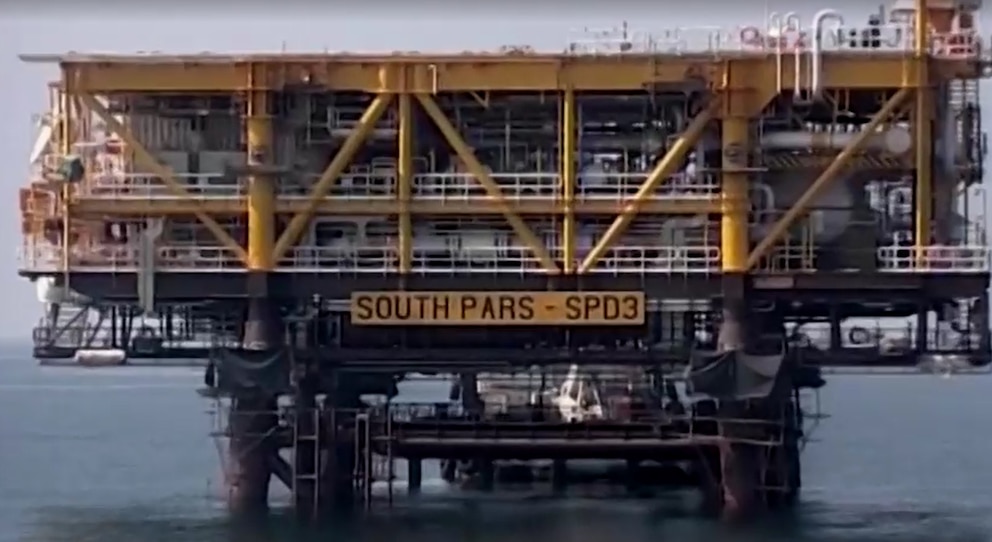
Lo cual nos lleva al cuarto movimiento: Irán y el shock energético en Oriente Medio. Israel atacó el campo de gas South Pars, el mayor yacimiento de gas natural del mundo. Irán respondió contra Ras Laffan en Qatar. La propia evaluación de QatarEnergy indica que el 17% de su capacidad exportadora se ha perdido y la recuperación tardará hasta cinco años. El Estrecho de Ormuz está cerrado. Los precios del gas europeo subieron un 70%. Los precios spot asiáticos se duplicaron. El único proveedor a escala que queda en pie es Estados Unidos.
Si Irán cae y se instala un gobierno sucesor bajo influencia norteamericana, aproximadamente entre 40 y 45 millones de barriles diarios de producción global, de un total de 103 millones, quedarán efectivamente bajo control estadounidense. La OPEP se vuelve irrelevante porque la coalición norteamericana pasa a ser el productor marginal. Y esto va más allá del petróleo. Lo que estamos presenciando es la evolución del sistema del petrodólar hacia un híbrido petróleo/GNL dólar. El viejo sistema se construyó sobre el crudo saudí cotizado en dólares. El nuevo se construye sobre crudo americano más gas americano desde la costa del Golfo, sin proveedor alternativo de escala comparable. La dependencia es más profunda porque la infraestructura de GNL requiere contratos a largo plazo y terminales de regasificación que atan a los compradores durante décadas. Europa y los aliados del Pacífico, Japón, Corea del Sur y Taiwán, no pueden cambiar de proveedor. No queda hacia dónde girar. Están encerrados en el sistema energético norteamericano.
El mercado lo confirma. El índice del dólar subió de 96 a 101. El oro cayó cerca de un 20% desde su máximo histórico de enero. Bitcoin bajó un 20% en el año. El Brent supera los 100 dólares. Las instituciones europeas y asiáticas están liquidando metales preciosos y criptomonedas para comprar dólares porque necesitan dólares para comprar la única fuente de energía a escala que queda. El mundo está vendiendo su oro para comprar energía americana en moneda americana.
Pero la estrategia tiene una capa más profunda, y es la que considero más importante. La inteligencia artificial es una industria física. Funciona con electricidad y chips. Los centros de datos requieren enormes volúmenes de electricidad ininterrumpida, proporcionada principalmente por gas natural. La fabricación de semiconductores necesita helio y tierras raras. Al cerrar el Estrecho de Ormuz y paralizar la producción de GNL y helio en Oriente Medio, Estados Unidos está degradando sistemáticamente la capacidad de China para alimentar sus centros de datos y fabricar semiconductores a escala. Estados Unidos es autosuficiente energéticamente, especialmente con las reservas venezolanas recién capturadas y la creciente capacidad de la costa del Golfo con gas doméstico. China, en cambio, depende de importaciones y cada julio que importa ahora transita por puntos de estrangulamiento que controla la armada norteamericana. Irán era el bypass energético terrestre de la Ruta de la Seda, el corredor que permitía a China mitigar la trampa de Malaca. Con Irán neutralizado, ese corredor está cortado. China enfrenta un mundo donde su infraestructura de computación compite por sobras en un mercado global de GNL agotado, mientras los centros de datos americanos funcionan a plena capacidad con energía doméstica.
Rusia es el siguiente en la secuencia. Un Irán de posguerra reabierto bajo influencia norteamericana compite directamente con Rusia por las mismas refinerías en China e India, a menor costo. Rusia pierde su última ventaja estructural en crudo pesado y su línea de vida económica. Al mismo tiempo, bajo la cobertura de la guerra en Irán, Ucrania ha estado destruyendo infraestructura energética rusa. El mensaje desde Washington se vuelve muy simple: desmantelamos dos regímenes en tres meses, tu economía está a punto de colapsar, firma el acuerdo sobre Ucrania.

Y entonces Trump se sienta con Xi teniendo todas las cartas. Dominio energético completo. El híbrido petro/GNL dólar fortalecido. Irán despejado. Rusia acorralada. China enfrentando la trampa de Malaca completamente cerrada sin ningún bypass energético restante.
Israel y los países del Golfo están absorbiendo el costo cinético de un conflicto cuyo principal beneficiario, contrario a la narrativa predominante, es Estados Unidos. Qatar fuera de línea durante cinco años reprecia todo el mercado global de gas a favor de los exportadores norteamericanos por lo que resta de la década. Los estados del Golfo enfrentan años de reconstrucción. Europa enfrenta su segunda crisis energética en cuatro años. El americano promedio puede enfrentar inflación moderada temporal y gasolina más cara. Pero si eres el arquitecto del imperio estadounidense y consideras el ascenso de China y la superinteligencia artificial china como un escenario existencial donde el ganador se lleva todo, el daño colateral es un costo aceptable.
Quien controla los corredores energéticos controla el sistema monetario. Quien controla el sistema monetario y el suministro energético simultáneamente controla la infraestructura de computación que determina qué civilización construye primero la superinteligencia artificial. Estados Unidos está tomando los tres.

El tenso momento de Joaquín Levinton con un cronista: la pregunta en la alfombra roja y su reacción viral

El Gobierno declaró organización terrorista al cartel narco mexicano Jalisco Nueva Generación

Congreso: Karina Milei impulsa a Sebastián Pareja para presidir la Comisión Bicameral de Inteligencia

Guerra entre Estados Unidos, Israel e Irán: qué es el estrecho de Ormuz y por qué es importante para la economía mundial

La mora es mucho peor de lo que temían los bancos: qué dicen los números de las empresas

Las políticas migratorias de Trump afectan a los jugadores africanos: deberán pagar hasta 15 mil dólares para disputar el Mundial

¡VERGÜENZA NACIONAL! Humillan a la Policía Federal mandándolos a un merendero antes de darles un aumento de sueldo digno

El mensaje de Milei sobre la “traición” que llamó la atención en el Gobierno y también en la oposición

24 DE MARZO: La historia completa que el relato omitió sobre el golpe de 1976 y el Juicio a las Juntas

El Presidente y Karina Milei volvieron a respaldar a Manuel Adorni tras la polémica por sus vuelos

 POLITICA17 horas ago
¡VERGÜENZA NACIONAL! Humillan a la Policía Federal mandándolos a un merendero antes de darles un aumento de sueldo digno
- POLITICA3 días ago
El mensaje de Milei sobre la “traición” que llamó la atención en el Gobierno y también en la oposición
- POLITICA2 días ago
24 DE MARZO: La historia completa que el relato omitió sobre el golpe de 1976 y el Juicio a las Juntas