INTERNACIONAL
Nicaragua se retira de la UNESCO en protesta por un premio a la libertad de prensa al diario La Prensa














INTERNACIONAL
Área 51, Steven Spielberg, Barack Obama y Donald Trump: una cronología de los ovnis en el centro de la cultura pop

Los ovnis, o la noción de ellos, existen desde hace mucho tiempo. Aquí un repaso de cómo se ha desarrollado el tema —desde investigaciones gubernamentales hasta avistamientos, pasando por el cine y la televisión— desde la Segunda Guerra Mundial:
1947: Primer avistamiento
El 24 de junio, el piloto privado Kenneth A. Arnold informa haber visto nueve objetos volando cerca del monte Rainier, en el estado de Washington. El suyo fue el primer avistamiento de ovni ampliamente reportado en el país y desencadenó una ola de otros avistamientos informados. El 2 de julio, un capataz de estancia que revisaba ovejas encuentra extraños restos esparcidos sobre una pradera cerca de Roswell, Nuevo México. Las autoridades inicialmente afirman que el material proviene de un disco volador, pero luego dicen que es de un globo meteorológico.
1948: Comienza la investigación del gobierno
La Fuerza Aérea de EE. UU. lanza el Proyecto Sign, una investigación sobre ovnis; en 1953 pasa a llamarse Proyecto Libro Azul. Más de 12.600 avistamientos reportados fueron investigados entre 1948 y 1969.
1950: Hollywood interviene
Estreno de la película de espionaje El platillo volador.
1952: Objetos voladores sobre Washington
Operadores de radar, pilotos y otros detectan o ven hasta una docena de objetos inexplicables en el cielo sobre Washington D.C. en julio.
1955: Construcción del Área 51
Empieza la construcción de lo que sería el sitio del Área 51 al noroeste de Las Vegas como una instalación de la Fuerza Aérea. El Área 51 se convierte en un punto clave para teorías conspirativas sobre ovnis. En 2013, la CIA reconoció la existencia del lugar.
1957: Avistamientos en Texas
En noviembre, decenas de personas en Levelland, Texas, al oeste de Lubbock, reportan extrañas luces en el cielo que interferían con sus vehículos y luces.
1966: La frontera final
En septiembre, se estrena Viaje a las estrellas en NBC, dando inicio al drama espacial más duradero de la historia.
1969: La Fuerza Aérea confirma
17 de diciembre: La Fuerza Aérea declara que no encontró evidencia de ningún ovni de naturaleza extraterrestre ni que representara una amenaza a la seguridad nacional; finaliza el Proyecto Libro Azul.

1977: Spielberg se suma
Estreno de Encuentros cercanos del tercer tipo de Steven Spielberg, que explora el contacto entre humanos y seres extraterrestres. La película se destaca por su enfoque en la expectativa y el misterio ante lo desconocido. La historia sigue a varios personajes que experimentan fenómenos inexplicables relacionados con ovnis. Se convierte en referencia del cine de ciencia ficción.
1980: Luces inexplicables sobre Londres
Personal de la Fuerza Aérea de EE. UU. destacado en Gran Bretaña informa haber visto extrañas luces sobre el bosque de Rendlesham, al noreste de Londres, en diciembre. Según se informa, oficiales vieron un objeto metálico en el bosque tras investigar las luces.
1982: El icónico extraterrestre del cine
Estreno de E.T., el extraterrestre, de Steven Spielberg. La historia relata la amistad entre un niño llamado Elliott y un ser de otro planeta que queda varado en la Tierra. El filme muestra el esfuerzo de los niños por ayudar a E.T. a regresar a su hogar. La película se convirtió en un clásico del cine familiar y de ciencia ficción.
1996: La épica “invasión alien”
Estreno de Día de la Independencia, de Roland Emmerich. La trama se centra en un ataque masivo de naves alienígenas que amenaza a la humanidad. Diversos personajes, incluidos científicos, militares y civiles, se unen para organizar la defensa mundial. El filme combina efectos especiales con escenas de acción y drama, consolidándose como uno de los grandes éxitos del cine catástrofe.
1997: ovni reportado en Arizona
Residentes informan haber visto luces de un gran objeto volador en el cielo sobre o cerca de Phoenix en marzo.
2015: “Masa no identificada”
Aviadores estadounidenses rastrean una masa no identificada apodada “Gofast”. En otro video de ese año, titulado “Gimbal”, se rastrea un objeto inexplicado que vuela alto entre las nubes, desplazándose contra el viento. “Hay toda una flota de ellos”, dice un aviador naval a otro, aunque sólo se muestra un objeto impreciso. “Está rotando”. Los videos se filtran y luego son divulgados por el Pentágono.
2019: Imágenes desclasificadas
La Marina reconoce tres clips de material militar desclasificado como fenómenos aéreos no identificados.

2020: Se constituye la UAP
El Pentágono anuncia la creación de una Fuerza de Tarea UAP (siglas en inglés de Unidentified Aerial Phenomena, Fenómenos Aéreos No Identificados).
2021: Gran revisión de casos
Investigadores señalan en un informe del gobierno estadounidense que no encontraron vínculos extraterrestres al revisar 144 avistamientos de aeronaves u otros dispositivos aparentemente volando a velocidades o trayectorias misteriosas. Destacaron la necesidad de mejorar la recolección de datos.
2022: Acción gubernamental
El Congreso celebra la primera audiencia sobre ovnis en 50 años tras informes de fenómenos aéreos inexplicados por parte del ejército. Legisladores de ambos partidos afirman que los ovnis son un tema de seguridad nacional. La NASA anuncia que lanzará un estudio sobre ovnis como parte de un nuevo impulso hacia la ciencia de alto riesgo y alto impacto. La agencia espacial indica que conformará un equipo independiente para determinar cuánta información está disponible públicamente sobre el asunto y cuánta más se necesita. La agencia publica sus hallazgos en 2023, diciendo que el estudio de los ovnis requerirá nuevas técnicas científicas, incluidos satélites avanzados, así como un cambio en la percepción de los objetos voladores no identificados. Se establece la Oficina de Resolución de Anomalías de Todos los Dominios (AARO) en el Pentágono para rastrear informes de objetos no identificados en el cielo, bajo el agua y en el espacio.
2023: Encubrimiento alegado
El exoficial de inteligencia de la Fuerza Aérea David Grusch testifica ante una subcomisión de Supervisión de la Cámara de Representantes en julio que EE. UU. oculta un programa de larga data que recupera y realiza ingeniería inversa a objetos voladores no identificados. El Pentágono niega que esté encubriendo tal programa.

2024: No hay evidencia
Un nuevo estudio del Pentágono, que examinó avistamientos de ovnis reportados durante casi el último siglo, no encuentra evidencia de alienígenas ni de inteligencia extraterrestre. El estudio de la Oficina de Resolución de Anomalías de Todos los Dominios del Departamento de Defensa analizó investigaciones gubernamentales estadounidenses desde 1945 sobre avistamientos denunciados de fenómenos anómalos no identificados. No encontró pruebas de que alguna de esas afirmaciones fueran realmente signos de vida extraterrestre, o que el gobierno estadounidense y empresas privadas hayan realizado ingeniería inversa a tecnología extraterrestre y la estén ocultando.
2026: Desarrollos gubernamentales
—14 de febrero: El expresidente estadounidense Barack Obama, al responder a la pregunta “¿los alienígenas son reales?” en un podcast, dice: “Son reales. Pero yo no los he visto. Y, no los están guardando en el Área 51”. Obama publica después esta declaración en redes sociales: “Estadísticamente, el universo es tan vasto que es muy probable que haya vida ahí fuera. Pero las distancias entre sistemas solares son tan grandes que la posibilidad de que nos hayan visitado alienígenas es baja, y no vi pruebas durante mi presidencia de que los extraterrestres hayan tenido contacto con nosotros. ¡De verdad!”
—19 de febrero: El presidente Donald Trump anuncia en redes sociales que está ordenando al Pentágono y a otras agencias gubernamentales identificar y publicar archivos relacionados con extraterrestres y ovnis debido al “tremendo interés”. Trump acusa a Obama de revelar “información clasificada” y declara a los periodistas que no sabe si los ovnis “son reales o no”.
—31 de marzo: La representante estadounidense Anna Paulina Luna solicita en una carta al secretario de Defensa, Pete Hegseth, que el gobierno publique alrededor de cuatro docenas de videos relacionados con avistamientos de UAPs al grupo de trabajo del comité de supervisión. “La presencia de UAPs en y alrededor de los espacios aéreos sensibles de las instalaciones militares de EE. UU. representa una amenaza para la seguridad de las fuerzas armadas y su preparación,” escribe Luna.
Fuente: AP
gettyimagerank2,politics
INTERNACIONAL
En la vigilia de Pascua, el Papa León XIV pidió «que no nos paralicen» la guerra y la injusticia

El Papa León XIV exhortó este sábado de gloria a “no dejar que nos paralicen las losas de la guerra, la injusticia y el aislamiento entre los pueblos” en su mensaje en la Vigilia Pascual, un momento particularmente solemne de la Semana Santa.
En un ambiente de total recogimiento, el pontífice recordó que la llamada “madre de todas las vigilias” revive “el memorial de la victoria del Señor de la vida sobre la muerte y el infierno”.
“Esta noche santa hunde sus raíces también allí donde se consumó el primer fracaso de la humanidad y se extiende a lo largo de los siglos como camino de reconciliación y de gracia”, rememorando la muerte y resurreción de Jesucristo.
“El hombre puede matar el cuerpo pero la vida de Dios es vida eterna. Va más allá de la muerte y ningún sepulcro lo puede aprisionar”, afirmó.
El Papa Robert Prevost lamentó que “tampoco faltan en nuestros días sepulcros que abrir y a menudo las piedras que los cierran son tan pesados y están tan bien vigiladas que parecen inamovibles”.
“Algunas oprimen el corazón del hombre, como la desconfianza, el miedo, el egoísmo y el rencor. Otras, consecuencia de las primeras, rompen los lazos entre nosotros como la guerra, la injusticia y el aislamiento entre pueblo y naciones”, continuó el pontífice. Y a continuación, exclamó: “¡No dejemos que nos paralicen”.
Destacó el ejemplo de muchos hombres y mujeres, “personas como nosotros, fortalecidos por la gracia del Resucitado, que a lo largo de los siglos han removido las piedras aún a costa de su vida, pero con frutos de bien de los que hoy nos beneficiamos”.
Esta noche se vivió como siempre el Sábado Santo, que es ante todo el día del Misterio de Pascua en el que “todo parece inmóvil y de gran silencio, mientras se cumple una invisible acción de salvación. Cristo desciende al reino de los infiernos para llevar el anuncio de la resurrección a todos aquellos que estaban en las tinieblas y en la sombra de la muerte”. Estas palabras León XIV no las dijo este sábado sino hace un año en una catequesis, poco después de ser elevado al pontificado por el Cónclave.
Una jornada en la que la Iglesia calla, no hay misa ni celebraciones, predomina el silencio, hasta que esta noche, durante la vigilia pascual, se festejó “el evento más grande de la historia”: la Resurrección de Cristo, que mañana domingo, “en la alegría de la Pascua”, vivirá la jornada final de la Semana Santa.
El Sábado Santo es ante todo misterio, espera y alegría final hacia la medianoche.
Durante la jornada no hay misas ni ninguna otra celebración. Ningún discurso, domina el sentido del vacío y la aparente derrota despojada de consuelo, atravesada por la oscuridad de las grandes pruebas en las que no hay salida.
La basílica de San Pedro mostró este clima oscuro cuando el Papa inició la ceremonia, un rito en una Basílica cargada de mística que guía a los fieles desde la oscuridad hacia la luz.
El Papa encendió el cirio Pascual y una candela más pequeña que lo acompañó en sus desplazamientos hasta que se encendieron las luces fe la basílica.
Los ritos de la Semana Santa comenzaron con la misa del Jueves Santo, que marca el inicio del Triduo Pascual, el período central de la Pascua.
En la ceremonia se conmemora la institución del sacramento fe la orden sacerdotal por Jesucristo durante la Última Cena. Está dedicada a la renovación por parte de los sacerdotes de los votos de pobreza, castidad y obediencia.
En su homilía, el pontífice lamentó que la misión evangelizadora haya sido “no pocas veces trastocada por lógicas de dominio totalmente ajenas al camino de Jesucristo”.
El Papa Francisco destacó que la labor de la Iglesia “comienza con la reconciliación de nuestros orígenes y por hacer las paces con el pasado sin quedar prisionero de él”.
“El amor es verdadero si esta desarmado porque necesita pocas cosas, ninguna ostentación y custodia con delicadeza la debilidad y la desnudez”, afirmó.
Insistió también a los religiosos afirmando que no hay una buena nueva para los pobres si acuden “con signos de poder”, ni hay una auténtica liberación sin liberarse de la posesión.
El Papa citó también al mártir salvadoreño Oscar Arnulfo Romero y cardenal estadounidense Joseph Bernardin como ejemplos de entrega, incluso ante la muerte y el fracaso.
Dijo también que “en esta hora oscura de la historia Dios ha querido enviarnos a difundir el perfume de Cristo donde reina el olor a la muerte”.
En la ceremonia se bendijeron los óleos de los catecúmenos, el de los enfermos y del crisma, que de ulilizan en los bautismos, confirmación y unión de los enfermos.
En la tercera fase de la celebración de esta noche el Papa también bautizó a diez adultos, siguiendo la tradición de lo primeros siglos de la Iglesia.
INTERNACIONAL
US pilot rescued from downed F-15E fighter jet in Iran, search for second crew member ongoing

NEWYou can now listen to Fox News articles!
One of the pilots who flew an F-15E fighter jet in Iran has been rescued, a well-placed source told Fox News.
A search is still ongoing for the second crew member, the source said.
President Donald Trump has been briefed on the incident, which marks the first known loss of U.S. aircraft in Iran since the conflict known as Operation Epic Fury began Feb. 28.
It comes after 13,000 combat flights and five weeks into the campaign. Three F-15s were lost in a friendly fire incident in Kuwait.
The Islamic Revolutionary Guard Corps (IRGC) and state media claimed to have shot down the U.S. fighter jet over central Iran, specifically in the mountainous Kohgiluyeh and Boyer-Ahmad province.
WHAT B-52 BOMBERS BRING TO IRAN FIGHT — AND WHAT IT MEANS FOR THE WAR
Initial Iranian reports claimed the aircraft was an F-35 Lightning II stealth fighter. However, subsequent photos of wreckage released by Iranian media suggest the aircraft may be an F-15E Strike Eagle, likely from the 494th Fighter Squadron based at Royal Air Force Lakenheath base.
The Trump administration has notified congressional leaders about the incident, two sources confirmed to Fox.
The jet was apparently shot down by Iran, one U.S. official told Fox News Digital. Central Command, the theater responsible for operations in the Middle East, has not confirmed the incident but is expected to issue a statement soon.
Local footage appears to show HC-130s and HH-60 Black Hawks flying low over Iranian territory, suggesting a search for those on board. Israeli Defense Forces paused their strikes while the search and rescue operation is underway.
Combat search-and-rescue missions inside hostile territory are among the most dangerous operations, often requiring aircraft and helicopters to operate deep inside enemy air defenses. U.S. fighter pilots undergo advanced survival, evasion, resistance and escape (SERE) training designed to prepare them to evade capture and survive behind enemy lines.
Promotional footage of the F-15EX in action. (U.S. Air Force)

A U.S F-15 fighter jet reportedly went down over the Khuzestan province in Iran on April 3, 2026. (EarthStar Geographics)
The F-15E Strike Eagle is a two-seat fighter jet designed for long-range strike missions, capable of carrying precision-guided munitions deep into enemy territory. It is typically crewed by a pilot and a weapons systems officer and is widely used for both air-to-ground and air-to-air operations. It can reach a speed of Mach 2.5 or 1,650 miles per hour.
Iranian state media released images purporting to show the damaged jet, including an ejector seat. Fox News has not verified their authenticity.
TRUMP SAYS IRAN ‘NO LONGER A THREAT’ AFTER 32 DAYS — OUTLINES NEXT PHASE OF US WAR
Iranian claims of shooting down U.S. aircraft have surfaced repeatedly during the conflict, though previous reports were denied by U.S. officials.
U.S. officials for weeks have insisted the U.S. and Israel have «complete control over Iranian skies,» and recently sent the slower, non-stealthy B-52 bombers into Iran, underscoring how confident they were that Iranian airpower had been nearly eliminated.
«We are in this military operation … for 32 days,» Trump said in an address Wednesday. «And the country has been eviscerated and essentially is really no longer a threat.»
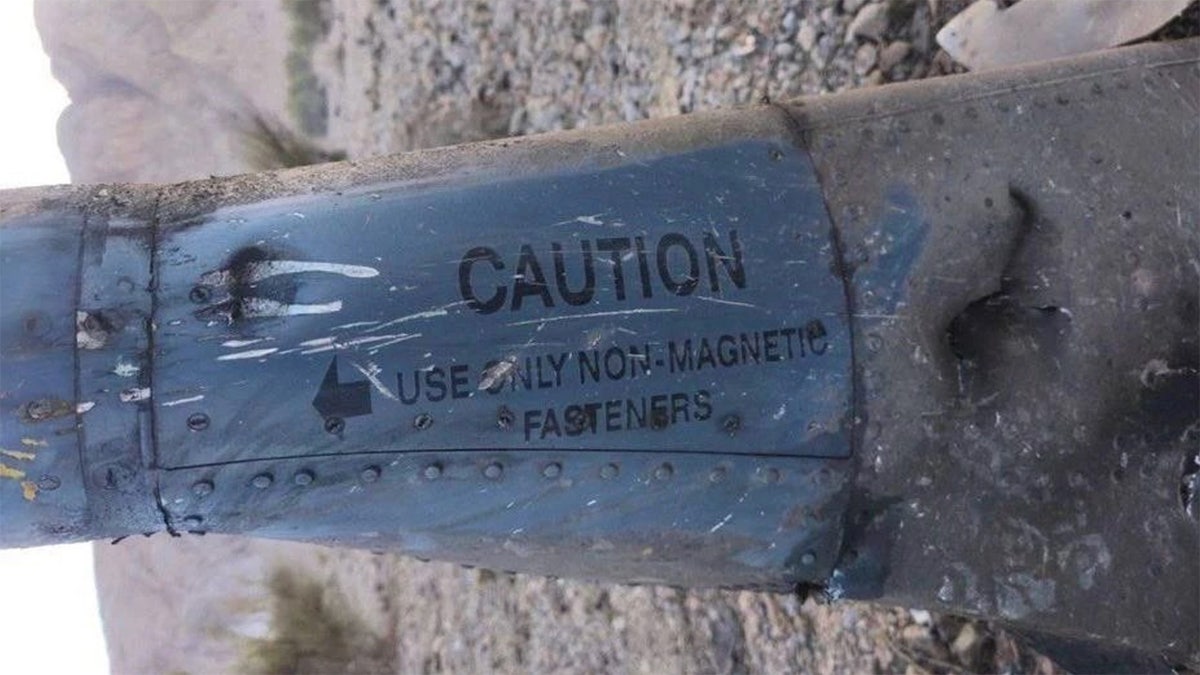
Iranian state media released images purporting to show the damaged jet. (Iranian state media)
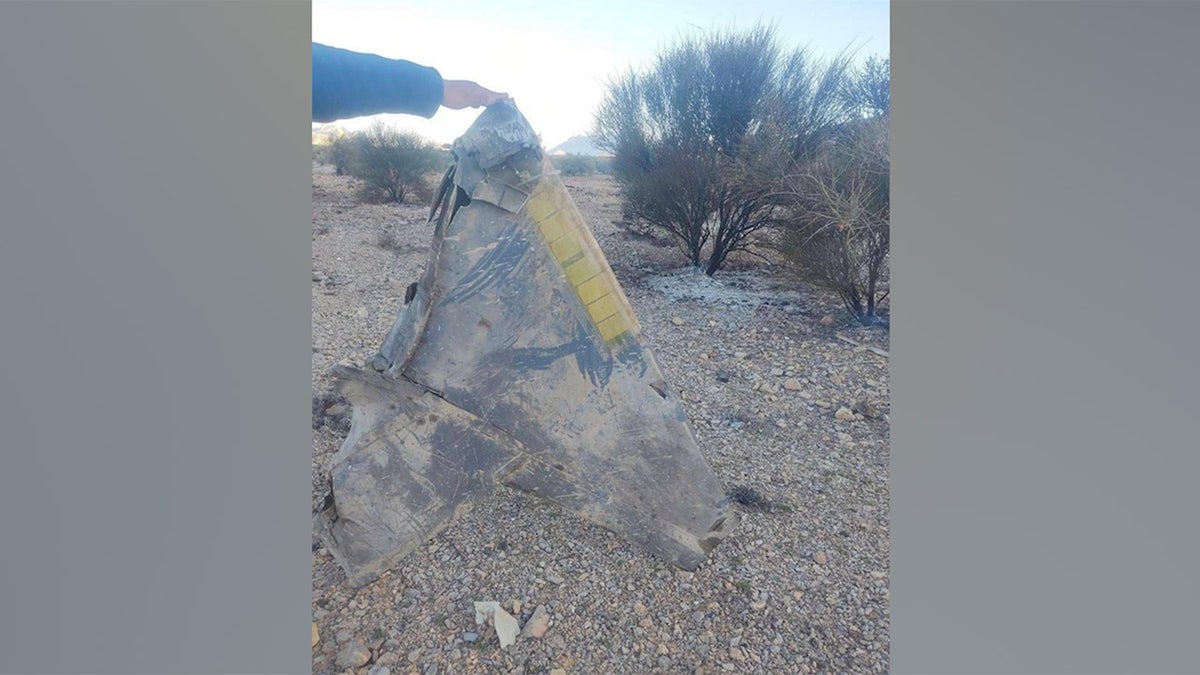
Fox News has not verified the authenticity of images reportedly showing wreckage of the jet. (Iranian state media)
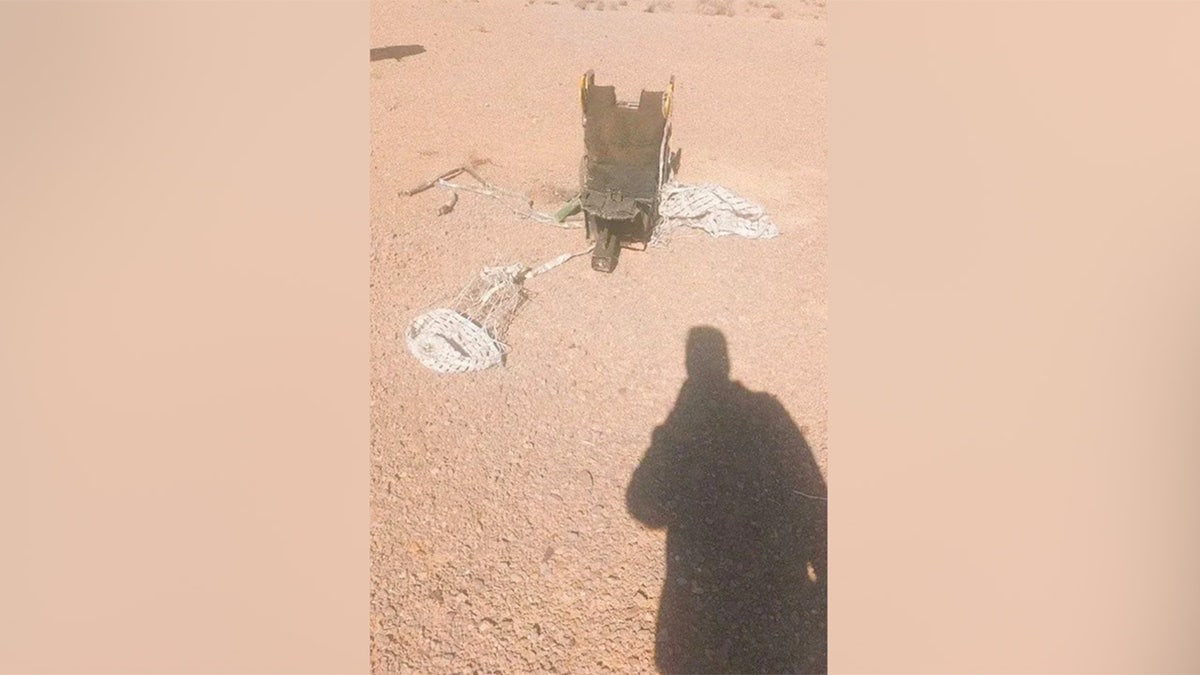
Image reportedly shows the ejector seat of the downed F-15. (Iranian state media)
CLICK HERE TO DOWNLOAD THE FOX NEWS APP
«They have no anti-aircraft equipment,» Trump said. «Their radar is 100% annihilated. We are unstoppable.»
Trump also said he expected operations to wrap up within two to three weeks, but added. «We are going to hit them extremely hard over the next two to three weeks.»
Thirteen U.S. service members have lost their lives in Operation Epic Fury, and more than 350 have suffered injuries, though most have already returned to service, according to Central Command.
war with iran, iran, donald trump

El Gobierno precisa retomar rápidamente la agenda económica: desinflación y mejora del consumo serán prioridades

Another Eden Begins y más juegos confirman fechas para Nintendo Switch / Nintendo Switch 2 – Nintenderos

Todos los detalles del nuevo estadio del Inter Miami: de la tribuna dedicada a Messi a las 23 hectáreas del predio

¿Superávit en tensión?: cuáles son las tres leyes que pueden presionar el objetivo fiscal del Gobierno

Mirtha Legrand se lució con un vestido color celeste con brillos y demostró por qué es un ícono de la moda

Con varios cambios: la formación de River Plate vs. Belgrano, por la fecha 13 del Torneo Apertura

El Gobierno reevalúa la estrategia de comunicación por el caso Adorni y mide el impacto en la imagen de Milei

Milei se pone al frente de la defensa de Adorni y lo suma a un acto por Malvinas en una nueva muestra de respaldo

Oriana Sabatini sorprendió al elegir a una famosa como madrina de Gia, su hija con Paulo Dybala

Banco lanza un plazo fijo inédito: sigue a la inflación y permite retirar intereses todos los meses

 POLITICA3 días ago
Milei se pone al frente de la defensa de Adorni y lo suma a un acto por Malvinas en una nueva muestra de respaldo
- CHIMENTOS2 días ago
Oriana Sabatini sorprendió al elegir a una famosa como madrina de Gia, su hija con Paulo Dybala
- POLITICA2 días ago
La Armada sorteará 30 lugares en el buque que escoltará la salida de la Fragata Libertad: cómo anotarse