INTERNACIONAL
Organización religiosa impulsa acciones para prevenir la trata de personas en El Salvador


Organizaciones religiosas y civiles en El Salvador buscan fortalecer la prevención para evitar la trata de personas y la atención a víctimas en comunidades vulnerables. La iniciativa, que cumple su duodécima edición, promueve la sensibilización y la acción coordinada entre parroquias, centros educativos y familias, bajo el lema de este año: “La paz comienza con la dignidad”.
Verónica Márquez Núñez, apostólica del Corazón de Jesús, y Neri Marcela Ramírez, hermana del Ángel de la Guarda, forman parte de la Red Rama contra la Trata de Personas, organización que está integrada por diversas congregaciones religiosas que trabajan en la prevención y visibilización de este delito tanto a nivel nacional como internacional.
Márquez explicó que la red tiene sus raíces en una convocatoria realizada por el Papa Francisco en 2015, quien instituyó el 8 de febrero como día de oración y reflexión, en coincidencia con la memoria de Santa Josefina Bakhita, símbolo de resistencia frente a la esclavitud moderna.
En entrevista matutina en radio YSUCA, ambas representantes explicaron que la Red Rama está compuesta por religiosas y religiosos de diferentes congregaciones asentadas en El Salvador, que colaboran con redes similares en la región, como las de Guatemala y Honduras, y con la plataforma global Talitha Kum, respaldada por la Unión Internacional de Superioras Generales.
La conexión internacional permite compartir estrategias y fortalecer las acciones de prevención y atención a víctimas en contextos de alta migración y vulnerabilidad.
En ese sentido, Ramírez detalló que ejecutan acciones para informar a la población sobre los riesgos y señales de la trata de personas. “Lo hacemos en parroquias, centros educativos y con jóvenes, para que puedan identificar ofertas engañosas de trabajo o estudio que suelen ser la puerta de entrada para los tratantes”, indicó la religiosa durante el espacio radial.
Las actividades incluyen talleres, jornadas de formación y encuentros con agentes de pastoral, quienes multiplican la información dentro de sus comunidades.

Las representantes de la red Rama explicaron que las señales de alerta incluyen promesas de empleo o estudios con demasiadas facilidades, entrevistas laborales poco claras y ofertas a través de redes sociales, especialmente dirigidas a jóvenes y adolescentes.
Márquez subrayó la importancia de la vigilancia adulta sobre los menores y la necesidad de supervisar el uso de medios digitales, donde los tratantes suelen captar a sus víctimas.
Las acciones de la Red Rama no se limitan a jornadas puntuales. Ramírez señaló que durante todo el año se desarrollan actividades de prevención, formación y acompañamiento.
“Trabajamos también con familias, enfatizando el cuidado en el uso de internet y la importancia de mantener una comunicación abierta con los hijos”, explicó. Las formaciones incluyen la participación de referentes familiares y buscan dotar a las comunidades de herramientas para proteger a los menores.
En el marco de conmemoración del fallecimiento de Santa Josefina Bakhita (8 de febrero), la red Rama impulsa la Jornada Mundial de Oración contra la Trata de Personas, que comprende una eucaristía y vigilia de oración en la parroquia San Antonio de Padua en San Jacinto, donde se espera la participación de fieles y organizaciones aliadas. Márquez destacó que esta actividad se replica en los cinco continentes, en una movilización global promovida por la Iglesia Católica y sus redes asociadas.
La trata de personas afecta principalmente a mujeres, niñas y adolescentes, aunque también hay casos de hombres y menores, según relataron las integrantes de la red.
“La captación puede ser por engaño, por ofertas laborales o educativas, y siempre implica una vulneración de derechos y abuso de poder”, señaló Ramírez. El fenómeno tiene impacto en la salud física y psicológica de las víctimas, por lo que la red enfatiza la acogida y la escucha para evitar la revictimización.

Márquez subrayó que la dignidad es el eje de la campaña de este año. “Una persona que ha sido víctima de trata necesita reconstruir su dignidad. Acompañar ese proceso es fundamental”, afirmó. La red también articula con otras instituciones para derivar a las víctimas hacia servicios especializados y mantener un enfoque de trabajo conjunto, dado que los tratantes operan con estructuras complejas y transnacionales.
Aunque la Red Rama no dispone de estadísticas propias, sus integrantes advierten que la trata persiste en el país y que existen casos relacionados con migrantes de países vecinos. El Gobierno salvadoreño aborda el delito bajo tres ejes: enjuiciamiento, protección y prevención.
El trabajo de la red ha permitido, según la red Rama, que aumente el nivel de conciencia en comunidades y centros educativos. Al inicio de cada taller, las religiosas constatan que los jóvenes conocen el concepto de trata y pueden identificar situaciones de riesgo. No obstante, persiste el silencio y el temor entre las familias, especialmente en contextos de migración y desintegración familiar.
La Red Rama contra la Trata de Personas articula esfuerzos de congregaciones religiosas en El Salvador con el objetivo de prevenir, visibilizar y atender la trata a través de acciones educativas, de acompañamiento y oración. Las religiosas mantienen una actitud de apertura para atender solicitudes de formación en parroquias y escuelas, y subrayan la importancia de que la sociedad y las autoridades se comprometan en la defensa de la dignidad humana ante este delito.
corresponsal:Desde San Salvador, El Salvador











INTERNACIONAL
Trump estableció inicialmente cinco objetivos para la guerra contra Irán. Así están las cosas

1. “Vamos a destruir sus misiles y arrasar su industria armamentística. Quedará totalmente aniquilada de nuevo.”
2. “Vamos a aniquilar su armada.”
3. “Nos aseguraremos de que los grupos terroristas afines a la región ya no puedan desestabilizar la región ni el mundo»
4. “Y nos aseguraremos de que Irán no obtenga un arma nuclear. Es un mensaje muy sencillo. Nunca tendrán un arma nuclear.”
5. “Finalmente, al gran y orgulloso pueblo de Irán, les digo esta noche que la hora de su libertad está cerca. «

NEWYou can now listen to Fox News articles!
The Islamic Republic of Iran is on track to exceed the record number of executions it carried out against opponents in 2025, with 657 executions in the first three months of the year, according to the Iran Human Rights Society.
Hiding behind the war with the U.S. and Israel, critics say the regime appears desperate to eliminate opposition, particularly following anti-regime demonstrations that shook the nation’s rulers and resulted in tens of thousands being murdered by the country’s security forces and militias.
In March, the regime was met with condemnations, including from President Donald Trump, over the execution of 19-year-old wrestler Saleh Mohammadi.
MOJTABA KHAMENEI REGIME EXECUTES CHAMPION WRESTLER AS IRAN INTENSIFIES BRUTAL CRACKDOWN DURING WAR
A protester holds ‘Stop executions in Iran’ and ‘Free Iran’ placards during the demonstration. Demonstrators gathered outside Downing Street in protest against executions in Iran and in support of freedom for Iran. (Vuk Valcic/SOPA Images/LightRocket via Getty Images)
On Iran’s latest killing spree, a State Department spokesperson told Fox News Digital, «This latest barbaric act is more evidence of why the regime can never be allowed the advanced capabilities that we are destroying.»
The United Nations Special Rapporteur on the situation of human rights in the Islamic Republic of Iran, Mai Sato, said that since the start of the war at least six executions took place as of March 30, and noted on her X account that an additional two executions took place on March 31.
Sato described the regime’s known victims as protesters, an accused spy for Israel, and individuals charged with «armed rebellion» against the regime. Sato said that «due to the internet blackout, it is unclear who else has been executed or are at risk of execution.» She said, «What is clear is that the death penalty is being used as a tool for suppressing political opposition in wartime conditions.»
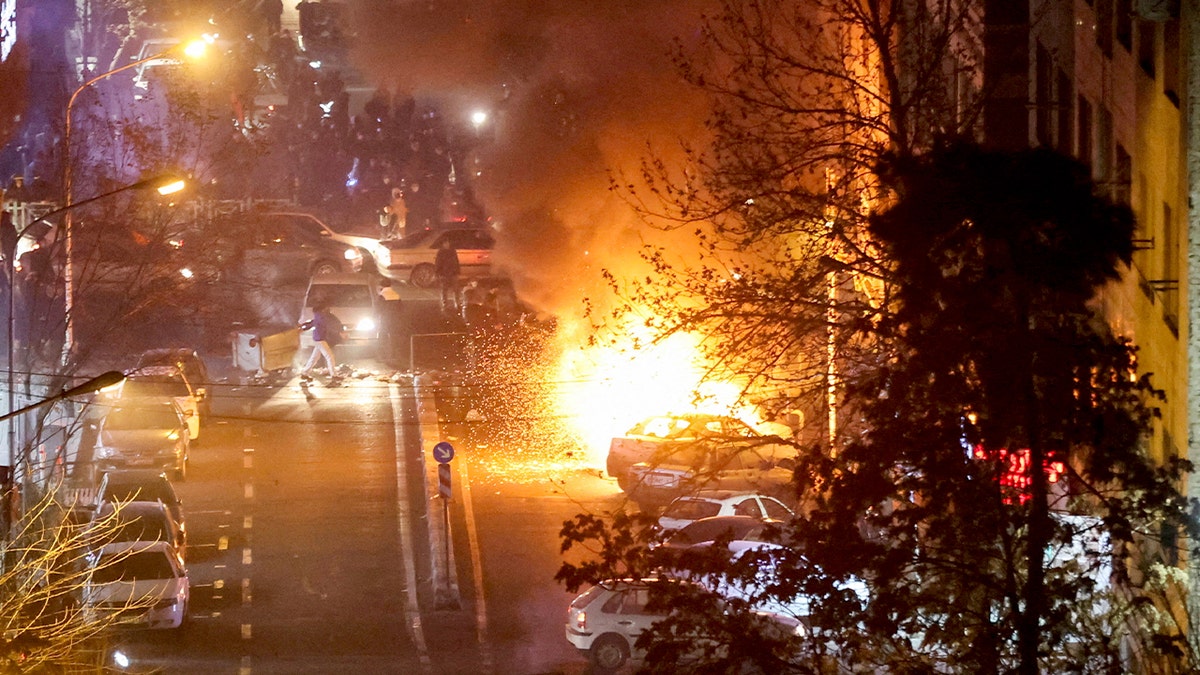
Cars burn in a street during a protest over the collapse of the currency’s value in Tehran, Iran, Jan. 8, 2026. (Stringer/WANA (West Asia News Agency) via REUTERS)
IRAN’S INTERNET BLACKOUT HIDING STRIKE DAMAGE AND SUPPRESSING DISSENT, ISRAELI OFFICIALS SAY
The Secretariat of the NCRI provided a written statement to Fox News Digital describing the recent executions of four members of the Iranian dissident organization People’s Mohahedin Organization of Iran (PMOE/MEK). The NCRI said members Mohammad Taghavi and Akbar Daneshvarkar were transferred from Ghezel Hesar prison on March 29, and executed the following morning. Four additional members of the group, Babak Alipour, Vahid Bani Amerian, Abolhassan Montazer and Pouya Ghobadi, were transferred as well. On March 31, the regime executed Alipour and Ghobadi.
Ali Safavi, a member of the NCRI’s Foreign Affairs Committee, called for «urgent action» to save the lives of Amerian and Montazer.
Maryam Rajavi, the president-elect of the NCRI, posted on X that the execution conducted on March 31 «reflects the clerical regime’s fear and desperation.» She called on the United Nations and its member states to engage in «practical and effective measures, including the closure of embassies and the expulsion of the regime’s terrorist diplomats and agents.»
CLICK HERE TO DOWNLOAD THE FOX NEWS APP
Before the Islamic Republic killed thousands of its own people during January protests, the United Nations Office of the High Commissioner for Human Rights stated that the Islamic Republic carried out «at least» 1,500 executions in 2025. According to the High Commissioner, «the scale and pace of executions suggest a systematic use of capital punishment as a tool of State intimidation, with disproportionate impact on ethnic minorities and migrants.»
Amnesty International has raised similar concerns, and additionally noted that five «young protesters» now «face the imminent risk of execution,» having been transferred from Ghezal Hesar «to an unidentified location» as of March 31.
war with iran, terrorism, world protests
INTERNACIONAL
FLASHBACK: Trump’s ‘Liberation Day’ tariffs hit one-year mark as economists split on fallout
NEWYou can now listen to Fox News articles!
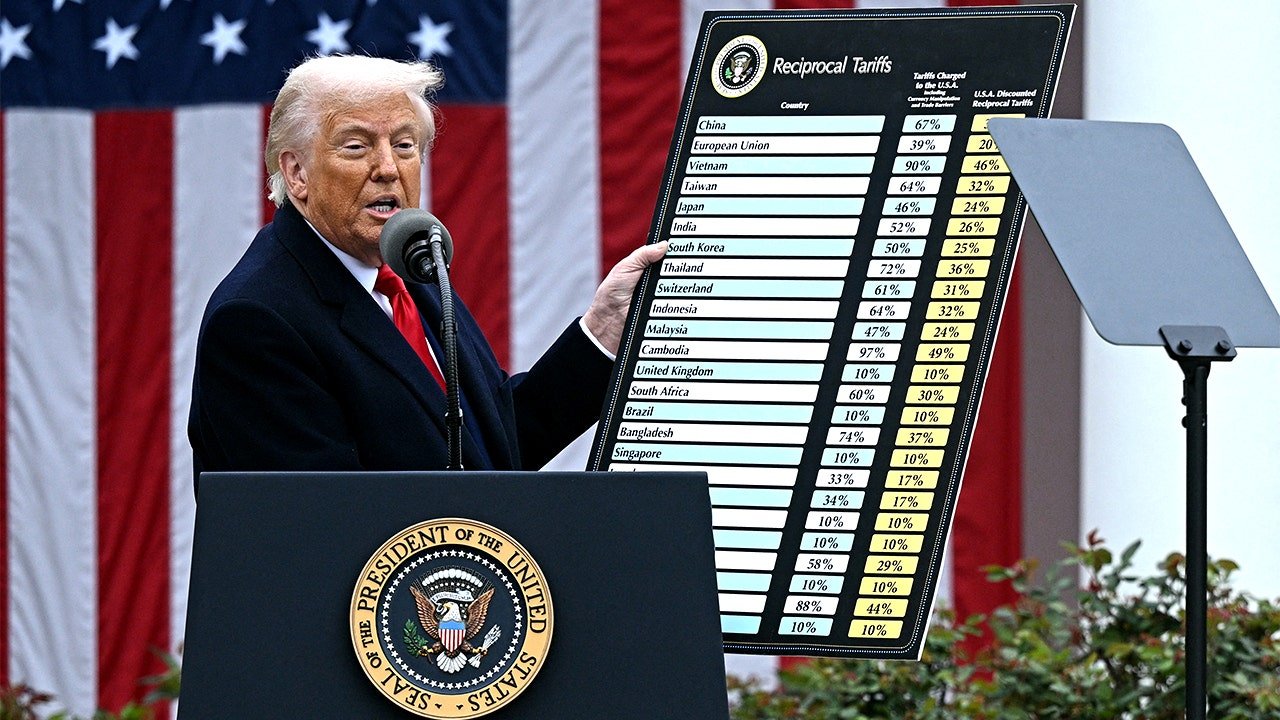
A year ago today, President Donald Trump announced a sweeping new round of global tariffs, escalating trade tensions with key allies and adversaries alike, raising fresh concerns about the outlook for the U.S. and global economy.
The «Liberation Day» tariffs were introduced as a broad set of import taxes that Trump said would correct long-standing trade imbalances and reduce U.S. reliance on foreign goods.
In the months that followed, markets experienced bouts of volatility as businesses and investors adjusted to the shifting trade landscape. Policymakers and economists, meanwhile, debated the longer-term impact on growth, inflation and global trade flows.
Many economists warned of potential consequences, including higher prices, slower growth and rising uncertainty for businesses and investors.
TRUMP SAYS US WOULD BE ‘DESTROYED’ WITHOUT TARIFF REVENUE
President Donald Trump announced his «Liberation Day» tariffs on April 2, 2025, at the White House. (Brendan Smialowski/AFP/Getty Images)
But not everyone agreed.
«Trump proved 12 Nobel Prize economists wrong,» economist Stephen Moore told Fox News Digital.
«Inflation didn’t rise. Why? Because the tax cuts, deregulation and ‘drill, baby, drill’ policies lowered prices and offset the tariffs,» added Moore, a former Trump adviser and co-founder of the free-market advocacy group Unleash Prosperity.
But Moore’s view was not widely shared. Here’s a look back at what other economists said at the time.
Larry Summers
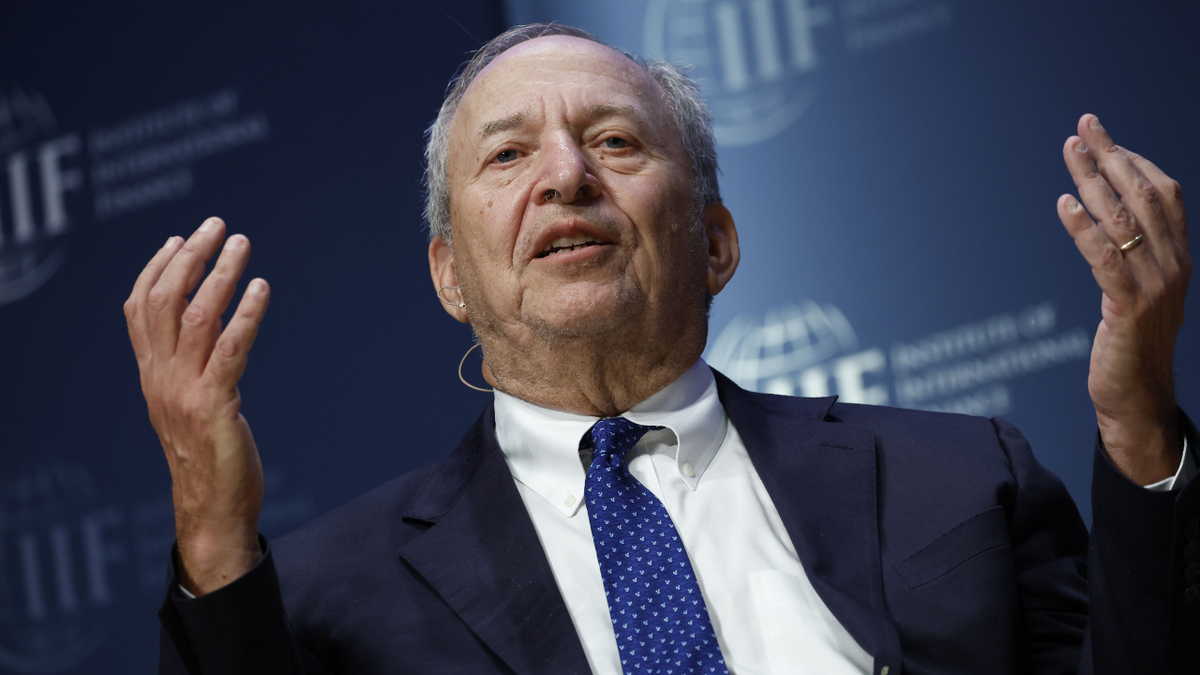
Lawrence Summers, former president emeritus and professor at Harvard University, called the tariff policy «masochistic.» (Ting Shen/Bloomberg via Getty Images)
Former Treasury Secretary Larry Summers called the ‘Liberation Day’ tariffs «masochistic,» saying they were the worst levy the U.S. had imposed in decades.
«Never before has an hour of Presidential rhetoric cost so many people so much,» Summers wrote on X. «The best estimate of the loss from tariff policy is now closer to $30 trillion or $300,000 per family of four.»
Paul Krugman
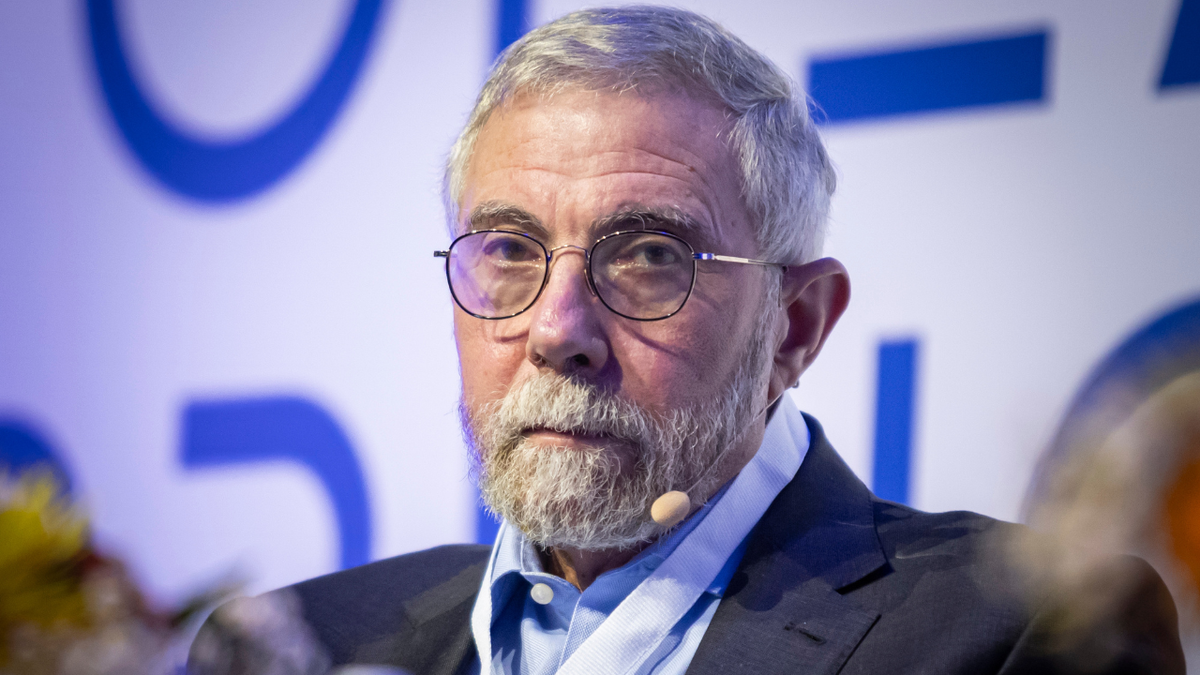
Paul Krugman, a Nobel laureate, said Trump had «gone full-on crazy» after the ‘Liberation Day’ tariffs were announced. (Gene Medi/NurPhoto via Getty Images)
Paul Krugman, a Nobel Prize–winning economist, said Trump had «gone full-on crazy» in the hours after the «Liberation Day» tariffs were announced.
«If you had any hopes that Trump would step back from the brink, this announcement, between the very high tariff rates and the complete falsehoods about what other countries do, should kill them,» Krugman, a former MIT and Princeton University professor, wrote in his Substack newsletter.
Christine Lagarde
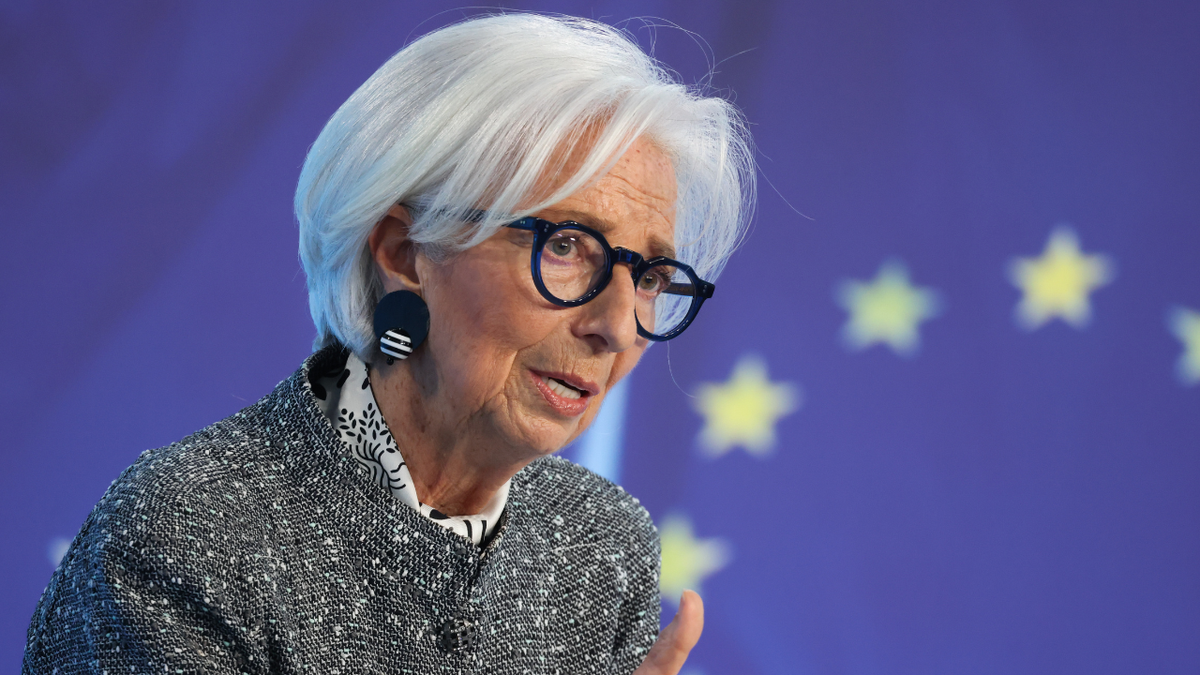
Christine Lagarde, president of the European Central Bank (ECB), at a rates decision news conference in Frankfurt, Hesse, Germany, on Thursday, March 19, 2026. (Alex Kraus/Bloomberg via Getty Images)
Christine Lagarde, president of the European Central Bank, warned that the tariffs would be «negative the world over,» in an interview with Ireland’s Newstalk.
She said Trump’s trade policy would weigh on global growth and carry broad consequences.
«It will not be good for the global economy, and it will not be good for those who impose the tariffs or those who retaliate,» Lagarde said.
Joseph Stiglitz
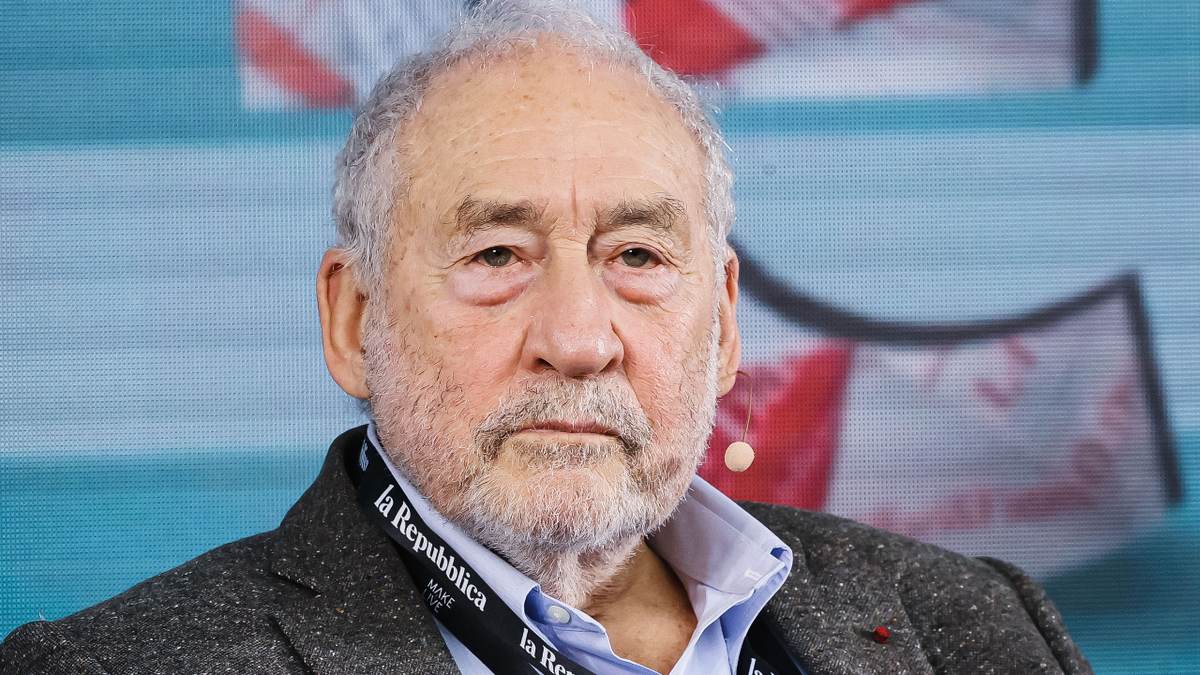
Joseph Stiglitz said the Trump administration’s tariffs would «crater the economy.» (Alessandro Bremec/NurPhoto via Getty Images)
Economist Joseph Stiglitz said Trump’s tariff threats have made the U.S. «a scary place to invest» and could unleash stagflation. Stagflation refers to a combination of slow economic growth and rising prices. Stiglitz, a Columbia University professor and former World Bank economist, warned in an interview with The Guardian that he does not see a strong economic outlook ahead.
«I cannot see a really robust economy,» said Joseph Stiglitz, former chair of President Bill Clinton’s Council of Economic Advisers. «I see the global economy suffering greatly from the uncertainty that Trump poses.»
He also said the inflation triggered by the tariffs is moving in the wrong direction and that the only thing the Trump administration will succeed in doing is «to crater the economy.»
Jared Bernstein
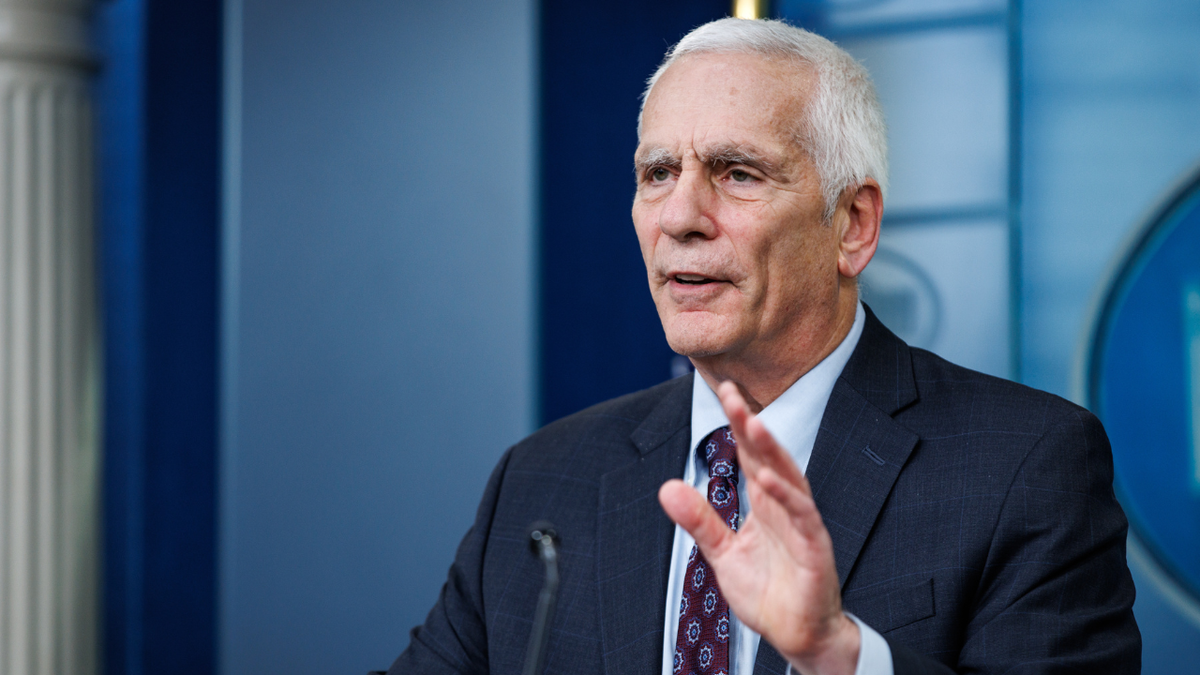
Jared Bernstein, chair of the White House Council of Economic Advisors, said the Trump administration may reverse course on tariffs if economic pressures intensify. (Samuel Corum/Sipa/Bloomberg via Getty Images)
Jared Bernstein, the former White House chief economist under President Joe Biden, said the U.S. is a «large, dominant economy» that is relatively closed, meaning it relies less on trade than most countries.
«That means, as Trump has argued, we can hurt other countries more than they can hurt us,» Bernstein said. «But he hasn’t offered a clear rationale for why we should start a trade war with traditionally reliable partners like Canada, Mexico, Japan, and Europe.»
Bernstein said Trump may reverse course if mounting economic pressures—such as higher inflation, slower growth, falling stock prices and rising recession risks—intensify from the tariffs.
«So far, that may have been the approach in Trump’s first term; it doesn’t appear to be the approach this time around,» he said.
Mohamed El-Erian
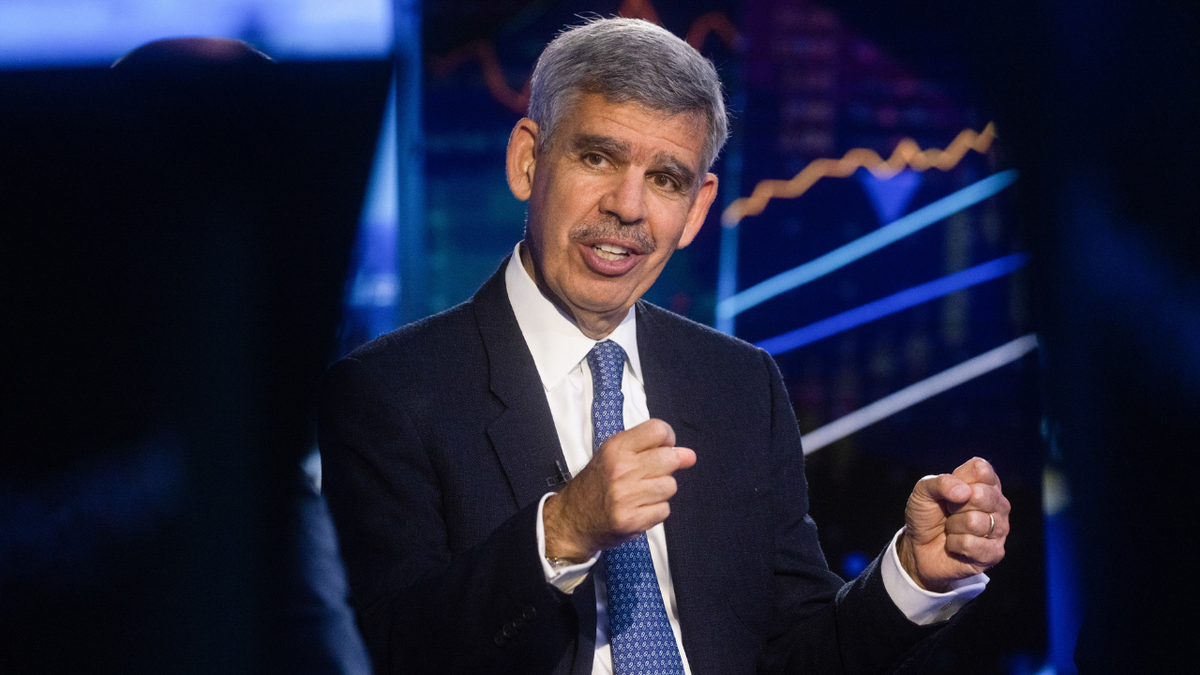
Mohamed El-Erian, chief economic advisor for Allianz, said the U.S. economy could adjust to the tariffs provided the White House shared more details about the trade policy. (Chris Ratcliffe/Bloomberg via Getty Images)
Allianz chief economic adviser Mohamed El-Erian called for clarity from the White House. «If we get clarity on this, this is an economy that can adjust,» he told FOX Business.
El-Erian, the former CEO of bond giant PIMCO, wrote on X that «the price action in global financial markets in the immediate aftermath of the U.S. tariff announcement points to major worries about global economic growth.»
Bill Gross
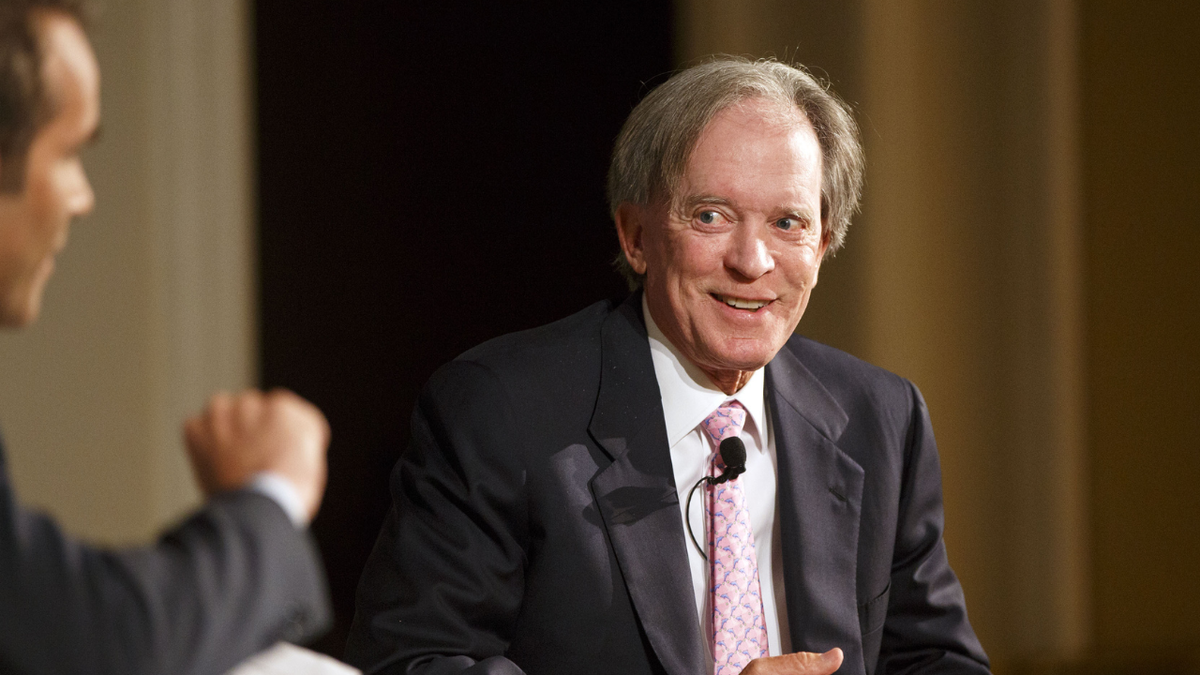
Bill Gross, co-founder of PIMCO, said he did not believe Trump would reverse course on tariffs, even if there was economic pressure. (Patrick T. Fallon/Bloomberg via Getty Images)
Bill Gross, the co-founder of Pacific Investment Management Co., known as Pimco, said the latest round of tariffs is «similar to going off the gold standard in 1971″—an «epic» shift that markets won’t quickly recover from.
«It’s not something where you can time a market bottom quickly,» Gross told CNBC. «It’s something we’re going to have to live with as long as President Trump maintains this stance.»
CLICK HERE TO DOWNLOAD THE FOX NEWS APP
Gross, dubbed the «Bond King,» added that he does not expect Trump to reverse course. «To be very blunt, President Trump is a macho male, and this macho male is not going to back down tomorrow simply because the Nasdaq is down 5%,» he said.
trade, economy, donald trump, politics

Oriana Sabatini sorprendió al elegir a una famosa como madrina de Gia, su hija con Paulo Dybala

"Ha callado a los que dudaban y a la Bolsa". Crimson Desert no es solo un éxito, sus autores ahora son 200 veces más ricos que antes

Martín Menem: “Pongo las manos en el fuego por Manuel Adorni”

Renunció el presidente de la Federación Italiana de Fútbol, días después del fracaso mundialista

Pidieron investigar a funcionarios y legisladores de LLA que recibieron créditos del Banco Nación: cuál es la explicación oficial

Cuánto cuesta asegurar un auto: lo que hay que tener en cuenta

Nuevas críticas de Marcela Pagano contra los Milei: “Karina es la que gobierna”, aseguró

Dos jubiladas que le habrían prestado dinero a Manuel Adorni negaron conocerlo

Quiénes son las dos acreedoras del préstamo con el que Adorni compró su departamento en Caballito

El incómodo momento que Wanda Nara y Martín Migueles le habrían hecho pasar a los japoneses en el tren bala: la foto

 POLITICA2 días ago
Dos jubiladas que le habrían prestado dinero a Manuel Adorni negaron conocerlo
- POLITICA3 días ago
Quiénes son las dos acreedoras del préstamo con el que Adorni compró su departamento en Caballito
- POLITICA1 día ago
El Gobierno reevalúa la estrategia de comunicación por el caso Adorni y mide el impacto en la imagen de Milei